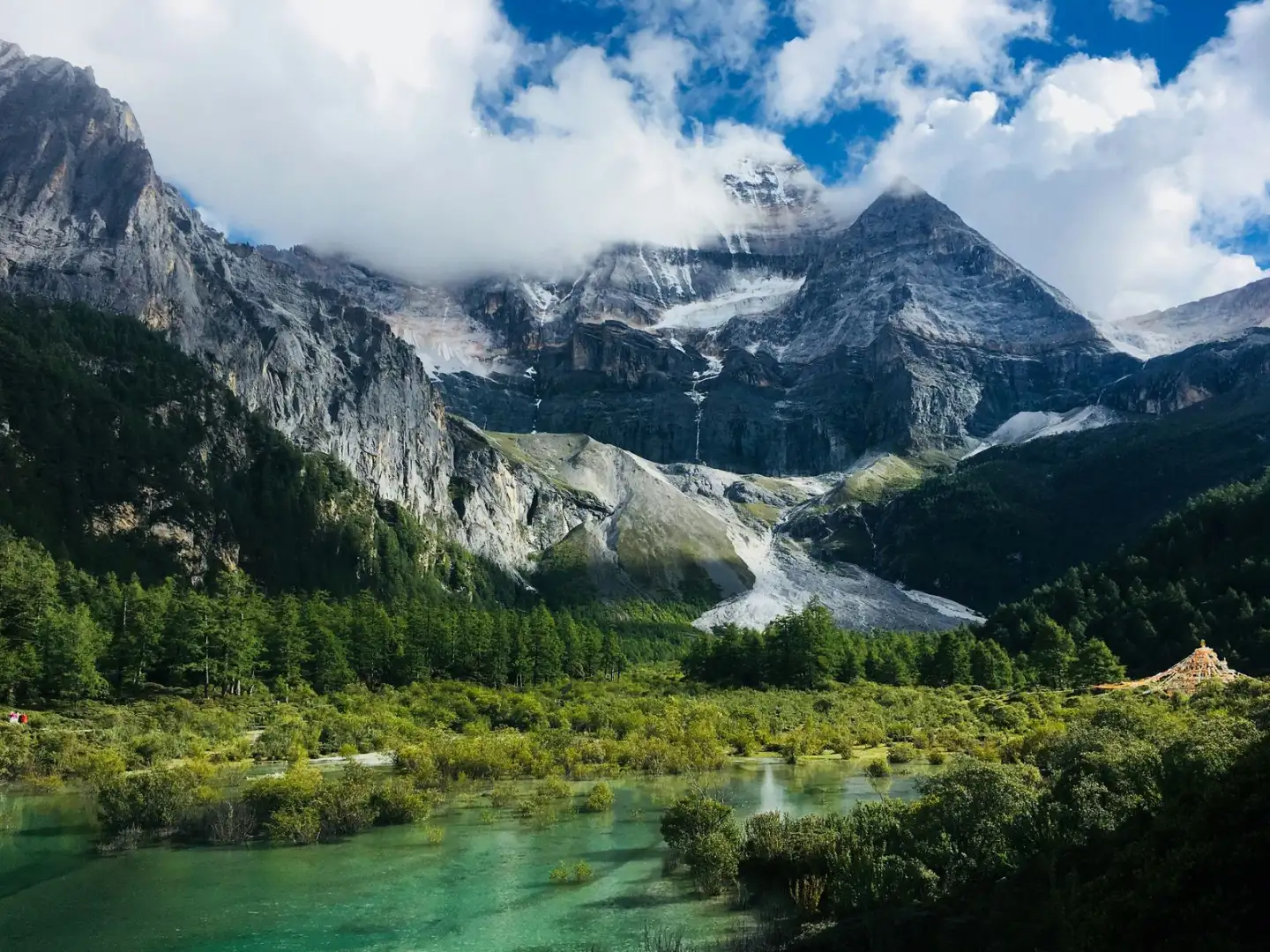





 18 days China, End to End Beijing → Xi'an → Chuanzhusi → Jiuzhaigou → Chengdu → Zhangjiajie → Guilin → Yangshuo → Shenzhen From $6,360 View route
 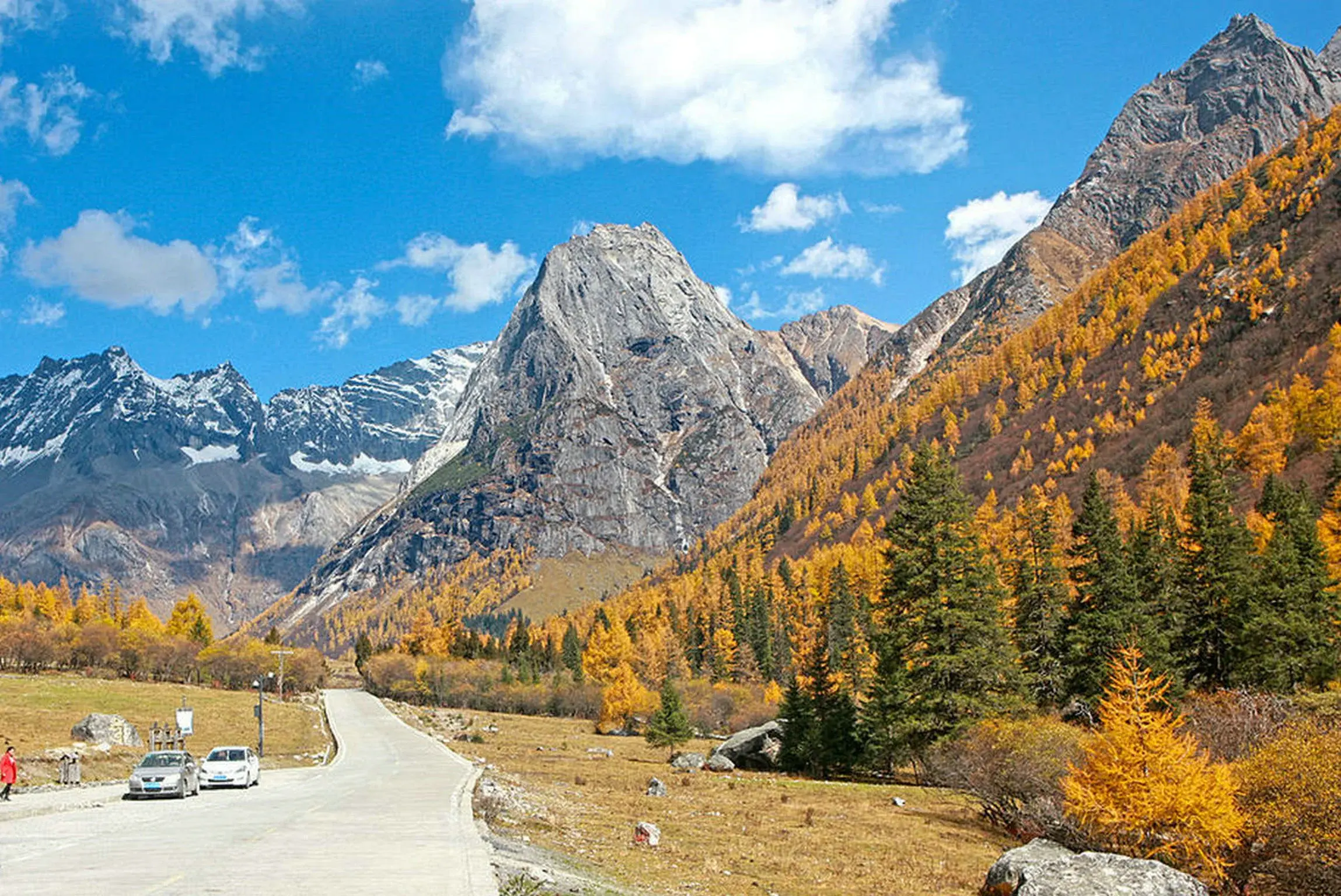 3 days 4-Day Tour of Siguniang Mountain, Biepa Gou, and Dagu Glacier Chengdu → Lixian → Heishui County From $1,599 View route
 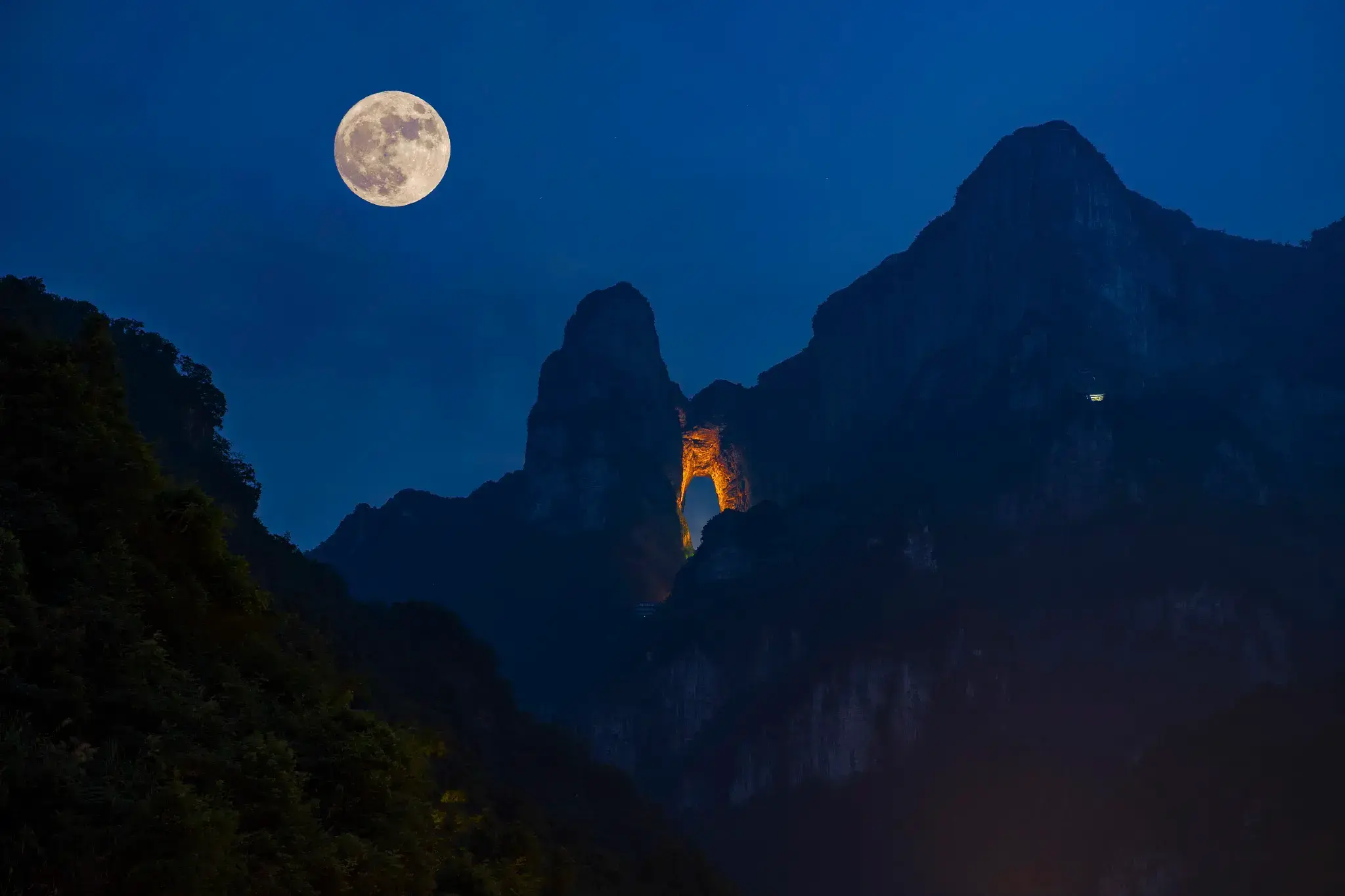 5 days Above the Pillars, Then Below Zhangjiajie From $1,430 View route
  3 days After the Last Booth Guangzhou From $840 View route
  13 days All the Way West Xi'an → Dunhuang → Turpan → Kashgar → Shanghai From $3,500 View route
 TL;DR
China has 59 UNESCO World Heritage Sites — tied with Italy for the most of any country — and you cannot see them in one trip. The useful question is not "what are the best places in China" but "which four or five belong on my trip." Most first visits work best as Beijing plus one landscape plus one city, over 10–14 days. This page lists 15 places that reliably earn their place, what each one actually asks of you in time and effort, and who should skip it.
How to choose, in one table
| If you have | Take | Why |
|---|---|---|
| 7–8 days | Beijing + Shanghai | Two flights, no compromises, the two anchors most people want |
| 10–12 days | Beijing + Xi'an + Guilin/Yangshuo | Classic first trip: wall, warriors, karst rivers |
| 14 days | Beijing + Xi'an + Chengdu + Shanghai | Adds pandas and a food city without rushing |
| 14 days, landscape-led | Beijing + Zhangjiajie + Guilin + Hong Kong | Skips the museum circuit for scenery |
| A second trip | Yunnan, the Silk Road, or Tibet | Each needs 8+ days on its own |
| Winter only | Harbin + Beijing, or Yunnan + Hainan | The two things winter does better than any other season |
The one rule that matters more than the list: don't try to add a fifth city. Internal flights and high-speed rail are fast, but transfers still cost half a day each, and four bases in two weeks is already a brisk pace.
The 15, compared
| Place | Days | Best season | Suits | The catch |
|---|---|---|---|---|
| Great Wall | 1 | Apr–May, Sep–Oct | Everyone | Section choice matters more than the wall itself |
| Forbidden City | ½–1 | Year-round | Everyone | Passport booking required, daily cap hits by 9 AM |
| Terracotta Army | ½ + 1 night Xi'an | Apr–May, Sep–Oct | First trips, history | Half a day of travel for a 2-hour site |
| Li River / Yangshuo | 2–3 | Apr–May, Sep–Nov | First trips, photography | Jun–Aug rain and haze flatten the view |
| Zhangjiajie | 2–3 | Sep–Oct | Landscape-led trips | Cable cars need booking in peak months |
| Huangshan | 2 | Apr–May, Sep–Oct | Hikers | Real stair climbing even with the cable car |
| Yunnan | 6–8 | Year-round | Second trips, summer | Too far to bolt onto a classic route |
| Tibet | 6–8 | May–Oct | Committed travellers | Permit, organised itinerary, altitude days |
| Shanghai | 2–3 | Mar–May, Sep–Nov | Everyone | Jul–Aug is 35°C at 80% humidity |
| Chengdu | 2–3 | Mar–Jun, Sep–Nov | Food, families | Pandas are only active early morning |
| Water towns | 1 | Mar–May, Sep–Nov | Shanghai add-on | Weekend crowds are the whole complaint |
| Pingyao | 1 night | Apr–Oct | Beijing–Xi'an rail stop | Little to do beyond one full day |
| Silk Road | 10–14 | Apr–Jun, Sep–Oct | Third trips | A trip in itself, not an add-on |
| Harbin | 3 | Late Dec–Feb only | Winter travellers | −20°C and below; pointless off-season |
| Hong Kong | 2–3 | Oct–Dec | Southern route finish | Separate immigration from the mainland |
The three almost everyone comes for
The Great Wall
The Wall runs 21,196 km across northern China, but the decision that matters is which section you visit from Beijing.  Mutianyu is restored, has a cable car, and suits most visitors including families. Badaling is the closest and the most crowded — it is the section you see in the crowd photographs. Jinshanling is the one to walk if you want ridgeline hiking and few people.
Budget a full day from Beijing whichever you choose. Full comparison: Great Wall from Beijing.
The Forbidden City
The largest surviving palace complex in the world and China's most-visited museum at 17.6 million visitors in 2024. Tickets are capped at 80,000 a day and must be booked online in advance with your passport — this catches out more foreign visitors than anything else in Beijing.
Allow 3 hours for the central axis, 4–5 if you want the treasure galleries. Booking steps and route options: Forbidden City.
The Terracotta Army
Roughly 8,000 figures, each with a different face, buried around 210 BC and found by farmers digging a well in 1974. Pit 1 is the one everyone photographs; the Bronze Chariots hall is the one people skip and shouldn't.
Half a day from Xi'an, plus a night in the city for the Muslim Quarter. Details: Terracotta Warriors and Xi'an.
Landscapes worth restructuring a trip around
Li River and Yangshuo
The karst peaks on the back of the 20-yuan note. The river cruise from Guilin to Yangshuo is the postcard, but the decision is boat versus bamboo raft versus doing only the Xingping stretch — they differ in cost, time, and how close you get. See Li River cruise and Guilin.
Who should skip it: anyone travelling June–August, when heavy rain and haze routinely flatten the views.
Zhangjiajie
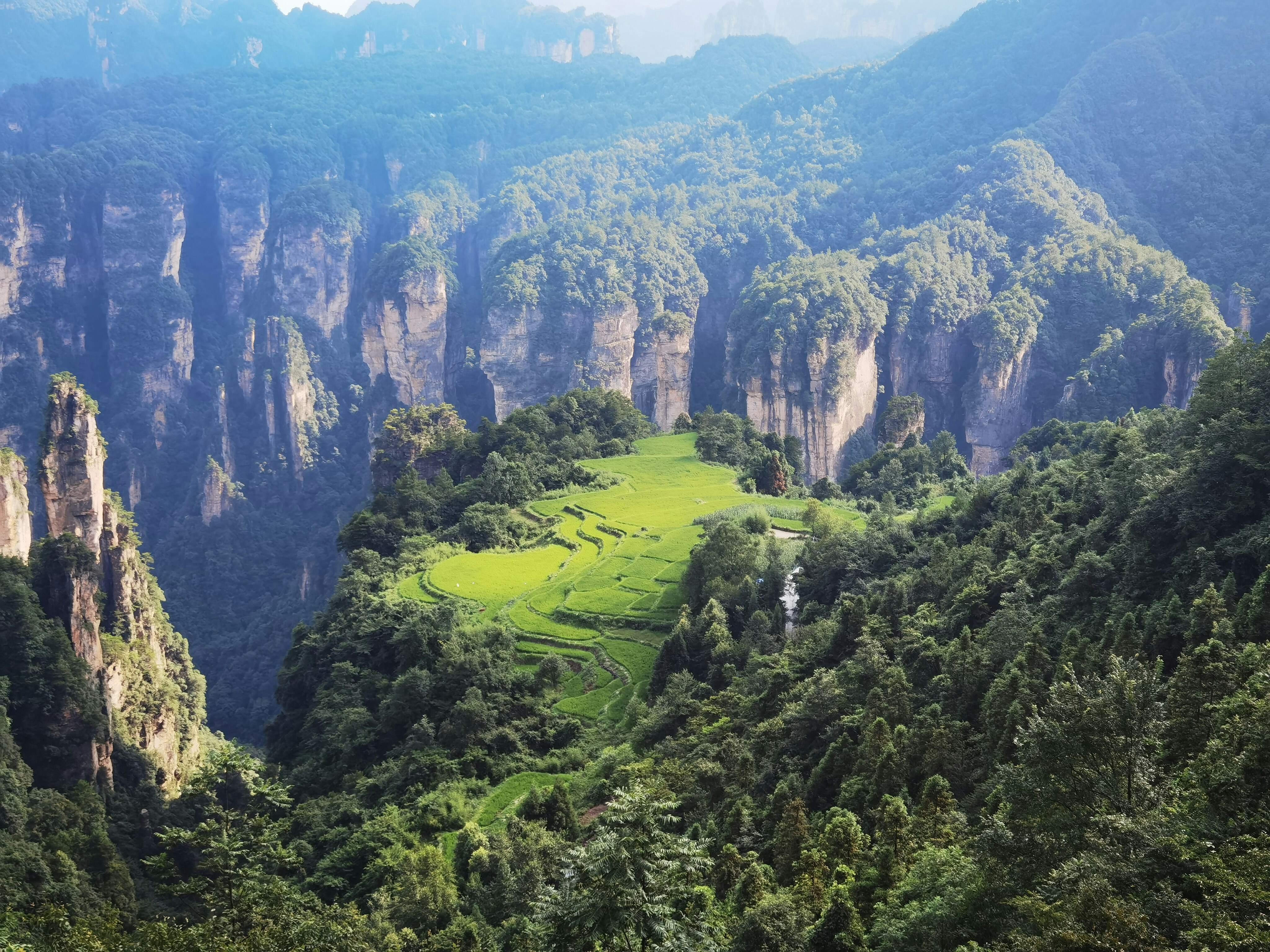
The sandstone pillars that inspired Avatar's floating mountains. It rewards 2–3 days rather than a day trip, and the park's cable cars and glass elevator need advance booking in peak months. Best in autumn. See Zhangjiajie.
Huangshan
Granite peaks, twisted pines and sea-of-cloud mornings, celebrated in Chinese painting for over a thousand years. This is a hiking destination — expect real stair climbs even with the cable car. Staying on the summit for sunrise is the whole point. See Huangshan.
Yunnan
The province that most rewards a slower second trip: Lijiang's old town, Dali's lake, Shangri-La's Tibetan plateau edge, and rice terraces in the south. Comfortable year-round at 10–25°C, which makes it one of the few good summer options. See Yunnan.
Tibet
The highest-commitment destination on this list. It needs a permit, an organised itinerary, and several days to acclimatise — Lhasa sits at 3,650 m. May to October only. See Tibet, and if you're bringing children, Tibet with kids first.
Cities that are the destination, not the transit
Shanghai
The Bund's colonial waterfront facing Pudong's skyline is the single most-photographed view in modern China, and the city is the easiest place in the country for a first-time visitor to walk around unaided. Two to three days. See Shanghai, the Bund, and what to eat.
Chengdu
Pandas plus the best street food in China plus a genuinely relaxed pace. The research base is best at opening time, when the pandas are actually active. Two days, three if you eat properly. See Chengdu and Chengdu street food.
Water towns near Shanghai
Canals, stone bridges and Ming-era houses within a day's reach of Shanghai — Zhouzhuang, Wuzhen, Xitang. Go on a weekday or stay overnight; the day-trip crowds are the main complaint. See water towns.
Further out, for a second or third trip
Pingyao
A complete Ming and Qing walled city, still lived in rather than reconstructed. One night is enough, and it sits neatly between Beijing and Xi'an on the rail line. See Pingyao.
The Silk Road
Dunhuang's Mogao Caves, the Gobi, Turpan's desert oases, Kashgar's markets. This is a 10–14 day trip on its own, not an add-on. Best April–June and September–October. See Silk Road.
Harbin
Worth timing a whole trip around, but only from late December to February. The Ice and Snow Festival's main park covers 1.2 million square metres of illuminated ice architecture; Ice and Snow World alone drew 3.56 million visitors in the 2024–25 season. Dress for −20°C and below. See Harbin.
Hong Kong
Easiest entry point in the region, and the natural end of a southern route via Guilin or Shenzhen. Best October to December. If you're combining it with the mainland, check the border crossing options first.
What this list leaves out on purpose
Three kinds of place don't make it here, and it's worth knowing why.
Sites that are famous but hard to justify on a first trip. The Leshan Giant Buddha and Mount Tai are extraordinary and both cost a full day of travel each from anywhere you'd otherwise be.
Cities that are better than their reputation but need context. Chongqing, Qingdao, Xiamen and Guizhou's minority villages reward travellers who already know what they like about China. See underrated cities.
Anything that only works in one season. Jiuzhaigou in October and Xinjiang's poplar forests in late September are spectacular and almost pointless at other times — plan around them or leave them out.
When to go
Timing changes this list more than budget does. April–May and September–October give the best weather nationally; mid-to-late October is the strongest single window. Avoid the first week of October entirely — National Day Golden Week put 888 million domestic trips on the road in 2025.
Full breakdown: best time to visit China.
Building the actual route
Once you've picked four or five, the order matters less than the transfers. High-speed rail is the right choice for Beijing–Xi'an and anything along the eastern corridor; fly for Chengdu, Guilin, Zhangjiajie and Yunnan.
For a worked example across two weeks, see Great Wall to Hong Kong in 14 days.
FAQ
What are China's must-visit attractions for a first trip?
The Great Wall, Forbidden City, Terracotta Warriors, Zhangjiajie, Guilin or Yangshuo, Chengdu pandas, Shanghai's Bund, and key Yunnan or Suzhou-Hangzhou sites are common anchors.
Which Great Wall section should most visitors choose?
Mutianyu is usually best for first-timers because it balances scenery, access, restoration quality, and manageable crowds better than Badaling.
How far ahead should I book major attractions?
Book high-demand sights as soon as the booking window opens, especially the Forbidden City, panda experiences, popular museums, and peak-season scenic areas.
Can I see all top 15 attractions in one China trip?
Technically yes with a long trip, but it is not ideal. Most travelers should choose a focused set based on history, nature, food, family needs, or photography.
Which attractions are hardest during holidays?
The Forbidden City, Great Wall, Terracotta Warriors, Zhangjiajie, major panda sites, and famous old towns can become very crowded during national holidays.
What is the best way to structure attraction days?
Put the most crowded attraction first in the morning, avoid stacking two huge sites on one day, and leave room for meals, transfers, and security checks.