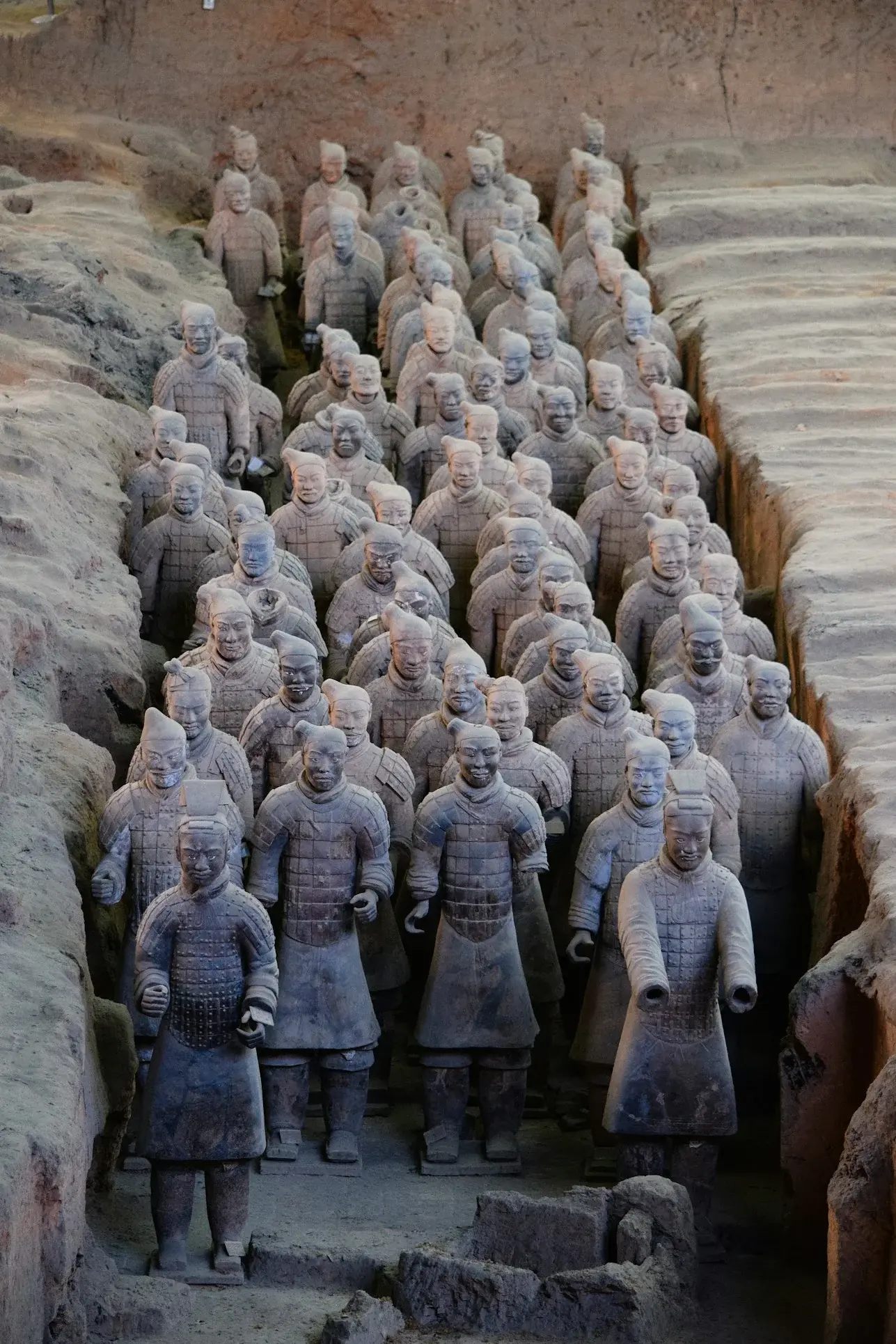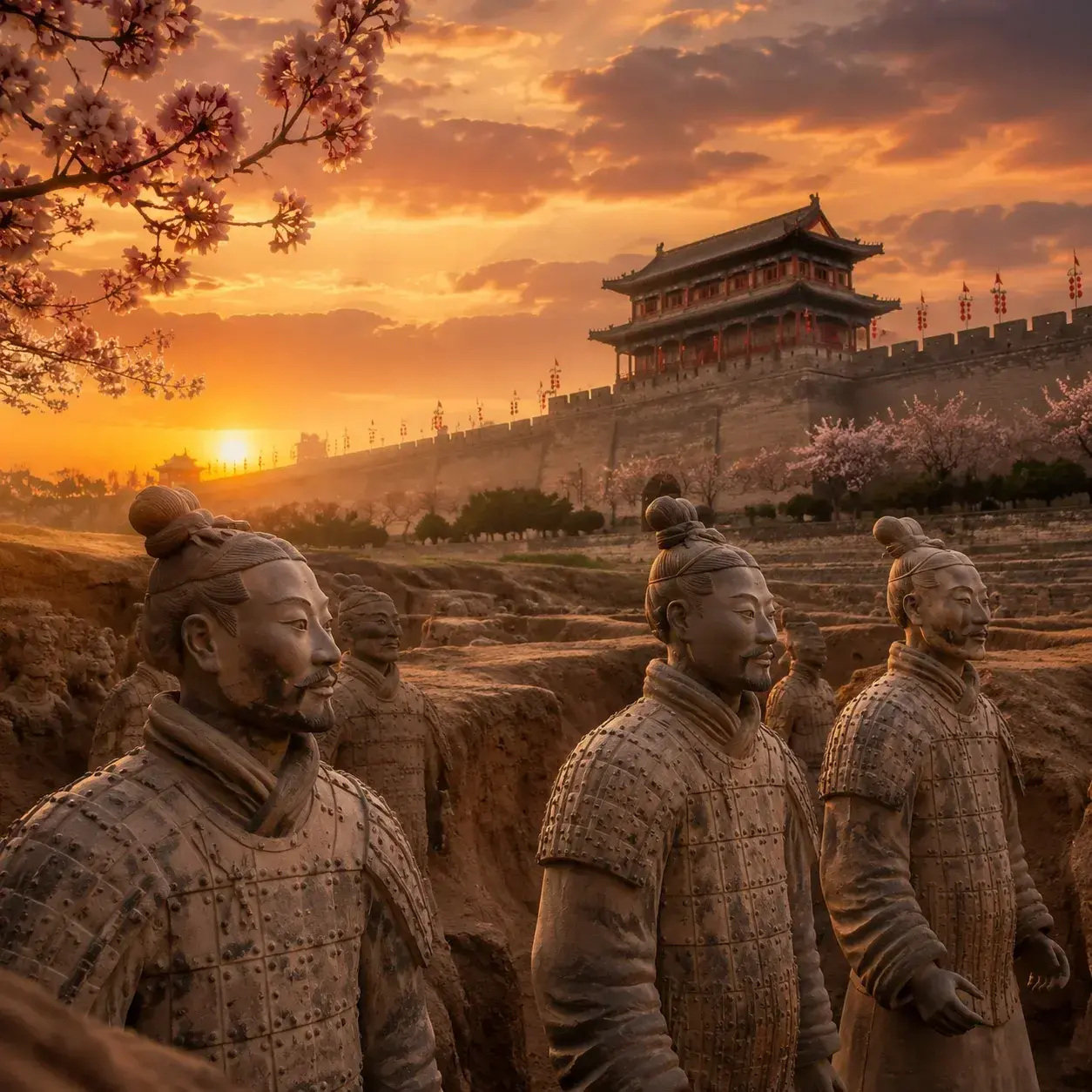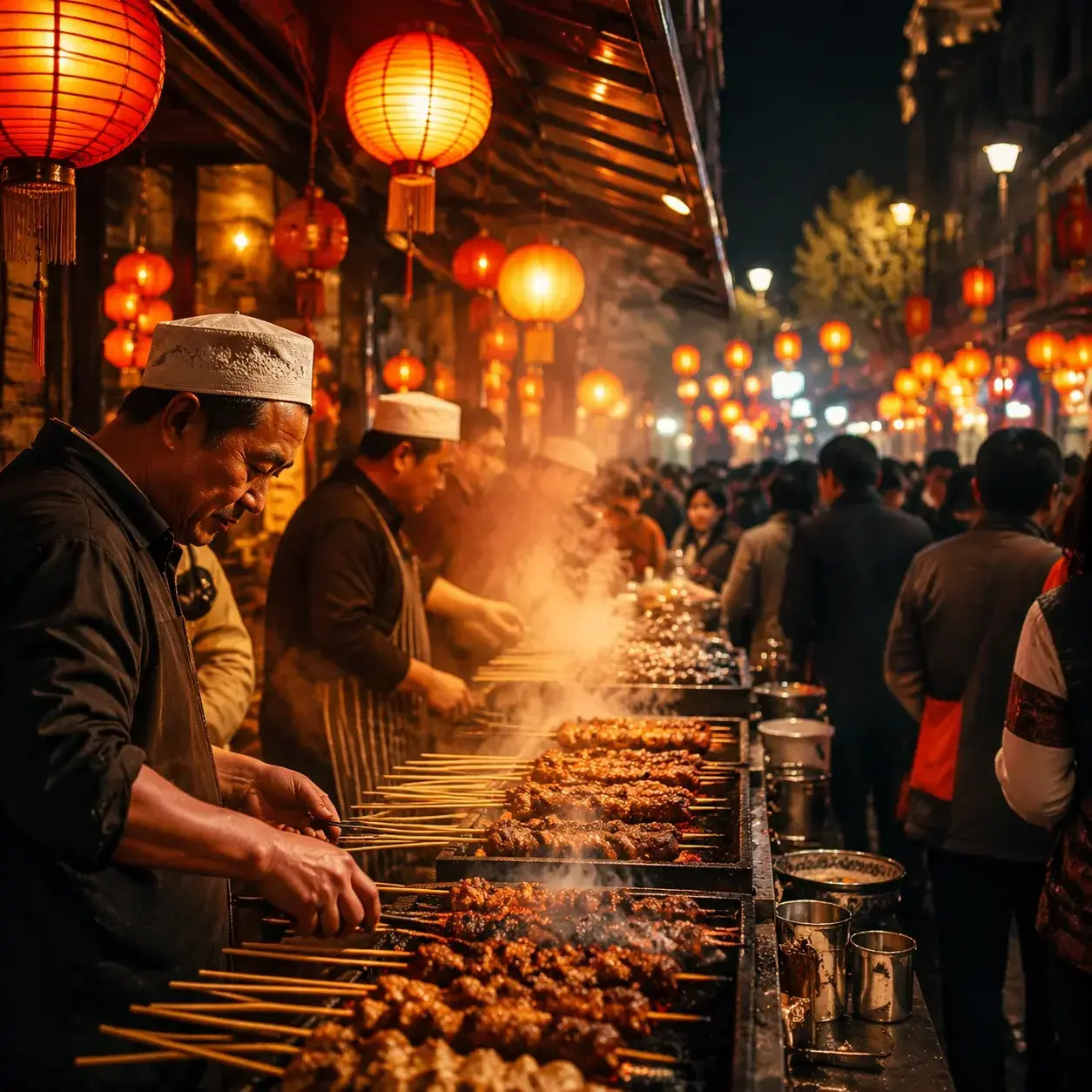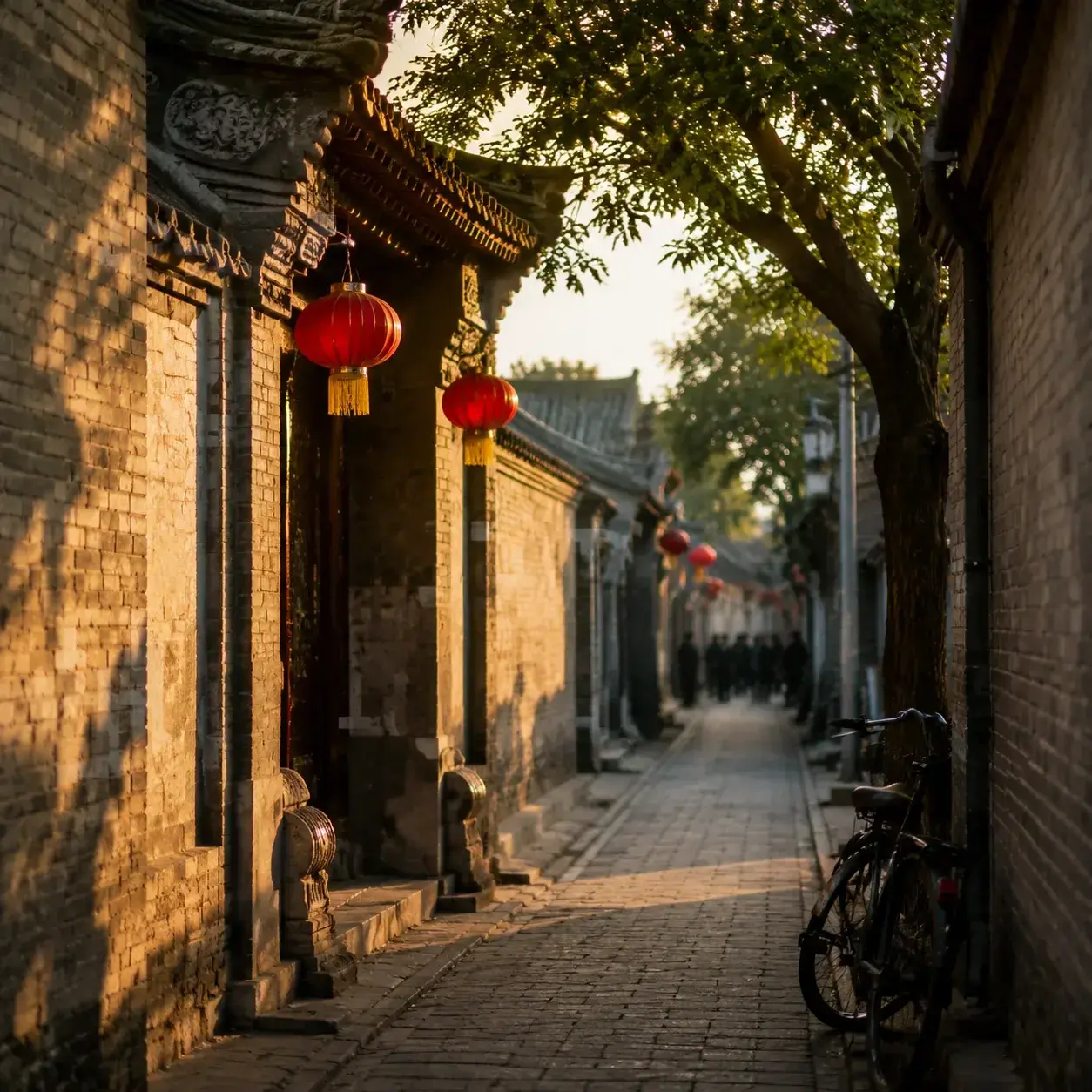




 18 days China, End to End Beijing → Xi'an → Chuanzhusi → Jiuzhaigou → Chengdu → Zhangjiajie → Guilin → Yangshuo → Shenzhen From $6,360 View route
  3 days 4-Day Tour of Siguniang Mountain, Biepa Gou, and Dagu Glacier Chengdu → Lixian → Heishui County From $1,599 View route
  5 days Above the Pillars, Then Below Zhangjiajie From $1,430 View route
  3 days After the Last Booth Guangzhou From $840 View route
  13 days All the Way West Xi'an → Dunhuang → Turpan → Kashgar → Shanghai From $3,500 View route
 Silk Road Travel Guide 2026: Routes, Cities & How to Travel the Ancient Trade Route
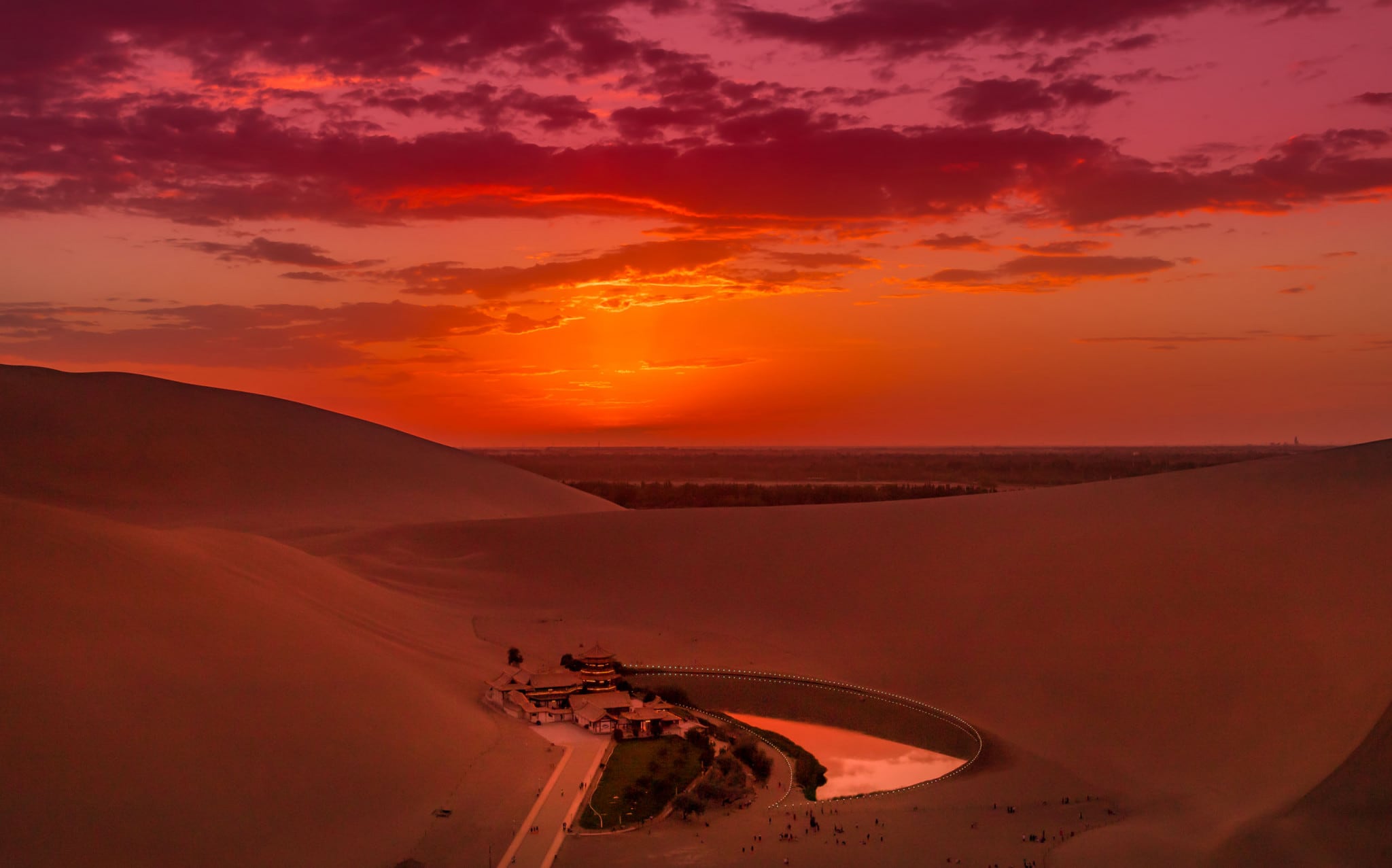
![Featured Image: Sunset over the desert near Dunhuang or the Mogao Caves exterior]
Introduction
The Silk Road was never just one road. It was a vast network of caravan routes, oasis towns, mountain passes, and sea lanes that linked China with Central Asia, the Middle East, and Europe for more than 1,500 years. Along these routes, merchants traded silk, spices, horses, glass, jade, and precious metals—but goods were only part of the story. Religions, artistic styles, technologies, foods, and ideas also moved across Eurasia, shaping civilizations far beyond the desert tracks themselves.
For modern travelers, Silk Road travel is less about retracing every mile of an ancient route and more about exploring the sections that still feel alive with history. In China, that means following the classic corridor west from Xi'an through Gansu and into Xinjiang, where Buddhist cave art, Great Wall fortresses, rainbow-colored mountains, and old bazaar cities tell the story of the ancient trade route in vivid detail.
In this guide, I will walk you through what the Silk Road actually was, where the main routes ran, which Silk Road cities are most worth visiting in China, where to find the best Silk Road pictures, and how to plan a realistic trip in 2026. If you have always imagined the Great Silk Road as a romantic line across the map, this is where that idea becomes a practical journey.
What Is the Silk Road?
When people ask, “What is the Silk Road?” the simplest answer is this: it was a network of interconnected overland and maritime trade routes that connected China with Central Asia, South Asia, the Middle East, and Europe. These routes began developing in a more organized way during the Han Dynasty around the 2nd century BCE, after imperial China expanded westward and opened diplomatic and commercial links with regions beyond its frontiers. The Silk Road remained influential until roughly the 15th century, when maritime trade routes gained greater importance.
The overland Silk Road is often described as stretching about 6,400 kilometers, or 4,000 miles, from Chang'an—today's Xi'an—westward toward the Mediterranean world. In reality, there were many branches, alternate tracks, and seasonal variations, so the exact length depended on the route taken. Still, the image of caravans moving from ancient China across deserts, mountain valleys, and oasis settlements remains one of history's most powerful travel stories.
Silk was the most famous commodity, which is why the route became known in English as the Silk Road. But silk road trade included far more than luxury fabric. Caravans carried spices, horses, wool, jade, paper, ceramics, glassware, metalwork, and medicines. Just as importantly, Buddhism spread from India into China along these routes, while Islam, Christianity, artistic motifs, scientific knowledge, and new technologies also traveled across Eurasia.
For travelers today, the Silk Road is not only a historical concept. In 2014, UNESCO recognized part of it as the Silk Roads: the Routes Network of Chang'an-Tianshan Corridor, helping connect the ancient story with real places you can still visit. That UNESCO listing covers sites in China, Kazakhstan, and Kyrgyzstan, and it gives modern visitors a tangible way to understand how the great Silk Road began and how deeply it shaped the regions along its path.
Silk Road Route and Map: Where Did the Silk Road Go?
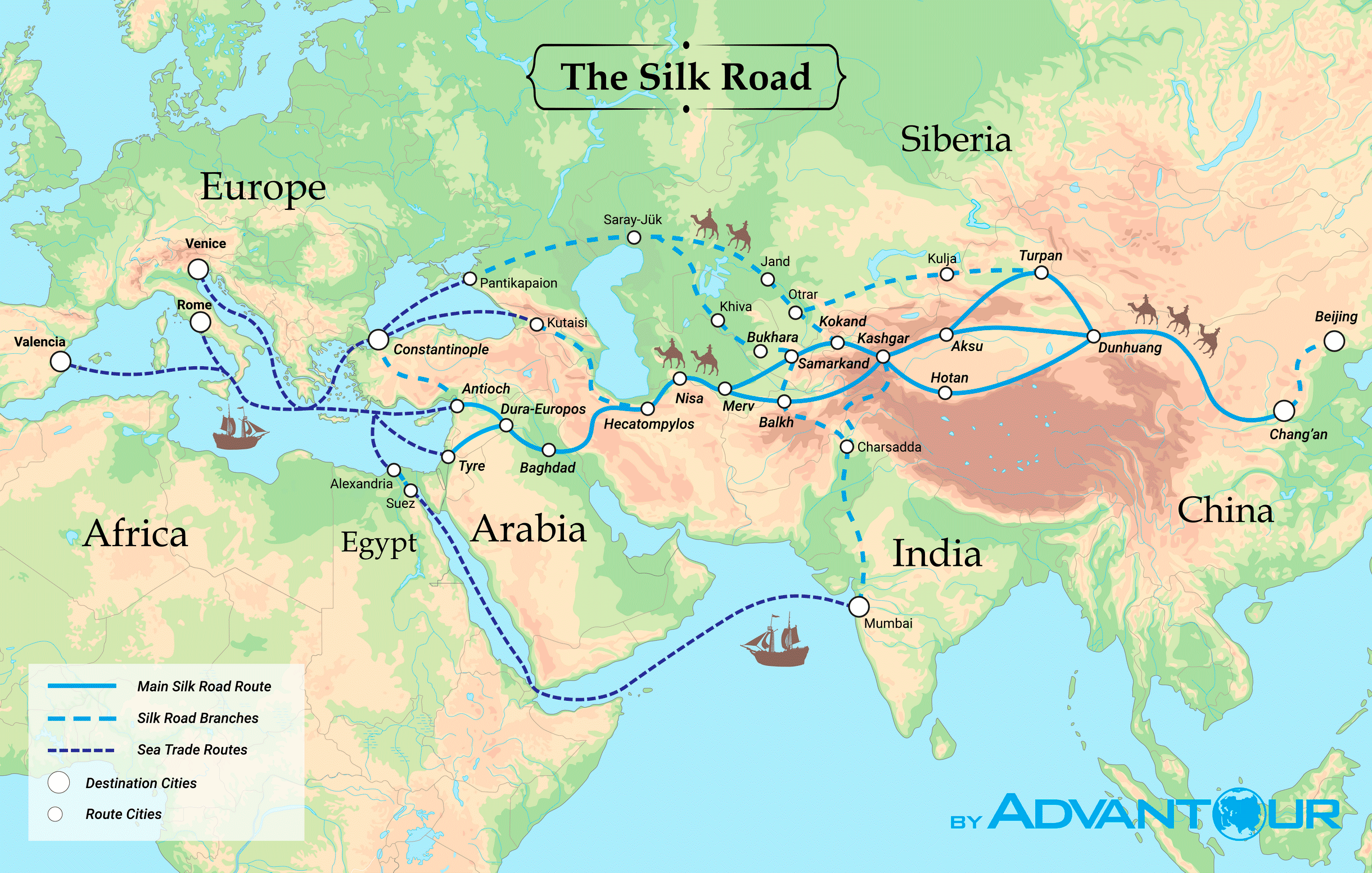
One of the most important things to understand before planning a Silk Road trip is that there was no single fixed path. The route changed over time depending on politics, warfare, water supply, climate, trade demand, and the safety of mountain passes. A Silk Road route map, therefore, should be seen as a web rather than a straight line.
Within China, the journey west usually began in Xi'an, the eastern capital historically known as Chang'an. From there, travelers moved through the Hexi Corridor in today's Gansu Province—a narrow but strategically vital passage framed by mountains and desert. This corridor linked major points such as Lanzhou, Zhangye, Jiayuguan, and Dunhuang, all of which remain key Silk Road locations for modern travelers.

Beyond Dunhuang, the route split around the formidable Taklamakan Desert. The northern route ran through oasis cities such as Turpan and onward toward Urumqi and Kashgar, eventually linking to Central Asia. The southern route passed through settlements closer to the Kunlun foothills, including areas historically connected with Hotan before converging again toward Kashgar. From there, traders moved over mountain routes into what are now Kyrgyzstan, Uzbekistan, and other Central Asian regions.
A complete modern Silk Road route map should also acknowledge the Maritime Silk Road. While the overland caravan routes capture most travelers' imagination, Chinese ports such as Guangzhou were also deeply connected to Southeast Asia, India, the Persian Gulf, and the wider Middle East. These sea routes moved goods faster and, in later centuries, became increasingly important.
If you are planning a practical journey in China, a useful Silk Road map today should mark these core stops: Xi'an, Lanzhou, Zhangye, Jiayuguan, Dunhuang, Turpan, Urumqi, and Kashgar. If you want to understand the route beyond China, continue your mental map westward into Kyrgyzstan, Uzbekistan, Iran, and Turkey. That broader geographical view helps explain why the Silk Road was one of the most influential trade networks in world history.
Best Silk Road Cities to Visit in China
China offers the most accessible introduction to the ancient Silk Road, especially for first-time visitors. The route through northwestern China combines excellent historical depth with improving transport infrastructure, making it possible to experience desert landscapes, Buddhist heritage, fortress architecture, and living market culture in a single trip.
Xi'an — The Symbolic Starting Point
For many travelers, Xi'an is where the Silk Road story begins. Known in antiquity as Chang'an, it was one of the great capitals of the ancient world and the eastern departure point for caravans heading west. Even before leaving the city, you can feel the scale of its historical importance.
The Big Wild Goose Pagoda is one of the best places to begin because it connects directly to the movement of Buddhism and sacred texts along Silk Road routes. The Tang West Market area adds another layer, recalling the cosmopolitan trade world that once flourished here. Xi'an is also a practical starting point because its museums and heritage sites provide the context that makes the western desert cities far more meaningful later in the trip.
Lanzhou, Zhangye, and Jiayuguan — Gateways Across Gansu
Moving west, Lanzhou is often treated as a transit city, but it deserves at least a short stop. Set along the Yellow River, it feels like a natural gateway between central China and the dry landscapes beyond. The riverfront gives a sense of how geography shaped movement, while a bowl of hand-pulled Lanzhou beef noodles offers one of the most memorable everyday flavors on the route.
Zhangye is best known for the surreal Danxia landforms, often called the Rainbow Mountains. These layered hills glow in bands of red, orange, ochre, and cream, especially in the early morning or late afternoon. For travelers searching for dramatic Silk Road images, this is one of the most photogenic landscapes in China.
Then comes Jiayuguan, a city tied to the western edge of imperial China. Its great fortress marks the western terminus of the Ming Great Wall and carries the imposing title "The First and Greatest Pass Under Heaven." Standing here, with the wind pushing across the open plain, it is easy to imagine officials, soldiers, pilgrims, and merchants moving between secure empire and uncertain frontier.
Dunhuang — The Crown Jewel of the Silk Road
If one city captures the romance and historical depth of Silk Road travel in China, it is Dunhuang. This oasis town at the edge of the Gobi Desert was a major crossroads where routes split and rejoined, and where trade, religion, and art intersected.
The city's greatest treasure is the Mogao Caves, one of the world's most extraordinary collections of Buddhist art. The site includes 492 decorated caves and more than 2,000 painted sculptures, with murals that reveal centuries of cultural exchange across Asia. The imagery is not only religious; it also preserves visual traces of travelers, donors, clothing styles, musical instruments, and artistic influences from far beyond China.
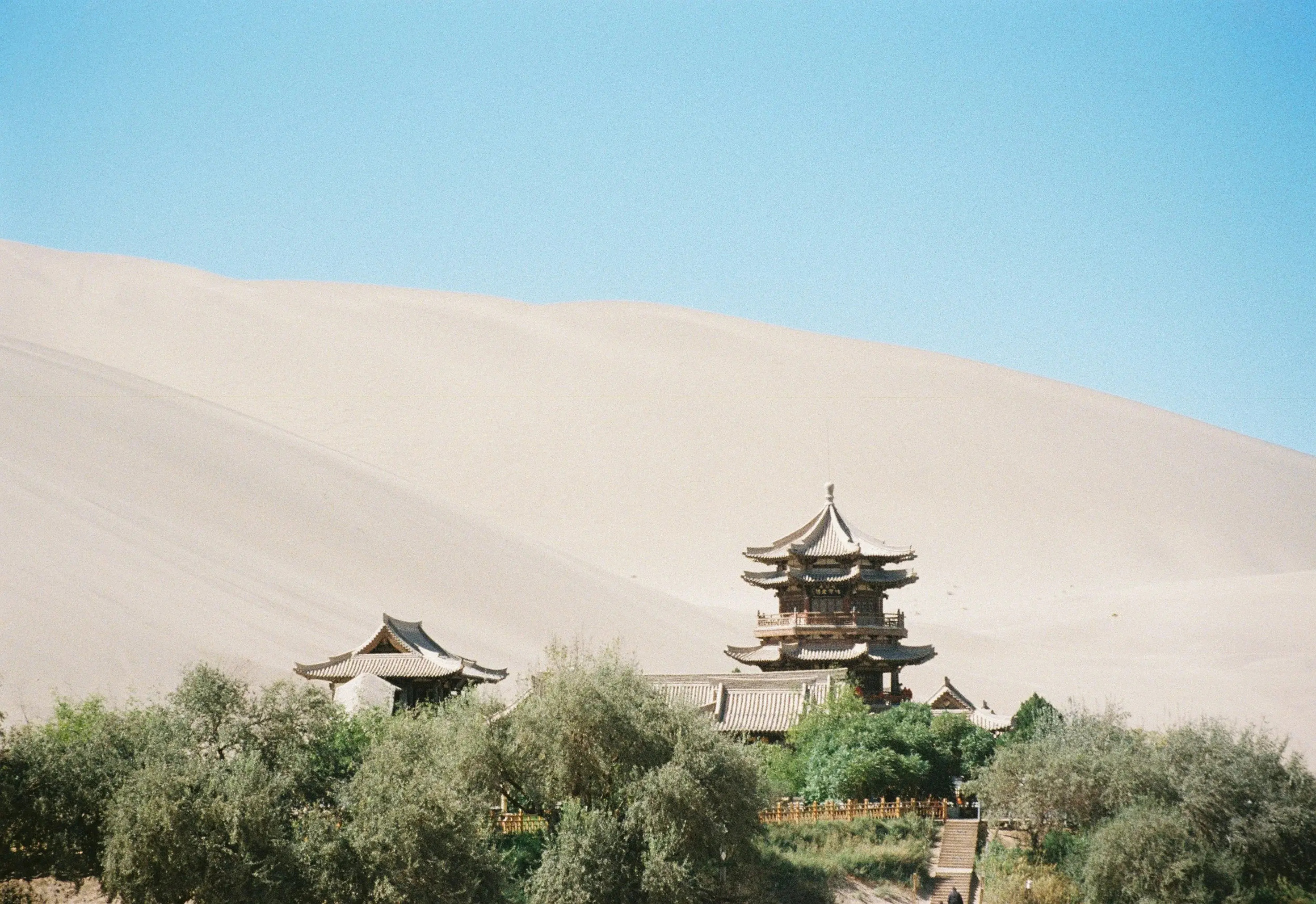
Outside the caves, Dunhuang's desert landscape is just as memorable. At Mingsha Shan, or the Singing Sand Dunes, the sand rises in elegant ridges that seem to change color with the light. Nearby, Crescent Lake appears like a mirage tucked between the dunes. A camel ride here can feel touristy, but at sunset the scene still carries a strange, timeless beauty.
For many of the travelers we assist, Dunhuang becomes the emotional high point of the entire route—not because it is the biggest city, but because it most clearly shows how fragile life, faith, and trade once flourished at the desert's edge.
Turpan, Urumqi, and Kashgar — Oasis Worlds and Western Horizons
Beyond Gansu, the landscape opens into the vast spaces of Xinjiang. Turpan is one of the most fascinating Silk Route cities because it combines oasis agriculture, severe climate, and deep historical layers. It lies in one of the lowest and hottest regions in China, with parts of the basin reaching around -154 meters below sea level. Yet despite the harsh geography, Turpan supported life through ingenious irrigation systems and fertile vineyard belts. Visitors often come for the grape valleys, mud-brick ruins, and the stark mythology of the Flaming Mountains.
Urumqi, the capital of Xinjiang, is less romantic than other stops but highly useful. It is a major transport hub with better flight and rail connections, making it an efficient place to enter or leave the route. Markets and museums here can add context, especially if you want to understand the region's ethnic diversity and historical links with Inner Asia.
Then there is Kashgar, the westernmost classic stop for many China-based Silk Road itineraries. Kashgar has long been a meeting point between China and Central Asia, and even today it feels culturally distinct from the eastern parts of the route. The Old City, with its earth-toned lanes, carved doors, courtyards, and workshops, offers some of the strongest atmosphere anywhere on the journey. If timing allows, the market scenes and local bazaars provide a vivid sense of continuity with the trading traditions that once made Kashgar famous.
Silk Road Pictures: The Best Photo Spots Along the Route
Travelers searching for the most iconic Silk Road pictures will find no shortage of dramatic scenes in northwestern China. The key is not only knowing where to go, but also when the light is best.
For landscape photography, Zhangye Danxia is one of the finest locations on the entire route. The striped hills are most vivid just after sunrise and before sunset, when the shadows deepen and the colors appear almost unreal. In Dunhuang, the dunes at Mingsha Shan are ideal for wide desert shots, especially when camel silhouettes cross the ridgelines in late afternoon light.
If you want a classic picture of the Silk Road that feels historical rather than purely scenic, the exterior zones around the Mogao Caves and the open landscapes near Jiayuguan are excellent choices. Kashgar Old City is best for atmosphere: mud-brick textures, alleyways, arched gateways, teahouses, and market life all create strong visual storytelling. Turpan's vineyards and adobe architecture add a softer oasis contrast to the harsher desert scenes.
One of my favorite practical tips is to keep your camera ready on the train as you cross Gansu and Xinjiang. Some of the most memorable Silk Road images come unexpectedly: distant snow mountains, empty plains, isolated settlements, and long ribbons of track disappearing into the west.
Do note that some heritage sites restrict photography. Inside cave temples, museums, and protected religious spaces, photography may be limited or completely prohibited. Always check local rules before shooting, especially at major cultural sites.
How to Travel the Silk Road in China Today
Traveling the Silk Road in China is much easier today than many first-time visitors expect. You do not need to cross deserts by camel or spend weeks piecing together difficult transport, but you do need a realistic plan because distances are long and the landscapes can be physically demanding.
By Train
China's rail system is the backbone of many Silk Road itineraries. High-speed and conventional trains connect key cities efficiently, especially in the eastern and central parts of the route. One notable segment is the high-speed line from Lanzhou to Urumqi, which takes roughly 11 hours and dramatically shortens what used to be a very long overland journey. Train travel also offers some of the best views of changing terrain, making transit part of the experience rather than just a necessity.
By Flight
For travelers short on time, domestic flights can save a great deal of energy. Flying into one city and out of another—such as arriving in Xi'an and departing from Urumqi or Kashgar—often makes the itinerary much smoother. Flights are especially useful if you want to include western Xinjiang without turning the trip into a much longer overland expedition.
By Private Car or Guided Tour
For flexibility, especially in desert sections, a private car or guided tour is often the most comfortable choice. This is particularly helpful for overseas travelers who want help with station transfers, language barriers, timed site reservations, and remote sightseeing logistics. On a good Silk Road trip, the practical support matters almost as much as the destination list.
For first-time visitors, I usually recommend a 10- to 14-day route focused on the core highlights rather than trying to rush through every historic branch.
Sample 12-Day Silk Road Itinerary
- Day 1-2: Xi'an — Explore the Big Wild Goose Pagoda, city heritage, and Silk Road context.
- Day 3: Lanzhou — Yellow River views and onward transfer west.
- Day 4-5: Zhangye and Jiayuguan — Rainbow Mountains, fortress architecture, and Great Wall frontier history.
- Day 6-8: Dunhuang — Mogao Caves, Singing Sand Dunes, Crescent Lake, and desert sunset experiences.
- Day 9-10: Turpan — Oasis culture, vineyard landscapes, and historic desert settlements.
- Day 11-12: Urumqi — Museum visits, market exploration, and departure.
If you have more time, add Kashgar as a 2- to 3-day extension. It gives the route a stronger sense of completion and a richer Central Asian atmosphere.
Beyond China — The Silk Road Continues
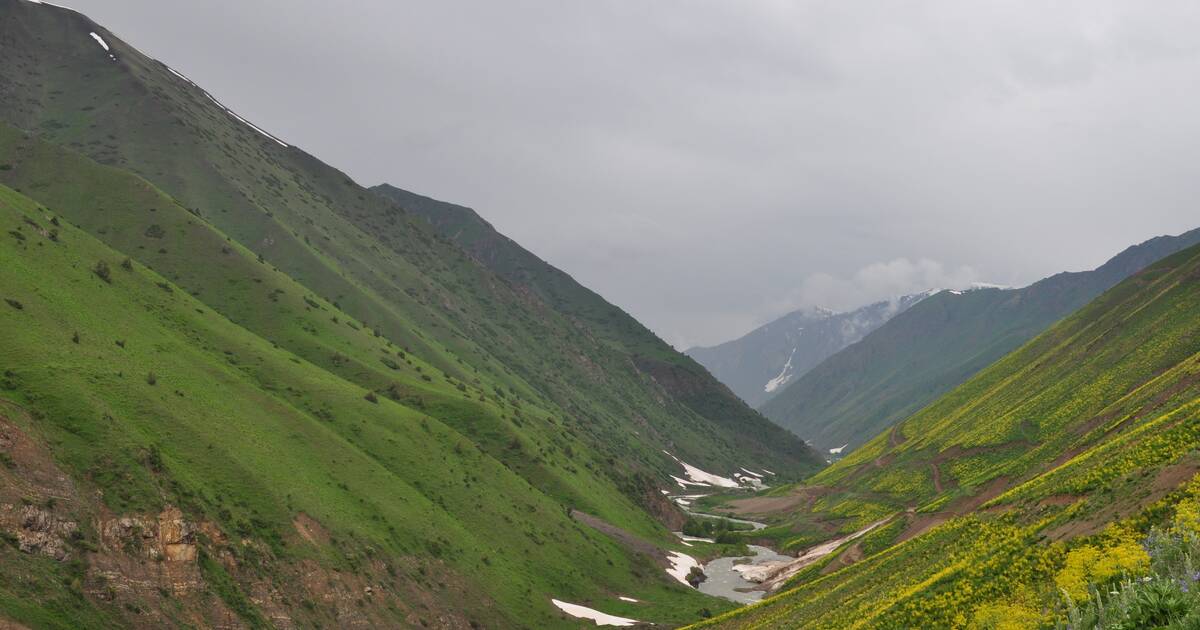
Although many travelers focus on China's most accessible sections, the Silk Road does not end at Kashgar. Historically, the route continued through Central Asia, where cities such as Samarkand and Bukhara in modern Uzbekistan became some of the greatest urban centers of the Persian Silk Road world. In Kyrgyzstan, mountain corridors carried traders across difficult but strategically vital terrain.
Farther west, the Silk Road in Iran connected caravan cities, Persian cultural centers, and trade networks that reached both India and the Mediterranean. Beyond that, Turkey served as a bridge into Europe, with caravanserais, markets, and urban trade nodes linking Asia to the European Silk Road sphere.
For most travelers, a China-only itinerary is already substantial. But understanding these westward continuations helps place Chinese Silk Road cities within a much larger transcontinental story.
Interesting Facts About the Silk Road
The Silk Road is full of surprising details that make the history feel more human and more complex.
First, despite the popular legend, Marco Polo did not simply take a quick trading trip. His wider travels lasted around 24 years, showing just how slow and uncertain long-distance movement across Eurasia could be.
Second, silk was once so prized that it could be worth more than gold by weight in some markets. That helps explain why Chinese silk became one of the most famous luxury goods in world history.
Third, the Silk Road was never only about commerce. Buddhism, Islam, and Christianity all spread in part through Silk Road exchange, carried by monks, pilgrims, scholars, merchants, and diplomats.
Finally, not everything that traveled the route was beneficial. Historians also link long-distance networks like the Silk Road to the spread of disease, including the movement of the Black Death across Eurasia. The same routes that connected civilizations also exposed them to shared risks.
FAQ
1. Can you still travel the Silk Road?
Yes—although not as one single uninterrupted tourist route. Today, most people travel selected sections of the historic Silk Road, especially in China, Central Asia, Iran, or Turkey. In China, the classic route from Xi'an through Gansu to Xinjiang is the easiest and most popular way to experience the Silk Road.
2. How long does it take to travel the Silk Road in China?
For a first trip, 10 to 14 days is a realistic minimum for the main highlights. That gives you time for Xi'an, Lanzhou, Zhangye, Jiayuguan, Dunhuang, Turpan, and Urumqi. If you want to include Kashgar or spend more time at cultural sites, allow closer to two weeks or more.
3. Is the Silk Road safe for tourists?
In general, the main tourist sections in China are manageable for international visitors when planned properly. The bigger challenges are usually long distances, dry climate, changing temperatures, and logistics rather than physical danger. As with any long regional trip, travelers should check current entry rules, local regulations, transport schedules, and site-access policies before departure.
4. What is the best time to travel the Silk Road?
The best seasons are usually spring (April to June) and autumn (September to October), when temperatures are more comfortable and skies are often clear. Summer can be very hot, especially in desert areas such as Turpan and Dunhuang, while winter can bring severe cold and reduced flexibility.
5. What countries does the Silk Road pass through?
Historically, the Silk Road connected parts of China, Kyrgyzstan, Kazakhstan, Uzbekistan, Tajikistan, Afghanistan, Iran, Turkey, and onward toward the Mediterranean and Europe through multiple branches. The exact list depends on which overland or maritime route you are referring to.
Follow in the Footsteps of the Ancient Caravans
The Silk Road is one of those rare journeys that feels both vast and deeply personal. You can stand before cave murals painted for travelers a thousand years ago, watch the evening light slide across desert dunes, and ride a modern train through landscapes that once took months to cross by caravan. That contrast is part of what makes Silk Road travel so memorable.
If you are planning a trip, start with the sections that are realistic for your time and interests rather than trying to “do it all.” A well-paced route through Xi'an, Gansu, and Xinjiang is enough to reveal the scale, beauty, and historical depth of the ancient trade network. And if you want help turning that idea into a smooth itinerary—especially with transport coordination, cave reservations, desert stops, and multi-city logistics—working with a China travel specialist can save a great deal of time while making the experience more rewarding.
Save this guide for later, share it with your travel companions, and if you have your own favorite Silk Road images or route ideas, keep the conversation going. The ancient road was built on exchange, and in a way, it still is.