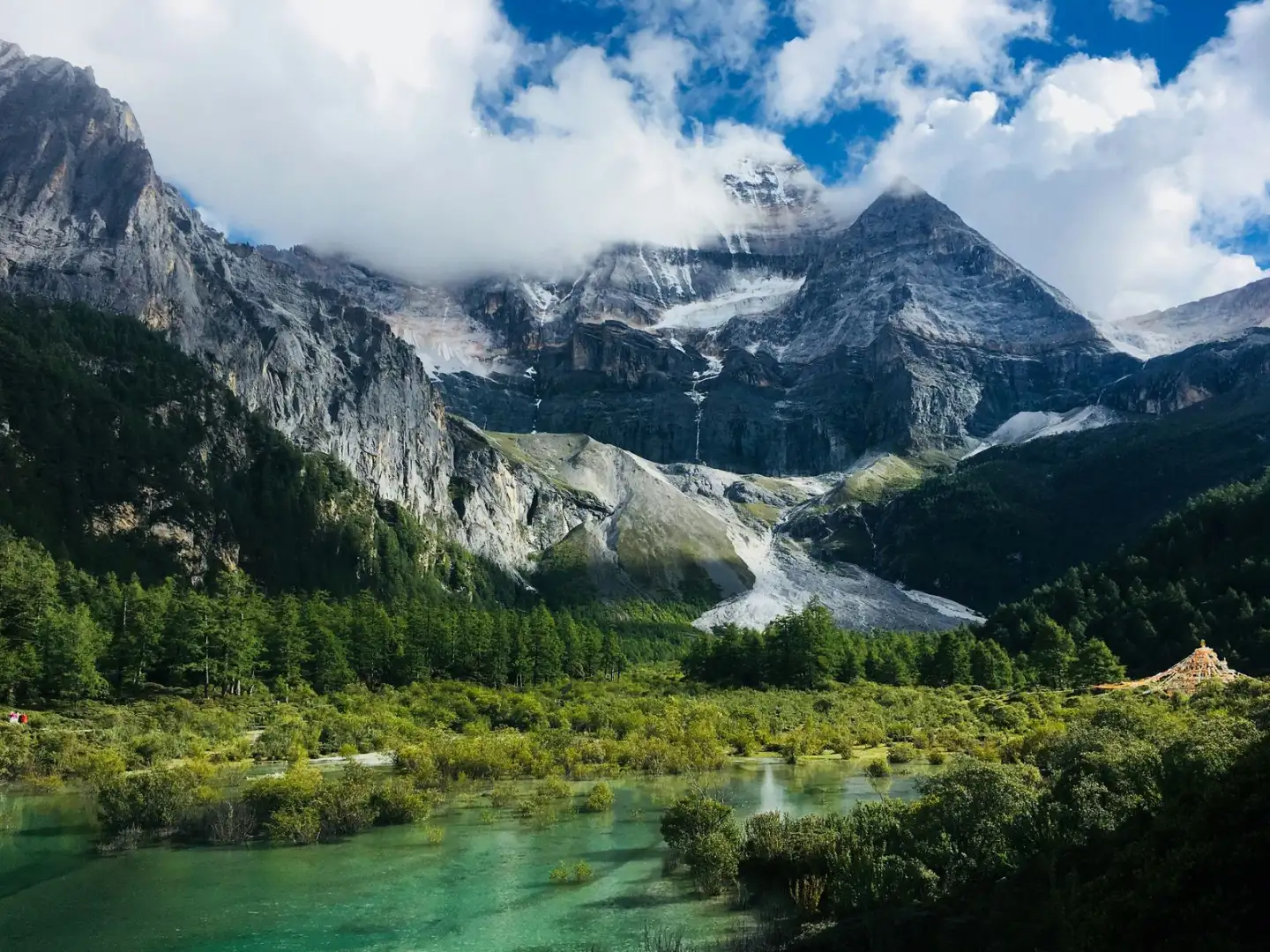





 18 days China, End to End Beijing → Xi'an → Chuanzhusi → Jiuzhaigou → Chengdu → Zhangjiajie → Guilin → Yangshuo → Shenzhen From $6,360 View route
 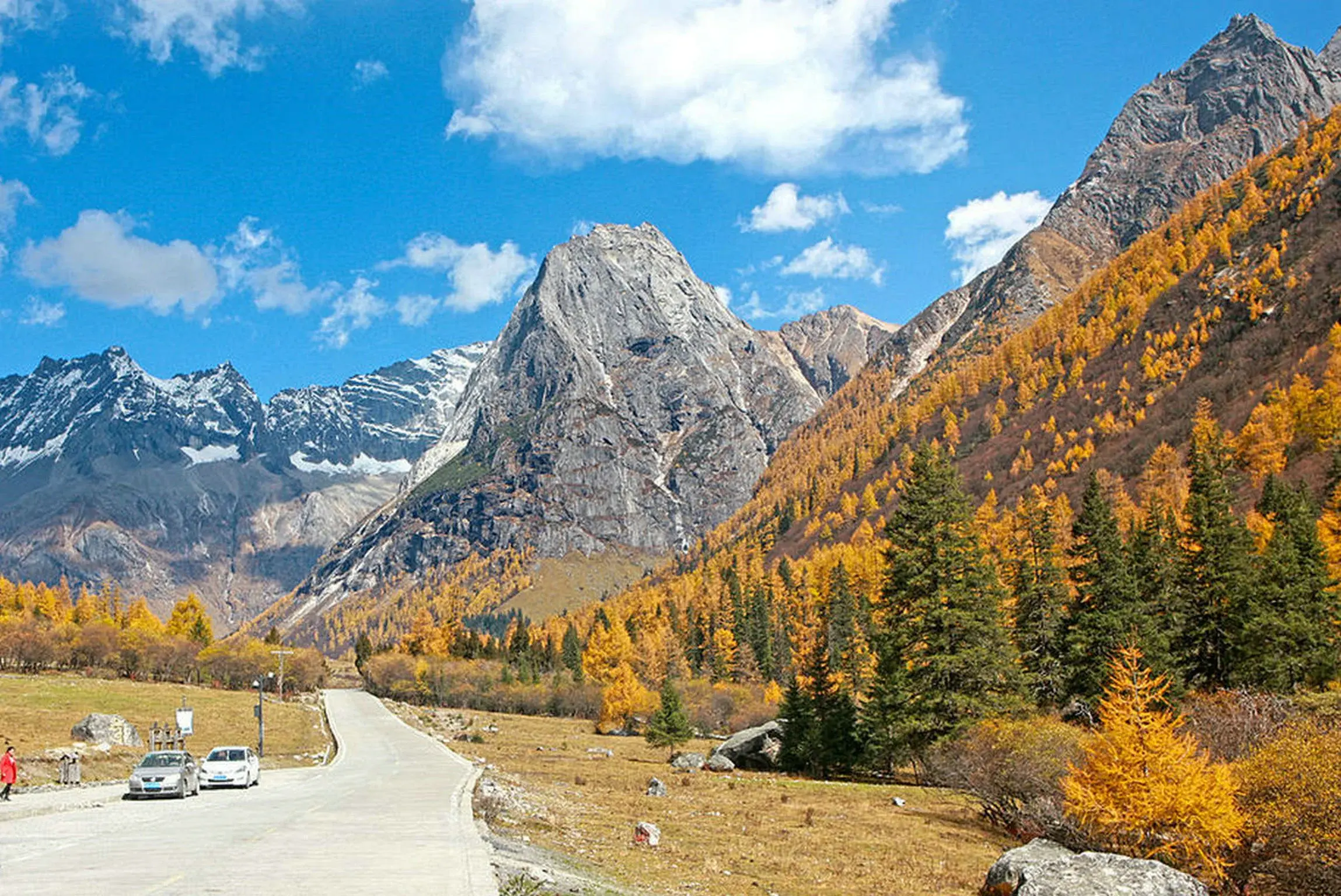 3 days 4-Day Tour of Siguniang Mountain, Biepa Gou, and Dagu Glacier Chengdu → Lixian → Heishui County From $1,599 View route
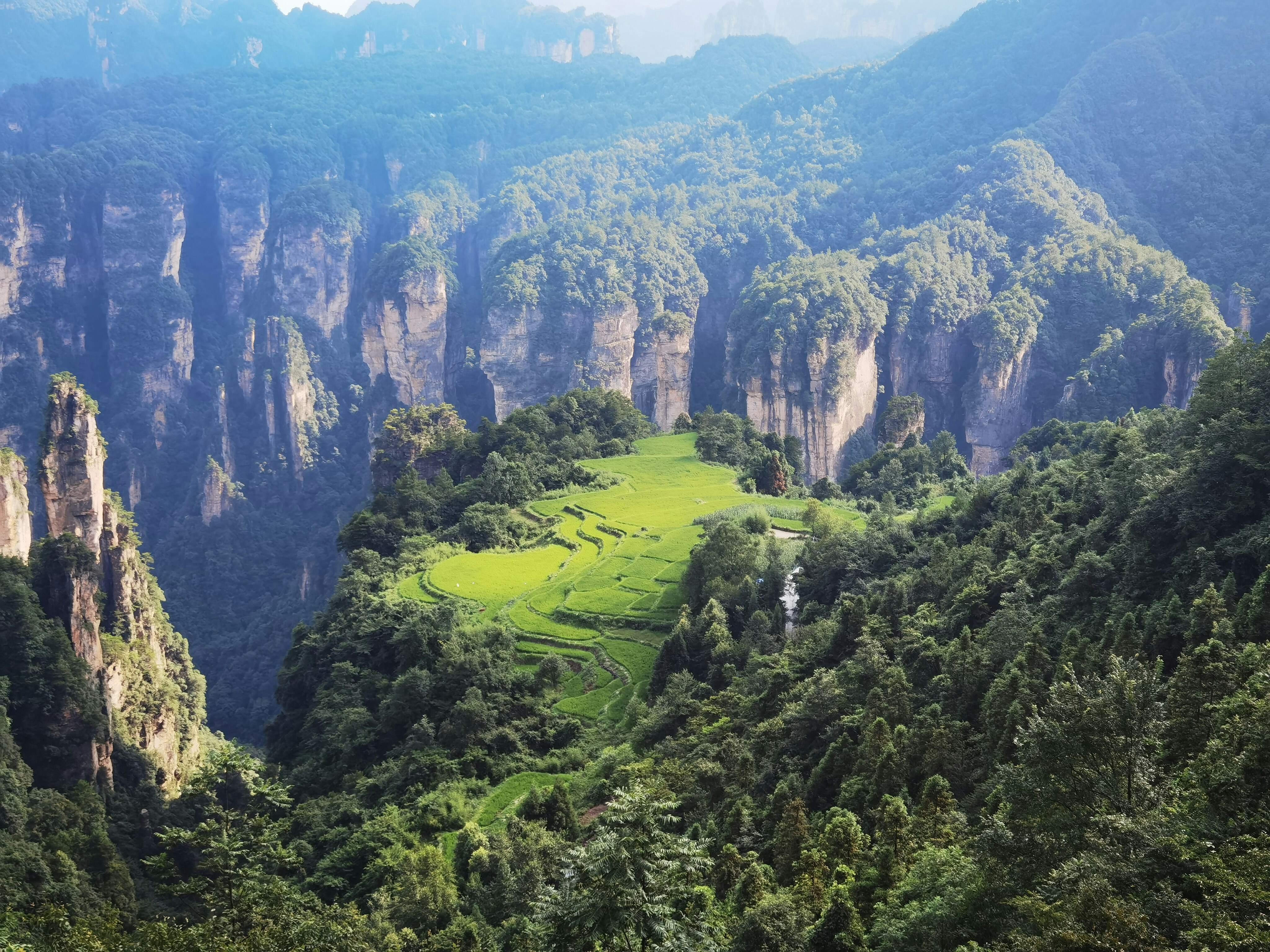
 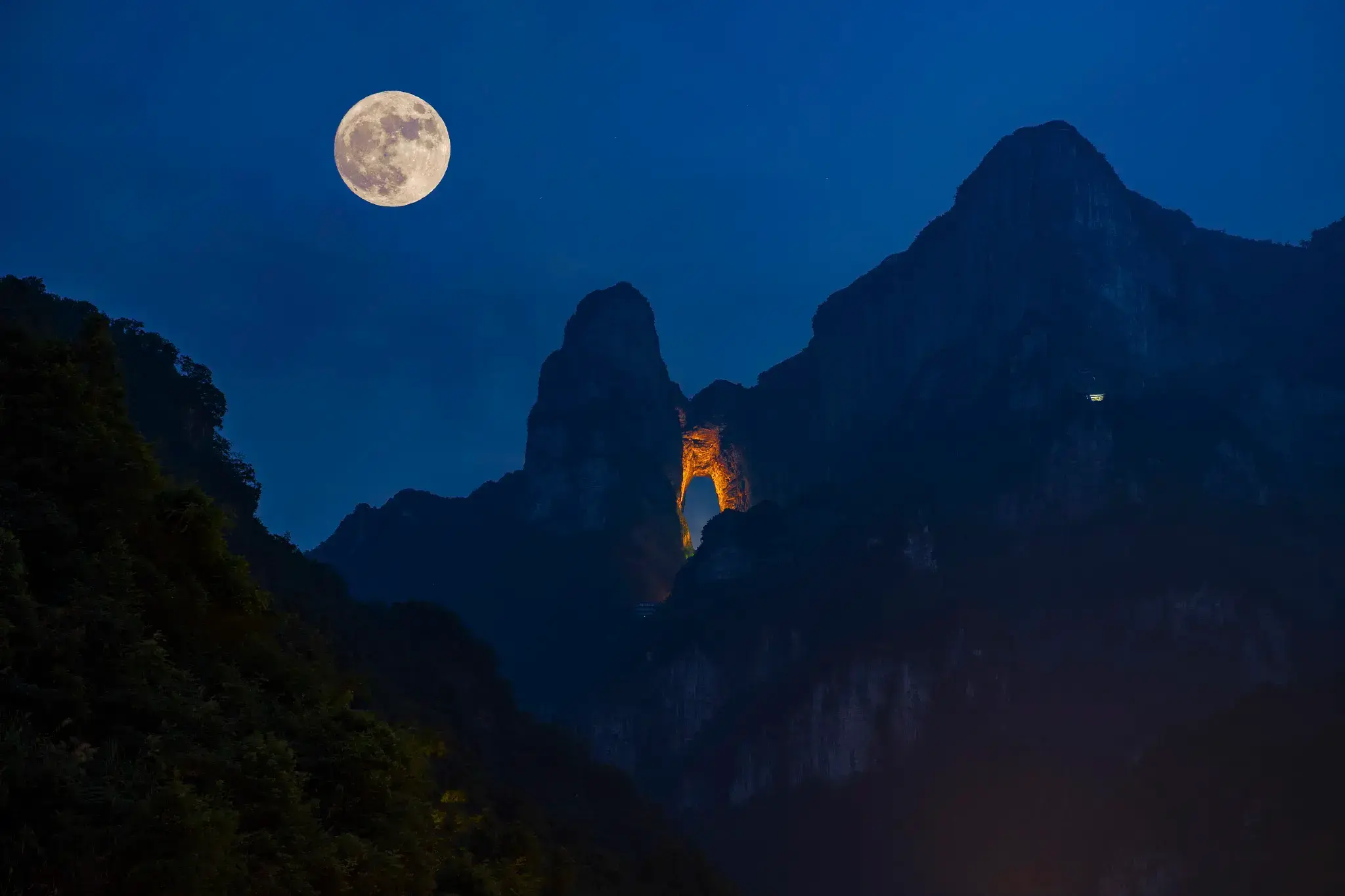 5 days Above the Pillars, Then Below Zhangjiajie From $1,430 View route
  3 days After the Last Booth Guangzhou From $840 View route
  13 days All the Way West Xi'an → Dunhuang → Turpan → Kashgar → Shanghai From $3,500 View route
 Tibet Travel Guide 2026: How to Visit, Best Tours & Permits

Introduction: Planning a Tibet Trip as an Overseas Traveler
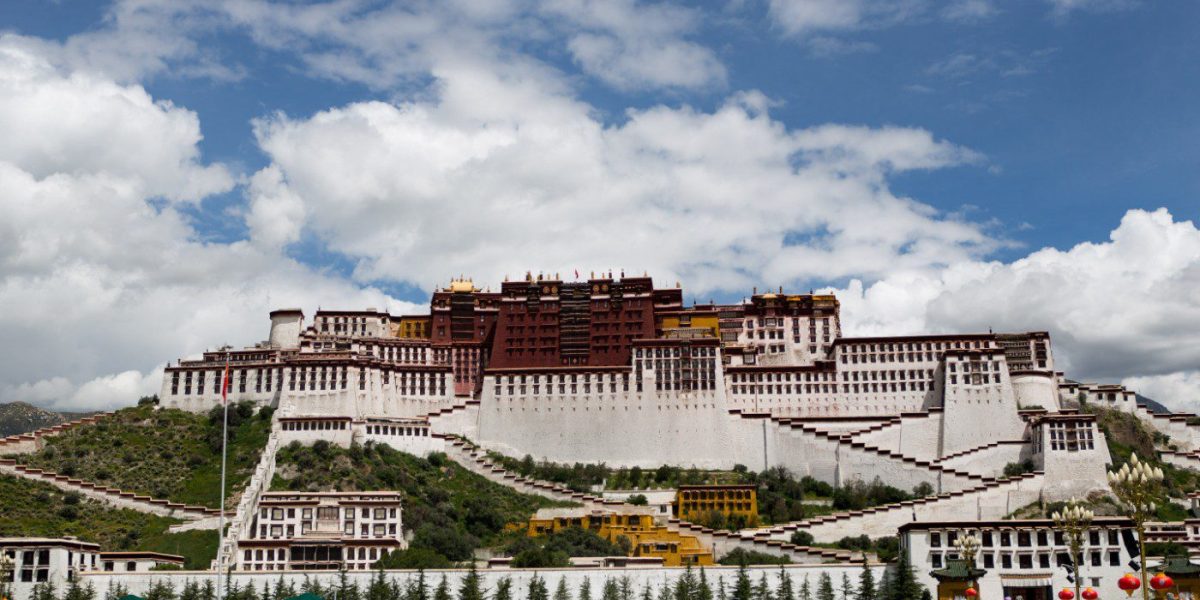
A Tibet trip has a way of capturing the imagination long before it begins. Known as the "Roof of the World," Tibet sits at an average elevation of around 4,500 meters, where snow peaks, high grasslands, sacred monasteries, and wide-open skies create one of the most unforgettable travel experiences in Asia. For many travelers, Tibet travel is not just about checking off famous landmarks. It is about standing in front of the Potala Palace at sunrise, hearing pilgrims spin prayer wheels around Jokhang Temple, and crossing some of the highest roads on Earth toward Everest.
At the same time, Tibet is not a destination you visit casually. Foreign travelers need more than interest and a plane ticket. You must have a valid China visa, a Tibet Travel Permit, and a pre-arranged tour with licensed local support. Independent travel is not allowed for foreign passport holders, and transport into Tibet should only be booked after your documents are properly handled.
This guide is designed as a practical resource for planning your Tibet trip in 2026. Below, you will find the key rules on permits, how to go to Tibet, the most popular Tibet tour packages, altitude preparation tips, and the top places worth including in your itinerary.
Why Visit Tibet?
Tibet offers a kind of journey that feels larger than ordinary travel. The landscapes are immense, the religious culture is deeply woven into daily life, and the route itself often becomes part of the experience. Whether you are drawn by mountain scenery, Buddhist heritage, or the romance of an overland adventure, Tibet leaves a strong impression.
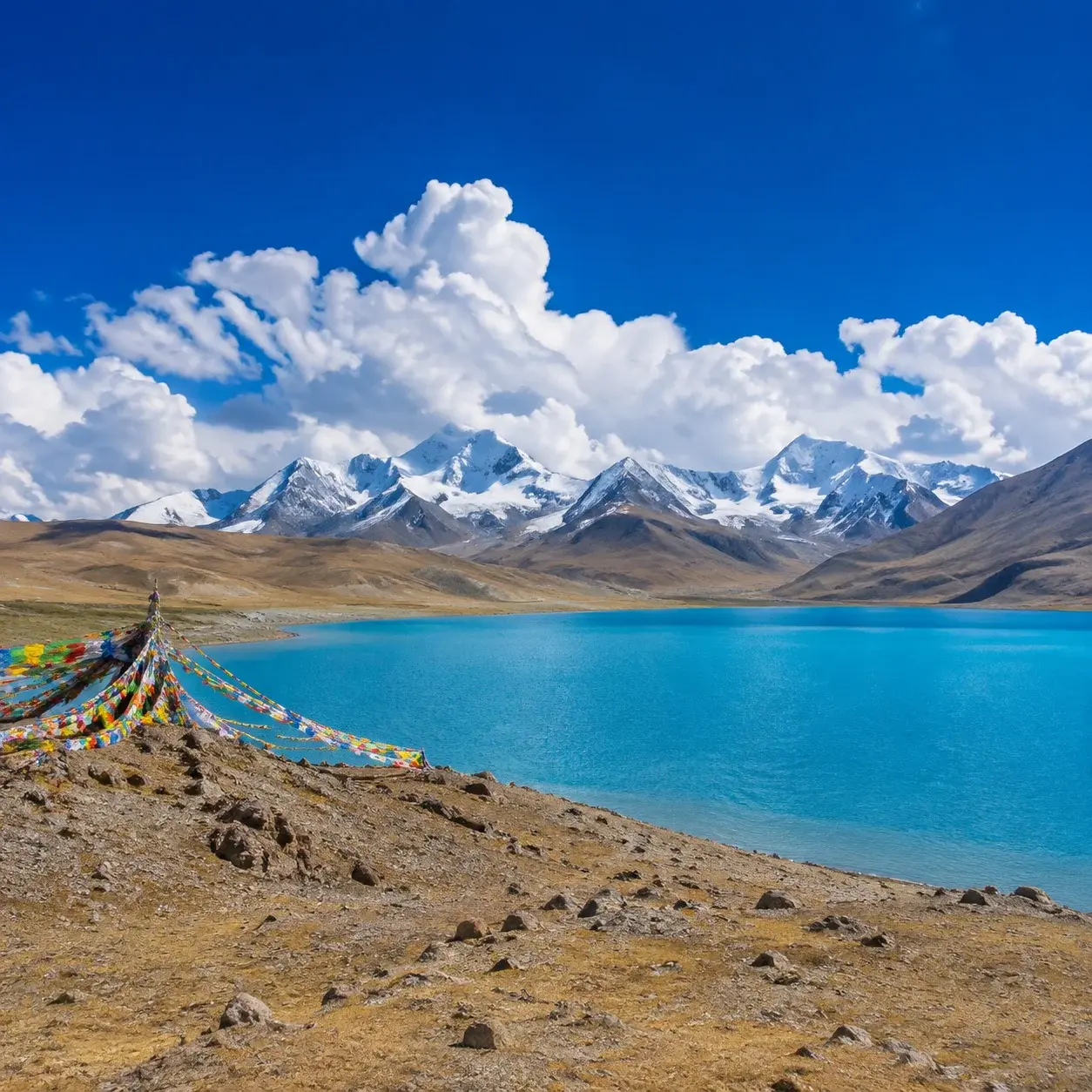
For many first-time visitors, the image of Tibet begins in Lhasa with the Potala Palace rising above the city. Once the winter residence of the Dalai Lama, it remains one of the most iconic architectural landmarks in Asia. Beyond Lhasa, travelers often dream of reaching Mount Everest Base Camp from the Tibet side, where the approach is long, rugged, and visually spectacular. Alpine lakes such as Yamdrok Lake and Namtso Lake add another dimension to a Tibet trip, with startling blue water framed by brown hills, white peaks, and fluttering prayer flags.
The cultural appeal is just as strong. In Tibet, Tibetan Buddhism is not a museum subject but a living presence. Around Jokhang Temple and Barkhor Street, you see pilgrims bowing in devotion, locals turning prayer wheels, and monks moving between temples and monasteries. Sera Monastery and Drepung Monastery offer a closer look at monastic life, scholarship, and ritual.
What makes Tibet travel different from other China itineraries is the rhythm. Distances feel greater, altitude changes how you move, and sightseeing naturally slows down. You do not rush through Tibet. You adjust, observe, and let the place unfold.
Tibet Travel Permits and Entry Rules
The most important rule to understand before planning your Tibet travel is simple: foreign passport holders cannot travel independently in Tibet. You must visit through a registered travel agency, with a guide and a pre-arranged itinerary. This is not optional, and it affects everything from transport booking to hotel stays and access to major sights.
To enter Tibet legally as an overseas traveler, you generally need the following:
- A valid passport
- A valid Chinese visa
- A Tibet Travel Permit
- Additional permits for certain restricted areas, such as Mount Everest Base Camp or western Tibet regions
The Tibet Travel Permit is the core document for entering Tibet, and it cannot be applied for independently. Only an authorized travel agency can submit the application on your behalf. In most cases, you will need to send a clear copy of your passport and Chinese visa after both are issued. Your agency then coordinates the permit process with the relevant authorities.
Timing matters. Permit processing usually requires around 15 to 20 days in advance, and during busy seasons it is wise to allow even more time. Because of this, last-minute Tibet plans can be risky. It is best not to finalize train or flight tickets into Tibet until your permit arrangements are confirmed, especially if you are traveling during peak months.
Some areas require extra paperwork beyond the standard permit. If your itinerary includes Mount Everest Base Camp, border regions, or more remote western parts of Tibet, your agency must arrange the additional permits in advance as part of the tour package.
This is where professional local support becomes valuable. A good travel agency does much more than book hotels. It checks your eligibility, collects the correct documents, manages the permit process, organizes your guide and driver, and coordinates transport, accommodations, and route logistics. For a destination like Tibet, where regulations and route access can affect every stage of the trip, that support makes planning much smoother.
How to Go to Tibet
There are two main ways to enter Tibet: by train or by flight. The right choice depends on your schedule, budget, comfort level, and how concerned you are about altitude adjustment.
By Train: The Qinghai-Tibet Railway
For many travelers, the most memorable way to go to Tibet is by train. The Qinghai-Tibet Railway is famous as the world’s highest railway, crossing vast plateau landscapes that feel remote, cinematic, and unlike anywhere else in China. It is also one of the best options for travelers who want to gain altitude more gradually.
Popular train routes include:
- Xining to Lhasa: around 21 hours
- Chengdu to Lhasa: around 36 hours
- Beijing to Lhasa: around 40 hours
Among these, Xining is often the most practical departure point because many Tibet-bound trains pass through it, and the ride from there is long enough to enjoy the classic plateau scenery without committing to an extra-long trans-China journey.
On board, travelers usually choose between hard sleeper and soft sleeper cabins. Soft sleepers offer more privacy and comfort, while hard sleepers are cheaper and still manageable for many travelers. The real highlight, however, is outside the window. As the train moves toward Tibet, you may pass through stark grasslands, distant snow mountains, and high-altitude regions such as Kekexili and the Tanggula Pass.
By Flight
Flying is the fastest and most convenient option, especially for travelers with limited time. Lhasa Gonggar Airport is the main air gateway and is connected to major Chinese cities such as Chengdu, Beijing, Xi'an, and Chongqing. Many overseas travelers first enter China through one of these hubs, spend a night or two there, and then continue on to Tibet.
The main downside of flying is the sudden jump in altitude. Lhasa sits at about 3,650 meters, and arriving by air can make acclimatization harder for some people. If you are sensitive to altitude or prefer a gentler adjustment, the train may be the better option.
In practice, the best route into Tibet depends on your overall trip. If you are already planning to visit Chengdu, Xi'an, or Beijing, adding Tibet by flight can be efficient. If you want the journey itself to be part of the adventure, the train is hard to beat.
Tibet Tour Packages: What to Book
Because foreign travelers must travel with pre-arranged support, choosing the right Tibet tour package is one of the most important planning decisions. Most tours fall into three broad formats: short Lhasa city tours, classic overland trips to Everest Base Camp, and longer Tibet-Nepal journeys.
Classic 4-Day Lhasa Tour
This is the best starting point for travelers with limited time or anyone unsure how their body will handle the altitude.
A typical 4-day Lhasa itinerary looks like this:
- Day 1: Arrival in Lhasa, airport or train station transfer, hotel check-in, and rest for acclimatization
- Day 2: Visit Potala Palace, Jokhang Temple, and walk through Barkhor Street
- Day 3: Explore major monasteries such as Sera Monastery and Drepung Monastery
- Day 4: Departure from Lhasa
This short format focuses on the cultural heart of Tibet and gives first-time visitors a manageable introduction without long overland drives.
8-Day Lhasa to Everest Base Camp
For many travelers, this is the classic Tibet travel package. It combines the spiritual highlights of Lhasa with one of the most dramatic road journeys in Asia.
After acclimatizing in Lhasa, the route usually heads west through high passes and lake country toward Yamdrok Lake, then on to Shigatse, Tibet’s second-largest city. From there, the journey continues toward Mount Everest Base Camp, passing broad valleys, remote villages, and spectacular Himalayan viewpoints. On clear days, the final approach to Everest is unforgettable.
This itinerary offers a strong balance of culture, scenery, and adventure, but it also involves long driving days and higher altitudes, so it suits travelers with a bit more time and stamina.
15-Day Tibet-Nepal Overland Route
A longer Tibet Nepal tour is ideal for travelers who want a deeper overland experience and the thrill of crossing from the Tibetan Plateau into the Himalayan foothills of Nepal.
A typical route runs from Lhasa to Shigatse, through the Everest region, and then onward to the Gyirong border before continuing to Kathmandu. This style of trip gives you more time to absorb the changing landscapes, from monastic cities and open plateau roads to mountain borderlands and greener valleys beyond.
Travelers should note that border policies and crossing procedures can change, so exact routing and timing may vary. A good agency will help confirm current conditions, paperwork, and transfer arrangements before departure.
Top Places to Visit in Tibet
Tibet has no shortage of famous landmarks, but for first-time visitors, a well-balanced route usually combines cultural sites in Lhasa with one or two scenic or high-altitude extensions.
Potala Palace
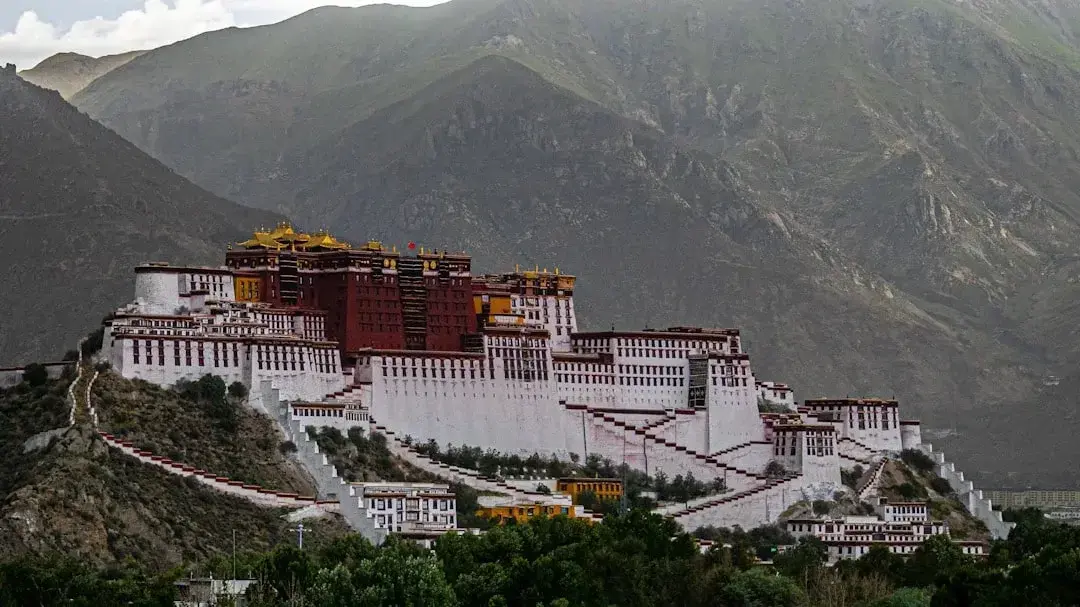
The Potala Palace is the symbol of Tibet and the highlight of nearly every first trip. Towering above Lhasa from Red Hill, it dominates the skyline with white walls, red upper structures, golden roofs, and a presence that feels both regal and sacred. Inside, the palace contains chapels, murals, tomb stupas, and corridors that reveal layers of Tibetan religious and political history. Visiting is often timed and regulated, so it is usually one of the first sights your guide will confirm on your itinerary.
Jokhang Temple
In the heart of old Lhasa, Jokhang Temple is one of the most revered religious sites in Tibetan Buddhism. Pilgrims travel great distances to pray here, and the atmosphere around the temple is deeply moving. You may see worshippers performing full-body prostrations outside, while inside the temple the air is heavy with butter-lamp warmth, incense, and centuries of devotion.
Barkhor Street
Surrounding Jokhang Temple, Barkhor Street is both a pilgrimage circuit and one of the best places to feel the pulse of Lhasa. Pilgrims, monks, shopkeepers, and visitors all move through the same circular route. Prayer flags, incense smoke, old alleyways, and storefronts selling prayer beads, thangka paintings, and handmade crafts create a vivid urban atmosphere unlike any other in China.
Sera Monastery
Sera Monastery is famous for its monk debates, a tradition that turns philosophical discussion into a highly visual public event. In the debate courtyard, monks clap sharply, step forward dramatically, and challenge one another in a style that is both intellectual and theatrical. For many travelers, this is one of the most memorable windows into Tibetan monastic life.
Drepung Monastery
Once one of the largest monasteries in the world, Drepung Monastery spreads across the hillside outside Lhasa like a white stone city. It offers a quieter, broader sense of Tibet’s religious history and educational tradition. If Potala Palace feels formal and grand, Drepung often feels more expansive and contemplative.
Yamdrok Lake
A drive to Yamdrok Lake introduces many travelers to the visual drama of the Tibetan Plateau. The lake’s water can appear turquoise, cobalt, or glassy silver depending on the light, and the surrounding views are often framed by snow peaks and prayer-flag-covered passes. Even after seeing photographs, many visitors are surprised by the lake’s scale and color in person.
Mount Everest Base Camp
Reaching Mount Everest Base Camp from the Tibet side is one of the great overland travel experiences in Asia. The route itself is part of the reward: high passes, broad valleys, yak-dotted grasslands, and the growing presence of the Himalayas on the horizon. Conditions can be basic, weather can shift quickly, and the altitude is serious, but standing within sight of the world’s highest mountain is a powerful moment.
Namtso Lake
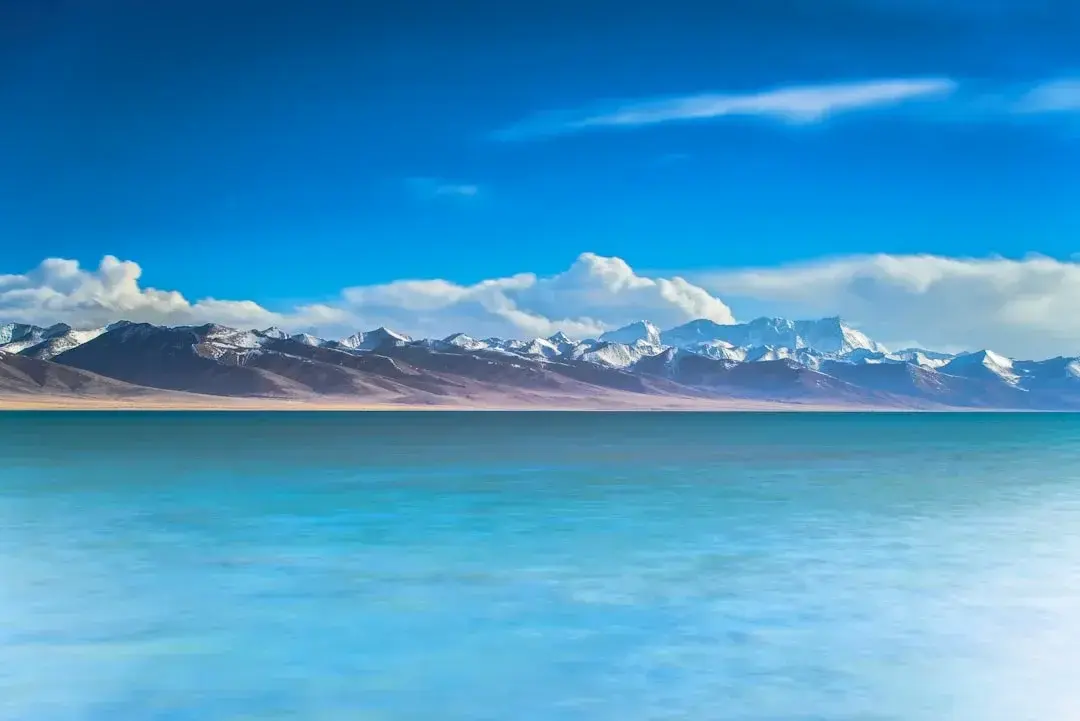
For travelers with extra time, Namtso Lake is one of Tibet’s most dramatic scenic destinations. Set at very high elevation, it feels stark, sacred, and immense. The wind is often strong, the sky feels unusually close, and the surrounding landscape has a raw simplicity that many travelers find unforgettable.
The best Tibet route depends on how many days you have and how well you adjust to altitude. Some travelers are happiest focusing on Lhasa and nearby sites, while others want the full overland push to Everest or beyond.
Best Time to Visit Tibet
The best time to visit Tibet is usually from May to October, when the weather is relatively milder, roads are more accessible, and most classic sightseeing routes are operating smoothly. This is the main travel season for both cultural tours in Lhasa and longer overland journeys toward Everest.
Late spring and early autumn are especially appealing for many overseas travelers. The skies are often clearer, temperatures are more comfortable, and the balance between scenery and road conditions is generally favorable.
Winter travel is possible, but it can be extremely cold, especially outside Lhasa, and some routes may feel less comfortable for first-time visitors. The summer months of July and August bring greener landscapes in some areas, but they can also mean more rain in certain sections, reduced mountain visibility, and occasional road condition issues depending on the route.
If your priority is photography, long-distance overland travel, or combining Tibet with Nepal, it is wise to discuss your dates carefully before booking.
Altitude Sickness: How to Prepare
Altitude is one of the biggest practical concerns in Tibet travel, and it should be taken seriously. Lhasa sits at about 3,650 meters, which is already high enough for many visitors to feel shortness of breath, mild headaches, fatigue, or poor sleep during the first day or two.
The most effective strategy is simple: arrive with a slower pace and respect the altitude. If possible, choose an itinerary that gives you time to rest on arrival. Your first day in Lhasa should be light, with no intense activity. Drink plenty of water, avoid alcohol, eat lightly, and do not rush up stairs or hills just because you feel excited to start sightseeing.
Some travelers bring altitude-related medication such as Diamox, while others also ask about herbal options like rhodiola. Medication decisions should be discussed with a doctor before travel, especially if you have heart, lung, or blood pressure conditions.
If you are worried about adjusting, entering Tibet by train may help because the ascent is more gradual than flying. A well-planned itinerary also matters. Good Tibet tour packages usually place easier sightseeing first and only move to higher, more remote areas after initial acclimatization. We cover this properly in  Tibet with kids.
Tibet Travel Tips
A few simple habits can make your Tibet trip much smoother.
Dress in layers. Even in the main travel season, Tibet can swing sharply between warm sunshine and chilly wind, especially in the morning and evening. Layered clothing, sun protection, and a warm outer shell are more useful than one heavy coat.
Be mindful with photography. Many monasteries and temple interiors either restrict photography or forbid it completely. Always check before taking pictures, especially around active worship areas.
Respect religious customs. Tibet is not just scenic; it is deeply spiritual. Walk clockwise around religious sites unless told otherwise, avoid touching sacred objects casually, and keep your voice low in prayer areas.
Build in flexibility. Weather, road conditions, and permit coordination can affect the exact flow of a Tibet trip. A little patience goes a long way here.
FAQ
Q1: Can foreigners travel to Tibet independently?
No. Foreign passport holders cannot travel independently in Tibet. You must book through a registered travel agency and travel with licensed local arrangements, including a guide and pre-approved itinerary.
Q2: How do I get a Tibet Travel Permit?
You cannot apply for it on your own. A registered travel agency applies on your behalf after collecting copies of your passport and Chinese visa. Most permits need around 15 to 20 days to process.
Q3: How much does a Tibet tour cost?
The cost depends on route length, travel season, transport choice, hotel level, and whether you join a group or arrange a more customized private journey. A short Lhasa tour costs much less than an overland Everest or Tibet-Nepal itinerary.
Q4: Is it safe to travel to Tibet?
Yes, for most travelers Tibet is safe when planned properly. The main concerns are altitude, distance, and logistics rather than everyday personal safety. Traveling with experienced local support helps reduce risk and makes the journey much more manageable.
Q5: What is the best time to visit Tibet?
For most travelers, May to October is the best period. These months usually offer the most suitable conditions for sightseeing, road travel, and combining cultural visits with scenic overland routes.
Experience the Roof of the World
A well-planned Tibet trip is one of the most extraordinary journeys you can take in China. It combines spiritual heritage, high-altitude landscapes, and the kind of road travel that stays in your memory for years. If you are comparing Tibet tour packages or thinking about a longer route, it helps to start with your available time, altitude comfort level, and whether you want to focus on Lhasa, Everest, or a broader Tibet Nepal tour.
If you are still shaping your route, save this guide for planning and compare what kind of journey fits you best. Many travelers also combine Tibet with other western China highlights such as Chengdu, the Silk Road, or a longer rail journey across the country before heading onto the plateau.