




Shanghai Travel Guide 2026: 25 Best Things to Do, See & Eat

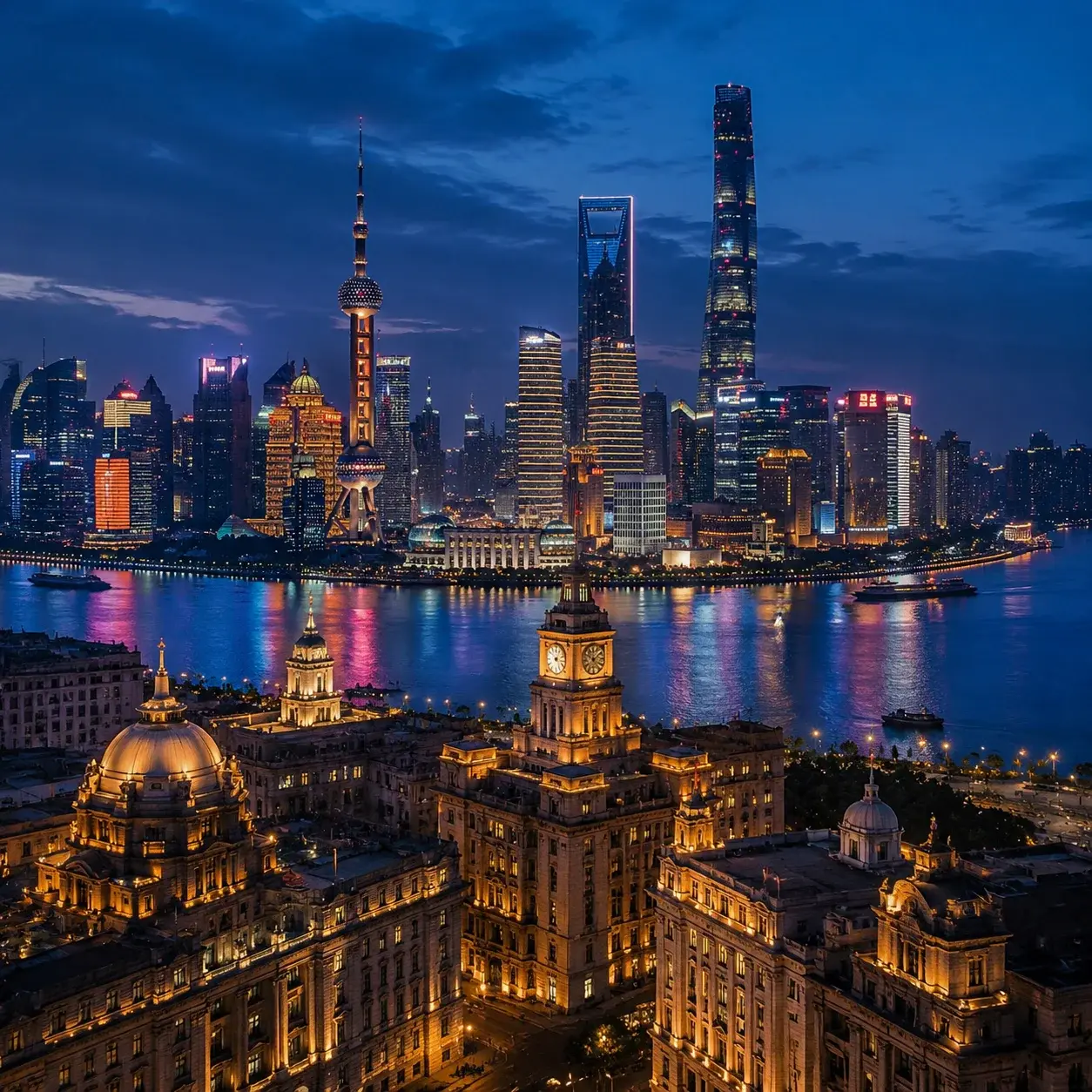
The first time I arrived in Shanghai, I stood on the Bund and felt like I was looking at two different cities at once. On one side of the Huangpu River, there were stately historic facades from old Shanghai. On the other side, Pudong looked like a futuristic skyline drawn by someone with no interest in subtlety. For many first-time visitors to Shanghai, China, that contrast is exactly what makes the city so memorable.
Over time, I’ve come to understand why so many overseas travelers choose Shanghai as their first stop in China. It is efficient without feeling cold, modern without losing character, and large without being impossible to navigate. You can spend the morning in a museum, the afternoon walking under plane trees in the former French Concession, and the evening watching the skyline light up from a rooftop bar or river cruise. If you are planning your first China trip, this Shanghai travel guide walks you through the essentials: why to visit, when to go, what to see, what to eat, where to stay, how to get around, and where to go beyond the city.
Why Visit Shanghai?
If someone asks me whether Shanghai is a good first city in China, my answer is almost always yes. It is one of the easiest big cities in the country for international travelers to handle. Public transport is excellent, major attractions are relatively well connected, and the city offers a useful balance of global convenience and local character.
What makes Shanghai special is how complete the experience feels. Some cities are all about history, some are all about food, and some are mainly about skyline views and shopping. Shanghai gives you all of those in one trip. You can admire colonial-era architecture, go up some of Asia’s tallest towers, eat soup dumplings in a casual local restaurant, browse art spaces, and end the night with river views.
I often compare Shanghai and Beijing for first-time visitors. Beijing is where I send travelers who want imperial history, grand landmarks, and a stronger sense of dynastic China. Shanghai is where I send people who want an easier urban entry point, a more contemporary atmosphere, and a city that rewards walking just as much as sightseeing. Even if you do not rush from one famous site to another, Shanghai still feels satisfying. You can simply spend a day moving between neighborhoods, cafés, old villas, temples, food streets, and riverfront viewpoints.
A very practical reason to start with Shanghai is that even a short stay can feel complete. If you only have three days, you can still build a solid first-time itinerary. One day for the Bund, Nanjing Road, and Yu Garden. One day for the French Concession, Wukang Road, and Jing’an Temple. One day for Lujiazui, a museum, an observation deck, or an art district. Many first-time visitors worry that Shanghai is too big to make sense of quickly, but the city’s core experiences are actually quite concentrated.
Best Time to Visit Shanghai
If you are wondering about the best time to visit Shanghai, China, I usually recommend spring and autumn: roughly March to May and September to November. These are the seasons when the weather is generally the most comfortable for long walks, neighborhood exploration, and skyline photography.
From personal experience, April is one of the easiest months to enjoy the city. I once spent half a day walking from Changshu Road through Wukang Road and along Fuxing West Road with visiting friends, and it never felt exhausting. In weather like that, the streets themselves become part of the attraction. October and November are also excellent, especially when the air is clearer and visibility from observation decks tends to be better.
Summer is still manageable, but you need to plan more carefully. June through August can be hot, humid, and tiring if you spend too much time outside in the middle of the day. If summer is your only option, I suggest shifting your rhythm: outdoor sights in the early morning or after sunset, indoor museums and shopping during the hottest hours. That makes a huge difference.
I once helped a family visiting in July rearrange a typical “too much walking” schedule into something much more comfortable. We moved Yu Garden to 8:30 a.m., put a long indoor break in a teahouse and shopping complex before lunch, then sent them to the Shanghai Museum in the afternoon and Lujiazui after sunset. They saw almost the same places they originally wanted, but with far less stress.
Winter in Shanghai is milder than northern China, but it often feels colder than visitors expect because of the damp wind. December to February can be a good time if you prefer fewer crowds and sometimes better hotel prices. Just do not underestimate the cold. A windproof coat and scarf matter more than the temperature on paper suggests.
One more practical tip: try to avoid major Chinese public holidays if your schedule is flexible, especially Chinese New Year, the May holiday, and the National Day holiday in early October. If you ask me what is the best time of year to visit Shanghai, late spring and mid-autumn are usually the safest answers.
25 Best Things to Do, See & Eat in Shanghai
These are the experiences I most often recommend to first-time visitors. They may not all be hidden gems, but together they answer the question of what is truly must see in Shanghai.
1. Walk the Bund at sunrise or after dark

If you only choose one classic must see in Shanghai, the Bund is usually it. But the key is not just to show up, take one photo, and leave. Give yourself time to walk. During the day, the historic buildings along the waterfront stand out. At night, the skyline across the river becomes the main event.
Personally, I like the Bund either early in the morning or after dark. Sunrise gives you space, softer light, and a more local rhythm: joggers, dog walkers, early commuters, photographers setting up tripods. At night, you get the dramatic city image that most people imagine before they arrive.
If you are staying near East Nanjing Road or People’s Square, going around 6:30 to 8:00 a.m. is ideal. In the evening, I prefer arriving after 7:30 p.m., when the skyline feels fully alive. The Bund is touristy, yes, but it is still one of the most iconic Shanghai famous attractions for a reason.
2. Go up Shanghai Tower or another observation deck

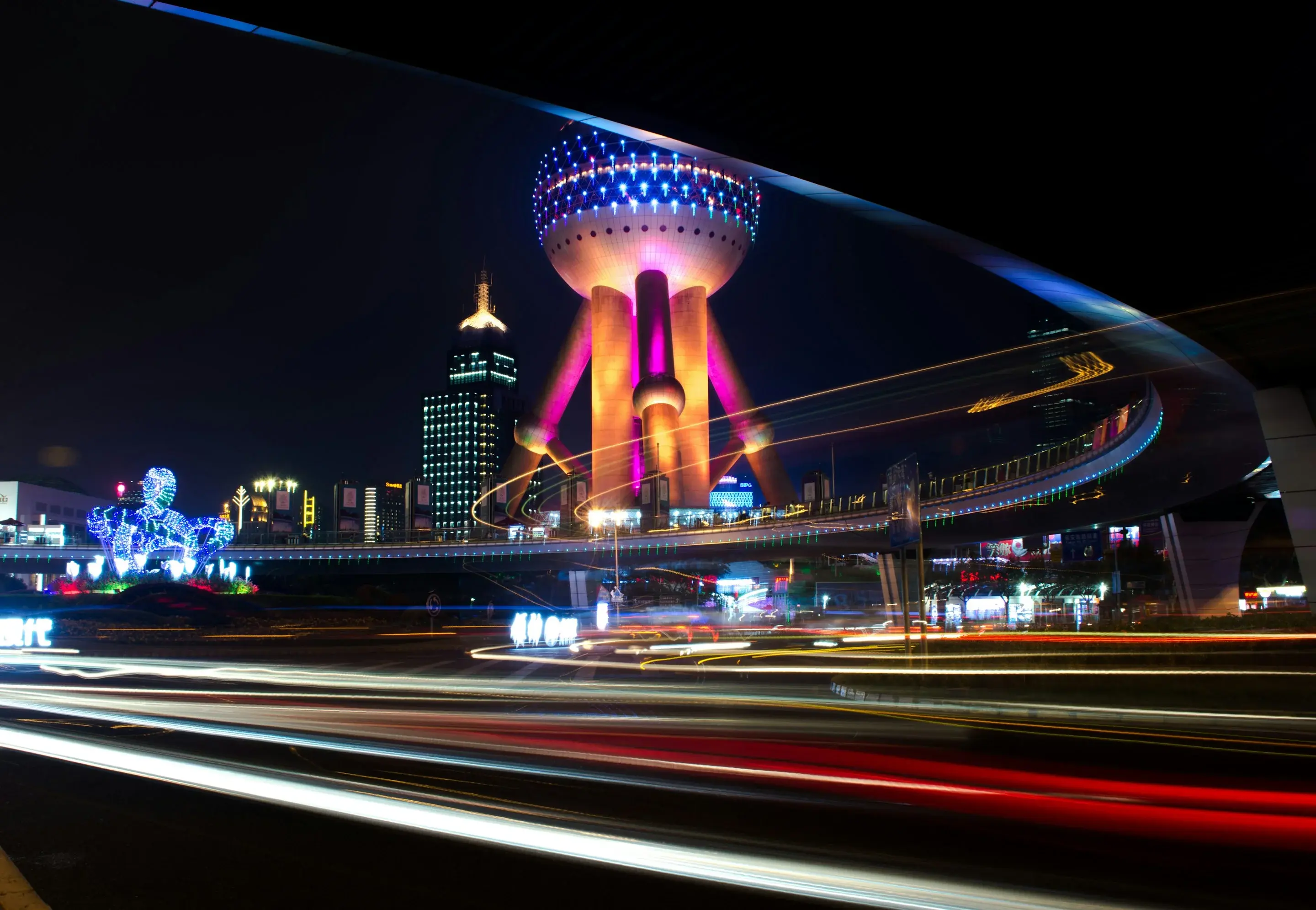
If you want to understand the city’s scale quickly, go up at least one tower. Shanghai Tower, Shanghai World Financial Center, and the Oriental Pearl Tower are the usual choices. My recommendation depends on what kind of view you want and what the weather looks like.
For the broadest modern skyline view, Shanghai Tower is a strong choice. If you want a classic framed view that includes the Oriental Pearl, the World Financial Center often works better. For travelers who care about the landmark itself as much as the view, the Oriental Pearl is still worth considering.
Weather matters a lot here. On a foggy or heavily overcast day, the experience can feel disappointing. If the forecast is clear, late afternoon is the sweet spot. I once suggested a 5:30 p.m. entry to a couple visiting for their anniversary, and they were able to watch the city in daylight, see the sun drop behind the older districts, and stay long enough to catch the night lights. It became their favorite hour in Shanghai.
3. Take a Huangpu River cruise

If your daytime schedule is already full, a Huangpu River cruise is one of the easiest ways to add a memorable Shanghai moment without much planning complexity. Seeing both sides of the city from the water gives the skyline more movement and depth than a static riverfront view.
This is especially good for first-time visitors, families, or anyone who wants a comfortable evening activity. You do not need the most expensive boat. Timing matters more than the vessel itself. Try to book a departure after sunset, and arrive at the pier early in busier seasons because queues can be confusing.
For travelers who prefer a smoother experience, this is also one of those activities that can be worth arranging through a reliable travel agency. It saves time on comparing boat types, confirming boarding points, and dealing with language gaps. We have helped travelers fit river cruises neatly into airport-transfer days or short two-night itineraries, and that kind of coordination often matters more than people expect.
4. Explore Yu Garden and the Old City lanes

Yu Garden is one of the classic tourist places in Shanghai, China, and one of the easiest places to connect with traditional garden design inside a highly modern city. Yes, the surrounding commercial area can feel crowded and polished for tourists, but the site is still worth visiting if your expectations are realistic.
I usually suggest going early and treating the area as more than just one ticketed garden. Visit the garden itself, then walk beyond the busiest shopping zone into the surrounding lanes. That is where the experience becomes more layered. You may still be in a popular part of the city, but the pace changes quickly once you step away from the densest crowds.
A practical route is to start with the garden in the morning, grab breakfast or an early snack nearby, then continue into the old neighborhood streets. I’ve had travelers tell me that the quieter side streets around the area ended up being more memorable than the famous entrance gates, simply because they felt less staged and more lived-in.
5. Visit Nanjing Road, but do it strategically

Nanjing Road is famous, but many visitors leave wondering whether it was just a busy shopping street. That is not entirely wrong, which is why I always say the value of Nanjing Road depends on how you use it. East Nanjing Road works well as part of a route between People’s Square and the Bund. West Nanjing Road is better for higher-end shopping, hotels, and a more polished commercial atmosphere.
If you love city energy, lights, storefronts, and the feeling of walking through one of the busiest urban corridors in China, it is worth seeing. If you care more about architecture and neighborhood character, then do not give it half your day. Use it as a connector rather than a destination.
One easy plan is to start at People’s Square in the late afternoon, walk east along Nanjing Road, then finish at the Bund by early evening. That way, the road makes sense as part of a bigger city sequence instead of feeling like a random shopping detour.
6. Get lost in the former French Concession

For me, this is where Shanghai becomes most livable, not just most impressive. The former French Concession is where I usually send travelers who want to slow down and enjoy the city through its streets rather than its landmark checklist.
The appeal is not one single attraction. It is the combination of leafy avenues, old villas, local boutiques, cafés, bookstores, and everyday life. Streets like Wukang Road, Anfu Road, and Hengshan Road are popular, but there are many quieter blocks nearby that feel even better.
One of my favorite half-day walks starts near Changshu Road, moves toward Wukang Mansion, then drifts through side streets with no strict agenda. That kind of route works especially well for repeat visitors, couples, solo travelers, and anyone who enjoys urban texture.
7. Stop at Wukang Mansion and walk Wukang Road

Wukang Mansion is one of those spots that appears in nearly every Shanghai photo guide, but it still deserves a stop. The building itself is elegant, distinctive, and easy to pair with a longer neighborhood walk.
I do not recommend treating it as a stand-alone destination. Instead, use it as a starting point. The surrounding blocks are what make the visit worthwhile. Nearby cafés, bakeries, side streets, and residential lanes create the atmosphere people often imagine when they think of “stylish Shanghai.”
If you arrive in the morning on a weekday, the experience is usually calmer. On weekends, it can get crowded with people lining up for photos.
8. Visit Jing’an Temple

Jing’an Temple offers a striking contrast to the surrounding glass towers and commercial malls. That contrast is exactly why I think it is worth visiting. It reminds you that in Shanghai, old and new are rarely separated cleanly.
The temple is relatively easy to include in a central itinerary. You can pair it with shopping, cafés, or a neighborhood walk in the same area. Even travelers who are not especially focused on religious sites often find it worthwhile because the setting is so characteristically Shanghai.
9. Spend time in People’s Square and the Shanghai Museum area

People’s Square is not always the most romantic part of the city, but it is incredibly useful. It connects major transport lines, public spaces, museums, and shopping streets. If your itinerary is short, this area is likely to show up anyway.
The Shanghai Museum is one of the best places to get a broader sense of Chinese art and material culture without needing to travel around the country first. Bronze, ceramics, calligraphy, painting, and furniture all help create context for the rest of your trip.
I often recommend this stop to travelers on their first full day in China. It grounds the rest of the journey.
10. Visit the Shanghai Museum or another major museum
If history and culture matter to you, do not skip Shanghai’s museums. The Shanghai Museum is the obvious first choice, but depending on your interests, the Power Station of Art, Shanghai History Museum, and smaller district museums can also be rewarding.
A museum day is especially helpful in summer or on rainy days. I’ve seen many visitors assume Shanghai is all skyline and shopping, only to be pleasantly surprised by how much depth the museums add.
11. See Tianzifang, but go early

Tianzifang is one of those places people either enjoy or dismiss. It is commercial, yes, but if you go early enough, it can still be fun for browsing narrow lanes, small shops, snacks, and photos.
I would not build a whole day around it, but it works well as a short stop in a French Concession itinerary. Think of it as an atmospheric detour rather than a major landmark.
12. Walk around Xintiandi

Xintiandi is polished, curated, and clearly designed with lifestyle tourism in mind. That sounds like criticism, but I do not mean it that way. It is simply a good place to see how historic shikumen-style buildings have been adapted into a contemporary dining and retail district.
For first-time visitors, it is easy, central, and convenient. If you want a clean lunch stop, a comfortable meeting point, or a stylish evening stroll, it works well.
13. Visit a rooftop bar with skyline views

Shanghai does rooftop bars very well. If your budget allows, having one drink with a skyline view is one of the easiest ways to make the city feel cinematic.
I usually suggest this for couples, friends, or travelers celebrating something special. It does not need to be a late-night event. Even a single sunset drink can become a highlight.
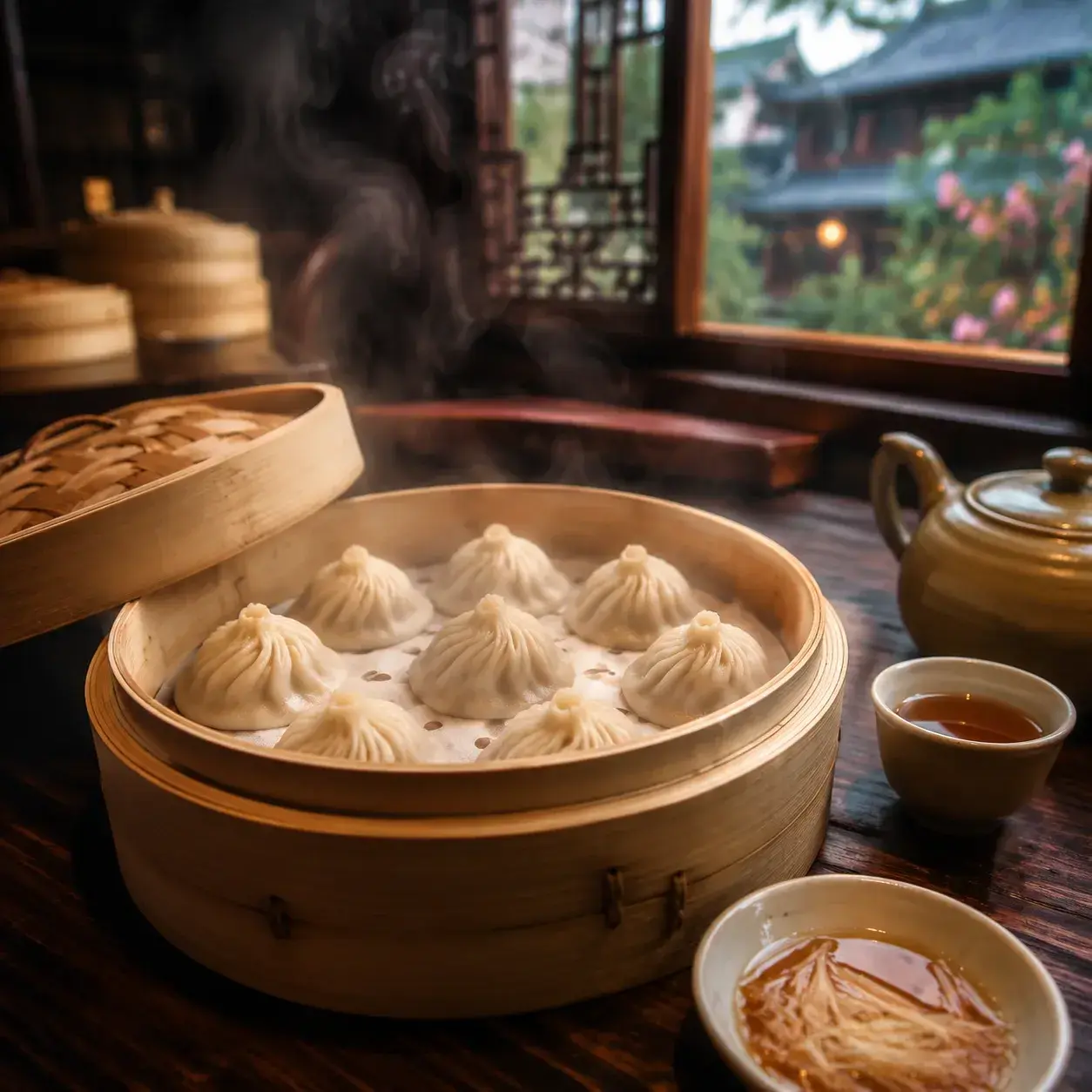
14. Eat xiaolongbao in a proper local restaurant

You should absolutely eat xiaolongbao in Shanghai, but not only in the most famous tourist venues. Soup dumplings are one of the city’s signature foods, and there is a huge difference between a rushed checklist version and a genuinely satisfying meal.
I usually tell travelers to balance one famous stop with one more local, lower-profile restaurant. That way you can compare atmosphere, service, and flavor. In many cases, the less glamorous place wins.
15. Try shengjianbao for breakfast or a quick snack
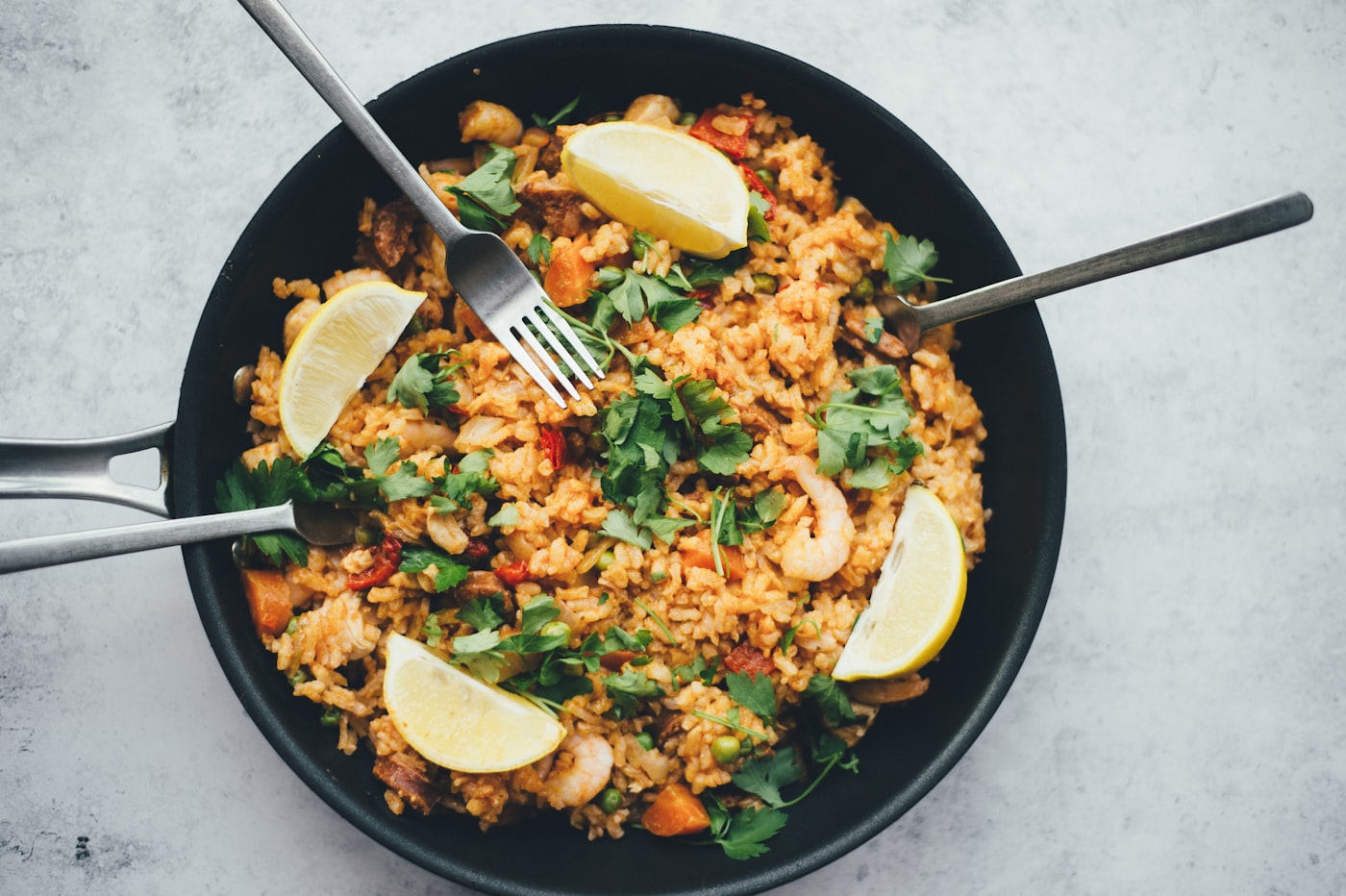
If I had to choose one snack that surprises overseas visitors the most, it might be shengjianbao. These pan-fried buns are crisp on the bottom, juicy inside, and very Shanghai.
They are best when freshly made and eaten hot. I often recommend trying them in the morning, when local breakfast shops are busiest and the food feels most embedded in daily life.
16. Taste Shanghai-style noodles and comfort food

Beyond dumplings, Shanghai is a good place to try scallion oil noodles, braised pork dishes, wontons, and other comfort foods that locals actually eat regularly. Not every memorable meal has to be a headline restaurant.
Some of the best travel food moments happen in simple neighborhood places where the menu is short, the turnover is fast, and the room is full of regulars.
17. Take a food-focused walk through a local neighborhood
If food is how you understand a city, Shanghai rewards curiosity. Pick an area like the French Concession fringes, an old residential block, or a market street and try multiple small things instead of one heavy meal.
This is also where a knowledgeable local guide or agency-arranged food experience can really help. Not because you cannot find food alone, but because context matters: what to order, how much to order, when to go, and how to avoid ending up in places that are all image and no substance.
18. Ride the ferry across the Huangpu River

If you want a cheaper and more local alternative to a sightseeing cruise, take a regular ferry across the river. It is practical, quick, and surprisingly scenic.
I like recommending this to travelers who enjoy small urban experiences that do not feel overly packaged. It is not luxurious, but it is real and memorable.
19. Explore Lujiazui at ground level

Most people think of Lujiazui as somewhere to look at from afar, but it is also worth walking through at ground level. The elevated walkways, giant towers, shopping malls, and wide urban spaces make it feel very different from older parts of Shanghai.
I often pair this with an observation deck, a mall food break, and a nighttime return to the Bund view.
20. Visit a contemporary art space
Shanghai’s art scene is not always the first thing visitors think about, but it is worth exploring if you have extra time. Places like the West Bund museums or Power Station of Art can add another dimension to the city.
This is a good option for return visitors or travelers who have already covered the classic landmarks.
21. Spend an evening in a stylish café or tea space
Shanghai is one of the easiest cities in China to enjoy slowly. A well-designed café, dessert shop, or tea space can become part of the sightseeing rather than just a break from it.
For many travelers, these pauses are what make the city feel human rather than just impressive.
22. Stay in a neighborhood that matches your style
Where you stay changes your experience of Shanghai more than many people expect. If you want convenience, People’s Square, Nanjing Road, or Jing’an are easy choices. If you want more character, parts of the French Concession usually feel better.
I have seen travelers save money on a hotel only to lose hours each day on awkward transport connections. In Shanghai, location is often worth paying for.
23. Use the metro, but do not overcomplicate your days
Shanghai’s metro is one of the city’s biggest advantages. It is extensive, affordable, and usually the fastest way to move between major areas. That said, I always caution visitors against trying to do too much in one day just because the map makes everything look connected.
A good Shanghai day usually has one major zone, one backup indoor stop, and one evening plan. That is enough.
24. Take a day trip if you have extra time

If you have four days or more, a day trip can be a great addition. Zhujiajiao is the easiest classic water-town option from Shanghai. Suzhou and Hangzhou are also possible if you start early and plan well.
This is another area where agency support can genuinely help, especially if you want private transfers, train coordination, or a smoother multi-city route without spending your whole evening comparing logistics.
25. Leave room for unplanned time
This may be the least obvious suggestion on the list, but it is one I believe strongly in. Shanghai is at its best when you leave a little room for spontaneity. A side street, a bakery, a bookstore, a river view, a quiet lane, a local lunch spot—these are often what people remember most.
The travelers who enjoy Shanghai the most are not always the ones who check off the maximum number of landmarks. They are often the ones who let the city breathe a little.
Where to Stay in Shanghai
For first-time visitors, I usually suggest choosing between three broad areas.
People’s Square / East Nanjing Road: best for convenience, sightseeing access, and short stays.
Jing’an: a comfortable all-rounder with good food, shopping, transport, and hotels.
Former French Concession: better for atmosphere, walking, cafés, and travelers who care more about neighborhood feel than landmark density.
If you are arriving late, traveling with family, or trying to combine airport transfers with a smooth hotel check-in, having a travel agency coordinate transport can be genuinely helpful. It is not about luxury; it is about reducing friction at the start of a trip.
How to Get Around Shanghai
Shanghai is one of the easiest cities in China to navigate once you understand the basics.
- Metro: best for most sightseeing days.
- Taxi / ride-hailing: useful late at night or when carrying luggage.
- Walking: essential in areas like the Bund and French Concession.
- Ferries and river transport: limited but worthwhile in specific areas.
The biggest mistake I see is people underestimating how tiring urban travel can be, even in an efficient city. Keep each day geographically focused.
What to Eat in Shanghai
If your food list is too short, start here:
- xiaolongbao
- shengjianbao
- scallion oil noodles
- wonton soup
- braised pork dishes
- local desserts and bakery items
Shanghai is not only about grand restaurants. Some of the most satisfying meals are simple, fast, and inexpensive.
Practical Travel Tips for First-Time Visitors
A few things I often tell overseas travelers before they arrive:
- Wear comfortable walking shoes. Shanghai looks flat and easy, but you will walk more than expected.
- Build weather flexibility into your plan.
- Do not overbook every hour.
- If you are traveling during busy seasons, book major attractions and popular restaurants early.
- If you want a smoother experience with airport pickup, day-trip coordination, family travel planning, or a customized first-China route, a reliable travel agency can save a lot of time and reduce common mistakes.
Final Thoughts
Shanghai is one of the easiest cities in China to recommend because it works for so many different travel styles. It suits first-time visitors who want iconic landmarks, food lovers who want variety, couples who want stylish city breaks, and repeat travelers who prefer neighborhoods over checklists.
What I like most is that Shanghai does not force you into only one version of China. It lets you see old and new, polished and local, ambitious and everyday, often within the same afternoon. If you are deciding where to begin your China trip, Shanghai, China is still one of the strongest possible starting points.
And if you want, I can also help turn this into a more publication-ready version with SEO meta description, image alt text, internal-link suggestions, and a matching FAQ section.
FAQ
Is Shanghai a good first destination in China?
Yes, Shanghai is one of the easiest cities in China for first-time international travelers. It offers efficient transport, modern conveniences, and a mix of historic areas, food, and skyline views.
What are the must-see places in Shanghai?
Top highlights usually include the Bund, Pudong's skyscrapers, the former French Concession, museums, and river views. Many travelers also come for neighborhood walks, rooftop bars, and local dining.
How many days do you need in Shanghai?
A 3 to 4 day trip is enough to see major attractions and enjoy the city's food and neighborhoods. If you want a slower pace or day trips, staying longer can be worthwhile.
What kind of food should travelers try in Shanghai?
Shanghai is known for iconic dishes like soup dumplings as well as a wide range of local restaurants and modern dining. It is a great city for travelers who want both classic Chinese flavors and international options.