


What changed
Volunteering with pandas used to be the thing to do in Chengdu. Dujiangyan, or Wolong. Then photographs of visitors feeding pandas went round online, and the criticism landed on the bases rather than the visitors. Feeding stopped. Close contact stopped. The programme shrank. The price did not. So we went north.
One day, and two things that are genuinely scarce
One day in the hills of Jiuzhaigou county: a volunteer shift at a reserve that takes nobody else that day, then an afternoon in a Baima Tibetan village for a masked dance that is running out of dancers.
- The reserve closed to everyone but you — no crowd at the fence line, all morning
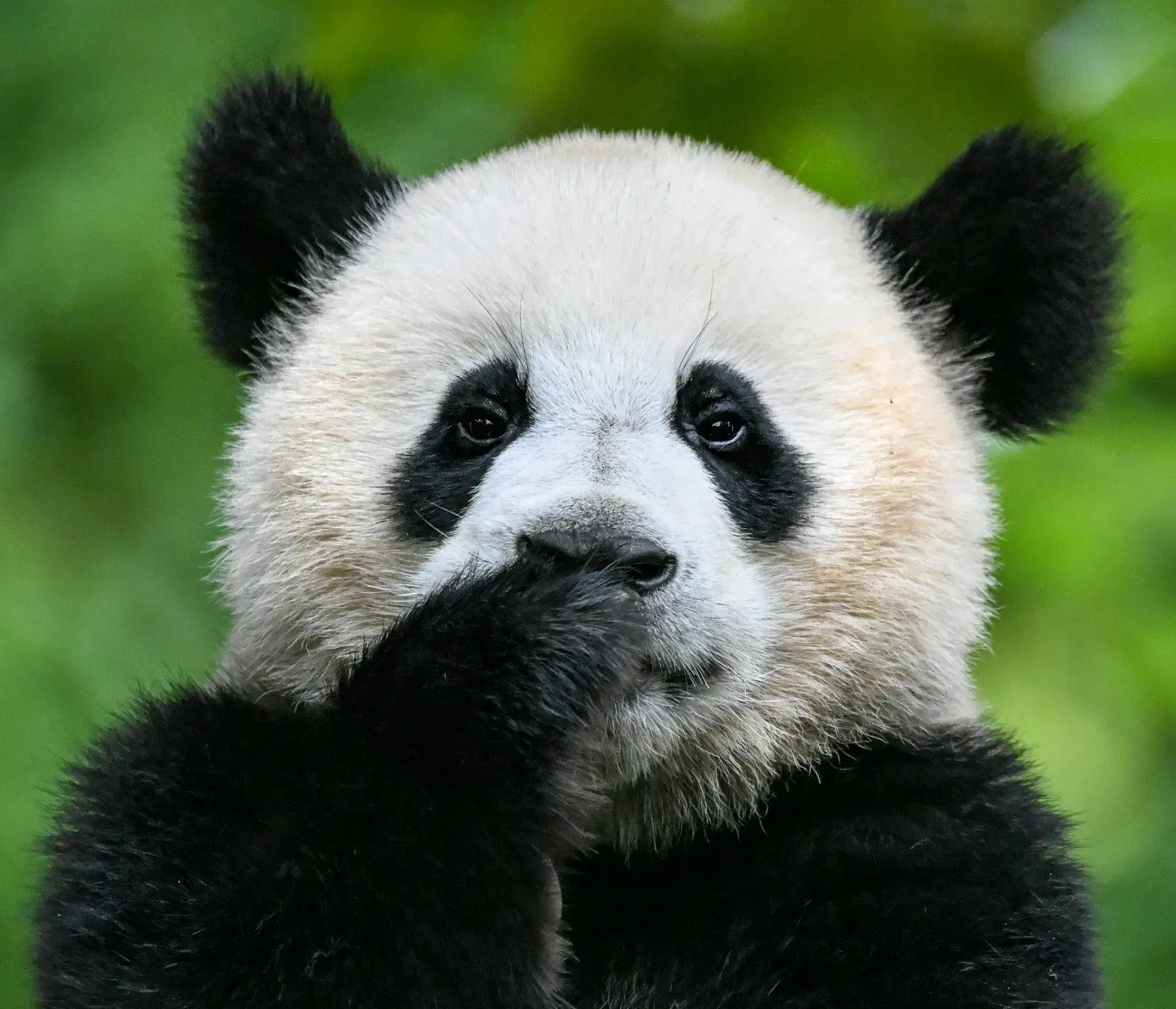
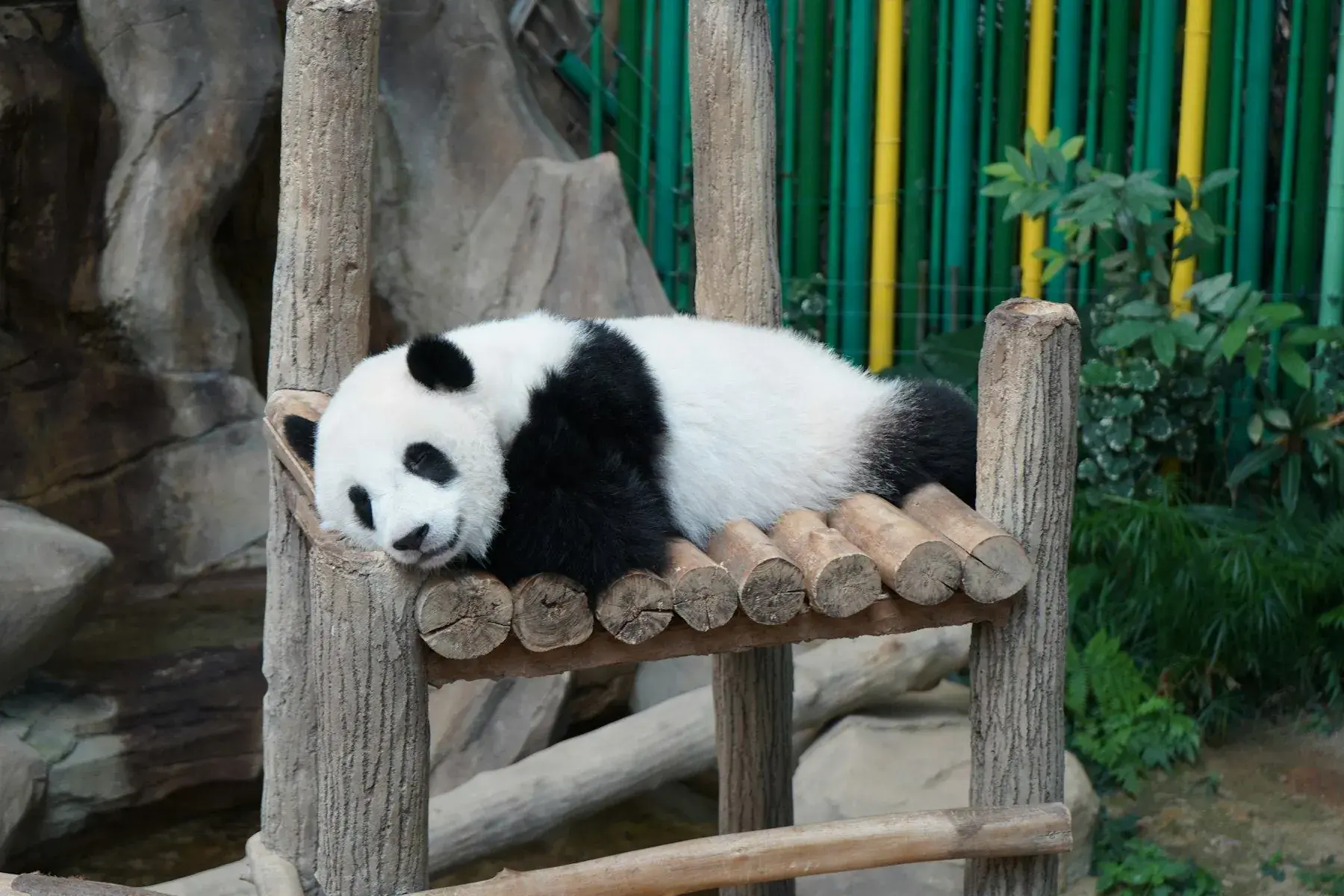
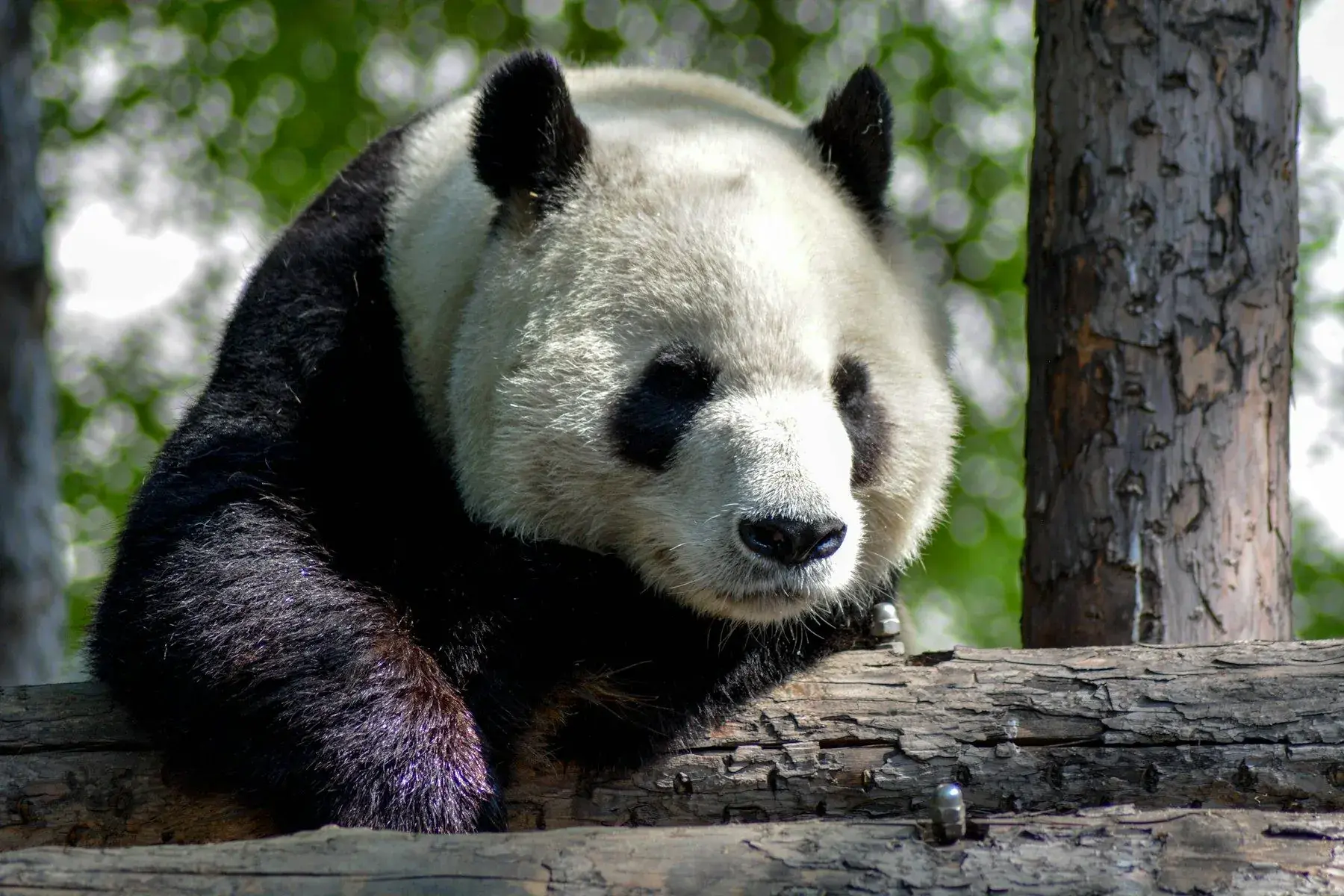
- Giant pandas at close quarters, at the hour they are actually awake
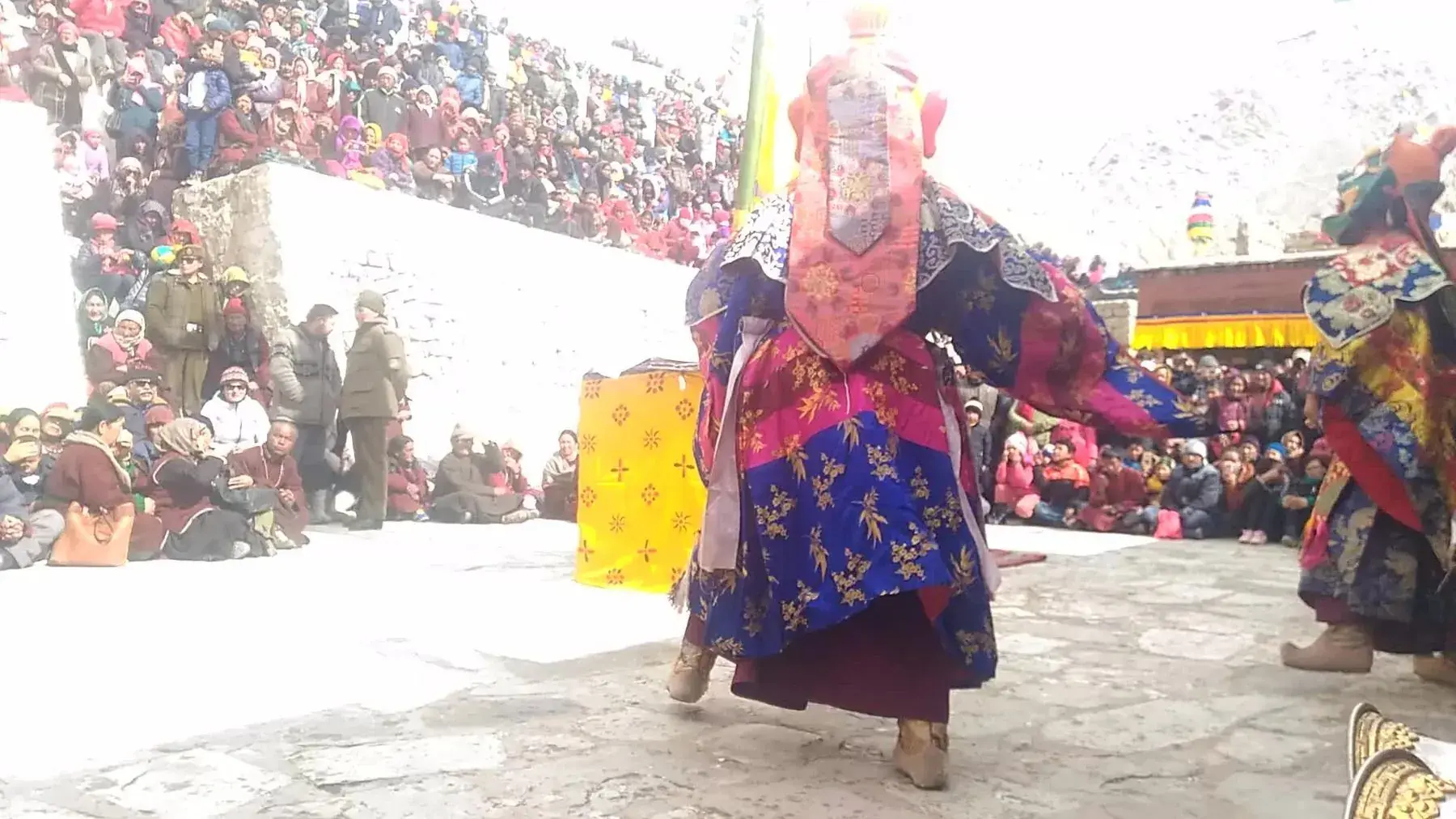
- The zhou masked dance — lion leading, then ox, tiger, dragon, leopard, snake, rooster
- A Baima village going about an ordinary afternoon around it
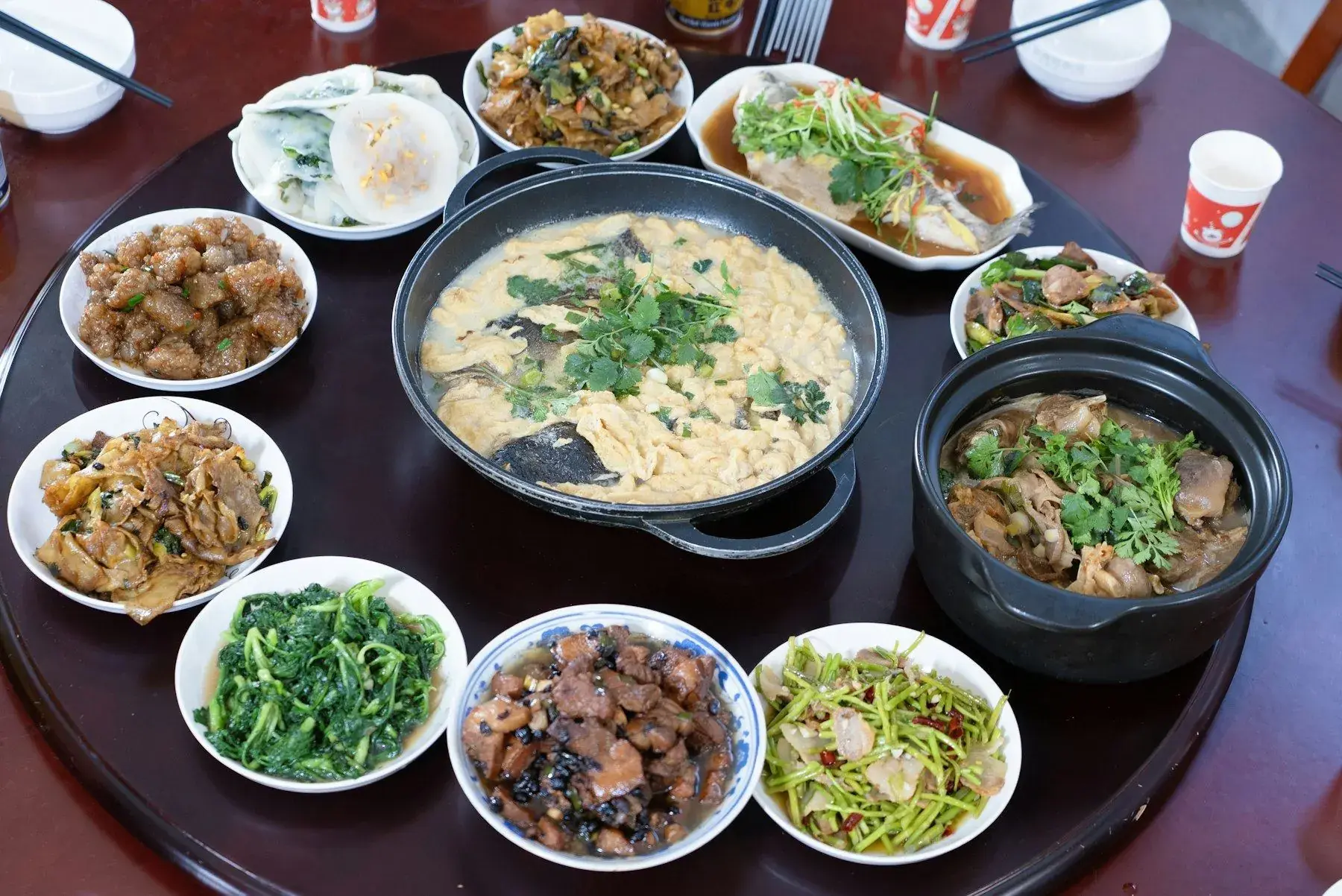
- Dinner in a village family's own home, from what they cook for themselves
- Potato ciba, pounded with the household that makes it
- Nothing catered, nothing laid on for a group
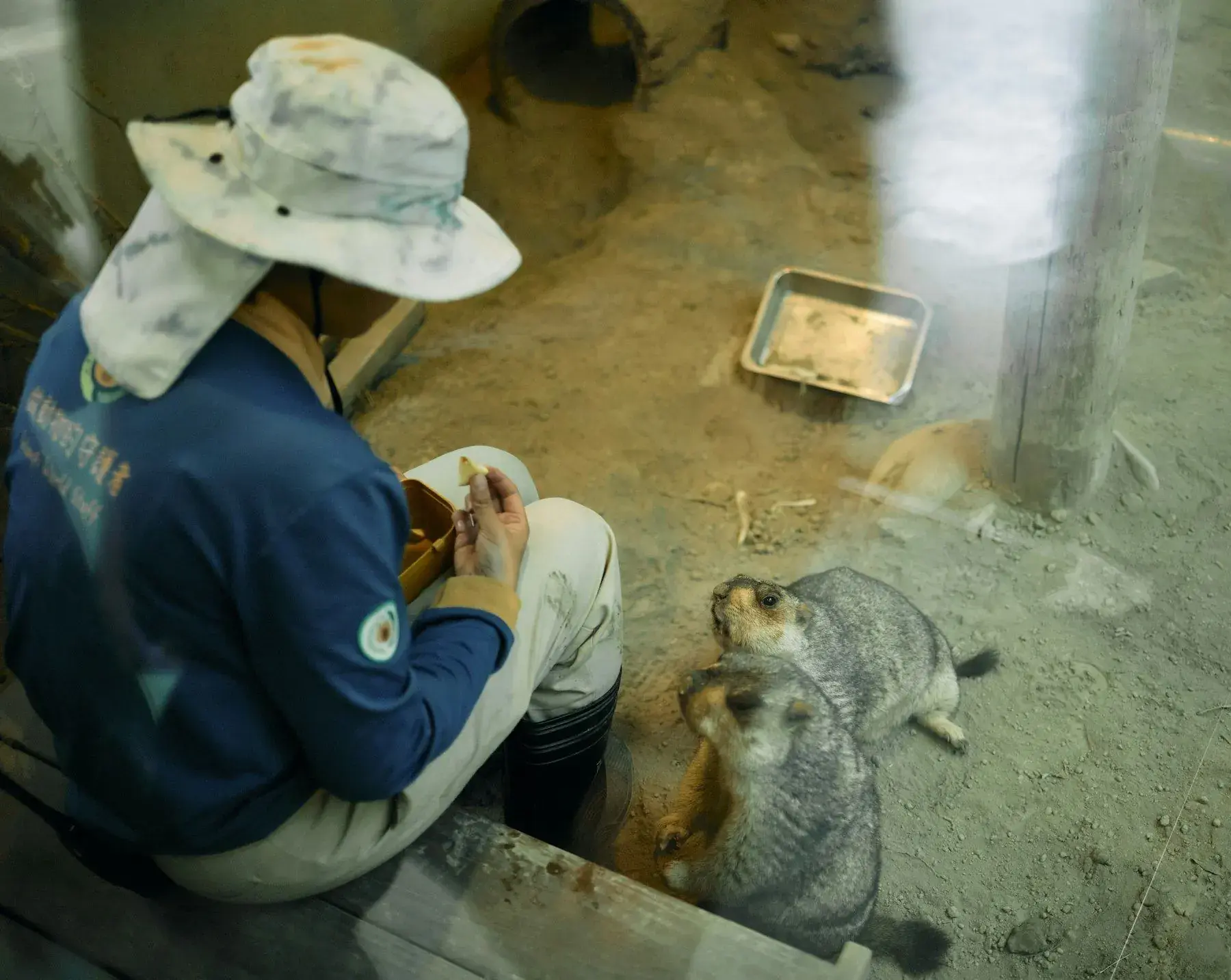
- Keepers explaining what the morning's work is actually for
- That the dance went onto China's first national heritage list in 2006 — and that fewer people can perform it each year
- The household's own conversation, kept moving both ways by your guide
- A morning of real volunteer work, not a photo stop
- Footage of a dance with a finite number of performances left in it
- One part of the morning we keep for the booking call
What the day is made of
Morning north · afternoon in the valley
How it unfolds
-
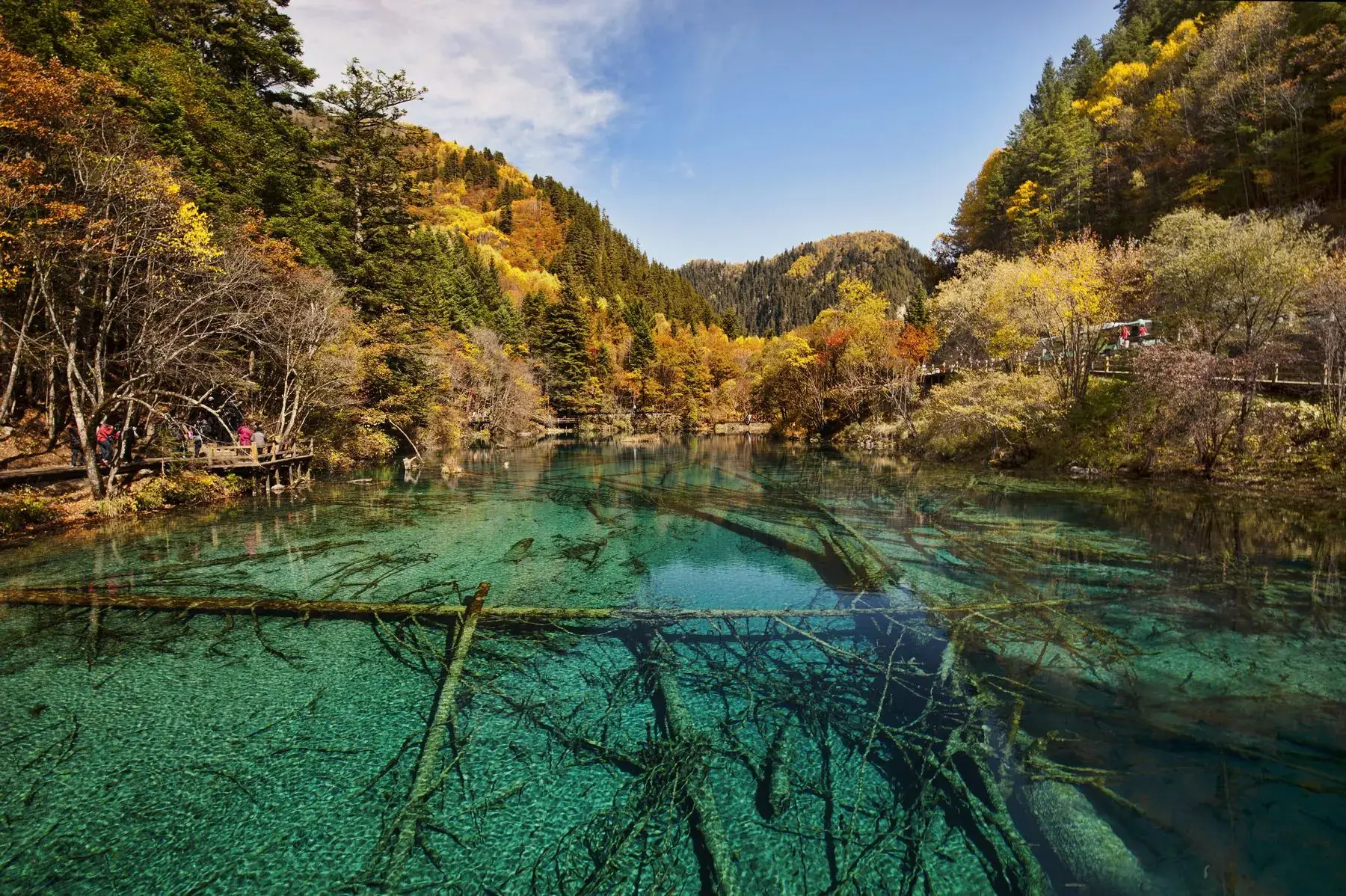
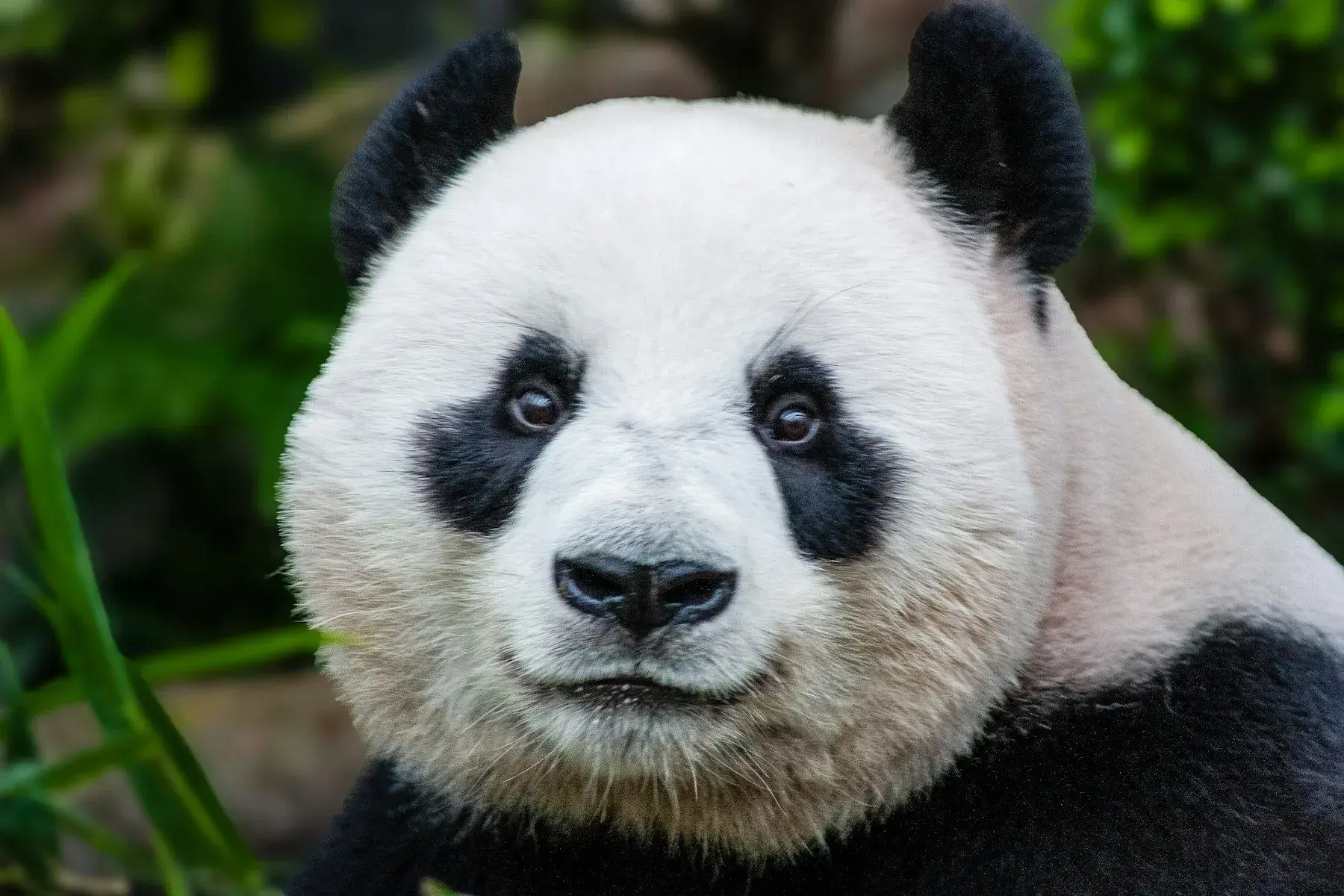
The reserve sits inside Wujiao nature reserve in Jiuzhaigou county, ringed by mountains, with its own lake — Jiawuhai — and old forest around it. Several giant pandas live here in enclosures built to imitate the habitat, and the place runs as much on conservation and science education as on visitors. On the busiest day of the last national holiday, Jiuzhaigou's main scenic area took over 41,000 people. This valley took a fraction of that.
-
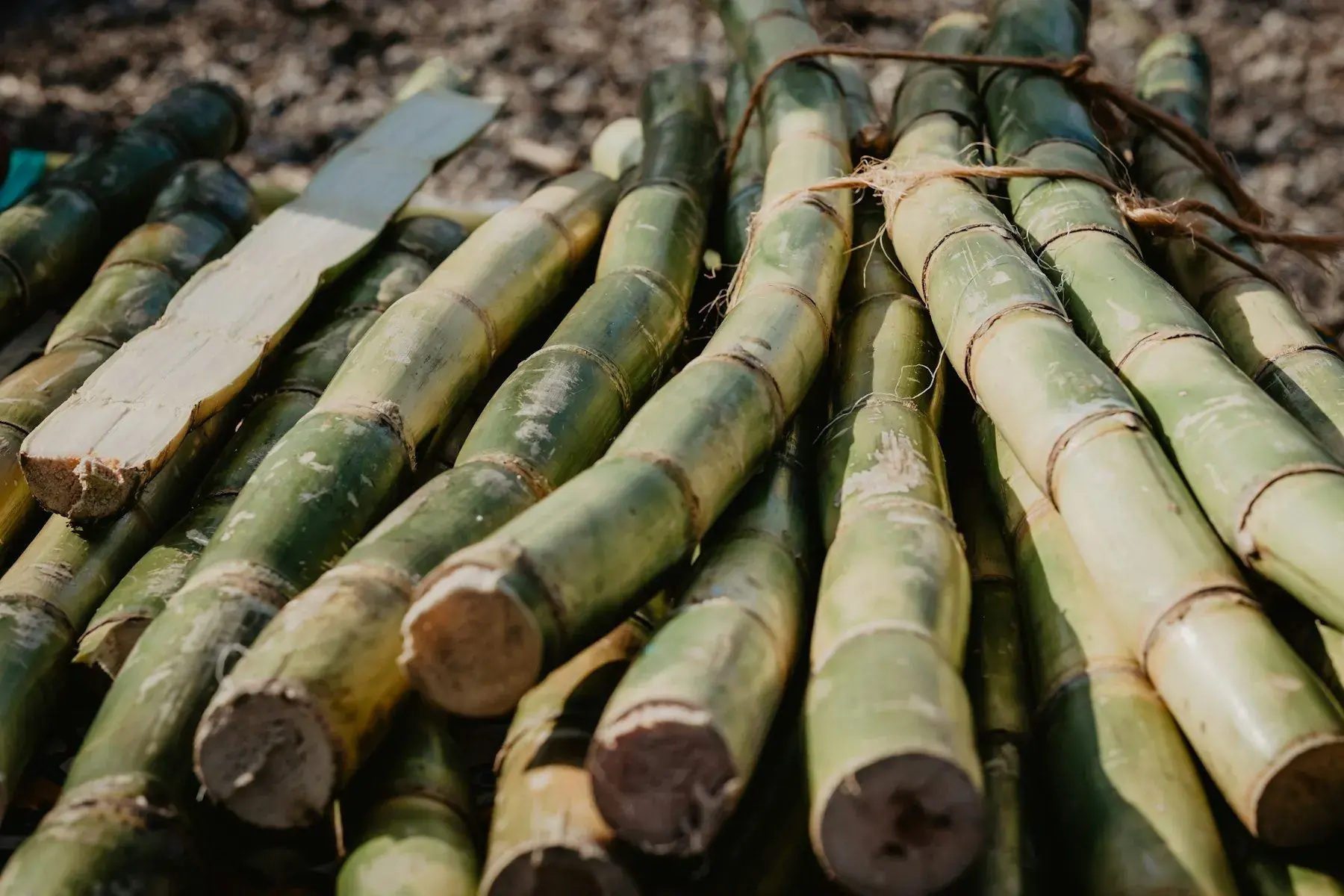
Gear on, keepers' briefing, and into it: cutting and carrying bamboo, preparing food, cleaning enclosures, then the care itself. Mornings, because that is the only part of the day a panda is reliably awake. Every step is on the keepers' terms, with a keeper beside you throughout.
-
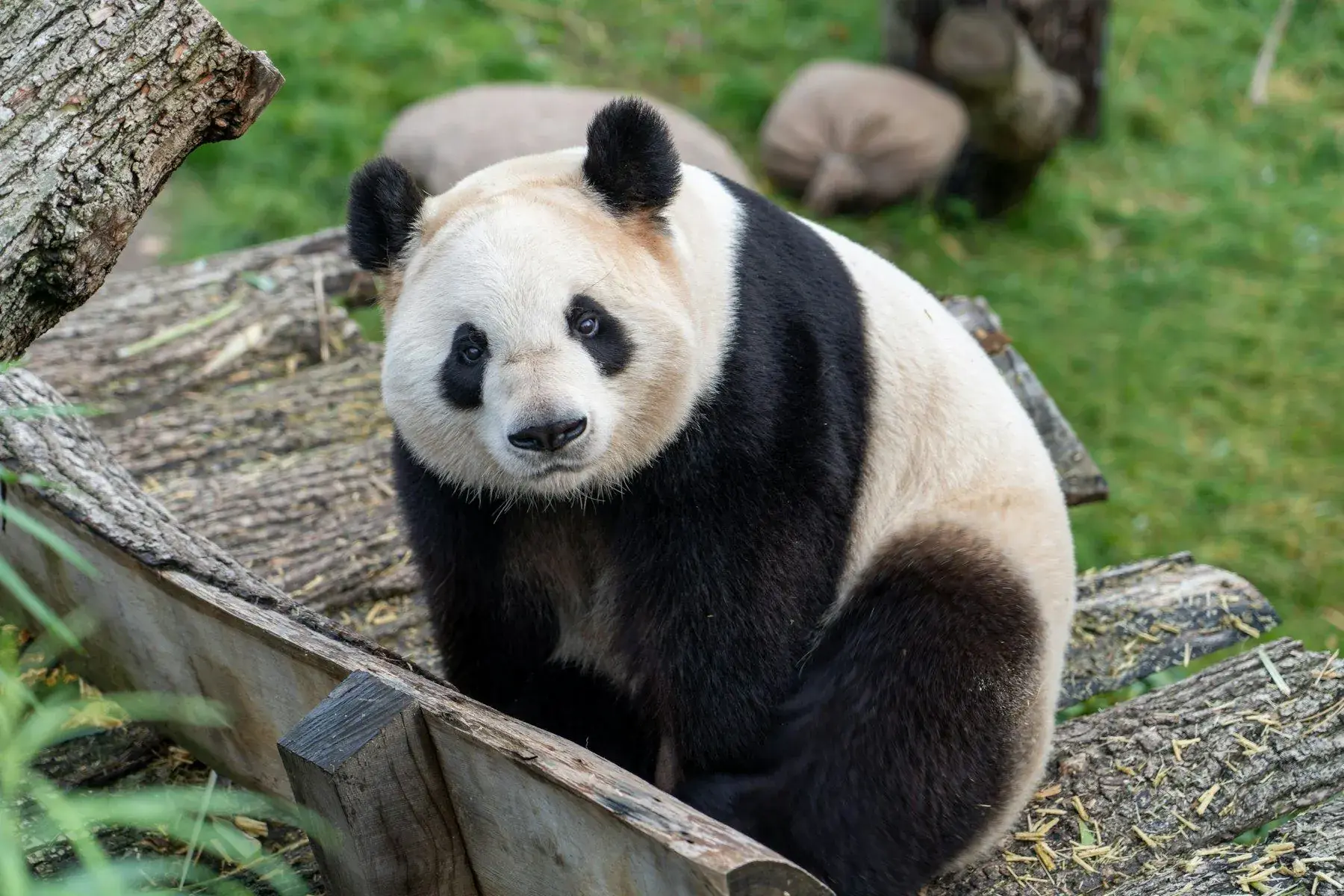
On a volunteer day the reserve takes no one else. There is no crowd at the rail, no queue for a viewing window, no one asking you to move along. Four pandas, their keepers, and you — which is a large part of why the drive north is worth doing at all.
-
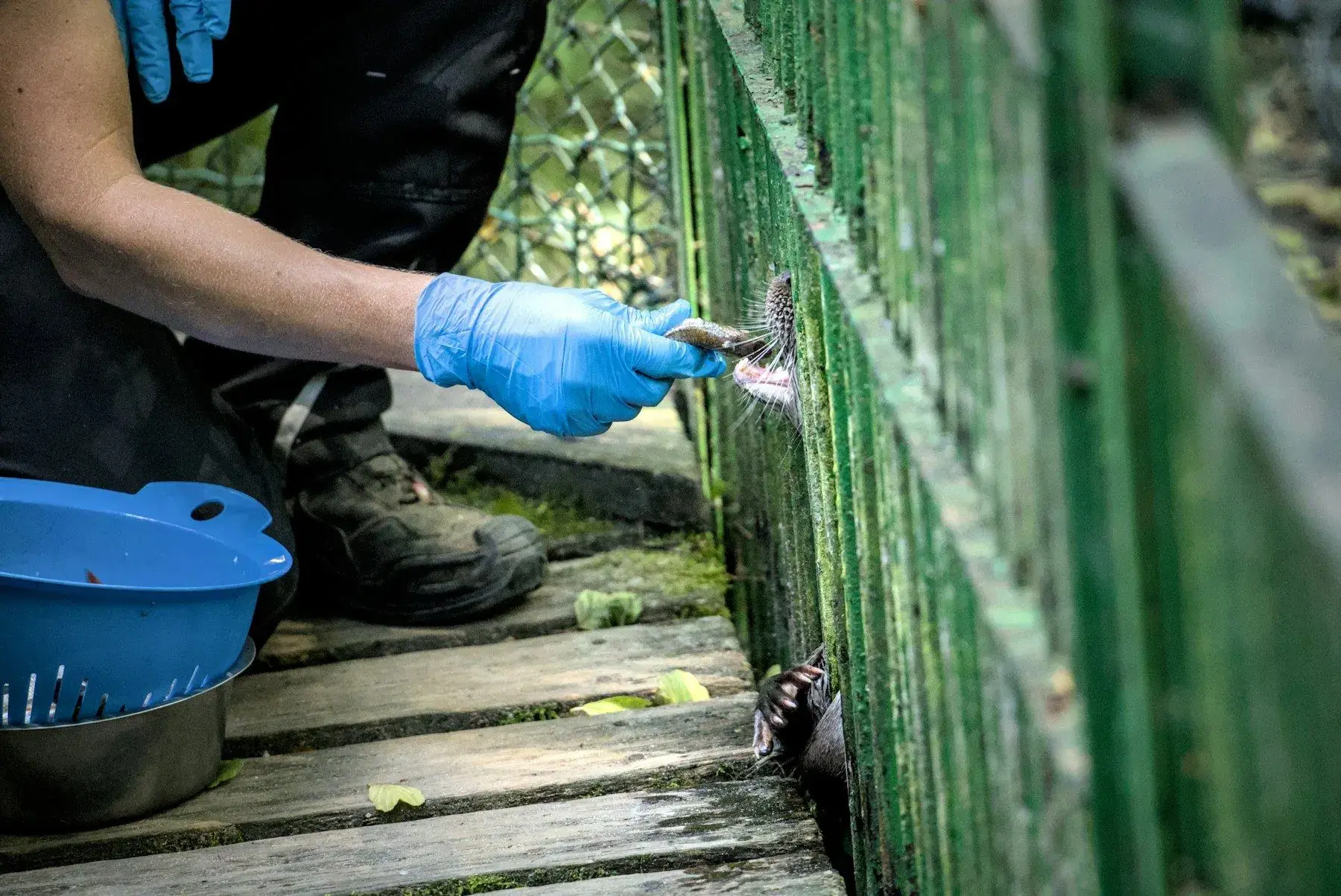
The closeness the big bases had to rein in still exists here, under the keepers' supervision. Exactly what that means on the day is something your guide tells you one-to-one when you book — keeping it off a public page is part of how we protect the reserve, and part of the agreement that lets this run at all.
-
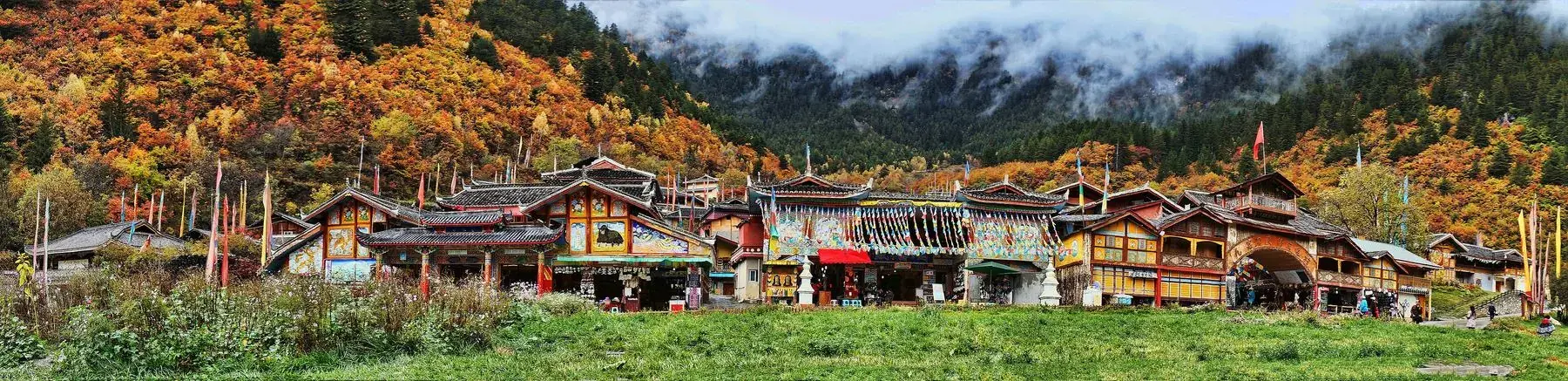
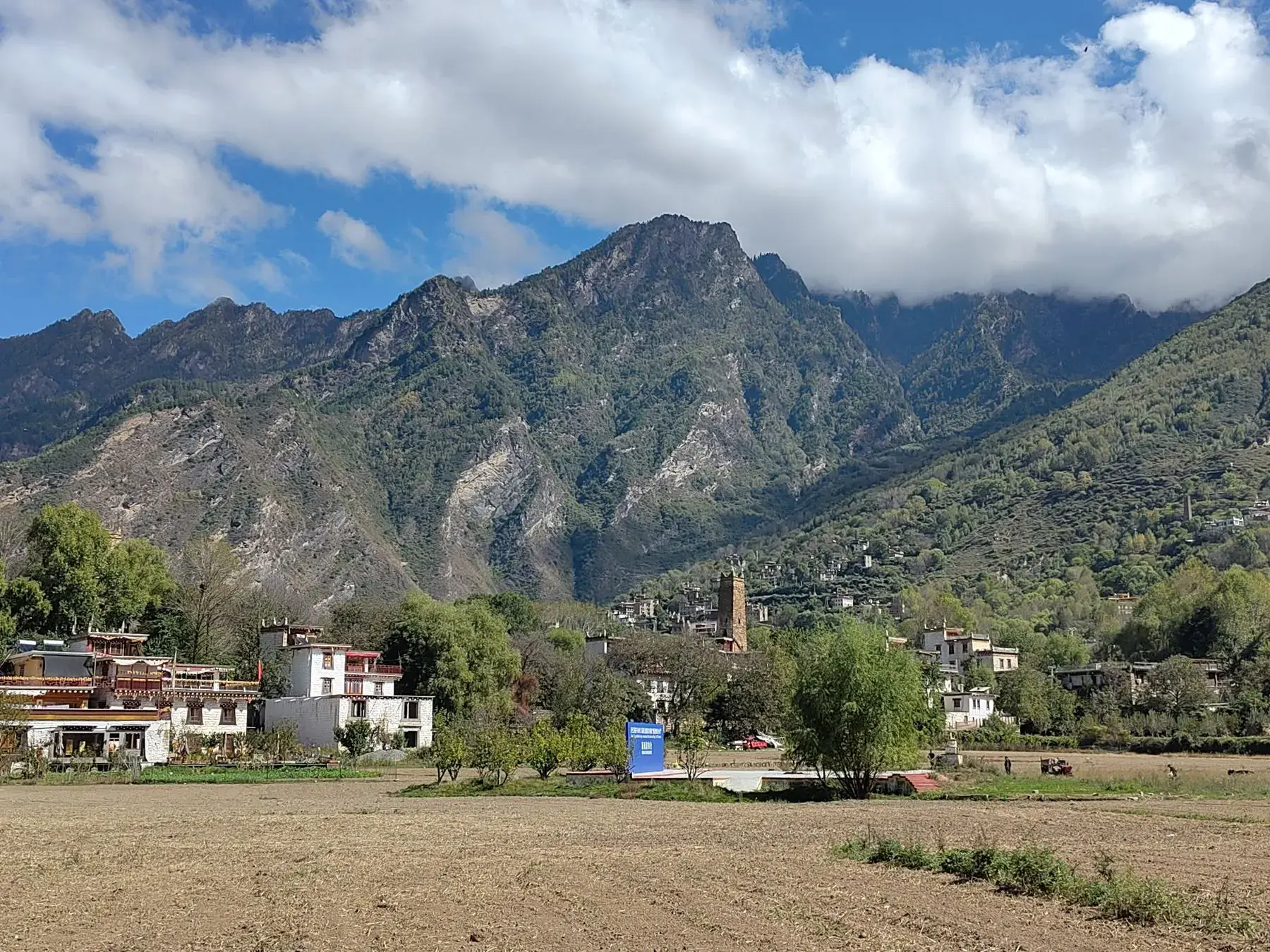
The Baima are a Tibetan group who barely register in the public imagination — their dress, their food and their customs all sit apart from what people picture. The practical difference for you is altitude: they live low, in a valley, so getting there costs you nothing physically. You arrive, and there is a welcome the village lays on itself.
-
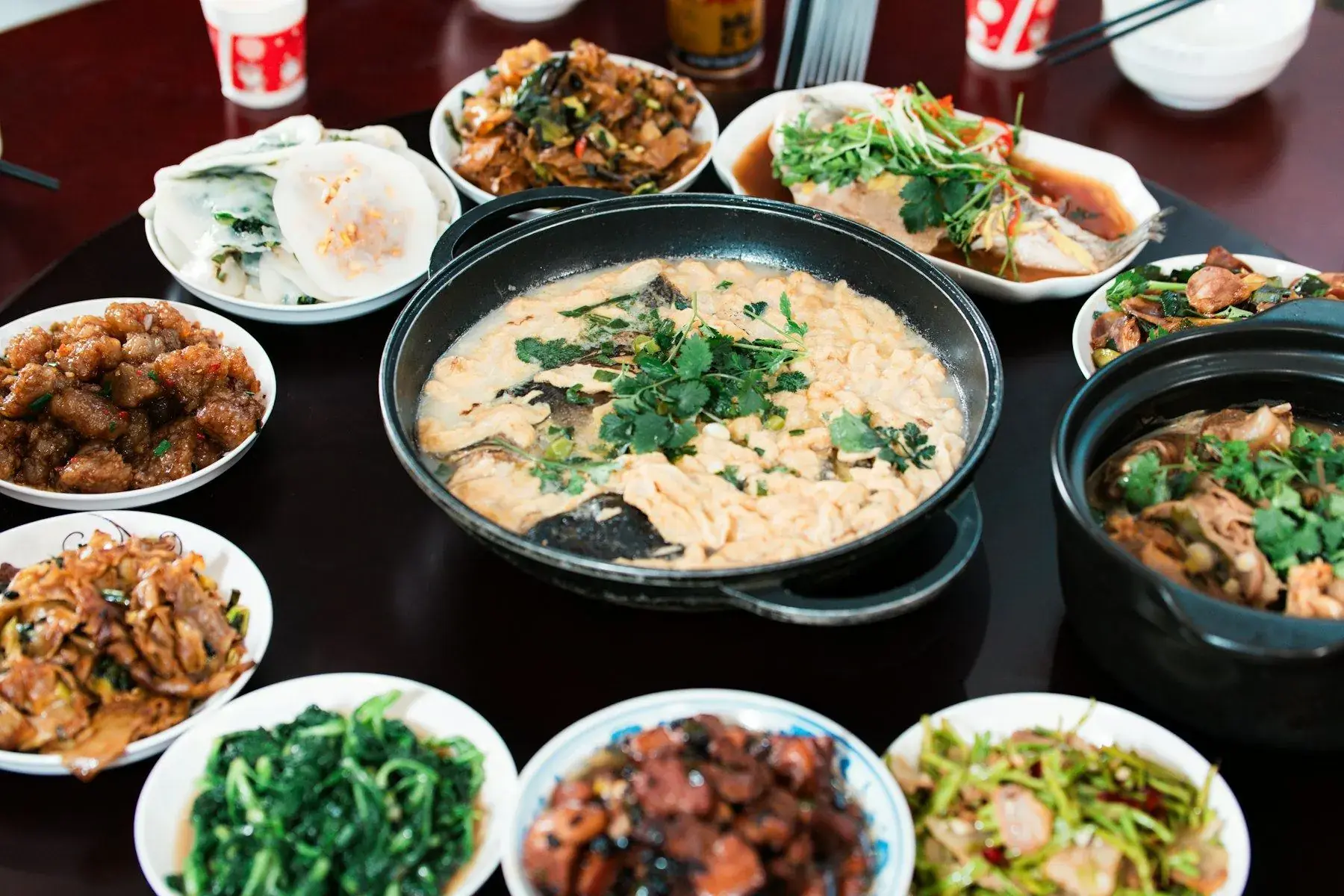
You eat in a village home, at the family's own table, from what they cook for themselves. Your guide sits in and keeps the conversation moving both ways — what is on the plate, how the household runs, what is different about how each of you lives. It is the least performed hour of the day, and generally the one people talk about afterwards.
Twelve animals, and a lion leading them
What the masks actually are
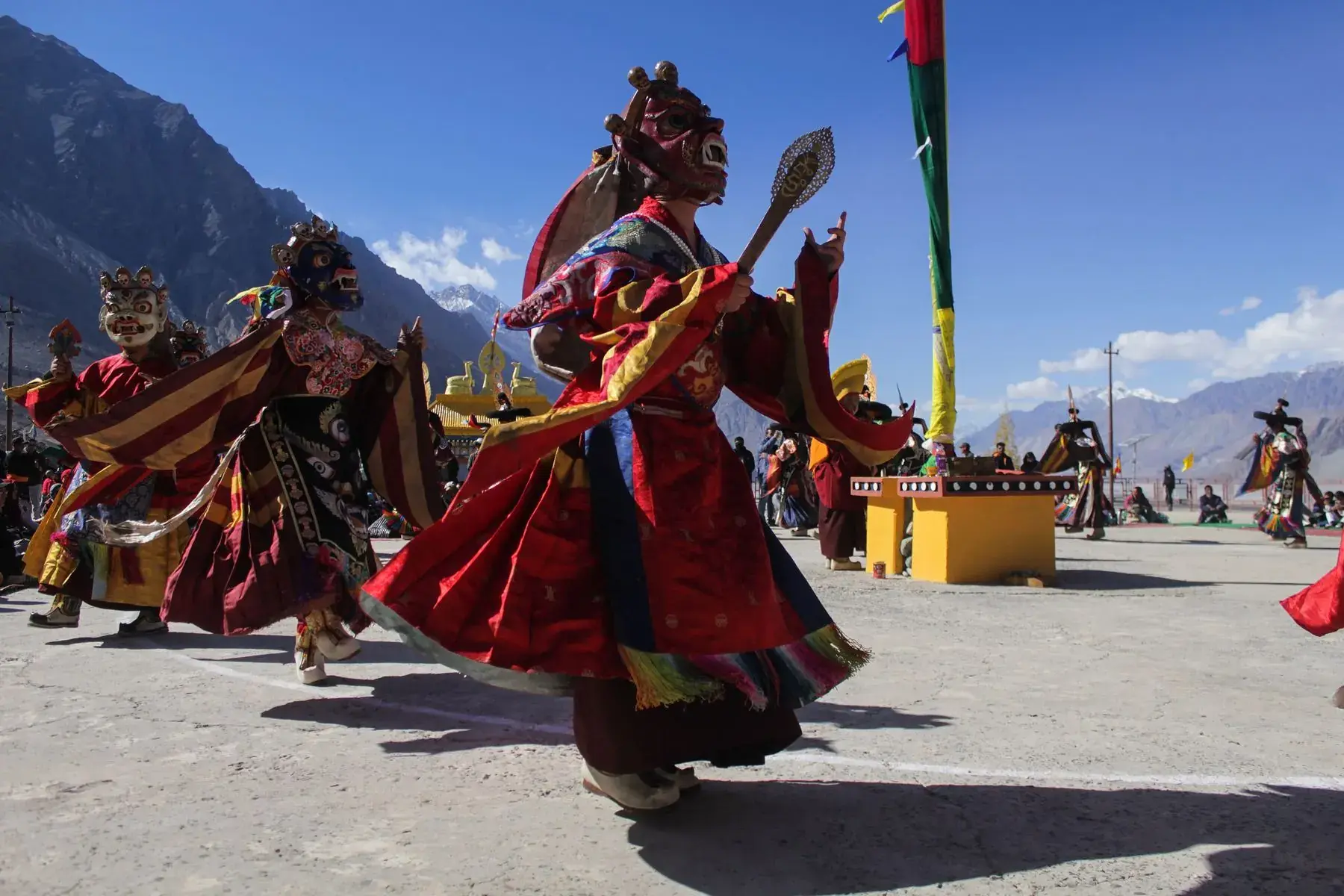
The dance is called zhou in Baima — it means auspicious mask dance, and in Chinese it is usually called the dance of twelve animals. It went onto China's very first national heritage list in 2006, filed by Jiuzhaigou county.
The lead dancer wears a lion, king of the beasts. Behind him the masks come in fixed order: ox, tiger, dragon, leopard, snake, rooster, then two small demons and two large ones. Seven, nine or eleven dancers, depending on the occasion.
It comes out of a belief that everything in the world is alive and has a spirit — a fusion of Di-Qiang and Tibetan culture, and one of the last living traces of the ancient hundred beasts dancing. There are three sets: one for the gods and the mountain, one for the village square, and one for going door to door wishing people well.
Fewer people can perform it every year. Nobody in the village dresses that up: what you are watching has a finite number of performances left in it.
Designer's note
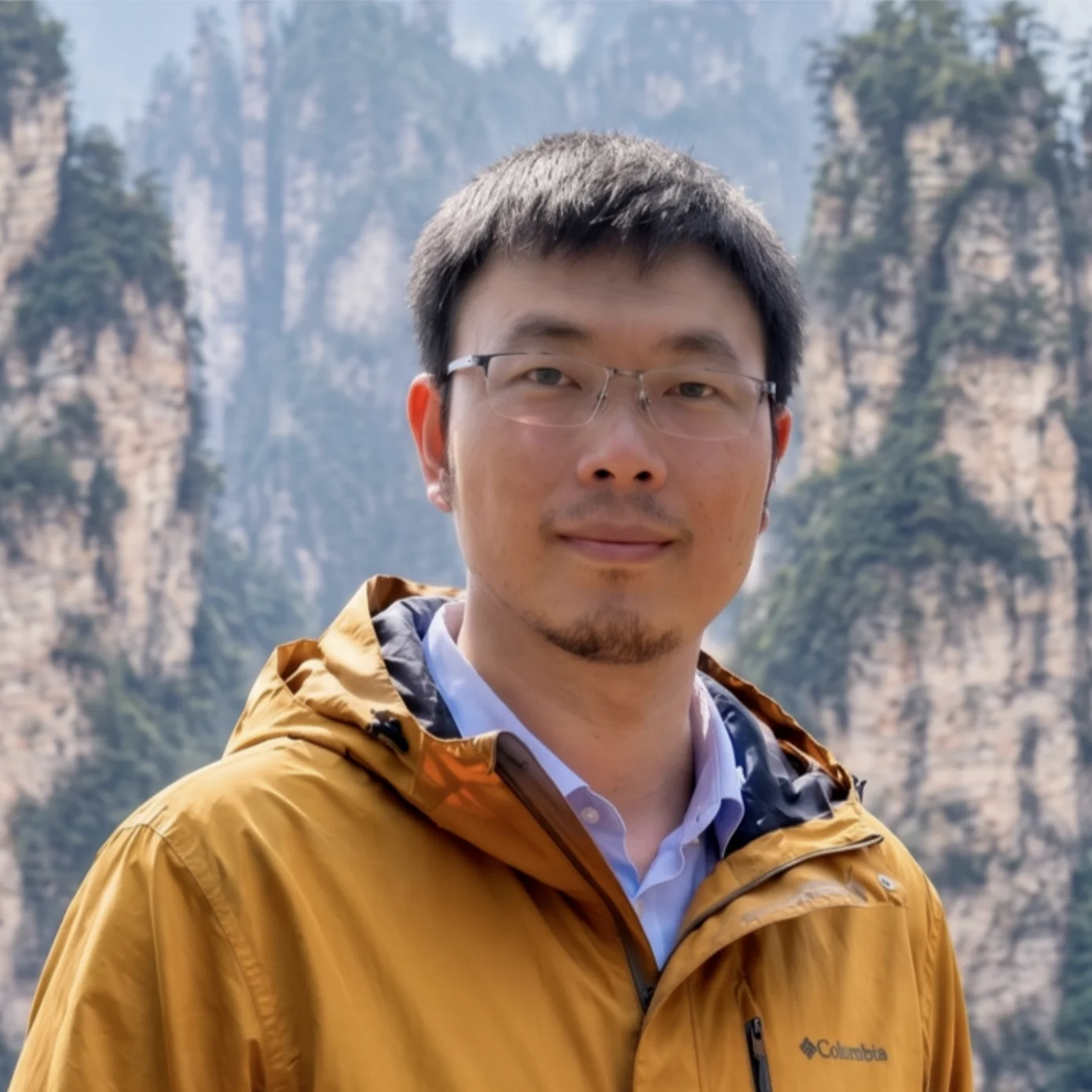
“In the end guests ask one thing of pandas: to be as near them as they can get. When the big programmes had to rein that in, we drove north and found the one valley where a reserve — and a village — would sign with us alone. The morning is for the pandas. The afternoon is for the people who got there first.”
Charles Yang · LyrikTrip travel designer, Chengdu
Good to know
Book the day
One full day on its own. Tell us a date and we'll confirm the reserve's volunteer schedule.
Start planning- 8–9 hours
- The reserve closes to everyone else
- National heritage dance
- Low valley, no altitude