



The other Chengdu
Chengdu is sold to visitors as two things: hotpot and pandas. Neither is what the city does with its own day. Its own day is a park at eight, a market where nothing is labelled, and an opera house that does not advertise. And it finishes, always, sitting down with a cup of tea.
Four things you get here that you cannot get on your own
Eight hours in which you learn tai chi from a master in a public park, walk into an opera house's dressing room before the paint is dry, and finish being taught mahjong by strangers over a lidded cup of tea.
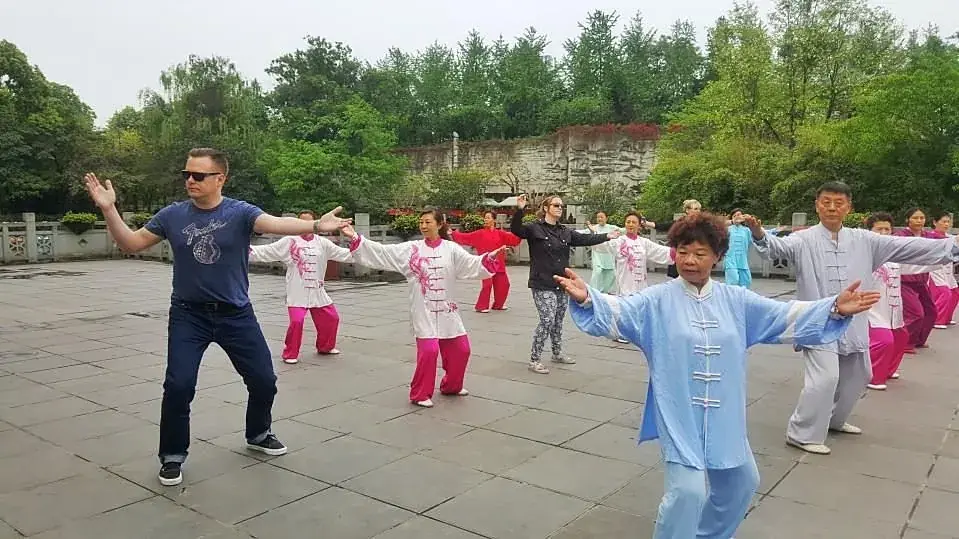
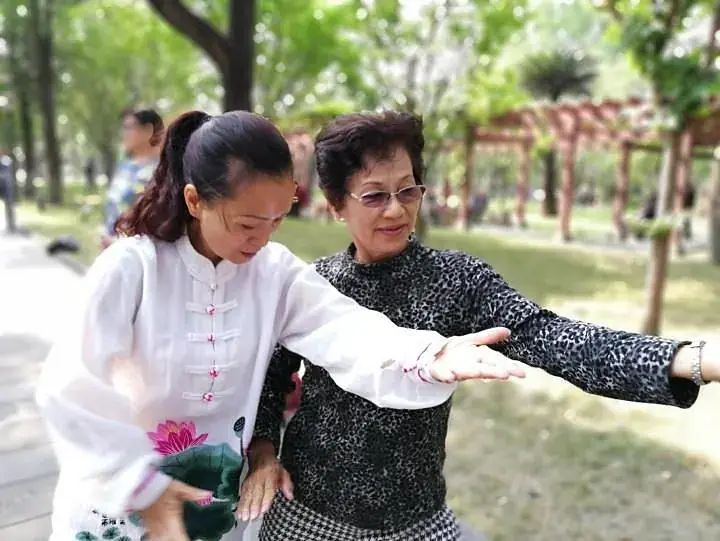
- A park at eight in the morning with several hundred people in it, all mid-form
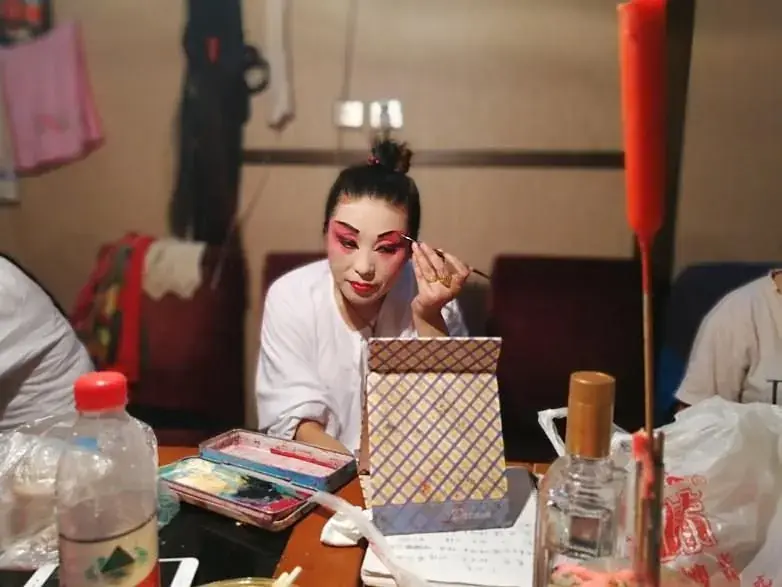
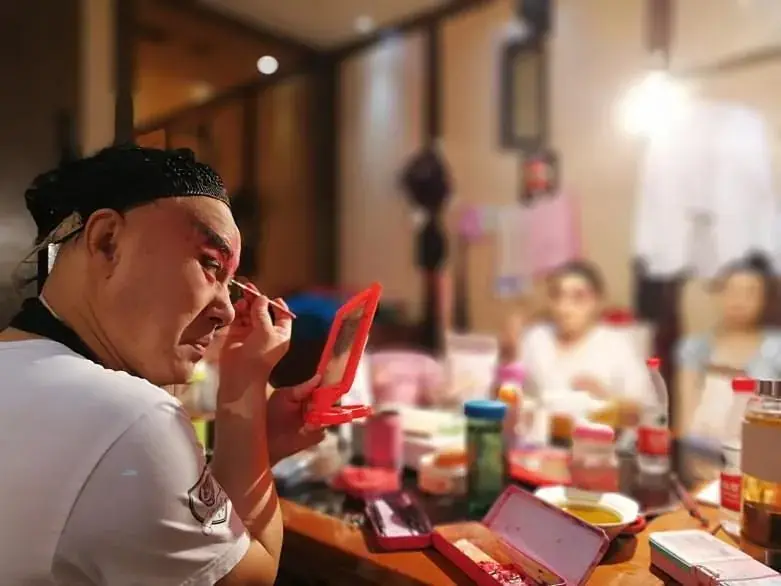
- An opera singer building a face out of paint, an hour before the audience is let in
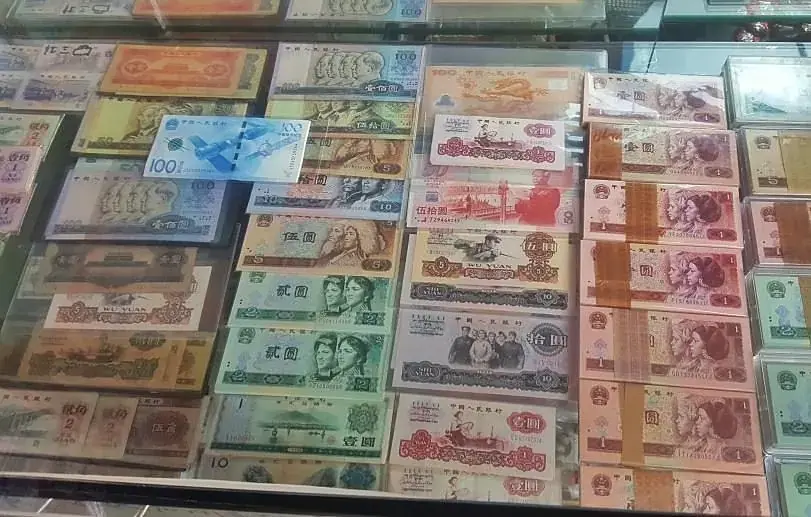
- Trays of Qing coins and old banknotes at the southwest's biggest antique market
- A grassroots teahouse where the audience is the same regulars it was yesterday
- Local snacks along the way — included, and frequent
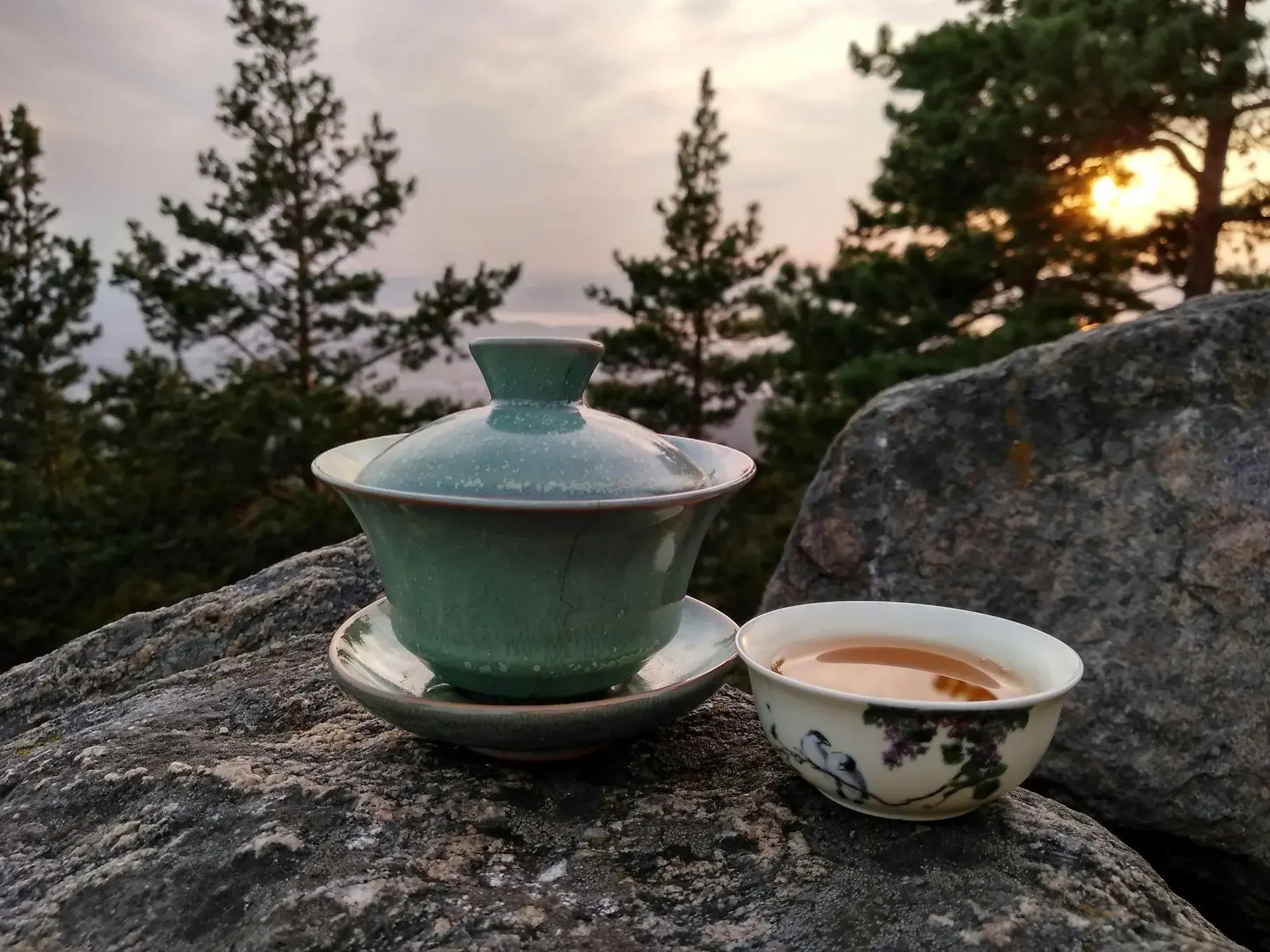
- Tea in a lidded gaiwan, refilled without you asking
- The specific weak-green flavour of a Chengdu teahouse cup that costs almost nothing
- A martial arts master telling you why you're moving too fast
- Performers chanting backstage — and they'll let you try
- The stallholder's version of where his coins came from
- The gongs, from close enough to feel them
- A short tai chi sequence you can actually repeat
- The rules of mahjong, learned by losing
- Photographs from inside a dressing room, taken with permission
What the eight hours are made of
Park · market · backstage · teahouse
How it unfolds
-
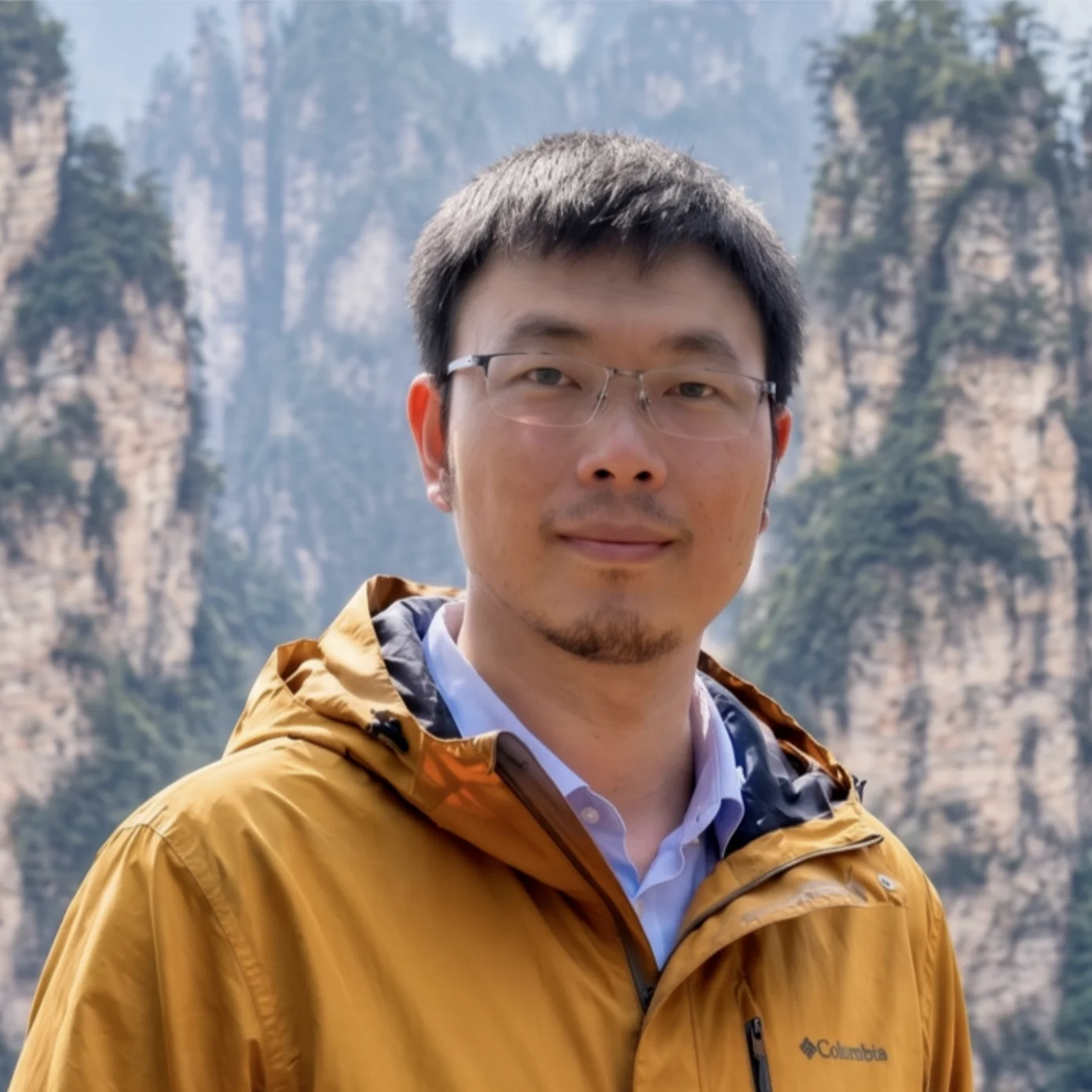
You learn a short sequence from a martial arts master, in a park, among people doing exactly the same thing for their own reasons. The correction is physical — a hand on your elbow, a foot moved. Twenty minutes in you understand why everyone here is moving so slowly, which is not the reason you assumed.
-
Next, the most famous Taoist site in the city — for the philosophy, and for the fortune-telling that grew on top of it. Fengshui translates literally as wind and water. Your guide will be straight with you about which parts of what you are looking at are cosmology and which parts are superstition.
-
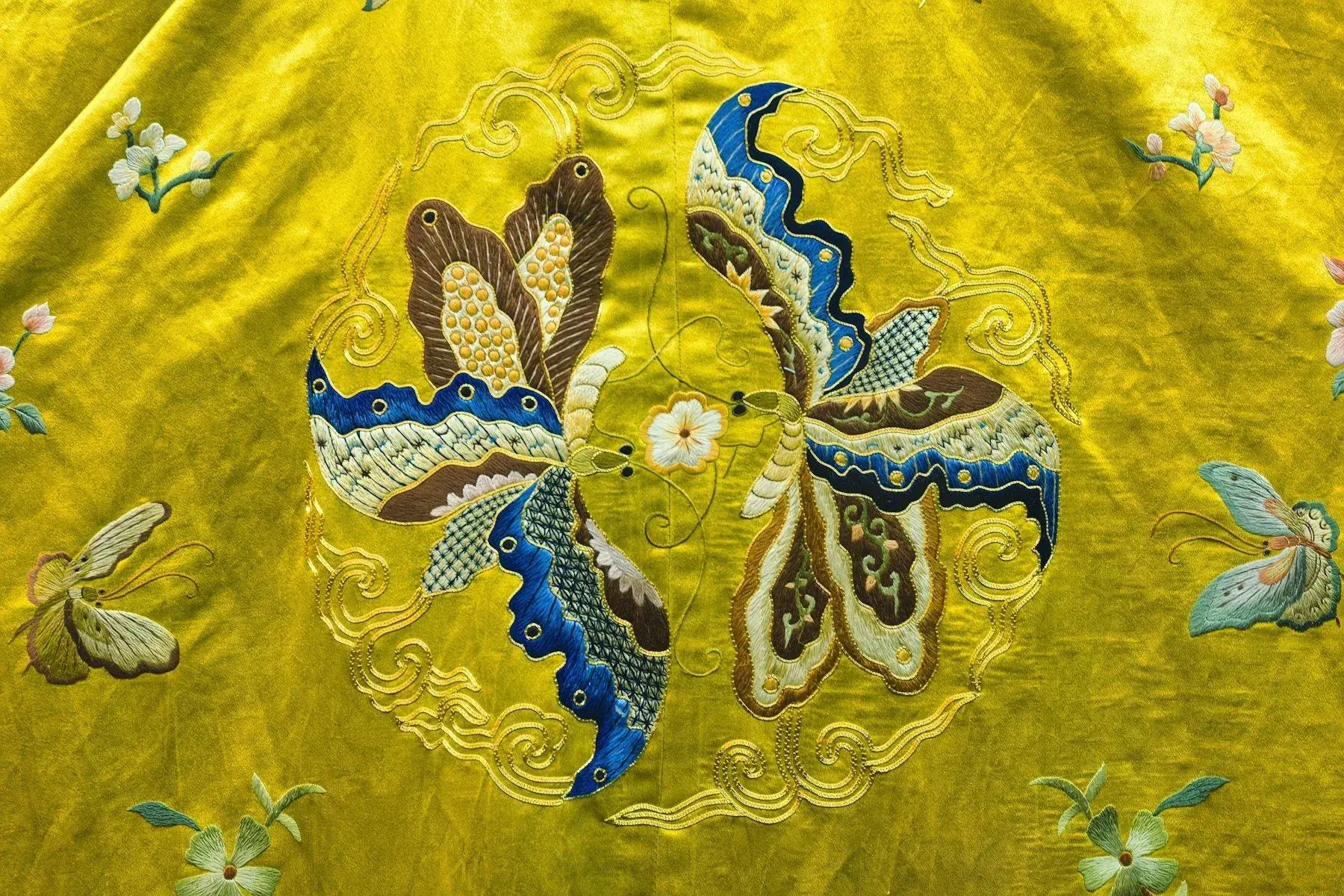
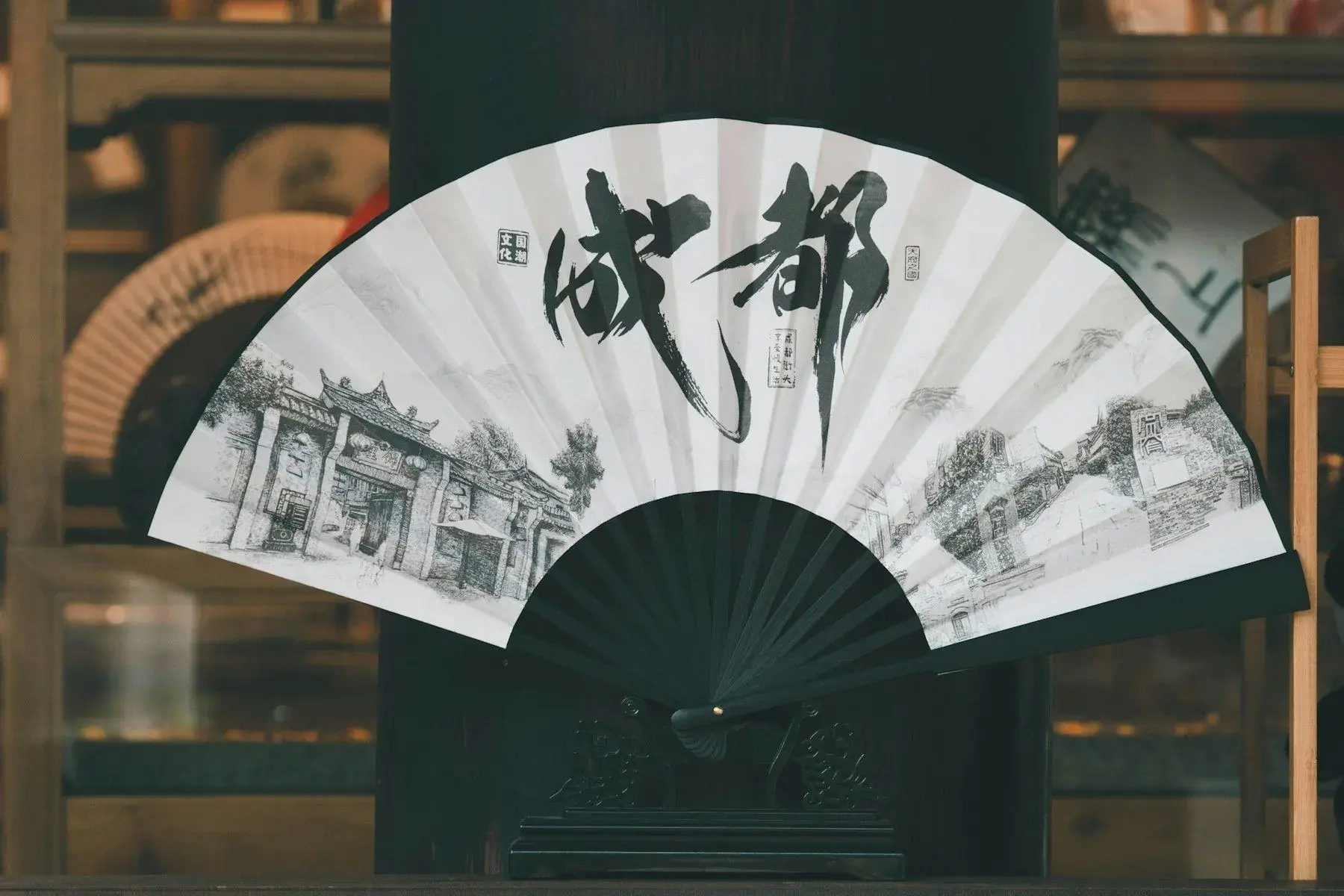
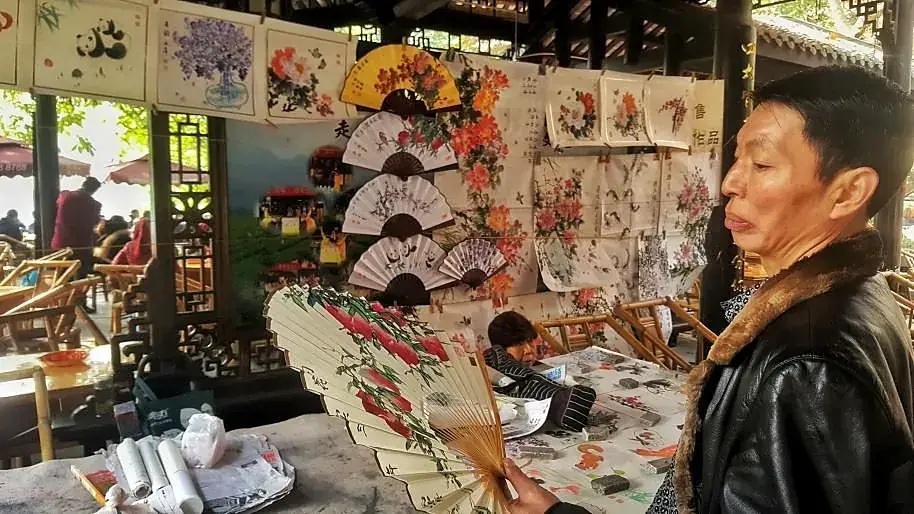
The largest antique market in the southwest, and an education in how this country trades. Rows of old banknotes, coins by the tray, painted fans, furniture, and a great deal of confidently asserted provenance. You are not here to buy — you are here because an hour in this building explains more about value in China than a museum would.
-
This is the part of the day the whole thing is built around. Before the audience is let in, you go through to the back: the mirrors, the paint going on layer by layer, the costume rack. The performers are used to visitors and will chant with you if you are willing to be bad at it in front of them.
-
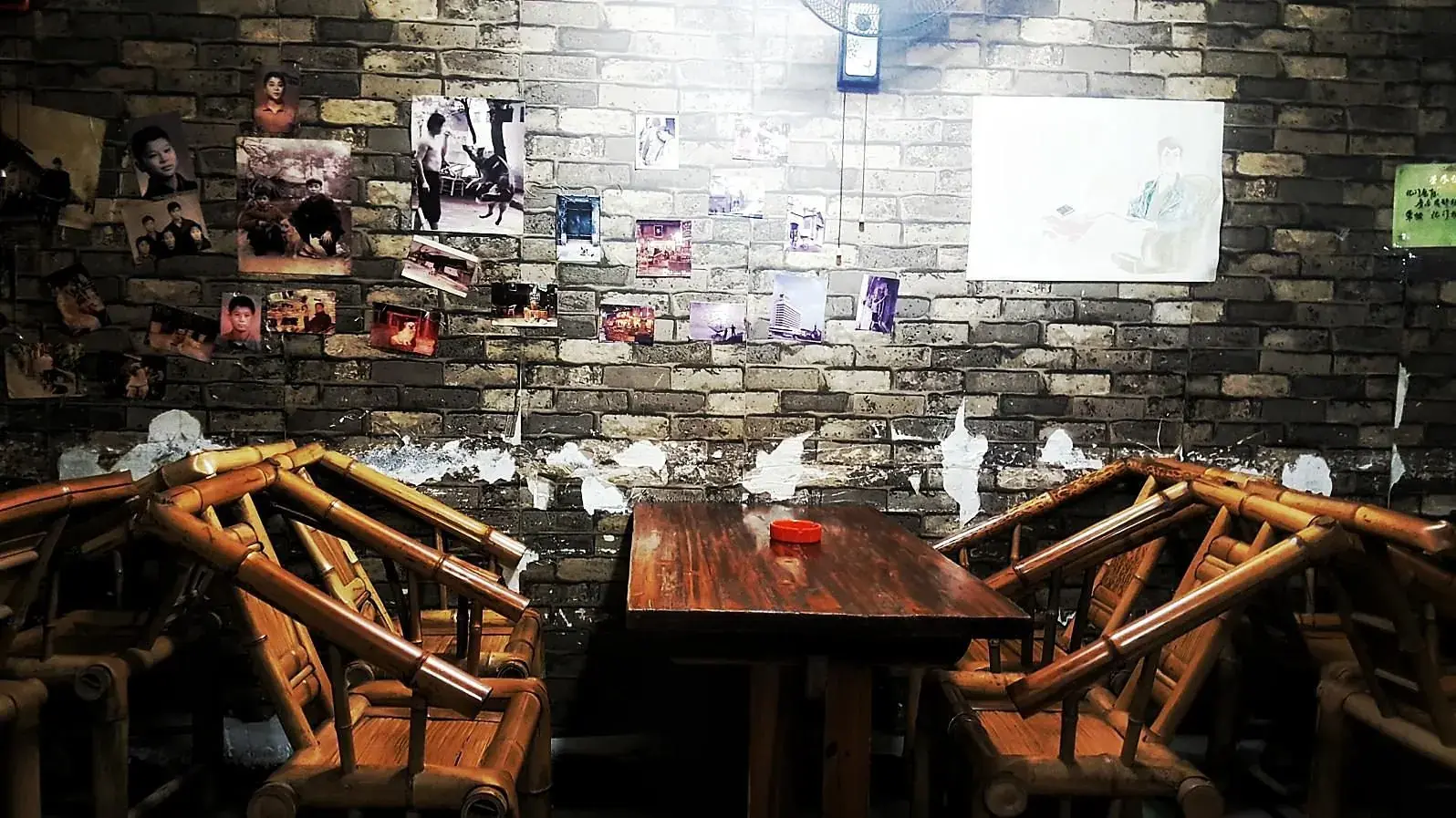
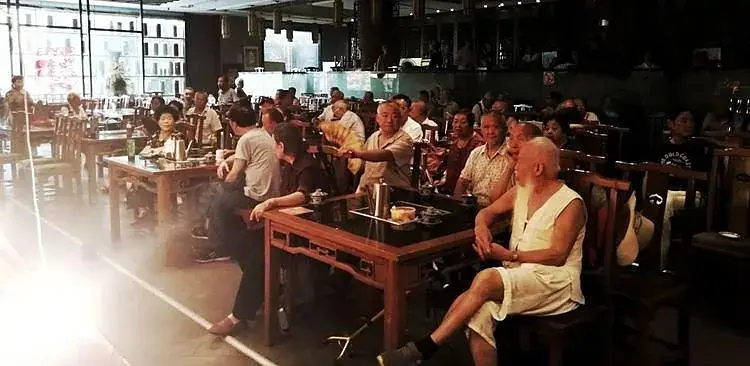
Then you take a seat out front with a cup of tea, in a house whose audience is mostly the same people it was yesterday — old fans who come to meet friends and happen to watch a show. You become one of them for an afternoon, which differs from the theatre version by roughly the whole point.
-
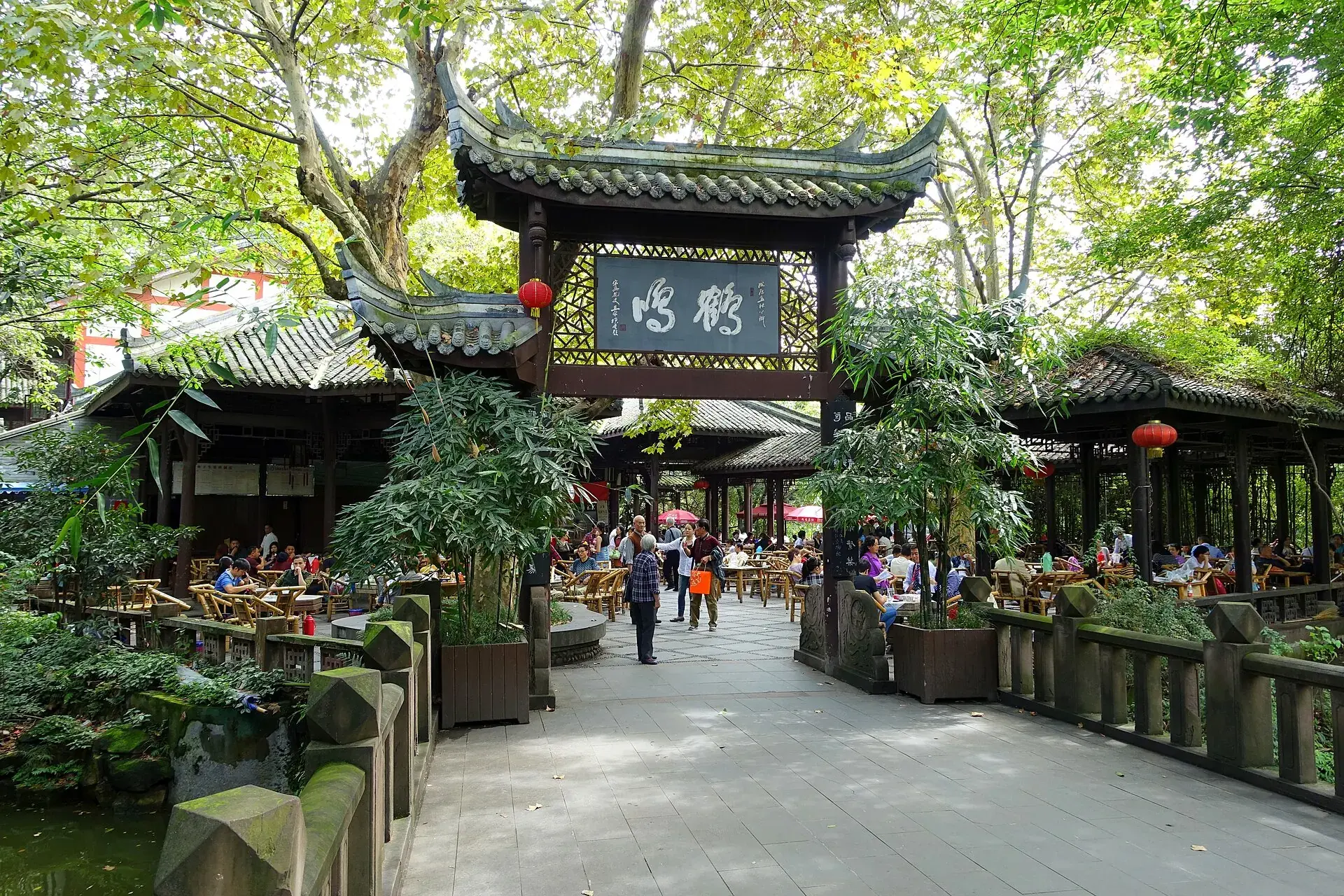
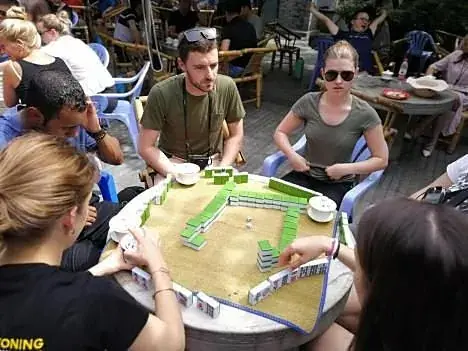
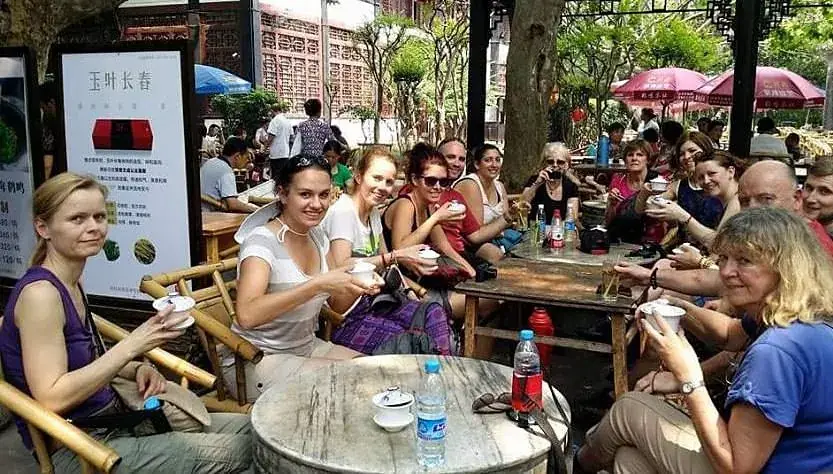
The day ends at the teahouse in People's Park, in a bamboo chair, with a lidded cup that gets refilled without being asked. Someone will teach you mahjong. You will not be good at it. This is Chengdu's single most popular way to spend an afternoon and it is worth understanding from the inside.
None of this is on anyone's list
Eight hours, no landmark
There is no panda base in this day and no famous street. It is a park, a market, an opera house that does not advertise, and a teahouse.
Every one of those is somewhere locals go on a Tuesday for their own reasons, which is exactly what makes them hard to reach as a visitor — nobody is set up to receive you, and the good ones are not findable.
That is the entire product: a day inside the city's own routine, arranged so you can join it rather than photograph it.
Good to know
Included
- Tai chi class
- Opera backstage
- Tea and mahjong
- Antique market
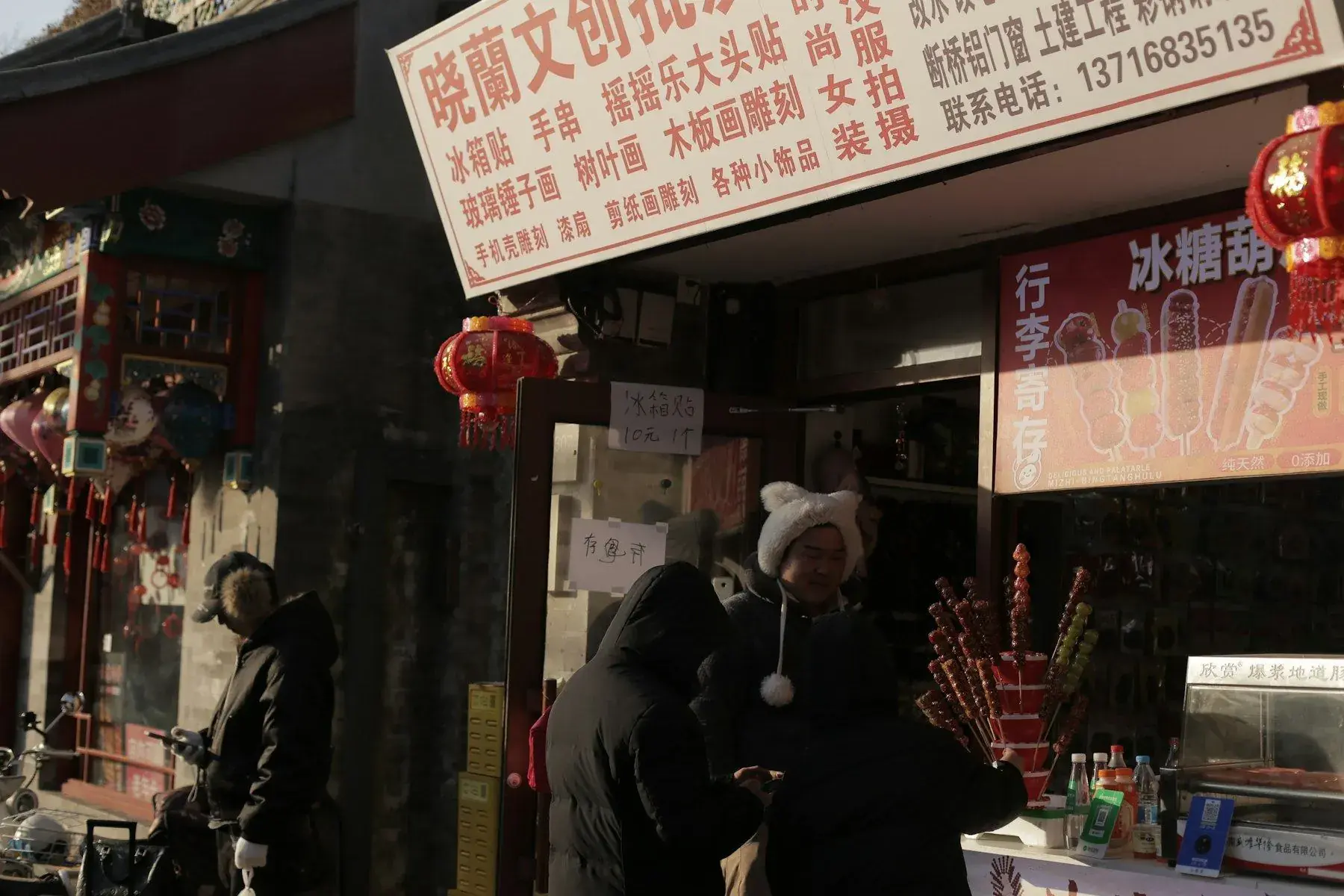
- Local snacks
Not included
- Lunch and dinner
- Gratuities
Book the day
A standalone day, start to finish, meeting at one metro exit and ending at another. Tell us a date.
Start planning- 8 hours
- Metro to metro
- Backstage before curtain
- No pandas, deliberately