




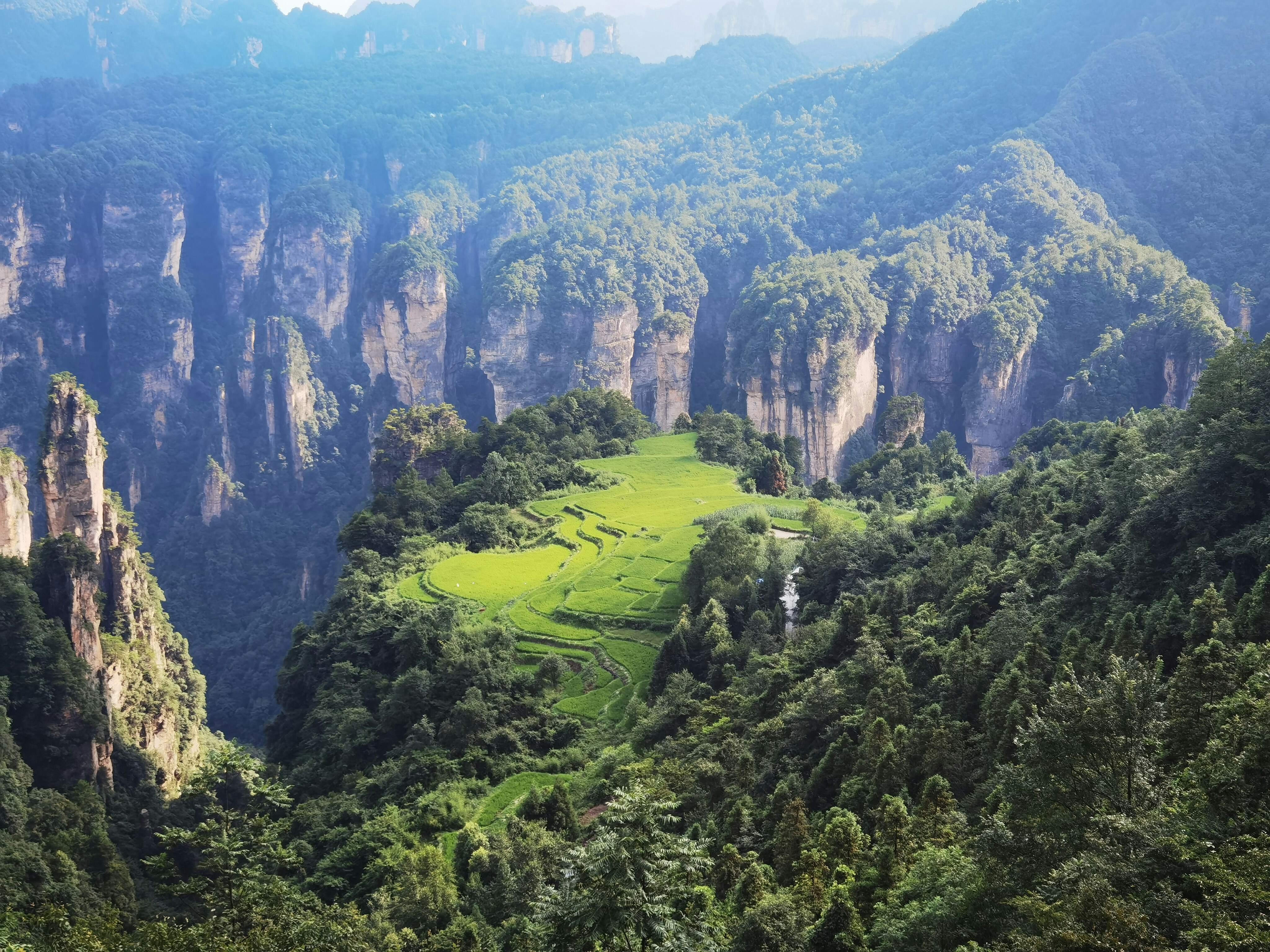
 18 days China, End to End Beijing → Xi'an → Chuanzhusi → Jiuzhaigou → Chengdu → Zhangjiajie → Guilin → Yangshuo → Shenzhen From $6,360 View route
 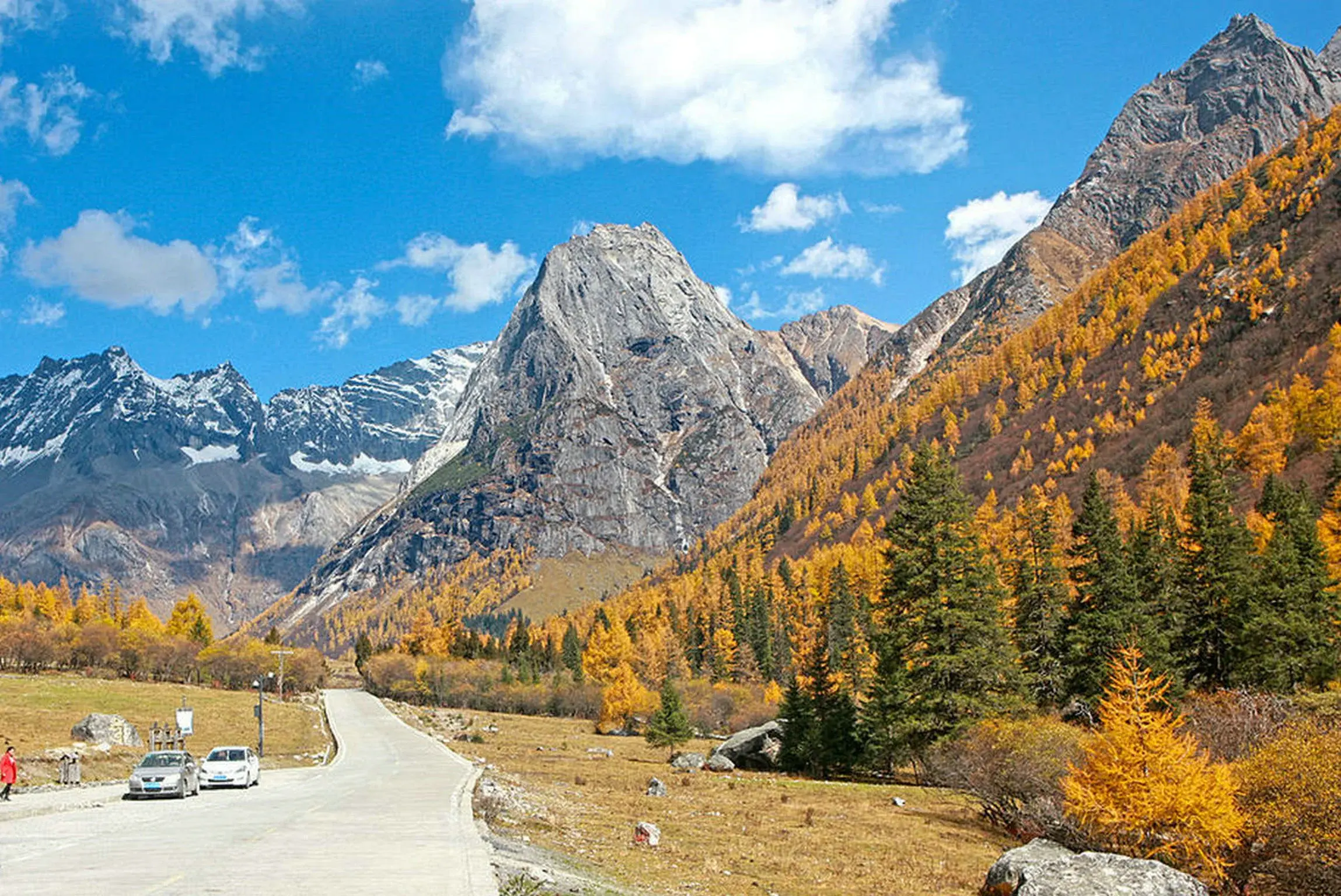 3 days 4-Day Tour of Siguniang Mountain, Biepa Gou, and Dagu Glacier Chengdu → Lixian → Heishui County From $1,599 View route
 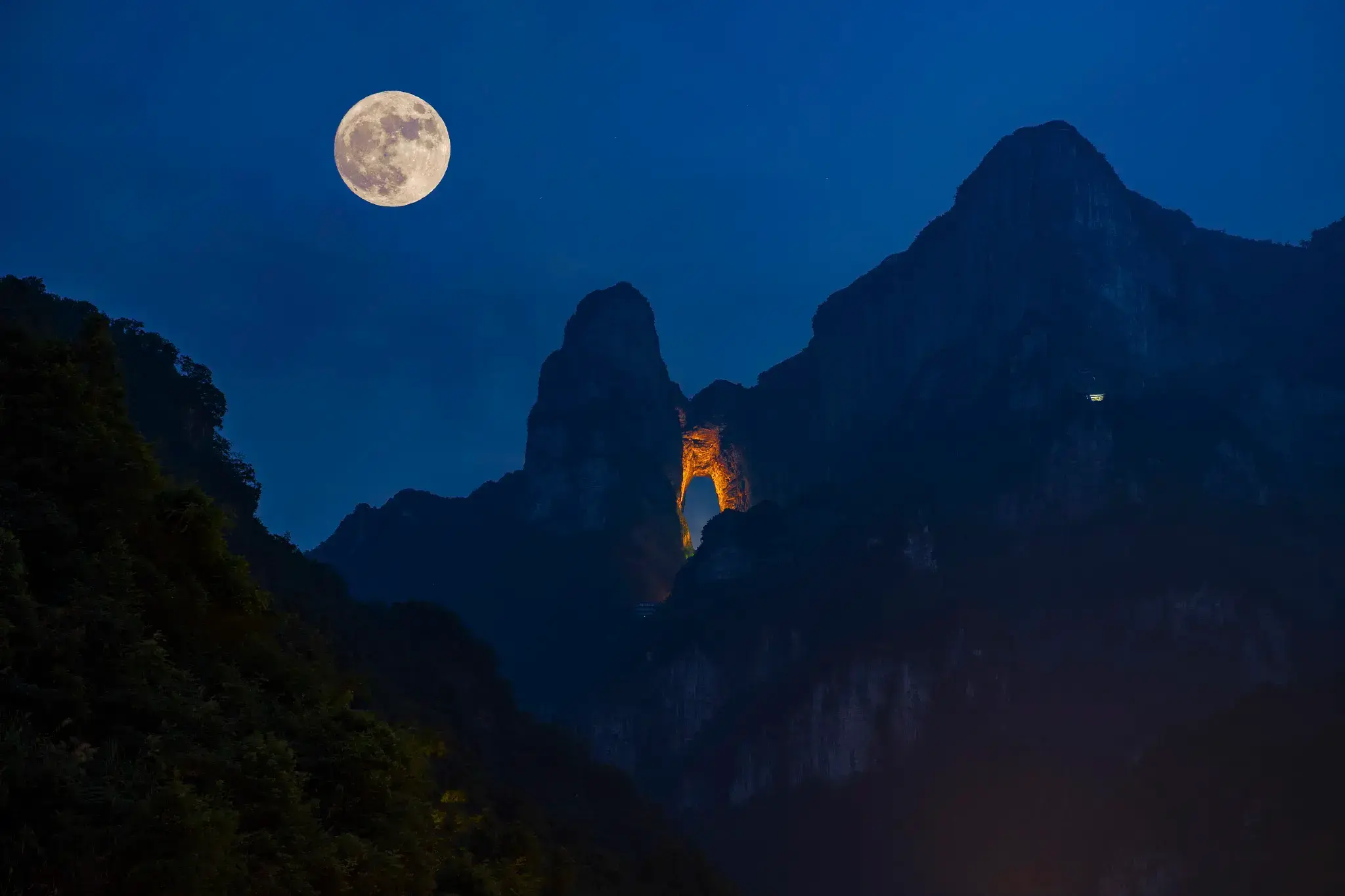 5 days Above the Pillars, Then Below Zhangjiajie From $1,430 View route
 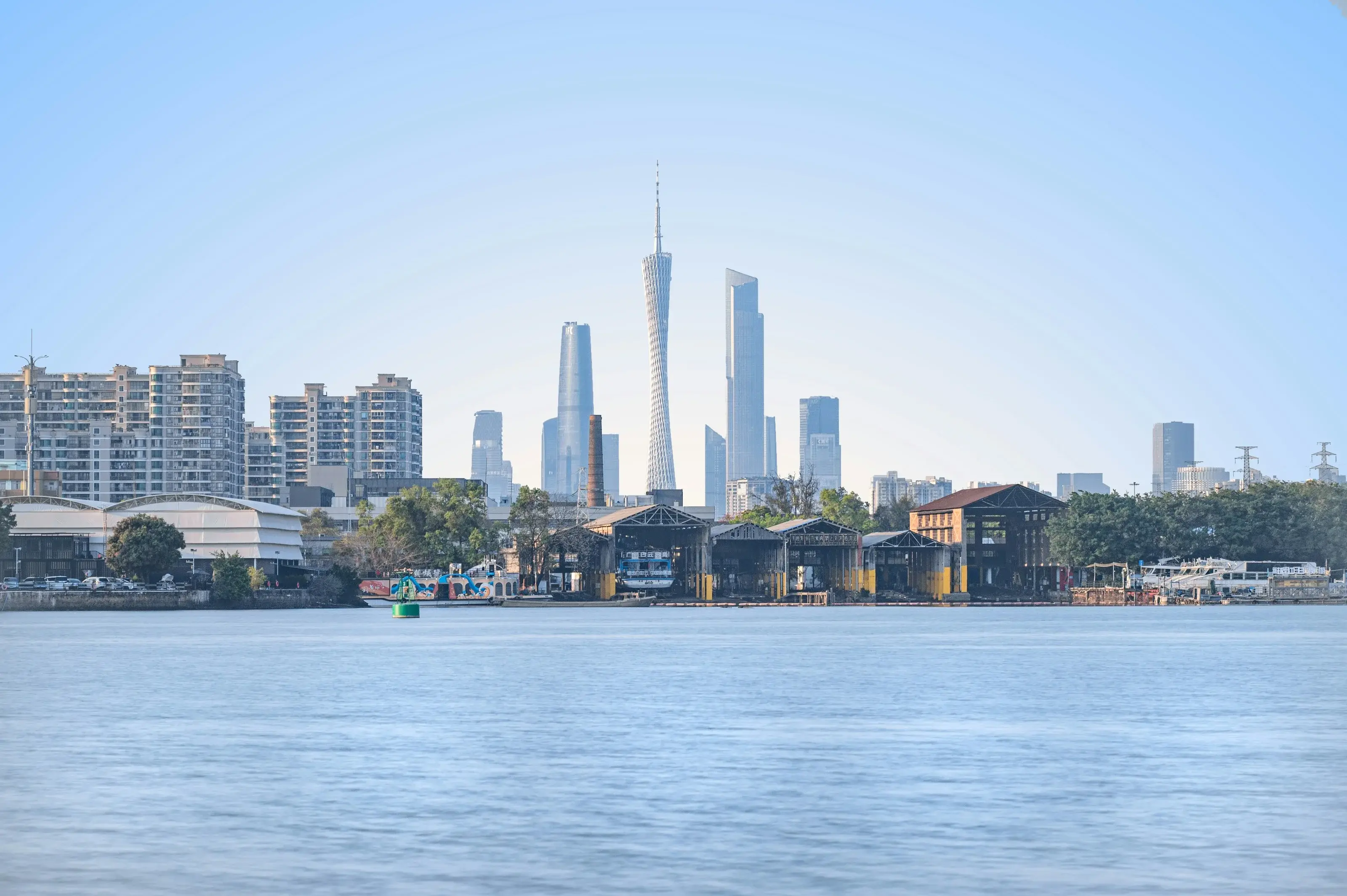 3 days After the Last Booth Guangzhou From $840 View route
  13 days All the Way West Xi'an → Dunhuang → Turpan → Kashgar → Shanghai From $3,500 View route
 TL;DR
April–May and September–October deliver the best weather, manageable crowds, and reasonable prices across most of China — but the specific week you choose matters more than the month. China's three major holidays (Spring Festival, Labor Day, and National Day Golden Week) collectively generate over 1.8 billion domestic trips, pushing hotel prices up 50–100% and filling major attractions before 9 AM. Shifting your trip by one week around those dates changes the experience entirely. November is the most underrated month: southern China stays warm at 15–22°C, crowds drop 40–60% from October, and hotel prices fall 20–40%.
When should you visit China?
For a first trip with flexible dates: the last two weeks of October, or the second half of April. Those two windows capture China's best weather — autumn clarity and spring blossom — while sitting clear of the holiday crowds that dominate the weeks on either side.
| Your priority | Best window | Why |
|---|---|---|
| Best overall weather | Mid-April or mid-October | 15–25°C, low rain, clear skies across most regions |
| Fewest crowds | November or March | 40–60% fewer visitors than peak months |
| Best value | December–February (outside Spring Festival) | Hotels 30–50% cheaper, tours 20–40% less |
| Travelling with kids | Late June or late August | School holidays, but avoid the July peak |
| Photography | October 11–31 | Peak foliage, clearest skies of the year |
| Something you can't see otherwise | January (Harbin ice festival) or February (Spring Festival) | Seasonal spectacles with no off-season equivalent |
Why does the answer depend on where you're going?
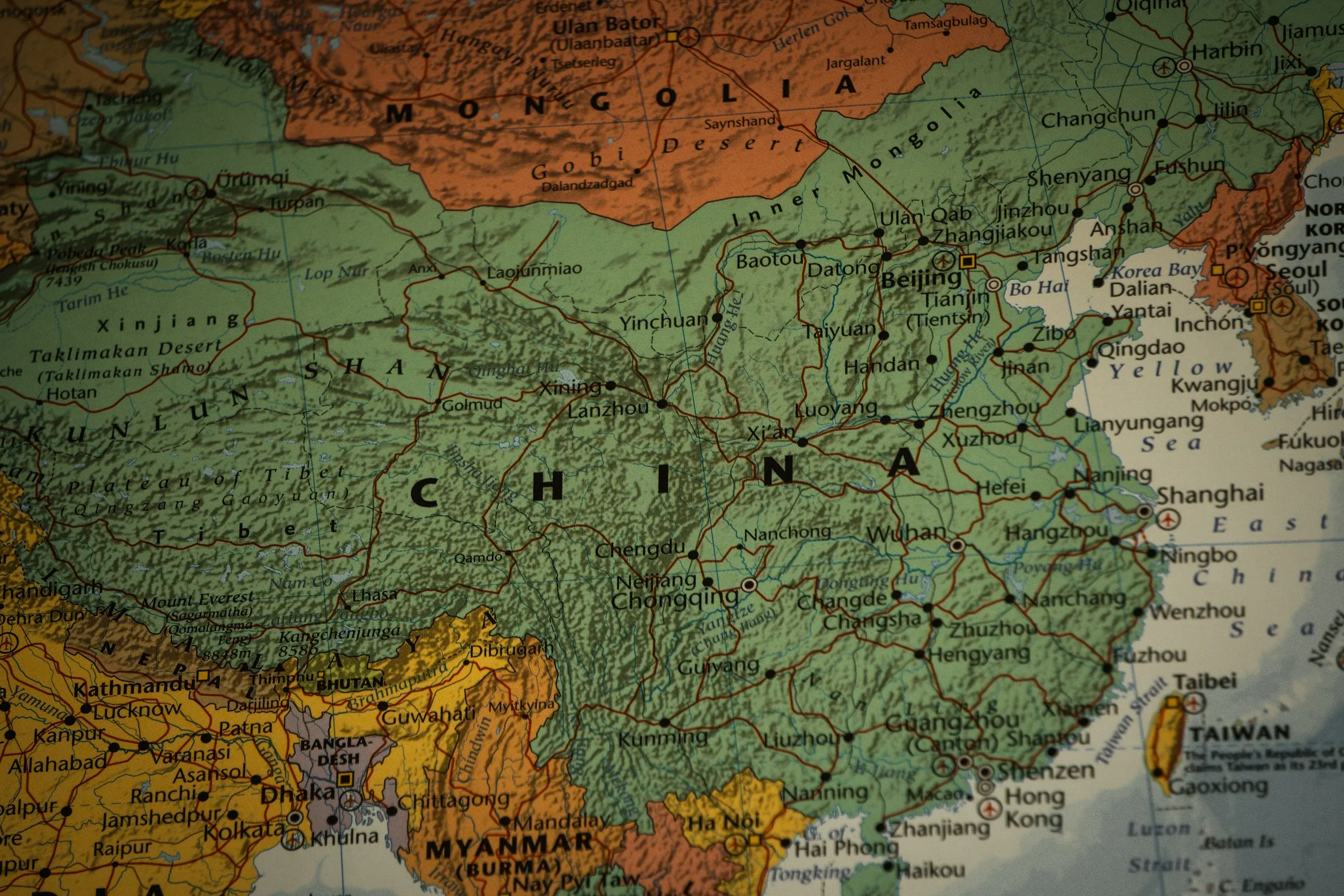
China spans 50 degrees of latitude — roughly Canada to Mexico — so "the weather in China" means nothing without naming a city. When Harbin sits at −30°C in January, Hainan is at 25°C beach weather 3,500 km south. This is the single biggest factor in choosing your dates.
The five climate zones
Northern China (Beijing, Xi'an, Harbin) — continental, with severe swings. Bitter winters (−10 to −30°C), hot summers (30–38°C), and brief but excellent spring and autumn windows. Beijing averages −4°C in January and 26°C in July.
Eastern China (Shanghai, Hangzhou, Nanjing) — humid subtropical, four distinct seasons. Summers are punishing: Nanjing, Wuhan and Chongqing are known as China's "Three Furnaces" (三大火炉), regularly above 38°C. Winters are mild but damp (3–8°C).
Southern China (Guangzhou, Hong Kong, Hainan) — subtropical to tropical. Mild winters (10–20°C), hot humid summers, and a typhoon season running May through October along the coast.
Western China (Tibet, Xinjiang, Qinghai) — highland and desert. Lhasa can swing 20°C between day and night, and UV at altitude is intense. Parts of Xinjiang and Qinghai get over 3,000 hours of sunshine a year; Sichuan gets under 1,000.
Southwestern China (Yunnan, Guizhou) — subtropical highland, often called "eternal spring." Kunming sits at 15–24°C year-round, one of the few places in China that is comfortable in every month.
One trend worth planning around: 2025 was China's hottest year on record, with a national average of 10.9°C — 1°C above the 1991–2020 baseline — and a record number of high-temperature days, with prolonged heatwaves across central and eastern China from late June into early September. Highland destinations are no longer just an option for July–August; they are the practical choice.
Autumn (September–November): the default answer
Autumn delivers China's best weather, its most photogenic scenery, and — outside the first week of October — surprisingly manageable crowds. If your dates are flexible and it's your first trip, start here.
September
Summer's heat breaks and the monsoon retreats. Temperatures settle to 17–28°C across most regions, humidity drops, and skies clear progressively through the month. Chinese schools resume, so crowds thin and prices come off their summer peak.
Beijing and Xi'an become ideal for long days outdoors — walking the Great Wall, cycling Xi'an's city wall. Zhangjiajie's sandstone pillars emerge from clearing mist. Xinjiang enters harvest season, with golden poplars along the old Silk Road routes. Shanghai returns to comfortable walking weather.
One date to note: the  Mid-Autumn Festival creates a three-day holiday weekend with moderate domestic travel. Book ahead, but expect manageable rather than overwhelming crowds.
October
October has arguably the best weather of the year — clear skies, the lowest rainfall, 10–23°C, and peak foliage — but the first week is the worst time of the entire year for a foreign visitor.
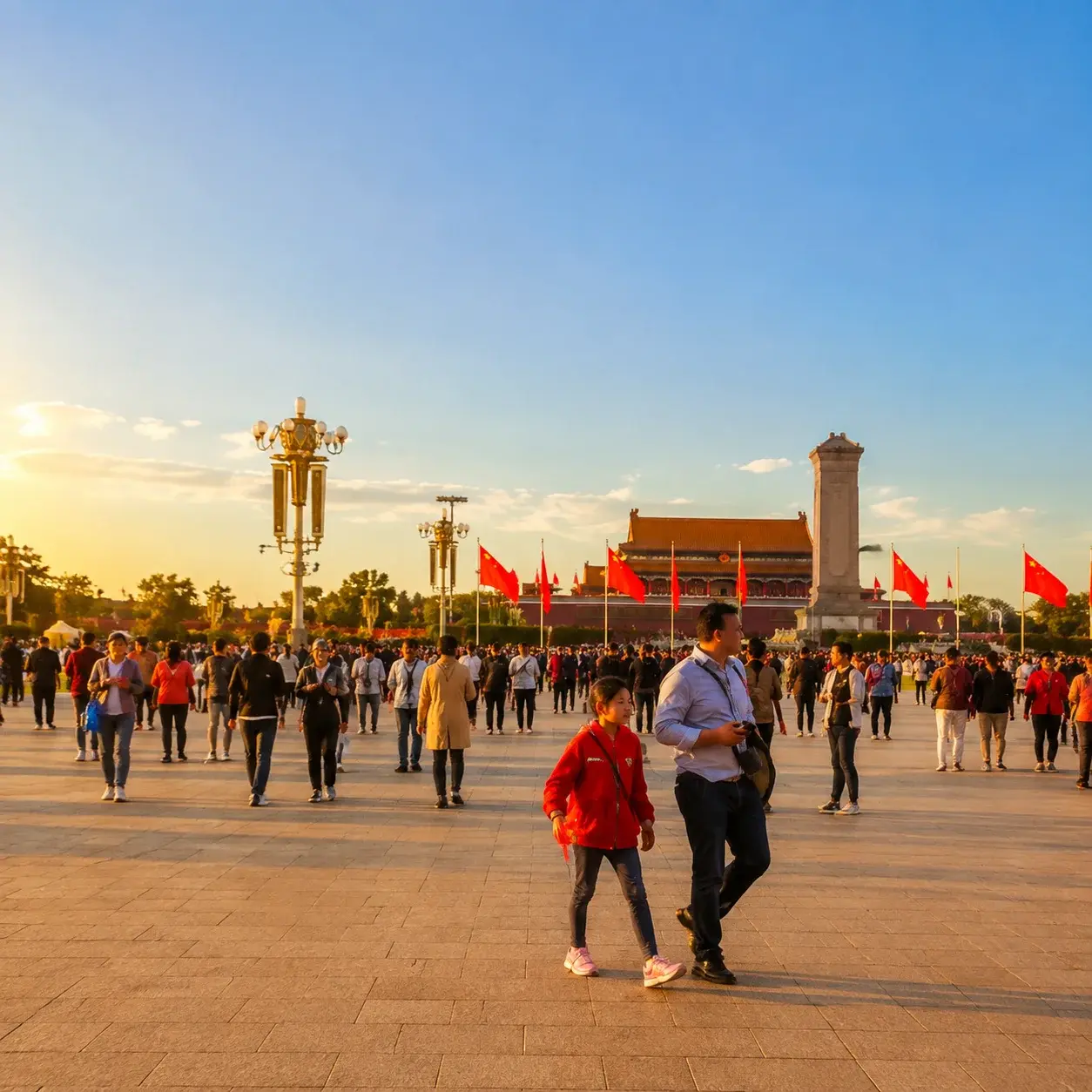
National Day Golden Week (October 1–7) is China's largest holiday. In 2025 the eight-day version recorded 888 million domestic trips and 809 billion yuan of spending. Badaling becomes a standing-room human traffic jam where a two-hour visit stretches to five or six. The Forbidden City hits its 80,000 daily cap by 9 AM.
The fix is simple: travel October 11–31. That window keeps all of autumn's advantages — foliage at Beijing's Fragrant Hills, turquoise lakes at Jiuzhaigou, karst reflections at Guilin — without the holiday. Crowds fall sharply after October 8 and prices normalise.
Best in mid-to-late October: Guilin (ideal Li River cruise conditions), Hangzhou (West Lake in autumn colour), Huangshan (mist at its most photogenic), Chengdu, Jiuzhaigou, and Shanghai.
November
November is the most underrated month in the Chinese calendar. Visitor numbers drop 40–60% against October. Hotels and tours run 20–40% below peak. The weather stays genuinely pleasant across southern and central China (12–22°C), though the north cools to 2–12°C.
The real gain is experiential. The Forbidden City feels vast rather than crowded. The Li River reflects karst peaks without a boat in every frame. Temple courtyards are quiet enough to hear birdsong.
Best in November: Yunnan (15–22°C, sunny), Fujian (coastal walking and the tulou roundhouses), Guangzhou and Chaoshan (warm, and the best eating in the country), and Hong Kong (15–20°C).
Spring (March–May): blossom, with more variable weather
Spring matches autumn for natural beauty — cherry blossom in Beijing, rapeseed fields in Yunnan, peach blossom in Tibet — but brings less predictable weather, particularly rain in the south.
March
Transitional. Temperatures run 4–14°C in most regions, with the south warming first. Crowds are low, prices moderate, and the first blossom appears.
Best in March: Guilin (misty landscapes), Hangzhou (plum blossom at West Lake), Beijing (warming, far quieter than April–May), and Nyingchi in Tibet, where the peach blossom festival plays out against snow-capped Himalayan peaks.
Pack layers — a single day can swing 10–15°C. Some highland destinations are still cold or closed.
April
April is one of China's two best months, alongside mid-to-late October — 11–21°C, rain that usually arrives as light showers, and blossom at its peak nationwide.
The floral displays are genuinely worth timing a trip around: rapeseed fields turning Luoping in Yunnan gold, wildflowers on Huangshan, jacaranda in Kunming, cherry and magnolia through Beijing's parks. Warm enough for full days outside, cool enough to walk the Great Wall or Suzhou's gardens without wilting.
One date: Qingming (Tomb-Sweeping Day) creates a three-day holiday with moderate crowds — manageable with advance booking.
May
May is effectively two months: May 1–7, which you should avoid, and May 8–31, which is excellent. The Labor Day holiday recorded 314 million domestic trips in 2025, up 6.4% year on year, with 180.3 billion yuan in tourism spending.
After May 7 the picture flips. Temperatures reach a comfortable 17–27°C, landscapes are at their greenest after the spring rains, and long daylight hours maximise sightseeing. Zhangjiajie is draped in green, Yangshuo is ideal for cycling, and Chengdu is comfortable for seeing pandas.
The trade-off: from mid-May the south (Guilin, Guangzhou) gets increasing rain and humidity as the monsoon edges north.
Summer (June–August): go high, not low
A good summer trip is possible, but only with the right destinations. Eastern and southern lowland cities hit 30–38°C at 70–90% humidity, domestic crowds peak with school holidays, and monsoon rain affects the south. China's highlands, however, are at their best — cool, clear, and impossible to experience this way in any other season.
Where summer actually works
Tibet (Lhasa, 10–23°C) — the only practical season for most travellers. Clear skies, open mountain passes, and the year's most dramatic Himalayan scenery. July–August is warmest and busiest; June and September give near-identical conditions with fewer people.
Yunnan (Kunming, Dali, Lijiang, 15–25°C) — the "Spring City" holds up even at midsummer. Lower-altitude Yunnan gets monsoon rain; the highland towns stay comfortable and relatively dry.
Qinghai — Qinghai Lake at its most vivid blue, Tibetan culture without Tibet's permit requirements, and cool temperatures at altitude.
Inner Mongolia — grasslands at their greenest, the Naadam festival, and comfortable temperatures on the steppe.
Guizhou — cool mountain climate, waterfalls at peak flow, and China's most diverse minority villages without the crowds.
Where it doesn't
Chongqing, Wuhan and Nanjing (35–40°C with extreme humidity), Shanghai and Hangzhou (hot and very humid), Guangzhou and Shenzhen (heat plus typhoon risk). If your itinerary needs these cities in summer, put outdoor activities at 7–10 AM and 4–7 PM and spend midday in museums, malls and restaurants.
Within summer: late June is the best balance — long days and green landscapes without the July–August peak. Late August (after the 20th) sees crowds start to fall. Avoid August 1–15, the absolute peak of domestic summer travel.
Winter (December–February): the value season
Winter is China's most underrated season — unique experiences, minimal queues at major sites, and 30–50% off hotels and 20–40% off tours. The trade-offs are real cold in the north, short daylight, and some highland attractions closed for the season.
What you get
Cost. A trip that runs $4,000 in October can run $2,500 in December. Flights, hotels and tour services all drop outside holiday periods.
Space. The Forbidden City, the Terracotta Warriors and the Great Wall — crowded even in shoulder season — become quiet and atmospheric. No queues, no jostling for photographs.
Things that only exist in winter. The Harbin International Ice and Snow Festival is the largest of its kind in the world; Ice and Snow World alone drew 3.56 million visitors, and Harbin generated 266.17 billion yuan in tourism revenue across the 2024–25 season. The park covers 1.2 million square metres of illuminated ice architecture. A snow-dusted Great Wall, nearly empty, is one of the most photogenic scenes in the country.
And the south stays pleasant: Yunnan 10–20°C, Hainan 20–26°C, Hong Kong 15–20°C.
The cold, handled
The north is genuinely cold — Beijing −10 to 5°C, Xi'an −5 to 8°C, Harbin down to −30°C. But buildings, vehicles and public spaces are well heated, and thermal layer plus fleece plus down makes 2–3 hour stretches outdoors comfortable. Winter air is also the clearest of the year, which is why photographers like it.
Best time by destination
| Destination | Best months | Temperature | Avoid | Notes |
|---|---|---|---|---|
| Beijing | Apr–May, Sep–Oct | 15–28°C | Jul–Aug (35°C+), Dec–Feb (−10°C) | Winter workable if you dress for it; far fewer crowds |
| Xi'an | Apr–May, Sep–Oct | 15–28°C | Jul–Aug (35°C+) | March and November are good shoulder alternatives |
| Shanghai | Mar–May, Sep–Nov | 12–28°C | Jul–Aug (35°C+, 80% humidity) | Mild winter (5–12°C), very manageable |
| Guilin & Yangshuo | Apr–May, Sep–Nov | 15–28°C | Jun–Aug (heavy rain, hot) | Winter cool but scenic, very few tourists |
| Chengdu | Mar–Jun, Sep–Nov | 12–28°C | Jul–Aug (hot, humid) | Pandas active year-round |
| Zhangjiajie | Apr–May, Sep–Oct | 15–25°C | Jun–Aug (rain, poor visibility) | October peak for autumn colour |
| Tibet (Lhasa) | May–Oct | 8–23°C | Nov–Apr (extreme cold, roads closed) | Jun and Sep match Jul–Aug with fewer people |
| Yunnan | Year-round | 10–25°C | Jul–Aug (rainy season) | "Eternal spring"; winter surprisingly pleasant |
| Harbin | Dec–Feb | −30 to −10°C | Summer | Ice festival only; the cold is the point |
| Hainan (Sanya) | Nov–Apr | 20–28°C | May–Oct (typhoons, extreme heat) | Dec–Feb peaks as Chinese travellers escape winter |
| Hong Kong | Oct–Dec | 18–25°C | May–Sep (hot, humid, typhoons) | Winter mild and pleasant (15–20°C) |
Month by month at a glance
| Month | Weather | Crowds | Prices | Best for |
|---|---|---|---|---|
| January | Cold north (−10°C), mild south (15°C) | ★☆☆☆☆ | ★☆☆☆☆ | Harbin ice festival, Hainan beaches, budget travel |
| February | As January; Spring Festival disruption | ★★★★★ (holiday) / ★☆☆☆☆ (outside) | Variable | Cultural immersion, or avoid entirely |
| March | Warming (4–14°C) | ★★☆☆☆ | ★★☆☆☆ | Early blossom, Nyingchi peach festival, budget travel |
| April ⭐ | Pleasant (11–21°C), blossom peak | ★★★☆☆ | ★★★☆☆ | First trips, Great Wall, gardens, photography |
| May | Warm (17–27°C), lush | ★★★★★ (May 1–7) / ★★★☆☆ (May 8+) | Variable | May 8–31 excellent |
| June | Hot lowlands, ideal highlands | ★★★☆☆ | ★★★☆☆ | Tibet, Inner Mongolia, Qinghai |
| July | Peak heat, peak crowds | ★★★★☆ | ★★★★☆ | Highlands only |
| August | Peak heat continues | ★★★★★ (Aug 1–15) / ★★★☆☆ (late Aug) | ★★★★☆ | Late August eases; highlands still excellent |
| September ⭐ | Cooling (17–28°C), clearing | ★★★☆☆ | ★★★☆☆ | Excellent all round; Xinjiang harvest |
| October | Best weather (10–23°C), peak foliage | ★★★★★ (Oct 1–7) / ★★★☆☆ (Oct 11+) | Variable | Oct 11–31 is the best window of the year |
| November ⭐ | Cool north, mild south (12–22°C) | ★★☆☆☆ | ★★☆☆☆ | Best value, uncrowded, southern China |
| December | Cold north, mild south | ★☆☆☆☆ | ★☆☆☆☆ | Ice festival begins, Hainan, Yunnan, budget |
Which dates should you avoid?
Three holidays account for most of China's travel congestion. In 2026 they fall on:
| Holiday | 2026 dates | Effective impact | What happens |
|---|---|---|---|
| Spring Festival | February 15–23 | February 10 – March 1 | The largest annual human migration on Earth; trains sell out in seconds, many businesses close |
| Labor Day | May 1–5 | May 1–7 | 314 million domestic trips in 2025; highways jam, tickets go in minutes |
| National Day Golden Week | October 1–7 | October 1–10 | 888 million domestic trips in 2025; hotels up 50–100%, attractions at capacity |
The rule that matters most: a trip in the "wrong" season but the right week beats a trip in the "right" season during Golden Week.
For exact dates of the minor holidays, crowd levels by site, and the week-by-week workarounds, see when not to visit China.
How far ahead should you book?
| Component | Peak (May, Oct) | Shoulder (Apr, Sep, Nov) | Off-season (Dec–Feb) |
|---|---|---|---|
| International flights | 3–4 months | 2–3 months | 4–6 weeks |
| Hotels | 2–3 months | 4–6 weeks | 2–4 weeks |
| Custom tours | 2–3 months | 6–8 weeks | 4–6 weeks |
| Attraction tickets | As early as possible — many now require advance online booking | 1–2 weeks | Usually fine on the day |
| Chinese holiday periods | 3–4 months minimum, or avoid entirely | — | — |
Tuesday and Wednesday departures on international flights typically run 15–20% below weekend fares.
Making the call
China rewards visitors in every season — autumn foliage, spring blossom, highland summers, frozen winters — but the gap between a well-timed trip and a badly timed one is large, and it is mostly about which week you pick rather than which month.
If you take one thing from this: avoid the three major holidays. Weather preference, budget and destination all come second to that.
Once your dates are set, see China entry requirements for visas, and money in China for mobile payments and cards.
FAQ
What are the best months to visit China in 2026?
April, late May, September, late October, and November are generally strongest, with good weather, lower crowd pressure, and better pricing outside public holidays.
Which travel dates should I avoid in China?
Avoid Spring Festival, Labor Day around May 1, and National Day Golden Week around October 1. These windows create heavy crowds, sold-out trains, and higher hotel prices.
Is October a good time to visit China?
October is excellent after Golden Week. October 8 onward usually has crisp weather, autumn color, and far fewer crowds than the first week of the month.
Is summer a bad time to visit China?
Summer can work if you plan around heat and humidity. Western and high-altitude regions such as Tibet, Xinjiang, Qinghai, and parts of Yunnan are stronger than eastern cities in July and August.
When is the best time for families to visit China?
Families usually do best in April, late May, September, or late October because walking conditions are easier and attractions are less stressful than during school-holiday peaks.
How much does season affect China trip costs?
Season matters a lot. Public holidays and peak autumn can raise hotel and transport costs sharply, while November, winter outside holidays, and shoulder weeks often offer better value.