




 18 days China, End to End Beijing → Xi'an → Chuanzhusi → Jiuzhaigou → Chengdu → Zhangjiajie → Guilin → Yangshuo → Shenzhen From $6,360 View route
 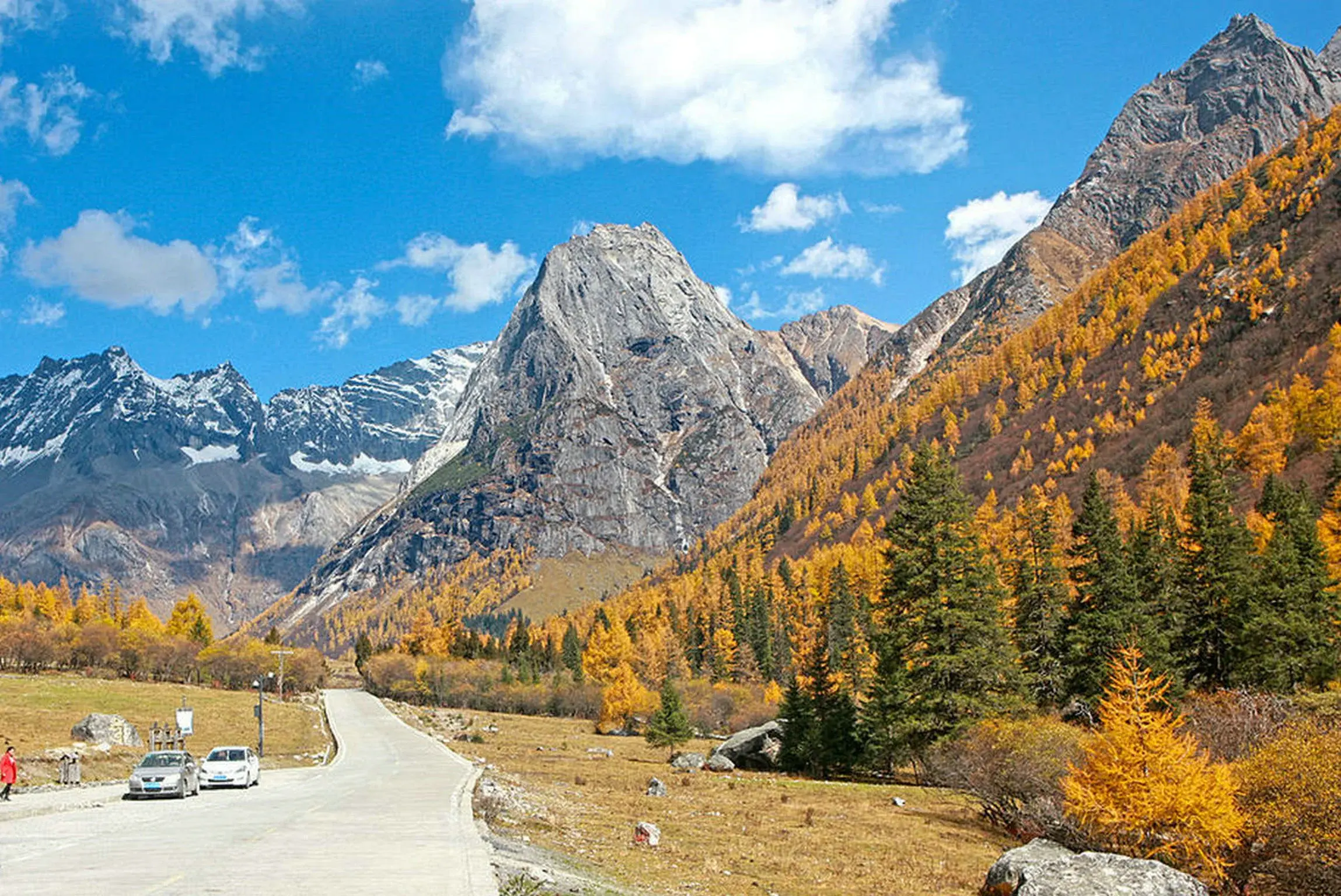 3 days 4-Day Tour of Siguniang Mountain, Biepa Gou, and Dagu Glacier Chengdu → Lixian → Heishui County From $1,599 View route
 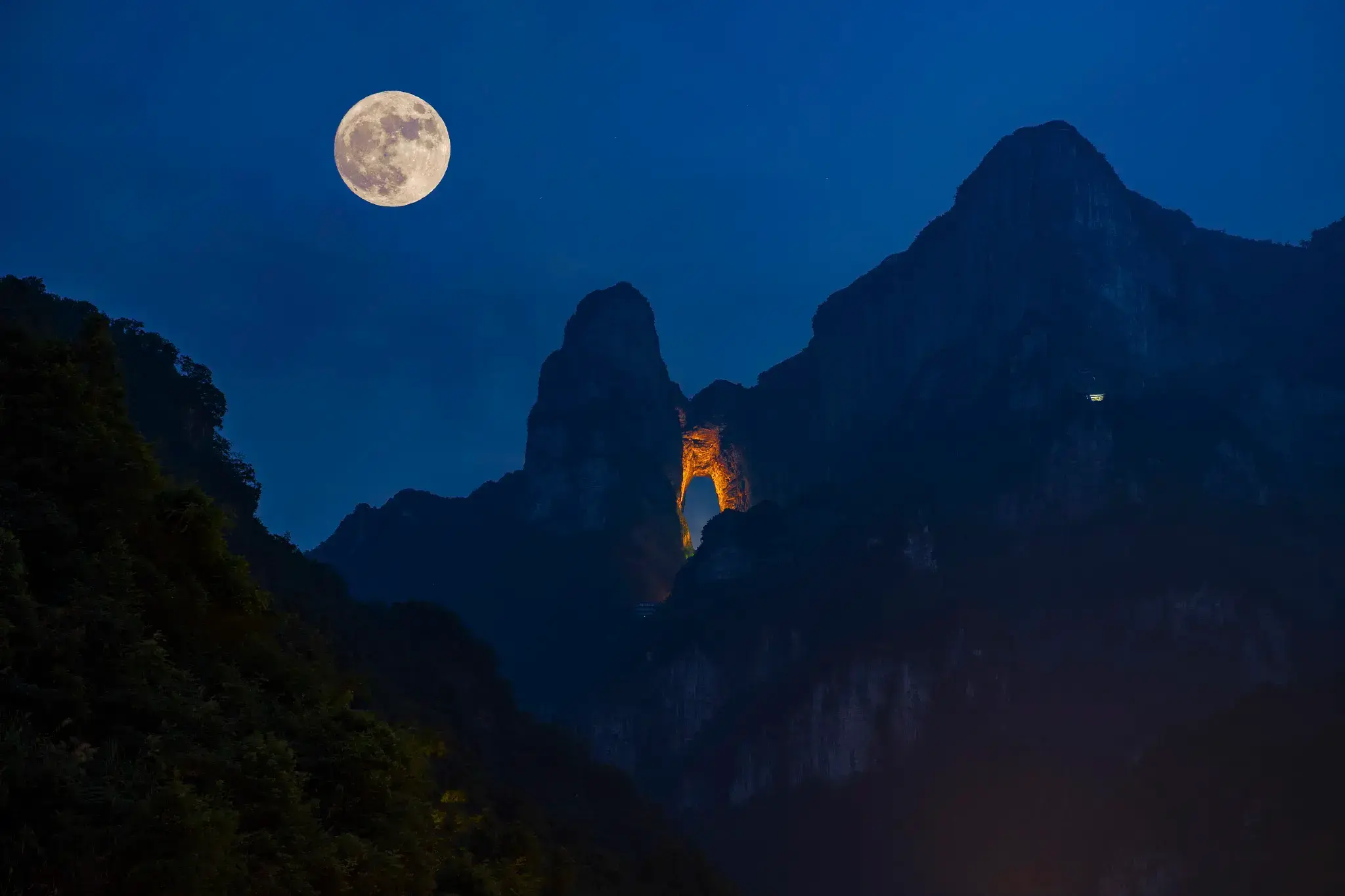 5 days Above the Pillars, Then Below Zhangjiajie From $1,430 View route
 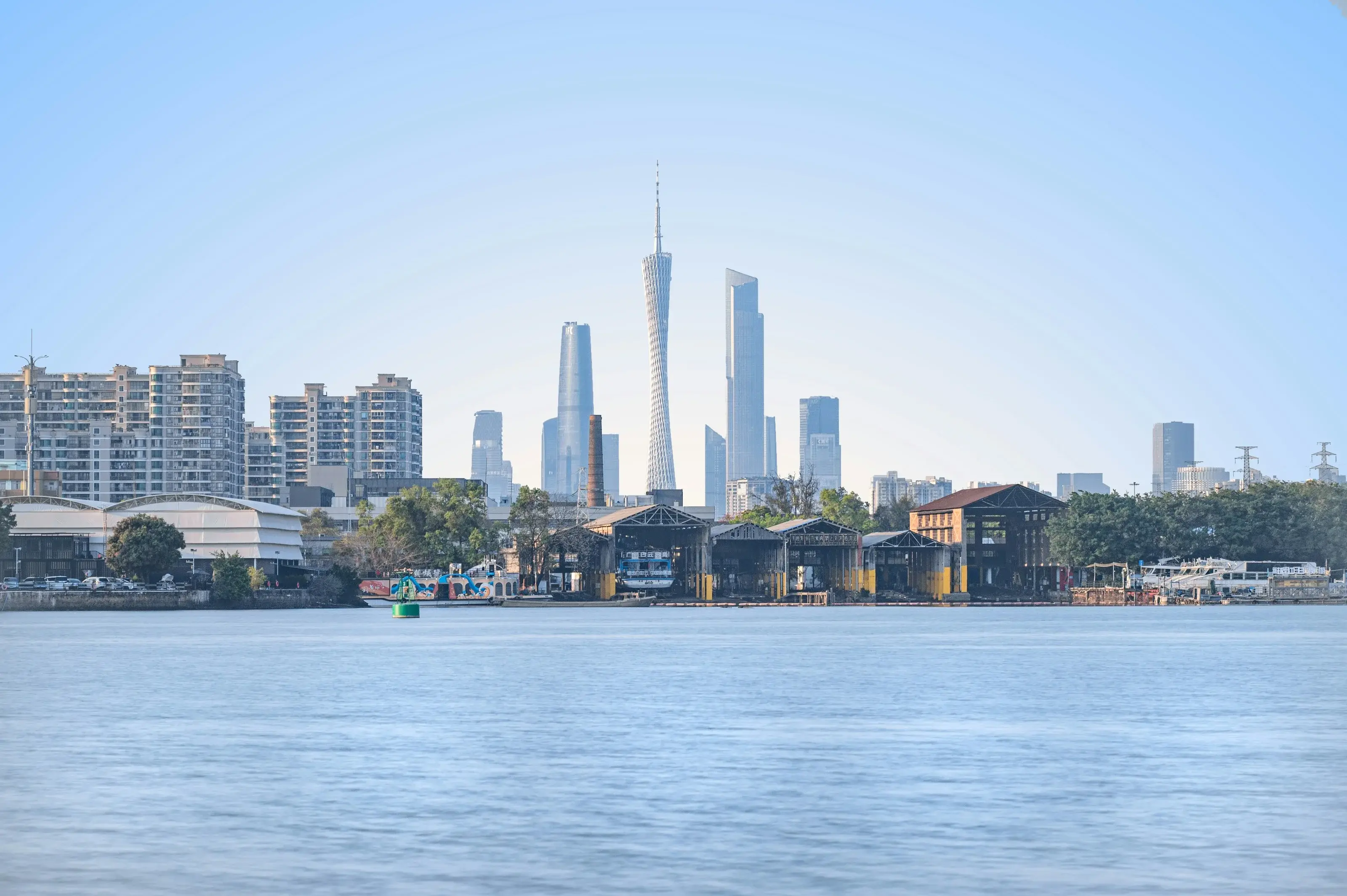 3 days After the Last Booth Guangzhou From $840 View route
 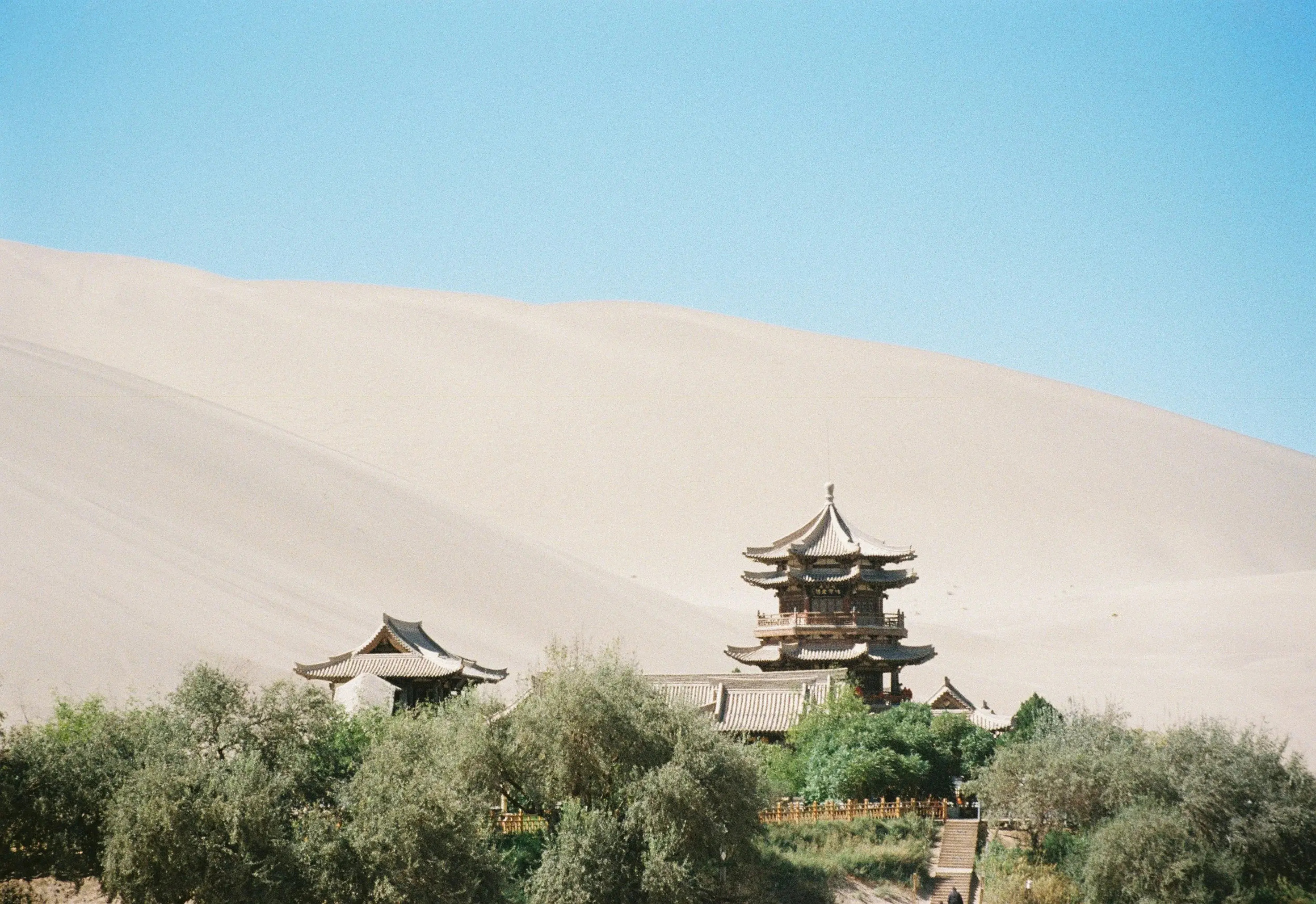 13 days All the Way West Xi'an → Dunhuang → Turpan → Kashgar → Shanghai From $3,500 View route
 Welcome to the ultimate beijing travel guide. For most first-time visitors to China, Beijing is the undisputed starting point. It is a city of staggering scale and deep history. Here, ancient imperial architecture sits right next to hyper-modern infrastructure. But Beijing is more than just a collection of famous landmarks. It is the cultural and political heart of the nation. To understand China, you must first understand Beijing. This guide covers the very best things to do in Beijing. We will help you navigate the vast courtyards of the Palace Museum. We will also show you how to explore the narrow, gray-brick alleys of the traditional hutongs. We will show you how to experience the capital’s imperial grandeur. You will learn how to avoid common tourist traps, discover local secrets, and plan a seamless journey.
Why Beijing Still Feels Imperial
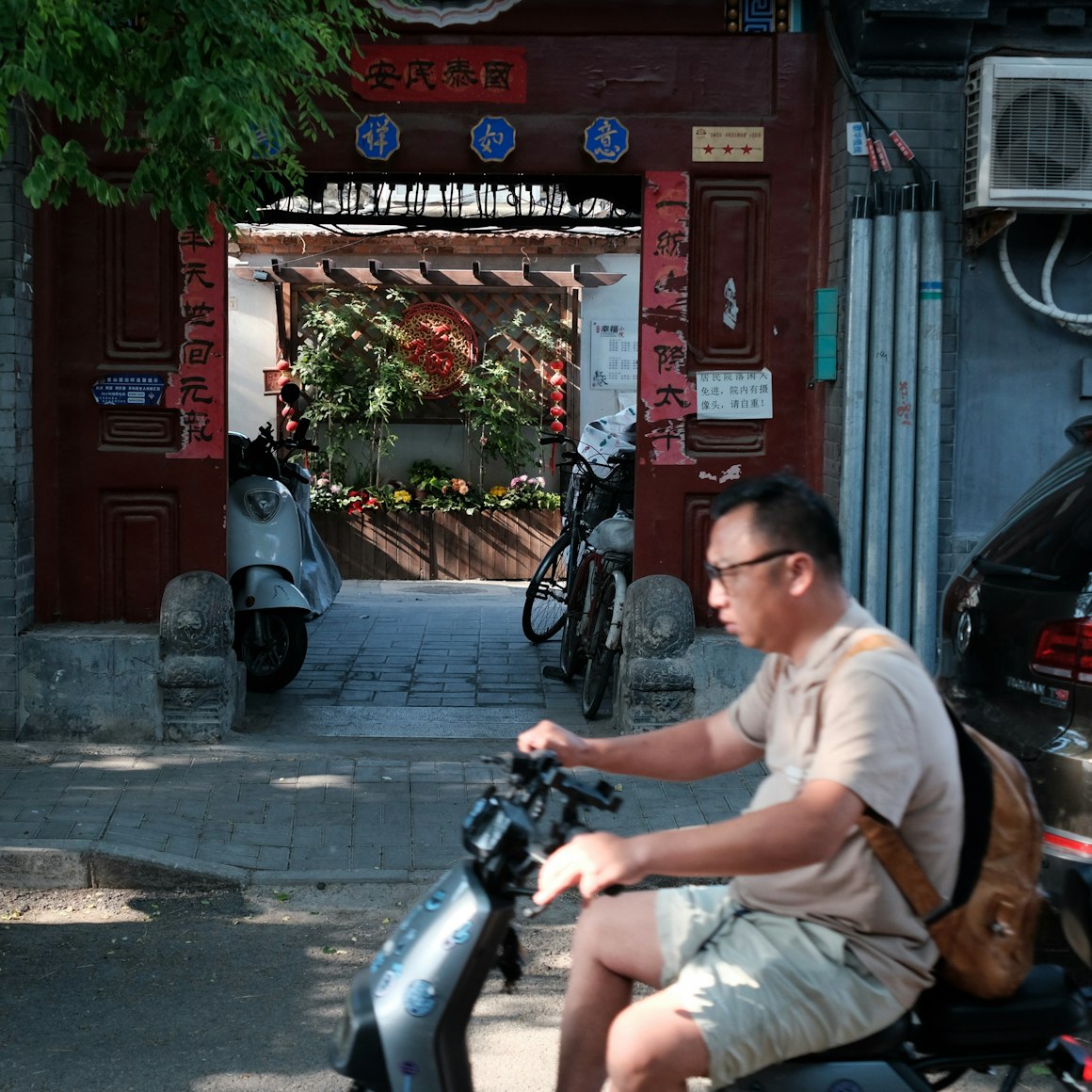
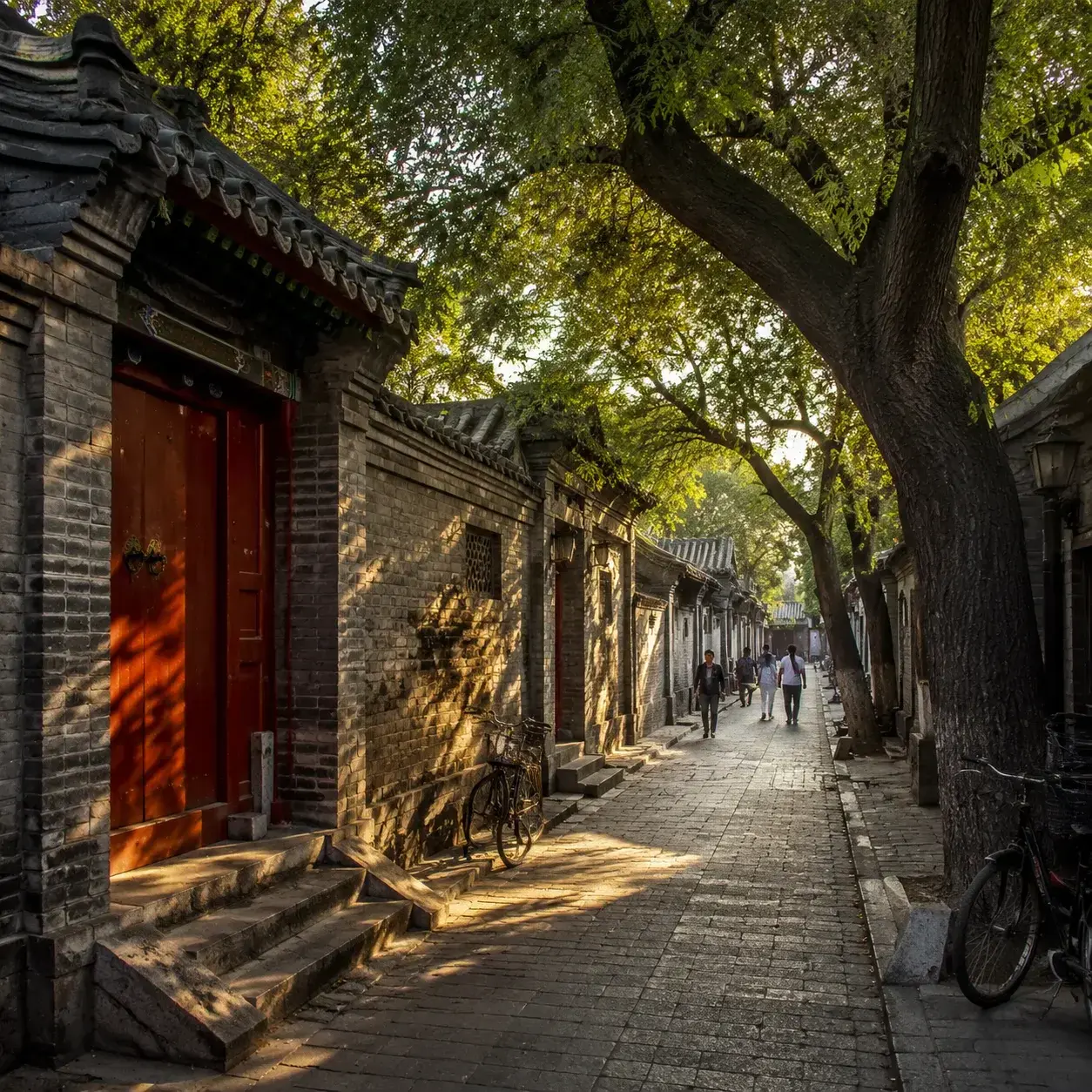
Beijing (北京) literally translates to "Northern Capital." For over six centuries, it served as the nerve center of the Ming and Qing dynasty. Unlike many modern metropolises that grew organically, Beijing was designed with cosmic precision. The city is laid out on a strict north-south axis, representing the emperor's divine mandate to rule from the center of the universe. Even today, that imperial blueprint dictates the rhythm of the city. The sheer scale of the avenues, the imposing gates, and the sprawling palace complexes are designed to make you feel small. Yet, beneath this monumental facade lies a deeply human city. Just steps away from the grand boulevards, you will find the hutongs (胡同). In these ancient alleyways, locals play chess and sip coffee in hidden cafes. Life here continues much as it has for generations. Experiencing Beijing means embracing this contrast between the emperor's domain and the everyday life of its residents.
Top Things to Do in Beijing
When narrowing down the best beijing attractions, it is easy to get overwhelmed. The city is massive, and trying to see everything will only lead to exhaustion. Instead, focus on a mix of grand historical sites and intimate local experiences. Here are the essential beijing places to visit for a first-time traveler:
- Walk the Great Wall of China: Leave the city behind and hike the ancient fortifications winding through the mountains. - Explore the Forbidden City Beijing: Wander through the world's largest palace complex, which covers an area of 72 hectares. - Wander the Hutongs: Rent a bicycle or simply walk. Historic neighborhoods like Wudaoying (五道营) and Guozijian (国子监) are perfect for exploring. - Visit the Temple of Heaven: Start by watching locals practice Tai Chi in the surrounding park. Then, admire the iconic Hall of Prayer for Good Harvests. - Stroll the Summer Palace Beijing: Take a boat ride on Kunming Lake and admire the extravagant imperial garden. - Eat Peking Duck: No trip is complete without tasting the city's signature dish. While Da Dong and Siji Minfu are famous, locals also love Chang'an Yihao (Made in China) at the Grand Hyatt. - Discover Local Food Secrets: Beijing is famous for its provincial representative offices (Zhu Jing Ban). Here, you can eat authentic regional food from all over China-from Sichuan to Xinjiang-without leaving the city. - Visit the Lama Temple: This is a magnificent Tibetan Buddhist temple. Inside, you can admire a towering Maitreya Buddha carved from a single sandalwood tree.
An Honest 3-Day Beijing Itinerary
Travelers often ask how many days in Beijing are necessary. For a first-time visitor, three full days is the absolute minimum to see the highlights without rushing. Here is a realistic beijing itinerary that balances major sights with manageable pacing.
Day 1: The Imperial Core
Start your morning at Tiananmen Square (天安门广场), the symbolic center of modern China. From there, walk north through the Gate of Heavenly Peace into the Palace Museum. Spend at least three hours exploring the central axis and the quieter eastern and western chambers. In the late afternoon, head to Jingshan Park (景山公园) just behind the palace. A short climb offers a breathtaking panoramic view of the golden roofs at sunset. If you have energy left, explore the nearby Beihai Park (北海公园).
Day 2: The Great Wall and Olympic Legacy
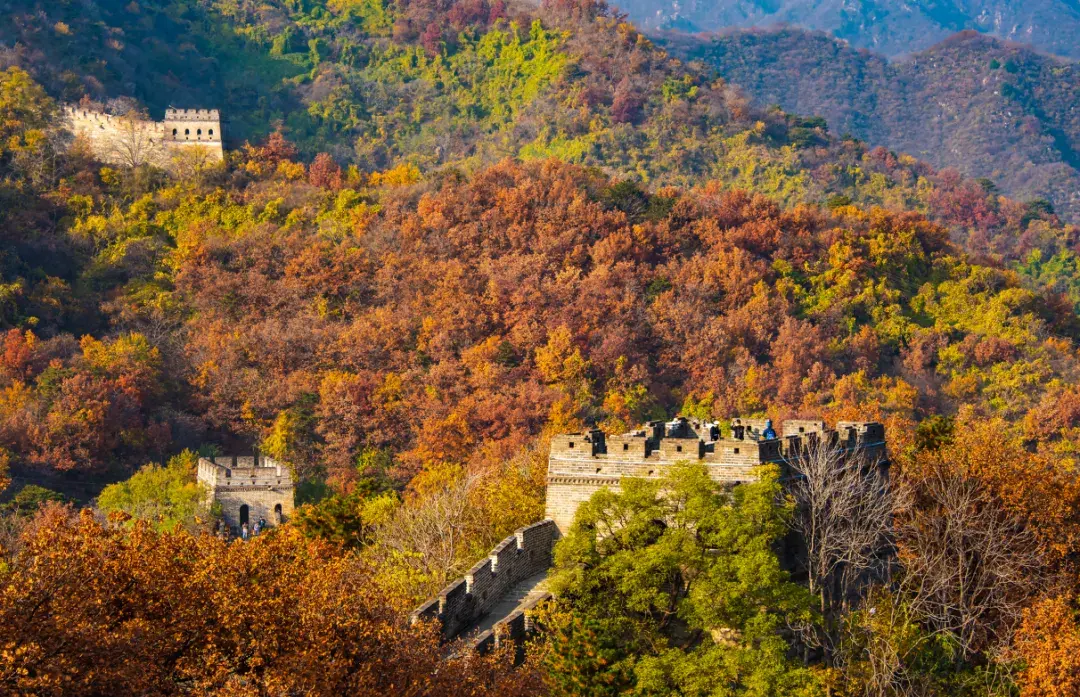
Dedicate your second day to visiting the Great Wall from Beijing. Hire a private driver or join a guided tour to reach the Mutianyu Great Wall (慕田峪), which is less crowded than Badaling. Spend the morning hiking the wall and taking the cable car up or the toboggan down. On your way back to the city, stop by the Olympic Park to see the Bird's Nest stadium illuminated at night.
Day 3: Temples, Gardens, and Hutong Life
Start early at the Temple of Heaven (天坛) to catch the lively morning park culture. In the afternoon, head northwest to the Summer Palace (颐和园) for a relaxing walk along the lake. Conclude your Beijing trip by getting lost in the hutongs around Houhai (后海) or Yangmeizhu Xiejie (杨梅竹斜街). Stop for a traditional Peking duck dinner, or grab a drink at a local craft cocktail bar.
The Forbidden City, Temple of Heaven, Summer Palace, and Great Wall
These four UNESCO World Heritage sites form the backbone of any Beijing trip. Here is what you need to know to experience them properly.
Forbidden City (故宫博物院)
Tickets must be booked exactly seven days in advance via their official mini-program. Be ready-they sell out within minutes. Passports are required for entry. To escape the crowds, veer off the central axis and explore the Treasure Gallery. Many visitors also dress in traditional attire for photos against the palace walls—here is  where to rent hanfu near the Forbidden City before you go.
For the walk itself, our Forbidden City route map and tickets numbers every stop along the central axis.
Temple of Heaven (天坛)
Originally used by emperors to pray for good harvests, this complex is a masterpiece of Ming architecture. The surrounding park is just as fascinating as the temples themselves and is fully open to the public. Arrive before 9:00 AM to see retired locals singing opera and playing instruments.
Summer Palace (颐和园)
This vast royal retreat was the playground of the Qing dynasty. The complex is huge, so wear comfortable shoes. Do not miss the Long Corridor, decorated with thousands of intricate paintings. If you stay at the nearby Aman Summer Palace, you can even enjoy a private entrance to the grounds.
The Great Wall of China (长城)
When visiting the Great Wall, avoid the Badaling section, which is heavily commercialized. Instead, opt for the Mutianyu section for a beautifully restored, family-friendly experience. If you prefer a more rugged hike, choose Jinshanling. Different sections of the wall offer completely different experiences, so choose one that matches your fitness level.
Getting Around Beijing
Beijing is vast, and traffic can be notoriously heavy. Fortunately, the city boasts one of the most extensive and efficient public transportation networks in the world.
- Subway: The Beijing Subway is clean, cheap, and has English signage and announcements. You can use Alipay or WeChat Pay to scan and ride, or buy a physical transit card. - Taxis and Ride-Hailing: DiDi (China's Uber equivalent) is integrated into Alipay and WeChat. It offers an English interface and auto-translation for communicating with drivers. - Walking: Distances on maps can be deceiving. A single city block in Beijing can take 20 minutes to walk. Always factor in extra transit time.
Critical Practical Information
To ensure a smooth trip, keep these practical tips in mind:
- Reservations are Mandatory: China has moved to a real-name, digital ticketing system. Almost all major attractions require advance booking using your passport number. You cannot simply show up and buy a ticket at the gate. - Digital Payments: Cash is rarely used. Set up Alipay or WeChat Pay and bind your foreign Visa or Mastercard before you arrive in China. - Internet Access: Western apps like Google, WhatsApp, and Instagram are blocked. You will need an eSIM with a built-in VPN or a reliable VPN service downloaded before you enter the country. If you are traveling from Hong Kong, a cross-border SIM card often bypasses the firewall. - Language Barrier: English is not widely spoken outside of high-end hotels. Download the offline Chinese package on Google Translate, or use the translation features within WeChat.
Best Time to Visit Beijing
The best time to visit Beijing is during the autumn months of September and October. The weather is crisp, the skies are generally clear and blue, and the changing leaves at the Great Wall are spectacular. Local parks like Ditan and Ritan become a photographer's dream. Spring (April and May) is also pleasant, though you may encounter occasional sandstorms. Summer (June to August) is hot, humid, and crowded with domestic tourists on summer holiday. Winter (December to February) is bitterly cold, but it offers a stark, quiet beauty. You might even be lucky enough to see the Forbidden City blanketed in snow. It is also a great time for a side trip to the winter sports town of Chongli.
Combine Beijing With...
Beijing is the perfect introduction to China, but it is only the beginning. China has an incredible high-speed rail network. This makes it easy to connect the imperial capital with other iconic destinations. For a classic historical route, take the high-speed train to Xi'an to see the Terracotta Warriors. You can easily contrast Beijing's ancient history with hyper-modernity. A bullet train will get you to Shanghai in just over four hours. Alternatively, you can head to the coastal community of Aranya for a relaxing, modern architectural retreat.
FAQ
Is Beijing safe for foreign tourists?
Yes, Beijing is incredibly safe. Violent crime is virtually nonexistent, and petty theft is rare. You can walk around safely at night, and the subway is secure and heavily monitored.
Do I need a visa to visit Beijing?
It depends on your nationality. Many countries now enjoy visa-free entry to China for 15 to 30 days. Additionally, Beijing offers a 144-hour transit visa exemption for citizens of 54 countries. To qualify, you must be flying to a third country afterward. Always verify current visa policies before booking.
What is the best section of the great wall to visit?
For first-timers, the Mutianyu Great Wall is highly recommended. It offers stunning scenery, manageable crowds, and excellent facilities like a cable car.
Can I use my credit card in Beijing?
Foreign credit cards are generally only accepted at international hotels and high-end restaurants. For daily expenses, you must link your card to Alipay or WeChat Pay.
Are the top Beijing attractions open every day?
No. Most major museums and historical sites, including the Palace Museum, are closed on Mondays. Plan your itinerary accordingly.
How bad is the air quality in Beijing?
Air quality has improved dramatically over the last decade. While smoggy days still occur, especially in winter, "blue sky days" are now the norm rather than the exception.