



Two versions of the future
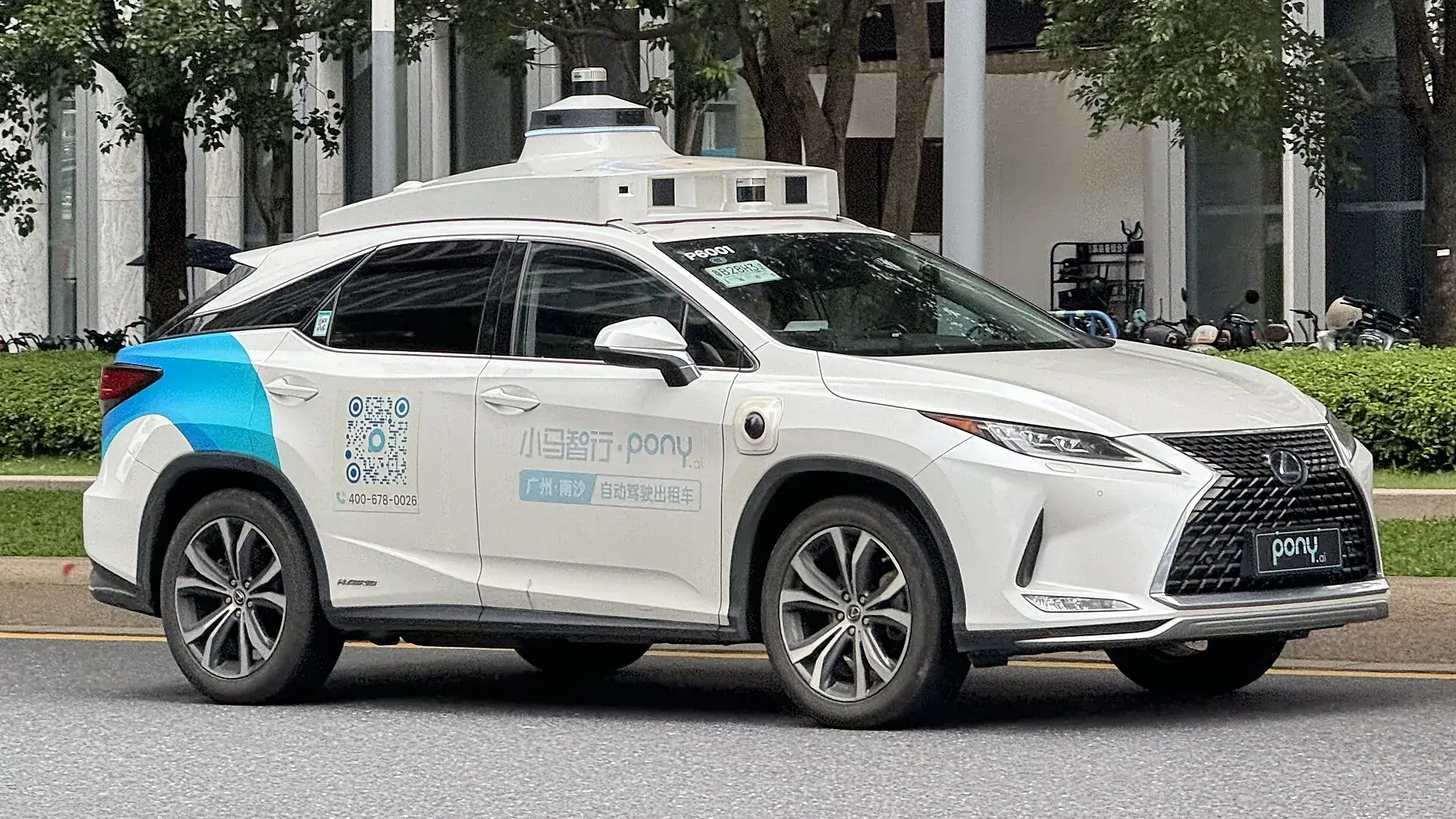
Shenzhen has opened over seven hundred kilometres of road to autonomous testing, across more than a dozen companies. And a few kilometres away, the same sensors and chips are loose in trays, sold by the handful. It is the only city where you can do both in the same afternoon.
Half a day, and two things you can't do anywhere else
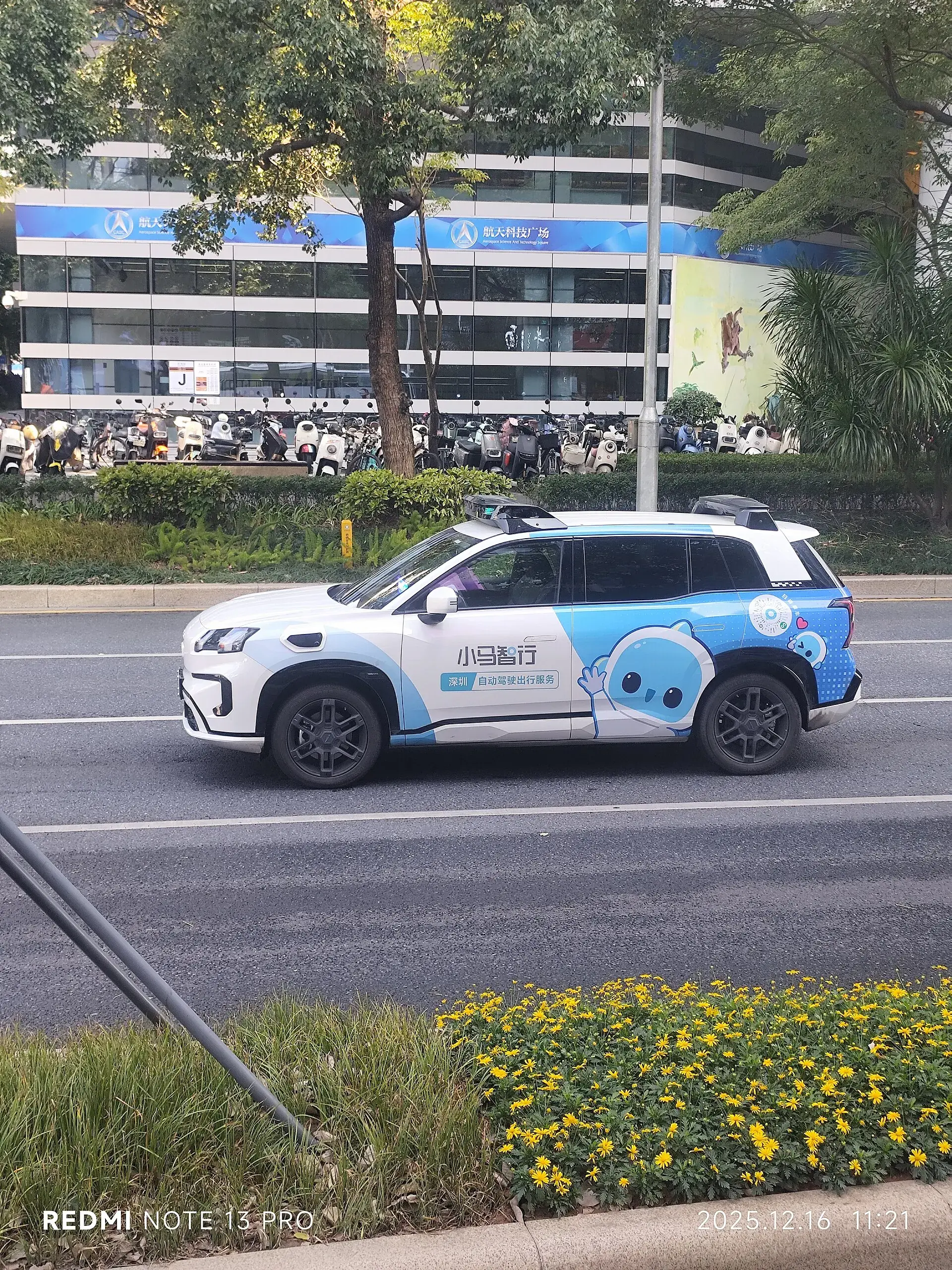
Half a day in two versions of the same technology: a fully driverless taxi on open public roads with the cabin screen showing you how it reads the street, then a market where those same sensors are loose in trays.
- An empty driver's seat with the wheel turning on a public road
- The cabin screen rendering the street as the system has it — every pedestrian a box
- The car pull round a delivery scooter parked in a live lane, and yield to people crossing
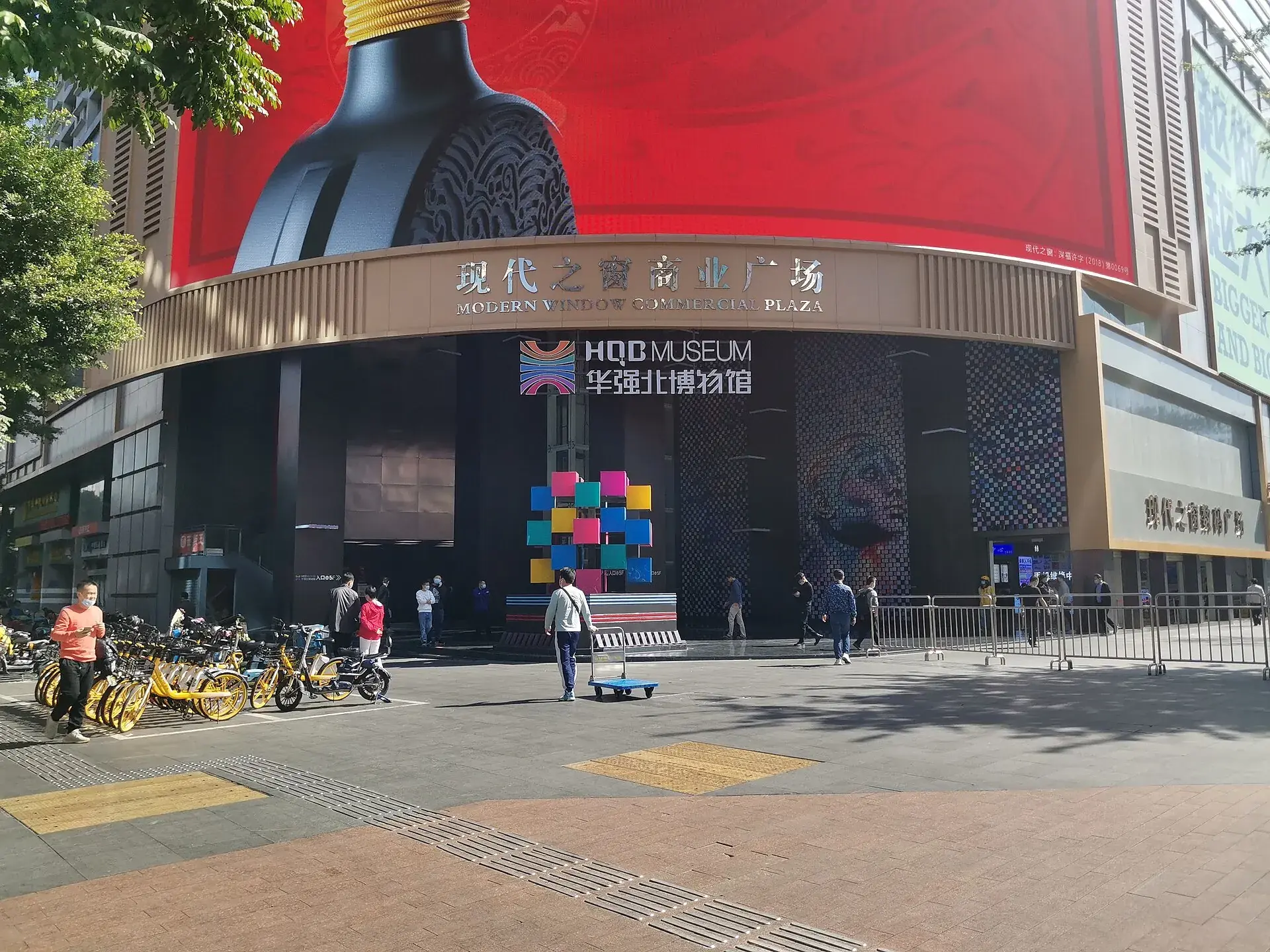
- Floors of counters in Huaqiangbei: components in trays, robots on shelves, drones by the case
- AI translation earpieces, and you'll test one against your guide
- Smart glasses, quadruped toys, drones of every size
- Enough junk alongside the good stuff to learn to tell them apart
- Why Pingshan is where this happens — it opened its whole road network and took the safety driver out
- What the system is uncertain about, narrated as it hesitates
- A counter trader's read on which of tomorrow's products is real
- A calibrated opinion on autonomous driving, formed from the back seat rather than a headline
- The ability to walk Huaqiangbei without being sold to
- Nothing you were pressured to buy — shopping is optional and not our business
What the afternoon is made of
车 · 接驳车 · 收录机 · 博物馆
How it unfolds
-
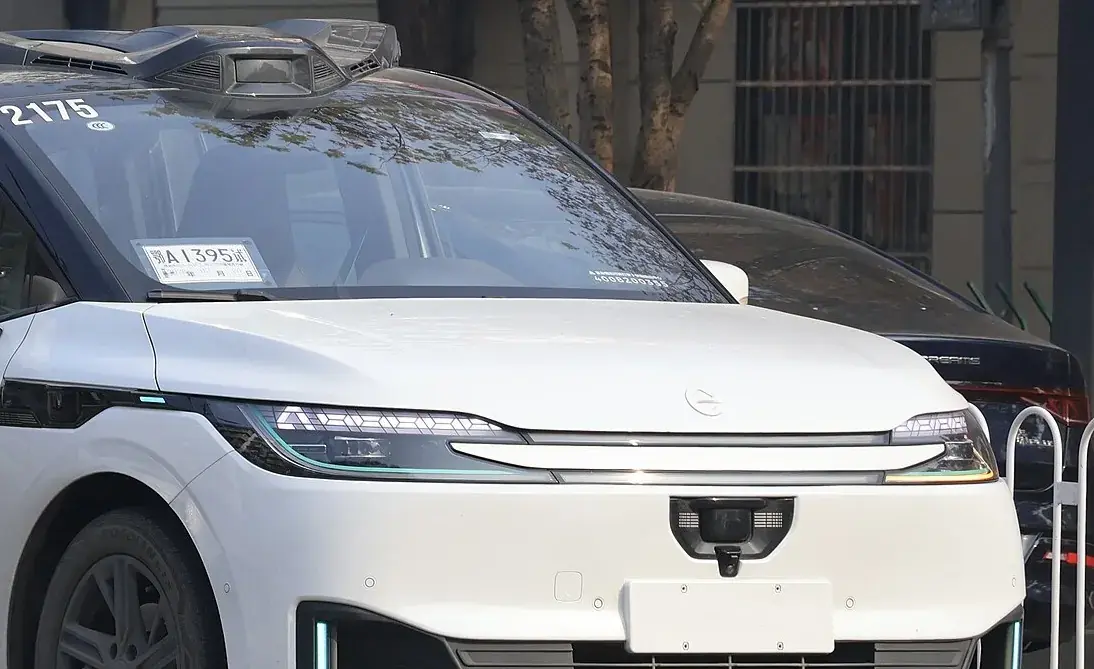
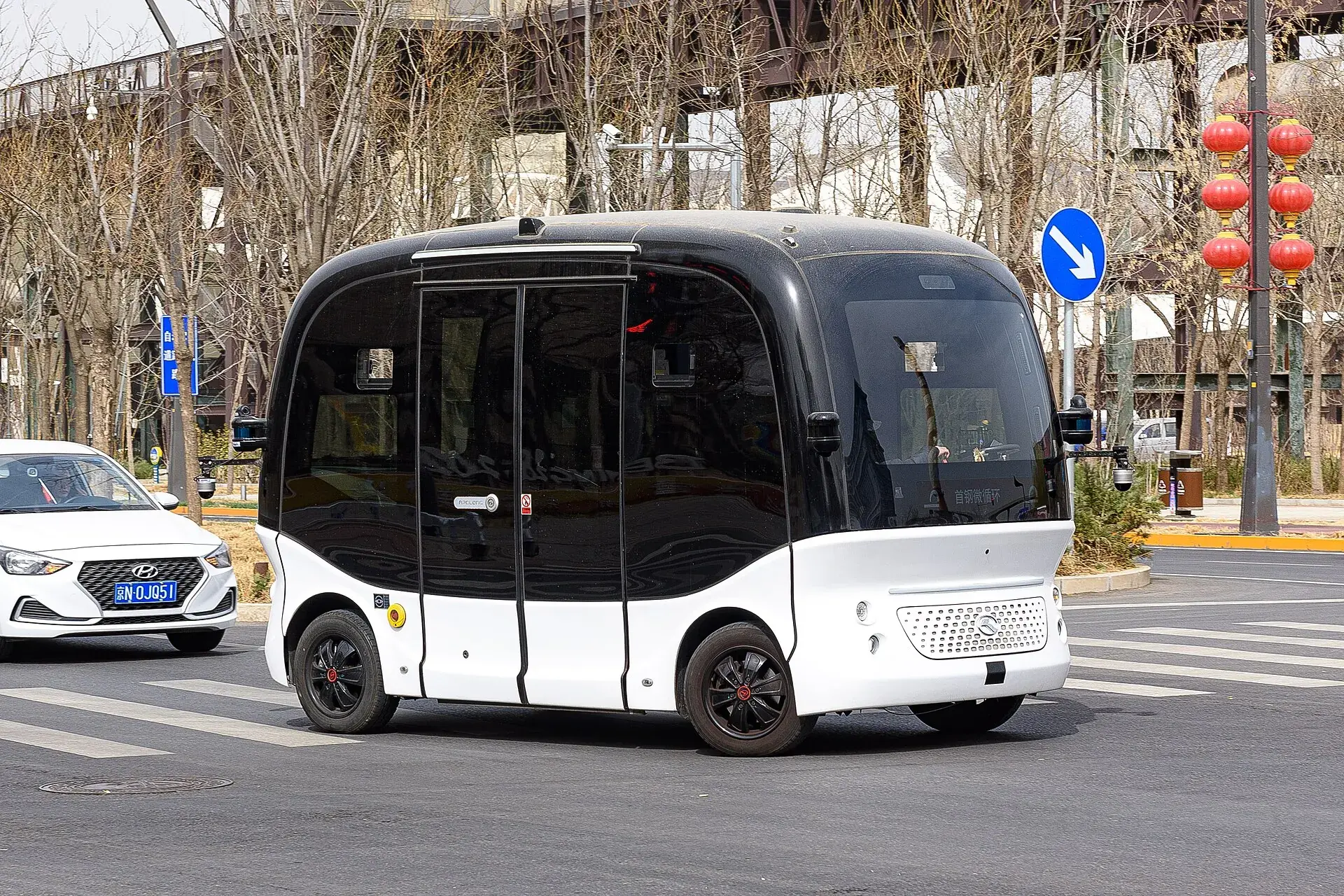
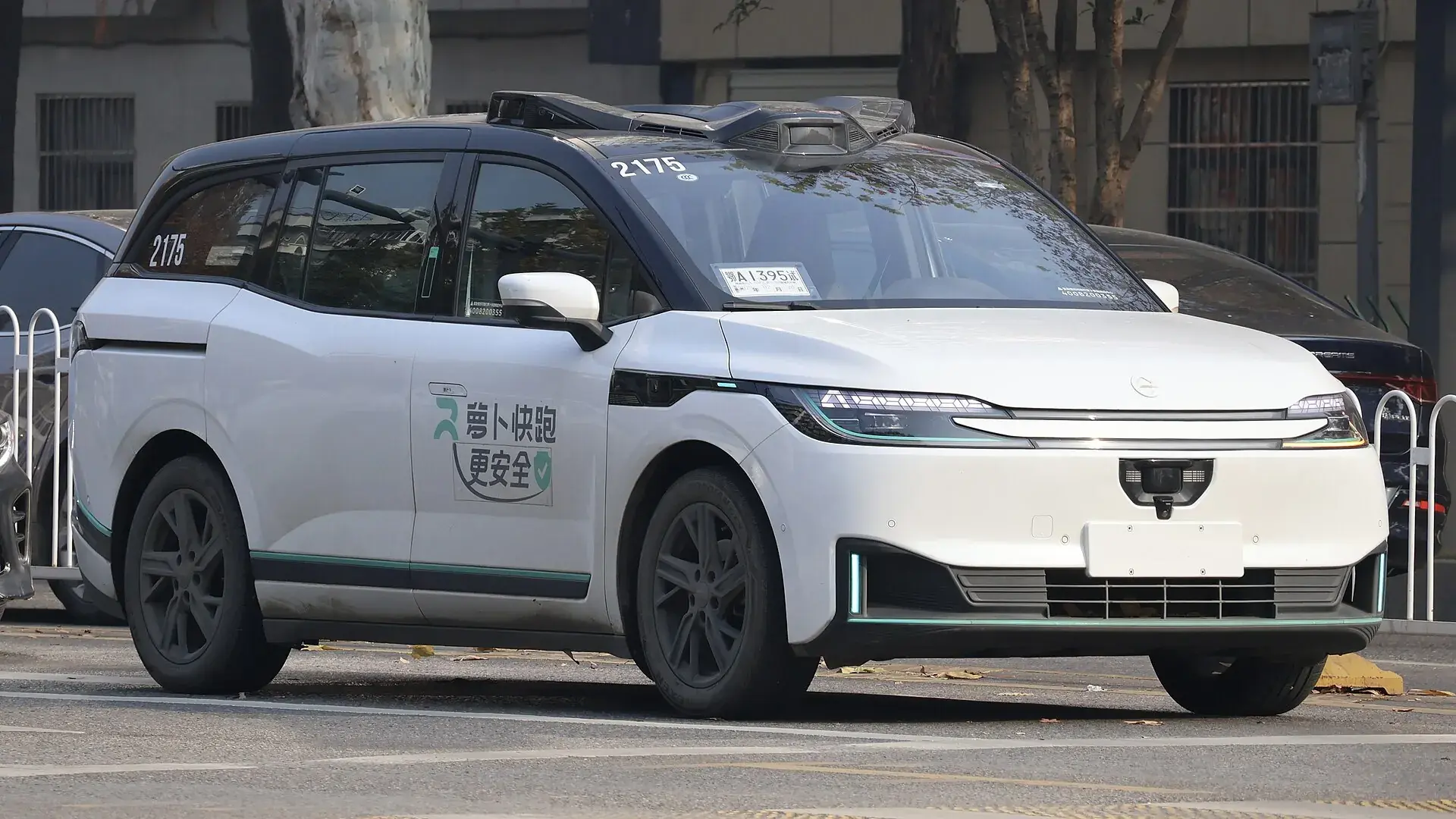
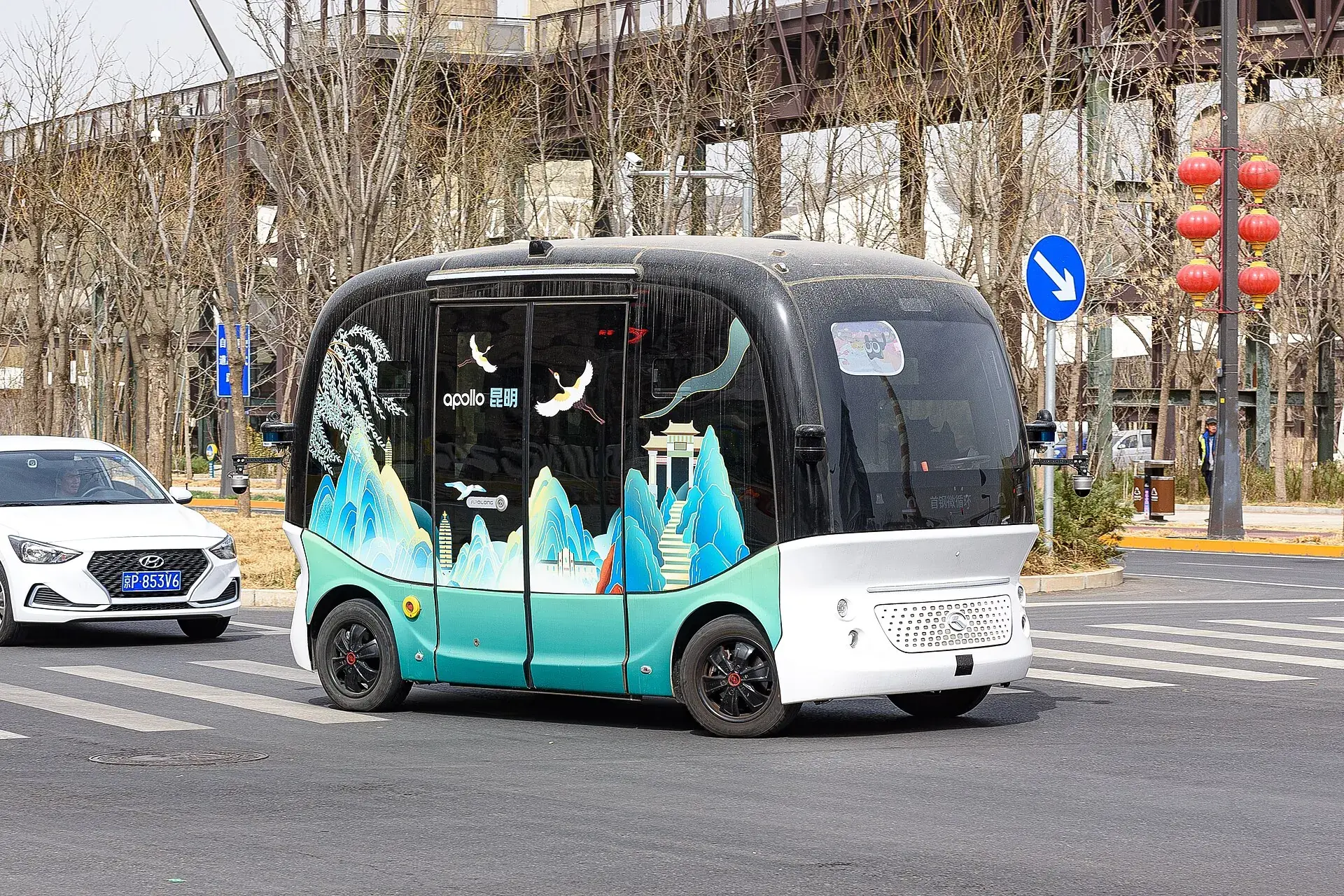
This matters and most write-ups get it wrong. In much of Shenzhen an autonomous taxi still carries a safety driver. Pingshan is the district that opened its full road network and went to commercial operation with nobody in the car at all — which is why the ride happens here and not somewhere more convenient.
-
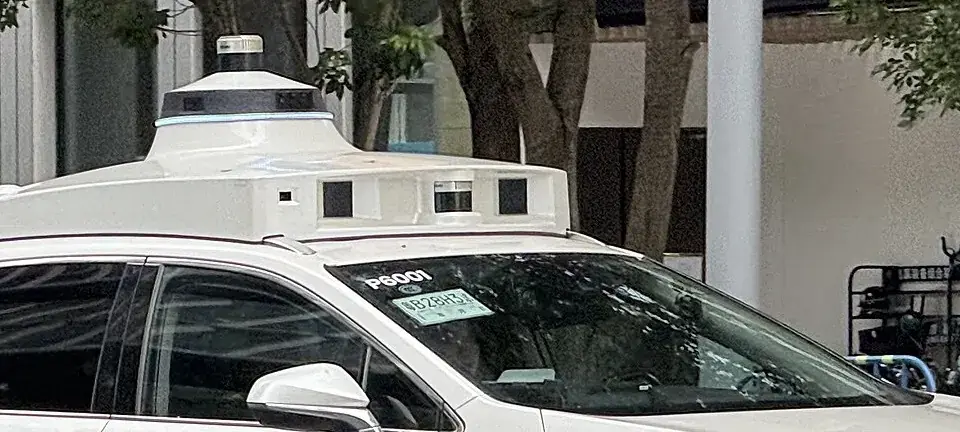
The cabin screen shows the world as the system has it: every pedestrian a box, every vehicle a box, lane lines it has decided are real. Watching it hesitate at a scooter that hasn't committed to a turn tells you more about the state of autonomy than any specification does.
-
The published test runs are specific about what these cars handle: pulling round a delivery scooter parked in a live lane, yielding to pedestrians and road workers crossing, and completing unprotected left turns, lane changes and U-turns. None of that is dramatic to watch. That is the point — the achievement is being boring in traffic.
-
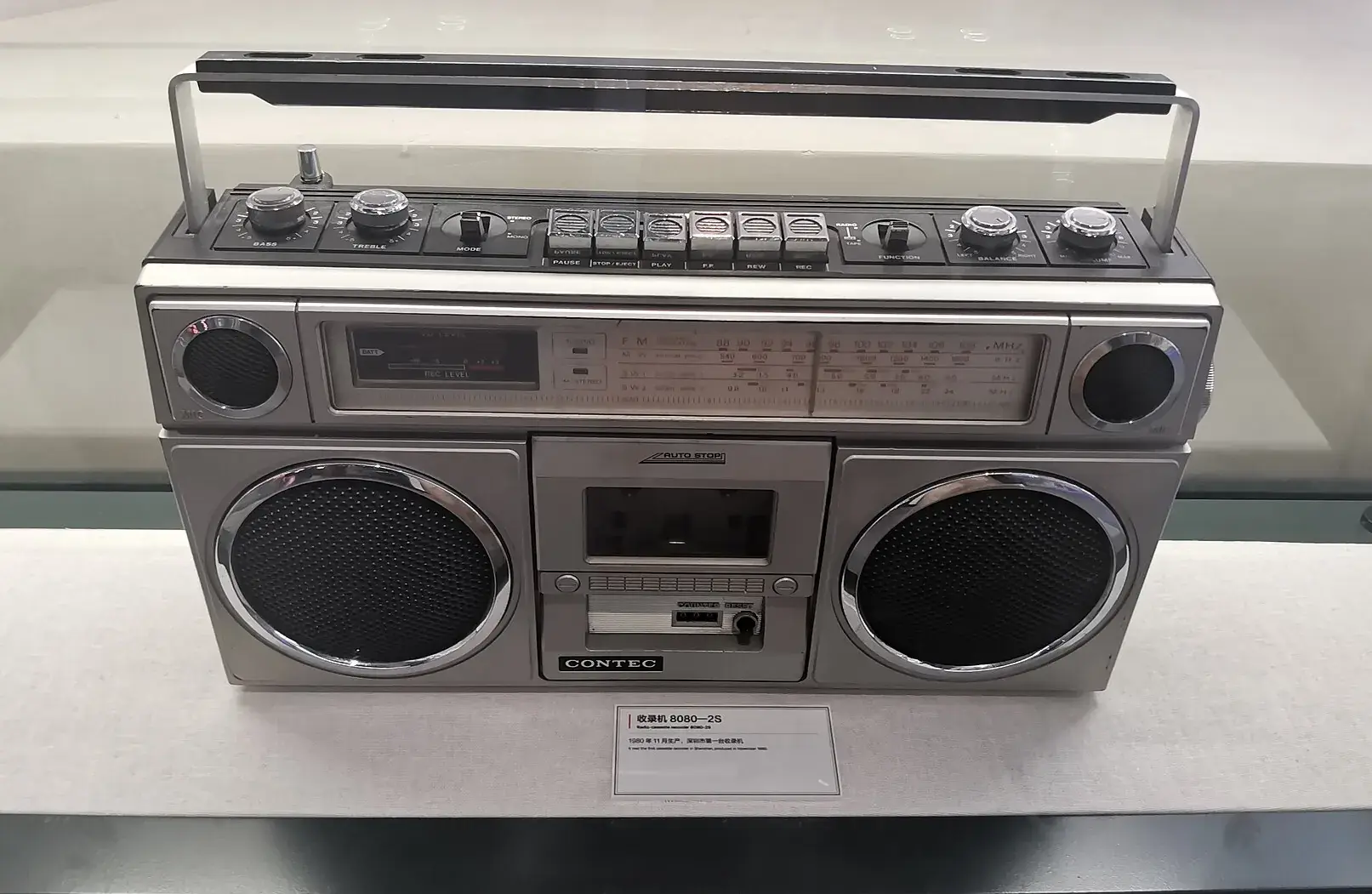
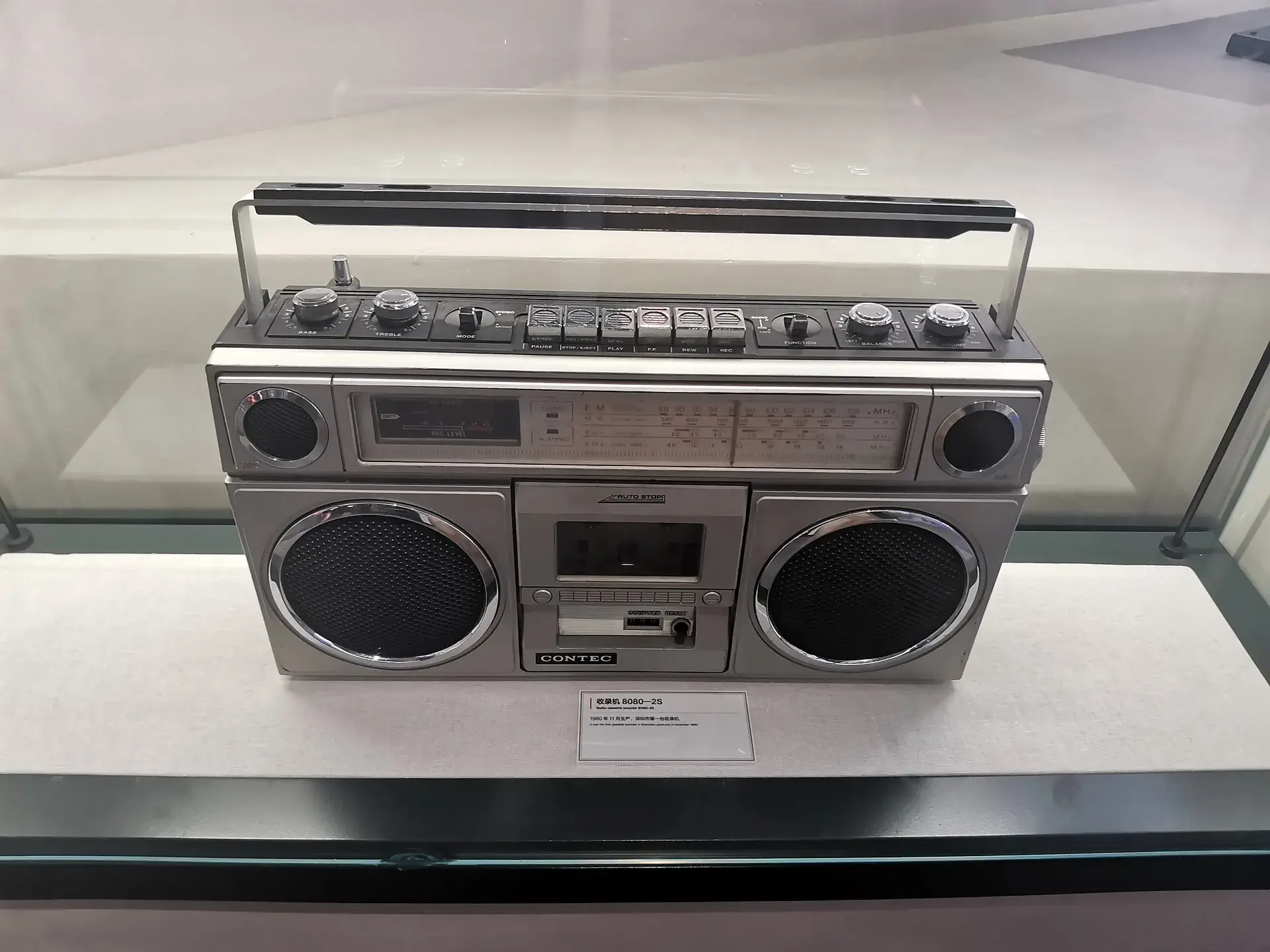
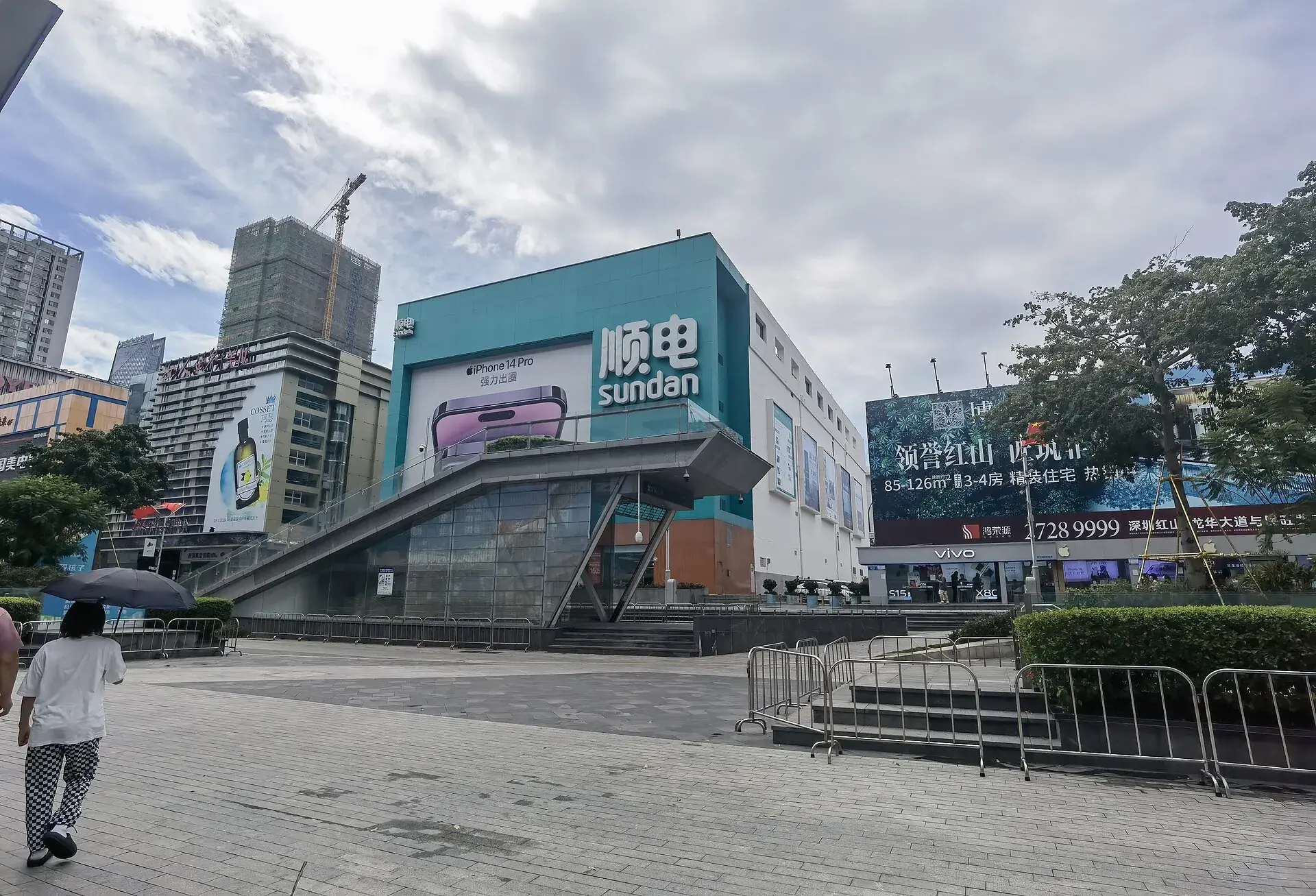
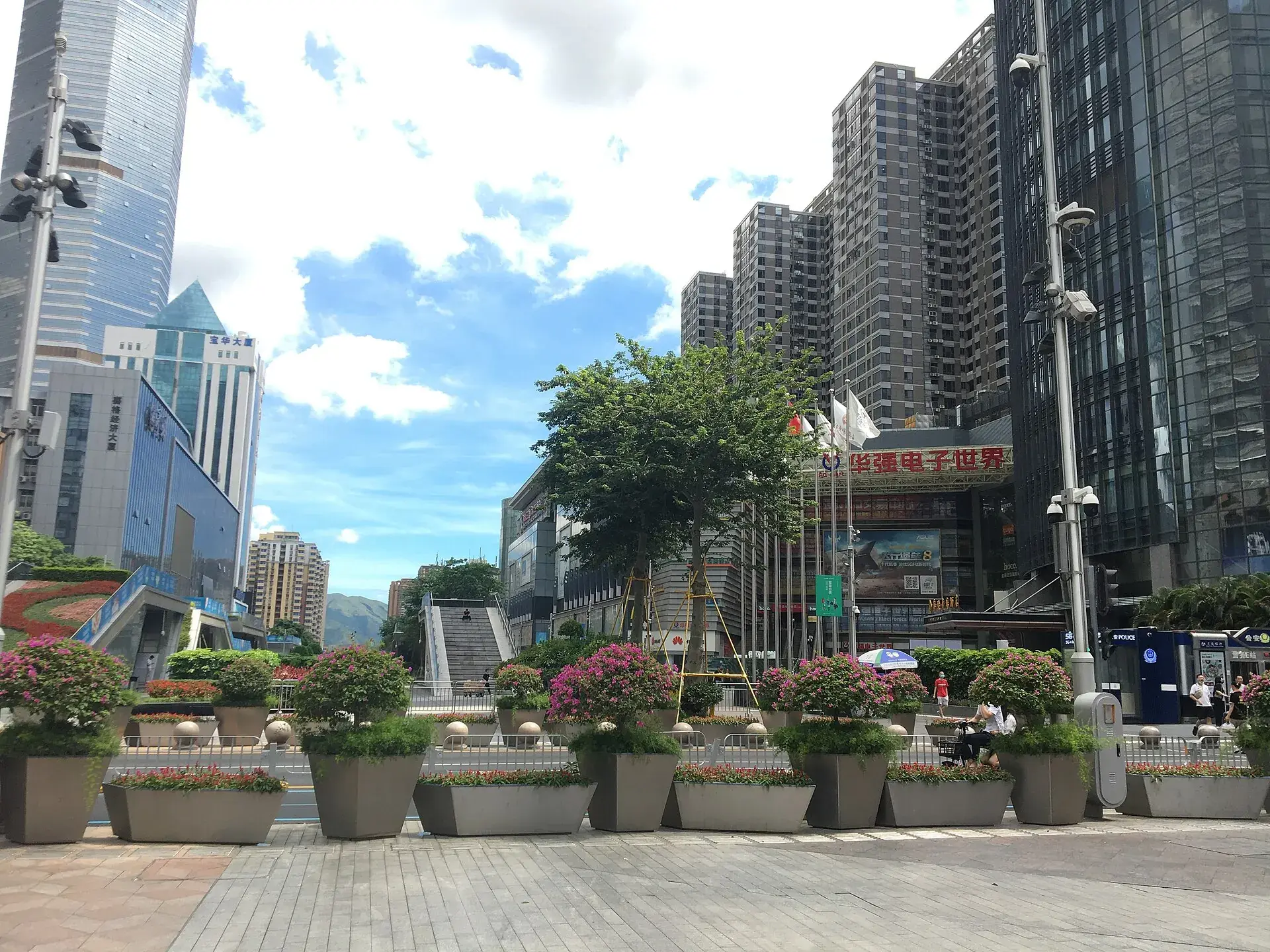
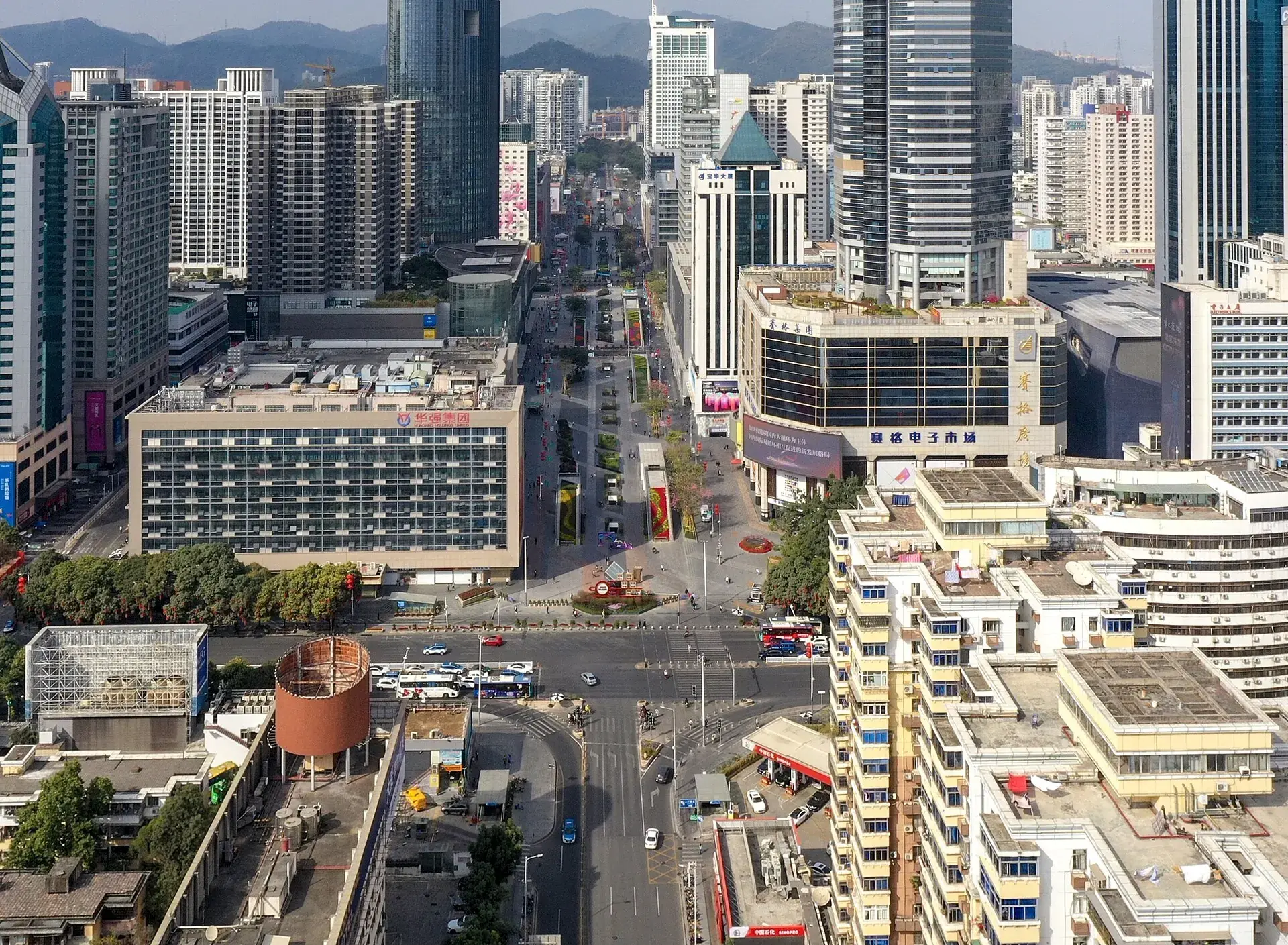
Huaqiangbei trades a serious share of the world's electronics, in a building layout closer to a fabric market than a mall. Components in trays, finished devices in cases, and a working knowledge of supply chains behind every counter. Your guide's job here is to keep you out of the tourist aisles.
-
AI translation earpieces, smart glasses, quadruped and humanoid toys, drones of every size. Some of it is remarkable and some is junk, and half the value of the hour is learning to tell which is which by handling it — a skill nobody acquires from a product page.
One is the future finished. The other is the future in parts.
The point of doing both
The robotaxi is the polished end: a closed system, enormous capital, full redundancy in the drive-by-wire, and a ride so smooth the technology disappears.
Huaqiangbei is the open end: the same sensors, the same chips, loose in trays, being bought by people who will make something else out of them by Friday.
Standing in both on one afternoon is the clearest explanation of this city anyone has come up with. It is also why the afternoon runs in this order.
Good to know
Book the ride
Half a day on its own. Tell us a date and we'll confirm the zone is running that morning.
Start planning- Half a day
- A fully driverless ride
- Then the counters it came from
- Nothing you have to buy