


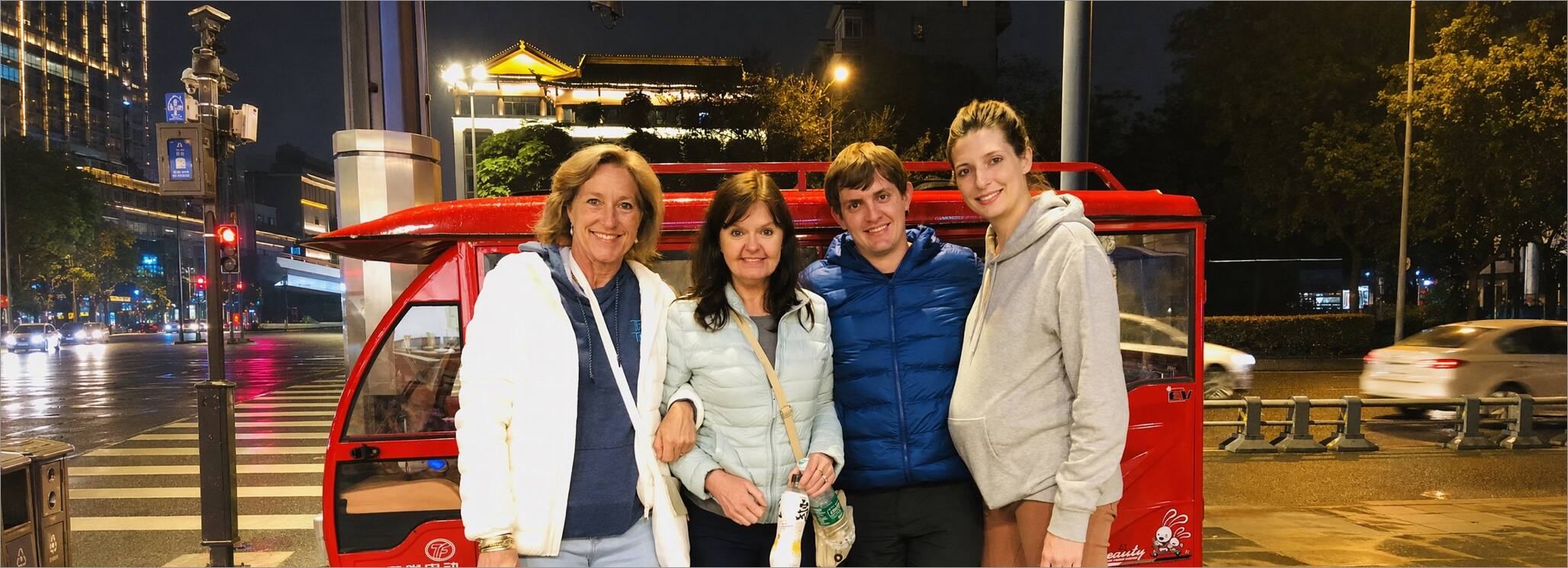
What is the tuk-tuk food ride?
It's a ride into the old workers' quarter tucked behind Chengdu's east gate: an hour and a half to two hours, four or five family-run shops, four or five local dishes you shouldn't leave without, and a food guide sitting beside you the whole way, eating and talking. The narrow lanes keep the coaches out, but that's the least of why this works. The route was drawn to take you deep into how one old working quarter really lives and eats: the cooks here answer to their neighbors, not to visitors, and each stop was chosen for what it opens up, not for what a bus can reach. You won't share a table with another group, and no packaged tour is built to go this far in.
What you'll taste and do
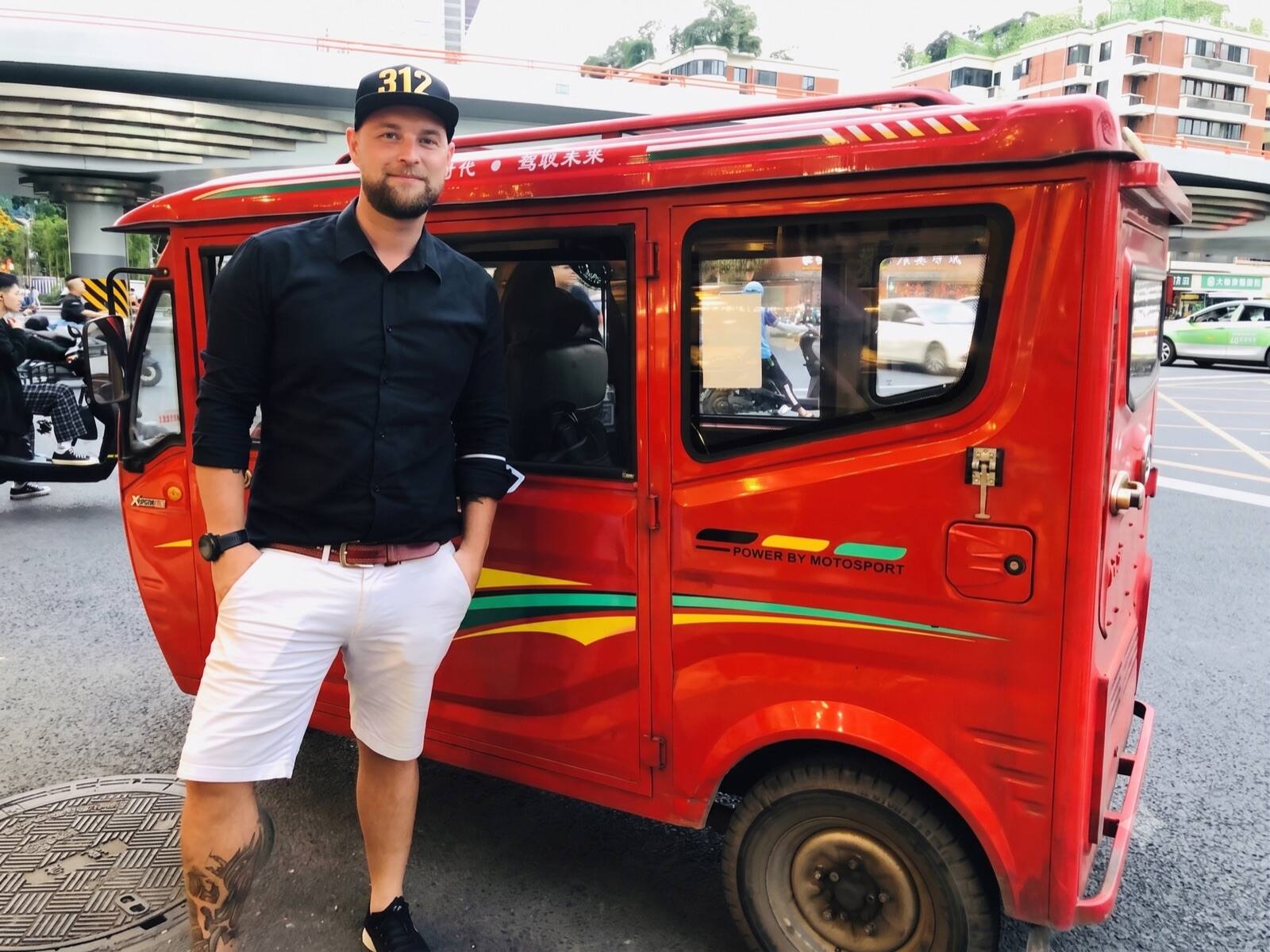
Ride low and open down streets a coach can't turn into, the old east-side quarter passing at elbow height, seven or eight minutes of open air between each stop.
No wandering a food street guessing which stall is any good; your guide orders the right thing at each stop and hands it over ready to eat.
Someone rides the whole route with you, reads each dish back to its street and its history, and turns the heat up or down to match the table.
Vegetarian, no pork, no beef, less chili: the route bends to how you eat, worked out before you climb aboard.
Beyond the food streets
- Travel through residential lanes rarely reached by large vehicles
- Visit independently run neighborhood eateries
- Enjoy dishes selected and ordered by a local guide
- Learn how each dish connects with the history of the surrounding community
Everything you'll taste
The experience includes four to five signature dishes, selected from a broader menu of local specialties according to your preferences and dietary requirements.
How the ride runs
-
Meet your guide at street level and climb onto the tuk-tuk. The meeting point is sent to you after booking.
-
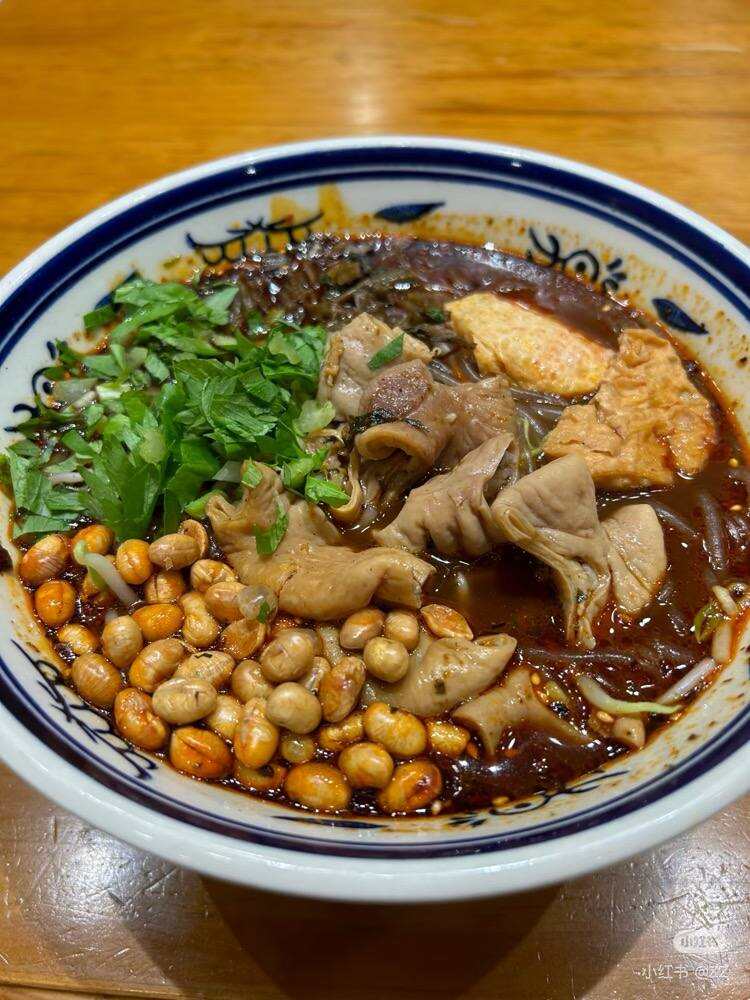
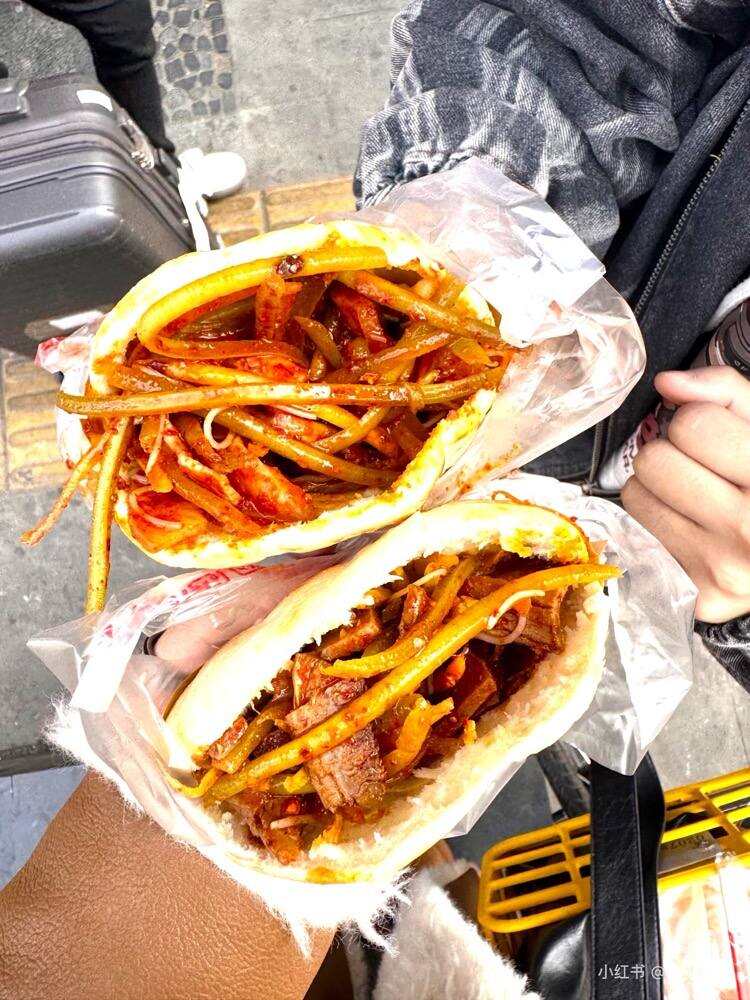
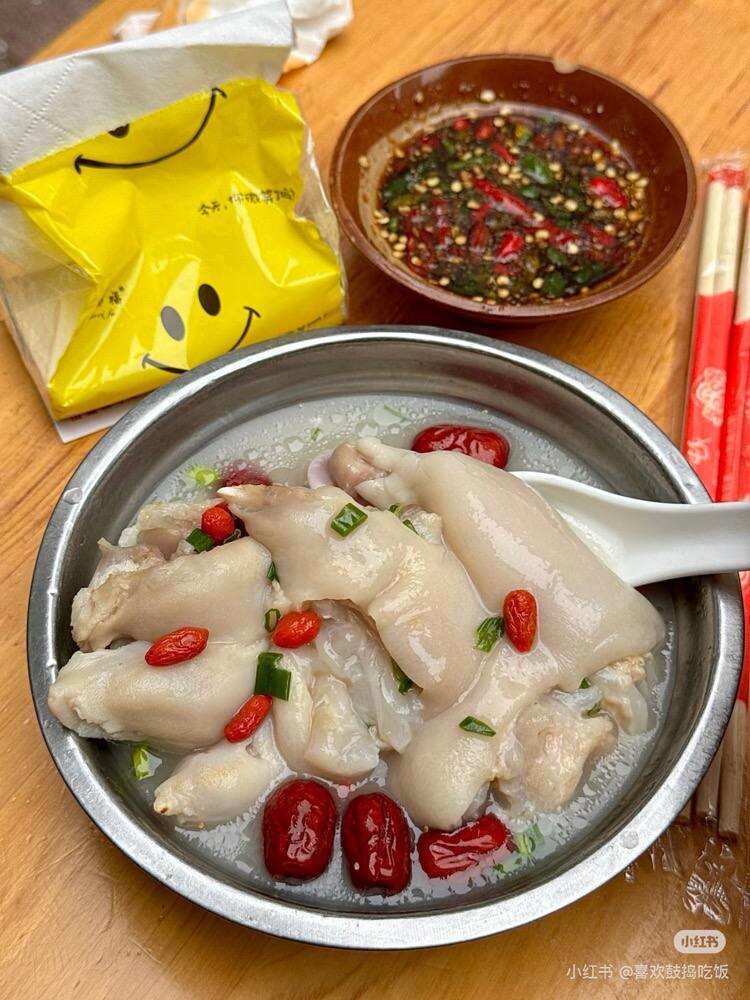
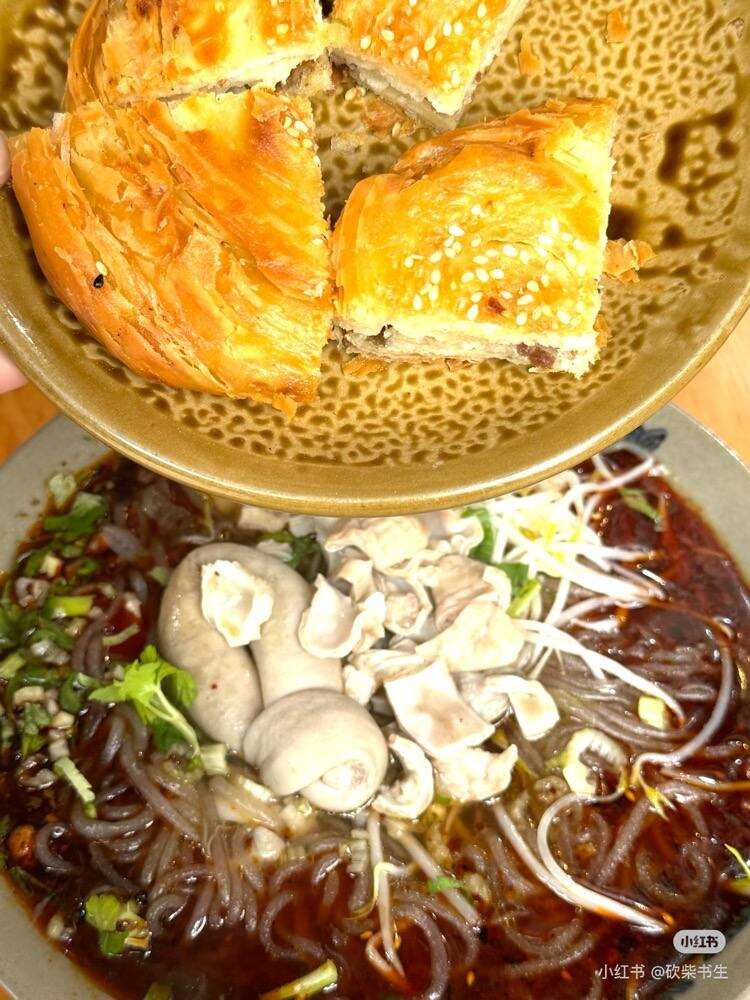
A shop past its twenty-fifth year on an old east-gate street: a griddle-fired flatbread and a bowl of sweet-potato noodles in pig-intestine broth: the carb-heavy breakfast Chengdu's workers have leaned on for generations. Guests from Hong Kong and Taiwan often clock it the moment they sit down: this is the shop from Nicholas Tse's Chengdu episode of Chef Nic. We don't print the name; you'll know when you're there.
-
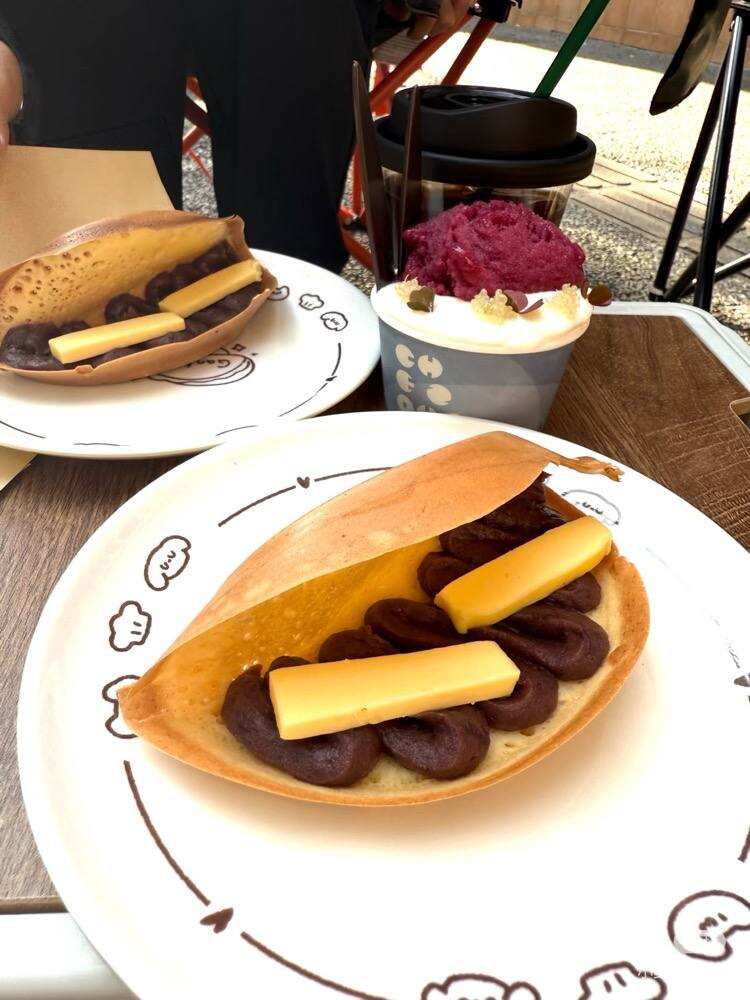
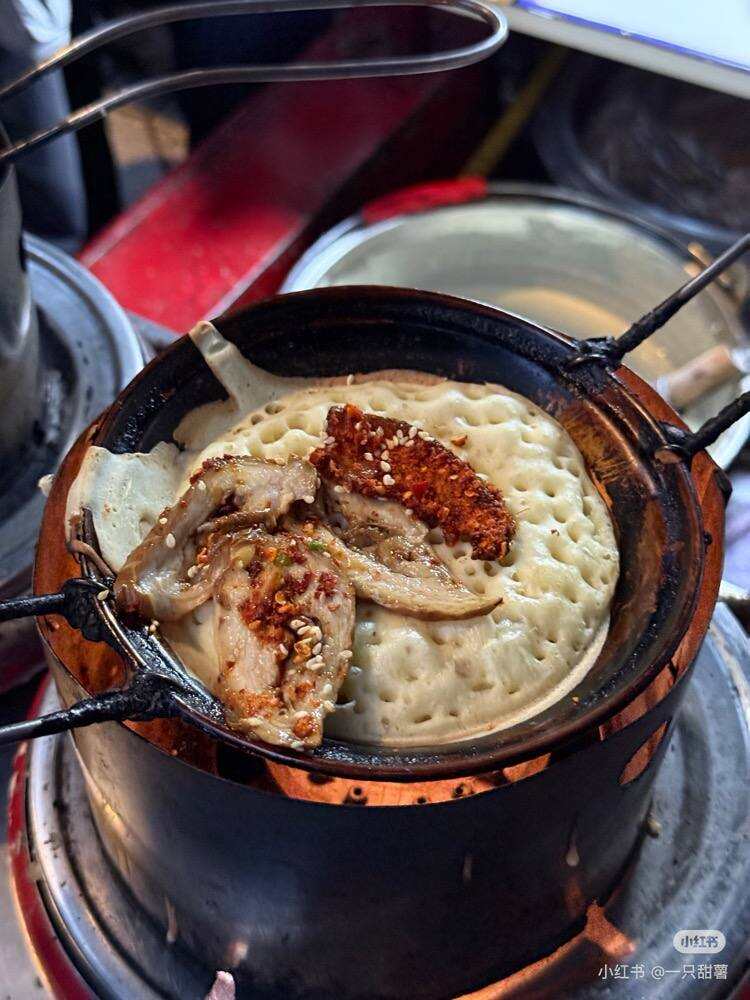
A folded egg pancake first sold here in the late Qing, more than a hundred years back, still griddled to order in copper pans by the Nie family, who started from a pushcart and built a shop on taste alone. Don't be fooled by the thin shell and the modest filling: it carries more than it looks. Sweet or savory, handed over warm.
-
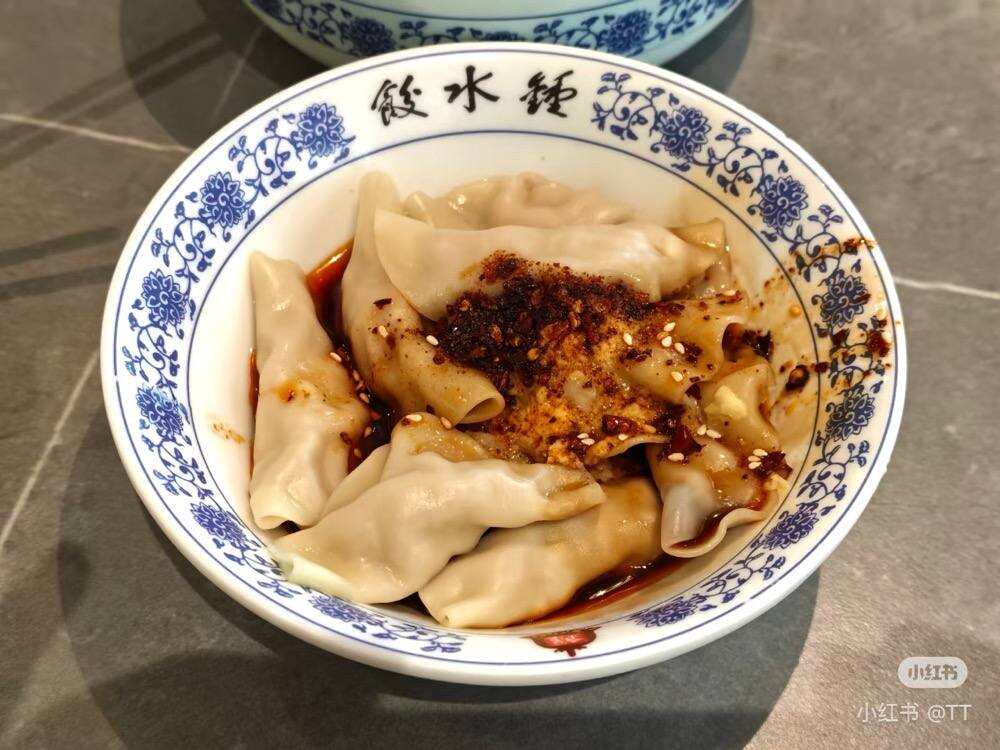
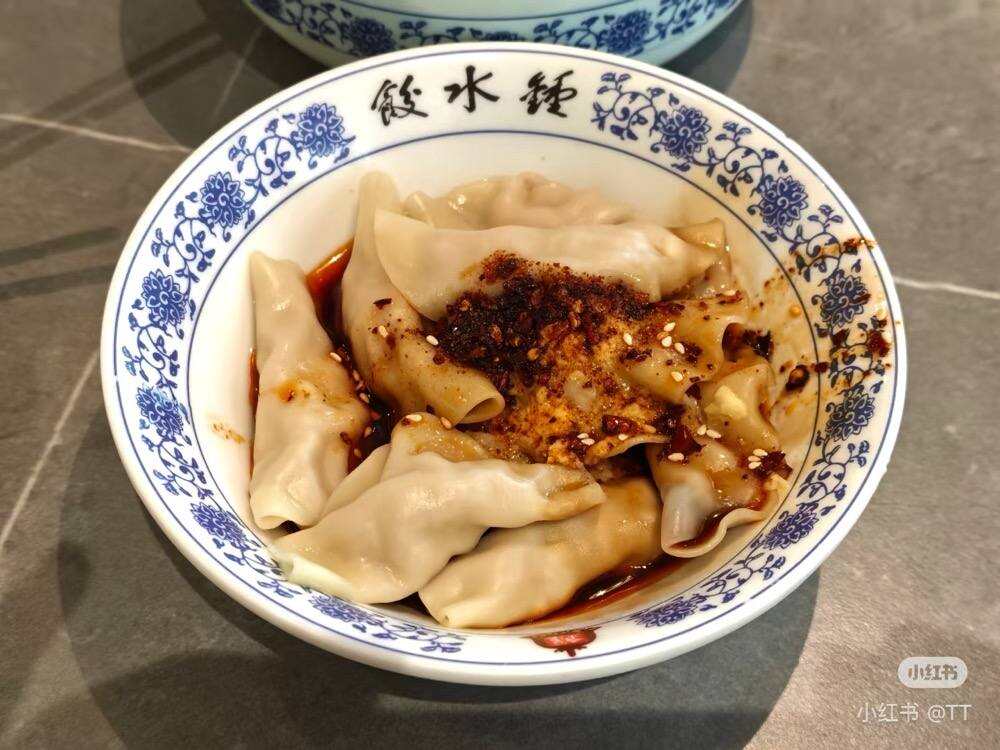
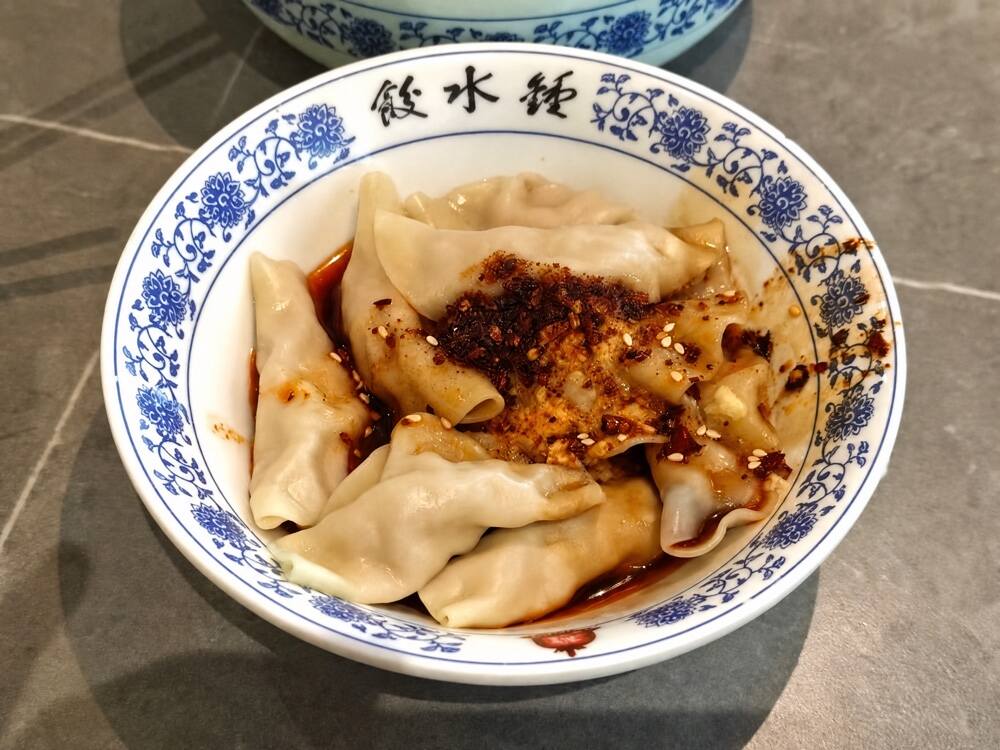
The real centerpiece. The chao shou, Chengdu's thin-skinned wonton under fragrant-then-hot red oil, is only half of it. This block is where the lanes of our name actually come from: 1960s tenement walk-ups where old Chengdu still lives, where you'll hear no tourist Mandarin and no English, and where no coach can turn in. Over a hot bowl, the owner tells you what this street has lived through.
-
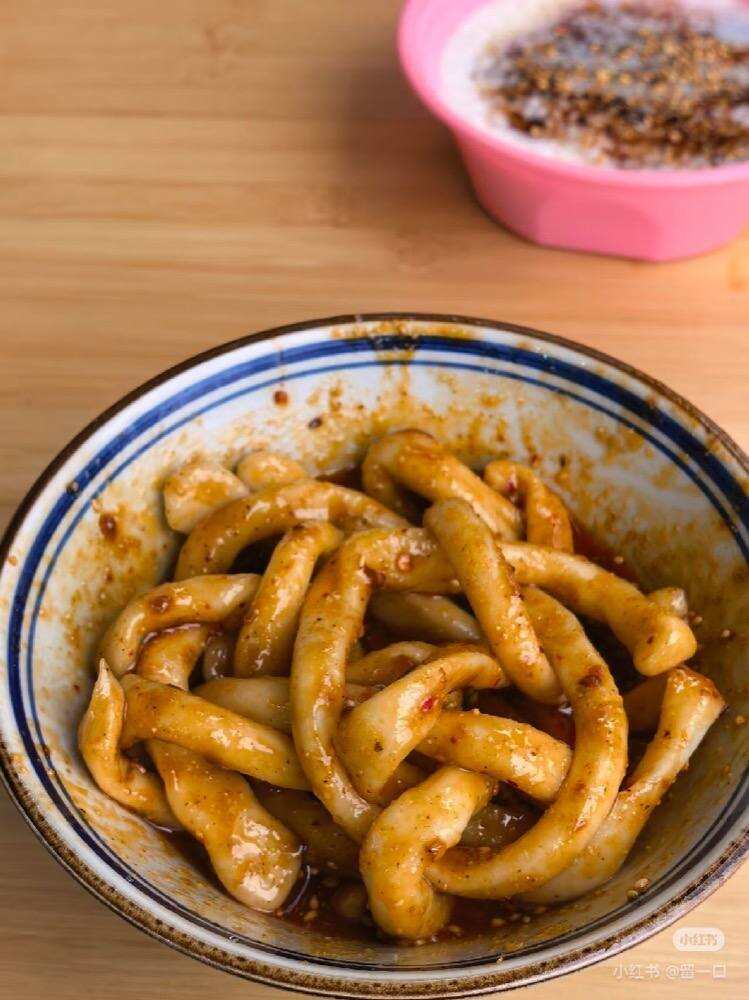
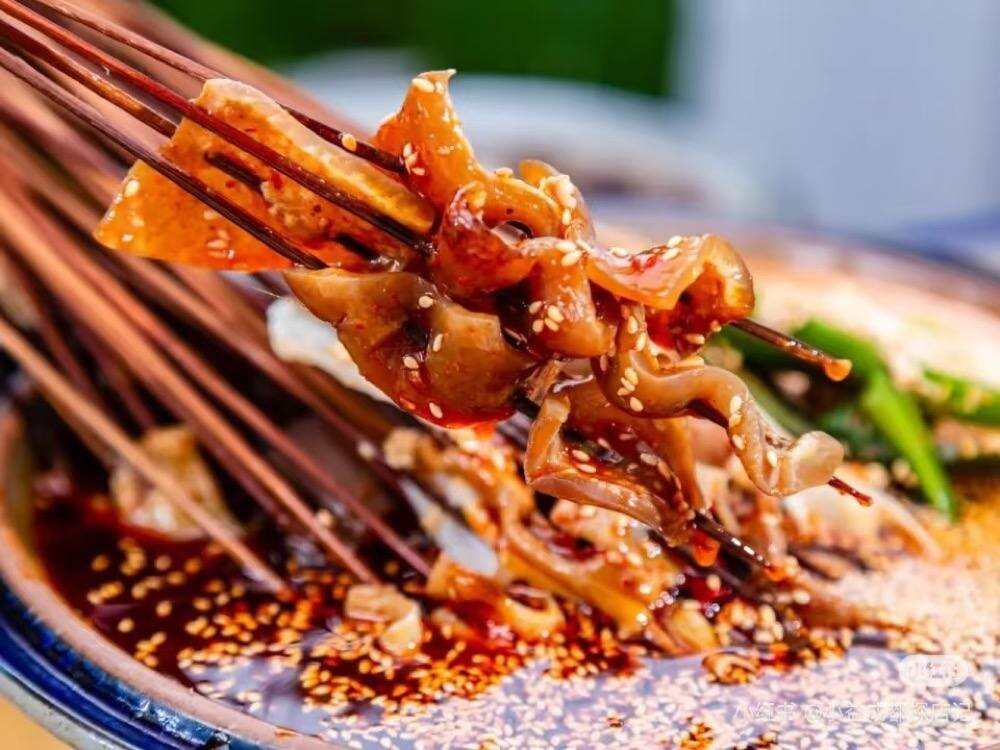
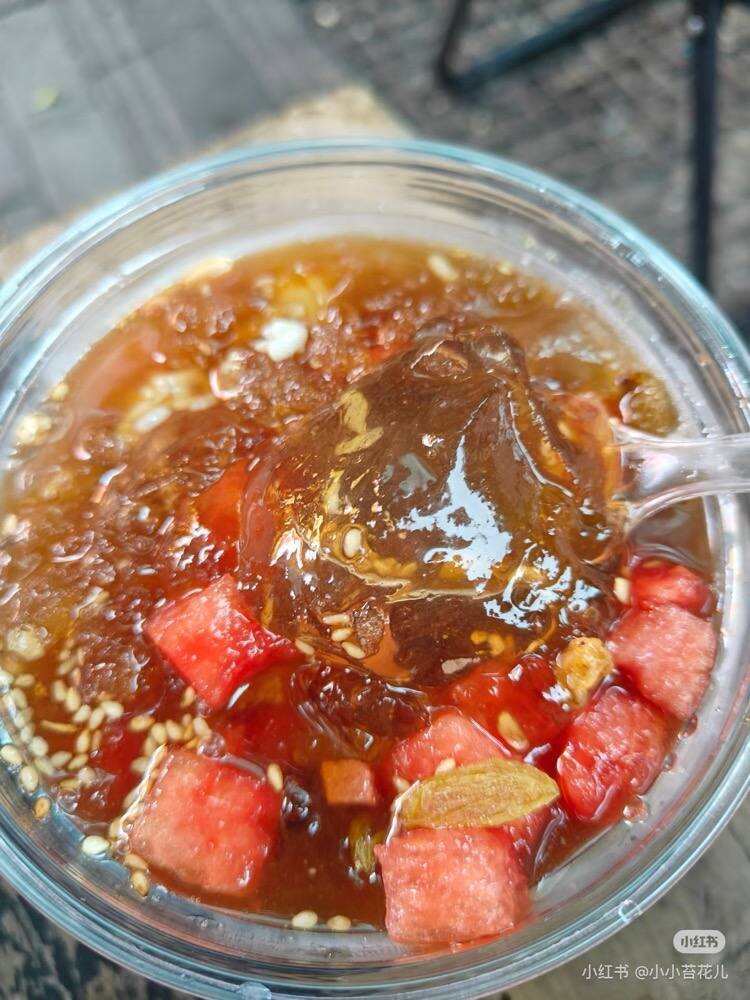
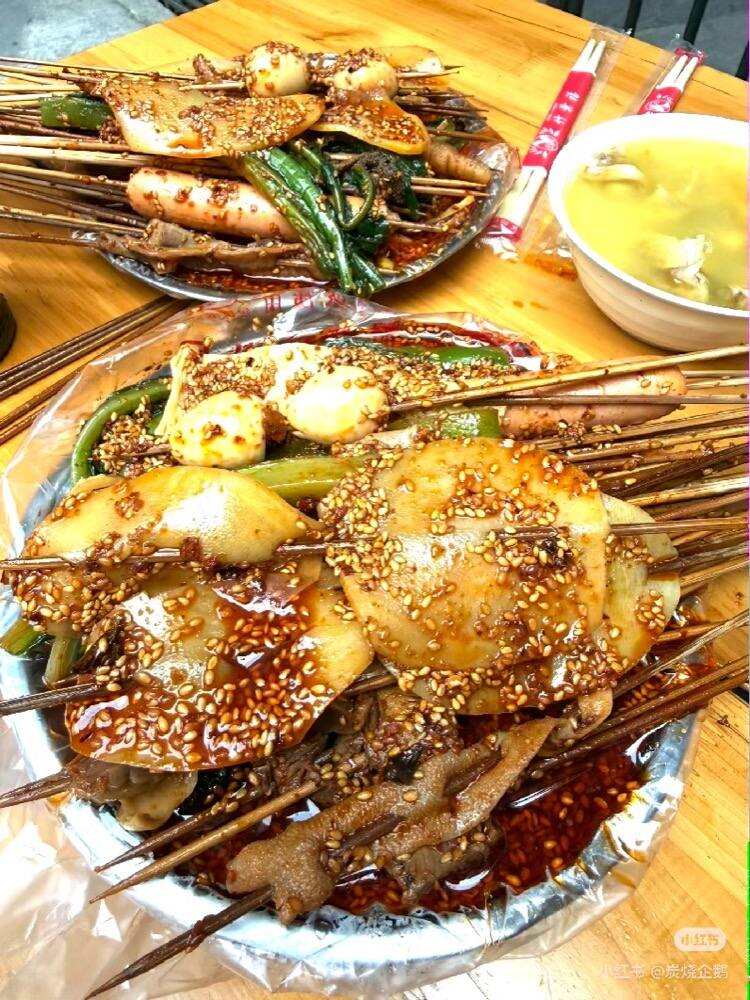
Cold skewers you lift yourself from a pot of chili-and-Sichuan-pepper broth, numbing and bright, eaten standing, a small sweet bowl of tian shui mian, sweet-water noodles, alongside to reset your palate between skewers; not the lead, just the relief.
-
The ride ends at the river's bar street: stay out for a drink, or point the taxi home.
What travelers say
Notes sent back after the ride. Appetites, verdicts and all.
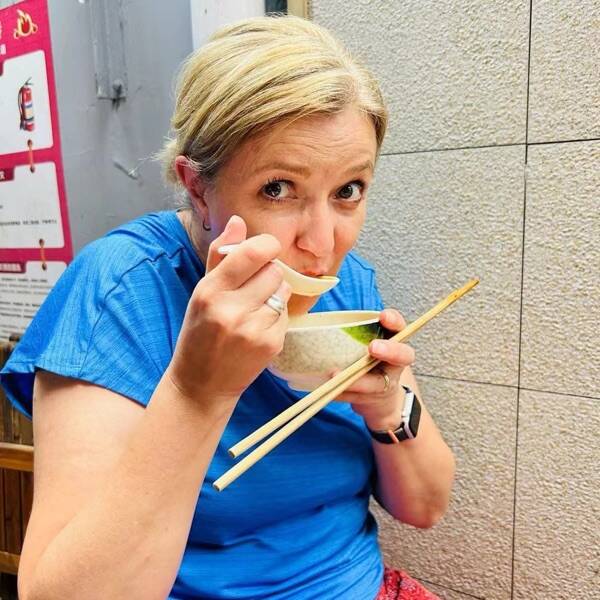
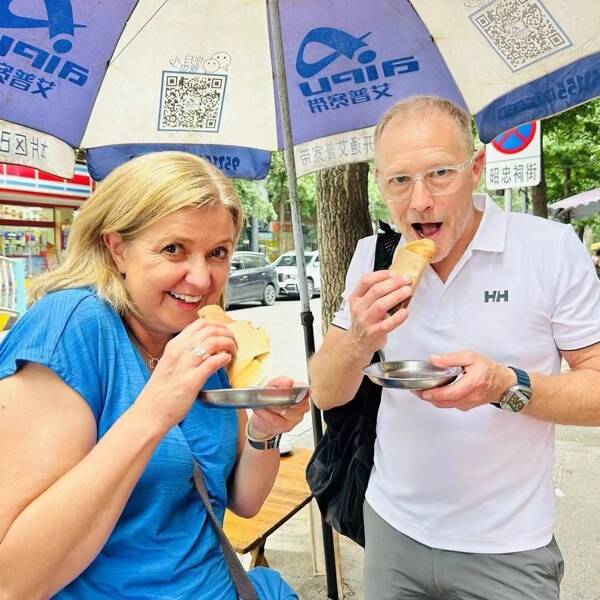
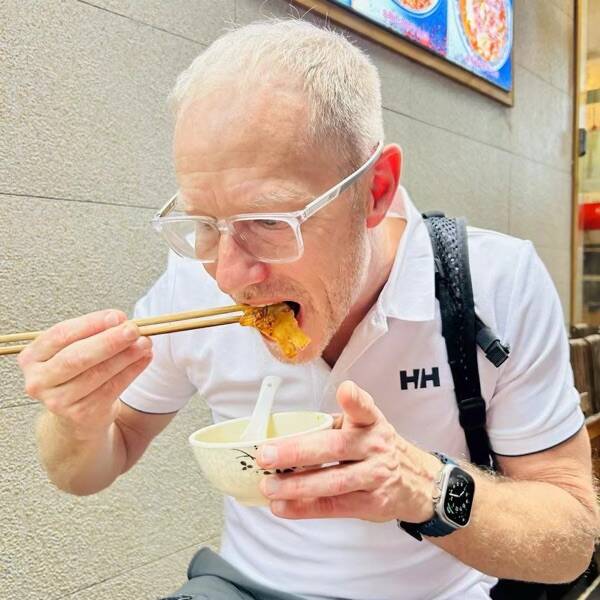
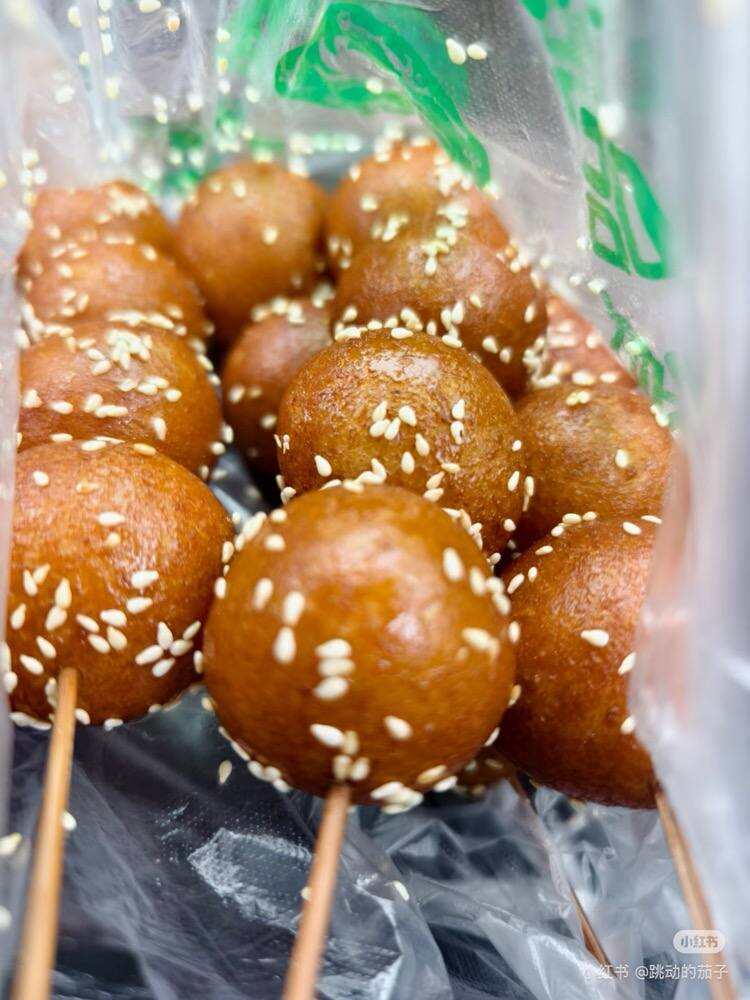
Hop off the tuk-tuk and the food is already coming off the griddle, no lines, no waiting. The dan hong gao came folded warm, crisp outside and soft within, and Mark went back for guokui while the shell still crackled.
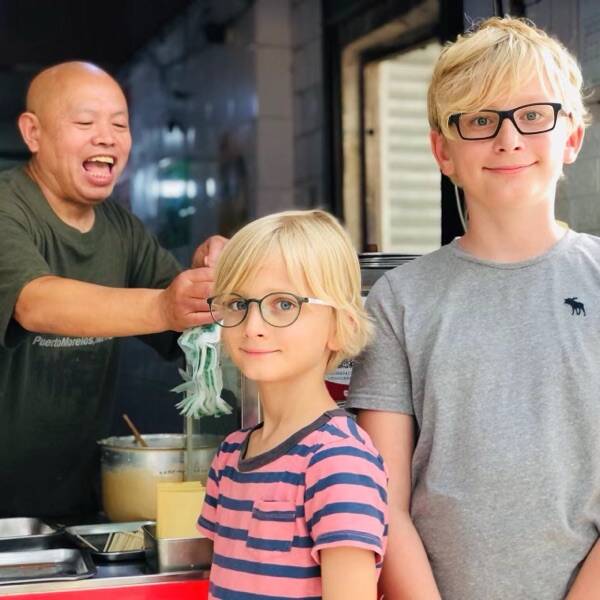

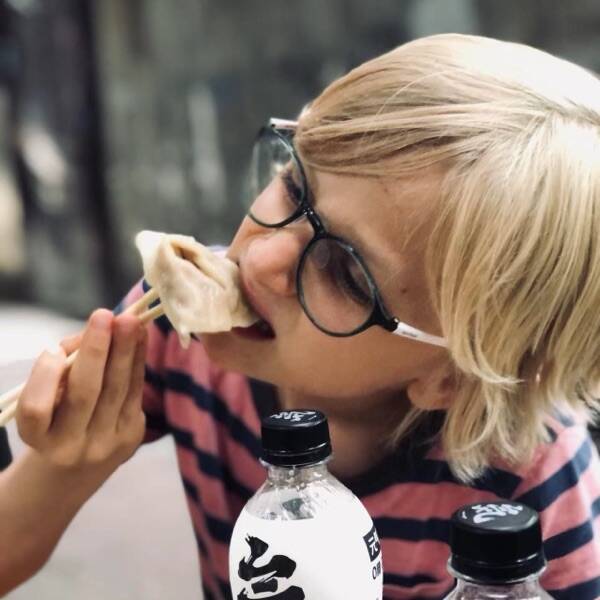
The outing suited our boys perfectly. The shop owner treated them like his own grandkids, the red oil on their chao shou was dialed down to nothing, and they cleared two bowls of the thin-skinned wontons between them.
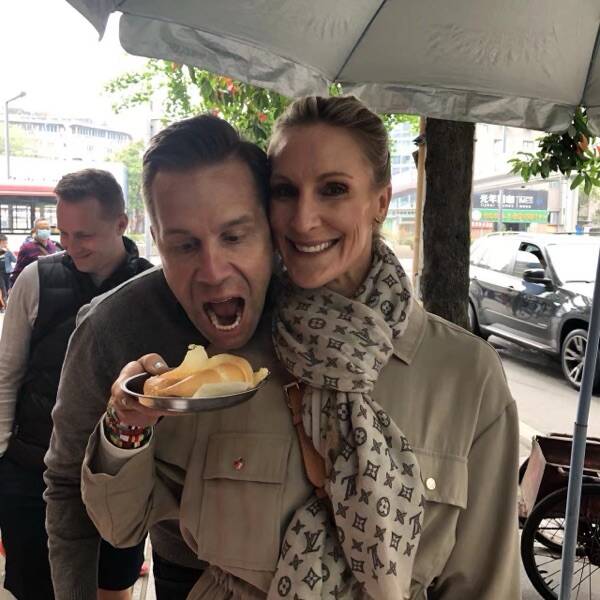
Our first China trip was a coach tour. We saw the country through a window. This time we rode through streets where people actually live, and a dan hong gao off the griddle beat every stop we'd ticked before.
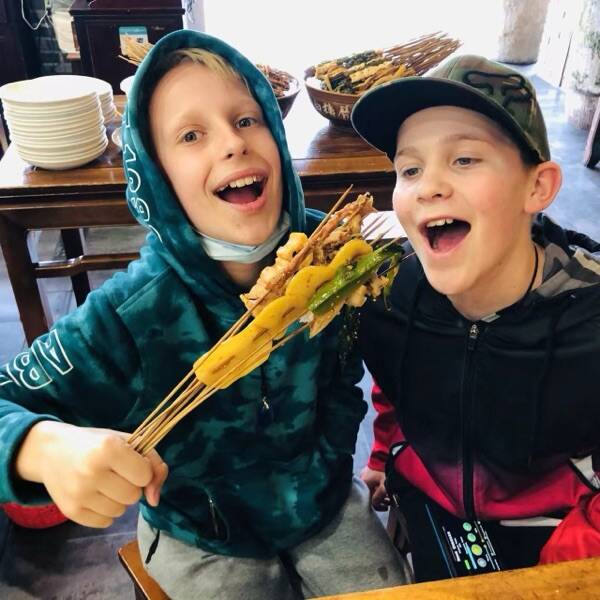
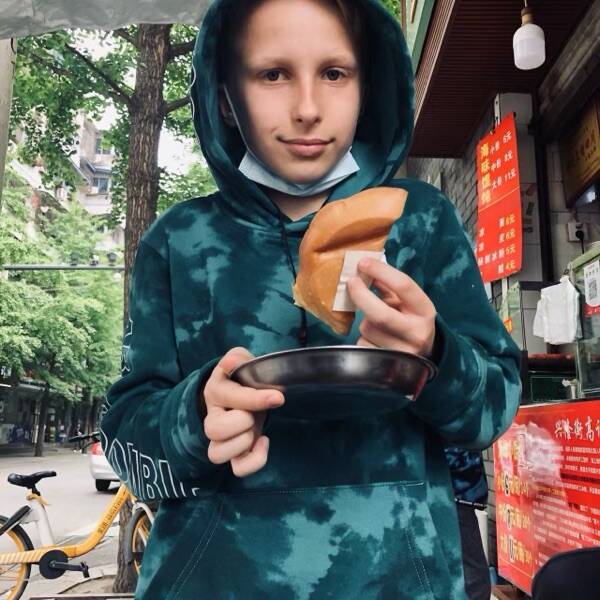
Our boys picked their own bo bo ji skewers and turned the sticks into a counting contest, then split a cream-and-pork-floss dan hong gao by the stall. Everything came kid-mild without us asking twice.
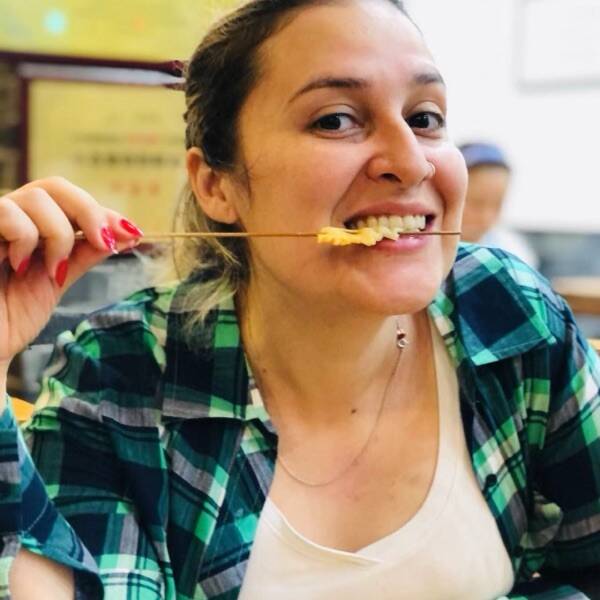
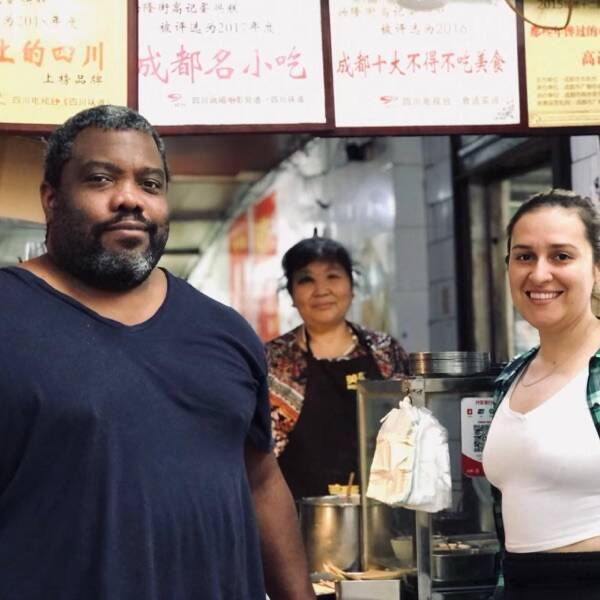
The tuk-tuk threads lanes where card games run under shop lights, then stops right where the bo bo ji waits. We pulled skewers from the numbing green-peppercorn broth until our tray looked like pick-up sticks.
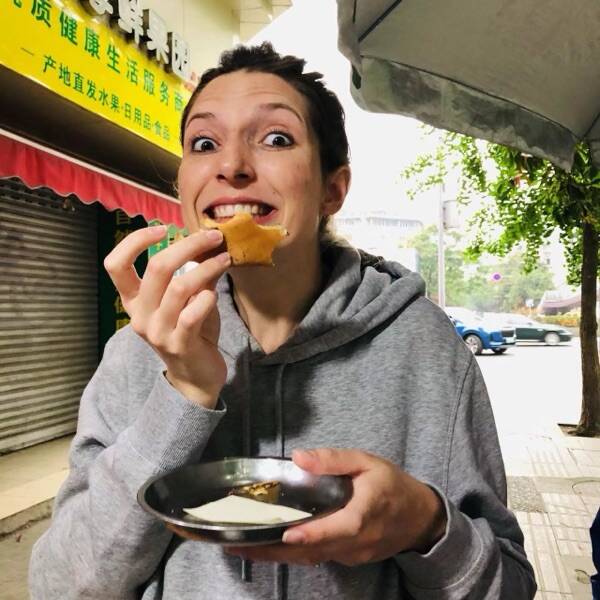
I nearly skipped the dan hong gao. I wasn't hungry by stop four. My guide insisted, gently. Crisp outside, soft within. She was right. She was so right.
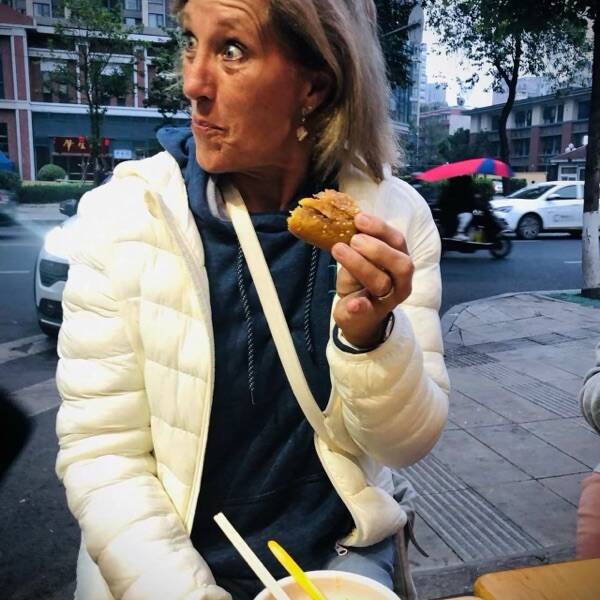
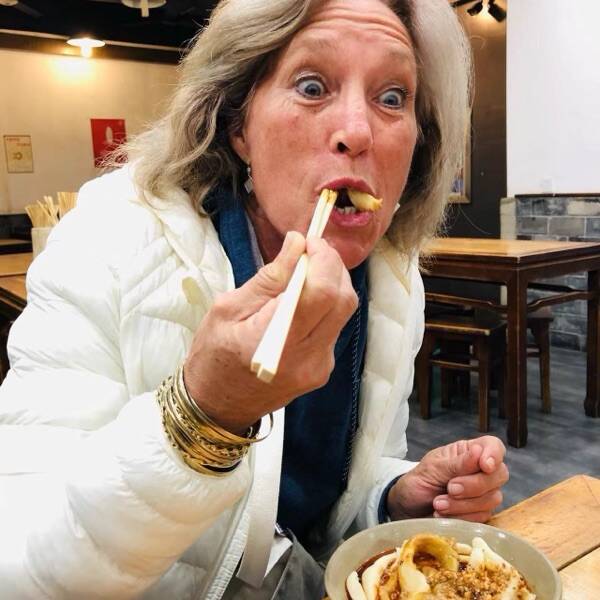
I travel solo, and the private tuk-tuk made it easy. When one dish wasn't for me, my guide swapped it without a blink. Guokui hot off the griddle, then chao shou in that sweet-then-spicy red oil I'm still thinking about.
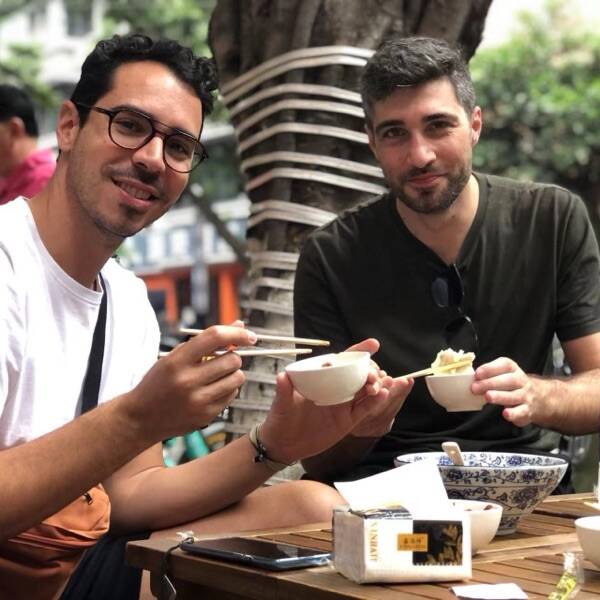
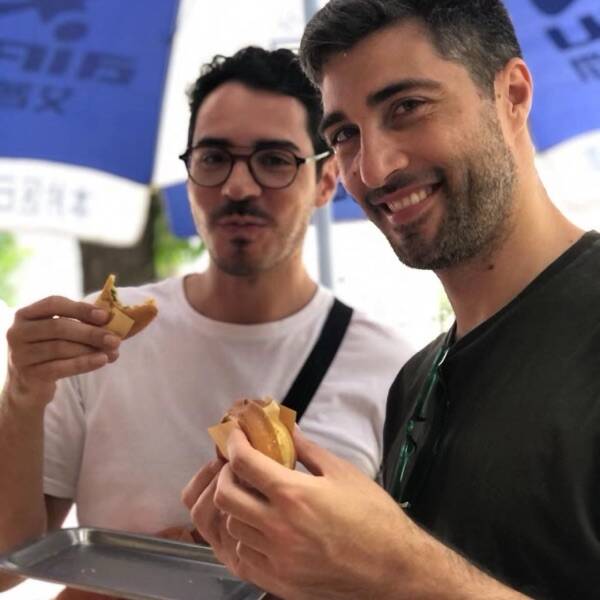
The chao shou went in one bite each, before the red oil even settled, and the dan hong gao went faster. Eight minutes between stops, stories the whole way. Less a tour, more a friend of every cook in the quarter.
The local drivers behind the journey
The tuk-tuks are driven by members of a local drivers' community, including drivers with mild physical disabilities.
These compact vehicles allow them to keep working independently, taking guests into neighborhood lanes that larger vehicles cannot reach.
Their knowledge of the streets is not an added performance. It is part of the way the ride naturally unfolds.
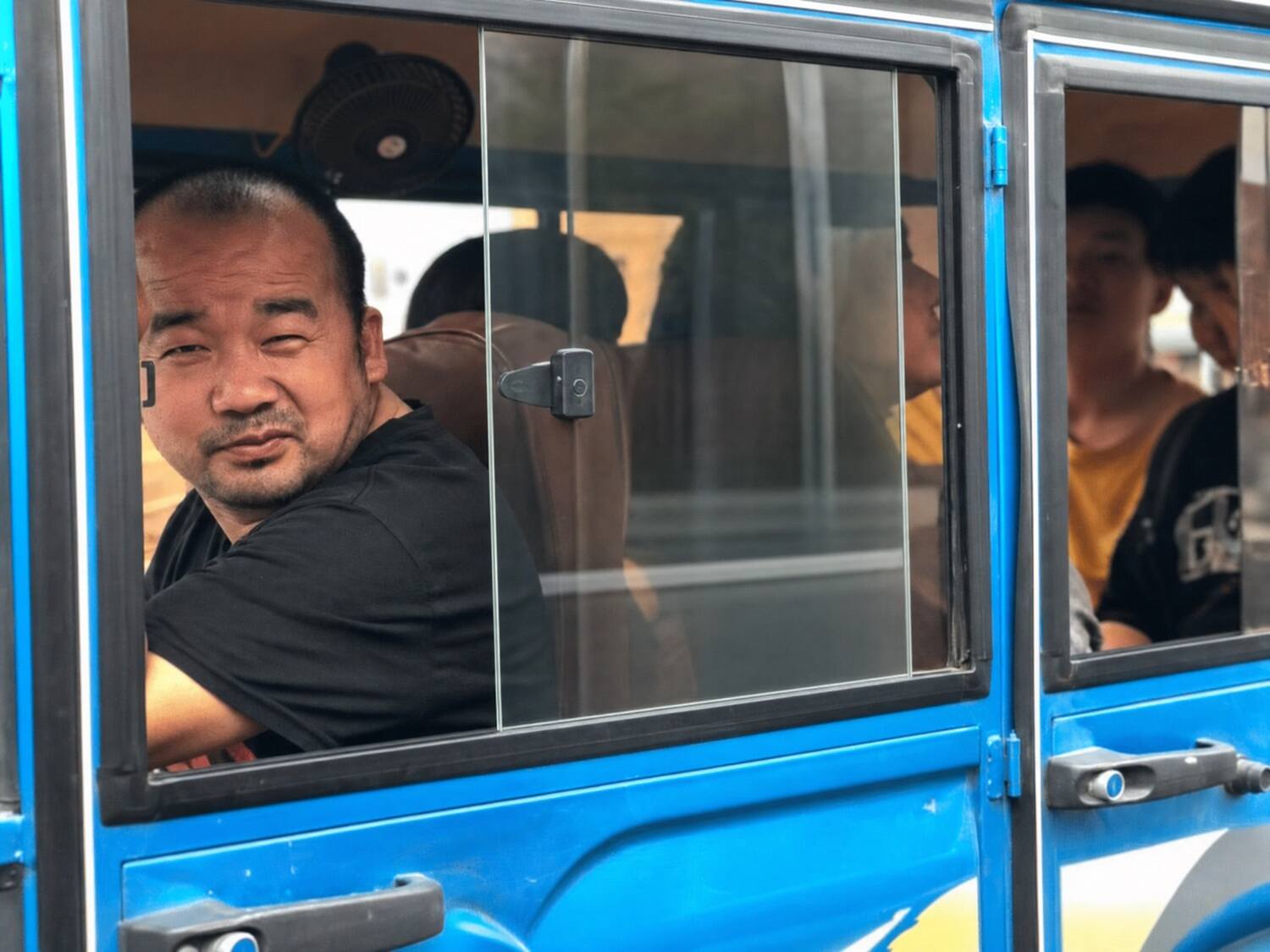
"We ran this route dozens of times before it settled: which stop comes first, how much to say at each, when to let you just eat. Give a stranger the name of these shops and they still won't find them: no English signs, no reviews, no bus that stops nearby. That's the point."
Charles Yang · LyrikTrip Travel Designer, Chengdu
Good to know
Included
- Tuk-tuk transport throughout
- 4–5 signature local dishes (plus optional extras)
- English-speaking food guide
Not included
- Gratuities (recommended)
- Drinks after the ride
Is this ride for you?
Made for you if
- You'd rather eat where locals eat
- You like the clatter and steam of a working backstreet
- You want the story behind the plate
Think twice if
- You can't take any chili at all: we soften it, but the food leans hot
- Uneven lane pavement, low stools, and short walks between stops are hard on you: tell us your mobility needs and we'll advise
The journeys this ride is part of
This ride is one part of these private LyrikTrip journeys.

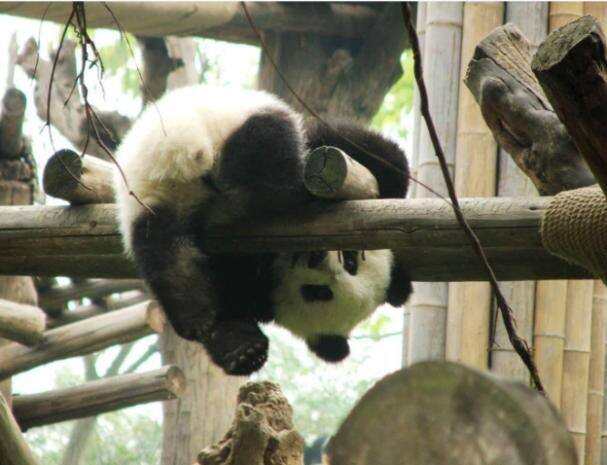
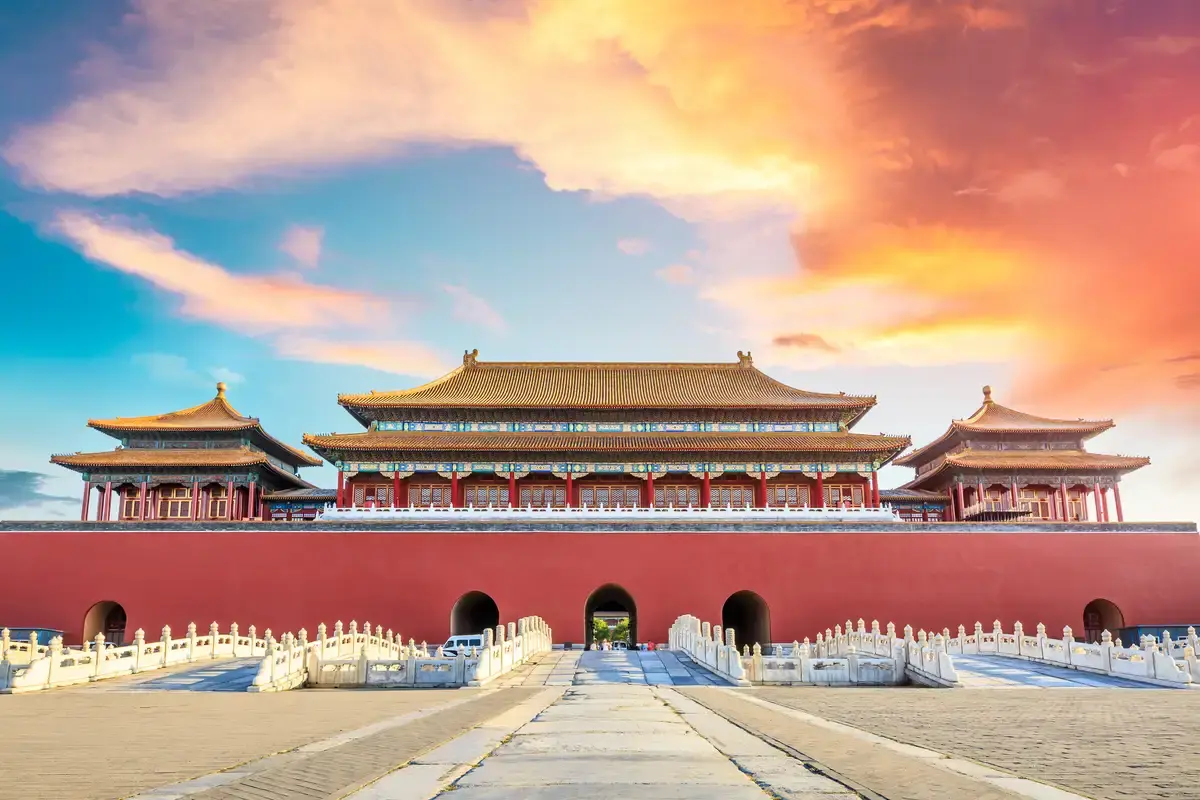
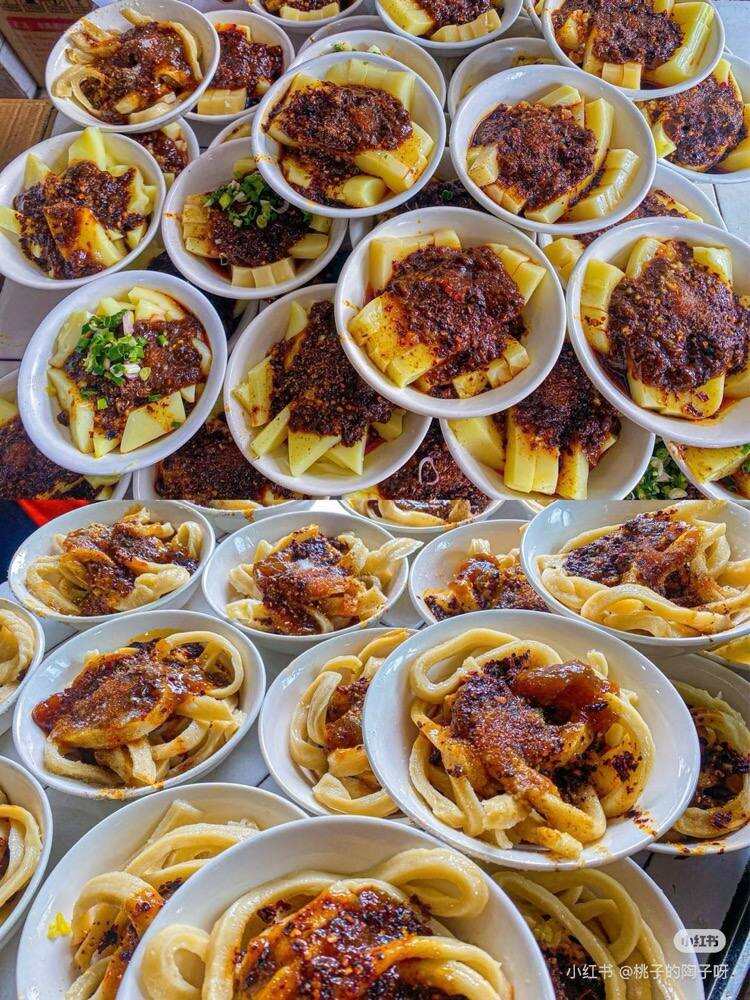
Make this ride part of your Chengdu trip
This ride is one part of a longer private journey. Tell us what you're planning, and we'll build it into your itinerary, set to your table, paced to your days.
Start planning- Private group
- No shopping stops
- Guide the whole way
- Menu set to you
FAQ
Will there be organ meat or anything unusual?
One plate leans adventurous: the pig intestine in the first bowl. It arrives cooked and plated, never raw at the table, and we'll flag or swap it if you'd rather skip it.
Are these hole-in-the-wall places clean?
This is a meal among neighborhood cooks, so the rooms are plain. Your guide reaches each stop first, checks the table and setting, and has it put right before you sit down.
Can you cook around my diet or lower the spice?
Yes. Tell us in advance for vegetarian, no pork, or no beef, and the route bends to it. Spice comes down to mild on request. One honest note: a fully vegetarian table has fewer options here: count on about two of the five dishes.
I don't have WeChat. How do we meet?
No problem. We confirm the meeting point with you after booking, no Chinese number or Chinese apps needed.
How much walking is there, and can children come?
Families are welcome: the tuk-tuk carries you between stops and the pace stays gentle, so children ride easily. The walks are short but run over uneven old-lane pavement and low stools; tell us about any mobility needs and we'll advise before you travel.
Where does the ride end?
Near Jiuyan Bridge, Chengdu's riverside bar street, easy to stay out for a drink or take a taxi back to your hotel.
Where does the itinerary end?
Located near Jiuyan Bridge, this vibrant riverside bar street in Chengdu is perfect for late-night snacks and drinks, and a short taxi ride back to your hotel.
Where does the itinerary end?
This lively riverside bar street, located near Chengdu's Jiuyanqiao Bridge, is a fantastic spot for late-night snacks and drinks, and it's easy to grab a taxi back to your hotel.
Where does this itinerary end?
This vibrant riverside bar street near Jiuyan Bridge in Chengdu is a great spot for late-night snacks and drinks, with convenient taxi access back to your hotel.