




 18 jours La Chine, d'un bout à l'autre Pékin → Xi'an → Chuanzhusi → Jiuzhaigou → Chengdu → Zhangjiajie → Guilin → Yangshuo → Shenzhen À partir de $6,360 Voir le circuit
 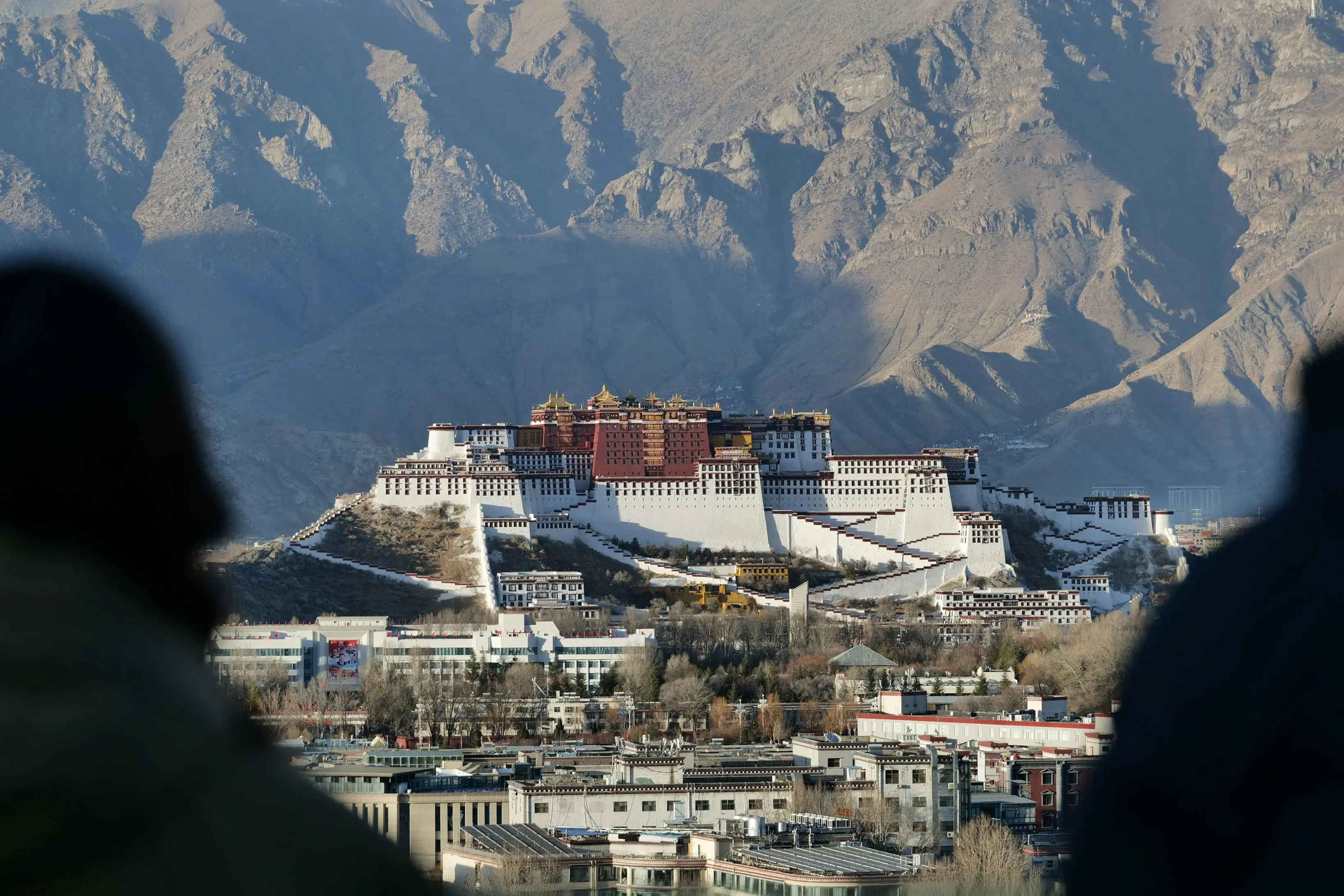 18 jours Air raréfié, puis niveau de la mer Pékin → Xi'an → Chengdu → Lhassa → Tchong-King → Yichang → Shanghaï À partir de $4,900 Voir le circuit
 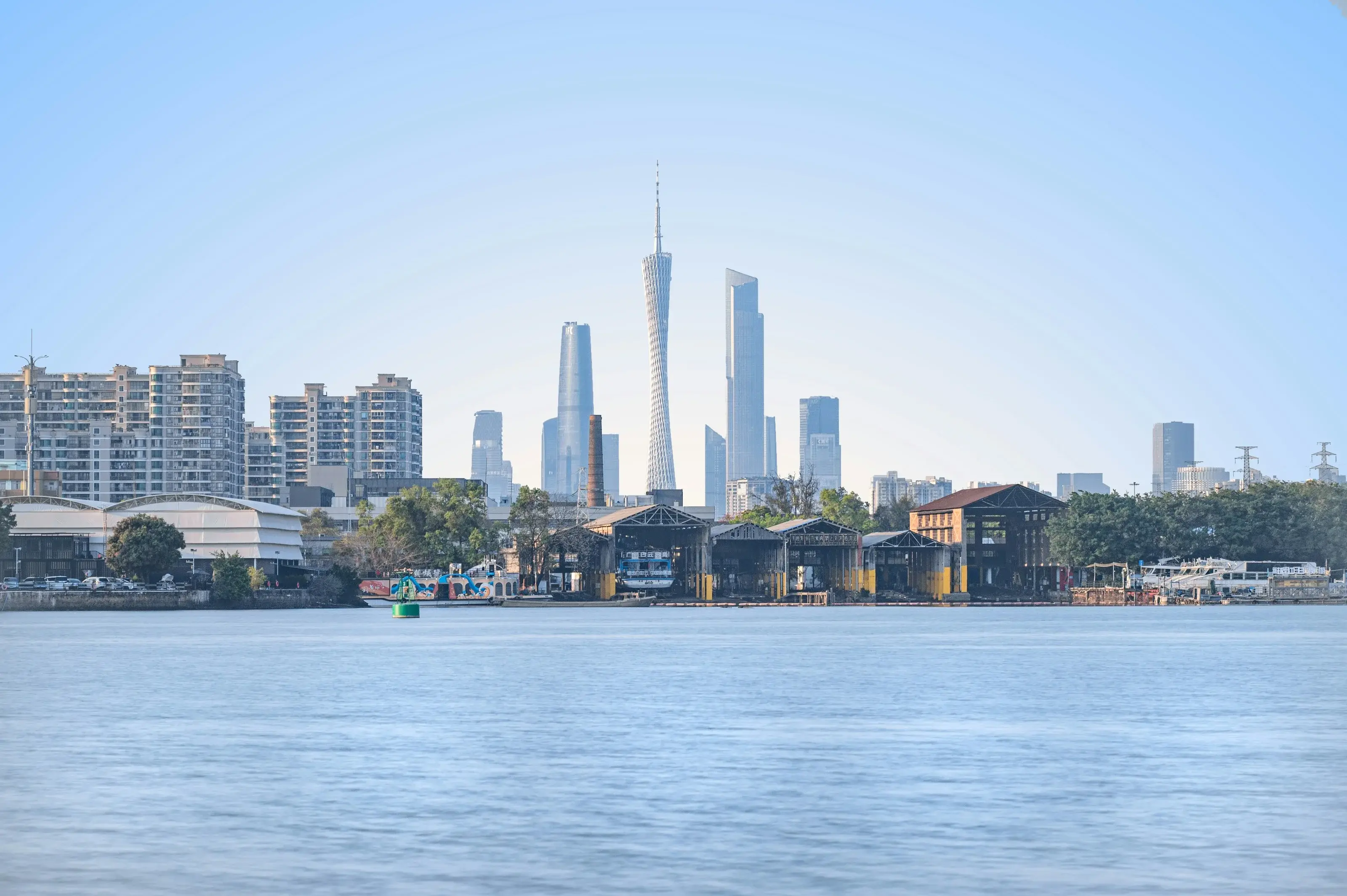 3 jours Après le dernier stand Canton À partir de $840 Voir le circuit
 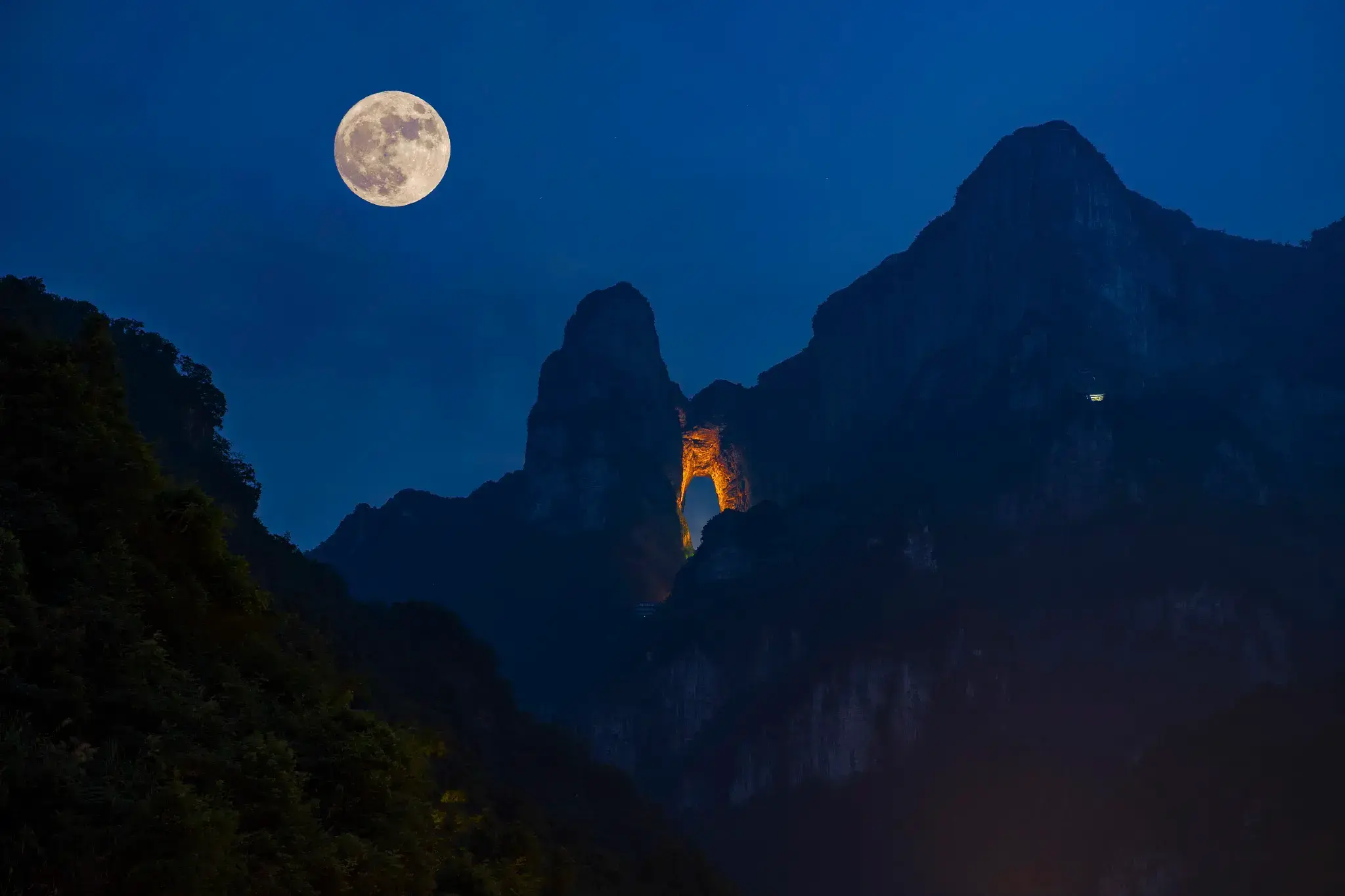 5 jours Au-dessus des piliers, puis en dessous Zhangjiajie À partir de $1,430 Voir le circuit
  10 jours Banquet de retour au pays Canton → Shantou → Jieyang → Chaozhou → Quanzhou → Zhangzhou → Xiamen À partir de $4,000 Voir le circuit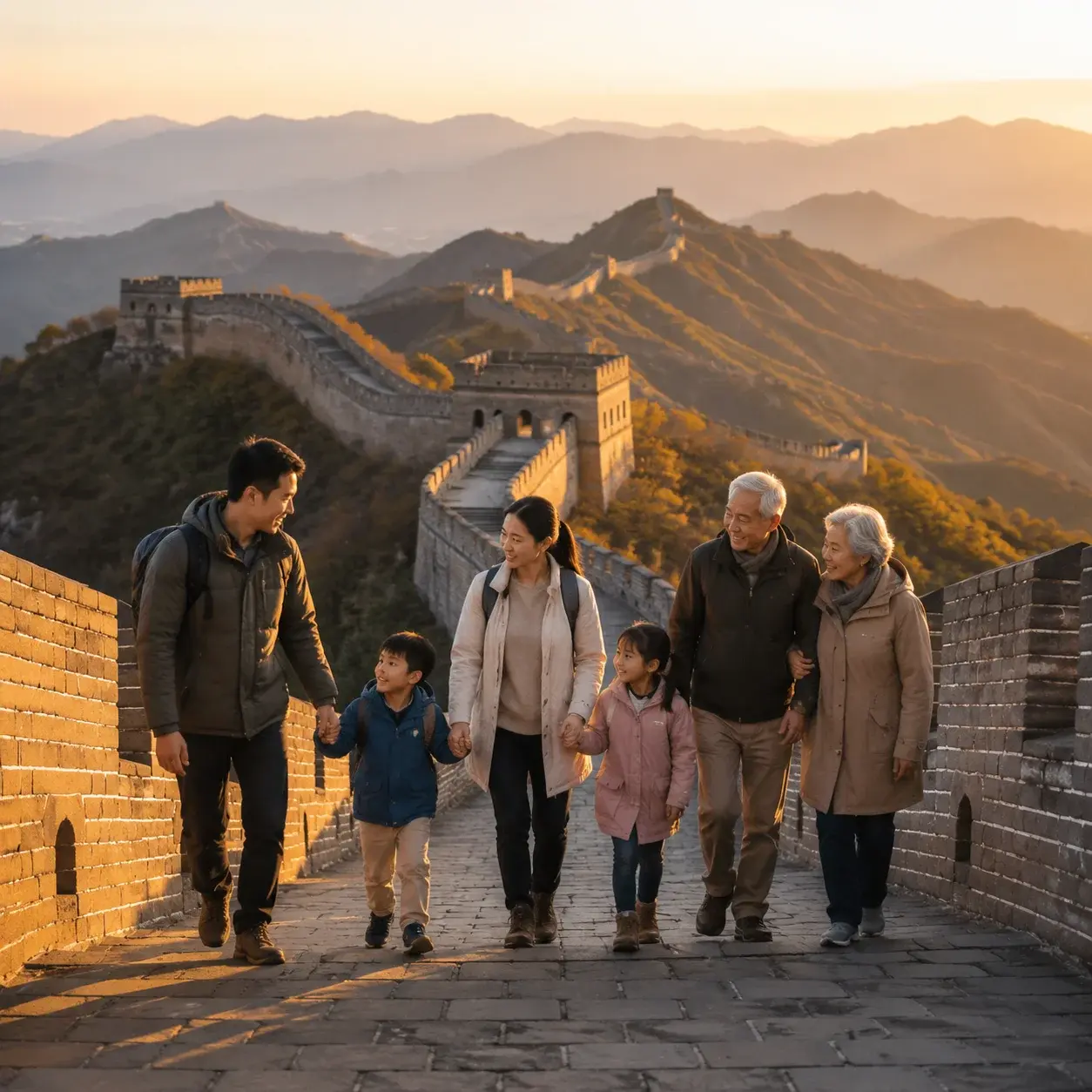
Combien de jours pour un itinéraire familial en Chine ? Un planificateur de 2 semaines, 10 jours et une semaine
Pour les familles, 10 à 14 jours est le point idéal en Chine : un itinéraire de 2 semaines en Chine vous permet de visiter quatre ou cinq villes sans épuiser vos enfants, 10 jours couvrent le triangle d'or classique plus un point fort, et une ne convient que pour un voyage relaxé à deux bases. La règle d'or — moins de jours signifie moins de villes, jamais un rythme plus rapide.
La plupart des itinéraires que vous trouverez en ligne sont l'un des deux éléments suivants : des pages d'opérateur proposant quatre à six itinéraires fixes que vous ne pouvez pas réarranger, ou des blogs familiaux décrivant un seul voyage qui a fonctionné pour les enfants d'une seule famille. Aucun ne vous permet de construire un itinéraire autour des âges de vos enfants, et presque aucun n'explique comment rythmer la journée pour que personne ne craque au quatrième jour.
Nous sommes une entreprise de voyages en Chine qui conçoit des itinéraires familiaux sur le terrain, et non un blog recopiant les parcours d'autrains — ce guide fait donc deux choses qu'aucun concurrent ne peut faire en une page : il vous propose un constructeur de route modulaire (cinq blocs de ville que vous assemblez en 7, 10 ou 14 jours selon l'âge de votre enfant) et un cadre de rythme familial (les règles pour éviter que vos enfants ne soient submergés lors d'un voyage en Chine), puis trois itinéraires concrets avec le rythme déjà intégré. Lorsque nous citons des prix, des horaires d'ouverture ou des horaires de train, considérez-les comme indicatifs et vérifiez avant votre voyage — les horaires et les billets peuvent changer.
Points clés à retenir
- 10 à 14 jours, c'est l'optimal pour les familles. Une semaine ne fonctionne que comme un itinéraire à deux bases ; 10 jours permettent de couvrir le triangle doré plus une attraction supplémentaire ; deux semaines offrent quatre ou cinq villes avec un peu d'espace.
- Limitez le nombre de villes : ≤3 en une semaine, ≤4 en 10 jours, ≤5 en deux semaines. Trop de villes est la plus grande erreur d'itinéraire pour les familles.
- Construisez votre voyage à partir de cinq blocs de villes — Pékin, Xi'an, Chengdu, Shanghai, Guilin-Yangshuo — et assemblez-les selon l'âge de votre plus jeune enfant, pas selon un modèle fixe.
- Échellez au rythme de la demi-journée. Une activité principale par demi-journée, une demi-journée de repos tous les trois jours, les visites lourdes le matin, et les jours de voyage comptent comme des demi-journées.
- Privilégiez le train à grande vitesse plutôt que l'avion lorsque les durées sont comparables : centre-ville à centre-ville, moins de retards, les enfants peuvent bouger, les bagages restent avec vous.
- Investissez les deux premiers jours dans le repos. Commencez par Pékin, gardez le premier jour lent, et cela évitera que le décalage horaire n'entrave le reste du voyage.
Combien de jours faut-il en Chine avec des enfants ?
Dix à quatorze jours sont l'optimal réaliste pour les familles. Une semaine suffit seulement si vous la traitez comme un itinéraire à deux bases ; 10 jours vous permettent de faire le triangle doré plus une attraction supplémentaire ; deux semaines, c'est là où quatre ou cinq villes ont enfin l'espiration nécessaire. Les attractions phares de la Chine sont réparties sur un pays de la taille des États-Unis, donc la contrainte n'est pas ce que vous voulez voir, c'est combien de trajets entre villes vos enfants peuvent supporter sans se fatiguer.
Thèse honnête, dès le départ : limitez le nombre de villes, pas le nombre de jours. Notre limite de travail est ≤3 villes en une semaine, ≤4 en 10 jours, ≤5 en deux semaines. Au-delà, la moitié de votre voyage se perd dans les bagages, les gares et les check-ins hôtel.
| Durée du voyage | Villes réalistes | Ce que vous pouvez vraiment voir | Pour qui |
|---|---|---|---|
| Une semaine | 2–3 (2 bases idéales) | Récupération du décalage horaire + 2 villes phares bien explorées (ex. Pékin + Shanghai) | Premiers voyageurs, jeunes enfants, un voyage « découverte » |
| 10 jours | 3–4 | Triangle d'or (Pékin–Xi'an–Shanghai) + un point fort comme les pandas | Le premier voyage familial classique |
| 2 semaines | 4–5 | Histoire + pandas + nature + Chine moderne, avec des jours de repos intégrés | Une première visite approfondie ; enfants d'école primaire et adolescents |
Si vous ne retenez qu'un chiffre : pour un premier voyage familial, visez deux semaines et cinq villes maximum, ou 10 jours et quatre. C'est la plage qui donne régulièrement des enfants qui vous aiment encore à l'avion de retour.
Qu'est-ce que le Routeur Modular China (Blocs de Ville à la Carte) ?
Au lieu de choisir un itinéraire fixe, assemblez-le vous-même à partir de cinq blocs de villes — Pékin, Xi'an, Chengdu, Shanghai et Guilin-Yangshuo — chacun avec un nombre de jours défini, des points forts pour enfants et un « rôle de rythme », puis combinez-les selon votre durée totale et l'âge de votre plus jeune enfant. C'est ce que tous les concurrents sautent : ils vous donnent un itinéraire tout fait ; nous vous donnons les pièces pour que l'itinéraire s'adapte à votre famille.
Chaque bloc ci-dessous indique le nombre de jours sur place recommandés (les jours d'arrivée et de départ comptent comme des demi-journées), les points forts qui plaisent vraiment aux enfants, et le rôle que cette ville joue dans le rythme du voyage. Les villes sont principalement reliées par le train à grande vitesse (pratique pour les poussettes et les bagages, ponctuel, centre-ville à centre-ville) ou par de courts vols ; considérez toutes les durées de trajet comme indicatives et vérifiez les horaires actuels.
| Quartier de la ville | Jours suggérés | Points forts pour les enfants | Rythme | Note familiale |
|---|---|---|---|---|
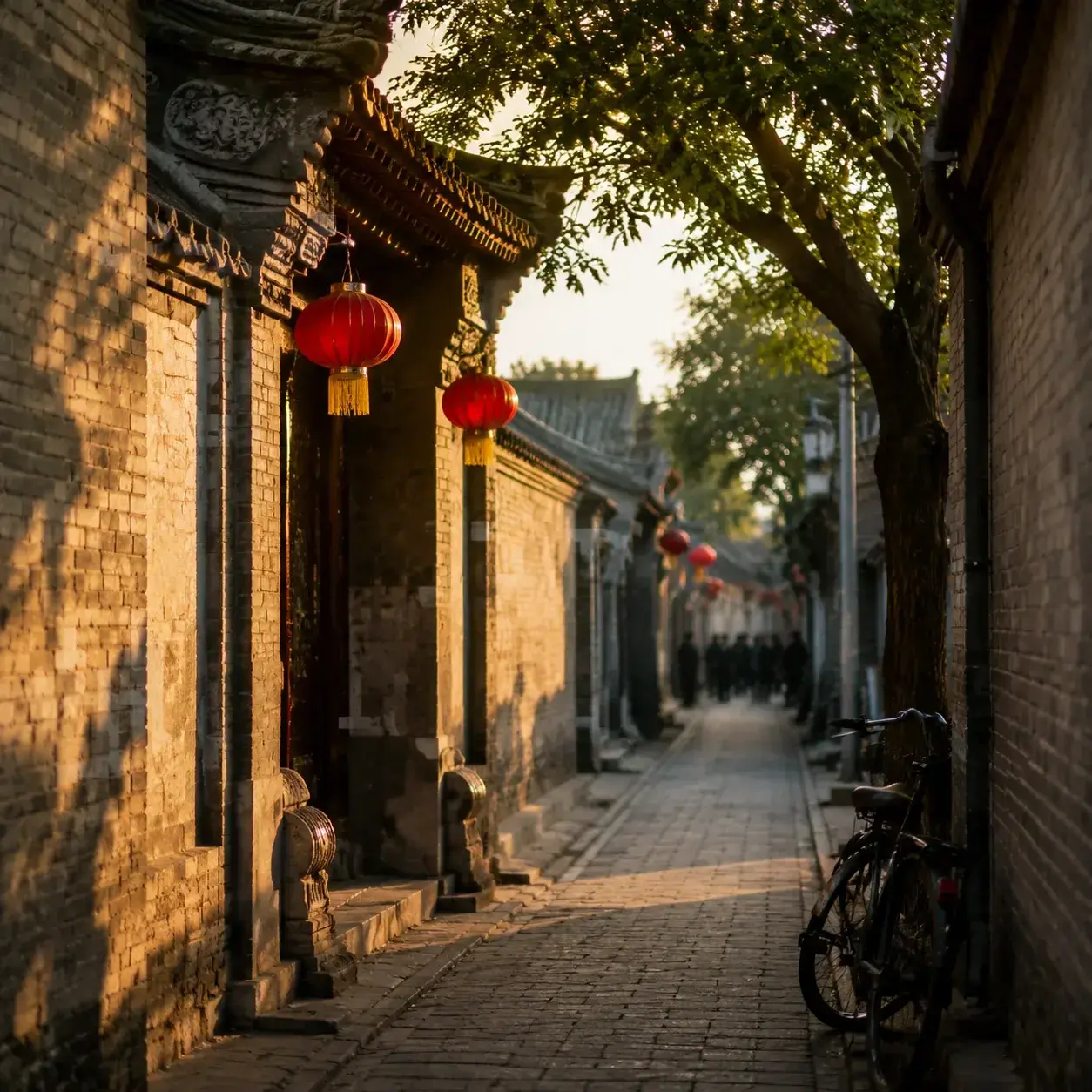
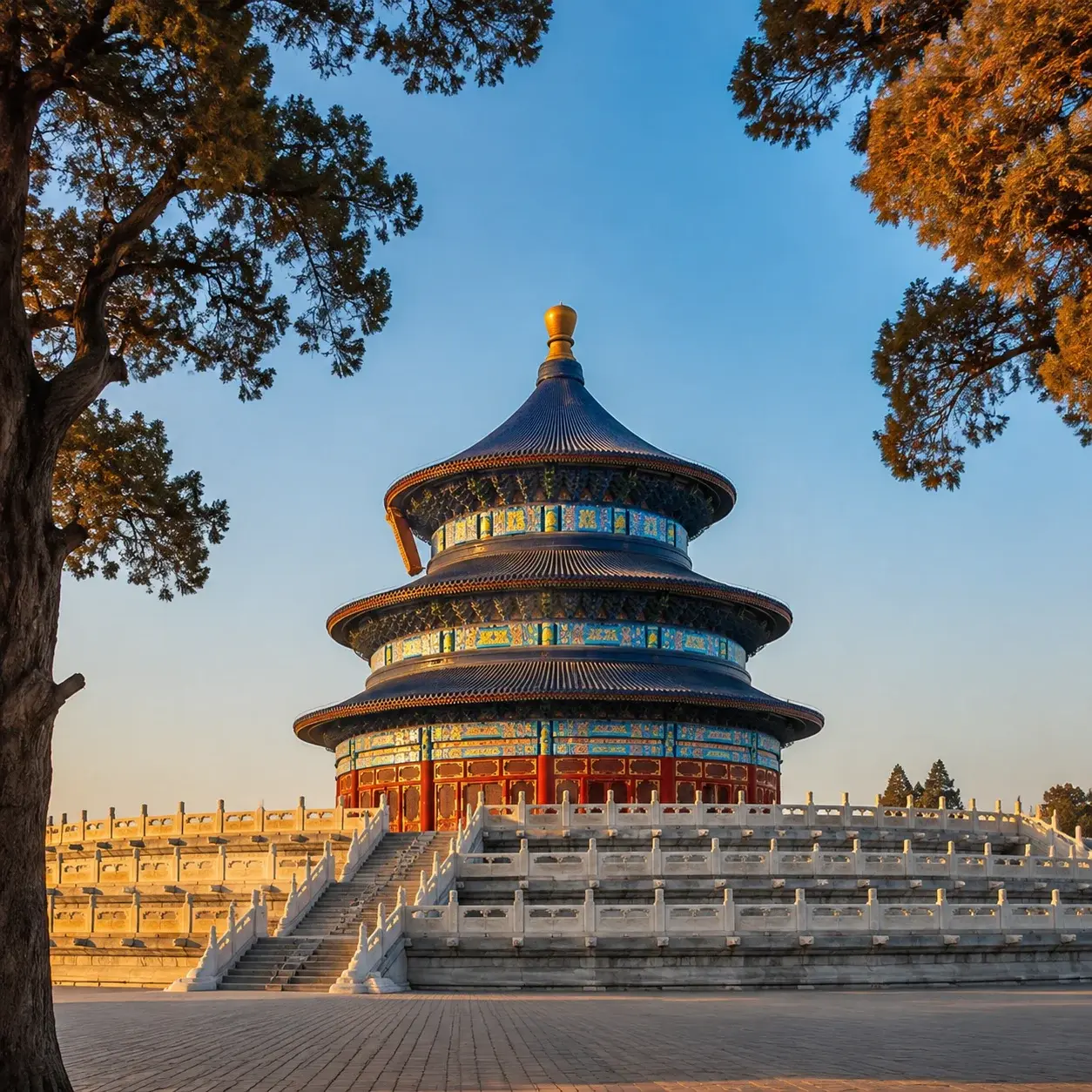
| Pékin (histoire + Grande Muraille) | 3–4 | Grande Muraille de Mutianyu (téléphérique en haut, luge en bas), Cité Interdite, rickshaw dans les hutongs + fabrication de dumplings, spectacle de kung-fu/acrobaties, vol de cerfs-volants au Temple du Ciel | Beaucoup de marche, sites éparpillés — réservez un jour à la Grande Muraille | Ville d'arrivée habituelle ; placez-y votre jour lent, pour récupérer du décalage horaire, en Jour 1 |
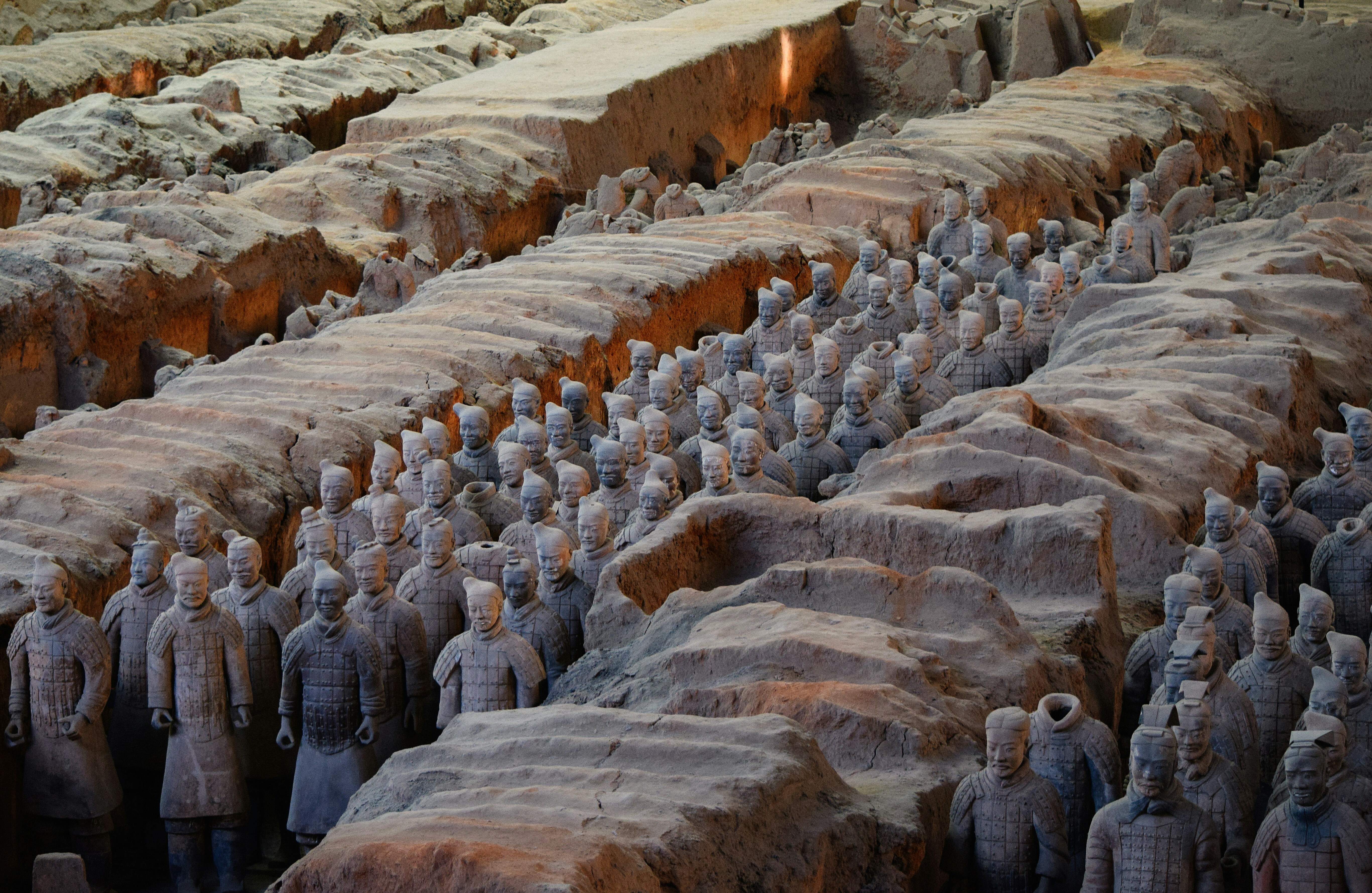
| Xi'an (Guerriers en terre cuite + mur de la ville) | 2 | Guerriers en terre cuite (certains sites proposent un artisanat miniature), vélo sur la muraille de la ville, street food du quartier musulman, spectacle lumière et fontan dynastie Tang | Moyen ; les guerriers sont situés à ~1 heure en dehors de la ville | ~4,5–6h en train à grande vitesse de Pékin (à vérifier) ; remplacez une longue visite muséale par une après-midi en vélo avec les enfants |
| Chengdu (pandas + vie tranquille) | 2 | Base des pandas géants (les pandas sont les plus le matin tôt), artisanat autour des pandas, théâtres, hotpot à pot partagé (épicé/mild), opéra du Sichuan avec changement de masques | La ville de récupération — le bloc le plus détendu | Rendez-vous à la base des pandas dès l'ouverture pour éviter la chaleur et la foule ; idéal après une ville dense |
| Shanghai (moderne + parc à thèmes) | 2–3 | Le Bund, Jardin Yuyuan, Shanghai Disneyland (une journée complète), Musée des Sciences & Technologie, Maglev, croisière sur la rivière Huangpu | Facile en grande ville ; le métro et les poussettes fonctionnent bien | Aéroport international important, donc souvent première ou dernière escale ; laissez Disney occuper toute sa journée |
| Guilin-Yangshuo (paysage + plein air) | 2–3 | Croisière sur la rivière Li, radeau en bambou/cyclisme sur la rivière Yulong à Yangshuo, karst, spectacle nocturne en plein air, promenades en campagne | Le bloc de décompression — les enfants courent, les adultes respirent | À placer après la partie chargée en villes ; relié par avion ou train (à vérifier) |
Maintenant, assemblez-le. Regardez les blocs ci-dessus et associez-les à vos jours ainsi qu'à l'âge de votre plus jeune enfant. Le mode de connexion est indiqué entre parenthèses ; vérifiez les horaires actuels des trains et des vols.
| Votre situation | Combinaison recommandée | Pourquoi c'est conçu ainsi |
|---|---|---|
| 7 jours · tout-petit/préscolaire (2–5) | Deux bases : Pékin (4) → Shanghai (3) (vol ~2-2,5h) | Les petits détestent les changements — deux grandes villes, deux hôtels, un seul déplacement. Jetlag + Grande Muraille + Disney suffit |
| 7 jours · scolaire (6–9) | Triangle d'or : Pékin (3) → Xi'an (2) → Shanghai (2) (train + vol) | Le classique pour premiers voyageurs — histoire et moderne ; complet mais gérable |
| 10 jours · scolaire (6–9) | Parcours familial d'or : Pékin (3) → Xi'an (2) → Chengdu (2) → Shanghai (3) | Ajoute des pandas au triangle ; Chengdu et Shanghai sont une pause après des journées intenses |
| 10 jours · veut de la nature | Pékin (3) → Xi'an (2) → Guilin-Yangshuo (2) → Shanghai (3) | Remplace le bloc outdoor par des pandas — espace pour que les enfants actifs dépensent leur énergie |
| 14 jours · scolaire/adolescents | Boucle approfondie : Pékin (4) → Xi'an (2) → Chengdu (2) → Guilin-Yangshuo (3) → Shanghai (3) | Les quatre textures — histoire, pandas, paysage, moderne — avec une pause de décompression tous les quelques jours |
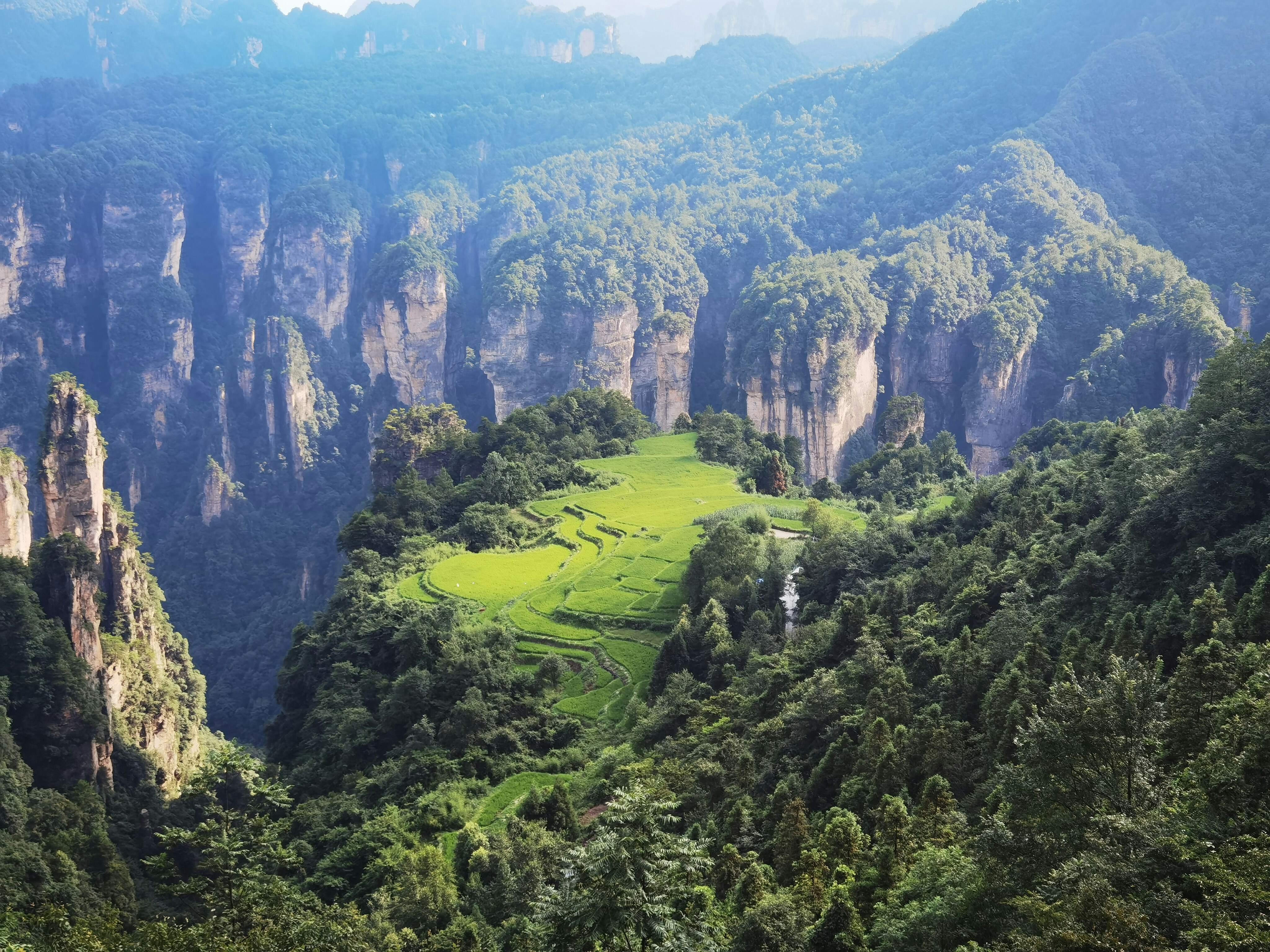
| 14 jours · adolescents (10+, marcheurs aguerris) | Comme ci-dessus, mais remplacez Guilin par Zhangjiajie (montagnes « Avatar », 2-3 jours), ou ajoutez de la profondeur historique à Pékin/Xi'an | Les plus grands supportent plus de randonnée et de densité culturelle ; le paysage « Avatar » est un vrai aimant pour les ados (simile des parcours opérateurs) |
L'contre-intuitif : plus vous avez de jours, moins vous devriez réduire les villes et ajouter des bases. Mettre quatre villes en sept jours est la première erreur familiale — passer une semaine comme « Pékin 4 + Shanghai 3 » bat toujours « quatre villes à 1.x jour chacune ». Passez le temps de transport économisé sur la piscine de l'hôtel et terminez vraiment un grand site. Si assembler cela soi-même semble être du travail, c'est exactement ce qu'un concepteur privé fait pour vous (plus bas).
Rythme familial — Comment ne pas épuiser vos enfants ?
Échellez le voyage par demi-journée : une activité principale par demi-journée, une pause tous les trois jours, les grandes visites le matin, et chaque journée de ville compte au maximum comme une demi-journée d'activité. Les blogs disent « détendez-vous » ; les opérateurs ne disent rien. Voici le système réel — les règles qu'un concepteur familial suit pour que le voyage ne s'effondre pas au quatrième jour.
La règle de la demi-journée. L'attention et l'endurance d'un enfant fonctionnent en unités de demi-journée, planifiez donc en demi-journées, pas en journées complètes.
| Règle | Comment le faire | Pourquoi |
|---|---|---|
| Une « activité » principale par demi-journée | Réservez une grande visite ou expérience par demi-journée, maximum deux « grandes » par jour (ex. : la Grande Muraille le matin, la piscine de l'hôtel et une promenade dans un hutong le soir) | Surcharger la journée déclenche le déclic |
| Une demi-journée de repos tous les 3 jours | Piscine, parc, centre commercial, repas lent — planifiez aucune visite | Cela atténue le décalage horaire, la pluie et les mauvaises humeurs, et devient souvent la demi-journée préférée des enfants |
| Le matin chargé, l'après-midi léger | Placez les visites avec files d'attente et beaucoup de marche (Guerriers en terre cuite, Palais Interdit, Grande Muraille) le matin ; réservez les assises ou les promenades pour plus tard | Les enfants sont plus difficiles à gérer au fil de la journée |
| Une chose bien faite vaut mieux que trois passages rapides | Partez quand vous en avez assez ; ne suivez pas une liste de « incontournables » | Les enfants se souviennent du rafting sur la rivière Yulong, pas de « nous avons vu cinq choses aujourd'hui » |
Règles du jour de voyage.
- Une journée de ville à ville est une demi-journée d'activité au maximum. Un train ou un avion consume bien plus que son temps de voyage une fois que l'on compte l'emballage, le trajet jusqu'à la gare, les contrôles de sécurité et la recherche de l'hôtel.
- Rien d'important le jour de l'arrivée. Gardez le jour où vous atterrissez (ou où vous arrivez dans une nouvelle ville) pour des activités faciles et proches — un parc local, une promenade, une soirée précoce.
- Prenez des départs matinaux. Déplacez-vous le matin et faites quelque chose de léger l'après-midi ; cela vaut mieux qu'un transfert en après-midi et une recherche d'hôtel tardive avec des enfants fatigués.
- Privilégiez le train à grande vitesse plutôt que les vols lorsque les durées sont comparables : centre-ville à centre-ville, moins de retards, vous pouvez emporter des liquides, les enfants peuvent marcher et les bagages restent avec vous. Réservez les vols pour les longs trajets transcontinentaux (comme atteindre Guilin ou Chengdu). Vérifiez les horaires actuels.
Poussette vs porteur.
| Situation | Utiliser | Pourquoi |
|---|---|---|
| Grande Muraille, hutongs, pavés du vieux quartier, endroits bondés, partout avec des escaliers | Porteur | Les escaliers, les foules et le sol inégal rendent la poussette inutile |
| Shanghai et autres grandes villes, parcs, centres commerciaux, attractions plates, aéroports | Poussette légère pliable | Plate + adaptée aux ascenseurs ; permet de porter des sacs et de faire dormir un enfant fatigué |
| Conseils généraux | Emportez les deux, changez selon les activités de la journée | Évitez la poussette encombrante ; de nombreux sites historiques ne permettent que le porteur |
Jetlag avec des enfants.
- L'Amérique du Nord et l'Europe sont décalées d'environ 12 à 15 heures ; les enfants ont généralement besoin de plusieurs jours pour s'adapter — souvent 3 à 4 pour un ajustement partiel, et plus long pour un complet (les autorités sanitaires estiment environ 1 à 2 jours par fuseau horaire traversé, donc prévoyez un ajustement progressif ; chaque enfant est différent).
- Commencez par Pékin et gardez le premier jour lent : le jour de l'arrivée, c'est une promenade, un repas près de l'hôtel et une nuit précoce — pas la Cité Interdite ni la Grande Muraille.
- Exposez-vous à la lumière du matin pour rétablir le plus vite possible votre horloge biologique, et ne laissez pas les enfants faire de longues siestes pendant la journée — tenez-vous jusqu'à l'heure locale du coucher.
- Mélatonine ou somnifères : demandez conseil à votre pédiatre avant toute utilisation, et respectez la posologie prescrite.
- Gardez les deux premiers jours sans engagement : parcs, zoo, endroits où vous pouvez partir à tout moment — évitez les réservations non remboursables sur une journée entière.
L'erreur que font les parents est de craindre de « perdre » le jour d'arrivée. C'est l'inverse qui est vrai : investissez les deux premiers jours dans le repos, et les douze suivantes fonctionneront vraiment.
Quel est un bon itinéraire d'une semaine en Chine pour les premiers voyageurs ?
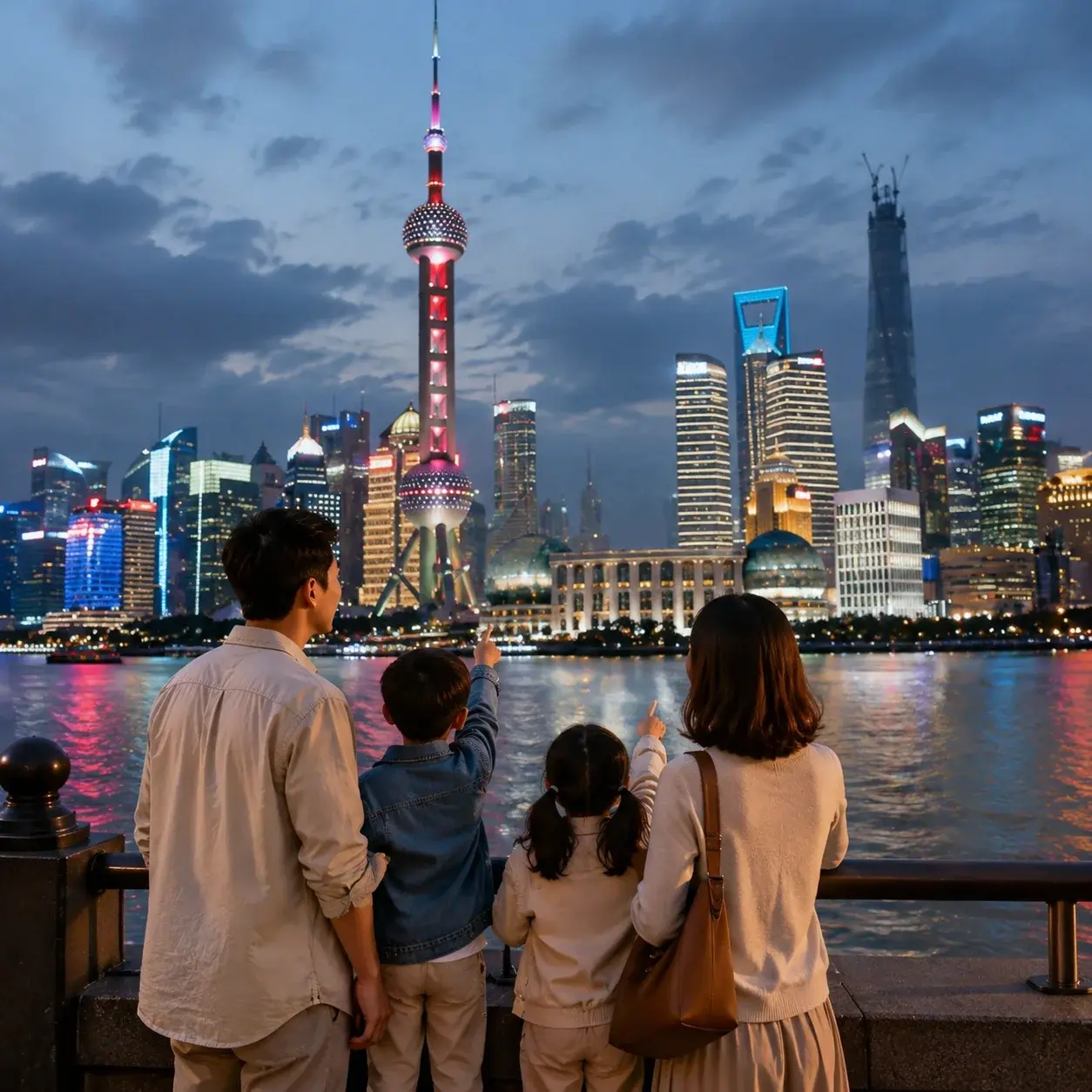
Pour un itinéraire d'une semaine en Chine, l'option la plus simple repose sur deux villes — Pékin (4 jours) puis Shanghai (3 jours) — ce qui convient aux jeunes enfants ; les enfants plus âgés capables de supporter plus peuvent faire le triangle d'or : Pékin (3) → Xi'an (2) → Shanghai (2). Une semaine est la question classique des premiers voyageurs, et la réponse consiste à résister à l'envie d'ajouter une quatrième ville.
Version à deux bases (meilleure pour les tout-petits/préscolaires) :
| Jour | Ville | Plan |
|---|---|---|
| 1 | Pékin | Arrivée · journée calme : promenade proche, dîner précoce, coucher tôt (pas de visites) |
| 2 | Pékin | Cité Interdite le matin · repos à l'hôtel l'après-midi |
| 3 | Pékin | Grande Muraille de Mutianyu (téléphérique en haut, luge en descente) — journée complète dédiée |
| 4 | Pékin → Shanghai | Randonnée en rickshaw dans les hutongs + fabrication de dumplings · vol vers Shanghai (environ 2–2,5 h, à vérifier) |
| 5 | Shanghai | Shanghai Disneyland — journée complète |
| 6 | Shanghai | Le Bund + Jardins Yuyuan · trajet en train magnétique |
| 7 | Shanghai | Musée des Sciences & Technologies ou croisière sur la rivière Huangpu · départ |
Version du triangle d'or (pour les enfants scolarisés) : Pékin (Jours 1–3 : arrivée tranquille, Cité Interdite, journée à la Grande Muraille) → train à grande vitesse vers Xi'an (Jours 4–5 : matinée aux Guerriers en terre cuite, vélos sur la muraille de la ville) → vol vers Shanghai (Jours 6–7 : Disneyland, puis le Bund et départ). C'est le meilleur itinéraire pour les premiers visiteurs en Chine qui veulent à la fois l'histoire et la Chine moderne en une semaine — il suffit de consacrer une journée distincte à la Grande Muraille et à Disneyland.
À quoi ressemble un itinéraire réaliste de 10 jours en Chine avec des enfants ?
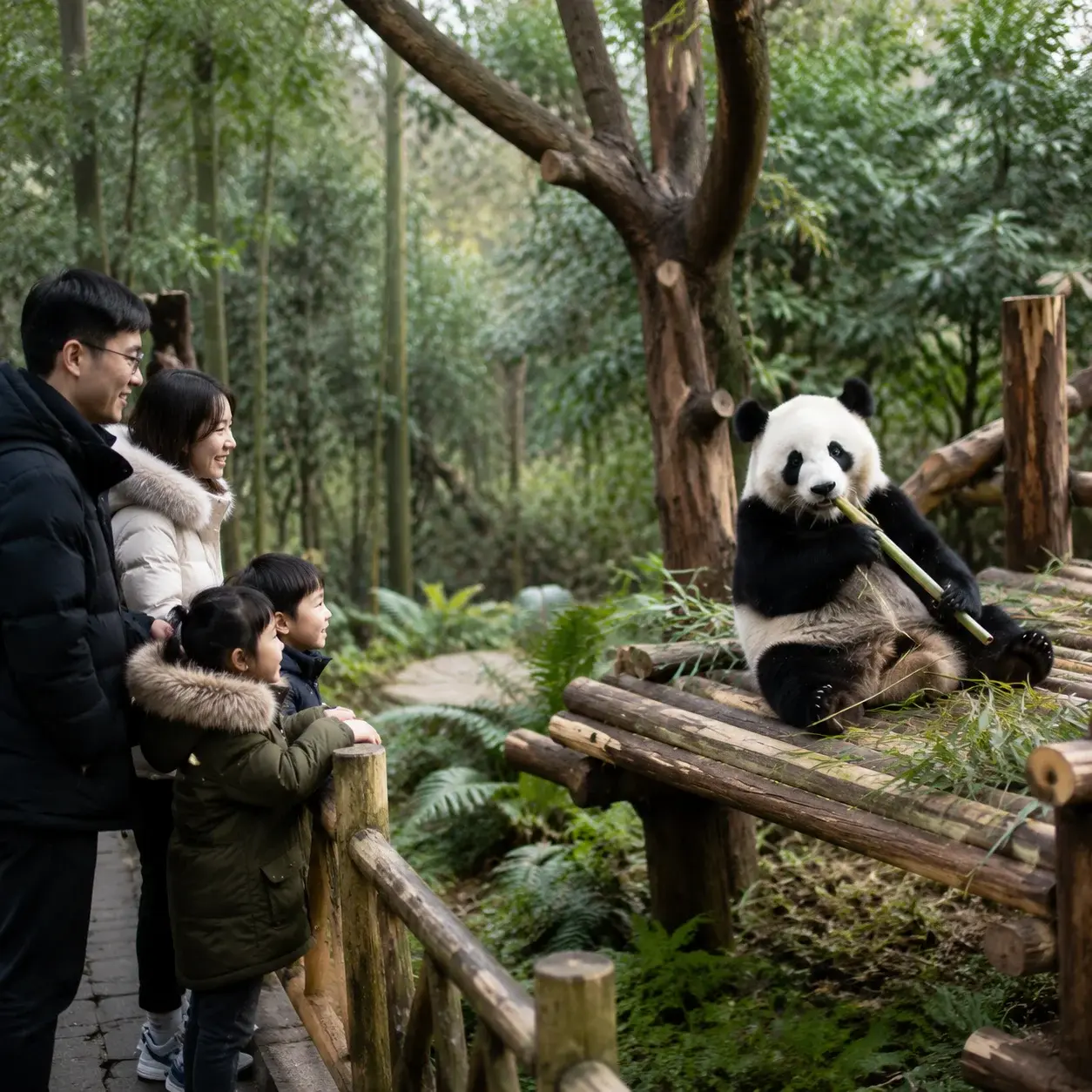
L'Itinéraire Chine sur 10 jours qui fonctionne le mieux est l'itinéraire familial d'or — Pékin → Xi'an → Chengdu → Shanghai — qui superpose les pandas au triangle classique et utilise Chengdu et Shanghai comme récupération après les premiers jours intenses. Le rythme est intégré dans le tableau : un Jour 1 lent, la Grande Muraille en une journée, les pandas le matin, Disney en une journée, et les jours de voyage limités à des demi-journées. Traitez toutes les heures d'ouverture, les billets et les temps de trajet comme indicatifs — vérifiez avant le voyage.
| Jour | Ville | Matin (fort) | Soirée/après-midi (léger) | Note familiale |
|---|---|---|---|---|
| 1 | Pékin | Arrivée · journée tranquille : promenade près de l'hôtel | Dîner précoce, coucher précoce — rattraper le décalage horaire | Aucune visite aujourd'hui |
| 2 | Pékin | Cité Interdite (moins de foule tôt le matin) | Vue de Jingshan / repos à l'hôtel | Beaucoup de marche ; repos après midi |
| 3 | Pékin | Grande Muraille de Mutianyu (téléphérique en haut, toboggan en bas) | Retour · promenade en hutong en soirée | Journée complète à la Grande Muraille ; le toboggan est le point fort des enfants |
| 4 | Pékin → Xi'an | Rickshaw dans les hutong + fabrication de raviolis | Train à grande vitesse vers Xi'an (~4,5–6h, vérifier) | Journée de voyage = demi-journée seulement |
| 5 | Xi'an | Guerriers en terre cuite (+ artisanat mini-guerrier) | Vélos sur la muraille de ville | Les guerriers sont situés à ~1h en dehors de la ville |
| 6 | Xi'an → Chengdu | Quartier musulman / Paradis Tang | Vol vers Chengdu (~1,5–2h, vérifier) | Vol de l'après-midi, coucher précoce |
| 7 | Chengdu | Base des pandas (arrivez tôt) | Maison de thé / hotpot partagé | Les pandas sont les plus vifs à l'ouverture |
| 8 | Chengdu → Shanghai | Artisanat des pandas / spectacle du changement de visage | Vol vers Shanghai (~2,5–3h, vérifier) | Récupération mixte + journée de voyage |
| 9 | Shanghai | Parc d'attractions Disneyland de Shanghai (journée complète) | Dîner à l'intérieur du parc | Disney occupe toute la journée |
| 10 | Shanghai | Le Bund + Jardin Yuyuan | Maglev · départ | Dernière journée légère ; prévoir un temps pour l'aéroport |
Option de remplacement : les familles qui préfèrent la nature et des moments de détente au lieu des pandas peuvent remplacer Chengdu par Guilin-Yangshuo (croisière sur la rivière Li + vélo à Yangshuo), en conservant le même rythme.
Quel est le meilleur itinéraire Chine de 2 semaines pour les familles ?
L'itinéraire phare de 2 semaines en Chine suit l'axe Pékin → Xi'an → Chengdu → Guilin-Yangshuo — Shanghai : la route d'or de 10 jours complétée par une étape de détente à Guilin-Yangshuo, une journée supplémentaire à Pékin et une demi-journée de repos tous les trois jours environ. C'est un itinéraire de première visite en profondeur : histoire, pandas, paysages et Chine moderne, conçu pour que les enfants (et les parents) tiennent le rythme pendant les deux semaines. Vérifiez toutes les horaires, billets et prix avant le voyage.
| Jour | Ville | Plan principal | Note familiale |
|---|---|---|---|
| 1 | Pékin | Arrivée · journée tranquille | Marche uniquement, coucher tôt |
| 2 | Pékin | Cité Interdite + Jingshan | Matinée chargée, retraite après midi |
| 3 | Pékin | Grande Muraille de Mutianyu + toboggan | Journée complète |
| 4 | Pékin | Hutong et fabrication de dumplings / vol de cerfs-volants au Temple du Ciel | Temps libre demi-journée ici |
| 5 | Pékin → Xi'an | Train à grande vitesse matinal vers Xi'an (à vérifier) · après-midi vélo sur la Muraille de la ville | Journée de voyage = demi-journée d'activité |
| 6 | Xi'an | Guerriers en terre cuite + artisanat mini-guerrier | Le matin |
| 7 | Xi'an → Chengdu | Quartier musulman matin · vol vers Chengdu (à vérifier) | Déplacement après-midi |
| 8 | Chengdu | Base des pandas (tôt) | Journée pandas |
| 9 | Chengdu | Maison de thé / changement de visage · temps libre | Journée de récupération |
| 10 | Chengdu → Guilin | Vol vers Guilin (à vérifier) · soirée tranquille | Journée de voyage |
| 11 | Guilin/Yangshuo | Croisière sur la rivière Li → Yangshuo | Bloc de décompression paysagère |
| 12 | Yangshuo | Bâton de bambou sur la rivière Yulong + vélo + une grotte | Journée pour dépenser l'énergie des enfants |
| 13 | Yangshuo → Shanghai | Vol vers Shanghai (à vérifier) · le Bund le soir | Voyage + léger |
| 14 | Shanghai | Parc Disneyland ou Musée des sciences + Jardins Yuyuan · départ | Choisissez selon l'intérêt de vos enfants |
Version ados : Remplacez Guilin-Yangshuo par Zhangjiajie (les montagnes d'« Avatar », 2–3 jours) pour des enfants plus âgés capables de randonnées plus longues, ou ajoutez une dimension historique à Pékin et Xi'an. Cela reflète les itinéraires réellement proposés par les opérateurs établis.
Coût et saison, honnêtement. À titre indicatif, les visites privées en famille coûtent environ 220–350 USD par personne et par jour, ce qui fait un total d'environ 11 000–15 000 USD pour une famille de quatre pendant deux semaines, hors vols internationaux (selon les tarifs China Highlights, vérifiés en juillet 2026 — à considérer comme une fourchette ; à vérifier avec les devis actuels). Les meilleures saisons en famille sont généralement mars–mai et septembre–novembre, évitant ainsi la chaleur intense et les foules. Pour l'étape commerciale suivante, consultez notre guide sur  un voyage familial privé / sur mesure en Chine.
Quels sont les plus grands erreurs d'itinéraire que les familles commettent ?
Les grandes erreurs : trop de villes, trop vite, pas de jours de repos, et grands sites programmés le jour d'arrivée ou de voyage. Presque toutes les pages de classement vous disent quoi faire ; presque aucune ne vous dit quoi ne pas faire. Voici les pièges dans lesquels nous voyons souvent les familles tomber.
- Trop de villes (l'erreur n°1). Vouloir six ou sept villes en deux semaines signifie que la moitié de votre voyage sera consacrée aux bagages et aux trajets. Règle : au moins 2 à 3 jours par ville, et ≤5 villes en 14 jours, ≤4 en 10, ≤3 en 7.
- Aller trop vite sans jours de repos. Trois jours d'exploration non stop et les enfants se rebellent le quatrième jour. Une demi-journée de repos tous les trois jours n'est pas du temps perdu — c'est ce qui rend la deuxième partie du voyage fonctionnelle.
- Grands sites le jour de l'arrivée ou des transferts. Essayer de visiter la Cité Interdite ou les Guerriers en terre cuite le jour de l'arrivée avec un décalage horaire, ou après un long transfert, se termine souvent en larmes. Réservez les jours de voyage pour des demi-journées.
- Ignorer le coût caché des transferts entre villes. Un trajet de 5 heures en train ne représente pas une journée entière — les bagages, la gare, la sécurité et l'enregistrement à l'hôtel font perdre une autre demi-journée.
- Suivre une liste de « à voir absolument » Courir d'un site à l'autre pour cocher des cases. Les enfants se souviennent d'une expérience vécue pleinement — canyoning, pandas, luge — et non de la longueur de la liste.
- Prendre l'avion alors que le train est préférable. Lorsque les durées sont comparables, le train de grande vitesse l'emporte : centre-ville à centre-ville, moins de retards, les enfants peuvent bouger, les liquides autorisés, vos bagages avec vous.
- Pas de plan pour la poussette/le porte-enfant. Apporter uniquement une poussette encombrante à la Grande Muraille et dans les hutongs vous mettra dans l'impossibilité de bouger. Emportez une poussette pliable et un porte-enfant, et alternez selon les visites de la journée.
Résumé en une ligne : ralentissez, supprimez une ville, respirez tous les trois jours — ce que les itinéraires des opérateurs et les blogs sur les lignes droites ne feront pas pour vous.
Préférez que quelqu'un le fasse pour vous ?
Assembler les blocs de la ville, réserver les bons trains et rythmer chaque journée en fonction de l'âge de vos enfants, c'est un vrai travail — et certaines familles préfèrent simplement confier cette tâche à un concepteur qui le fait au quotidien. C'est un choix légitime, pas une échappatoire. C'est là que LyrikTrip intervient : un seul concepteur de voyage gère votre trip du début à la fin, avec des équipes sur le terrain dans plus de 400 villes chinoises, et un partenaire opérationnel ainsi qu'un soutien commercial issus de Tuniu Corporation (NASDAQ : TOUR). Les touches spécifiques aux familles sont l'essentiel — sièges auto pour enfants, chambres相连, repas séparés pour les enfants sensibles à l'épice, et un rythme de « deux à trois arrêts par jour » adapté aux groupes intergénérationnels — et les itinéraires familiaux emblématiques servent de bons points de départ — par exemple Pandas et la rivière Li — Les icônes de la Chine rencontrent des pics oniriques (Pékin–Xian–Chengdu–Guilin–Yangshuo–Shanghai, 10 jours, 6 villes) ou Pandas, fondue au chili et théâtres — Le Sichuan au ralenti (Chengdu–Leshan–Chongqing, 8 jours), tous deux privés et sur mesure. Nous avons déjà accompagné plus de 5 230 voyageurs familiaux.
Si vous hésitez encore sur qui choisir plutôt que quoi faire, notre guide sur comment choisir une agence de voyage en Chine pour les familles vous accompagne de manière neutre.
Questions fréquemment posées
Combien de jours faut-il en Chine avec des enfants ? Prévoyez 10 à 14 jours pour un premier voyage familial. Dix jours couvrent le triangle d'or plus une attraction comme les pandas ; deux semaines ajoutent de la nature et des jours de repos. Une semaine ne fonctionne que pour un voyage relaxe à deux bases (par exemple Pékin et Shanghai). L'élément qui compte est le nombre de villes, pas le nombre de jours.
Quel est le meilleur itinéraire en Chine pour les premiers visiteurs ? Le triangle d'or — Pékin, Xi'an et Shanghai — est l'itinéraire classique pour les premiers visiteurs : histoire impériale, Guerriers en terre cuite et Shanghai moderne. Faites-le en 7 jours si le temps est serré, ou en 10 jours en ajoutant les pandas de Chengdu pour un rythme plus détendu et adapté aux enfants, avec du temps de récupération intégré.
Pékin, Xi'an et Shanghai — combien de jours pour chacune ? Accordez 3 à 4 jours à Pékin (la Grande Muraille nécessite sa propre journée), 2 jours à Xi'an (Guerriers en terre cuite et vélos sur la muraille de la ville), et 2 à 3 jours à Shanghai (laissez Disneyland occuper une journée entière). Cela fait environ 7 à 9 jours pour les trois villes, reliées par des trains à grande vitesse et un court vol.
Un itinéraire en Chine de 2 semaines est-il trop long pour de jeunes enfants ? Pas si vous cadencez bien. Deux semaines sont en fait plus faciles pour les petits qu'une semaine précipitée, car vous pouvez intégrer des demi-jours de repos, des jours de voyage lent et un bloc de décompression comme Guilin-Yangshuo. Le piège n'est pas la durée — c'est d'insérer trop de villes dans l'itinéraire.
Quel itinéraire réaliste de 10 jours en Chine avec des enfants ? Pékin (3) → Xi'an (2) → Chengdu (2) → Shanghai (3) : Grande Muraille et Cité Interdite, Guerriers en terre cuite, une matinée au centre pandas, puis Disneyland de Shanghai. Prévoir un jour d'arrivée lent, placer les visites importantes le matin et considérer chaque jour de voyage comme une demi-journée.
Train à grande vitesse ou vols domestiques entre les villes ? Prenez le train à grande vitesse lorsque les durées sont comparables — il relie centre-à-centre, subit moins de retards, permet aux enfants de bouger, autorise les liquides et garde vos bagages à portée de main. Réservez les vols pour les longs trajets comme aller à Chengdu ou Guilin. Vérifiez les horaires avant réservation.
Conclusion
Un excellent voyage familial en Chine repose sur quelques règles simples : 10–14 jours, au plus cinq villes, et un repos tous les trois jours. Utilisez le constructeur modulaire pour assembler Pékin, Xi'an, Chengdu, Shanghai et Guilin-Yangshuo selon l'âge de vos enfants, puis laissez le cadre de rythme — une activité principale par demi-journée, les matinées pour les visites importantes, les jours de voyage comme des demi-journées — garder tout le monde heureux jusqu'au dernier jour. Moins de villes, bien faites, gagne toujours.
Si vous préférez ne pas organiser ni rythmer vous-même, c'est exactement le rôle d'un concepteur privé — faites construire par LyrikTrip un itinéraire familial en Chine selon vos dates, l'âge de vos enfants et les expériences qu'ils se souviendront vraiment.