



Why stay
Emei is one of the four sacred Buddhist mountains, and it is large. Between nine and five it is also very busy. The hours that are not busy are the ones the day-trippers are not there for: dusk, and the hour after six in the morning. So the design of these two days is simple. You stay for those hours.
What staying past five actually gets you
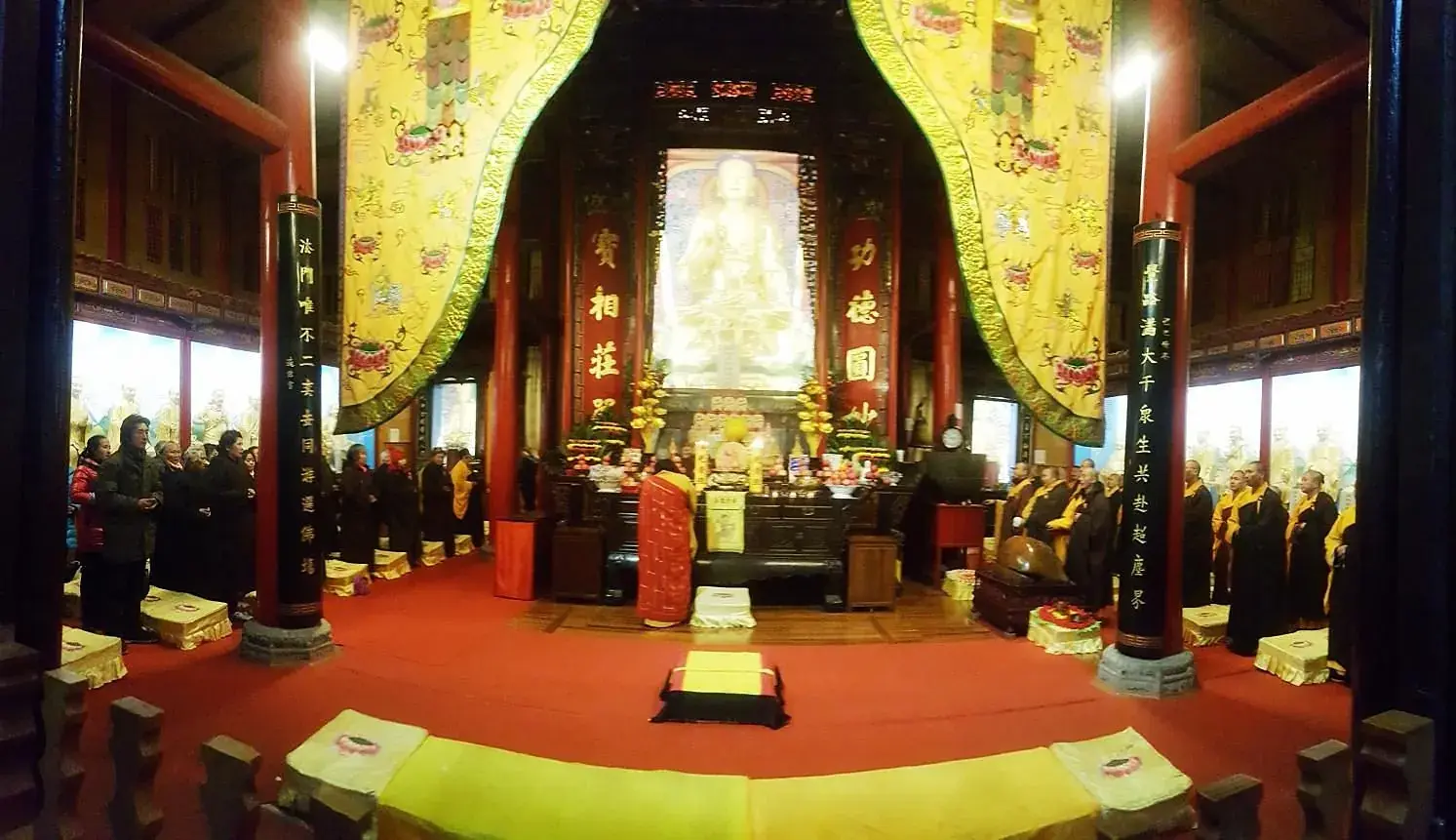
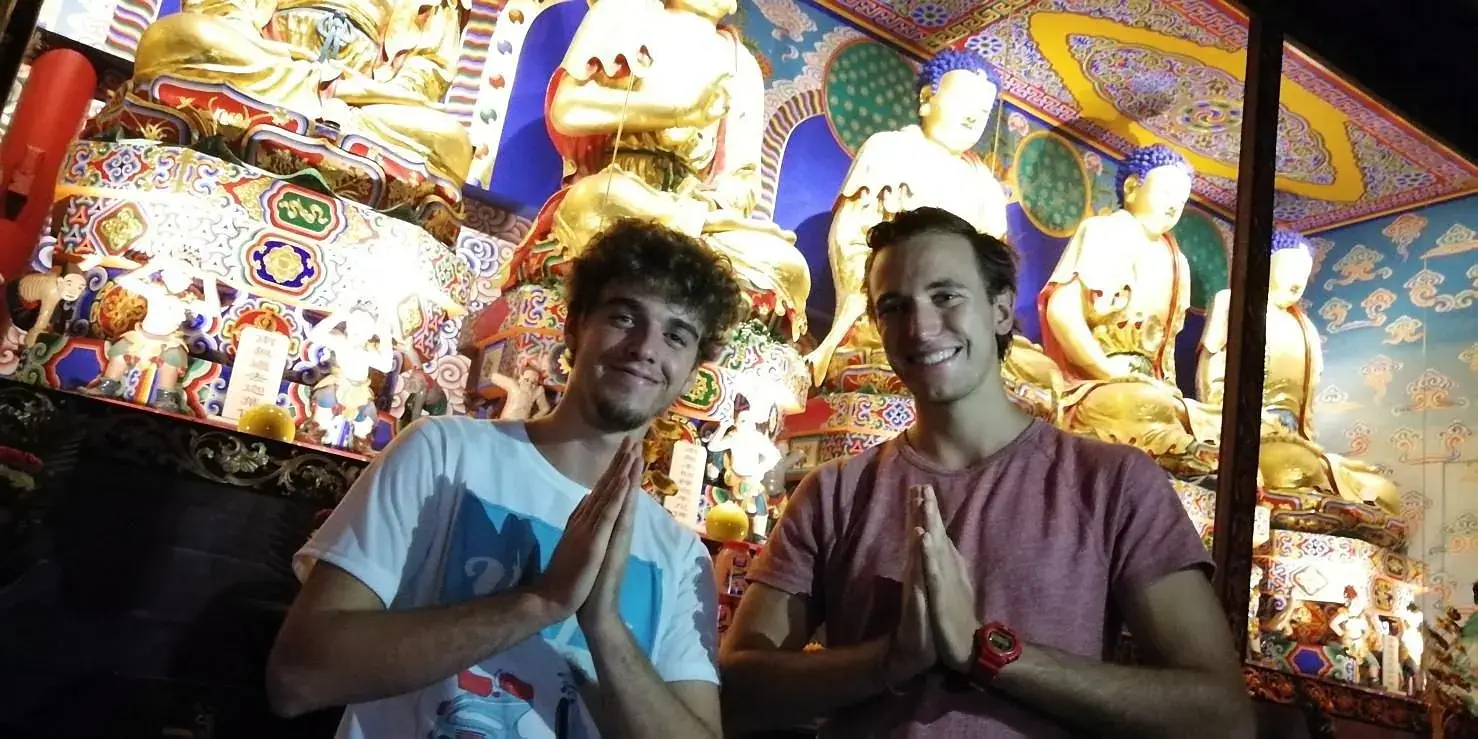
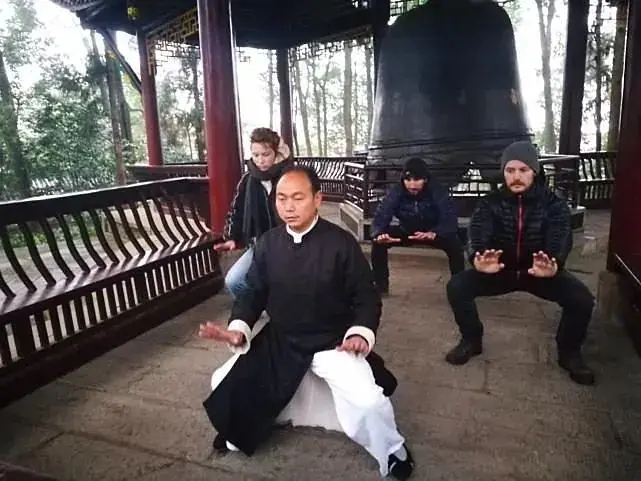
A monastery on Mt Emei shuts its gates to the public at 5 pm. You stay inside — vegetarian dinner, an evening with a senior monk, chanting at six, and a kungfu class at half past eight, before the Golden Summit.
- A working monastery with the public gone — the courtyards empty from six
- Monks at morning chanting, 6 to 7 am, from inside the hall rather than a doorway
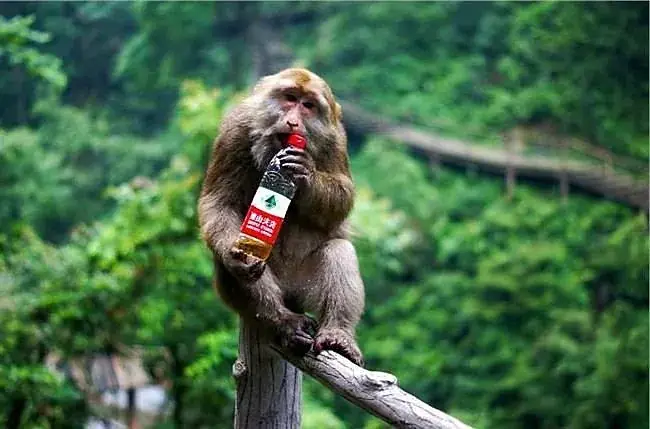
- Wild macaques on the trail, close and unbothered
- The Golden Summit at over 3,000 metres — cloud sea if the weather gives it to you
- Vegetarian dinner cooked inside the monastery, at the monks' own table
- Breakfast the next morning, same room
- Lunch at a farmhouse restaurant halfway up the mountain — bamboo shoot, local sausage, cured pork
- A senior monk, introduced by your guide, on his own practice — for as long as the conversation runs
- Chanting at six, which is the thing guests write to us about afterwards
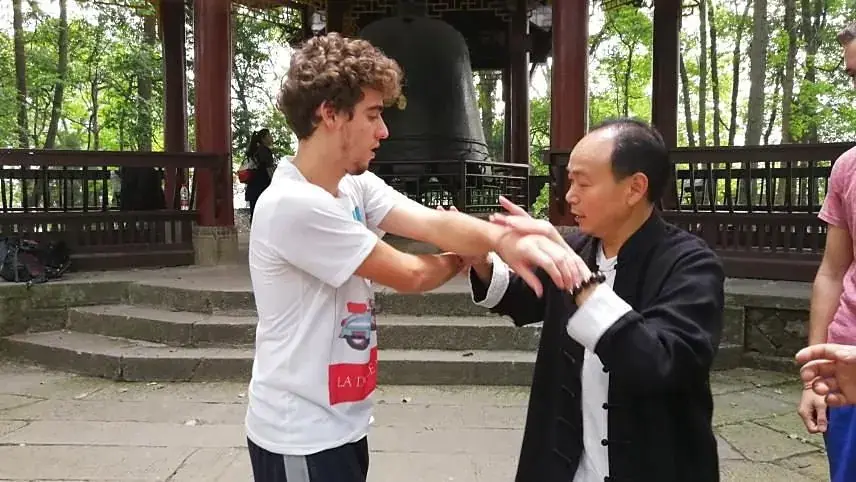
- A kungfu master correcting you, out loud, in front of the others
- A kungfu form you were actually taught, not shown
- A night's sleep inside a Buddhist monastery — simple and clean, and we mean both words
- The specific quiet of a mountain temple after the last bus has gone
How it unfolds
-
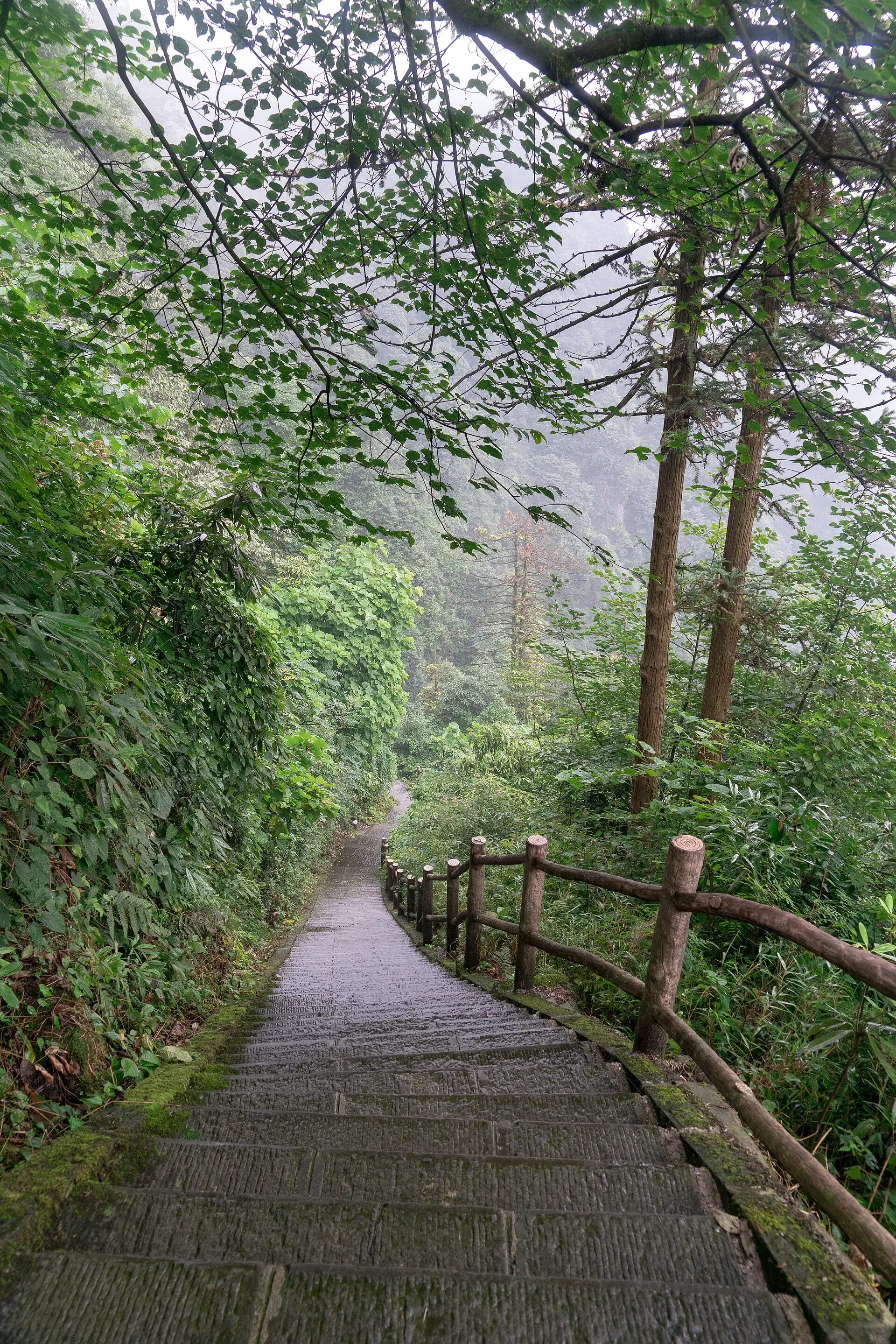
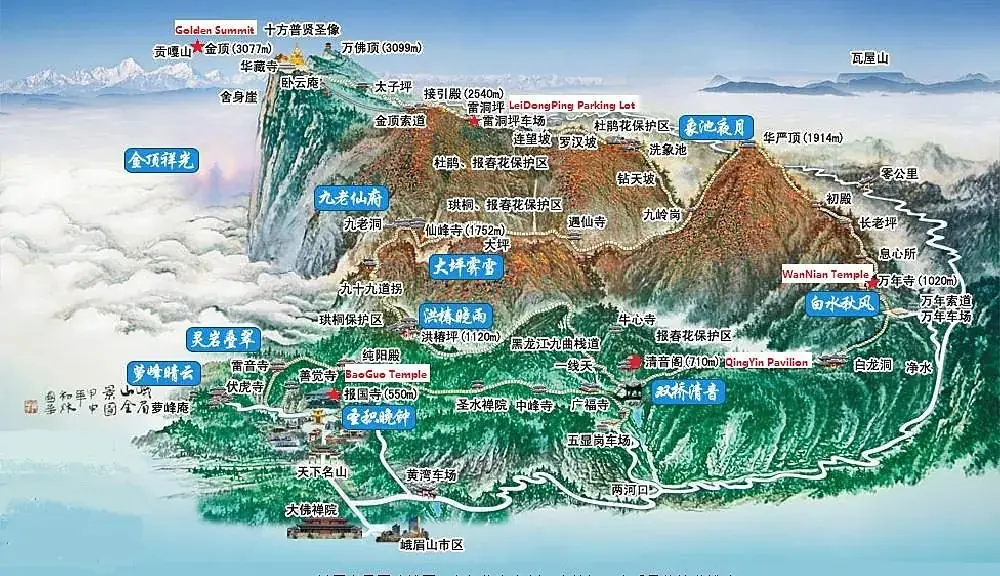
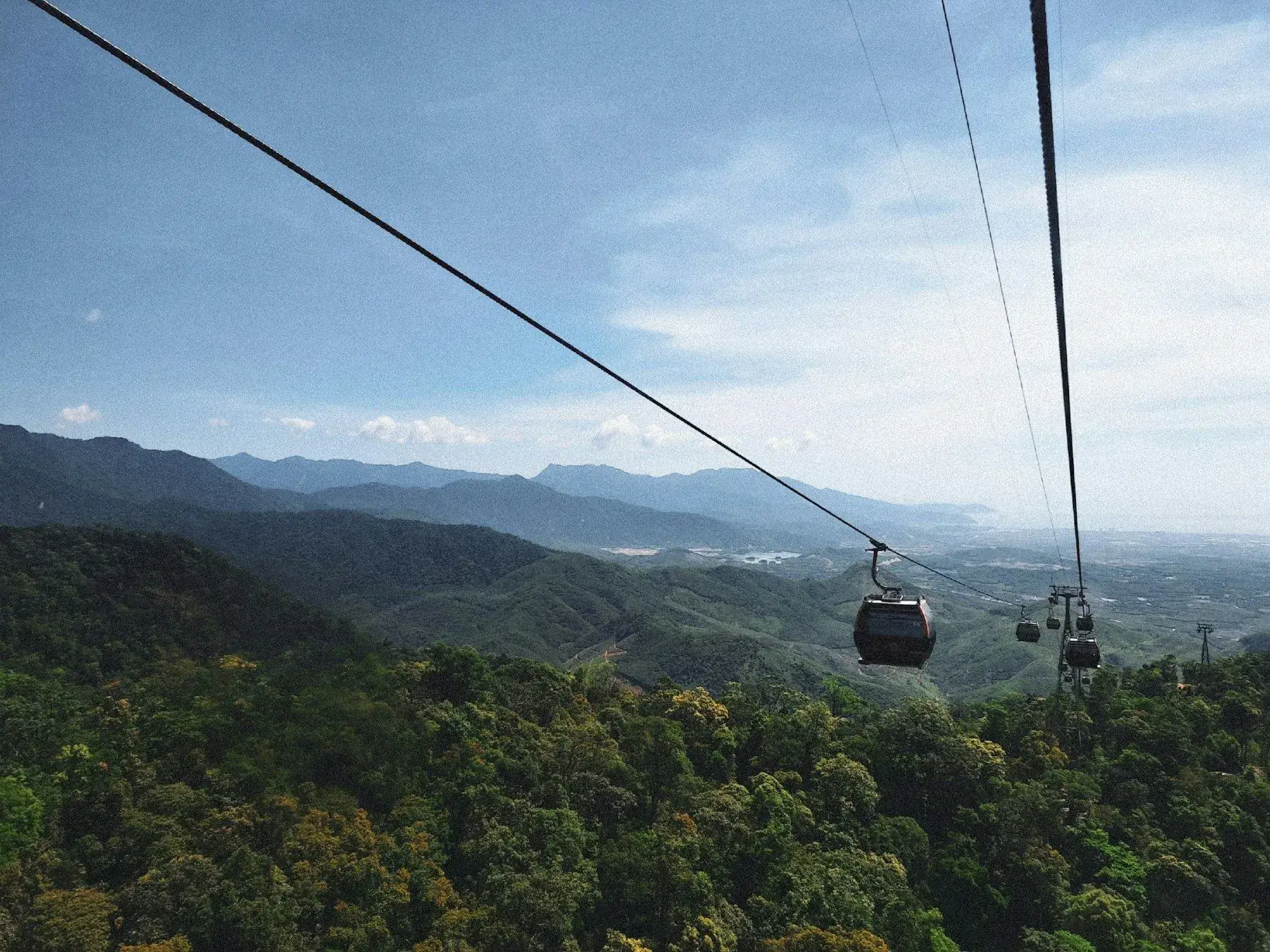
The green bus takes you to the Wannian Temple parking area, and you go up by foot or cable car, your choice. From there the walk stays on the mountain — temples, a river, a few pavilions and a lake, stopping when you want to. The day is loose on purpose: on this mountain, the night only pays off if you still have something left for it.
-
You eat at a farmhouse restaurant halfway up the mountain — local bamboo shoot, local sausage, local cured pork. Lunch is not in the price, so you order what you want rather than what a group menu decided. Also: the monkeys are real, they are bold, and they will take an unattended bag.
-
In the afternoon you walk to the mid-mountain monastery where you are staying and check in. The room is simple and clean — we mean both words, and we are not going to dress them up. Once you are settled, walk the courtyards while it is still light.
-
At six your twelve hours begin. Dinner is vegetarian and eaten inside. What is unusual is not the food — it is that the building has emptied. The monastery has been closed to the public for an hour, and the courtyards you walked through in the daytime now have nobody in them.
-
Your guide introduces one of the senior monks, who talks about his own practice and answers what you ask. It is not a lecture and there is no set length. Afterwards you have the temple and the grounds to yourself until morning, which is the part people describe afterwards rather than the talk itself.
-
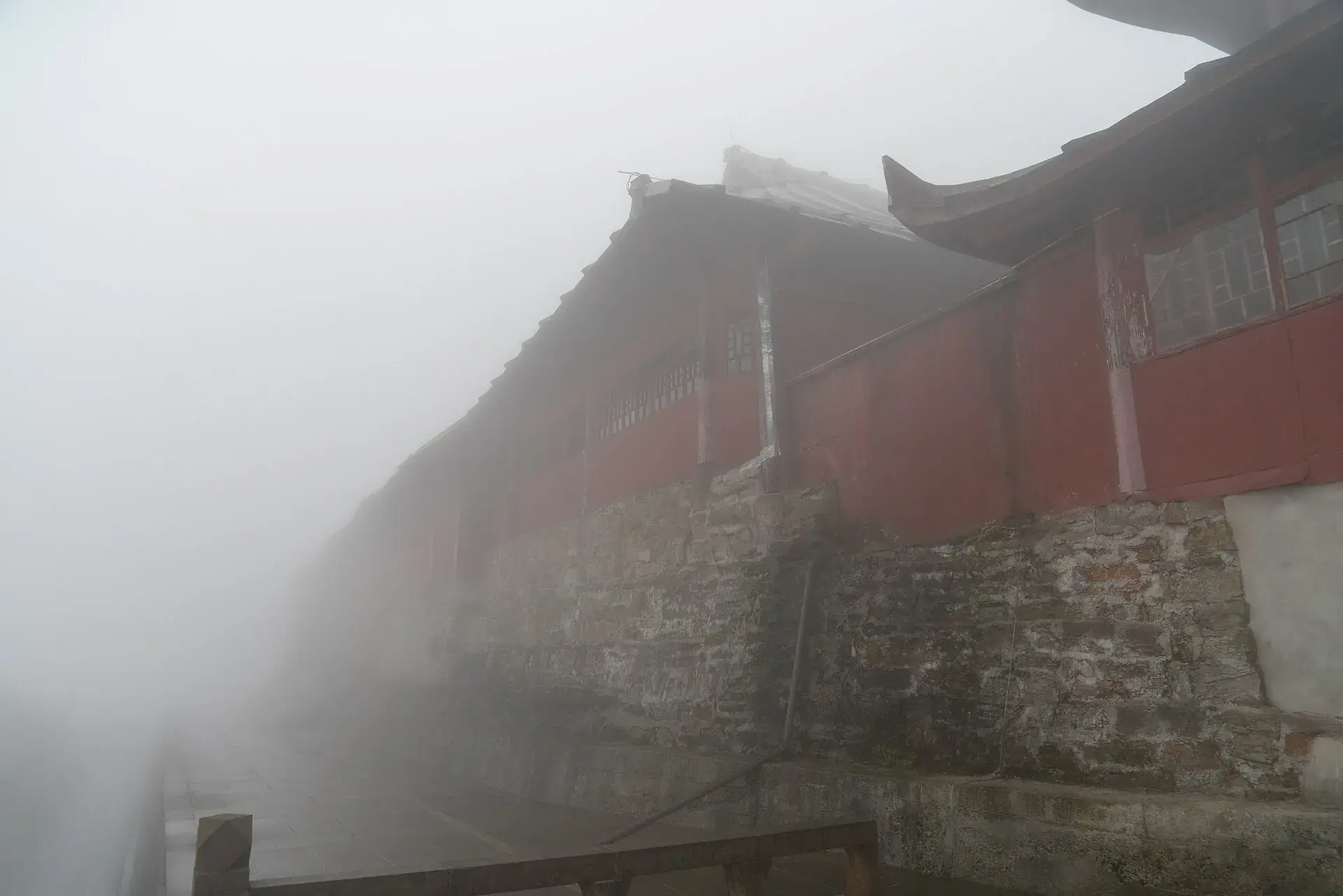
The monks begin chanting around six and go on for about an hour. Getting up is up to you, and we strongly recommend you do — this is the reason to sleep in the mid-mountain monastery rather than a hotel at the foot of the mountain. You watch the chanting from inside the hall, not from a crowded doorway.
-
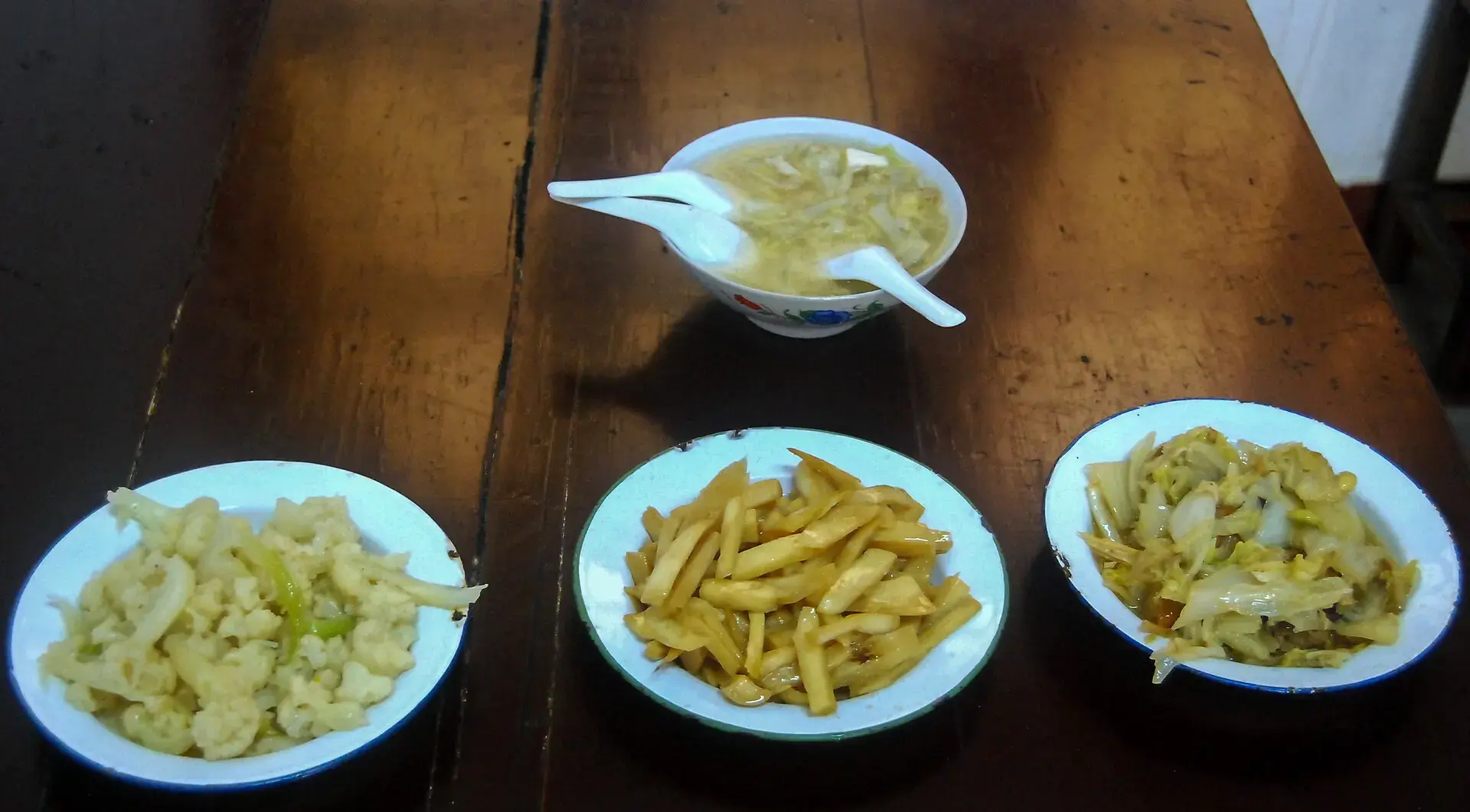
When the chanting ends, breakfast is in the same room as dinner last night. There is no rush. Pack, then set off for the kungfu master's ground — a short walk from the monastery.
-
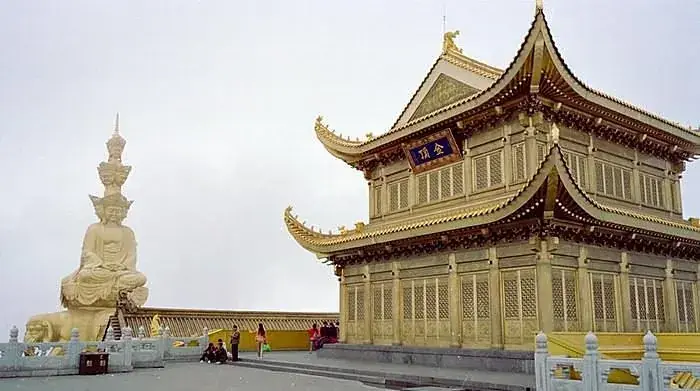
Emei is one of China's named martial arts traditions, alongside Shaolin and Wudang. On the master's own ground he teaches properly — meaning you will be corrected, over and over, in front of the other people. Nobody minds. At this hour everyone is equally clumsy.
-
After the class you head for the Golden Summit: an hour and a half by bus to the Leidongping parking area at 2,430 metres, half an hour on foot, then the cable car to the top. How soon you get there depends on the class and the road that day, so we do not lock a clock time. Monkeys again on the way, and bolder up here. What you see at the top depends entirely on the weather — on a clear day it is the sea of cloud people come for. When you have seen enough, the same road takes you back down, and the trip ends there.
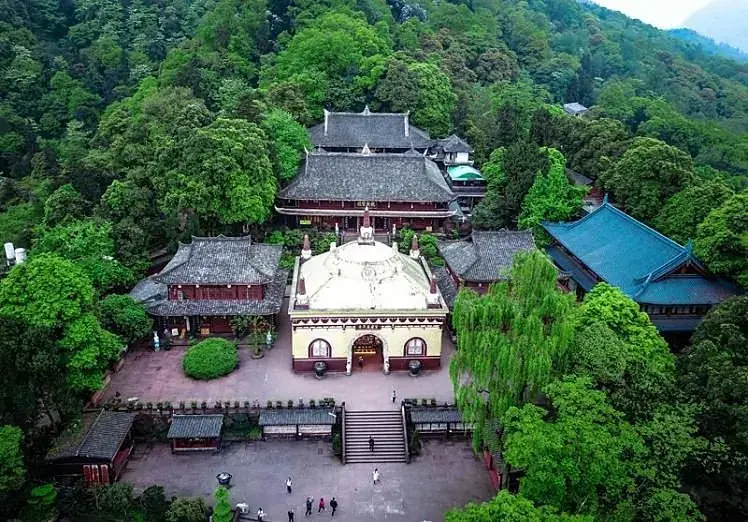
The summit is the postcard. The night is the reason.
Most itineraries run this the other way round
Almost every Emei itinerary puts the summit first and treats the monasteries as things you pass on the way up. That produces one very long day and a photograph.
This one inverts it. Day one is an unhurried walk on the mountain and an evening that only exists because the gates shut at five. Day two you are already on the mountain and rested, so the summit comes after the class rather than as an ordeal.
The two things guests write to us about afterwards are the chanting and the kungfu class. Chanting is at six and the class is at half past eight. Neither is possible if you slept in a hotel in town.
Good to know
Included
- Transfers
- Emei entrance
- Green bus, both sections
- One night in the mid-mountain monastery
- Vegetarian dinner
- Breakfast
- Kungfu class
- English-speaking guide
Not included
- Lunch
- Gratuities
Book the night
A standalone overnight, hotel to hotel. Tell us a date and we'll confirm the monastery can host.
Start planning- 2 days, 1 night
- A night inside the monastery
- Kungfu at half past eight
- The summit after class