

What is the outer-mountain temple morning?
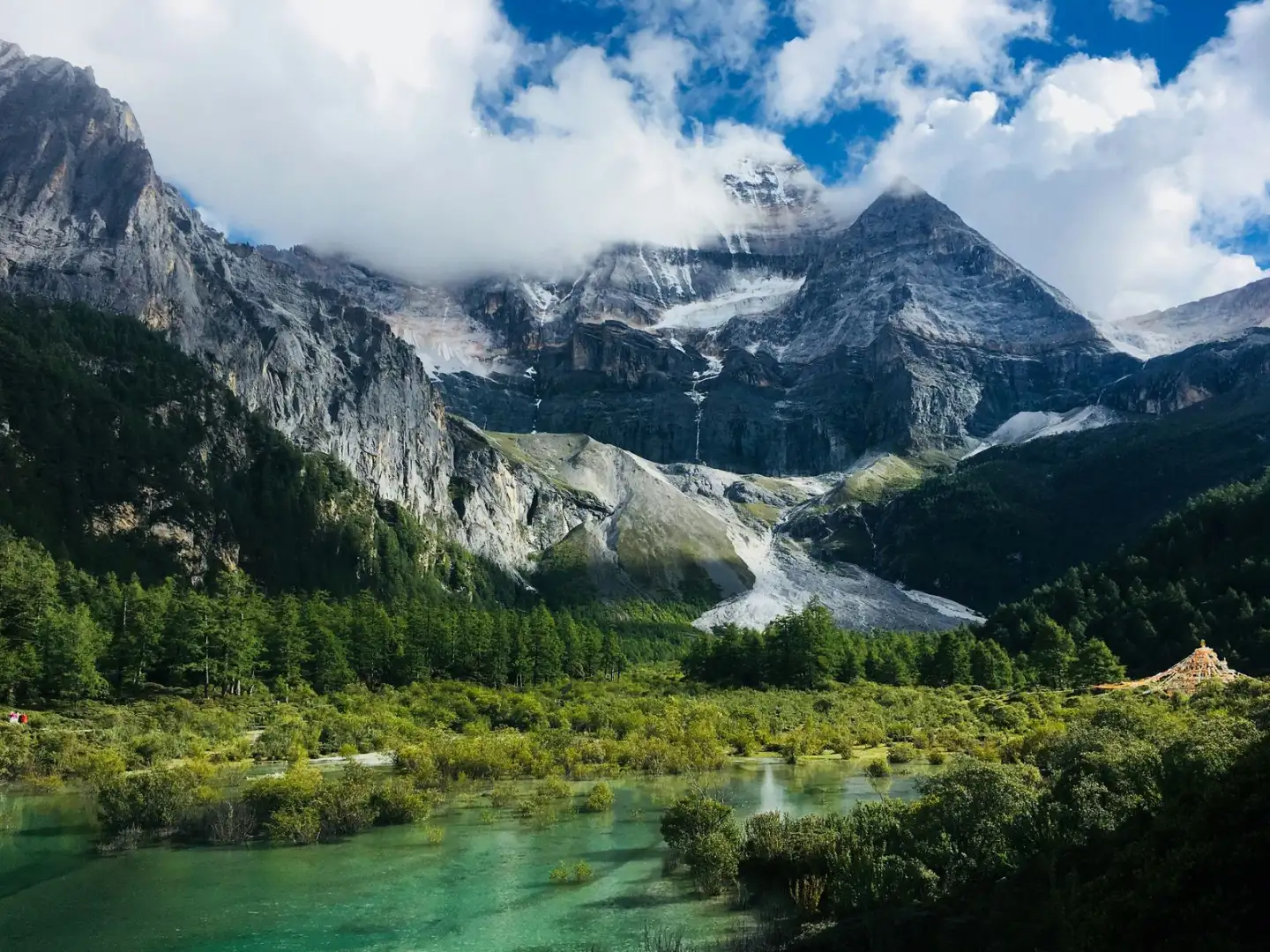
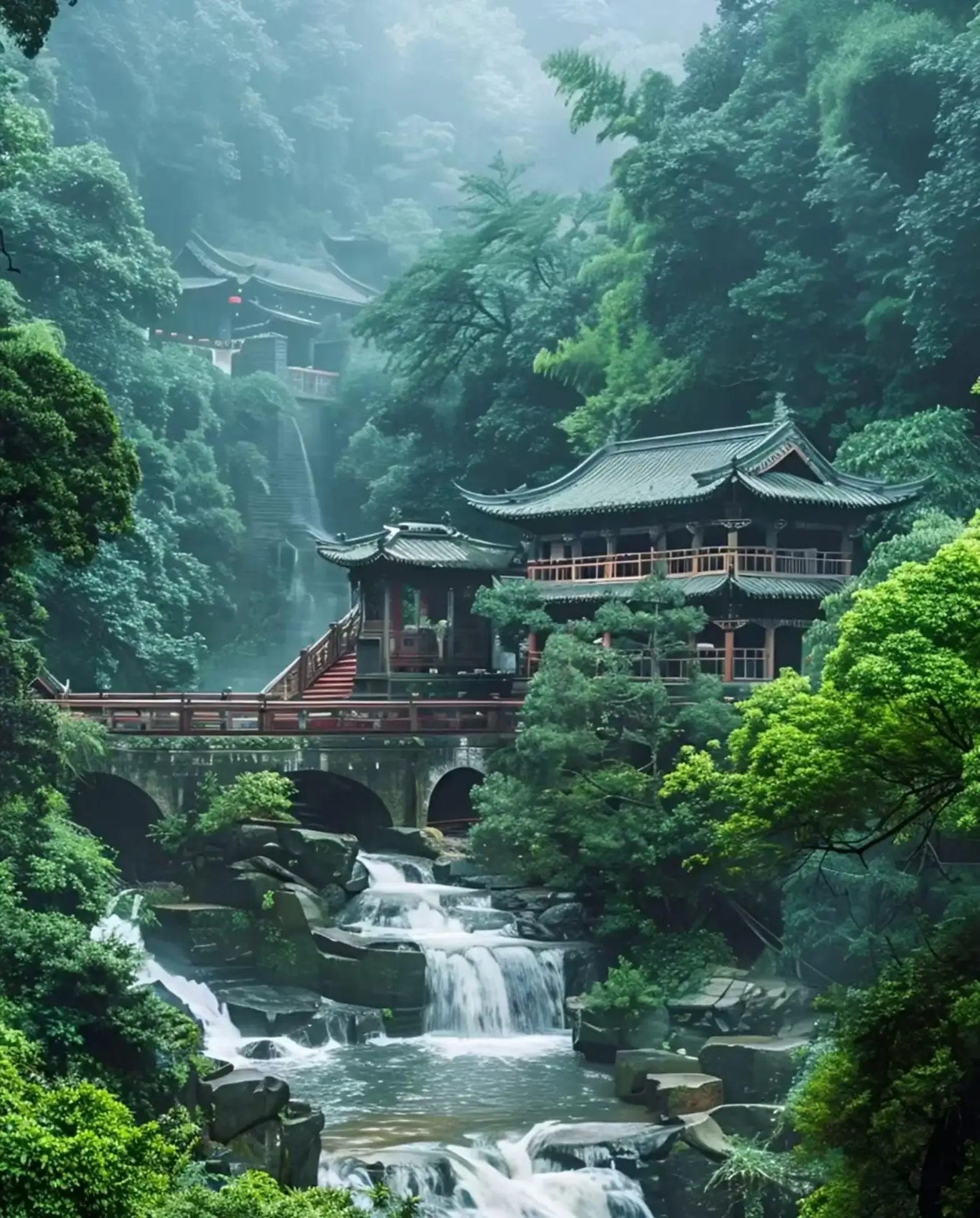
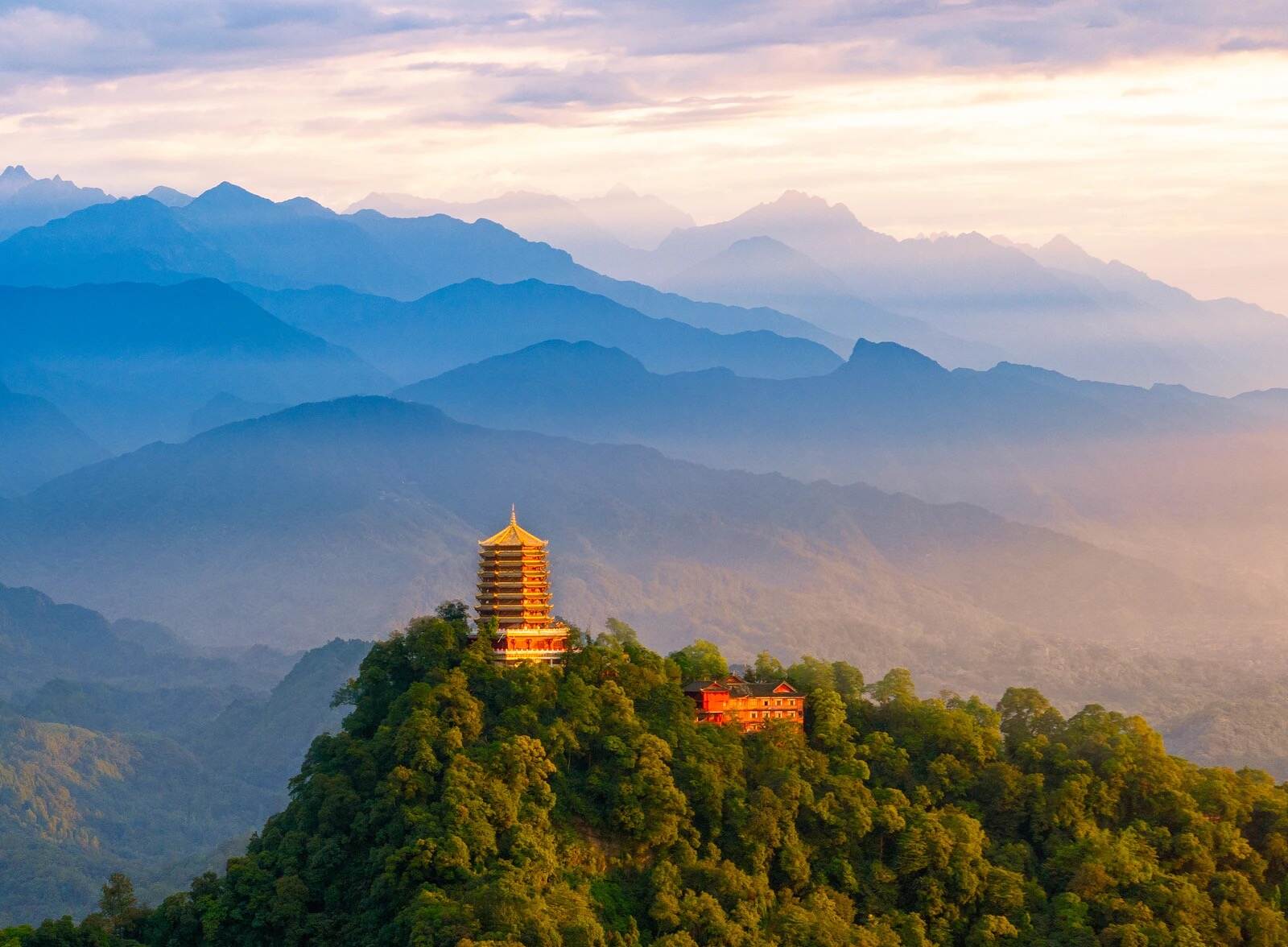
Qingcheng is one of the mountains where Taoism began, and the one Kung Fu Panda made famous. Most visitors meet it as a queue: sightseeing bus, cable car, then a hike anyway, packed with holiday crowds. This morning takes the other side. A pickup, on a road too narrow for any tour bus, climbs the outer mountain. From the trailhead you walk forty to fifty minutes past streams and stone steps, with nothing to buy. At the top a temple over three hundred years old runs on its own garden: tea from their terraces as you arrive, lunch from the back yard, then tai chi in the courtyard they use every day.
What you'll do and taste
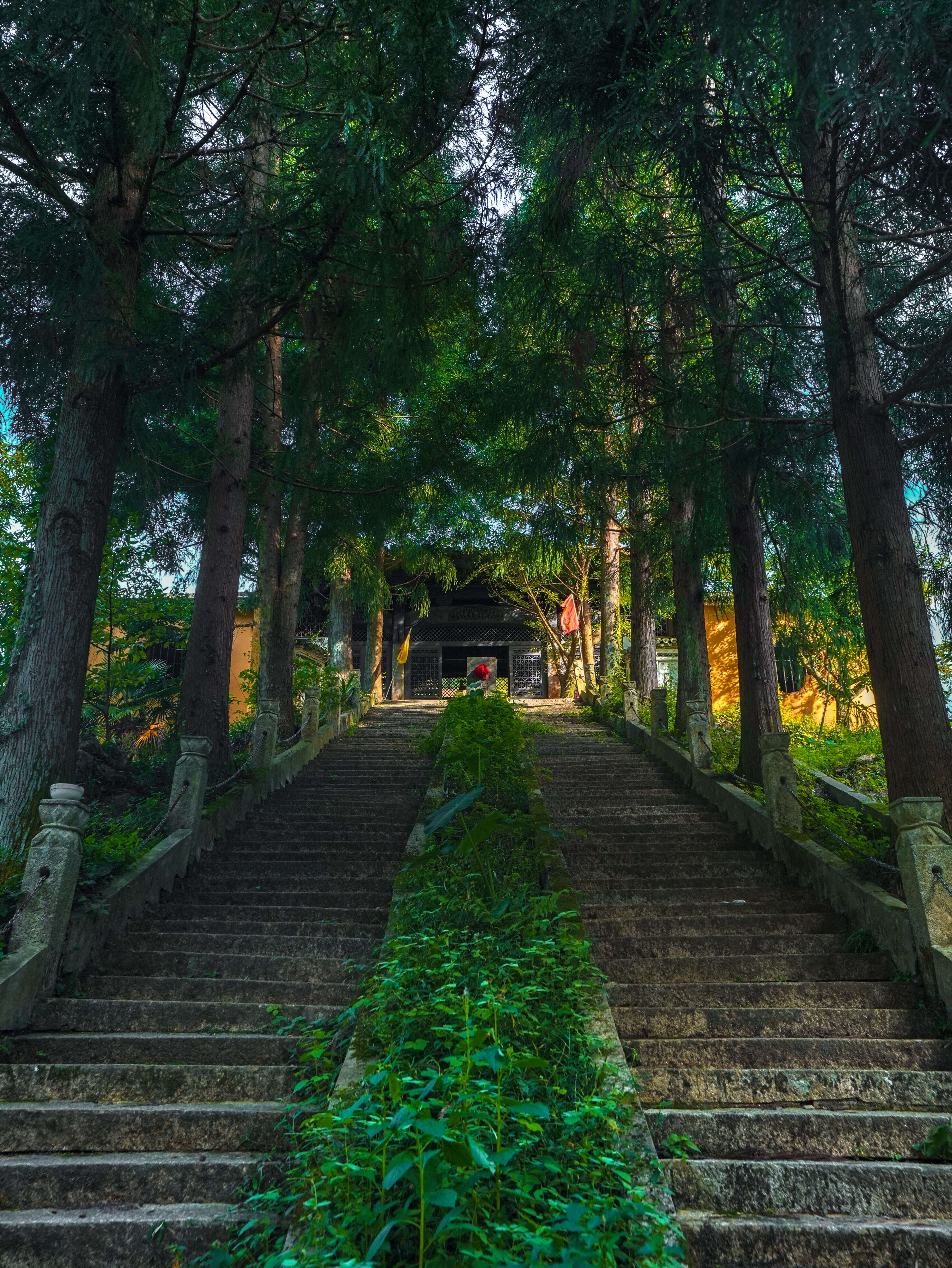
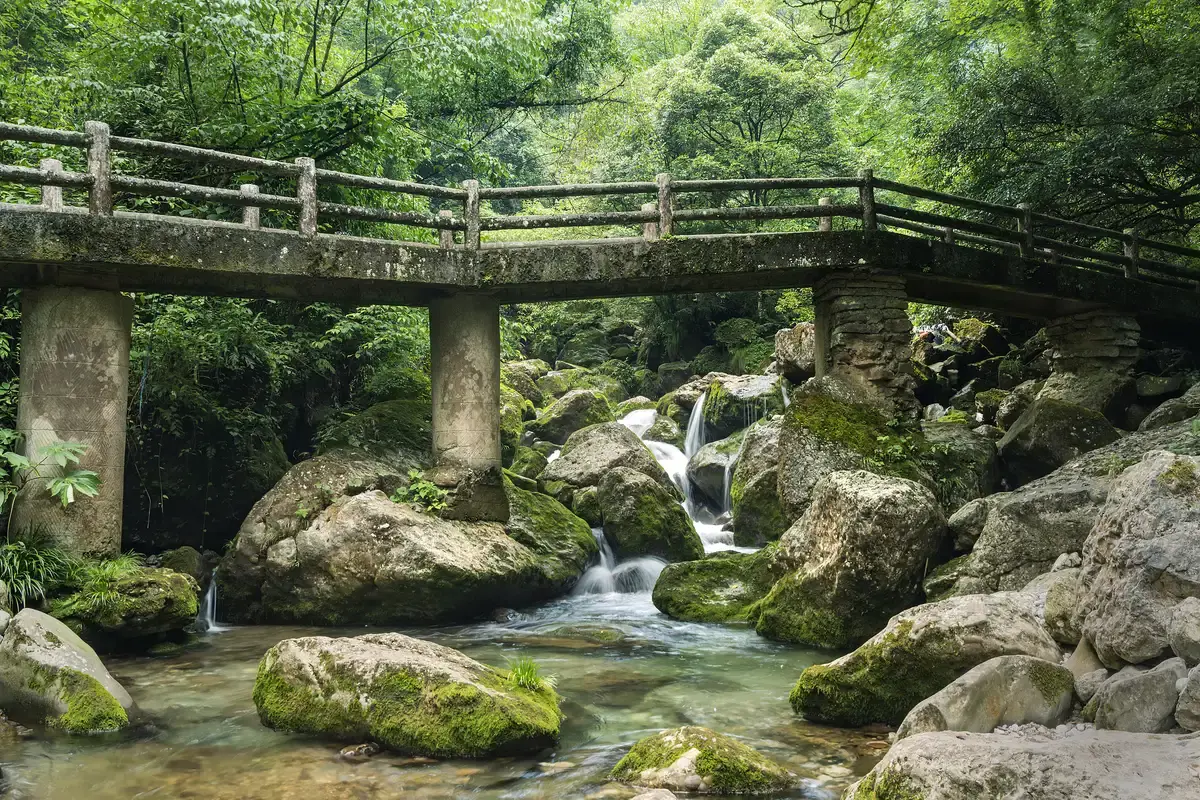
Forty to fifty minutes of stream, stone and forest between the trailhead and the gate. Not one shop, not one stall. The road below was laid for people who came to practice, and it still filters who arrives.
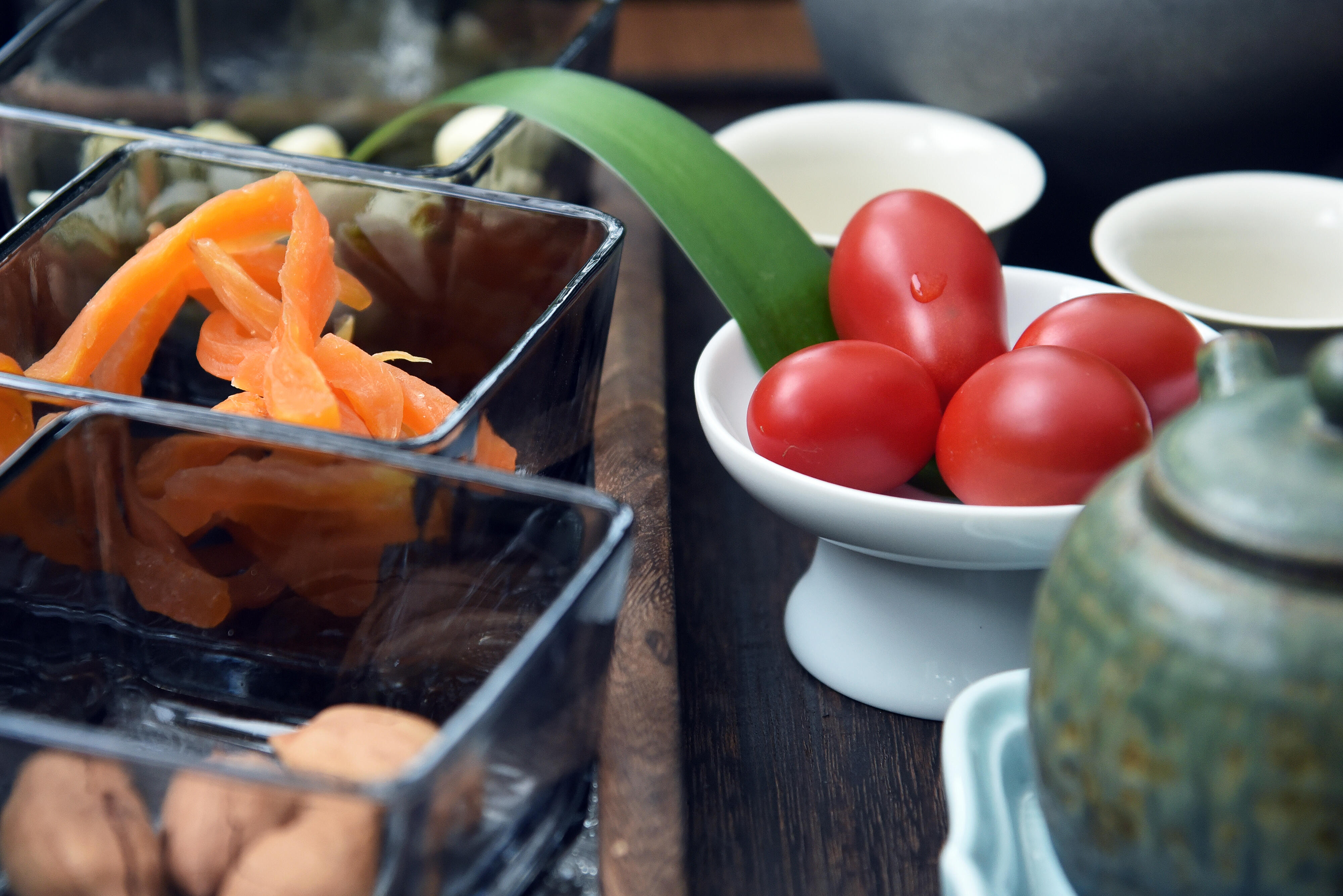
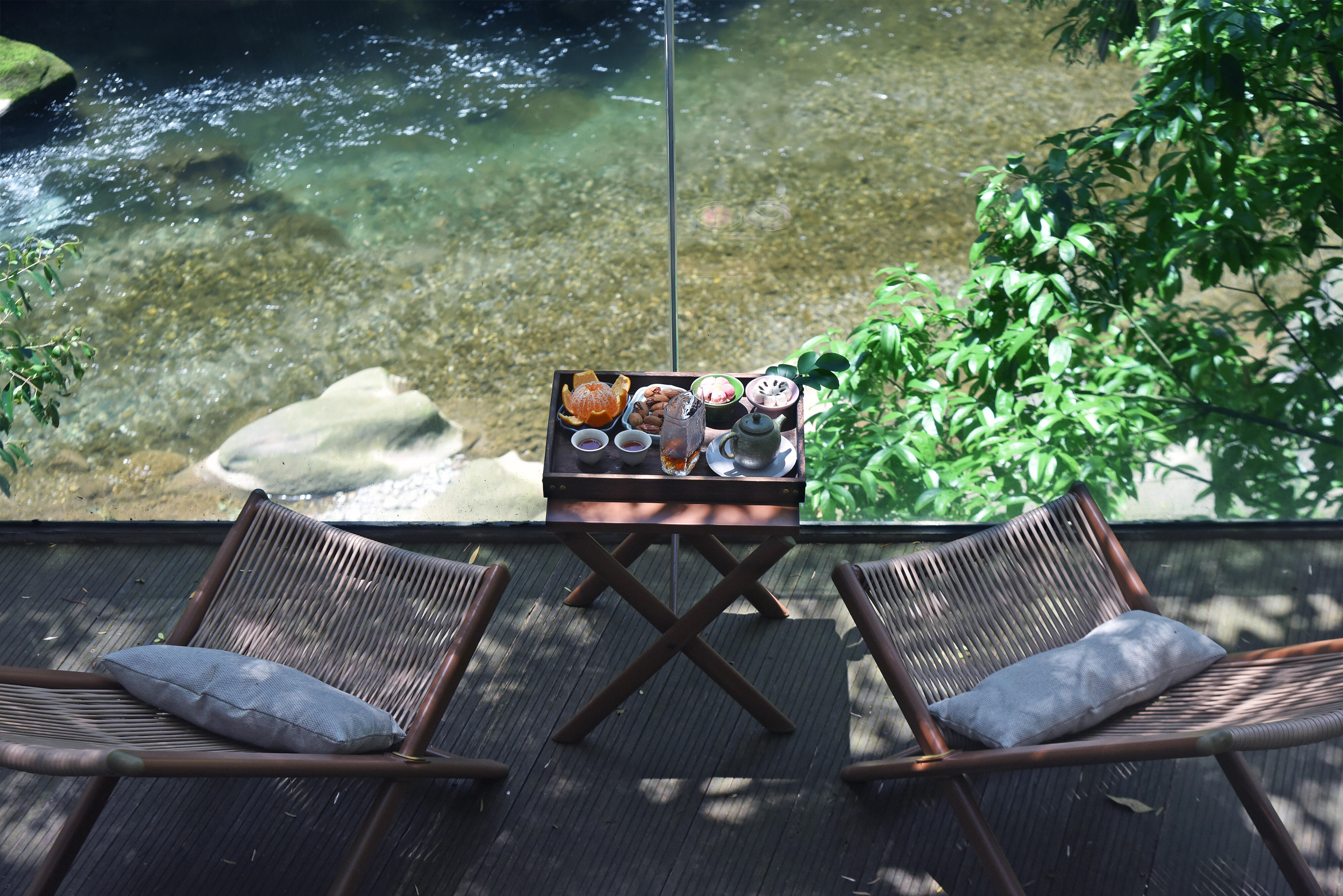
The temple grows its own green tea. The senior brother has it brewed and waiting when you reach the gate, the mountain's welcome, not a tasting-room pitch.
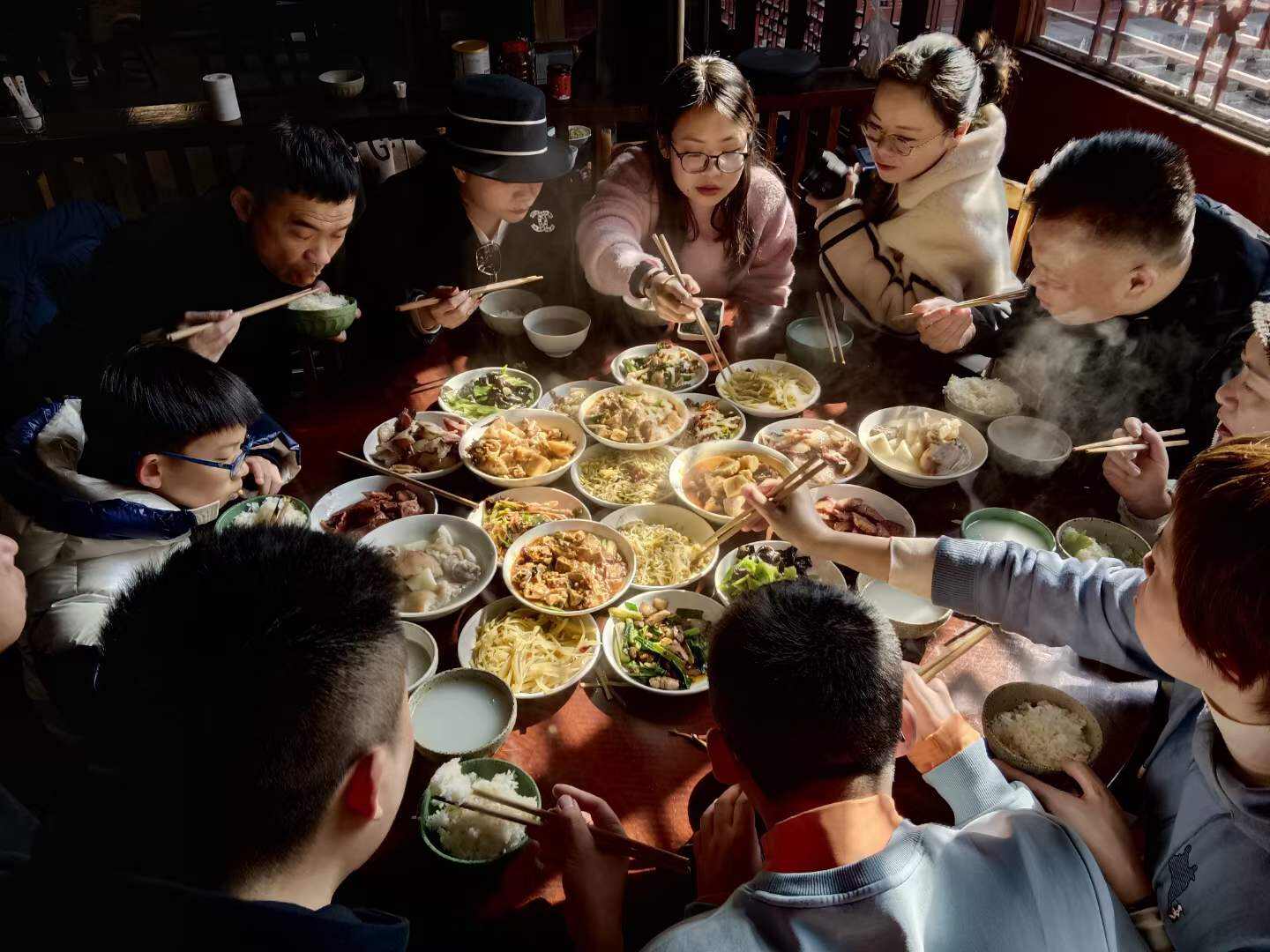
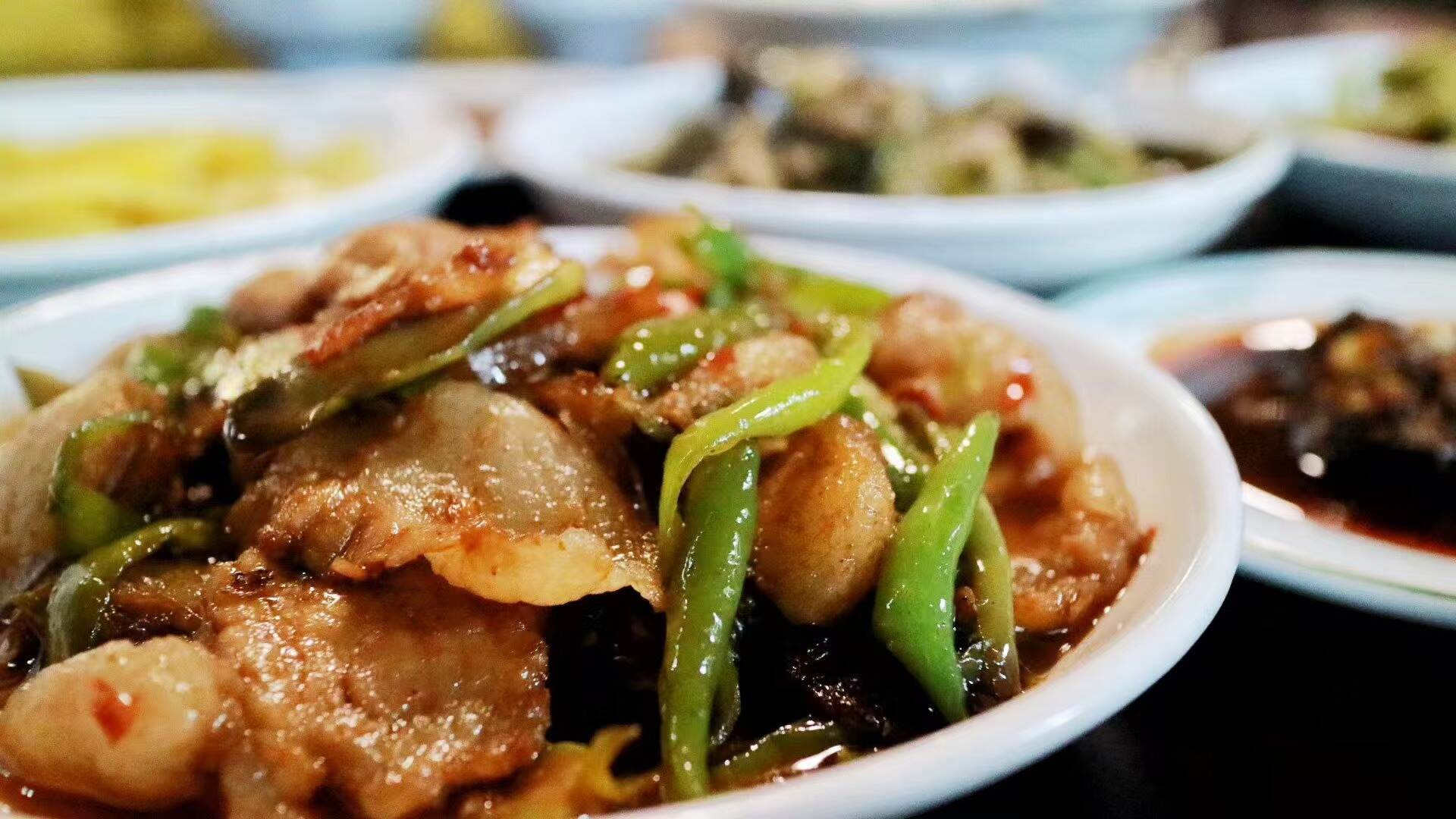
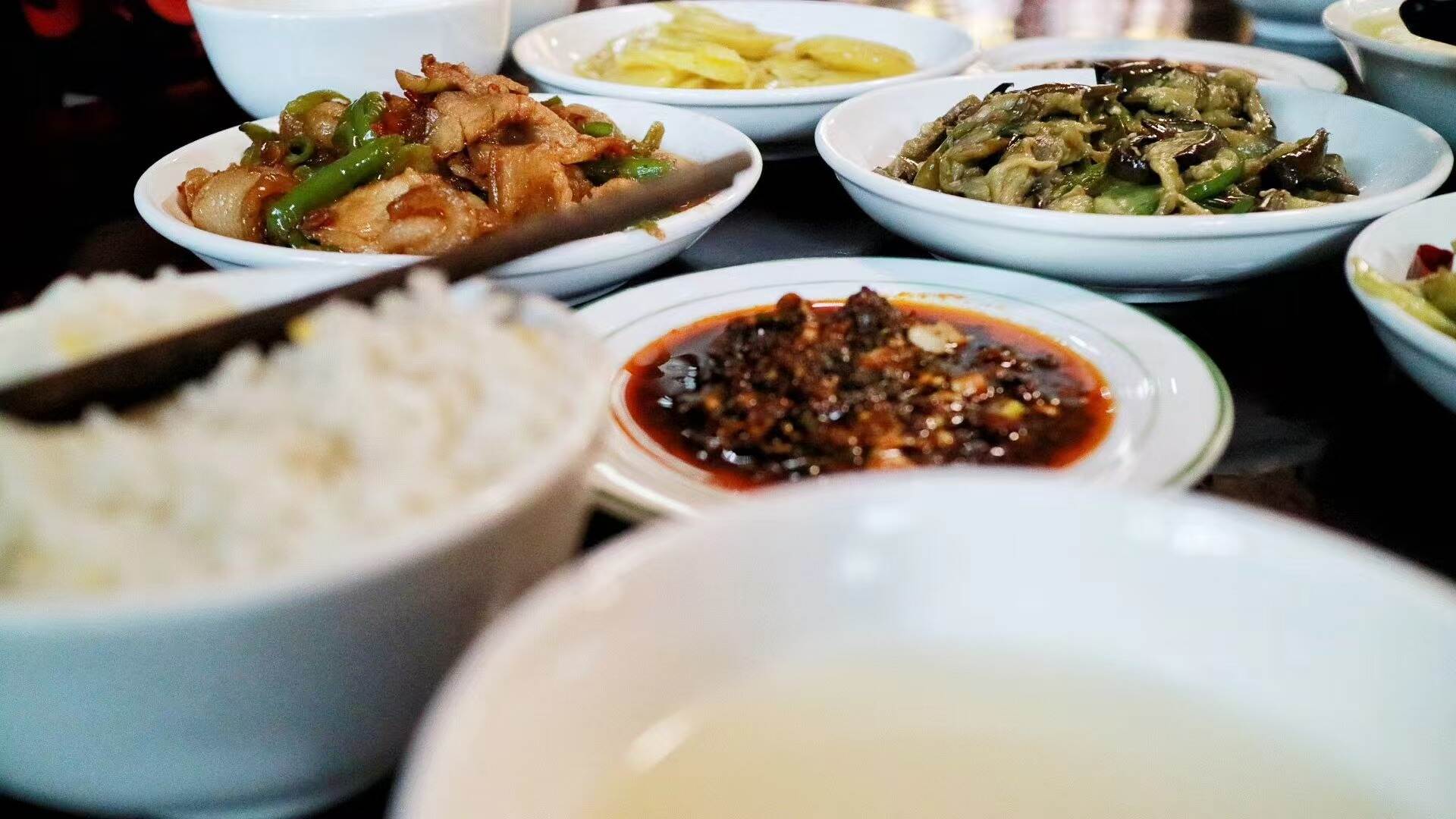
The Taoists grow their vegetables, raise their chickens and cure their own pork. You eat what they eat, in their refectory, built around a ginkgo-and-chicken stew the mountain is known for.
After lunch, the senior brother takes you through the forms in the courtyard. Speak Chinese, and the old masters will drift into feng shui, fortune and the I Ching. English is not promised; tai chi is taught by hand and eye.
Why this isn't the main-gate Qingcheng day
- A pilgrim road no tour bus can enter
- One climb, no gates, nothing for sale on the path
- A working temple outside scenic-area management
- Tea, lunch and tai chi in one unhurried morning
What comes out of the garden
Everything on the lunch table is grown, raised or cured at the temple. The guide reads each dish back to the mountain before the tai chi begins.
The mountain Kung Fu Panda made famous
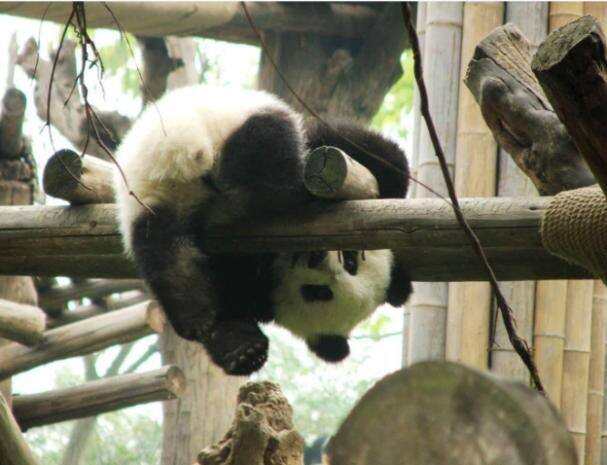
- If Kung Fu Panda drew you to Sichuan, this is the mountain behind it. The first three films took their scenery from these slopes, and the Taoists and village schoolkids here lent the characters their spirit. The real Qingcheng is not a film set. It is one of the birthplaces of Taoism, listed by UNESCO in 2000 alongside the Dujiangyan waterworks, and the old saying calls it "the quietest mountain under heaven."
- {'The front gate lost that quiet years ago. The outer mountain kept it': 'no scenic-area management, no cable car, just farmhouses, forest, and a temple that has fed itself for three centuries. This morning is built on the difference.'}
How the morning runs
-
A pickup truck or 4×4, nothing wider fits, takes you up the outer mountain to the trailhead. Your city master rides with you from Chengdu. The private car transfer is billed separately.
-
Stone steps, streams and forest, with the valley opening behind you. There is nothing to buy between the trailhead and the temple gate, which is exactly the point.
-
The senior brother has the temple's own green tea brewed and waiting. Sit, cool down, and let the courtyard set the pace.
-
The old-method table: ginkgo-stewed chicken, aged mountain pork, spring-water tofu pudding and greens from the back garden, eaten with the Taoists in their own hall.
-
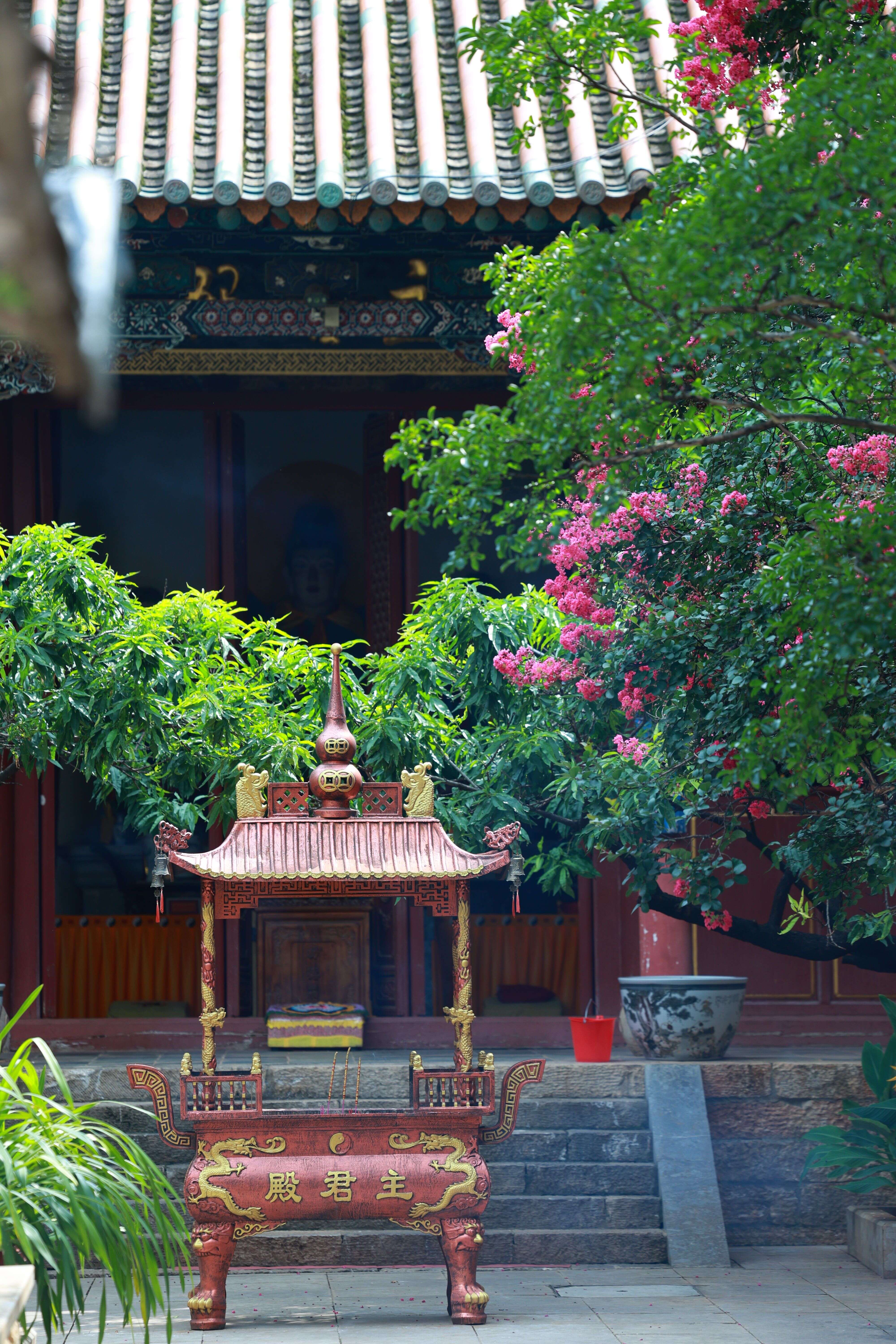
The senior brother walks you through the forms, slow and unstaged. If you speak Chinese, the conversation tends to wander into feng shui, fortune, the I Ching, and the old masters are fluent in all of it. Tai chi itself is taught by hand and eye.
-
Walk down and drive on. Dujiangyan's ancient weir or the pandas can fill the afternoon, or swap both for tea by a 300-year suspension bridge, or a hot spring. Afternoon plans are billed separately.
"We found this temple while scouting for a Taiwanese group who asked for one thing: somewhere genuinely quiet. At the main gate you'd have paid three fees by now and still be queuing for the cable car. Here you walk one path, drink the temple's own tea, eat from its garden, and learn tai chi from a man who does it at dawn whether you come or not. That's the mountain the old saying was about."
Sam · City master, Chengdu
Good to know
Included
- City master with you throughout
- Welcome tea on arrival at the temple
- Old-method lunch in the Taoists' refectory
- Tai chi session with the senior brother
- The experience itself, no tickets, no gates on the outer mountain
Not included
- Private car transfer (Chengdu pickup, billed separately)
- Afternoon hot spring / afternoon tea (billed separately)
Is this morning for you?
Made for you if
- You'd trade the cable-car photo for a path with no one on it
- You want lunch grown where it's cooked
- You're curious what a working temple is like, not a staged one
Think twice if
- A 40–50 minute uphill walk is not optional. Tell us about knees, heat or mobility and we'll advise honestly
- You're set on the famous front-mountain halls and the summit. That's a different, and busier, day, and we'll say so plainly
The journeys this morning climbs in
This temple morning slots into these private LyrikTrip journeys.
Trade the queue for the quiet mountain
This morning is one piece of a longer private journey. Tell us what you're planning and we'll build it in, paced to your legs, matched to your afternoon, booked before the valley fills.
Start planning- Private group
- No gates, no stalls
- City master the whole way
- Lunch from the temple garden
FAQ
How hard is the hike?
Forty to fifty minutes uphill on real mountain stone, steady rather than steep, with streams and shade most of the way. Anyone who walks regularly will manage it. Tell us about mobility needs before you travel and we'll advise honestly.
What can we talk about with the masters?
If you speak Chinese, plenty: feng shui, fortune, the I Ching. The old masters are fluent in all of it, with no translator in between. Tai chi is taught by hand and eye, so that part does not wait on language. Don't count on English at the temple. Your city master interprets. Cultivators come and go; one used to chat with guests in English, but the temple makes no such promises, and neither do we.
Is this the Kung Fu Panda mountain?
Close enough to smile about. The first three films took their scenery from around Qingcheng, and local Taoists and schoolchildren inspired some of its characters. What you'll see is the unstaged version.
Do we need tickets for the Qingcheng scenic area?
No. The outer mountain sits outside the scenic-area system: no entrance gates, no sightseeing bus, no cable car. One path, walked.
What if we're too tired after Dujiangyan?
Then don't pile on more sights. Swap the afternoon for tea by the 300-year suspension bridge, the spot CCTV chose for a Chengdu city film, with actress Cecilia Yip on camera, and the first stop of the teacher whose 2015 resignation letter "The world is big and I want to see it" went across China. Book at least two weeks ahead in season. Or take a hot spring instead, and roll back to Chengdu easy. Both are billed separately.
Can you cook around my diet at the temple?
The lunch is the Taoists' own table, not a vegetarian-only spread: ginkgo-stewed chicken, cured pork, spring-water tofu pudding and garden greens. Tell us when you book if you eat no meat or no pork. We will ask the temple before you climb, then tell you what can and cannot be adjusted.
Can meals at the Taoist temple accommodate dietary restrictions?
This meal naturally features vegetables from the garden, tofu pudding, and tea, with a centerpiece of ginkgo nut and chicken stew. If you are vegetarian or have dietary restrictions such as no pork, please let us know at the time of booking — we will first communicate with the Taoist temple and then honestly inform you what can and cannot be adjusted.