


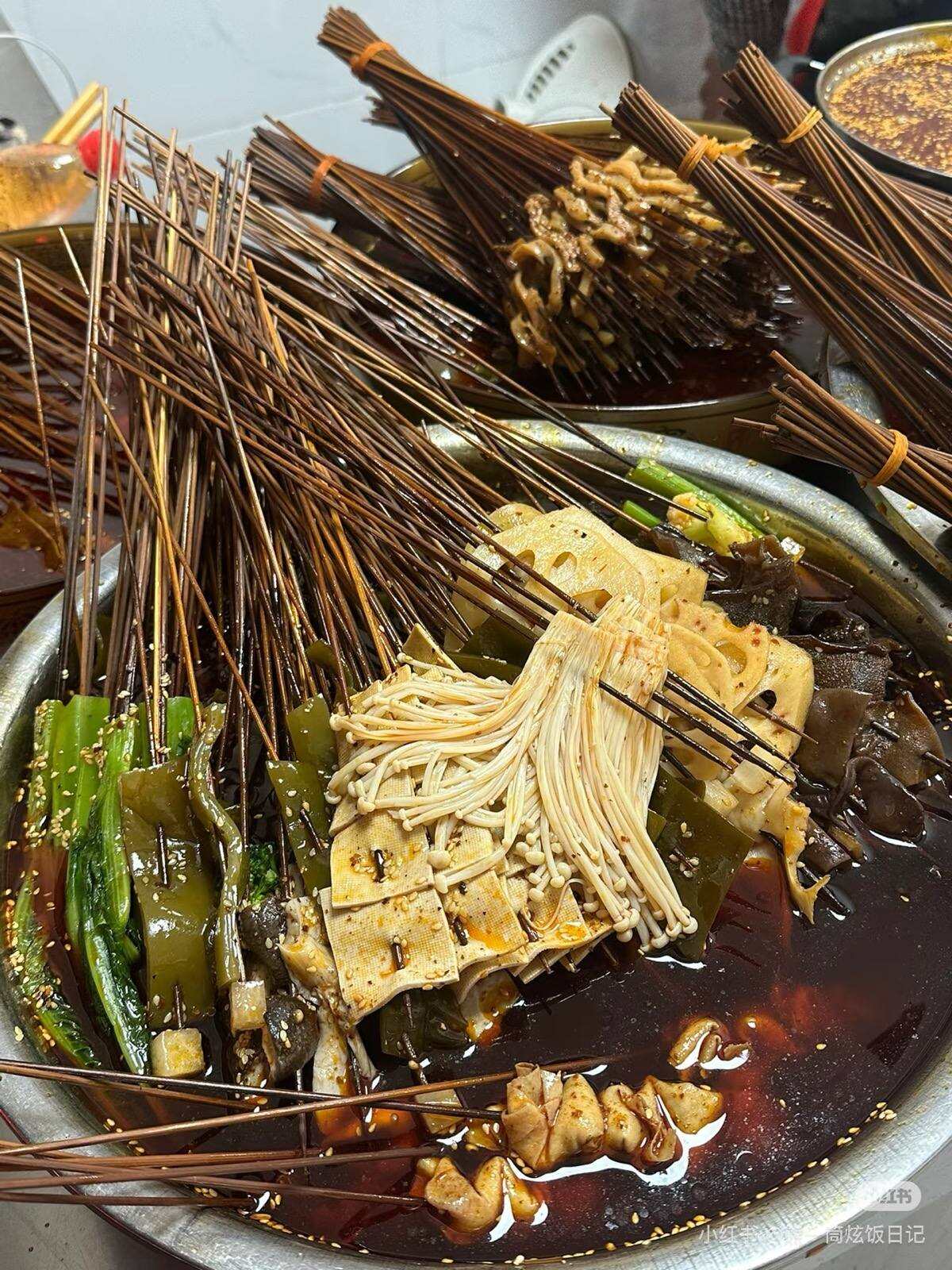
What is the panda-and-city-culture day?
Most Chengdu day tours give you pandas and a hot pot, then call it done. This one keeps going. The morning is at the same panda base, but your host tells the full story: why they are here, how they live, and the odd facts most visitors never hear. After lunch you walk into the backstage of a grassroots Sichuan opera teahouse: watch the teachers paint their faces, see the costumes up close, learn a line of chant, then sit among the old fans with a gaiwan of tea, the lidded cup China brews in. Later, a park teahouse. The antique market and mahjong only if you ask; neither is a fixed stop. No coach, no shopping stop, no other tour group.
What you'll see and do
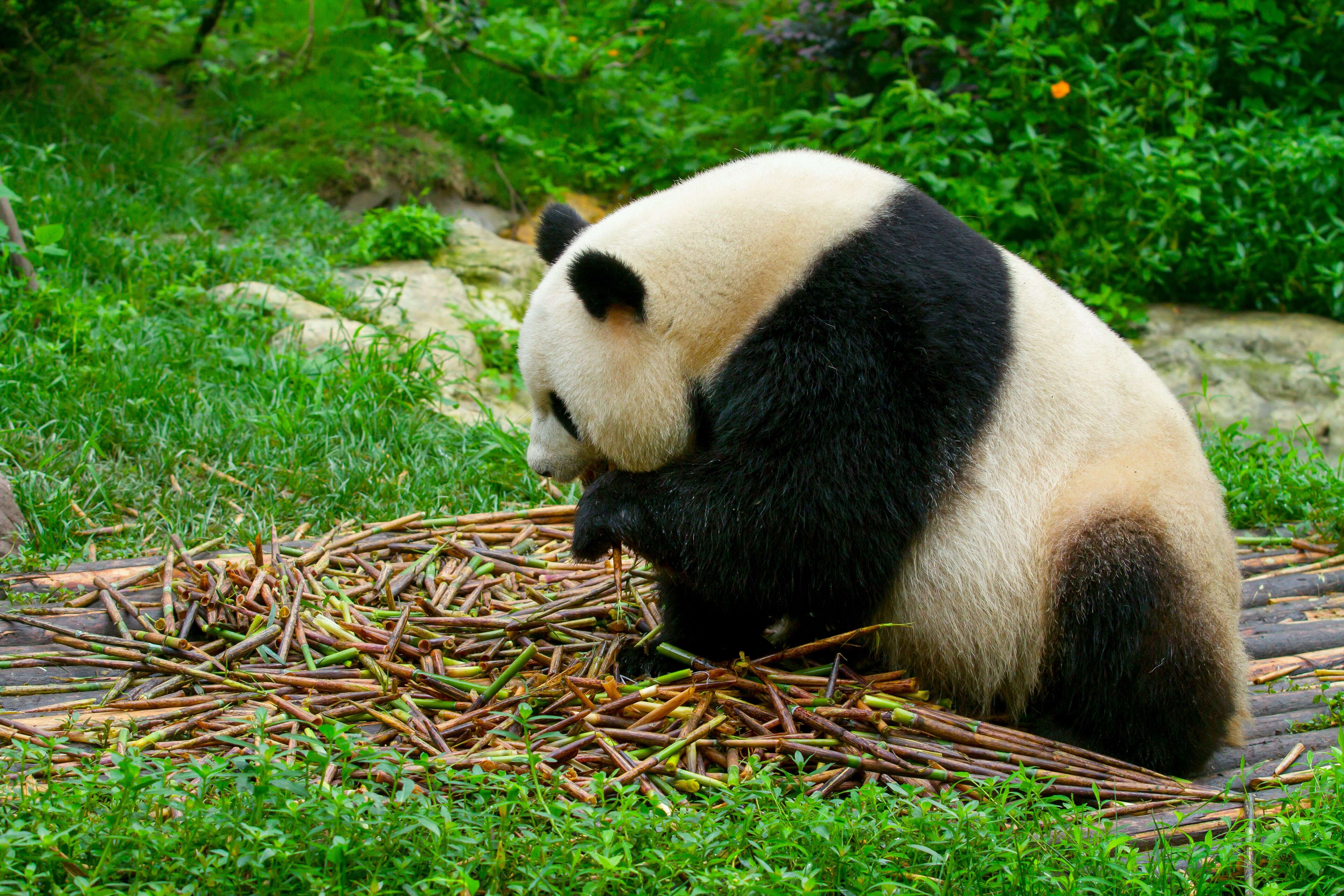
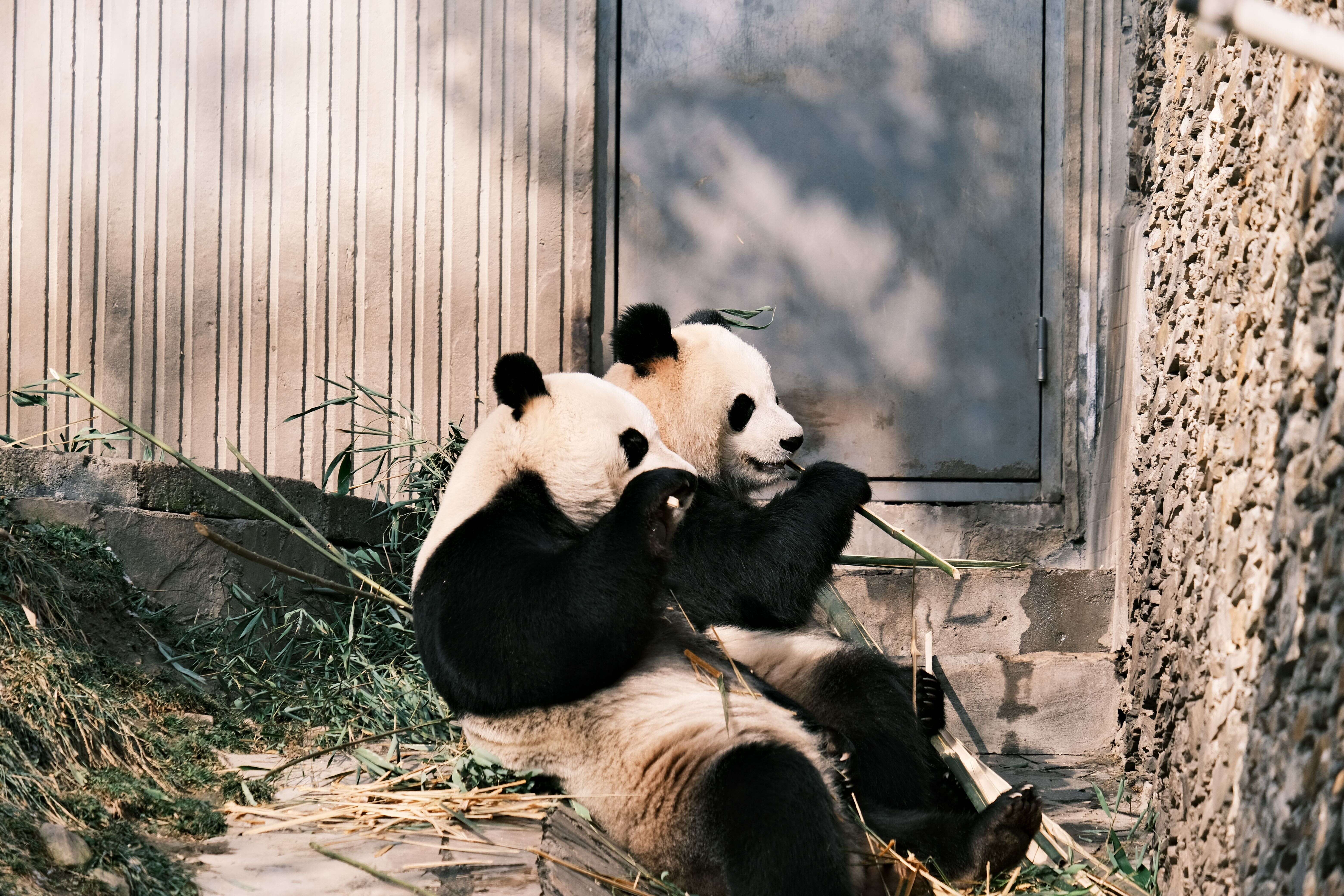
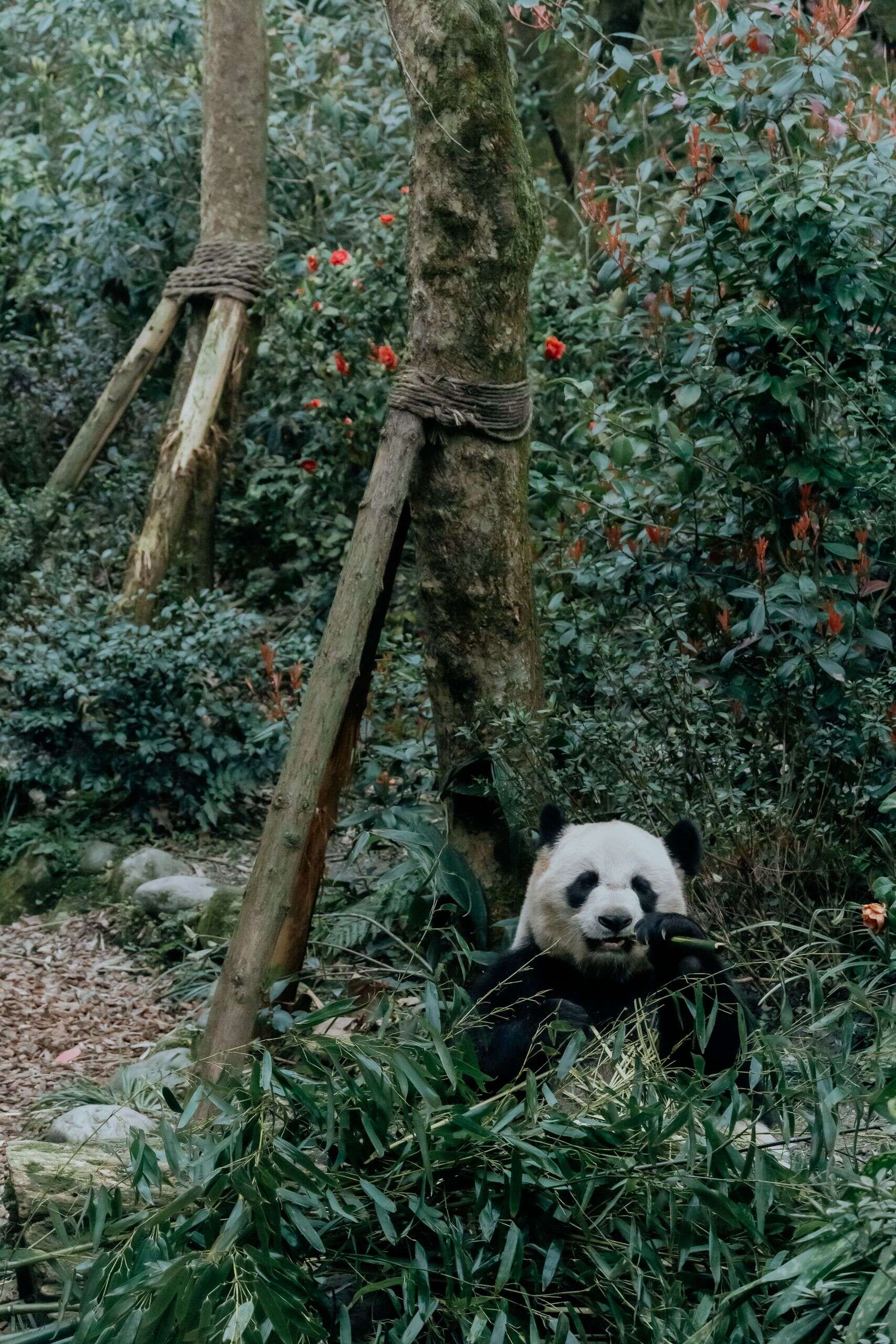
Your host is not reciting a zoo script. How pandas live, why this land kept them, and the odd facts most visitors never hear. After a morning like that, you understand why Chengdu treats them as neighbors.
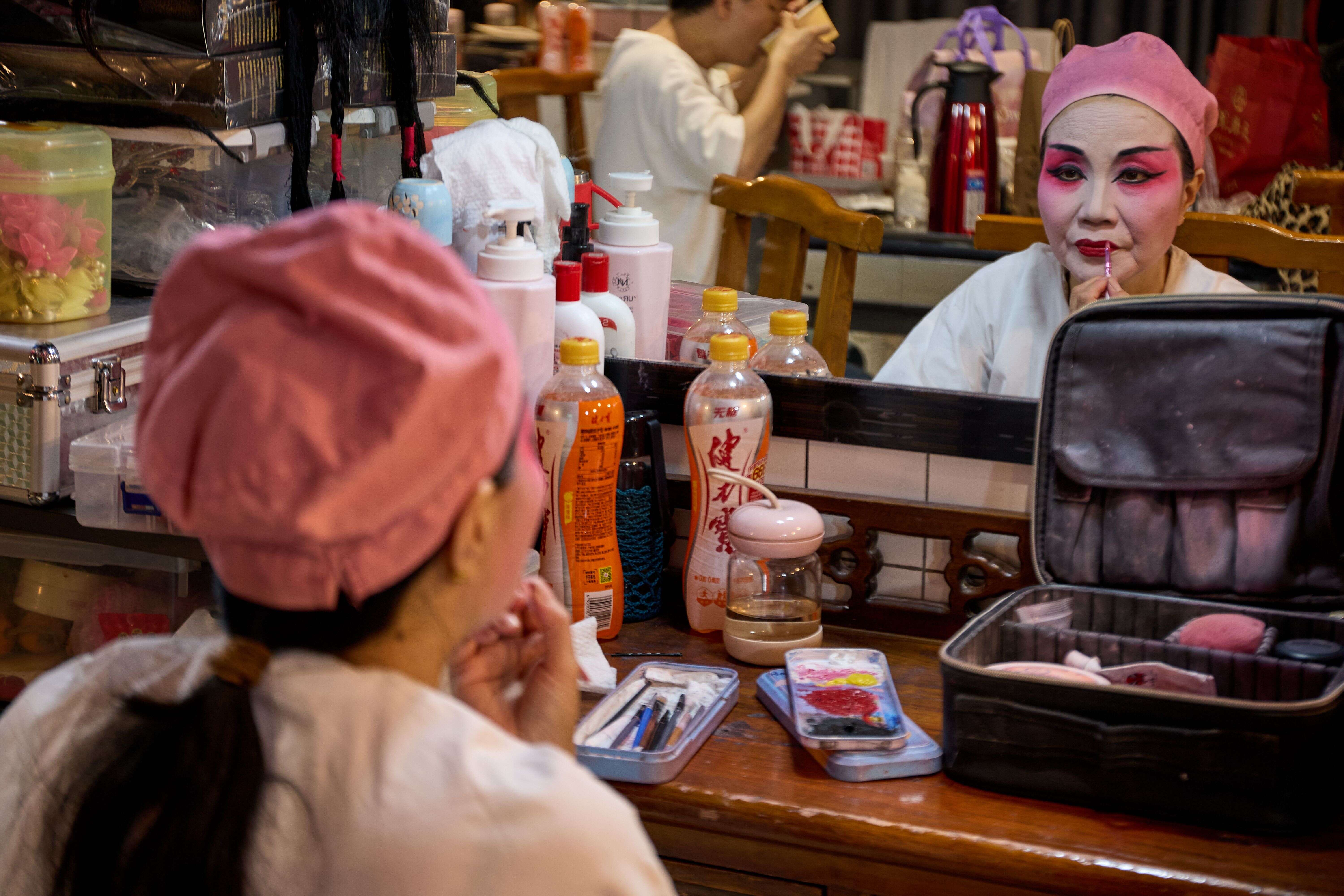
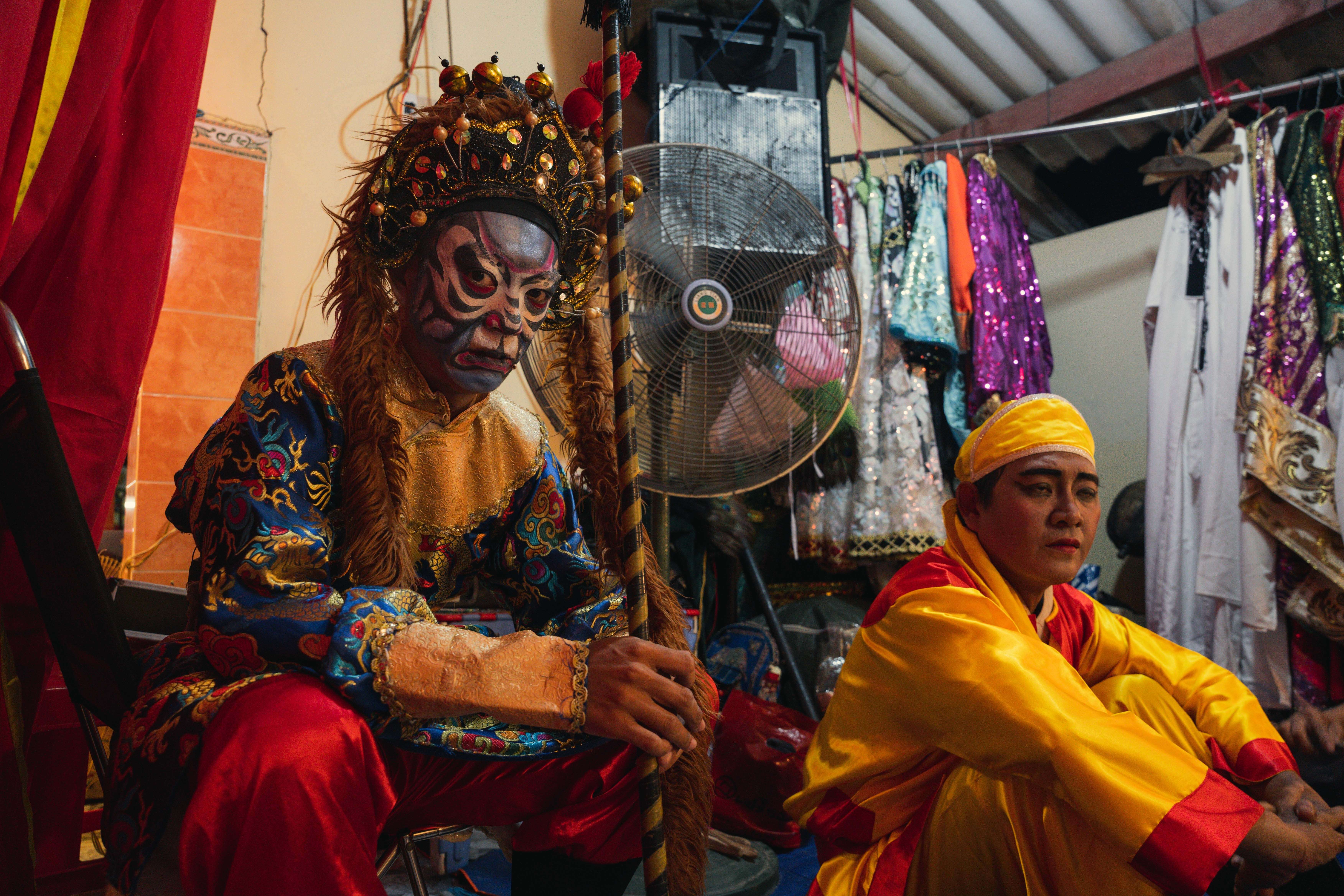
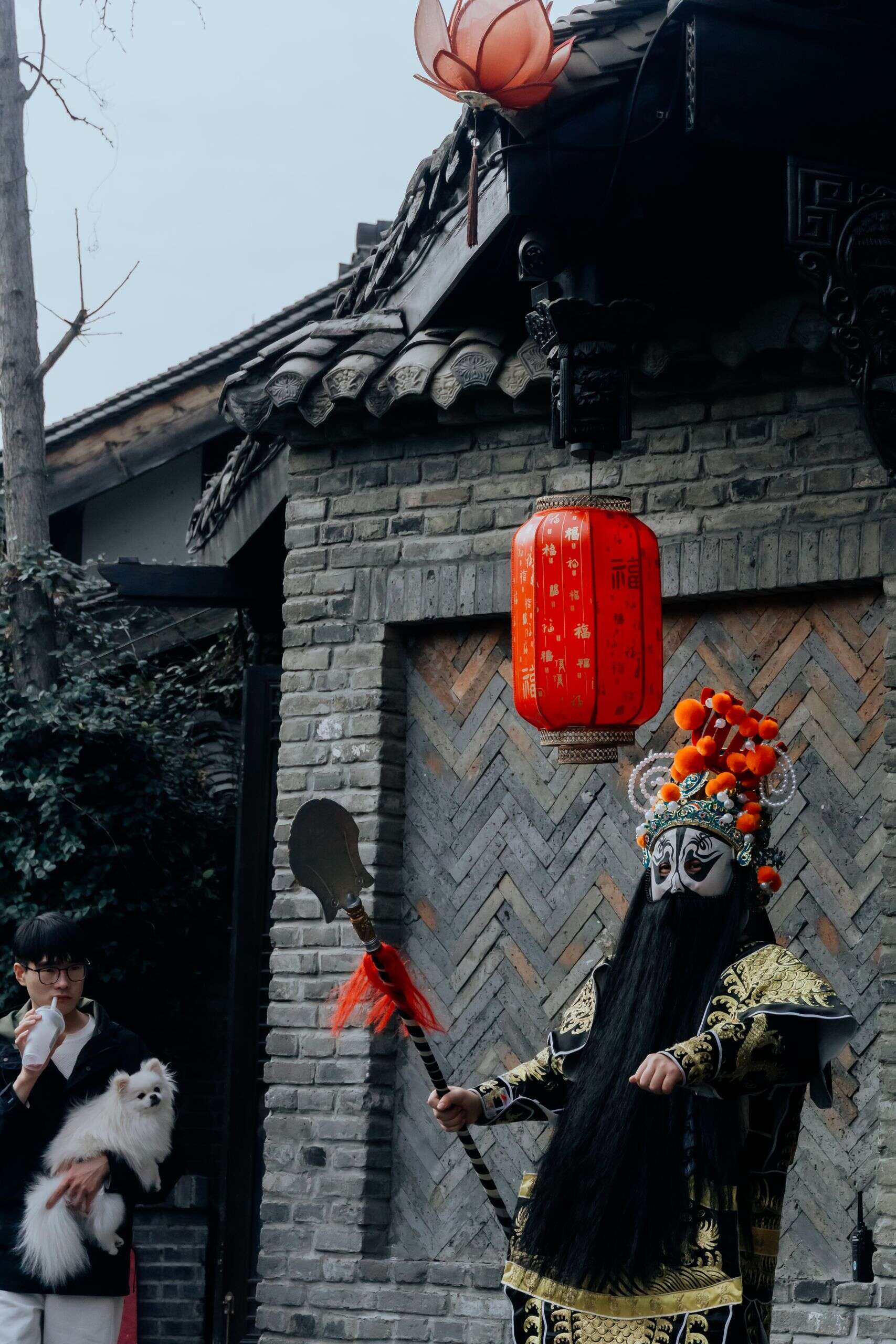
Before the curtain rises you are already in the dressing room: costumes hung, face paint going on, instruments being tuned. These teachers came up through the state opera academies, not a tourist-theater troupe. After the 1990s reforms they left the work unit, then gathered again to keep the craft. Watch the makeup and the costumes up close, and learn a line of chant with them.
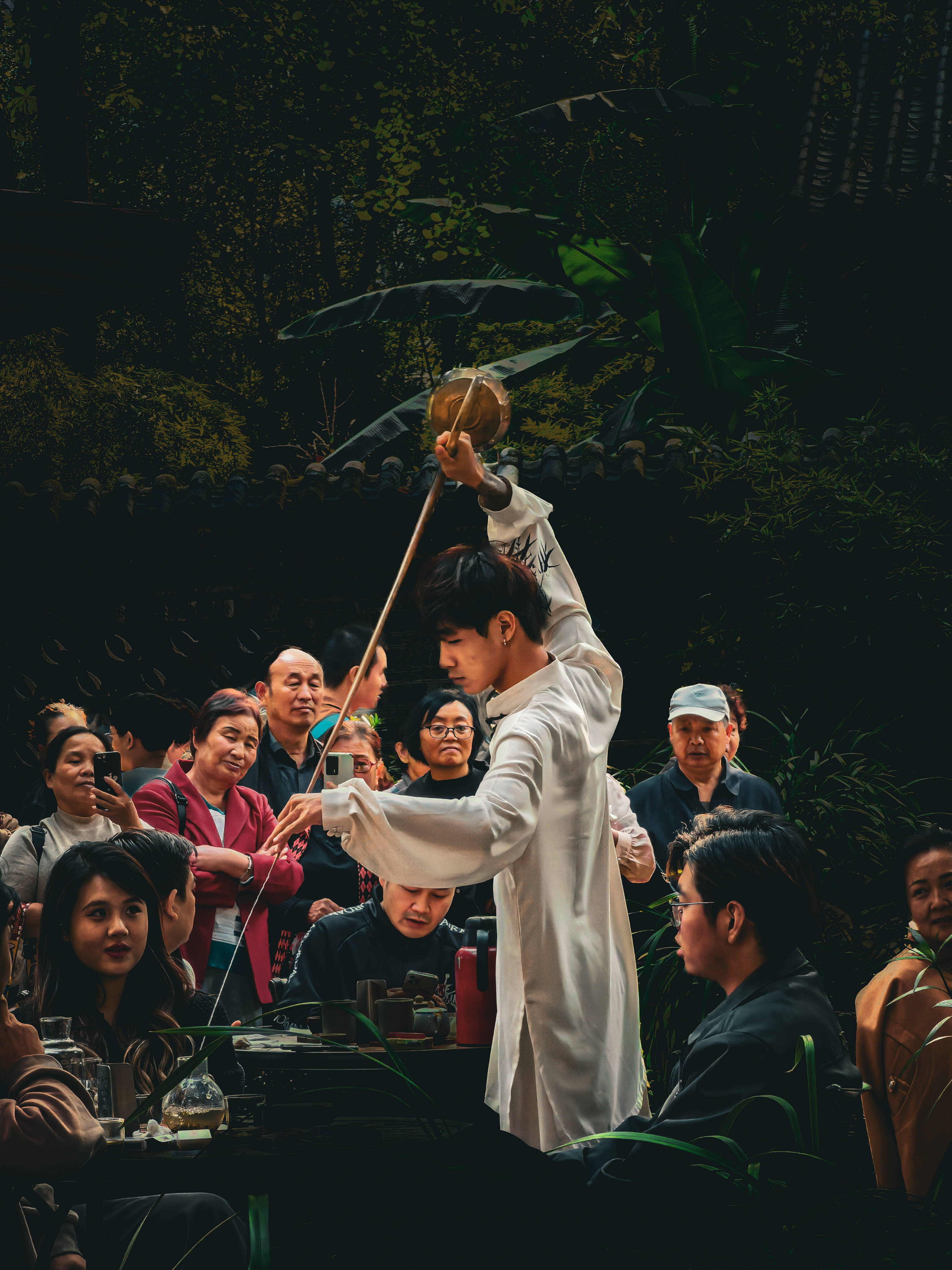
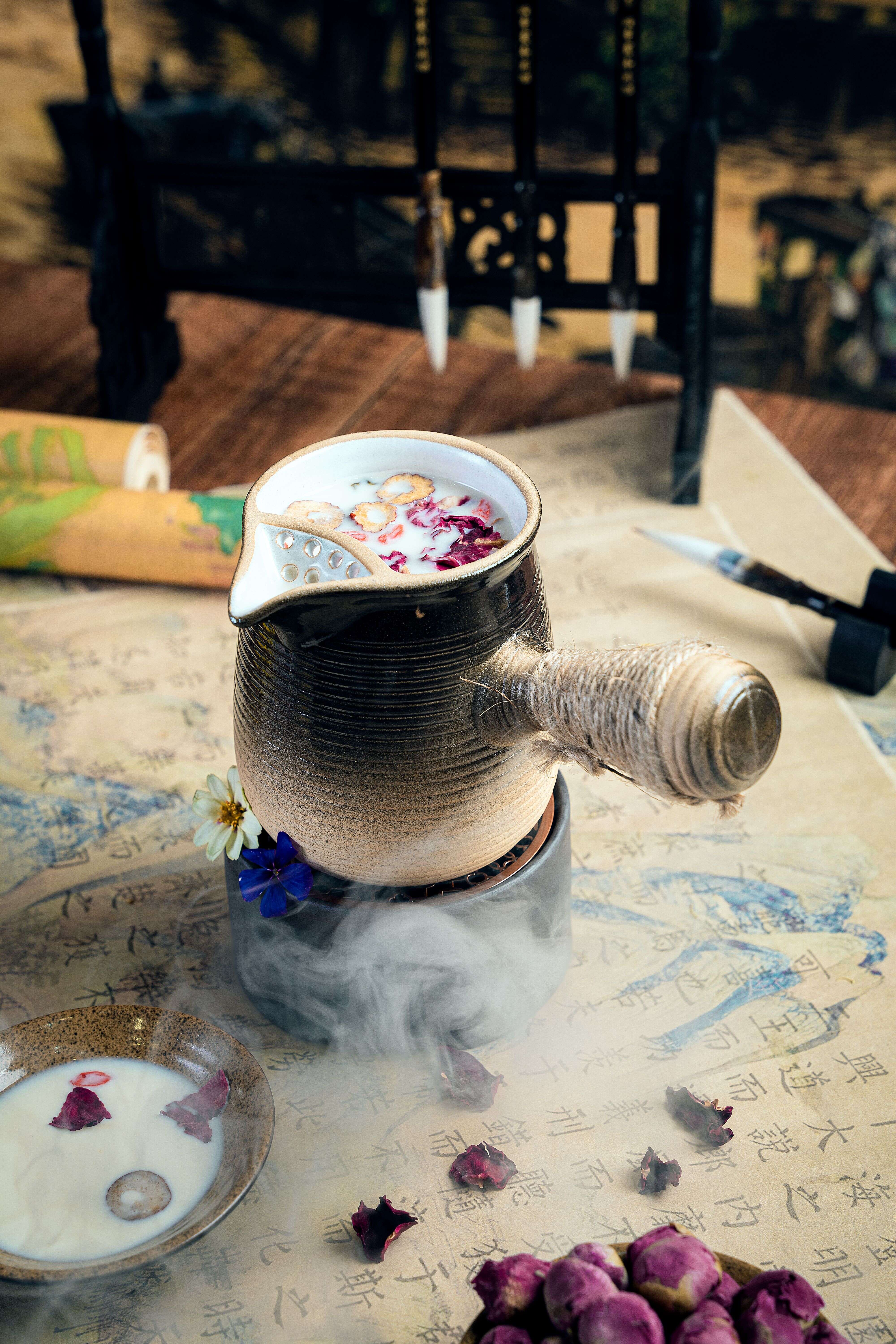
Bamboo chairs, a gaiwan of covered tea, an afternoon with no timetable. In a park teahouse you sit among the locals who come every day. Fancy a round of mahjong? Public venues now restrict it. If you are keen, we will arrange a private table.
A large antique market in the southwest is nearby, old banknotes, hand-painted fans, jade real and fake sold side by side. Ask and your host will swing past on the way; leave it out and the day loses nothing. The opera teahouse has moved, so the market is no longer a fixed stop.
Why this isn't a package-tour day
- Pandas told as a story, not just a walk past the enclosure
- Backstage with the teachers, makeup, costumes, a line of chant
- An antique market if you want it, and a park teahouse at your pace
- A host who stays, reads the room, and goes where you are interested
What this day holds
Morning and afternoon, two different Chengdus. The pandas' city, and the old Chengdu visitors almost never see.
The people behind the paint
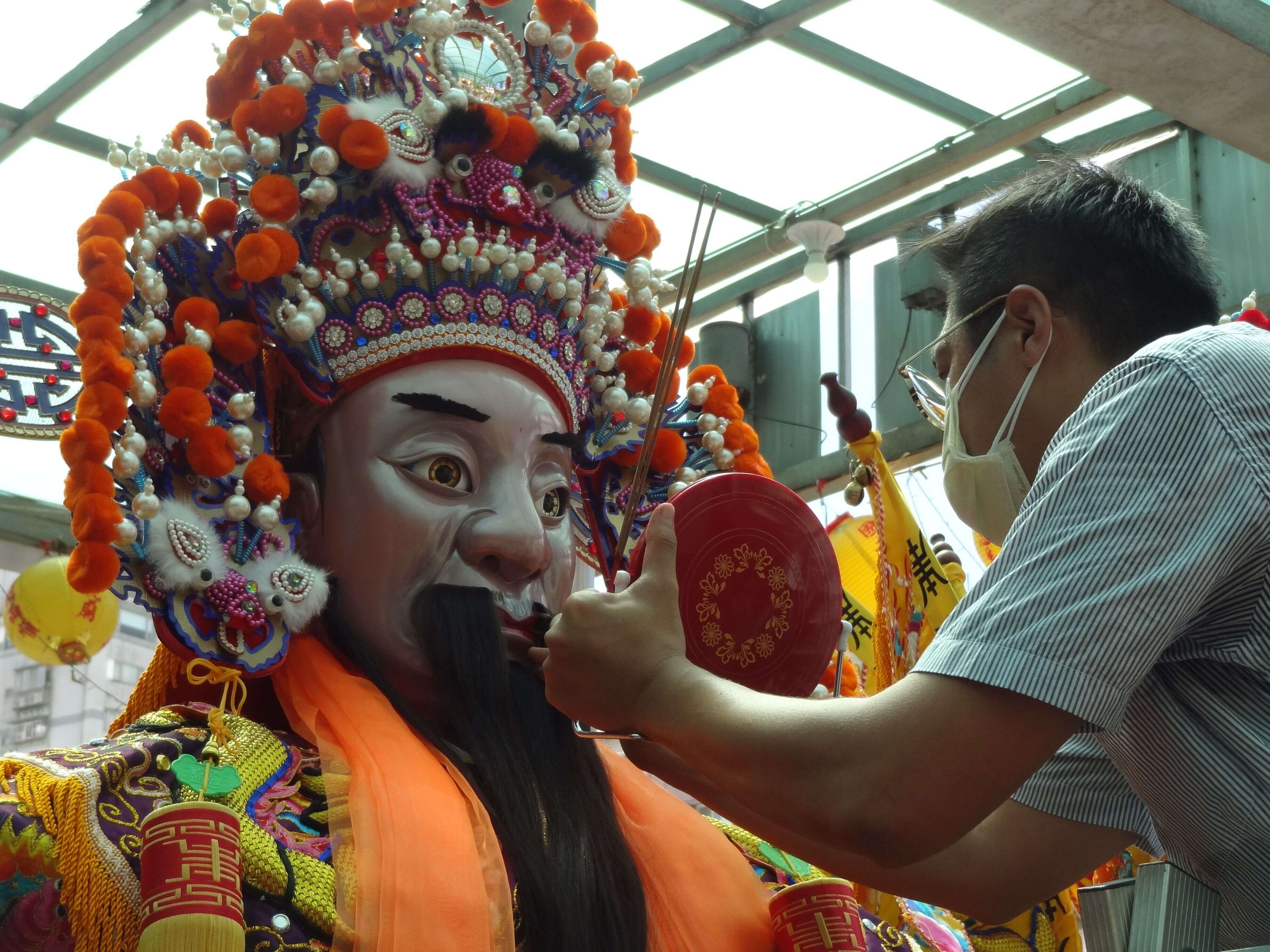
- Sichuan opera is older than the city you see. Face-changing is the clip that travels, but it is only a fragment of the art, local storytelling, martial movement, fire-spitting, and a vocal style you will not hear elsewhere, all in one afternoon. To people who trained in this tradition, selling face-changing as party magic is a cheapening of the craft. The teachers you meet chose another road: a plain teahouse, a loyal audience, the work played as it is.
- After backstage, the stage lands differently. You know how heavy the silk is, how the paint goes on layer by layer, how many years that voice took. The show stops being a spectacle and becomes a craft. Walk in once, and you cannot pretend a tourist theater is the same thing.
How the day runs
-
Your host meets you in the lobby and drives straight to the panda base. Winter and spring 8:00–8:30; summer 7:00 (7:30 latest), to catch the pandas at their liveliest before the tour-bus crowds build.
-
An unhurried morning. Your host tells the panda story from rescue to breeding, from behavior to the odd facts most groups never hear, and takes you to the corners most groups never walk.
-
Your host can recommend a nearby local restaurant, or you eat wherever suits. Lunch is yours to choose.
-
Arrive before the troupe goes on. In the dressing room you watch the face paint applied, see the costumes and instruments up close, and learn a line of chant with the teachers. About twenty to thirty minutes, unhurried.
-
Take your seat among the old fans for the afternoon program, singing, speech, acrobatics, fire-spitting, face-changing. The program runs about 2:00–5:00 pm. After the backstage visit it lands differently. One European guest sat from two until five and cancelled everything after, saying he never knew a place like this existed.
-
Optional. If you feel like browsing, your host swings past a large antique market in the southwest on the way, old banknotes, hand-painted fans, objects from every decade. If not, you head straight to the teahouse.
-
Settle in at the park teahouse: gaiwan tea, bamboo chairs, an afternoon among the Chengdu locals who come every day. A round of mahjong works too. Public venues now restrict it, so if you are keen we will arrange a private table.
-
A private car returns you to your hotel, or stay out in the park if the afternoon is too good to leave.
"Everyone sells Chengdu as pandas and hot pot. We wanted to show what the city actually is once you look past the two big names. The opera backstage is the part that changes people. They walk in expecting a show and walk out understanding a craft. No tourist theater in this city lets you that close."
Sam · City host, Chengdu
Good to know
Included
- Private transfer throughout
- Panda base entrance fee
- Sichuan opera backstage access
- Gaiwan tea at a local teahouse
- Antique market browse (optional, en route)
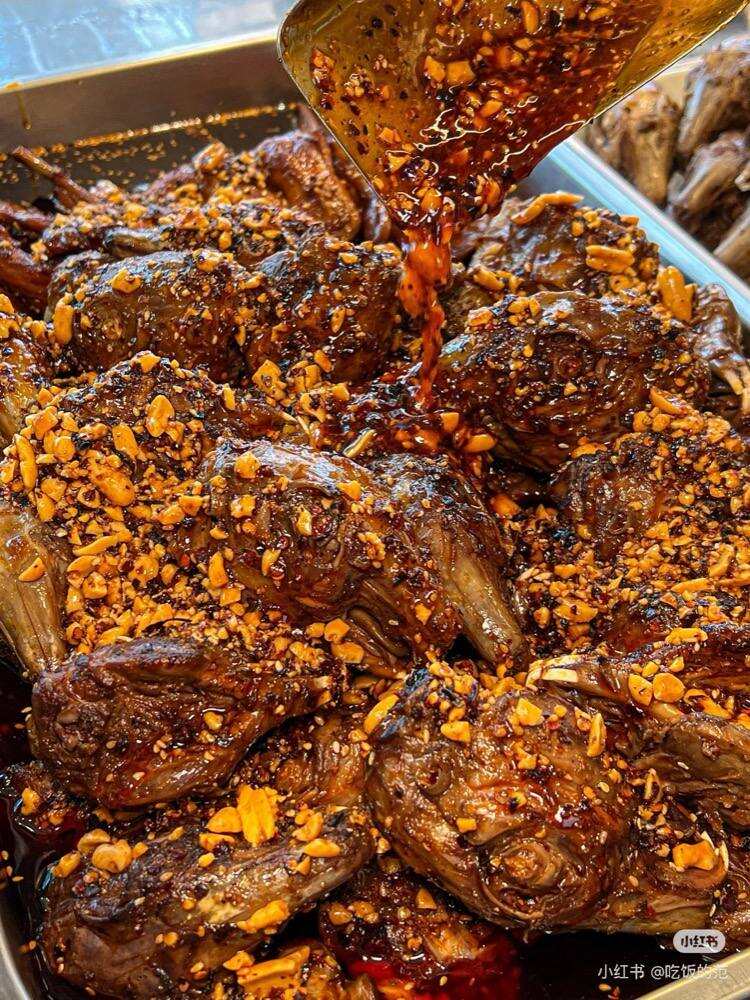
- Local snacks
- City host with you throughout
Not included
- Lunch
- Gratuities (recommended)
Is this day for you?
Made for you if
- You want more from pandas than a photo
- You would rather see backstage than the front row
- You like a gaiwan of tea and an afternoon with no timetable
Think twice if
- You only want the face-changing clip for social media. This day goes further than that
- The opera teahouse is plain and the audience is local. If you need polished theater seats, this is not that show
The journeys this day rides in
This day is one part of these private LyrikTrip journeys.
Make this day part of your Chengdu trip
This day is one piece of a longer private journey. Tell us what you are planning and we will build it into your route. Pair it with the Smoke & Spokes evening food ride for a Chengdu day and night, or stretch it across the whole of Sichuan.
Start planning- Private group
- No shopping stops
- Guide the whole way
- Backstage access
FAQ
Is this the Shufeng Yayun tourist theater?
No. Shufeng Yayun is a tourist theater with a set show. This afternoon is a grassroots teahouse, where academy-trained teachers perform for old fans who come every day. You go backstage, meet them, and sit among that audience. A tourist theater does not run that way.
Will going backstage disturb the performers?
No. The teachers welcome guests in; it is one of the ways this teahouse stays open. Your host introduces you first. They show what they are willing to show, at their pace. Nothing is forced, and nothing is posed for photos.
Is this day good for children?
Yes, if they like pandas and Chinese opera characters such as the Monkey King, Zhuge Liang or Zhao Yun. Interest matters more than age. Morning at the panda base, afternoon with face paint and a teahouse show, and the walking is easy. Mahjong is only if you ask; public parks now restrict it.
I've been to a panda base before. Will this feel different?
If last time was a walk and photos, yes. Your host tells the panda story from rescue to breeding, plus the odd facts most groups never hear, and takes you to the corners most groups never walk.
What about lunch?
Lunch is on your own. Your host can point you to a nearby local restaurant, or you choose. No set group meal.
What if I don't play mahjong?
You don't need to. Public teahouses in Chengdu now restrict mahjong. If you still want a few rounds, we can arrange a private table and your host will teach the basics. Losing is part of the fun.
What should I do if I don't know how to play Mahjong?
No experience needed at all. The guide will teach you on the spot, and the Chengdu uncles and aunties at the next table are usually happy to have you join a few rounds. It's more fun when you lose.