



The two IPs
Chengdu markets itself a dozen ways. Visitors arrive with two: hotpot, and pandas. Opera makes the list too — but only one minute of it. People come for the face-changing and the fire-breathing, and sit politely through the rest. And at the big theatre shows you get the same three tricks, from row twelve. You never meet anyone.
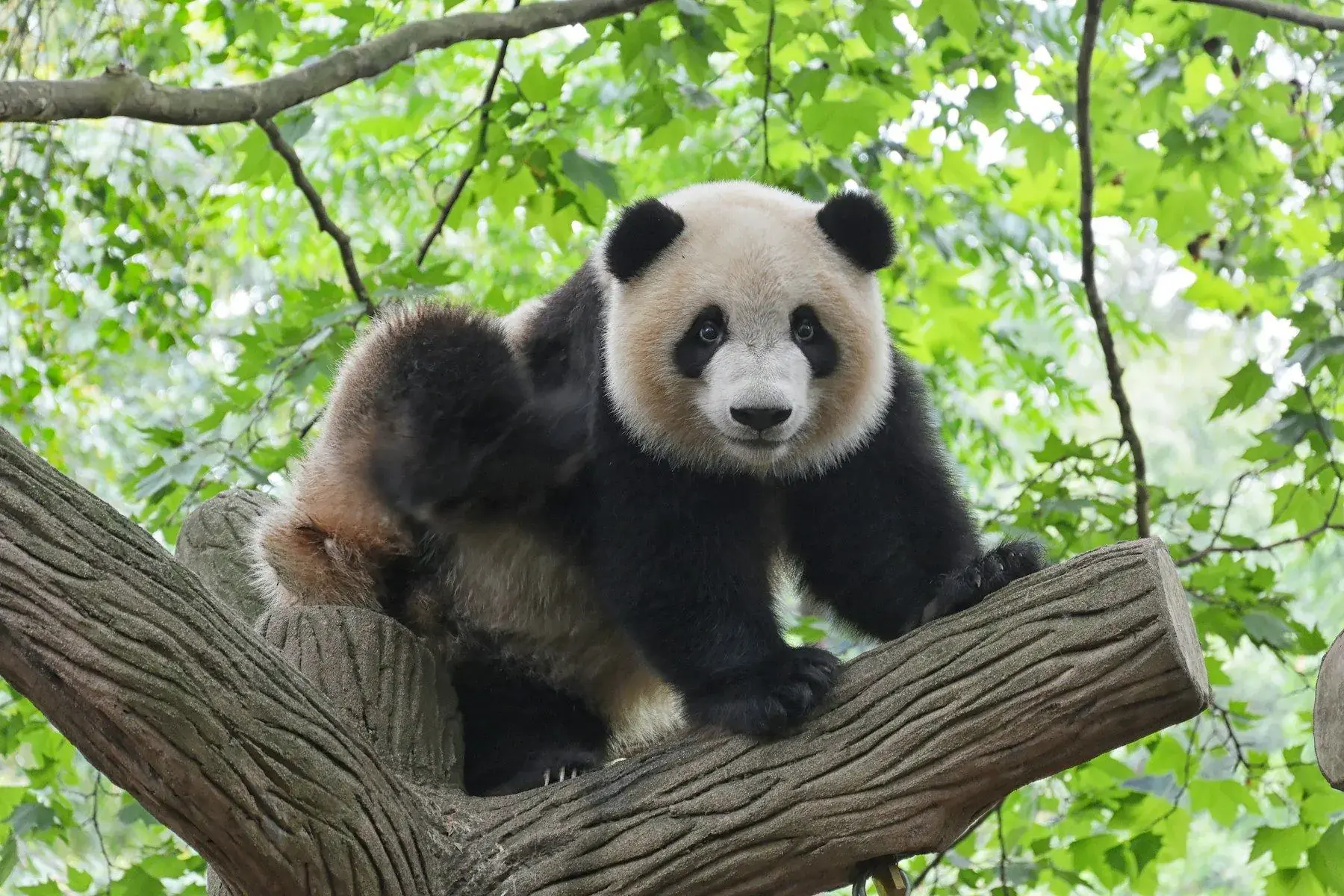
One day, and both halves are timed on purpose
One day, two halves: the panda base at the hour the animals are actually moving, then backstage at a grassroots opera teahouse while the performers paint their faces — before you sit out front with a cup of tea.
- Pandas upright and eating, at the only hour of the day they reliably move
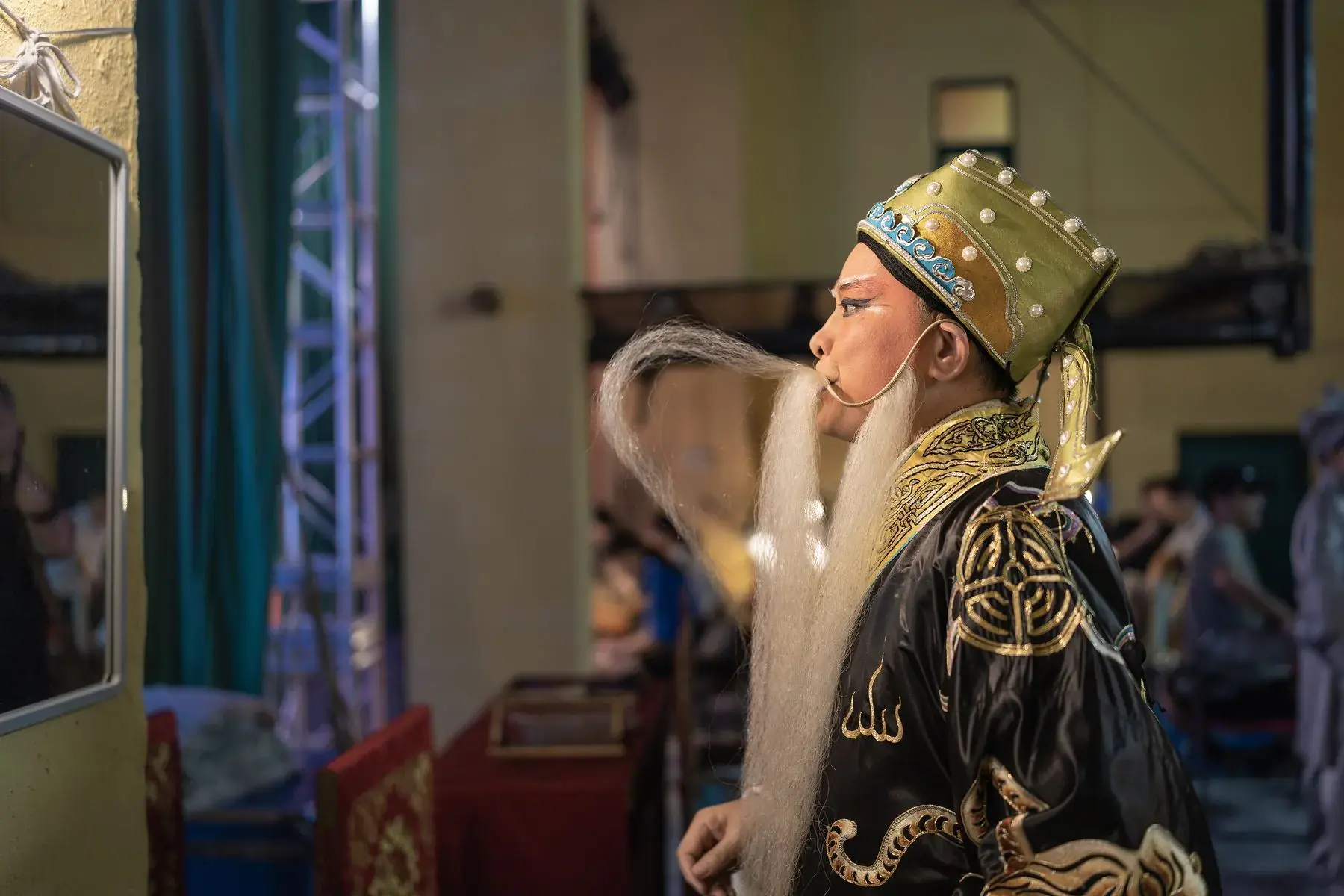
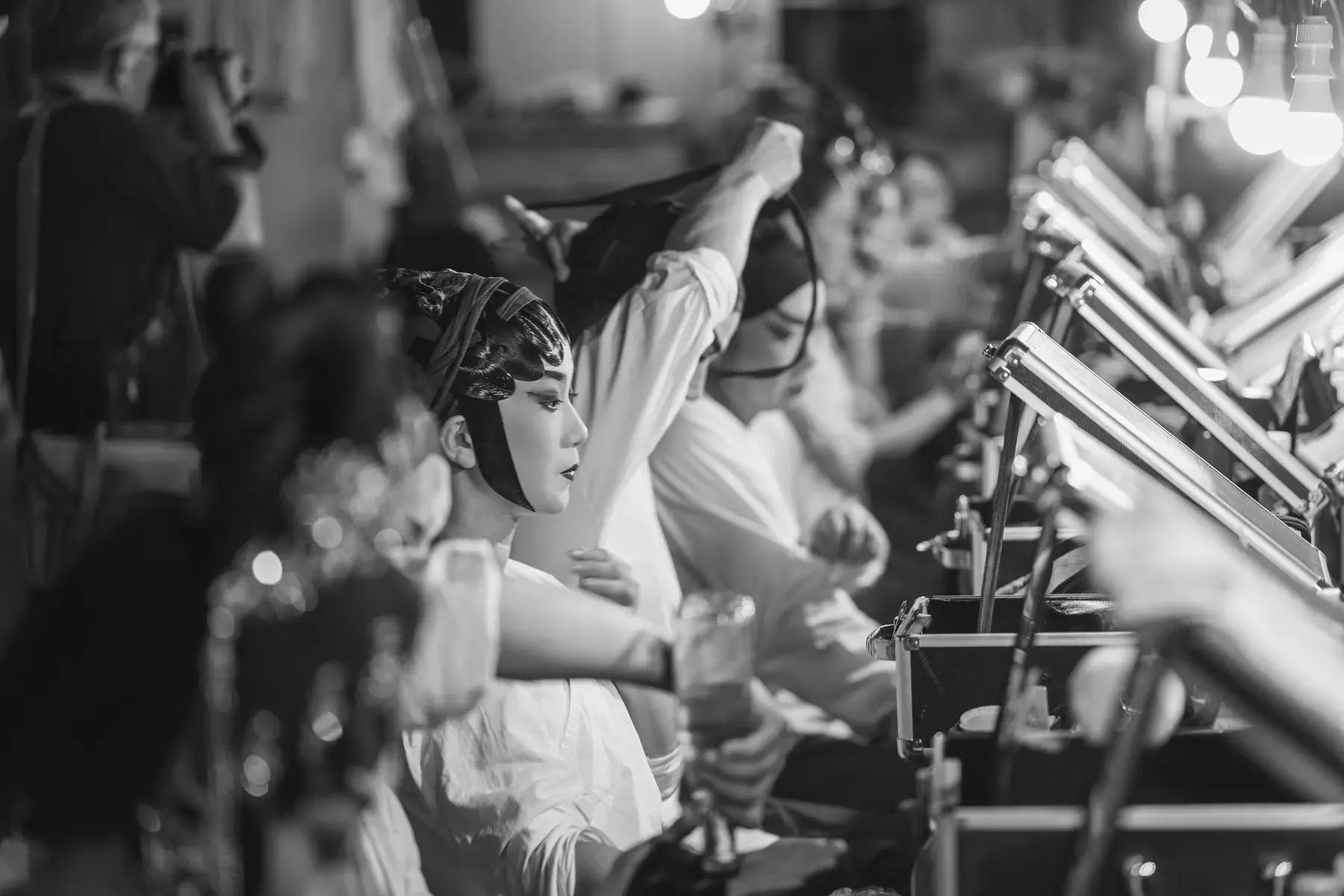
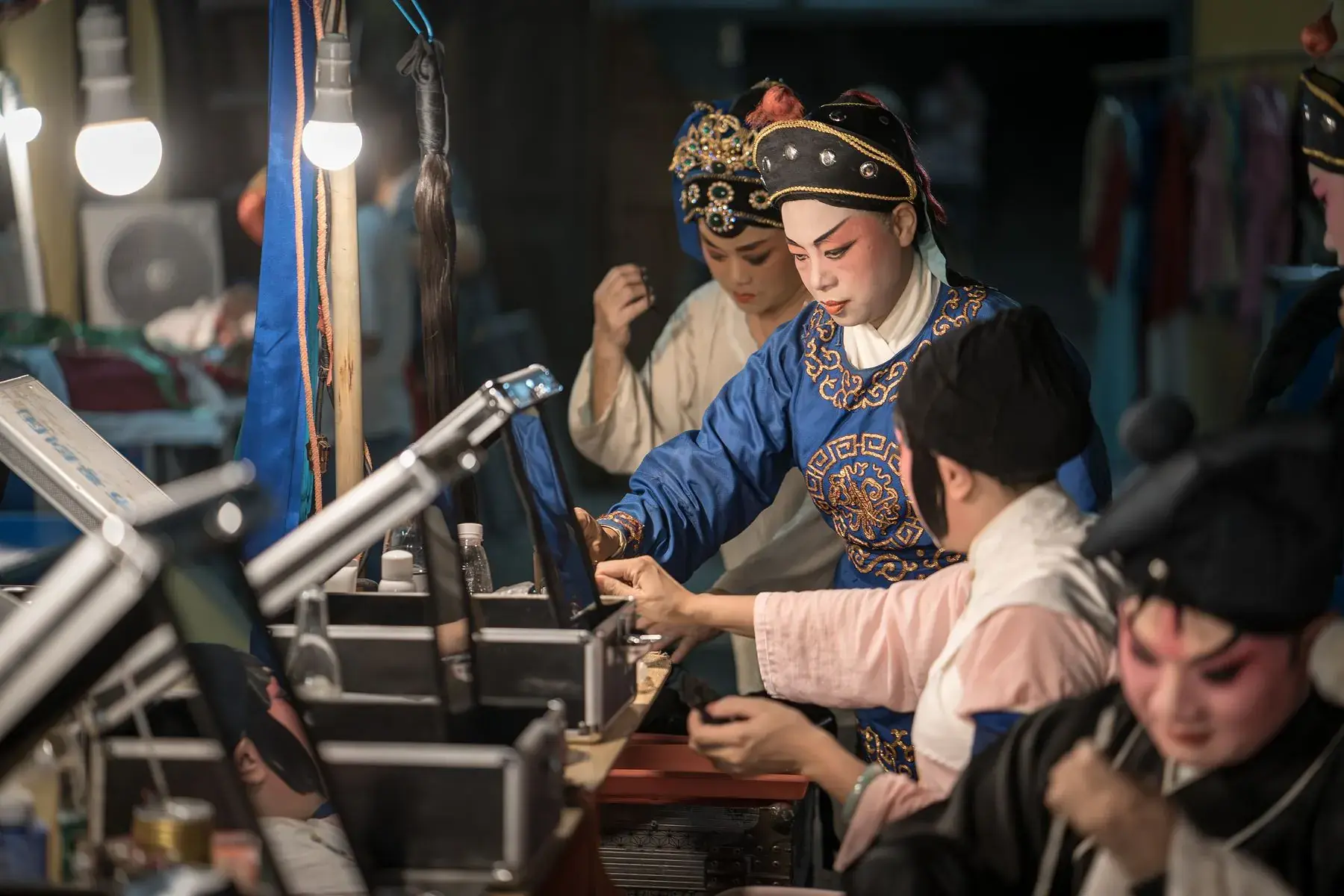
- A dressing room an hour before the audience is let in
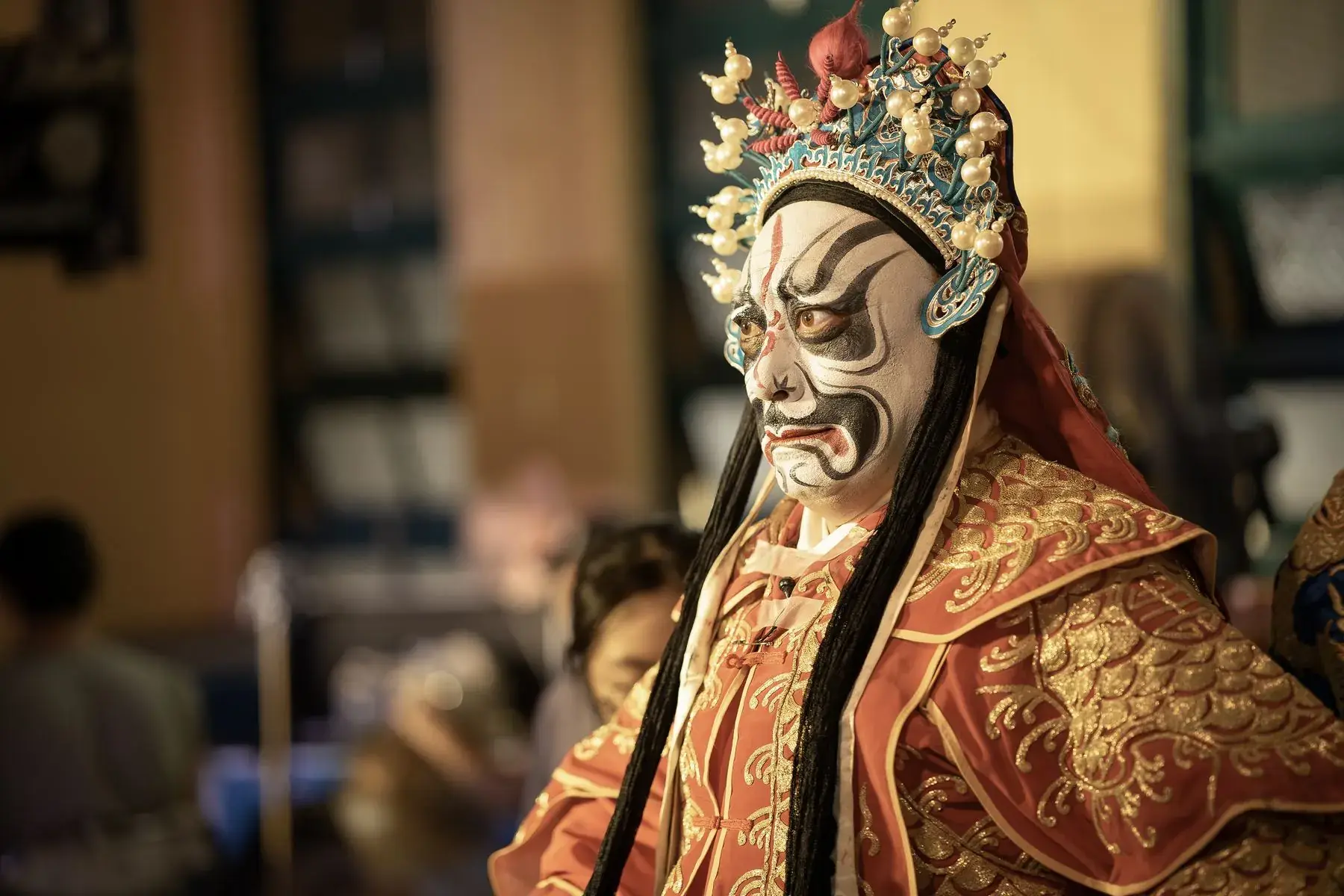
- The face-changer's costume and mechanism, explained by the man who wears it
- A grassroots house whose audience is the same regulars it was yesterday
- Tea in a lidded cup, out front, refilled without asking
- Whatever the teahouse is serving that afternoon — it is not a set menu
- Performers chanting backstage, and an invitation to try
- What the base actually does — it began with six rescued animals
- Why, to a trained opera artist, selling face-changing as a trick is a desecration
- A photograph with a face-changer, taken before the show rather than from row twelve
- The difference between watching an art form and meeting the people doing it
- An afternoon you can stay in for three hours if it holds you
What is back there
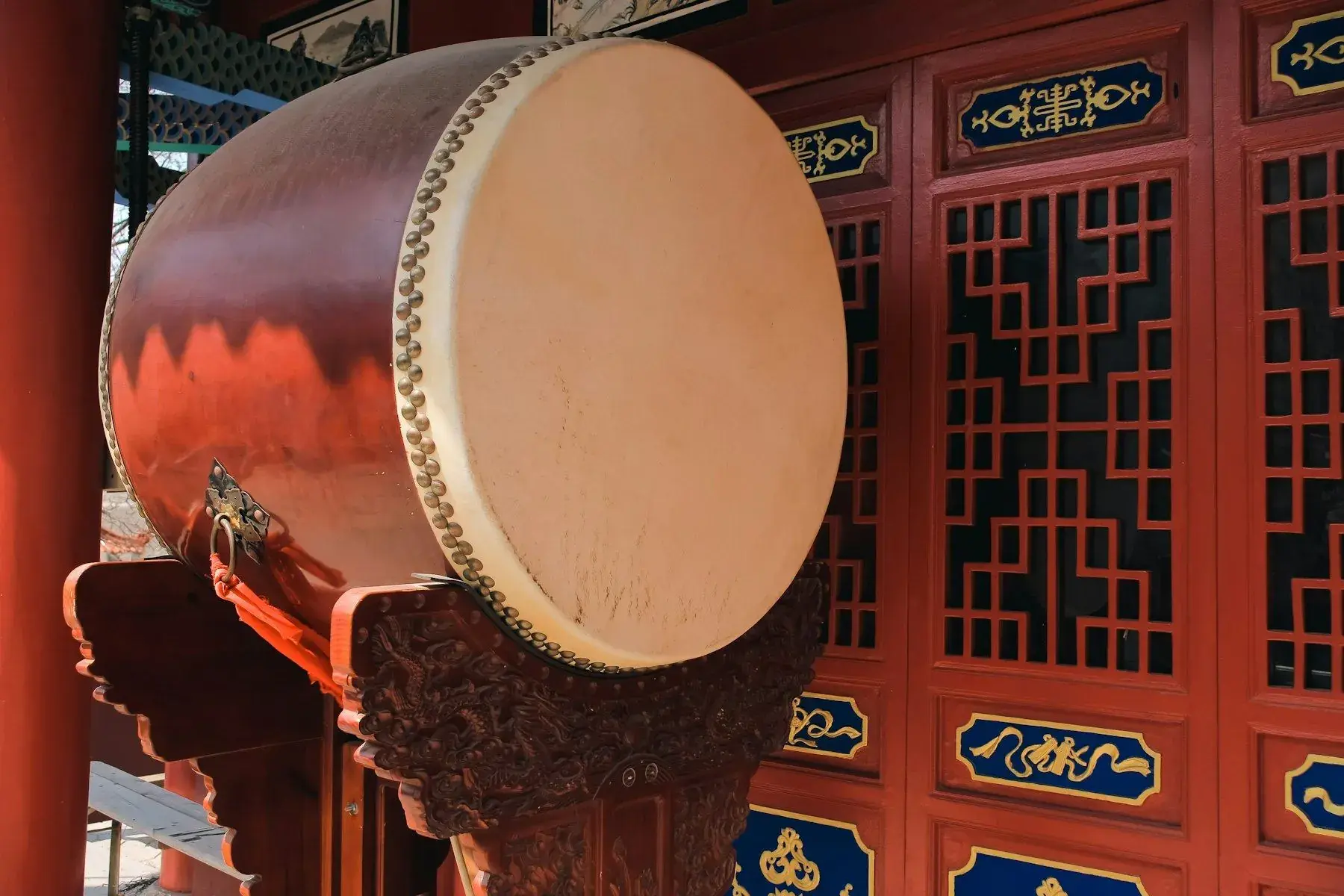
Paint · silk · brass · tea
How it unfolds
-
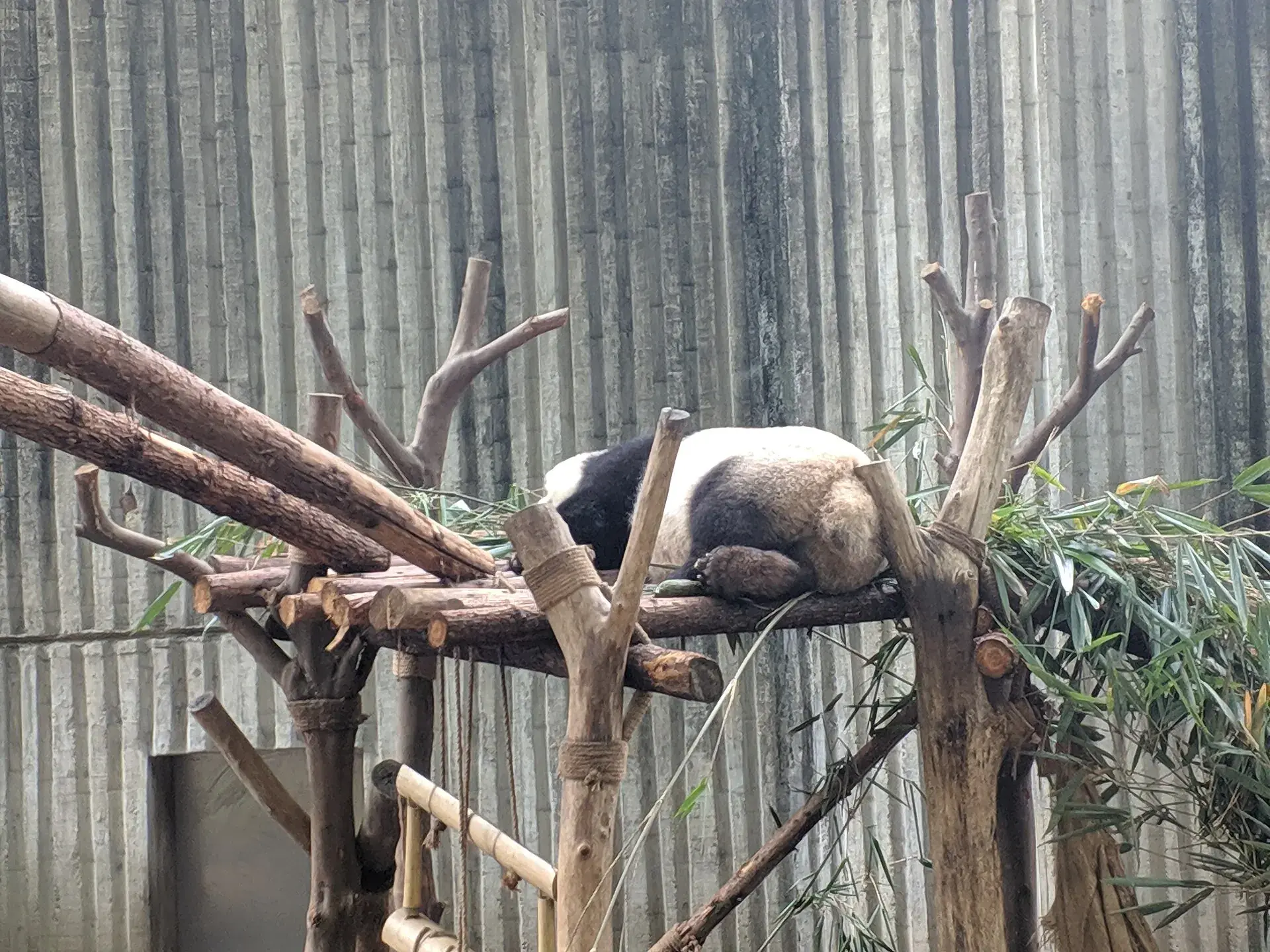
Pandas sleep through the middle of the day, which is exactly when most tour groups arrive. We go at feeding time, when they're upright, working through bamboo and occasionally falling out of things. Your city master fills in what the signs don't: how the base went from six rescued animals to what it is now, and what the breeding programme actually does.
-
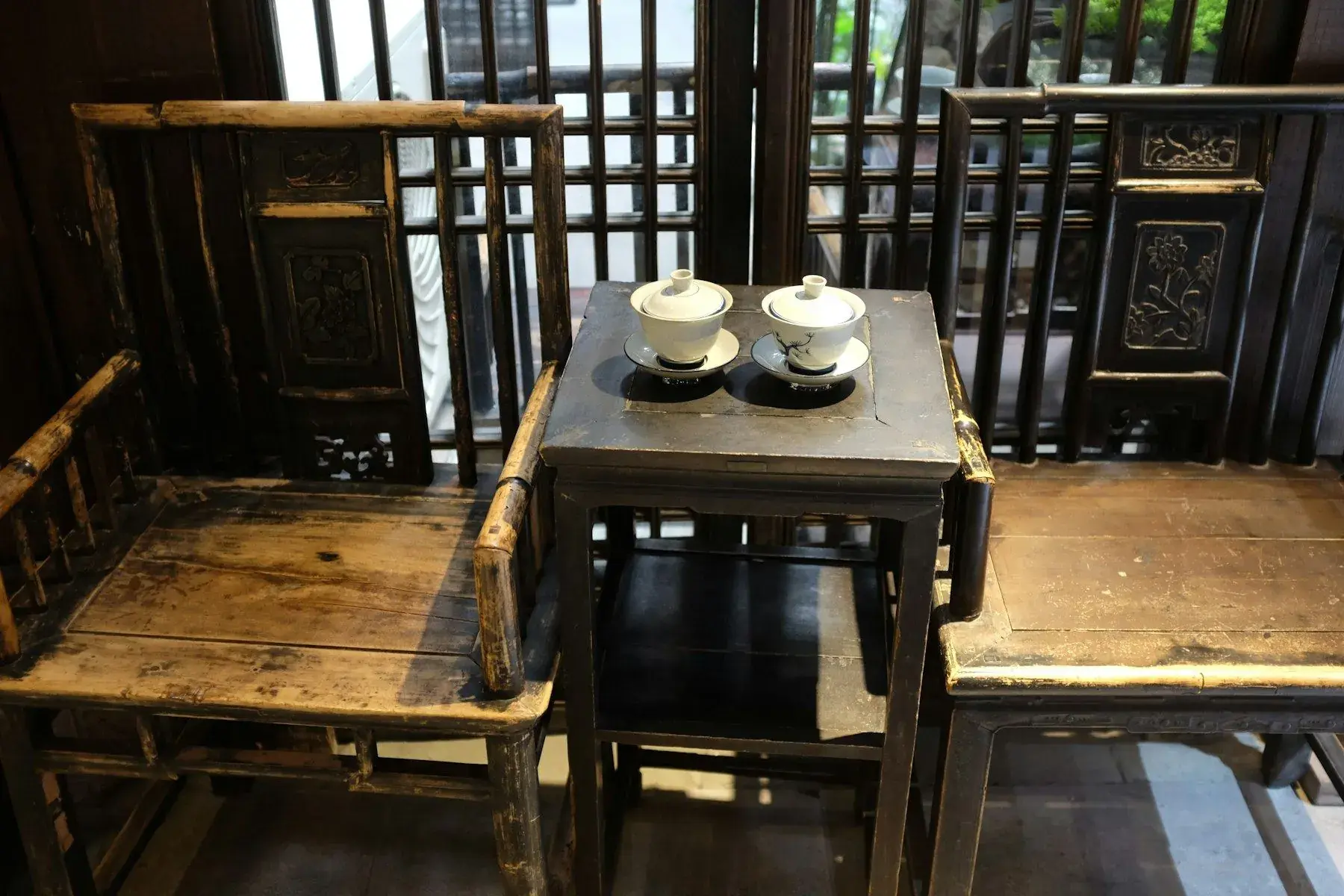
There is nothing to look at outside. The troupe's old pitch was under a flyover in Chengdu's north gate — the kind of spot you drive past ten thousand times. Someone on our team heard singing, walked over, and asked who they were. That is the entire origin of this afternoon.
-
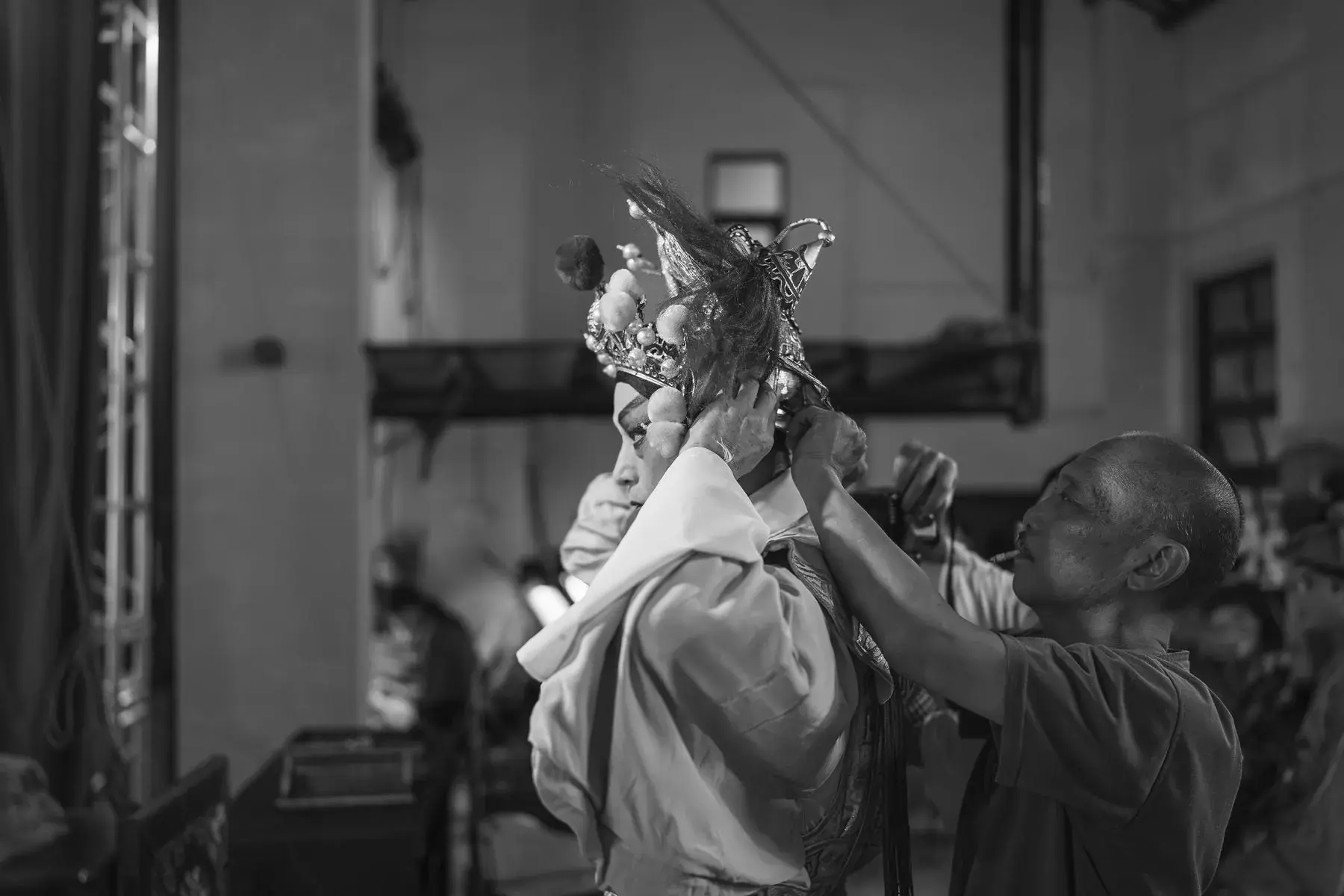
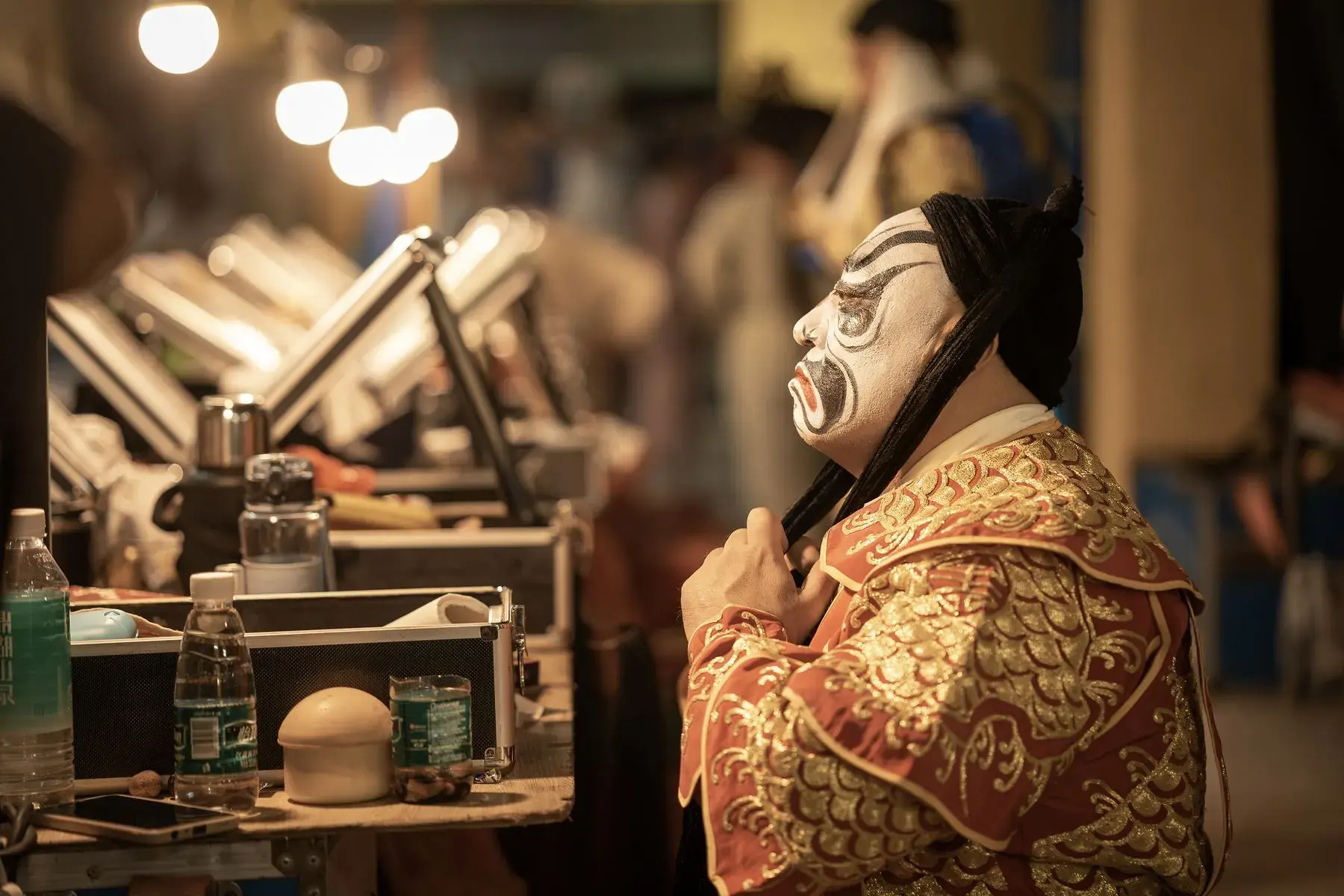
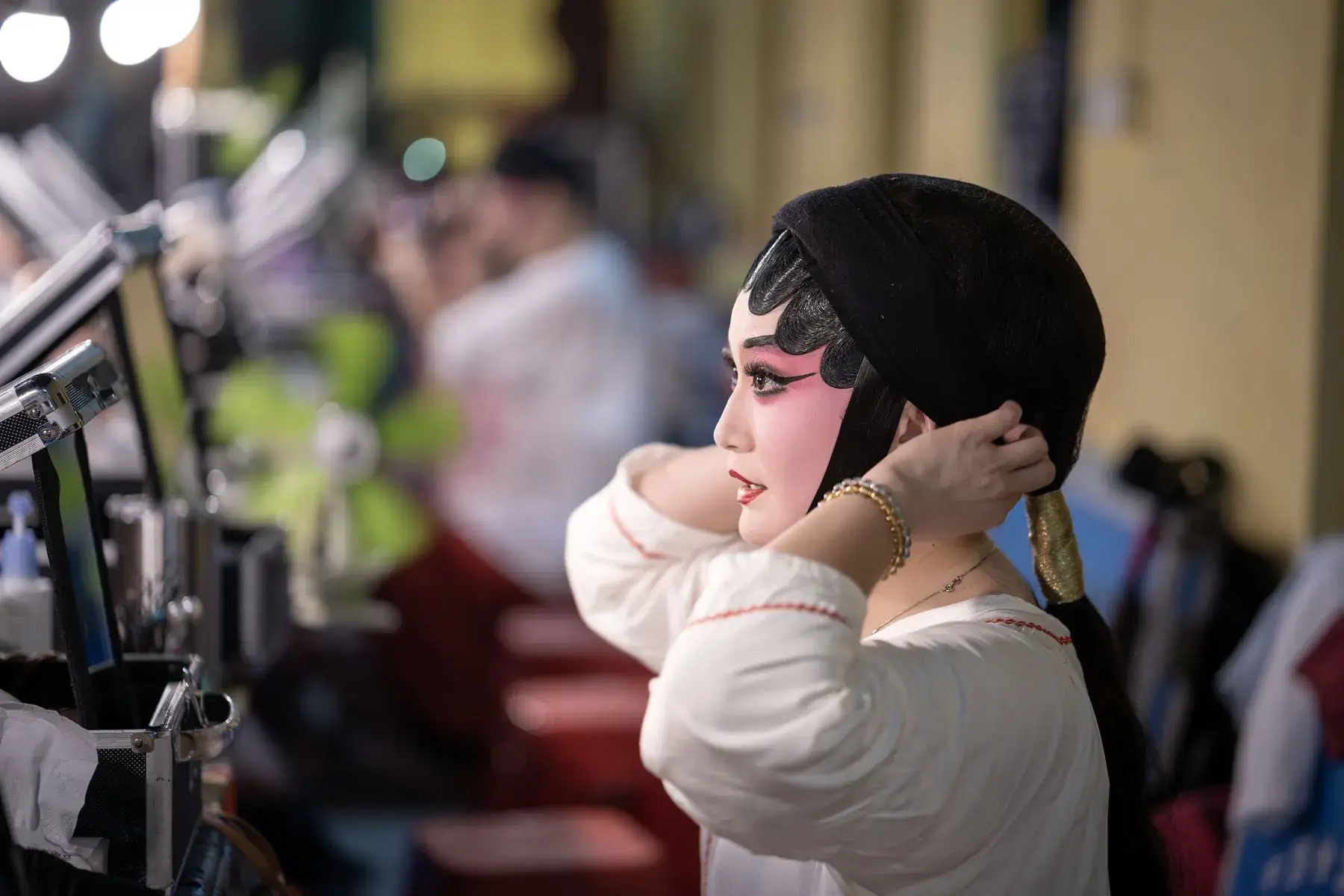
The show runs two till five, so we come at half past one, while everyone is still getting ready. You go in through the back: the mirrors, the paint, the headdresses on their stands, the instruments that make the sound you'll hear later. The performers are used to us. Some speak a little English and will talk to you directly; most just let you stand close and watch.
-
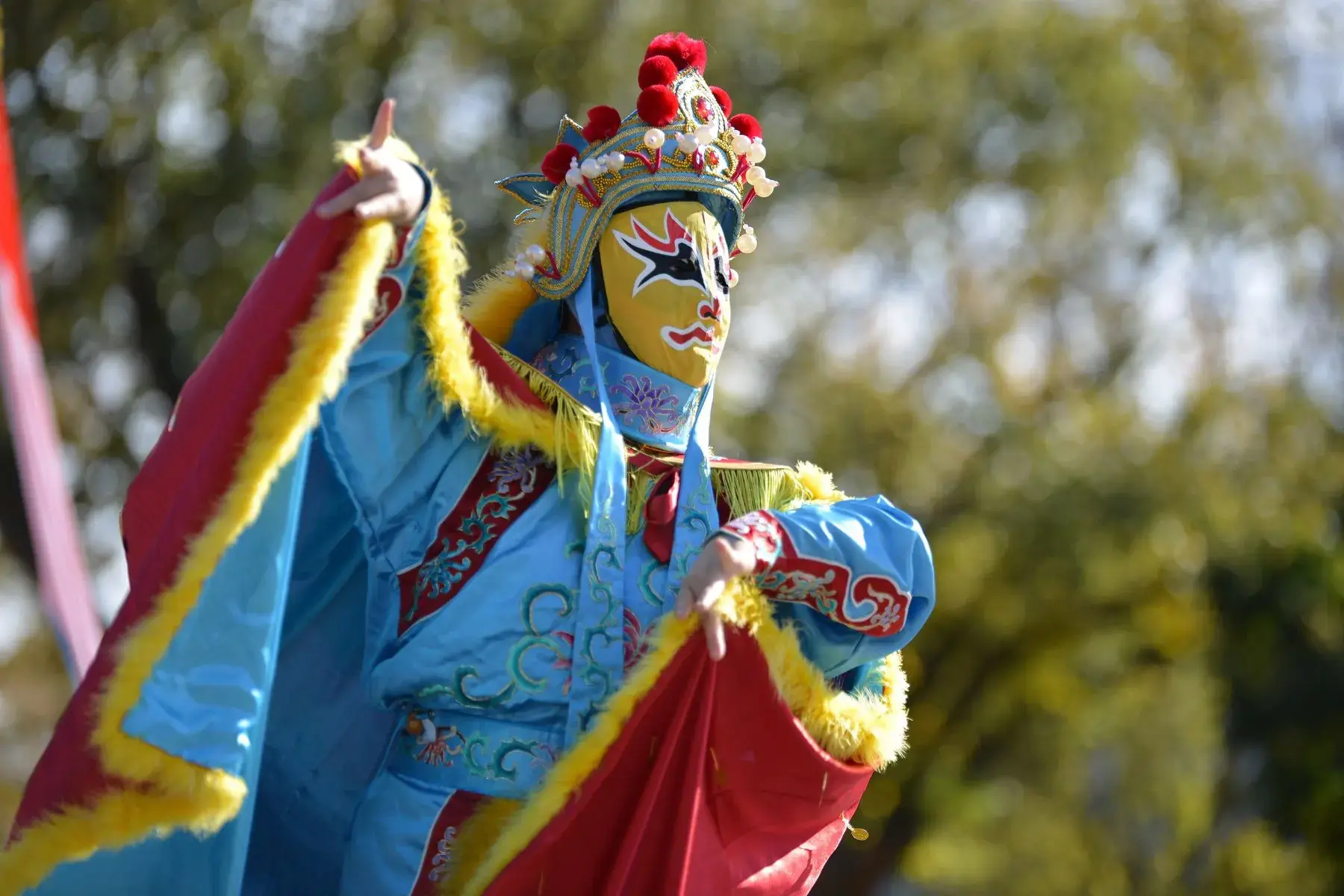
You came for the face-changing, so we put you in front of the person who does it, before he does it. What the costume is made of, what the sequence is, why the music has to land where it lands. Then a photograph together — not from row twelve.
-
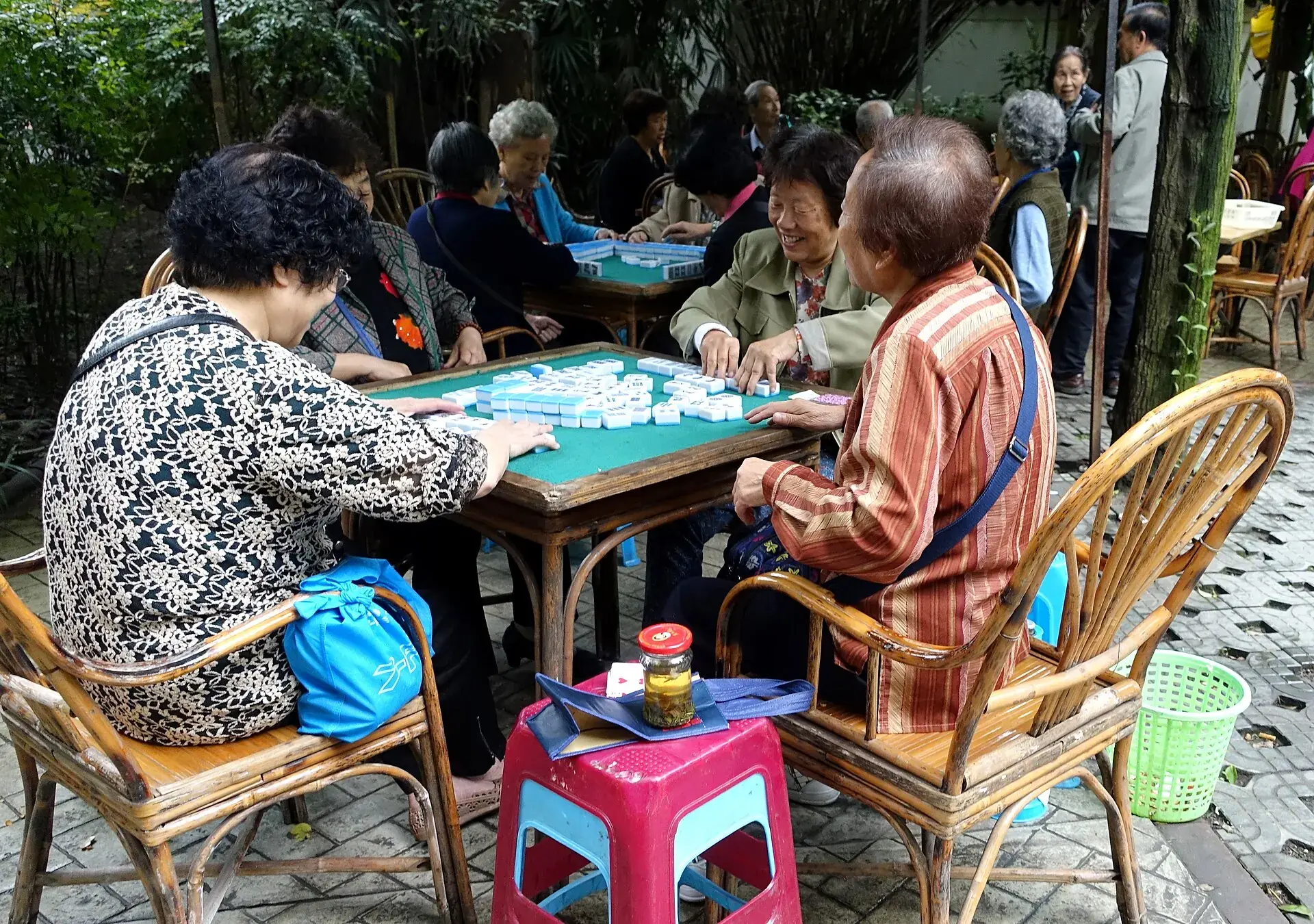
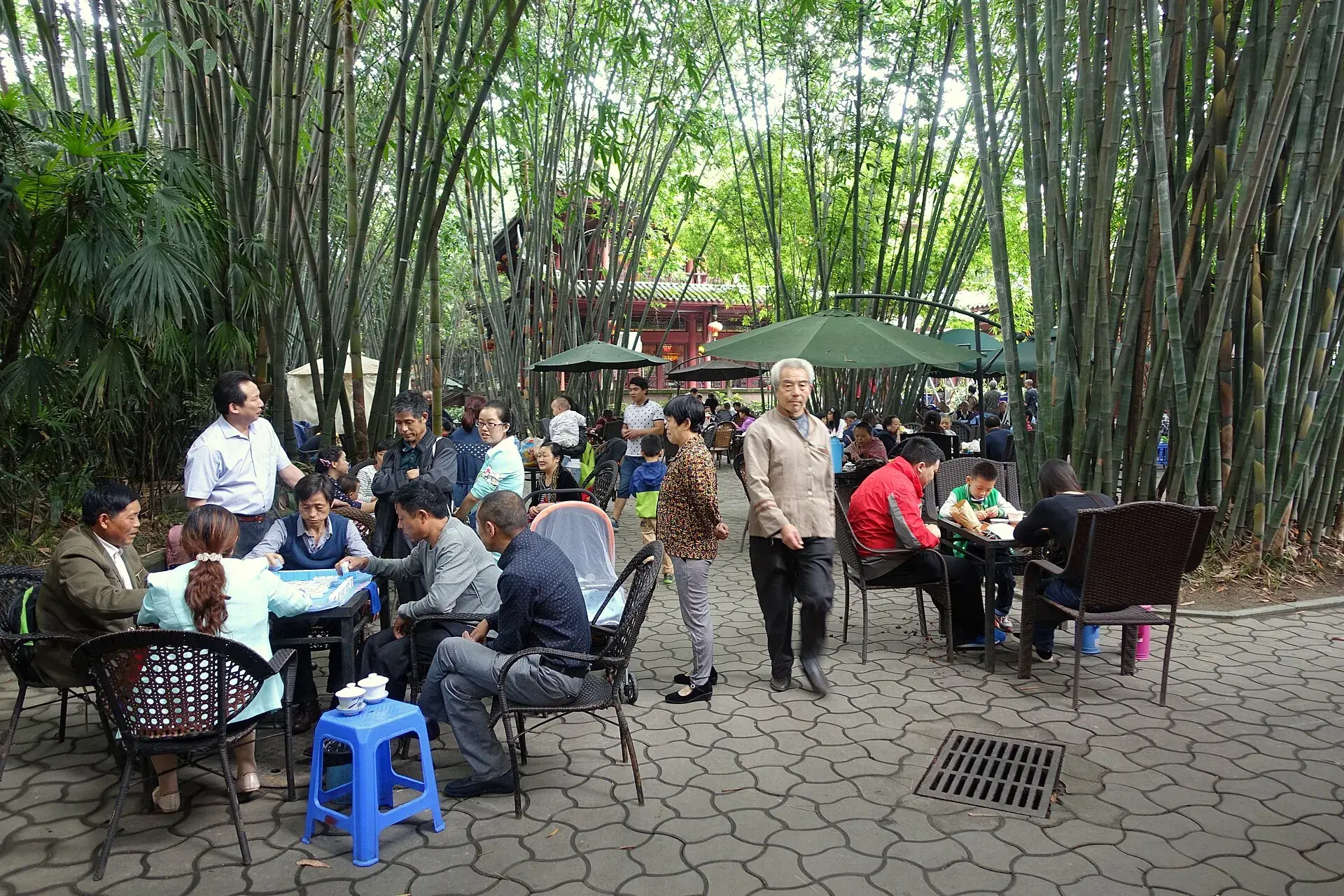
Only then do you sit down out front, with a lidded cup of tea, in a house full of regulars who have seen this bill a hundred times. Stay for one act or stay for all three. Nobody will move you along.
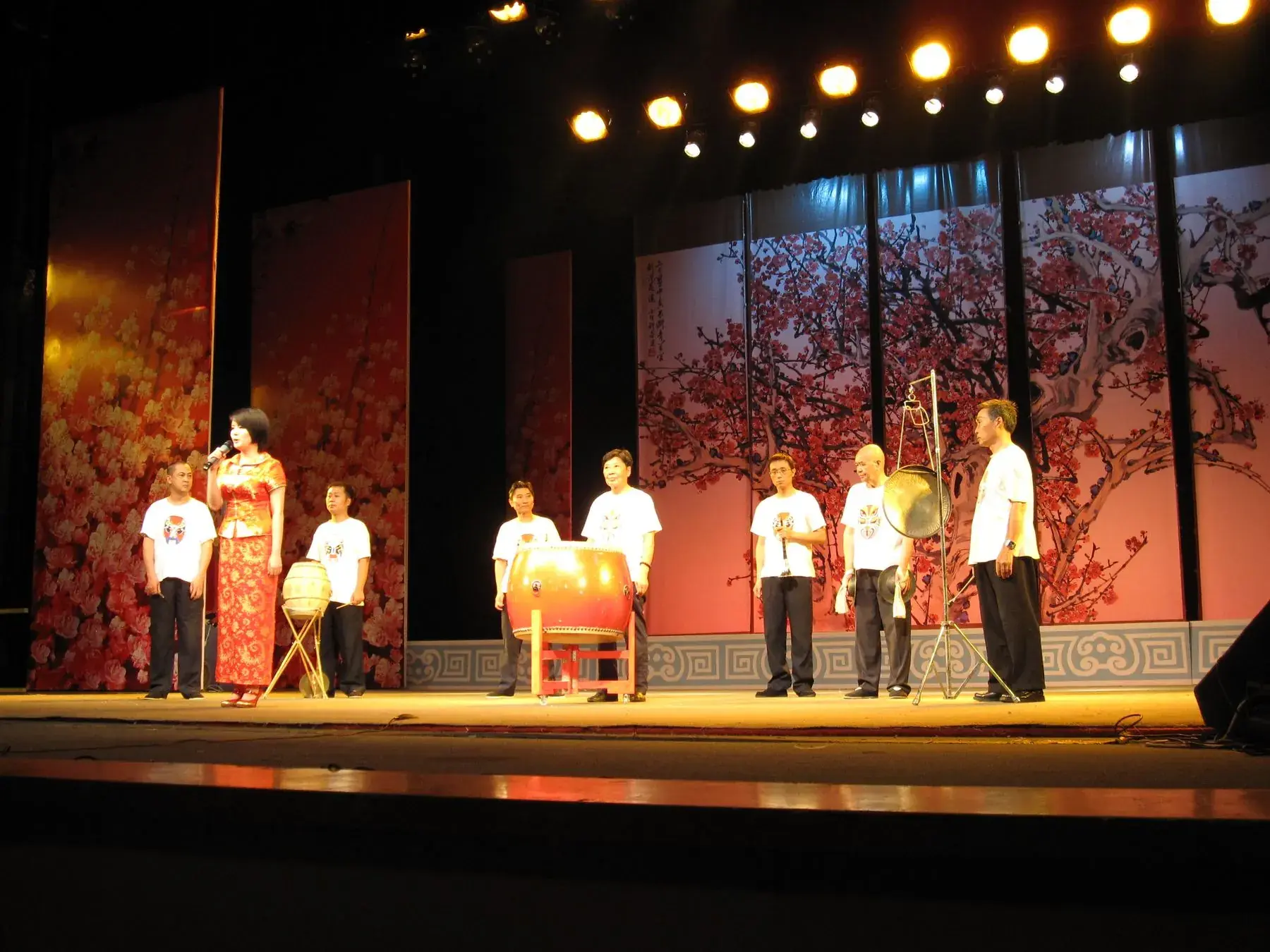
“To a real opera artist, making money off face-changing is a desecration.”
Why this troupe, and not the big theatre
That is close to a direct quote from the people who run this house. They trained at the Sichuan opera academy. They know exactly what the trick is worth as a novelty, and exactly what it costs the art to sell it that way.
They never got state backing, so for years they have worked as independents — booking their own pitch, painting their own faces, keeping a repertoire alive on ticket money and tea.
What you're watching isn't a heritage display. It's a group of people who decided to make a living out of Sichuan opera in a city that mostly wants one minute of it, and are still, somehow, doing that.
What a guest did
“He had People's Park and the Wuhou Shrine booked for the rest of the day. They were playing a comedy that afternoon, and he sat there from two until five and told us to cancel the rest — he said he'd had no idea a place like this existed, where you could actually feel how people here live.”
A European guest, recounted by the team
Good to know
The same art form, two completely different afternoons
The big theatre show
- The same three set pieces, every night
- Row twelve, in the dark
- Polished, timed, and identical to last night's
- You never meet a performer
- You leave knowing the trick, not the people
This afternoon
- In through the back while the paint is still going on
- The face-changer explains his own costume, in front of you
- A photograph together before the house opens
- A grassroots teahouse full of regulars, not tour groups
- Two till five — stay as long as it holds you
Book the day
One full day on its own, hotel pickup. Tell us a date.
Start planning- About 8 hours
- Pandas at feeding hour
- Backstage from 1:40pm
- Then the show, as long as you like