



Two rescues
Cloisonné came within sixty people of disappearing. Lin Huiyin and Liang Sicheng set up a group at Tsinghua to save it. In 1956 forty-two private workshops and the old imperial workshop were merged into one factory. Guo Moruo wrote the sign over the door. The other craft on today's list went the opposite way: it survived by making itself easier to use.
Two workshops, and what each one gives you
A Beijing half-day across two national-heritage crafts: copper wire being bent into a picture and flooded with enamel, then a brush, a sheet of paper, and ink from a shop that has been making it since 1865.
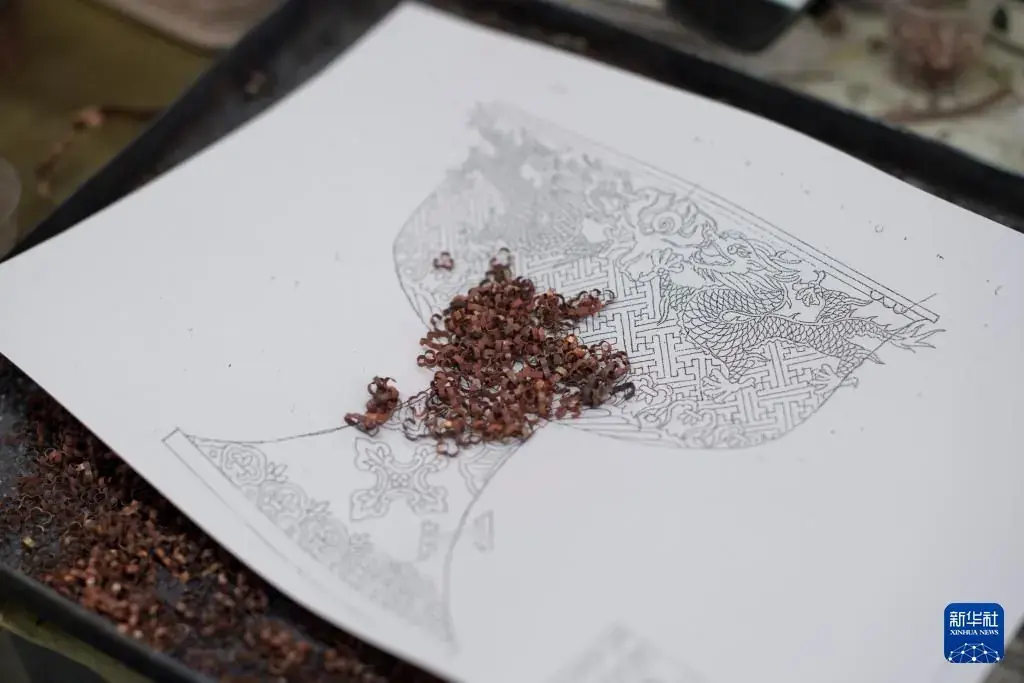
- 掐丝 — flattened copper wire bent by hand and stood on edge to draw a dragon
- 点蓝 — wet enamel spooned into each cell, one colour at a time
- Vessels mid-process, between firings, with the colour still sunk below the wire
- A workshop floor stacked with blanks waiting for the kiln
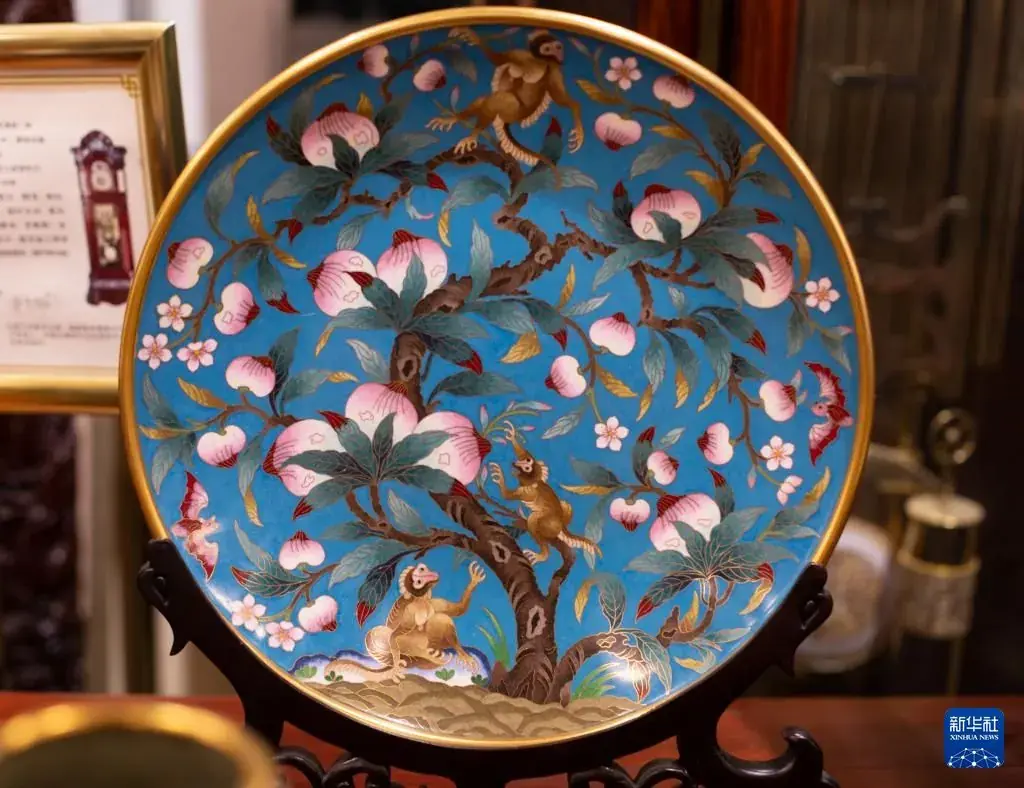
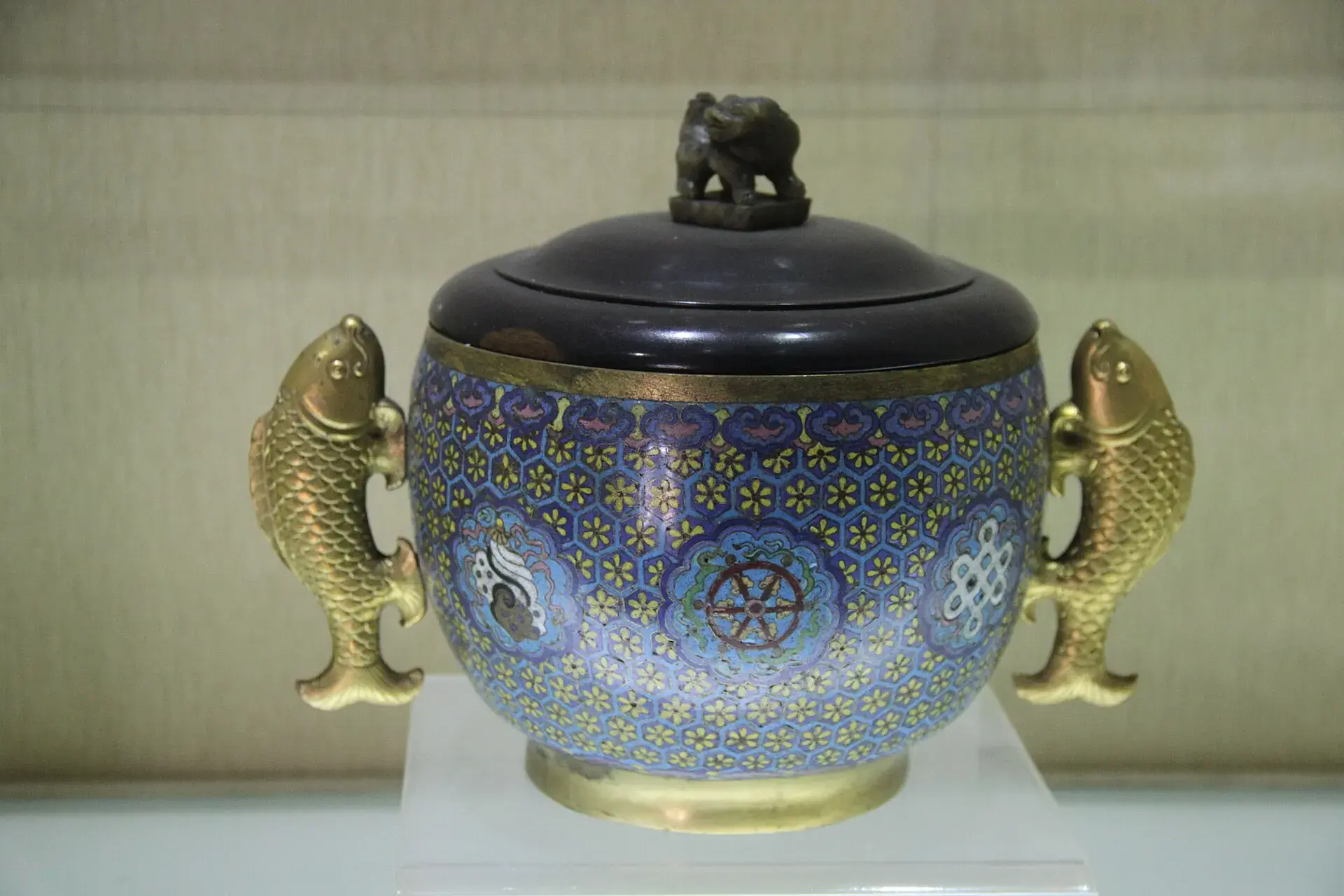
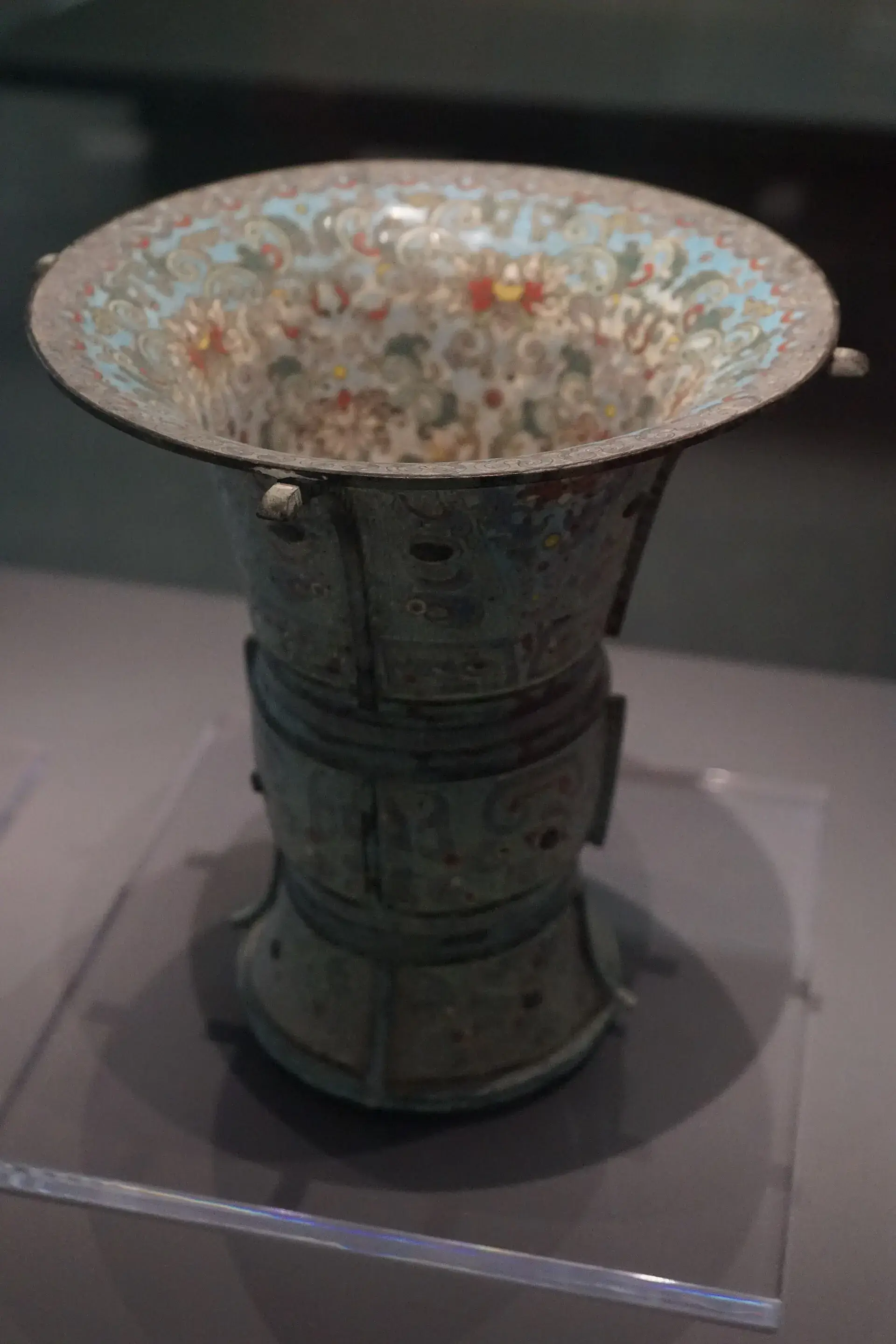
- A finished cloisonné piece, heavier than it looks
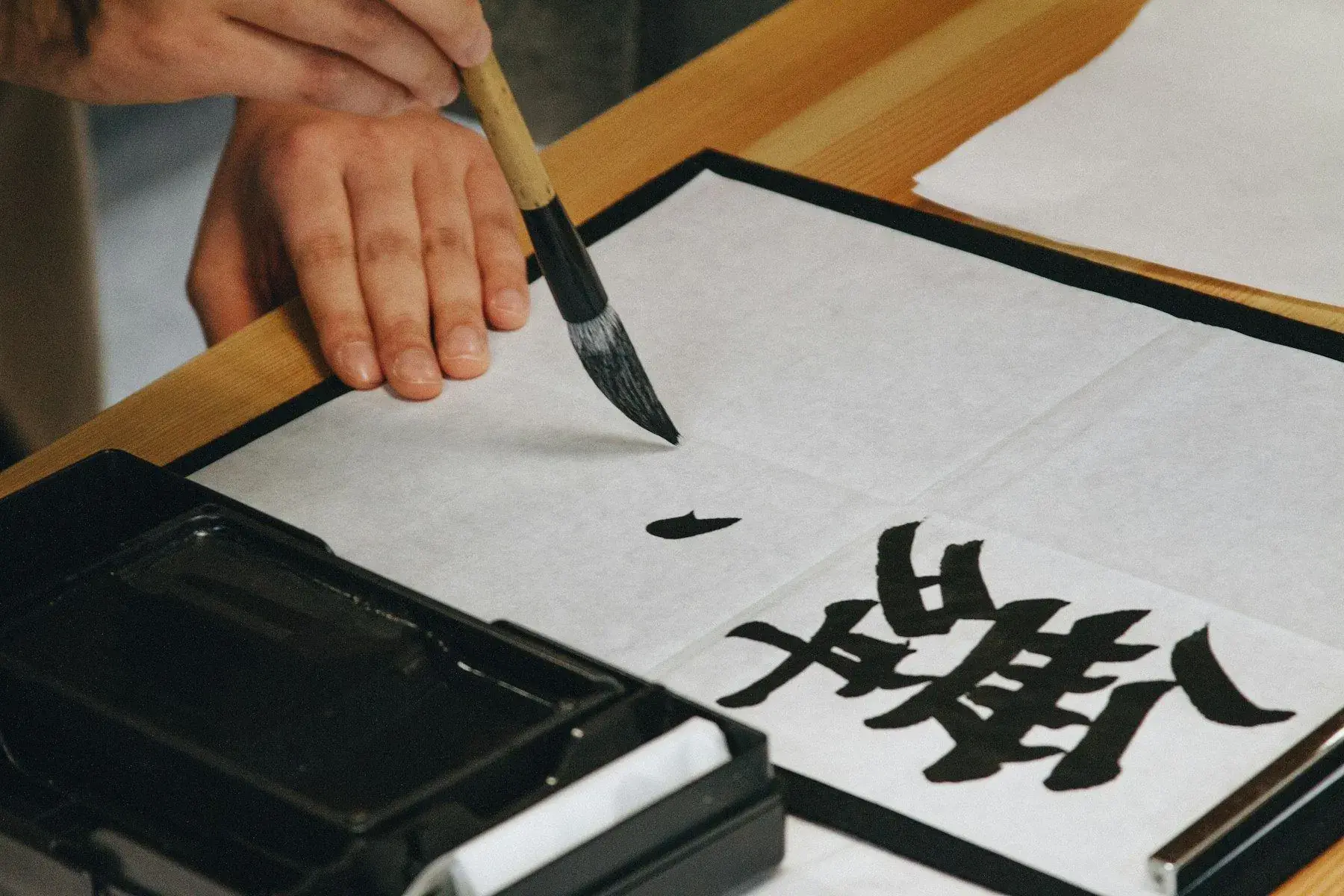
- A brush, properly loaded, which takes three attempts
- Paper that behaves completely differently depending on how fast you move
- That in 1949 sixty craftsmen were left in the entire trade
- How Lin Huiyin's rescue group at Tsinghua put it back together
- Why a shop in 1865 selling liquid ink was a genuine invention
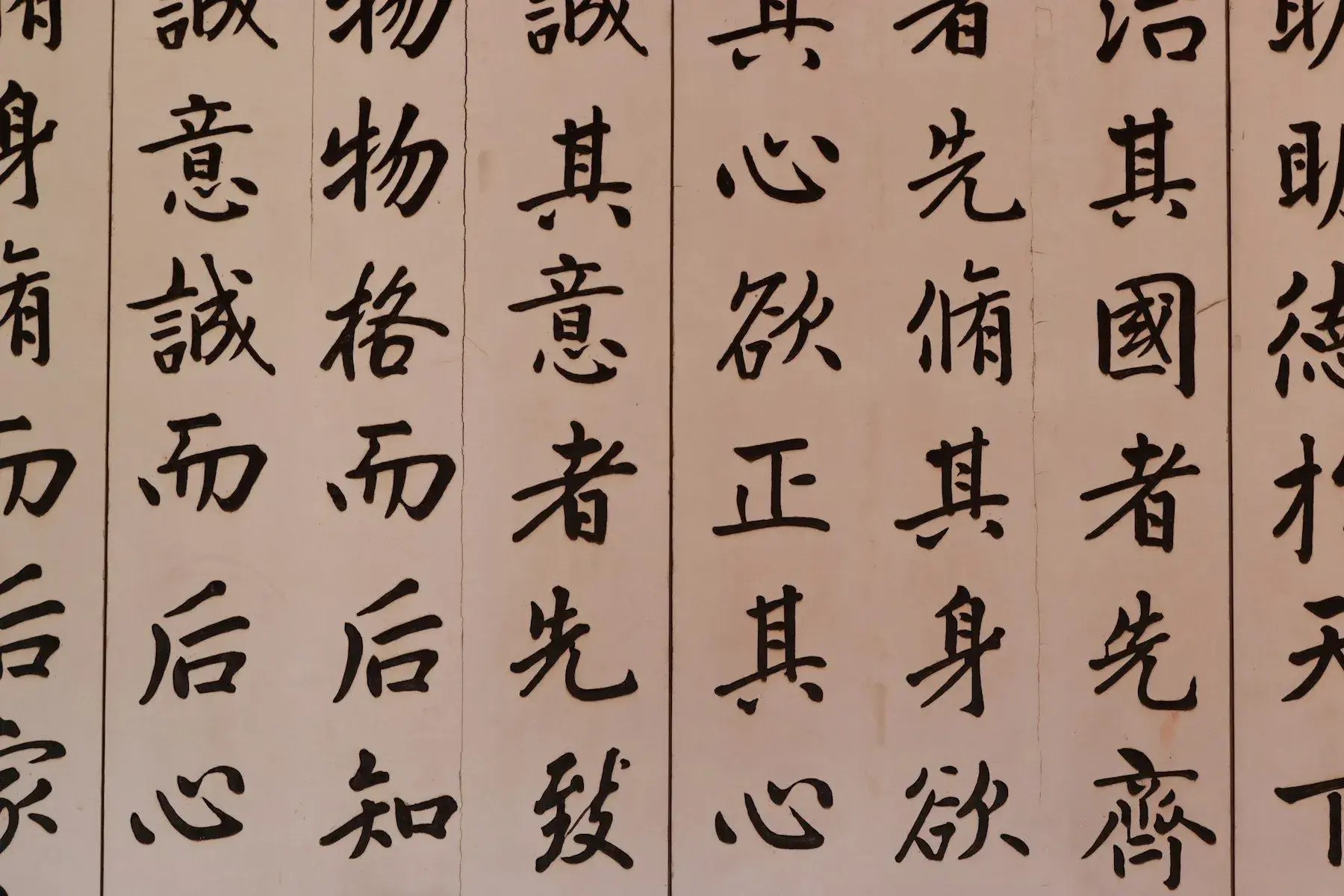
- The character you wrote, on paper, in ink you understand the making of
- The difference between adding colour and subtracting it
- A working answer to why cloisonné costs what it costs
What the two benches hold
Copper · enamel · soot · paper
How it unfolds
-
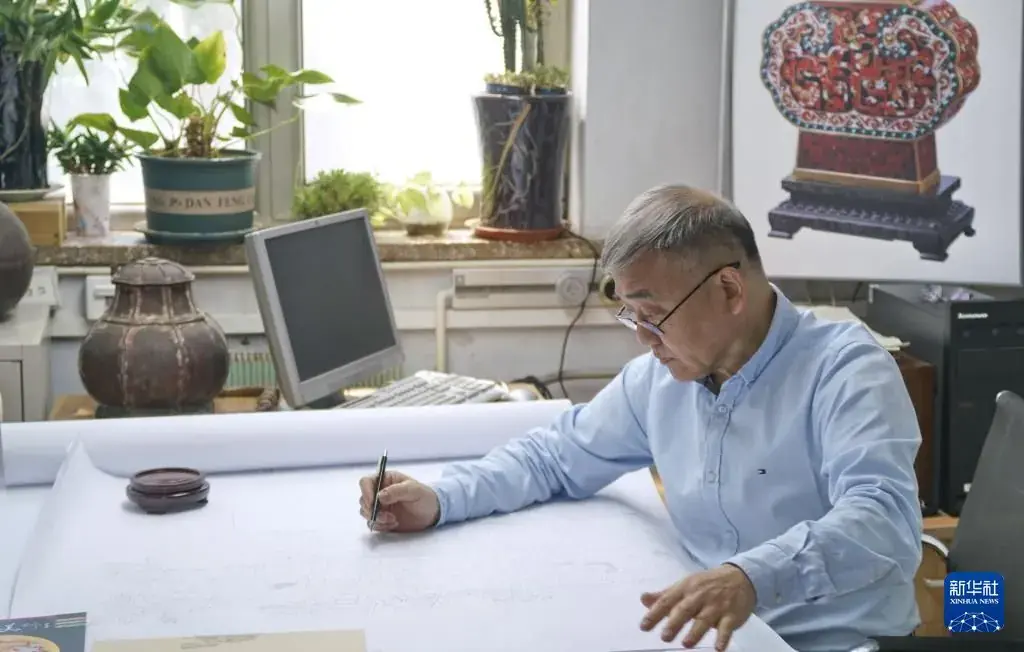
The pattern is not painted on — it is built. Flattened copper wire is bent to the line of each petal and stood on its edge against the body. Every closed shape it makes becomes a cell that will hold one colour and no other. This is the step that the rescue group had to document from scratch: until 1963 the trade had no written standard at all, only what was in people's hands.
-
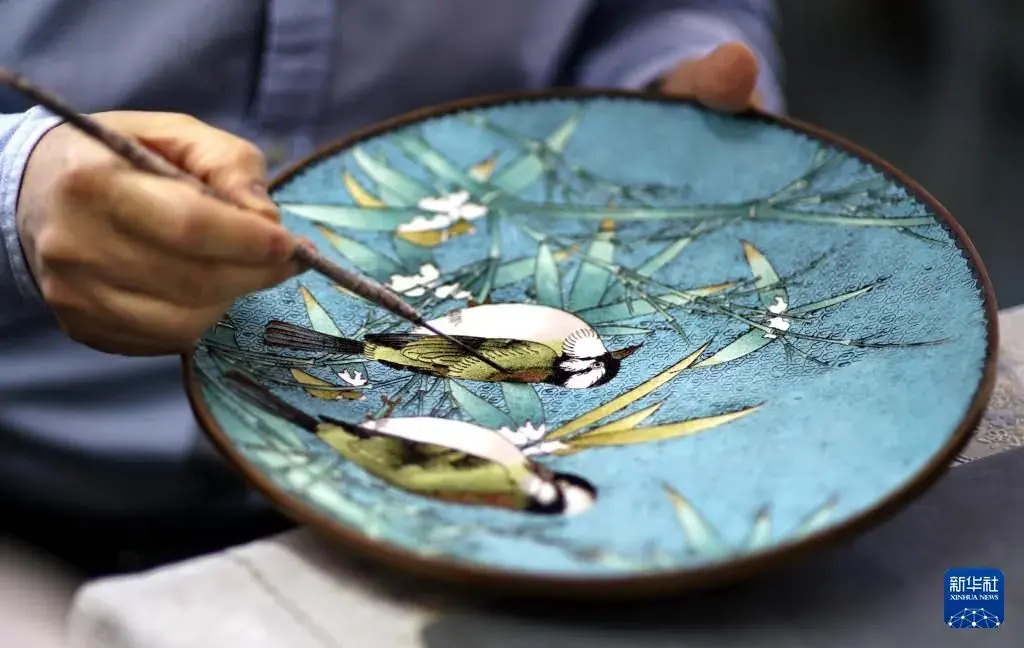
Ground enamel goes into each cell wet, a spoonful at a time. Then the piece is fired, and the enamel sinks. So it is filled again, and fired again, until the colour finally sits level with the wire — and only then is it ground and polished. Watching someone do this at speed is the moment most guests stop thinking of cloisonné as decoration.
-
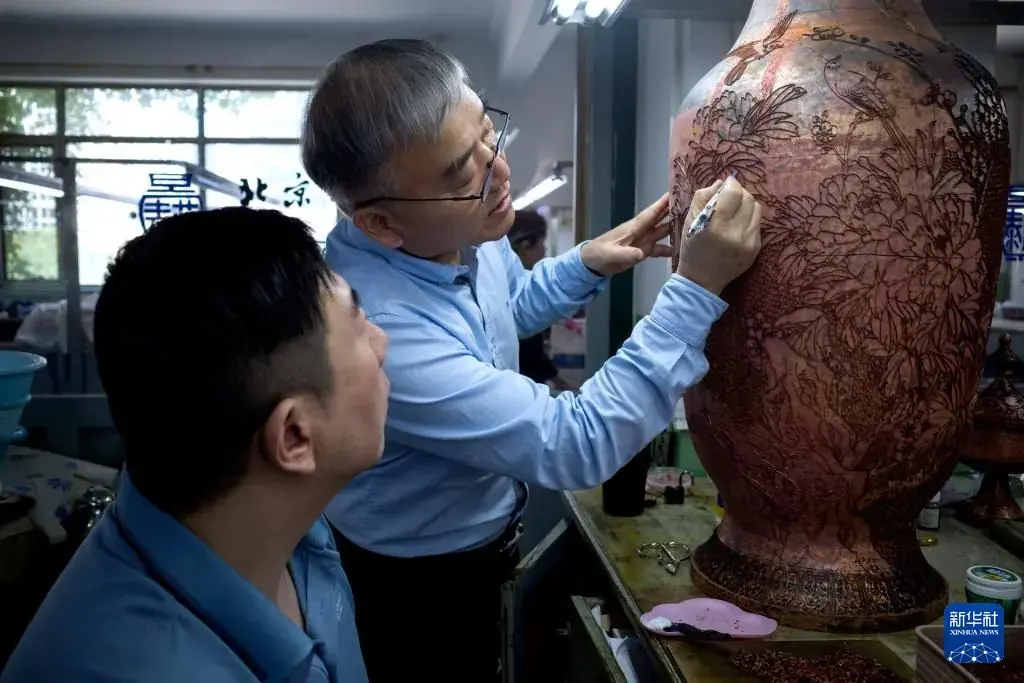
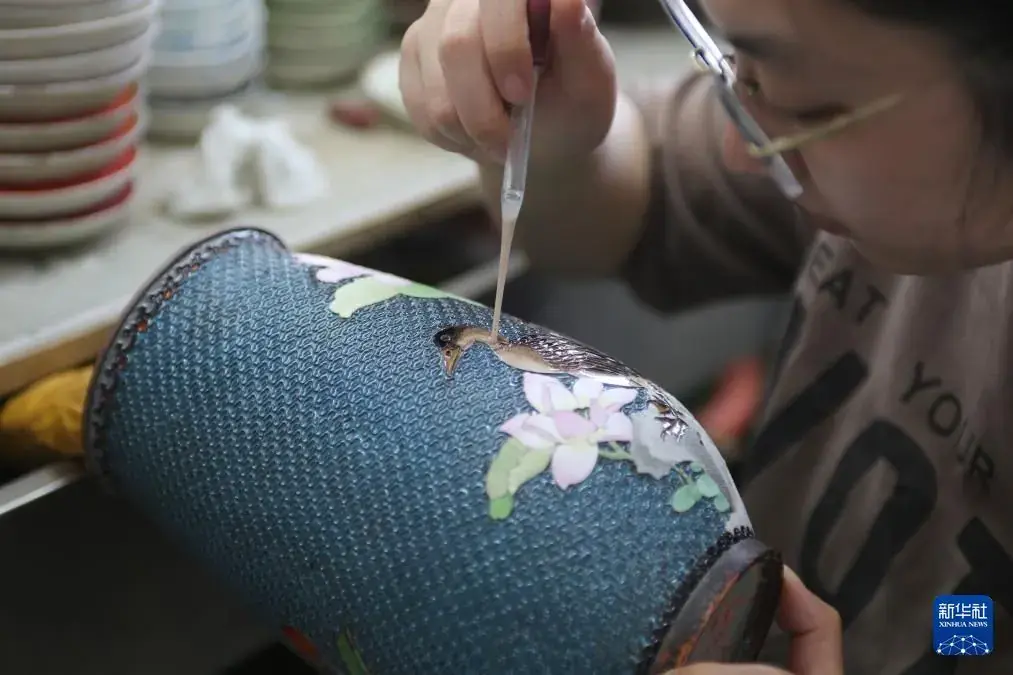
On a flat plate the enamel stays where it is put. On the shoulder of a vase it does not, and the whole operation becomes a negotiation with gravity. The factory's first chief designer, Qian Meihua, came here in 1958 in her early twenties as a member of Lin Huiyin's rescue group, and stayed sixty years.
-
For most of Chinese history ink meant a solid stick you ground with water before you could write a single character. In 1865 a scholar named Xie Songdai opened a shop in Liulichang selling ink already liquid — as dense as the stick, and ready. It was an immediate success and it is still open. The recipe, carbon black and bone glue plus a short list of additions, has never been written down; it is taught mouth to ear.
-
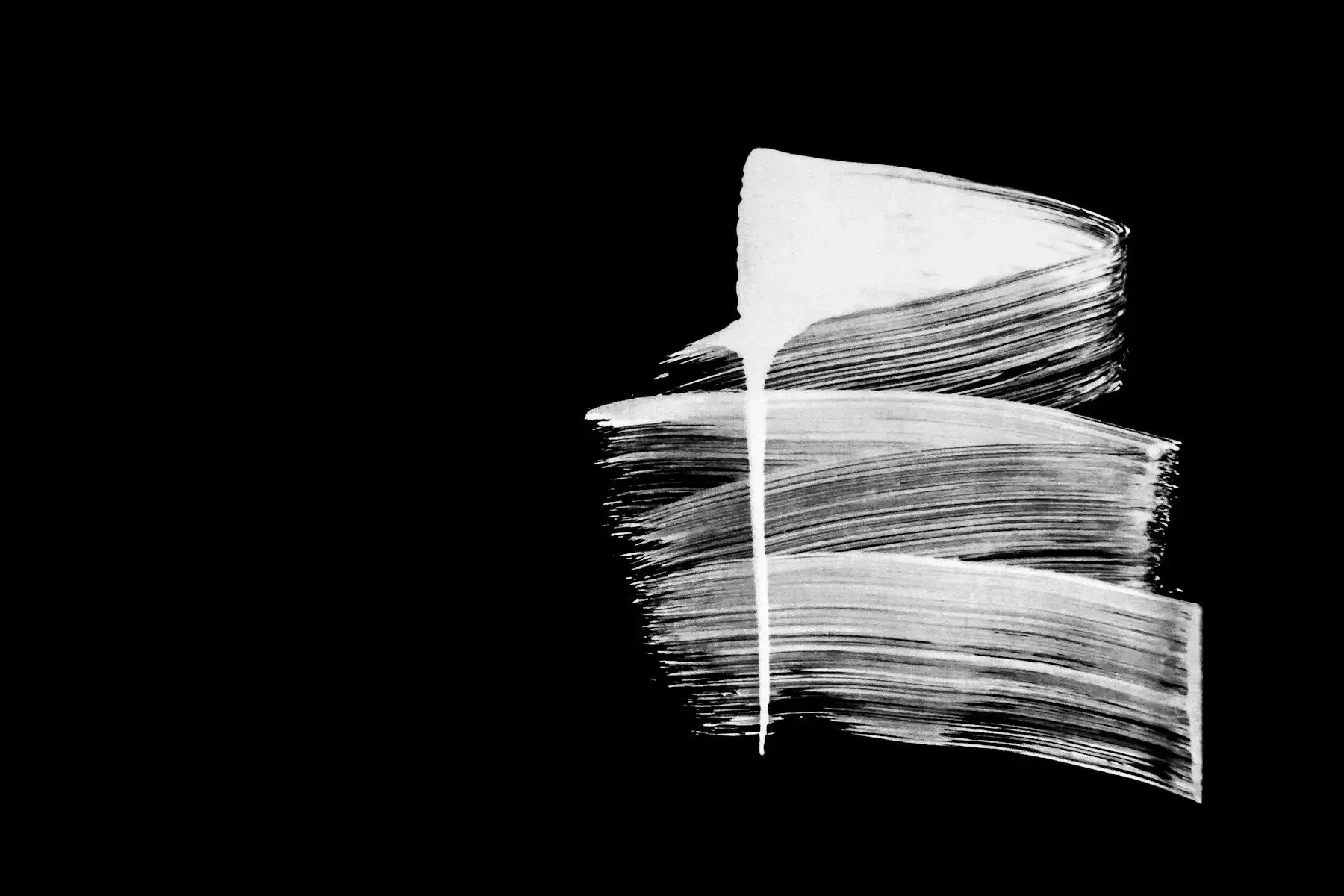
You get a brush and one character. There is only one colour in the bottle; wet grey and dry black are the same ink at different speeds. The shop's name means roughly one skill is enough to serve the world — which, after watching five firings' worth of cloisonné, lands differently than it would have this morning.
Good to know
Book the morning
Half a day, on its own, hotel to hotel. Tell us a date.
Start planning- Half a day
- Two workshops
- Two national-heritage crafts
- You write, and keep it