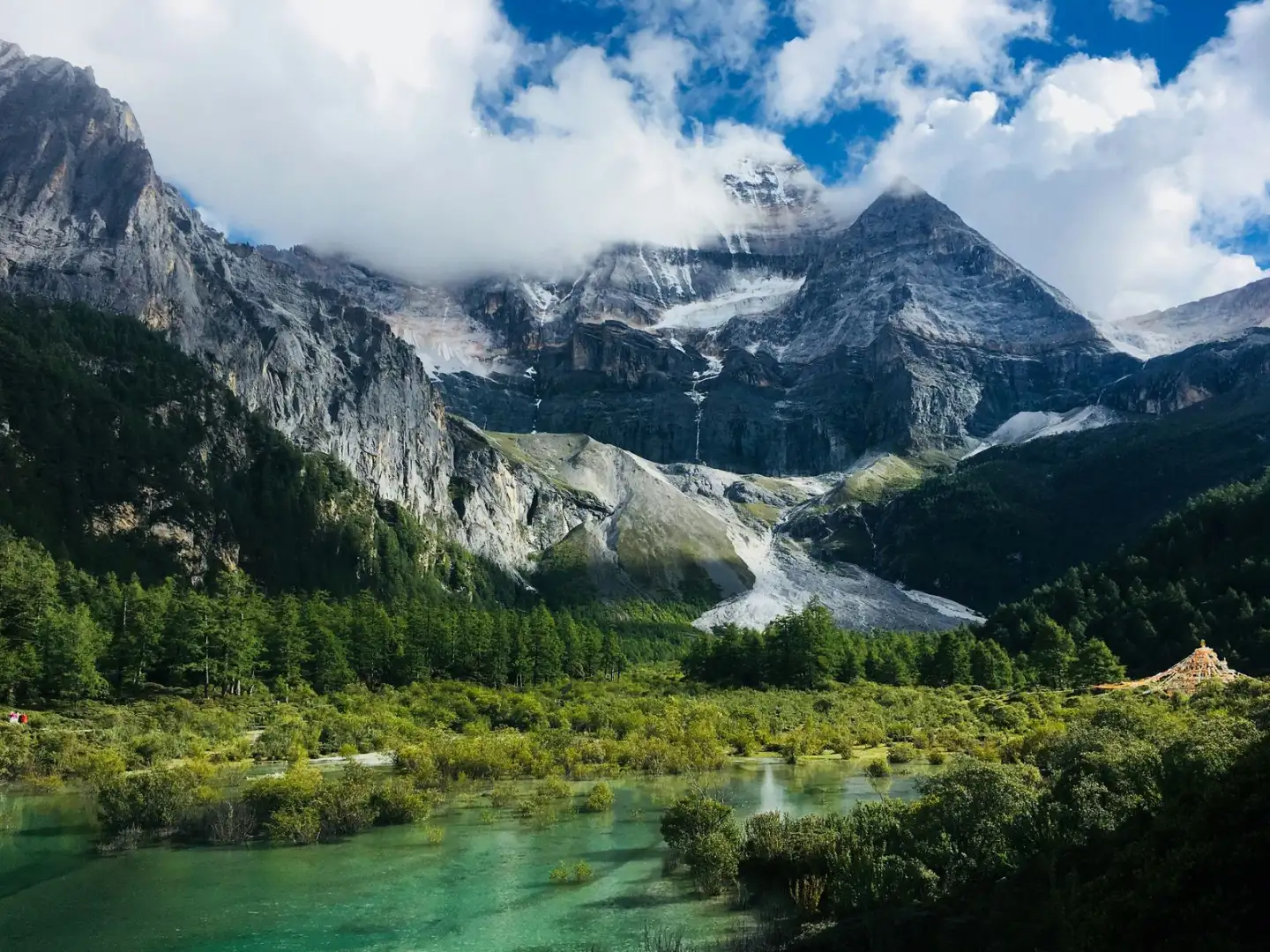





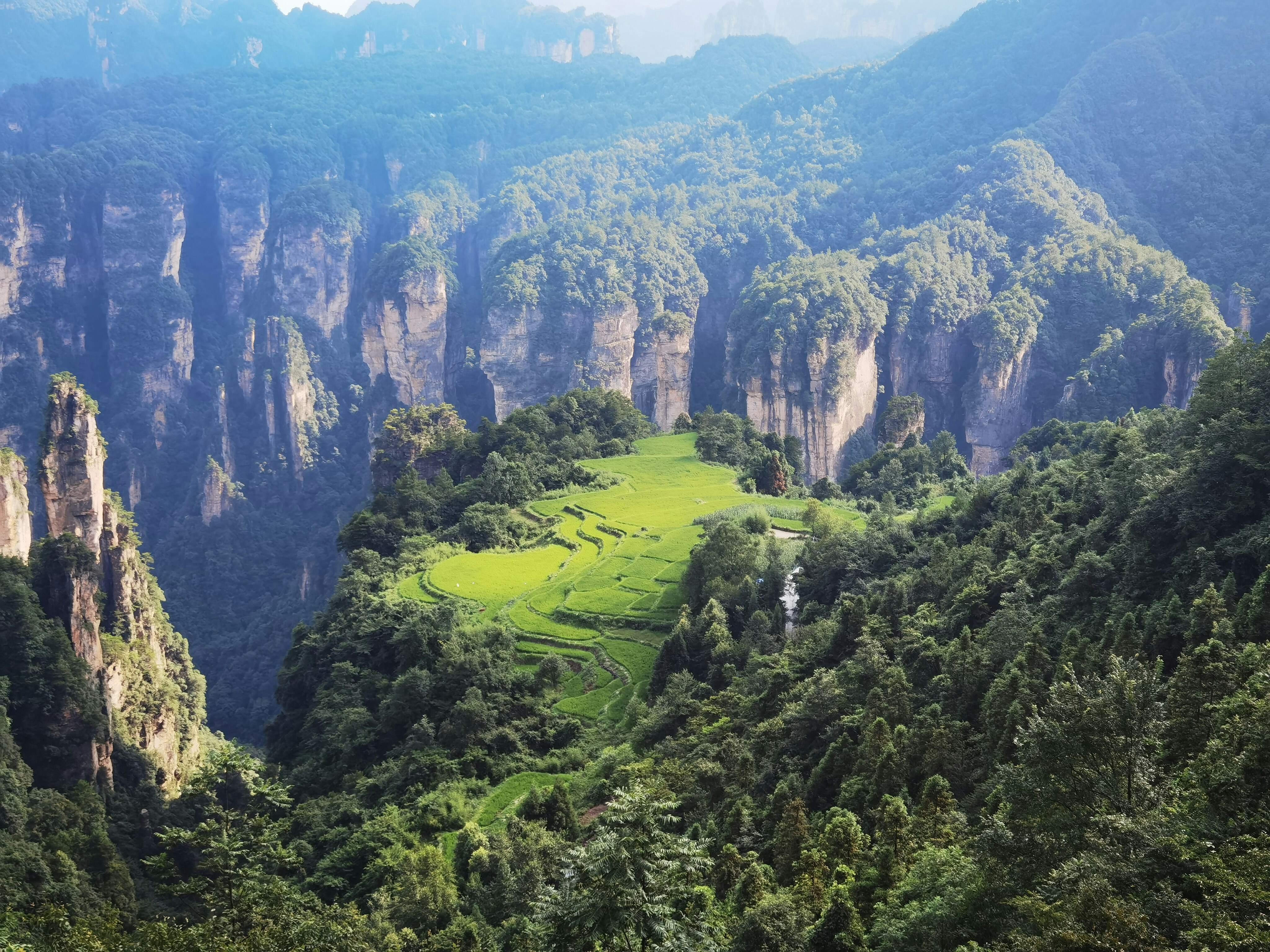
 18 days China, End to End Beijing → Xi'an → Chuanzhusi → Jiuzhaigou → Chengdu → Zhangjiajie → Guilin → Yangshuo → Shenzhen From $6,360 View route
 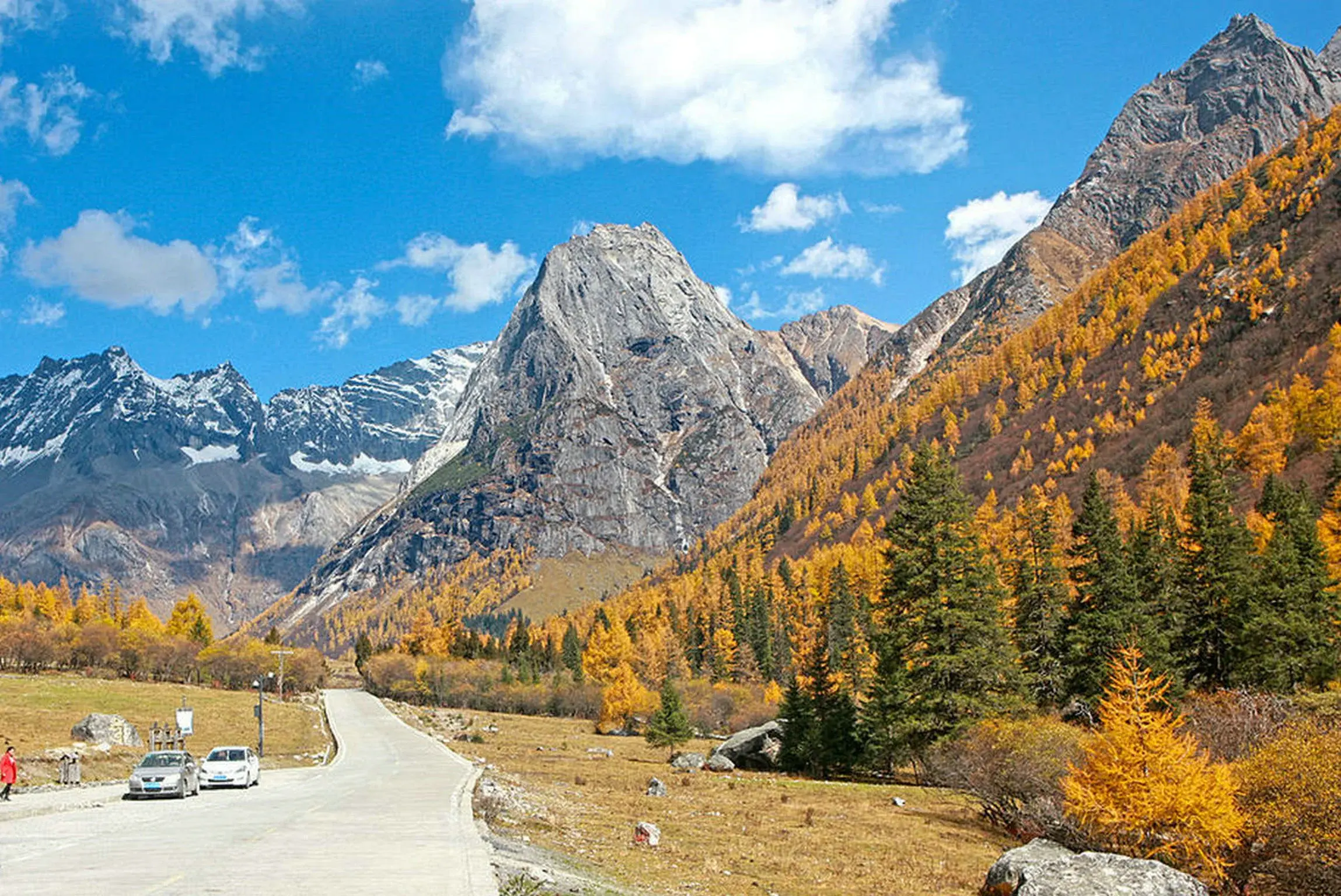 3 days 3-Day Tour: Mount Siguniang, Bipenggou & Dagu Glacier Chengdu → Lixian → Heishui County From $1,599 View route
 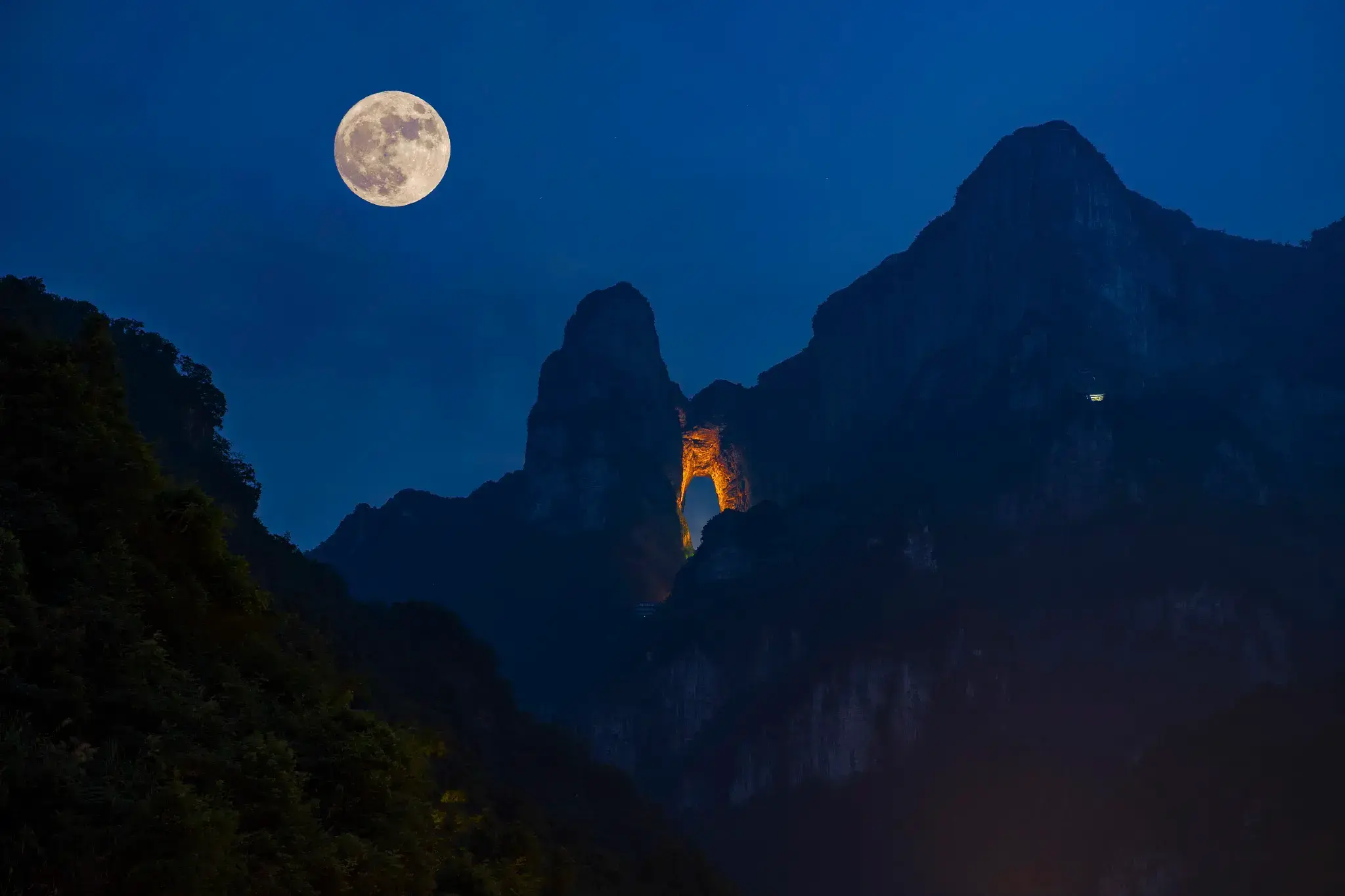 5 days Above the Pillars, Then Below Zhangjiajie From $1,430 View route
  3 days After the Last Booth Guangzhou From $840 View route
  13 days All the Way West Xi'an → Dunhuang → Turpan → Kashgar → Shanghai From $3,500 View route
 2026 Tibet Travel Guide: Itineraries, Best Group Types & Visa Arrangements

Introduction: How Overseas Visitors Can Plan Their Tibet Trip
A journey to Tibet often stirs boundless imagination even before departure.
Known as the "Roof of the World," Tibet sits at an average elevation of around 4,500 metres. Here, snow-capped peaks, vast alpine meadows, sacred monasteries, and an expansive sky combine to create one of Asia's most unforgettable travel experiences.
For many travellers, visiting Tibet is about far more than ticking off famous landmarks.
It is about standing before the Potala Palace at sunrise, listening to pilgrions spin prayer wheels near Barkhor Street, and driving towards Mount Everest along some of the world's highest roads.
Concurrently, Tibet is not a destination where non-local foreign travellers can simply drop in on a whim. Foreign visitors require more than just interest and a flight ticket; they must also hold a valid Chinese visa, a Tibet Travel Permit, and book a trip arranged with a licensed local service provider. Self-guided travel is not permitted for holders of foreign passports, and transportation into Tibet can only be booked once all relevant documentation is in place.
This guide serves as a practical tool for planning your Tibet trip in 2026. Below, we outline the key rules for travel permits, ways to access Tibet, the most popular tour packages, high-altitude acclimatisation tips, and top destinations worth including in your itinerary.
Why Choose Tibet?
Tibet offers a journey that transcends ordinary travel. Here, the mountains and rivers are vast and grand; religious culture is deeply woven into daily life; and the journey itself becomes part of the experience. Whether you are drawn to the majestic mountain scenery, the profound Buddhist heritage, or the romance of long overland expeditions, Tibet will leave a lasting impression on you.
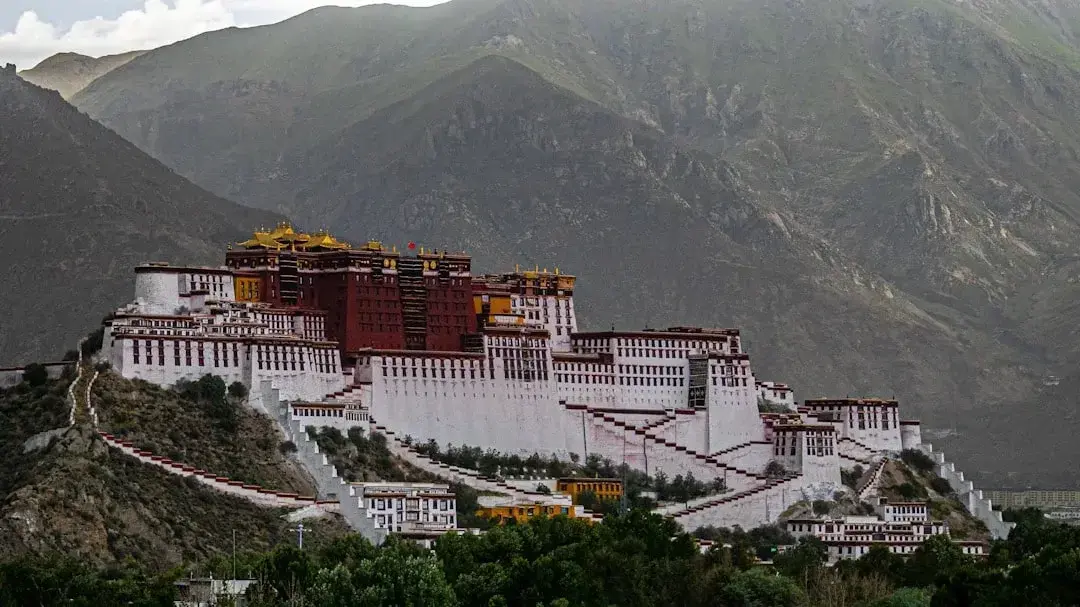
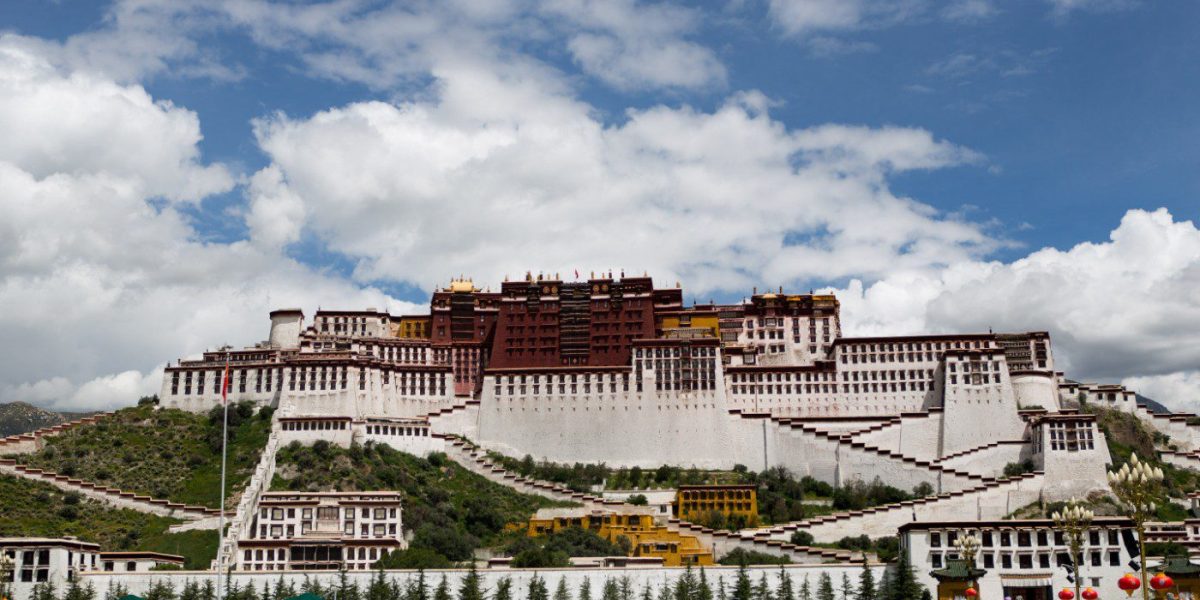
For many first-time visitors, the impression of Tibet begins with Lhasa, where the Potala Palace towers majestically above the city.
It was once the winter palace of the Dalai Lamas and remains one of Asia's most iconic architectural landmarks.
Beyond Lhasa, many travellers dream of trekking to Everest Base Camp from the Tibetan side, where the route is long and rugged yet spectacularly scenic.
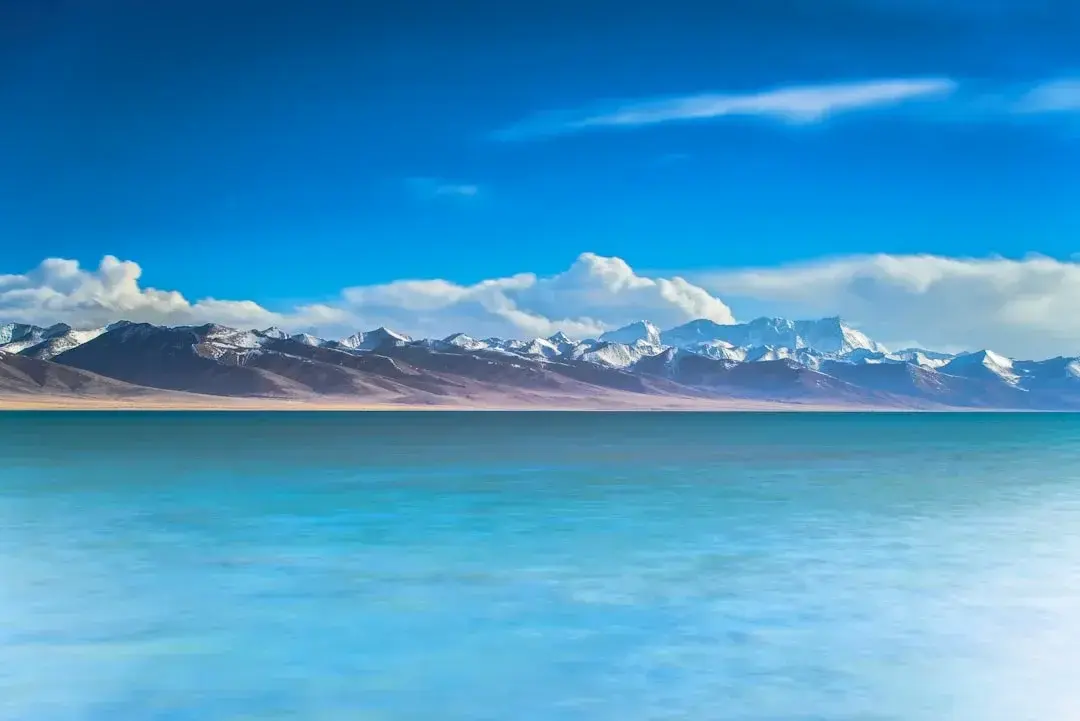
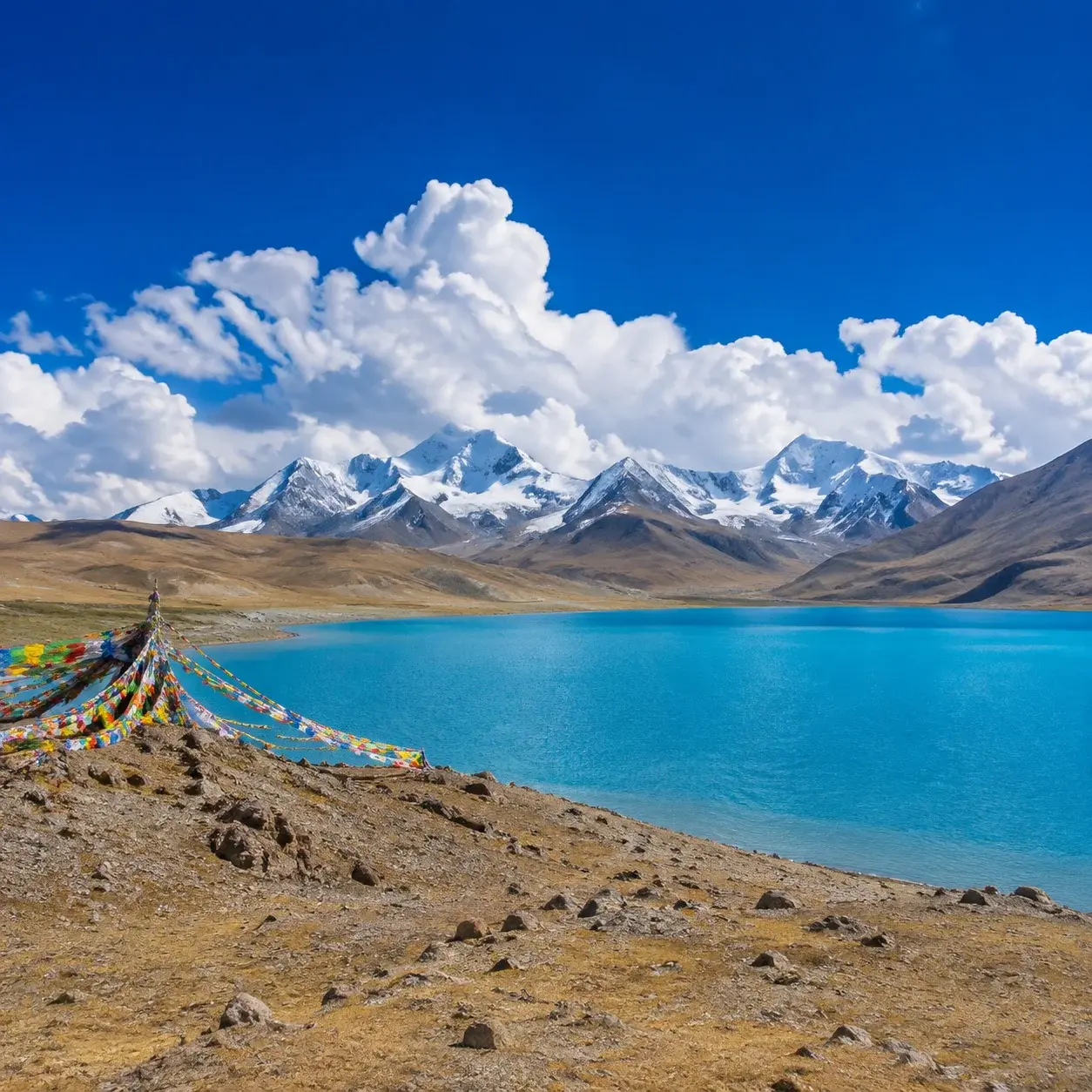
High-altitude lakes such as Yamdrok Yumtso and Namucuo add another dimension to a trip to Tibet, their stunning azure waters surrounded by brown hills, snow-capped white peaks, and fluttering prayer flags.
The cultural allure is equally captivating. In Tibet, Tibetan Buddhism is not a museum exhibit, but a living presence. Around Barkhor Street and the Potala Palace, you can see devout pilgrims prostrating in prayer, locals spinning prayer wheels, and monks moving between monasteries and nunneries. Sera and Drepung Monasteries offer an intimate glimpse into the monastic lifestyle, scholarly pursuits, and religious rituals.
The great difference between a Tibetan tour and other Chinese itineraries lies in its pace. Distances feel more expansive, altitude influences how you move, and sightseeing naturally slows down. In Tibet, you do not rush; you adapt and observe, allowing the land to reveal itself gradually. ## Permits and Entry Requirements for Tibet
Before planning your trip to Tibet, one crucial rule must be kept in mind, and it is simple: travellers holding foreign passports cannot explore Tibet independently. You must enter Tibet through a registered tour operator, accompanied by a guide, and follow a pre-arranged itinerary. This requirement is mandatory and affects every aspect of your trip, from transport bookings to hotel check-ins and access to major attractions.
To enter Tibet legally, as an overseas visitor, you typically need:
- A valid passport
- A valid Chinese visa
- A Tibet Travel Permit
- Additional permits for specific restricted areas, such as Everest Base Camp or western Tibet
The Tibet Travel Permit is the core document required to enter Tibet and cannot be applied for independently. Only authorised travel agencies can submit the application on your behalf. In most cases, you will need to send clear copies of your passport and Chinese visa to the travel agency once they have been issued. The agency will then coordinate with the relevant authorities to process the permit.
Timing is critical. Permit processing typically requires 15 to 20 days in advance, and we recommend allowing extra time during peak travel seasons. Consequently, last-minute trips to Tibet carry significant risk. It is best not to book train or flight tickets to Tibet until your permit has been confirmed, especially during peak periods.
Some areas require additional documentation beyond the standard permit. If your itinerary includes Base Camp of Mount Everest, border regions, or remote areas in western Tibet, your travel agency must arrange these extra permits in advance as part of your travel package.
This is where professional local support becomes essential. A reputable travel agency does far more than book hotels. It verifies your eligibility, collects the correct documents, manages the permit application process, arranges guides and drivers, and coordinates transport, accommodation, and route logistics. For a destination like Tibet, where regulations and route access can affect every aspect of the trip, this support makes the planning process significantly smoother.
Ways to Travel to Tibet
There are two main ways to enter Tibet: by train or by plane. Your choice will depend on your schedule, budget, comfort preferences, and concerns about altitude sickness.
Train: Qinghai–Tibet Railway
For many travellers, the train ride to Tibet is the most memorable part of the journey. The Qinghai–Tibet Railway is celebrated as the world’s highest-altitude railway, traversing vast, remote highland landscapes that feel cinematic and unlike anywhere else in China. It is also one of the best options for travellers who wish to gain altitude more gradually.
Popular rail routes include:
- Xining to Lhasa: approx. 21 hours
- Chengdu to Lhasa: approx. 36 hours
- Beijing to Lhasa: approx. 40 hours
Of these, Xining is usually the most convenient departure point, as many trains bound for Tibet pass through here. Journeys from Xining are of moderate duration, offering ample time to take in the classic plateau scenery without the burden of a lengthy cross-China trek.
On board, travellers typically choose between hard sleeper and soft sleeper berths. Soft sleepers offer greater privacy and comfort, while hard sleepers are more affordable and perfectly acceptable for many passengers. However, the real highlight is what lies outside the window. As the train heads towards Tibet, you will pass vast grasslands, distant snow-capped peaks, and high-altitude regions such as the Hoh Xil and Tanggula Mountain Pass.
By Plane
Flying is the quickest and most convenient option, especially for travellers with limited time. Lhasa Gonggar Airport is the main air hub, connecting to major Chinese cities such as Chengdu, Beijing, Xi'an, and Chongqing. Many international travellers enter China through one of these hub cities first, spending one or two nights there before continuing on to Tibet.
The main downside of flying is the sudden increase in altitude. Lhasa sits at approximately 3,650 metres, and arriving by air can make altitude sickness more intense for some people. If you are particularly sensitive to altitude or prefer a more gradual physical acclimatisation, the train may be the better choice.
In practice, the best way to reach Tibet depends on your overall itinerary. If you are already planning to visit Chengdu, Xi'an or Beijing, flying to Tibet will be very efficient. If you want the journey itself to be part of the adventure, the train is the clear winner.
Tibet Tour Packages: Booking Guide
As foreign tourists are required to join pre-arranged support services, selecting the right Tibet tour package is one of the most important planning decisions. Most tours fall into three main categories: short Lhasa city tours, the classic overland journey to Everest Base Camp, and longer Tibet–Nepal itineraries.
Classic 4-Day Lhasa Tour
This is the ideal starting point for travellers with limited time or those who are unsure how their bodies will handle high altitudes.
A typical 4-day Lhasa itinerary looks like this:
- Day 1: Arrive in Lhasa, transfer from the airport or railway station, check into your hotel, and rest to acclimatise to the high-altitude environment.
- Day 2: Visit the Potala Palace and Jokhang Temple, and stroll through Barkhor Street.
- Day 3: Explore major monasteries, such as Sera and Tashilhunpo.
- Day 4: Depart Lhasa.
This short itinerary focuses on Tibet’s cultural heartland, offering first-time visitors a manageable introduction without lengthy overland travel.
8-Day Lhasa to Everest Base Camp Journey
For many travellers, this is the quintessential Tibetan travel package. It seamlessly blends Lhasa’s spiritual highlights with one of Asia’s most dramatic road trips.
After acclimatising to the altitude in Lhasa, the route typically heads west across high mountain passes and the lake region to Yamdrok Lake before continuing to Shigatse, Tibet’s second-largest city. From there, the journey proceeds toward **Everest
The longer Tibet–Nepal journey is ideal for travellers who crave a deeper overland experience, savoring the thrills of crossing from the Tibetan Plateau to the Himalayan foothills of Nepal.
A typical route departs from Lhasa, passes through Shigatse and the Mount Everest region, then heads to the Gyirong Border Crossing before continuing on to Kathmandu. This travel style allows for more time to immerse in the ever-changing landscapes, from the city of monks and open plateau roads to mountainous borderlands and more verdant valleys.
Please note that border policies and transit procedures can change, so specific routes and travel times may vary. A reputable travel agency will help confirm current road conditions, document requirements, and connection arrangements before you depart.
Recommended Top Attractions in Tibet
Tibet boasts many famous landmarks, but for first-time visitors, a balanced route typically pairs Lhasa’s cultural sites with one or two scenic high-altitude excursions.
Potala Palace
The Potala Palace is the icon of Tibet and a must-see for almost every first-time visitor.
It stands majestically atop Lhasa’s Red Hill, with its white palace walls, red upper structures, and golden roofs dominating the skyline, radiating an aura of solemnity and sanctity.
Inside, the halls of Buddhist shrines, murals, reliquaries, and cloisters unfold layer by layer, revealing the rich history of Tibetan religion and politics.
Visits are usually subject to time restrictions, so guides typically schedule this as the first confirmed stop on the itinerary.
Jokhang Temple
In the heart of Old Lhasa, Jokhang Temple is one of the most revered sacred sites in Tibetan Buddhism. Pilgrims journey vast distances to pray here, and the atmosphere surrounding the temple is profoundly moving. You may see faithful devotees prostrating outside, while inside, the air is warm with the scent of butter lamps, sandalwood, and centuries of devotion.
Barkhor
Around the perimeter of Jokhang Temple, Barkhor Street serves as both a pilgrimage circuit and the perfect place to feel Lhasa's pulse. Pilgrims, monks, shopkeepers, and tourists move through this circular route together. Prayer flags, incense, ancient alleyways, and shops selling prayer beads, thangka paintings, and handcrafted jewellery create a vibrant urban atmosphere unique in China.
Sera Monastery
Sera Monastery is famous for its monk debates, a tradition that transforms philosophical discussion into a visually striking public event. In the debate courtyard, monks clap forcefully, advance with bold strides, and engage with one another in a style that balances intellectual depth with dramatic flair. For many travellers, this is one of the most memorable windows into monastery life on the Tibetan plateau.
Drepung Monastery
Once among the world's largest monasteries, Drepung Monastery sprawls across the hillsides outside Lhasa, resembling a city of white stone. It offers a more serene and expansive perspective on Tibet's religious history and educational traditions. If the Potala Palace feels solemn and imposing, Drepung evokes openness and contemplation.
Yamdrok Lake
The drive to Yamdrok Lake provides many travellers with their first glimpse of the visual grandeur of the Tibetan Plateau. Shifting light can turn the water turquoise, cobalt blue, or mirror-like silver-grey, often framed by snow-capped peaks and passes draped in prayer flags. Even those who have seen the photographs are frequently taken aback by the sheer breadth and vivid hues of the lake in person.
Everest Base Camp
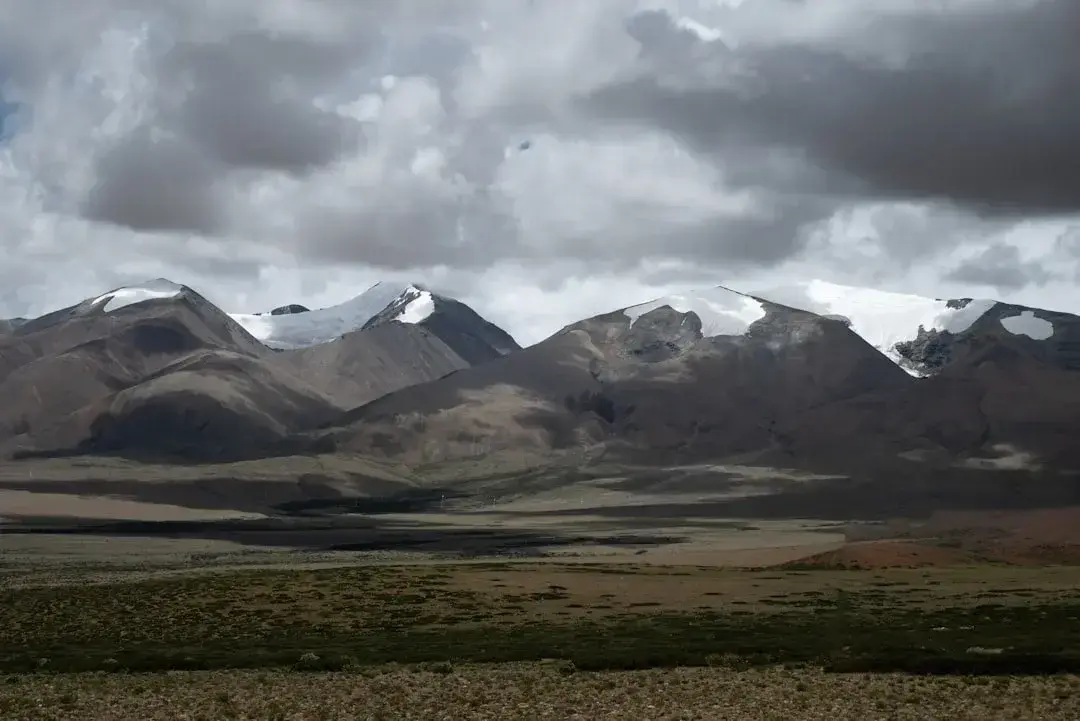
Approaching Everest Base Camp from the Tibetan side is one of Asia's most compelling overland journeys. The trip itself is a reward: soaring passes, vast gorges, yak-dotted meadows, and the Himalayas looming ever more clearly on the horizon. The roads can be rugged, the weather unpredictable, and the high-altitude conditions no small challenge, yet standing where the world's highest peak comes into view is a deeply moving moment.
Namtso Lake
For travellers with time to spare, Namtso is one of Tibet's most dramatic natural landscapes. Set at extreme altitude, it conveys a sense of vastness, sanctity, and wildness. The strong winds, the exceptionally low sky, and the raw, pristine surroundings leave a lasting impression on many visitors.
The ideal route through Tibet depends on how many days you have and how well you acclimatise to the high altitude. Some travellers prefer to focus on Lhasa and its surrounding sights, while others want to travel overland to Mount Everest, or even further afield.
The Best Time to Visit Tibet
The best time to travel to Tibet is generally May to October. During this period, the weather is relatively mild, roads are more accessible, and most classic sightseeing routes operate smoothly. This is the main travel season for cultural excursions in Lhasa and long overland journeys towards the Everest region.
Late spring and early autumn are particularly appealing to many international visitors. Skies tend to be clearer, temperatures are more pleasant, and the balance between scenery and road conditions is often just right.
Travelling in winter is possible, but the weather can be extremely cold, especially in areas outside Lhasa, and some routes may offer reduced comfort for first-time visitors. In summer, during July and August, some landscapes are more lush, but you may also encounter increased rainfall, reduced mountain visibility, and road conditions that vary depending on the route.
If your primary goal is photography, long-distance overland travel, or combining Tibet with a trip to Nepal, it is advisable to carefully discuss your travel dates before making a booking.
Altitude Sickness: How to Prepare
High altitude is one of the most significant practical concerns in Tibet travel and should not be taken lightly. Lhasa is at an altitude of approximately 3,650 metres, a height sufficient to cause shortness of breath, mild headaches, fatigue, or poor sleep for many visitors during their first day or two.
The most effective strategy is actually quite simple: take it slow upon arrival and respect the altitude. If conditions allow, choose an itinerary that gives you time to rest after arriving. Your first day in Lhasa should be relaxed, avoiding strenuous activity. Please drink plenty of water, avoid alcohol, eat light meals, and do not rush to climb stairs or cross mountain passes just to start sightseeing quickly.
Some travellers carry Diamox (acetazolamide) or other anti-altitude sickness medication, while others may consider herbal options such as Rhodiola. Medication decisions should be discussed thoroughly with a doctor before travel, especially if you have heart, lung, or blood pressure conditions.
If you are concerned about altitude sickness, travelling to Tibet by train might be easier, as the altitude gain on the train is more gradual than by plane. A well-planned itinerary is also important. Quality Tibet tour packages typically schedule lighter sightseeing activities early on, allowing you to acclimatise before heading to higher, more remote regions. We provide more detailed information in  Tibet with Kids.
Tips for Travelling in Tibet
A few simple habits can make your trip to Tibet smoother.
Dress in layers. Even during peak travel season, Tibet’s weather can swing rapidly between warm sunshine and biting cold, especially in the early morning and evening. Multiple layers, sun protection, and a warm jacket are far more practical than one heavy coat.
Be mindful when photographing. Many temples and halls either restrict or completely prohibit photography inside. Always check the specific rules before you start, particularly in areas where religious ceremonies are in progress.
Respect religious customs. Tibet is not just a place of beautiful landscapes; it is a land of deep spiritual significance. Unless otherwise specified, walk clockwise around sacred sites, refrain from touching sacred objects, and keep your voice low in prayer areas.
Allow for flexibility. Weather, road conditions, and coordination of permits can all affect the pace of your journey through Tibet. In this context, a little extra patience goes a long way.
Frequently Asked Questions
Question 1: Can foreign travellers visit Tibet independently?
Passport holders from overseas cannot travel to Tibet independently. You must book through a licensed travel agency and travel with a certified guide and an approved itinerary.
Question 2: How do I obtain a Tibet Entry Permit?
You cannot apply for this yourself. A licensed travel agency will apply on your behalf after collecting copies of your passport and Chinese visa. Processing usually takes 15 to 20 days.
Question 3: How much does a trip to Tibet cost?
The cost depends on the length of the route, the season, mode of transport, accommodation standard, and whether you are joining a group or a private customised itinerary. A short trip to Lhasa will cost significantly less than a land-based Everest or China–Nepal border crossing.
Q4: Is it safe to travel to Tibet?
Yes, for most travellers, Tibet is safe as long as careful planning is in place. The primary challenges lie in the high altitude, long-distance travel, and logistics rather than everyday personal safety risks. Travelling with an experienced local team helps mitigate these risks, ensuring a smoother and more manageable journey.
Question 5: When is the best time to visit Tibet?
For the majority of travellers, May to October is the optimal season. This period is generally most suitable for sightseeing, road trips, and combining cultural exploration with scenic overland itineraries.
Experience the Roof of the World
A well-planned journey to Tibet is one of the most extraordinary experiences you can have in China. It blends spiritual heritage, high-altitude landscapes, and a road-trip feel that lingers in your memory for years. If you are comparing Tibet tour packages or considering a longer route, start by assessing your available time, your tolerance for high altitudes, and whether you wish to focus on Lhasa, Mount Everest, or a broader Tibet-Nepal itinerary.
If you are still in the planning stages, consider bookmarking this guide to help compare which journey best suits you. Many travellers also combine Tibet with other highlights in western China, such as Chengdu and the Silk Road, or undertake a longer transnational train journey before heading to the plateau.