



 18 days China, End to End Beijing → Xi'an → Chuanzhusi → Jiuzhaigou → Chengdu → Zhangjiajie → Guilin → Yangshuo → Shenzhen From $6,360 View route
  3 days 4-Day Tour of Siguniang Mountain, Biepa Gou, and Dagu Glacier Chengdu → Lixian → Heishui County From $1,599 View route
  5 days Above the Pillars, Then Below Zhangjiajie From $1,430 View route
  3 days After the Last Booth Guangzhou From $840 View route
 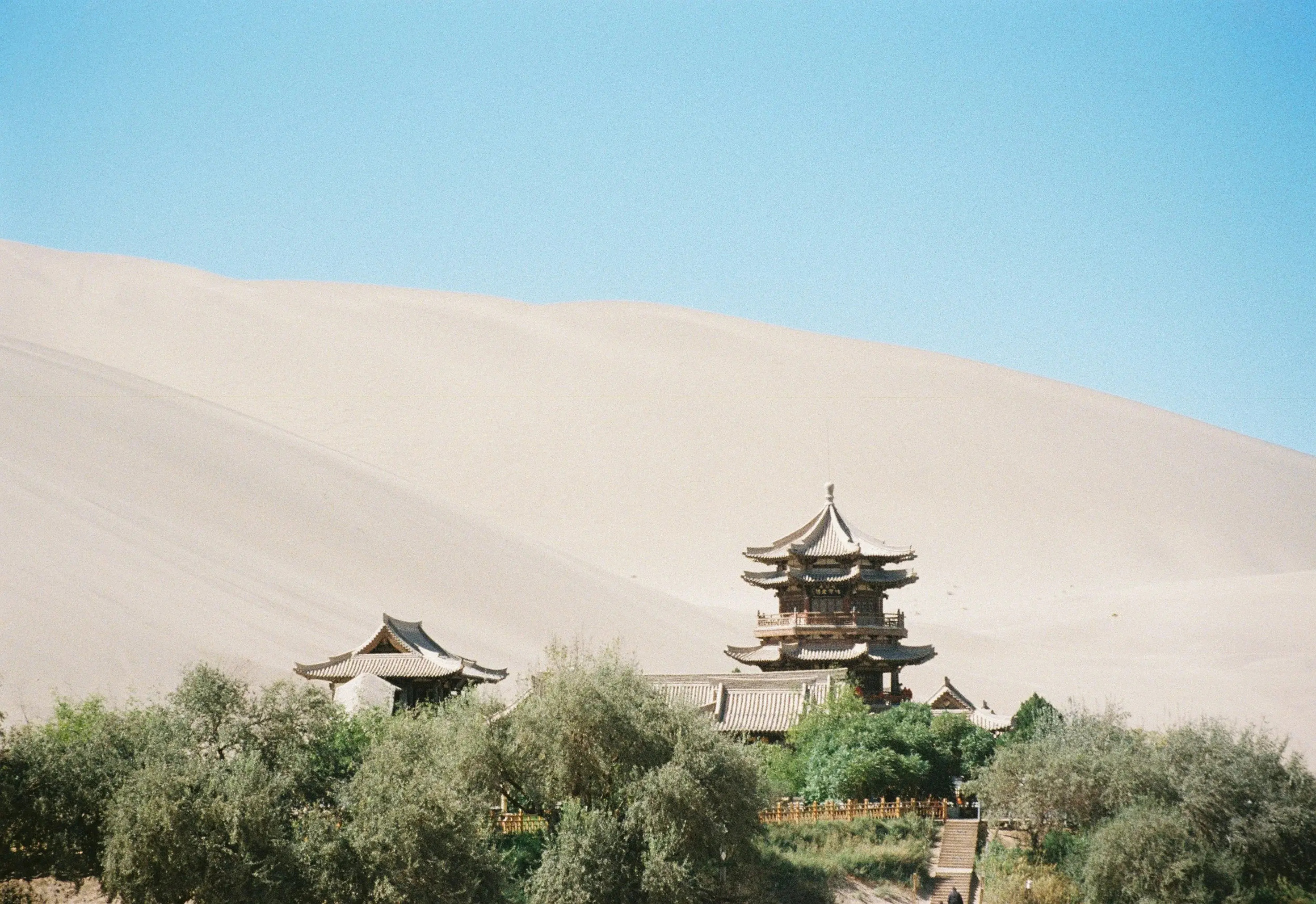 13 days All the Way West Xi'an → Dunhuang → Turpan → Kashgar → Shanghai From $3,500 View route
 Hanfu Shoes: Types, Styles & How to Choose

Introduction: The Most Overlooked Part of a Hanfu Outfit
Hanfu shoes are often the last thing people think about—and the moment they start to matter, the whole outfit suddenly feels more complicated. I have seen this happen again and again: someone spends hours choosing a ruqun or mamianqun, gets the colors right, finds the perfect hair accessories, and then stops short at one practical question: what am I actually supposed to wear on my feet?
The good news is that hanfu footwear is not one single shoe style. It is a broad category that includes soft flat cloth shoes, embroidered slippers, elegant upturned-toe styles, wooden clogs, and men’s boots. Once you understand the basic vocabulary, choosing becomes much easier. In this guide, I will walk through the main types of hanfu shoes, give you a quick dynasty-by-dynasty overview, and share practical advice on what people actually buy and wear today. If that's your situation, start with hanfu hair accessories.
Hanfu Shoe Types at a Glance
If you came here asking, “What shoes go with hanfu?” this table gives the quick answer first.
| Shoe Type | Chinese Name (Pinyin) | English Gloss | Era/Origin | Common Wearers | Formality | Best For |
|---|---|---|---|---|---|---|
| Lü | 履 (lǚ) | Flat traditional shoes | Broadly used across many dynasties | Men and women | Low to medium | Everyday hanfu, beginner styling, casual photoshoots |
| Qiaotou Lü | 翘头履 (qiàotóu lǚ) | Upturned-toe shoes | Seen in early forms and later formal styles | Men and women | Medium to high | More historical looks, long-hem outfits, elegant silhouettes |
| Gongxie | 弓鞋 (gōngxié) | Embroidered shoes | Often associated with refined women’s dress in later periods | Mostly women | Medium to high | Ruqun, festive outfits, decorative styling |
| Xue | 靴 (xuē) | Boots | Common in colder climates, riding culture, and men’s dress | Mostly men | Medium | Men’s robes, martial-inspired looks, autumn and winter wear |
| Ji | 屐 (jī) | Wooden clogs | Early Chinese footwear, especially noted in some historical settings | Men and women | Low to medium | Wei-Jin inspired styling, casual historical aesthetics |
| Modern Hanfu Flats | 现代汉服鞋 (xiàndài hànfú xié) | Hanfu-friendly modern flats | Contemporary | Men and women | Low to medium | Budget outfits, conventions, daily walking, first hanfu purchase |
For most beginners, the simplest answer is this: choose clean cloth flats or embroidered hanfu-style shoes that match the overall mood of your outfit. If your hanfu is more formal or historically styled, upturned-toe shoes can make the silhouette look much more convincing.
The Main Types of Hanfu Shoes Explained
Flat Cloth Shoes (Lü 履)
Lü is one of the most useful footwear words to learn. In a broad sense, it refers to traditional shoes, often soft-soled and made from cloth-based materials such as cotton, linen, or silk. Modern versions may look simple at first glance, but that is exactly why they work so well.
These shoes are practical, understated, and easy to pair with many hanfu outfits. If you are wearing a casual ruqun for a garden stroll, a photo day, or a cultural event, flat cloth shoes are often the safest choice. They do not visually compete with the rest of the outfit, and if the hem is long enough, only the front edge of the shoe may show.
For beginners, lü-style shoes are usually the most wearable option because they are easier to walk in than dramatic costume shoes. They also bridge the gap between historical inspiration and modern comfort. That said, comfort varies a lot. Some are lightly structured and pleasant for a few hours, while others feel almost like indoor slippers.
Upturned-Toe Shoes (Qiaotou Lü 翘头履)
Qiaotou lü are the shoes many people picture when they imagine highly stylized historical Chinese footwear. The name literally refers to shoes with an upturned or raised toe. This curved front is visually elegant, but it was not just decorative.
One practical reason for the upturned toe was to help manage long robes and skirts. When a hem falls close to the ground, a slightly lifted toe changes the way fabric rests over the foot. Instead of catching flat against the front edge, the cloth is more likely to drape forward and clear the ground cleanly. In other words, the shape helps support the line of the garment and reduces the chance of the front hem dragging.
That is also why qiaotou lü often feel more formal and more “historical” than plain flats. They work especially well with longer, more elegant outfits where silhouette matters. If you are styling a polished photoshoot look or a more accurate reproduction-inspired ensemble, this is the kind of shoe that can quietly elevate the entire outfit.
Embroidered Shoes (Gongxie 弓鞋)
Gongxie are decorative embroidered shoes often associated with refined feminine styling. The exact historical use and terminology can vary by period and context, but for modern hanfu shoppers, this category usually means elegant cloth shoes with embroidered uppers.
The embroidery is part of their appeal. You will often see motifs such as peonies, lotus flowers, plum blossoms, butterflies, clouds, or auspicious birds. These details add texture and visual interest even when the shoes are only partially visible beneath a skirt. A soft cream shoe stitched with pale pink blossoms can make a ruqun feel more romantic; a red pair with gold embroidery can instantly read as festive or ceremonial.
These shoes are especially popular for women’s hanfu because they suggest delicacy, celebration, and refinement. If you are attending a hanfu gathering, a tea event, or doing portrait photography, embroidered shoes often photograph beautifully. Just remember that the prettier the shoe, the more important it is to check the sole. Some highly decorative pairs are made mainly for indoor wear or short sessions.
Boots and Clogs
Not all hanfu footwear is soft and dainty. Xue (靴), or boots, are an important category—especially for men’s hanfu, colder weather, and outfits with a riding, travel, or martial flavor. A clean pair of black or dark brown boots can anchor a men’s robe beautifully, giving the outfit a stronger vertical line and a more grounded presence.
Boots are also often the most practical historical-style option for outdoor events. If someone is walking through stone streets, uneven courtyards, or autumn grounds, boots usually provide better structure than thin cloth slippers.
Then there is ji (屐), wooden clogs. These have a very different mood. They feel airy, literati-like, and slightly rustic, and they are especially associated in the modern imagination with Wei-Jin inspired aesthetics. A pair of clogs paired with flowing robes can create an effortlessly scholarly atmosphere. They are not always the easiest everyday choice, but they bring a lot of period character when styled well. There's a fuller guide to this in hanfu hanbok controversy.
Hanfu Shoes by Dynasty: A Quick Historical Guide
Han to Wei-Jin
In the Han through Wei-Jin periods, footwear often emphasized practicality, soft lines, and function. Flat-soled shoes were common, and early forms of raised or shaped toes began to appear. The overall impression in many reproductions is less ornamental than later courtly styles and more connected to daily movement.
This is also where wooden clogs become more visible in the broader story of Chinese footwear. In modern styling, Wei-Jin inspired outfits sometimes lean into that relaxed, drifting elegance: loose robes, wide sleeves, natural fabrics, and shoes that feel simple rather than heavily embellished.
Tang to Song
Tang dynasty fashion is often remembered for confidence, color, and visual richness, and footwear followed that spirit. Brighter hues, more elegant outlines, and decorative surfaces became more noticeable. Shoes in Tang-inspired styling can feel lively and expressive, especially when paired with fuller skirts and bolder color palettes.
By contrast, the Song dynasty generally shifted toward a more restrained and refined aesthetic. The beauty is quieter. Instead of overt drama, you often see subtle shape, calm tones, and controlled elegance. If Tang footwear feels vibrant, Song-inspired footwear often feels poised.
For modern buyers, this means your shoe choice should not only match the garment but also the dynasty mood you want to evoke. A bright embroidered shoe may suit a Tang-style look better than a very plain minimalist one, while a gentle, understated flat can support a Song-inspired outfit beautifully.
Ming Dynasty
Ming dynasty footwear is especially influential in modern hanfu reproductions because many enthusiasts love its structured elegance. Shoes from this broader aesthetic world often appear more ornate, more deliberate in construction, and sometimes more dramatic in profile.
This is also where many people encounter more pronounced upturned-toe forms, including styles sometimes described in reproduction spaces as phoenix-head shapes. Whether simple or decorative, Ming-inspired shoes often look composed and intentional rather than casual. They pair particularly well with garments that have crisp lines, layered structure, and visible formality.
If you are shopping today and see beautifully made upturned-toe embroidered shoes, there is a good chance the visual language is drawing at least partly from Ming-era preferences.
Important Qing Clarification
One of the most common areas of confusion is Qing-era platform footwear—especially the so-called “flowerpot” or horse-hoof style shoes. These dramatic elevated shoes are strongly associated with Manchu dress, not hanfu in the strict sense.
That distinction matters. Hanfu refers to the traditional clothing system of the Han Chinese, while Qing court footwear of this type belongs to a different dress tradition. In cosplay, costume photography, or general “ancient China” discussions, these shoes are often mixed together. But if you are aiming for actual hanfu styling, flowerpot shoes should not be treated as standard hanfu footwear.
They can still appear in theatrical, museum, or costume contexts—it is just important to label them correctly.
Modern Hanfu Shoes: What People Actually Buy Today
Most people wearing hanfu today are not commissioning museum-level reproductions. They are choosing from a practical modern market that blends historical inspiration, wearable design, and budget compromise.
The most common options include:
- Reproduction embroidered flats that look traditional from the outside
- Cloth shoes with rubberized soles for better grip and outdoor use
- Hidden-platform or “inner increase” shoes that give extra height under long skirts
- Simple neutral flats used as affordable substitutes when the hem covers most of the foot
This is where shopping strategy matters. Dedicated hanfu brands usually offer the most coordinated styling, especially if they design shoes to match their own clothing lines. Handmade sellers may provide better detailing, custom embroidery, or a more convincing shape, but prices are often higher and sizing may be less standardized. Cosplay marketplaces can be useful for occasional wear, photoshoots, or conventions, but quality varies dramatically.
If I am helping a first-time visitor or overseas customer build a practical hanfu wardrobe, I usually suggest thinking in terms of three levels:
1. Costume-Grade
This is the lowest-budget category. The shoes may look acceptable in photos from a distance, but materials are often stiff, soles are thin, and embroidery can appear flat or machine-heavy. These are fine for one event, casual cosplay, or trying a style before investing more.
2. Casual Wearable
This is the sweet spot for most people. The shoes still look hanfu-appropriate, but they include more useful features like padded insoles, rubber soles, or better stitching. If you want something for events, city walking, travel photos, and repeat wear, this is often the best value category.
3. Enthusiast-Level or More Accurate Reproduction
These prioritize silhouette, materials, shape, and period flavor. They may use more historically inspired construction and more carefully designed uppers. They are ideal for serious hobbyists, stylized shoots, or people building a thoughtfully curated wardrobe—but they may not always be the most comfortable for full-day walking.
A few practical warnings are worth keeping in mind. Many cloth shoes run small or narrow, especially if the listing is based on slim traditional shapes. Cushioning is often minimal, and some shoes that look sturdy online are really only meant for smooth indoor surfaces. If you plan to wear your hanfu outdoors all day, check the sole material, width, and user reviews carefully.
For overseas travelers coming to China and planning to shop locally, this is also where a knowledgeable travel or shopping-focused agency can be genuinely helpful. Instead of guessing between costume goods and wearable pieces, you can get advice on neighborhoods, boutiques, and quality expectations—especially if you want something practical enough for walking but still visually right for hanfu photography.
How to Match Shoes to Your Hanfu Outfit
The simplest rule is this: match shoe formality to outfit formality, then match the shoe color to the hem, skirt, or overall palette.
That first rule solves most beginner mistakes. If your hanfu is airy and casual, heavily ornate shoes can look disconnected. If your outfit is formal and layered, very plain modern sneakers or obvious ballet flats can break the visual rhythm.
Here are some easy pairings that work well:
- Ruqun: embroidered flats or qiaotou lü are usually the most natural choices
- Mamianqun: neat upturned-toe shoes or clean structured flats work well because the skirt has a more tailored presence
- Men’s robes: understated cloth shoes or boots are often the best match, depending on season and setting
Color matters, but it does not have to be complicated. You do not need an exact match. Instead, try to echo one of the following:
- the color of the skirt hem - a secondary color in the embroidery - the overall warmth or coolness of the palette
A white pair of hanfu flats can work with many spring and summer looks. Black is versatile for men’s outfits and darker ensembles. Soft pink, pale green, beige, and light blue are easy choices for feminine wardrobes.
Hem length is just as important as color. The shoe should support the silhouette rather than fight it. Ideally, the front hem clears the toe neatly. If fabric bunches over the shoe or drags on the ground, the outfit starts to look heavy and awkward. This is one reason upturned-toe shoes can be so effective: they help present the hem cleanly.
And for beginners, here is the reassuring truth: simple white, black, or pastel flats can absolutely be enough at first. If the color is gentle, the shape is clean, and the shoe does not visually clash with the outfit, it will often look better than an overly theatrical “historical” shoe that is uncomfortable or poorly made.
Common Mistakes to Avoid
A few mistakes show up again and again when people first start styling hanfu shoes.
Choosing by decoration alone
A shoe covered in embroidery can be beautiful, but if the shape is wrong for the outfit, it still will not look convincing. Start with silhouette first, then decoration.
Ignoring comfort for outdoor wear
Many hanfu shoes are made for short events or photography, not long days on pavement. If you will be walking through parks, old towns, or travel sites, prioritize support and grip.
Picking shoes that are too visible for the outfit
If your skirt is long and elegant, a bulky modern shoe can distract from the lines. Even if you are using a substitute, choose one with a low profile.
Mixing non-hanfu footwear traditions without realizing it
Qing Manchu platform shoes, opera shoes, and fantasy costume pieces all have their own visual appeal, but they are not automatically hanfu shoes. If historical accuracy matters to you, label and style them carefully.
Final Thoughts
The best hanfu shoes are not always the most elaborate ones. They are the pair that makes your outfit feel complete, supports the hem properly, and lets you move with confidence. Sometimes that means an embroidered flat with delicate plum blossoms; sometimes it means understated cloth shoes that disappear beneath the skirt; sometimes it means a sharp pair of boots that gives a men’s robe the right weight.
If you are just starting out, begin simple. Learn the key categories—lü, qiaotou lü, gongxie, xue, and ji—and then build from there. Once you understand the relationship between shape, formality, and silhouette, choosing hanfu footwear becomes much less intimidating.
If you have found a hanfu shoe style that works especially well for ruqun, mamianqun, or men’s robes, save this guide and share your experience. In hanfu styling, the smallest details often make the biggest difference—and shoes are one of those details that quietly transform the whole look.