



 18 jours La Chine, d'un bout à l'autre Pékin → Xi'an → Chuanzhusi → Jiuzhaigou → Chengdu → Zhangjiajie → Guilin → Yangshuo → Shenzhen À partir de $6,360 Voir le circuit
  18 jours Air raréfié, puis niveau de la mer Pékin → Xi'an → Chengdu → Lhassa → Tchong-King → Yichang → Shanghaï À partir de $4,900 Voir le circuit
  3 jours Après le dernier stand Canton À partir de $840 Voir le circuit
  5 jours Au-dessus des piliers, puis en dessous Zhangjiajie À partir de $1,430 Voir le circuit
 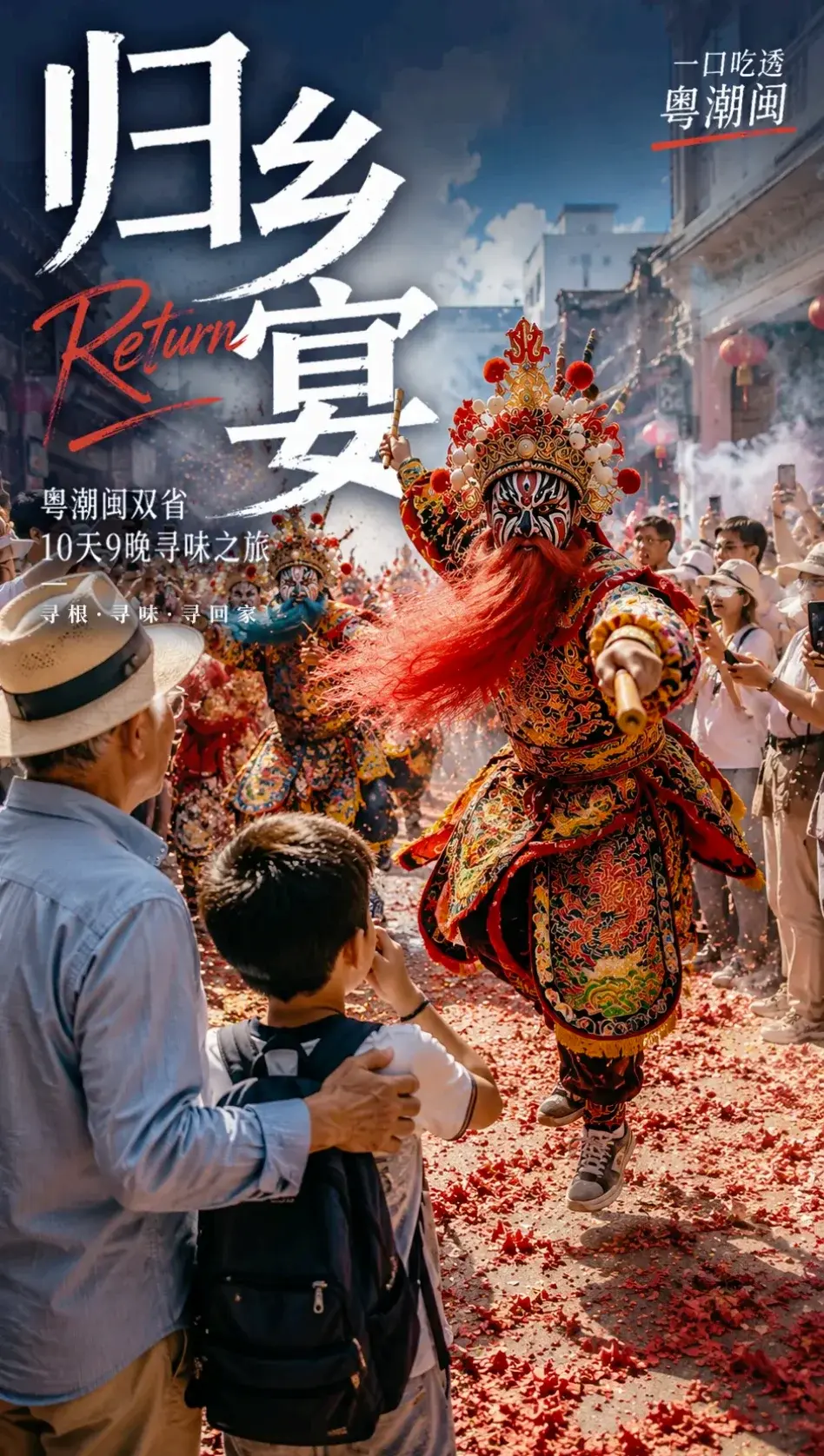 10 jours Banquet de retour au pays Canton → Shantou → Jieyang → Chaozhou → Quanzhou → Zhangzhou → Xiamen À partir de $4,000 Voir le circuit
 Chaussures de Hanfu : Types, Styles et Comment Bien Choisir

Introduction : La partie la plus négligée d'une tenue Hanfu
Les chaussures hanfu sont souvent la dernière chose à laquelle on pense—et dès qu'elles deviennent importantes, l'ensemble de la tenue semble soudainement plus compliqué. J'ai vu cela se produire encore et encore : quelqu'un passe des heures à choisir une ruqun ou une mamianqun, obtient les bonnes couleurs, trouve les accessoires capillaires parfaits, puis s'arrête net devant une question pratique : que suis-je censé porter aux pieds, en fait ?
La bonne nouvelle, c'est que les chaussures associées au hanfu ne se limitent pas à un seul style.
Il s'agit d'une vaste catégorie qui comprend des chaussures plates et souples en tissu, des chaussons brodés, des modèles élégants au bout relevé, des clogs en bois et des bottes pour homme.
Une fois le vocabulaire de base compris, le choix devient beaucoup plus facile.
Dans ce guide, je vous présenterai les principaux types de chaussures de hanfu, un aperçu rapide dynastie par dynastie, et des conseils pratiques sur ce que les gens achètent et portent réellement aujourd'hui.
Si c’est votre cas, commencez par  les accessoires capillaires en hanfu.
Types de chaussures pour hanfu en un coup d'œil
Si vous êtes arrivé ici en vous demandant « Quelles chaussures portent-elles avec le hanfu ? », ce tableau vous donne d'abord une réponse rapide.
| Type de chaussure | Nom chinois (Pinyin) | Glossaire anglais | Époque/Origine | Porteurs habituels | Niveau de formalité | Idéal pour |
|---|---|---|---|---|---|---|
| Lü | 履 (lǚ) | Chaussures plates traditionnelles | Utilisées couramment à travers de nombreuses dynasties | Hommes et femmes | Faible à moyen | Hanfu du quotidien, styles pour débutants, shootings décontractés |
| Qiaotou Lü | 翘头履 (qiàotóu lǚ) | Chaussures à pointe relevée | Observées dans des formes précoces et des styles formels ultérieurs | Hommes et femmes | Moyen à élevé | Looks plus historiques, tenues à ourlets longs, silhouettes élégantes |
| Gongxie | 弓鞋 (gōngxié) | Chaussures brodées | Souvent associées à la tenue raffinée des femmes dans les périodes plus tardives | Majoritairement des femmes | Moyen à élevé | Ruqun, tenues de fête, stylisation décorative |
| Xue | 靴 (xuē) | Bottes | Courantes dans les climats froids, la culture équestre et les tenues masculines | Majoritairement des hommes | Moyen | Robes masculines, looks inspirés des arts martiaux, tenues pour l'automne et l'hiver |
| Ji | 屐 (jī) | Sabots en bois | Chaussures chinoises anciennes, particulièrement notées dans certains contextes historiques | Hommes et femmes | Faible à moyen | Stylisation inspirée de la période Wei-Jin, esthétiques historiques décontractées |
| Baskets plates Hanfu modernes | 现代汉服鞋 (xiàndài hànfú xié) | Baskets plates modernes adaptées au hanfu | Contemporain | Hommes et femmes | Faible à moyen | Tenues économiques, conventions, marche au quotidien, premier achat de hanfu |
Pour la plupart des débutants, la réponse la plus simple est la suivante : choisissez des chaussures plates en tissu ou des chaussures brodées de style hanfu qui s'accordent avec l'ambiance générale de votre tenue. Si votre hanfu est plus formel ou d'inspiration historique, les chaussures à bout relevé peuvent donner à la silhouette un aspect beaucoup plus convaincant.
Les principaux types de chaussures de hanfu expliqués
Chaussures plates en tissu (Lü 履)
Lü est l'un des mots les plus utiles à connaître pour désigner les chaussures. Au sens large, il fait référence aux chaussures traditionnelles, souvent à semelles souples et fabriquées en matériaux textiles tels que le coton, le lin ou la soie. Les versions modernes peuvent sembler simples au premier abord, mais c'est précisément ce qui explique leur efficacité.
Ces chaussures sont pratiques, discrètes et faciles à assortir avec de nombreuses tenues hanfu. Si vous portez un ruqun décontracté pour une promenade au jardin, une séance photo ou un événement culturel, les chaussures plates en tissu sont souvent le choix le plus sûr. Elles ne rivalisent pas visuellement avec le reste de la tenue, et si l'ourlet est assez long, seule la pointe de la chaussure peut apparaître.
Pour les débutants, les chaussures de style lü sont généralement l’option la plus pratique, car elles sont plus agréables à porter que les chaussures de costume spectaculaires. Elles comblent aussi l’écart entre l’inspiration historique et le confort moderne. Cela dit, le confort varie beaucoup. Certaines sont légèrement structurées et agréables pendant quelques heures, tandis que d’autres ressemblent presque à des chaussons d’intérieur.
Chaussures à embout relevé (Qiaotou Lü 翘头履)
Les Qiaotou lü sont les chaussures que beaucoup imaginent lorsqu’il s’agit de la chaussure chinoise historique particulièrement stylisée. Le nom fait littéralement référence à des chaussures à bout relevé ou retroussé. Cette partie avant incurvée est visuellement élégante, mais elle n’avait pas uniquement une fonction décorative.
L'une des raisons pratiques de la pointe relevée était de faciliter la gestion des longues robes et jupes. Lorsque l'ourlet arrive près du sol, une pointe légèrement soulevée modifie la manière dont le tissu repose sur le pied. Au lieu de rester plaqué contre l'avant du pied, le tissu a tendance à tomber plus en avant et à se dégager proprement du sol. Autrement dit, cette forme aide à préserver la ligne de la tenue et réduit le risque que l'ourlet avant se traîne dans le sol.
C'est aussi la raison pour laquelle les qiaotou lü sont souvent perçus comme plus formels et plus « historiques » que les chaussures plates classiques. Ils conviennent particulièrement aux tenues plus longues et élégantes, où la silhouette joue un rôle clé. Si vous composez un look soigné pour une séance photo ou un ensemble inspiré de répliques fidèles, ce type de chaussure peut sublimer discrètement toute la tenue.
Chaussures brodées (Gongxie 弓鞋)
Gongxie sont des chaussures brodé décoratives souvent associées au style féminin raffiné. L'usage historique exact et la terminologie peuvent varier selon la période et le contexte, mais pour les acheteurs modernes de hanfu, cette catégorie désigne généralement des chaussures en tissu élégantes avec des parties supérieures brodées.
La broderie fait partie de leur charme. Vous verrez souvent des motifs comme des pivoines, des fleurs de lotus, des fleurs de prunier, des papillons, des nuages ou des oiseaux auspices. Ces détails apportent de la texture et un intérêt visuel, même lorsque les chaussures ne sont que partiellement visibles sous une jupe. Une chaussure de crème douce brodée de fleurs roses pâles peut donner à une robe-jupe (ruqun) une allure plus romantique, tandis qu'une paire rouge à broderie dorée évoque instantanément une ambiance festive ou cérémonielle.
Ces chaussures sont particulièrement populaires pour accompagner les hanfu féminins, car elles évoquent la délicatesse, la fête et la raffinement. Lors d’un rassemblement de hanfu, d’un événement thématique autour du thé ou d’une séance de photographie portrait, les chaussures brodées offrent souvent de très beaux résultats photographiques. Souvenez-vous toutefois que plus la chaussure est soignée, plus il est important de vérifier la semelle. Certains paires très décoratives sont conçues principalement pour un usage intérieur ou pour de courtes séances.
Bottes et sabot
Tous les chaussures de hanfu ne sont ni souples ni délicates. Les xuè (靴), ou bottes, constituent une catégorie importante, en particulier pour les hanfu masculins, les temps plus froids et les tenues au style équestre, de voyage ou martialis. Une belle paire de bottes noires ou brun foncé peut ancrer magnifiquement une robe masculine, lui conférant une silhouette plus vertigineuse et une présence plus assurée.
Les bottines sont souvent l'option la plus pratique pour les événements à thème historique en plein air. Lors d'une marche sur des rues pavées, dans des cours inégales ou dans des jardins d'automne, elles offrent généralement une meilleure structure que de fines sandales en tissu.
Il y a ensuite le ji (屐), des galoches en bois.
Celles-ci dégagent une atmosphère très différente.
Elles évoquent la légèreté et l'élégance des lettrés, avec une pointe de rustique, et sont particulièrement associées, dans l'imaginaire moderne, à l'esthétique de l'époque des Wei-Jin.
Un modèle de galoches porté avec des robes amples crée une ambiance d'érudition facile.
Ce ne sont pas toujours le choix le plus pratique au quotidien, mais, bien assorties, elles apportent beaucoup de caractère à l'époque.
Vous trouverez un guide plus complet à ce sujet dans la controverse hanfu et hanbok.
Chaussures Hanfu par Dynastie : Un Guide Historique Rapide
Han à Wei-Jin
Durant les périodes Han à Wei-Jin, les chaussures mettaient souvent l'accent sur le côté pratique, les lignes douces et la fonctionnalité. Les chaussures à semelle plate étaient courantes, et les premières formes d'orteils relevés ou façonnés commencèrent à apparaître. L'impression générale dans de nombreuses reproductions est moins ornementale que les styles de cour ultérieurs et plus liée aux mouvements quotidiens.
C'est aussi dans cette période que les sabots en bois s'inscrivent davantage dans l'histoire plus large de la chaussure chinoise. Dans les styles contemporains, les tenues inspirées de l'époque Wei-Jin se tournent parfois vers une élégance décontractée et fluide : robes amples, manches larges, tissus naturels et chaussures au design épuré, plutôt qu'orné de nombreuses décorations.
De la dynastie Tang à la dynastie Song
La mode de la dynastie Tang est souvent associée à l'assurance, aux couleurs vives et à la richesse visuelle, et la chaussure suivait cette dynamique. Les teintes plus éclatantes, les contours plus élégants et les surfaces décoratives sont devenus plus visibles. Les chaussures de style inspiré de Tang dégagent une allure vivante et expressive, notamment lorsqu'elles sont associées à des jupes plus amples et à des palettes de couleurs plus audacieuses.
En revanche, la dynastie des Song s'est généralement tournée vers une esthétique plus sobre et raffinée. La beauté y est plus discrète. Plutôt qu'un spectacle ostentatoire, on y décèle des formes subtiles, des teintes apaisées et une élégance maîtrisée. Si les chaussures de l'époque Tang paraissent vives, celles inspirées de l'ère Song semblent pleines d'assurance.
Pour les acheteurs d’aujourd’hui, cela signifie que le choix de vos chaussures doit non seulement s’harmoniser avec votre tenue, mais aussi avec l’atmosphère dynastique que vous souhaitez évoquer. Une chaussure richement brodée s’accordera probablement mieux avec une silhouette de style Tang qu’un modèle minimaliste et sobre, tandis qu’une flat souple et discrète mettra admirablement en valeur une tenue inspirée de la dynastie des Song.
Dynastie Ming
Le chaussure de la dynastie Ming est particulièrement influente dans les reconstitutions modernes de hanfu, car de nombreux passionnés apprécient son élégance structurée. Les chaussures de cet univers esthétique plus large apparaissent souvent plus ouvragées, plus rigoureusement construites et parfois plus dramatiques dans leur silhouette.
C’est également ici que l’on rencontre des formes de pointes relevées plus marquées, notamment des modèles parfois décrits dans les espaces de reproduction comme des pointes de tête de phénix. Qu’elles soient simples ou décoratives, les chaussures inspirées de la dynastie Ming ont souvent un aspect soigné et intentionnel, plutôt que décontracté. Elles s’accordent particulièrement bien avec des vêtements dotés de lignes nettes, d’une structure en couches et d’une visibilité de la formalité.
Si, en faisant vos courses aujourd'hui, vous repérez de jolies chaussures brodées au bout relevé, il est très probable que leur langage visuel puise au moins en partie dans les esthétiques de l'époque des Ming.
Précision importante sur la dynastie Qing
L'un des points de confusion les plus fréquents concerne les chaussures à plateau de l'époque Qing, en particulier les modèles dits « en pot de fleurs » ou à bout de sabot de cheval. Ces chaussures à talon surélevé et spectaculaires sont étroitement associées à l'habillement mandchou, et non au hanfu au sens strict.
Cette distinction est importante. Le hanfu désigne le système vestimentaire traditionnel des Han, tandis que les chaussures de la cour des Qing de ce type relèvent d'une autre tradition de la mode. Dans le cosplay, la photographie de déguisement ou les discussions générales sur l'« antique Chine », ces chaussures sont souvent confondues. Mais si vous visez un vrai style hanfu, les chaussures en forme de pot à fleurs ne doivent pas être considérées comme des chaussures hanfu standard.
Elles peuvent toujours apparaître dans des contextes théâtraux, muséaux ou de costume — il est simplement important de les désigner correctement.
Chaussures de hanfu modernes : ce que les gens achètent réellement aujourd'hui
La plupart des personnes portant le hanfu aujourd'hui ne font pas réaliser de répliques de niveau muséal. Elles choisissent plutôt parmi un marché moderne pratique qui mêle inspiration historique, design portable et compromis budgétaire.
Les options les plus courantes comprennent :
- Reproduction de flats brodés au look traditionnel de l'extérieur
- Souliers en tissu avec semelles caoutchoucées pour une meilleure adhérence et un usage extérieur
- Modèles à talon caché ou « augmentation interne » qui ajoutent de la hauteur sous les jupes longues
- Flats neutres et simples utilisés comme substitut abordable lorsque l'ourlet couvre la majeure partie du pied
C'est ici que la stratégie d'achat compte. Les marques spécialisées en hanfu proposent généralement le meilleur style coordonné, notamment lorsqu'elles conçoivent des chaussures assorties à leurs propres lignes de vêtements. Les vendeurs d'articles faits main peuvent offrir un meilleur niveau de détail, une broderie personnalisée ou des coupes plus fidèles, mais les prix sont souvent plus élevés et les tailles peuvent être moins standardisées. Les plateformes de costumes et de cosplay sont pratiques pour un portage occasionnel, des séances photo ou des conventions, mais la qualité varie énormément.
Si j'aide un visiteur novice ou un client étranger à constituer une garde-robe de hanfu pratique, je recommande généralement de raisonner en trois niveaux :
1. Niveau déguisement
C'est la catégorie au budget le plus serré. Les chaussures peuvent paraître acceptables sur des photos prises de loin, mais les matières sont souvent rigides, les semelles minces et les broderies peuvent sembler plates ou trop réalisées en machine. Elles conviennent pour une seule occasion, un cosplay décontracté, ou pour tester un style avant d'investir davantage.
2. Porté décontracté
C'est la catégorie idéale pour la plupart des gens. Ces chaussures restent fidèles à l'esthétique du hanfu tout en offrant des fonctionnalités plus pratiques, telles que des semelles rembourrées, des semelles en caoutchouc ou des coutures soignées. Si vous recherchez une paire polyvalente pour les événements, la marche en ville, les photos de voyage et une utilisation régulière, c'est souvent la catégorie qui offre le meilleur rapport qualité-prix.
3. Réplique de niveau passionné ou plus précise
Ce modèle privilégie la silhouette, les matériaux, la forme et l'âme de l'époque. Il peut intégrer une construction d'inspiration historique plus fidèle et des embouts plus soigneusement conçus. Il est idéal pour les amateurs avertis, les shootings stylisés ou ceux qui construisent une garde-robe rigoureusement sélectionnée, mais il n'est pas toujours le plus confortable pour de longues journées de marche.
Quelques mises en garde pratiques méritent votre attention. De nombreuses chaussures en tissu sont petites ou étroites, en particulier si l'annonce est fondée sur des formes traditionnelles effilées. L'amorti est souvent minimal, et certaines chaussures qui semblent robustes en ligne sont en réalité conçues uniquement pour des sols lisses à l'intérieur. Si vous prévoyez de porter votre hanfu à l'extérieur toute la journée, vérifiez attentivement la matière de la semelle, la largeur et les avis des utilisateurs.
Pour les voyageurs étrangers venant en Chine et souhaitant faire du shopping sur place, c'est également là qu'une agence de voyage ou spécialisée dans le shopping peut être véritablement utile. Plutôt que de deviner entre les articles de costume et les pièces portables, vous pouvez obtenir des conseils sur les quartiers, les boutiques et les attentes en matière de qualité, surtout si vous recherchez quelque chose d'assez pratique pour la marche mais toujours visuellement adapté à la photographie en hanfu.
Comment assortir vos chaussures à votre tenue hanfu
La règle la plus simple est la suivante : assortir le niveau de formalité des chaussures à celui de la tenue, puis assortir la couleur des chaussures au bas du vêtement, à la jupe ou à la palette générale.
Cette première règle règle la plupart des erreurs des débutants. Si votre hanfu est léger et décontracté, des chaussures très ornées peuvent paraître détonantes. Si votre tenue est formelle et superposée, des baskets modernes très simples ou des ballerines évidentes peuvent rompre le rythme visuel.
Voici quelques associations faciles qui fonctionnent bien :
- Ruqun : les ballerines brodées ou les qiaotou lü sont généralement les choix les plus naturels
- Mamianqun : des chaussures à bout relevé soignées ou des chaussures plates structurées et épurées conviennent bien, car la robe a une allure plus travaillée
- Robes masculines : des chaussures en toile discrètes ou des bottes sont souvent le meilleur accord, selon la saison et l'occasion
La couleur est importante, mais il n'est pas nécessaire d'en faire un drame. Il n'est pas besoin d'un raccord exact. Essayez plutôt de faire écho à l'une des idées suivantes :
- la couleur de l’ourlet de la jupe
- une couleur secondaire dans la broderie
- la chaleur ou la fraîcheur globale de la palette
Une paire de chaussures plates en hanfu blanc s’adapte à de nombreux looks printaniers et estivaux. Le noir est polyvalent pour les tenues masculines et les ensembles sombres. Le rose poudré, le vert pâle, le beige et le bleu clair sont des choix faciles pour les garde-robes féminines.
La longueur de l'ourlet est tout aussi importante que la couleur. La chaussure doit soutenir la silhouette plutôt que la combattre. Idéalement, l'ourlet avant dégage proprement les orteils. Si le tissu s'amasse sur la chaussure ou traîne sur le sol, la tenue commence à paraître lourde et maladroite. C'est l'une des raisons pour lesquelles les chaussures à bout relevé peuvent être si efficaces : elles aident à présenter l'ourlet de manière nette.
Et pour les débutants, voici la vérité rassurante : des chaussures plates de couleur blanche, noire ou pastel simples peuvent tout à fait suffire au départ. Si la couleur est douce, la forme épurée et que la chaussure ne tranche pas visuellement avec la tenue, elle aura souvent un meilleur rendu qu'une chaussure « historique » trop théâtrale, inconfortable ou mal fabriquée.
Erreurs courantes à éviter
Certaines erreurs reviennent régulièrement lorsqu'on commence à assortir des chaussures avec des hanfu.
Choisir uniquement sur la décoration
Un soulier richement brodé peut être magnifique, mais si sa forme ne s'harmonise pas avec la tenue, l'ensemble reste peu convaincant. Commençons d'abord par le profil, puis par la décoration.
Négliger le confort pour un usage extérieur
De nombreuses chaussures de hanfu sont conçues pour des événements de courte durée ou des séances photo, et non pour de longues journées sur les trottoirs. Si vous prévoyez de vous promener dans des parcs, de vieilles villes ou des sites touristiques, privilégiez le soutien et l'adhérence.
Des chaussures trop remarquées pour la tenue
Si votre jupe est longue et élégante, une chaussure moderne volumineuse peut détourner l'attention des lignes. Même si vous utilisez un substitut, choisissez un modèle au profil bas.
Mélanger des traditions de chaussures non-hanfu sans s'en rendre compte
Les chaussures à plateforme mandchoues de la dynastie Qing, les chaussures d'opéra et les pièces de costumes de fantaisie ont chacune leur propre attrait visuel, mais elles ne sont pas automatiquement des chaussures hanfu. Si la précision historique compte pour vous, étiquetez et stylez-les avec soin.
Réflexions finales
Les meilleures chaussures de hanfu ne sont pas toujours les plus fastueuses. Elles sont celles qui donnent à votre tenue un air achevé, soutiennent la jupe avec élégance et vous permettent de bouger avec assurance. Parfois, il s'agit de chaussures plates brodées de délicats fleurs de prunier ; parfois, de simples chaussons en tissu qui se fondent sous la robe ; parfois, de bottes pointues qui apportent le juste poids à une robe d'homme.
Si vous débutez, commencez simplement. Maîtrisez les grandes catégories — lü, qiaotou lü, gongxie, xue et ji — puis élargissez votre savoir-faire. Une fois que vous aurez compris la relation entre la forme, le degré de formalité et le silhouettement, choisir des chaussures adaptées au hanfu ne sera plus aussi intimidant.
Si vous avez trouvé un style de chaussures hanfu qui s'accorde particulièrement bien avec un ruqun, un mamianqun ou une robe masculine, sauvegardez ce guide et partagez votre expérience. Dans l'art du stylisme du hanfu, les moindres détails font souvent la différence—et les chaussures sont l'un de ces détails qui transforment discrètement l'ensemble de la tenue.