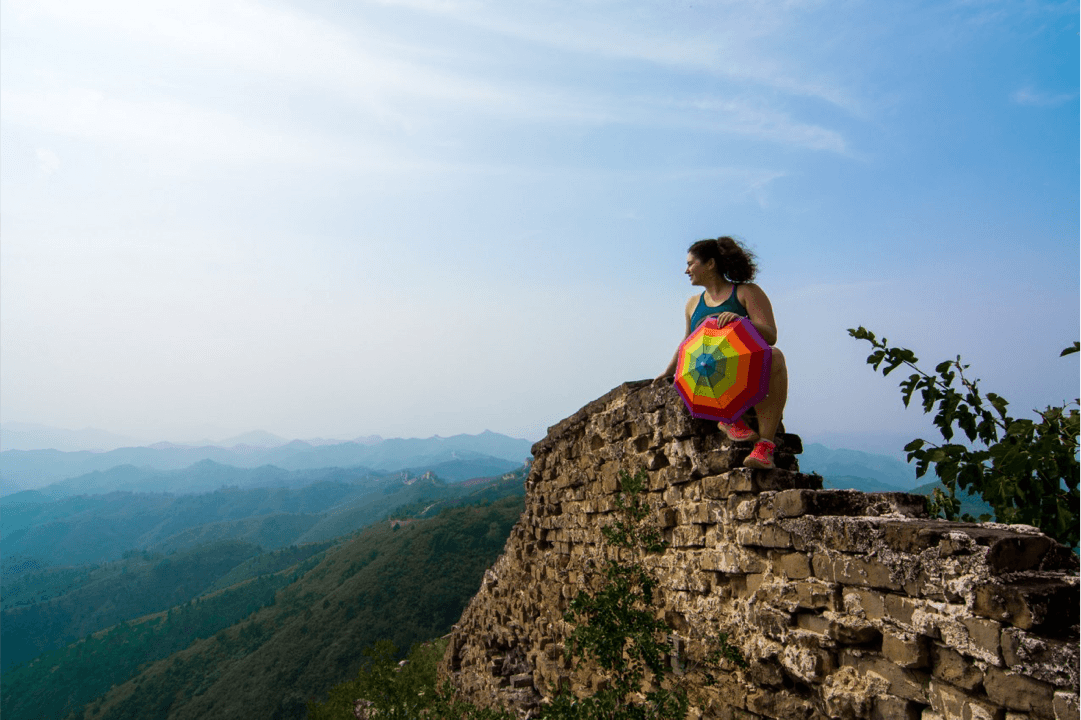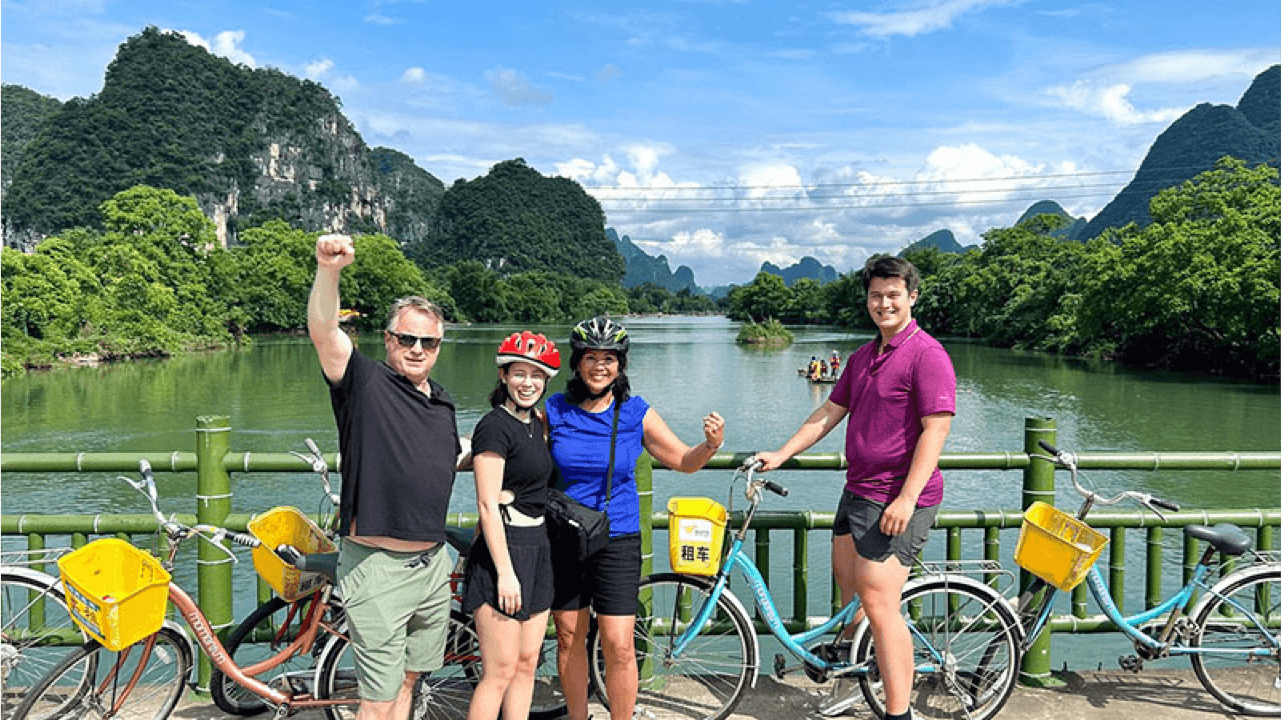




 18 days China, End to End Beijing → Xi'an → Chuanzhusi → Jiuzhaigou → Chengdu → Zhangjiajie → Guilin → Yangshuo → Shenzhen From $6,360 View route
  3 days 3-Day Tour: Mount Siguniang, Bipenggou & Dagu Glacier Chengdu → Lixian → Heishui County From $1,599 View route
 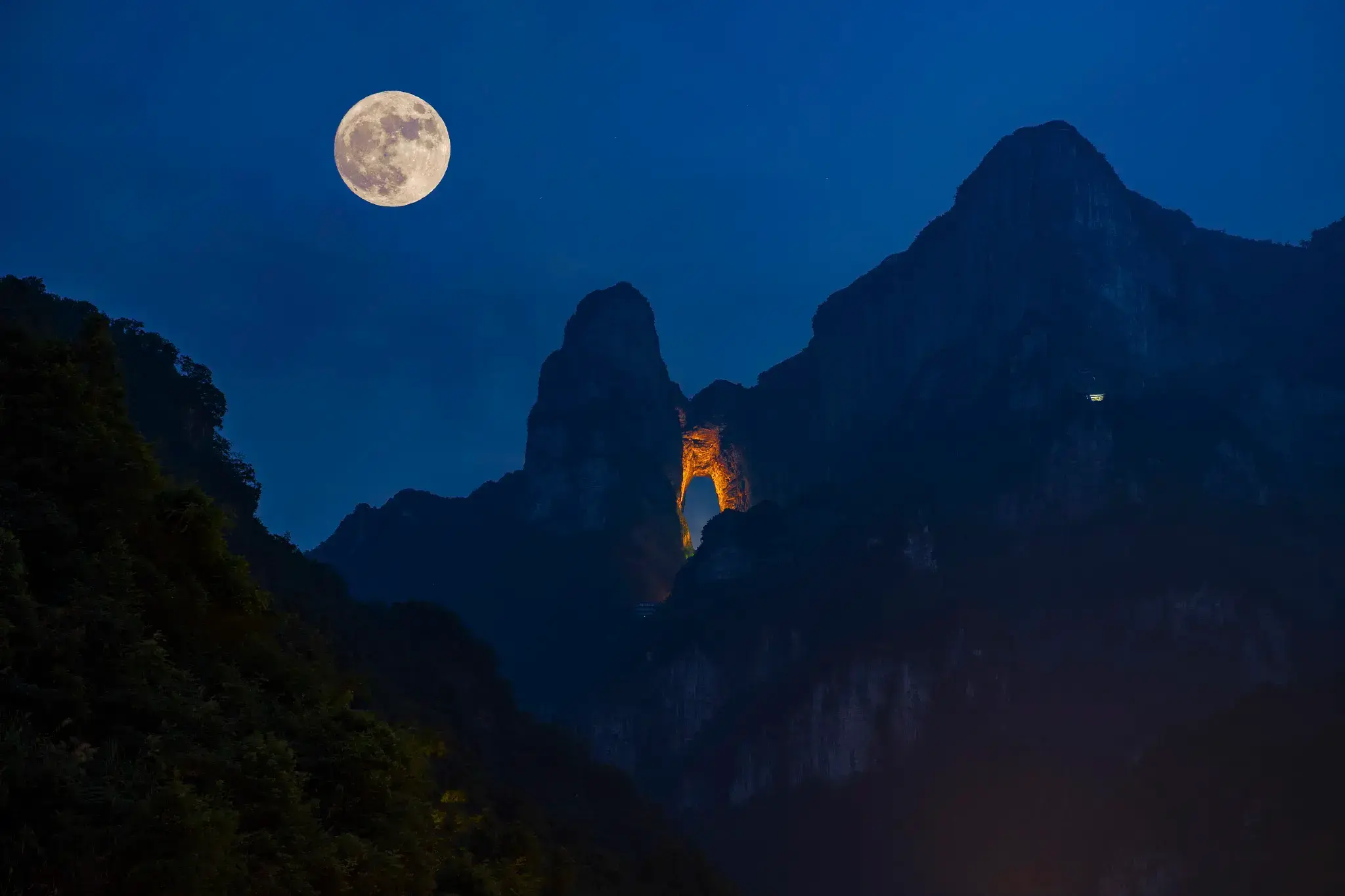 5 days Above the Pillars, Then Below Zhangjiajie From $1,430 View route
 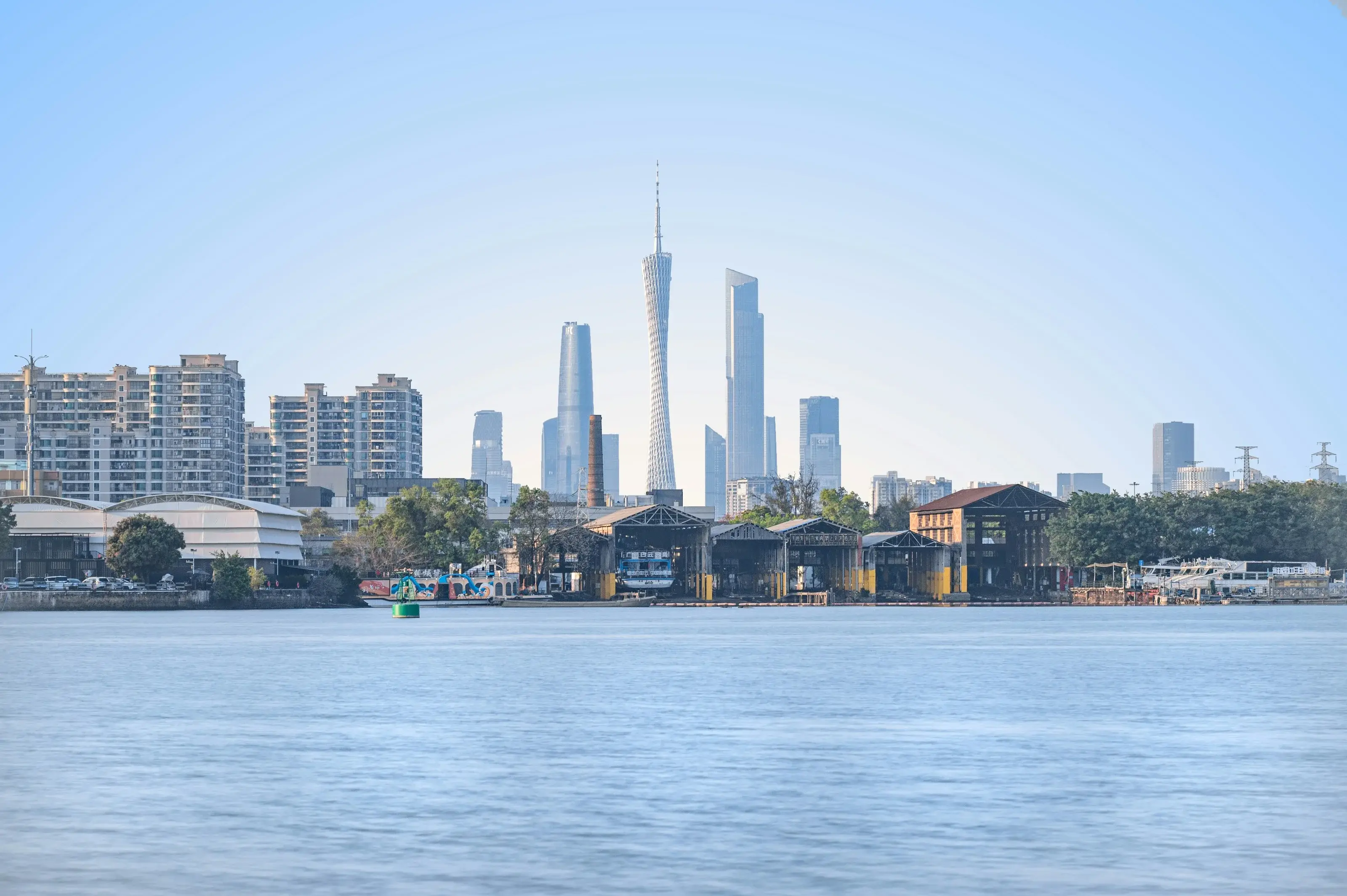 3 days After the Last Booth Guangzhou From $840 View route
 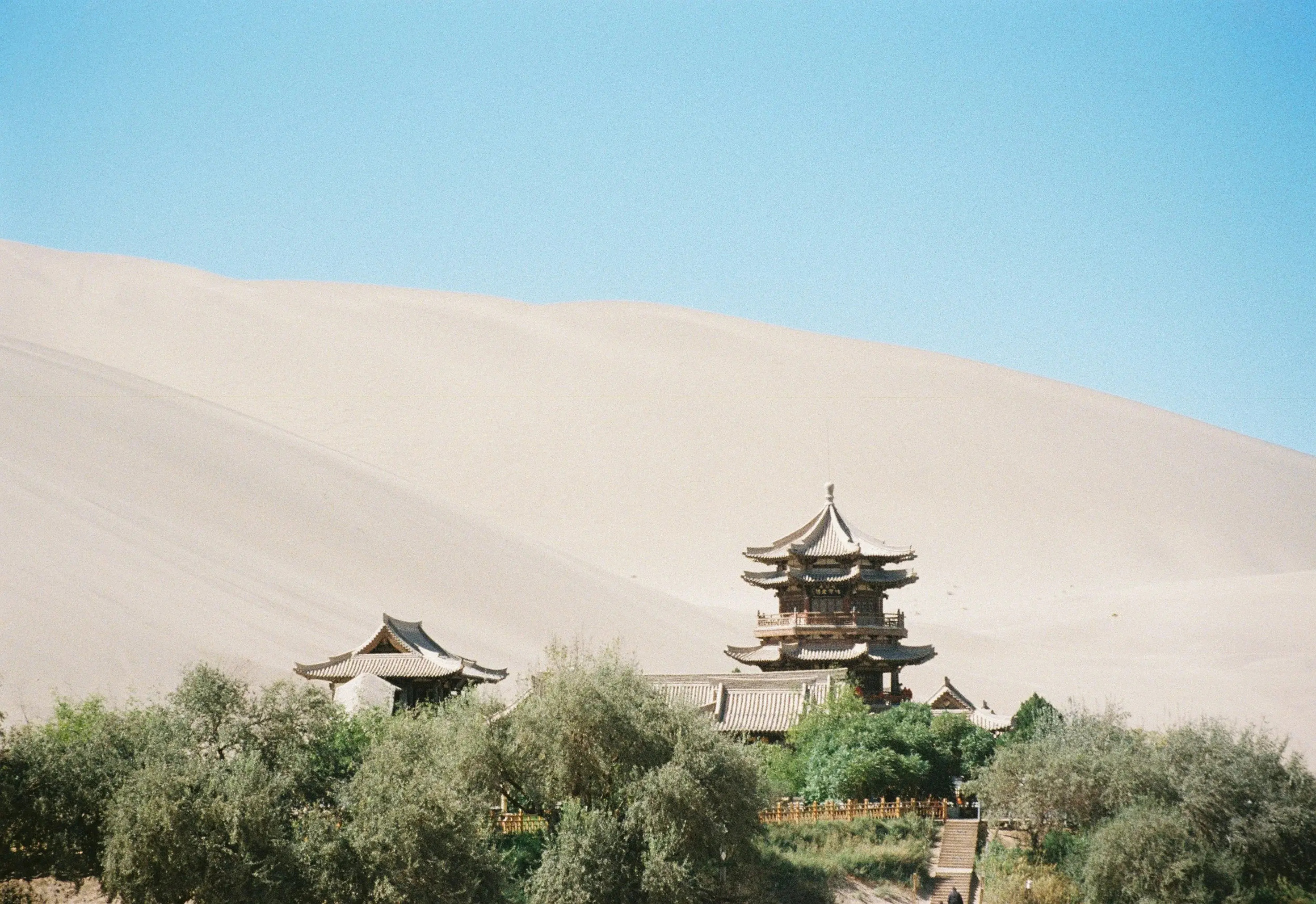 13 days All the Way West Xi'an → Dunhuang → Turpan → Kashgar → Shanghai From $3,500 View route
 TL;DR
This 21-day overland itinerary covers approximately 4,500 kilometres entirely by train across China's 50,400-kilometre high-speed rail network—the world's largest, which carried 4.59 billion passenger trips in 2025 (China State Railway Group)—connecting imperial Beijing, a Dong minority village virtually unknown to Western travellers, one of China's most underrated 32-million-person megacities, a Tibetan Buddhist monastery housing over 1,000 monks outside Tibet proper, and the ancient Silk Road capital of Xi'an. Citizens of 77 countries now enjoy 30-day visa-free entry through December 31, 2026 (Ministry of Foreign Affairs, February 2026), making this itinerary perfectly executable without any visa application. The route costs £60–£130/day at mid-range comfort, visits 4 UNESCO World Heritage Sites, and deliberately mixes China's greatest hits (Great Wall, Forbidden City, Terracotta Army) with hidden gems (Zhaoxing, Labrang Monastery, Chongqing's vertical architecture) that 95% of Western first-timers never see. This is not a highlights reel—it's a comprehensive introduction to China's staggering cultural, geographic, and culinary diversity in a single, logistically seamless journey.
Route Overview
| Days | Destination | Why It's Here | Transport |
|---|---|---|---|
| 1–4 | Beijing + Great Wall | Imperial capital, 7 UNESCO sites, iconic Great Wall | Arrival city |
| 5–7 | Zhaoxing Village, Guizhou | Dong minority culture, rural China, off-the-beaten-path | 8h train to Guiyang + 2h to Congjiang |
| 8–12 | Chongqing | 32M-person megacity, cyberpunk architecture, hot pot capital | 4–5h train from Congjiang |
| 13–16 | Lanzhou + Xiahe | Tibetan Buddhist culture, Labrang Monastery, Silk Road gateway | 7–8h train from Chongqing |
| 17–20 | Xi'an | Terracotta Army, ancient city wall, Muslim Quarter, Silk Road history | 3h train from Lanzhou |
| 21 | Return to Beijing | Departure | 4.5h train from Xi'an |
Total distance: ~4,500 km by train | UNESCO World Heritage Sites: 4 (Forbidden City, Great Wall, Terracotta Army, Dazu Rock Carvings day trip option) | Budget: £1,350–£2,900 total (£60–£130/day) | Visa requirement: None for 77 countries (30-day visa-free entry)
Is This Itinerary Right for You?
Who will love this route?
This itinerary is designed for independent travellers who want more than a postcard tour of China. It's built for people who seek cultural diversity—experiencing imperial Beijing, ethnic minority villages, Tibetan Buddhism, and ultra-modern Chinese megacities in a single journey. It's for travellers who prefer overland travel, where the journey itself becomes part of the experience, riding bullet trains at 350 km/h through landscapes that shift from North China plains to karst mountains to Tibetan plateau. It's for those with moderate fitness levels (some walking and hill climbing, but no extreme physical demands), who appreciate authentic regional cuisines (especially spicy Sichuan flavours), and who value the budget-to-experience ratio that Tier-2 cities deliver at 30–40% less than Beijing or Shanghai.
Who should consider a different route?
If you have only 2 weeks, this itinerary requires the full 21 days—consider our 2-Week Golden Route (Beijing → Xi'an → Chengdu → Chongqing) instead. If you prefer beach or tropical destinations, this route focuses entirely on culture and cities; add Hainan or Yunnan separately. If you need extensive English support throughout, Shanghai and Hong Kong offer significantly better English infrastructure than the Tier-2 cities on this route. If you require wheelchair accessibility, Zhaoxing village and certain Great Wall sections have limited access. And if you absolutely cannot handle spicy food, know that Chongqing and Xi'an feature heavily spicy cuisines—though non-spicy alternatives exist everywhere, and we provide specific ordering phrases below.
Days 1–4: Beijing + Great Wall
Why start in Beijing?
Beijing received 3.942 million inbound tourist trips in 2024—a 186.8% year-on-year increase—recovering to 88.9% of the 2019 level (Beijing Municipal Bureau of Culture and Tourism, January 2025). China's capital is the natural gateway for first-time visitors: it concentrates 7 UNESCO World Heritage Sites within city limits, houses the world's most visited museum-palace complex (the Forbidden City, 17.6 million visitors in 2024), and provides access to the Great Wall—humanity's largest architectural achievement at 21,196.18 kilometres. Strategic planning allows you to experience all of this while avoiding the worst crowds.
Day 1: Arrival + Orientation
Afternoon: Arrive at Beijing Capital Airport (PEK) or Beijing Daxing International Airport (PKX). Clear immigration (30-day visa-free entry requires only your passport—no advance paperwork for citizens of 77 eligible countries). Take the Airport Express train (CNY 25, 25 minutes to Dongzhimen) or Daxing Airport Express (CNY 35, 19 minutes to Caoqiao station).
Priority setup tasks:
Download and configure Alipay (link international Visa/Mastercard, verify with passport—10 minutes). China is 95%+ cashless; Alipay is essential for virtually every transaction from street food to train tickets.
Test a small payment at a convenience store to confirm your setup works.
Download offline Chinese language pack in Google Translate and install the Metro Man app for subway navigation.
Evening: Explore the Houhai Lake area—a cluster of traditional hutong lanes surrounding three interconnected lakes, lined with restaurants, bars, and street food vendors. This neighbourhood provides an atmospheric, low-pressure introduction to Beijing. Budget CNY 50–100 for dinner.
Day 2: Imperial Beijing
Morning (8:30 AM – 12:30 PM): Forbidden City (Palace Museum)
The Forbidden City served as China's political centre for 560 years (1420–1911), housed 24 emperors, and contains 1.8+ million artefacts across 980 buildings and 720,000 square metres. The daily visitor cap is strictly enforced at 40,000—book tickets 3–7 days in advance via the official website (dpm.org.cn); no same-day tickets are sold.
Ticket: CNY 60 (peak season, Apr–Oct) / CNY 40 (off-season, Nov–Mar). Minors age 7–18: CNY 20. Children ≤6: free.
Route: Enter Meridian Gate (south) → Hall of Supreme Harmony → Hall of Central Harmony → Hall of Preserving Harmony → Treasure Gallery (CNY 10 extra, worth it) → Imperial Garden → Exit Gate of Divine Might (north). Allow 3–4 hours.
Strategy: Enter at 8:30 AM opening to beat tour groups. Visit Treasure Gallery first (most people skip it early), then walk the central axis when crowds thin.
Afternoon (1:00 – 3:00 PM): Jingshan Park
Walk 5 minutes north from the Forbidden City exit to Jingshan Park (CNY 2 entry). Climb to the hilltop pavilion for the single best panoramic view of the entire Forbidden City—a sweeping vista of golden roofs stretching to the horizon, particularly stunning in late afternoon light.
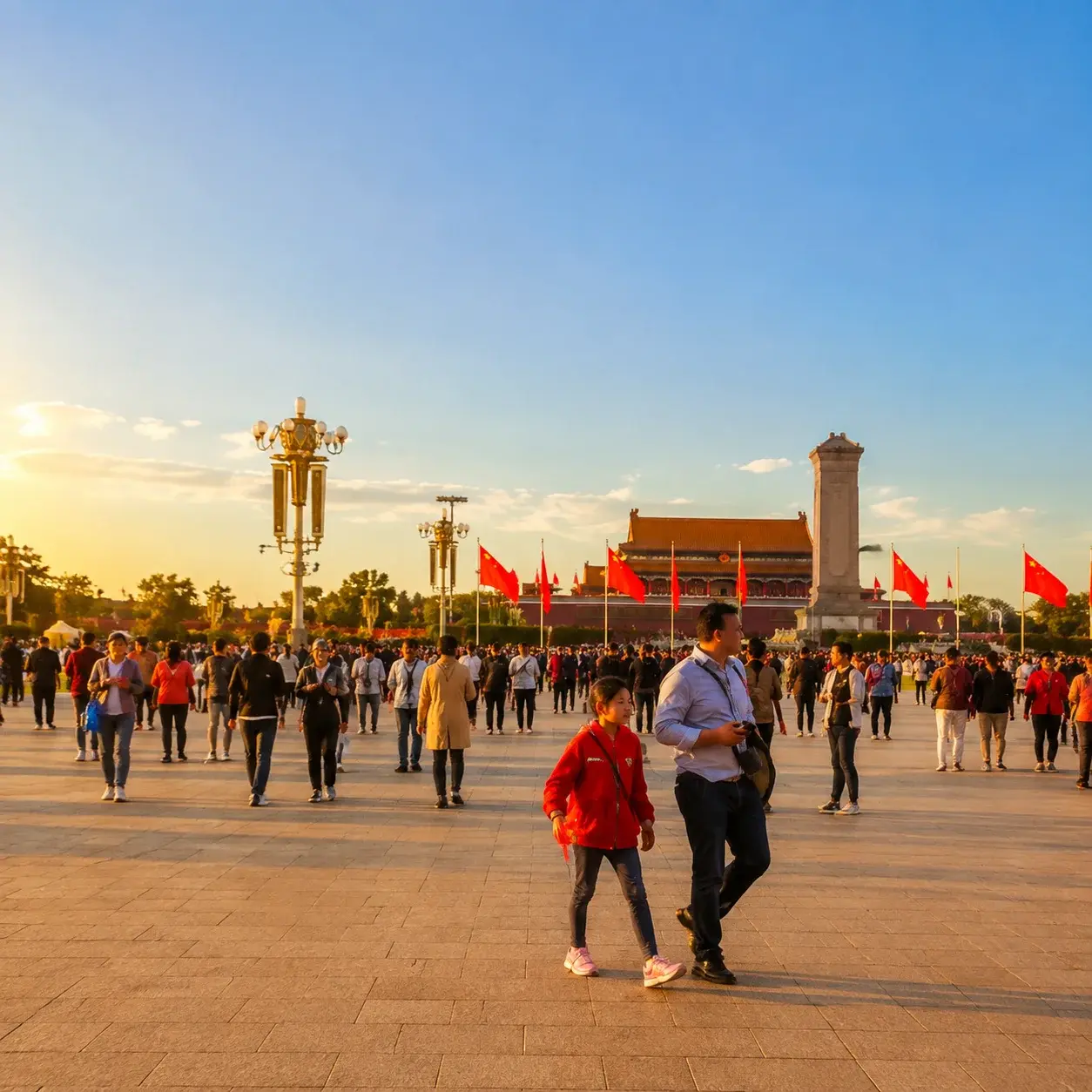
Evening: Wangfujing Street for street food and atmosphere, or explore the Qianmen pedestrian street south of Tiananmen Square.
Day 3: Great Wall Day Trip
Mutianyu Section (Recommended)
Mutianyu surpassed 2 million visitors for the first time in 2024, with approximately 40% being international tourists—a 200% increase over 2023. It ranks 6th globally on TripAdvisor's 2025 Top Attractions list and delivers the optimal balance of restored infrastructure, scenic beauty, and manageable crowds.
Getting there: Private car (1.5 hours, CNY 400–600 round trip for 1–4 people) or Mutianyu Express Bus from Dongzhimen (CNY 36 round trip, 2 hours). Note: the original article mentions a "20-minute high-speed train"—there is no direct high-speed train to Mutianyu. The most practical options are private car, tour bus, or public bus 916 Express + local transfer.
Ticket: CNY 40 entry. Combined package (entry + shuttle bus + cable car or toboggan): CNY 250.
Strategy: Arrive at 7:30 AM opening. Cable car up to Tower 14, walk to Tower 20 (most photogenic section, 1–1.5 hours). Descend via toboggan (thrilling) or cable car (easier). Total time on wall: 3–4 hours.
What to bring: Hiking shoes, 1–2 litres water, sun protection, light jacket (windy even in summer).
Return to Beijing by late afternoon.
Day 4: Hutongs + Local Life
Morning (8:00 – 10:30 AM): Temple of Heaven
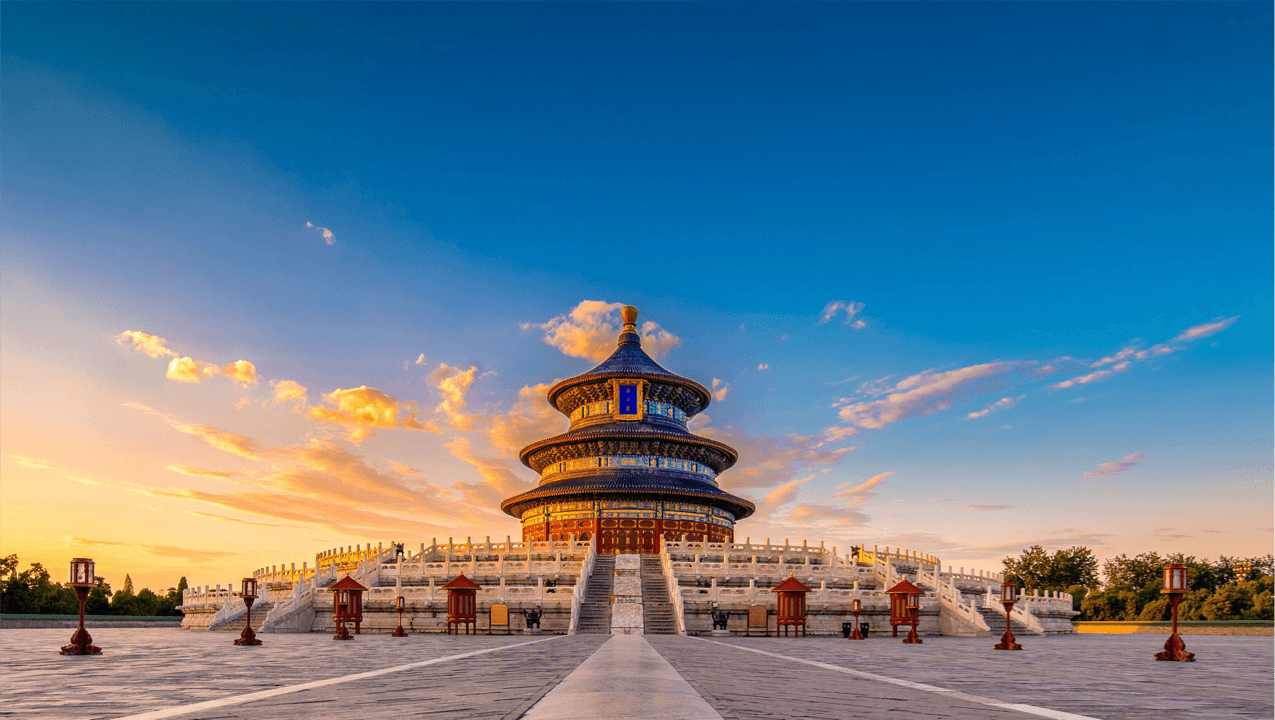
One of Beijing's most beautiful UNESCO sites—the circular Hall of Prayer for Good Harvests is an architectural masterpiece. Entry: CNY 34 (combined ticket including all halls). Arrive early to see elderly Beijingers practicing tai chi, dancing, and playing traditional instruments in the surrounding park—a genuine slice of local life.
Afternoon (11:00 AM – 3:00 PM): Hutong Exploration
Self-guided walk through Beijing's traditional alleyway neighbourhoods. Start at Nanluoguxiang (touristy but atmospheric), then wander east into the quieter lanes around Wudaoying Hutong and Fangjia Hutong—where local life continues largely undisturbed by tourism. Free, and one of Beijing's most rewarding experiences.
Evening: 798 Art District (free entry to district, individual gallery fees vary)—a former military electronics factory transformed into Beijing's contemporary art hub—or Sanlitun for modern Beijing nightlife and dining.
Beijing Practical Information
| Category | Budget | Mid-Range | Comfort |
|---|---|---|---|
| Accommodation (3 nights) | CNY 400–700 (hostel/budget hotel) | CNY 800–1,800 (3–4 star) | CNY 2,000–4,500 (5-star) |
| Food (4 days) | CNY 200–400 | CNY 400–800 | CNY 800–1,600 |
| Attractions | CNY 150–250 | CNY 250–400 | CNY 400–600 |
| Local transport | CNY 60–120 | CNY 120–300 | CNY 300–600 |
| 4-day total | CNY 810–1,470 (£110–200) | CNY 1,570–3,300 (£215–450) | CNY 3,500–7,300 (£480–1,000) |
Where to stay: Dongcheng District (near Forbidden City, atmospheric hutong area, excellent metro access) or Chaoyang District (modern, near Sanlitun, good for nightlife). Budget: CNY 120–250/night; Mid-range: CNY 300–600/night.
Must-eat: Peking duck (CNY 100–250 for a whole duck at a reputable restaurant—Da Dong or Siji Minfu for quality; avoid tourist-trap versions), jianbing (breakfast crepes, CNY 8–15), Beijing yogurt drinks (CNY 5–10), zhajiangmian noodles (CNY 15–30).
Transport: Beijing Metro covers virtually everywhere you need to go at CNY 3–7 per ride. Use Alipay QR code scanning for entry—no physical ticket needed.
Days 5–7: Zhaoxing Dong Village
Why Zhaoxing?
Zhaoxing is the largest and most well-preserved Dong ethnic minority village in China—home to over 800 households and approximately 4,000 inhabitants across five clans, each represented by its own magnificent drum tower (Wikipedia, citing 2013 census data). The Dong people, one of China's 56 officially recognised ethnic groups, are renowned for their extraordinary wooden architecture (drum towers and wind-and-rain bridges constructed entirely without nails), their advanced terraced rice cultivation, and above all their polyphonic singing tradition—the Grand Song of the Dong (侗族大歌), recognised by UNESCO as Intangible Cultural Heritage. While increasingly popular with domestic tourists, Zhaoxing remains virtually unknown to Western travellers, offering an experience of rural China that is profoundly different from anything in Beijing, Shanghai, or Xi'an.
This segment of the itinerary showcases China's infrastructure miracle: high-speed rail has transformed what was once a multi-day journey to a remote mountain village into a straightforward connection from any major city. The contrast between bullet-train modernity and centuries-old wooden architecture is itself a defining experience of contemporary China.
Day 5: Travel Day + Evening Arrival
Morning: Depart Beijing on high-speed train to Guiyang (approximately 8 hours, CNY 800–1,200 for second class). This is the longest single train journey on the itinerary—bring snacks, entertainment, and enjoy watching the landscape transform from the North China plain through central China's hills into Guizhou's dramatic karst mountains.
Afternoon: Transfer in Guiyang to a shorter train to Congjiang (approximately 2 hours, CNY 100–180). From Congjiang station, take a local bus or taxi to Zhaoxing village (15–20 minutes, CNY 10–30).
Evening: Check into your Dong-style guesthouse and take a first walk through the village. The five drum towers are illuminated at night, reflected in the streams that run through the village—a magical introduction. Explore the small night market for grilled skewers and local snacks (CNY 20–40).
Day 6: Zhaoxing Village Full Day
Morning (7:00 – 11:00 AM): The Five Drum Towers
Walk the village systematically, visiting each of the five drum towers—each representing one of Zhaoxing's five clans (Ren, Yi, Li, Zhi, Xin). These multi-storey wooden structures, some reaching 25+ metres, were built without a single nail using traditional mortise-and-tenon joinery. The drum towers serve as community gathering places for meetings, music, celebrations, and warmth during cold winters. The surrounding wind-and-rain bridges (花桥) are equally impressive—covered wooden bridges designed to shelter travellers from the elements, also constructed without nails.
Afternoon (1:00 – 4:00 PM): Hike to Tang'an Village
A 1-hour walk (or 15-minute drive) from Zhaoxing leads to Tang'an, a smaller, more authentic Dong village set among terraced rice paddies. Tang'an receives a fraction of Zhaoxing's visitors and offers a quieter, more intimate experience of Dong daily life. The trail between the two villages passes through stunning terraced landscapes—bring your camera.
Evening (7:00 – 9:00 PM): Cultural Performance
Most evenings, Zhaoxing hosts a free cultural performance in the village square featuring Dong Grand Song polyphonic singing, traditional dances, and lusheng (reed pipe) music. The Grand Song is performed without a conductor, instruments, or written score—multiple voice parts weave together in harmonies that UNESCO describes as "a unique expression of the Dong people's philosophy and understanding of the natural world." Arrive by 7:00 PM for a good viewing position.
Night: Street food barbecue along the main village lane (CNY 30–60 for a generous spread).
Day 7: Surrounding Villages + Departure
Morning (8:00 – 11:00 AM): Visit Jitang or Xiaohuang village by local bus (CNY 5–10, 20–30 minutes). Xiaohuang is known as the "Village of Song"—virtually every resident can sing Dong Grand Song, and impromptu performances are common. These satellite villages see almost zero Western tourists.
Afternoon: Return to Congjiang station for your evening train to Chongqing (4–5 hours, CNY 200–350). Alternatively, take an overnight sleeper train to save a hotel night.
Zhaoxing Practical Information
| Category | Budget | Mid-Range |
|---|---|---|
| Accommodation (2 nights) | CNY 200–400 (basic guesthouse) | CNY 400–800 (renovated Dong-style guesthouse) |
| Food (3 days) | CNY 150–300 | CNY 300–500 |
| Transport (Beijing→Zhaoxing→Chongqing) | CNY 1,100–1,500 | CNY 1,500–2,000 |
| Village entry + activities | CNY 50–80 | CNY 80–150 |
| 3-day total | CNY 1,500–2,280 (£205–310) | CNY 2,280–3,450 (£310–470) |
Where to stay: Traditional Dong-style wooden guesthouses in the village centre. Rooms are simple but atmospheric—wooden walls, shared or private bathrooms, often with balconies overlooking the drum towers. Budget: CNY 80–150/night; Mid-range: CNY 200–400/night.
Must-eat: Sour fish soup (酸汤鱼, the signature dish of Guizhou—fermented tomato broth with fresh river fish), glutinous rice (糯米饭), bamboo-tube rice (竹筒饭), and pickled vegetables. Budget CNY 30–80/day.
Language: Minimal English. Download offline translation and have your accommodation address written in Chinese characters. The Dong people speak their own language in addition to Mandarin—a fascinating linguistic experience.
Best time: Spring (April–June) for rice terraces filled with water and fewer tourists. Avoid Chinese holidays when the village becomes overcrowded.
Days 8–12: Chongqing
Why Chongqing?
Chongqing received 22.68 million domestic tourists during the 2024 National Day holiday alone—a 14.1% year-on-year increase—making it one of China's top tourism destinations (Chongqing Municipal Commission of Culture and Tourism Development). Yet this 32-million-person megacity remains largely unknown to Western travellers, overshadowed by Shanghai and Beijing in international media. Built on the dramatic confluence of the Yangtze and Jialing rivers across extreme mountainous topography, Chongqing produces architectural marvels found nowhere else on Earth: buildings with rooftop plazas accessible at street level from a different elevation, monorail trains passing through the middle of apartment blocks, and a neon-lit multi-layered skyline that has earned it the nickname "China's Cyberpunk City." Five of Chongqing's districts were named among China's Top 100 Tourism Hotspots for 2025, with Yunyang and Wushan taking the top two spots nationally.
Chongqing is also the undisputed capital of hot pot—the communal, boiling-broth dining experience that defines Sichuan cuisine. Eating hot pot in Chongqing is not merely a meal; it is a cultural ritual involving fiery mala (numbing-spicy) broth, dozens of fresh ingredients, and the social bonding that comes from sharing a bubbling pot with friends or strangers.
Day 8: Arrival + City Orientation
Afternoon: Arrive from Congjiang/Guizhou and check into your hotel in Yuzhong District (the historic peninsula between the two rivers—the most atmospheric and walkable area).
Evening: Walk to Hongya Cave (洪崖洞)—an 11-storey illuminated riverside complex built into the cliff face, resembling the fantastical architecture of Studio Ghibli's Spirited Away. Free entry. Then cross to the opposite riverbank or Qiansimen Bridge for the iconic nighttime skyline view. End the evening with your first Chongqing hot pot experience (CNY 60–150 per person for an authentic meal with drinks).
Day 9: Architectural Wonders
Morning: Visit the Liziba Station (李子坝站)—the famous monorail station where Line 2 passes directly through the 6th–8th floors of a residential building. This is not a tourist attraction per se; it's a functioning metro station that has become an internet sensation. Take the monorail through the building yourself (CNY 3), then exit and photograph the train emerging from the building's facade.
Late Morning: Explore the Kuixinglou area and the multi-level pedestrian bridges that connect buildings at different elevations—Chongqing's topography means that "ground floor" is a relative concept, and you can enter a building's 1st floor from one street and its 10th floor from another.
Afternoon: Ride the Yangtze River Cable Car (长江索道)—one of the last remaining urban cable cars in China, crossing the Yangtze in 4 minutes with panoramic views of both riverbanks. CNY 20 one-way / CNY 30 round trip. Then explore the Jiefangbei CBD pedestrian area—Chongqing's commercial heart.
Evening: Nanshan One Tree observation deck (南山一棵树, CNY 30) for the definitive Chongqing skyline panorama at night—a multi-layered cascade of lights reflected in two rivers that rivals any cityscape on Earth.
Day 10: Cultural Chongqing
Morning: Three Gorges Museum (三峡博物馆)—free entry, closed Mondays. Excellent exhibits on the Three Gorges Dam project, Chongqing's wartime history as China's WWII capital, and the region's natural history. Allow 2–3 hours.
Afternoon: Ciqikou Ancient Town (磁器口)—a restored porcelain-trading town dating to the Ming Dynasty. Yes, it's touristy, but the architecture is photogenic, the street food is excellent (try the signature mahua twisted dough sticks), and the side alleys away from the main drag retain genuine atmosphere. Free entry.
Evening: Explore local neighbourhoods away from tourist areas. Chongqing's residential streets—with their steep staircases, bamboo-pole laundry, and hole-in-the-wall noodle shops—offer the most authentic urban China experience on this entire itinerary.
Day 11: Day Trip Options
Option A: Dazu Rock Carvings (UNESCO World Heritage Site)
A 2-hour drive or bus ride from central Chongqing, the Dazu Rock Carvings comprise over 50,000 Buddhist, Confucian, and Taoist sculptures carved into cliff faces between the 9th and 13th centuries. The Baoding Mountain site is the highlight—a horseshoe-shaped cliff with monumental carvings including a 31-metre reclining Buddha. Entry: CNY 115. This is one of China's most underrated UNESCO sites and a worthy addition to the itinerary.
Option B: Wulong Karst Landscape
A 3-hour drive from Chongqing, the Wulong Karst features the Three Natural Bridges (天生三桥)—three massive natural limestone arches that served as a filming location for Transformers: Age of Extinction. Entry: CNY 125 + shuttle. Spectacular for nature lovers and photographers.
Option C: Relaxation Day
Explore local neighbourhoods, visit tea houses, get a massage, or simply enjoy Chongqing's street food scene at a leisurely pace. After 10 days of travel, a rest day is valuable.
Day 12: Morning Departure
Morning: Final bowl of Chongqing xiaomian noodles (小面, CNY 8–15—the city's beloved breakfast) or one last hot pot session.
Afternoon: High-speed train to Lanzhou (7–8 hours, CNY 700–1,100). This long journey crosses from the Sichuan Basin through the mountains into China's arid northwest—the landscape transformation is dramatic and worth watching from the window.
Chongqing Practical Information
| Category | Budget | Mid-Range | Comfort |
|---|---|---|---|
| Accommodation (4 nights) | CNY 400–700 | CNY 800–1,600 | CNY 2,000–4,000 |
| Food (5 days) | CNY 250–500 | CNY 500–1,000 | CNY 1,000–2,000 |
| Attractions + day trip | CNY 100–250 | CNY 250–500 | CNY 500–800 |
| Local transport | CNY 50–100 | CNY 100–250 | CNY 250–500 |
| 5-day total | CNY 800–1,550 (£110–210) | CNY 1,650–3,350 (£225–460) | CNY 3,750–7,300 (£510–1,000) |
Where to stay: Yuzhong District (historic peninsula, walkable, near Hongya Cave and Jiefangbei) or Jiangbei District (modern, near airport, quieter). Budget: CNY 80–180/night; Mid-range: CNY 200–400/night; Splurge: CNY 500–1,000/night for 5-star with Yangtze river views.
Must-eat: Authentic Chongqing hot pot (火锅, CNY 60–150/person—order the classic mala 麻辣 broth with fresh tripe, duck blood, potato, and lotus root), xiaomian noodles (小面, CNY 8–15), street barbecue (烧烤, CNY 20–50), and Chongqing-style grilled fish (烤鱼, CNY 40–80).
Spice survival guide: Sichuan peppercorns (花椒) create a distinctive numbing sensation (麻) separate from chili heat (辣). Order "微辣" (wēi là = mildly spicy) or "不辣" (bù là = not spicy) if sensitive. Most restaurants accommodate readily. Keep milk or yogurt drinks on hand to cool your mouth—water makes it worse. Non-spicy options exist everywhere: clear-broth hot pot (清汤锅底), dumplings, and stir-fries can all be ordered without chili.
Days 13–16: Lanzhou + Xiahe/Labrang Monastery
Why Lanzhou and Xiahe?
This segment delivers a taste of Tibetan Buddhist culture without the permit requirements, extreme altitude, or logistical complexity of the Tibet Autonomous Region. Labrang Monastery (拉卜楞寺), founded in 1709, is one of the six great monasteries of the Gelug school (Yellow Hat sect) of Tibetan Buddhism—alongside Ganden, Sera, and Drepung near Lhasa, Tashilhunpo in Shigatse, and Kumbum near Xining. At its peak, Labrang housed nearly 4,000 monks; today it remains home to over 1,000 monks and is the largest Tibetan Buddhist monastic institution in China outside the Tibet Autonomous Region, with a complete system of Buddhist study across six academies covering Esoteric and Exoteric Buddhism, medicine, and astronomy (Lonely Planet; Tibetan Trekking Travel).
Lanzhou serves as the gateway—a Silk Road hub city straddling the Yellow River, famous throughout China for its hand-pulled beef noodles (兰州牛肉面), which are to Lanzhou what Peking duck is to Beijing: a culinary art form elevated to regional identity.
Day 13: Arrive Lanzhou + Travel to Xiahe
Morning: Arrive in Lanzhou via high-speed train from Chongqing (7–8 hours).
Lunch: Immediately seek out an authentic Lanzhou beef noodle shop (兰州牛肉面). This is not optional—it is a pilgrimage. A bowl costs CNY 8–15 and features hand-pulled noodles (you'll watch the chef stretch the dough into thin strands in seconds), clear beef broth simmered for hours, tender beef slices, chili oil, cilantro, and white radish. The noodle thickness is customisable—from hair-thin (毛细) to wide belt noodles (大宽). Order "二细" (medium-thin) for the classic experience.
Afternoon: Bus from Lanzhou South Coach Station to Xiahe (3–3.5 hours, CNY 75). The journey climbs from the Yellow River valley into the grasslands of the Gannan Tibetan Autonomous Prefecture—the landscape shifts from urban Chinese to unmistakably Tibetan as you ascend.
Evening: Arrive in Xiahe (elevation 2,900m). Check into your guesthouse and take a gentle walk to acclimatise. The town's main street runs alongside the monastery—Tibetan monks in maroon robes, yak butter tea shops, and prayer flag-draped buildings create an atmosphere utterly unlike anything else on this itinerary. Take it easy on the first evening—altitude can cause mild headaches and breathlessness. Stay hydrated, avoid alcohol, and rest.
Day 14: Labrang Monastery Full Day
Early Morning (6:00 – 7:30 AM): Morning Prayer Session
Join the monks for their morning prayer session—free and open to respectful visitors. Arrive by 6:00 AM and sit quietly at the back of the main prayer hall. The deep chanting of hundreds of monks, the scent of yak butter lamps, and the golden light filtering through the hall create one of the most profound spiritual experiences available to travellers in China. This alone justifies the journey to Xiahe.
Mid-Morning (8:30 – 12:00 PM): Monastery Tour
The monastery complex covers approximately 800,000 square metres with six academies, numerous prayer halls, and living quarters. Entry: CNY 40 (~£5.50); English-speaking guide available for CNY 150–200 (highly recommended—the guide provides context on Tibetan Buddhist philosophy, monastic life, and the monastery's turbulent history that transforms the visit from sightseeing into genuine understanding). The tour covers the main prayer halls, the Gongtang Pagoda, and the butter sculpture exhibition.
Afternoon (2:00 – 4:30 PM): The Kora (Pilgrimage Circuit)
Complete the 3–4 kilometre kora—the clockwise pilgrimage circuit around the monastery's perimeter, lined with the longest corridor of prayer wheels in the world. Tibetan pilgrims spin each wheel as they walk, murmuring mantras. Join them (always walk clockwise) for a meditative experience that connects you to centuries of devotion. Allow 1.5–2 hours at a contemplative pace.
Evening: Visit the Snowland Art school—a Canadian-founded Tibetan art school with a welcoming atmosphere, excellent tea, and demonstrations of thangka painting (traditional Tibetan Buddhist scroll painting). A wonderful place to meet both Tibetan artists and fellow travellers.
Day 15: Xiahe Surroundings + Return to Lanzhou
Morning: Explore Xiahe town—visit the local Tibetan market for handcrafted jewellery, prayer beads, and yak wool products. Walk to the Ganjia Grasslands viewpoint (30 minutes outside town by taxi, CNY 30–50) for sweeping views of the Tibetan plateau.
Afternoon: Bus back to Lanzhou (3–3.5 hours). Check into a Lanzhou hotel.
Evening: Explore Lanzhou's Yellow River waterfront—walk across the historic Zhongshan Bridge (中山桥, built 1907, the first permanent bridge across the Yellow River), see the iconic Mother Yellow River statue, and enjoy the riverside promenade. Dinner at a local restaurant (CNY 30–60).
Day 16: Lanzhou to Xi'an
Morning: Leisurely breakfast. Final bowl of Lanzhou noodles (a different shop—each has its own broth recipe).
Afternoon: High-speed train to Xi'an (3 hours, CNY 350–550). The train crosses from Gansu into Shaanxi province through dramatic loess plateau landscapes.
Evening: Arrive Xi'an. Check into accommodation inside or near the ancient city wall. First exploration of the Muslim Quarter (回民街) for dinner—the sensory overload of sizzling lamb skewers, steaming dumplings, and the calls of food vendors is the perfect Xi'an welcome.
Lanzhou + Xiahe Practical Information
| Category | Budget | Mid-Range |
|---|---|---|
| Accommodation (3 nights) | CNY 250–500 | CNY 500–1,200 |
| Food (4 days) | CNY 150–300 | CNY 300–600 |
| Transport (Chongqing→Lanzhou→Xiahe→Lanzhou→Xi'an) | CNY 1,200–1,700 | CNY 1,700–2,300 |
| Monastery entry + guide | CNY 40–200 | CNY 200–350 |
| 4-day total | CNY 1,640–2,700 (£225–370) | CNY 2,700–4,450 (£370–610) |
Where to stay in Xiahe: Tibetan-style guesthouses near the monastery. Budget: CNY 60–120/night; Mid-range: CNY 150–350/night. Most have heated rooms (essential in cooler months) and serve Tibetan breakfast.
Altitude note: Xiahe sits at approximately 2,900m. This is generally not problematic for healthy travellers, but take the first day easy, stay hydrated, and avoid strenuous activity until you've acclimatised. If you experience persistent headache, nausea, or dizziness, descend to Lanzhou.
Weather: Xiahe is significantly cooler than lowland cities year-round. Even in summer, temperatures drop to 5–10°C at night. Bring warm layers regardless of season. Winter (November–March) is very cold (−15°C to 5°C) but offers a more authentic, crowd-free monastery experience.
Cultural respect: Labrang is an active monastery, not a museum. Dress modestly (cover shoulders and knees), walk clockwise around prayer wheels and the monastery, ask permission before photographing monks, remove hats inside prayer halls, and speak quietly. These are not rules for tourists—they are expressions of respect for a living religious community.
Must-eat: Tibetan butter tea (酥油茶, an acquired taste—salty, rich, warming), tsampa (糌粑, roasted barley flour mixed with butter tea), yak meat dishes, and Tibetan momos (dumplings). In Lanzhou: beef noodles (牛肉面) at every meal—they're that good.
Days 17–20: Xi'an
Why Xi'an?
Xi'an served as China's capital for 13 dynasties spanning 1,100 years, making it one of the Four Great Ancient Capitals and the eastern terminus of the Silk Road. The city is home to the Terracotta Army—one of the 20th century's greatest archaeological discoveries, which received an estimated 12 million visitors in 2024 (TEA/AECOM Global Experience Index)—the best-preserved ancient city wall in China (13.7 km circumference, fully cycleable), and the Muslim Quarter, where Xi'an's Hui Muslim community has maintained a distinct culinary and cultural identity for over 1,000 years.
Day 17: Terracotta Army
Morning (8:00 AM departure): Take public bus 306 (Tourist Line 5) from Xi'an Railway Station directly to the Emperor Qinshihuang's Mausoleum Site Museum (1–1.5 hours, CNY 8). Alternatively, book a private tour (CNY 500–800/person including transport, English-speaking guide, and entry) or take a DiDi/taxi (CNY 150–250 one-way, 45–60 minutes).
At the museum: Ticket CNY 120 (~£16.50), year-round, no seasonal variation. Includes entry to all three warrior pits, the Bronze Chariots Hall, and the Mausoleum Site Park, plus free shuttle bus between sites. Daily visitor cap: 65,000. Book in advance via the official website or WeChat account.
Recommended order: Pit 1 (60 min, the overwhelming main formation of 6,000+ warriors) → Bronze Chariots Hall (30 min, exquisite craftsmanship often overlooked) → Pit 2 (45 min, close-up display cases including the famous kneeling archer) → Pit 3 (20 min, command headquarters). Total: 3–4 hours.
Afternoon: Return to Xi'an city centre. Rest at hotel or begin exploring the Muslim Quarter.
Evening: Deep dive into the Muslim Quarter's food scene—start on the main Beiyuanmen street for atmosphere, then venture into the side alleys (Dapi Yuan, Sajin Qiao) for more authentic food at lower prices.
Day 18: Ancient Xi'an
Morning (8:00 – 11:00 AM): Xi'an City Wall
Rent a bicycle and cycle the complete 13.7-kilometre perimeter of China's best-preserved ancient city wall. Entry: CNY 54; bicycle rental: CNY 45 (2 hours, tandem available). The wall is wide enough for comfortable cycling, and the elevated perspective offers unique views of both the historic city centre and the modern city beyond. Allow 2–3 hours for a leisurely circuit with photo stops. Best in early morning (cooler, better light) or late afternoon.
Afternoon (1:00 – 4:00 PM): Big Wild Goose Pagoda
This 7th-century Buddhist pagoda (CNY 40 entry, or free to walk the surrounding grounds and North Square) marks the spot where the monk Xuanzang translated Buddhist scriptures brought from India along the Silk Road. The surrounding North Square features the largest musical fountain in Asia.
Evening (8:00 – 9:00 PM): The Big Wild Goose Pagoda musical fountain show—a free, spectacular display of choreographed water, light, and music in the North Square. Arrive 30 minutes early for a good viewing position.
Day 19: Muslim Quarter + Cultural Deep Dive
Morning (9:00 – 11:30 AM): Bell Tower and Drum Tower (CNY 30 each or CNY 50 combined ticket)—the geographic and symbolic centre of ancient Xi'an. Climb both for panoramic city views and historical context on how these structures regulated daily life in imperial China.
Afternoon (12:00 – 4:00 PM): Shaanxi History Museum—one of China's four great museums, housing 370,000+ artefacts spanning 1.1 million years of history. Free entry but requires advance booking (closed Mondays). The Tang Dynasty gold and silver collection alone justifies the visit. Allow 2–3 hours.
Evening: Return to the Muslim Quarter for a final food crawl. Explore beyond the main tourist street—the residential lanes reveal the living culture of Xi'an's Hui Muslim community, with neighbourhood mosques, traditional courtyard homes, and family-run food stalls that have operated for generations.
Day 20: Departure to Beijing
Morning: Last-minute shopping on Shuyuanmen Ancient Culture Street (书院门)—far better quality calligraphy, paintings, and traditional crafts than the tourist shops in the Muslim Quarter.
Afternoon: High-speed train to Beijing (4.5 hours, CNY 500–800). Arrive Beijing evening. Check into airport-area hotel if flying out the next morning, or enjoy a final Beijing evening.
Xi'an Practical Information
| Category | Budget | Mid-Range | Comfort |
|---|---|---|---|
| Accommodation (3 nights) | CNY 300–600 | CNY 600–1,500 | CNY 1,500–3,500 |
| Food (4 days) | CNY 200–400 | CNY 400–800 | CNY 800–1,500 |
| Attractions | CNY 300–450 | CNY 450–700 | CNY 700–1,000 |
| Local transport | CNY 50–120 | CNY 120–300 | CNY 300–600 |
| 4-day total | CNY 850–1,570 (£115–215) | CNY 1,570–3,300 (£215–450) | CNY 3,300–6,600 (£450–900) |
Where to stay: Inside the city wall (atmospheric, walking distance to Muslim Quarter, Bell/Drum Towers) or Xiaozhai area (modern, near Shaanxi History Museum, Big Wild Goose Pagoda). Budget: CNY 80–180/night; Mid-range: CNY 200–500/night.
Must-eat: Roujiamo (肉夹馍, "Chinese burger"—slow-braised meat in a crispy flatbread, CNY 8–15), yangrou paomo (羊肉泡馍, lamb soup with torn bread, CNY 25–40), liangpi (凉皮, cold noodles with chili oil, CNY 8–12), biangbiang noodles (biáng biáng面, belt-wide hand-pulled noodles, CNY 15–25), and persimmon cakes (柿子饼, CNY 5–10).
Day 21: Return to Beijing
Morning/Afternoon: If not already in Beijing, take the morning high-speed train from Xi'an (4.5 hours). Arrive with time for any last-minute activities—a final hutong walk, souvenir shopping at Panjiayuan Antique Market, or simply enjoying a last Peking duck dinner.
Evening/Next Morning: Depart from Beijing Capital Airport (PEK) or Beijing Daxing International Airport (PKX).
Essential Logistics: Visa, Money, Internet, Language
Do you need a visa?
Most likely no. As of February 2026, China's 30-day visa-free entry programme covers 77 countries—up from 50 at the start of 2025—and remains valid through December 31, 2026 (Ministry of Foreign Affairs; VisaHQ, February 27, 2026). This includes all EU/Schengen nations, UK, Canada, Australia, New Zealand, Japan, South Korea, and (since June 2025) Argentina, Brazil, Chile, Peru, and Uruguay on a trial basis. This 21-day itinerary fits comfortably within the 30-day window with buffer days for delays or spontaneous extensions.
National Immigration Administration data show 7.25 million foreign nationals entered China under visa-free arrangements during Q3 2025 alone—a 48.3% increase over Q3 2024—with visa-free entries accounting for 72.2% of all foreign arrivals.
For nationalities not covered: apply for a single-entry L (tourist) visa 1–2 months in advance at your nearest Chinese visa centre (~£120). Requirements: valid passport (6+ months validity), completed application, passport photo, proof of accommodation, and proof of onward travel.
Important: If you plan to visit Hong Kong or Macau as a side trip, entering these Special Administrative Regions counts as exiting mainland China. Ensure your visa-free status permits re-entry, or arrange Hong Kong/Macau at the beginning or end of your trip.
How do payments work?
Alipay is essential—China is 95%+ cashless, and even street food vendors, rural guesthouses, and temple donation boxes use QR codes. Setup takes 10 minutes: download the Alipay app before departure, link an international Visa or Mastercard, verify your identity with your passport, and you're ready. Alipay reported a 180% surge in inbound tourist spending between May 1–3, 2025 compared to the same period in 2024—the system is now well-optimised for international users.
Carry CNY 500–1,000 (£70–140) in cash as backup for rare situations where mobile payment fails (some rural areas, older vendors, emergency situations). ATMs are widely available in cities. International credit cards (Visa/Mastercard) are almost never accepted at regular shops and restaurants—do not rely on them.
How do you get internet access?
Purchase an international travel eSIM before arriving in China—this is the single most important logistics step. eSIMs from providers like MobiMatter (20GB/30 days, ~£12), Saily (10GB/30 days, ~£13), or Airalo (15GB/30 days, ~£27) automatically bypass China's Great Firewall, meaning Google, WhatsApp, Instagram, Gmail, and all Western services work normally without any VPN configuration. This is critical because eSIM provider websites are blocked inside China—you cannot purchase one after arrival.
Hotel and café WiFi exists but is subject to the Great Firewall (Google, WhatsApp, Instagram blocked). With an eSIM providing constant mobile data, you won't need to rely on WiFi at all.
How much Chinese do you need?
Zero Chinese is required, but learning a handful of phrases dramatically enhances your experience and earns genuine warmth from locals. Translation apps handle complex communication; Chinese people are generally patient and helpful despite language barriers.
Essential phrases:
| Chinese | Pinyin | Meaning | When to Use |
|---|---|---|---|
| 你好 | nǐ hǎo | Hello | Everywhere |
| 谢谢 | xiè xie | Thank you | Everywhere |
| 多少钱? | duō shao qián? | How much? | Shopping, markets |
| 不要辣 | bù yào là | No spicy please | Restaurants |
| 微辣 | wēi là | Mildly spicy | Restaurants |
| 这个 | zhè ge | This one | Pointing at menu items |
| 买单 | mǎi dān | Bill please | Restaurants |
| 我吃素 | wǒ chī sù | I'm vegetarian | Restaurants |
Essential apps: Google Translate (download Chinese offline dictionary before arrival), Pleco (best Chinese-English dictionary with camera OCR for reading signs and menus), Metro Man (subway navigation for multiple Chinese cities).
How do trains work?
China's high-speed rail network surpassed 50,400 kilometres in December 2025—the world's largest, exceeding the combined total of all other countries—and carried 4.59 billion passenger trips in 2025, up 6.4% year-on-year (China State Railway Group, January 2026). Cross-regional trips of approximately 1,000 kilometres can generally be completed within four hours, and at peak capacity the network can transport up to 16 million passengers in a single day.
Booking: Trip.com (English interface, accepts international cards, small service fee) is the easiest option for international travellers. The official 12306.cn offers the lowest prices but requires Chinese-language navigation. Tickets release 15 days before departure—book immediately when released for holiday periods and weekends.
Train classes: G-trains (高铁, fastest, 300–350 km/h, most comfortable) and D-trains (动车, slightly slower, slightly cheaper) are the workhorses of this itinerary. Second class is comfortable with more legroom than economy flights; first class adds wider seats and more space. Overnight Z/T/K sleeper trains save hotel nights on longer routes.
Luggage: No weight limits. Bring suitcases on board—overhead racks and end-of-car storage available. Hot water dispensers on every train (perfect for instant noodles and tea).
Complete Budget Breakdown
How much does this 21-day itinerary actually cost?
| Category | Budget | Mid-Range | Comfort |
|---|---|---|---|
| Accommodation (18 nights) | CNY 1,600–3,200 (£220–440) | CNY 3,600–7,500 (£490–1,025) | CNY 8,000–18,000 (£1,095–2,465) |
| Food (21 days) | CNY 1,500–3,000 (£205–410) | CNY 3,000–5,500 (£410–750) | CNY 5,500–10,000 (£750–1,370) |
| Intercity trains | CNY 3,500–5,000 (£480–685) | CNY 5,000–7,000 (£685–960) | CNY 7,000–10,000 (£960–1,370) |
| Attractions | CNY 800–1,200 (£110–165) | CNY 1,200–2,000 (£165–275) | CNY 2,000–3,500 (£275–480) |
| Local transport | CNY 400–700 (£55–96) | CNY 700–1,500 (£96–205) | CNY 1,500–3,000 (£205–410) |
| eSIM + misc | CNY 200–400 (£27–55) | CNY 400–700 (£55–96) | CNY 700–1,200 (£96–165) |
| Total (in-China) | CNY 8,000–13,500 (£1,095–1,850) | CNY 13,900–24,200 (£1,900–3,315) | CNY 24,700–45,700 (£3,380–6,260) |
| Per day | £52–88 | £90–158 | £161–298 |
Note: International flights not included. Round-trip flights from Europe typically cost £400–950; from North America £480–1,200; from Asia £160–480.
What to Pack
Documents: Passport (6+ months validity), printed accommodation confirmations (immigration may request), travel insurance documents, credit/debit cards (notify bank of China travel).
Technology: Unlocked smartphone with eSIM capability (purchase eSIM before departure), portable charger (10,000+ mAh—you'll use your phone constantly for payments, translation, and navigation), universal adapter (China uses Type A/C/I plugs, 220V), camera + extra memory cards.
Clothing (varies by season): Comfortable walking shoes (expect 10,000–15,000 steps daily), warm layers for Xiahe altitude regardless of season, light rain jacket (spring/summer), modest clothing for Labrang Monastery visits (cover shoulders and knees), and a light jacket for the Great Wall (windy even in summer).
Health: Prescription medications (bring extras—pharmacies exist but language barriers complicate purchases), basic first-aid kit, hand sanitiser and wet wipes, sunscreen and hat, insect repellent (summer, rural areas).
Leave behind: Large amounts of cash (Alipay handles everything), excessive luggage (you're moving every 3–5 days—one carry-on-sized suitcase and a daypack is ideal), Western snacks (Chinese snack culture is excellent and cheap), and guidebooks (this itinerary + offline maps is sufficient).
Alternative Destinations and Modifications
Swap: Chengdu instead of Chongqing
Why: Prefer giant pandas and tea culture over cyberpunk architecture. Chengdu is 1–1.5 hours from Chongqing by high-speed train. Highlights: Chengdu Research Base of Giant Panda Breeding (CNY 55, 200+ pandas), Wenshu Monastery, Jinli Ancient Street, and Chengdu's famously laid-back tea house culture. Food: similar Sichuan spicy cuisine but slightly milder than Chongqing. You can also do both cities—add 2 days.
Add: Shanghai (beginning or end)
Why: More international atmosphere, better English support, prefer modern over ancient. Highlights: The Bund, French Concession, Yu Garden, ultra-modern Pudong skyline. Requires 2–3 extra days. Adjust itinerary to fly out of Shanghai instead of Beijing, or add a Beijing→Shanghai leg (4.5 hours by train).
Shorten: Skip Zhaoxing (save 3 days)
If you have only 18 days: Remove the Zhaoxing segment and travel directly from Beijing to Chongqing (8 hours by train). You lose the ethnic minority village experience but save 3 days and the longest travel day. The remaining 18-day itinerary (Beijing → Chongqing → Lanzhou/Xiahe → Xi'an → Beijing) remains excellent.
Extend: Add Yunnan (5–7 extra days)
Why: Rice terraces, ethnic diversity, Tiger Leaping Gorge, mild year-round climate. Best for nature lovers and hikers. Geographically distant from the main route—better as a separate trip or appended after Chengdu/Chongqing with flights to Kunming.
FAQ
Is a 3-week overland China itinerary realistic?
Sì. Tre settimane sono sufficienti per un itinerario serio in tutto il paese se si utilizza il treno ad alta velocità, si evitano i trasferimenti di una sola notte e si mantiene una sequenza logica delle destinazioni.
What does the route typically include?
A strong overland route often includes Beijing, Xi'an, Chengdu or Chongqing, Zhangjiajie or Guilin, and Shanghai, with optional regional extensions depending on pace.
Why travel overland through China instead of flying everywhere?
High-speed rail is comfortable, city-centre connected, scenic on some routes, and avoids much of the airport friction that comes with repeated domestic flights.
How much luggage should I bring for an overland route?
Pack light. Multiple train stations, stairs, security checks, and hotel moves are much easier with one manageable suitcase or backpack.
Is this itinerary suitable for first-time visitors?
Yes, if you have enough time and energy. It gives a fuller picture of China than a classic 10-day route, but it needs disciplined pacing.
What is the biggest risk on a 3-week route?
El mayor riesgo es añadir demasiadas escalas. Protege los días de descanso y elige menos regiones para que el viaje se sienta más como un viaje que como una logística.