




 18 days China, End to End Beijing → Xi'an → Chuanzhusi → Jiuzhaigou → Chengdu → Zhangjiajie → Guilin → Yangshuo → Shenzhen From $6,360 View route
 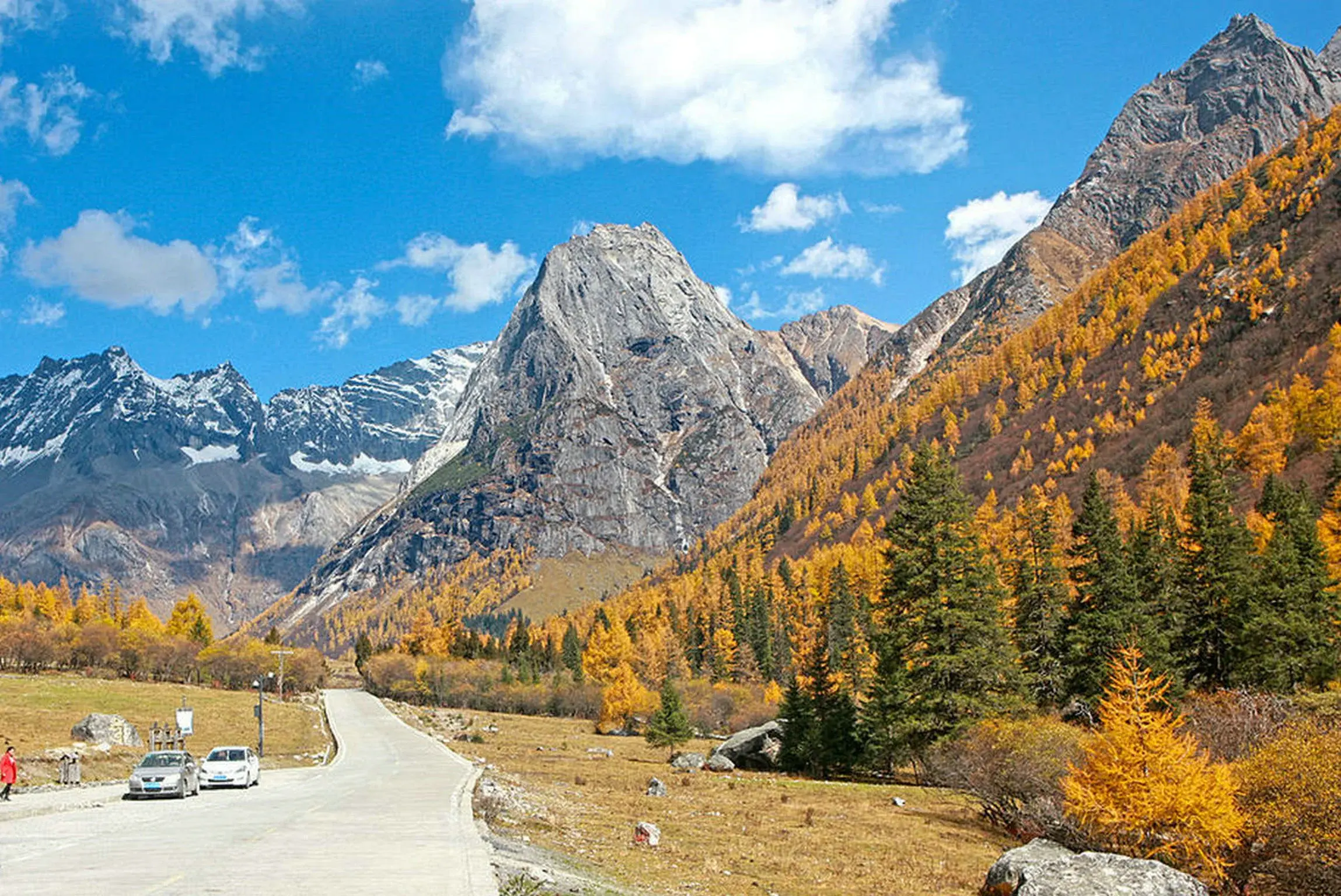 3 days 3-Day Tour: Mount Siguniang, Bipenggou & Dagu Glacier Chengdu → Lixian → Heishui County From $1,599 View route
 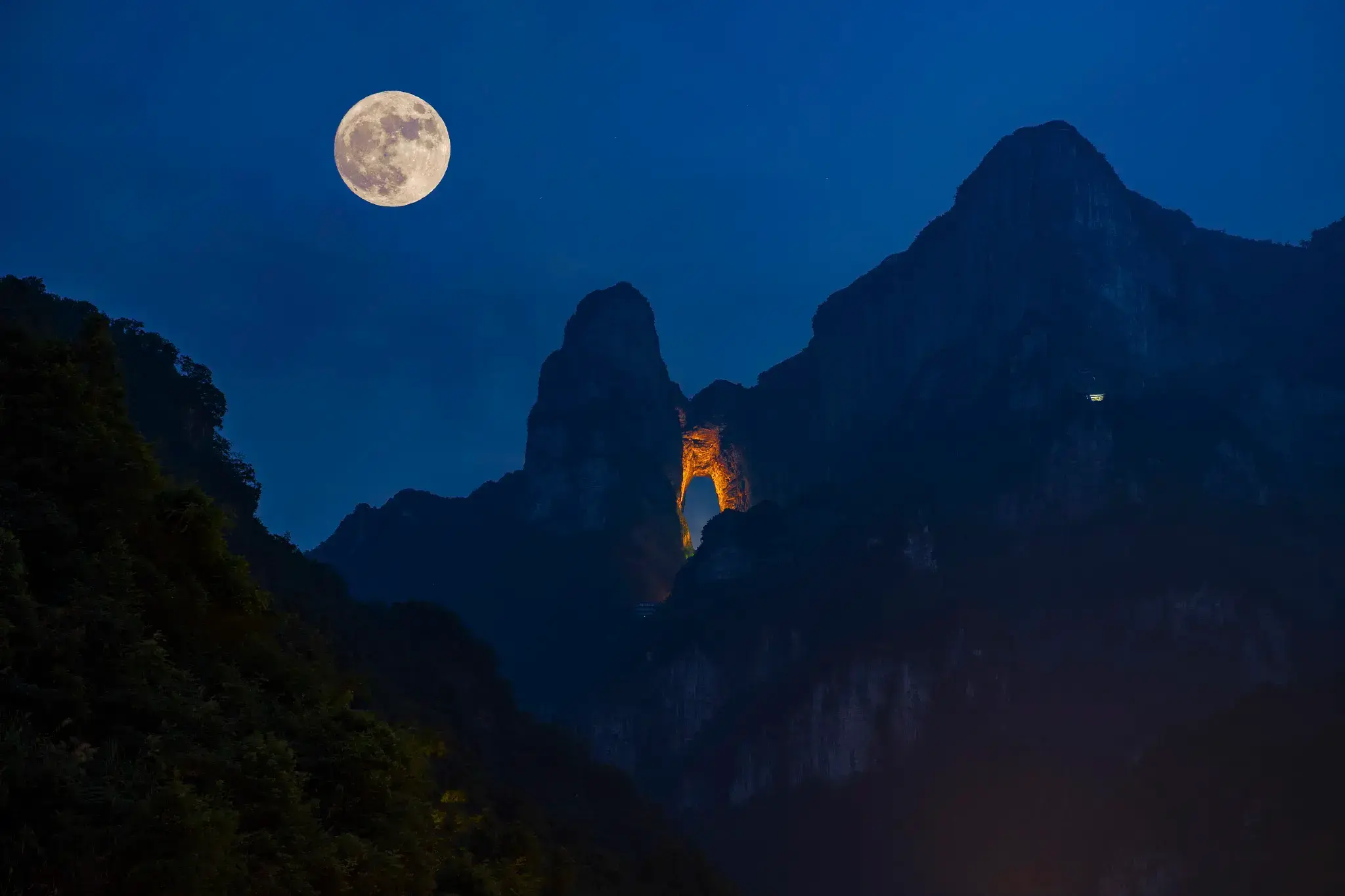 5 days Above the Pillars, Then Below Zhangjiajie From $1,430 View route
 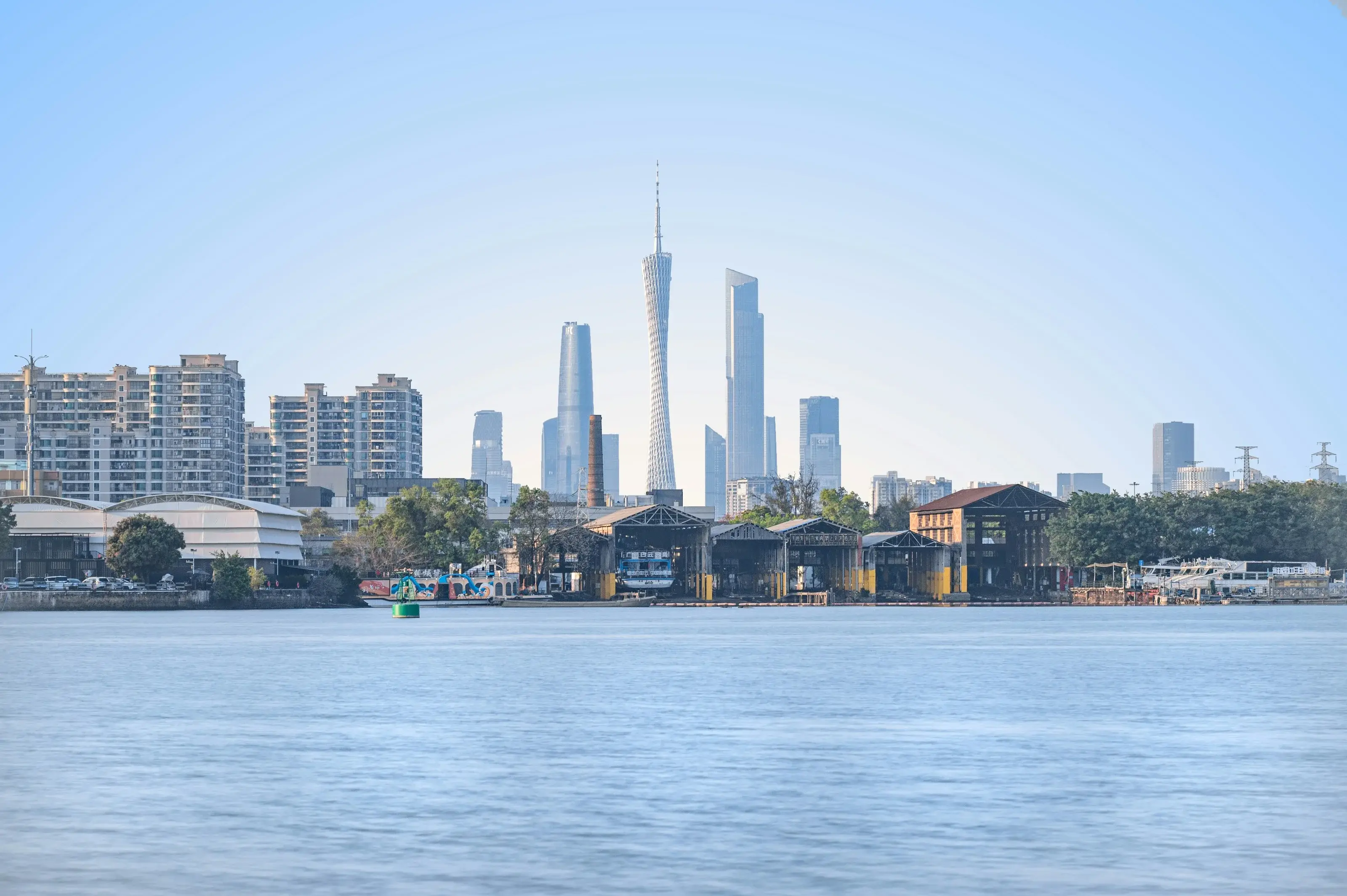 3 days After the Last Booth Guangzhou From $840 View route
  13 days All the Way West Xi'an → Dunhuang → Turpan → Kashgar → Shanghai From $3,500 View route
 TL;DR
China is the world's largest domestic tourism market and one of its fastest-growing inbound destinations, welcoming over 150 million inbound visits in 2025 — a 17% year-on-year increase — with inbound tourism spending surpassing $130 billion. Citizens of 50+ countries now enjoy visa-free entry for up to 30 days, making 2026 the most accessible time to visit China in decades. This China travel guide covers the decisions that shape a trip: whether to go, when to go, which cities to pick, how long to stay, what it costs, and how to choose between DIY and guided travel. Execution details — payments, VPN, language, hotels, food, etiquette, safety — are summarised here and covered in full in our Essential China Travel Tips 2026.
Is China worth visiting in 2026?
Absolutely — and this is the best time in decades to go. Visa-free entry for 50+ countries, the world's largest high-speed rail network (50,000+ km), 60 UNESCO World Heritage Sites (second only to Italy), and costs 30–50% lower than Japan or Western Europe make China an exceptional destination. The cashless payment system, internet censorship, and language barrier are all solvable with preparation.
China is not a single destination — it's a continent-sized civilisation compressed into one country. Spanning 9.6 million km² (roughly the size of the United States), it encompasses deserts, tropical rainforests, Himalayan peaks, and megacities of 20+ million people. Its 1.4 billion people speak hundreds of dialects across 56 officially recognised ethnic groups, and its 5,000 years of continuous recorded history have produced a cultural depth no other single country can match.
What makes China unique is the collision of extremes. You can walk a 2,000-year-old section of the Great Wall in the morning, ride a 350 km/h bullet train in the afternoon, and dine in a restaurant where robots deliver your food in the evening. Shanghai's futuristic Pudong skyline stands 30 minutes from water towns where Ming Dynasty architecture lines canals unchanged for 600 years.
Do you need a visa for China in 2026?
Most Western travellers no longer need a visa — and for those who do, it's a short online process. As of March 2026, citizens of 50+ countries — including France, Germany, the UK, Canada, Australia, Japan, South Korea, and New Zealand — can enter China visa-free for up to 30 days. This policy, extended through at least 31 December 2026, requires only a valid passport (6+ months remaining) and a return or onward ticket. No application, no invitation letter, no advance approval. In 2025, 30.08 million foreign visitors entered China under visa-free schemes — a 49.5% year-on-year increase.
US citizens are not included in the 30-day visa-free list but qualify for 240-hour (10-day) visa-free transit through 65 designated ports across 24 provinces, provided they hold an onward ticket to a third country or region. Hong Kong, Macau, and Taiwan all count as "third countries" for this purpose.
If you need a standard visa: The new COVA online application system allows digital submission. Processing takes 4–7 business days (2–3 days express) and costs $140–200 depending on nationality.
Tibet Travel Permit: All foreign visitors to Tibet require a separate permit regardless of visa status. Processing takes 15–20 days and must be arranged through a registered tour operator — individual applications are not accepted.
When is the best time to visit China?
April–May (spring) and September–October (autumn) offer the best combination of weather, manageable crowds, and reasonable prices across most of China. However, China's enormous geographic range means the "best time" varies dramatically by region — Harbin in January and Hainan in December are both excellent choices for very different reasons.
| Season | Months | Temperature | Best For | Avoid |
|---|---|---|---|---|
| Spring ⭐ | Apr–May | 15–25°C | First-time visitors, photographers, all destinations | May 1–5 (Labour Day holiday — massive domestic crowds) |
| Summer | Jun–Aug | 25–38°C | High-altitude destinations (Tibet, Zhangjiajie, Shangri-La), families on school holiday | Southern lowland cities (extreme humidity), budget travellers (peak prices) |
| Autumn ⭐ | Sep–Oct | 15–25°C | All travellers — China's "golden season," autumn foliage, harvest festivals | Oct 1–7 (National Day "Golden Week" — the most crowded week of the year) |
| Winter | Nov–Mar | -10 to 20°C | Budget travellers, Harbin Ice Festival, southern China (Yunnan, Hainan, Guangxi) | Northern outdoor attractions (bitterly cold), some mountain sites close |
Critical dates to avoid: The first week of May (Labour Day) and the first week of October (National Day) see hundreds of millions of domestic travellers flooding every major attraction. Hotel prices surge 50–100%, popular train routes sell out weeks in advance, and attractions that normally feel spacious become uncomfortably packed. If your schedule is flexible, shifting your trip by even one week in either direction makes an enormous difference.
The insider strategy: Early June or late August dodge the peak school-holiday crowds, late March brings spring blossoms to southern China, and November is an underrated gem — comfortable weather, minimal crowds, and significant hotel discounts.
What are the best places to visit in China?
For a first visit, the "Golden Triangle" of Beijing, Xi'an, and Shanghai covers China's essential highlights — imperial history, ancient archaeology, and modern dynamism — and can be connected entirely by high-speed rail in 7–10 days. Adding Guilin (natural beauty) or Chengdu (pandas and cuisine) extends the trip to 12–14 days and creates a more balanced experience.
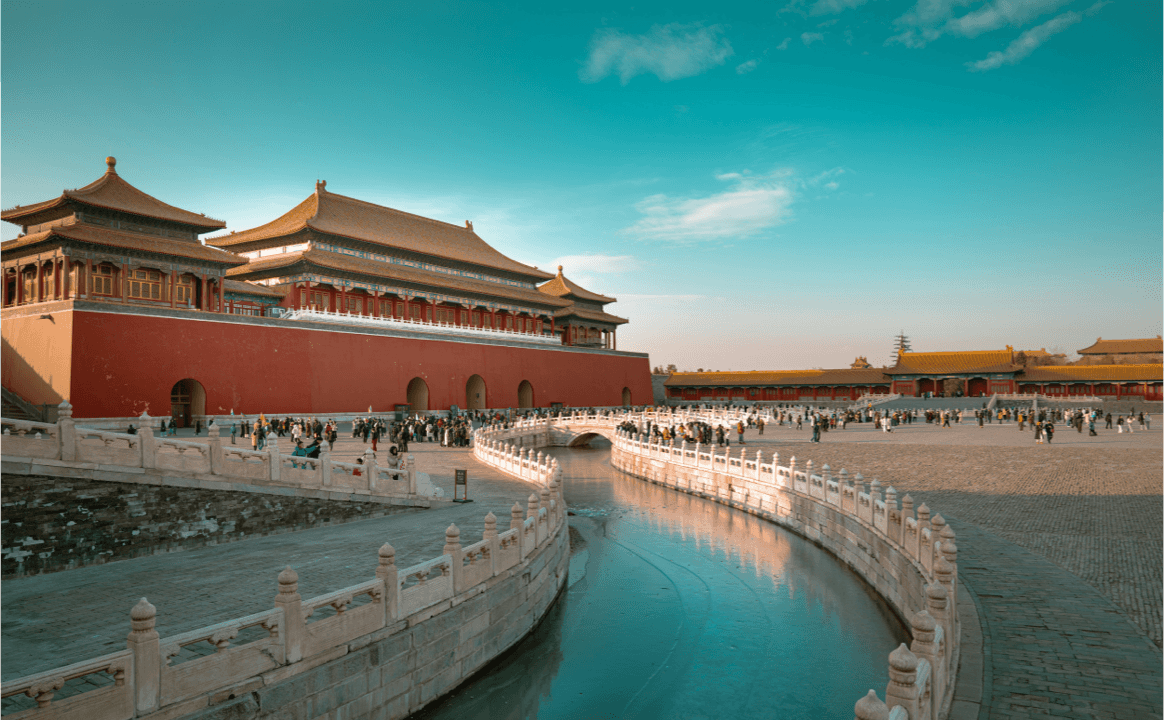
Beijing (3–4 days). China's capital for 800+ years and home to the country's densest concentration of imperial history. Must-see: the Great Wall (Mutianyu for families and cable car access, Jinshanling-to-Simatai for the best hiking, Badaling for limited mobility), the Forbidden City, the Temple of Heaven, and the Summer Palace. Hidden gems: 798 Art District, hutong food tours, Universal Beijing Resort.
Xi'an (2–3 days). Ancient capital of 13 dynasties and the starting point of the Silk Road — Xi'an turns textbook history into hands-on experience. Must-see: the Terracotta Warriors, the Ancient City Wall (rent bikes to cycle the 14 km perimeter at sunset), and the Muslim Quarter for lamb skewers, roujiamo, and biangbiang noodles. Hidden gems: Tang Dynasty dinner show, Shaanxi History Museum.
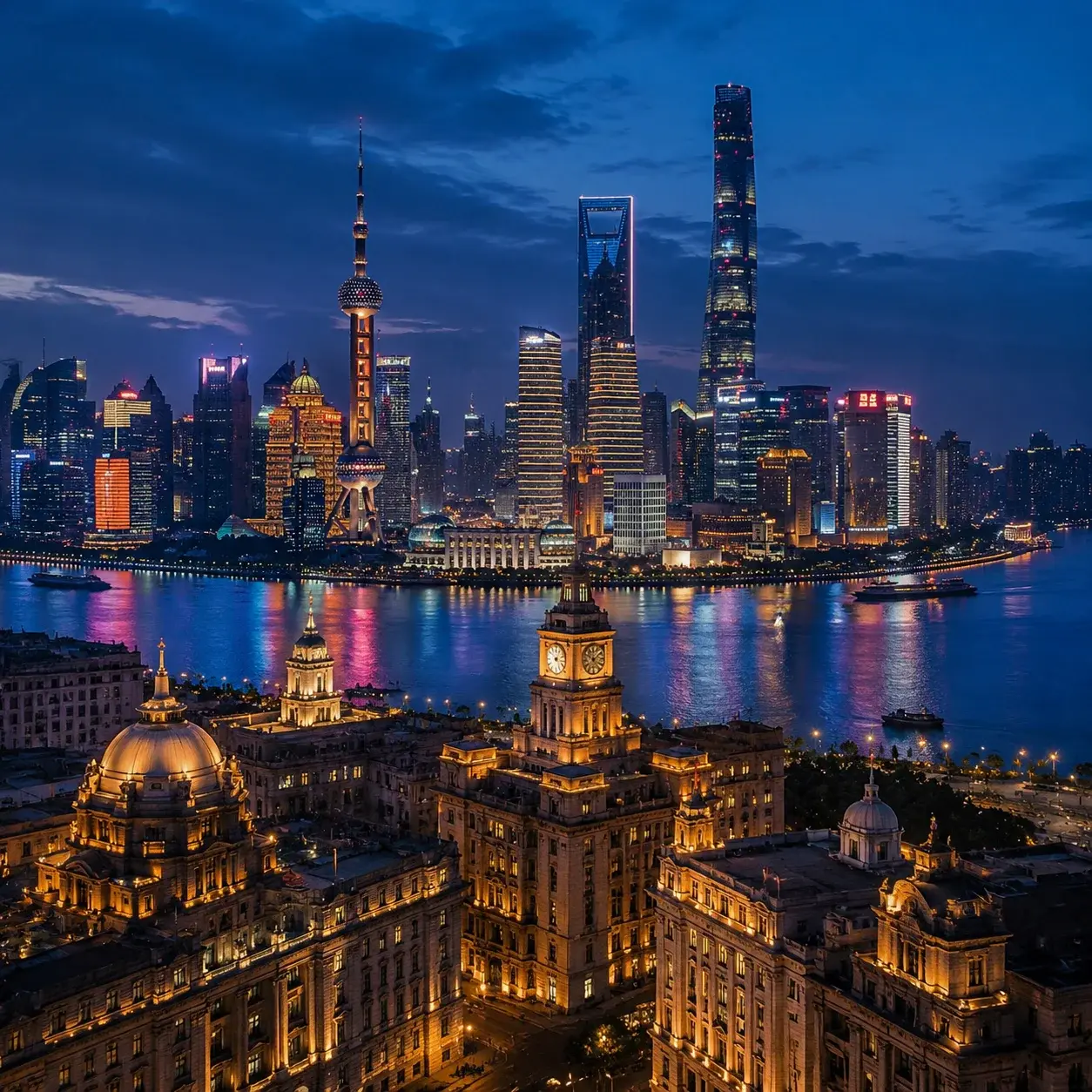
Shanghai (2–3 days). China's most cosmopolitan city, where Art Deco architecture, world-class dining, and futuristic skyscrapers coexist within walking distance. Must-see: the Bund (visit at night for the full effect), Yu Garden, the French Concession, and Shanghai Tower. Hidden gems: Tianzifang and water town day trips such as Zhujiajiao.
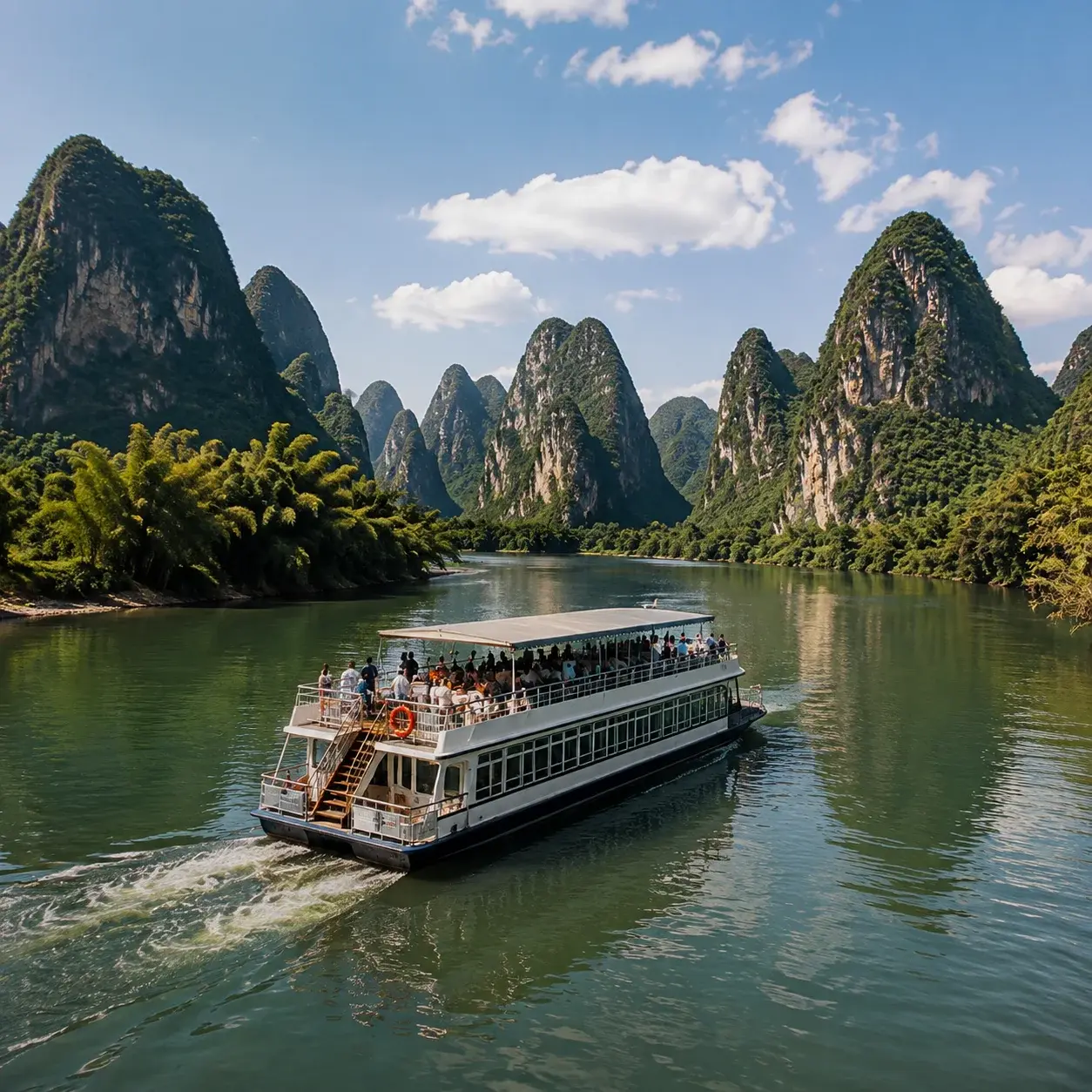
Guilin & Yangshuo (3–4 days). The karst landscape that appears on the 20 RMB banknote — limestone peaks rising from emerald rivers in a setting that has inspired Chinese painters for millennia. Must-see: the Li River Cruise (83 km, 4–5 hours from Guilin to Yangshuo), cycling the Yangshuo countryside, and the Longji Rice Terraces. Best season: April–October; go early morning for the mist.
Chengdu (2–3 days). Giant pandas, Sichuan cuisine, and the most laid-back teahouse culture in China. Must-see: the Giant Panda Breeding Research Base (arrive at 8 AM feeding time), the Leshan Giant Buddha, and a Sichuan Opera face-changing performance. Hidden gems: People's Park teahouses, Wenshu Monastery, and hotpot at local restaurants rather than tourist chains.
If you're returning to China, these destinations reward a second trip:
| Destination | Days | Why Go | Best For |
|---|---|---|---|
| Zhangjiajie | 3–4 | Avatar's "Hallelujah Mountains" — dramatic sandstone pillars, glass walkways, Tianmen Mountain's 999-step stairway | Hikers, photographers, adventure travellers |
| Yunnan Province | 7–10 | 25 ethnic minority groups, Himalayan foothills, ancient towns (Dali, Lijiang, Shangri-La) | Culture seekers, trekkers, those seeking authenticity |
| Tibet | 5–7 | "Roof of the World" — Potala Palace, Tibetan Buddhism, Everest Base Camp option. Requires Tibet Travel Permit (15–20 days processing) | Adventure travellers, spiritual seekers |
| Harbin | 2–3 | World's largest ice and snow festival (January–February), Russian-influenced architecture | Winter travellers, families, photographers |
| Hainan | 4–5 | China's tropical island — beaches, resorts, duty-free shopping | Beach lovers, winter escapes |
What are the top experiences in China?
A handful of experiences define a China trip — each one worth structuring an itinerary around.
1. Walk the Great Wall. One of humanity's greatest architectural achievements, stretching over 21,000 km across northern China — and the section you pick defines the day (details above).
2. Ride a high-speed train. China's rail network carried 4.26 billion passenger trips in 2025, and riding it is an experience in itself: 350 km/h, centre-to-centre, with none of the airport overhead.
3. Eat your way through the regions. Chinese food is not one cuisine but dozens — Sichuan hotpot, Cantonese dim sum, Peking duck carved tableside, Shanghai's broth-filled xiaolongbao, Lanzhou hand-pulled noodles.
4. Meet the pandas, the soldiers, and the karst. Arrive at the Chengdu panda base for the 8 AM feeding time. Stand before 8,000 life-sized clay soldiers, each with a unique face, buried for over 2,200 years. Then cruise the Li River between Guilin and Yangshuo.
5. Wander water towns and watch a show. Within easy reach of Shanghai, Zhujiajiao (least touristy), Wuzhen (best preserved, beautiful at night), and Zhouzhuang ("Venice of the East," 900+ years old) offer canal-side walks through Ming and Qing Dynasty architecture. After dark, the Tang Dynasty Dinner Show in Xi'an, Sichuan Opera's face-changing in Chengdu, kung fu shows in Beijing, and the outdoor Impression Liu Sanjie on the Li River open a window into Chinese performing traditions.
What should you eat in China?
Chinese cuisine is not one cuisine but at least eight major regional traditions, each as distinct from the others as French cooking is from Thai. Eating your way across the country is a journey in itself.
| Region | Signature Dishes | Flavour Profile |
|---|---|---|
| Beijing | Peking duck, jiaozi dumplings, zhajiangmian noodles | Savoury, wheat-based, imperial tradition |
| Sichuan (Chengdu) | Hotpot, mapo tofu, kung pao chicken, dan dan noodles | Fiery, numbing (málà), bold |
| Cantonese (Guangzhou) | Dim sum, roast goose, wonton noodles, steamed fish | Delicate, fresh, subtle |
| Shanghai | Xiaolongbao soup dumplings, braised pork belly, hairy crab | Sweet-savoury, rich |
| Xi'an | Roujiamo ("Chinese hamburger"), biangbiang noodles, lamb skewers | Hearty, Silk Road influences |
| Lanzhou | Hand-pulled beef noodles (拉面) | Clean, aromatic, stretched to order |
| Yunnan | Crossing-the-bridge noodles, mushroom hotpot, Dai minority cuisine | Fresh, herbal, ethnic diversity |
Most restaurants have picture menus, so pointing works even without a word of Chinese. Cooked food from busy restaurants is safe; skip tap water, raw vegetables, and ice at local restaurants.
How much does a trip to China cost?
China offers exceptional value compared to Japan, Western Europe, and the United States, with costs typically 30–50% lower for equivalent quality. Your daily budget depends primarily on accommodation choices and whether you're travelling independently or with a private guide.
| Travel Style | Daily Budget (per person) | What It Includes |
|---|---|---|
| Budget | $50–80 | Budget hotels, local restaurants, public transport, self-guided |
| Mid-range | $100–200 | 4-star hotels, mix of local and upscale dining, trains, some guided activities |
| Comfortable private tour | $220–350 | 4–5 star hotels, private guide and vehicle, all logistics handled |
| Luxury | $500+ | 5-star/boutique hotels, exclusive access, private transfers, premium experiences |
Key cost benchmarks (2026 prices): Restaurant meal (local) ¥30–80 ($4–11); restaurant meal (upscale) ¥200–500 ($28–70); metro ride ¥2–10 ($0.30–1.40); 4-star hotel in a major city ¥400–800 ($56–112) per night; major attraction entrance fee ¥40–200 ($6–28); international round-trip economy flights $800–2,500 depending on origin and season.
Money-saving strategies: Travel in shoulder seasons (April, late May, September, early November) for 20–30% lower hotel prices. Book trains and hotels 2–4 weeks ahead. Eat where locals eat — the busiest restaurants are almost always the best value. Avoid the first week of May and October, when prices surge across the board.
What are the best China itineraries by duration?
The right itinerary depends on your available time, but even 7 days is enough to experience China's essential highlights if planned efficiently.
7 days — classic highlights: Beijing (3 days) → Xi'an (2 days) → Shanghai (2 days). Covers the Great Wall, Forbidden City, Terracotta Warriors, and modern Shanghai, connected entirely by high-speed rail. Best for first-timers with limited holiday time; the pace is brisk but manageable.
10–12 days — comprehensive introduction (recommended for a first visit): Beijing (3 days) → Xi'an (2 days) → Chengdu (2 days) → Guilin/Yangshuo (2–3 days) → Shanghai (2 days). Adds giant pandas, Sichuan cuisine, and the Li River's karst landscapes, with built-in travel days that double as rest periods.
14 days — in-depth exploration: Beijing (3 days) → Xi'an (2 days) → Chengdu (3 days) → Guilin/Yangshuo (3 days) → Hangzhou (2 days) → Shanghai (3 days). Adds West Lake in Hangzhou (tea culture, silk heritage) and more time in each city for deeper exploration — the extra days transform the trip from "seeing highlights" to "understanding China."
3 weeks — regional immersion: Classic cities (10 days) plus Yunnan (Kunming → Dali → Lijiang → Shangri-La, 7 days) or Tibet (Lhasa → Shigatse → optional Everest Base Camp, 5–7 days). Yunnan offers ethnic minority cultures and Himalayan foothills; Tibet offers spiritual depth and the world's most dramatic high-altitude landscapes — and requires a separate Travel Permit (15–20 days processing).
Should you book a tour or travel independently?
For first-time visitors, a private tour with an English-speaking guide is the most efficient and rewarding way to experience China. The language barrier, complex logistics (train bookings, permit requirements, hotel registration), and the cultural context a knowledgeable guide provides make the investment worthwhile — especially for trips of 10+ days.
| Approach | Pros | Cons | Best For |
|---|---|---|---|
| Private tour | Hassle-free logistics, cultural insights from guide, efficient use of time, permits handled | Higher cost ($220–350/day) | First-time visitors, families, travellers with limited time |
| DIY independent | Complete flexibility, lower cost, adventurous | Language barriers, complex logistics, time-consuming planning | Experienced travellers, Mandarin speakers, long-term travellers |
| Group tour | Lowest per-person cost, social atmosphere | Fixed itineraries, rushed pace, less flexibility | Budget travellers, solo travellers wanting company |
What to look for in a tour operator: local presence (China-based operators have better pricing than overseas agencies); true customisation (itineraries designed from scratch, not tweaks to fixed packages); guide quality (English fluency, deep cultural knowledge); transparent pricing (all-inclusive quotes, no hidden fees); and reviews.
Booking timeline: 4–6 months ahead for peak seasons (April–May, September–October, Chinese New Year) and Tibet tours; 2–3 months for most other periods. Last-minute bookings are risky — limited availability and higher prices.
How do you get around China?
High-speed rail is the best way to travel between most Chinese cities — it's faster, cheaper, and more convenient than flying for distances under 1,000 km. China's network surpassed 50,000 km in 2025, making it the world's largest by far. Trains reach 300–350 km/h and run centre-to-centre, eliminating the 2+ hours of airport overhead on each end.
| Route | Distance | Train Time | Train Cost (2nd Class) | Flight Time (Total) |
|---|---|---|---|---|
| Beijing → Shanghai | 1,318 km | 4.5 hours | ¥553 ($77) | 6–7 hours (incl. airport) |
| Beijing → Xi'an | 1,216 km | 4.5 hours | ¥515 ($72) | 5–6 hours |
| Shanghai → Hangzhou | 202 km | 1 hour | ¥73 ($10) | Not worth flying |
| Shanghai → Guilin | 1,348 km | 6 hours | ¥489 ($68) | 5–6 hours |
How to book: Trip.com (English interface, accepts international cards, small service fee) or the official 12306 app (cheapest, Chinese interface). Book popular routes 7–10 days ahead; Chinese holidays 15–30 days ahead.
Within cities: metro systems in 40+ cities are fast, clean, and cheap (¥2–10 per ride), paid by scanning Alipay or WeChat Pay at the gate; for taxis use DiDi, where prices are fixed before you ride. When you fly: for distances over 1,000 km or to remote regions (Tibet, Xinjiang, Inner Mongolia), book 2–4 weeks ahead and carry your passport — it's required for all domestic flights.
What practical details should you handle before you go?
Payments, internet access, language, and hotel eligibility are where first-time visitors get caught out — all four are solvable with preparation before departure, and all four are covered step by step in our Essential China Travel Tips 2026.
Mobile payments. China runs on them — approximately 90% of transactions happen via Alipay or WeChat Pay, and many vendors no longer accept cash or credit cards. Set up Alipay before departure and carry ¥500–1,000 ($70–140) as backup — credit cards work only at international hotels, high-end restaurants, and airport shops.
Internet, language, and hotels. The Great Firewall blocks Google, Gmail, WhatsApp, Instagram, Facebook, YouTube, and most Western apps and news sites, so install two VPN providers before entering China — their websites are blocked inside the country. English is not widely spoken outside international hotels and major airports, which makes a translation app with an offline Chinese pack your most valuable tool. And not all hotels can accept foreign guests: under Chinese law hotels must register foreign guests with local police, and only licensed properties can process foreign passports, so stick to international chains, most 4–5 star Chinese hotels, and listings marked "foreign guest friendly" on Trip.com.
What cultural etiquette should you know?
Chinese culture revolves around "face" (面子, miànzi) — social reputation and dignity — and most etiquette flows from this concept. You don't need to master every nuance, but a few key principles earn genuine warmth and respect.
The essentials: remove shoes when entering someone's home — universal and non-negotiable. Use both hands when giving or receiving anything. Try food when offered, since declining is considered impolite. And don't tip — tipping is not part of Chinese culture and may cause confusion.
Avoid: don't stick chopsticks upright in rice; this resembles incense at funerals and is considered deeply inauspicious. Don't get visibly angry in public — causing someone to "lose face" is one of the most serious social offences. Avoid sensitive political topics such as Taiwan, Tibet, Xinjiang, and historical political events with people you don't know well.
Gift-giving: if invited to someone's home, bring fruit, tea, or pastries — but avoid clocks (钟, zhōng, sounds like "end"), white flowers (funeral association), and sets of four (四, sì, sounds like "death"). Gifts are typically politely refused 2–3 times before being accepted — normal custom, not genuine refusal.
Dining: meals are communal, with dishes shared from the centre of the table. Wait for the host or eldest person to begin eating. Slurping noodles is acceptable, and "干杯" (gān bēi) means "bottoms up."
How safe is China for tourists?
China is one of the safest countries in the world for tourists, with violent crime rates significantly lower than most Western countries. Major cities like Beijing, Shanghai, and Guangzhou have extensive public security infrastructure, and walking alone at night in most Chinese cities is considerably safer than in comparable Western cities.
Real concerns (minor but worth knowing): pickpocketing in crowded tourist areas — take the same precautions you would in Paris or Rome. The tea ceremony scam — friendly English-speakers near tourist sites invite you for "tea," then present a bill for hundreds of dollars; never follow strangers to a restaurant. Taxi scams — refusing meters or taking long routes; use DiDi instead, where the price is fixed in advance.
Health: no required vaccinations (Hepatitis A/B and Typhoid recommended). Air quality varies — check AQI daily via the AirVisual app; northern cities can have poor air in winter, while southern cities (Guilin, Kunming, Xiamen) generally have excellent air year-round. Travel insurance with minimum $50,000 medical coverage is strongly recommended.
Emergency numbers: Police 110, Ambulance 120, Fire 119.
FAQ
Is China worth visiting in 2026?
Yes. China combines major historical sites, modern cities, high-speed rail, regional food, dramatic landscapes, and improving visa access, making it especially strong for first-time Asia travellers.
Which places should first-time visitors prioritise?
Beijing, Xi'an and Shanghai form the core of your first trip. Add Chengdu, Guilin, Zhangjiajie, Hangzhou, Suzhou or Yunnan depending on interests and available days.
When is the best time to visit China?
Spring and autumn are best for most routes. April, May outside Labor Day, September, late October, and November usually offer the best balance of weather and crowds.
What apps do I need before going to China?
Install Alipay, WeChat, a translation app, maps, train or booking tools, and your chosen data or VPN solution before departure so you are not solving everything on arrival.
How much time should I spend in each city?
Plan three to four days in Beijing, two to three in Xi'an, two to three in Shanghai, and two to four days for nature or regional add-ons.
What is the biggest planning risk for China?
The biggest risk is underestimating logistics: attraction reservations, public holidays, payment setup, train availability, and city distances can all affect the trip more than expected.