



 18 days China, End to End Beijing → Xi'an → Chuanzhusi → Jiuzhaigou → Chengdu → Zhangjiajie → Guilin → Yangshuo → Shenzhen From $6,360 View route
  3 days 3-Day Tour: Mount Siguniang, Bipenggou & Dagu Glacier Chengdu → Lixian → Heishui County From $1,599 View route
  5 days Above the Pillars, Then Below Zhangjiajie From $1,430 View route
  3 days After the Last Booth Guangzhou From $840 View route
  13 days All the Way West Xi'an → Dunhuang → Turpan → Kashgar → Shanghai From $3,500 View route
 TL;DR
China has 60 UNESCO World Heritage Sites and 44 UNESCO Intangible Cultural Heritage items — more than any other country — while bookings for immersive cultural activities such as intangible heritage workshops, folk performances, and hands-on craft experiences surged 300% year-on-year in 2025. A China cultural tour is access to five kinds of depth: imperial heritage spanning 3,000 years, living artisan traditions in porcelain and silk and tea, 25 ethnic minority cultures in a single province, spiritual practices rooted in three philosophical traditions, and eight regional cuisines — plus three itineraries (14–21 days), 2026 festival dates, and budget benchmarks below.
What is a China cultural tour, and why is it now the main reason people visit?
A China cultural tour is a trip built around participating in living culture — throwing porcelain in Jingdezhen, roasting oolong in Wuyishan, joining a Miao festival in Guizhou — rather than photographing monuments from the outside.
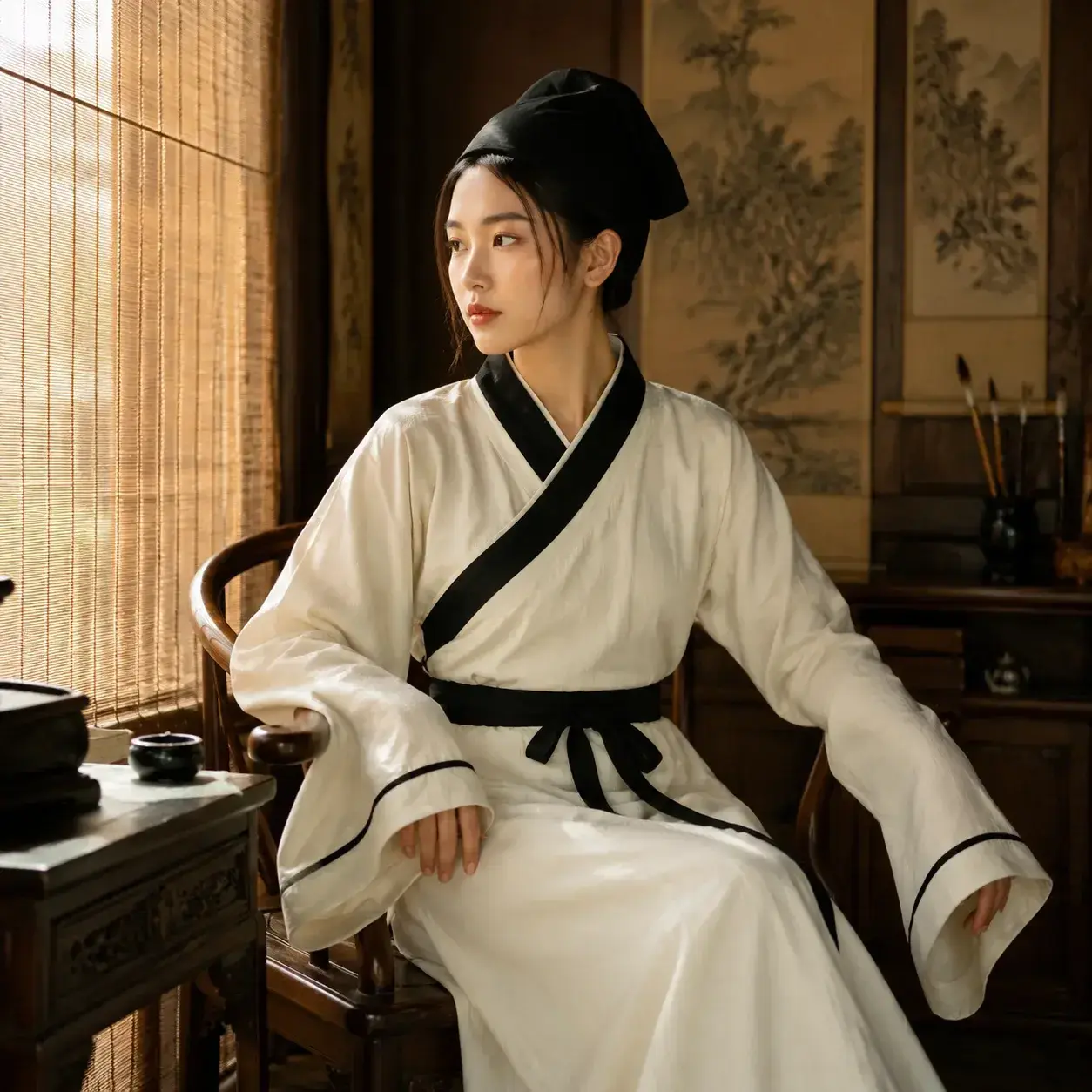
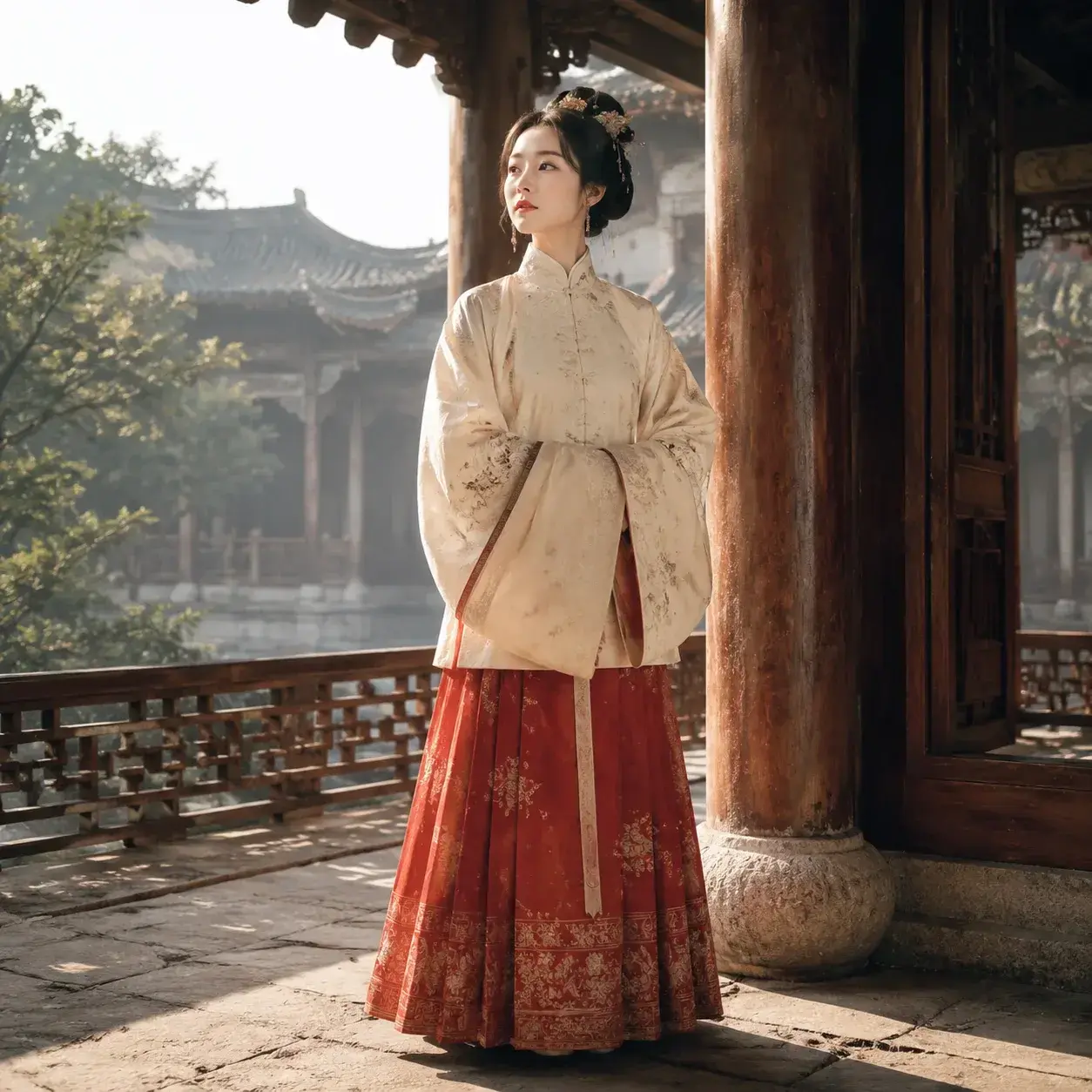
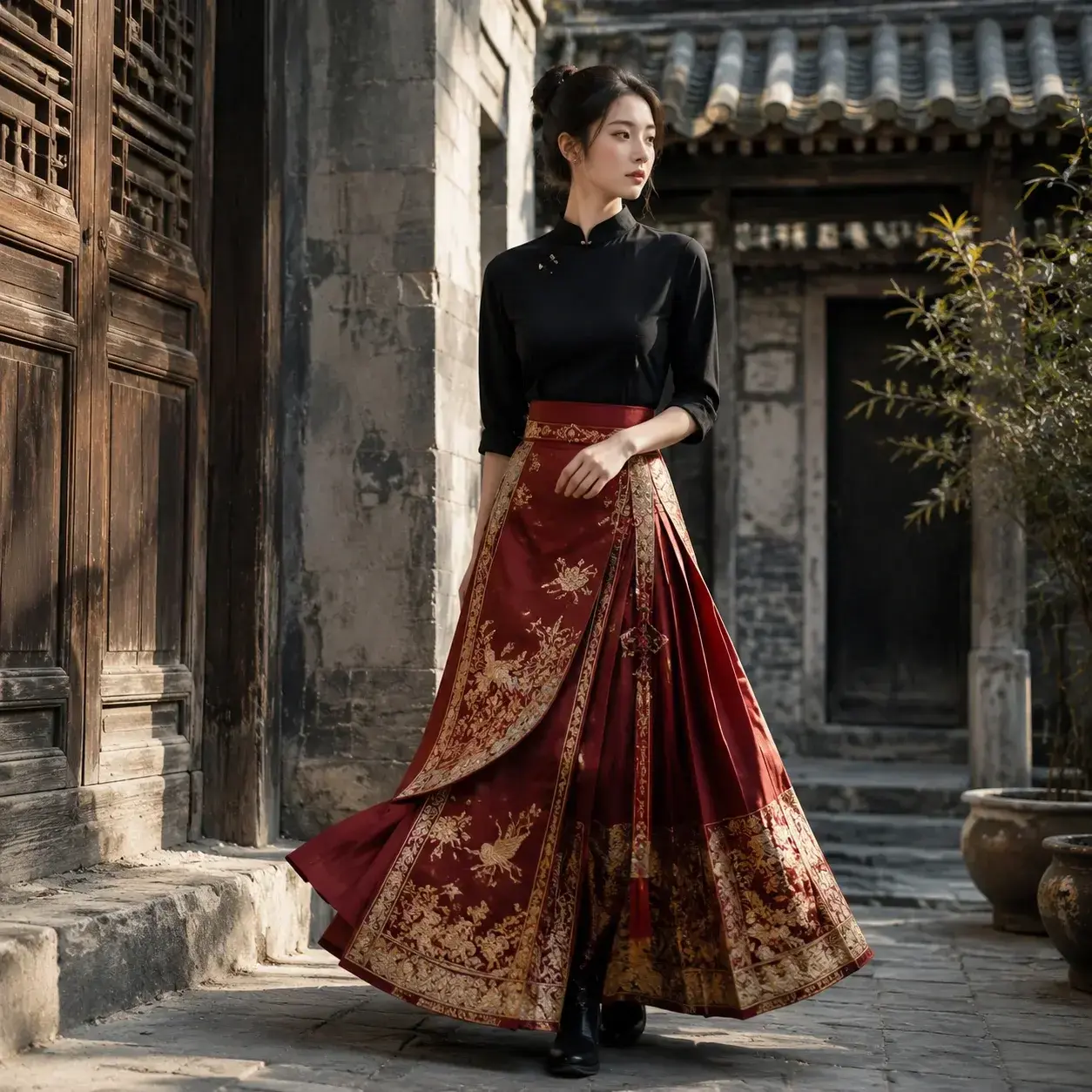
The China Tourism Academy's annual survey found over 60% of international respondents cited "experiencing Chinese culture" as their primary reason for visiting — not the Great Wall, not the pandas. Ctrip's vice president Qin Jing confirmed the pattern in booking data: "Many foreign visitors are now engaging in activities like learning tea brewing in Wuyishan, watching face-changing performances in Chengdu, or crafting porcelain in Jingdezhen." Bookings for immersive cultural activities — intangible heritage workshops, folk performances, urban life explorations — jumped 300% year-on-year. The #Hanfu hashtag had accumulated nearly 300,000 videos on TikTok by mid-2025, and studios near the Forbidden City reported a 20% increase in foreign clientele.
Which imperial heritage sites anchor a China cultural tour?
Beijing and Xi'an — roughly 4–5 days in Beijing and 3–4 days in Xi'an to see the imperial layer properly.
Beijing: where every stone carries political meaning (4–5 days)
You enter the Forbidden City through the Meridian Gate at 8:30 AM — your guide secured tickets exactly seven days earlier, because the daily cap of 30,000 visitors means peak-season tickets sell out within minutes. At the Hall of Supreme Harmony, the 72 pillars are arranged to create acoustic properties that amplified the emperor's voice, and the nine-dragon screen uses a shade of yellow that was illegal for anyone else in the empire to wear.
The Temple of Heaven, where emperors performed solitary rituals to ensure good harvests, is best visited at dawn, when hundreds of residents practise tai chi, play erhu, and sing Peking opera in the surrounding park. The Summer Palace, a 290-hectare garden complex Empress Dowager Cixi rebuilt using funds intended for the Chinese navy, teaches more about the late Qing Dynasty's priorities than any textbook. And the hutongs — courtyard-home alleyways (siheyuan) — encode the imperial hierarchy in their architecture.
Cultural activities: Peking opera at the Liyuan Theatre or Huguang Guild Hall (¥150–380) · calligraphy workshop with the four treasures of the study (2–3 hours, $50–100) · Hanfu photography with full costume and make-up (half-day, $80–200) · hutong cookery class making jiaozi and zhajiangmian with a local family (2–3 hours, $50–100) · gongfu tea ceremony with a tasting of 4–6 varieties (1–2 hours, $40–80)
Xi'an: where civilizations converged (3–4 days)
Xi'an served as the capital of 13 dynasties over 1,100 years — longer than any other city in Chinese history. The Terracotta Warriors alone justify the visit: 8,000 individually sculpted soldiers guarding Emperor Qin Shi Huang's tomb for 2,200 years. Xi'an's deeper significance is as the eastern terminus of the Silk Road, where Chinese, Central Asian, Persian, Indian, and eventually European cultures met and transformed each other. The Muslim Quarter, a 15-minute walk from the Drum Tower, houses a Hui Muslim community that has lived there for over 1,300 years, and the Great Mosque of Xi'an, founded in 742 CE, uses traditional Chinese courtyards — no domes, no minarets — to house an Islamic place of worship.
Cultural activities: Tang Dynasty dinner show recreating the golden age of 618–907 CE ($60–120) · the "Longest Day in Chang'an" immersive experience with Hanfu dress-up and intangible heritage cuisine · dumpling banquet with 18+ varieties of jiaozi ($30–60) · seal carving workshop (2 hours, $40–80) · cycling the complete 13.7 km city wall circuit at sunset ($10–15 bike rental)
Where can you watch China's living artisan traditions being practised?
Jingdezhen for porcelain, Wuyishan for tea, and Suzhou and Hangzhou for silk, gardens, and the literati tradition.
Jingdezhen: the porcelain capital reborn (2–3 days)
In a converted factory building in the Taoxichuan Creative District, a ceramicist throws a vase on a wheel that spins at exactly the speed her master taught her — a speed calibrated by 1,000 years of Jingdezhen tradition.
Jingdezhen — which has produced porcelain for over 2,000 years and supplied every dynasty from the Song onward — nearly died as a cultural destination when its state-owned factories closed in the 1990s. Taoxichuan transformed 22 original factory buildings into galleries, workshops, and exhibition halls, attracting 60,000 resident artists (tripled from 20,000 in 2012), with 80% of the city's net population inflow of 136,000 over the past decade being young adults.
What you can do: wheel-throwing workshop, with your piece fired and shipped to you (2–3 hours, $30–60) · blue-and-white painting using techniques dating to the Yuan Dynasty (2 hours, $40–80) · kiln visit to a working wood-fired dragon kiln of the type employed since the Tang Dynasty · Taoxichuan's Saturday morning ceramic fair, where young artists sell one-of-a-kind pieces at studio prices
Wuyishan: where tea becomes philosophy (2–3 days)
China's traditional tea processing techniques were inscribed as UNESCO Intangible Cultural Heritage in 2022, and Wuyishan — in Fujian Province, where Wuyi rock tea (yancha) has been cultivated for over 1,000 years — is the epicentre of this living tradition. The tea industry here has exceeded 15 billion yuan in annual value, and the city's tea tourism is run by inheritors whose families have been roasting Da Hong Pao for generations.
What you can do: tea plantation visit and picking, learning how terroir creates the "rock rhyme" (yan yun) flavour unique to Wuyi teas (half-day, $40–80) · tea processing workshop covering the six steps of oolong production — withering, tossing, oxidation, kill-green, rolling, roasting (3–4 hours, $60–120) · gongfu tea ceremony (1–2 hours, $30–60) · Nine Bend Stream bamboo rafting past cliff-face tea gardens and the Ziyang Academy where the Neo-Confucian philosopher Zhu Xi studied for ten years
Suzhou & Hangzhou: silk, gardens, and the literati tradition (4–5 days)
Suzhou's classical gardens — nine of them UNESCO World Heritage Sites — are philosophical statements made physical; the Humble Administrator's Garden uses "borrowed scenery" (jiejing) to frame distant pagodas. Hangzhou's West Lake anchors an experience centred on Longjing (Dragon Well) green tea: visit the plantations where China's most famous green tea is hand-picked and pan-fired, and taste the difference between pre-Qingming (picked before 5 April) and post-Qingming harvests — a distinction that can mean a tenfold difference in price.
Cultural activities: Suzhou embroidery workshop learning the double-sided technique (su xiu) that produces images visible from both sides of the silk (2–3 hours, $60–120) · silk reeling demonstration at the Suzhou Silk Museum, where raw silk is drawn from cocoons using methods unchanged for 5,000 years · pingtan performance, traditional Suzhou storytelling in the local Wu dialect
Where can you meet China's ethnic minority cultures?
Yunnan Province, home to 25 of China's 56 officially recognised ethnic groups. A 10-day Yunnan circuit moves through cultures as different from each other as Portugal is from Finland, yet separated by distances of only 100–200 kilometres.
Dali: the Bai heartland (2–3 days)
The Bai people, numbering approximately 1.9 million and centred around Dali's Erhai Lake, are known for three cultural signatures: their "three courses of tea" ceremony (san dao cha — first bitter, then sweet, then reflective), their tie-dye textiles (zharan) produced in Zhoucheng village using techniques passed down for over 1,000 years, and courtyard homes with wood carvings that encode family history and social status.
What you can do in Dali: Zhoucheng tie-dye workshop, dipping fabric in natural indigo dye extracted from the banlangen plant (half-day, $40–80) · three courses of tea ceremony with a local family, understanding why the bitter tea comes first · the Xizhou morning market, where Bai farmers sell produce, herbs, and handmade goods
Lijiang: the Naxi world (2–3 days)
The Naxi people possess one of the world's only living pictographic writing systems — the Dongba script, used by Dongba priests for religious texts and still actively practised today. Lijiang Old Town, a UNESCO World Heritage Site, is the cultural centre of the Naxi — and your guide's job is knowing which alleys lead to authentic Naxi life and which lead to souvenir shops.
What you can do in Lijiang: Dongba script workshop with one of fewer than 100 remaining practitioners (2 hours, $40–80) · Naxi Orchestra concert on traditional instruments, with repertoires dating back centuries · Baisha village, 15 minutes from Lijiang Old Town, for 600-year-old murals blending Buddhist, Taoist, and Dongba imagery
Shangri-La: Tibetan culture at accessible altitude (2–3 days)
At 3,200 metres, Shangri-La offers Tibetan Buddhist culture without the extreme altitude and permit requirements of Tibet proper. Songzanlin Monastery — the largest Tibetan monastery in Yunnan, often called "Little Potala Palace" — houses 700+ monks and introduces Tibetan Buddhist practice and daily monastic life.
What you can do in Shangri-La: Tibetan family homestay with yak butter tea, tsampa (roasted barley flour), and Buddhist daily practice ($30–60/night including meals) · guided Songzanlin Monastery visit explaining Tibetan Buddhist iconography, the monastic education system, and the significance of prayer wheels, prayer flags, and butter sculptures · prayer flag printing using traditional woodblock techniques
What does an ethnic minority tour of Guizhou look like?
Guizhou is the raw version of that diversity — less English spoken, fewer luxury hotels, more challenging logistics, but exponentially more authentic. Minority groups account for more than 37% of the province's population, including sizeable populations of Miao, Bouyei, Dong, Tujia, and Yi peoples, all speaking languages distinct from Chinese.
The Miao experience, Kaili region (2–3 days): The Miao are renowned for silver ornament craftsmanship — some ceremonial headdresses weigh over 10 kilograms and require months of hand-hammering — and for batik textiles. Xijiang, with over 1,000 households, is the largest Miao village in the world, but smaller villages like Langde (which greets visitors with a rice-wine welcome ceremony and lusheng reed-pipe music) and Shiqiao (where 1,300-year-old bark papermaking traditions survive) offer deeper immersion with fewer tourists.
The Dong experience, Zhaoxing and beyond (2–3 days): Inside Zhaoxing's drum tower — a five-storey pagoda-like structure built entirely of interlocking wooden joints without a single nail — twelve Dong women begin to sing. No conductor, no sheet music: what emerges is polyphonic harmony, vocal lines mimicking birdsong, running water, and wind through bamboo — UNESCO-recognised Intangible Cultural Heritage, passed down for over 2,500 years in a culture with no written language. Zhaoxing also holds five wind-and-rain bridges (feng yu qiao) built without nails, and the smaller villages of Huanggang and Xiaohuang offer Grand Song performances that are part of daily community life rather than staged for tourists.
Practical Guizhou details: village guesthouses run $10–30/night — basic but clean · getting there means a high-speed train to Kaili (from Guiyang, 40 minutes), then local transport to villages · the Miao New Year (October–November), Sisters' Meal Festival (March–April), and Lusheng Festival offer the most spectacular cultural experiences, but book 3–6 months ahead as village accommodation is limited · a guide is essential, because most villagers speak Miao or Dong as their first language, Mandarin as a second, and no English
How do China's three philosophical traditions shape a cultural tour?
China's spiritual landscape is shaped by three philosophical traditions — Confucianism, Taoism (balance with nature, wu wei), and Buddhism (compassion, the Middle Way) — that have coexisted and cross-pollinated for over 2,000 years. Understanding these "Three Teachings" (san jiao) explains why hierarchy matters in social interactions, why gardens emphasise harmony with nature, and why temple visits are part of daily life even for people who don't consider themselves "religious."
Accessible spiritual experiences (no permits required): Shaolin Temple (Henan), the birthplace of Chan (Zen) Buddhism and Shaolin kung fu · the Wudang Mountains (Hubei), the Taoist counterpart and birthplace of tai chi, with monastery stays available · Labrang Monastery (Xiahe, Gansu), one of the six great Gelug monasteries of Tibetan Buddhism, at a more manageable 2,900 metres and without Tibet permit requirements, where the 3 km kora with 1,174 prayer wheels is one of China's most moving spiritual experiences · Mount Emei (Sichuan), one of China's four sacred Buddhist mountains
Hands-on spiritual practices: tai chi class learning the 24-form Yang style in a Beijing park (1–2 hours, $30–60) · temple stay with 4:30 AM morning chants, meditation sessions, and monastic vegetarian meals ($30–80/night, donation-based in some temples) · Traditional Chinese Medicine consultation with pulse diagnosis, tongue reading, and herbal prescription from a TCM practitioner ($50–150)
What does a Tibet cultural tour require?
Tibet remains the most profound spiritual experience available in China — and the most logistically demanding. All foreign visitors must book through registered tour operators and obtain a Tibet Travel Permit plus additional permits for areas outside Lhasa; independent travel is not permitted. Acclimatisation requires 2–3 full days in Lhasa (3,650 metres) before any higher-altitude activities, and altitude sickness affects 50%+ of visitors to some degree.
The Potala Palace — 1,000+ rooms rising thirteen storeys above Lhasa — is the architectural embodiment of Tibetan Buddhist cosmology. The Jokhang Temple, Tibet's most sacred site, is best experienced during the morning pilgrimage circuit (kora), when hundreds of devotees prostrate themselves on the stone pavement of the Barkhor. Sera Monastery's daily monk debates — conducted through hand-clapping gestures and rapid-fire questioning — are as intellectually rigorous as they are theatrical.
Essential Tibet considerations: permits (Tibet Travel Permit + Alien's Travel Permit + Military Permit for the Everest Base Camp area) are all arranged by your tour operator and typically require 15–20 days processing · May–October only, as winter conditions are extreme · medical clearance recommended, and carry altitude sickness medication (acetazolamide/Diamox) · 7 days minimum, including 2–3 acclimatisation days in Lhasa · budget $350–600/day, because permit requirements, a mandatory guide, and remote logistics make Tibet significantly more expensive than other Chinese destinations
What does a culinary cultural tour of China include?
Chinese cuisine is not one cuisine but at least eight major regional traditions (officially recognised as the "Eight Great Cuisines"), each with distinct flavour profiles and techniques. The most transformative culinary experiences are participatory: making dumplings with a Beijing family, learning wok technique from a Sichuan grandmother, pulling noodles by hand in a Xi'an Muslim Quarter workshop, or fermenting your own batch of Guizhou sour soup.
Key culinary-cultural experiences by region: Beijing, for Peking duck at a heritage restaurant (the roasting technique is a 600-year-old imperial tradition) and a hutong cooking class · Xi'an, for a Muslim Quarter food walk through yangrou paomo, roujiamo, and biangbiang noodles · Chengdu, for Sichuan hotpot, the "mala" numbing-spicy flavour profile, and a cooking class covering mapo tofu and kung pao chicken · Guangzhou and Hong Kong, for dim sum breakfast (yum cha), the Cantonese tradition of "drinking tea" with 40+ small dishes · Guizhou, for sour soup fish (suantangyu), Miao cuisine's signature dish using naturally fermented tomato broth
Which China cultural tour itinerary should you choose?
Three field-tested routes cover the range: a 14-day Cultural Foundations Tour for first-time cultural travellers, an 18-day Ethnic Minority Deep Dive, and the 18–21 day Silk Road Cultural Odyssey.
Itinerary 1: The Cultural Foundations Tour (14 days)
Beijing (4 days) → Xi'an (3 days) → Chengdu (2 days) → Lijiang (3 days) → Shanghai (2 days)
Designed for first-time cultural travellers who want breadth with meaningful depth at each stop. It moves chronologically through Chinese civilisation — imperial Beijing, ancient Xi'an, minority Yunnan — with enough hands-on experiences (calligraphy, cooking, tea ceremony, Naxi script workshop) to make the culture tangible rather than observed.
Itinerary 2: The Ethnic Minority Deep Dive (18 days)
Kunming (1 day) → Dali (3 days) → Shaxi (2 days) → Lijiang (3 days) → Shangri-La (3 days) → Guiyang (1 day) → Kaili/Miao villages (3 days) → Zhaoxing/Dong villages (2 days)
For travellers who have already seen Beijing and Shanghai, this route covers 55 minority groups and villages where practices predate written history. Multiple homestays replace hotels, craft workshops replace museum visits, and festival timing (if aligned) replaces scheduled performances. The shift is from tourist to guest: in a Dong village homestay you help prepare dinner and sit in the drum tower while the evening's Grand Song rehearsal happens around you.
Itinerary 3: The Silk Road Cultural Odyssey (18–21 days)
Xi'an (3 days) → Lanzhou (1 day) → Xiahe/Labrang (2 days) → Dunhuang (3 days) → Turpan (2 days) → Kashgar (4 days) → Urumqi (1 day) → Beijing (2 days)
The journey traces 2,000 years of cultural exchange between East and West — from Xi'an, where the Silk Road began, through Tibetan Buddhist monasteries, past the Mogao Caves' 492 grottoes of Buddhist art spanning ten centuries, across desert oases where Uyghur culture blends Central Asian and Chinese traditions, to Kashgar's Sunday Market, the largest traditional market in Central Asia. In Xiahe you walk the kora around Labrang Monastery with Tibetan pilgrims spinning 1,174 prayer wheels; in Dunhuang, Mogao Cave murals show Indian Buddhist iconography painted by Chinese artists using Central Asian pigments.
How much does a China cultural tour cost?
Per-person costs for the three itineraries above, based on two travellers, at 2026 budget benchmark levels:
| Itinerary | Level | Estimated Cost |
|---|---|---|
| Cultural Foundations (14 days) | Mid-range (4-star hotels, all cultural activities included) | \$5,000–7,000 |
| Cultural Foundations (14 days) | Comfortable (5-star hotels, premium cultural access) | \$7,500–10,000 |
| Ethnic Minority Deep Dive (18 days) | Standard (village guesthouses + 3-4 star in cities) | \$4,500–6,500 |
| Ethnic Minority Deep Dive (18 days) | Enhanced (boutique hotels where available + village homestays) | \$6,000–8,500 |
| Silk Road Odyssey (18–21 days) | Mid-range | \$6,000–9,000 |
| Silk Road Odyssey (18–21 days) | Comfortable | \$9,000–12,000 |
When should you time a China cultural tour around a festival?
Timing a tour around a major festival turns observation into participation. The key 2026 dates:
| Festival | 2026 Date(s) | Best Location | What You'll Experience |
|---|---|---|---|
| Chinese New Year (Spring Festival) | 29 January | Beijing, Xi'an, rural villages | Family reunions, temple fairs, dragon dances, fireworks — China's most important cultural event |
| Lantern Festival | 12 February | Shanghai, Hangzhou, Suzhou | Lantern displays, riddle-solving, yuanxiao (sweet rice balls) |
| Sisters' Meal Festival (Miao) | March–April (lunar) | Kaili region, Guizhou | Miao courtship festival with elaborate silver costumes, lusheng music, and ceremonial rice |
| Qingming Festival | 5 April | Nationwide | Ancestor veneration — insight into Chinese views on family, death, and continuity |
| Water Splashing Festival (Dai) | 13–15 April | Xishuangbanna, Yunnan | Dai Buddhist New Year — water-throwing, dancing, and dragon boat racing |
| Dragon Boat Festival | 31 May | Hangzhou, Suzhou, Guilin | Dragon boat races, zongzi (sticky rice dumplings), riverside celebrations |
| Torch Festival (Yi, Bai) | July–August (lunar) | Dali, Stone Forest, Yunnan | Three nights of bonfires, torch processions, wrestling, and bull-fighting |
| Mid-Autumn Festival | 3 October | Nationwide | Mooncakes, family reunions, moon appreciation — China's harvest thanksgiving |
| Miao New Year | October–November (lunar) | Kaili region, Guizhou | The most solemn Miao festival — lusheng competitions, bull-fighting, silver costume parades |
Booking note: for Chinese New Year and Miao New Year, book accommodation and transport 6+ months in advance; Guizhou village guesthouses sell out quickly.
What cultural etiquette actually matters on a cultural tour?
Forget the obvious advice ("be respectful") and the outdated ("always exchange business cards with two hands"). Here is what actually matters.
In minority villages: accept food and drink when offered. When a Miao family offers you rice wine at the village entrance, drink it; when a Tibetan family offers yak butter tea, drink the first cup even if the flavour is unfamiliar — refusal is read as rejection of hospitality, not dietary preference. Bring small gifts when visiting homes, and avoid clocks (associated with death in Chinese culture), white flowers (funerals), and sets of four (the number four sounds like "death" in Mandarin).
In temples and religious sites: walk clockwise around Buddhist sites and objects, remove hats indoors, and ask your guide before raising your camera, since many temples prohibit photos inside prayer halls.
Photography of people: in tourist villages such as Xijiang and Zhaoxing, residents generally expect a small payment (¥5–20) for posed portraits; elsewhere gifts are more appropriate than cash. Ask permission before photographing anyone.
Dining: wait for the host or eldest person to begin eating, and try every dish offered — even a small taste shows respect. Leave a small amount of food on your plate, which indicates the host provided abundantly. Never stick chopsticks vertically into rice — this resembles incense sticks at funerals and is one of the few genuine taboos that will cause visible discomfort.
FAQ
What makes a China cultural tour different from a sightseeing tour?
A cultural tour adds context, workshops, local hosts, food traditions, artisan visits, and a slower pace of interpretation, rather than simply moving between famous monuments.
Which cities are best for imperial history?
Beijing and Xi'an are the core pair. Beijing explains imperial power through the Forbidden City and Temple of Heaven, while Xi'an connects dynastic history to the Silk Road.
Where can I experience living craft traditions in China?
Jingdezhen is best for porcelain, Wuyishan for tea culture, Suzhou and Hangzhou for silk and gardens, and Yunnan for minority crafts and village traditions.
How long should a cultural tour of China be?
A meaningful cultural trip needs at least 10 to 14 days. Two to three weeks lets you combine imperial cities, artisan regions, and minority culture without rushing.
Is Yunnan good for cultural immersion?
Yes. Yunnan is one of the strongest regions for ethnic minority culture, especially around Dali, Lijiang, Shangri-La, and smaller village routes.
Do I need a specialist guide for cultural travel in China?
A specialist guide helps a great deal because many cultural sites require historical context, local etiquette, translation, and access to workshops or hosts that are not easily found online.