



 18 days China, End to End Beijing → Xi'an → Chuanzhusi → Jiuzhaigou → Chengdu → Zhangjiajie → Guilin → Yangshuo → Shenzhen From $6,360 View route
  3 days 4-Day Tour of Siguniang Mountain, Biepa Gou, and Dagu Glacier Chengdu → Lixian → Heishui County From $1,599 View route
  5 days Above the Pillars, Then Below Zhangjiajie From $1,430 View route
  3 days After the Last Booth Guangzhou From $840 View route
  13 days All the Way West Xi'an → Dunhuang → Turpan → Kashgar → Shanghai From $3,500 View route
 Silk Hanfu: Fabrics, History, and How to Choose the Right Material
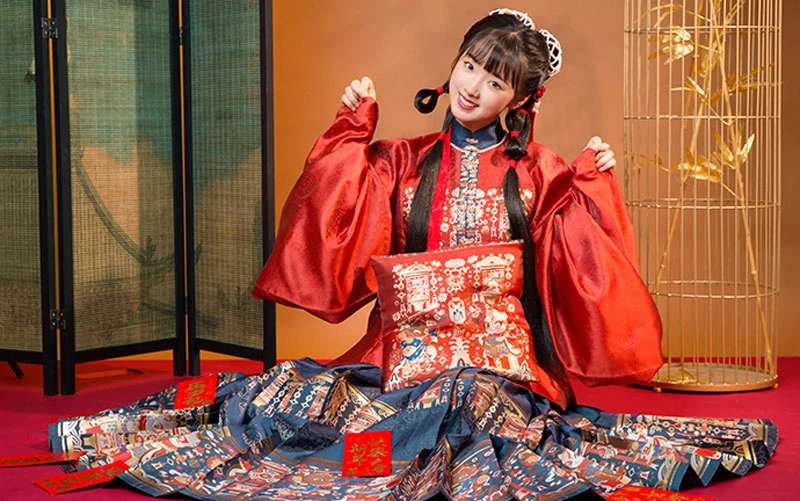
Introduction: Why Silk Hanfu Still Captivates Modern Travelers and Hanfu Enthusiasts
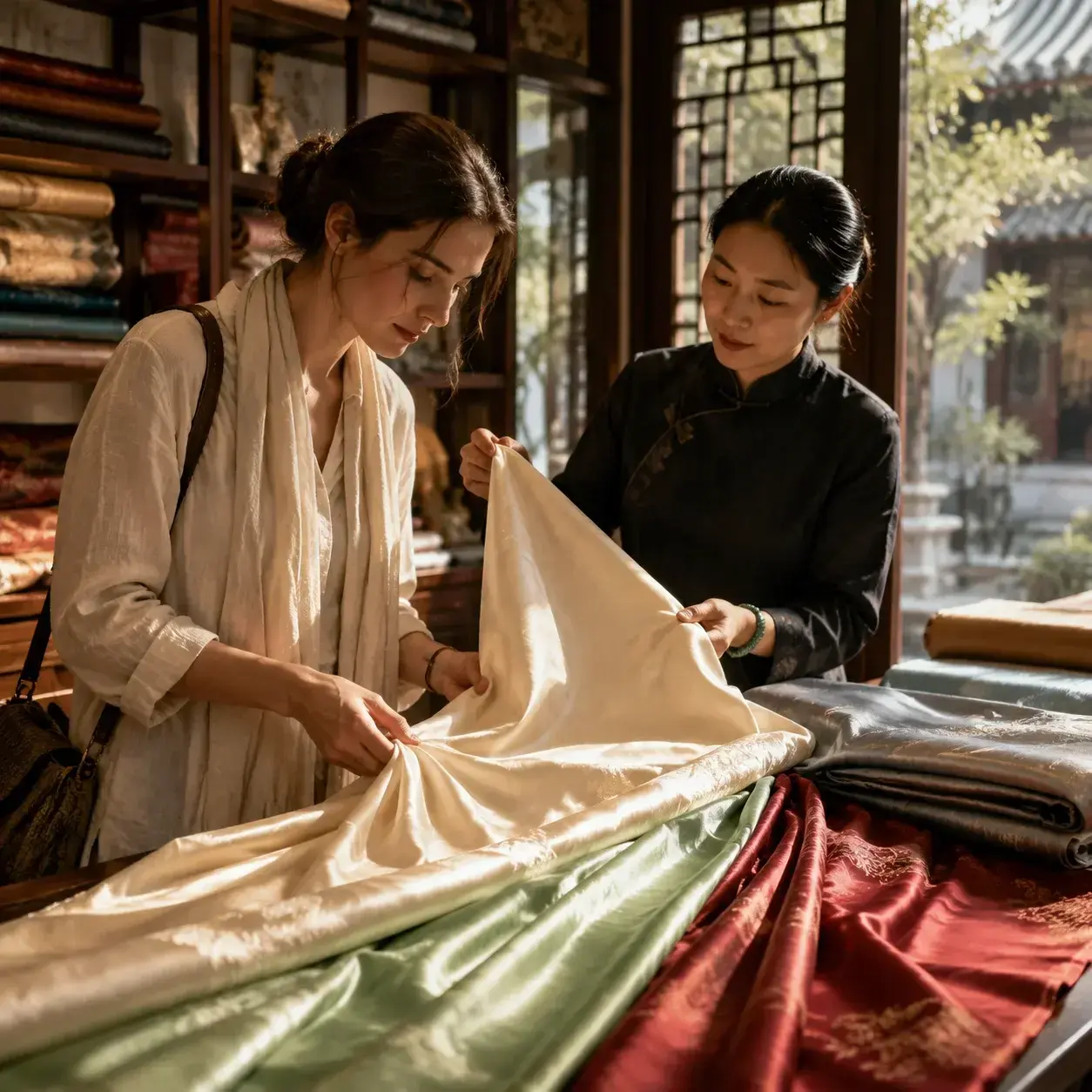
Silk hanfu has a way of catching the eye even before you notice the cut or color. It moves differently from cheaper fabrics, drapes with a softer line, and reflects light in a rich, layered way that photographs beautifully. For many travelers and hanfu enthusiasts, that elegance is exactly why silk hanfu feels so special—and why it often costs noticeably more than cotton or polyester alternatives.
If you already know the basics of hanfu but feel unsure about fabrics, this guide is for you. I’ll walk through why silk mattered so much in historical hanfu, the main silk fabric types you’ll see today, how silk compares with polyester and cotton, how to identify real silk hanfu, how to care for it, and what price ranges to expect. The goal is practical help: not just admiring silk hanfu, but choosing it wisely.
Silk Hanfu at a Glance: Quick Fabric Comparison Table
If you are shopping and want the fastest answer, this table gives you the quickest way to decide whether a silk hanfu is worth the higher price for your needs.
| Fabric | Feel/Drape | Breathability | Cost | Best For | Care |
|---|---|---|---|---|---|
| Mulberry Silk | Soft, fluid, elegant drape with natural sheen | Excellent | High | Formal hanfu, special occasions, photography, premium comfort | Delicate hand wash or dry clean |
| Silk Blend | Smoother than cotton, lighter than full polyester, moderate drape | Good to moderate | Medium | Buyers who want a silk look without full silk pricing | Gentle wash, check fiber label |
| Polyester | Crisp to slippery, often shinier and less natural-looking | Low | Low | Budget purchases, costume use, easy-care outfits | Easy machine wash, quick dry |
| Chiffon | Light, airy, floating movement; may be silk or polyester | Moderate to good depending on fiber | Low to high | Sheer outer layers, fairy-like styling, summer looks | Care depends on whether it is silk chiffon or synthetic chiffon |
| Cotton | Soft, matte, more structured than silk | Good | Low to medium | Daily wear, hot weather, beginner-friendly hanfu | Usually easiest to wash and store |
The simplest takeaway is this: pure silk offers the best drape, breathability, and luxury feel; silk blends balance appearance and budget; polyester is easiest to maintain but usually the least breathable and least refined in motion.
Why Silk Mattered in Historical Hanfu
Silk was never just “nice fabric” in Chinese clothing history. It carried economic weight, social meaning, and cultural prestige.
In simple terms, silk comes from the cocoons of the Bombyx mori silkworm. China’s early development of sericulture—the cultivation of silkworms and production of silk thread—became one of the foundations of its textile power for centuries. Silk was valuable not only because it was beautiful, but because producing it required knowledge, labor, and a highly organized chain of cultivation, spinning, dyeing, and weaving.
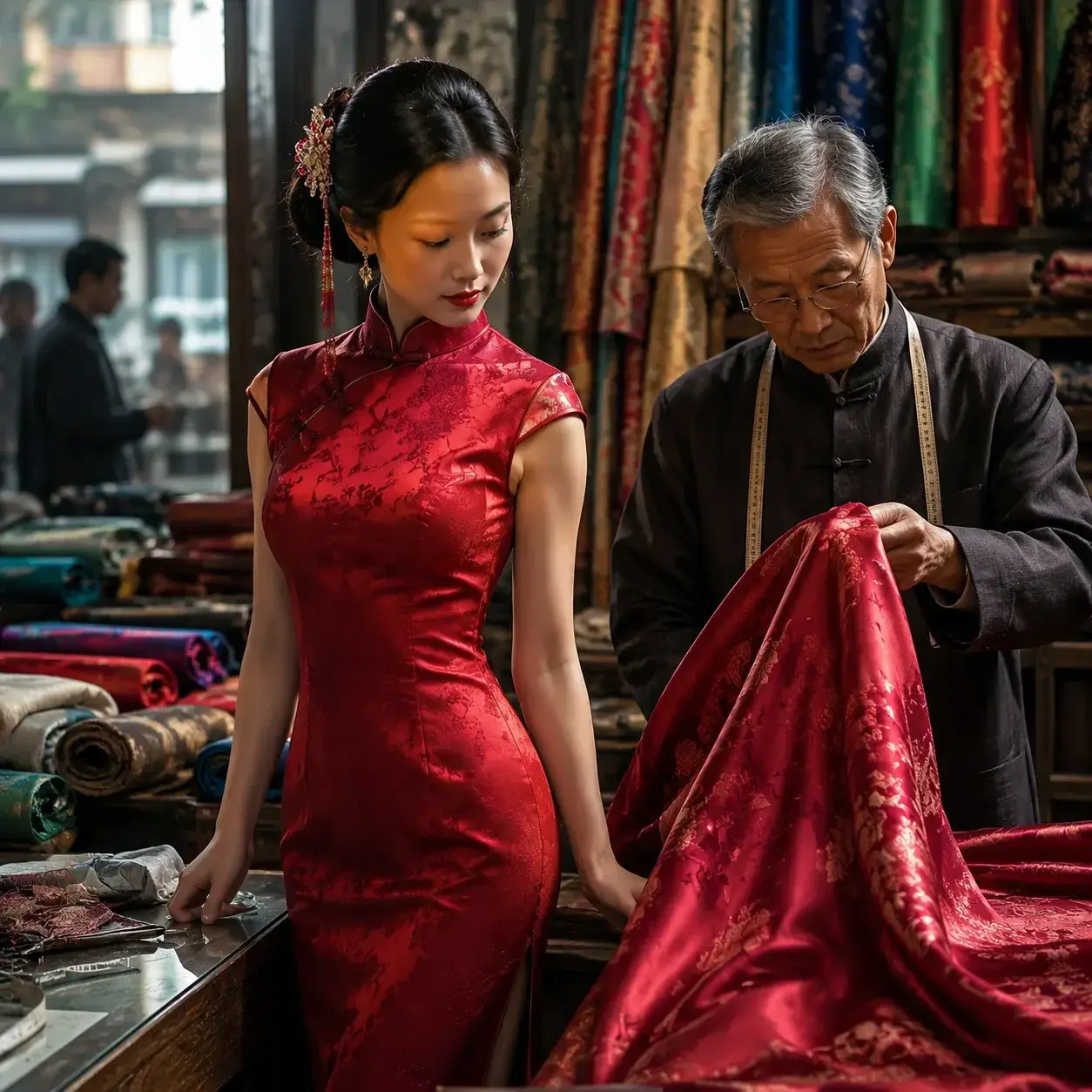
That value shaped how silk appeared in hanfu. Fine silk garments, especially those with complex weaving, embroidery, or rich patterning, often marked wealth, rank, ceremony, or refined taste. In some historical periods, decorative complexity and certain luxurious textiles were closely tied to social position. In other words, fabric itself could communicate status before anyone looked closely at the garment’s cut.
Different silk weaves also suited different aesthetics and seasons. Light gauze-like silks were associated with graceful warm-weather dress and the airy elegance often linked to styles of periods such as the Tang. Richer brocades became especially important in formal and ceremonial dress, including in later dynasties such as the Ming, where texture, pattern, and visual weight carried real presence.
A simple way to think about historical fabric hierarchy is this:
- Common people: plainer fabrics, simpler weave structures, less elaborate decoration
- Wealthier households: finer silk, better dye quality, more embroidery or layered construction
- Officials and elites: richer brocades, patterned silks, and more visually complex ceremonial dress
- Court and ritual settings: the most formal textiles, often combining silk, weaving skill, and symbolic motifs
Of course, the exact rules varied by era, region, and social context, but the larger pattern is clear: silk was both a material and a message.
Types of Silk Used in Hanfu
When people say “silk hanfu,” they often imagine one fabric. In reality, silk can appear in several very different forms, each with its own texture, structure, and ideal use.
Brocade
Brocade is one of the most visually striking silk fabrics used in hanfu. It is dense, patterned, and often woven to create raised or richly colored motifs. In modern terms, many brocades are jacquard-woven, meaning the pattern is created as part of the weave rather than simply printed on top.
Brocade tends to look formal and structured rather than soft and flowing. It works especially well for wedding hanfu, ceremonial outfits, winter or cooler-weather wear, and garments meant to feel regal on camera. If you want a silhouette with presence, texture, and visual richness, brocade is a strong choice.
Satin or Charmeuse
Satin and charmeuse are popular when shoppers want shine and movement. Technically, satin refers to a weave structure that creates a smooth surface through long floats of yarn, while charmeuse is usually a lighter, softer satin with especially fluid drape.
In hanfu, this fabric is often used for elegant outer layers, skirts, and pieces designed to catch light beautifully in motion. It feels smooth against the skin and often gives that classic “liquid fabric” effect in photos. The trade-off is that satin-like silk can show wrinkles, pulls, or water spots more easily than sturdier fabrics.
Gauze (Luo)
Silk gauze, often associated with the term luo, is lightweight, breathable, and sometimes slightly sheer. It has an airy quality that makes it ideal for summer layers or for styling that aims for softness and historical romance.
In practice, gauze works best for outer robes, draped sleeves, and layered looks where movement matters more than opacity. It is not the fabric most people choose for a fully structured ceremonial outfit, but it can be one of the most beautiful choices for warm weather and ethereal styling.
Damask
Damask is patterned silk in which motifs appear through weave contrast rather than heavy embroidery or obvious raised texture. It is usually more understated than brocade, but still elegant.
For hanfu, damask suits buyers who want visual depth without looking overly ornate. It can be excellent for refined formal wear, mature styling, or garments where the beauty reveals itself more gradually in changing light. If brocade feels too bold, damask may be the better fit.
Modern Chiffon in Hanfu
Chiffon deserves special mention because many modern hanfu listings use the word loosely. Chiffon describes a light, sheer fabric, but it does not automatically mean real silk. Some chiffon is silk chiffon, but much of what appears in affordable hanfu is polyester chiffon.
That matters because the wearing experience can be very different. Silk chiffon usually feels softer and breathes better, while polyester chiffon is cheaper, easier to maintain, and more common in budget-friendly sets. Always check the fiber content instead of assuming that “chiffon” means silk. Related reading: wedding hanfu.
Silk vs Polyester vs Cotton for Modern Hanfu
For modern buyers, the best fabric is not always the most luxurious one. It depends on how you plan to use your hanfu.
Silk offers the best combination of drape, breathability, softness, and visual depth. It feels cooler in warm weather than many people expect, and it tends to move beautifully in photos and in person. If you are dressing for a formal event, a cultural experience, a wedding shoot, or simply want the fabric to feel special the moment you put it on, silk is often worth the higher price.
Polyester, on the other hand, is usually the easiest entry point. It is affordable, widely available, less stressful to wash, and a practical choice for first-time buyers who are still learning what silhouettes they like. The downside is that polyester often traps heat, shines in a flatter way, and lacks the natural movement of real silk.
Cotton is frequently the most practical choice for daily wear. It is breathable, comfortable, less slippery on the body, and easier to care for than silk. While it does not create the same luminous drape, it often makes more sense for casual hanfu, long days out, and hot-weather use.
Silk blends sit in the middle. A well-made silk-blend hanfu can offer some of silk’s softness and appearance without the full cost or fragility of pure silk. For many beginners, this is actually the smartest compromise.
A quick recap:
- Best for luxury: Pure silk
- Best for beginners: Polyester or silk blend
- Best for summer daily wear: Cotton
- Best for easy maintenance: Polyester
How to Identify Real Silk Hanfu
If you are paying a premium, you should know how to check whether a hanfu is actually silk. Here is a practical checklist buyers can use before or after purchase.
1. Look at the shine Real silk usually has a soft, complex luster. Under changing light, it may seem to shift in depth or tone. Polyester often looks more uniformly glossy or artificially bright.
2. Try the touch and sound test Silk usually feels smooth but not plasticky. It warms quickly in the hand and often makes a faint crisp rustling sound when gently rubbed. Polyester may feel cooler at first, slicker, or more synthetic.
3. Read the label carefully Terms like “silk-like,” “satin,” or “chiffon” do not confirm real silk. Look for fiber content such as 100% silk, mulberry silk, or a clear silk percentage in a blend.
4. Check the price against the claim A full multi-piece “100% silk hanfu” sold at an extremely low price should raise questions. Real silk is expensive to produce, dye, sew, and finish.
5. Inspect the weave closely High-quality silk usually shows more refined texture and depth than cheap synthetics. Printed polyester may imitate brocade or damask visually, but often lacks the structural richness of woven pattern.
6. Use a wrinkle test if possible When gently squeezed, silk may wrinkle lightly and recover with elegance. Polyester often springs back quickly or resists wrinkling in a more artificial way.
7. Be cautious with the burn test The classic burn test can distinguish protein fiber from synthetic fiber, but it should only be done on loose threads and only when safe and permitted. Real silk smells more like burnt hair and leaves a crushable ash; polyester melts into hard residue. Never damage a garment in a shop just to test it.
If you are buying online and cannot examine the fabric in person, ask for close-up video in natural light, a fiber-content label photo, and detailed fabric weight information.
What “Momme” Means and Why Fabric Weight Matters
One term that confuses many first-time silk shoppers is momme, often written as mm. Momme is a traditional unit used to describe silk fabric weight. The higher the momme, the heavier and usually denser the silk.
For hanfu, this matters because weight affects how the garment hangs, how opaque it feels, and what seasons it suits. A lighter silk may feel airy and floating, which is wonderful for gauzy outer layers and summer styling. A heavier silk will usually drape with more authority and may feel more suitable for skirts, formal robes, or structured garments.
As a general guide:
- Lower momme: lighter, more delicate, often more sheer
- Mid-range momme: balanced drape for many garments
- Higher momme: heavier, more durable, more substantial appearance
Momme is not a quality grade by itself, but it is useful when comparing silk hanfu listings that all claim to use “real silk.”
How to Care for Silk Hanfu Properly
Silk rewards careful handling. If you buy real silk hanfu, proper care is part of the investment.
For washing, always start with the label. Some pieces should be dry cleaned, especially if they include embroidery, lining, or structured trim. If hand washing is allowed, use cool water and a silk-friendly detergent. Do not scrub, twist, or soak for too long. Gently press water out with a towel instead.
For drying, keep silk away from strong direct sunlight, which can weaken fibers and fade color. Air dry in shade, ideally laid flat or hung carefully depending on the garment shape.
For ironing, use a low setting or a steamer with caution. It is best to work while the fabric is slightly damp or to place a pressing cloth between the iron and the silk.
For storage, keep silk clean, dry, and away from rough surfaces or sharp accessories that could snag it. Breathable garment bags are better than trapping silk in airtight plastic for long periods.
A simple care routine looks like this:
- Check the label before washing - Hand wash gently or dry clean if needed - Avoid heat, harsh detergent, and prolonged sun exposure - Store in a cool, dry place with room to breathe
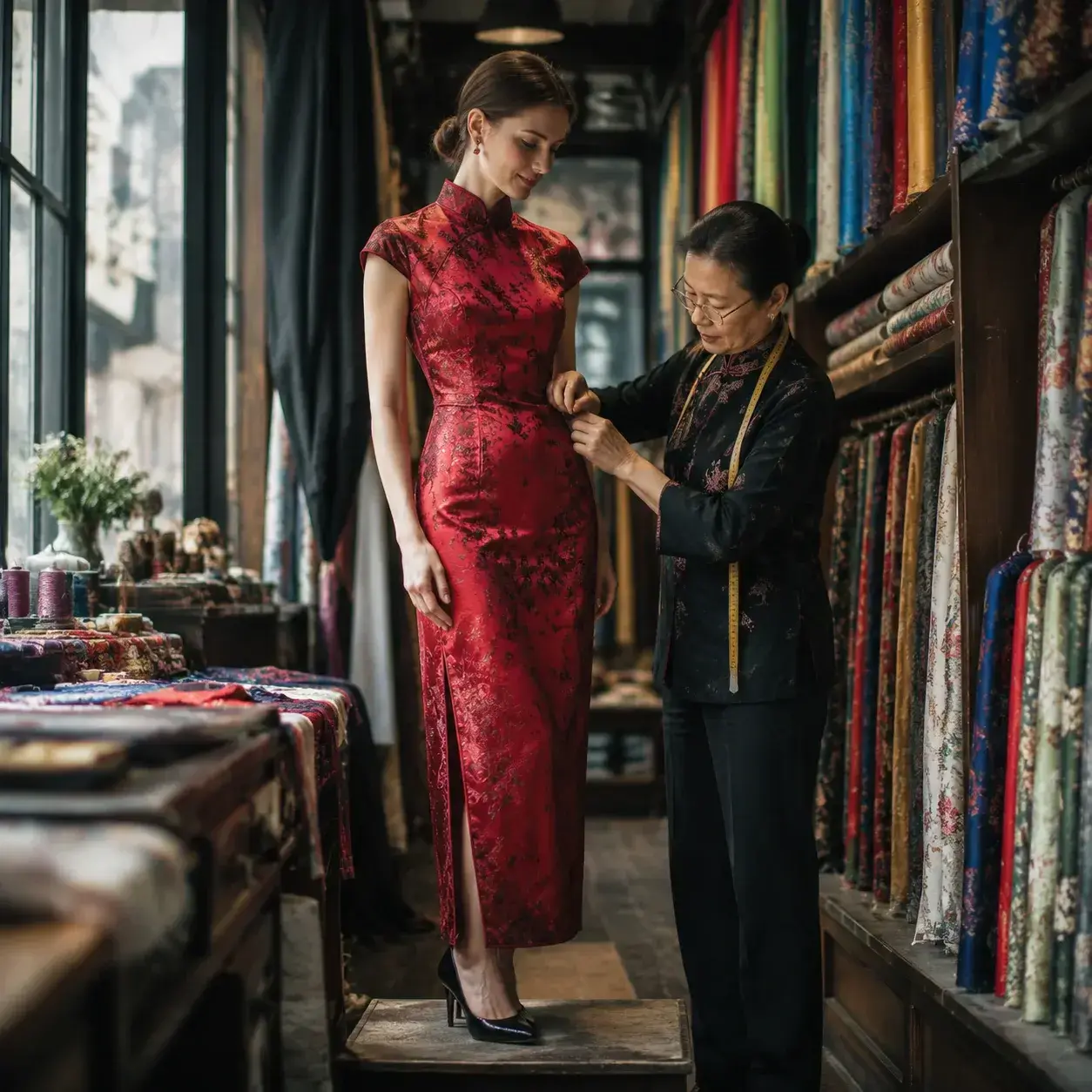
If you are traveling in China and planning a hanfu photoshoot or cultural experience, many visitors prefer renting or commissioning through experienced providers rather than transporting delicate silk themselves. A reliable travel service can also help you distinguish between costume-grade outfits and genuinely higher-quality pieces if shopping is part of your itinerary.
How Much Silk Hanfu Costs: Realistic Price Expectations
Price is one of the biggest questions shoppers have, and rightly so. Silk hanfu varies widely based on fiber content, weave complexity, embroidery, brand, and whether the garment is ready-to-wear or custom-made.
As a broad guide:
- Polyester hanfu: about USD 30–100 / RMB 200–700
- Silk-blend hanfu: about USD 80–250 / RMB 600–1,800
- 100% silk hanfu: about USD 200–600+ / RMB 1,500–4,500+
- Brocade, heavily embroidered, or custom ceremonial silk hanfu: can go significantly higher
These are not fixed rules, but they are useful benchmarks. If a seller claims premium mulberry silk, complex woven pattern, and careful finishing, the price should usually reflect that.
What increases cost most?
- Pure silk fiber rather than synthetic substitutes - Dense brocade or damask weaving - Hand-finished details or embroidery - Multiple layers or full sets - Custom sizing or bespoke construction
In my experience, the best approach is to decide your use case first. A beginner does not always need full silk. But if you are buying one memorable piece for an important trip, event, or photography session, quality silk often feels noticeably worth it.
FAQ About Silk Hanfu
Is silk hanfu worth it?
Yes, if you care about drape, breathability, historical atmosphere, and the feel of the garment on the body. For occasional wear or budget-focused shopping, a good blend or polyester set may make more sense.
Is all chiffon hanfu made from silk?
No. Chiffon describes the fabric style, not the fiber. Chiffon can be made from silk or polyester, and polyester chiffon is very common in modern hanfu.
What is the best silk fabric for formal hanfu?
Brocade and heavier satin-like silks are popular for formal hanfu because they look rich and hold visual presence well. Damask is also a refined option for understated elegance.
Is silk hanfu better for summer?
Often yes, especially lighter silk and gauze-based layers, because silk can be breathable and comfortable in warm weather. However, garment construction and layering matter as much as fiber content.
How can I tell if a “silk hanfu” listing is suspicious?
Watch for vague labels, no fiber-content information, stock photos with no close-ups, and prices that seem far too low for what is being claimed.
Final Thoughts
Silk hanfu remains captivating for good reason. It carries historical depth, visual elegance, and a wearing experience that synthetic fabrics rarely match. But the right choice depends on your purpose. Some buyers want the full beauty of mulberry silk. Others will be happier with a breathable cotton set or a silk blend that looks lovely without demanding as much care.
If you are planning a trip to China and want to experience hanfu in a more informed way, understanding fabric is one of the best places to start. Save this guide, compare carefully before you buy, and if you have worn silk hanfu yourself, share what surprised you most—was it the comfort, the movement, or the way it changed how the whole outfit felt?