



 18 days China, End to End Beijing → Xi'an → Chuanzhusi → Jiuzhaigou → Chengdu → Zhangjiajie → Guilin → Yangshuo → Shenzhen From $6,360 View route
  3 days 4-Day Tour of Siguniang Mountain, Biepa Gou, and Dagu Glacier Chengdu → Lixian → Heishui County From $1,599 View route
  5 days Above the Pillars, Then Below Zhangjiajie From $1,430 View route
  3 days After the Last Booth Guangzhou From $840 View route
  13 days All the Way West Xi'an → Dunhuang → Turpan → Kashgar → Shanghai From $3,500 View route
 Hanfu Hair Accessories: Types, Styles & How to Wear

Introduction: What Hanfu Hair Accessories Are and Why They Matter
When I first started helping overseas travelers and hanfu beginners prepare for photo sessions in China, I heard the same question again and again: What is the difference between a zan, a chai, and a buyao—and do I actually need all of them? It is a fair question. Many people know the general word “hairpin,” but traditional Chinese hair ornaments are far more varied than that.
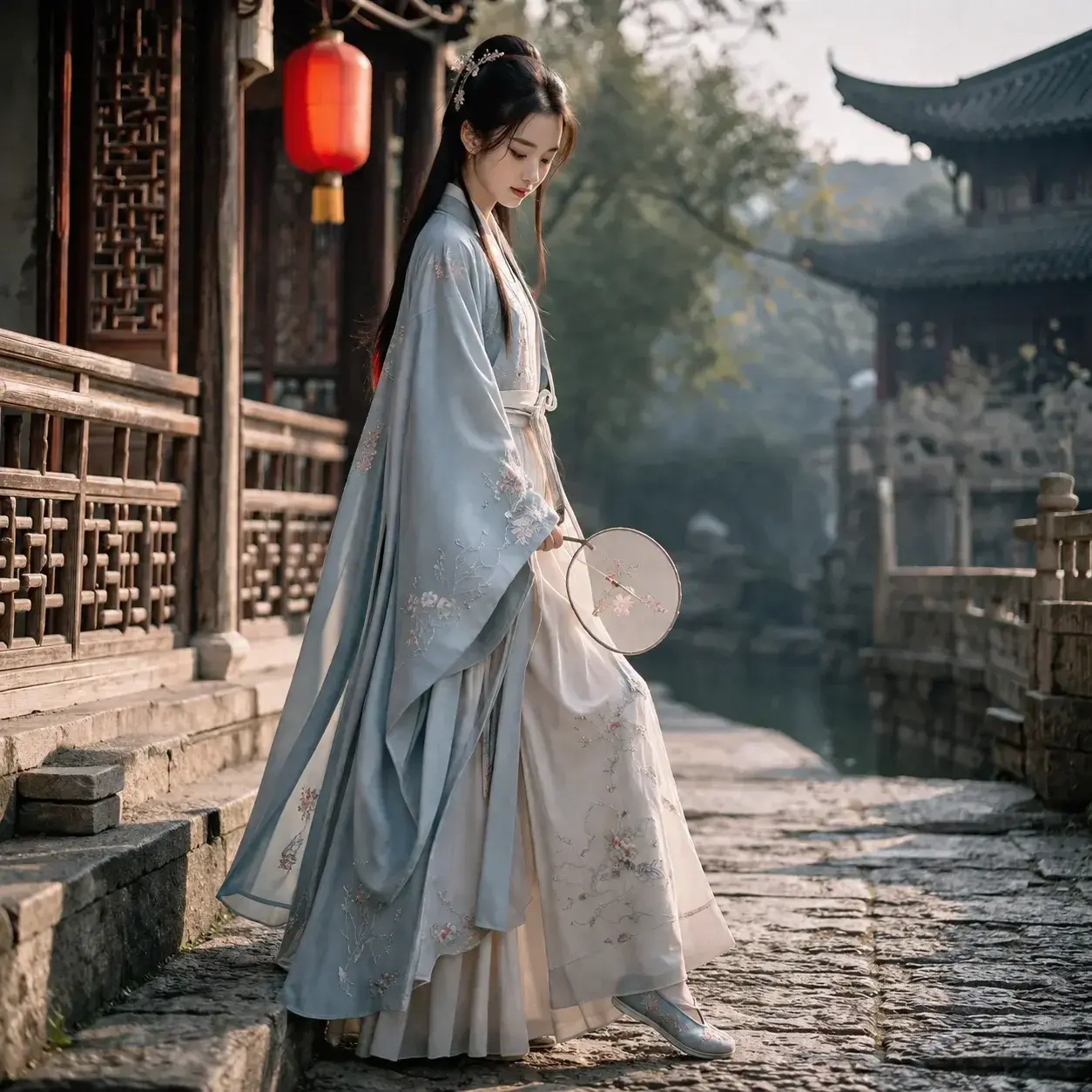
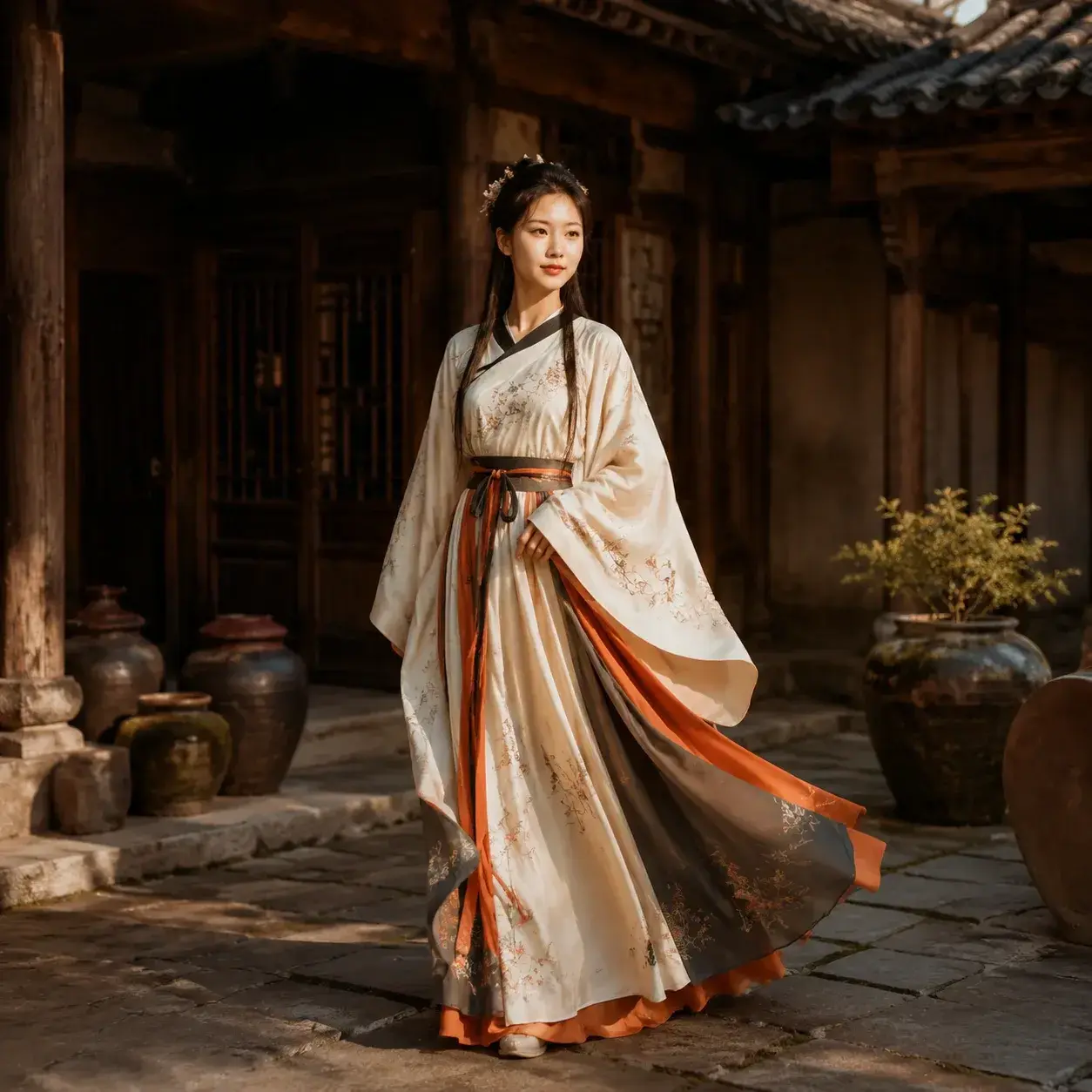
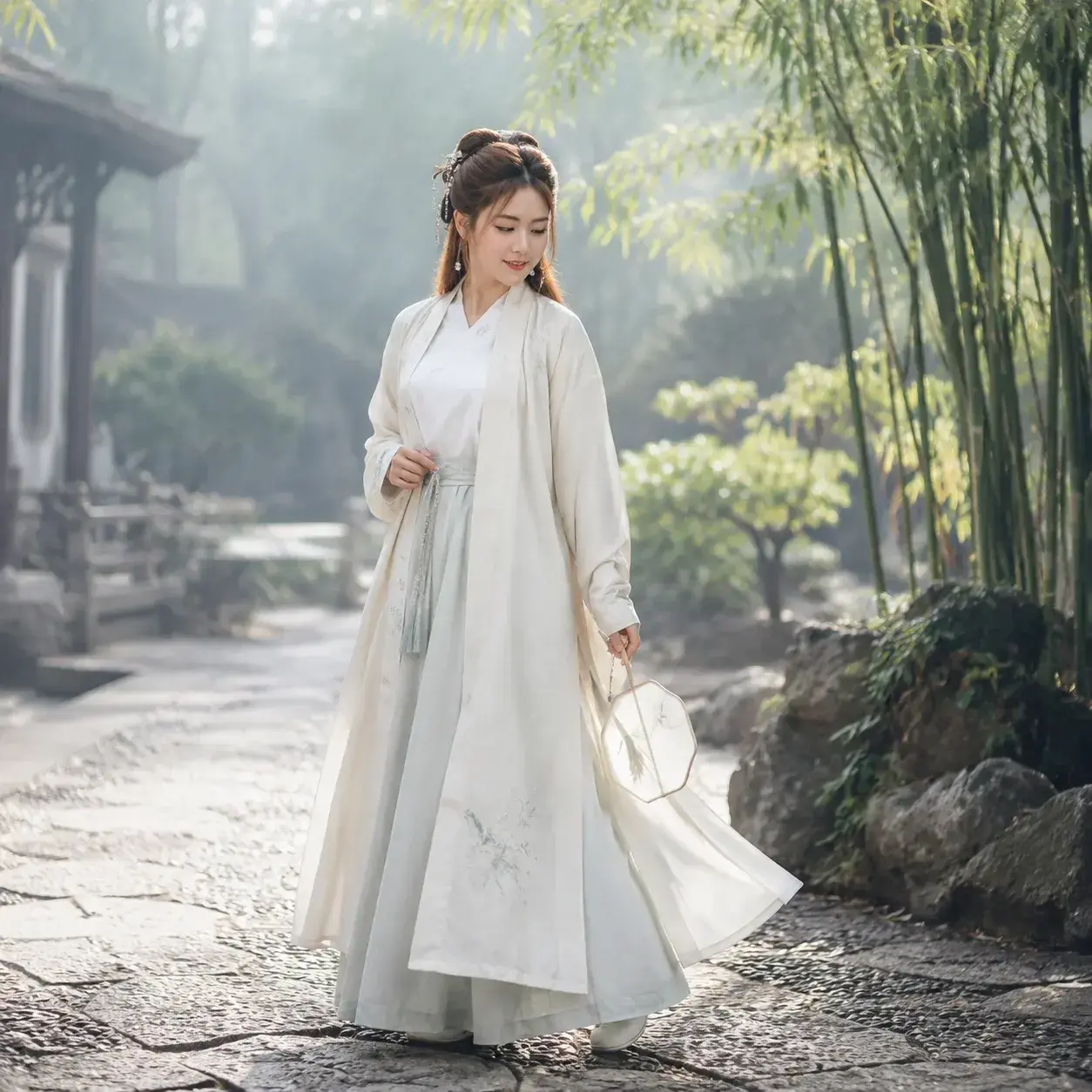
Hanfu hair accessories are traditional Chinese ornaments used to secure, decorate, or elevate hairstyles worn with hanfu for photoshoots, festivals, cultural events, and personal styling. Some are practical, some are symbolic, and some are purely dramatic in the best possible way.
In this guide, I will walk through the main types of hanfu hair accessories, the materials they are made from, dynasty-inspired styling ideas, how to match them with hairstyles, and what beginners should actually buy first. My goal is to make the subject feel exciting rather than intimidating, especially if you are building your first hanfu look.
Hanfu Hair Accessory Types at a Glance
If you are comparing hanfu hair accessories for the first time, this is the cheat sheet I recommend saving. It gives you the fastest way to understand the visual and functional differences between the main categories.
| Accessory Type | Chinese Name | Description | Pin Count / Form | Best For |
|---|---|---|---|---|
| Ji | 笄 | Early hairpin form used to secure hair, historically significant | Single pin | Simple buns, historical styling |
| Zan | 簪 | Classic single-pin hairpin, versatile and easy to wear | Single pin | Beginners, low buns, half-up styles |
| Chai | 钗 | Double-pin hairfork with stronger hold and elegant shape | Double pin / fork | Firmer updos, formal styling |
| Buyao | 步摇 | Dangling ornament that sways as the wearer moves | Pin with hanging elements | Dressy looks, fuller hairstyles, photoshoots |
| Huasheng | 华胜 | Decorative flower-style headpiece, often placed prominently | Decorative head ornament | Feminine styling, festive outfits |
| Fa Guan | 发冠 | Crown-like hair ornament for a structured, elevated look | Crown / cap / structured piece | Formal looks, ceremonial styling |
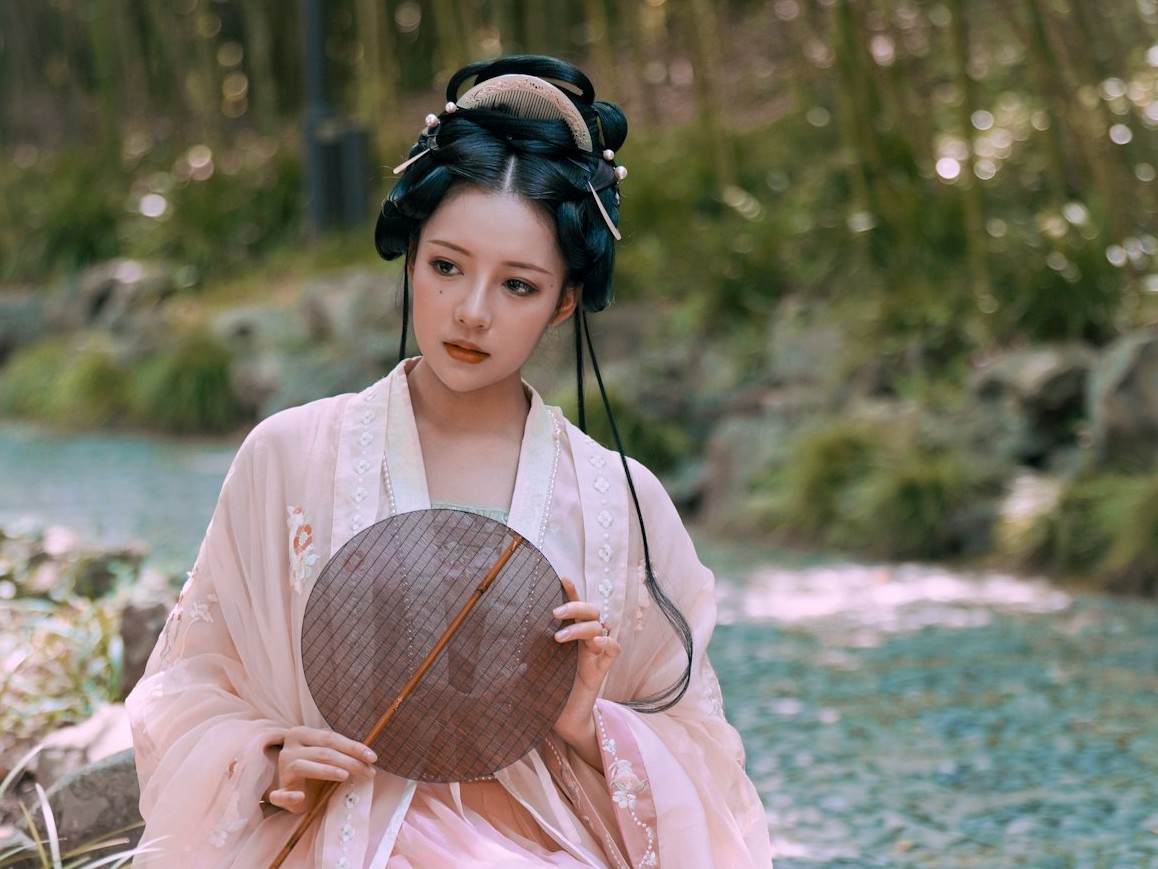
| Combs | 梳 / 篦 | Decorative combs that tuck into the hair while adding shape | Comb form | Half-up styles, back-of-head decoration |
| Zanhua | 簪花 | Floral ornaments, fresh or crafted, worn in the hair | Flower pin / cluster | Romantic looks, layered styling, festivals |
The biggest differences are easy to remember once you see them in action: a zan is usually a single functional pin, a chai has two prongs for stronger support, a buyao adds movement, and a fa guan creates a more formal silhouette. Combs and floral pieces often lean decorative, while ji, zan, and chai do more of the structural work.
The Main Types Explained
Zan (簪)
The zan is the classic single-pin hairpin and, in my experience, the best entry point for almost any beginner. It is simple, recognizable, and much easier to style than more elaborate ornaments. If you only buy one type first, this is usually the safest choice.
A zan works best with low buns, neat center-parted styles, and half-up looks where there is enough hair to anchor the pin. It can be minimalist—a plain silver or wood piece—or decorative, with pearls, flowers, or carved motifs on top. For many modern hanfu wearers, the zan is the everyday foundation piece.
Chai (钗)
The chai is a double-pin hairfork, which means it usually grips the hair more firmly than a zan. Visually, it can look more balanced and more substantial, especially in fuller updos.
Historically and culturally, chai also carries rich associations. In Chinese literature and romance symbolism, paired or split hairpins often represent love, reunion, or emotional connection. From a practical standpoint, I recommend a chai when the hairstyle needs stronger support or when the accessory itself is slightly heavier.
Buyao (步摇)
The buyao is one of the most visually striking hanfu hair accessories. Its name is often explained through its movement: the dangling elements sway as the wearer walks, creating a soft shimmering effect. In person, this is where hanfu styling often becomes unforgettable.
Because of that movement, buyao is best suited to dressier looks and fuller hairstyles. It shines in high buns, voluminous Tang-inspired looks, and formal photo sessions. A buyao can be delicate and refined or richly layered with chains, pearls, and pendants. It is beautiful, but it does need a stable hairstyle underneath.
Ji (笄)
The ji is an older hairpin form with deep historical importance. It is often linked to traditional coming-of-age customs and early Chinese hair arrangement practices. In modern styling, ji-inspired pieces tend to appeal to wearers who want a more historical, understated, or scholar-like aesthetic.
Compared with a decorative buyao, a ji usually feels quieter and more structural. It suits simple buns and looks especially good when the overall outfit is restrained.
Huasheng (华胜)
Huasheng refers to decorative flower headpieces or floral-style ornaments worn as prominent accents in the hair. These pieces help soften the face and add a more ornate, feminine effect.
I often think of huasheng as ideal for festive styling, staged photography, or outfits that need a focal point near the top or side of the head. They are less about securing the hairstyle and more about creating a polished visual composition.
Zanhua (簪花)
Zanhua literally points to flowers worn in the hair, which can include fresh blossoms or crafted floral pieces. This category overlaps with huasheng in appearance, but zanhua often feels more natural, seasonal, and expressive.
Fresh-flower styling can be stunning for spring photoshoots, while handmade velvet or silk flowers are more durable and easier to reuse. If you want a soft, romantic, or garden-inspired hanfu look, zanhua is one of the easiest ways to get there.
Fa Guan (发冠)
The fa guan is a crown-style hair ornament that creates a more formal and structured silhouette. Depending on the design, it may look delicate and elegant or ceremonial and imposing.
This is not usually the first accessory I suggest to beginners, but it is extremely effective for formal portraits, Ming-inspired styling, and bridal or court-inspired looks. A fa guan tends to require more planning because the hairstyle must support both its weight and its shape.
Combs (梳 / 篦)
Decorative combs are both practical and beautiful. They can tuck into the back of a bun, sit above a half-up hairstyle, or add detail to the crown area without the learning curve of a long pin.
For people with shorter hair or less confidence using traditional pins, combs are often surprisingly friendly. They also layer well with zan, floral pins, and beaded ornaments.
Materials Guide: Jade, Silver, Pearl, Wood, Resin, and Ronghua
Material matters more than many beginners expect. Two hairpins may look similar in photos, but in wearability, weight, durability, and cost, they can feel completely different.
Jade
Jade has an elegant, refined presence that suits Song-inspired styling, minimalist looks, and more classic aesthetics. It often photographs beautifully because it catches light softly rather than flashing.
The trade-off is that genuine jade can be expensive, and some pieces are heavier than they appear. For beginners, jade-style pieces can be lovely, but it helps to confirm whether the material is real jade, stone, or imitation.
Silver
Silver and silver-toned metal are common in hanfu accessories because they feel crisp, graceful, and easy to match. They work especially well for pins, forks, and pieces with dangling elements.
The downside is weight. A metal buyao or heavy silver-colored chai may need a very secure bun. Lower-priced alloys can also tarnish or feel rough at the edges, so quality matters.
Pearl and Beadwork
Pearls soften a hairstyle immediately. They pair especially well with romantic, bridal, or dreamy photo concepts, and they blend beautifully with both silver and gold-toned settings.
Beadwork can be lightweight or heavy depending on how much is used. When I help clients choose pieces for travel photoshoots, I often suggest pearl details because they look gentle on camera without overwhelming the outfit.
Wood
Wooden hairpins are often underrated. They are usually lighter, more comfortable for long wear, and easier for beginners to handle. Visually, they suit simple, natural, scholarly, or understated styling.
The main limitation is that very casual wood pieces may not give the lush decorative effect some people want for elaborate hanfu portraits.
Resin
Resin is one of the most beginner-friendly materials. It can imitate jade, lacquer, flowers, amber, or carved ornamentation while staying relatively lightweight and affordable.
For everyday wear, practice sessions, conventions, or first-time buyers, resin is practical. The caution is that very cheap resin pieces can look overly plastic up close, so photos and reviews help.
Ronghua
Ronghua refers to a traditional velvet-flower craft used to create soft, rich floral ornaments. These pieces carry cultural meaning beyond simple decoration: they connect modern wearers with a handmade aesthetic rooted in traditional craftsmanship.
Ronghua pieces often cost more because they are labor-intensive, and good handmade ones show noticeable depth, texture, and color layering. If you want one statement floral accessory that feels special, this is often worth the investment.
Hanfu Hair Accessories by Dynasty Style
One of the easiest ways to make sense of hanfu styling is to look at dynasty aesthetics. These references are helpful guides, not strict rules—unless you are aiming for historical recreation.
Tang Style
Tang-inspired styling favors volume, height, movement, and ornament density. This is where buyao, layered floral pieces, decorative combs, and multiple accents can work together without looking excessive.
If you love dramatic silhouettes, rich colors, and a sense of motion, Tang styling gives you room to be bold. Hair is often fuller, which physically supports more ornament as well.
Song Style
Song-inspired styling tends toward restraint, balance, and quiet elegance. A single zan, a refined jade pin, a subtle comb, or a small pearl detail often feels more appropriate than a large crown or heavy cluster.
This is my usual recommendation for beginners who want to look polished without feeling over-accessorized. Song-style hair ornamentation often proves that less can be more.
Ming Style
Ming-inspired looks often move toward structure, luxury, and formality. Gold-toned ornaments, crown-style pieces, more defined headpieces, and layered decorative elements all fit naturally here.
For ceremonial styling, bridal concepts, or highly polished portrait sessions, Ming references can be especially useful. This is also where fa guan and more structured accessories become important.
Modern hanfu styling often blends influences freely. In practice, many wearers combine a Song-like neat hairstyle with a Tang-inspired floral accent or use Ming-influenced headpieces in modernized studio looks. That is normal, and for most hobbyists it is part of the fun.
How to Wear Hanfu Hair Accessories with Different Hairstyles
A beautiful accessory only works if the hairstyle can actually support it. This is the part many beginners skip, but it makes all the difference.
Low Bun
A low bun is one of the easiest foundations for hanfu styling. It works very well with a single zan, a slim ji, or a small decorative chai. If the bun is compact and secure, you can also add a light comb above it.
This is the style I recommend most often to first-time wearers because it is stable, flattering, and adaptable.
Firmer Updo
For a more structured updo, especially one with more hair volume, a chai is often the better choice because its double-pin form gives stronger hold. Heavier metal pieces also sit more safely in this kind of style.
If your accessory slides in a low bun, the problem is often not the ornament itself but the lack of a strong anchor point.
High or Elaborate Styles
Buyao works best in higher or more elaborate hairstyles where the dangling elements have room to move and the base is secure enough to support them. Tang-inspired volume, padded buns, or studio-styled updos are ideal.
I do not usually recommend heavy buyao for loose hair or rushed beginner styling. The effect is lovely, but the structure matters.
Half-Up Hairstyles
Half-up styles pair nicely with zan, decorative combs, and small floral accents. Because only part of the hair is gathered, lighter accessories usually perform better here.
This is an excellent option for people who want a softer, more romantic look without committing to a full formal updo.
Double Buns
Double buns can carry floral pins, petite zan, or playful beadwork very well. They are especially useful for sweet, youthful, or more stylized hanfu looks. However, scale matters: oversized metal pieces can overwhelm the hairstyle quickly.
Practical Wearability Tips
Heavier pieces need more stable buns. Thin, fine, or short hair may need extra help from hidden clips, donut padding, extension pieces, or lighter materials. There is no shame in that. In professional dress-up sessions, even experienced stylists use support tools constantly.
If you are planning a trip, festival, or photoshoot in China and want a traditional look without spending an hour troubleshooting your hair, this is exactly where a hanfu rental studio or travel service with styling support can make the experience much smoother. A good team can match the accessory not only to the outfit, but also to your hair length, comfort level, and schedule.
Beginner Buying Advice: What to Get First and Where to Look
Most beginners do not need a large collection right away. A small, flexible starter set is far more useful than five dramatic pieces that all require advanced styling.
A Smart Beginner Starter Set
If I were building a first set from scratch, I would start with:
- 1 simple zan in wood, resin, or silver-toned metal
- 1 chai for stronger hold and dressier updos
- 1 light comb for half-up styles or layering
- 1 floral piece such as zanhua or a small ronghua ornament for photos and festivals
That combination covers everyday practice, beginner-friendly styling, and at least one more eye-catching look.
What to Check Before Buying
When shopping, look at:
- Weight: Can your hairstyle realistically support it?
- Length and pin thickness: Too thick can be hard to insert; too thin may not hold.
- Finish quality: Check for rough edges, loose beads, weak glue, or fragile dangles.
- Material honesty: “Jade-style” and genuine jade are not the same.
- Real-wear photos: Product images on a plain background do not tell you how the piece sits in hair.
Where to Buy
For beginners, the best places to look are usually specialized hanfu shops, artisan makers, museum-inspired boutiques, and reputable handmade marketplaces. Store category pages can be useful for browsing, but they often label everything simply as a “hairpin,” which makes comparison harder.
If you are traveling in China, this gets easier. In cities with strong hanfu tourism scenes, you can often see accessories in person, test their weight, and ask for hairstyle pairing advice. We have seen many overseas clients make better choices once they can physically compare a light resin zan with a dense metal buyao instead of guessing from a phone screen.
Final Thoughts
Hanfu hair accessories can seem complicated at first, but once you understand the basic types—zan, chai, buyao, ji, huasheng, fa guan, combs, and zanhua—the whole category becomes much easier to navigate. The real trick is not buying the most elaborate piece first. It is choosing the accessory that matches your hairstyle, comfort level, and purpose.
If you are just beginning, start simple, pay attention to weight and structure, and build from there. And if you already wear hanfu, I would love to know which accessory type you reached for first—or which one you are still trying to master. Save this guide for your next styling session, and share your own experience with fellow hanfu lovers.