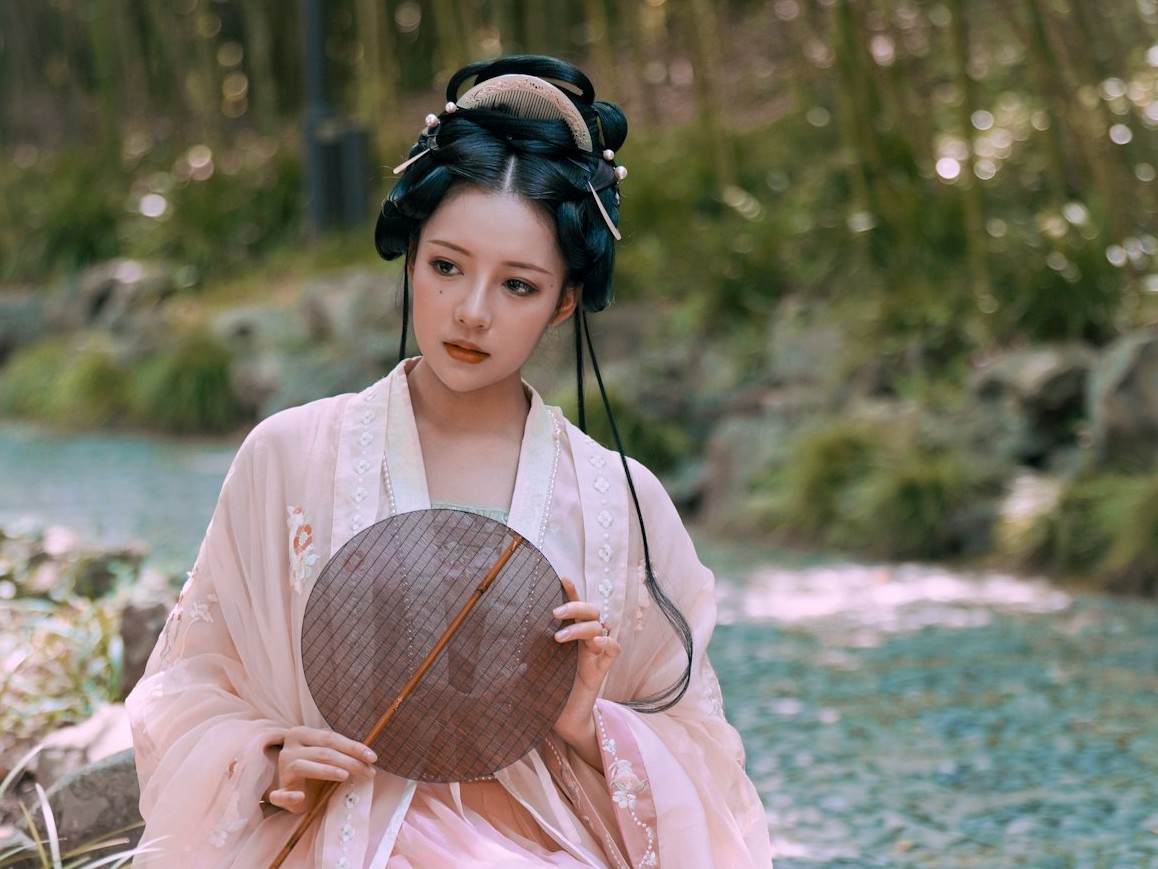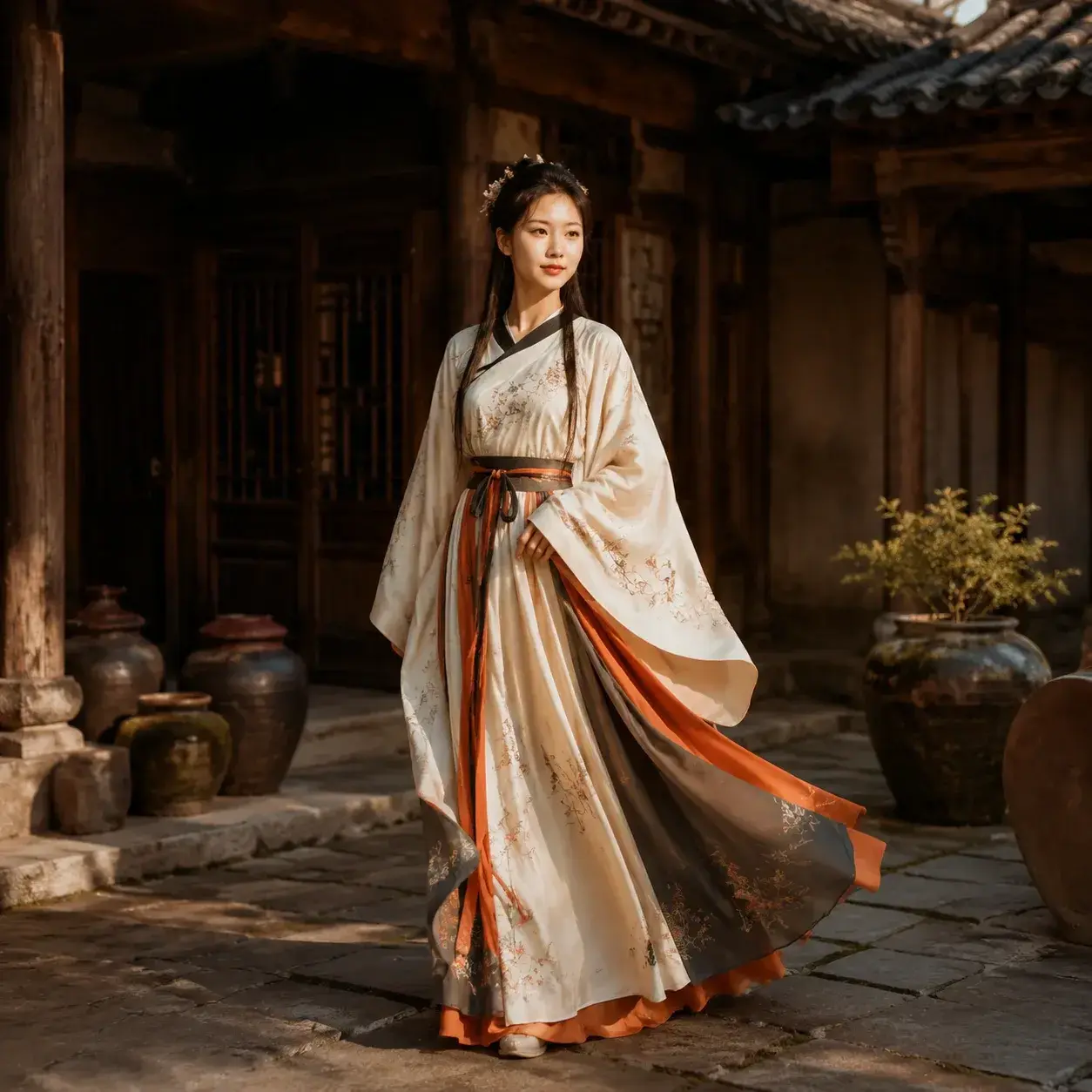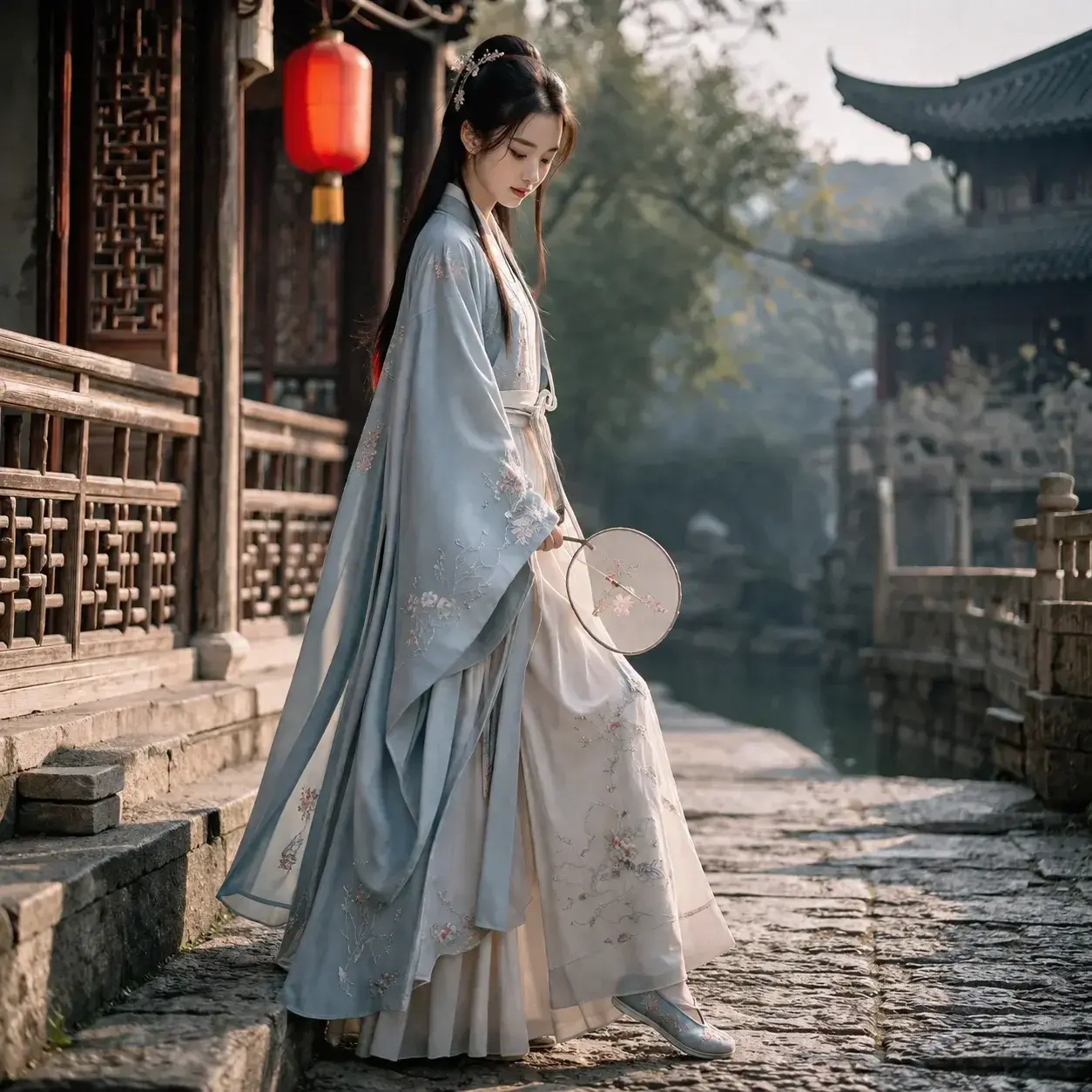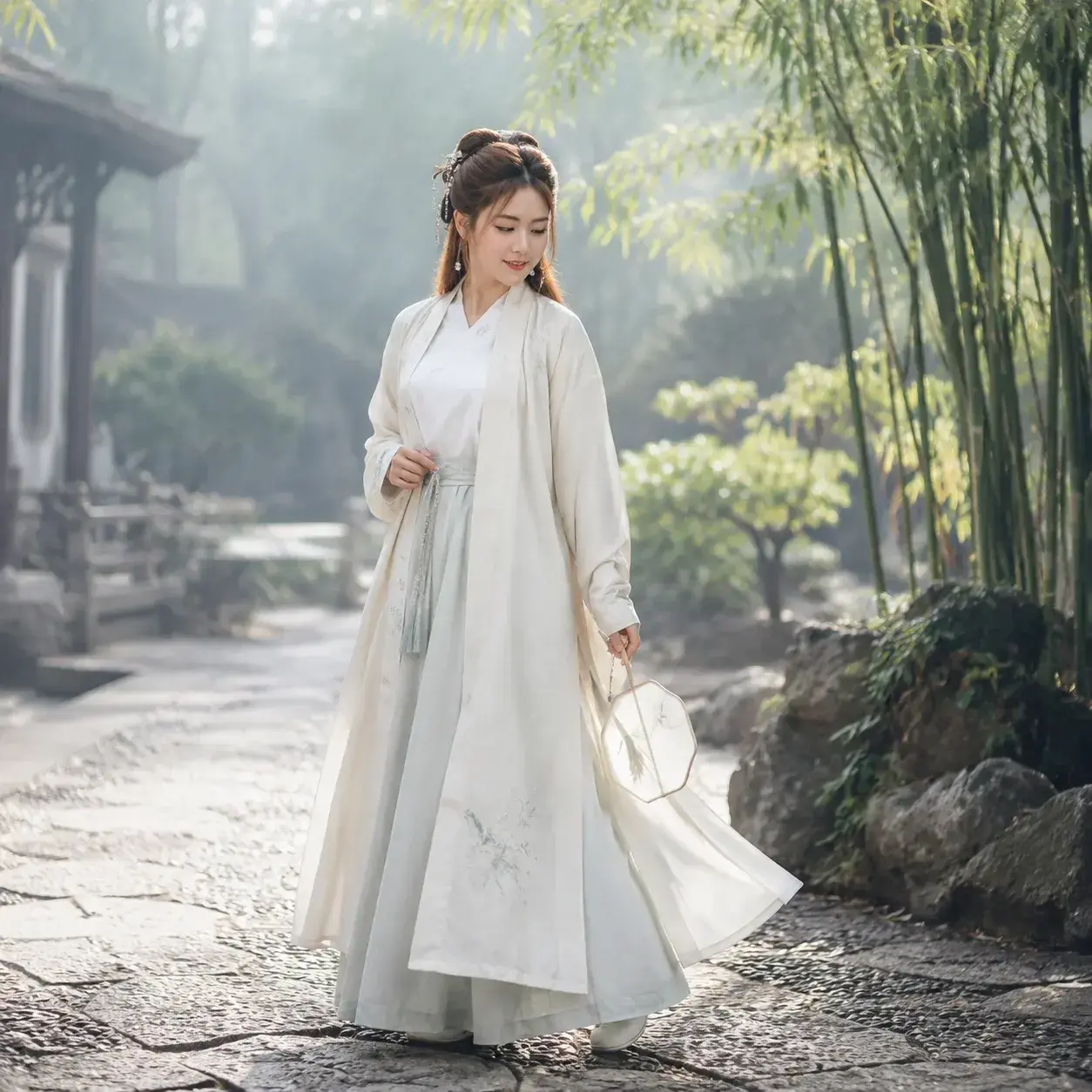




 18 days China, End to End Beijing → Xi'an → Chuanzhusi → Jiuzhaigou → Chengdu → Zhangjiajie → Guilin → Yangshuo → Shenzhen From $6,360 View route
  3 days 4-Day Tour of Siguniang Mountain, Biepa Gou, and Dagu Glacier Chengdu → Lixian → Heishui County From $1,599 View route
  5 days Above the Pillars, Then Below Zhangjiajie From $1,430 View route
  3 days After the Last Booth Guangzhou From $840 View route
  13 days All the Way West Xi'an → Dunhuang → Turpan → Kashgar → Shanghai From $3,500 View route
 Hanfu for Chinese New Year: A Festive, Beginner-Friendly Outfit Guide

Introduction: Can You Wear Hanfu for Chinese New Year?
Hanfu for Chinese New Year is not only appropriate — it can be one of the most meaningful and beautiful ways to dress for the holiday. For many people, Lunar New Year is a time to wear something fresh, festive, and full of good symbolism, and hanfu fits that spirit especially well when styled with basic etiquette, seasonal practicality, and respect for the occasion.
If you are wondering what colors are lucky, which hanfu styles feel right for Spring Festival, how to stay warm in winter, and how early to buy, this guide will walk you through it step by step.
Quick answer: Yes, hanfu can be a beautiful and festive choice for Chinese New Year celebrations, family photos, temple fairs, reunion dinners, and community events.
This is a practical guide rather than a shopping roundup, designed for beginners, diaspora families, and non-Chinese hanfu enthusiasts who want to celebrate confidently and thoughtfully.
Why Wear Hanfu for Chinese New Year?
Chinese New Year has long been associated with renewal, good fortune, and fresh beginnings. One of the most familiar traditions is wearing new clothes to welcome the year ahead. The idea is simple but powerful: you start the new year looking bright, orderly, and hopeful.
That is one reason hanfu feels so fitting for Spring Festival. It carries a sense of occasion that ordinary daily wear often does not. Flowing layers, elegant collars, richly symbolic colors, and seasonal fabrics all help create a look that feels intentional and celebratory. For people reconnecting with Chinese heritage, hanfu can also make the holiday feel more personal. For non-Chinese wearers who appreciate traditional dress, it offers a respectful and visually meaningful way to join the festivities.
Hanfu works especially well in settings such as:
- Reunion dinners with family - New Year portraits and holiday photo shoots - Temple fairs and lantern displays - Community Lunar New Year celebrations - Cultural performances and museum events - Lantern Festival outings later in the holiday season
That said, there is no single "correct" New Year outfit for everyone. Expectations vary by family tradition, city, climate, and formality. A richly embroidered Ming-style set might suit formal portraits or a banquet, while a lighter Ruqun look may be more practical for a daytime fair. The best outfit is one that feels festive, comfortable, and appropriate for your specific event.
Auspicious Colors and Motifs for Lunar New Year Hanfu
Color is one of the first things people think about when planning a New Year outfit, and for good reason. Lunar New Year dressing is full of symbolism, but it does not need to feel rigid or intimidating. You do not have to wear head-to-toe bright red to look festive. Often, the most elegant outfits combine one strong auspicious color with softer supporting tones.
Auspicious Color Guide
| Color | Common Symbolism | Best For | Style Notes |
|---|---|---|---|
| Red | Joy, luck, celebration, protection | Family gatherings, public celebrations, classic New Year looks | The most traditional festive color; works beautifully in skirts, outer layers, trims, or embroidered details |
| Gold | Wealth, prosperity, abundance | Formal events, portraits, refined festive styling | Best used as embroidery, woven pattern, belt detail, or accessory rather than a full shiny fabric |
| Pink | Happiness, warmth, sweetness, romance | Softer feminine looks, family photos, springlike styling | Pairs well with red, cream, or light gold for a fresh and festive effect |
| Blue-Green | Renewal, vitality, elegance, early spring energy | Readers who want a less predictable palette | Especially lovely with floral embroidery, gold accents, or red accessories |
| Soft Warm Tones (coral, apricot, peach, warm cream) | Gentleness, optimism, warmth, harmony | Beginner-friendly outfits and multigenerational family settings | A good choice if you want something festive without looking too bold |
Bright festive palettes are the most common during New Year, but muted combinations can still work beautifully if the overall impression feels warm and celebratory. A dusty rose Mamianqun with gold thread, a warm cream jacket with red piping, or a blue-green skirt with plum blossom embroidery can all feel perfectly seasonal.
The key is coordination. Not every piece needs to be red. Sometimes a red skirt, gold belt ornament, festive hair ribbon, or embroidered cloak edge is enough to create the right mood without overwhelming the whole outfit.
Festive Motifs to Look For
Motifs add another layer of meaning and visual richness. If you are choosing between similar outfits, the patterning can help you decide which one feels most suitable for the holiday.
| Motif | Symbolism | Visual Effect |
|---|---|---|
| Dragon | Strength, authority, vitality, auspicious power | Bold and dramatic; often suited to statement pieces or menswear-inspired styling |
| Phoenix | Grace, harmony, beauty, high celebration | Elegant and regal; often seen in refined feminine designs |
| Peony | Prosperity, beauty, abundance | Lush and festive; ideal for skirts, sleeves, and embroidered panels |
| Plum Blossom | Resilience, renewal, hope in winter | Perfect for late-winter New Year wear; delicate but meaningful |
| Clouds | Good fortune, rising luck, auspicious flow | Softens an outfit and adds a classic traditional atmosphere |
| Lingzhi | Blessings, longevity, good fortune | Subtle and culturally rich; great for embroidered trims and woven patterns |
If you want a New Year look that feels polished rather than costume-like, choose one or two motifs and let them repeat quietly across the outfit. For example, plum blossom embroidery on the skirt with cloud-pattern trim on the outer robe often looks more elegant than mixing too many unrelated symbols at once.
Colors to Avoid or Use Carefully
When people ask what not to wear for Chinese New Year, the most common answer is white and black. In many Chinese cultural contexts, these colors can be associated with mourning, solemn occasions, or a heavier emotional tone, so they are usually not the first choice for a joyful New Year outfit.
That does not mean they are absolutely forbidden in every modern setting. Contemporary hanfu styling often uses black and white beautifully, and some families or communities are more relaxed than others. Still, if you are dressing specifically for Lunar New Year, it is wise to use these shades carefully.
A few practical guidelines:
- Avoid making pure white or solid black the dominant color of the entire outfit. - Use black more safely in shoes, hair accessories, narrow trims, or structured outer details. - Use white as an inner layer, collar edge, or sleeve lining rather than the main visual focus. - If your outfit includes darker tones, balance them with warm embroidery, red accessories, or a brighter skirt.
It is also worth avoiding combinations that look overly theatrical or inexpensive, even if the colors are technically festive. Neon red, harsh synthetic gold, and very shiny metallic fabrics can make hanfu feel more like a stage costume than real clothing. The same goes for clashing color palettes with too many loud elements competing at once.
For Chinese New Year, elegance usually comes from harmony: rich but not chaotic, warm but not gaudy, festive without looking artificial.
Staying Warm: How to Layer Hanfu in Winter
One of the biggest practical questions is how to wear hanfu in cold weather without losing the silhouette that makes it so beautiful. The answer is layering.
A simple winter layering order looks like this:
1. Inner layer: zhongyi or a soft base layer close to the skin 2. Middle layer: ru, lined ao, or another fitted upper garment for warmth 3. Lower layer: skirt or trousers depending on the style 4. Outer layer: beizi, cloak, doupeng, or another weather-appropriate top layer
This system helps you stay warm while keeping the lines of the outfit neat and traditional-looking.
Winter-Friendly Pieces That Work Well
For Chinese New Year, some hanfu styles are especially practical because they were historically suited to cooler weather or formal occasions. Look for:
- Lined ao for a warmer, more structured upper body layer
- Ming-style aoqun for elegant winter dressing with strong shape and easy layering
- Mamianqun for a fuller skirt that moves beautifully and pairs well with jackets
- Beizi as a versatile outer layer that adds polish without too much bulk
- Doupeng or cloak for outdoor photos, temple fairs, and evening events
- Thicker fabrics such as brocade, wool blends, heavier polyester jacquard, or quilted linings where appropriate
If you are buying specifically for winter, pay close attention to whether the garment is decorative only or actually lined. Many beautiful online listings photograph well but provide little warmth in real life.
Northern vs. Southern Climate Advice
Not every Lunar New Year destination feels the same in winter. Climate matters.
For northern China or other cold destinations: - Prioritize insulation and wind protection - Choose lined or padded garments where possible - Add a cloak or cape for outdoor wear - Wear shoes with closed toes and solid grip - Consider thicker socks hidden inside boots or cloth shoes
For southern cities or milder climates: - Use lighter layers that can be removed indoors - Focus on breathable fabrics with a warm outer layer - Bring a shawl, beizi, or light cloak for evenings - Avoid over-layering if you will move between warm restaurants and crowded indoor spaces
Practical Comfort Tips for Overseas Travelers
If you are traveling for the holiday or wearing hanfu for many hours, comfort matters just as much as appearance. A few discreet modern solutions can help:
- Wear skin-tone thermal underlayers under light-colored garments - Use low-profile leggings or heat-tech tights under long skirts - Carry small hand warmers for outdoor queues, temple fairs, or night markets - Choose shoes with grip if streets may be wet, icy, or uneven - Do a full try-on before the event to check walking length, sleeve comfort, and bathroom practicality
A beautiful outfit feels much more convincing when you are warm enough to enjoy the day.
Best Hanfu Styles by Dynasty for Chinese New Year
The best New Year hanfu is usually festive, photogenic, easy to layer, and comfortable enough for several hours of dining, walking, greeting relatives, and taking photos. If you are not sure where to start, thinking by dynasty style can make the choices much easier.
Ming Dynasty: Aoqun and Mamianqun
For many beginners, Ming-style hanfu is one of the strongest choices for Chinese New Year. It is structured, elegant, and especially practical in cold weather.
Why it works: - Excellent for winter layering - Formal enough for family gatherings and portraits - Rich visual presence without being fragile or difficult to wear - Often available in festive brocades, embroidered fabrics, and warm color palettes
A classic combination is a Ming ao paired with a Mamianqun. The jacket gives shape to the upper body, while the horse-face skirt creates graceful movement and a celebratory silhouette. This style also photographs beautifully when walking, turning, or standing in front of lanterns and festive decorations.
Best for: - Reunion dinners - Formal family photos - Temple visits in cool weather - Readers who want a polished, traditional look
Tang-Inspired Styles: Bold, Festive, and Photogenic
Tang-inspired hanfu is often what people imagine when they want a lush, colorful, holiday-ready outfit. With wider shapes, high-waisted skirts, and a more dramatic visual profile, it can feel joyful and theatrical in the best sense.
Why it works: - Naturally suits bright festive colors - Creates strong visual impact in photos - Feels celebratory and confident - Works well for performances, public events, and lantern outings
A Tang-inspired set can be especially striking in red, coral, deep pink, or gold-accented tones. If you love statement sleeves, floral patterns, and a more romantic silhouette, this is a wonderful New Year option.
Best for: - Festive photoshoots - Lantern Festival events - Cultural performances - Wearers who enjoy bolder styling
One note: some very airy Tang-inspired designs are less practical in cold outdoor weather, so choose fabrics and layers carefully.
Song Dynasty: Subtle, Refined, and Easy to Wear
Song-style hanfu tends to feel quieter and more understated, but that can be exactly its charm. If your family gathering is casual or you prefer a softer scholarly elegance, Song-inspired outfits are comfortable and graceful.
Why it works: - Lightweight and wearable for long hours - Easy to adapt for modern family settings - Suitable for readers who prefer muted beauty over dramatic contrast - Looks especially lovely in warm creams, dusty pinks, soft reds, and blue-green tones
This style may not be the flashiest choice for a temple fair, but it is excellent for home celebrations, tea gatherings, and intimate New Year portraits.
Best for: - Casual or semi-formal family events - Indoor gatherings - Readers who want comfort and simplicity - Elegant layered looks without too much bulk
Wei-Jin or Flowing Styles: Best for Controlled Settings
Very flowing, ethereal hanfu styles can look stunning in editorial photos, but they are not always the easiest choice for a packed holiday schedule.
Why to choose them carefully: - Long, trailing lines can be harder to manage in crowds - Thin fabrics may not be practical in winter - They can feel more costume-like if styling is not balanced well
If you love this aesthetic, it is best suited to indoor photoshoots, studio portraits, or carefully planned cultural events rather than busy outdoor family days.
Who Wears What? Outfit Ideas for Women, Men, and Kids
Chinese New Year hanfu styling becomes much easier once you match the outfit to the wearer’s needs. The best look is not just beautiful — it suits movement, temperature, age, and event type.
For Women
Women have the widest range of hanfu options for New Year, from structured Ming ensembles to softer Song-inspired looks and bright Tang-style silhouettes.
Good choices include: - Ming aoqun with Mamianqun for formal family gatherings - Tang-inspired ruqun for festive photos and public celebrations - Song-style sets for intimate family meals or elegant daytime visits
Practical styling tips: - Choose sleeves you can comfortably eat and move in - Use hairpins, ribbons, or combs that feel secure for several hours - Add one statement accessory, such as an embroidered cloak or festive hair ornament, rather than too many competing details
For Men
Men’s hanfu for Chinese New Year can look especially dignified and striking when kept clean, balanced, and well layered.
Good choices include: - Dark red, deep blue-green, or warm brown robes with auspicious trim - Ming-style jackets with structured silhouettes for winter - Subtle cloud, dragon, or geometric woven motifs instead of very dense decoration
Practical styling tips: - Prioritize shoulder comfort and sleeve manageability - Choose colors with some festive warmth even if the overall look is restrained - Add seasonal presence through a belt, outer robe, or embroidered collar instead of overly flashy fabrics
For beginners, men’s hanfu often looks best when the design is simple, the fit is neat, and the color story is intentional.
For Kids
Children in hanfu can look adorable for New Year, but comfort and safety matter more than perfect historical styling.
Good choices include: - Soft festive jackets with simple skirts or trousers - Lightly structured Ming-inspired sets in warm materials - Bright but not overly heavy accessories
Practical styling tips: - Avoid excessively long hems that can cause tripping - Choose soft fabrics and easy closures - Bring a modern coat for outdoor transitions if needed - Keep hair accessories lightweight and secure
For family photos, coordinated color stories usually work better than identical outfits. For example, parents and children can all wear related shades of red, warm gold, and blue-green while using different cuts and details.
Basic Hanfu Etiquette for New Year Wear
You do not need to be an expert in dress history to wear hanfu respectfully, but a few basics make a big difference.
Collar Direction Matters: Youren
One of the most important visual details is youren, meaning the left side of the collar crosses over the right side as worn on the body. This is the standard collar direction for living wear in hanfu.
If you are buying online, check the product photos carefully. Most reputable hanfu sellers get this right, but beginners should still know what to look for.
Avoid Treating Hanfu Like a Costume
Hanfu looks best when styled as clothing rather than novelty dress-up. That means: - Choosing fabrics and accessories that feel harmonious - Avoiding cheap wigs or overly exaggerated props unless the event specifically calls for performance styling - Matching the formality of the outfit to the event - Learning the basic names and structure of what you are wearing if possible
Respect the Setting
A dramatic floor-length outfit may look wonderful in a studio but be inconvenient in a crowded food market. A heavily formal set might feel out of place at a very casual house gathering. Think about where you are going, who will be there, how long you will wear it, and whether you need to sit, walk, eat, or travel comfortably.
If you are attending a community event outside China, it can also help to observe whether the setting is more traditional, more modern, or a blend of both.
When to Buy Hanfu Before Chinese New Year
This is one of the most overlooked parts of planning. If you wait too long, you may end up paying more for shipping, receiving the wrong size too late to exchange, or missing the holiday entirely.
A good rule is to start planning at least 4 to 8 weeks before Chinese New Year, and earlier if you want a made-to-order set, special embroidery, or international shipping.
Suggested Buying Timeline
8 weeks before - Start researching styles and colors - Decide where you will wear the outfit - Take fresh body measurements carefully
6 weeks before - Place your order if shipping is international or the item is made to order - Order accessories at the same time if possible
4 weeks before - Try on your outfit as soon as it arrives - Check fit, skirt length, collar shape, and layering comfort - Arrange any minor tailoring if needed
2 weeks before - Finalize shoes, hair accessories, underlayers, and outerwear - Do a complete outfit test, including walking and sitting
1 week before - Steam garments if needed - Pack carefully if traveling - Prepare backup pieces in case weather changes
If you are buying close to the holiday, pay close attention to seller lead times and major shipping slowdowns around the New Year period. This matters even more for overseas buyers.
If you are traveling to China for the holiday and want help sourcing quality hanfu, planning a photo-friendly itinerary, or understanding what styles fit your destination and climate, a China-focused travel agency with cultural experience can make the process much smoother. This is especially useful for first-time visitors who want practical guidance rather than random online guesswork.
Final Thoughts
Wearing hanfu for Chinese New Year can be joyful, elegant, and deeply memorable. The best outfit is not necessarily the most elaborate one. It is the one that suits your setting, keeps you warm, respects basic etiquette, and makes you feel genuinely part of the celebration.
For most beginners, that means choosing a festive but balanced color palette, selecting a style that is easy to move in, layering thoughtfully for winter, and buying early enough to avoid last-minute stress. Whether you choose a formal Ming aoqun, a bold Tang-inspired set, or a softer Song-style look, the goal is the same: to welcome the new year with beauty, warmth, and intention.
If you have worn hanfu for Lunar New Year before, your experience may differ depending on family traditions, local customs, and climate — and that is part of what makes the holiday so rich. Save this guide for outfit planning, and share your own favorite New Year hanfu colors or styles with others preparing for the season.
FAQ: Hanfu for Chinese New Year
Can you wear hanfu for Chinese New Year if you are not Chinese?
Yes, many people do, especially when the outfit is worn respectfully and with some understanding of the occasion. Focus on good fit, thoughtful styling, and basic etiquette rather than treating hanfu as a novelty.
Does hanfu have to be red for Lunar New Year?
No. Red is the most classic festive color, but gold, pink, blue-green, coral, peach, and other warm tones can also work beautifully. Many elegant New Year outfits use red only as an accent.
Is black hanfu inappropriate for Chinese New Year?
Not always, but it is usually better not to make black the dominant color for a New Year outfit. If you want to include black, use it in smaller details and balance it with warmer festive tones.
What is the best hanfu style for winter New Year celebrations?
Ming-style aoqun and Mamianqun are often the easiest and most practical winter choices because they layer well and feel formal enough for family events.
How early should I order hanfu before Chinese New Year?
Ideally, order 4 to 8 weeks ahead. If the outfit is custom-made or shipping internationally, give yourself even more time.
Can kids wear hanfu for Chinese New Year?
Absolutely. Just prioritize comfort, warmth, safe hems, and easy movement. For children, practical wearability is more important than complex styling.
What is the most important hanfu etiquette rule for beginners?
A good place to start is the collar direction: hanfu is typically worn with youren, where the left side crosses over the right. Beyond that, aim for respectful, occasion-appropriate styling.