



 18 days China, End to End Beijing → Xi'an → Chuanzhusi → Jiuzhaigou → Chengdu → Zhangjiajie → Guilin → Yangshuo → Shenzhen From $6,360 View route
  3 days 4-Day Tour of Siguniang Mountain, Biepa Gou, and Dagu Glacier Chengdu → Lixian → Heishui County From $1,599 View route
  5 days Above the Pillars, Then Below Zhangjiajie From $1,430 View route
  3 days After the Last Booth Guangzhou From $840 View route
  13 days All the Way West Xi'an → Dunhuang → Turpan → Kashgar → Shanghai From $3,500 View route
 Chinese Zodiac 2026: Your Complete Guide to Signs, Years, Compatibility & Travel Luck

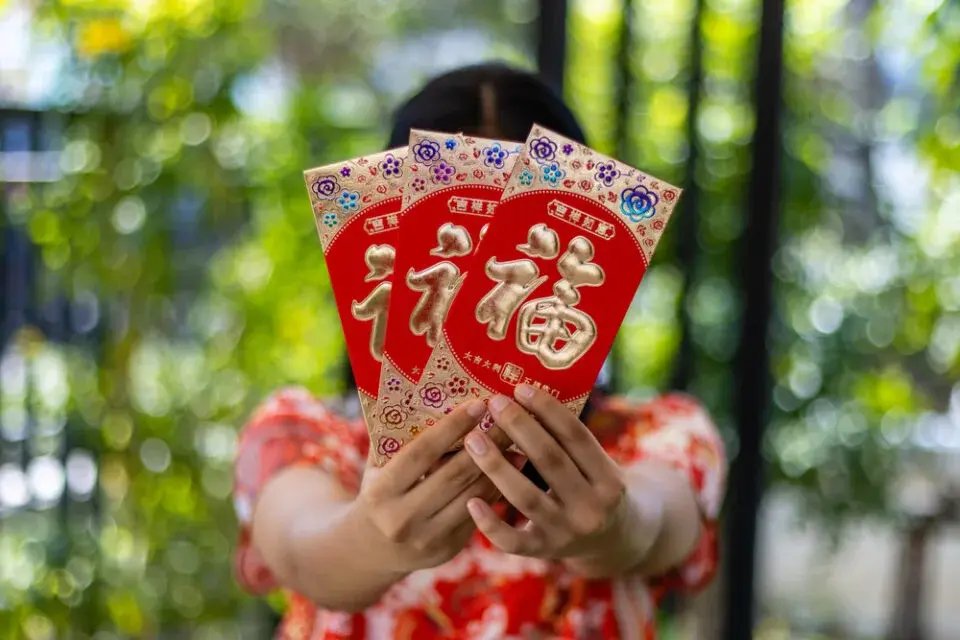
The first time I watched families in China prepare for Lunar New Year, I realized the Chinese zodiac is much more than a list of animals. It shows up in red paper decorations on front doors, in market stalls filled with themed gifts, in conversations about personality and timing, and even in the way people casually talk about luck for the year ahead. For travelers, understanding the zodiac adds a richer layer to the experience. Suddenly, festival symbols make more sense, zodiac souvenirs feel less random, and seasonal traditions become easier to appreciate.
If you are curious about Chinese zodiac 2026, wondering which signs are considered Chinese zodiac lucky signs, or trying to understand how zodiac themes connect to love, personality, and travel luck, this guide will walk you through it clearly. Most importantly, it will show you how to turn zodiac curiosity into practical travel inspiration for China in 2026.
What Is the Chinese Zodiac?
The Chinese zodiac is a 12-animal cycle linked to the lunar calendar and deeply woven into Chinese cultural life. Each lunar year is associated with one animal sign, and that sign is traditionally believed to reflect certain character traits, symbolic energies, and patterns of luck. People often use the zodiac to talk about personality, compatibility, fortune, timing, and tradition, especially around Lunar New Year.
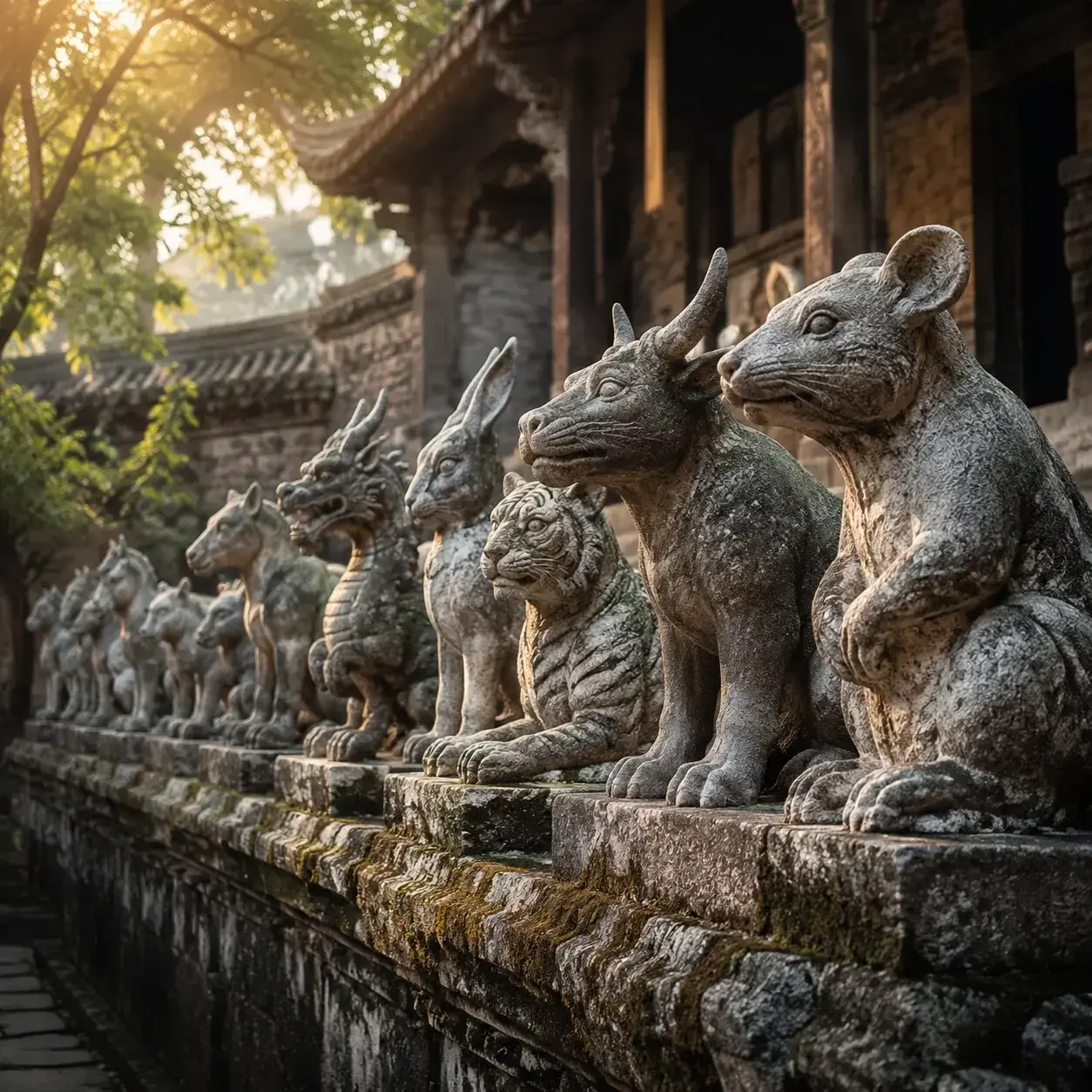
So, how many Chinese zodiacs are there? There are 12. The animals appear in this order:
1. Rat 2. Ox 3. Tiger 4. Rabbit 5. Dragon 6. Snake 7. Horse 8. Goat 9. Monkey 10. Rooster 11. Dog 12. Pig
If you have ever searched for the story of the Chinese zodiac, the most famous legend is the tale of the Great Race. In the traditional story, the Jade Emperor invited animals to race across a river, and the order in which they finished determined their place in the zodiac cycle. The clever Rat won first place by riding on the Ox and jumping ahead at the last moment. The Tiger powered through with strength, the Rabbit crossed with quick thinking, and the Dragon, despite being powerful enough to win, stopped to help others along the way. The Horse was nearly overtaken by the Snake, which startled it at the finish. Each animal’s position in the race became part of the broader Chinese zodiac story and still shapes the way people interpret these signs today.
The system is more layered than one animal per year. Each zodiac year is also paired with one of the five elements: Wood, Fire, Earth, Metal, and Water. Together, the 12 animals and 5 elements create a 60-year cycle. That is why two people born under the same animal may still be described differently if they were born in different elemental years.
Today, the zodiac remains culturally meaningful not because everyone treats it as strict fate, but because it offers a familiar language for talking about identity, relationships, timing, and symbolism. For travelers, it can also be a fun lens for thinking about travel style, lucky seasons, and the kinds of destinations in China that may suit your mood for the year.
Chinese Zodiac 2026 Explained: The Year of the Horse
In the Chinese zodiac cycle, 2026 is the Year of the Horse. One important detail for international readers: the zodiac year does not begin on January 1. It changes at Lunar New Year, so anyone born in January or early February should check the exact lunar date before identifying their sign.
The Horse is one of the most dynamic animals in the Chinese zodiac. It is traditionally associated with independence, movement, confidence, speed, charisma, and a strong love of freedom. Horse energy is often described as active rather than passive. It leans toward open roads, big horizons, spontaneous decisions, and the feeling of wanting to keep going rather than stay still. In travel terms, that makes it one of the easiest zodiac signs to connect with exploration.
In the traditional element cycle, 2026 is commonly recognized as a Fire Horse year. Fire adds intensity, visibility, momentum, and boldness to the Horse’s already energetic nature. Symbolically, this combination suggests a year that favors action, courage, fresh experiences, and decisive movement. It can also imply a need for balance: too much momentum without planning can lead to burnout, rushed choices, or overly packed itineraries.
From a travel perspective, that is exactly why Chinese zodiac 2026 is such a compelling theme. The Year of the Horse naturally fits adventure-driven travel content. It is the kind of symbolic year that pairs beautifully with open grasslands in Inner Mongolia, long high-speed rail journeys, mountain trekking in western China, cycling by Erhai Lake in Yunnan, horseback culture in the northwest, or flexible multi-city routes that leave room for discovery.
If 2025 felt like a year for caution or recalibration, 2026 has a different cultural flavor. It suggests motion, confidence, and experiences that feel expansive. For travelers planning a China trip, that makes it an ideal year to choose itineraries with variety, scenic movement, and a little more breathing room than a rigid checklist tour.
The 12 Chinese Zodiac Signs and Years Chart
Below is a simple Chinese zodiac signs years chart to help you find your sign quickly. Remember that if you were born in January or early February, your zodiac sign may belong to the previous lunar year.
| Zodiac Animal | Recent Birth Years | Quick Personality Associations |
|---|---|---|
| Rat | 1960, 1972, 1984, 1996, 2008, 2020 | Clever, adaptable, resourceful |
| Ox | 1961, 1973, 1985, 1997, 2009, 2021 | Steady, reliable, patient |
| Tiger | 1962, 1974, 1986, 1998, 2010, 2022 | Brave, bold, competitive |
| Rabbit | 1963, 1975, 1987, 1999, 2011, 2023 | Gentle, diplomatic, refined |
| Dragon | 1964, 1976, 1988, 2000, 2012, 2024 | Charismatic, ambitious, energetic |
| Snake | 1965, 1977, 1989, 2001, 2013, 2025 | Wise, intuitive, strategic |
| Horse | 1966, 1978, 1990, 2002, 2014, 2026 | Free-spirited, active, confident |
| Goat | 1967, 1979, 1991, 2003, 2015, 2027 | Creative, calm, compassionate |
| Monkey | 1968, 1980, 1992, 2004, 2016, 2028 | Playful, inventive, quick-minded |
| Rooster | 1969, 1981, 1993, 2005, 2017, 2029 | Observant, precise, expressive |
| Dog | 1970, 1982, 1994, 2006, 2018, 2030 | Loyal, honest, protective |
| Pig | 1971, 1983, 1995, 2007, 2019, 2031 | Warm, generous, easygoing |
If you want to find your Chinese zodiac sign, the easiest method is to start with your birth year, then verify whether your birthday fell before or after that year’s Lunar New Year. This is why many people get confused by searches like January Chinese zodiac, Chinese zodiac December, or Chinese zodiac for March. In the zodiac system, the lunar year matters more than the Gregorian month alone.
Here are a few common year lookups:
- 1969 Chinese zodiac: Rooster
- 2002 Chinese zodiac: Horse
- 2004 Chinese zodiac: Monkey
- 2008 Chinese zodiac signs: Rat
- 2009 Chinese zodiac: Ox
- 2017 Chinese zodiac: Rooster
- 1967 Chinese zodiac: Goat
Each animal also carries symbolic strengths and themes:
- Rat: strategic, social, and good at spotting opportunities
- Ox: dependable, grounded, and persistent
- Tiger: adventurous, direct, and courageous
- Rabbit: elegant, considerate, and peace-seeking
- Dragon: visionary, strong-willed, and magnetic
- Snake: thoughtful, composed, and perceptive
- Horse: energetic, independent, and expressive
- Goat: artistic, empathetic, and harmonious
- Monkey: witty, curious, and highly adaptable
- Rooster: organized, sharp, and detail-focused
- Dog: sincere, loyal, and justice-minded
- Pig: generous, relaxed, and comfort-loving
These summaries are broad cultural associations, not personality rules. Still, they are part of why zodiac culture remains so lively in modern China.
How to Find Your Chinese Zodiac Sign, Element, Lucky Colors, and Birth-Year Meaning
If you want to go beyond the animal sign itself, the next step is to identify your element. In Chinese astrology, each year combines an animal with one of the five elements: Wood, Fire, Earth, Metal, or Water. This means the same sign can express different qualities across generations.
For example, a Horse-born person in one cycle may be more flexible and imaginative, while another Horse-born person may be more intense, bold, or practical depending on the element attached to their year. This is one reason people search for terms like Chinese zodiac with element or Chinese zodiac years elements.
A simple way to think about the elements is this:
- Wood: growth, creativity, flexibility
- Fire: passion, energy, visibility
- Earth: stability, responsibility, balance
- Metal: discipline, focus, determination
- Water: intuition, adaptability, reflection
Traditional zodiac interpretation also includes lucky colors, numbers, directions, and months, although these can vary by region, family tradition, and source. That is worth remembering if you compare different lists online. There is no single universal chart that every Chinese community uses in exactly the same way.
Still, these symbolic associations matter in everyday culture. You may see zodiac-themed gifts in lucky colors, New Year decorations arranged around auspicious symbols, or temple fair items designed around the year’s animal. Even if you do not personally believe in luck systems, understanding them makes travel more rewarding.
Here are a few common questions travelers often ask:
What is my Chinese zodiac animal?
Use your birth year and confirm whether your birthday came before or after Lunar New Year in that year.
How many Chinese zodiac signs are there?
There are 12 signs, each represented by one animal.
How do zodiac months differ from Western astrology dates?
Western astrology is based on the solar calendar and specific date ranges within each month. The Chinese zodiac is based primarily on the lunar year, not monthly sun-sign dates. That is why terms like Chinese zodiac months can be confusing. In some traditional systems, months do have zodiac associations, but this is not the same thing as Western star signs.
Why does birth-year meaning matter so much?
Because in Chinese culture, the birth year often becomes a shorthand for discussing personality, symbolic strengths, social compatibility, and seasonal luck.
For travelers, this knowledge becomes practical very quickly. Once you know the symbolism, festival markets and cultural displays stop feeling decorative and start feeling legible. A red horse figurine, a gold zodiac charm, or a souvenir marked with auspicious numbers becomes part of a larger cultural language.
Chinese Zodiac Compatibility, Love Matches, and Social Travel Energy
The idea of Chinese love zodiac compatibility is one of the most searched parts of zodiac culture. Traditionally, some signs are considered more harmonious, while others may be seen as more challenging in romance, friendship, or business relationships. This does not mean destiny is fixed. In modern use, compatibility is often treated as a cultural tradition, a conversation starter, or a playful framework rather than a rule that should determine real-life choices.
In broad terms, compatibility in the Chinese zodiac often reflects differences in pace, communication style, emotional expression, and social energy. A calm, routine-loving sign may feel balanced with someone warm and gentle, but overwhelmed by someone highly impulsive. A bold, ambitious sign might enjoy another energetic sign, but clash with someone equally stubborn.
That lens can actually be useful for travel planning.
Some people want a trip filled with sunrise hikes, street food crawls, local trains, and spontaneous detours. Others want quiet gardens, elegant hotels, museum afternoons, and plenty of unstructured time. Neither approach is better. They are simply different travel temperaments. Zodiac archetypes give people a surprisingly fun way to talk about those differences without turning every planning conversation into an argument.
For example:
- Horse, Tiger, and Dragon travelers may enjoy active, fast-moving itineraries with scenic drama and independence.
- Rabbit, Goat, and Pig travelers may prefer atmosphere, comfort, slower pacing, and beautiful details.
- Ox, Rooster, and Dog travelers often appreciate structure, efficiency, reliability, and clear logistics.
- Rat, Snake, and Monkey travelers may enjoy strategic planning, cultural depth, and experiences with a clever or hidden side.
This is where zodiac compatibility becomes socially useful. If you are planning a China trip with a partner, group of friends, or multigenerational family, zodiac language can help reveal preferences gently. One person may be craving Yunnan villages and tea terraces; another may want Shanghai rooftop bars and a packed urban itinerary. Framing those wishes in terms of energy rather than conflict can make planning easier.
It is also helpful to distinguish the Chinese zodiac from other systems. Western star signs are based on monthly date ranges and constellations, while the Japanese zodiac uses a similar 12-animal structure but has different cultural context and usage. International travelers sometimes mix them together, but in China, the zodiac is tied most strongly to Lunar New Year traditions, annual symbolism, and birth-year identity.
Chinese Zodiac Travel Luck in 2026: Best Time and Place to Travel by Sign
This is where zodiac culture becomes especially fun for travelers. If 2026 is the Year of the Horse, then the year’s broader mood favors movement, openness, and momentum. That does not mean every sign should travel the same way. Instead, each sign can use the symbolic energy of 2026 differently.
Below is a practical, playful guide to Chinese zodiac travel luck in 2026, including suggested timing and destinations in China by sign.
Rat
In 2026, Rats may do best with smart, efficient trips that combine culture and convenience. Choose destinations where every day reveals something layered: Beijing, Xi’an, or Suzhou. Spring and autumn suit you best, when the weather is manageable and the rhythm of sightseeing feels productive rather than rushed.
Ox
Ox travelers usually enjoy stability, heritage, and well-organized routes. A classic journey through Beijing, Pingyao, and Datong can feel deeply satisfying, especially in autumn. Ancient city walls, temples, and slower-moving historic neighborhoods match your grounded energy.
Tiger
Tigers tend to thrive on bold scenery and a little challenge. In 2026, consider Zhangjiajie, Yunnan, or western Sichuan. Late spring and early autumn are ideal. Mountain roads, dramatic peaks, and the sense of physical movement fit Tiger energy beautifully.
Rabbit
Rabbits often travel best when beauty and calm are built into the experience. Think Hangzhou, Suzhou, Yangshuo, or a gentle route through Jiangnan water towns. The best timing is spring, when gardens bloom, willow-lined canals soften the landscape, and the slower pace feels restorative.
Dragon
Dragons often want significance, scale, and unforgettable views. 2026 is a strong year for destinations that feel iconic: the Great Wall, the Forbidden City, Shanghai, or Lhasa for those comfortable with high-altitude planning. You may enjoy traveling during major festival periods, but book early because your ideal destinations are often the ones everyone wants.
Snake
Snake travelers tend to appreciate atmosphere, mystery, and depth. In 2026, look at Fujian tulou villages, Chengdu’s teahouse culture, Dunhuang, or temple-rich routes in Hangzhou and Nanjing. Early autumn is especially favorable, offering calmer weather and enough quiet to absorb details.
Horse
This is your symbolic year, and while traditional zodiac belief sometimes says one’s own zodiac year can feel intense, it can also be meaningful and transformative. Choose broad, energizing landscapes: Inner Mongolia, Xinjiang, Qinghai, or a long scenic rail route across multiple provinces. Summer and early autumn are especially strong if you want blue skies, grasslands, and a sense of freedom.
Goat
Goat travelers often respond to art, craft, and emotional warmth. In 2026, Dali, Lijiang, Xiamen, and Guilin may suit you well. Choose shoulder seasons when the atmosphere is gentle and photogenic rather than hectic. Boutique stays, old towns, and scenic cafés are likely to feel especially lucky.
Monkey
Monkeys usually like novelty, surprise, and variety. You may enjoy Chongqing, Shanghai, Hong Kong, or mixed itineraries that contrast mega-city energy with local discoveries. 2026 favors flexible travel for you, especially if you leave room for detours, food exploration, and spontaneous experiences.
Rooster
Roosters often prefer polished, efficient, and aesthetically satisfying trips. Consider Shanghai, Suzhou, Hangzhou, or luxury-focused routes with strong design and clear logistics. Spring and late autumn are excellent for city-hopping, stylish hotels, and carefully timed cultural stops.
Dog
Dog travelers usually want sincerity, meaning, and trustworthy experiences. In 2026, destinations with strong local culture and authentic pacing will likely feel best: Chengdu, Xi’an, Luoyang, or rural heritage routes in Guizhou. Travel with a balanced itinerary that mixes iconic sites with slower local moments.
Pig
Pig travelers often enjoy comfort, food, and ease. This can be a lucky year for culinary travel: Chengdu, Guangzhou, Chaoshan, or Hangzhou. Winter and early spring can be excellent if your focus is cozy dining, hot dishes, tea culture, and soft-paced city breaks.
Best Times to Travel in 2026 by Zodiac Mood
If you do not want to plan strictly by sign, you can also plan by zodiac-style energy:
- Spring: best for scenic beauty, gardens, blossoms, old towns, and cultural softness
- Summer: best for grasslands, highlands, festivals, and open-air adventure
- Autumn: best for balanced weather, heritage cities, hiking, and photography
- Winter: best for food-focused travel, festive lighting, temple fairs, and quieter city experiences
In our experience helping overseas travelers plan routes in China, the most successful itineraries are the ones that combine symbolic inspiration with practical logistics. Zodiac ideas can help you choose a mood, but train schedules, weather windows, holiday crowds, and regional distances still matter. A good travel plan balances both.
How to Use the Chinese Zodiac as a Smarter Travel Planning Lens
The most useful way to approach the Chinese zodiac is not to ask, “Will this sign guarantee luck?” but “What kind of experience fits the energy I want this year?” That is where zodiac thinking becomes genuinely practical.
If you are planning a trip to China in 2026, start with three simple questions:
1. Do I want movement or stillness? 2. Do I want iconic highlights or local depth? 3. Do I want a tightly planned route or more freedom to explore?
The Year of the Horse encourages motion, but motion can mean different things. For one traveler, it may mean a high-speed rail journey from Beijing to Xi’an to Shanghai. For another, it may mean a week in Yunnan, moving slowly through mountain towns and lakeside landscapes. For someone else, it may mean one dramatic region, like Inner Mongolia or Xinjiang, where the sense of scale itself becomes the adventure.
This is also where working with a China-focused travel agency can quietly make a big difference. Many overseas travelers come in with a broad idea—something like “I want a lucky, cultural, scenic trip in 2026”—but they are not sure how to translate that into actual routes, transport timing, hotel choices, and seasonal trade-offs. A strong itinerary takes symbolic inspiration and turns it into something bookable, realistic, and enjoyable on the ground.
For example, if you are a Rabbit traveler drawn to beauty and calm, we might suggest a spring route through Hangzhou, Suzhou, and a nearby water town rather than a peak-holiday trip that feels crowded and rushed. If you are a Horse or Tiger traveler wanting adventure, we may help shape a route through western landscapes with enough flexibility for weather, altitude, and travel time. The point is not to “sell luck,” but to match travel style with season, place, and pace.
Final Thoughts on Chinese Zodiac 2026
The Chinese zodiac endures because it does something very human: it turns time into story. A year becomes more than a number. It gains an animal, an element, a mood, and a set of symbols people can use to reflect on personality, relationships, hopes, and timing.
In Chinese zodiac 2026, the Year of the Horse invites us to think about movement, freedom, confidence, and discovery. Whether you are researching your birth sign, comparing compatibility with a partner, looking up a year like 1969 or 2002, or simply searching for the most interesting way to plan a China trip, the zodiac offers a memorable starting point.
Use it as a cultural lens, not a rulebook. Let it help you notice details you might otherwise miss: the animal motifs in New Year markets, the meaning behind a souvenir charm, the reason locals talk about luck in a particular season, or the kind of destination that feels right for your energy in 2026.
And if you are planning to travel in China next year, the best zodiac advice may be the simplest: choose a route with room to breathe, room to move, and room to be surprised. That spirit feels perfectly at home in the Year of the Horse.
If you are mapping out a 2026 China trip, save this guide for later, compare your sign with your travel companions, and see which destination feels most “you.” Sometimes the most memorable journeys begin with a story.