



 18 days China, End to End Beijing → Xi'an → Chuanzhusi → Jiuzhaigou → Chengdu → Zhangjiajie → Guilin → Yangshuo → Shenzhen From $6,360 View route
  3 days 4-Day Tour of Siguniang Mountain, Biepa Gou, and Dagu Glacier Chengdu → Lixian → Heishui County From $1,599 View route
  5 days Above the Pillars, Then Below Zhangjiajie From $1,430 View route
  3 days After the Last Booth Guangzhou From $840 View route
  13 days All the Way West Xi'an → Dunhuang → Turpan → Kashgar → Shanghai From $3,500 View route
 Chinese Traditions & Culture: A Traveler's Guide to Understanding China

Understanding Chinese traditions before you travel can completely change the way you experience the country. China is not just a place of famous landmarks, fast trains, and extraordinary food—it is also a civilization shaped by thousands of years of history, philosophy, ritual, and daily social habits that still matter today. When I first helped overseas travelers plan deeper cultural trips across China, I noticed the same pattern again and again: the people who enjoyed the richest experiences were not always the ones with the longest itineraries, but the ones who understood a little about how Chinese culture works.
That is what this guide is for. Whether you are visiting Beijing, Shanghai, Xi'an, Chengdu, Guilin, or smaller historic towns, knowing the basics of Chinese culture helps you move beyond sightseeing and connect with people more naturally. From greetings and dining etiquette to family values, festivals, and traditional dress, this article will help you understand what to expect, what to avoid, and how to travel through China with more confidence and respect.
What Makes Chinese Culture Unique?
One reason Chinese culture feels so distinctive is its extraordinary continuity. China is one of the world's oldest continuous civilizations, with a cultural history stretching back more than 5,000 years. Dynasties rose and fell, capitals shifted, religions mixed, trade routes expanded, and modern cities transformed at breathtaking speed—yet many traditions and customs of China still carry echoes of the past. You can see this in ancestral rituals, tea practices, seasonal festivals, calligraphy, family-centered values, and the importance of education and social harmony.
A major influence on the Chinese way of life is Confucian thought. Even travelers who have never read Confucius will encounter his influence everywhere: in respect for elders, the emphasis on learning, the importance of proper behavior, and the idea that social relationships come with responsibilities. In practice, this can mean younger people showing deference to parents and grandparents, hosts paying close attention to guests, and many social situations being guided by politeness rather than direct confrontation.
At the same time, Chinese culture is not one single fixed experience. China is vast, and regional diversity matters. Food in Sichuan is very different from food in Guangdong. Local customs in Yunnan may feel different from those in Beijing. Dialects, architecture, religious traditions, and holiday practices all vary across the country. That is why the most useful approach for travelers is not to memorize stereotypes, but to understand the cultural values behind everyday behavior.
In other words, if you understand why people prioritize harmony, family, respect, and relationships, many examples of Chinese culture will suddenly make more sense. That is the real key to traveling well in China.
Core Values That Shape Daily Life in China
When travelers ask me what defines Chinese beliefs and traditions in everyday life, I usually begin with a few core ideas: filial piety, harmony, collectivism, guanxi, and mianzi. These are broad cultural patterns, not strict rules that apply identically to every person or region, but they are still among the most important cultural values in China.
Filial Piety
Filial piety, often associated with the idea of respecting and caring for parents and elders, is one of the most deeply rooted traditional customs of China. In modern life, this shows up in family decision-making, holiday travel, living arrangements, and the way younger people often speak to older relatives. For travelers, this helps explain why major holidays are so family-centered and why elders are often given priority at the table, in conversation, and in ceremonial moments.
Harmony
Harmony is another key value. In many social situations, Chinese customs encourage people to avoid unnecessary conflict and preserve a smooth atmosphere. This does not mean people never disagree. It means disagreement is often handled indirectly, especially in public or formal settings. If a hotel staff member, guide, or local contact answers cautiously rather than bluntly, they may be trying to be polite rather than evasive.
Guanxi: The Art of Connections
Guanxi refers to networks of trust, relationships, and mutual support. It is not simply “who you know” in a shallow sense. It is about building reliable social connections over time. In travel, guanxi can help explain why introductions matter, why personal recommendations are valued, and why service often improves when relationships are warm and respectful. For overseas visitors, this is also where a good travel agency can quietly make a difference—especially when arranging local guides, cultural visits, family-style meals, or hard-to-book experiences that depend on trust and communication.
Mianzi: Saving Face
Mianzi, often translated as “face,” refers to dignity, reputation, and social standing. Protecting someone else's face means avoiding public embarrassment, unnecessary criticism, or overly blunt correction. Losing face can happen when someone is shamed in front of others or put in an awkward position. In practical terms, travelers should avoid speaking too aggressively, correcting people harshly in public, or forcing a direct yes-or-no answer when someone seems uncomfortable.
Collectivism
Compared with more individualistic cultures, collectivism remains a strong part of the Chinese lifestyle. Group needs often take priority over personal preference, especially in family settings, work culture, or shared meals. You will notice this in communal dining, coordinated holiday travel, and the way decisions may involve more than one family member. For travelers, it is a useful reminder that social dynamics in China are often group-oriented rather than purely personal.
These values shape not just what people do, but how they do it—the tone of a conversation, the order in which people are served, the way invitations are extended, and the care people take to maintain good relationships.
Chinese Customs and Etiquette Every Traveler Should Know
Many Chinese traditions become most visible in everyday etiquette. If you understand a few basic customs in China, you can avoid awkward moments and interact more naturally with hosts, guides, restaurant staff, and new friends.
Greetings and First Impressions
In most situations, a light handshake or a polite nod is appropriate, especially in professional or first-time meetings. Hugging and kissing on the cheek are less common in formal introductions than in many Western cultures. In casual settings, a warm verbal greeting is often enough.
You may also hear phrases that sound very personal to foreign ears. One classic example is “Have you eaten?” Historically, this was a friendly way of showing care rather than literally asking about meal plans. Today it may not be used everywhere in urban daily life, but it still reflects a deeper feature of Chinese culture: concern is often expressed through practical, everyday questions.
When addressing people, titles matter. Using “Mr.,” “Ms.,” or a professional title can be more polite than immediately switching to first names, especially with older people or in businesslike situations.
Dining Etiquette
Dining is one of the most revealing parts of Chinese customs and traditions. Meals are often communal, with multiple dishes placed in the center of the table for everyone to share. Round tables are especially common for larger groups, and many restaurants use a rotating glass tray, or lazy Susan, to make sharing easier.
If you are dining with elders or hosts, it is polite to wait for them to begin eating before you start. Seating can also reflect hierarchy, especially at formal meals. The seat facing the entrance or in the most central position may be reserved for the guest of honor or senior person.
Chopstick etiquette matters more than many travelers expect. The most important rule is simple: never stick chopsticks upright in a bowl of rice. It resembles incense offered at funerals and is considered inauspicious. Instead, place them neatly across your bowl or on a chopstick rest when not in use.
Other practical tips: do not point with chopsticks, do not dig through shared dishes excessively, and try to take food from the section closest to you. At formal meals, the host may place food in your bowl as a gesture of hospitality.
One more thing travelers often notice: meals can be generous and lively. Toasts may happen, dishes may keep arriving, and people may encourage you to eat more. This is often a sign of warmth, not pressure.
Gift Giving
Gift giving is another area where traditional Chinese customs still matter. If you give or receive a gift, use both hands as a sign of respect. In some situations, the recipient may politely refuse once or twice before accepting. This is usually modesty, not rejection.
Symbolism matters greatly. Some gifts are associated with bad luck because of wordplay or cultural associations. Avoid gifting:
- Clocks, because giving a clock sounds similar to a phrase associated with attending a funeral
- Pears, because the word can sound like “separation”
- Shoes, which can imply parting or carry negative associations
- Green hats, which are strongly taboo because of an expression related to infidelity
If you are bringing a gift to a family home, quality tea, fruit, or nicely packaged local specialties are usually safer choices.
Colors and Numbers
Colors and numbers carry powerful symbolic meaning in Chinese beliefs and customs. Red is associated with luck, celebration, happiness, and weddings. Gold suggests wealth and prosperity. White, by contrast, is traditionally connected to mourning and funerals, so it can feel less festive in some contexts.
Numbers matter too. Eight is especially lucky because it sounds similar to a word associated with wealth. Six can suggest smooth progress or good fortune. Four is often avoided because its pronunciation is similar to the word for death in Chinese.
Travelers will see these ideas in hotel floor numbering, gift packaging, festival decoration, and even business choices.
Avoiding Awkward Mistakes
A few small habits can help you avoid common etiquette mistakes:
- Do not point directly at people, especially in a confrontational way
- Avoid patting elders on the shoulder unless you know them well
- Try not to speak too bluntly in public if a softer tone would work
- Pay attention to age and social hierarchy in formal settings
- If unsure, follow the lead of your host or guide
You do not need perfect manners to be welcomed in China. Sincerity matters more than flawless performance. But showing awareness of customs of Chinese society is often deeply appreciated.
Festivals and Celebrations That Reveal Chinese Traditions
If you want to understand Chinese tradition in its most vivid form, look at the festival calendar. China's holidays and celebrations are full of symbolism, family ritual, seasonal food, and regional expression. For travelers, they offer some of the most memorable windows into Chinese history and culture.
Chinese New Year / Spring Festival
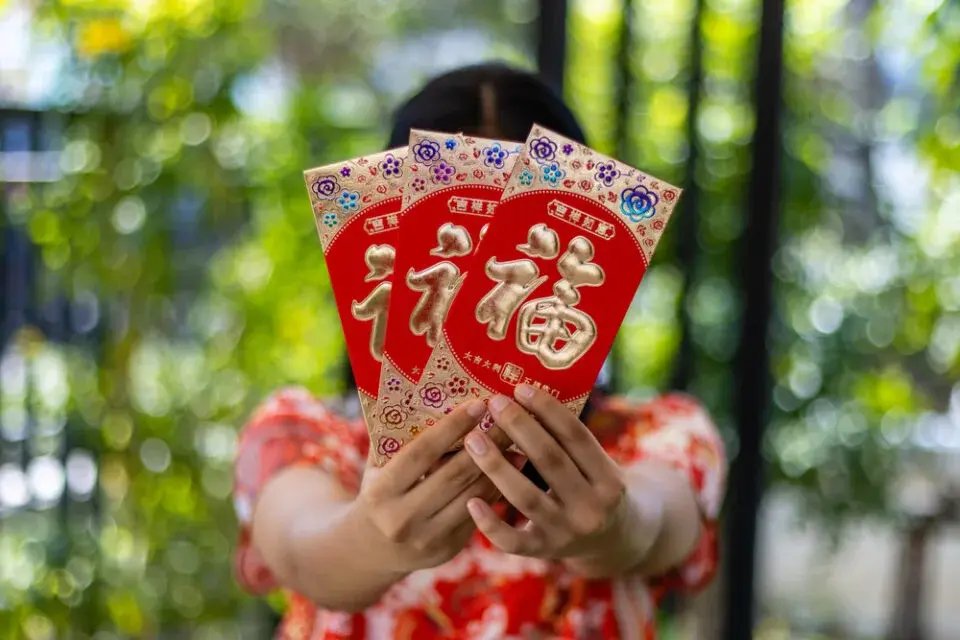
Spring Festival is the most important holiday in China. It begins on the first day of the lunar new year, usually falling in January or February. This is the grand annual homecoming, when families gather for reunion dinners, clean their homes, exchange red envelopes, and decorate doors with red couplets that express hopes for luck and prosperity.
Common customs include setting off firecrackers, watching festive performances, giving children hongbao (red envelopes with money), and enjoying symbolic dishes associated with abundance, togetherness, and good fortune. In many places, dragon and lion dances animate streets with drums, color, and movement.
For travelers, Spring Festival is unforgettable—but it requires planning. It also triggers the world's largest annual human migration, often called Chunyun, as millions travel home. Train tickets sell out quickly, flights rise in price, attractions may become crowded, and some restaurants or shops may close for family reunions. When we help overseas guests travel during this period, detailed advance planning matters far more than usual.
Lantern Festival
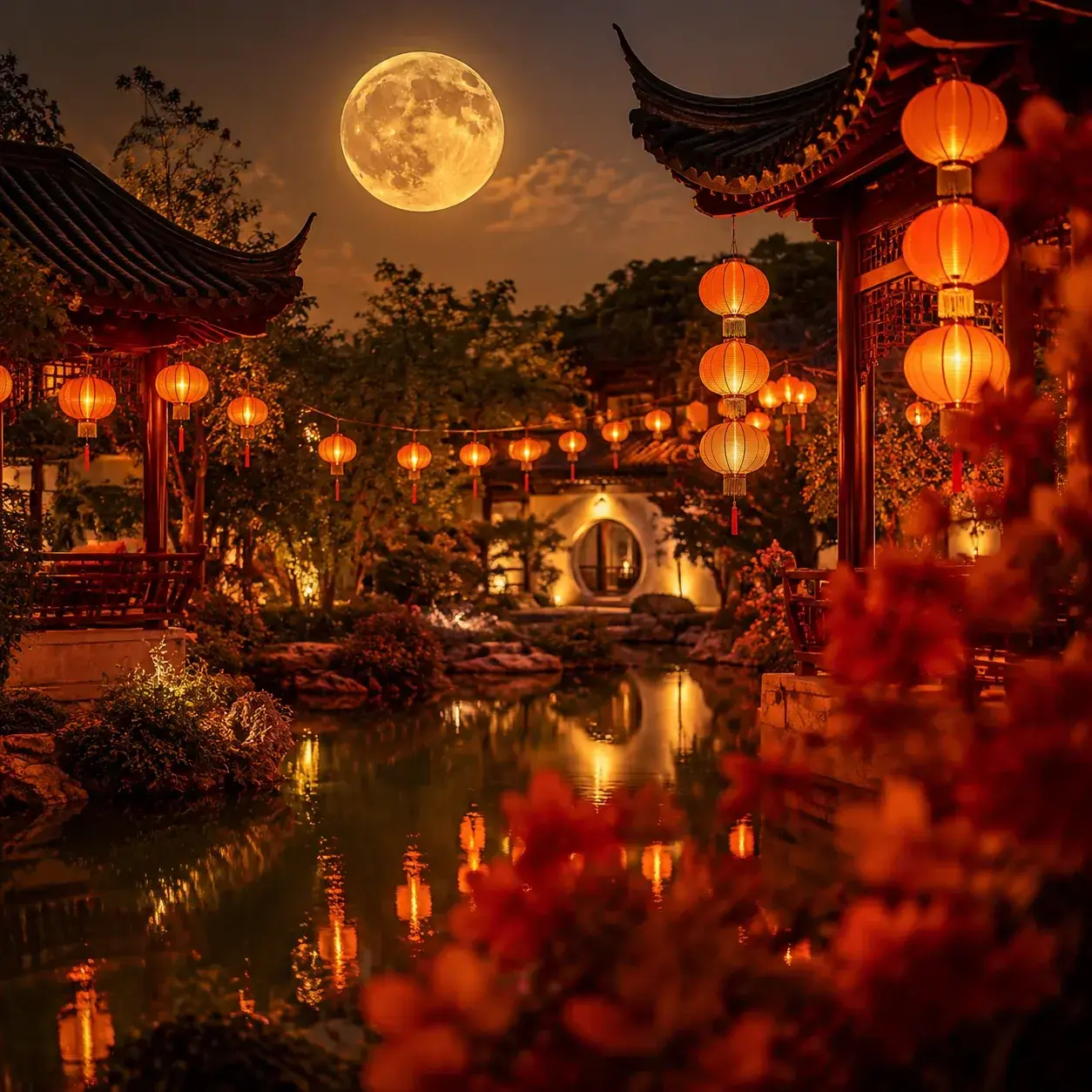
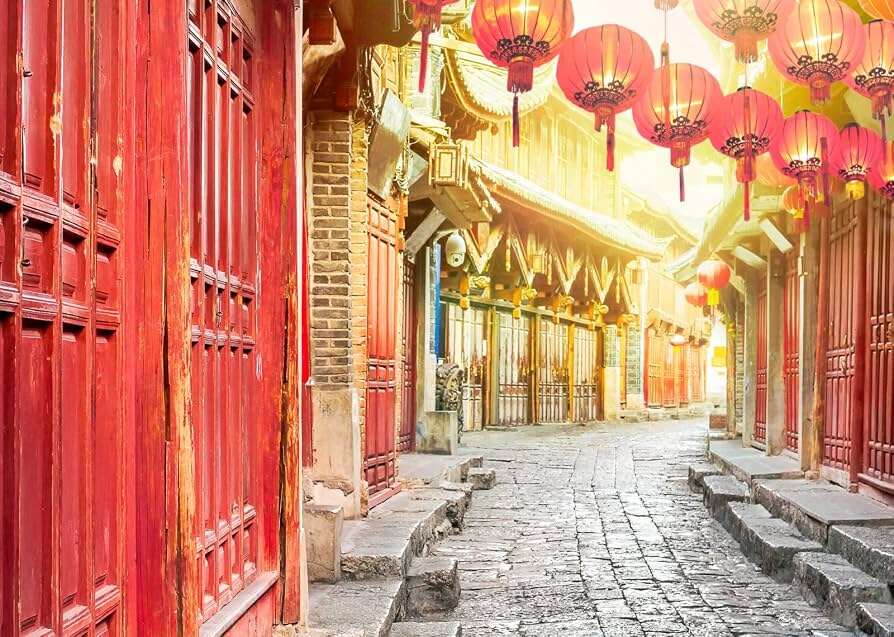
Held on the fifteenth day of the first lunar month, Lantern Festival marks the close of the New Year period. Streets, parks, and temples may glow with lantern displays, riddles, and festive snacks. Tangyuan—sweet glutinous rice balls—are often eaten to symbolize reunion and completeness.
Qingming Festival
Qingming Festival, usually observed in early April, is a time for honoring ancestors. Families visit graves, clean tombs, offer flowers or food, and remember relatives who have passed away. It is one of the clearest examples of how Chinese beliefs and traditions connect family memory with seasonal ritual.
For travelers, Qingming is generally quieter than Spring Festival, but it can offer a meaningful look at ancestral respect and the emotional depth of family culture in China.
Dragon Boat Festival
Dragon Boat Festival falls on the fifth day of the fifth lunar month. It is commonly linked to the poet Qu Yuan and remembered through dragon boat races and the eating of zongzi, sticky rice dumplings wrapped in bamboo leaves. The combination of athletic energy, local food, and historical storytelling makes it one of the most engaging festivals for visitors.
Mid-Autumn Festival
Celebrated on the fifteenth day of the eighth lunar month,  Mid-Autumn Festival centers on the full moon, reunion, and gratitude. Families gather to admire the moon and share mooncakes, which can range from traditional lotus seed paste fillings to modern regional flavors. Lanterns, moon imagery, and family dinners make this festival especially atmospheric.
Qixi Festival
Often called China's traditional “double seventh” festival, Qixi falls on the seventh day of the seventh lunar month. It is associated with a romantic folktale about the Weaver Girl and the Cowherd. Today, it is sometimes compared to Valentine's Day, though its roots are much older and more literary.
How Travelers Can Experience Festivals Respectfully
The best way to engage with Chinese holidays is not to treat them as performances, but as living traditions. Visit local markets, join a lantern fair, attend a tea ceremony, try seasonal foods, or explore historic districts with a knowledgeable guide who can explain context. In some places, temple fairs, folk performances, and handicraft workshops make festivals easier for international visitors to appreciate without intruding on private family moments.
Traditional Chinese Dress, Symbols, and Cultural Aesthetics
Traditional attire is one of the most visually striking parts of Chinese culture, and many travelers are surprised by how present it still is—not necessarily in everyday office life, but in festivals, weddings, performances, photography, heritage sites, and modern cultural revival movements.
Hanfu
Hanfu broadly refers to traditional styles of clothing associated with the Han Chinese before the Qing dynasty. Flowing sleeves, layered robes, elegant belts, and graceful silhouettes make it instantly recognizable. In recent years, Hanfu has seen a remarkable revival, especially among young people visiting ancient towns, gardens, temples, and historical districts. For many, it is not costume but a meaningful way to reconnect with history and aesthetics.
Travelers may encounter Hanfu in places like Xi'an, Luoyang, Hangzhou, Suzhou, and Beijing's historic areas, where photo studios and rental shops offer immersive experiences.
Qipao / Cheongsam
The qipao, also known as cheongsam, is one of the most internationally recognized examples of Chinese culture attire. Associated especially with the 20th century, it is known for its fitted shape, high collar, and elegant lines. Today it appears at formal events, weddings, cultural performances, and stylish portrait sessions. Modern designers continue to reinterpret it with contemporary fabrics and cuts.
Tang-Style Jackets
Tang-style jackets are often seen during festivals, family celebrations, and performances. They usually feature stand collars, frog closures, and decorative patterns associated with good fortune. Although the term “Tang suit” does not directly refer to clothing from the Tang dynasty in a strict historical sense, it has become a popular modern shorthand for festive Chinese-style jackets.
Symbols in Dress and Decoration
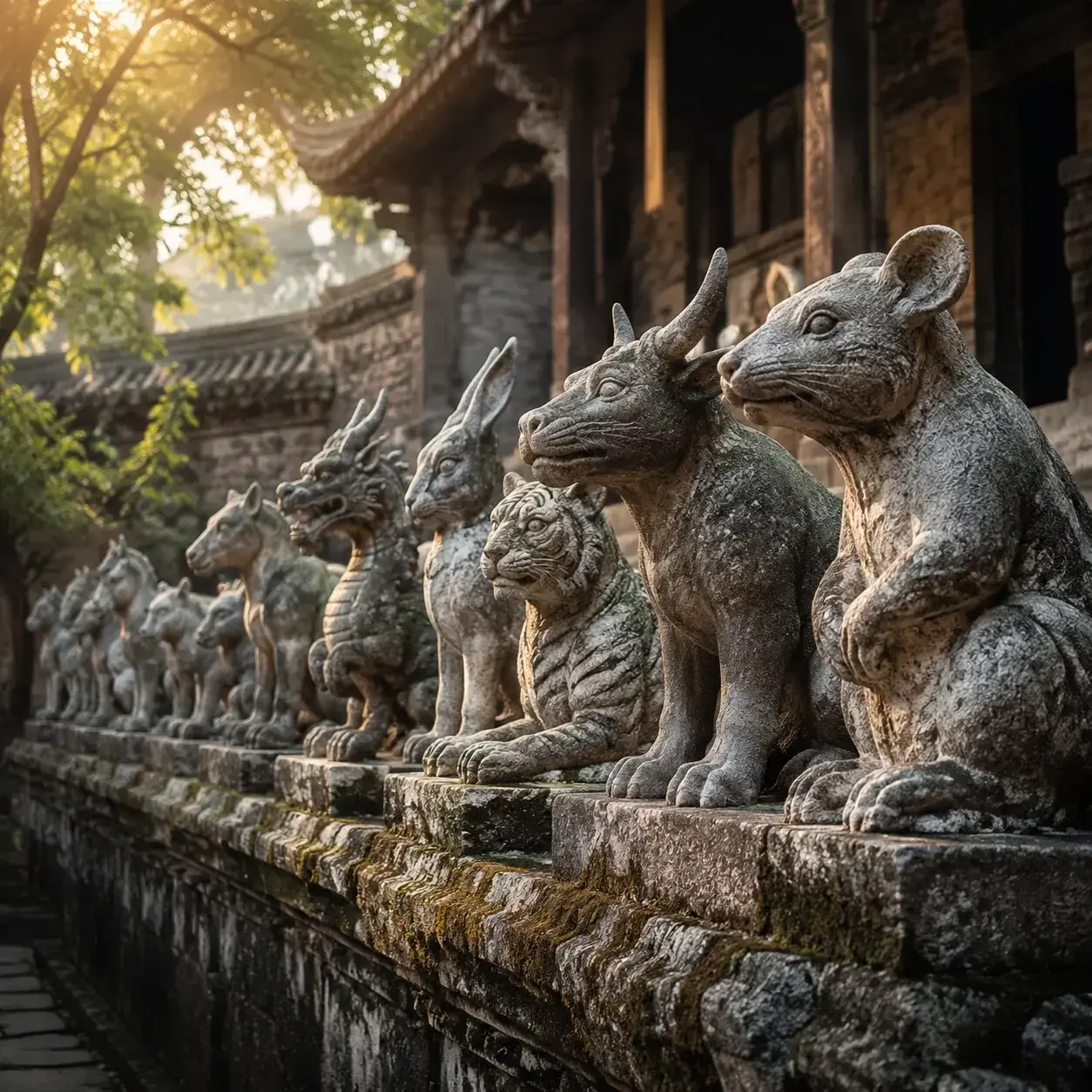
Chinese cultural aesthetics are rich in symbolism. Red often signals joy, luck, and celebration. Gold suggests wealth and abundance. Dragons traditionally represent strength, power, and auspicious energy, while phoenixes are often linked with grace, renewal, and feminine nobility. Zodiac animals also appear frequently in decorations, New Year merchandise, embroidery, and souvenirs.
These symbols show up not only in clothing but also in architecture, festival banners, temple carvings, ceramics, wedding decor, and gift packaging.
A Respectful Traveler Tip
Wearing traditional attire can be a meaningful cultural experience if done with context and sensitivity. I usually suggest that travelers choose reputable rental studios, ask about the garment's history, and wear it in settings where it feels appropriate—such as heritage sites, garden visits, or curated photo experiences. Approached respectfully, it can deepen your appreciation rather than reduce tradition to novelty.
Tea, Food, and Everyday Cultural Experiences
If festivals show Chinese culture at its most ceremonial, tea and food reveal it in daily life. Some of the best interesting facts about Chinese culture are not found in museums at all—they are sitting in front of you on a table, poured into a tiny cup, or shared from a steaming platter in the middle of a meal.
Tea as Hospitality and Identity
Tea culture is one of the gentlest and richest entry points into China country culture. Offering tea is often a gesture of welcome, respect, and conversation. But tea in China is not one single thing. It is a vast world of regional styles, cultivation methods, rituals, and tastes.
Travelers may encounter:
- Green tea, fresh and grassy, common in places like Zhejiang and Jiangsu
- Oolong tea, fragrant and layered, especially associated with Fujian and Guangdong
- Black tea in the Chinese sense, often smooth and full-bodied
- White tea, delicate and subtle
- Yellow tea, rarer and lightly processed
- Dark tea, including pu-erh from Yunnan, valued for aging and earthy complexity
In a traditional tea setting, the pace slows down. Water temperature matters. Cups are small. Attention is paid to fragrance, color, and aftertaste. Even a short tea session can feel like a lesson in patience and presence.
For travelers, tea houses, tea markets, and tea farm visits can be surprisingly memorable. With the right guide or host, you begin to understand how tea reflects region, class, ritual, and hospitality all at once.
Food as a Cultural Language
Food in China is not only about flavor—it is also about relationship, seasonality, symbolism, and shared experience. Communal dining remains one of the clearest expressions of collectivism in daily life. Instead of ordering one main dish per person, many meals are built around shared plates that encourage interaction.
Seasonal eating also matters. Certain foods are associated with particular times of year, festivals, or health beliefs. During Mid-Autumn Festival, people eat mooncakes. During Dragon Boat Festival, they eat zongzi. During Spring Festival, fish may symbolize abundance, while dumplings can represent wealth because of their resemblance to old silver ingots.
In some regions, ingredients are chosen according to ideas from traditional wellness practices—balancing heat and cold, freshness and nourishment, strength and digestion. Travelers do not need deep expertise in these systems to notice that food choices are often connected to time, weather, family tradition, and health.
Regional Diversity on the Table
One of the most fascinating facts about the Chinese culture of food is just how regional it is. A trip through China can feel like moving through several culinary worlds:
- Sichuan is known for bold chilies, peppercorn heat, and layered flavors
- Cantonese cuisine often highlights freshness, delicate seasoning, and refined techniques
- Shandong cuisine emphasizes seafood, soups, and savory depth
- Jiangnan cooking may feel subtle, elegant, and slightly sweet
- Northwestern dishes often feature wheat-based staples such as noodles and flatbreads
- Yunnan cuisine brings together mountain ingredients, herbs, mushrooms, and cross-border influences
For many overseas travelers, food becomes the quickest way to feel the diversity of traditions in China.
Everyday Experiences Worth Seeking Out
Some of the most meaningful cultural moments are simple: breakfast at a local stall, watching retirees practice tai chi in a park, joining a dumpling-making session, visiting a wet market with a guide, or sitting down for tea in a courtyard after a long day of walking.
These are the experiences that help China feel human rather than abstract. They also remind travelers that culture is not only found in major monuments—it lives in gestures, routines, tastes, and conversations.
Beliefs, Superstitions, and Symbolic Thinking in Chinese Culture
No guide to Chinese traditions would be complete without touching on the symbolic side of daily life. Alongside philosophy and formal ritual, many Chinese beliefs and customs are shaped by homophones, auspicious imagery, seasonal timing, and long-standing folk practices.
This is why numbers, colors, and objects can carry meanings that seem surprising to outsiders. It is also why dates for weddings, openings, and major events may be chosen carefully. Feng shui, while often simplified abroad, remains influential in some homes and businesses as a way of thinking about spatial balance and environmental harmony.
Zodiac culture is another major thread. The twelve-animal zodiac cycle appears in festival decorations, gifts, and everyday conversation. Around Lunar New Year, zodiac motifs can be found everywhere, from children's clothing to luxury packaging.
For travelers, the key is not to over-romanticize or exaggerate these beliefs. Not every Chinese person follows every tradition, and urban modern life can be highly pragmatic. But symbolic thinking still shapes many visible customs, making it an important part of understanding cultural traditions in China.
How to Experience Chinese Culture More Deeply as a Traveler
The best cultural experiences rarely come from rushing between attractions. They come from context. A temple visit means more when you understand incense etiquette. A family-style meal becomes more interesting when you know why elders are served first. A Spring Festival market feels more alive when you recognize the meanings of red paper cuttings, zodiac signs, and lucky couplets.
If you want to go deeper, I recommend building at least a few culture-focused moments into your itinerary:
- Join a tea tasting or tea farm visit
- Take part in a dumpling, noodle, or regional cooking class
- Visit a historic district with a guide who can explain local customs
- Time your trip around a festival if you are comfortable with crowds
- Attend a cultural performance with some background context first
- Try a traditional attire experience in an appropriate heritage setting
- Explore local markets rather than only major landmarks
This is also where specialized support can help. For many overseas visitors, the challenge is not lack of interest but lack of access: which experiences are authentic, which are tourist theater, and how do you participate respectfully? A knowledgeable travel agency with strong local coordination can help bridge that gap by arranging interpreters, family-friendly pacing, regional food experiences, heritage guides, and realistic logistics around busy holiday periods.
Final Thoughts: Understanding Before Arriving Changes Everything
Chinese traditions are not just relics from the past. They are living patterns woven into family life, hospitality, etiquette, festivals, food, clothing, and the rhythm of everyday interaction. The more you understand Chinese culture before your trip, the more meaningful your journey becomes—not because you will suddenly understand everything, but because you will notice more, misread less, and connect more generously with the people you meet.
China is too large and too diverse to fit into a single formula. Customs in one city may differ from those in another. Younger generations may express values differently from older ones. Urban life and rural life can feel very different. Still, certain themes—respect, relationship, symbolism, family, and shared experience—appear again and again across the country.
If you are planning your first trip to China, save this guide, revisit it while building your itinerary, and stay curious. Some of the most rewarding travel moments happen not when you check off the biggest sight, but when you finally understand why a host insists you eat more, why a festival changes an entire city's atmosphere, or why a simple cup of tea can say so much.
And if you have already traveled in China, you may know this feeling well: the country becomes more fascinating the more context you bring to it. That, more than anything, is the real reward of learning about Chinese traditions.