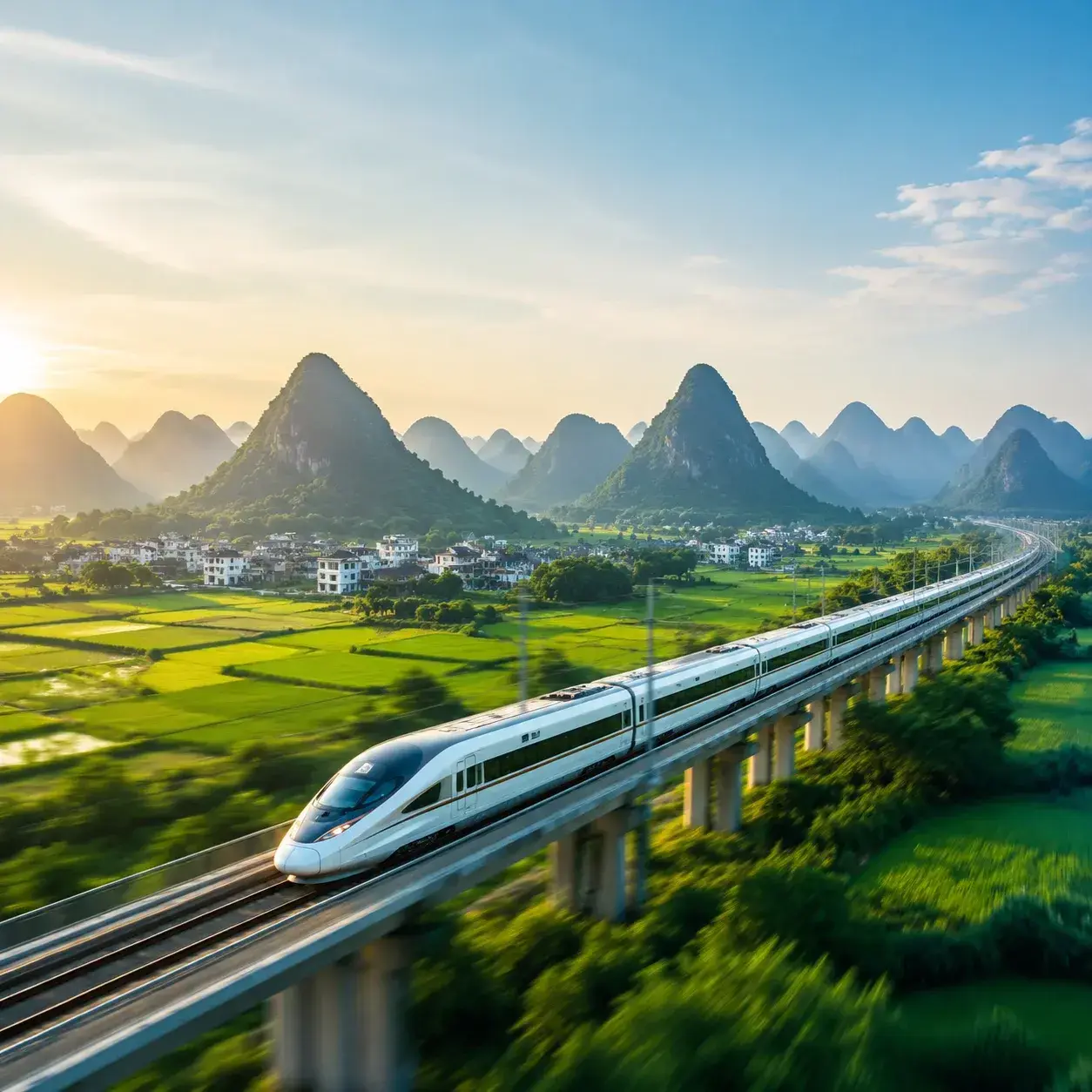





 18 days China, End to End Beijing → Xi'an → Chuanzhusi → Jiuzhaigou → Chengdu → Zhangjiajie → Guilin → Yangshuo → Shenzhen From $6,360 View route
  3 days 4-Day Tour of Siguniang Mountain, Biepa Gou, and Dagu Glacier Chengdu → Lixian → Heishui County From $1,599 View route
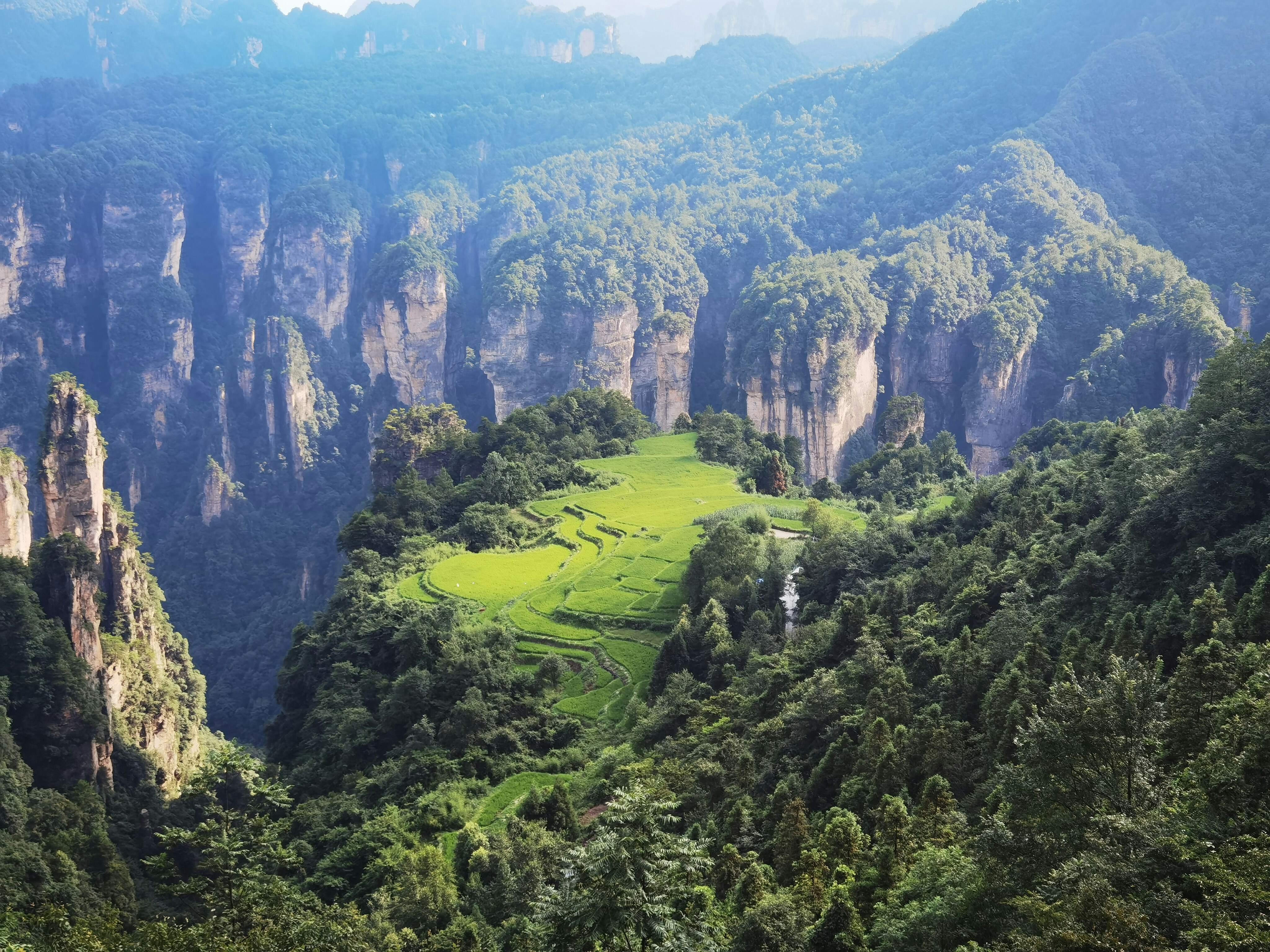
 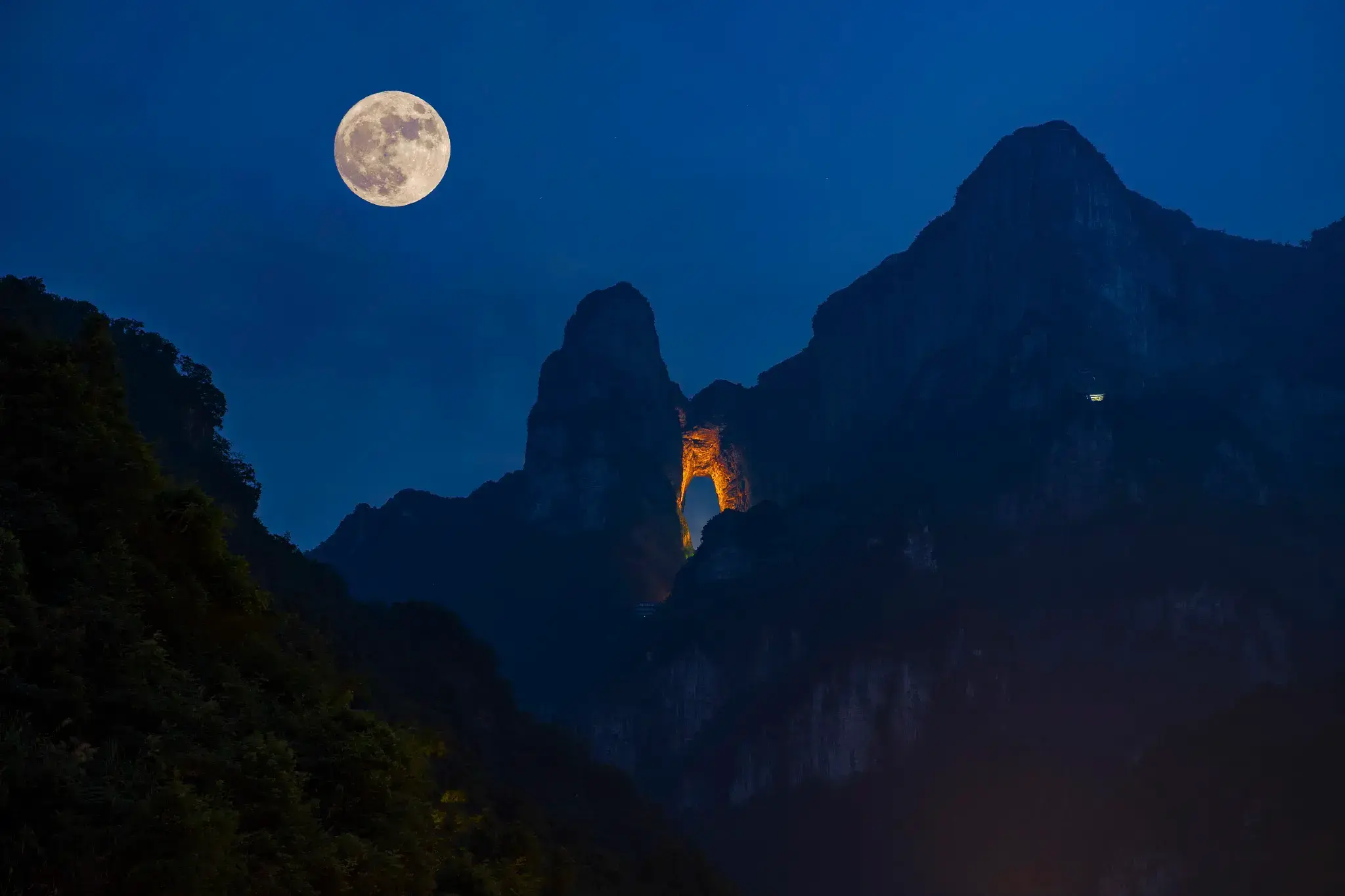 5 days Above the Pillars, Then Below Zhangjiajie From $1,430 View route
 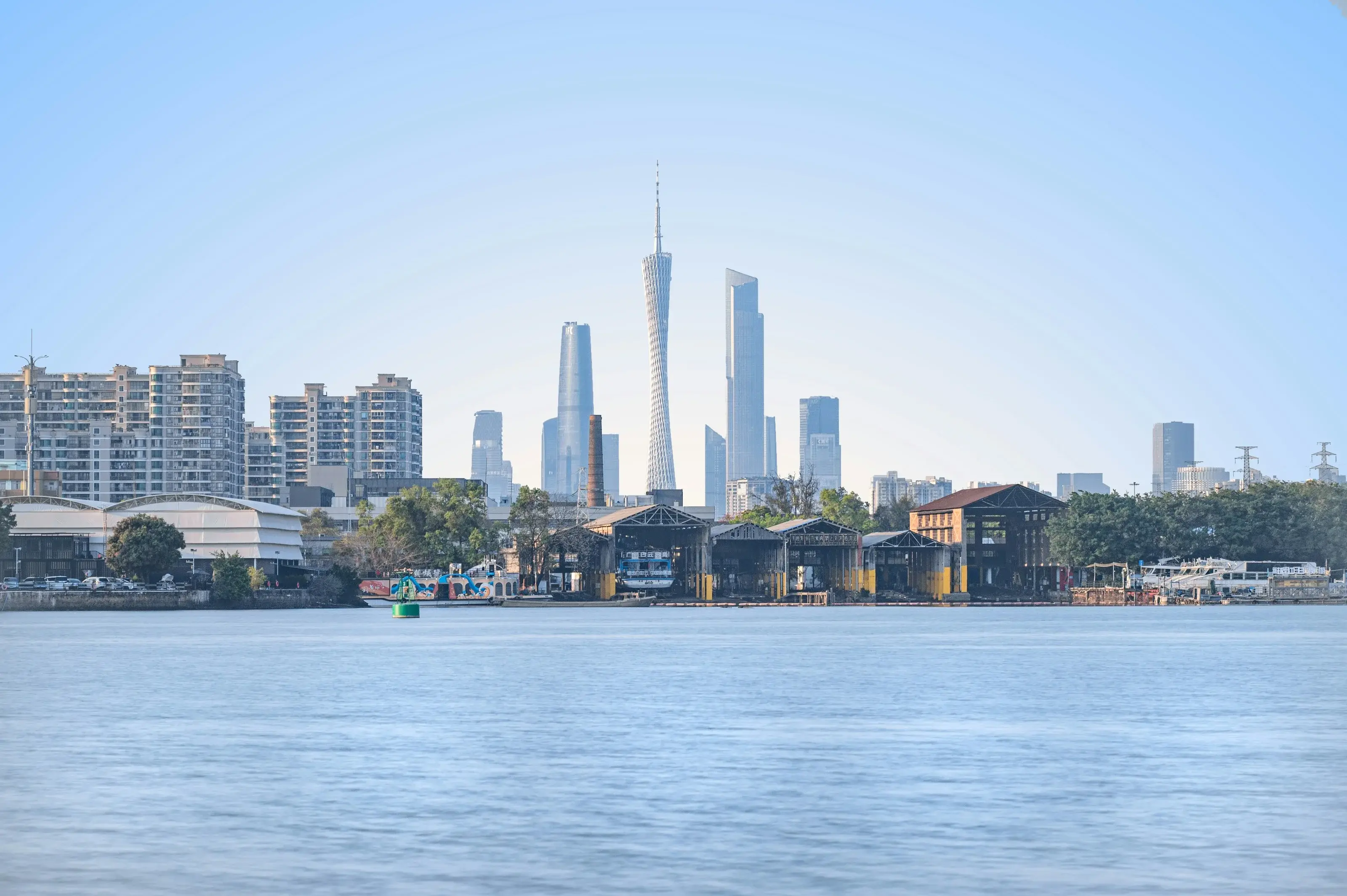 3 days After the Last Booth Guangzhou From $840 View route
 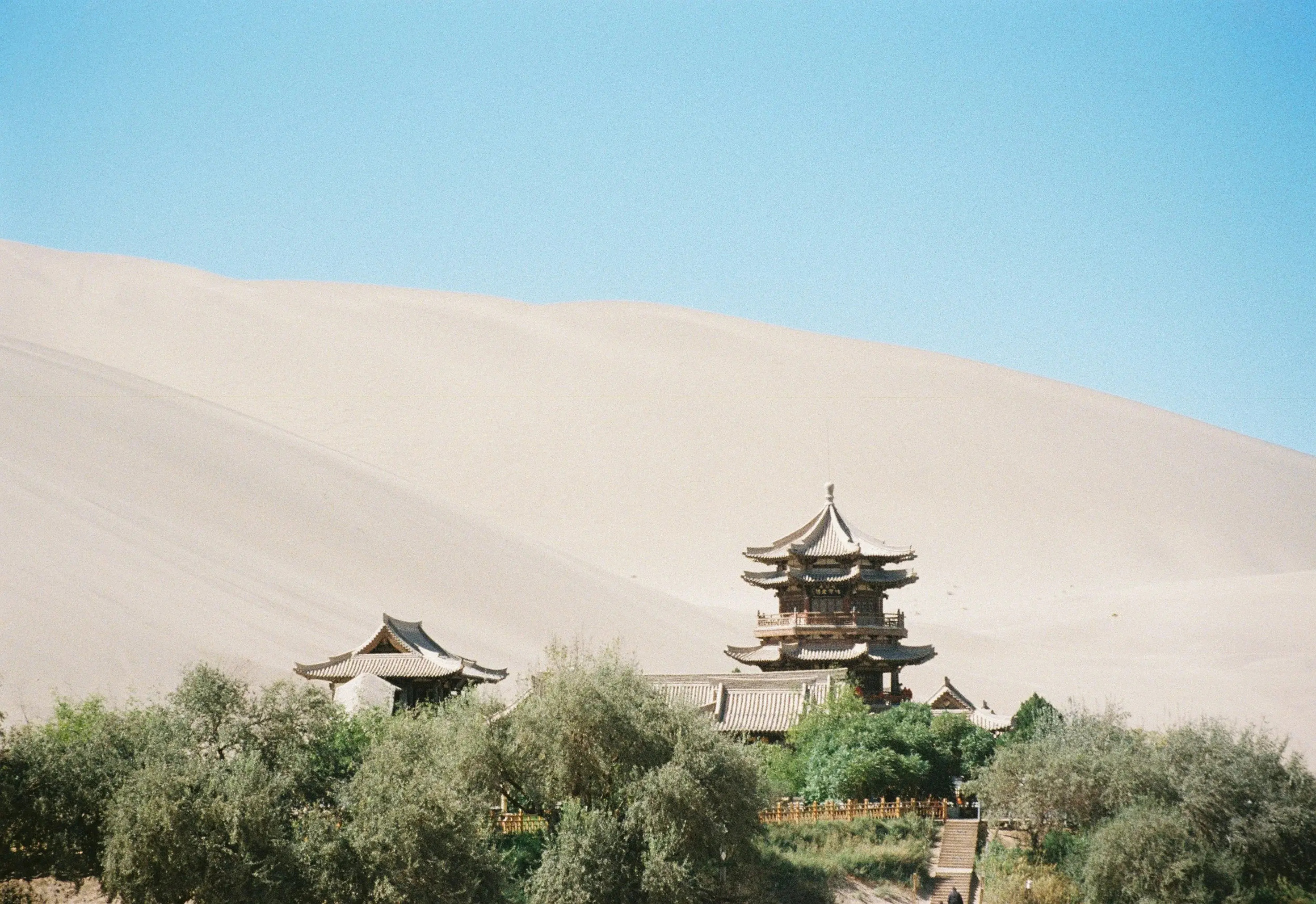 13 days All the Way West Xi'an → Dunhuang → Turpan → Kashgar → Shanghai From $3,500 View route
 25 Famous Chinese Landmarks 2026: Ancient Wonders & Modern Marvels
Introduction: Why Chinese Landmarks Deserve a Place on Every Traveler's List
Few countries can match the sheer range, scale, and historical depth of China’s landmarks. From imperial palaces and sacred temples to misty mountain ranges and futuristic skylines, China offers one of the world’s richest collections of cultural and natural treasures. It is also home to 57 UNESCO World Heritage Sites, giving travelers an extraordinary concentration of places that are not only beautiful, but globally recognized for their significance.
For overseas travelers, the challenge is rarely whether China has enough to see — it is knowing where to begin. This guide is designed to help first-time visitors and returning travelers understand which Chinese landmarks are the most famous, what makes them memorable, and how to fit them into a realistic itinerary. Whether you are searching for iconic Chinese landmarks, famous landmarks in China, or the most important historical landmarks in China, this list will help you plan more confidence.
Some sites tell the story of dynasties and emperors. Others reveal China’s spiritual traditions, engineering achievements, or dramatic natural beauty. Together, they form a vivid introduction to one of the most compelling travel destinations on earth.
China's UNESCO World Heritage Legacy
UNESCO status matters because it gives travelers a useful shortcut: these are places recognized for exceptional cultural or natural value, with strong preservation efforts and enduring global importance. In practical terms, UNESCO-listed sites are often among the most rewarding stops on a China itinerary, especially for travelers who want to focus on heritage, authenticity, and major bucket-list experiences.
As of 2026, China has 57 UNESCO World Heritage Sites, one of the highest totals in the world. These include 39 cultural sites, 14 natural sites, and 4 mixed sites that combine both cultural and natural significance. Exact totals can change over time as new places are added, but the broader takeaway remains the same: China’s heritage is vast, diverse, and internationally celebrated.
Many of the country’s most famous landmarks are UNESCO-recognized, including the Great Wall, the Forbidden City, the Mogao Caves, and the Classical Gardens of Suzhou. Others, such as modern skyline icons and major infrastructure projects, may not carry UNESCO status but are still essential to understanding China today.
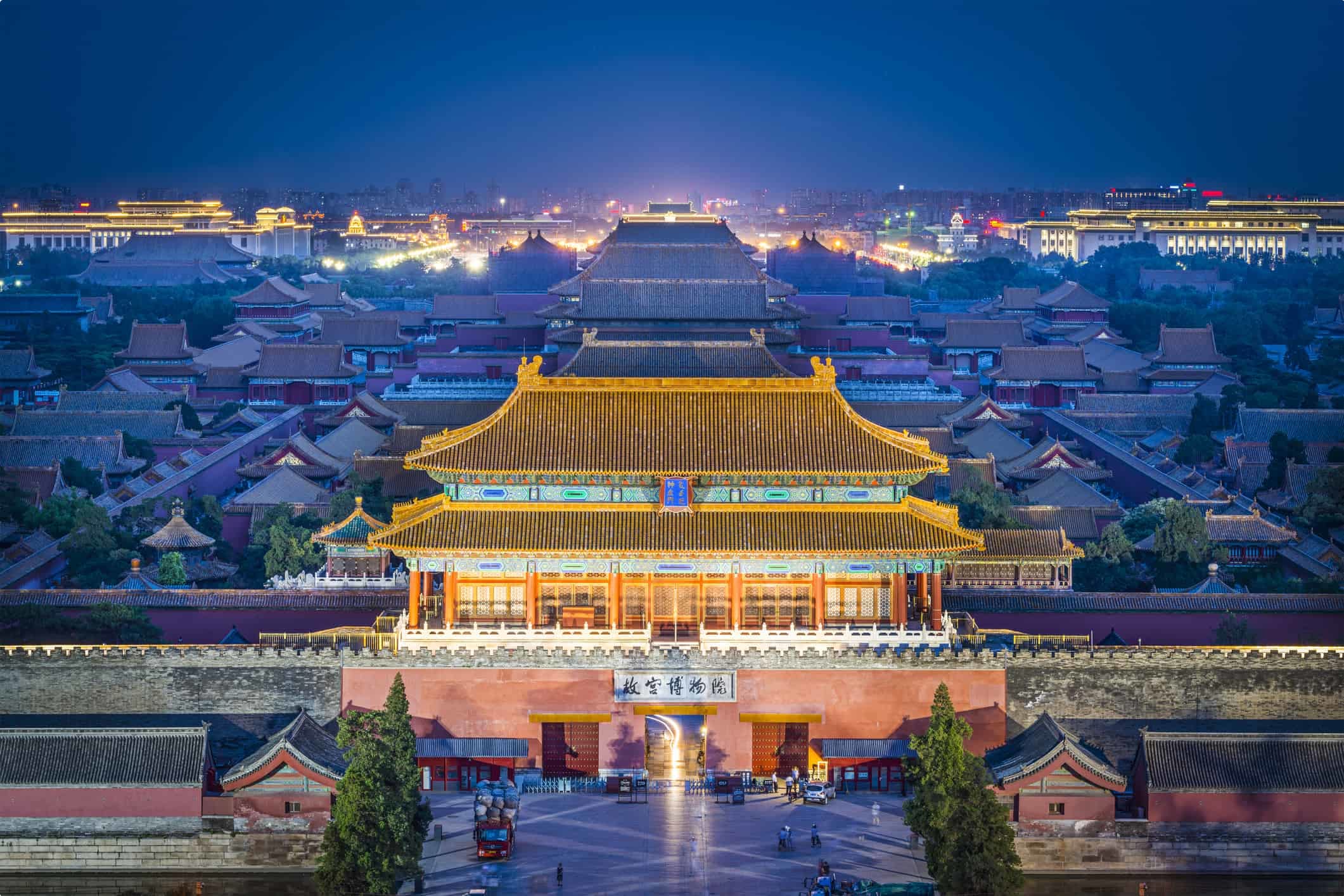
Planning to visit? Our  Forbidden City route map and tickets has the twelve-stop route, the booking window and the passport rule.

If you are planning your first trip, UNESCO sites are an excellent place to start. They offer a strong mix of historical importance, visual impact, and travel value — and many of China’s greatest highlights fall within that group.
25 Famous Chinese Landmarks to Know Before You Go
China’s most famous landmarks can be grouped into four broad categories: ancient wonders, natural landmarks, modern marvels, and religious icons. Together, they show the country’s remarkable range.
Ancient Wonders
1. Great Wall of China The Great Wall is the most famous landmark in China and one of the world’s defining travel icons. Stretching across northern China in a series of walls, passes, and fortifications, it was built and rebuilt over centuries to defend imperial borders. Popular sections near Beijing, such as Mutianyu and Badaling, offer easy access, while wilder stretches reveal the Wall in a more rugged, windswept form.

2. Forbidden City At the heart of Beijing, the Forbidden City is the largest imperial palace complex in the world. Its vast courtyards, gold roofs, and ceremonial halls once formed the political center of imperial China. Walking through its gates is like stepping into the choreography of dynastic power, ritual, and hierarchy.
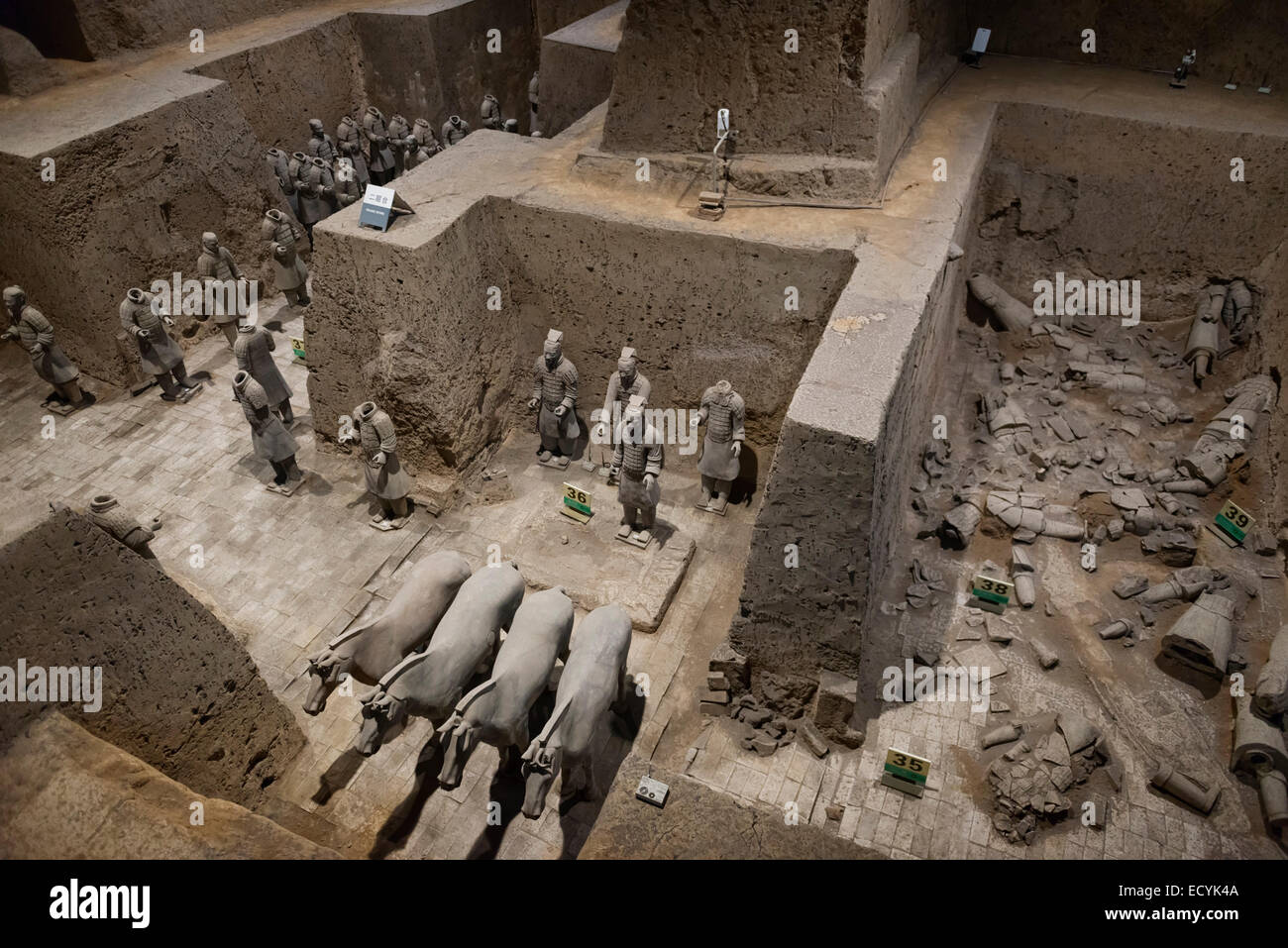
3. Terracotta Warriors Discovered near Xi’an in 1974, the Terracotta Army remains one of archaeology’s greatest finds. Thousands of life-sized soldiers, horses, and chariots were buried to guard the tomb of Qin Shi Huang, China’s first emperor. The scale is impressive, but the individuality of the figures is what stays with most visitors.
4. Temple of Heaven This elegant complex in Beijing was where emperors once prayed for good harvests. Its most famous structure, the Hall of Prayer for Good Harvests, is a masterpiece of symmetry, color, and symbolic architecture. The surrounding park also offers a glimpse of local life, with residents practicing tai chi, singing, and playing cards.
5. Summer Palace The Summer Palace blends imperial architecture with landscaped beauty. Centered around Kunming Lake and Longevity Hill, it served as a retreat from Beijing’s summer heat. Long covered corridors, lakeside pavilions, and willow-lined paths make it one of the most pleasant historical sites to explore at a slower pace.
6. Potala Palace Rising dramatically above Lhasa, the Potala Palace is one of the most visually striking landmarks in China. Once the winter residence of the Dalai Lama, it combines religious importance with commanding architecture. Its white and red walls, steep stairways, and chapels full of sacred art make it a profound stop for travelers to Tibet.
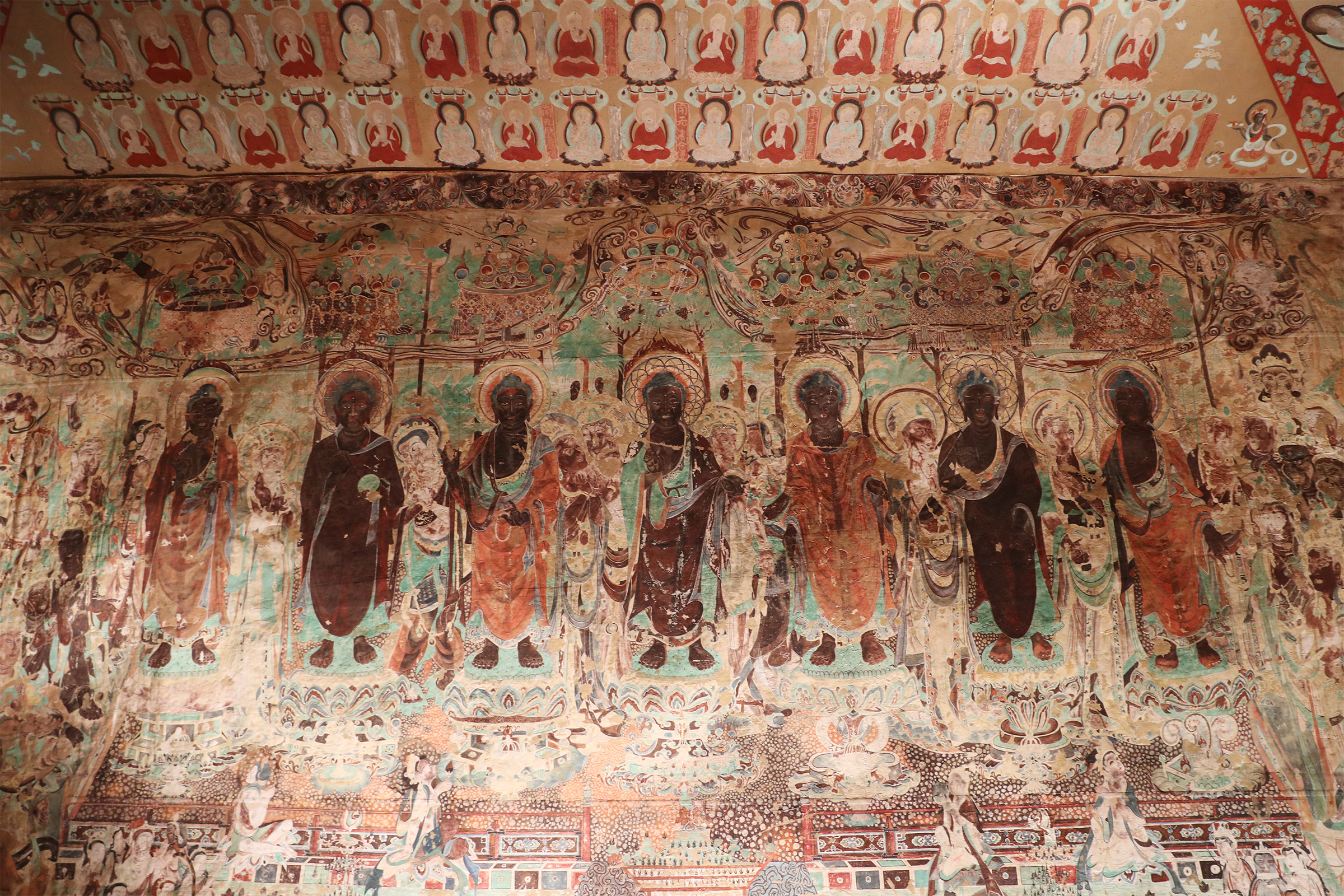
7. Mogao Caves Near Dunhuang on the edge of the Gobi Desert, the Mogao Caves preserve centuries of Buddhist art along the ancient Silk Road. Inside these cave shrines, delicate murals and painted sculptures reveal how ideas, religion, and trade moved across Asia. The desert setting adds to the sense of distance and wonder.
8. Longmen Grottoes Located near Luoyang, the Longmen Grottoes contain thousands of Buddhist carvings cut into limestone cliffs. The site spans multiple dynasties and includes everything from small devotional niches to monumental statues. It is one of the best places to appreciate the spiritual and artistic ambition of medieval China.
9. Pingyao Ancient City Pingyao is one of the best-preserved walled cities in China. Its gray brick lanes, merchant courtyards, watchtowers, and old banking houses provide a vivid sense of urban life in late imperial times. Unlike ruins, Pingyao still feels like a living town, which makes the historical atmosphere especially immersive.
10. Classical Gardens of Suzhou The gardens of Suzhou are quieter than China’s grand palaces, but no less important. Designed as idealized landscapes in miniature, they bring together water, rocks, pavilions, plants, and borrowed views in highly refined compositions. They show a different side of Chinese civilization: intimate, scholarly, poetic.
Natural Landmarks
11. Zhangjiajie Zhangjiajie is famous for its towering sandstone pillars, many of which appear to float in mist after rain. The surreal scenery inspired global attention and remains one of China’s most unforgettable landscapes. Expect dramatic viewpoints, glass walkways, and steep forested valleys.
12. Li River and Guilin Karst Landscape The route between Guilin and Yangshuo is one of China’s classic scenic journeys. Limestone peaks rise like brushstrokes above the river, while bamboo groves, fishing rafts, and village fields create a dreamlike pastoral setting. It is one of the most photographed natural landmarks in the country.
13. Huangshan (Yellow Mountain) Huangshan is celebrated for its granite peaks, twisted pine trees, hot springs, and seas of cloud. For centuries, it inspired painters and poets — and it still feels painterly in real life. Sunrise here, when the mountains glow above drifting fog, is worth the early wake-up.
14. Jiuzhaigou Valley In Sichuan, Jiuzhaigou dazzles with turquoise lakes, layered waterfalls, and forested valleys that change color with the seasons. The water is so clear and vividly blue-green that it often looks unreal in photographs. Autumn is particularly spectacular.
15. Mount Everest North Face From the Tibetan side, Mount Everest feels stark, vast, and solemn. The northern approach is less green and more austere than the Nepal side, but that openness gives the mountain a powerful presence. For many travelers, simply seeing Everest from Tibet is a once-in-a-lifetime experience.
16. Zhangye Danxia Often called the Rainbow Mountains, Zhangye Danxia is known for its layered mineral colors — reds, oranges, yellows, and ochres rippling across the hills. The landscape is most dramatic at sunrise or sunset, when the angled light deepens every stripe and contour.
17. West Lake, Hangzhou West Lake is one of China’s most beloved cultural landscapes. Causeways, willow trees, pagodas, and gentle hills frame a body of water celebrated in poems, paintings, and legends for centuries. It is less wild than China’s mountain scenery, but deeply atmospheric.
18. Wulingyuan Scenic Area Though often associated with Zhangjiajie, Wulingyuan is the broader scenic region that includes sandstone pillars, ravines, streams, and forests across a huge protected area. It rewards travelers who want more than a quick photo stop and are willing to spend time exploring its scale.
Modern Marvels
19. Shanghai Tower and the Bund No pairing captures old and new Shanghai better than the Bund and the skyline opposite it. On one side stand stately colonial-era buildings; on the other rise the futuristic towers of Lujiazui, including Shanghai Tower, one of the tallest buildings in the world. It is one of China’s most striking urban views.
20. Bird's Nest Beijing’s National Stadium, widely known as the Bird’s Nest, became a global icon during the 2008 Olympics. Its woven steel exterior is bold and instantly recognizable, showing how contemporary China uses architecture to project confidence and creativity.
21. Hong Kong-Zhuhai-Macau Bridge At 55 kilometers, this bridge-and-tunnel system is a staggering feat of modern engineering. Linking major cities across the Pearl River Delta, it symbolizes regional connectivity and technical ambition on a grand scale.
22. Three Gorges Dam The Three Gorges Dam is one of the largest hydroelectric projects ever built. Even travelers with mixed feelings about its environmental and social impact often find its scale astonishing. It stands as a landmark of modern infrastructure and state capacity.
Religious Landmarks
23. Shaolin Temple Set on Mount Song in Henan, Shaolin Temple is famous worldwide for its connection to Chan Buddhism and Chinese martial arts. Beyond the kung fu legend, it is an important religious site with deep historical roots.
24. Leshan Giant Buddha Carved into a cliff face in Sichuan, the Leshan Giant Buddha is the largest pre-modern stone Buddha statue in the world. Sitting calmly above the rivers below, it combines spiritual symbolism with astounding craftsmanship.
25. Hanging Temple Clinging to a cliff near Hengshan in Shanxi, the Hanging Temple looks almost impossible from a distance. Built with support beams inserted into the rock, it is one of China’s most unusual landmarks and reflects the coexistence of Buddhist, Taoist, and Confucian traditions.
Historical Landmarks in China: Where to Experience the Dynasties
China’s history stretches across millennia, and its historical landmarks are spread across former capitals, frontier defenses, sacred mountains, trade corridors, and religious centers. For travelers, the best way to make sense of this long imperial timeline is to connect landmarks to the dynasties and regions that shaped them.
A useful starting point is the Eight Ancient Capitals of China: Xi’an, Luoyang, Nanjing, Kaifeng, Hangzhou, Anyang, Zhengzhou, and Beijing. These cities anchor major chapters of Chinese civilization. Xi’an and Luoyang are especially important for early empires and Buddhist heritage. Beijing embodies Ming and Qing imperial authority. Hangzhou reflects the elegance of the Southern Song period, while Nanjing preserves deep political and cultural layers from multiple eras.
If you want to explore by dynasty, several standout sites help bring history into focus. For the Qin Dynasty, the Terracotta Warriors are unmatched, revealing the ambition of China’s first unified empire. For the Han Dynasty, major tomb complexes and heritage remains around central China offer insight into one of the country’s foundational periods. For the Tang Dynasty, Xi’an’s Giant Wild Goose Pagoda and related sites highlight the cosmopolitan power of the Silk Road era. For the Ming and Qing dynasties, the Forbidden City, Great Wall, Ming Tombs, Summer Palace, and Mountain Resort in Chengde show the refinement and scale of late imperial rule.
What makes historical landmarks in China so rewarding is that they are never just monuments. They tell stories of political power, military defense, spiritual devotion, long-distance trade, artistic excellence, and the ways different dynasties imagined order and legitimacy. Seen together, they offer not only beautiful places to visit, but also a powerful framework for understanding China itself.
Famous Buildings and Architecture in China
China’s architecture is one of the clearest windows into its values, beliefs, and technical ingenuity. Traditional Chinese buildings are often defined by timber-frame construction, dougong bracket systems, strict symmetry, courtyard layouts, and sweeping rooflines with upturned eaves. These features are not just decorative. They express hierarchy, balance, ritual order, and an intimate relationship between built space and the natural world.
The Forbidden City shows architecture as a language of political authority: axial planning, layered gates, and elevated halls reinforce imperial status at every step. The Temple of Heaven reflects belief and cosmology through circular forms, symbolic numbers, and ceremonial design. In the Classical Gardens of Suzhou, architecture becomes more intimate and philosophical, framing water, rock, bamboo, and sky in scenes that feel like living paintings.
Modern China tells a different architectural story. In Beijing, CCTV Headquarters challenges conventional skyscraper form with its bold looped structure. Wangjing SOHO uses fluid, futuristic curves to reshape the skyline. In Guangzhou, the slender Canton Tower has become a symbol of contemporary urban ambition. In Shanghai, Shanghai Tower, the Bund, and the towers of Lujiazui place historic facades and cutting-edge engineering in direct conversation.
For travelers, the contrast is one of the great pleasures of visiting China. Ancient design emphasizes symbolism, woodcraft, and harmony; modern architecture celebrates height, experimentation, and technological power. Together, they create one of the world’s most fascinating built environments.
Best Chinese Landmarks for First-Time Visitors
If you are visiting China for the first time and have limited time, five landmarks stand out as the most practical and rewarding shortlist: the Forbidden City, the Great Wall, the Terracotta Warriors, the Summer Palace, and the Temple of Heaven.
These sites work especially well for first trips because they are instantly recognizable, historically important, and relatively straightforward to reach from major travel hubs like Beijing and Xi’an. They also complement one another nicely: the Great Wall shows military history and sheer scale, the Forbidden City reveals imperial power, the Terracotta Warriors bring ancient archaeology to life, the Summer Palace offers a more relaxed imperial setting, and the Temple of Heaven highlights ritual and symbolic architecture.
A few simple planning tips can make a big difference. Book timed-entry tickets early where required, especially for the Forbidden City. Avoid major national holidays if possible, as crowds can be intense. And always allow more time than you think you need — many of these sites are much larger than they appear on a map.
For travelers trying to connect multiple cities efficiently, a good travel agency can help combine transport, admission, and route planning into a smoother first China experience.
Landmarks by Region
Different regions of China offer very different landmark experiences, so grouping your trip geographically can save time and energy.
Beijing is the country’s classic heritage gateway, home to the Great Wall, Forbidden City, and Temple of Heaven. It is ideal for travelers focused on imperial history. Xi’an is essential for ancient China, especially the Terracotta Warriors and Xi’an City Wall. Shanghai is best for urban contrast, with the Bund and Shanghai Tower showcasing old and new China side by side. Tibet centers on the unforgettable Potala Palace, one of the country’s most distinctive cultural landmarks. Gansu offers Silk Road depth through the Mogao Caves and the colorful Zhangye Danxia formations. Sichuan combines spiritual and natural highlights, especially the Leshan Giant Buddha and Jiuzhaigou Valley.
For many travelers, the smartest approach is not trying to see everything at once, but choosing two or three regions that match your interests: imperial history, natural scenery, spiritual heritage, or modern city life.
FAQ: Chinese Landmarks
What is the most famous landmark in China?
The Great Wall of China is widely considered the most famous landmark in China. It is globally recognized, historically significant, and one of the most visited sites in the country.
How many UNESCO World Heritage sites does China have?
As of 2026, China has 57 UNESCO World Heritage Sites, including cultural, natural, and mixed sites. The exact number may change as UNESCO adds new listings.
What is the oldest landmark in China?
That depends on how “landmark” is defined, but some of China’s oldest important sites include ancient ruins, early city remains, and long-standing sacred sites such as parts of Luoyang, Anyang, and early defensive structures that predate later imperial monuments.
Can you visit all the major Chinese landmarks in one trip?
Not realistically in a short trip. China is vast, and major landmarks are spread across multiple provinces and regions. Most travelers are better off focusing on one or two themes — such as imperial history, natural landscapes, or Silk Road heritage — and building an itinerary around them.
What are the best historical places to visit in China?
For most visitors, the top historical places include the Forbidden City, Great Wall, Terracotta Warriors, Summer Palace, and Temple of Heaven. Travelers with more time should also consider Pingyao, Luoyang, Dunhuang, and Lhasa.
Final Thoughts
China’s landmarks are not all the same kind of experience — and that is exactly what makes them so compelling. One day you can stand on a wind-worn wall built for emperors and armies; the next, you can drift past karst peaks on the Li River or look up at a skyline shaped by some of the world’s boldest engineers. The best Chinese landmarks are not just photo stops. They are gateways into the country’s history, beliefs, artistic traditions, and modern ambitions.
If you are planning your route, start with the landmarks that match your interests and the time you actually have. A well-paced trip is almost always more rewarding than trying to collect too many icons too quickly. If you want help linking major sites into a smoother journey, from Beijing and Xi’an to Tibet, Gansu, or Shanghai, working with a specialist can make the logistics far easier.
Ready to start mapping out your own landmark journey through China? Save this guide, share it with your travel companions, and compare which sites are at the top of your list. If you are looking for a deeper cultural route, you can also explore curated China landmark tours or design a custom itinerary that fits your pace and interests.