




 18 days China, End to End Beijing → Xi'an → Chuanzhusi → Jiuzhaigou → Chengdu → Zhangjiajie → Guilin → Yangshuo → Shenzhen From $6,360 View route
  3 days 4-Day Tour of Siguniang Mountain, Biepa Gou, and Dagu Glacier Chengdu → Lixian → Heishui County From $1,599 View route
  5 days Above the Pillars, Then Below Zhangjiajie From $1,430 View route
  3 days After the Last Booth Guangzhou From $840 View route
  13 days All the Way West Xi'an → Dunhuang → Turpan → Kashgar → Shanghai From $3,500 View route
 China Train Travel Guide 2026: How to Book High-Speed Trains & Best Routes
Introduction: Why Train Travel Is One of the Best Ways to Explore China
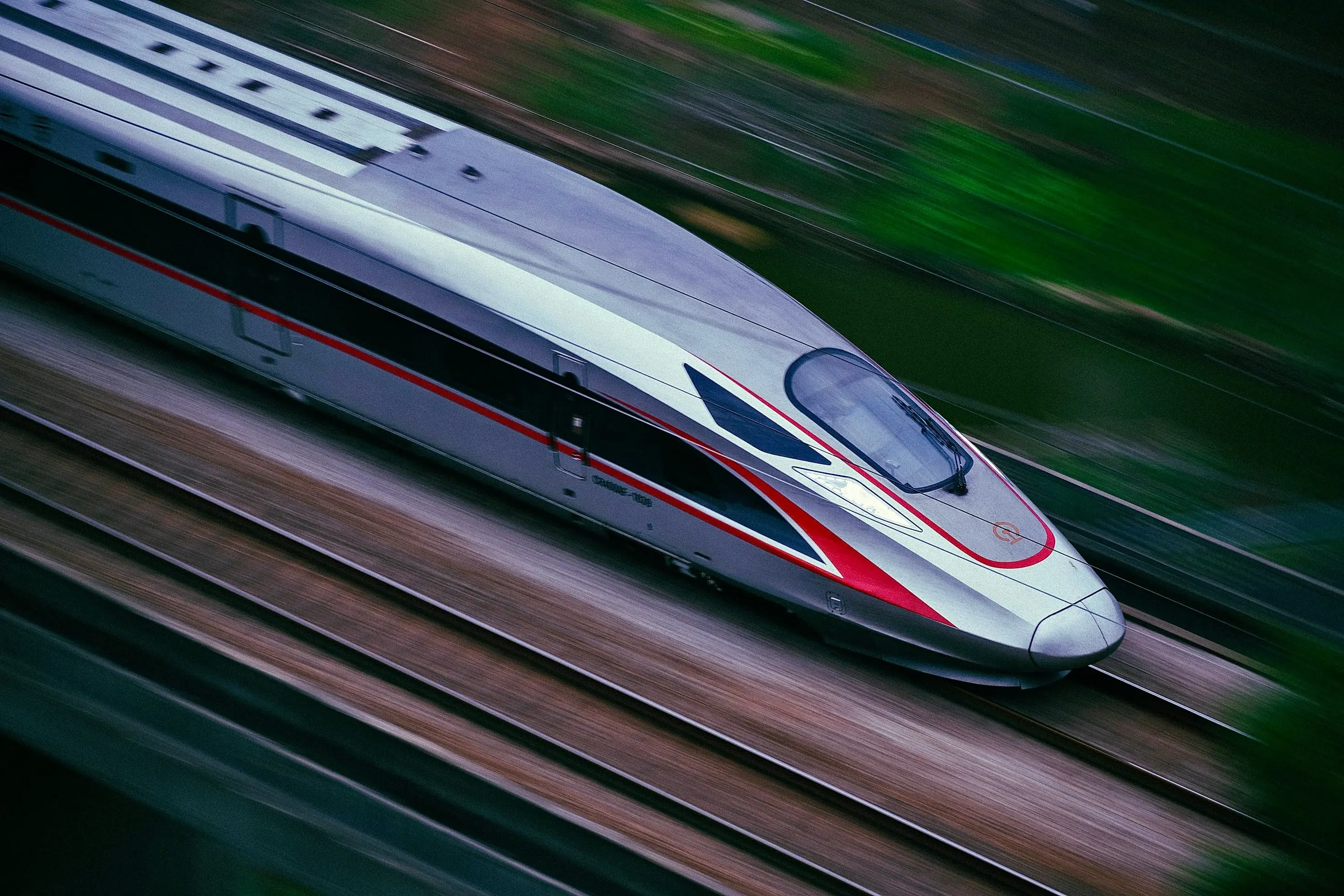
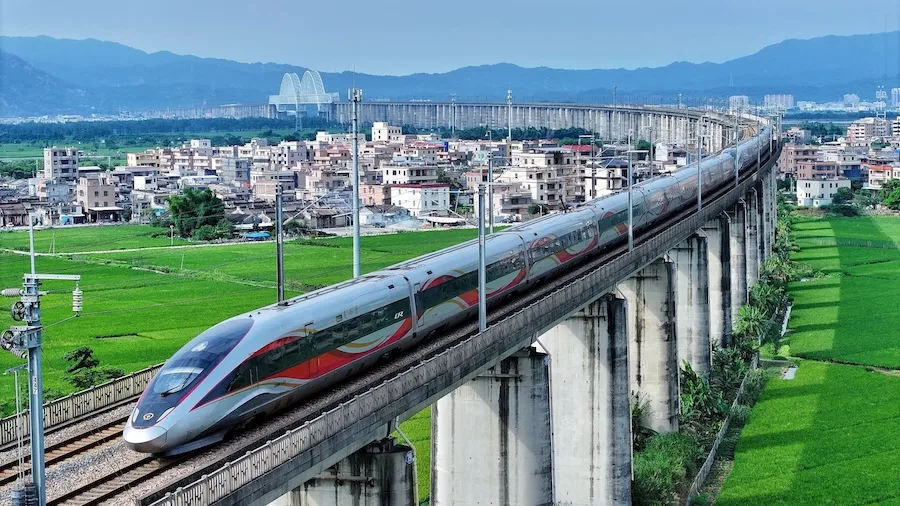
The first time I traveled across China by high-speed train, I understood immediately why so many experienced travelers prefer rail over flying. China has the world’s largest high-speed rail network, with more than 42,000 kilometers of track linking almost every major city and many smaller destinations in between. What looks enormous on a map often feels surprisingly manageable once you are sitting in a clean, modern carriage gliding across the country at 300 km/h.
For overseas visitors, China train travel is often one of the easiest ways to move between cities. Railway stations are usually better connected to city centers than airports, and the process is often more straightforward for medium- and long-distance routes. Instead of adding airport transfers, early check-in, baggage drop, and weather-related flight delays, many travelers find that a high speed train gives them a smoother day overall.
In this guide, I will focus on the information first-time visitors usually need most: how China’s railway system works, how to book train tickets, and which routes make the most sense for a practical itinerary. I will also cover the famous Beijing to Shanghai high-speed train, the easy Shanghai to Hangzhou by train route, and several other popular journeys worth considering.
One important note before we begin: ticket rules, station procedures, passport verification methods, and app functions can change by route and station. Always double-check the latest details before departure, especially during holidays or if you are traveling with a foreign passport.
China’s High-Speed Rail System: What to Expect
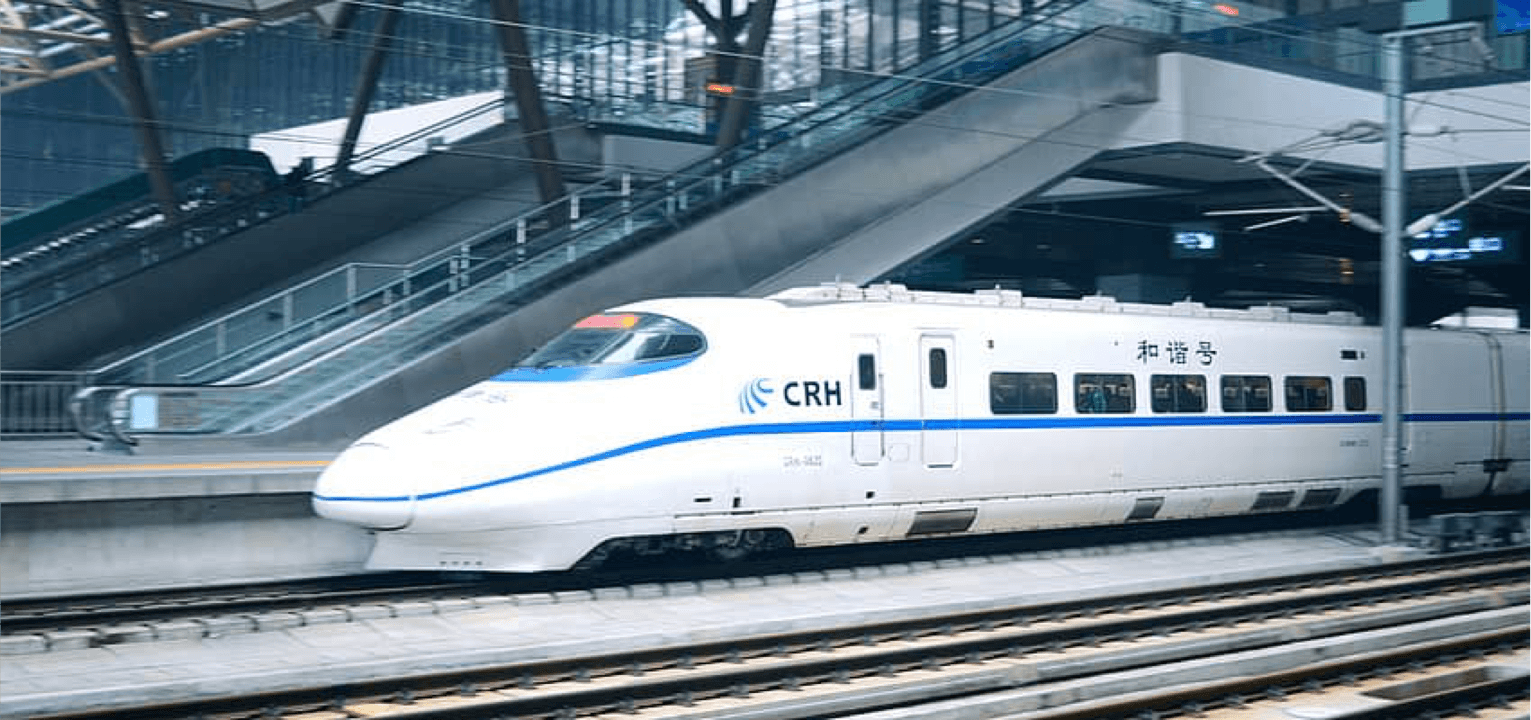
China’s railway system is large, layered, and much easier to use once you understand the train categories. In simple terms, most overseas travelers will mainly deal with three groups: G-series, D-series, and conventional K/T/Z-series trains.
G-series trains are the flagship high-speed services. These are the fastest and most modern trains, usually running at around 300 to 350 km/h. If you are traveling between major cities like Beijing, Shanghai, Hangzhou, Xi’an, or Guangzhou, this is usually the best option. They are fast, comfortable, and ideal for travelers who value convenience.
D-series trains are also fast, though generally slower than G trains, usually operating around 200 to 250 km/h. They can still be very efficient, especially on regional routes or where the G-series schedule is limited.
K, T, and Z trains are conventional rail services. They are slower, older, and usually cheaper. Budget travelers or people taking overnight journeys sometimes choose them, but for most short-term international visitors, G trains offer the best balance of time, comfort, and reliability.
Seat classes are another important part of the experience. On a benchmark route like the Beijing to Shanghai high speed train, prices typically look something like this:
- Business Class: around 1,748 RMB, with wide seats that can recline almost flat
- First Class: around 933 RMB, with a roomier 2+2 seating layout
- Second Class: around 553 RMB, with a standard 3+2 layout and the best value for most travelers
For most people, Second Class is perfectly comfortable on daytime journeys. The cabin is clean, the seats recline slightly, and the legroom is reasonable. If you want a quieter and more spacious ride, First Class is a worthwhile upgrade, especially on longer trips.
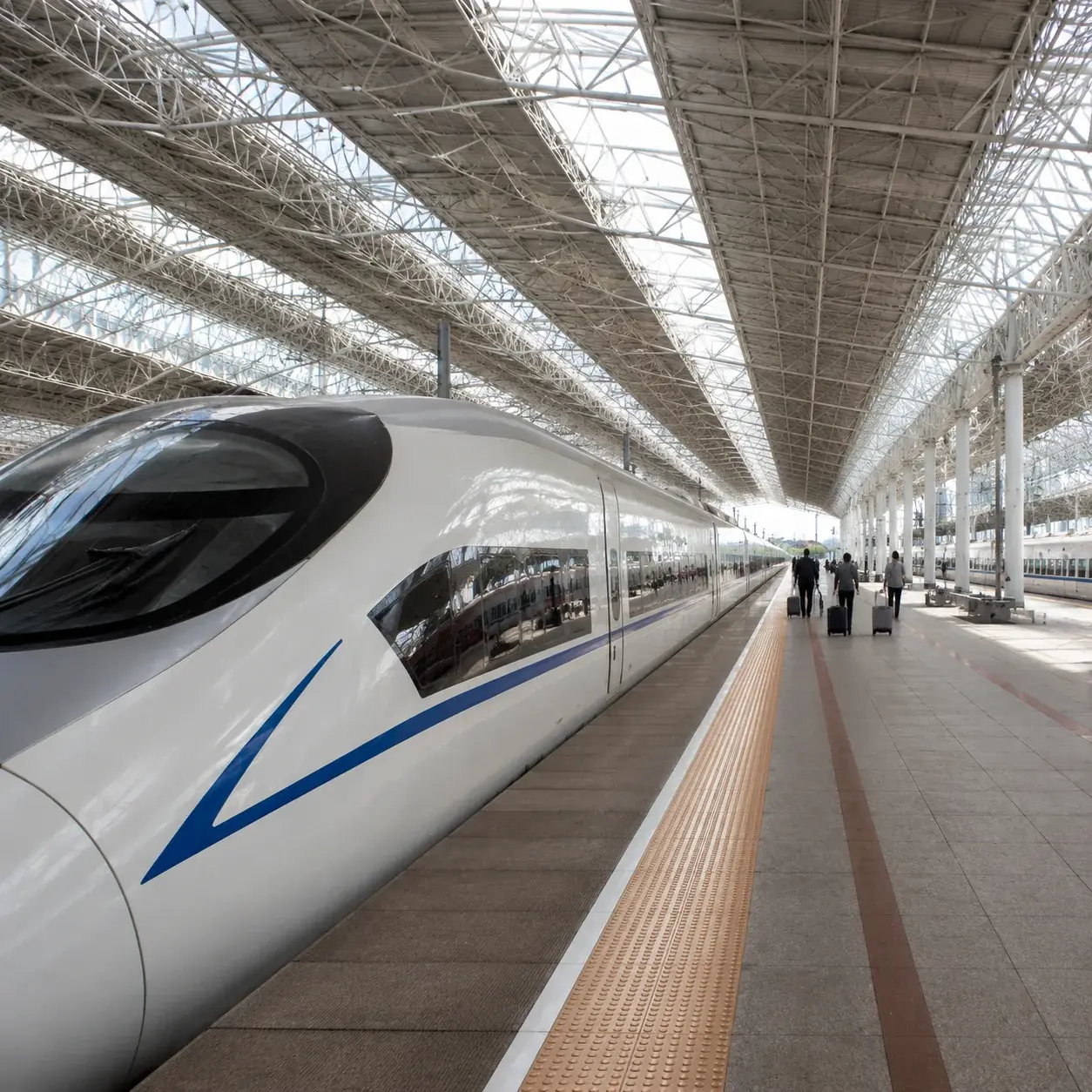
Onboard, the experience is usually efficient and comfortable. You can generally expect power outlets, overhead luggage racks, clean restrooms, tray tables, and attendants moving through the train with snacks and drinks. Some trains also have a dining car or hot meal service. Wi-Fi is sometimes available, but access can be inconsistent, and in some cases it may require a Chinese mobile number or local verification. I always recommend downloading maps, tickets, hotel addresses, and translation tools in advance.
If you are searching for the China high speed train official website, the key platform to know is 12306, the official railway booking system. It is the core channel for China railway booking, but many overseas travelers still prefer third-party platforms because they are easier to use in English and more flexible with international payments.
Beijing to Shanghai High-Speed Train: The Most Popular Long-Distance Route
If there is one route that defines modern rail travel in China, it is the Beijing to Shanghai high-speed train. This is one of the country’s busiest, fastest, and most useful long-distance journeys, and it is also one of the most searched routes by international visitors. Whether you search for the Shanghai to Beijing train, high speed train from Shanghai to Beijing, or train ticket from Beijing to Shanghai, you are looking at one of China’s flagship rail corridors.
The route covers approximately 1,318 kilometers, yet the fastest G-series services complete the trip in roughly 4.5 to 6 hours, depending on the train number and how many intermediate stops it makes. That is an extraordinary distance-to-time ratio, especially when you consider that both stations are integrated into major urban transport systems.
Most services run between Beijing South Railway Station and Shanghai Hongqiao Railway Station. These are not minor terminals on the edge of nowhere. They are major transit hubs connected to metro systems, taxi stands, and airport transfer links. In practical travel terms, this matters a lot. You arrive where you can continue your trip quickly instead of losing another hour or two on airport transfers.
A typical day offers 40 or more departures, which makes the route highly flexible. Morning trains are ideal for travelers who want to maximize sightseeing time, while evening departures can work well for those finishing business meetings or transferring from another city. As a rough example, early departures may leave around 6:30 AM and arrive close to 11:30 AM, while some later trains can depart around 7:00 PM and arrive before midnight.
When people compare Shanghai Beijing travel options, they often start with flight time. On paper, a flight may seem faster. But in reality, you need to add transport to the airport, early arrival for check-in, security, boarding, baggage handling, and then transport from the arrival airport into the city. Suddenly, a “2-hour flight” can easily become a 6-hour or even longer travel day. By contrast, the China Beijing to Shanghai high speed train often feels more efficient from door to door.
There are other practical advantages too. Trains are generally more forgiving for luggage, easier for families, and less vulnerable to weather disruption. You can keep your bags with you, stand up and walk around during the trip, and enjoy a far calmer boarding process than most domestic flights.
If you are planning a classic first trip to China, this is one of the strongest routes you can choose. It connects two of the country’s most important cities while turning the journey itself into a smooth and enjoyable part of the experience.
Shanghai to Hangzhou by Train: An Easy Day Trip or Short Transfer
If the Beijing-Shanghai corridor is China’s headline route, then the Shanghai to Hangzhou by train journey is one of its easiest and most rewarding short hops. This route is fast, frequent, and almost tailor-made for first-time visitors who want to see more than one city without spending much time in transit.
The distance is about 170 kilometers, and the fastest trains usually take around 45 minutes to 1 hour, depending on the exact departure and arrival stations. In practical terms, this means you can leave Shanghai after breakfast and be walking beside West Lake in Hangzhou before the morning has fully unfolded.
One reason the train from Shanghai to Hangzhou is so convenient is the sheer frequency of departures. On many days, trains from Shanghai to Hangzhou leave every 15 to 30 minutes, so you usually do not need to build your entire day around a single narrow departure window. That flexibility is especially useful if you are combining sightseeing, hotel check-out, or airport transfers.
Second Class tickets are often around 73 RMB, making this route affordable even for travelers on a careful budget. Yet despite the low price, you still get the speed, cleanliness, and efficiency that make China’s high-speed network so impressive.
I often recommend this route to travelers who want contrast in a short itinerary. Shanghai gives you skylines, museums, historic lanes, and fast urban energy. Hangzhou offers a softer rhythm: willow-lined lake paths, tea hills, temple views, and a more reflective atmosphere. Taking the train between them is so easy that a day trip is absolutely realistic, though staying one night gives you time to enjoy Hangzhou after the daytime crowds thin out.
How to Book Train Tickets in China as a Foreigner
One of the most common questions I hear is simple: how to buy train tickets in China if you are not a local user. The good news is that booking has become easier than it used to be, but the best method still depends on your comfort level with apps, payment systems, and passport verification.
Option 1: 12306 Official App
The official answer to how to book high speed rail in China is the 12306 platform, available as an app and website. This is the main official channel for China railway booking, and in many cases it gives you the lowest base fare without third-party service charges.
However, many foreign travelers find it less intuitive than international booking platforms. Registration can involve identity checks, and payment setup may not always be seamless if you are using overseas cards or unfamiliar mobile systems. The platform has become more foreigner-friendly over time, and English support has improved, but it can still feel technical.
Tickets are usually released 15 days before departure, and on popular routes they can sell out quickly, especially around Chinese New Year, National Day, or summer travel peaks.
Option 2: Trip.com or Similar International-Friendly Platforms
For many visitors, this is the easiest choice. Platforms like Trip.com offer an English interface, familiar booking flow, and acceptance of international credit cards. If you are booking Shanghai to Beijing train tickets or planning a multi-city trip, the convenience can be well worth the small service fee, often around 5%.
This option works especially well for travelers who want quick confirmation, easier customer support in English, and a smoother payment experience.
Option 3: Travel Agency or Travel Service
This is often the most stress-free route, especially for travelers planning a more complex itinerary. A travel agency can be helpful when you are booking difficult holiday dates, arranging multiple cities, combining trains with hotels and airport pickups, or trying to coordinate around family needs.
In my experience, this is where a professional China travel service adds real value. Instead of simply issuing a ticket, a good agency can help match station names correctly, advise on transfer times, monitor availability on competitive routes, and coordinate practical details like hotel delivery, driver service, or backup options if a preferred train sells out.
For overseas travelers with limited time, that support can be more useful than saving a small amount on the base fare.
Option 4: Buy at the Station
You can still buy tickets at the station in many cases, and all you generally need is your passport. But this is the least predictable option. Lines can be long, language support may vary, and popular services may already be sold out by the time you arrive.
I usually only suggest this for flexible travelers on short regional routes, or as a backup if online booking fails.
Important Booking Tips
A few practical tips can save you a great deal of stress:
- Book early during peak periods. Holiday tickets can disappear extremely fast.
- Match your passport exactly. Even a small name mismatch can cause trouble during verification.
- Check the departure station carefully. Large cities often have multiple railway stations.
- Arrive early. For major stations, 45 to 60 minutes is a comfortable minimum for first-time visitors.
- Understand e-ticket rules. Many stations now support passport-based digital boarding, but not every route or gate works the same way.
- Use manual assistance if needed. If your passport does not scan properly at an automatic gate, station staff can usually direct you to a manual lane.
If you are nervous about the system, do not worry too much. Once your ticket is confirmed and your passport details are correct, the rest of the process is usually easier than many first-time travelers expect.
Other Popular High-Speed Train Routes in China
Beyond the headline routes, China’s network makes many classic itineraries easier than they look on the map. Here are a few routes that often work especially well for overseas travelers.
Xi’an to Beijing
The Xi’an to Beijing high speed train is a strong choice for travelers combining imperial history with the modern capital. The journey takes about 4.5 hours, with fares often starting around 515 RMB for Second Class. If your trip includes the Terracotta Warriors, ancient city walls, and then major sights like the Forbidden City or the Great Wall, this is a practical and comfortable link.
Chengdu to Xi’an
This route is a favorite for travelers moving between Sichuan cuisine, panda culture, and northwest history. Travel time is about 3 hours, with tickets often around 263 RMB. It is one of the easiest ways to connect two cities that both deserve a place on a first or second China itinerary.
Guangzhou to Hong Kong
The Guangzhou to Hong Kong train is fast, efficient, and especially useful for international travelers entering or leaving southern China. The trip takes about 50 minutes, with fares around 215 RMB depending on class and service. If you are searching for HK to China train options, this corridor is one of the smoothest cross-border rail experiences.
Hong Kong to Beijing
For travelers with time and a taste for long overland journeys, the Hong Kong to Beijing high speed train is one of the most ambitious direct rail routes in the country. Travel time is about 8.5 hours, and fares can be around 1,000 RMB. It is a long day, but it offers the unusual pleasure of watching the landscape shift dramatically as you move from the Pearl River Delta to the capital region.
Beijing to Harbin
This is a rewarding route for winter travelers or anyone curious about northeast China. Harbin is famous for its ice festival, Russian architectural influences, and dramatic cold-season atmosphere. High-speed trains make the journey much more manageable than it once was, turning what used to feel far-flung into a realistic extension from Beijing.
China Train Travel Tips for a Smoother Journey
Even on an excellent rail network, a few small habits can make your trip much easier.
First, pay close attention to station names. Cities like Shanghai, Beijing, Guangzhou, and Hangzhou have multiple major stations, and the difference matters. Shanghai Hongqiao, Shanghai Railway Station, and Shanghai South are not interchangeable. I have seen more confusion over station names than almost any other train-related issue.
Second, arrive with enough time to navigate the station calmly. China’s main railway hubs are efficient, but they are also large. Security checks, ID verification, escalators, waiting halls, and gate changes all take time. Once you understand the rhythm, it feels simple, but the first experience is easier if you are not rushing.
Third, keep essentials close at hand. Your passport, phone, booking confirmation, hotel address, and any translation screenshots should be easy to reach. A portable charger is one of the smartest things you can carry, especially if you rely on your phone for tickets, maps, and messaging.
Fourth, pack snacks if you have dietary preferences. Trains do sell food, and station convenience stores are often useful, but options may be limited if you have strict dietary needs or young children with you.
Fifth, do not overpack just because train baggage rules feel less strict than airline rules. You still need to carry your luggage through a large station and lift it into storage space. On a route like the Shanghai to Beijing train, lighter luggage makes the experience noticeably easier.
Finally, if you are planning a complicated itinerary, consider getting expert help rather than trying to optimize every connection yourself. A professional travel service can be especially useful for first-time travelers, elderly passengers, families, or anyone moving across several cities in a short period.
Final Thoughts: Why China Train Travel Is Worth Building Into Your Trip
China’s high-speed rail system is more than a way to get from one city to another. It changes the shape of a trip. It lets you pair Beijing and Shanghai without losing a day to airports. It makes Shanghai to Hangzhou by train feel almost effortless. It opens up practical combinations like Xi’an and Beijing, Guangzhou and Hong Kong, or even longer journeys that would once have seemed too tiring.
For most overseas visitors, the sweet spot is simple: choose high-speed rail for major city-to-city routes, book early, verify your passport details carefully, and leave enough station time for a relaxed start. If the booking system feels confusing or your itinerary has a lot of moving parts, getting help is often the smartest choice, not a shortcut.
If you are planning your first China rail journey, save this guide for later, compare your route options carefully, and think about where train travel could make your trip smoother rather than just cheaper. In many cases, the train is not only the practical choice. It is also one of the most enjoyable ways to see the country unfold.