




 18 days China, End to End Beijing → Xi'an → Chuanzhusi → Jiuzhaigou → Chengdu → Zhangjiajie → Guilin → Yangshuo → Shenzhen From $6,360 View route
  3 days 4-Day Tour of Siguniang Mountain, Biepa Gou, and Dagu Glacier Chengdu → Lixian → Heishui County From $1,599 View route
  5 days Above the Pillars, Then Below Zhangjiajie From $1,430 View route
  3 days After the Last Booth Guangzhou From $840 View route
  13 days All the Way West Xi'an → Dunhuang → Turpan → Kashgar → Shanghai From $3,500 View route
 China SIM Card & eSIM Guide 2026: Stay Connected During Your Trip

Staying connected in China sounds simple until you actually arrive. Many travelers assume they can land, connect to hotel Wi-Fi, and use the same apps and phone setup they rely on at home. In reality, having a China SIM card, a Chinese SIM card, or a travel eSIM can make your trip far easier from the moment you leave the airport.
A local connection is useful for much more than checking maps. You may need a phone number for SMS verification, train booking, ride-hailing, public Wi-Fi logins, restaurant reservations, or contacting hotels and local guides. Even when Wi-Fi is available, it is not always enough for a smooth day of moving around a new city.
This guide breaks down the best ways to stay connected in China in 2026. Whether you are deciding between a physical SIM, a travel eSIM, or international roaming, the right choice depends on your itinerary, budget, and whether you need a local Chinese phone number.
Why You Need a Chinese SIM Card
A sim card for China is often the simplest way to stay online reliably during your trip. While many hotels, airports, and cafés offer Wi-Fi, access can be inconsistent, and some networks require SMS verification before you can log in. If you do not have a working number that can receive messages smoothly, even basic internet access can become frustrating.
A China phone card is especially useful if you plan to use local apps. In China, travelers often rely on tools for ride-hailing, train tickets, restaurant reviews, food delivery, and attraction bookings. Depending on the app, you may be asked to verify your account with a phone number. In some cases, an overseas number works; in others, a Chinese SIM card makes the process much easier.
Cost is another major reason. Compared with international roaming, a local SIM is usually far more affordable for medium or longer trips. If you are spending more than a few days in China, local data plans often provide better value and fewer surprises on your phone bill.
Most importantly, a local number helps you stay reachable. Hotels may call to confirm details, drivers may need to contact you, and customer service lines inside China are much easier to use when you have a local number. If your trip includes multiple cities or independent travel days, that convenience quickly becomes essential.
Best SIM Card Options for Travelers in China
China has three main mobile networks: China Mobile, China Unicom, and China Telecom. All three can be good choices for travelers, but they differ in coverage, phone compatibility, and how easy the purchase process may feel for foreigners.
China Mobile — Best Coverage
If you are traveling across several cities or heading beyond major urban centers, China Mobile is often the first option people consider. It is known for broad network coverage and tends to perform well in many parts of the country, including routes that connect big cities with smaller destinations.
For travelers doing a classic China itinerary such as Beijing, Xi’an, Chengdu, Guilin, and Shanghai, China Mobile is often a safe choice. It is also worth considering if you expect long train journeys or time in scenic rural areas where signal strength matters.
China Unicom — Best for Foreigners
China Unicom is frequently seen as one of the most foreigner-friendly options. Many travelers report that its plans are easier to understand, and it is often compatible with a wider range of international phones. If you are unsure whether your device will work smoothly on Chinese networks, Unicom is a sensible place to start.
In major cities, Unicom stores may also be more accustomed to helping foreign passport holders register a prepaid line. For short-term visitors who want a straightforward setup, this can save time.
China Telecom — Good in Some Southern Areas
China Telecom can also be a solid option, especially in certain southern regions. It may not be the first carrier most travelers think of, but it is still a major national operator with competitive plans and dependable service in many places.
If you are comparing offers in person, do not rule it out. Sometimes the best choice comes down to the specific branch, current promotion, and whether the staff can help you complete registration smoothly.
Where to Buy
You can usually get a China travel SIM card in three main ways:
- Airport counters: The most convenient option after landing, but often more expensive and sometimes limited in plan choice.
- Official carrier stores: Usually better for plan selection and troubleshooting, though you will need your passport and a bit more time.
- Online pre-booking with airport pickup: A useful middle ground if you want to reserve in advance and collect it after arrival.
If you want to get a Chinese SIM card with the least stress, airport pickup or a major downtown carrier store are often the best options.
Typical Tourist SIM Plans
Tourist SIM pricing changes by city, promotion, and seller, but common ranges look like this:
- 7 days: around RMB 100, usually 10–20GB
- 15 days: around RMB 150, usually 20–30GB
- 30 days: around RMB 200, usually 30–50GB
These plans are often more than enough for navigation, messaging, social media, and regular travel use. If you expect to stream heavily or upload a lot of video, check the fair-use policy before buying.
How to Get a Chinese Phone Number as a Foreigner
If your priority is app registration, receiving SMS codes, or being reachable by local contacts, you may specifically want to know how to get a Chinese phone number. The good news is that foreigners can usually do this legally and fairly easily, as long as they follow the registration process.
China requires real-name registration for telecom services, so you cannot simply buy an anonymous prepaid card at a convenience store. To get a Chinese phone number, you will normally need to visit an official carrier branch with your passport.
Step-by-Step Process
- Bring your passport to an official carrier store. Major city branches are usually the easiest places to handle this.
- Choose a plan. Ask for a tourist plan or prepaid package with data.
- Complete real-name verification. This often includes passport scanning, a photo, and sometimes a face scan.
- Activate the line. In many cases, your number starts working shortly afterward.
If you are wondering how to get a Chinese phone number without wasting time, go to a larger branch rather than a very small neighborhood store. Staff in busy city locations tend to be more familiar with foreign passports and can usually explain the available plans more clearly.
Online Pre-Order
Some travelers prefer to arrange their number before arrival. You may be able to pre-order through:
- Official China Mobile or China Unicom channels
- Travel platforms such as Klook or KKday
- Airport pickup providers linked through booking sites
This option can be convenient, especially if you are arriving late or want everything ready in advance. Still, pickup rules, activation steps, and stock availability can change, so always confirm the latest details before your trip.
Important Tips
Before leaving the store, ask staff to test the line and make sure mobile data is actually working. This small step can save a lot of confusion later.
Also keep these points in mind:
- Make sure your phone is unlocked before you travel.
- Download the carrier’s app if possible so you can check your data usage and balance.
- If you are leaving major cities, make sure you have enough credit or data in advance.
- Save your new Chinese phone number somewhere offline in case you need it for hotel forms or bookings.
For many travelers, getting a local number is the difference between a trip that feels complicated and one that feels manageable.
China eSIM Options: The Easiest Choice for Short Trips?
For short stays, a travel eSIM for China is often the easiest setup of all. Instead of swapping physical cards, you scan a QR code, activate the plan, and connect as soon as your phone is ready. If your device supports eSIM, this can be the smoothest option for arrival day.
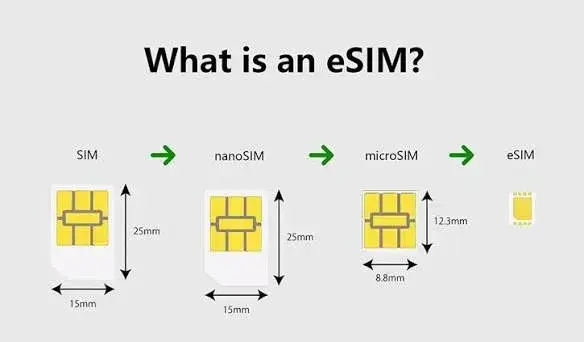
What Is an eSIM?
An eSIM is a digital SIM built into your phone. You do not insert anything physically. After purchase, the provider sends setup instructions, usually including a QR code. Once installed, you can switch on the plan and start using mobile data.
This is ideal for travelers who want internet access the moment they land, especially if they need maps, messaging, or translation apps before reaching their hotel.
Best eSIM Providers for China
Here are three popular options travelers often compare:
| Provider | 7-Day Price | Data | VPN Bypass |
|---|---|---|---|
| Holafly | $19 | Unlimited | ✅ |
| Airalo | $9 | 3GB | ✅ |
| Nomad | $11 | 5GB | ✅ |
Prices and routing can change, but these brands are commonly used for eSIM China travel and are generally easy to purchase before departure.
eSIM + International Routing Advantage
One reason travelers like eSIMs is that some plans route traffic through servers outside mainland China. In practice, this may allow access to services such as Google, Gmail, Instagram, Facebook, or WhatsApp without setting up a separate VPN. This is why some people specifically search for an eSIM for China with VPN benefits.
That said, this should not be treated as a universal guarantee. Routing methods can change by provider, package, or network condition. If uninterrupted access to certain services is essential for your work or trip, it is still wise to research current user experiences and have a backup plan. If this matters to you, it is also worth reading a dedicated VPN guide before departure.
eSIM Limitations
The main downside is simple: most eSIM plans are data only. They do not give you a local Chinese number.
That means an eSIM may not help if you need to:
- Register certain local apps
- Receive SMS verification codes tied to a Chinese number
- Make standard local phone calls
- Be called easily by local drivers, hotels, or service staff
So while a travel eSIM for China is excellent for data, it does not fully replace a local number for every traveler.
The Best Combo for Many Travelers
For many visitors, the smartest setup is actually a combination:
- eSIM for data and easier access to international services
- Low-cost Chinese SIM card for app registration and local calls
This is especially useful for longer independent trips. If you are planning train travel, restaurant reservations, domestic transportation, or frequent communication with local contacts, the combination gives you flexibility without depending on a single system.
SIM Card vs eSIM vs Roaming: Which Option Is Best?
The best option depends on how you travel.
A physical Chinese SIM card is usually best if you need a local number, plan to use local apps heavily, or are staying for more than a short city break. It offers the most practical day-to-day integration inside China.
An eSIM is ideal for short trips, first-time visitors, and travelers who mainly need mobile data right away. It is simple, fast, and convenient, especially if your phone supports it.
International roaming works best for travelers who want maximum simplicity and are willing to pay more. It can be fine for business trips or very short stays, but it is rarely the most cost-effective option for longer travel.
If I were advising most independent travelers, I would say this: choose an eSIM if convenience is your top priority, choose a local SIM if function matters most, and combine both if you want the least compromise.
International Roaming — A Simple Alternative
If you do not want to deal with a local SIM or eSIM at all, international roaming is the easiest fallback. Providers such as Google Fi and some T-Mobile plans can work in China, and many travelers like them because setup is effortless. You keep your existing number, your phone works as usual, and some services may be easier to access depending on your carrier’s routing.
The downside is cost. Roaming is often much more expensive than a local SIM or eSIM, especially if you use a lot of data. Speeds and reliability can also vary. For a short business trip, this may be acceptable. For a longer vacation, most travelers will find better value elsewhere.
How to Call China
If you need to call a number in mainland China from abroad, the China international code phone prefix is +86.
From the United States, the format is usually:
011-86-XXX-XXXX-XXXX
If you are saving the number in your phone, you can usually enter it as:
+86 XXX XXXX XXXX
If you are wondering how to call China from a US cell phone, first check whether your carrier allows international calling and what rates apply. Charges can be surprisingly high if you do not have an international plan.
For many travelers, internet-based calling is the easier option. If both sides use the same app, services like WeChat voice calling can be more convenient than traditional international dialing. WhatsApp may also work depending on your connection setup.
FAQ
1. Can foreigners buy a SIM card in China?
Yes. Foreigners can usually buy a SIM card in China, but they must complete real-name registration with a passport. Policies can vary slightly by branch and city, so official carrier stores in major cities are usually the easiest option.
2. Do I need a Chinese phone number to use Wi-Fi?
Not always, but sometimes it helps. Some public Wi-Fi systems or app-based logins may request SMS verification. Requirements vary depending on the provider, location, and city.
3. Is eSIM better than a physical SIM for China?
It depends on your needs. eSIM is better for convenience and instant data access. A physical SIM is better if you need a local Chinese phone number for app registration, SMS verification, or local calls.
4. Can I use my own phone in China?
Usually yes, as long as your phone is unlocked and compatible with the network bands used by your chosen carrier or eSIM provider. It is worth checking compatibility before departure.
5. How do I top up my Chinese SIM card?
You can often top up through the carrier’s app, at official stores, or via supported local payment channels. If you are unsure, ask the store staff to show you how to check your balance and recharge before you leave.
Final Thoughts
Sorting out mobile data may not be the most exciting part of planning a China trip, but it can shape your experience more than you expect. The right setup affects how easily you navigate cities, book transport, contact hotels, use local apps, and solve small problems on the go.
If you want the simplest arrival experience, a travel eSIM is hard to beat. If you need deeper local functionality, a Chinese SIM card is still the most useful tool. And if your itinerary is more complex, combining both can give you the smoothest experience.
As with many parts of travel in China, a little preparation goes a long way. And once your connectivity is sorted, the rest of the trip becomes much easier to enjoy.
If you are planning a journey and want help with the bigger picture, from route design to transport and local support, LyrikTrip can help make the travel side feel just as smooth as your phone setup. Save this guide for later, share it with someone planning a China trip, and compare notes with other travelers about what worked best for your itinerary.