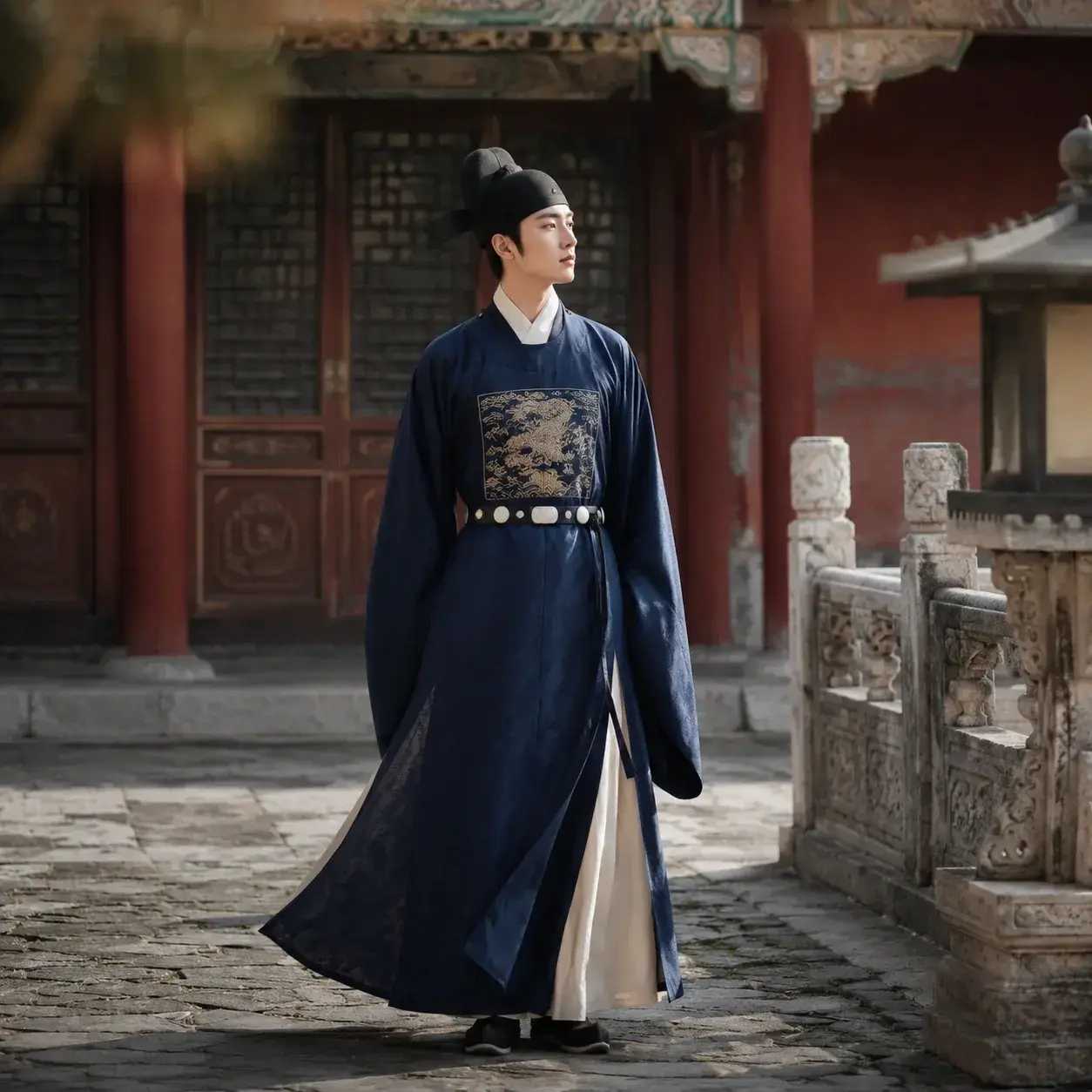





 18 days China, End to End Beijing → Xi'an → Chuanzhusi → Jiuzhaigou → Chengdu → Zhangjiajie → Guilin → Yangshuo → Shenzhen From $6,360 View route
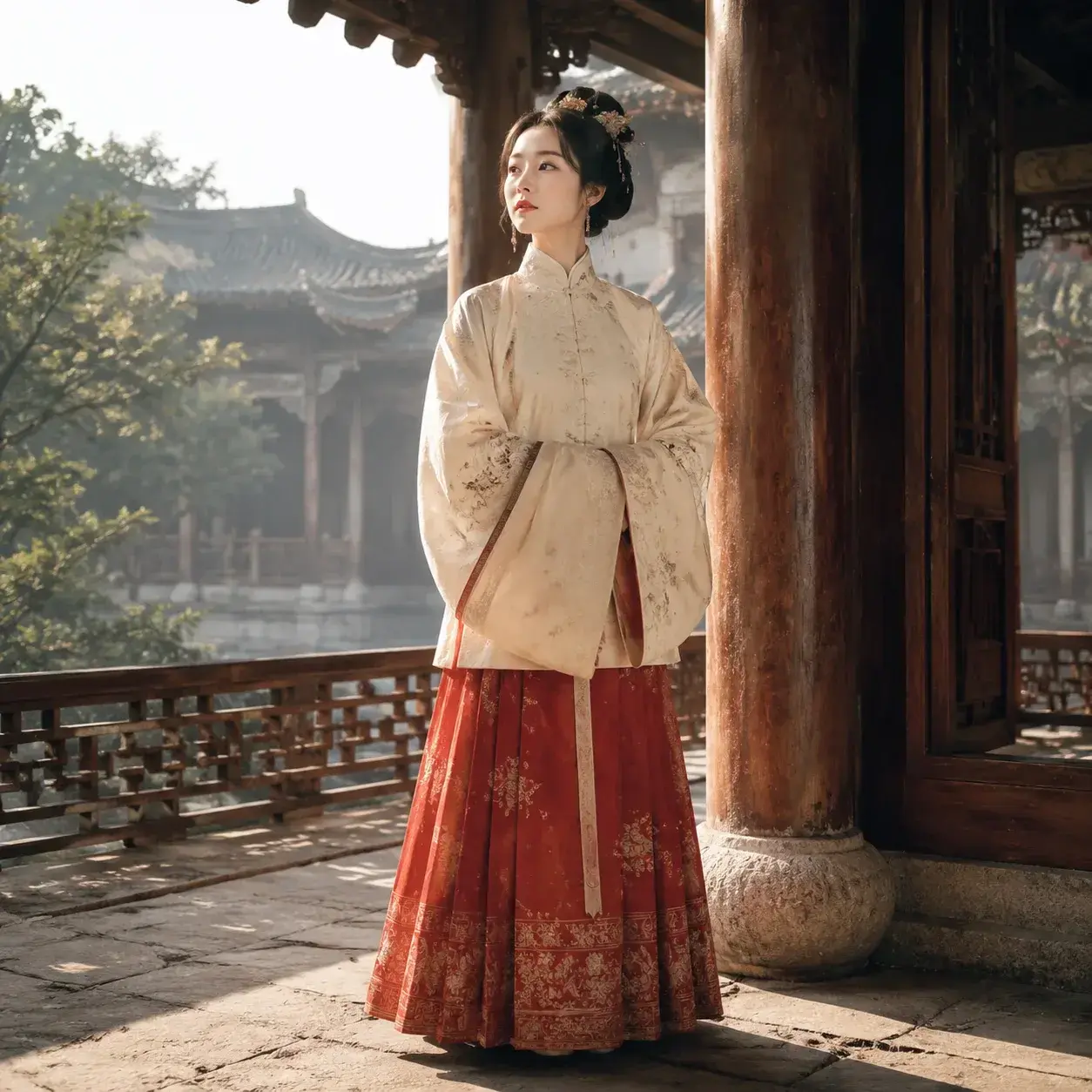
  3 days 4-Day Tour of Siguniang Mountain, Biepa Gou, and Dagu Glacier Chengdu → Lixian → Heishui County From $1,599 View route
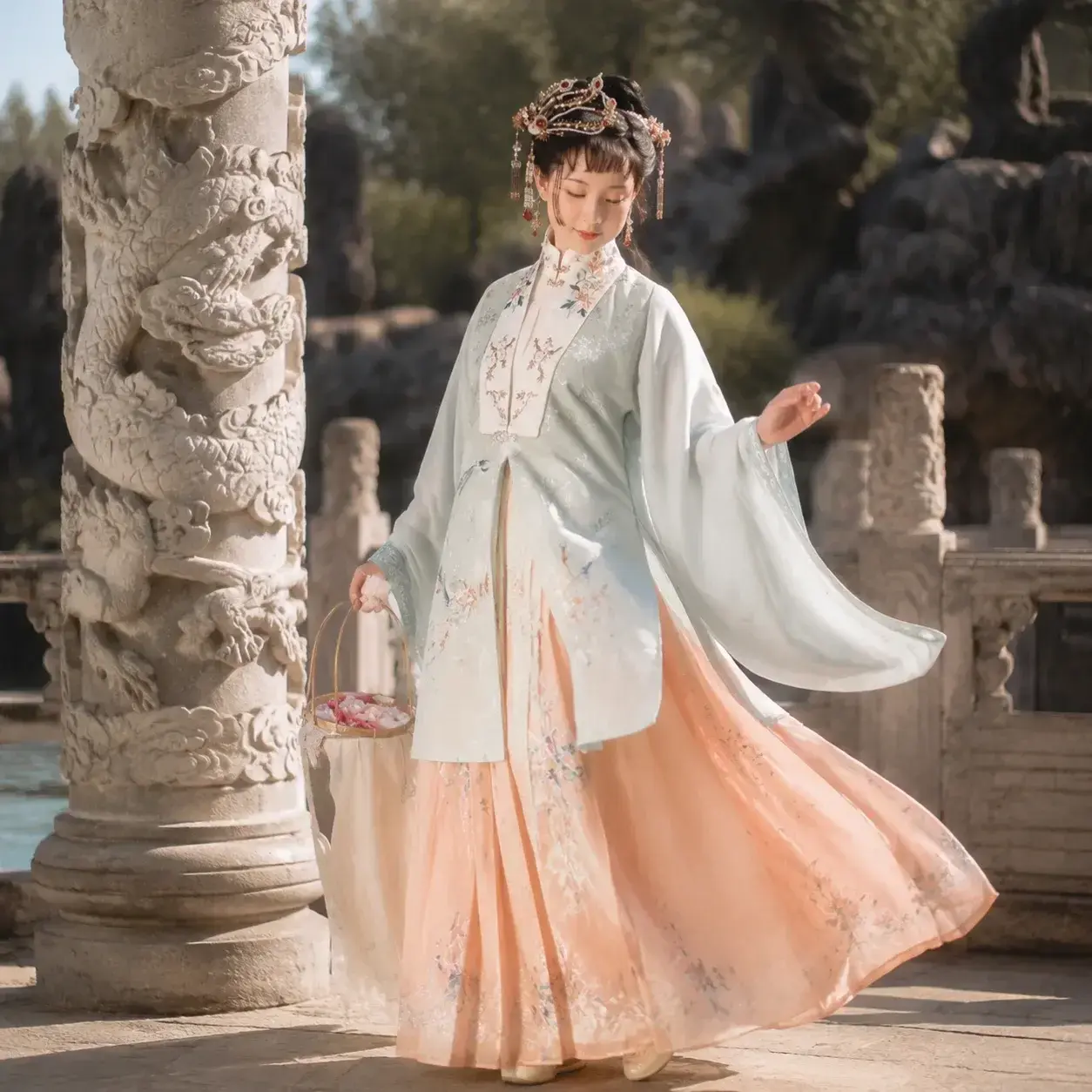
  5 days Above the Pillars, Then Below Zhangjiajie From $1,430 View route
  3 days After the Last Booth Guangzhou From $840 View route
  13 days All the Way West Xi'an → Dunhuang → Turpan → Kashgar → Shanghai From $3,500 View route
 Beizi Hanfu: The Versatile Open-Front Overcoat in Traditional Chinese Dress

A beizi hanfu is an open-front long overcoat worn over inner garments, and it is one of the clearest examples of how practical layering and elegance come together in traditional Chinese dress. Worn by both men and women, and especially associated with the Song and Ming dynasties, the beizi has remained popular in today’s hanfu revival because it is easy to wear, flattering in motion, and visually distinctive without being intimidating for beginners. If you have ever wondered what a beizi actually is, how it differs from similar garments, or what to wear under it, this guide will walk you through the essentials.
What Is a Beizi?
Definition: A beizi hanfu is a straight-cut, open-front overcoat with long sleeves and side slits, worn over inner garments such as tops, skirts, or robe-style layers.
The simplest way to understand a beizi is to think of it as an outer coat or robe layer. It is not a sleeveless vest, and it is not a short jacket. That distinction matters, because beginners often confuse it with garments like the bijia or banbi, which have very different structures and functions.
A classic beizi usually has several recognizable features:
- an open front or front construction that clearly frames the inner layer
- a long, straight silhouette that creates elegant vertical lines
- long sleeves, though sleeve width varies by period and style
- side slits, which improve movement and give the garment its flowing shape
- a design suitable for both women and men
Part of the beizi’s lasting appeal is that it looks refined without requiring complicated wrapping or fastening. In modern hanfu wear, that makes it especially approachable. It layers beautifully, allows the inner garments to remain visible, and works equally well for historically inspired outfits, casual hanfu gatherings, cultural events, and polished photo looks.
Beizi vs. Related Hanfu Layers
Many people searching for “beizi” are really trying to solve a basic identification problem: Is this a coat, a vest, a blouse, or a formal robe? The answer is that a beizi is closest to an overcoat.
Here is a beginner-friendly comparison table to make the differences clearer:
| Garment | Front/Collar | Sleeves | Layer Type | Typical Use | Common Era |
|---|---|---|---|---|---|
| Beizi | Often open front; can be parallel-collar or cross-collar | Long sleeves | Outer overcoat/robe layer | Everyday to semi-formal layering for men and women | Strongly associated with Song and Ming |
| Banbi | Short upper garment, often front-opening or fitted as a short layer | Short sleeves | Short outer or mid-layer top | Layered over dresses or tops, especially for lighter wear | Common in earlier periods such as Tang |
| Bijia | Open front | Sleeveless | Vest-like outer layer | Decorative or practical sleeveless layer | Popular especially in Yuan and Ming contexts |
| Daxiushan | Robe-style front construction | Very large, full sleeves | Formal or visually grand robe layer | Ceremonial or high-drama styling | Commonly associated with Tang-inspired dress |
| Dachang | Broad outer robe format | Long sleeves, often fuller than a beizi | Outer robe layer | Formal or literary/elite style contexts | Seen in historical men’s clothing discussions |
The biggest confusion usually happens in three places.
First, beizi vs. bijia: a bijia is sleeveless, while a beizi has sleeves. If the garment looks like a long vest, it is probably not a beizi.
Second, beizi vs. banbi: a banbi has short sleeves and functions more like a short outer top. A beizi is much longer and reads as a flowing outer coat.
Third, beizi vs. daxiushan: both can look graceful and layered, but a daxiushan has much fuller sleeves and stronger ceremonial visual weight. A beizi is generally more restrained, practical, and wearable across a wider range of settings.
So if you are trying to categorize a garment quickly, remember this: a beizi is an overcoat, not a vest, not a cropped top, and not the most formal large-sleeve robe in the hanfu wardrobe.
The History and Origins of the Beizi
The beizi developed as a garment that balanced usefulness with elegance, and its strongest historical associations are with the Song Dynasty and the Ming Dynasty. Over time, it appeared in different forms, but the core idea remained consistent: a long outer layer that could be worn over inner clothing and that displayed both structure and movement.
The name itself is often explained through two commonly cited interpretations. One links the word to the idea of a straight back or straight cut, which suits the garment’s clean, elongated lines. Another explanation connects the term to the image of a servant standing behind, a more folkloric interpretation that appears in discussions of historical dress terminology. Whether one explanation is more accurate than the other, both survive because they help people remember the beizi’s upright, lengthened form.
Song Dynasty Beizi
In the Song Dynasty, the beizi became especially prominent and was worn across different social strata. One reason it remains so beloved today is that Song-style beizi outfits feel remarkably modern in silhouette: long, fluid, layered, and easy on the eye.
Song beizi were often worn unfastened, allowing the inner garments to show clearly. This was not a minor detail but a major part of the look. The visible inner blouse or skirt created contrast and depth, while the outer beizi framed the body in vertical lines. That combination made the garment practical for everyday wear while still appearing poised and cultivated.
It was used in both daily and semi-formal contexts, which helps explain why modern wearers also find it versatile. For beginners building a hanfu wardrobe, Song-inspired beizi sets are often among the easiest to style because the layering logic is intuitive and visually balanced.
Ming Dynasty Beizi
In the Ming Dynasty, beizi forms continued to develop, and variation became more noticeable. Both wide-sleeve and narrow-sleeve versions can be discussed in Ming contexts, and decorative treatments became an important visual element.
A particularly striking feature in many Ming-style examples is the use of decorative edging or trim. Trim placement along the collar, front opening, cuffs, or hem helps define the garment’s silhouette and can dramatically change the overall impression. A narrow-sleeve beizi with refined edging feels neat and controlled; a wider-sleeve version can feel softer and more expansive.
This is one reason Ming-inspired beizi styles often appeal to people who want a little more detail and structure than a very minimal Song look. The base concept remains the same—an outer layer over inner garments—but the finish can be more ornate.
Parallel-Collar vs. Cross-Collar Beizi
One of the most useful distinctions for identifying beizi styles is the difference between parallel-collar and cross-collar construction.
A parallel-collar beizi—often called duijin—has two front edges that fall straight and symmetrically down the body. A cross-collar beizi overlaps across the torso, so one side crosses over the other.
For most readers, especially those shopping online or browsing modern hanfu sets, the parallel-collar beizi is the version they will encounter most often. It is particularly common in Song-inspired styling and in contemporary commercial sets because it clearly showcases the inner layer.
Here is a quick comparison:
| Type | Front Closure | Silhouette | Visual Effect |
|---|---|---|---|
| Parallel-collar (duijin) | Front edges hang symmetrically; often open or lightly joined | Straight and vertical | Clean, balanced, layered look that highlights the inner garments |
| Cross-collar | One panel wraps across the torso over the other | More enclosed through the chest | A more wrapped, robe-like effect with stronger directional lines |
A simple identification tip helps a lot: if the two front panels hang straight and mirror each other, it is likely a duijin beizi. If one panel wraps across the torso, it is likely cross-collar.
This distinction matters because it changes the mood of the outfit. Parallel-collar beizi tends to feel lighter, more open, and more visibly layered. Cross-collar styles can feel slightly more formal or more robe-like, depending on the overall cut.
How Beizi Is Structured and What to Wear Under It
At its core, the beizi is built around a few practical structural features:
- an open or visibly defined front
- long sleeves
- side slits for movement
- a straight body line that lengthens the silhouette
- sleeve widths that vary by dynasty style and intended visual effect
The most common practical question is also the most important one: what do you wear under a beizi?
In most cases, a beizi is worn over an inner top-and-bottom combination, such as ruqun, aoqun, or other robe-and-skirt pairings depending on the historical styling you are aiming for.
Women’s Layering Logic
For women, the layering usually works like this:
- Inner top
- Skirt—often high-waisted or proportioned to work cleanly with the top
- Beizi as the outer visible layer
This structure is one of the reasons the beizi photographs so well. The inner garments create a base of color and shape, while the beizi adds movement and framing. If the colors are chosen thoughtfully, the silhouette reads very clearly even from a distance.
Color contrast is especially helpful. A pale inner blouse under a deeper-toned beizi, or a softly contrasting skirt beneath a light overcoat, makes each layer easier to distinguish. That layered readability is part of the charm.
For Song-inspired outfits, the beizi often works best when the inner layers remain intentionally visible rather than hidden. For Ming-inspired styling, trim and sleeve shape may play a bigger role in how the final outfit reads.
Men’s Beizi Usage
Men’s beizi deserves separate attention because it is often mentioned only briefly, even though it offers one of the clearest examples of the garment’s practicality.
For men, the beizi could function as a relaxed outer layer, often worn unfastened over inner garments in informal or at-home settings. The silhouette is typically cleaner and less ornate than many women’s examples, with an emphasis on comfort, straight lines, and understated elegance.
That understated quality is part of what makes men’s beizi especially appealing in modern historical styling. It can look scholarly, leisurely, and refined without feeling overly theatrical. For overseas wearers attending cultural events, exhibitions, or hanfu meetups, it is often one of the most approachable men’s garments to start with.
How to Wear and Style a Beizi Today
The best modern styling advice is concrete, not vague. Rather than saying “mix it with modern clothes” and leaving it there, it helps to start with clear formulas.
Easy Styling Formulas
Song-inspired look Duijin beizi + inner blouse + skirt
This is the most beginner-friendly formula. Choose a beizi with clean lines and a light drape, then pair it with a simple inner top and skirt. The result is elegant, airy, and easy to move in.
Ming-inspired look Trimmed beizi + aoqun-style base layer
If you prefer more structure and decorative detail, a Ming-style beizi with edging or trim works well over an aoqun-style base. This combination feels richer and more finished, especially in portrait photography or formal hanfu gatherings.
What Changes the Final Look
Three factors make a big difference:
Sleeve width: Narrower sleeves feel tidier and more restrained; wider sleeves create more flow and visual softness.
Fabric drape: Light fabrics move beautifully in outdoor photos and festivals, while slightly heavier fabrics create cleaner lines for museum visits, performances, or cooler weather.
Garment length: A longer beizi creates a more dramatic vertical silhouette, while a shorter one can feel lighter and easier for casual wear.
If you are choosing a beizi for a specific activity, think about the setting. For photos, movement and color contrast matter most. For festivals or hanfu meetups, comfort and weather-appropriate fabric matter more than visual drama alone. For museum visits or travel days, a lighter, simpler beizi is often the most practical choice.
Beginner Tips for Overseas Buyers
If you are buying hanfu from abroad, a few checks can save frustration.
- Prioritize proportion. The shoulder line, sleeve drop, and total length will affect the look more than small decorative details.
- Check whether the set includes inner layers. Many product photos show a complete outfit, but the beizi itself may be sold separately.
- Confirm collar type. If you specifically want the iconic open Song-style look, look for duijin or parallel-collar construction.
- Pay attention to fabric transparency and weight. Some beizi are designed as airy outer layers and need a well-matched inner set to look complete.
- Look for listing photos that show the garment open and in motion. Flat product shots do not always reveal how well the side slits and drape work in real wear.
If you are planning a China trip around cultural experiences, hanfu photography, or historical sites, this is also where a knowledgeable local travel service can quietly make a difference. We often find that overseas travelers are not just looking for a garment—they want help choosing a style that matches the season, destination, and activity, whether that means a light Song-style beizi for a garden stroll or a more formal Ming-inspired look for a studio shoot. Practical guidance on fit, climate, and occasion usually matters more than chasing the most elaborate design.
Final Thoughts
The beizi remains one of the most wearable and visually satisfying garments in hanfu because it solves several problems at once: it adds structure, makes layering easier, and gives the outfit an elegant sense of movement. Historically rooted in the Song and Ming dynasties, it also translates surprisingly well into modern wear.
If you remember just one thing, let it be this: a beizi is a long outer overcoat layer with sleeves, usually worn over visible inner garments. Once that idea is clear, the differences between beizi and other hanfu pieces become much easier to understand, and styling it becomes much less intimidating.
For beginners and intermediate hanfu enthusiasts alike, the beizi is often the piece that makes traditional layering finally click. It is practical, graceful, and endlessly versatile—and that is exactly why it continues to stand out in the hanfu revival today.