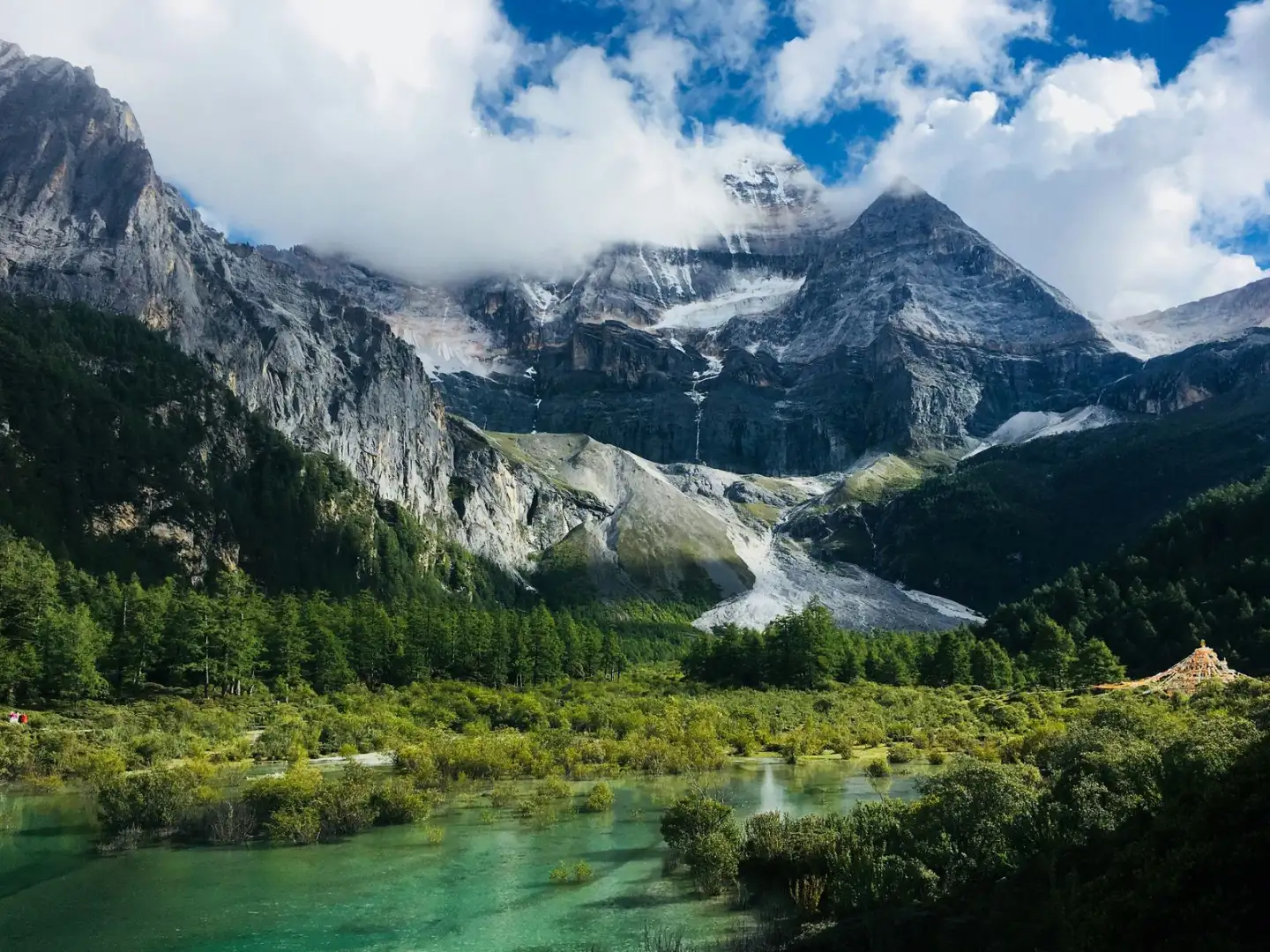





 18 days China, End to End Beijing → Xi'an → Chuanzhusi → Jiuzhaigou → Chengdu → Zhangjiajie → Guilin → Yangshuo → Shenzhen From $6,360 View route
 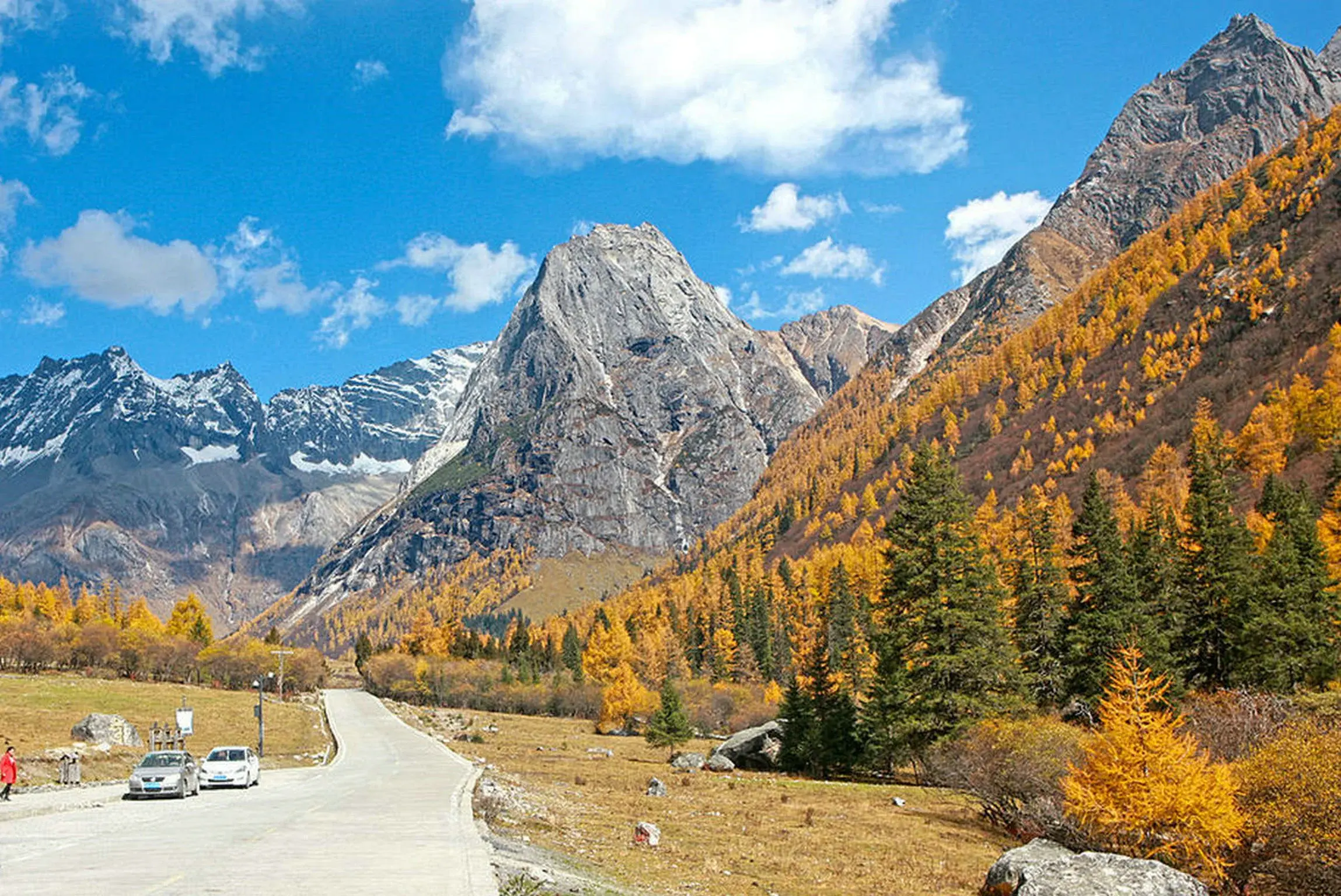 3 days 4-Day Tour of Siguniang Mountain, Biepa Gou, and Dagu Glacier Chengdu → Lixian → Heishui County From $1,599 View route
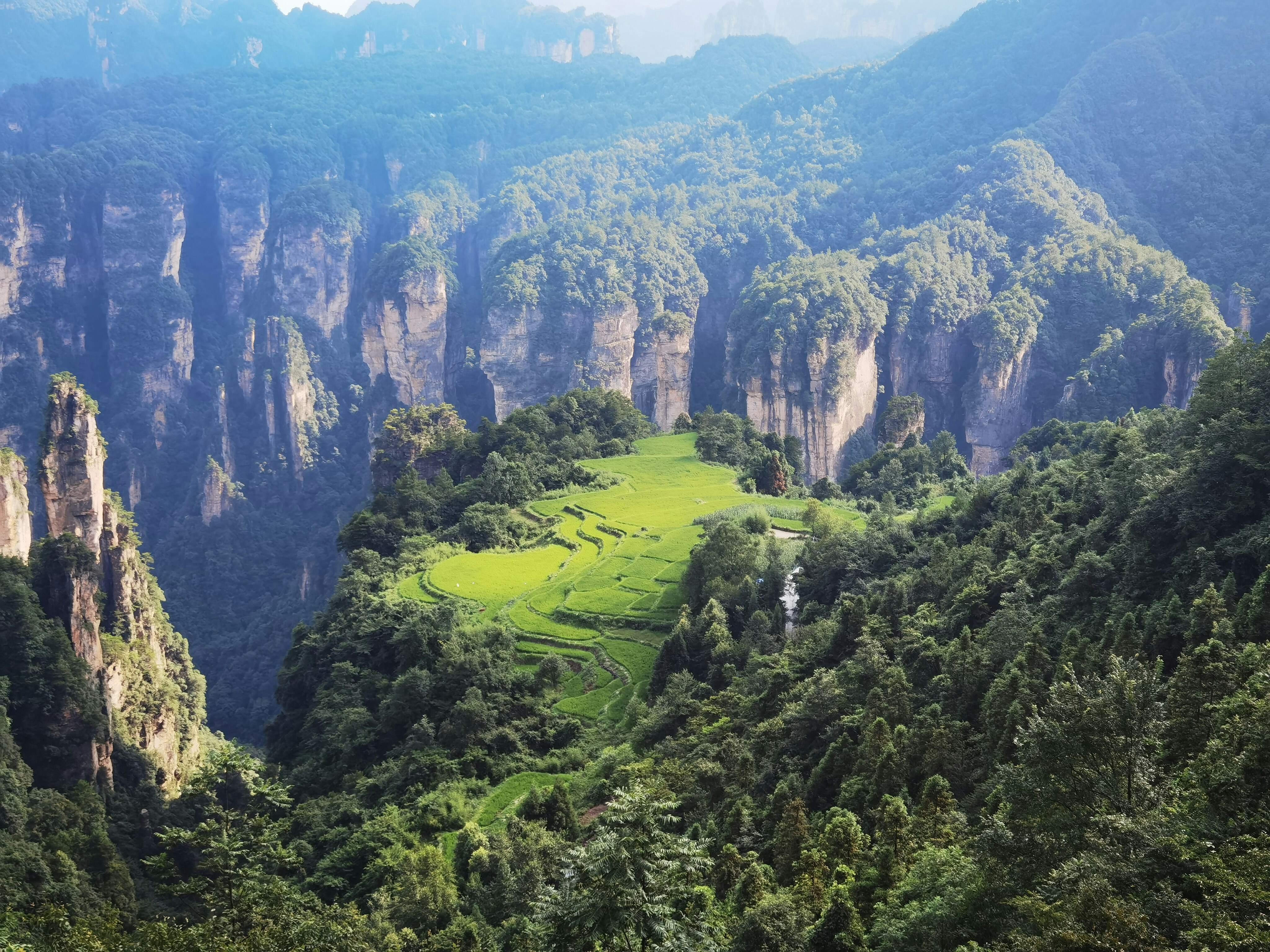
 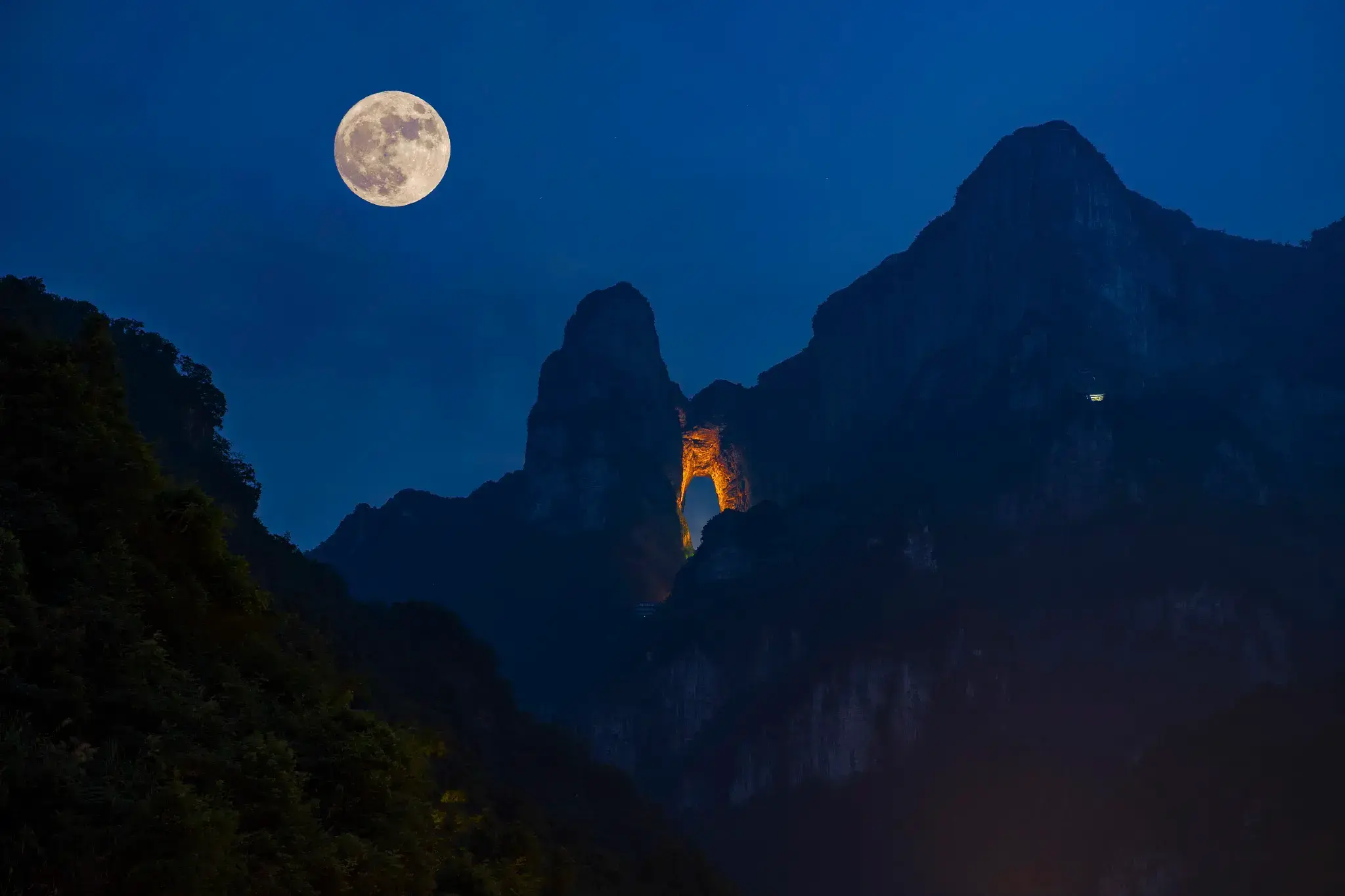 5 days Above the Pillars, Then Below Zhangjiajie From $1,430 View route
 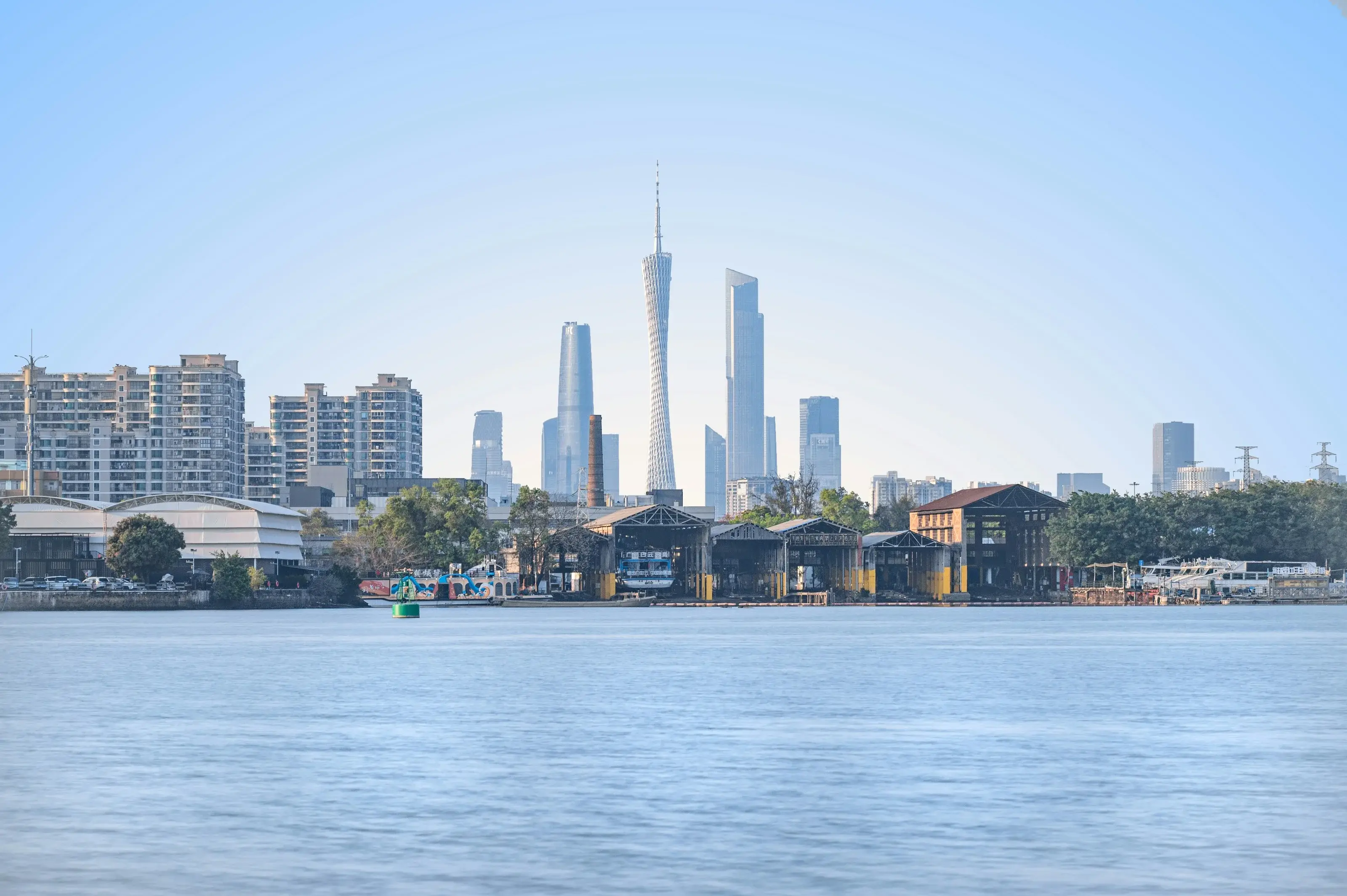 3 days After the Last Booth Guangzhou From $840 View route
 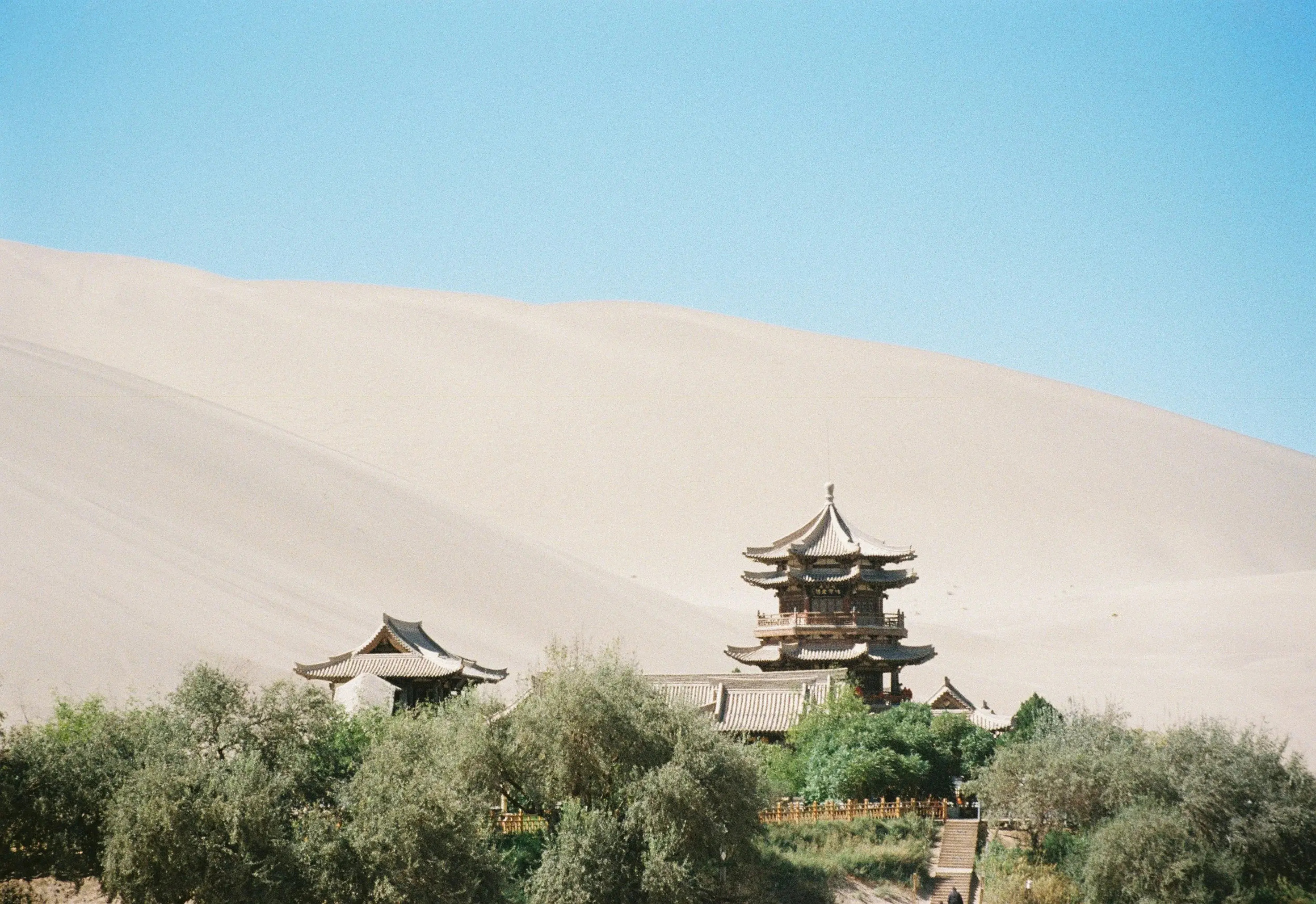 13 days All the Way West Xi'an → Dunhuang → Turpan → Kashgar → Shanghai From $3,500 View route
 25 Most Beautiful Places in China in 2026: From Avatar Mountains to Rainbow Lakes
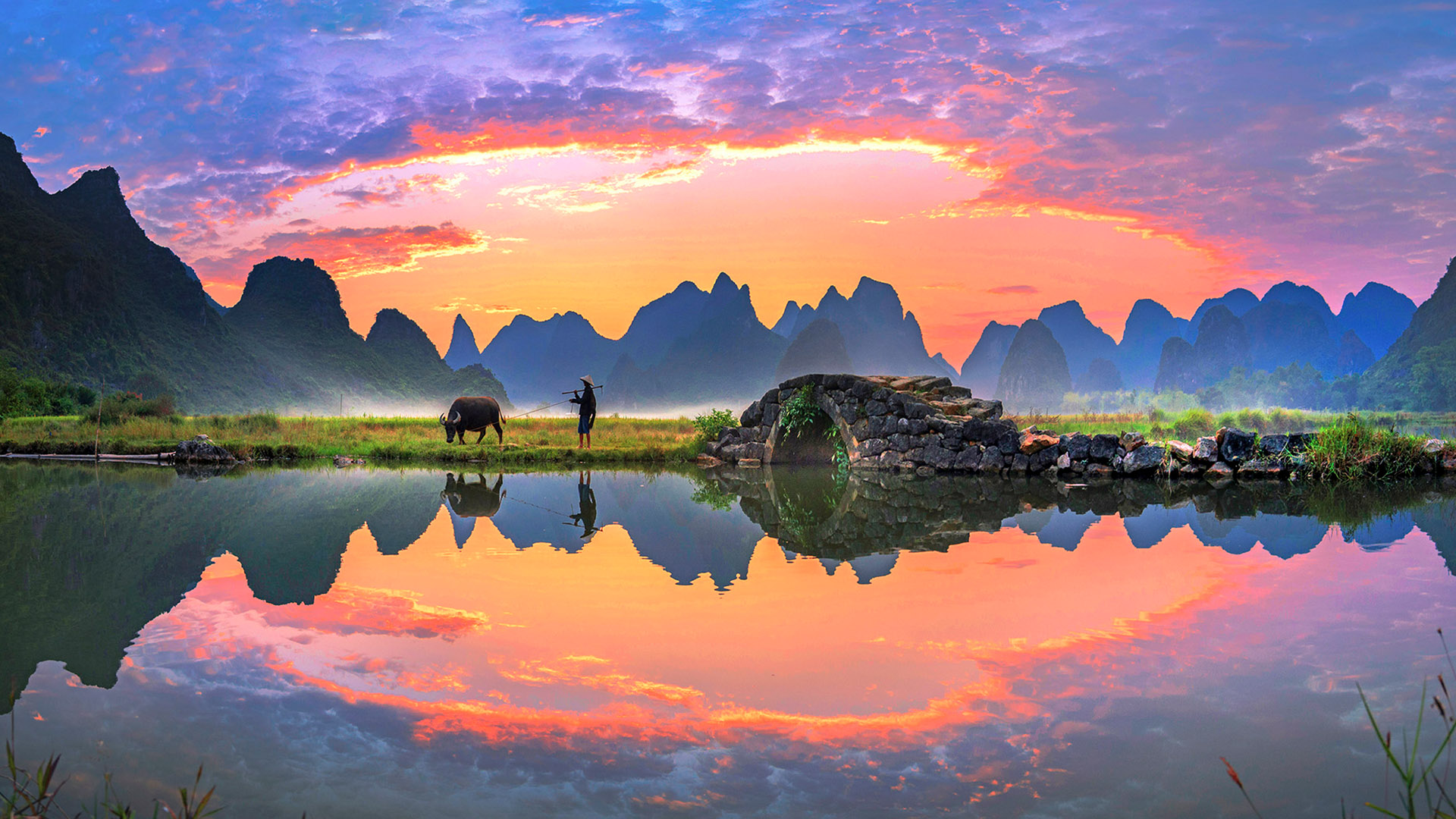
China is one of those rare countries where a single trip can take you from snow-covered forests to subtropical beaches, from sandstone pillars that look lifted from a fantasy film to ancient villages reflected in still water. For many travelers, the most surprising thing is not just how beautiful China is, but how dramatically the scenery changes from one region to the next.
You can stand on the Great Wall above rolling mountains in the north, cruise between karst peaks in Guangxi, hike through deep gorges in Yunnan, and watch sunrise over rice terraces that seem to ripple across entire hillsides. Add in thousands of years of history, living cultural traditions, and more UNESCO World Heritage Sites than almost any other country, and it is easy to see why so many people consider China one of the most beautiful travel destinations in the world.
!A winding section of the Great Wall of China stretches across rugged mountainous terrain at sunset, with the sun casting a warm glow over the peaks and valleys.:max_bytes(150000):strip_icc()/great-wall-china-sunset-GWOC0417-b1c00fecd6f84801b077f59751ae8325.jpg)
In this guide, I have pulled together 25 of the most beautiful places in China for 2026, covering natural wonders, historical landmarks, modern skylines, and lesser-known gems. You will also find practical advice on the best time to visit, what makes each place special, and how to choose destinations that match your travel style.
Why China Is One of the Most Beautiful Travel Destinations in the World
What makes China so visually unforgettable is its sheer geographic range. In one country, you can find Himalayan highlands, Gobi-edge deserts, bamboo forests, tropical islands, glacial lakes, karst rivers, vast grasslands, and some of Asia’s most dramatic mountain scenery. Temperatures can plunge far below freezing in the far northeast while beaches in the tropical south stay warm and green.
That variety is matched by cultural depth. Some of the most beautiful places in China are not only scenic, but layered with history: imperial palaces, Buddhist cave temples, ancient trade routes, and farming landscapes shaped by generations of local communities. China is also home to dozens of UNESCO World Heritage Sites, which helps explain why the country feels so rich in both natural and human-made beauty.
For travelers, this means there is no single “best” part of China. The most beautiful places in China depend on what moves you most: misty mountains, old cities, reflective lakes, dramatic skylines, or quiet rural landscapes. This list is designed to help you find the right fit.
The 25 Most Beautiful Places in China
Iconic Natural Wonders
1. Zhangjiajie, Hunan Best time to visit: April to June, September to November Why it stands out: Zhangjiajie is famous for its soaring sandstone pillars, often called the “Avatar Mountains” because of their surreal, floating-world appearance in mist. The landscape feels cinematic, especially when clouds drift between the peaks and glass walkways reveal the depth of the valleys below. Who it suits best: First-time visitors to China, photographers, and travelers who want dramatic scenery without needing serious mountaineering experience.
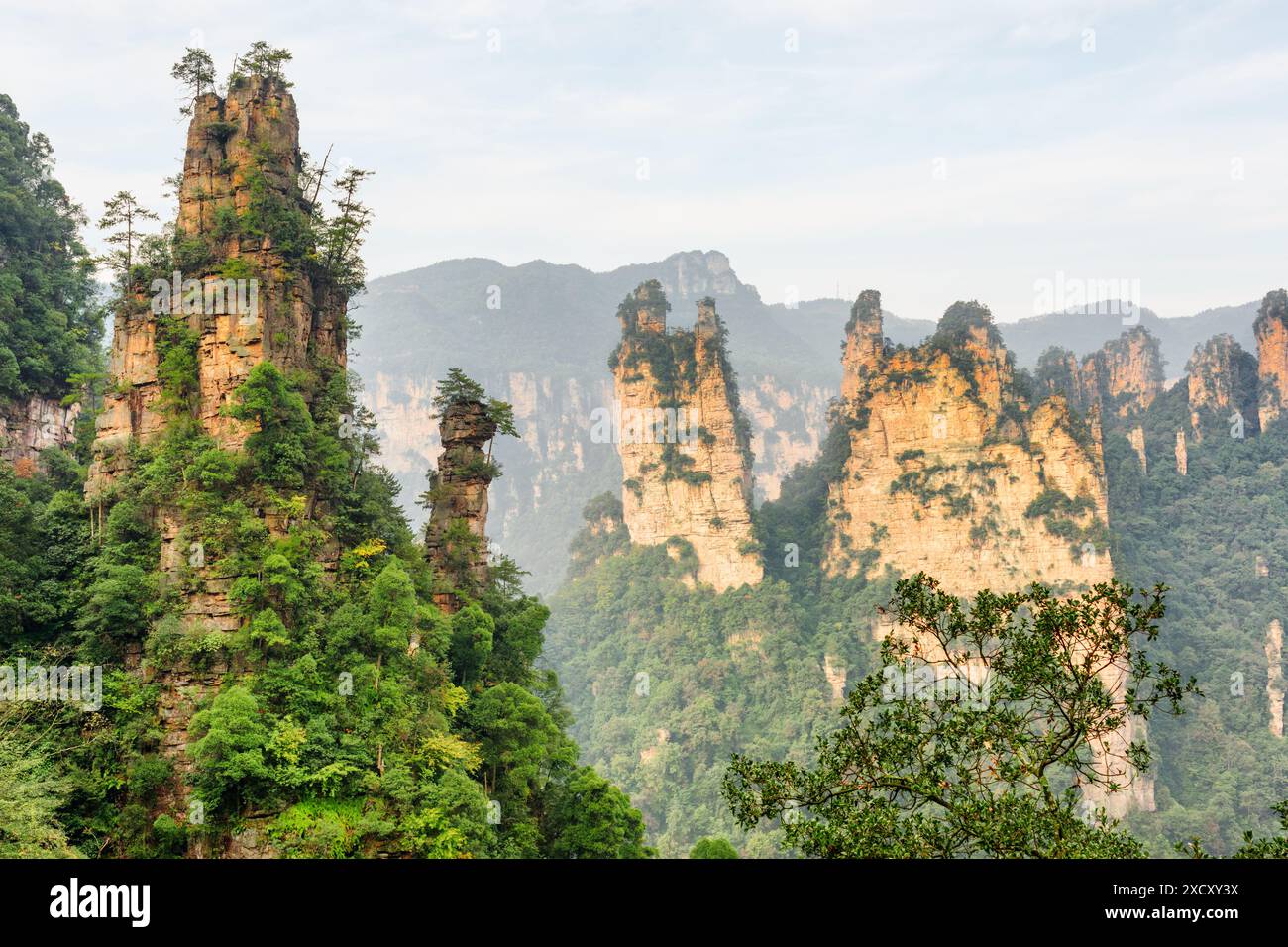
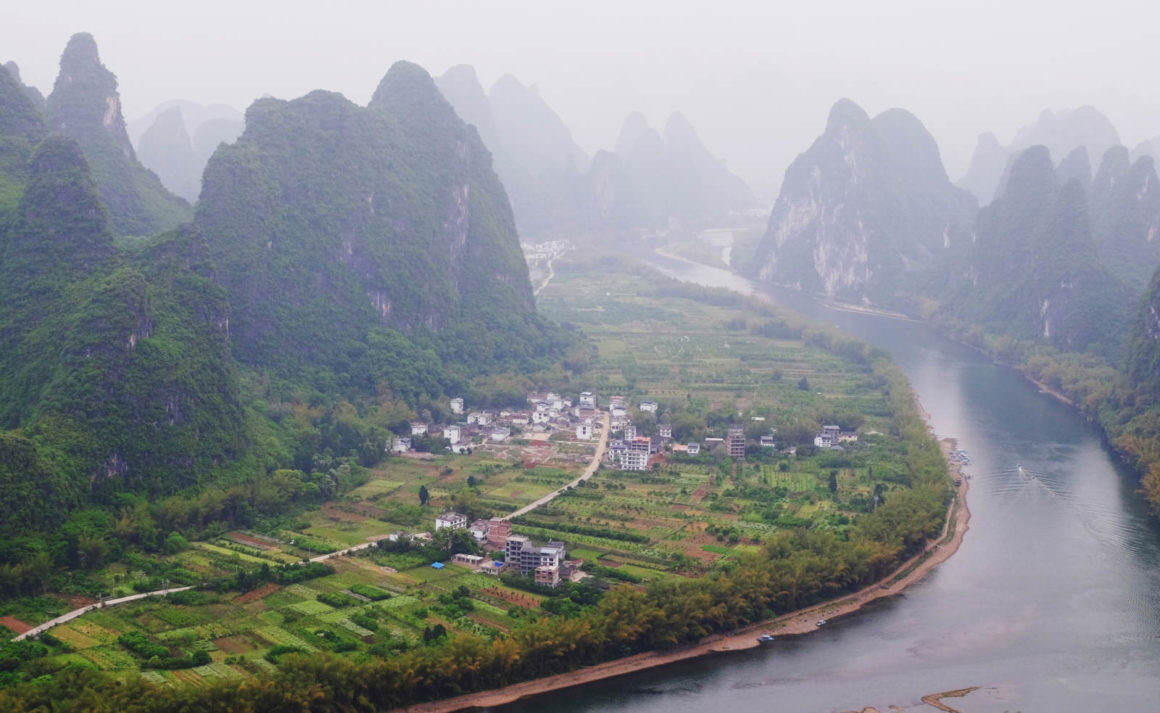
2. Li River and Yangshuo, Guangxi Best time to visit: April to October Why it stands out: The Li River between Guilin and Yangshuo offers one of the most classic scenes in China: limestone karst peaks rising like brushstrokes from the water. Bamboo groves, village paths, and misty river bends make it peaceful and poetic, especially at sunrise. Who it suits best: Couples, slow travelers, cyclists, and anyone dreaming of postcard-perfect China.

3. Jiuzhaigou Valley, Sichuan Best time to visit: September to October Why it stands out: Jiuzhaigou is one of the most beautiful places in China for color alone. Its turquoise and sapphire lakes, layered waterfalls, and forested valleys turn almost unreal in autumn, when red and yellow leaves reflect on the water. Who it suits best: Nature lovers, photographers, and travelers who want easy-access alpine scenery.
4. Huangshan, Anhui Best time to visit: March to May, October to November Why it stands out: Huangshan, or Yellow Mountain, is known for jagged granite peaks, twisted pine trees, hot springs, and the legendary cloud seas that can swallow whole ridgelines. It is one of the landscapes that shaped classical Chinese painting. Who it suits best: Hikers, sunrise chasers, and travelers interested in iconic Chinese mountain scenery.
5. Zhangye Danxia, Gansu Best time to visit: June to September Why it stands out: These “Rainbow Mountains” are striped in reds, oranges, yellows, and ochres, creating one of the most unusual landscapes in China. The colors glow strongest in slanting morning or late-afternoon light. Who it suits best: Photographers, geology enthusiasts, and Silk Road travelers.
6. Tiger Leaping Gorge, Yunnan Best time to visit: April to June, September to November Why it stands out: One of the deepest river gorges in the world, Tiger Leaping Gorge combines steep cliffs, roaring water, and high mountain views in a way that feels raw and powerful. It is one of the best places in China for trekking. Who it suits best: Active travelers, hikers, and adventure seekers.
7. Yuanyang Rice Terraces, Yunnan Best time to visit: December to March Why it stands out: In the cooler months, water fills the terraces and turns the hills into giant mirrors reflecting sky, cloud, and sunlight. At sunrise, the entire landscape glows with shifting gold, silver, and blue tones. Who it suits best: Photographers, cultural travelers, and those who appreciate agricultural landscapes.
8. West Lake, Hangzhou, Zhejiang Best time to visit: March to May, September to November Why it stands out: West Lake is gentle rather than dramatic, but its beauty lies in harmony: willow-lined banks, arched bridges, pagodas, lotus flowers, and mist over calm water. It is one of the prettiest places in China for a relaxed urban escape. Who it suits best: Couples, families, and travelers who enjoy scenic city walks.
9. Kanas Lake, Xinjiang Best time to visit: September Why it stands out: Surrounded by forests and mountains, Kanas Lake is known for its deep blue-green water and spectacular autumn colors. The region feels different from eastern China, with a frontier atmosphere and broad, quiet landscapes. Who it suits best: Return visitors to China, road trippers, and autumn photographers.
10. Hulunbuir Grasslands, Inner Mongolia Best time to visit: June to August Why it stands out: Endless grassland, horses on the horizon, wildflowers in summer, and giant skies make Hulunbuir one of the most open and peaceful landscapes in China. It offers a completely different kind of beauty from the country’s mountains and cities. Who it suits best: Families, road-trip travelers, and those wanting wide-open scenery.
Cultural and Historical Wonders
11. Great Wall of China, Beijing and Northern China Best time to visit: April to May, September to October Why it stands out: The Great Wall is not just one of the most famous things in China, but one of the world’s great scenic landmarks. At sections like Mutianyu and Jinshanling, the wall curves over mountains in a way that is both monumental and beautiful. Who it suits best: First-time visitors, history lovers, and photographers.
12. Forbidden City, Beijing Best time to visit: March to May, September to November Why it stands out: At the heart of Beijing, the Forbidden City impresses through scale, symmetry, and imperial detail. Golden roofs, vast courtyards, red walls, and carefully aligned halls create a powerful sense of order and grandeur. Who it suits best: Culture-focused travelers, families, and first-time visitors.
13. Terracotta Warriors, Xi’an, Shaanxi Best time to visit: March to May, September to November Why it stands out: Seeing thousands of life-sized clay soldiers arranged in battle formation is unforgettable. The site is visually striking, but also emotionally powerful because of the craftsmanship and the scale of the emperor’s vision. Who it suits best: History lovers, families, and travelers interested in ancient China.
14. Potala Palace, Lhasa, Tibet Best time to visit: May to October Why it stands out: Rising above Lhasa in white and red, the Potala Palace is one of China’s most iconic and dramatic buildings. Its high-altitude setting, spiritual importance, and commanding silhouette make it one of the major places in China for both beauty and meaning. Who it suits best: Cultural travelers, photographers, and those prepared for high-altitude travel.
15. Longji Rice Terraces, Guangxi Best time to visit: May to June, September to October Why it stands out: These “Dragon’s Backbone” terraces ripple over the mountains like scales, changing appearance through every season. Watered spring fields, green summer layers, golden autumn rice, and occasional winter frost all bring a different mood. Who it suits best: Hikers, photographers, and travelers interested in village landscapes.
16. Hongcun Ancient Village, Anhui Best time to visit: March to May, October to November Why it stands out: White-walled houses, black-tiled roofs, narrow lanes, and still ponds give Hongcun a quiet beauty that feels suspended in time. Reflections in the water make it especially photogenic. Who it suits best: Architecture lovers, photographers, and travelers seeking a slower pace.
17. Leshan Giant Buddha, Sichuan Best time to visit: March to June, September to November Why it stands out: Carved into a cliff face above the confluence of rivers, the Leshan Giant Buddha is both immense and serene. The surrounding greenery and river views add to the sense of scale. Who it suits best: Culture travelers, families, and those combining Chengdu with nearby sights.
18. Mogao Caves, Dunhuang, Gansu Best time to visit: May to October Why it stands out: Near the edge of the desert, the Mogao Caves hold centuries of Buddhist art in a setting that feels both remote and historically important. The site captures the artistic and spiritual legacy of the Silk Road. Who it suits best: History enthusiasts, art lovers, and Silk Road travelers.
Modern Scenic Icons
19. Shanghai Skyline Best time to visit: March to May, October to November Why it stands out: Seen from the Bund or from a river cruise, Shanghai’s skyline is one of the coolest things in China. Futuristic towers rise above the Huangpu River, especially striking at blue hour when the city lights begin to glow. Who it suits best: Urban travelers, photographers, and first-time visitors.
20. Hong Kong Skyline Best time to visit: October to December Why it stands out: Dense towers backed by mountains and framed by Victoria Harbour make Hong Kong one of Asia’s most photogenic cityscapes. The contrast between water, skyline, ferry traffic, and hills gives it rare visual depth. Who it suits best: City lovers, couples, and travelers who want both urban energy and scenic views.
21. Harbin Ice and Snow Festival, Heilongjiang Best time to visit: Late December to February Why it stands out: Giant illuminated ice castles, frozen sculptures, and winter streets lit in neon-like color create a dreamlike atmosphere. Harbin feels unlike any other destination in China during festival season. Who it suits best: Families, winter travelers, and photographers.
Hidden Gems
22. Xiapu Mudflats, Fujian Best time to visit: April to June, September to November Why it stands out: At low tide, the mudflats become abstract landscapes of water channels, poles, fishing nets, and reflected light. Sunrise and sunset can turn the whole scene gold, silver, or deep copper. Who it suits best: Serious photographers and travelers looking for something different.
23. Wulingyuan Grand Canyon, Hunan Best time to visit: April to October Why it stands out: This area combines forested ravines, cliffs, streams, and dramatic suspension bridges. It is less internationally known than nearby Zhangjiajie, but equally rewarding for travelers who want layered scenery and fewer crowds in some sections. Who it suits best: Nature lovers, walkers, and repeat visitors.
24. Qinghai Lake, Qinghai Best time to visit: July to August Why it stands out: China’s largest inland salt lake is especially beautiful in summer, when bright yellow rapeseed flowers bloom around its blue waters under enormous highland skies. The light and scale here feel almost meditative. Who it suits best: Road-trippers, cyclists, and travelers interested in highland landscapes.
25. Mount Fanjing, Guizhou Best time to visit: April to October Why it stands out: Mount Fanjing is known for its dramatic twin-temple summit rising above clouds, as well as rich biodiversity and a mystical atmosphere. On misty mornings, it feels suspended between earth and sky. Who it suits best: Hikers, spiritual travelers, and photographers.
China’s Most Spectacular Natural Wonders
If you only have time for a few scenic highlights, five natural wonders stand out again and again for overseas travelers.
Zhangjiajie is perhaps the most visually unique, with vertical sandstone pillars that look almost impossible in real life. Go in spring or autumn for cooler weather and a better chance of atmospheric mist. It suits first-time visitors and photographers especially well.
Jiuzhaigou Valley is all about water and color. Its travertine lakes and waterfalls are clearest and most vivid in autumn, when the valley becomes a mosaic of red leaves and blue pools. It works well for travelers who want big visual reward without difficult hiking.
Guilin and Yangshuo offer China’s most famous karst scenery. The rounded limestone peaks, riverside villages, and cycling roads create a softer, more romantic landscape than the sharper drama of mountain regions. Spring through early autumn is ideal, though summer can be humid.
Huangshan is the classic mountain of Chinese imagination: granite summits, old pines, and cloud seas. It can be busy during major domestic holidays, so careful timing matters. Sunrise stays on the mountain are worth the effort for hikers and landscape lovers.
Zhangye Danxia is one of the most unusual natural wonders of China because of its multicolored rock layers. Early morning and late afternoon give the best light and fewer crowds. It is especially rewarding for photographers and travelers already exploring Gansu or Silk Road routes.
For travelers on a short China itinerary, these scenic areas are much easier to enjoy with smart route planning. Coordinating trains, domestic flights, entrance reservations, and local transfers can save a surprising amount of time, especially when combining multiple regions in one trip.
The Most Instagrammable and Photogenic Places in China
If your dream trip includes dramatic photos, China delivers in every season. Jiuzhaigou is one of the best places for vivid color, especially in autumn when bright forests reflect in jewel-toned lakes. Yuanyang Rice Terraces are best at sunrise, when the flooded terraces catch the first light and shift from silver to gold.
For elegant, classic compositions, West Lake is most photogenic in soft morning mist or during spring blossom season. Xiapu Mudflats reward patient photographers at dawn and dusk, when the tide, weather, and light combine to create almost painterly scenes.
If you prefer city images, Shanghai Skyline is best during blue hour, when the Bund and Pudong begin to glow across the river. Harbin Ice Festival is a winter photography favorite after sunset, when the illuminated ice structures turn electric blue, pink, and violet.
The best photos often come from timing rather than popularity alone. Shoulder-season visits, early starts, and flexibility with weather usually matter more than simply reaching the most famous viewpoint. For travelers building a photo-focused route, local guide support and private transfers can make it much easier to catch the right light without rushing.
Best Places to Visit in China by Interest
Not every traveler wants the same kind of beauty, so it helps to choose destinations by interest rather than fame alone.
| Interest | Best Places |
|---|---|
| Nature | Zhangjiajie, Jiuzhaigou, Guilin and Yangshuo |
| History and Culture | Beijing, Xi’an, Dunhuang |
| Food and Local Life | Chengdu, Xi’an, Guangzhou |
| Modern Cityscapes | Shanghai, Hong Kong, Shenzhen |
| Adventure and High-Altitude Travel | Tibet, Tiger Leaping Gorge, Qinghai |
For first-time visitors, Beijing, Xi’an, Shanghai, and Guilin create a strong introduction to China’s history, city life, and scenery. For couples, Yangshuo, West Lake, and Hong Kong often work beautifully because they combine atmosphere with comfort and easy pacing.
For families, places like Beijing, Chengdu, Shanghai, and Guilin usually offer the smoothest mix of sightseeing, transport, and child-friendly activities. For photographers, Jiuzhaigou, Yuanyang, Xiapu, Zhangye Danxia, and Harbin can be especially rewarding if timed well.
If you love food and local life, Chengdu, Xi’an, and Guangzhou stand out for deeply regional cuisine and strong street culture. If your priority is adventure, Tibet, Tiger Leaping Gorge, and Qinghai bring more altitude, distance, and raw landscapes, but they also require more planning and flexibility.
Fun Activities Across China
China is not just about seeing beautiful places. It is also about how you experience them. In Yangshuo, you can cycle between karst peaks and village lanes. In Zhangjiajie, you can walk cliffside paths and cross glass bridges with sweeping mountain views. In Xi’an, you can ride a bike on the ancient city wall before diving into the Muslim Quarter for snacks.
Food-focused travelers can take cooking classes in Chengdu, try regional noodle dishes in Lanzhou, or explore morning markets in Guangzhou. Nature lovers can cruise the Li River, trek Tiger Leaping Gorge, or watch sunrise above the rice terraces of Longji or Yuanyang.
Seasonal experiences add another layer. Winter brings the Harbin Ice and Snow Festival, while spring offers blossoms in many cities and mountain regions. Summer is ideal for grasslands, lakes, and higher elevations, while autumn is often the best season overall for color, clear skies, and comfortable temperatures.
For a China vacation with varied activities, it often helps to balance major landmarks with slower local experiences. That is usually where thoughtful itinerary design makes the biggest difference.
Travel Tips for Visiting Beautiful Places in China
China is vast, so realistic pacing matters. Instead of trying to cover too many regions in one trip, choose two or three areas that connect well by high-speed rail or short flights. Spring and autumn are usually the easiest seasons for scenic travel.
Before you go, check visa requirements carefully and book major transport early during busy travel periods. If you are planning a multi-city trip, understanding the train network can save both time and money. For many travelers, especially those combining famous scenic areas with remote regions, route support and local logistics can make the journey much smoother.
FAQ
1. What is the most beautiful place in China?
There is no single answer, but Zhangjiajie, Jiuzhaigou, and Guilin are often named among the most beautiful places in China. If you want dramatic mountain scenery, Zhangjiajie stands out. If you prefer lakes and autumn color, Jiuzhaigou may be the winner.
2. When is the best time to visit China for scenery?
Spring and autumn are generally the best seasons for scenic travel in China. Spring brings flowers, green landscapes, and mild temperatures, while autumn offers clear skies, colorful foliage, and comfortable conditions in many regions.
3. Are these beautiful places in China easy to visit independently?
Some are, especially major destinations like Beijing, Shanghai, Guilin, and Hangzhou. Others, such as Jiuzhaigou, Tibet, Qinghai, or photography-focused areas like Xiapu, often require more careful planning for transport, timing, and local logistics.
4. Which places are best for first-time visitors to China?
A strong first trip often includes Beijing for history, Shanghai for modern city life, and Guilin or Zhangjiajie for scenery. Xi’an is also an excellent addition if you want a deeper sense of ancient China.
5. What are the most photogenic places in China?
Jiuzhaigou, Yuanyang Rice Terraces, Xiapu Mudflats, West Lake, Shanghai Skyline, and Harbin Ice Festival are among the most photogenic. The best results usually come from visiting in the right season and being out early or late for the best light.
China rewards travelers who look beyond a single checklist. The country’s beauty is not limited to one famous landmark or one region. It lives in river mist, mountain light, old stone villages, desert cave temples, and skylines reflected on water. If you choose the places that match your interests and give yourself enough time to experience them well, your trip will feel far richer than a rush through the biggest names.
If you are planning your route now, save this list, compare regions by season, and start with the places that excite you most. The most beautiful parts of China are often the ones that stay with you long after you return home.