

Overview

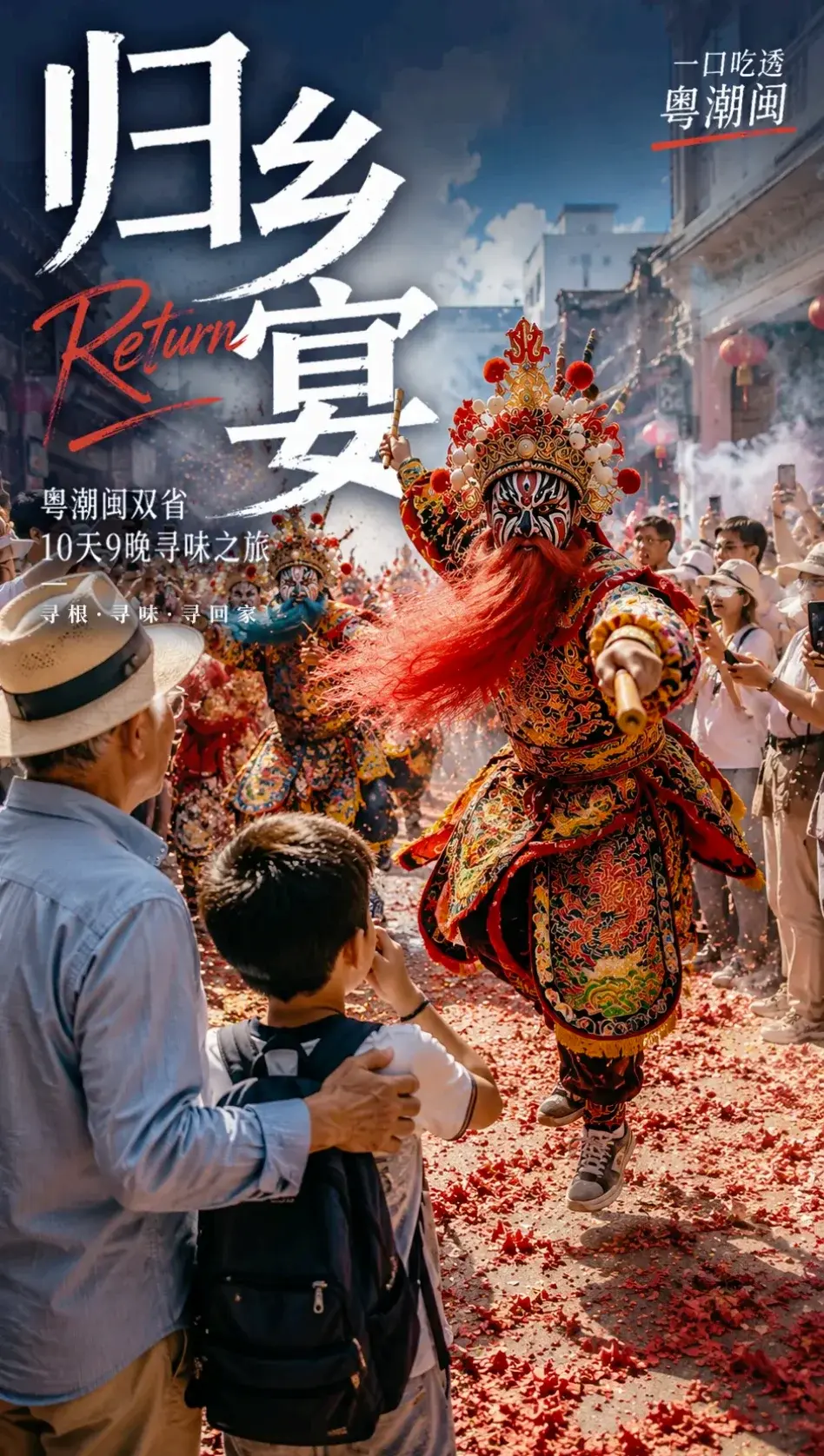
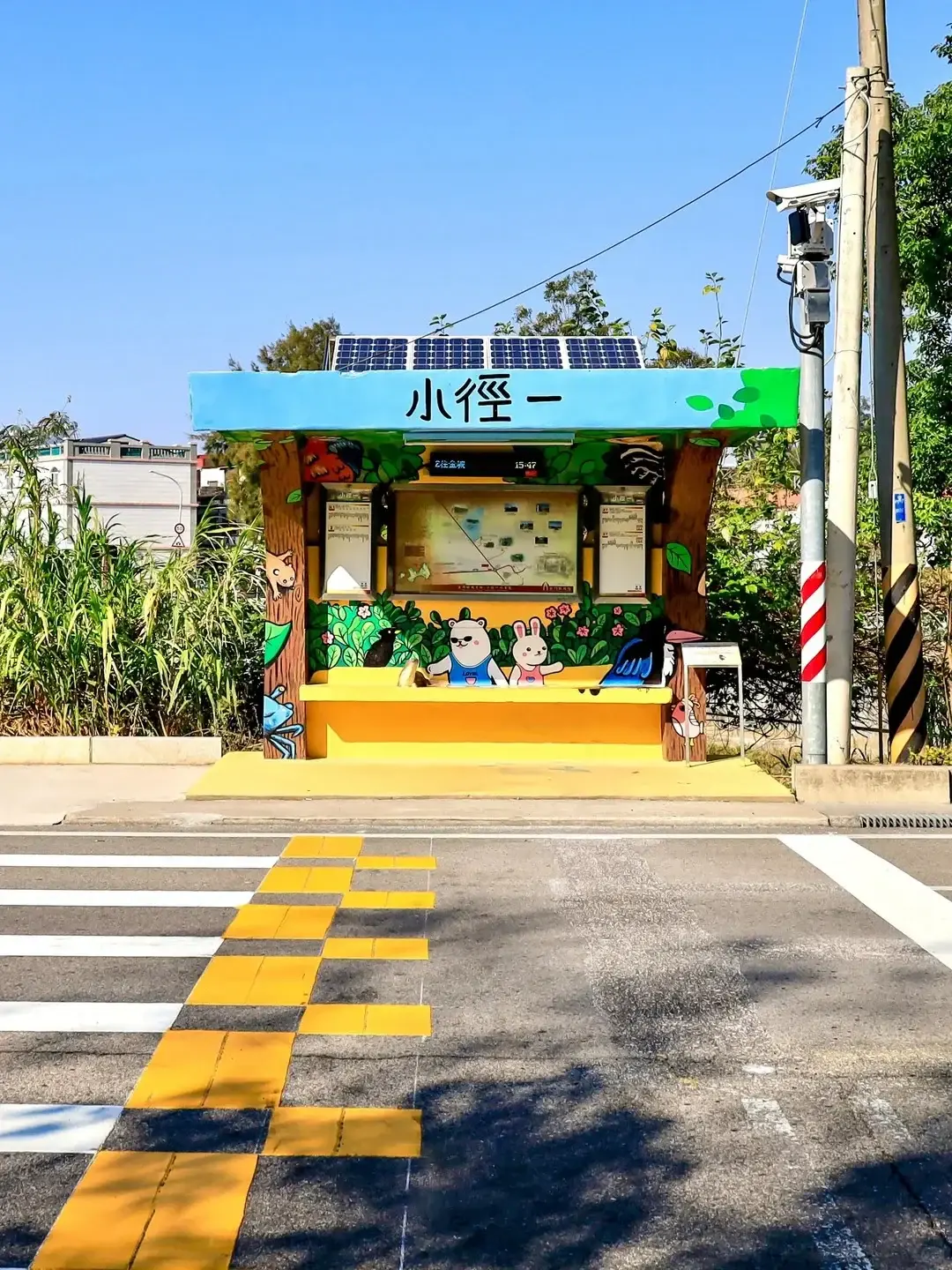
Day 1: Arrive in Guangzhou, met by your driver at the airport or station, transferred to your hotel for check-in. Free in the evening to explore at your leisure. Day 2: Take a high-speed train south to Shantou. Stroll through Xiao Gongyuan and Lao Ma Gong, immersing yourself in the qilou arcade architecture of this historic trading port. Visit the Qiaopi Cultural Exhibition Hall to discover the poignant stories behind these 'silver-letter' packets—testaments to the hardships of overseas Chinese and their enduring love for their homeland. In the evening, savour the flavours of Longyan South Road Food Street. Day 3: Enjoy an authentic Puning dim sum breakfast at a beloved 30-year-old establishment. Explore Nigou Village's Chang'an Lane and the rare De'anli ancestral village complex, one of China's most unusual traditional residential villages. In the afternoon, visit Jieyang Confucius Temple and the City God Temple. Day 4: Marvel at the Guangji Bridge, one of China's four ancient bridges, followed by a genuine Chaoshan braised goose banquet. Pay respects at the Han Wengong Shrine, witness the breathtaking intangible cultural heritage Yingge Dance up close, wander through Paifang Street, and try your hand at making red peach模 (Hongtao Guo). Evening: enjoy the Chaozhou ancient city light show. Day 5: Board a high-speed train to Quanzhou. Explore the Wulin Traditional Village, savour lunch at a renowned Ginger Duck restaurant, and visit Luojia Temple, known as a 'Buddhist Paradise by the Sea.' Day 6: Experience the viral appeal of Zanhua flower headdress portraits in Xunpu Village. Immerse yourself in Quanzhou's ancient city on a deeper walking tour, and enjoy performances of intangible cultural heritage Nan Yin music and puppet theatre. Day 7: Feel the vibrant Minnan folk devotion at Guan Di Temple, then drive to Anxi, renowned as the homeland of oolong tea. Tour Qingshui Yan Temple, visit a state-run tea factory, and participate in a tea-tasting and competitive tea session. Day 8: Journey to the UNESCO World Heritage site of Nanjing Tulou, savour Hakka-style dishes served within the earthen buildings, and take a leisurely walk through Yunshuiyao Ancient Town. Day 9: Cross the strait from Wutong Ferry to Kinmen Island. Visit the Small Path Station, Zhongzheng Park, the former General's Office of the Qing Dynasty's Kinmen Garrison, and the Shanhou Folk Culture Village. Day 10: Depending on your flight or high-speed train schedule, a private transfer will see you off, concluding your heartfelt journey home filled with warm memories.

— Journey Along the Way

Itinerary can be adjusted to suit your dates and travel group size. Minimum 2 travellers for departure.
Why you'll love this trip

  • Qiaopi Relics Museum: Homesickness and Patriotism in Silver Letters
  • Guangji Bridge: Eighteen Sailors, Twenty-Four Islands
  • Intangible Cultural Heritage Yingge Dance: Face Masks, Double Sticks, and Formations
  • Peach Blossom Cake: Handcraft Your Blessing Pastry
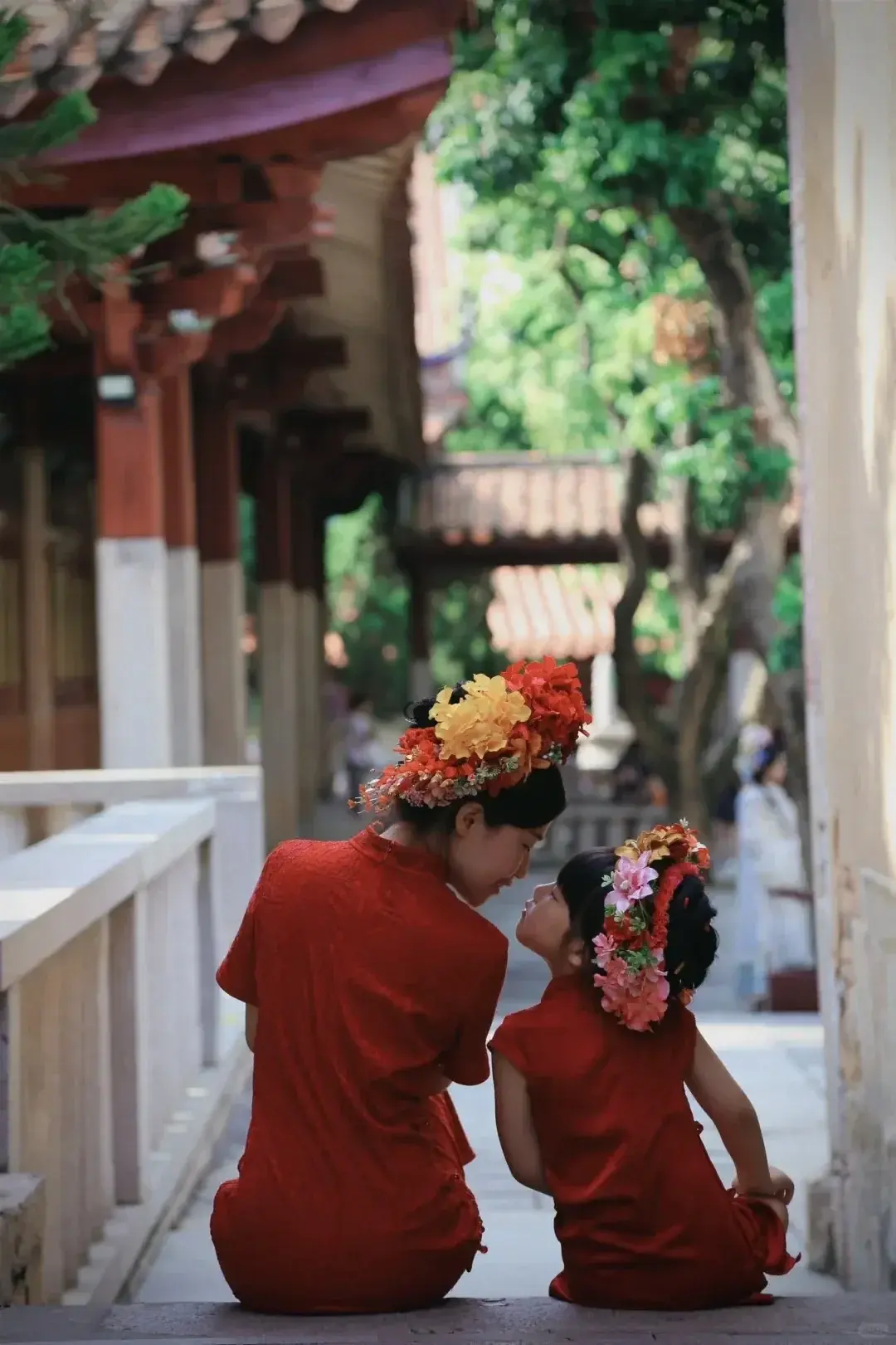
  • Xunpu Floral Hairpin: Traditional Attire Travel Photos
  • Southern Music and Puppetry: China's Living Musical Fossils
  • Anxi Dou Cha: The Orchid Aroma of Tieguanyin
  • Nanjing Tulou: UNESCO World Heritage Site
  • Ginmen Island: Sea-hopping
  • Visit the Qiaopi Cultural Relics Museum and listen to the blood, tears, and homeland devotion of Chinese overseas migrants behind each 'silver letter'.
  • Visit Guangxi Bridge (Xiangzi Bridge), one of China's four ancient bridges, to marvel at the famed 'eighteen towboats and twenty-four islets'.
  • Enjoy Dancong tea while watching a captivating, close-up performance of Yingge Dance, a UNESCO Intangible Cultural Heritage tradition.
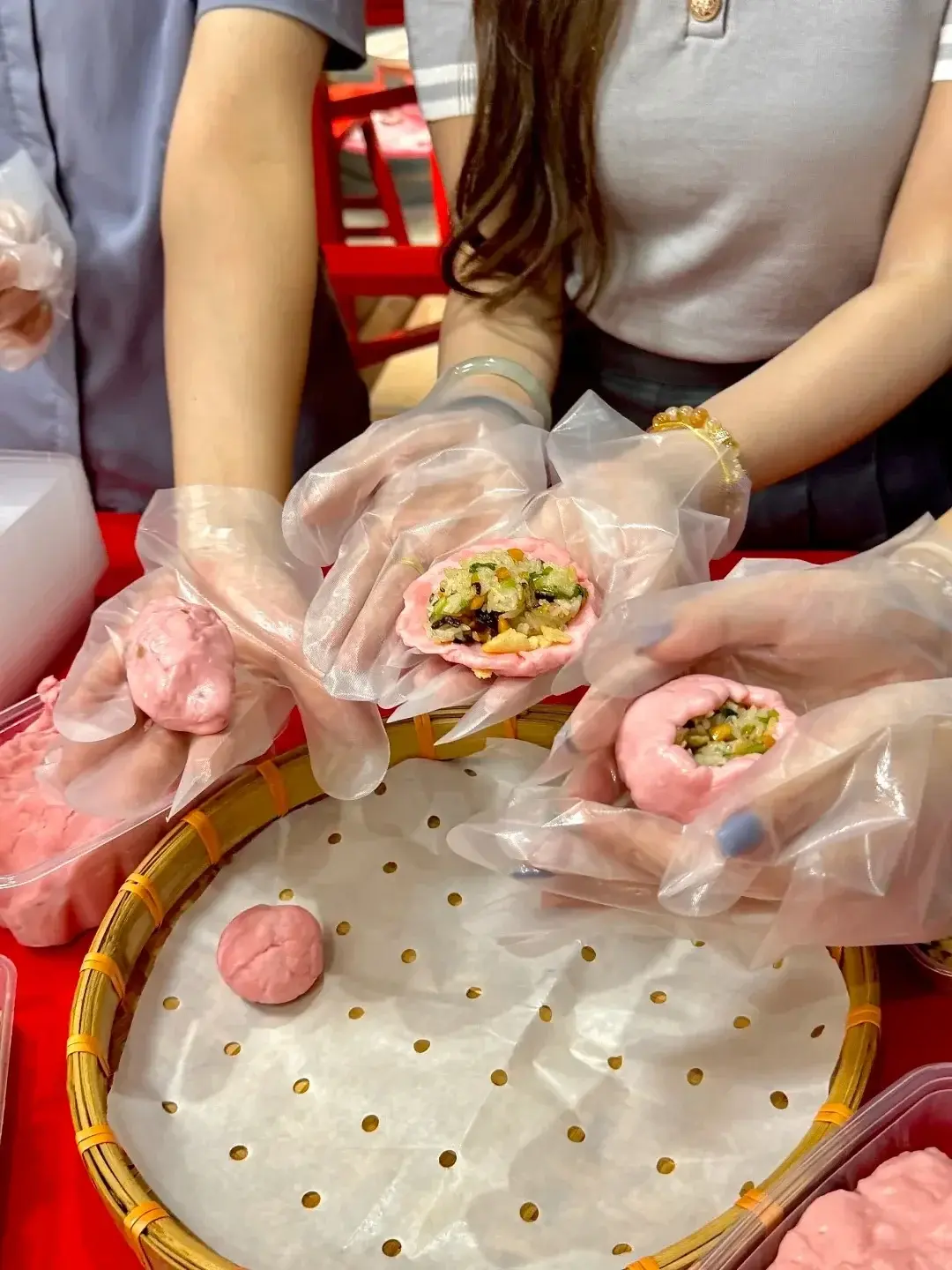
  • Stroll through Paifang Street and experience making Hongtaoguo, a traditional Chaoshan sacrificial pastry, with your own hands.
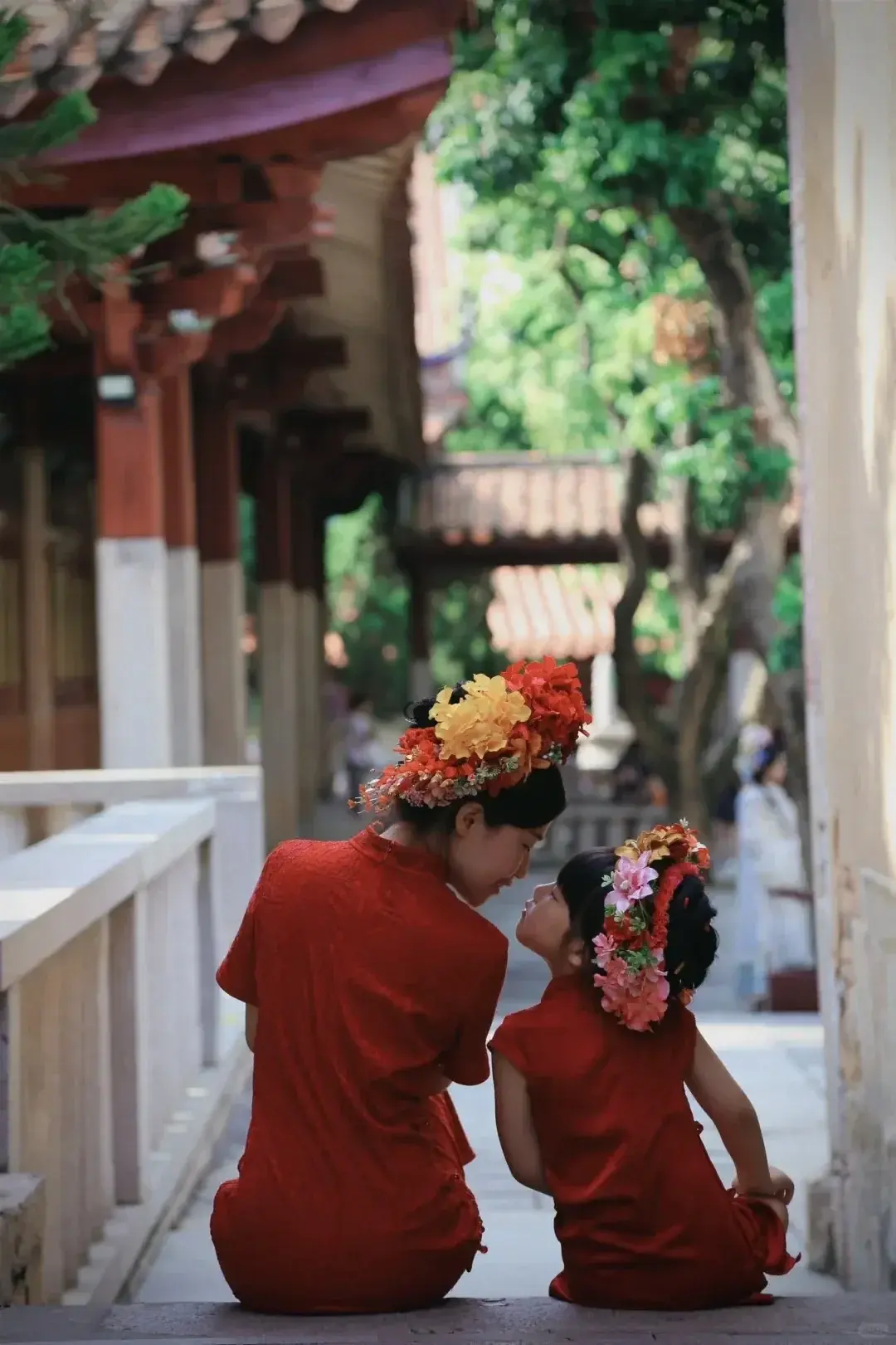
  • Experience the viral zanhua travel photography in Xunpu Village: don traditional attire and capture the most beautiful face of China.
  • Experience immersive performances of Quanzhou's intangible cultural heritage: Nanyin (a living fossil of Chinese music) and remarkable puppetry.
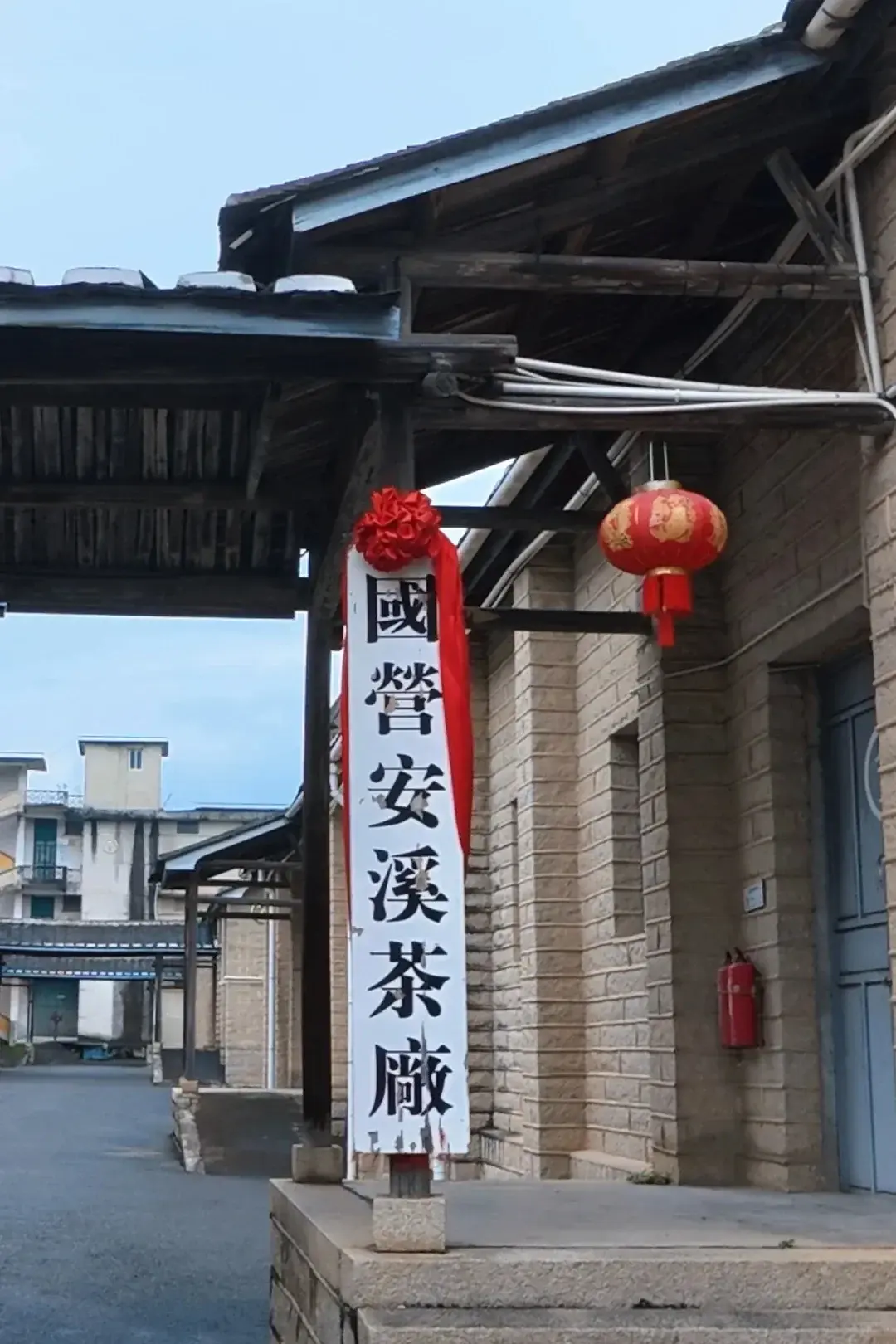
  • Visit the Anxi state-run tea factory for a sensory journey into Tieguanyin tea tasting and appraisal, savouring its signature orchid fragrance.
  • Tour the UNESCO World Heritage site of Nanjing Tulou, admiring Guizai Lou, the tallest earthen building, and Huaiyuan Lou, the most exquisite double-ring circular structure.
  • Head to Wutong Pier, take a ferry across the sea to Kinmen Island, and explore the trail stop and Shanhou Folk Culture Village.
Tour route mapTour route: Guangzhou, Shantou, Jieyang, Chaozhou, Quanzhou, Zhangzhou, XiamenGuangzhou · ArrivalsD1ShantouD2JieyangD3ChaozhouD4QuanzhouD6ZhangzhouD8Xiamen · DeparturesD9–D10

Things to do

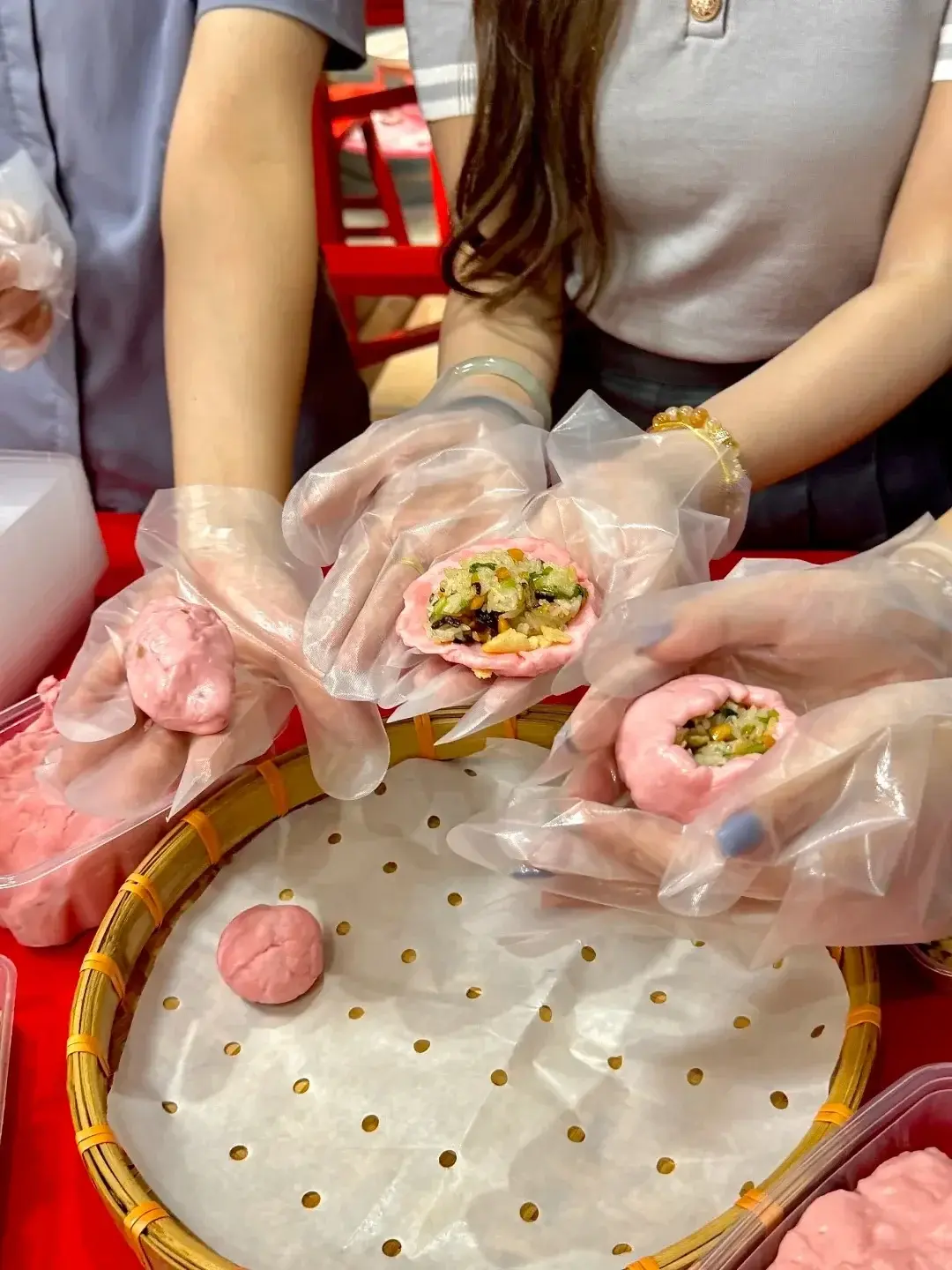
Hand-press a tray of red Tao Kueh, Chaozhou
01
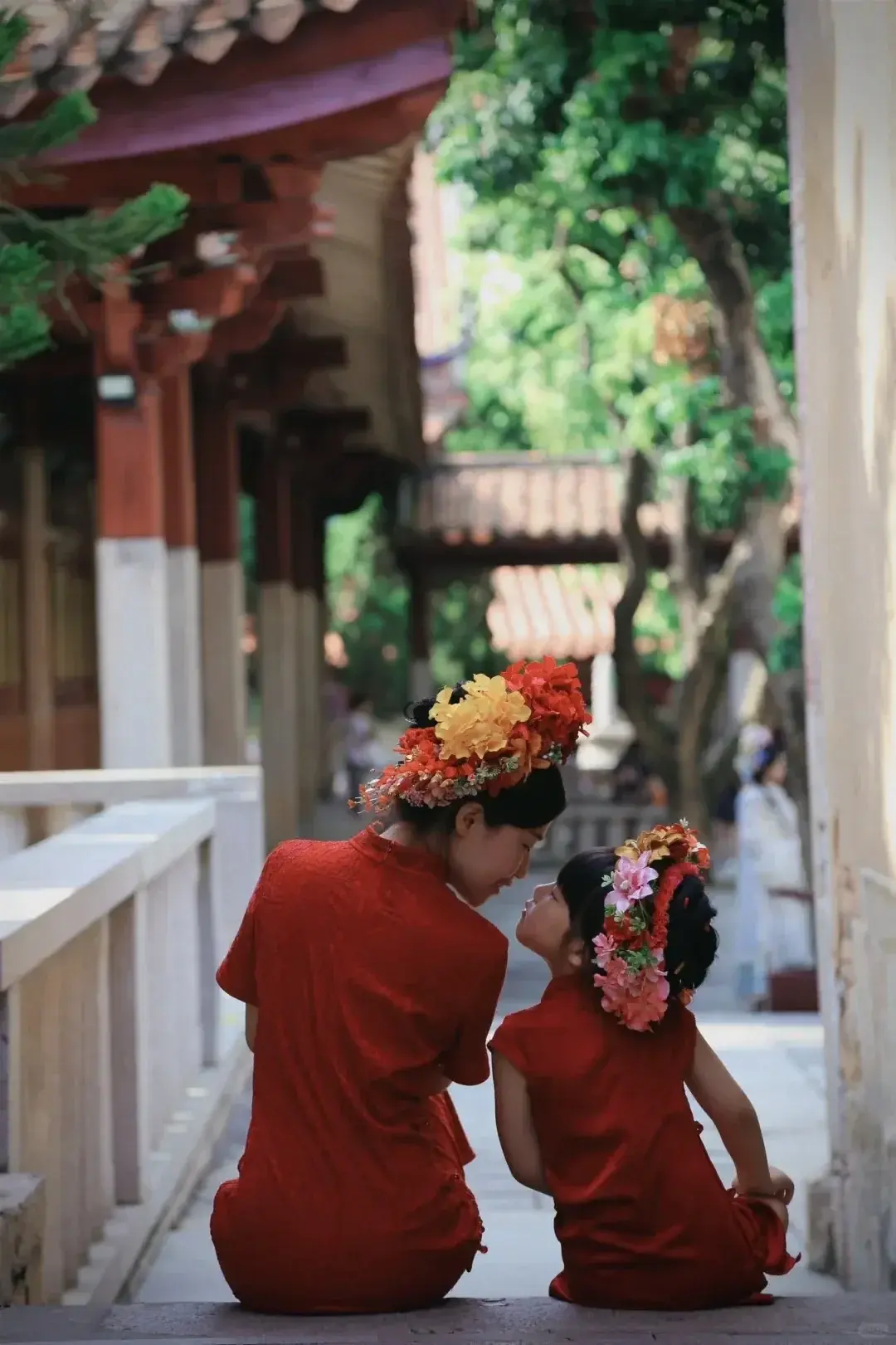
The flower-jewelled hair wreath of Xunpu Village, Quanzhou
02
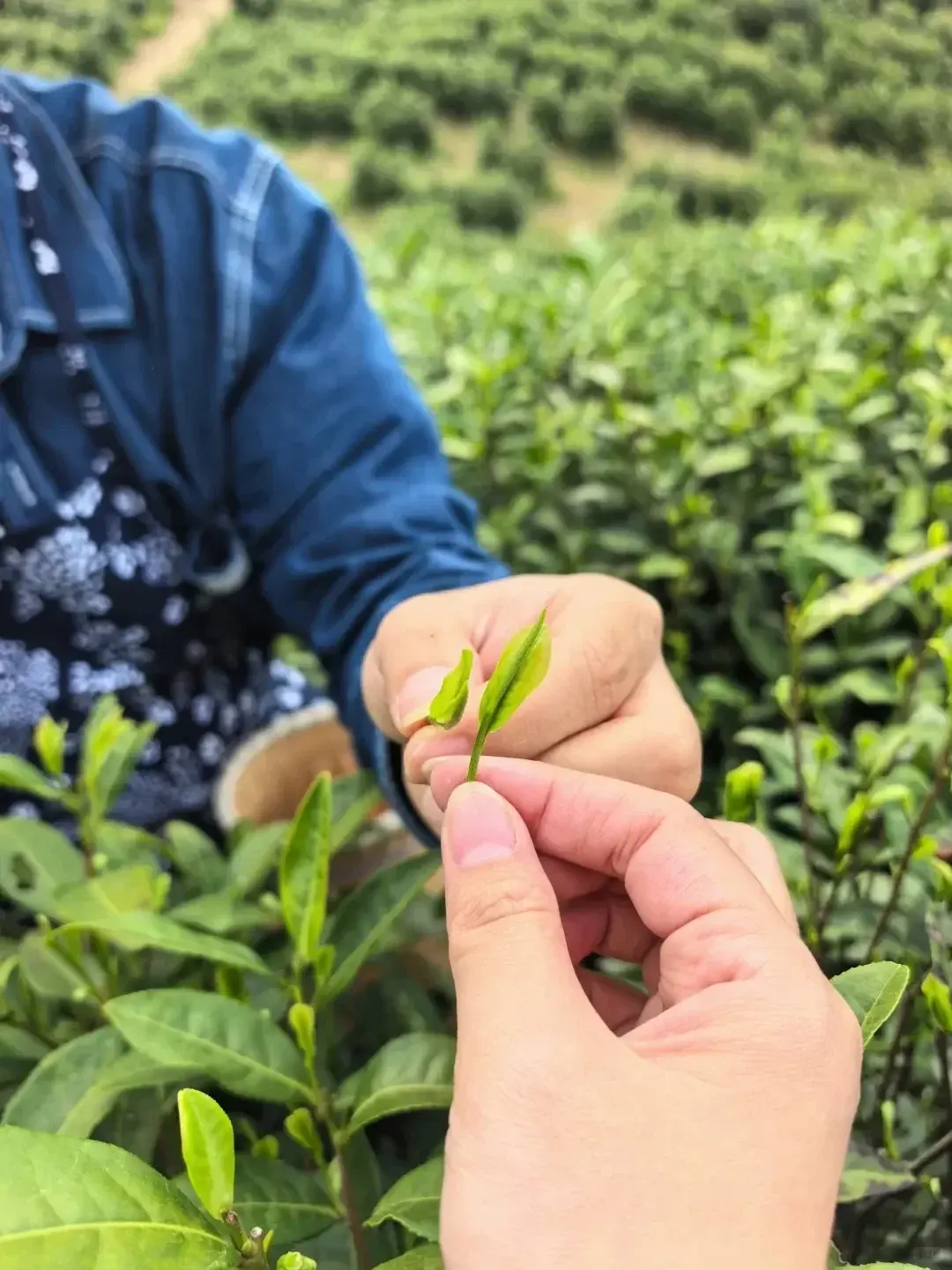
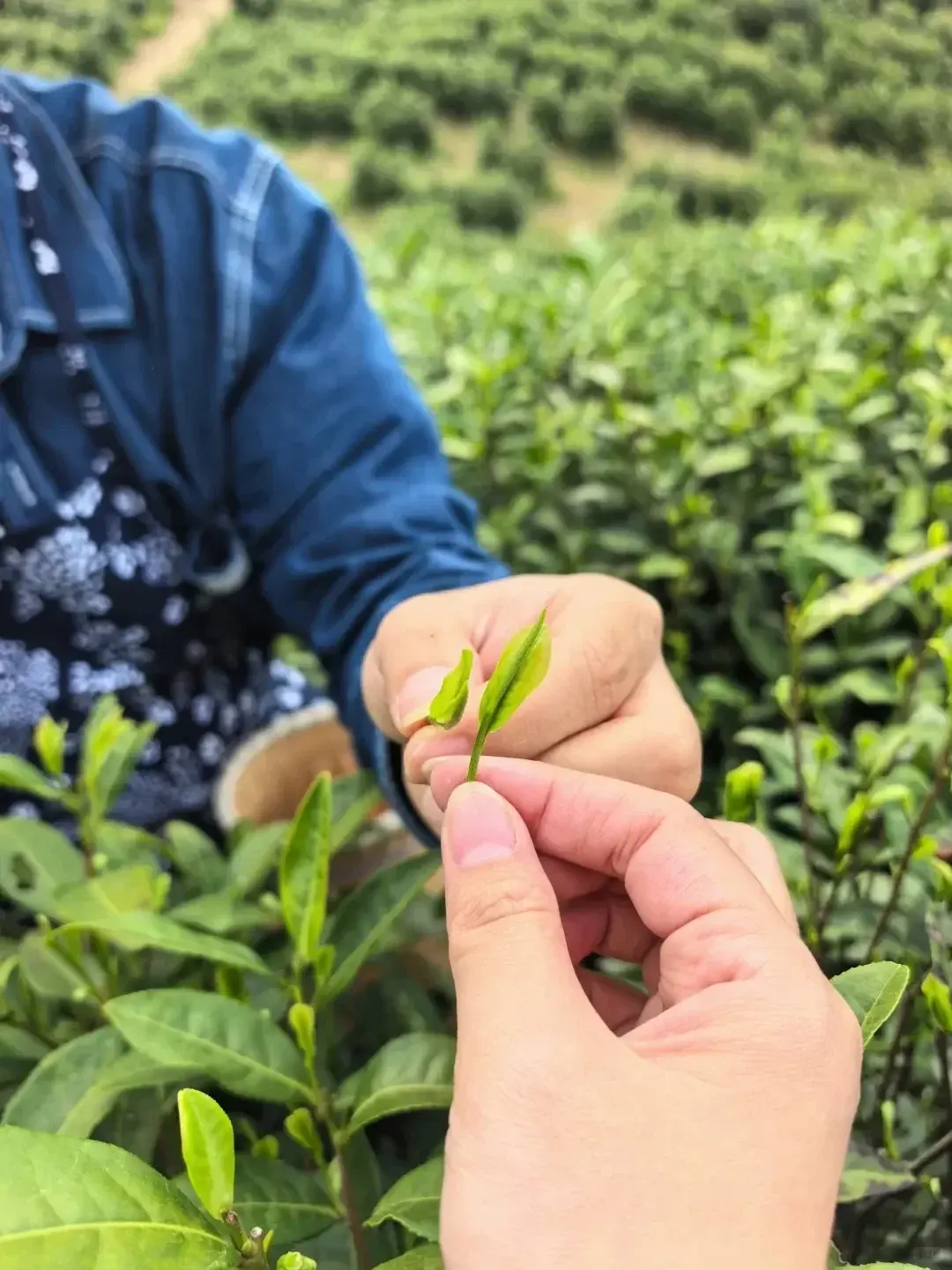
Battle it out with tea at the old tea factory, Quanzhou
03

Itinerary

Guangzhou · Day 1

Guangzhou
Guangzhou
Guangzhou

Day 1 · Arrive in Guangzhou

Touchdown, check-in, and rest. No sights planned today—let the jet lag from the long flight settle in Guangzhou.
Pick-up at Guangzhou Baiyun Airport or high-speed railway station Your butler will greet you at the arrivals gate and chauffeur you to your hotel in central Guangzhou. Your luggage will be taken straight to your room, so you won't have to lift a finger.
Check in to a hotel in central Guangzhou Upscale hotels in the city centre. Leave the afternoon free to catch up on rest.
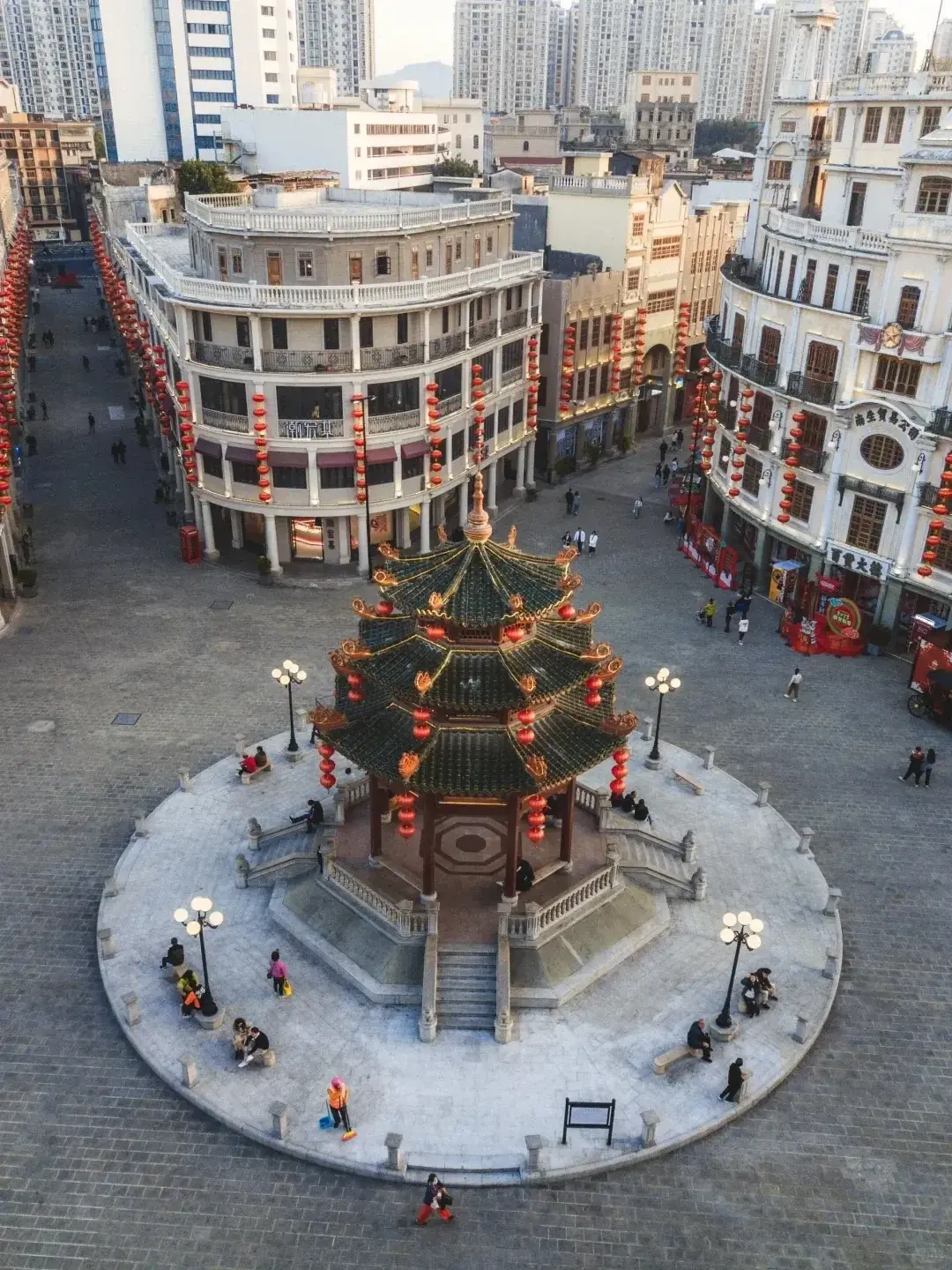
Free time to explore the pedestrian streets of Shangxiajiu or Beijing Road We recommend visiting the Shangxiajiu or Beijing Road pedestrian streets. The Qilou arcades reflect everyday Guangzhou life, with dessert and sugarcane juice stalls open until late. Get an early night's rest tonight; we're catching the high-speed rail first thing tomorrow.
High-speed rail3 hours

Shantou · Day 2

Shantou
Shantou
Shantou

Day 2 · A century-old trading port, a coastal cradle of culture

Take the high-speed rail south to the Chaoshan region. Wander through the arcaded buildings around Xiaogongyuan in the afternoon, visit the Qiaopi Cultural Relics Museum at dusk, and let Longyan South Road’s food scene take care of your evening.
Hotel breakfast After lunch, head straight to Guangzhou South Railway Station. The driver will handle your luggage.
Take the high-speed train from Guangzhou to Shantou Second-class seat, about three hours. The view outside the window shifts from the Pearl River Delta to the rice paddies and ancestral hall rooftops of the Chaoshan plains.
Signature Shantou Lunch Start with a proper Teochew meal—beef balls and rice noodles to fuel your afternoon walk.
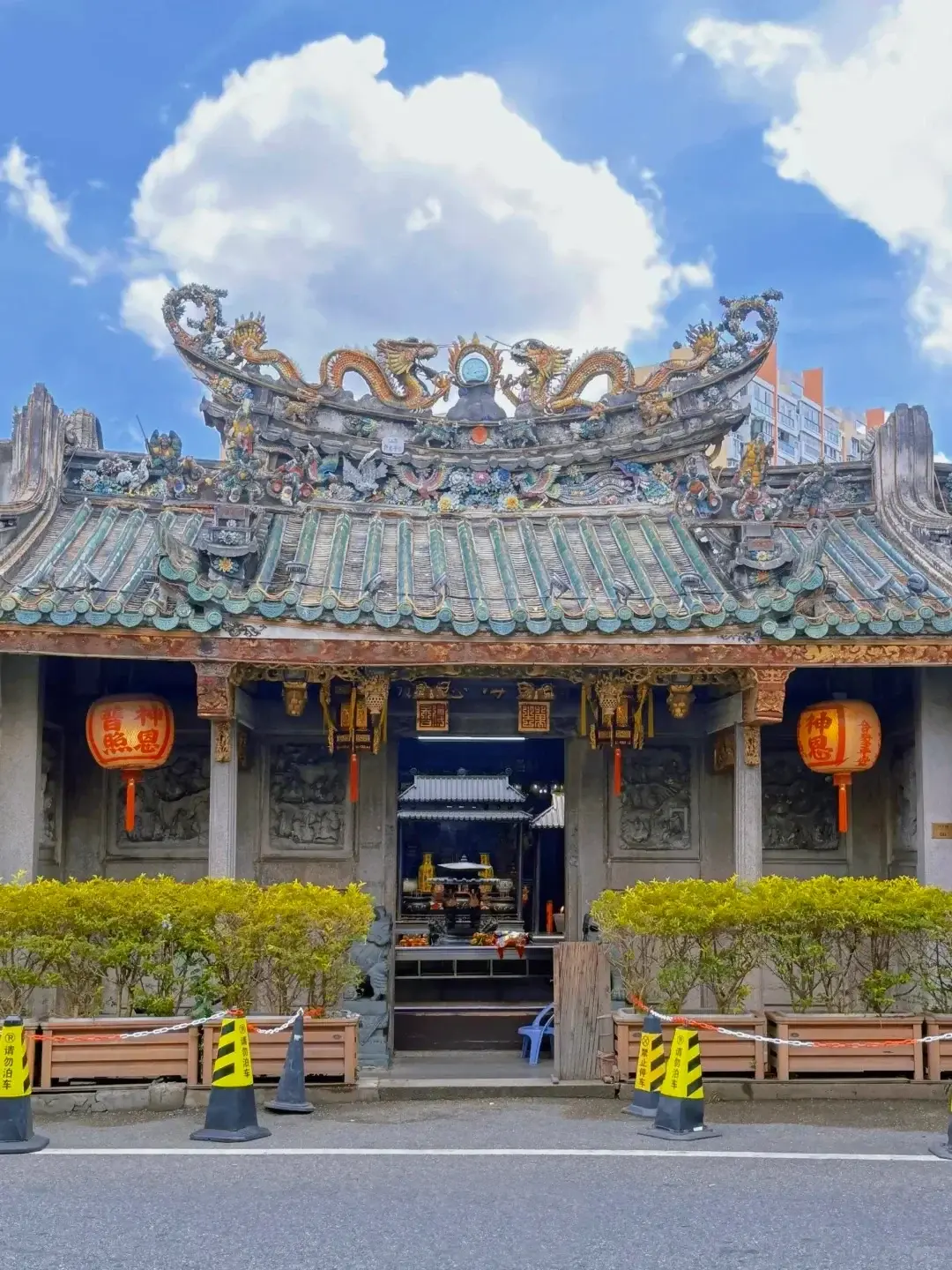
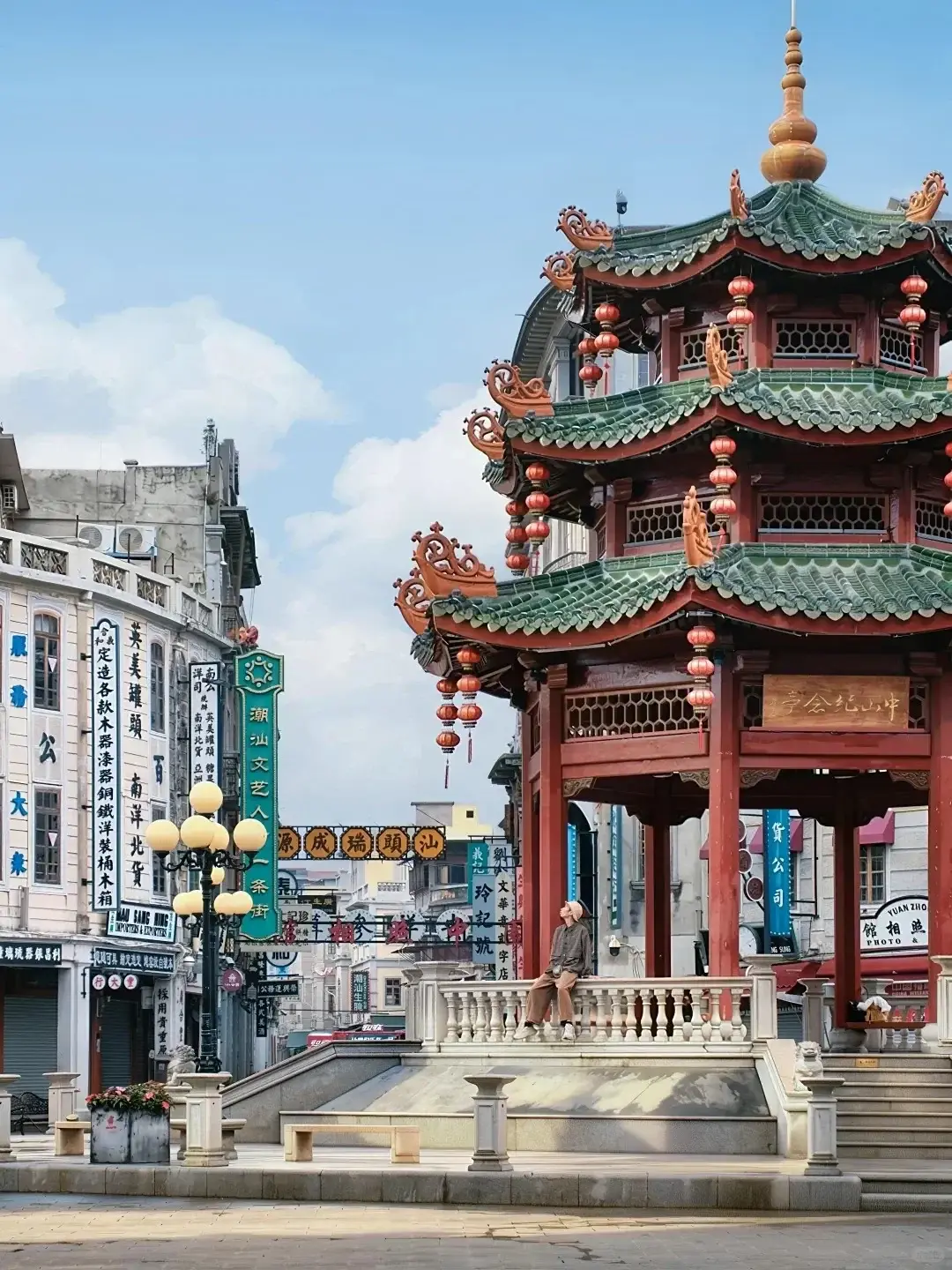
Shantou Small Park and Laomu Temple The Xiaogongyuan area features a radial street grid with arcaded buildings dating from the 1930s, centred on the Zhongshan Pavilion. Just two streets away lies the Mother Temple, its roof ridges adorned with intricate porcelain inlay depicting figures, birds and flowers.
Overseas Chinese Remittance Cultural Museum Qiaopi are letters sent by overseas Chinese back home from Southeast Asia, with money enclosed in each one—so each letter was also a remittance. The museum displays original documents: the handwriting, rattan trunks, and account books are all preserved. Every Western-style mansion and ancestral hall visible along this route was funded by the money inside these envelopes.
Longyan South Road Food Street Stroll and sample: beef balls, kway teow, oyster omelette, and rice rolls — one of each. No need to sit down at every stop.
Check in to hotel in Shantou Sheraton Shantou or similar.
Private car1 hour

Jieyang · Day 3

Jieyang
Jieyang
Jieyang

Day 3 · Water-town ancient village, cradle of Confucian culture

Spend the morning immersed in the ancient Chaoshan residences, then explore the Confucian Temple and City God Temple in the afternoon. Remain in Jieyang for the next two nights.
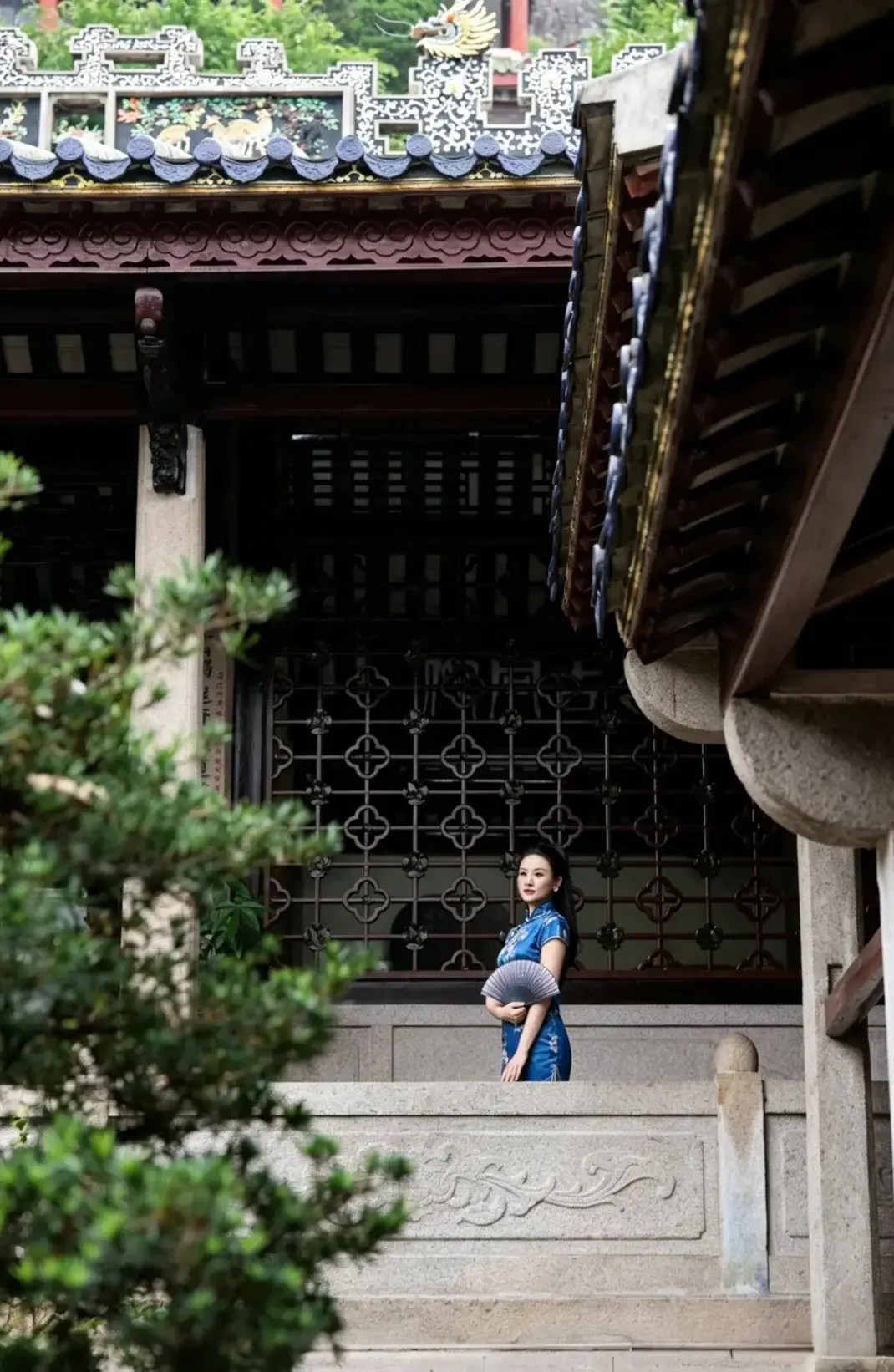
Puning Cantonese Morning Tea A thirty-year-old establishment, still keeping to the tradition of 'one pot, two pieces'. Har gow, siu mai, cheung fun, and chicken feet arrive basket by basket, and the tea flows until half past ten.
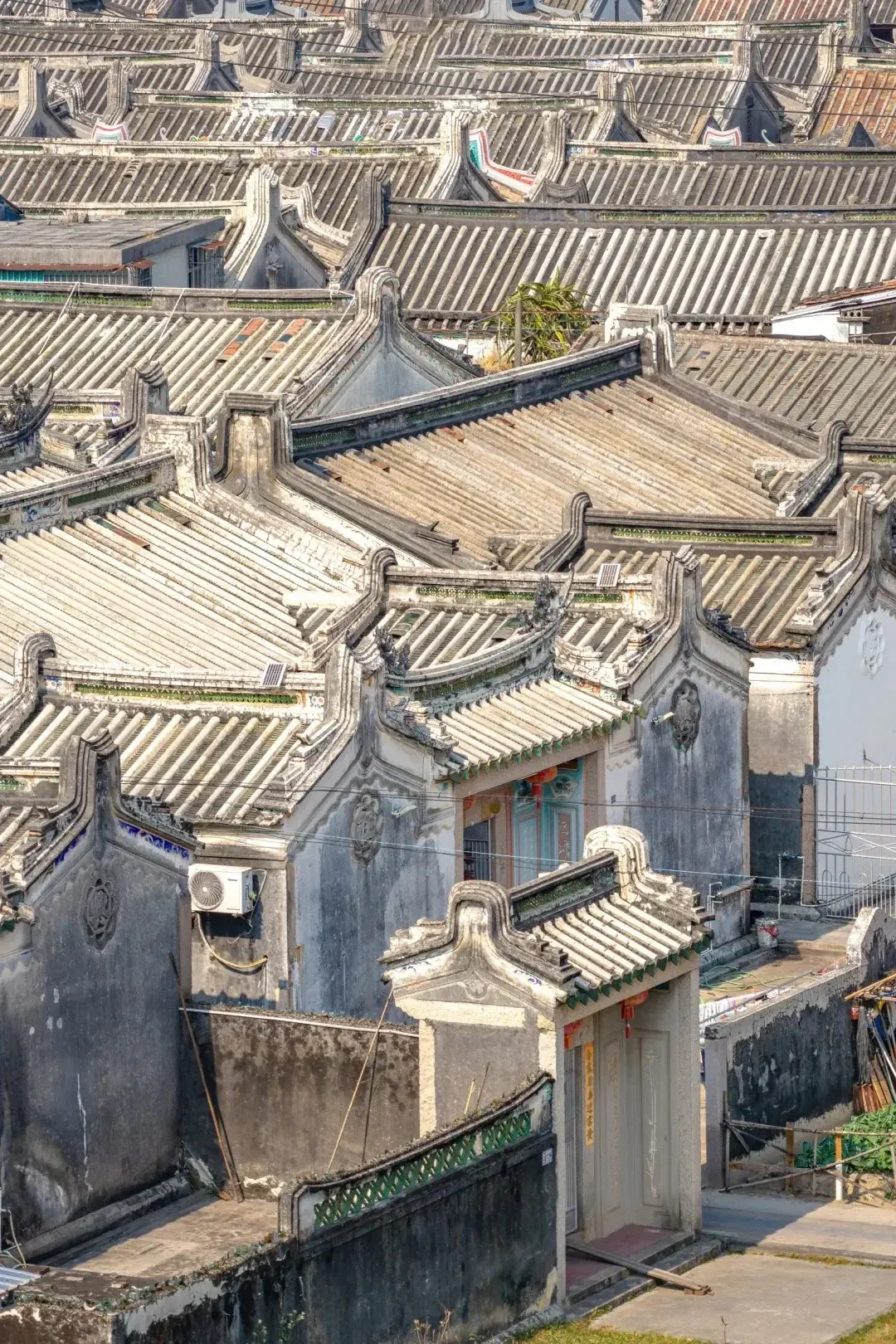
Nigou Village Chang'an Li Fifteen courtyard residences in the traditional "Sidianjin" and "Xiashanhu" styles stand side by side. These terms denote classic Chaozhou architectural layouts: the Sidianjin features four wings surrounding a central courtyard, while the Xiashanhu has two lower side rooms. The beams are adorned with carved woodwork, and the roof ridges decorated with enameled ceramic assemblies.
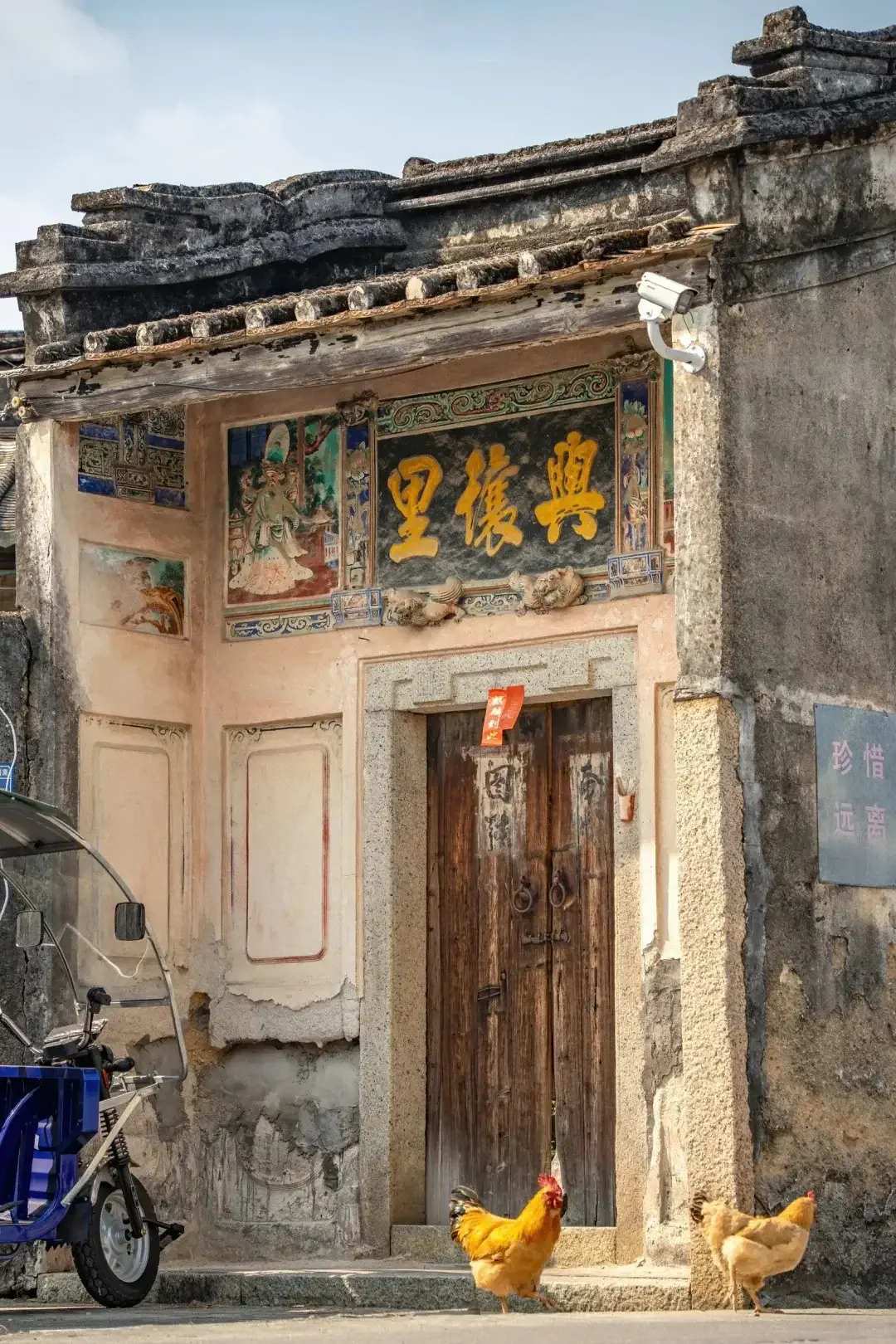
De An Li and Surrounding Lunch The largest cluster of traditional courtyard-style ancestral residences in the Chaoshan region, laid out in the 'hundred birds paying homage to the phoenix' pattern. Stroll through the alleys, then enjoy lunch nearby.
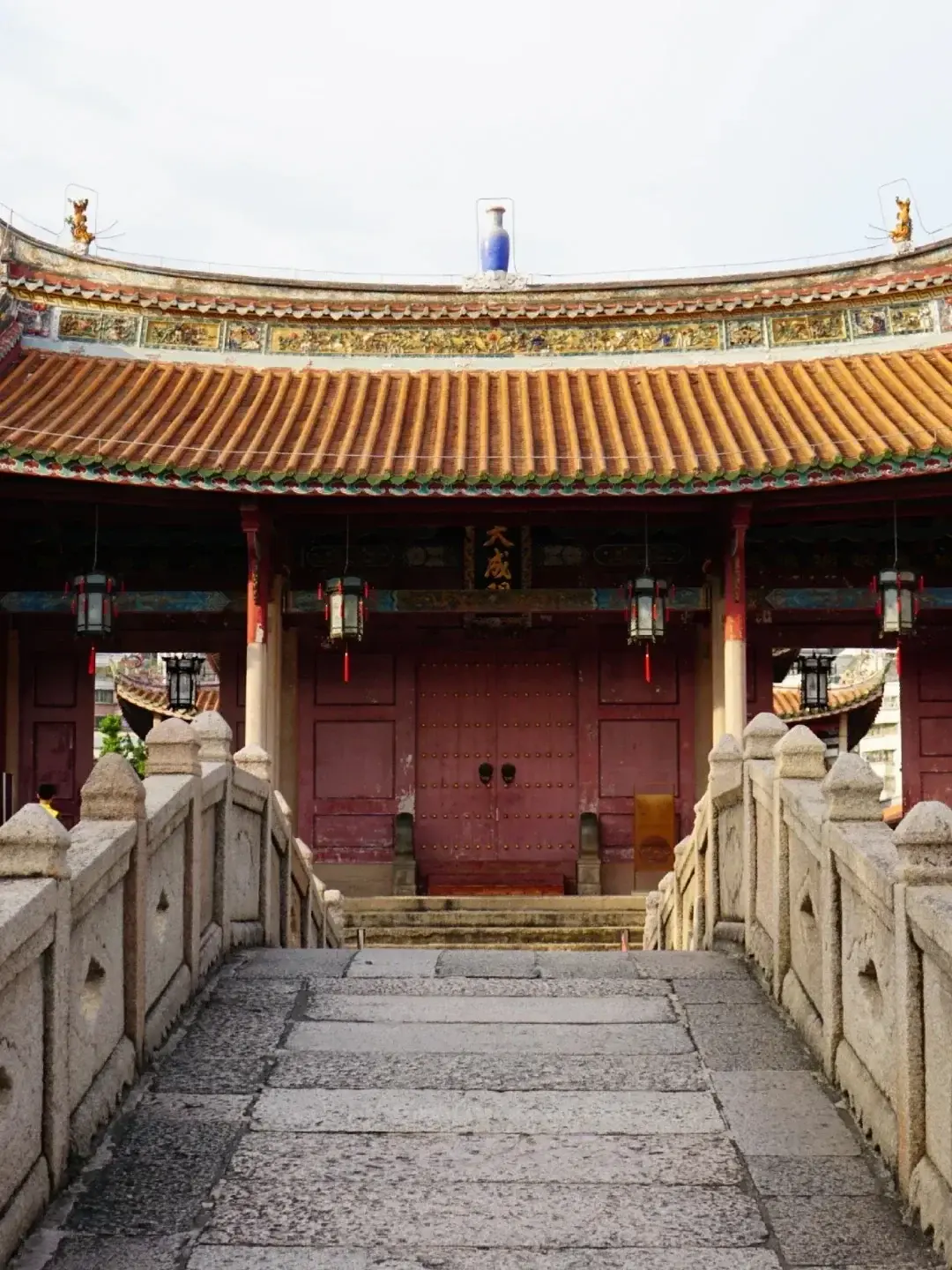
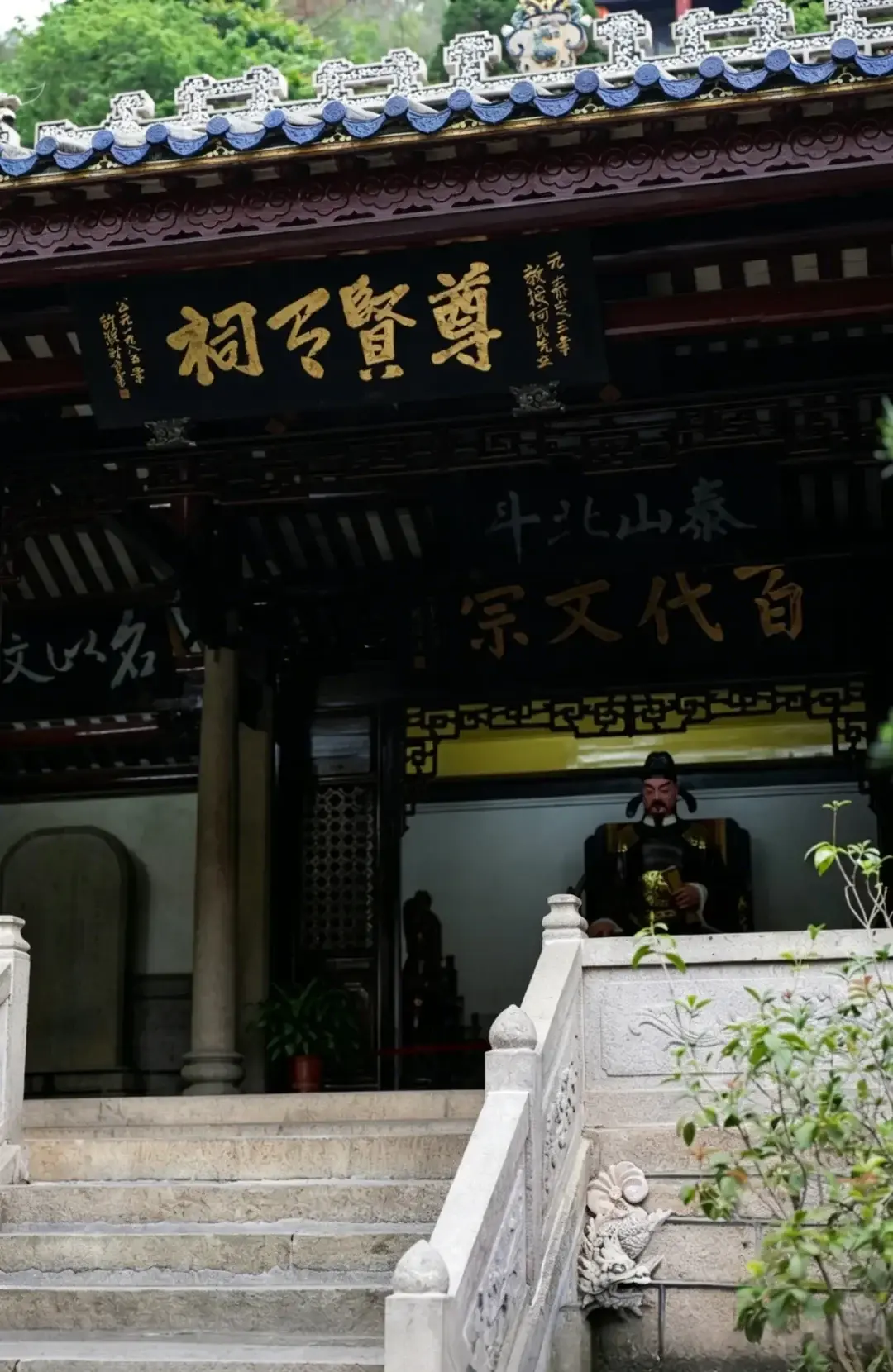
Jieyang Confucian Temple and City God Temple The Confucian Academy was formerly an官办 school and temple, with its halls arranged along a central axis. A two-hundred-metre walk brings you to the City God Temple, still vibrant with incense smoke. The sculptural styles of the two sites differ entirely: one reflects literary tradition, the other folk belief.
Jieyang Vegetarian Buffet Chaoshan vegetarian cuisine is meticulously crafted, achieving the layered depth of meat dishes using mushrooms and soy products. After a day's walks, this meal was a light and refreshing indulgence.
Check in to a hotel in Jieyang city centre Four-diamond hotel in Jieyang city centre or equivalent, for two consecutive nights.
Private car1 hour

Chaozhou · Day 4

Chaozhou
Chaozhou
Chaozhou

Day 4 · Tidal Echoes, Timeless Nights: Intangible Heritage Unfolds

Spend the day in Chaozhou. In the morning, cross Guangji Bridge and pay respects at the Han Wengong Shrine; lunch features braised goose feast. In the afternoon, enjoy the Yingge dance and red peach cakes, and as night falls, be mesmerised by the light show and claypot congee.
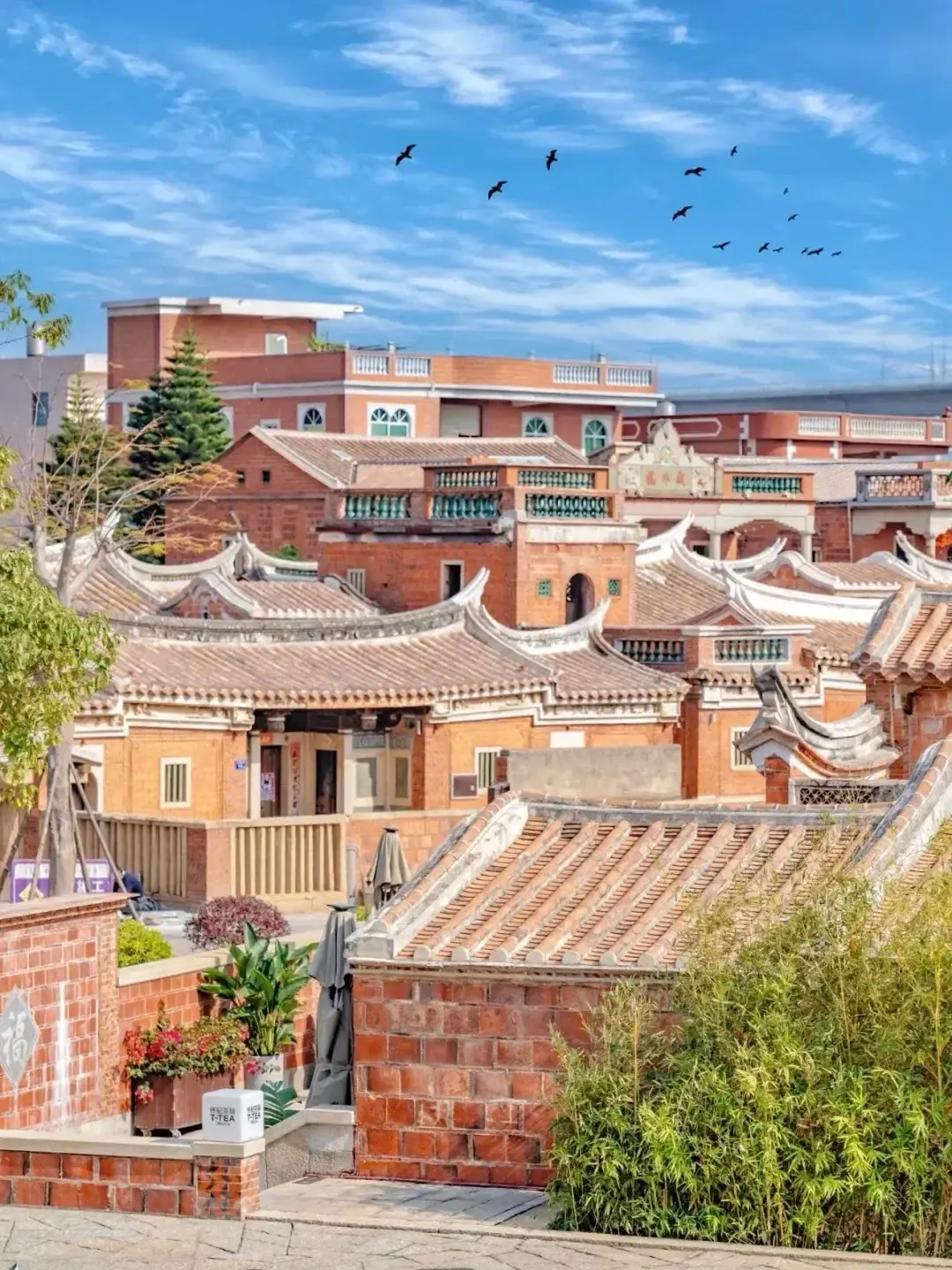
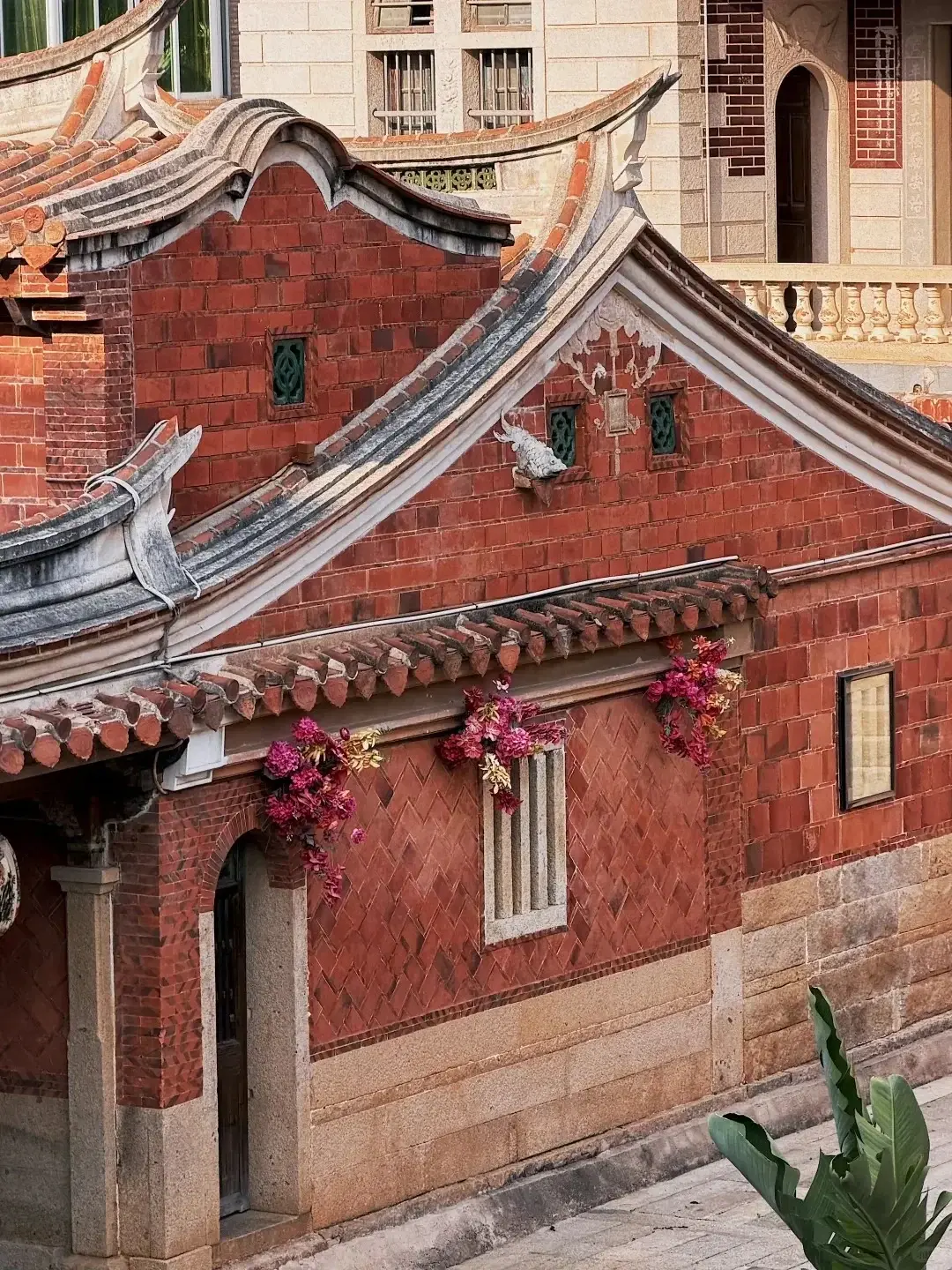
Travel to Chaozhou by car It takes about an hour to get from Jieyang to Chaozhou, and you can be standing on the bridge well before noon.
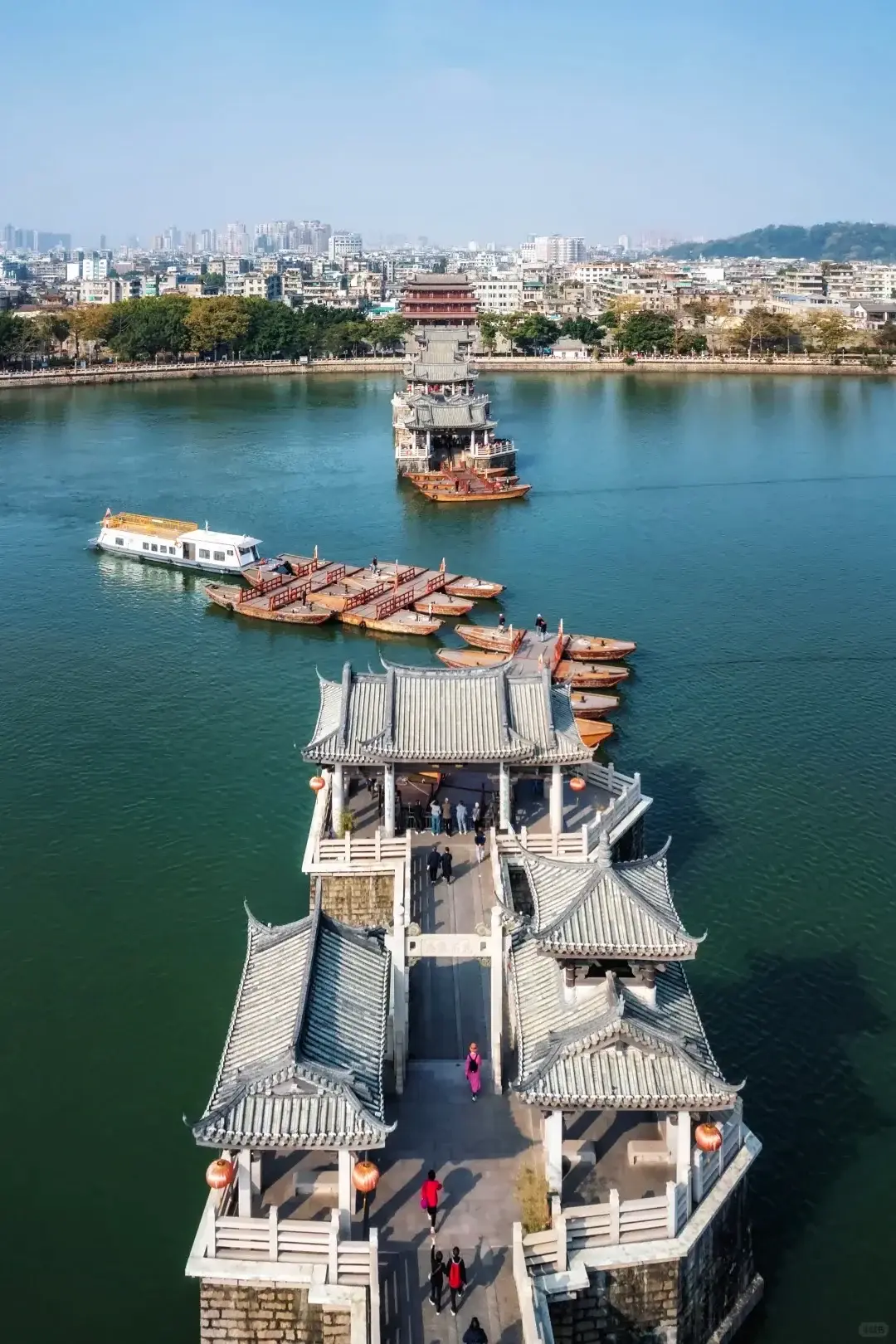
Guangji Bridge One of China's four ancient bridges, known locally as Xiangzi Bridge. Its structure is described as 'eighteen sailing boats and twenty-four islets': stone piers at each end with a floating bridge formed by eighteen wooden boats in the middle. Every evening, the boats are untethered to allow ships to pass, splitting the bridge into two sections—a design that dates back to the Song Dynasty.
Teochew Braised Goose Banquet A whole lion-head goose is braised, with the liver, wings, and feet served separately on a platter, accompanied by chopped garlic and white vinegar. This is the feast laid out for Chaoshan locals when hosting guests.
Han Wengong Shrine Nestled against the mountains and overlooking the river, this ancestral hall commemorates Han Yu. He served in Chaozhou for just eight months, founding schools, freeing enslaved people, and exorcising crocodiles—after which the river was renamed the Han River and the mountain the Han Mountain. This is the root of the Chaoshan people’s deep reverence for education.
Dongchong Oolong Tea and the Intangible Cultural Heritage Yingge Dance Start with a brew of Fenghuang Dancong oolong — locals typically steep it many times over the course of a day. Then watch the Yingge dance: vivid facial makeup, paired sticks, intricate formations — a dynamic fusion of martial arts and opera. Dozens of performers strike in unison, the ground trembling beneath them. A national-level intangible cultural heritage.
Paifang Street and Handmade Hongtao Rice Cakes Twenty-three Ming and Qing dynasty stone arches line the street, with Nanyang-style shophouses on either side and snack stalls below. Pick a stall to make hong tao kueh: knead dough coloured with red yeast rice, stuff it with glutinous rice filling, press it into peach-shaped wooden moulds, and steam until soft—a symbol of good fortune. Take your finished kueh away with you.
Xima Road Food Street A night market for Chaozhou locals. Yumoi noodles, fermented-bean curd cakes, oyster omelettes and beef offal with rice noodles — walk the whole street to savour them all.
Chaozhou Old Town Light Show The buildings and ramparts at Guangji Tower are illuminated, with lights tracing the outlines of the ancient structures—the best views are from across the river.
Ah Rong Claypot Congee Late-night supper. The seafood claypot congee is made from raw rice and cooked to order, with grains blooming but not mushy. The Chaoshan night begins with this pot.
Return to Jieyang hotel The drive takes about an hour, so you'll still be staying in Jieyang tonight.
High-speed rail2 hours

Jinjiang · Day 5

Jinjiang
Jinjiang
Jinjiang

Day 5 · Exploring Southern Fujian: A First Glimpse of Quanzhou

Take the high-speed rail across provinces into Fujian. Wulin is the second time this route directly confronts the theme of 'overseas Chinese'.

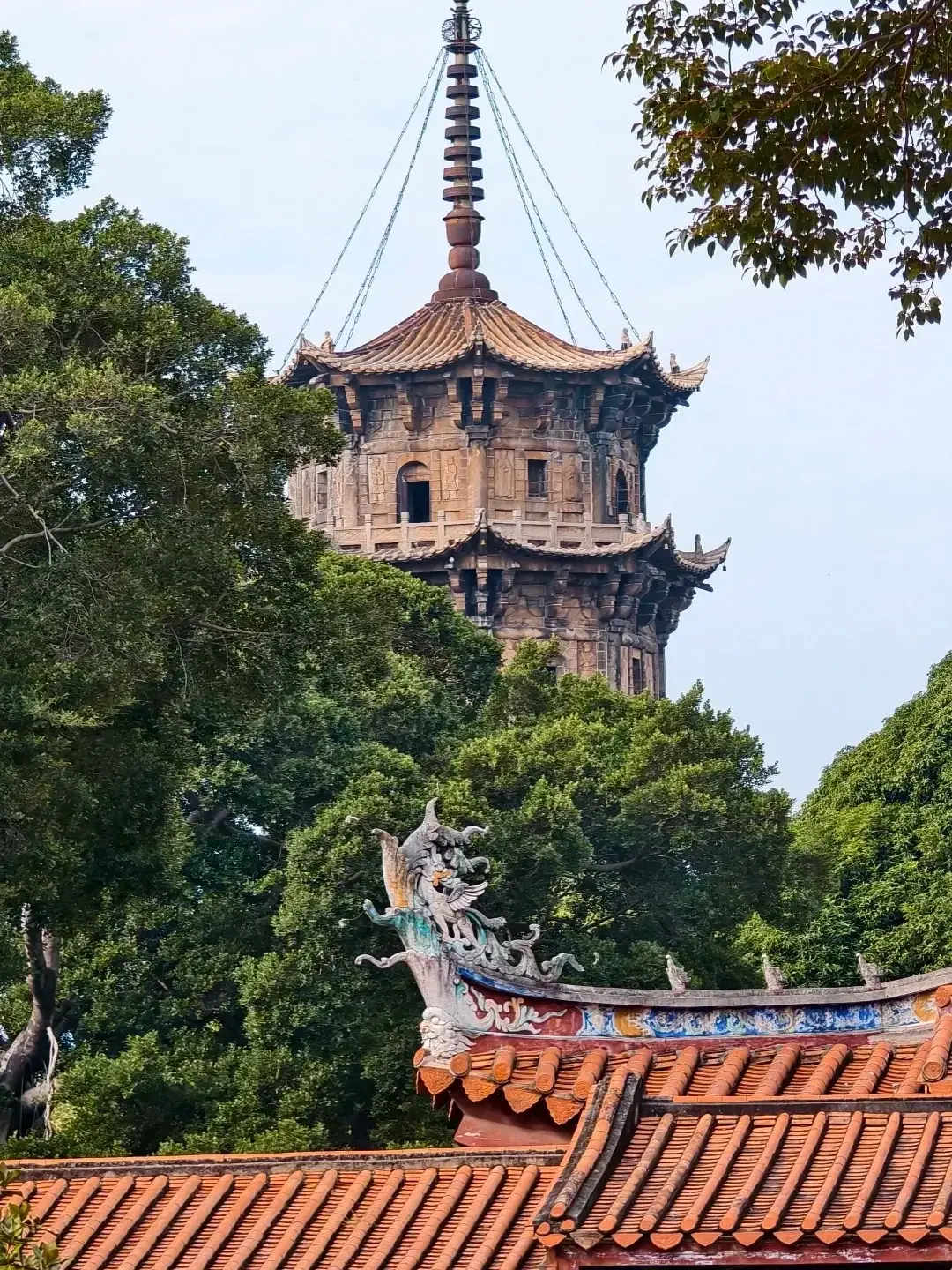
Take the high-speed rail from Chaoshan Station to Quanzhou South Station A three-hour drive across provinces, with a private car waiting upon arrival.
Wulin Traditional Village A 600-year-old village. Beneath the swan-tail ridges of traditional Minnan red-brick ancestral homes stand Western-style mansions built by overseas Chinese with designs brought back from Southeast Asia—some left half-finished when funding ran out, now standing empty. The red brick is local; the Roman columns are foreign, both coexisting in the same alleyway.
Quanzhou Ginger Duck Braised番duck with ginger, sesame oil, and rice wine arrives at the table still bubbling in a clay pot — a cherished Minnan remedy, especially savoured through autumn and winter.
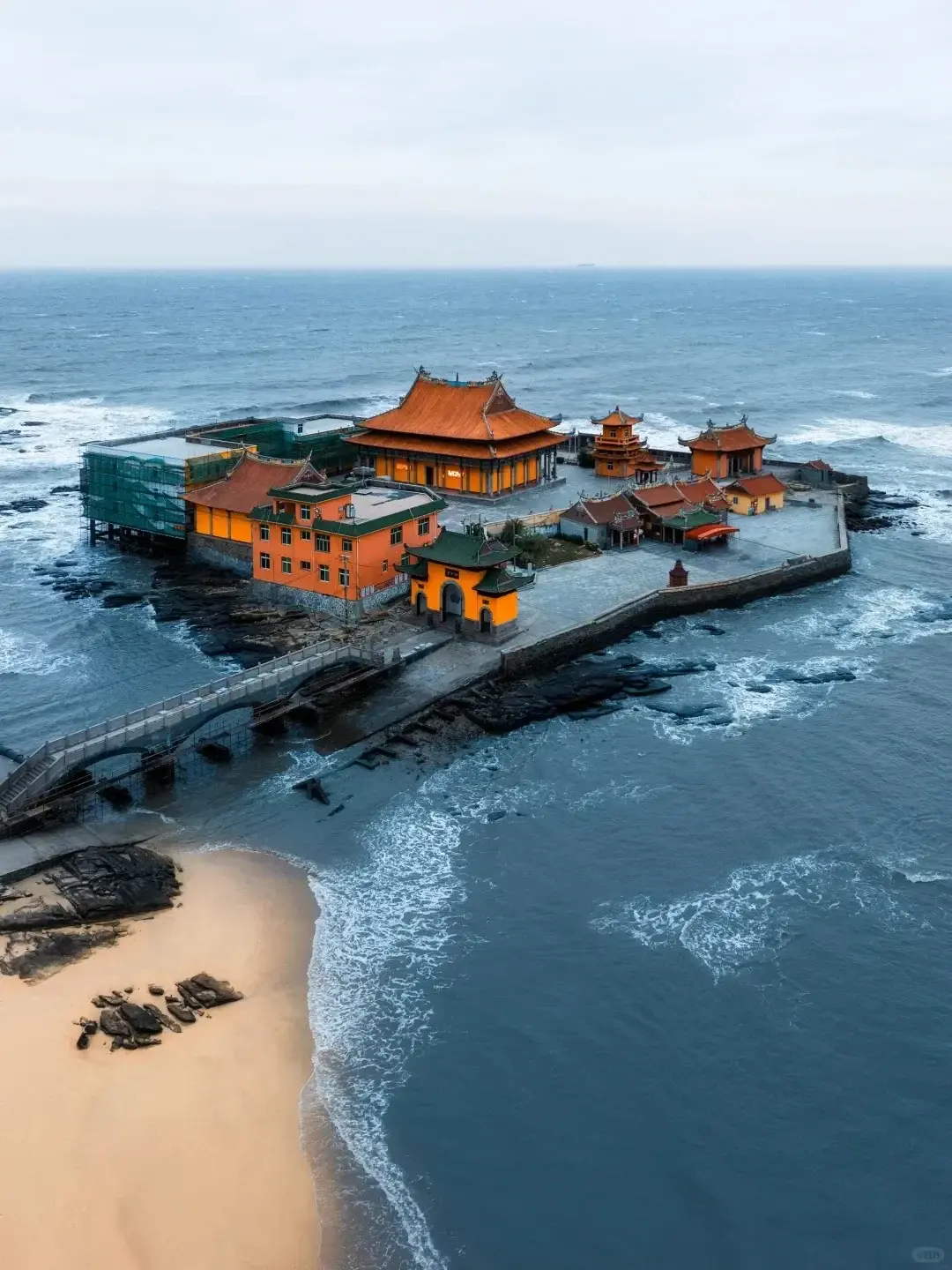
Luojia Temple A coastal temple, its halls facing the sea. The wind is strong, and the sound of bells merges with the waves. Bring a jacket.
Stay at Jinjiang Hotel Quality 4-diamond Jinjiang Hotel or equivalent.
Jinjiang Sunshine Night Market A night market blending Min and Taiwan flavours. Oyster omelettes, four-fruit soup, wheat vermicelli congee — stroll until 10pm.
Private car40 min

Quanzhou · Day 6

Quanzhou
Quanzhou
Quanzhou

Day 6 · Half a city of mortal bustle, half a city of immortal grace

In the morning, change into a traditional hairpin flower headdress for photos in Xunpu Village; spend the afternoon soaking up the everyday atmosphere of West Street; and in the evening, enjoy Nanyin music and watch a string-puppet performance.
Xunpu Village and the Oyster Shell House Alleys A fishing village. The exterior walls are embedded with large oyster shells, ballast brought back by merchant ships from the east coast of Africa. Locals used them to build walls—moisture-resistant and sturdy. The alleys are narrow; look up and you are surrounded by shells.
Xunpu Floral Headdress Travel Photoshoot The flower crown is the everyday hairstyle of local fishing women, with a ring of fresh flowers coiled at the back of the head and an ivory hairpin. It is not a performance for tourists; it is what local women wear when going out today. Change into the traditional blouse and trousers, follow the auntie's hands to style one yourself, and take some photos in the alleyway.
Oyster Risotto in Stone Pot and Oyster Omelette The oysters in Xunpu are small but flavourful. The risotto is served bubbling in a stone pot, while the oyster pancake is pan-fried with sweet potato starch until the edges are crisp and golden.
West Street and Twin Pagodas in Quanzhou Ancient City West Street is the main thoroughfare of the old city, lined on both sides with red-brick minnan-style houses, while the twin East and West Pagodas of Kaiyuan Temple rise above the rooftops. In the Song and Yuan dynasties, this was a key port on the Maritime Silk Road; today, stalls beneath the pagodas sell mianxianhu (noodle congee) and runbing (spring rolls).
Nanyin Music and String Puppetry The musical forms and instruments of Nanyin date back to the Tang and Song dynasties, earning it the title "living fossil" of Chinese music, and it is performed in the Quanzhou dialect. A traditional marionette is controlled by over thirty strings, allowing the artist to make it write with a brush. Enjoy both performances back to back.
Stay at a hotel in Quanzhou city centre Boutique four-diamond hotel in Quanzhou city centre, or equivalent. Dinner is at your own expense; the old town is just outside the hotel.
Private Transfer1.5 Hours

Anxi · Day 7

Anxi
Anxi
Anxi

Day 7 · Blessings, Tea Tasting, and Pilgrimage: A Faith Journey

In the morning, visit the Guan Di Temple to observe how locals in southern Fujian worship, then head into the mountains. Anxi is the birthplace of Tieguanyin.
Divining fortune at the Guan Di Temple in Quanzhou In southern Fujian, 'bai bai' (worship) is an everyday occurrence rather than a formal ritual. The temples are full of people throughout the day casting jiaobei (divination blocks), drawing fortune slips, and seeking interpreters to explain them. Ask your guide to translate each line of your fortune slip for you.
Depart for Anxi The road into the mountains has many bends; passengers prone to motion sickness should sit in the front.
Tiangong Pavilion, Qingshui Rock A complex of pavilions and halls built into the mountainside, rising in layered tiers. When clouds roll in, the entire structure appears to float halfway up the slope. First constructed during the Northern Song Dynasty.
Anxi Speciality Lunch Home-style dishes from the mountains feature tea-oil stir-fries and dried bamboo shoots as the stars.
Anxi State Tea Factory and Dou Cha Tea-Tasting The old factory is still in operation, with decades-old wooden withering trays and rocking machines. After watching the process, you can try your hand at斗茶 yourself: given three identical cups, you'll compare their aroma, liquor colour, and infused leaves, guided by an expert on how to tell them apart. The orchid fragrance of Tieguanyin is coaxed out during the rocking process — it's not added.
Dinner and overnight stay at Anxi Hotel Anxi four-diamond hotel or equivalent. There is another session at the tea plantation tomorrow morning.
Private car2.5 hours

Zhangzhou · Day 8

Zhangzhou
Zhangzhou
Zhangzhou

Day 8 · World Heritage Tulou

Start early with a morning tea-picking session, then cross the mountains to Nanjing. Enjoy authentic Hakka cuisine in the tulou, and spend the afternoon wandering through Yunshuiyao.
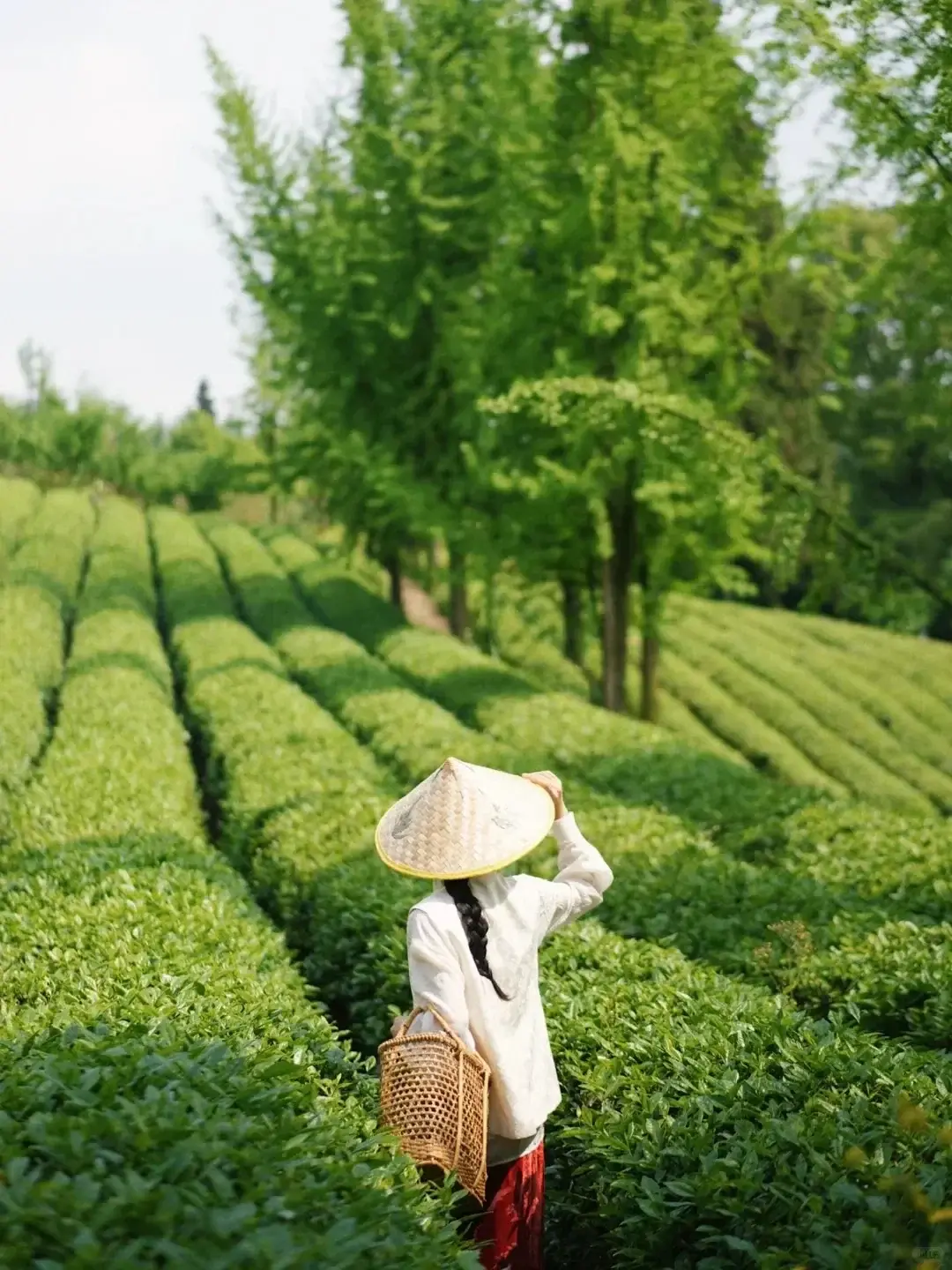
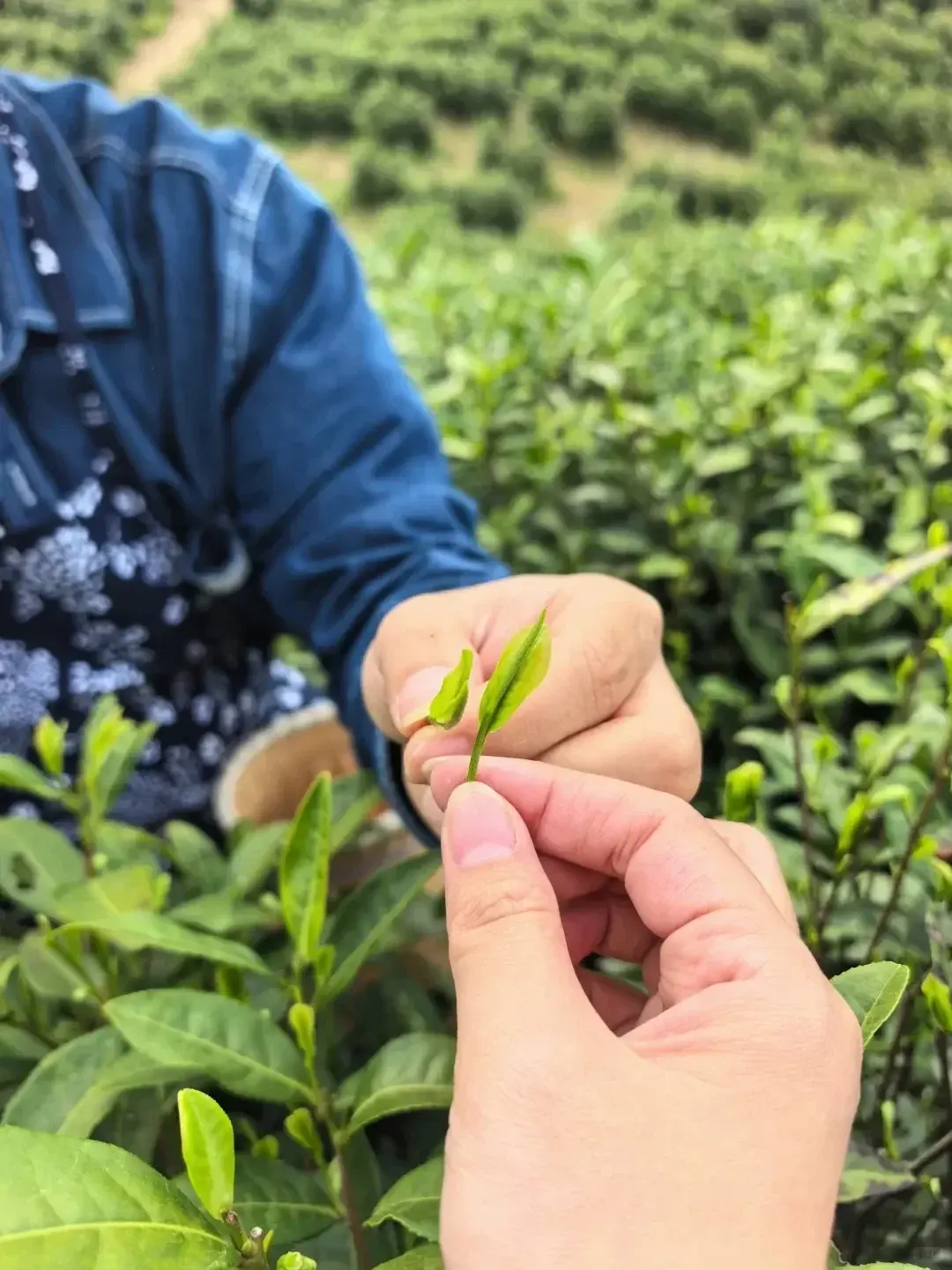
Tea-picking in the tea garden Across thousands of acres of terraced tea gardens, baskets slung over the shoulder, we descend into the fields. Only the tender bud and first two leaves are plucked — lifted gently, never pinched. The fragrance is at its richest in the still-wrapping morning mist.
Travel to Nanjing Tulou A two-and-a-half-hour drive on mountain roads. As you near Tianluokeng, the car will stop at a bend, revealing a full panorama of the five earthen buildings spread out below.
Tulou Hakka Private Kitchen Stuffed tofu, bamboo shoot and free-range chicken soup, and foraged mountain vegetables. Dine together in the open-air courtyard of the tulou, surrounded by a wooden gallery overhead.
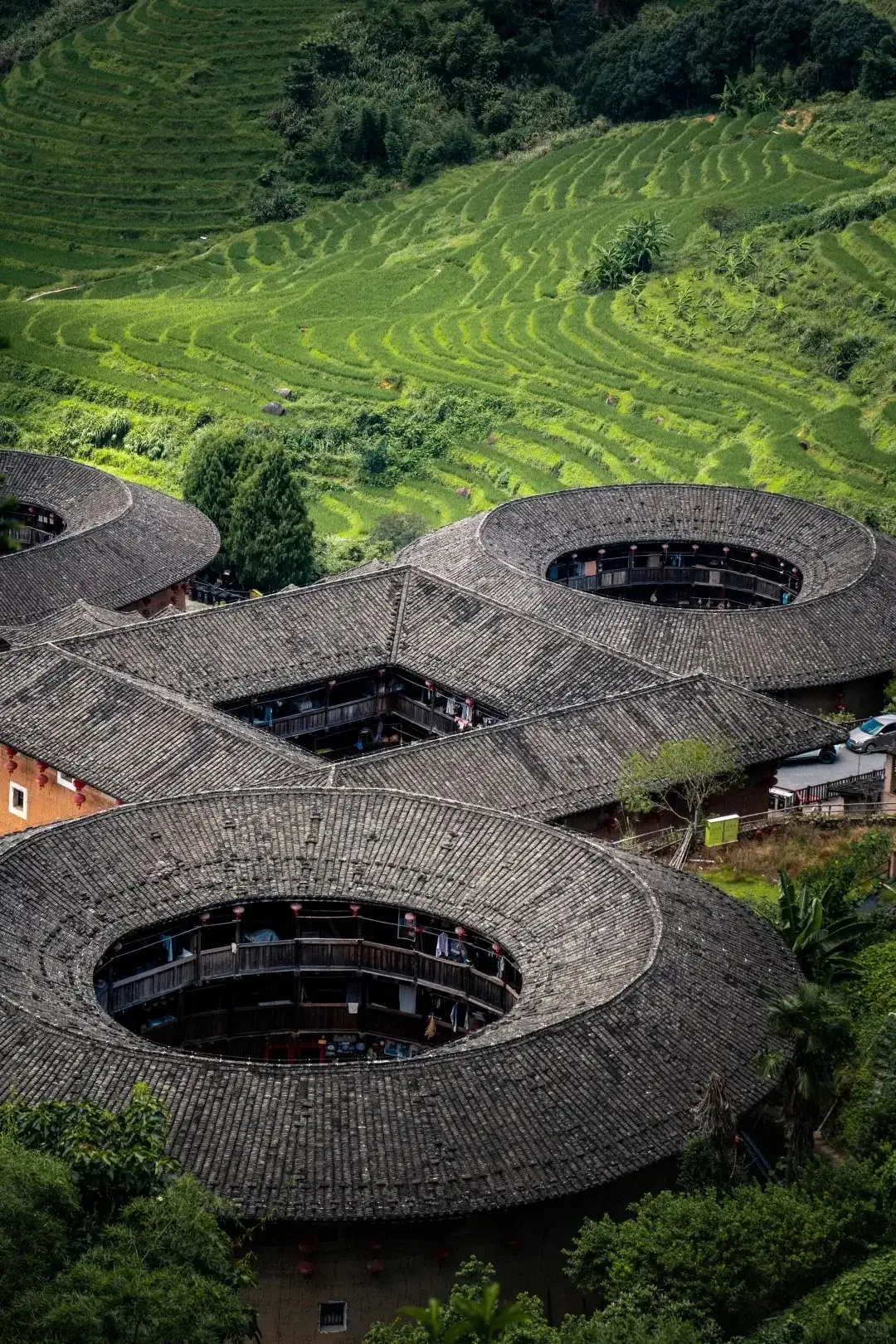
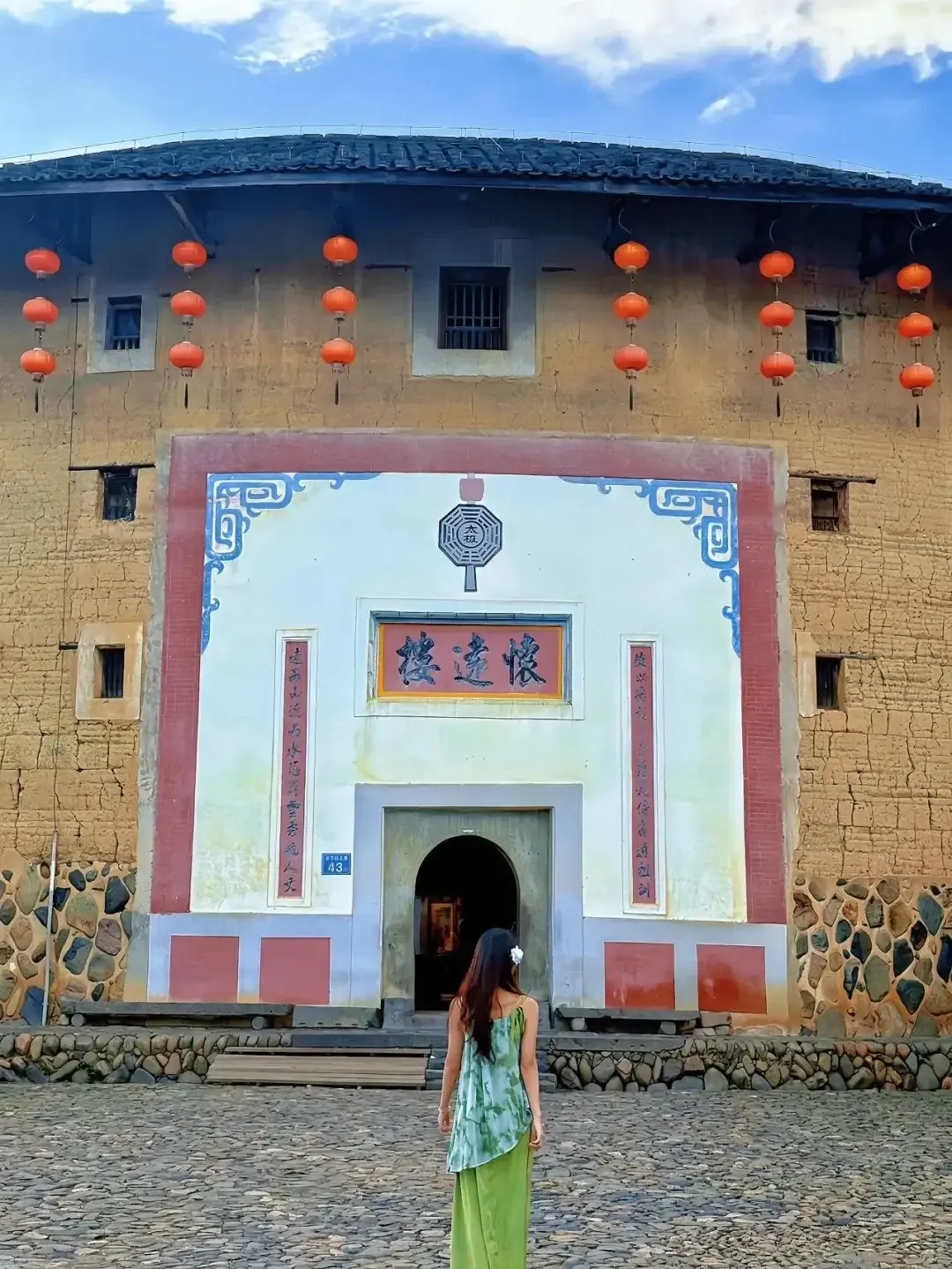
Hegui Building and Huaiyuan Building Hegui Tower was built on swamp land; it has five storeys and is the tallest surviving square earthen building. Huaiyuan Tower is a double-ring circular structure, with its central ancestral hall designed in the style of an academy. The rammed-earth walls are over a metre thick and reinforced with bamboo strips and sticky-rice slurry. Fujian tulou are listed on UNESCO’s World Heritage List.
Yunshuiyao Ancient Town and the Ancient Banyan Boardwalk Rows of centuries-old banyan trees line the creek, their roots gripping the rocks; old waterwheels still turn, and bluestone paths follow the water’s edge. At the end lies Huaiyuan Tower. This stretch is flat and gentle — take your time.
Dinner in Yunshuiyao Riverside home cooking, featuring river fresh and mountain delicacies.
Check in to Xiamen hotel Four-diamond hotel in Xiamen or equivalent, with a two-night stay.
Private car2.5 hours

Xiamen · Day 9 - Day 10

Xiamen
Xiamen

Day 9 · Jinsha Bond: Island-Hopping Across the Strait

Embark from Wutong Pier in the morning for a sea crossing to Kinmen, offering a day of contrasting rhythms, and return by boat to Xiamen in the evening.

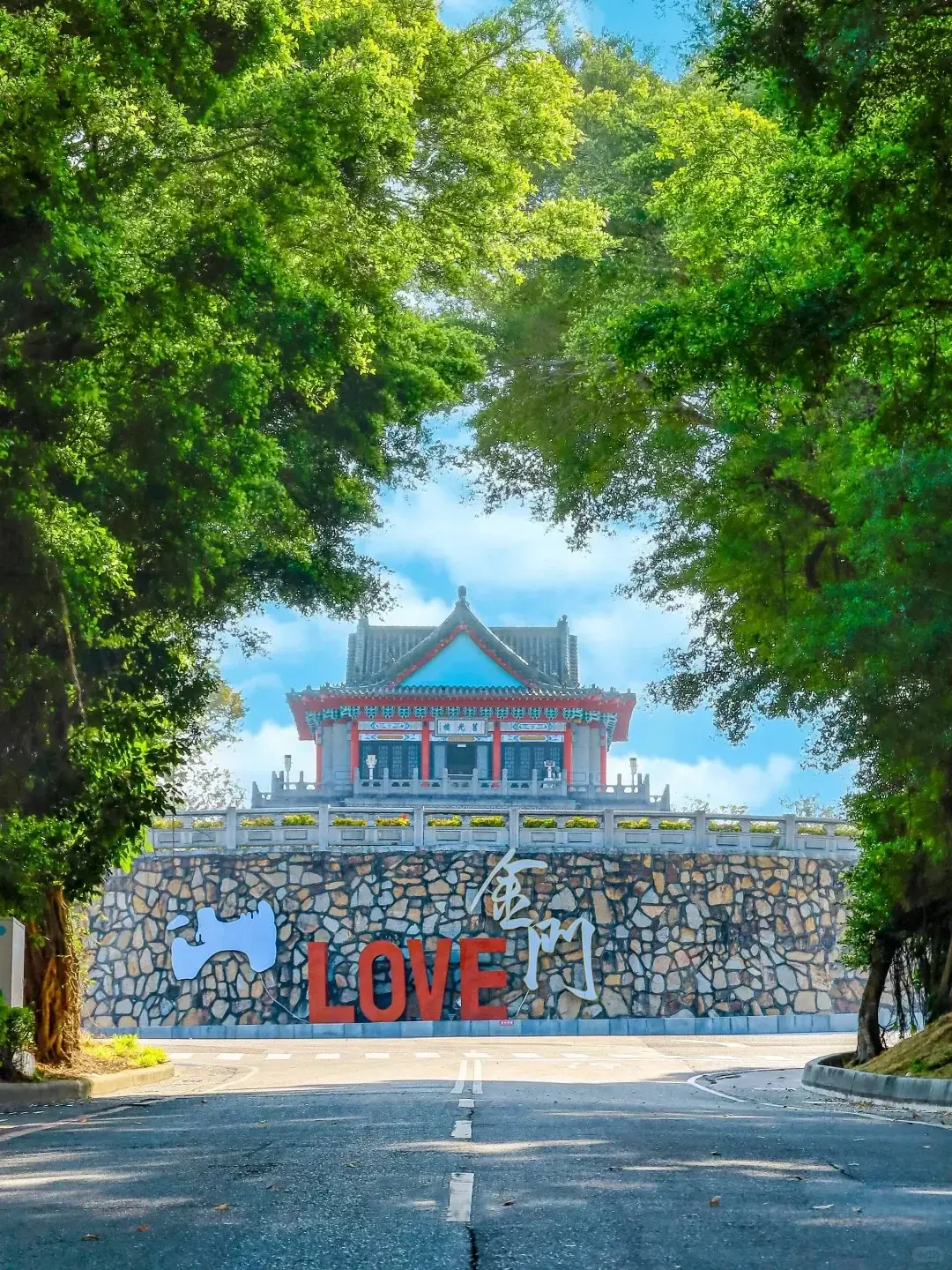
Take a boat from Wutong Pier to Kinmen The journey takes about half an hour. Holders of foreign passports must obtain a Taiwan entry permit in advance; we will verify your documents before departure.
Railway Station and Milk Tea Street This district, converted from the old train station, features vintage signs lining the street and milk tea shops挨肩接踵. The pace of daily life here is half a beat slower than across the river.
Kinmen Snack Lunch Thick wheat vermicelli soup, stir-fried instant noodles, and oyster omelettes. Sharing the same origins as Quanzhou's versions, though the seasoning differs—ideal for a side-by-side comparison.
Chung Cheng Park A seaside garden with clusters of banyan trees and boardwalks tracing the coast. On windy days, waves crash against the rocks.
Qing Dynasty Jinmen Town General's Office The military and administrative offices of the Qing Dynasty remain intact in their original layout. Discover how they safeguarded an entire island as a strategic chokepoint.
Shanhou Folk Culture Village Eighteen traditional Minnan-style two-section courtyard houses are arranged in neat rows, forming a clan settlement built in the 19th century by overseas Chinese investors. The roof ridges feature dramatically upturned swallowtail eaves, executed in the same style as those found at Laogong Temple in Shantou.
Return to Xiamen by boat Return to Wutong Pier on the evening shuttle, with a private transfer back to your hotel.

Day 10 · Farewell to鹭岛, A Wonderful Journey Home

Depart with ease. A private car will be arranged for a smooth transfer to the station, timed to your flight or high-speed rail schedule.

Free time on Huandao Road or Zhongshan Road Depends on your train schedule. The Huandao Road coastal cycling path offers expansive sea views, while Zhongshan Road is a historic arcade shopping street in the old town, where you can find both satay noodles and sandworm jelly.
Private transfer to Xiamen Gaoqi International Airport or Xiamen Railway Station Departure aligned with your flight or train; luggage delivered to check-in or boarding. Take home the flavours of your journey.
Departures

Free PDF

Read it on your own time

We'll send this itinerary guide to your inbox for free.

No spam, ever. Unsubscribe anytime.

Hotels

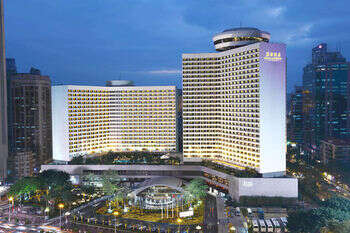
These are sample stays typically included in the itinerary. Final pricing depends on the hotel level selected.
Included / Excluded

What's Included

  • TransportOne seat per person, including vehicle hire, fuel, parking, tolls, and the driver’s food and accommodation.
  • AccommodationD1: Premium hotel in Guangzhou city centre; D2: Sheraton Longguang Hotel; D3: Hotel in Jieyang city centre; D4: Hotel in Jieyang; D5: Quality hotel in Jinjiang; D6: Boutique hotel in Quanzhou city centre; D7: Hotel in Anxi; D8–D9: Hotel in Xiamen.
  • Admission ticketChenghuang Temple, Guangji Bridge, intangible cultural heritage Yingge Dance performance, making red peach kuku, Xunpu flower headdress travel photography, Southern music, puppet shows, Qingshui Temple, Anxi tea competition experience, Guandi Temple, Luojia Temple, Tulou ticket, Guilou, Kinmen Island.
  • InsurancePersonal travel accident insurance.

Not Included

  • Personal expensesExcluded: personal expenses, shopping, and other incidental costs.
  • Single supplementFor single occupancy, a supplementary room rate will apply.
  • Other ItemsItems not mentioned above.
  • DiningMeals at your own expense.

Special Notes

The following is a faithful listing of the original source material, with additional notes on items that depend on season, availability, or documentation requirements.

  • Minimum Group Size RequirementsGroup booking for two or more people.
  • Golden Gate Sea CrossOn Day 9, take a round-trip ferry from Wutong Pier in Xiamen to Kinmen. Travellers holding foreign passports must apply separately for Taiwan entry clearance to enter Kinmen; we will verify your documents and processing timeline before you confirm the itinerary. If the permit cannot be obtained in time or does not apply, the day will be restructured with activities on Xiamen Island instead.
  • Intangible Cultural Heritage Yingge DanceYingge dance performances are scheduled according to the local performance calendar, with more shows during festivals and weekends. If there are no public shows on your dates, we will notify you in advance and arrange an alternative intangible cultural heritage live performance elsewhere in Chaozhou.
  • Southern Sounds and String PuppetryThe performance schedule for Quanzhou’s Southern Music and木偶戏 will be confirmed with you prior to your departure, according to the theatre's daily lineup.
  • Xunpu Floral Hairpin Photo TourMakeup and photography proceed according to the booked time slot on the day. In case of rain, the shoot moves to the covered walkway of the oyster-shell house and indoor settings; it will not be cancelled.
  • Tea pickingTea picking on the ground follows the tea season, mainly in spring and autumn. During non-picking seasons, this is replaced by explanations of tea processing at the factory and a tea-tasting experience, with Oolong tea (Tieguanyin) still included.
  • HotelThe exact hotel name will be as specified on your confirmation. “Or equivalent” always refers to hotels of the same category and comparable location.

Is Ten Days Your Length?

This is a 10-day/9-night itinerary, adjustable to your dates and travel party size.

Ten days to cover the entire route

Four days in eastern Guangdong, six days in southern Fujian — you’ll visit both the ancestral homelands of overseas Chinese, with not a single high-speed rail leg skipped in between.

Not enough days

We trim the itinerary, not the experience. Tell us what matters most to you, and we'll tailor the trip accordingly.

With elderly or children

You can take it even slower each day, and spend the entire day on Xiamen Island on the Golden Gate visit.
Good to Know

Group departure
Minimum group size: 2
Language
Full English-speaking guide
Shopping
The itinerary is entirely free of shopping stops or commission-driven detours.
Bespoke
Days, stops and pace can all be adjusted or rearranged — make all the changes before you confirm payment.
Import and Export Ports
Arrive Guangzhou, Depart Xiamen
Meals
Meals at your own expense; the guide will recommend and book according to your preferences.
Best Season
Spring and autumn are the most comfortable; tea harvesting seasons fall in spring and autumn, while Chaoshan and southern Fujian remain mild in winter

Your Private Concierge Service

Jenny

Jenny

China Private Travel Route Consultant

A concierge desk offering bilingual planning services for bespoke China journeys

Our China team carefully tailors the pace of the itinerary, hotel arrangements, and local reception services to suit the style of each route.

20+
Years
300+
Trips Designed
24/7
On-Trip Care

Step 01

Tell us what excites you

Not your dates and budget — your curiosity. Where have you always wanted to go? What do you want to feel? We start there.

24h

First concept delivered

Step 02

We design it around you

Your specialist builds the itinerary from scratch — routes, hosts, hotels, and experiences you won't find anywhere else.

100%

Private, never off-the-shelf

Step 03

Lock it in with 30%

When the plan feels right, a 30% deposit holds your trip. Balance due 30 days before departure.

30%

Deposit to confirm

Step 04

Travel. We handle the rest.

Your Trip Pack arrives before you fly. On the road, your concierge is one message away — for the expected and everything you didn't plan for.

24/7

Support throughout your journey

Cancellation terms agreed in writing
English-speaking concierge
Secure payment via Stripe

Guest Reviews

4.9 / 5 · from 523 verified reviews

China Ready

We've solved the hard parts. Here's everything a first-time Western traveller needs to know before arriving.

Do this before you fly

VPN & Internet Access

What's blocked

Google, Gmail, YouTube, Instagram, Facebook, WhatsApp, and most Western news sites are inaccessible in China without a VPN.

Download before you leave

It's nearly impossible to download a VPN once inside China. Install and test at home. Recommended: Astrill (most reliable), Mullvad, ExpressVPN — subscribe to at least two in case one stops working.

Hotel Wi-Fi tip

Some hotels block VPN connections on their Wi-Fi. Use your phone's mobile data as a hotspot if the VPN drops.

Good news

WhatsApp works perfectly through a VPN, so your messaging stays unchanged. Apple iMessage and Signal also work.

Your concierge sets this up on Day 1

Paying in China

China is cashless

Alipay and WeChat Pay are used for almost everything — restaurants, taxis, markets, tickets. Cash is rarely accepted in cities.

International cards now work

Foreign Visa/Mastercard can now link directly to Alipay (set up in minutes, $5,000 single transaction limit). Your concierge walks you through the setup on your first morning.

Carry some cash

We recommend ¥500–800 RMB in cash for the rare vendor that won't accept digital payment, and for small towns.

Booking this trip

Your deposit and balance are charged via Stripe — the same trusted platform used by Airbnb and Booking.com. USD billing, no surprise conversion fees.

We handle the paperwork

Visa & Entry

Do you need a visa?

Most US, UK, EU, Australian, Canadian, and New Zealand passport holders need a tourist (L) visa for stays over 10 days. We provide a visa invitation letter with every booking — it significantly speeds up approval.

240-hour visa-free transit

Citizens of 55+ countries (including USA, UK, most of EU, AUS, NZ, Canada) can enter China visa-free for up to 10 days if transiting through eligible ports. This covers our 12-day itinerary only if you have a confirmed onward flight.

Processing time

Apply 4–6 weeks before departure. Standard processing: 4–7 business days. Express (3 days) and same-day options available at most Chinese consulates.

What we provide

Visa invitation letter, hotel confirmation for all nights, suggested itinerary document — everything the consulate needs, formatted correctly.

Our responsibility, always

Safety & Practical Tips

Is China safe?

China consistently ranks among the safest countries for foreign tourists. Violent crime against visitors is extremely rare. Cities have extensive CCTV coverage and a visible police presence.

Emergency numbers

Police: 110. Ambulance: 120. Your concierge is your first call for any non-emergency situation — she has local contacts for every city on the itinerary.

Health & medications

Bring a full supply of any prescription medication. International pharmacies exist in major cities but may not carry your brand. Travel insurance is required — we can recommend policies that cover China specifically.

Language

English fluency outside hotels and tourist sites is limited. Your guides all speak English. We provide a printed pocket card with essential Chinese phrases and emergency contacts for every traveller.

Before You Book

Everything worth knowing before you book.

This itinerary is paced around the principle of ‘minimal luggage-hauling’: two nights in Jieyang, two nights in Xiamen, and on the Chaozhou day, even though you’ll be out late, you’ll return to the same Jieyang room. The three inter-city segments are done by high-speed rail, with direct private transfers otherwise — no long same-day round trips. Daily walking takes 2 to 4 hours through old towns and villages, with no mountain hiking. If you still feel it’s too tight, let us know; we’ll drop an entire area rather than squeeze each day.

Besides the signature dishes noted in the itinerary, such as the braised goose banquet and private kitchen Hakka meals, each remaining meal will be personally recommended and booked by your guide based on your preferences and location that day, with payment settled on the spot. This approach ensures you don’t miss the best local eats available—since this route is as much about food as it is about scenery, pre-booking fixed menus would only limit your options. If you’d prefer all meals included, just let us know: we’ll prepare a sample menu tailored to your taste before providing a quote.

You need to obtain entry permission from the Taiwan authorities in advance; this cannot be done on the same day. We will review your passport and travel documents before you confirm the itinerary and let you know how long the process takes. If time is tight or the arrangement is not applicable, Day 9 will be changed to an Old City, coastal and market tour of Xiamen Island instead, with fees adjusted accordingly — so you will not arrive at the pier and find yourself unable to proceed.

Yingge dance performances are scheduled according to local event calendars, with more shows during festivals and weekends; Southern Music and marionette shows follow the theatre’s daily timetable. We will confirm your show times for each item before you depart, and if any can’t be confirmed, we’ll let you know in advance and arrange a suitable alternative—we will never leave you to find out on the day that your chosen performance isn’t available. All these experiences are included in the ticket price.

An English-speaking guide accompanies you throughout the journey, providing seamless station pickup in Guangzhou and drop-off in Xiamen. Locals conversing in Chaoshan or Minnan dialects will not pose a barrier to you; rather, it is the temple fortune slips, folk opera lyrics, and dish names that require line-by-line interpretation—precisely the primary role your guide plays on this route.

Yes, absolutely. The itinerary avoids serious trekking and high altitude; the most tiring parts are the flagstone streets of the old towns and the thresholds of ancestral halls. Children can fully engage in hands-on red peach pastry making, flower hairpin styling, and tea picking. For elderly companions, we can adjust the pace: for example, keep Day 9’s Kinmen visit entirely within Xiamen’s main island, or wrap up Chaozhou’s evening programme earlier on Day 4. Just let us know the ages of your travelling companions, and we’ll tailor the daily intensity accordingly.

Beyond the set meals outlined in the itinerary, such as the braised goose banquet and the tulou home-style lunch, your guide will recommend and book each meal around your tastes and your location that day, paid locally. This is a culinary route, and fixing every meal in advance would mean missing whatever is best on the day. If you would prefer all meals included, please let us know and we will curate a menu to your tastes before providing a quote.

It requires an entry permit from the Taiwan side, applied for in advance, and it cannot be arranged on the day. We check your passports and documents with you before you confirm the itinerary and tell you how long the process takes. If there is not enough time or it does not apply to you, day nine is replaced with the old town, coastline and markets on Xiamen island, with the price adjusted accordingly, so nothing is discovered at the pier.
Our fulfilment partner Tuniu works with national tourism boards including

Ready when you are.

No pressure. Browse our trips, or talk to a real person. Either way, your inbox stays clean.