




 18 giorni Cina, da capo a fondo Pechino → Xi'an → Chuanzhusi → Jiuzhaigou → Chengdu → Zhangjiajie → Guilin → Yangshuo → Shenzhen Da $6,360 Vedi itinerario
  14 giorni A cosa serve ogni città Pechino → Xi'an → Chengdu → Shanghai → Shenzhen → Canton Da $5,030 Vedi itinerario
  19 giorni A valle del futuro Shenzhen → Guilin → Yangshuo → Chengdu → Chongqing → Yichang → Shanghai Da $5,360 Vedi itinerario
  5 giorni A valle, poi in salita Guilin → Yangshuo Da $1,600 Vedi itinerario
  8 giorni Acqua tranquilla, città veloce Shanghai → Yangshuo → Shenzhen Da $2,350 Vedi itinerario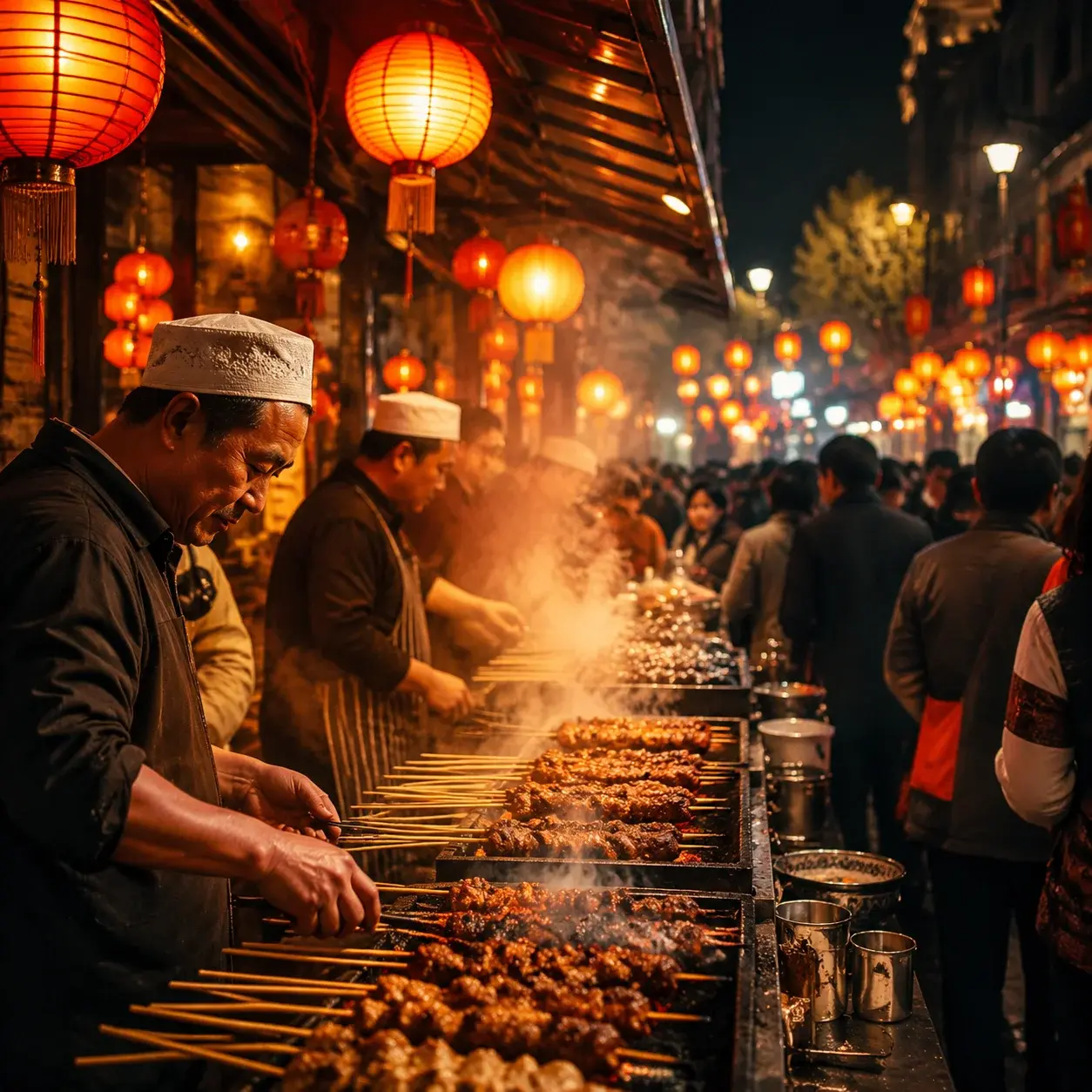
Cos'è il cibo di Xi'an e cosa dovresti mangiare nel quartiere musulano?
Il cibo di Xi'an è il sapore della vecchia Via della Seta: grano invece di riso, agnellino al cumino e al peperoncino, i fetti a mano di noodles e il famoso roujiamo — spesso chiamato l'hamburger più vecchio del mondo. La maggior parte degli iconici piatti — roujiamo, yang rou pao mo, kebab di agnellino al cumino — si trovano nel quartiere musulmano, dove la清真 (qingzhen, halal) è semplicemente la norma.
Xi'an era il capoluoco orientale della Via della Seta e una delle grandi antiche capitali della Cina, e il suo cibo ha ancora quel sapore di incrocio: più sostanzioso, più pane e più carne rispetto al sud a base di riso e saltato in padella. Quando le persone cercano cibi famosi di Xian, intendono quasi sempre il canone del quartiere musulmano — ed è proprio questo che guida decodifica: cosa è ogni piatto, dove mangiarlo, come riconoscere la versione originale e approssimativamente quanto budget.
La nostra posizione è semplice — osare mangiare, mangiare bene. Non siamo un sito di ricette e non ti vendiamo un menu fisso. Siamo qui per aiutarti a prendere buone decisioni: cosa ordinare, dove assaggiare, come mangiare i piatti più delicati e approssimativamente quanto costa. Avventura con una rete di sicurezza.
Punti salienti
- Il cibo di Xian è della Via della Seta: a base di grano (noodles, pane piatto), ricco di agnello e manzo, condimento con cumino, chili e anziché con il piccante mala del sudovest.
- Il Quartiere Musulmano (回民街) è il centro. È la sede della grande comunità musulmana Hui di Xi'an, quindi qui il cibo è prevalentemente qingzhen (halal) — rendendo Xi'an probabilmente la città cinese più facile per i viaggiatori musulmani da mangiare liberamente.
- Impara i primi cinque: roujiamo, biang biang noodles, liangpi, yang rou pao mo e kebab di agnello al cumino e chili. Se li padroneggi hai "mangiato Xi'an".
- Vai di sera e scosta dal viale principale. Beiyuanmen è il fulcro turistico fotografico; le vie secondarie (Maixian, Miao Hou) sono dove mangiano davvero i locali.
- Yang rou pao mo ha una ritualità: sbriciolate il pane piatto in piccoli pezzi voi stessi prima che venga cotto in zuppa. La metà del divertimento è lo strappo.
- I prezzi approssimativi sono intervalli RMB 2026 e variano per stalli e per zona turistica vs locale. La maggior parte degli snack stradali è economica; i pagamenti mobili sono ovunque, ma portate un po' di contanti.
Di cosa è famoso Xi'an, dal punto di vista alimentare?
Xi'an è famosa per il grano, l'agnello e la Via della Seta — una cucina basata su noodles a mano, pane ripieno e carne speziata al cumino, anziché riso. La geografia spiega il piatto: Xi'an si trova nel nord dove si coltiva il grano, quindi pane e noodles dominano, mentre una città del sud servirebbe riso. E come storico estremo orientale della Via della Seta e capitale di dinastie successive, ha assorbito ingredienti dell'Asia Centrale — soprattutto cumino — e una grande comunità musulmana Hui i cui cibi halal sono diventati il simbolo della città (Terminus della Via della Seta e status di antica capitale: Wikipedia, "Xi'an." Ultimo controllo: 2026-07).
Il DNA dei sapori è diverso dal sud piccante. Xi'an si basa su:
- Cumino e chili essiccati sull'agnello alla griglia — caldo e profumato, non intorpidente.
- Aceto e aglio — un bordo aspro e acidulo corre attraverso i noodles e gli involtini.
- Grano, grano, grano — noodles a cintura, pane (馍 mo), freddi noodles, zuppa di pane sbriciolato.
Quindi "piccante" qui significa calore all'olio di chili, non l'intorpidimento del Sichuan peppercorn di Chengdu. È una delle cucine regionali più accessibili di Cina per un primo visitatore.
Quali sono i 10 cibi di Xi'an che devi assaggiare?
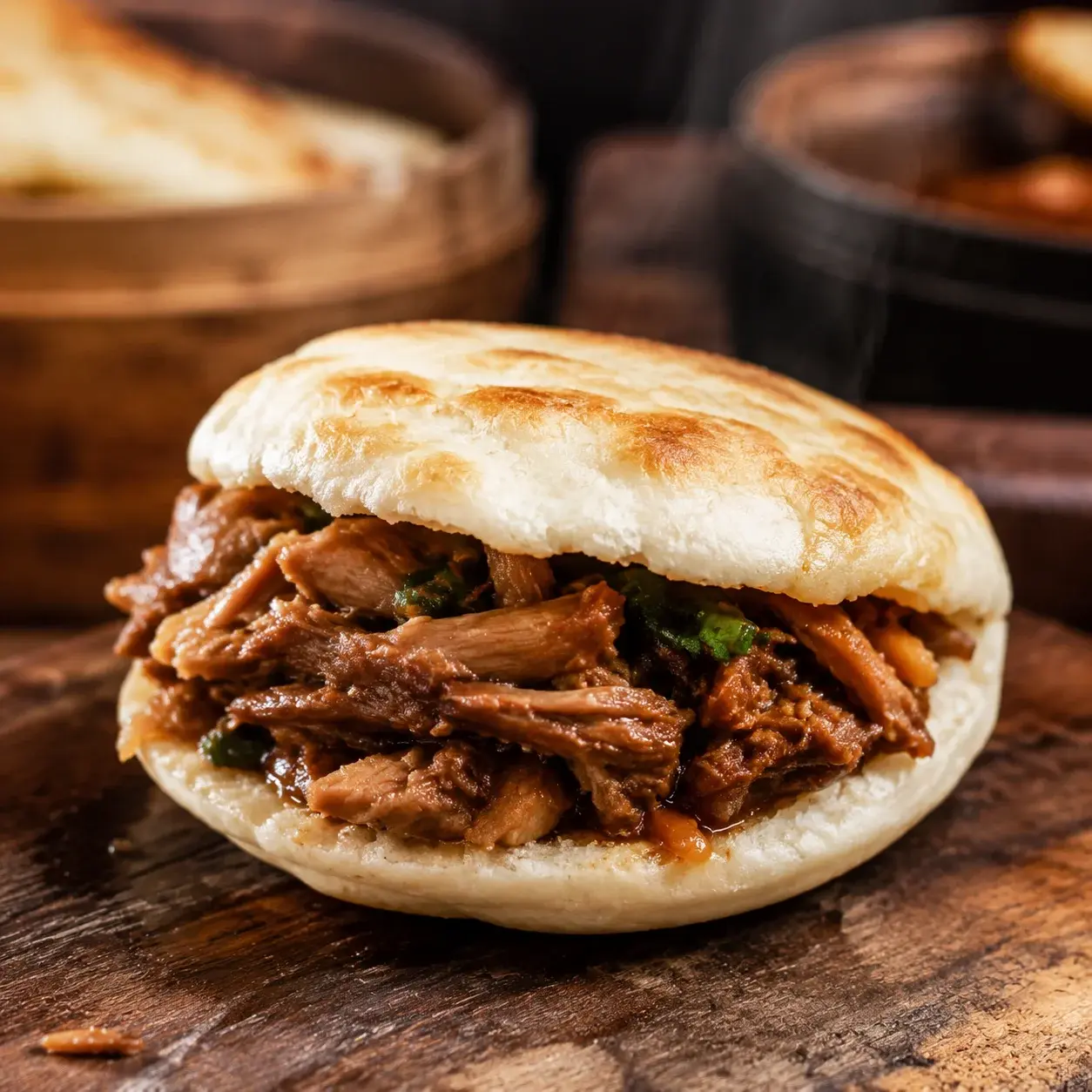
Inizia con roujiamo, biang biang noodles e yang rou pao mo — la sacra trinità — poi espanditi. Qui è il must-eat completo decifrato per un primo visitatore: cosa sia effettivamente ogni piatto, dove si trova, come riconoscere la versione autentica e un prezzo approssimativo. Trattiamo ogni piatto come un'esperienza in loco — mangialo qui, ordinale così — non come una ricetta.
| # | Piatto (EN / Cinese) | Cos'è | Dove / come riconoscere la versione originale | RMB approssimativo (2026) |
|---|---|---|---|---|
| 1 | Roujiamo 肉夹馍 | L'hamburger cinese — carne brasata tritata ripiena di un panino croccante 白吉馍. Manzo o agnella nel Quartiere Musulmano (halal); maiale altrove | Cercate una pentola di brasatura bollente e panini appena cotti, non impilati. I banchetti halal usano manzo/agnella | ~10–18 ciascuno |
| 2 | Biang biang noodles 油泼扯面 | Larghe a strisce tirate a mano condite con olio bollente su chili e aglio | Guardatele tirare e schiacciare l'impasto; il profumo dell'olio caldo versato in tavola è il segno distintivo | ~15–30 |
| 3 | Liangpi 凉皮 | Noodles di grano o riso freddi conditi con aceto, aglio, olio di chili e cubetti di glutine | Servito freddo e lucido; un'estate imperdibile. Chiedete meno chili se siete cauti | ~8–15 |
| 4 | Yang rou pao mo 羊肉泡馍 | Specialità di Xi'an: pane piatto strappato cotto in ricco brodo di agnella (o manzo). Spegnete il pane voi stessi | Il vero rituale vi dà un intero 馍 da strappare in piccoli pezzi prima della cottura | ~25–45 |
| 5 | Cumin-chili lamb skewers 烤肉串 | Arrosti al carbone di agnella cosparsi di cumino e chili secco — il cuore fumoso del Quartiere Musulmano | Seguite il fumo e il movimento delle spiedini su brace aperta; compratele per bastoncino | ~1.5–3 / bastoncino (~20 per un fascio di ~20) |
| 6 | Hulatang 胡辣汤 | Zuppa piccante e densa di manzo e verdura per colazione — una tazza calda al mattino | Un piatto da colazione; cercate i banchetti del mattino presto con una grande pentola in ebollizione | ~10–18 |
| 7 | Sour-soup dumplings 酸汤水饺 | Piccoli ravioli in un brodo acidulo e piccante-acetoso | Serviti immersi in un brodo rosso-acidulo, non asciutti | ~15–25 |
| 8 | Guantang steamed dumplings 灌汤蒸饺 | Ravioli al vapore ripieni di brodo, stile Quartiere Musulmano (manzo/agnella) | Pieghi delicati, serviti caldi nella cesta al vapore | ~20–35 / cesta |
| 9 | Persimmon pancakes 柿子饼 (huoshi cake) | Tortine fritte dolci fatte con persimoni di Lintong, spesso con ripieno di rosa o fagioli | Fritte su ordinazione, dorate e appiccicose; uno street snack dolce | ~5–10 |
| 10 | Rice cakes 镜糕 / 甑糕 (zenggao) | Tortine di riso glutinoso al vapore — 镜糕 piccole e su stecca, 甑糕 stratificato con datteri e fagioli | Vendute da torri di vapore e stampi piccoli; un dolce economico alla fine | ~5–12 |
Se provi solo tre cose, che siano roujiamo (l'icona da asporto), biang biang noodles (il teatro del tirare e schiaffare) e yang rou pao mo (il rituale seduti). Il dormiente sottovalutato è liangpi — economico, rinfrescante e il perfetto reset del palato tra i bocconi più sostanziosi. Le identità dei piatti e i segnali per riconoscerli qui sono sempre attuali e puoi fidarti di loro; i valori in RMB sono approssimativi, riferiti ai range 2026, variabili in base al banco e al grado di frequentazione turistica del luogo.
Come navigare nel Quartà Musulmano (回民街)?
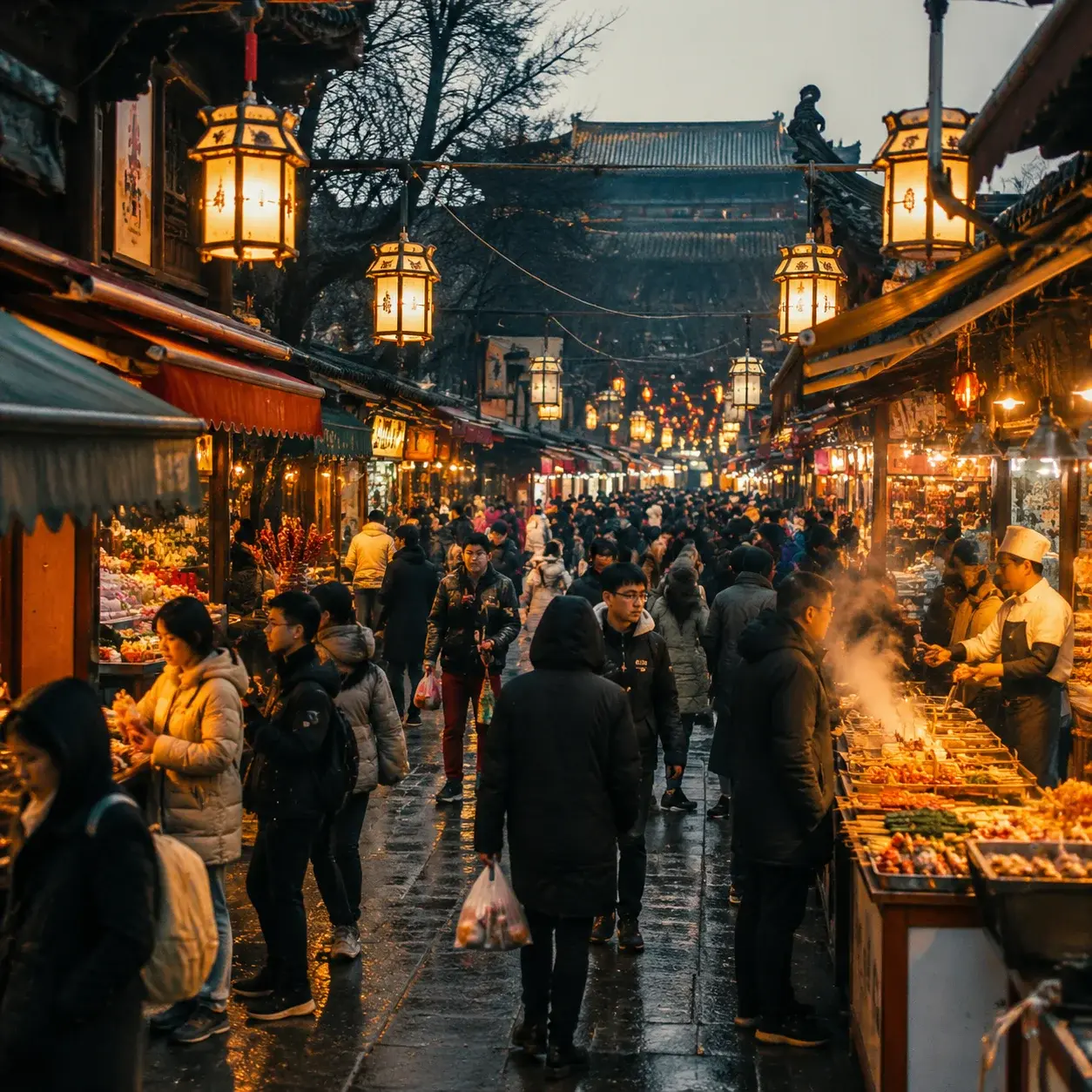
Tratta Beiyuanmen — la strada principale adornata di lanterne — come l'ingresso fotografico, poi addentrati nelle vie secondarie dove mangiano davvero i locali. Il Quartà Musulmano non è una sola strada; è un intreccio di vie collegate, e sapere quale è quale fa la differenza tra una gita a snack a prezzi turistici e l'esperienza autentica. Qui trovi l'onesta disposizione che nessuno mette a confronto.
| Street (EN / Cinese) | Carattere | Ideale per | Avvertenza |
|---|---|---|---|
| Beiyuanmen 北院门 | La spina dorsale del turismo — lanterne, folla, stand fotografici, la classica "Strada Musulmana" che tutti scattano | Principianti, atmosfera, una veloce introduzione ai simboli | Il più frequentato e con prezzi da turista; alcuni stand sono più orientati al volume che alla profondità |
| Maixian Street 麦苋街 | Una strada tranquilla per mangiare, lontana dal flusso principale | Evitare la folla; un'atmosfera più quotidiana, come quella dei locali | Meno segnaletica in inglese; dovrai indicare e gesticolare di più |
| Miao Hou Street 庙后街 | Un'altra strada laterale locale preferita dai residenti | Più economica e autentica, lontano dalle folghe | Meno servizi turistici; segui le code locali |
| Yongxingfang 永兴坊 | Una strada dedicata alla cultura culinaria (a est delle mura della città), specializzata in prodotti Shaanxi | Un assaggio completo dello Shaanxi, più pulito e organizzato | Curato e un po' come un parco tematico; comodo ma meno grezzo
Tre regole di navigazione che valgono ovunque nel Quartiere: andare di sera (il quartiere si anima dopo il buio, i banchi fumano e sfrigolano, le lanterne brillano); seguire le code locali anziché i cartelli più grandi; e spostarsi di almeno una strada da Beiyuanmen per scambiare la polish turistica con prezzi e profondità locali. I ristoranti ben noti che i menzionano ripetitamente includono Zhiliang's Steamed Dumplings (志亮灌汤蒸饺) per i guantang dumplings, Ma Wen's Clay Pot (马文砂锅) per lo hotpot di agnello, e Lao Sun Jia per yang rou pao mo — menzionati qui per la loro reputazione duratura e non come nostra scelta verificata, quindi confermare la coda e la qualità sul posto.
Il Quartiere Musulmano è halal — e Xi'an è facile per i viaggiatori musulmani?
Sì — il Quartiere Musulmano è prevalentemente 清真 (qingzhen, halal), e Xi'an è probabilmente la città cinese più grande più facile per i visitatori musulmani per mangiare liberamente. Non è un colpo di scena turistico; è una comunità vivente. Il Quartiere è centrato sulla popolazione Hui musulmana di Xi'an, la cui presenza nella città risale all'epoca della Via della Seta, e si concentra su diverse moschee operative tra cui la storica Grande Moschea di Xi'an *(comunità Hui e Grande Moschea: Wikipedia, "Xi'an" / "Grande Moschea di Xi'an." Ultima verifica: 2026-07).
Cioò significa sul piatto:
- Nessuna carne di maiale nel Quartiere. Le carni di spicco sono manzo e agnello — è proprio per questo che il roujiamo del Quartiere Musulmano è al manzo, non alla versione con maiale che si trova in altre parti della Cina.
- L'insegna "Qingzhen" è la norma, non l'eccezione. Cercate la scrittura araba e i caratteri Qingzhen sui cartelli dei banchetti; qui sono ovunque, piuttosto che essere rari.
- Un avvertimento onesto del viaggiatore: "Qingzhen per norma comunitaria" non equivale a una specifica certificazione halal internazionale. Per requisiti di certificazione rigorosi, vale ancora la pena verificare con il singolo banco. Come ambiente di ristorazione generale, però, poche città cinesi rendono tutto così facile.
Per un quadro più completo su tutta la nazione, consulta la nostra guida dedicata  al cibo halal in Cina. Il punto fondamentale rimane valido: nel Quartiere Musulmano, il halal è l'impostazione predefinita, ed è raro e prezioso.
Come si mangia davvero lo yang rou pao mo?
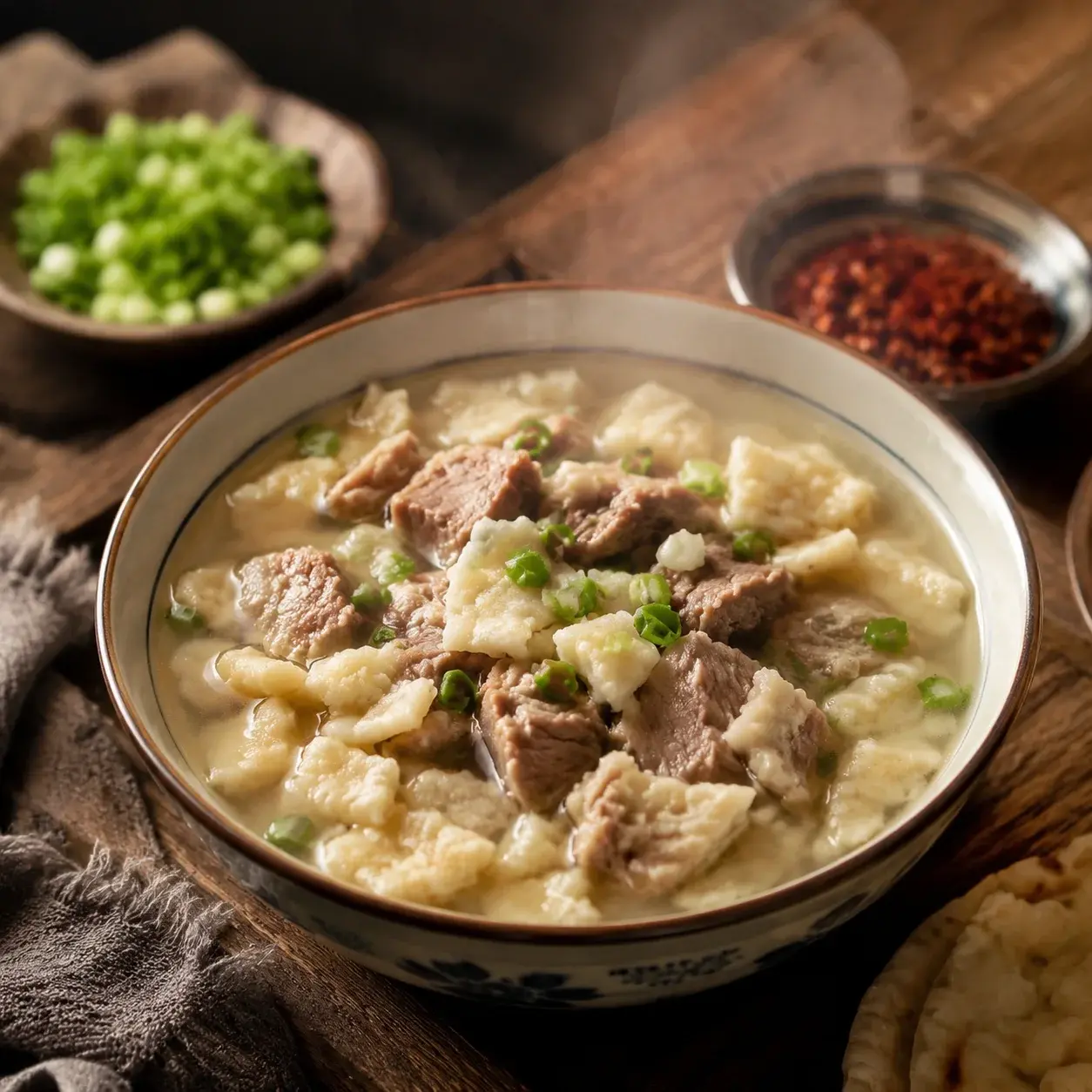
Sbriciolate voi stessi il pane piatto a pezzi piccoli, a mano, prima che venga cotto nella zuppa — più lo stracciate finemente, meglio sarà. Lo yang rou pao mo (羊肉泡馍) è il piatto iconico da sedersi di Xi'an, e insidiasse i principianti perché arriva come un progetto, non come una ciotola pronta. Ecco il rituale, passo dopo passo.
| Passo | Cosa fai | Perché è importante |
|---|---|---|
| 1. Ricevi un pane crudo | Il cameriere porta una focaccia densa, semi-cotta e un piatto vuoto | Il pane va strappato, non mangiato intero |
| 2. Straccialo in pezzi piccoli | Tira i pezzi minuscoli, grandi come le unghie, nel tuo piatto — i locali ci impiegano tempo | Le briciole più piccole assorbono meglio il brodo e cuociono in modo uniforme; questo è il punto |
| 3. Restituiscilo | Riporta il piatto di briciole in cucina | Cucinano le tue briciole specifiche in un ricco brodo di agnello (o manzo) |
| 4. Torna come zuppa | Il piatto ritorna come un sostanzioso stufato di pane, carne, glass noodles e brodi | Accompagna con l'aglio marinato e la pasta di chili sul lato |
Lo strappare è metà dell'esperienza: è sociale, meditativo e per questo i clienti abituali si tratterengono. Se un ristorante ti consegna già un piatto sminuzzato dalla macchina, è la versione fast-food; i posti tradizionali ti danno il pane intero e ti lasciano fare il lavoro. Questo rito è sempre valido e puoi affidarti ad esso; solo il brodo e la porzione di un ristorante specifico vale la pena giudicarli di persona.
La cibo di Xi'an è piccante, e quanto costa?
Il cibo di Xi'an è piccante ma non intorpidisce il palato — ed è economico: la maggior parte degli snack stradali costa da cifre singole a cifre basse in RMB. Per quanto riguarda il calore, a Xi'an si usano olio di chili e chili secchi per il profumo e un lieve bruciore, oltre a molta aceto e aglio per l'acidità. Non c'è la tradition del mala (peperoncino numbing) con lo 花椒 come a Chengdu, quindi anche chi è cauto con il peperoncino si adatta bene — e si può quasi sempre chiedere 少辣 (shǎo là, meno piccante) o 不要辣 (bù yào là, niente piccante) su piatti freddi come liangpi.
Per quanto riguarda i costi, mangiare per strada qui è famoso per il rapporto qualità-prezzo:
| Livello | Cosa sembra | RMB approssimativo (2026) |
|---|---|---|
| Colazione leggera | Un roujiamo + un liangpi + qualche spiedino d'agnello | ~30–50 / persona |
| Passeggiata standard | Un yang rou pao mo seduti + spiedini + un dolce dolce nel quartiere | ~50–90 / persona |
| Cena completa | Più fermate — ravioli, pao mo, spiedini, dolci e bevande | ~90–150 / persona |
Per il pagamento: i pagamenti mobili (WeChat Pay e Alipay) sono accettati ovunque, anche nei piccoli chioschi, e dal 2026 i visitatori stranieri possono collegare direttamente una Visa o una Mastercard. Tuttavia, porta un po' di contanti per i venditori più piccoli. Tutte le figure sopra sono approssimative 2026 e variano da chiosco a chiosco e in base al turismo della strada — i prezzi a Beiyuanmen sono più alti rispetto a un chioscolo in una strada laterale a due minuti di distanza.
Domande frequenti
Di cosa è famosa Xi'an, dal punto di vista gastronomico? Xi'an è famosa per la Via della Seta e la cucina basata sul grano: roujiamo (il suo "hamburger"), biang biang (tagliatelle larghe), liangpi fredda, yang rou pao mo (zuppa di pane e agnello) e kebab di agnolo con cumino e chili. La maggior parte dei piatti tipici si concentra nel quartiere musulmano halal, conditi con cumino, chili, aglio e aceto, piuttosto che con il numbing mala.
Il quartiere musulmano è halal? Sì. Il quartiere musulmano è il cuore della comunità Hui musulmana di Xi'an e la sua cucina è prevalentemente 清真 (qingzhen, halal) — senza carne di maiale, con manzo e agnello come carni principali. I segni 清真 sono qui la norma. Per esigenze di certificazione internazionale rigorosa, conferma presso i singoli stand, ma poche città cinesi sono più facili per i viaggiatori musulmani.
Cosa dovresti mangiare nel quartiere musulmano? Inizia con il roujiamo (manzo, halal qui), kebab di agnolo con cumino e chili, biang biang e yang rou pao mo. Aggiungi liangpi per rinfrescarti, zuppa acida o guangtang (ravioli al vapore), e un dolce — panini al persimmon o torte di riso. Vieni di sera e scosta dalla strada principale per le versioni locali.
Il roujiamo è davvero simile a un hamburger? Più o meno — è carne tritata, brasata lentamente, speziata, ripiena in una piadina croccante, quindi la forma "carne nel pane" suona simile a un hamburger. Ma è spesso considerato molto più vecchio dell'hamburger occidentale, la carne è brasata piuttosto che grigliata come un hamburger, e nel quartiere musulmano è manzo o agnello, non carne di maiale.
Il cibo di Xi'an è piccante? Moderatamente, e in modo amichevole. Si basa su olio di chili e chili secchi per fragranza e calore, oltre a aceto e aglio per l'aggraviata — ma non c'è il numbing Sichuan-peppercorn mala. La maggior dei piatti è accessibile, e nei piatti misti come liangpi si può chiedere 少辣 (meno chili) o 不要辣 (senza chili).
Quanto costa il cibo di strada di Xi'an? Non molto — la maggior degli snack costa circa 8–30 RMB ciascuno, e una serata di assaggi nel Quarter Musulmano è intorno a 50–150 RMB a persona, a seconda dell'appetito. Queste sono approssimative gamme del 2026 che variano in base allo stallone e alla posizione. I pagamenti mobile funzionano quasi ovunque, ma tenere un po' di contanti per i piccoli venditori.
Conclusione
Xi'an si guadagna la sua reputazione come una delle grandi città alimentari della Cina — cucina della Via della Seta dove grano, agnellino, cumino e aceto si uniscono nel roujiamo, nelle biang biang noodles e in una ciotola di yang rou pao mo che si strappa con le proprie mani. Mangia con convinzione mantenendo una rete di sicurezza: conosci i top 10, entra nel Quarter Musulmano la sera, scendi da Beiyuanmen per lo strato locale, e conta sul fatto che 清真 halal sia qui la norma. Oscura di mangiare, mangia bene.
Se preferisci che il Quarter Musulmano sia navigato per te — il vero cibo di vicolo, senza indovinelli linguistici e logistici — un'esperienza culinaria personalizzata di Xi'an fa esattamente questo.
Continua a esplorare: il nostro articolo sulla cena di strada in Cina, la guida per cibo halal in Cina, come funziona il cibo dei mercati notturni e se vale la pena un tour guidato del cibo.