




 18 giorni Cina, da capo a fondo Pechino → Xi'an → Chuanzhusi → Jiuzhaigou → Chengdu → Zhangjiajie → Guilin → Yangshuo → Shenzhen Da $6,360 Vedi itinerario
  14 giorni A cosa serve ogni città Pechino → Xi'an → Chengdu → Shanghai → Shenzhen → Canton Da $5,030 Vedi itinerario
  19 giorni A valle del futuro Shenzhen → Guilin → Yangshuo → Chengdu → Chongqing → Yichang → Shanghai Da $5,360 Vedi itinerario
  5 giorni A valle, poi in salita Guilin → Yangshuo Da $1,600 Vedi itinerario
  8 giorni Acqua tranquilla, città veloce Shanghai → Yangshuo → Shenzhen Da $2,350 Vedi itinerario
Nanluoguxiang a Pechino: vale la pena — e dove andare se è troppo affollato?
Sì, Nanluoguxiang vale circa 60–90 minuti — se consideri la via principale come un punto di partenza e non come una destinazione di per sé. È una strada commerciale, congestionata nel fine settimana, piena di snack delle grandi catene e souvenir di massa, ma la vera ricompensa risiede nei tranquilli viali laterali e nelle creative vie vicine, a cui quasi nessuna guida ti indirizza.
Siamo una agenzia di viaggi, non un negozio o un banchetto di strada — ecco perché questa guida ai hutong di Pechino è scritta per indirizzarti lontano dalle trappole turistiche, verso un'esperienza autentica, anche a costo di trascorrere meno tempo sulla via più famosa. Di seguito troverai tre elementi che nessuna altra pagina offre insieme: una valutazione sincera sull'effettivo valore della visita, un itinerario percorribile a piedi che evita la folla e un criterio per distinguere l'artigianato indipendente genuino dai souvenir di massa venduti in ogni attrazione turistica della Cina.
Concetti Chiave
- Il percorso principale è un punto di partenza, non una destinazione. Dedicare 30-60 minuti alla striscia di 787 metri per apprezzarne l'architettura e l'atmosfera è sufficiente, poi è meglio andare avanti: l'80% delle visite deludenti deriva dal perdere un'intera mattinata lì.
- I veri tesori sono proprio accanto. Wudaoying (五道营) per caffè indipendenti e boutique, Fangjia (方家) per l'arte e la birra artigianale, e Beiluoguxiang/Guozijian per la vera quiete — tutti a un' fermata di metropolitana o a pochi passi.
- Acquista prodotti indipendenti, non di massa. Se un oggetto si trova anche a Wangfujing e a Qianmen, è un mas
souvenir di produzione artigianale; le ceramiche in piccoli lotti e le stampe dell'illustratore, meritevoli di essere portate a casa, nascondono nelle vie secondarie.
- Scegli l'orario in base allo scopo. Mattine feriali prima di circa le 11 per la quiete e le foto; evita del tutto il weekend e le ore 15–17 nei giorni festivi.
- Famiglie: terreno pianeggiante e adatto ai passeggini, ma la folla di punta è un vero ostacolo con i bambini piccoli — attraversa la via principale prima, poi rilassati nei cortili interni.
Nanluoguxiang vale la pena?
Nanluoguxiang vale la pena per circa 60-90 minuti, ma solo se si sceglie il momento giusto e si considerano i viali laterali e i hutong vicini come l'evento principale, non la via famosa. La via principale, lunga 787 metri, è una strada turistica molto commercializzata: catene di street food, banchi di souvenir in serie e folla con pose per foto che raggiunge densità fitta di persone nei fine settimana.
Detto ciò, l'arteria principale non è del tutto insignificante.
Offre davvero un'autentica architettura stradale della dinastia Yuan, una sferzata di energia e una manciata di negozi reali, se sai cercare fuori dall'asse centrale.
Il problema della trasparenza è di scala: uno studio accademico sulla commercializzazione dei hutong di Pechino ha censito all'incirca 161 inquilini commerciali lungo Nanluoguxiang a luglio 2018, classificandolo tra gli hutong più commercializzati della città (The Commercialization of Beijing Hutongs, semanticscholar.org; verificare i dati attuali prima di fare affidamento su di essi).
Ecco la realtà che l'interesse crescente nelle ricerche sta cercando di vagliare.
Chi lo amerà: visitatori alla prima visita che desiderano il nome famoso, l'atmosfera vivace e una rapida immersione nell'architettura. Chi dovrebbe fare un upgrade: chiunque cerchi la vita silenziosa e autentica della vecchia Pechino — sarai più felice dedicando la maggior parte del tuo tempo a Wudaoying, Fangjia, Beiluoguxiang o Guozijian. L'errore più grande è passare l'intera visita a passare tra i vicoli affollati della strada principale. Dedica un'ora, poi vai avanti.
Una breve storia: 700 anni di vita nei Hutong
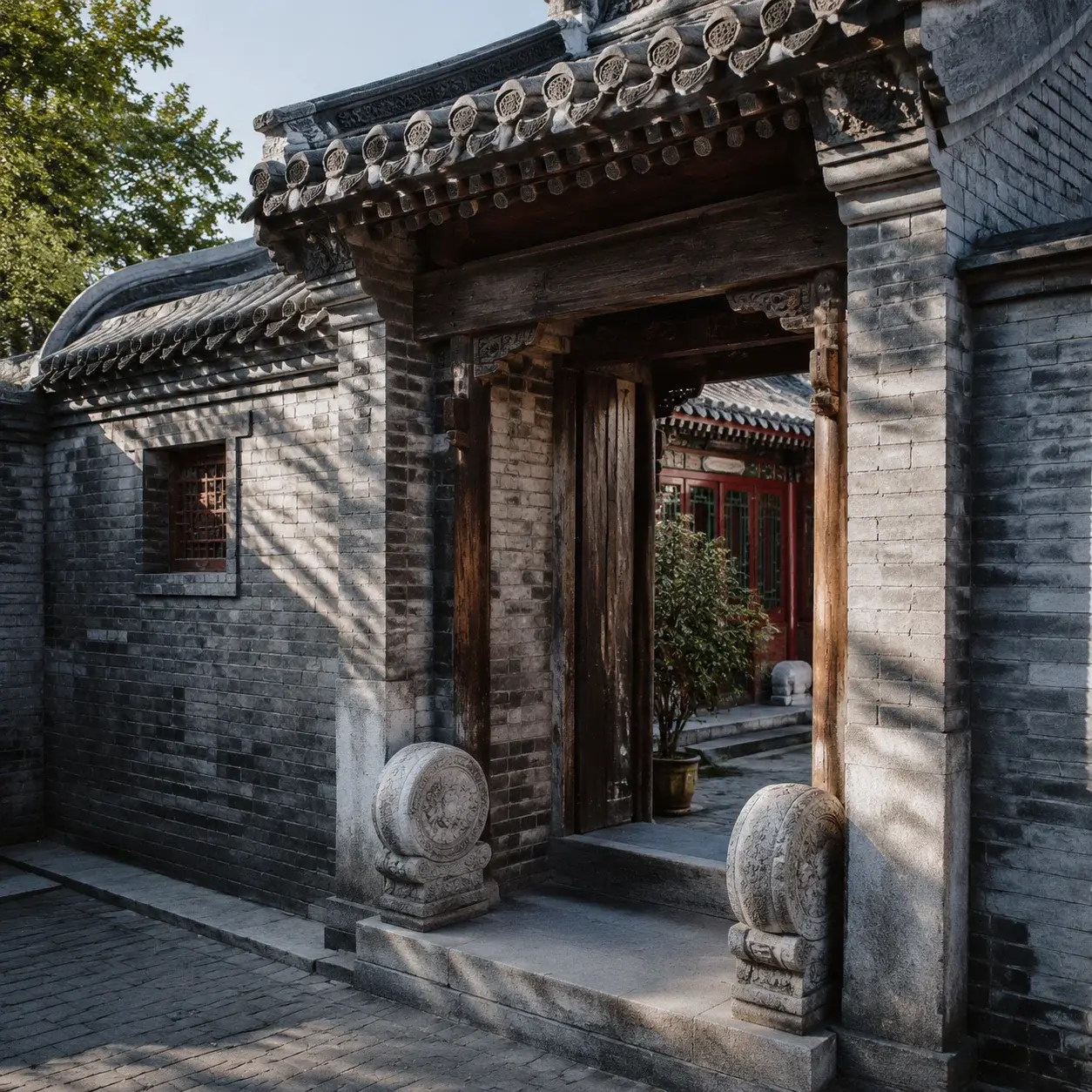
Nanluoguxiang è una delle più antiche borgate hutong ancora esistenti a Pechino, disegnata circa 700 anni fa sulla griglia della dinastia Yuan. Comprendere quel piano è ciò che trasforma una via dello shopping in un frammento della vecchia capitale.
La griglia della dinastia Yuan
Quando i pianificatori di Kublai Khan costruirono Dadu dei Yuan nel XIII secolo, disponevano la città a forma di scacchiera di quartieri.
Nanluoguxiang conserva quella logica: una singola via centrale in direzione nord-sud, con vicoli laterali simmetrici che si diramano su entrambi i lati — il piano a "centopiedi" (蜈蚣), con la spina dorsale al centro e le coste ai lati.
Questo è uno degli esempi più integri del layout di quartiere delle prime fasi di Pechino, situato nel quartiere di Dongcheng, tra la Torre del Tamburo e la Torre della Campana e il Tempio del Lama, vicino ai laghi di Shichahai (fonti: ChinaDiscovery; Wikipedia — Nanluoguxiang / hutong di Pechino).
Siehuiyuan e architettura in mattone grigio
Gli edifici che fiancheggiano quelle arterie sono i siheyuan — residenze a corte costruite attorno a un cortile centrale, chiuse verso la strada, in mattoni grigi di epoca Ming e Qing.
Questo è perché le vie laterali ti ripagano più del viale principale: dietro le facciate commerciali si nasconde un sistema di cortili residenziali ancora in uso, alcuni dei quali ex dimore di personalità illustri.
Considera il mattone grigio, i portali scolpiti e i cancelli dei cortili come il vero monumento qui.
(I nomi specifici di dimore precedenti e le relative date sono indicativi — verificarli in loco prima di citarli.)
Cosa fare a Nanluoguxiang: la via principale e le viette laterali "a millepiedi"
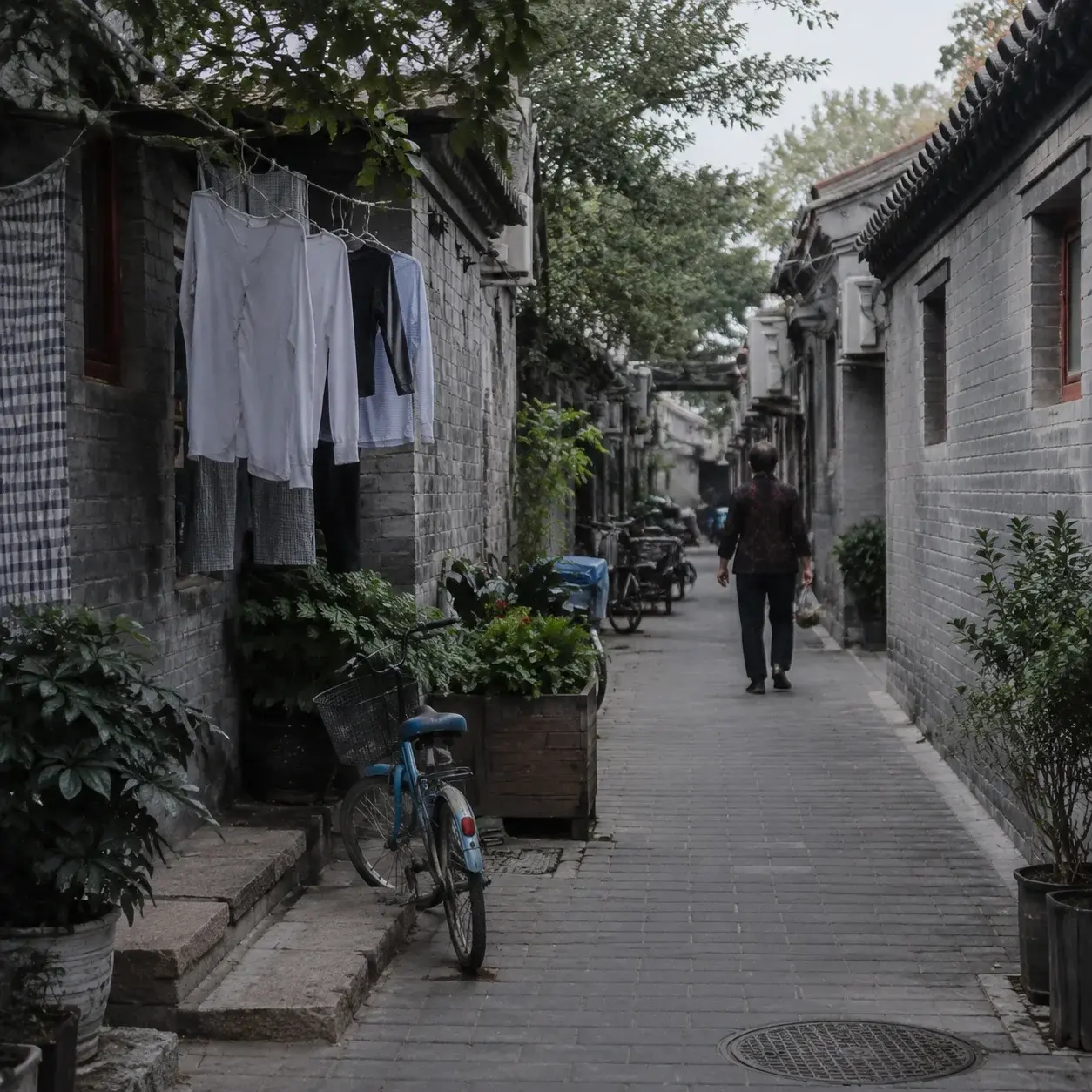
Percorri la via principale in modo agile, poi imbocca le viette. La strada principale è l'ideale per ammirare l'architettura, osservare la vita quotidiana e gustare uno street food; sono invece le tranquille viette laterali "a millepiedi" il luogo in cui si vive realmente la vita del hutong.
La via principale — mantienila breve
Sull'asse principale si apre la piazza dell'epoca Yuan, un muro di energia e, se si guarda oltre le vetrine delle catene, alcuni autentici negozi. È anche qui che si concentrano di più i banchi degli snack delle catene, i chioschi delle bevande a tema e i gadget da souvenir. Tanta dai trenta ai sessanta minuti — il giusto per coglierne la scala e scattare una foto, prima che la densità della folla perda il suo fascino e diventi stancante.
I hutong laterali a "scarabeo" — la vera scoperta
Svoltate dalla via principale nei vicoli residenziali e la temperatura scende all'istante: una vita più silenziosa nelle corti, foto più serene, panni stesi, biciclette e veri e propri vicini.
Questa è la correzione a cui quasi ogni guida fa un cenno (“esplora i vicoli più piccoli”), ma nessuna la mappa.
Scelgete uno o due viali secondari che si diramano dall'asse principale, passeggiare per 10-20 minuti e scoprirete più dell'antica Pechino di quanta ne mostri l'intera via principale.
(I nomi delle corsie e le loro caratteristiche attuali sono indicativi — le corsie laterali cambiano; verifica prima di partire.)
Cibo a Nanluoguxiang: cosa vale la pena mangiare (e cosa evitare)
Evita gli snacks giganteschi e fotogenici, pensati per i turisti; cerca invece la vera street food di Pechino, senza clamore. I banchi più in vista sono quasi sempre attrattivi per le foto, non per la qualità del cibo.
Da assaggiare: un vero jianbing (crêpe salata e cotta sulla piastra) da un vero carretto ambulante; zhajiangmian (noodles di Pechino in salsa di soia fermentata) e, se sei un avventuroso, le specialità locali di gusto acquisito — douzhi (bevanda di fagioli mungo fermentati), jiaoquan, stufato di frattaglie di maiale.
Un'istituzione con nome controllato come Wenyu Cheese (文宇奶酪, presumibilmente al n.
- attira code per la sua cagliata di latte.
Il costo indicativo a persona è di circa 50–100 ¥ per uno spuntino e 150–200 ¥ per un pasto al tavolo: si tratta di una fascia di riferimento e non di un preventivo, pertanto verifica prima di recarti sul posto.
I nomi specifici delle bancarelle, i numeri di porta, i prezzi e lo stato di apertura dei negozi sono tutti indicativi: confermalì direttamente sul luogo.
Da evitare: il tanghulu gigante da Instagram (le spine di biancospino candite nella loro versione turistica di massa), i gelati delle catene e le bevande novelty. Sono fatti per la foto e con prezzi da visitatori — non per la vecchia Pechino. La logica è la stessa dello shopping: il banco più appariscente vende solo affluenza, e le cose buone stanno dove devi chinarti, fare la fila o infilarti per trovarle.
Per scoprire cosa sono realmente i dolci di questa via — e da dove arrivano i loro nomi — consultare  Le dolcezze antiche di Pechino spiegate.
Shopping a Nanluoguxiang: Scegli l'indie, non la produzione di massa
Fai una domanda prima di acquistare: questo è stato fatto qui, solo in questo negozio, con l'impronta di un designer — o è un prodotto all'ingrosso venduto in ogni strada per turisti della Cina? Il primo è indipendente (paghi per il design; il prezzo è solitamente fisso). Il secondo è un prodotto turistico di massa (solo decorativo, leggermente trattabile, non una "specialità").
Questo è il filtro che nessun concorrente ti offre. Invece di una lista piatta di "seta, servizi da tè, maschere dell'opera, souvenir", usa la prova a 6 righe qui sotto per classificare ciò che hai davanti in circa cinque secondi.
| Punto di controllo | Indizio di produzione in serie (−) | Segnale artigianale (+) | Test dei 5 secondi |
|---|---|---|---|
| È "ovunque"? | Hai visto lo stesso magnete / ventaglio stampato / maschera dell'opera / foulard di "seta" a Wangfujing, Qianmen, Guijie | Un motivo o un design che non hai visto altrove; esclusivo di questo negozio | Chiediti: "L'ho già visto in un'altra strada turistica?" |
| Fatto qui? | Vetrina colma di scorte identiche in scatola — chiaramente all'ingrosso | Un banco da lavoro, pezzi a metà lavorazione o un artigiano sul posto; indicazione "disegnato/fatto a mano in negozio" | Guarda dietro il bancone — c'è davvero qualcuno che lo crea? |
| Unico o identico | Decine dello stesso articolo, taglie e colori tutti uguali | Ogni pezzo leggermente diverso (fatto a mano), piccola serie, edizione limitata | Prendine due e confrontali — sono copie identiche? |
| Firma / marchio / storia | Nessun marchio, nessun artigiano, nessuna provenienza — solo un cartellino del prezzo | Un'etichetta di marca indipendente, il nome di uno studio, una nota su materiale o origine | Gira l'etichetta — c'è un vero nome di studio? |
| Logica del prezzo | Prezzo da ingrosso e ampia trattabilità (il costo è minimo) | Prezzo basato su design e manodopera, di solito fisso o poco trattabile | Se riesci a contrattare molto, probabilmente è merce in serie |
| Segnale di categoria | Ventagli stampati, incisione meccanica di nomi, maschere di fabbrica, "seta" sintetica, perline di plastica | Ceramiche in piccola serie, gioielli fatti a mano, abbigliamento indie, quaderni rilegati a mano, stampe di illustratori locali, tè sfuso da un vero venditore | In quale categoria rientra — nel set in serie da 5 pezzi o nel pezzo fatto a mano? |
Come valutare: due o più segnali di massa (soprattutto "ovunque" più "bargain aggressivo") → trattalo come un souvenir da folla: acquistalo a basso prezzo come ricordo divertente se ti piace, ma non pagare prezzi da "specialità". Due o più tendenze indie ("solo in questo negozio" più "porta il nome dello studio") → artigianato genuino, vale la pena acquistarlo a un prezzo equo e fisso.
La regola di base: non comprare il magnete per frigorifero da 30 yuan, quello che si trova dappertutto, come "souvenir di Pechino". Il ricordo che vale davvero il viaggio — una ceramica artigianale a tiratura limitata, un quaderno rilegato a mano, una stampa di un illustratore locale, un braccialetto in materiali naturali — è proprio ciò che non si trova allo chiosco più in vista sulla via principale.
I veri negozi indipendenti si nascondono nei vicoli laterali, al secondo piano, dietro una porta silenziosa.
(I nomi dei negozi indipendenti, i numeri civici, gli orari e l'accettazione di ordini personalizzati sono tutti indicativi: verifica prima di recarti sul posto.) Per una panoramica più completa di ciò che è autentico rispetto a ciò che è prodotto in serie nella città, consulta la nostra guida shopping a Pechino.
Il percorso tra i Hutong: quale Hutong è davvero per te?
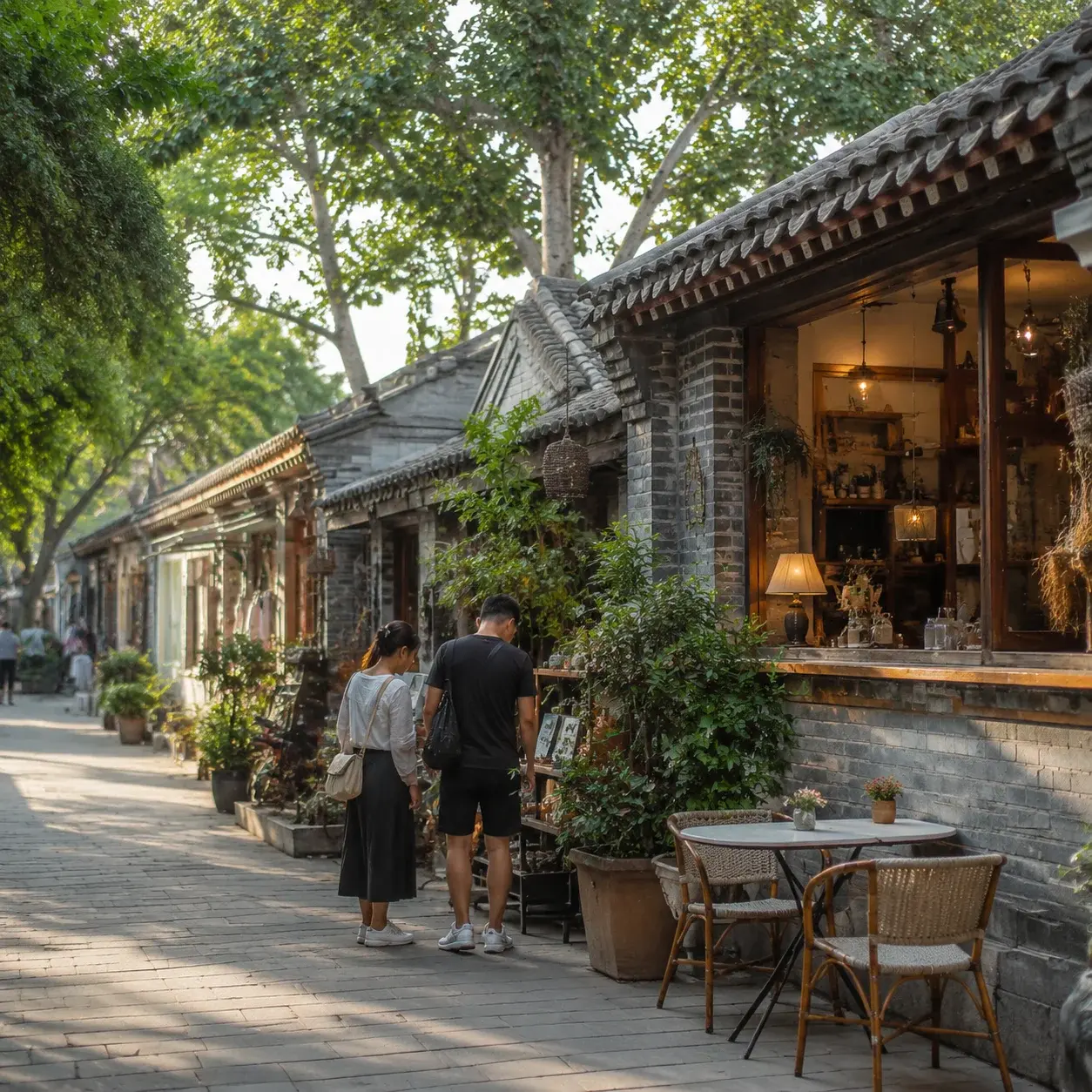
La via principale di Nanluoguxiang è un concentrato di foto, movida e architettura in 15 minuti: è il punto di partenza, non la destinazione finale. Vuoi davvero la vita delle siheyuan? Prova i vicoli laterali a forma di "cavezerola" o Beiluoguxiang. Caffe artigianale e boutique? Wudaoying. Arte, birra artigianale e serate? Fangjia. La via degli studiosi più tranquilla? Guozijian. Sono tutti a una fermata di metrò o a una breve passeggiata di distanza.
Il Selettore di Vicoli — scegli in base all'atmosfera
Valuta ogni corsia in base a ciò che conta di più per te. Il livello di affollamento è valutato così: più alto è il punteggio, più è peggio; per tutto il resto, più alto è il punteggio, più è meglio (da 1 a 5).
| Hutong | Affollamento | Autenticità | Negozi di nicchia | Caffetterie e bar | Ideale per | Ritorno alla Nanluoguxiang |
|---|---|---|---|---|---|---|
| Nanluoguxiang | 5 (folla) | 2 | 2 | 3 | Primo viaggio, architettura, vivacità, street food | — (Linea 6/8, questa stazione) |
| Wudaoying (五道营) | 3 | 3 | 5 | 5 | Caffè specialty, boutique, brunch, turismo lento | Una fermata metropolitana / di fronte al Tempio del LAMA |
| Fangjia (方家) | 2 | 4 | 4 | 4 | Gallerie, birra artigianale e cocktail, nightlife creativo | Accanto a Wudaoying, Linea 5 |
| Beiluoguxiang (北锣鼓巷) | 2 | 4 | 3 | 3 | "Lo stile di Nanluoguxiang, ma più tranquillo", ritmo locale (via aperta 24/7) | Adiacente all'estremità nord, raggiungibile a piedi |
| Guozijian (国子监) | 1 (silenziosa) | 5 | 2 | 3 | La via degli studiosi più tranquilla, calma del Tempio di Confucio (via aperta da mar a dom ~09:00–17:00) | Vicino a Wudaoying / Tempio del LAMA |
Valuta con onestà il tipo di commercializzazione — è questa la correzione che i concorrenti ignorano. Wudaoying e Fangjia sono anch'essi ormai turisticizzati, ma in chiave indie e curata (boutique, caffè di specialty, birre artigianali) anziché nel modello massificato di Nanluoguxiang: a bassa densità e originale, ma non certo non sviluppato.
Le vie davvero tranquille sono Beiluoguxiang e Guozijian.
Non farti vendere dal termine “alternativo” il sogno di un paradiso intatto: qui non ne esiste uno.
Tutte e cinque le zone sono reali e percorribili a piedi, raggruppate a una fermata di metro o a una breve passeggiata dal Tempio dei Lama, dalle Torri del Tamburo e della Campana e da Shichahai.
(I nomi esatti dei locali indie e l'affluenza attuale all'interno di ciascuna zona sono indicativi — verificate sul posto.)
Hutong di Wudaoying (五道营)
Wudaoying è la via di Pechino dedicata ai caffè indipendenti selezionati e ai negozi di nicchia, situata esattamente di fronte al Tempio del Lama. Qui troverete caffè artigianali, boutique di moda, locali per la brunch, birrerie artigianali e studi di designer: il palcoscenico principale per gli amanti dei caffè, un ambiente commercializzato nel suo stile raffinato, lontano dal turismo di massa.
Come arrivare: Metroservizio Linea 2 o Linea 5 fino a Yonghegong (Tempio del Lama), poi attraversate la strada.
Numerose testimonianze a caldo la descrivono come 'un'alternativa meno commercializzata a Nanluoguxiang' e, più di recente, come anch'essa piuttosto commerciale: calibra quindi le aspettative sul settore indie curato, non su un'area incontaminata (fonti: Trip.com Moments; Adventures Around Asia; verifica gli attuali locali e l'uscita esatta prima di recarti lì).
Vicolo Fangjia (方家)
Fangjia è un vicolo di circa 600 anni trasformato in una via cortilizia dedicata all'arte e alla creatività: è più tranquillo e legato alla vita locale rispetto a Nanluoguxiang. Qui troverai piccole gallerie e mostre d'arte, bar di birra artigianale e cocktail, ristoranti e una folla creativa rilassata (i visitatori da tempo nominano la zona del Hot Cat Club per le sue serate di comicità in inglese e la vivace vita dei bar).
Come arrivare: Linea 5 fino alla fermata Beixinqiao, vicino al complesso del Tempio del Lama e del Tempio di Confucio (fonti: Adventures Around Asia; Visions of Travel; verifica l'elenco attuale degli eventi e gli orari prima di partire).
L'itinerario
Una sequenza percorribile a piedi, a una fermata di metropolitana:
1.
Via principale di Nanluoguxiang (30–60 min) — architettura, vivacità, uno street food.
Non fermarsi troppo. 2.
Corredoi "scarabei" laterali (10–20 min) — scosta dall'asse principale per vivere la vera vita dei siheyuan e scattare foto in un'atmosfera più tranquilla. 3.
Beiluoguxiang (facoltativo) — procedi verso l'estremità nord per "l'aspetto di Nanluoguxiang, ma più silenzioso". 4.
Wudaoying (1–2 h) — una fermata di metropolitana da Yonghegong; caffè e boutique. 5.
Fangjia (gallerie e un drink) — una breve passeggiata; arte e birra artigianale, al meglio nel tardo pomeriggio e in serata. 6.
Guozijian (finale tranquillo opzionale) — la via degli studiosi vicino al Tempio di Confucio, per una conclusione in pace.
(Tempi di percorzione a piedi esatti, uscite della metropolitana collegate e le strutture attualmente aperte sono indicativi — verificalo prima di partire.) Se la via principale sembra un parco a tema, qui è dove si è trasferita la vera scena creativa di Pechino — e il vero silenzio si trova un' ulteriore fermata oltre, a Beiluoguxiang e Guozijian. Tratta il Selector come un test della personalità del hutong e fai in modo che ti indichi la strada.
Il momento migliore per visitare e come evitare le folle
Vieni un mattino infrasettimanale, prima di circa le 11, per goderti la quiete e scattare foto; evita del tutto i pomeri del weekend e dei giorni festivi (dalle 13 alle 17). Adatta l'orario ai tuoi obiettivi.
| Fascia oraria | Livello di affollamento | Adatto per |
|---|---|---|
| Mattina nei giorni feriali (prima delle 11:00 ca.) | Basso | Fotografia, architettura, ritmo locale — il momento migliore |
| Pomeriggio/sera nei giorni feriali | Medio | Negozi e spuntini; vivace ma sopportabile; il calar del buio si accende e collega in modo gradevole a un drink a Fangjia |
| Fine settimana/festivi dalle 13:00 alle 17:00 | Molto alto | Da evitare assolutamente — gomito a gomito, rischioso con bambini piccoli |
| Mattina/sera nel fine settimana | Medio-alto | Il mattino è ancora gestibile; la sera è vivace ma affollata |
Durante la Golden Week e le principali festività, preparati alla folla peggiore per l'intera giornata e pianifica di conseguenza. (La percezione reale dell'affluenza ora per ora varia a seconda delle stagioni e degli eventi: verifica le condizioni attuali prima di recarti. Note su tempismo e attrezzatura verificate tramite Trip.com Moments e ChinaDiscovery; conferma la situazione in tempo reale.)
Visitare Nanluoguxiang con i bambini: una guida per famiglie
Sì, puoi portare i bambini: la pista è piatta e percorribile con il passeggino, e l'arrampicata di snack è vincente — ma la folla di punta è un vero pericolo con i piccoli, quindi parti presto e tienili per mano. Questo è il pubblico che ogni altra guida elude.
La mossa: considera la corsia principale come una veloce pausa merenda verso le 10, poi rilassa nei tranquilli percorsi secondari e nei cortili di Fangjia, che danno spazio per respirare ai più piccoli.
I caffè di Wudaoying sono un ottimo punto di pausa per il sonnellino in passeggina quando tutti hanno bisogno di fermarsi.
Evita di affrontare l'affollamento del fine settimana con la carrozzina: è proprio allora che la densità della folla diventa fonte di vero stress.
(L'accesso effettivo con passeggino nella corsia principale, il tipo di pavimentazione della corsia laterale e i livelli reali di affollamento durante i picchi sono indicativi: verificate prima di partire.) Per le famiglie che preferiscono una passeggiata guidata in loco tra i hutong, evitando la folla, è possibile valutare un itinerario privato e personalizzato per famiglie a Pechino.
Come raggiungere Nanluoguxiang
Prenota la metropolitana Linea 6 o Linea 8 fino alla Stazione Nanluoguxiang; l'ingresso principale si trova proprio lì. È anche facile raggiungerci a piedi dalle Torri del Tamburo e della Campana e dai laghi di Shichahai/Houhai, così puoi inserirlo in una mezza giornata di escursioni.
Per il viaggio in direzione dei quartieri più tranquilli: linea 2 o linea 5 fino a Yonghegong (Tempio del Lama) per Wudaoying, oppure linea 5 fino a Beixinqiao per Fangjia. La maggior parte dei piccoli negozi qui accetta solo pagamenti senza contanti e non è possibile usare carte straniere, quindi imposta Alipay o WeChat Pay prima dell'arrivo e indossa scarpe comode: l'intera visita si fa a piedi. I taxi e DiDi funzionano altrettanto bene, ma la metropolitana è più veloce nelle ore di punta. (I numeri esatti delle uscite delle stazioni sono indicative — verifica prima di partire.)
Domande Frequenti
Nanluoguxiang vale la pena?
Sì, per circa 60–90 minuti, se consideri la via principale come punto di partenza e non come meta. È una strada commerciale e affollata, piena di punti ristoro e gadget, ma conserva autentica architettura dell'era Yuan: il vero tesoro, però, sta nelle tranquille vie laterali e nei vicini vicoli di Wudaoying e Fangjia.
Cosa si può fare a Nanluoguxiang?
Ammira l'architettura delle vie dell'era Yuan e i cortili del siheyuan in mattoni grigi, assaggia un vero street food di Pechino e, soprattutto, imbocca i più silenziosi vicoli laterali dei "centipedi" per un autentico stile di vita hutong e fotografie più rilassate. Dedica meno di un'ora al viale principale.
Che cibi devo assaggiare a Nanluoguxiang?
Allontanati dai dolci locali più famosi: scegli una frittella jianbing autentica, gli spaghetti zhajiangmian e, se sei audace, douzhi o luzhu. Merita una sosta una fermata con fila come Wenyu Cheese. Evita i giganteschi spiedini di ciliegie tanghulu e le bevande a tema, pensati per i turisti e non per chi di Pechino è un vero abitante.
Cosa si può comprare a Nanluoguxiang?
Acquista artigianato indipendente autentico: ceramiche in piccole serie, quaderni rilegati a mano, stampe di illustratori locali, gioielli in materiali veri – ed evita ciò che hai già visto a Wangfujing o Qianmen (magneti identici, ventagli stampati, "seta" industriale, incisioni di nomi eseguite da macchinari). Se è "ovunque" e puoi contrattare con facilità, si tratta di un souvenir di serie, non di una specialità locale.
Come arrivo a Nanluoguxiang?
Prendi la Metro Linea 6 o Linea 8 fino alla stazione di Nanluoguxiang, al capolinea. Si può raggiungere anche a piedi dalle Torri del Tamburo e della Campana e da Shichahai/Houhai. Attiva in anticipo Alipay o WeChat Pay: la maggior parte dei piccoli negozi opera in modo cashless e non accetta carte straniere.
Quali sono alternative più tranquille a Nanluoguxiang?】
Per caffè di nicchia e boutique indipendenti, recati a Wudaoying (di fronte al Tempio del Lama); per arte e birra artigianale, Fangjia. Per un autentico silenzio, dirigiti verso Beiluoguxiang o Guozijian. Sono tutti a una fermata della metropolitana o a pochi passi — la ragione per cui vale la pena visitare la zona.
La linea di fondo
Nanluoguxiang merita una sosta, ma non nel modo in cui la presentano i tipici itinerari.
Dedica alla celebre via principale 30-60 minuti per apprezzare l'architettura seicentesca e l'atmosfera vibrante; usa il filtro “nicchia contro massa” per evitare di portare a casa un cagnetto magnetico, poi indirizza il tuo percorso fuori dal centro: nelle vie laterali per vivere l'autentico spirito dei siheyuan, e poi verso Wudaoying, Fangjia, Beiluoguxiang o Guozijian, alla scoperta di una Pechino che ripaga davvero una visita ripetuta.
Considera la corsia principale come l'ingresso al sentiero, non come la destinazione, e avrai esplorato il quartiere invece di limitarti a farti avanti nella fila.
Se preferisci che sia qualcuno a tracciare per te il percorso per evitare le folle, la nostra sezione su gli acquisti a Pechino e la nostra guida alla strada dei marchi storici di Qianmen e Dashilan applicano lo stesso approccio schietto al resto della città — e un viaggio familiare privato a Pechino su misura di LyrikTrip può guidarti attraverso i hutong al momento giusto, in modo che la parte migliore sia proprio quella che ricorderai.