



 7 jours L'Empire, lu à l'envers Pékin → Xi'an À partir de $2,220 Voir le circuit
 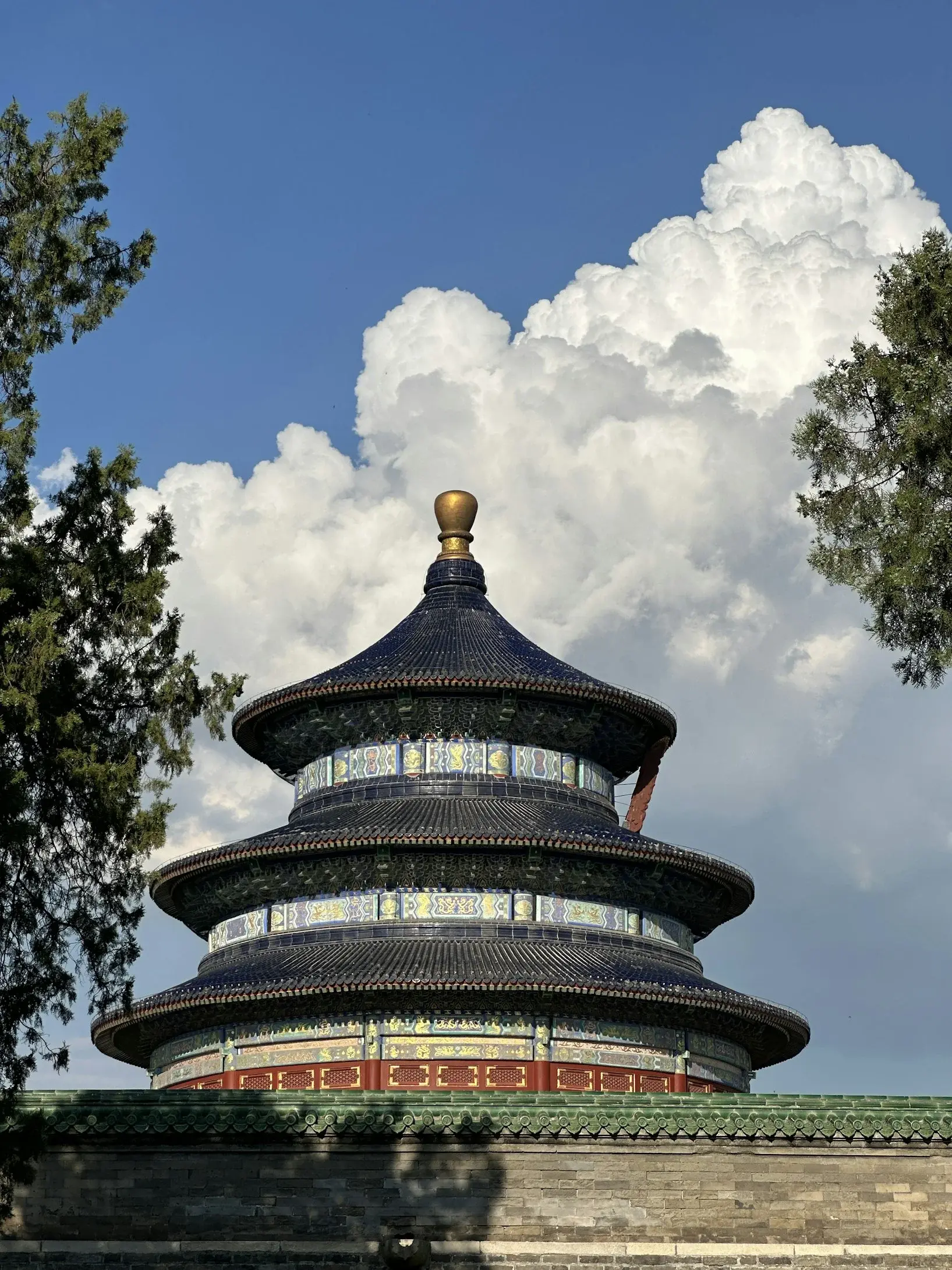 5 jours Pékin, sur une seule ligne Pékin À partir de $1,750 Voir le circuit
  4 jours Xi'an, couche par couche Xi'an À partir de $1,230 Voir le circuit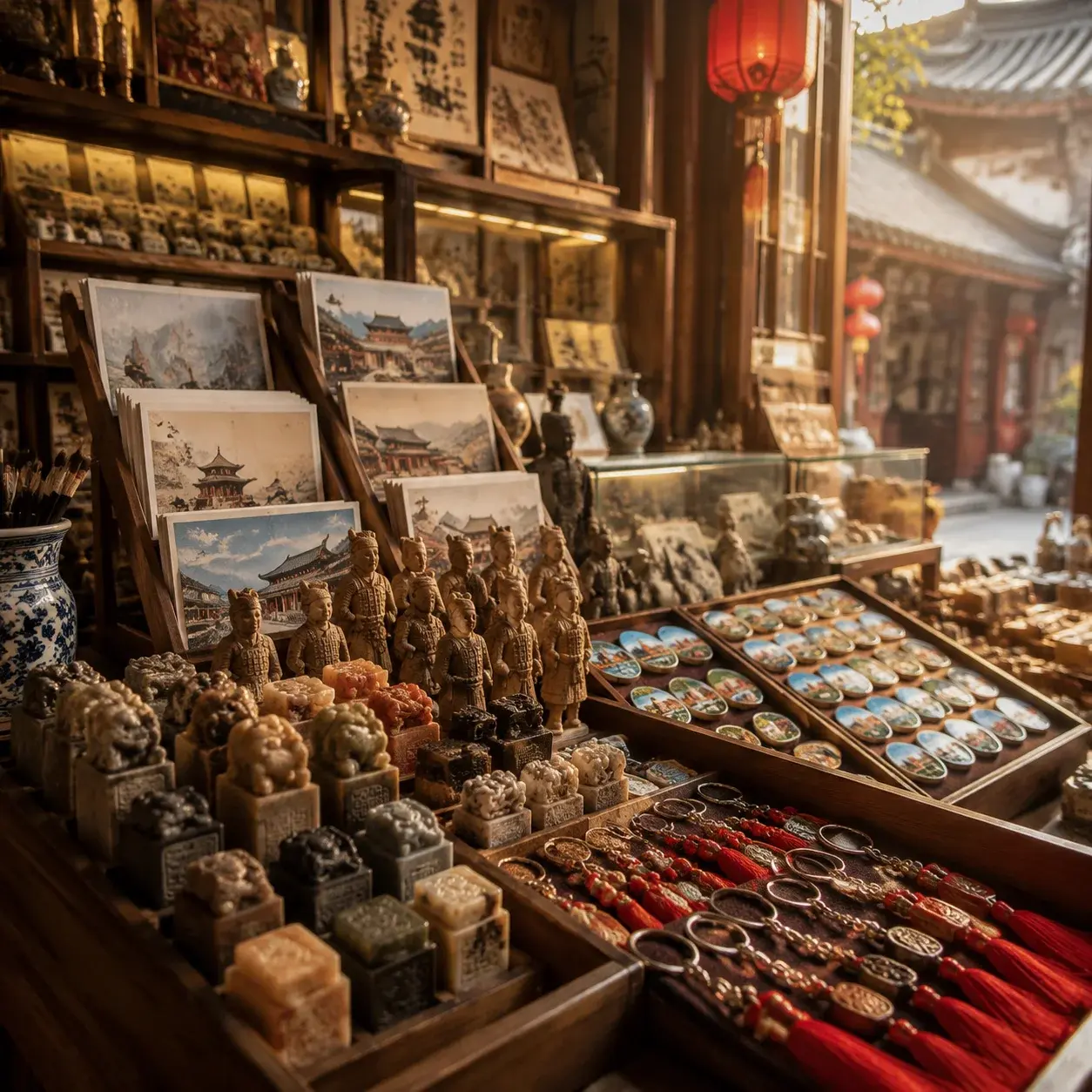
Souvenirs chinois : les meilleurs achats abordables et où les trouver
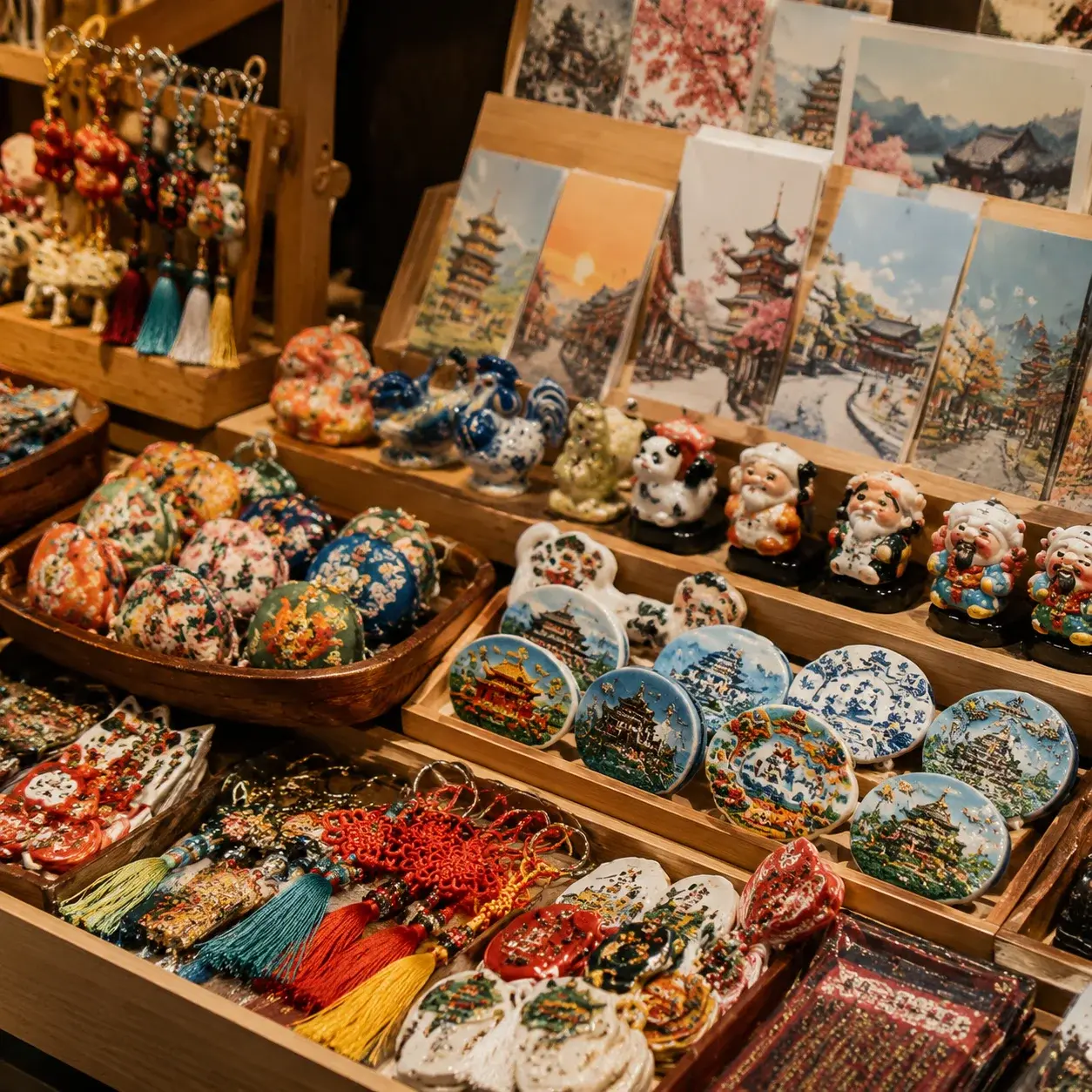
Les meilleurs souvenirs chinois ne sont pas les plus chers – ce sont de petits objets personnels, faciles à emporter : un nom gravé sur un sceau, une figurine de guerrier en terre cuite, des cartes postales, des aimants de réfrigérateur, des porte-clés et des produits culturels créatifs des musées. Achetez-les dans les boutiques des musées ou dans les anciens marchés d'artisanat pour des prix équitables en RMB, et évitez les étals surtaxés aux portes des attractions et aux aéroports.
Commençons par une position honnête : LyrikTrip est une entreprise de voyage privée en Chine, pas un vendeur de souvenirs. Nous n'avons pas de magasin, nous ne prenons pas de commissions affiliées, et nous ne poussons aucun client vers un vendor particulier. Ce que nous faisons, c'est envoyer des voyageurs à Xi'an, Pékin et Chengdu à chaque saison, et nous avons vu les mêmes clients surenchérir au premier étal qu'ils rencontrent alors qu'une meilleure version se trouvait deux rues plus loin pour la moitié du prix. Ce guide est le manuel d'achat que nous donnons à nos propres invités – quoi acheter, à quel prix, et où se trouvent vraiment les prix équitables.
La plupart des guides en ligne sur les "souvenirs de Chine" mettent en avant les classiques coûteux : soie, jade, thé, porcelaine. Ce sont des objets charmants, mais ils sortent largement du cadre de cet article — si vous cherchez ces produits-là, nos guides dédiés expliquent comment  acheter du thé chinois authentique, distinguer la vraie soie de la fausse et reconnaître le vrai jade. Cette page se concentre sur les souvenirs abordables, spécifiques aux attractions, légers, pleins de sens et sans impact sur votre budget — une catégorie que peu de gens couvrent bien.
Points clés à retenir
- Commencez par faire graver votre nom sur un cachet. Un sceau en pierre (印章) gravé avec votre nom en chinois coûte environ ¥30–120 en savonstone et est l'objet le plus personnel que vous puissiez ramener chez vous.
- Achetez les souvenirs des attractions en ville, pas à l'entrée. Les boutiques de création culturelle (文创) des musées proposent les meilleurs designs à prix fixes et équitables ; les stands aux entrées d'attractions ou aéroport sont souvent 20–50 % plus chers.
- Fourchettes indicatives en RMB, pas de prix fixes. Aimants de réfrigérateur ¥5–20 (rue) à ¥20–60 (musée), porte-clés ¥5–15, cartes postales ¥3–15, figurines en terre cuite ¥30–2 000+ selon taille et authenticité.
- Les souvenirs les moins chers font souvent les meilleurs cadeaux. Cartes postales, aimants et porte-clés sont légers, universels et faciles à distribuer à collègues et amis.
- Marchés = bonnes affaires ; boutiques de musées = qualité et prix fixes. Utilisez chaque endroit pour ce qui lui sied, et payez presque partout par WeChat Pay ou Alipay.
Le tampon chinois personnalisé — le souvenir à obtenir en premier
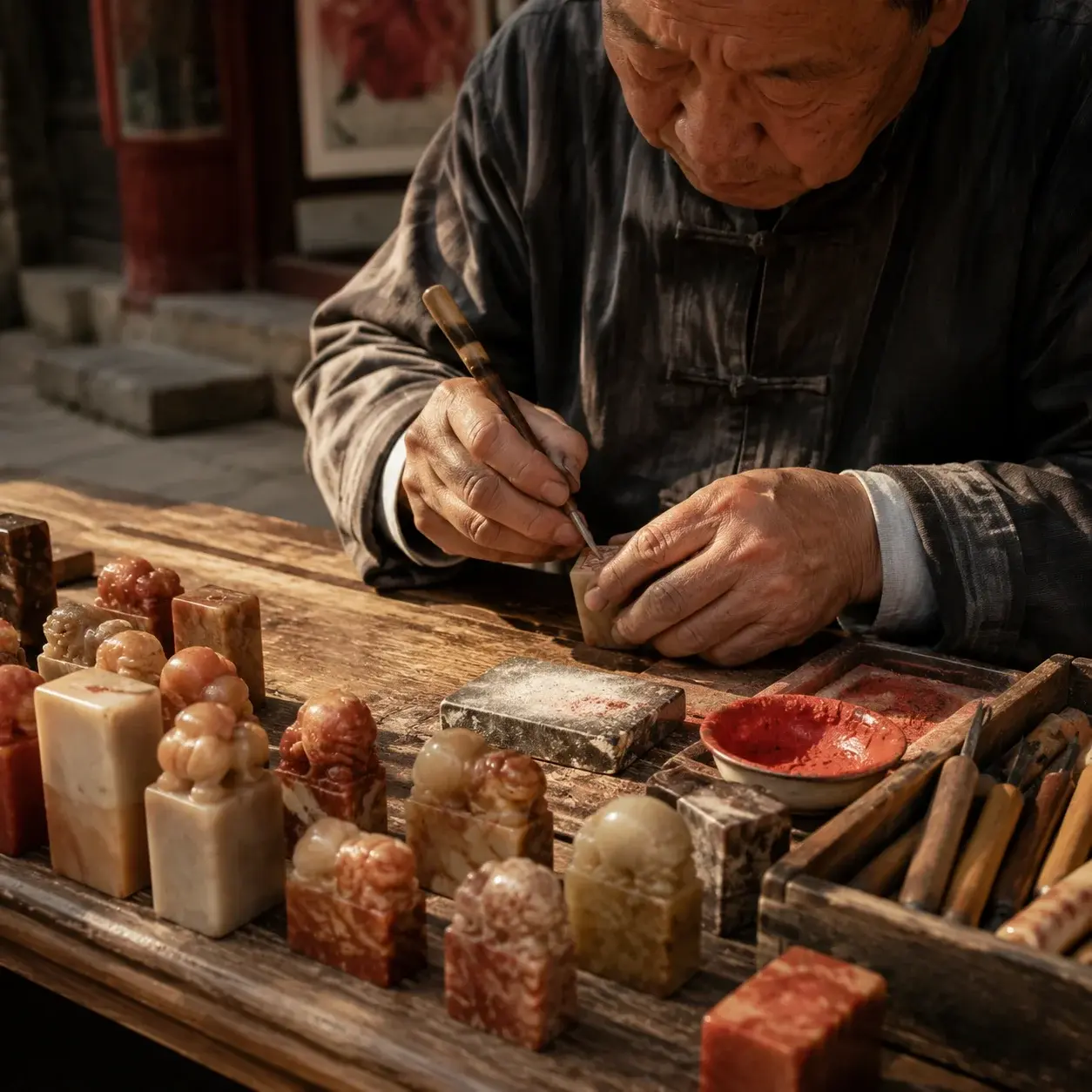
Un tampon chinois est un sceau en pierre gravée qui estampille votre nom dans une pâte de cinnabaré rouge — faites-en graver un sur place pour environ ¥30–120 en pierre à savon, sur une rue d'artisanat comme Liulichang à Pékin, et il devient le souvenir le plus personnel de tout votre voyage. C'est notre recommandation phare pour une raison : abordable, profondément chinois, et aucun n'est identique.
Ce qu'est réellement un tampon chinois
Un tampon de nom — 印章, parfois appelé sceau ou « chop » — est un petit cylindre de pierre sur lequel des caractères sont gravés sur sa base. Pressé dans une pâte de cinnabaré rouge et estampillé sur papier, il laisse une marque signature cramoisie que les artistes, calligraphes et lettrés chinois utilisent depuis des siècles pour signer leurs œuvres. La tradition de gravure de ces sceaux remonte très loin : la pierre fine pour les sceaux a été travaillée en Chine depuis au moins la dynastie Han (206 av. J.-C.–220 apr. J.-C.), et la gravure de sceaux est reconnue aujourd'hui comme une forme d'art classique en soi (Wikipedia, Gravure de sceaux ; Dernière vérification 2026-07). Pour un voyageur, l'attrait est simple : vous donnez votre nom, et vous repartez avec un objet qui a l'allure d'un héritage, pour moins cher qu'un bon repas.
Comment faire graver un tampon sur place (pas à pas)
- Décidez de votre nom chinois. La plupart des graveurs peuvent translittérer votre nom occidental en caractères chinois de manière phonétique, ou vous avez peut-être déjà un nom chinois donné par un ami local. Confirmez les caractères exacts avant de commencer la gravure — c'est la seule chose que vous ne pourrez pas défaire.
- Choisissez votre pierre. La stéatite est le choix standard et abordable : tendre, facile à graver et traditionnelle. La stéatite à sceau la plus célèbre est la pierre de Shoushan, provenant de Fuzhou dans la province du Fujian, réputée pour son grain fin et sa faible dureté (Mohs 2–3), ce qui permet précisément au graveur de tailler des caractères nets à la main (Wikipedia, Shoushan stone carvings; Dernière vérification 2026-07). Le jade, l'agate et les pierres décoratives de qualité supérieure coûtent plus cher et sont plus difficiles à graver.
- Choisissez un style d'écriture. L'écriture sigillaire (篆书) est le style classique et le plus authentique pour un sceau ; c'est celui que la plupart des graveurs utilisent par défaut.
- Confirmez, puis patientez. Un graveur à la main termine généralement un sceau nominatif simple en 15 à 60 minutes environ. Avant de payer, vérifiez que les caractères sont corrects et bien orientés, et demandez si un petit tampon de pâte de cinabre est inclus (c'est souvent le cas, mais renseignez-vous).
Où s'en procurer un : La rue de la culture Liulichang à Pékin (la destination classique pour les pinceaux, l'encre et les sceaux), le marché aux antiquités du week-end de Panjiayuan, les quartiers de fournitures d'art près des grandes universités, et les étals de sceaux dans les rues artisanales des vieux quartiers de la plupart des villes touristiques. Évitez la gravure « concierge » dans les halls d'hôtel et les kiosques d'aéroport — vous paierez un supplément pour un travail bâclé.
Prix équitables en RMB pour un tampon de nom
| Article | Indicatif RMB |
|---|---|
| Tampon de nom en pierre savonneuse (petit–moyen) | ¥30–120 |
| Meilleure pierre / plus grand sceau | ¥150–400 |
| Sceau en jade ou agate | ¥400–1 000+ |
| Tampon à pâte de cinabre (si séparé) | ¥15–40 |
Si vous êtes attiré par l'art derrière cela, notre [calligraphie chinoise et art du sceau](#) propose une exploration approfondie des styles, des grades de pâte rouge et la lecture d'un sceau gravé.
Figurines de guerriers en terre cuite (Xi'an)
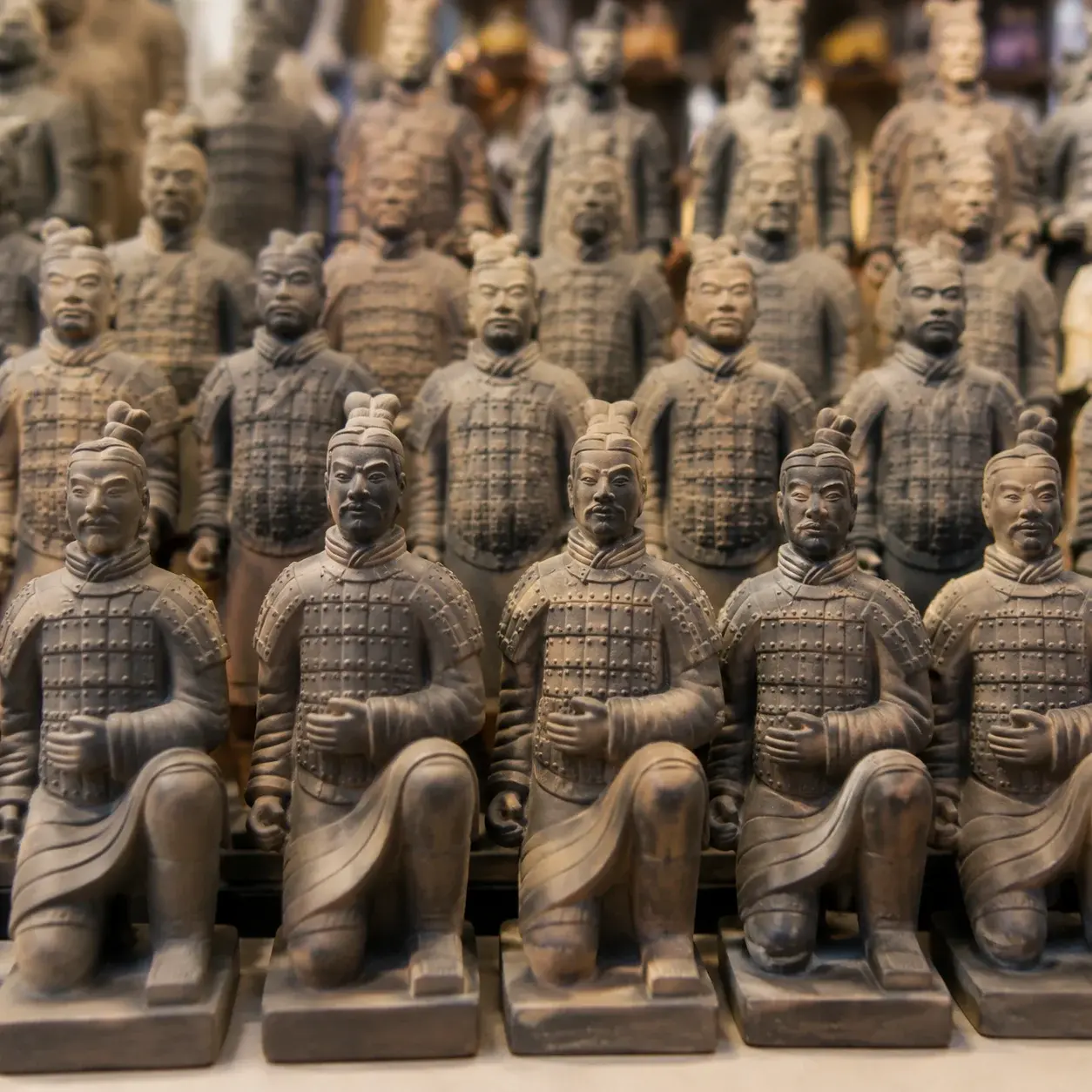
Les figurines de guerriers en terre cuite sont des répliques miniatures de l'armée en argile célèbre de Xi'an — robustes, iconiques et faciles à emporter. Achetez-les dans la boutique officielle du musée pour une qualité certifiée, ou négociez des miniatures moins chères dans le Quartier Musulman ; comptez entre ¥30 et ¥100 pour un ensemble de taille de main, jusqu'à ¥2 000+ pour les grandes pièces certifiées.
Les originaux font partie des grandes découvertes archéologiques de l'époque moderne. En mars 1974, des agriculteurs creusant un puits près de Xi'an ont mis au jour l'armée enfouie du premier empereur de Chine, Qin Shi Huang — environ 8 000 soldats, chevaux et chars de taille réelle, inhumés vers 210–209 av. J.-C., et classés comme site du patrimoine mondial de l'UNESCO en 1987 (Wikipedia, Armée de terre cuite ; Dernière vérification 2026-07). Une réplique bien faite sur votre étagère porte une histoire véritablement épique, ce qui en fait un cadeau si satisfaisant.
Où acheter : Les boutiques autorisées au Musée du site de la Tombe de l'Empereur Qin Shihuang vendent des argiles de meilleure qualité, certaines accompagnées d'un certificat d'authenticité — les meilleures pièces que vous trouverez. En ville, le Quartier Musulman, le Marché de Nuit de Beiyuanmen et l'Allée Huajue proposent beaucoup de miniatures moins chères où la négociation est attendue. Les étalls de l'aéroport et de la gare demandent plus cher pour une qualité inférieure. La règle reste valable : achetez en ville ou au musée, pas au premier vendeur à l'entrée.
Prix équitables en RMB : ensemble de taille paume ¥30–100 ; figure de taille moyenne ¥100–400 ; pièces grandes ou certifiées ¥500–2 000+
Vous planifiez votre visite ? Consultez notre guide sur [les choses à faire à Xi'an](#) pour savoir comment associer les guerriers au vieux mur de la ville et au Quartier Musulman.
Cartes postales chinoises et cartes postales vintage
Les cartes postales sont le souvenir le moins cher, le plus léger et le plus personnel en Chine — les cartes d'art modernes de musées coûtent entre ¥3 et ¥15 chacune, tandis que les cartes authentiques vintage ou de l'époque propagandiste se vendent entre ¥10 et ¥50. Achetez des cartes dessinées dans les boutiques culturelles des musées et des pièces de collection dans des marchés aux puces comme Panjiayuan.
Ne sous-estimez pas une carte postale. Un ensemble de cartes d'art provenant d'une bonne boutique de musée est un cadeau beau et presque sans poids, et une carte vintage timbrée possède un vrai charme. Les lignes modernes de 文创 (culturel-créatif) ont rendu les cartes postales des musée vraiment orientées design, tandis que les marchés aux antiquités font découvrir des cartes de collection des décades précédentes.
Où acheter : boutiques de créations culturelles des musées et attractions pour des ensembles de cartes dessinées ; Panjiayuan et marchés aux puces/antiquités pour des cartes vintage et de l'époque de la propagande ; librairies et étals de papeterie des vieilles villes pour des cartes courantes. Pour un souvenir supplémentaire, envoyez-en un depuis une poste chinoise — le timbre et la date en font un souvenir daté du voyage lui-même. Un petit truc que nos voyageurs adorent : achetez une carte à chaque étape principale, écrivez-la ce soir-là, et postez tout d'un coup — vous arrivez chez vous avec un petit journal papier du voyage qui vous attend déjà dans la boîte.
Prix équitables en RMB : carte artistique simple ¥3–15 ; ensemble thématique en boîte ¥20–80 ; cartes vintage authentiques ¥10–50 chacune.
Répliques du masque en bronze de Sanxingdui (Chengdu / Sichuan)
Les répliques du masque en bronze de Sanxingdui sont ces souvenirs de conversation que presque aucun touriste ne sait acheter — copies des étranges masques en bronze aux yeux larges du site de Sanxingdui près de Chengdu. Achetez-les dans la boutique du musée de Sanxingdui pour ¥40–150 (petite) jusqu'à ¥200–600 pour les pièces plus grandes et détaillées.
Les masques de Sanxingdui ressemblent à rien d'autre dans l'art chinois — yeux proéminents, traits anguleux, présence presque extraterrestre — ce qui est justement ce qui fait d'une réplique un souvenir mémorable. Comme peu de guides de souvenirs grand public en parlent, vous offrirez quelque chose que la plupart des destinataires n'ont jamais vu.
Où acheter : La boutique de produits culturels du musée Sanxingdui propose les meilleurs designs et la meilleure qualité ; la boutique du site de Jinsha à Chengdu est une excellente deuxième option ; et les étals le long de Jinli et de Kuanzhai Alley proposent des masques-thèmes dans le centre-ville.
Prix équitables en RMB : petite réplique en résine ou alliage ¥40–150 ; pièce plus détaillée et plus grande ¥200–600 ; aimets et porte-clés thématiques « wenchuang » ¥15–50.
Aimants de réfrigérateur chinois
Les aimants de réfrigérateur sont un souvenir universel et peu coûteux : ¥5–20 pour un aimant d'étal standard, ¥20–60 pour un aimant culturel-créatif bien conçu. Achetez les designs de qualité dans les boutiques de souvenirs des musées et attractions ; achetez les modèles simples dans les étals de marché de nuit ; évitez le premier étal surtaxé à l'entrée.
L'aimant a quietly évolué en Chine. Aux côtés des motifs classiques de la Grande Muraille, de la Cité Interdite et des pandas, les lignes culturelles des musées produisent maintenant des aimants vraiment attrayants, ressemblant à de petits morceaux d'art plutôt qu'à des souvenirs touristiques. Ce sont les cadeaux « je t'ai apporté quelque chose » les plus faciles.
Où acheter : Boutiques de souvenirs des musées et attractions pour les aimants mieux conçus et fabriqués ; étals de rue et de marché de nuit pour les modèles simples quand vous avez besoin de volume. Comme toujours, le vendor le plus proche de l'entrée de l'attraction facture généralement le plus cher.
Prix équitables en RMB : aimant d'étal standard ¥5–20 ; aimant culturel-creatif du musée ¥20–60.
Porte-clés chinois
Les porte-clés sont le meilleur cadeau en gros en Chine — de ¥5 à 15 chacun pour les designs panda, Grande Muraille, masque d'opéra et nœud chinois, ou de ¥20 à 50 pour les pièces émaillées muséales. Achetez en quantité sur les marchés et négociez sur les multiples ; privilégiez la qualité du design dans les boutiques muséales.
Quand vous ramenez un petit souvenir pour une douzaine de collègues, les porte-clés sont la réponse : bon marché, légers, nettement chinois, disponibles dans tous les motifs imaginables. Les designs en nœud chinois et émaillés en forme de masque d'opéra se distinguent des modèles métalliques plus simples — si les nœus vous attirent, notre guide sur les significatives cadeaux en nœu chinois explique ce que chaque motif symbolise.
Où acheter : la même stratégie que pour les aimants — boutiques muséales pour la qualité du design, marchés et étals de nuit pour la volume et le prix. En regroupant plusieurs unités, le prix par unité chute rapidement dès que vous négociez.
Prix RMB équitables : ¥5–15 chacun ; les ensembles sont moins chers à l’unité ; porte-clés muséaux en métal ou émail : ¥20–50.
Souvenirs de la Cité Interdite (Pékin)
Le Musée du Palais de la Cité Interdite propose l'une des meilleures lignes créatives chinoises — papeterie aux motifs impériaux, aimants, porte-clés, étiquettes de bagages, petits masques d'opéra, découpes de papier, et même des tampons marqués. Achetez dans les boutiques officielles du Musée du Palais ; comptez de ¥15 à 60 pour la papeterie et les aimants, et de ¥80 à 300 pour les écharpes et grands cadeaux.
La marque de produits culturels et créatifs du Palais Impérial — the Palace Museum's cultural-creative brand — est un phénomène authentique en Chine, transformant les motifs impériaux en objets stylisés et abordables pour le quotidien. Le design et la qualité dépassent largement ceux des articles vendus par les vendeurs de bord de route, et les prix sont fixes et équitables.
Où acheter : les boutiques officielles du Palais Impérial à l'intérieur de l'ensemble proposent toute la gamme ; Liulichang, tout près, ajoute des artes traditionnelles si vous souhaitez combiner les deux en un seul après-midi.
Prix RMB équitables : papeterie et aimants ¥15–60 ; foulards et articles cadeaux plus grands ¥80–300.
Pour la visite accompagnée d'achats, consultez notre [guide du visiteur de la Cité Interdite](#).
Souvenirs de la Grande Muraille (Badaling / Mutianyu)
Les souvenirs de la Grande Muraille s'étendent des porte-clés et aimants en forme de mur (¥10–30) aux médailles et certificats « J'ai gravi la Grande Muraille » (¥20–60) et aux frottements encadrés (¥80–200). Achetez dans les boutiques officielles du centre de visiteurs à Mutianyu ou Badaling — la série de vendeurs à l'entrée est le piège classique surfacturé.
La Grande Muraille est là où la règle « achetez au bon endroit » est la plus cruciale, car le trajet jusqu'à l'entrée et en retour est bordé de vendeurs qui fixent des prix élevés et comptent sur votre fatigue et votre hâte. Les boutiques du centre de visiteurs proposent de meilleurs articles à des prix plus raisonnables ; la médaille ou le certificat commémoratif est un souvenir amusant et abordable.
Où acheter : dans les boutiques officielles du centre de visiteur à Mutianyu ou Badaling pour de meilleurs produits ; si vous achetez auprès d'un vendeur de l'entrée, fixez votre prix et soyez prêt à partir — c'est souvent ce qui conclut l'affaire.
Prix équitables en RMB : aimant ou porte-clés ¥10–30 ; médaille ou certificat ¥20–60 ; frottement encadré ¥80–200.
Où acheter — et où ne pas acheter
La règle la plus utile pour les souvenirs chinois : les boutiques culturelles créatives des musées et attractions officiels vous offrent le meilleur design à des prix fixes équitables ; les marchés et les rues artisanales anciennes sont idéaux pour négocier et acheter en gros ; les vendeurs aux portes des attractions et les boutiques aéroportuaires facturent systématiquement 20–50 % de plus que le marché — n'y achetez qu'en dernier recours.
Intégrez cette carte à trois niveaux et vous paierez rarement trop cher :
| Où | Meilleur pour | Prix | À surveiller |
|---|---|---|---|
| Boutiques culturelles / musées / attractions | Qualité du design, authenticité | Fixe, équivalent | Légèrement supérieur aux articles de rue — mais ça vaut le coup |
| Marchés et rues artisanales anciennes | Négociation, cadeaux en vrac | Négociable | La qualité varie ; inspectez avant de payer |
| Vendeurs aux portes des attractions et étals aéroportuaires | Commodité uniquement | Majoration de 20–50 %+ | Le piège touristique par défaut |
Quelques conseils pratiques. Le marchandé dans les marchés est normal et attendu — faites-le avec un sourire, proposez un prix bien inférieur à la première proposition, et achetez plusieurs articles pour faire baisser le prix par unité. Le marché aux antiquités de Panjiayuan à Pékin est l'endroit classique du week-end pour pratiquer ces trois techniques. Une repère utile : dans un étal négociable, un prix final équivalent est souvent d'environ la moitié de la proposition initiale, parfois moins pour les souvenirs. Dans les boutiques de musées à prix fixes, l'étiquette est le prix ; inutile de marchander. Pratiquement partout, WeChat Pay et Alipay sont acceptés, et ils deviennent progressivement le moyen de paiement le plus pratique ; gardez un peu d'espèces en réserve pour les petits stands. Et chaque fois qu'un vendor se tient juste à l'entrée d'une attraction, supposez que vous pourrez faire mieux quelques rues plus loin — la commodité de l'emplacement est exactement ce dont vous payez le supplément.
Foire aux questions
Quels sont les meilleurs souvenirs pas cher de Chine ?
Les meilleurs souvenirs chinois abordables sont un tampon sur mesure (¥30–120), des figurines de guerriers en terre cuite (à partir de ¥30), des cartes postales (¥3–15), des aimants de réfrigérateur (¥5–60), des porte-clés (¥5–50) et des produits culturels créatifs de musée. Ils sont légers, pleins de sens et doux pour le portefeuille si vous les achetez dans les bons magasins.
Quel est le meilleur souvenir chinois pas cher ?
Le meilleur souvenir chinois bon marché est un sceau nominatif personnalisé — un sceau en pierre gravé avec votre nom en chinois pour environ 30–120 ¥. C'est abordable, profondément personnel et chaque pièce est unique. Juste derrière viennent les cartes postales (3–15 ¥), les magnets pour réfrigérateur (5–60 ¥) et les porte-clés (5–50 ¥) des boutiques culturelles et créatives des musées.
Comment obtenir un sceau nominatif chinois ?
Choisissez votre nom chinois et confirmez les caractères exacts, sélectionnez une pierre (la stéatite est le choix standard abordable) et optez pour l'écriture sigillaire. Un graveur à la main réalise un sceau nominatif simple en 15 à 60 minutes environ, pour un prix d'environ 30–120 ¥. Les rues artisanales comme Liulichang à Pékin sont l'endroit classique pour en faire graver un.
Peut-on acheter un vrai guerrier en terre cuite ?
Vous ne pouvez pas acheter un original — ce sont des reliques nationales protégées. Ce que vous pouvez acheter, ce sont des répliques, et les meilleures proviennent des boutiques autorisées du Musée du mausolée de l'empereur Qin Shihuang à Xi'an, certaines avec un certificat d'authenticité. Les ensembles de la taille d'une paume commencent autour de 30 ¥ ; les grandes pièces certifiées peuvent atteindre 2 000 ¥ et plus.
Les boutiques de souvenirs dans les aéroports chinois sont-elles trop chères ?
En général, oui. Les stands des aéroports et des entrées de sites touristiques misent sur la commodité et pratiquent régulièrement des prix de 20 à 50 % ou plus au-dessus du marché. Pour le même magnet, porte-clés ou figurine, vous paierez généralement bien moins cher dans une boutique culturelle et créative de musée ou sur un marché de vieille ville. Achetez avant d'arriver à l'aéroport.
Quel souvenir de Chine faut-il éviter ?
Évitez tout souvenir acheté à l'entrée d'une attraction ou dans un kiosque d'aéroport en Chine — ils coûtent souvent 20 à 50 % de plus pour une qualité inférieure. Évitez aussi le « jade authentique » ou la « soie pure » proposés sur les étals de rue sans certification ; les faux sont fréquents. Privilégiez les boutiques culturelles des musées ou les marchés établis, où la qualité et les prix sont équitables.
Quels souvenirs acheter à la Cité Interdite et à la Grande Muraille ?
À la Cité Interdite, la ligne « Wenchuang » du Musée du Palais — papeterie aux motifs impériaux, aimants, porte-clés, étiquettes de bagages (¥15–60) — est excellente et bien tarifée. À la Grande Muraille, optez pour un aimant ou un porte-clés en forme de mur (¥10–30) ou une médaille commémorative de l'ascension (¥20–60), disponibles dans les boutiques officielles du centre de visite.
Puis-je envoyer des cartes postales depuis la Chine ?
Oui. Achetez une carte dans un musée ou une boutique d'attraction (¥3–15), rédigez-la, et expédiez-la depuis n'importe quelle poste China Post. L'affranchissement international est peu coûteux, et le timbre-poste transforme une carte simple en souvenir daté du jour exact de votre visite. La livraison à l'étranger prend généralement entre une et trois semaines.
Conclusion
La stratégie idéale pour des souvenirs chinois est simple : commencez par un tampon personnalisé, ajoutez une figurine en terre cuite et un lot de cartes postales, puis complétez avec des aimets et porte-clés des boutiques de musées — en payant des prix équitables en RMB et en évitant les étals d'entrée. Rien ne coûte cher, tout est léger, et chaque pièce raconte une histoire vraie. Pour plus d'informations, consultez notre guide principal sur [Les meilleurs souvenirs de Chine](#).
Si vous préférez que quelqu'un s'occupe des détails — et vous guide vers les bonnes boutiques plutôt que les attractions touristiques — LyrikTrip conçoit [des voyages privés en Chine, centrés sur la famille](#) avec ce genre de détail sur le terrain intégré.
Planning ce que d'autre ramener chez vous ? Découvrez notre guide complet sur