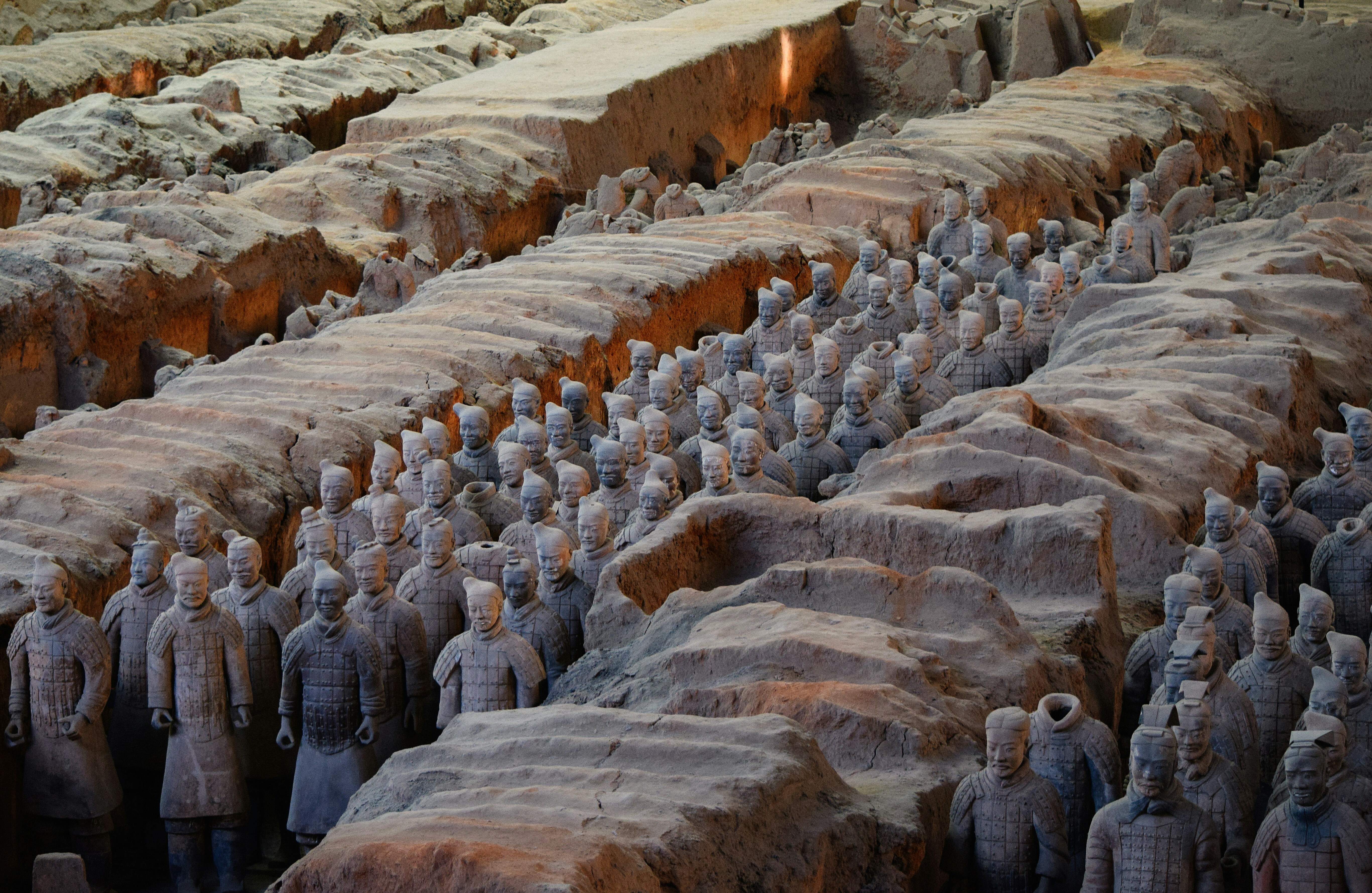





 15 days One Country, Two Clocks Beijing → Xi'an → Chengdu → Guilin → Yangshuo → Shenzhen → Hong Kong From $5,000 View route
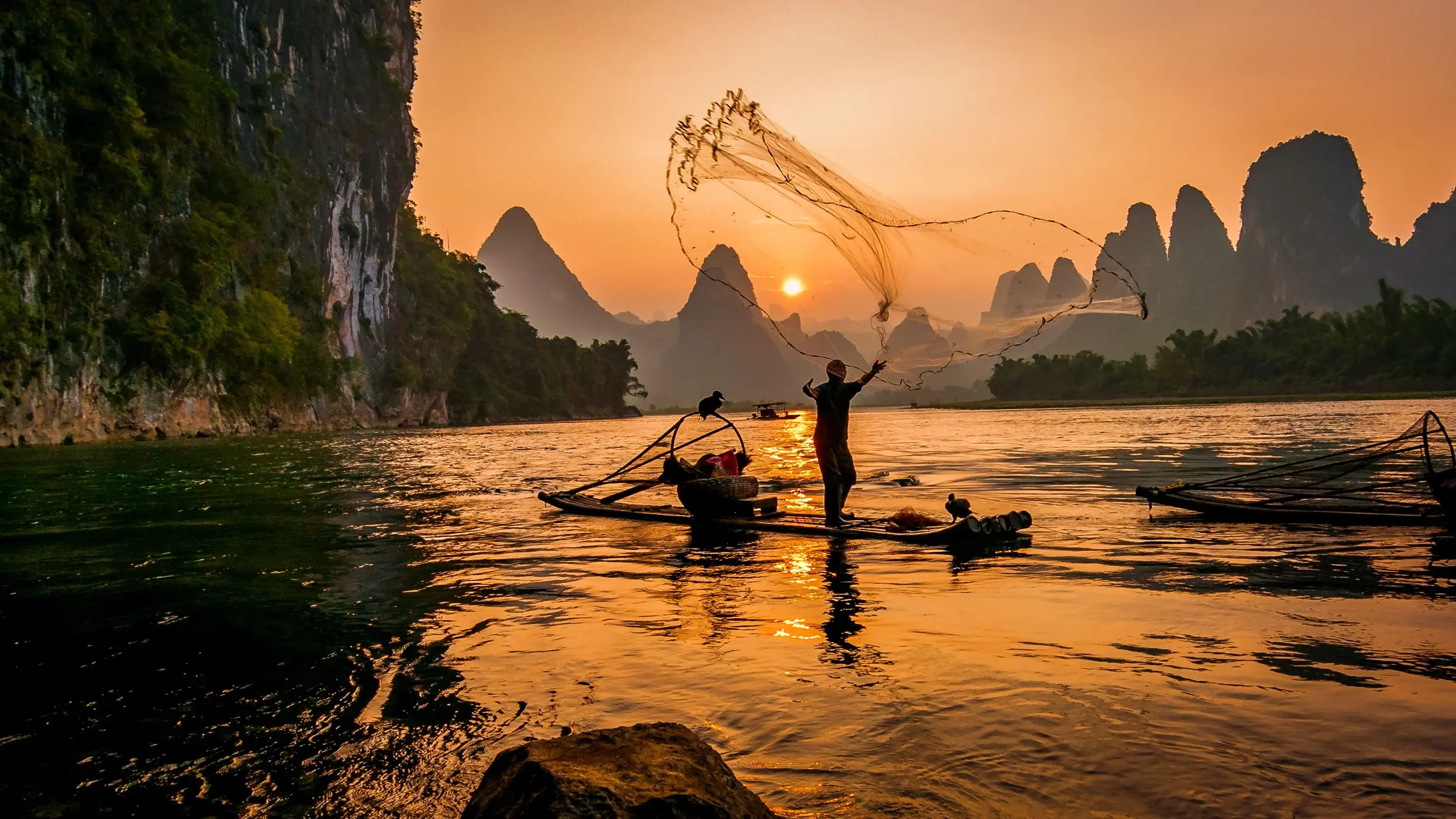
  8 days Slow Water, Fast City Shanghai → Yangshuo → Shenzhen From $2,350 View route
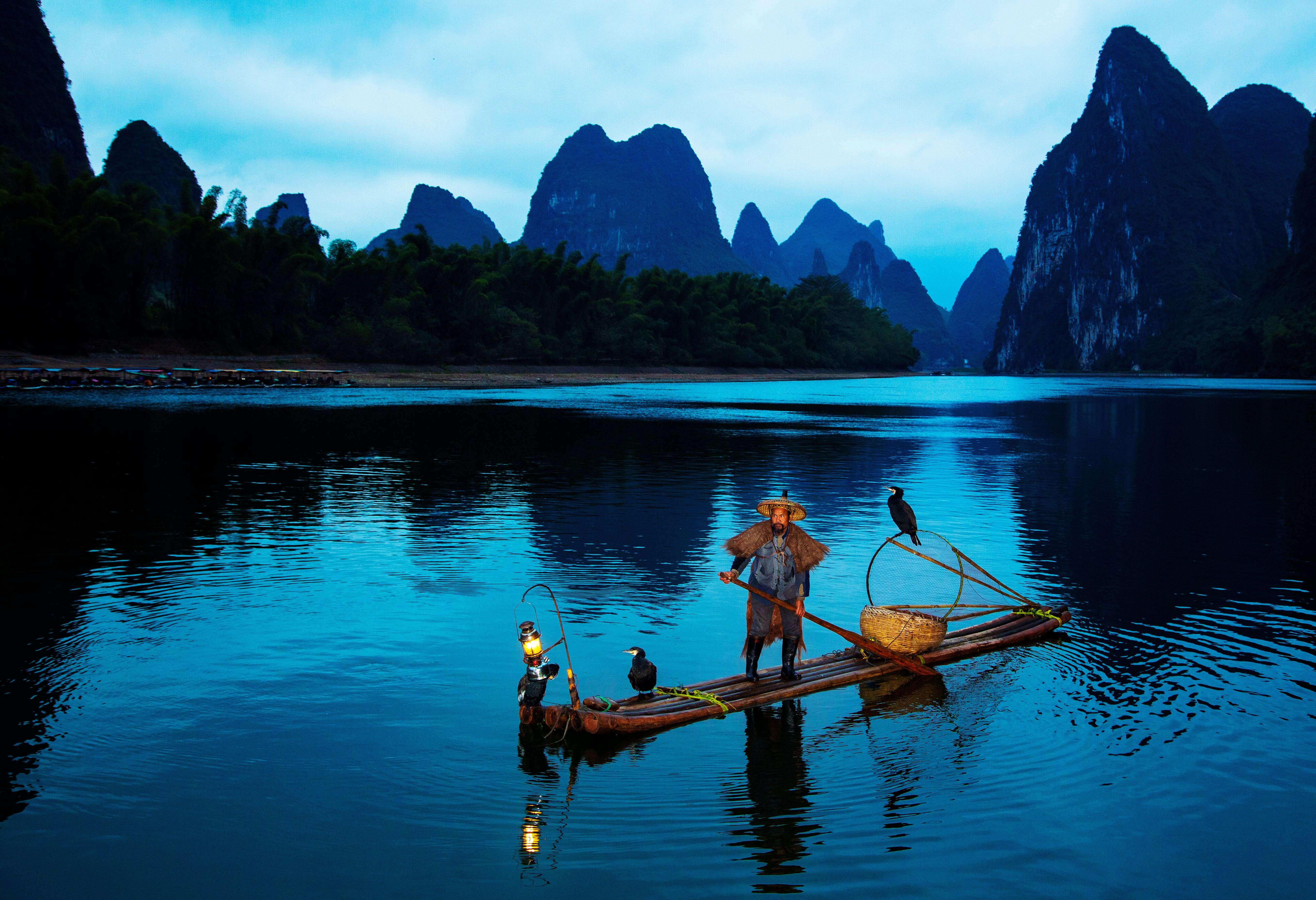
  10 days Three Speeds Zhangjiajie → Guilin → Yangshuo → Shenzhen From $2,800 View route
Shenzhen to Hong Kong: Which Border Crossing Should You Use?
Use Futian by day, Huanggang after 22:30, and Shenzhen Bay if you are carrying luggage. If you want the fastest crossing of all and are travelling light, take the high-speed train from Futian station to Hong Kong West Kowloon — 14 minutes, with both sides' immigration handled inside one building. You will also need to check your visas separately: Hong Kong has its own entry policy, and a Chinese visa does not cover it.
Crossing between Shenzhen and Hong Kong is one of the busiest land border movements in the world, and most guides to it either list every checkpoint without telling you which to pick, or recommend one because they are selling the car that takes you there. This guide does the opposite: it gives you the official opening hours, then a decision table that turns four things you already know — where you are starting, what time it is, how much luggage you have, and where you are going — into one answer.
LyrikTrip runs private trips across China that end with this crossing, so the operational judgement here comes from doing it. Every regulatory fact is sourced and dated, and border rules change — reconfirm before you travel.
Key Takeaways
- Futian for daytime, Huanggang overnight. Futian closes at 22:30, earlier than every other major crossing. Huanggang is the only one open 24 hours.
- The high-speed train is 14 minutes from Futian to West Kowloon — and, crucially, uses co-location, so you clear both sides' immigration once, in one station.
- Hong Kong needs its own entry permission. Nationals of about 170 countries and territories enter visa-free for periods ranging from 7 to 180 days, according to the Hong Kong Immigration Department.
- Crossing into Hong Kong takes you out of the mainland's immigration zone. You clear exit formalities on the mainland side — which is why a single-entry Chinese visa should be treated as spent once you go.
- That makes route order matter. End your trip in Hong Kong and one entry is normally enough. Put Hong Kong in the middle and you should be holding a multiple-entry visa.
- Six things change the moment you cross: currency, payment app, internet access, power plug, transit card and written script.
- Do not schedule anything tightly on crossing day. Queue length is the one variable nobody controls.
How do you get from Shenzhen to Hong Kong?
Four ways: metro through a land checkpoint, high-speed train, cross-border coach, or ferry. Which is right depends less on speed than on your luggage and the time of day.
| Method | Time | Best for | Main limitation |
|---|---|---|---|
| Metro + land checkpoint | ~45–90 min total | Light luggage, daytime, heading to Hong Kong's urban core | Two separate immigration queues; stairs and long walkways |
| High-speed train | 14 min (Futian → West Kowloon) | Speed, comfort, heading to Kowloon or Hong Kong Island | Must arrive early to clear immigration before departure |
| Cross-border coach | ~1–2 hours | Heavy luggage, groups, door-to-door | Traffic-dependent |
| Ferry (Shekou) | ~30–60 min | Heading straight to Hong Kong airport or the islands | Limited sailings |
Timings other than the rail figure are indicative and depend heavily on queues.
Which checkpoint should you use?
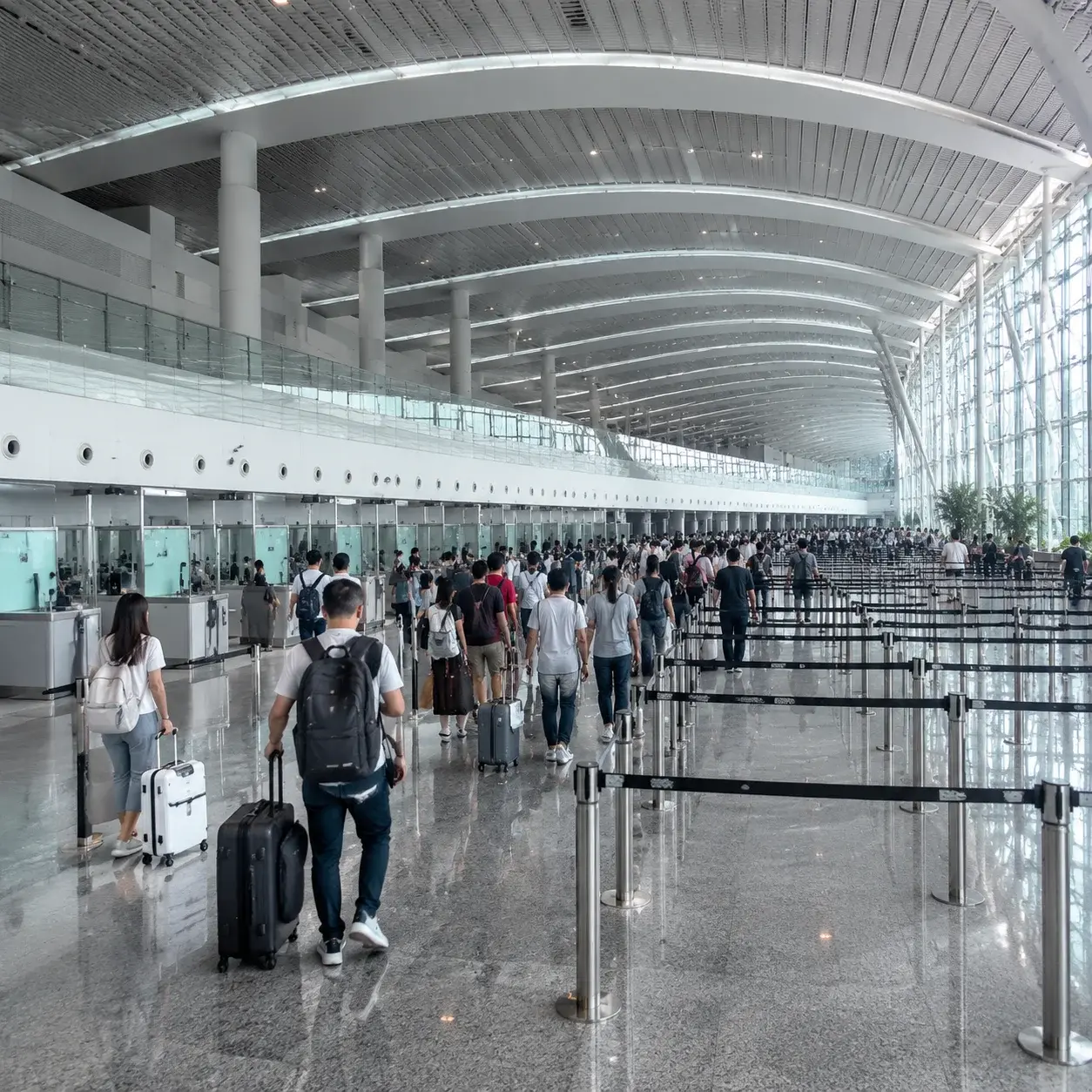
Futian if it is daytime and you are heading into the city; Huanggang if it is late; Shenzhen Bay if you have real luggage. Here is the full decision, by situation.
| Your situation | Use | Why |
|---|---|---|
| Daytime (06:30–22:00), starting in Futian or central Shenzhen, heading into urban Hong Kong | Futian / Lok Ma Chau | Shenzhen Metro Line 4 takes you to the checkpoint; the MTR East Rail Line starts on the other side |
| In a hurry, travelling light, going to Kowloon or Hong Kong Island | High-speed rail from Futian station | 14 minutes to West Kowloon, and one immigration queue rather than two |
| After 22:30, or before 06:30 | Huanggang | The only 24-hour crossing. Futian shuts at 22:30; Lo Wu and Shenzhen Bay at midnight |
| Large luggage, older travellers, small children, or a private car transfer | Shenzhen Bay | Both sides' immigration sit in the same building, and vehicles run through — no dragging bags between metro systems |
| Starting near Luohu or Dongmen, heading to the New Territories | Lo Wu | Shenzhen Metro Line 1 to the door; MTR East Rail terminus on the far side |
| Going directly to Hong Kong International Airport or the outlying islands | Shekou ferry terminal | Bypasses the land crossings entirely |
Official opening hours
These come from the Shenzhen municipal government's English-language checkpoint listing, which carries an update date of 2025-07-22.
| Checkpoint | Opening hours | Connects to | Notes |
|---|---|---|---|
| Lo Wu / Luohu | 06:30 – 24:00 | MTR East Rail (Lo Wu); Shenzhen Metro Line 1 | Shenzhen's busiest, with close to 100 million crossings a year |
| Futian / Lok Ma Chau | 06:30 – 22:30 | MTR East Rail (Lok Ma Chau); Shenzhen Metro Line 4 | Closes earliest — unusable late evening |
| Huanggang | 24 hours | Road and vehicle traffic | Second busiest; roughly 20,000 vehicles a day |
| Shenzhen Bay | 06:30 – 24:00 | Buses 31, 90, 98, 123, 217, 245 | Co-located immigration — one queue for both sides |
| Shekou ferry terminal | 06:00 – 24:00 | Ferries | Serves Hong Kong airport and urban piers |
One caution worth stating plainly: the official English pages write midnight inconsistently — one renders it "12:00 a.m." and a mirror of the same content renders it "12:00 p.m." at the same entry. The intended meaning is midnight, and that is how it is presented above. Treat posted notices at the checkpoint itself as authoritative on the day. Last verified: 2026-07.
The crossings in brief
Lo Wu is the historic and busiest option, sitting directly at Shenzhen Railway Station. That also makes it chaotic at peak times — keep a firm hold on your belongings around the station concourse.
Futian is the smoothest daytime metro crossing, with Shenzhen Metro Line 4 and the MTR East Rail Line effectively joined by a walk through immigration. Its 22:30 closure is the single most common cause of a ruined evening plan.
Huanggang is primarily a road crossing and the second busiest in Shenzhen, but its value to travellers is simple: it never closes.
Shenzhen Bay is the one designed for comfort. Because Hong Kong's immigration facilities are co-located in the same terminal building as the mainland's, departure and arrival formalities happen within a short distance of each other — a genuine advantage with luggage or slower-moving companions.
Shekou ferry terminal is worth remembering specifically for airport-bound travellers, since it bypasses Hong Kong's urban road network entirely.
How long does the high-speed train take?
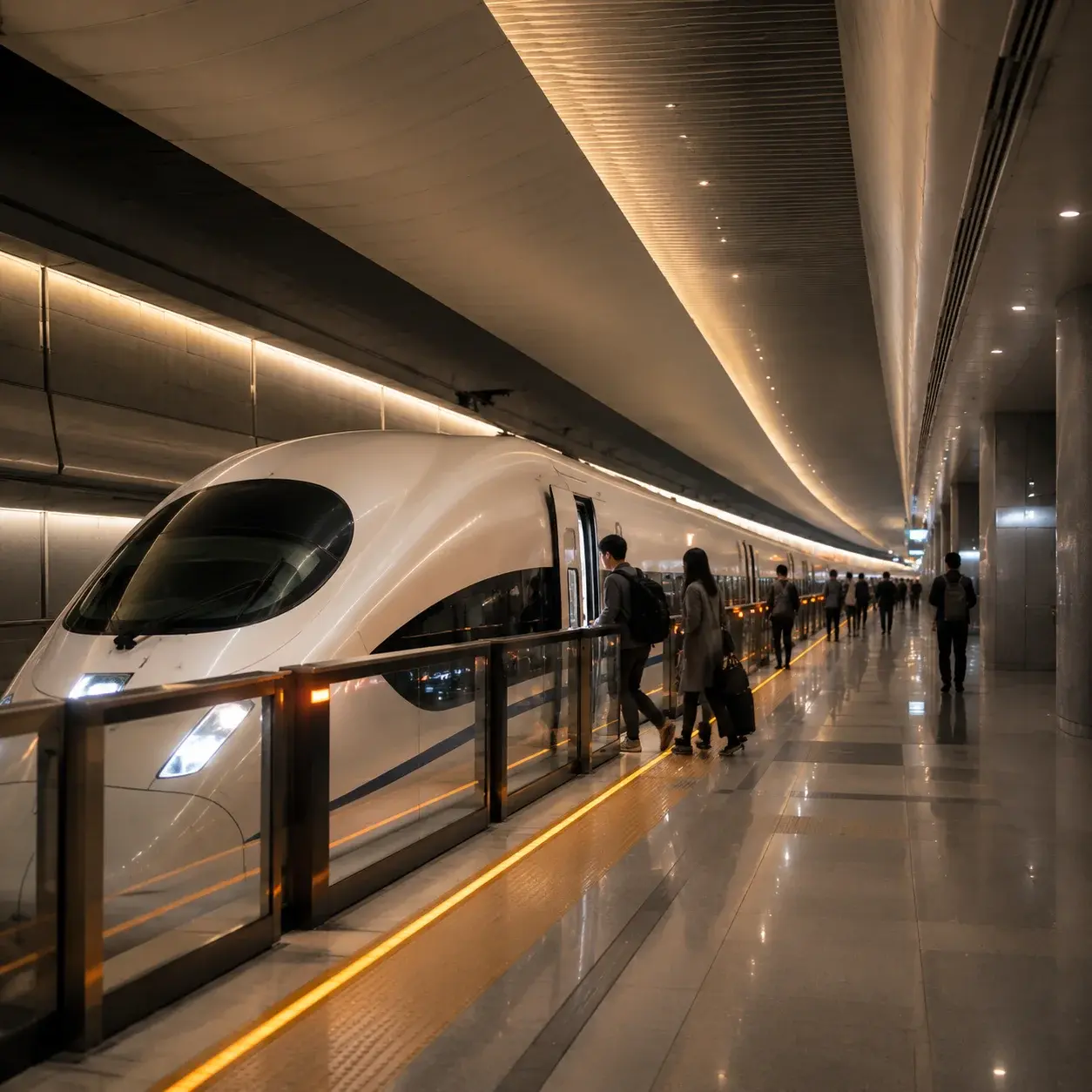
14 minutes from Futian to Hong Kong West Kowloon, 19 minutes from Shenzhen North, and 47–48 minutes from Guangzhou South. The Guangzhou–Shenzhen–Hong Kong Express Rail Link covers 142 km, stopping at West Kowloon, Futian, Shenzhen North, Humen, Guangmingcheng, Qingsheng and Guangzhou South.
| Route | Fastest journey | |—|–:| | Futian → Hong Kong West Kowloon | 14 minutes | | Shenzhen North → West Kowloon | 19 minutes | | Guangzhou South → West Kowloon | 47–48 minutes |
The number that matters is not the 14 minutes, though. It is co-location.
At West Kowloon station, Hong Kong and mainland immigration operate inside the same building, so you clear both in one pass. At a land checkpoint, a 14-minute walk-through still means queueing twice — once to exit the mainland, once to enter Hong Kong. On the train you queue once. On a busy afternoon that difference can be larger than the entire journey time.
The trade-off is rigidity. Immigration must be completed before departure, so you need to arrive at the station with margin. If you are chasing the last connection of the evening, a land checkpoint is more forgiving.
Do you need a separate visa for Hong Kong?
Yes — check it separately. Hong Kong maintains its own visa policy, and a Chinese visa does not cover it. For most Western passport holders this is straightforward: the Hong Kong Immigration Department states that nationals of about 170 countries and territories may visit without a visa or entry permit, for periods ranging from 7 to 180 days.
That separation is administrative as well as legal — China's own visa application service centres handle Hong Kong SAR visas as a distinct process from mainland Chinese visas, with different forms and a different submission route.
Commonly cited allowances give an idea of the range:
| Passport | Visa-free stay | |—|–:| | United Kingdom | 180 days | | USA, Canada, Australia, France, Germany, Japan | 90 days | | Thailand, Indonesia | 30 days | | India | 14 days, with pre-arrival registration (PAR) required |
Treat that table as orientation, not authority. It is a small sample of a list covering roughly 170 nationalities, the individual figures come from secondary sources rather than our own check against the official table, and allowances do get revised. The permitted purposes are also limited — tourism, business meetings, conferences, cultural or sporting events, and visiting friends and family — while work and study always require permission in advance.
Look up your own nationality on the Hong Kong Immigration Department's official listing at immd.gov.hk before you book anything. The "about 170 countries, 7 to 180 days" figures above are from the Immigration Department's own published guidance, verified 2026-07; the per-country rows are not.
The single-entry trap
This is the part that catches people out, and it is worth reading twice.
Hong Kong, Macau and Taiwan each run their own immigration systems, separate from the mainland's. When you cross from Shenzhen into Hong Kong you complete mainland exit formalities on the way out — which is precisely why there is a checkpoint at all.
The practical consequence: treat a single-entry Chinese visa as spent once you leave for Hong Kong. Returning to the mainland afterwards means a fresh entry, which a single-entry visa does not provide — you would need a new visa, or to qualify for a visa-free or transit scheme. Multiple-entry holders are unaffected.
This is the operational rule travellers and operators work to, and it is the reason the route order below matters. It is not, however, a substitute for checking your own visa: the number of entries is printed on it, and your issuing embassy or consulate is the authority on what it permits.
This makes the shape of your itinerary a visa question:
| Trip shape | Chinese visa entries | Risk |
|---|---|---|
| Mainland → Hong Kong, trip ends | One entry is normally enough | None |
| Hong Kong → mainland, trip ends | One entry is normally enough | Confirm your entry port supports any exemption you are relying on |
| Mainland → Hong Kong → back to mainland | You need two entries — so a multiple-entry visa | A single-entry visa leaves you with no entry left for the return |
Because a China itinerary that finishes in Hong Kong never returns to the mainland, one entry covers the whole trip. Put Hong Kong in the middle and you need a multiple-entry visa — an extra application and an extra uncertainty.
Going the other way: 240-hour visa-free transit
If you are travelling into the mainland from Hong Kong, there is a scheme worth knowing about. Since December 2024 China's transit exemptions were upgraded from 72 and 144 hours to 240 hours — ten days — and the eligible port list has kept expanding since.
For this crossing specifically, the Shenzhen land ports are covered, including Luohu, Futian, Huanggang, Shenzhen Bay, Wenjindu, Liantang and Shatoujiao. As of November 2025 the list also includes West Kowloon Station on the Express Rail Link, along with the Hong Kong–Zhuhai–Macao Bridge and several Guangzhou and Zhuhai ports.
Eligibility depends on nationality — around 55 countries qualify — and on holding onward travel to a third country or region. The clock starts at 00:00 on the day after you enter, not at the moment of entry.
Whichever scheme you enter under, arriving foreign travellers also complete China's digital arrival card — our  China arrival card guide covers who needs it and how to fill it in.
This is one of the faster-moving areas of Chinese immigration policy, and the older 144-hour figure still appears widely online. Confirm the current rules, port list and eligible nationalities with the National Immigration Administration before relying on it. Last verified: 2026-07.
For the mainland visa itself — types, application process and the various visa-free and transit schemes — see our complete China visa guide. Rules in this area change with some regularity; treat everything above as a starting point to confirm against official sources for your dates and nationality.
Why do you clear immigration if Hong Kong is part of China?
Because immigration, customs and currency are administered separately, even though sovereignty is not divided. Hong Kong is a Special Administrative Region with its own border controls, its own currency and its own legal system, so travellers cross a functioning immigration boundary without crossing an international one.
For practical purposes, that is the whole explanation you need. You are not changing countries. You are changing almost everything else.
What changes the moment you cross?
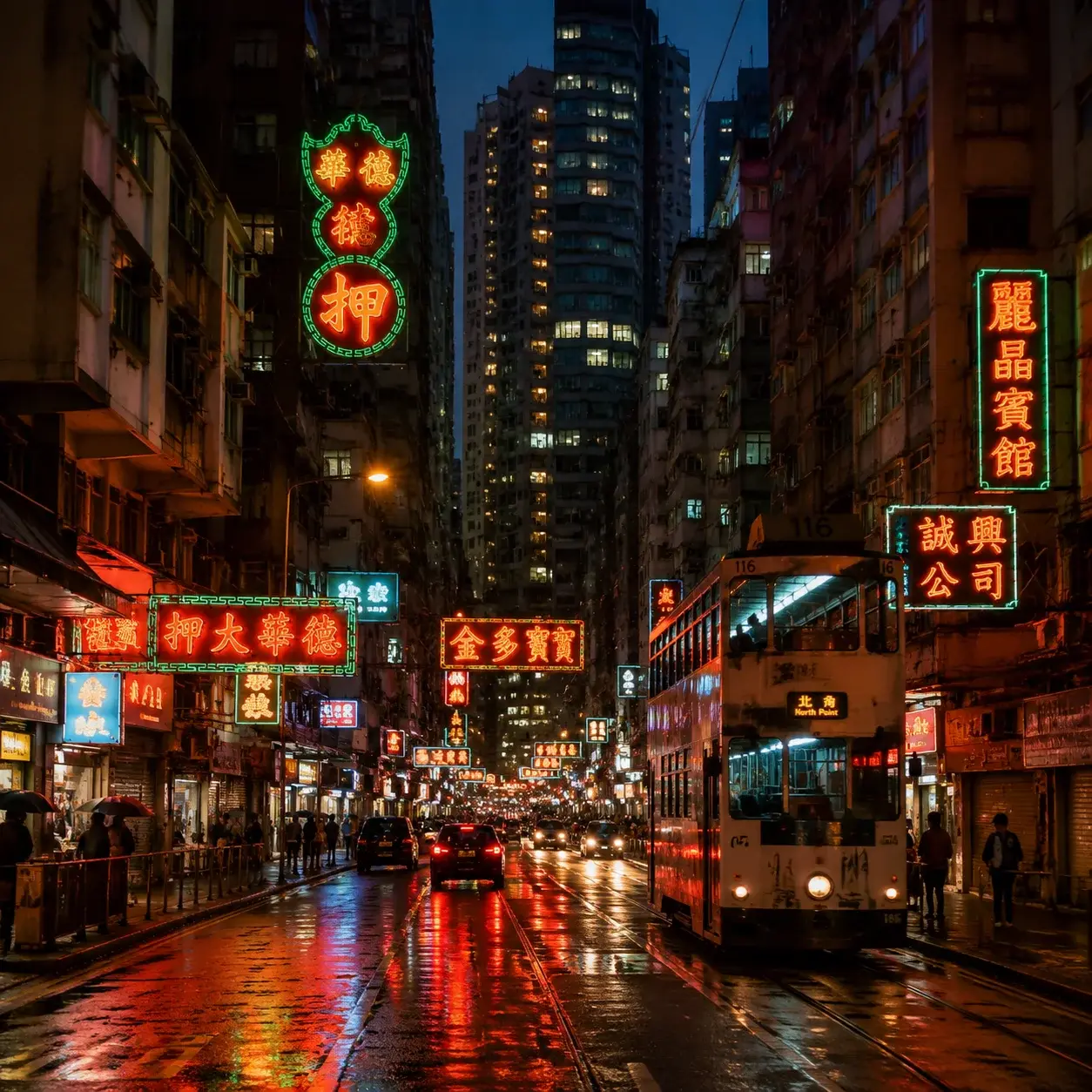
Currency, payment method, internet access, power plug, transit card and written script — all within a single afternoon.
| Mainland China | Hong Kong | What to do | |
|---|---|---|---|
| Currency | Renminbi (CNY) | Hong Kong dollar (HKD) | They are not interchangeable — carry a little HKD or confirm your card works |
| Payment | Alipay and WeChat Pay near-universal | Octopus card dominant; international cards widely accepted | Your mainland Alipay works at some Hong Kong merchants but is not the default — see our guide to paying in China |
| Internet | Google, WhatsApp and most Western services blocked | Unrestricted | Your VPN or international eSIM stops being necessary — background in our China eSIM guide |
| Power plug | Type A / C / I, 220V | Type G (UK three-pin), 220V | You need an adapter — the most commonly forgotten item |
| Transit card | City metro QR codes | Octopus | Buy an Octopus on arrival |
| Script and language | Simplified Chinese, Mandarin | Traditional Chinese, Cantonese, widespread English | English gets noticeably easier |
You do not change countries at this border, but you change currency, payment app, power plug, transit card, script and internet in a single afternoon.
When is the border busiest?
Weekend mornings heading into Hong Kong, weekend evenings heading back, and public holidays on both sides. Lo Wu handles close to 100 million crossings a year, and the queues reflect it.
Broad patterns worth planning around: weekday commuter peaks in the early morning and early evening; Saturday and Sunday middays; and mainland public holidays, when volumes rise sharply for several consecutive days.
We are not going to publish precise waiting times, because reliable public data does not exist and any figure would be invented. Assume the crossing can take anywhere from twenty minutes to well over an hour depending on the checkpoint, day and hour, and plan so that a bad queue costs you nothing.
That is exactly why, on the private version of this route, the crossing day carries no timed appointments at all.
Crossing as the end of a China trip
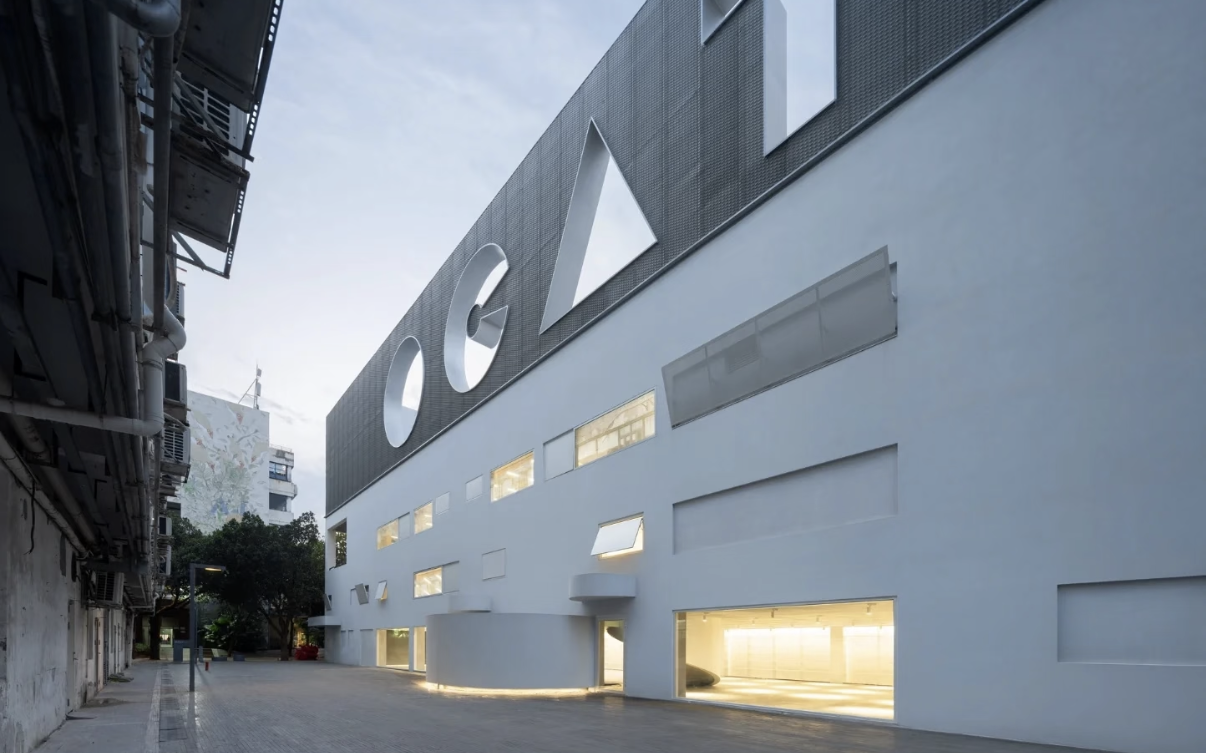
Ending a China trip in Hong Kong is the cleanest way to do it — one entry on your Chinese visa, and a finish that feels like a different chapter rather than a repeat of the first.
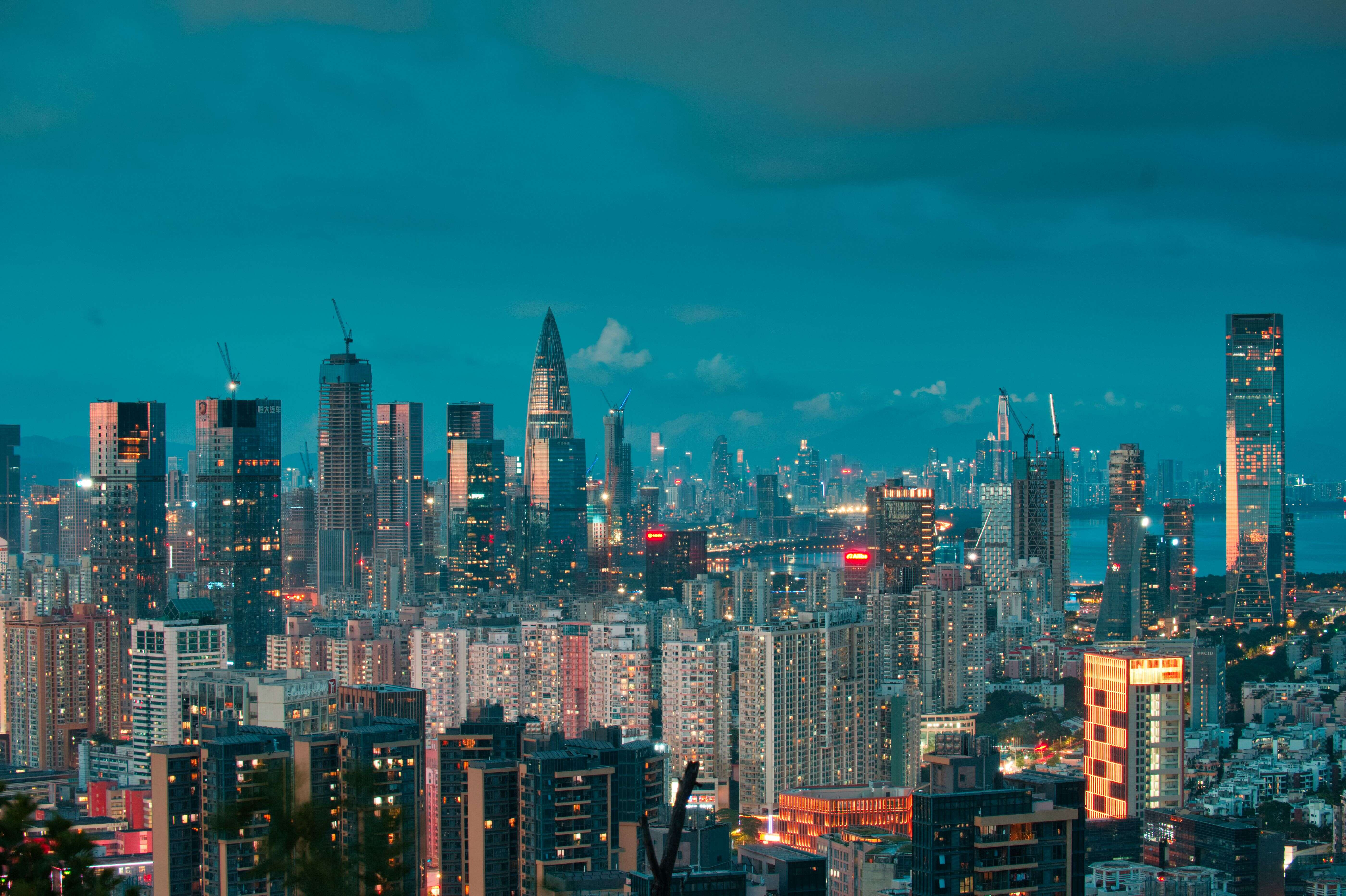
Most two-week China itineraries end in Shanghai, which means finishing in the same kind of city you started in. Routing the last four days through Shenzhen and across the border does something else: it puts a city built in roughly forty-five years next to a 600-year-old palace complex, and closes on the other side of a boundary you walked across.
It also simplifies the paperwork. You leave the mainland once, on the second-to-last morning, and never need to re-enter.
If you want to see how the crossing fits into a full fortnight, our two-week China itinerary ending in Hong Kong covers the whole route — Beijing, Xi'an, Chengdu, Guilin, Yangshuo, Shenzhen and the crossing itself.
Frequently Asked Questions
Can I use my China visa to enter Hong Kong? No. Hong Kong has an independent visa policy. Most Western passport holders enter visa-free for 90 days or more, but this is separate permission from your Chinese visa, not an extension of it.
Which crossing is open 24 hours? Huanggang. Lo Wu and Shenzhen Bay close at midnight, Futian at 22:30, and the Shekou ferry terminal at midnight.
How early should I arrive? For the high-speed train from Futian, allow enough time to clear immigration before departure — it happens before you board, not on arrival. For land checkpoints, arrive well before the closing time rather than close to it, and avoid weekend middays if you can.
Can I take luggage across? Yes, at every crossing, but the experience varies enormously. Shenzhen Bay and cross-border coaches are far kinder to suitcases than the metro-and-walkway land crossings.
Is the high-speed train worth it compared with the metro? If you are going to Kowloon or Hong Kong Island and travelling light, usually yes — mainly because co-location means one immigration queue instead of two. If you need flexibility on departure time, a land checkpoint is more forgiving.
Do I need to re-enter mainland China? Only if your itinerary requires it — and if it does, check the number of entries printed on your visa. Treat a single-entry visa as spent once you leave for Hong Kong.
Can I use Alipay or WeChat Pay in Hong Kong? Sometimes, but do not rely on it. Hong Kong runs on Octopus cards and international payment cards, both of which are widely accepted where mainland apps may not be.
The Bottom Line
For most travellers the answer is short: Futian during the day, Huanggang late, Shenzhen Bay with luggage, and the high-speed train from Futian station when speed matters and you can arrive early enough to clear immigration first.
The part worth planning around is not the checkpoint, though — it is the visa. Hong Kong runs its own immigration system, so crossing means completing mainland exit formalities, and a single-entry Chinese visa should be treated as spent. Arrange your route so the crossing comes last, and one entry normally covers the whole trip.
If you would rather have the crossing arranged for you as the closing chapter of a longer journey, it is the final act of our China and Hong Kong 15-day route.