


Two clocks
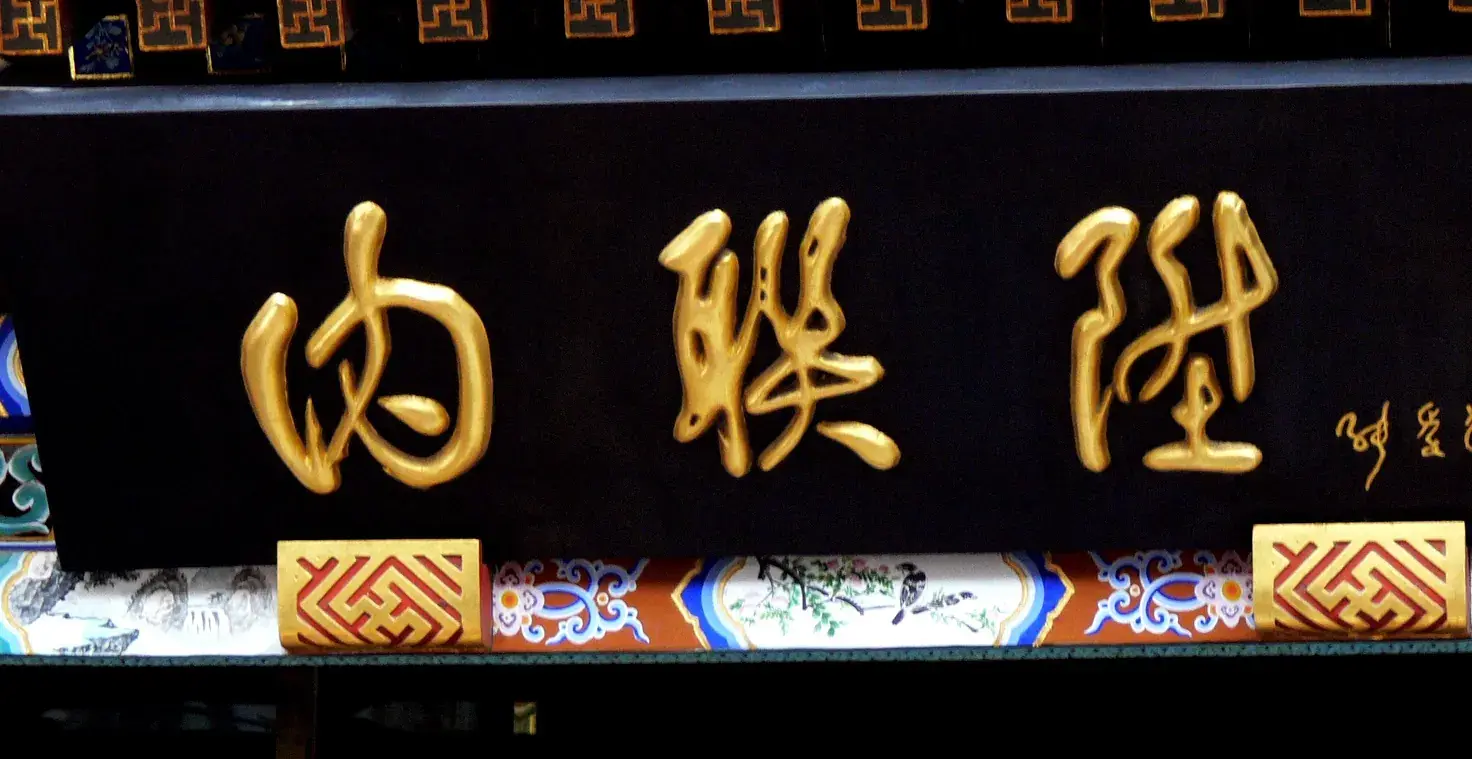
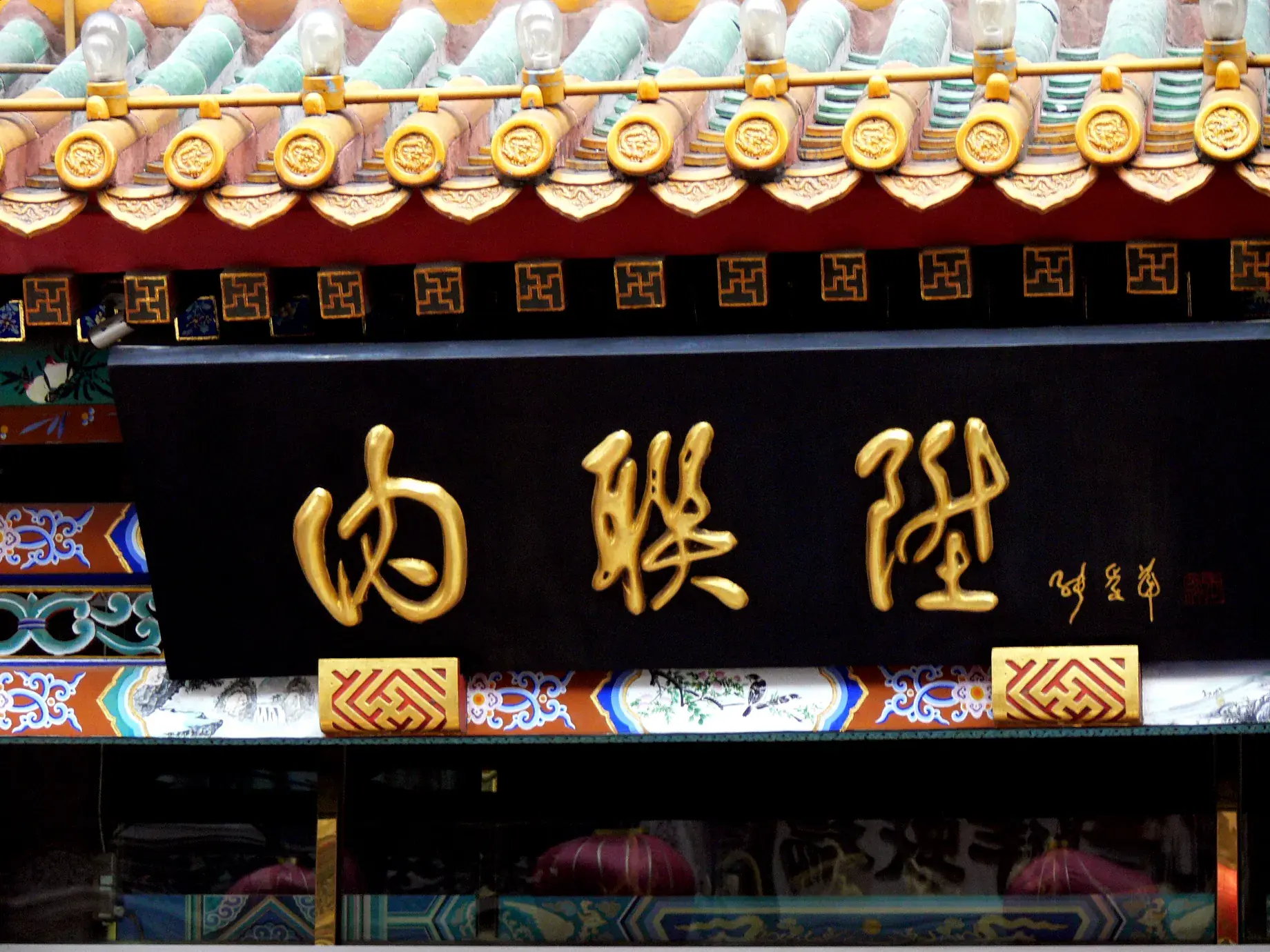
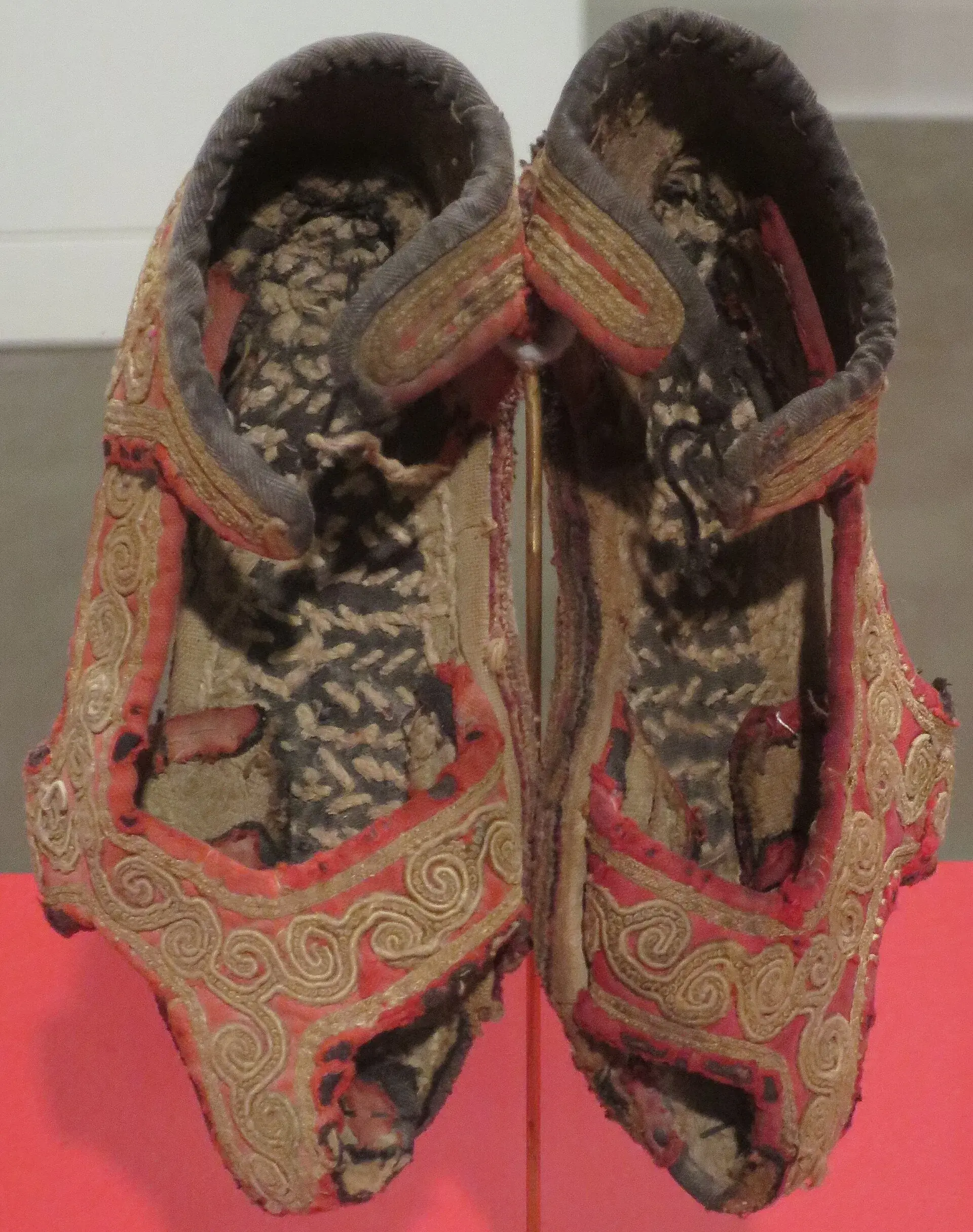
Neiliansheng opened in 1853, making court boots for the palace and for officials — nobody else. The name says so: nei is the palace interior, and liansheng is the promise that whoever wears them gets promoted three ranks. Then the dynasty fell, the technique went into ordinary shoes — and this morning it sits next to a pot of tea that takes four minutes.
Two crafts, and what each one leaves you with
Half a day at two deliberately opposite speeds: a shoe sole that takes four or five days and over ninety separate hand operations, then a tea table where the entire skill is refusing to hurry.
- A sole being stitched through dozens of pasted cotton layers with waxed hemp
- The wooden last, and the seam that has to stay even the whole way round
- The full range — fifteen hundred styles have come out of this technique since 1853
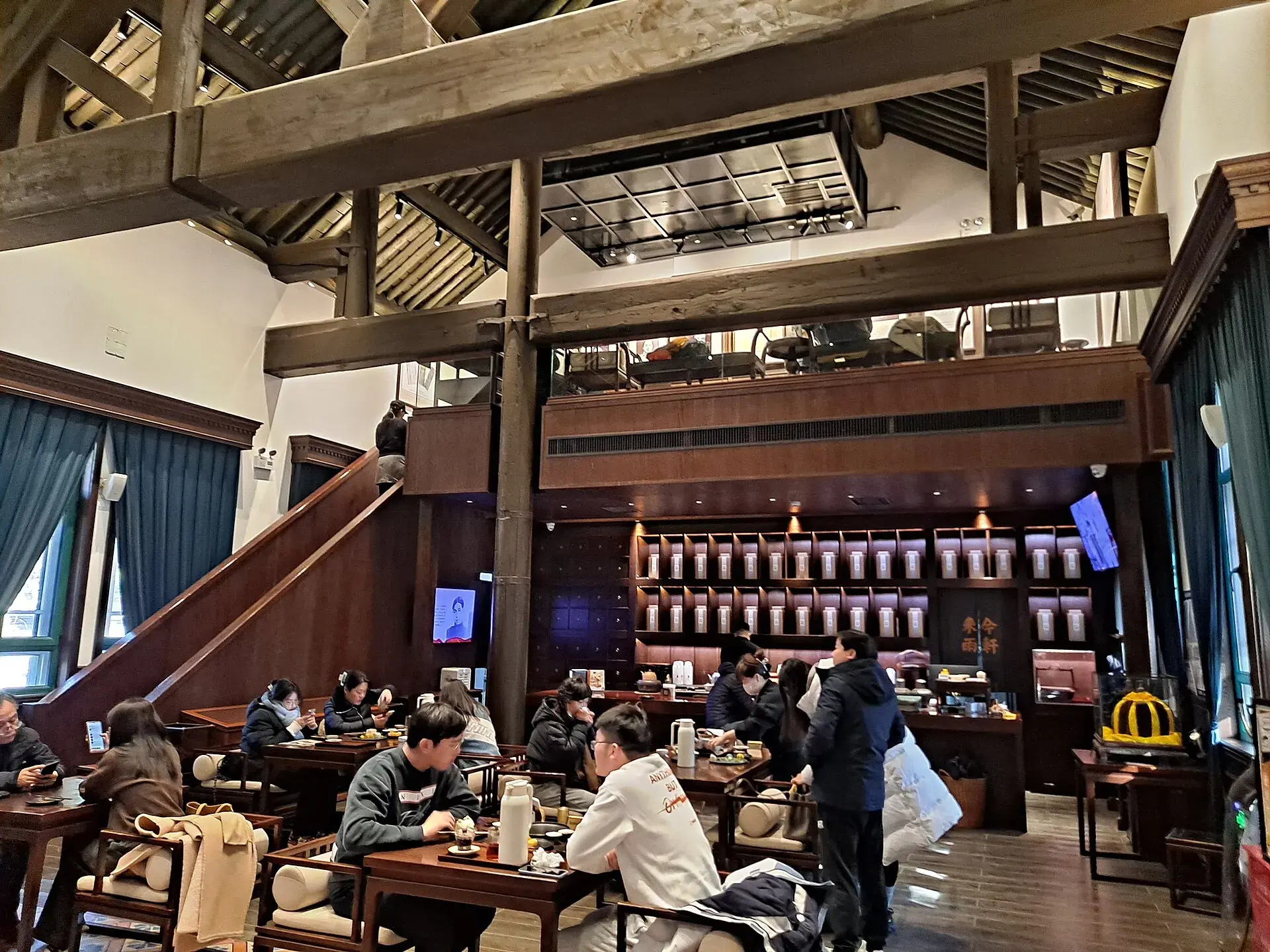
- A tea table laid properly, everything within one arm's reach
- The first infusion — which gets thrown away, and you'll learn why
- The second, which is the one worth having
- The same leaf at three different steeping times, side by side
- Why the shop is called Neiliansheng — nei is the palace, liansheng is a promotion of three ranks
- That an apprentice needs three years before touching the final seam
- Why nobody has found a faster way that still works
- The pouring sequence, which you can do at any table afterwards
- A reason to look at the bottom of a shoe
- A calibrated sense of what 'handmade' should actually cost
What the morning is made of
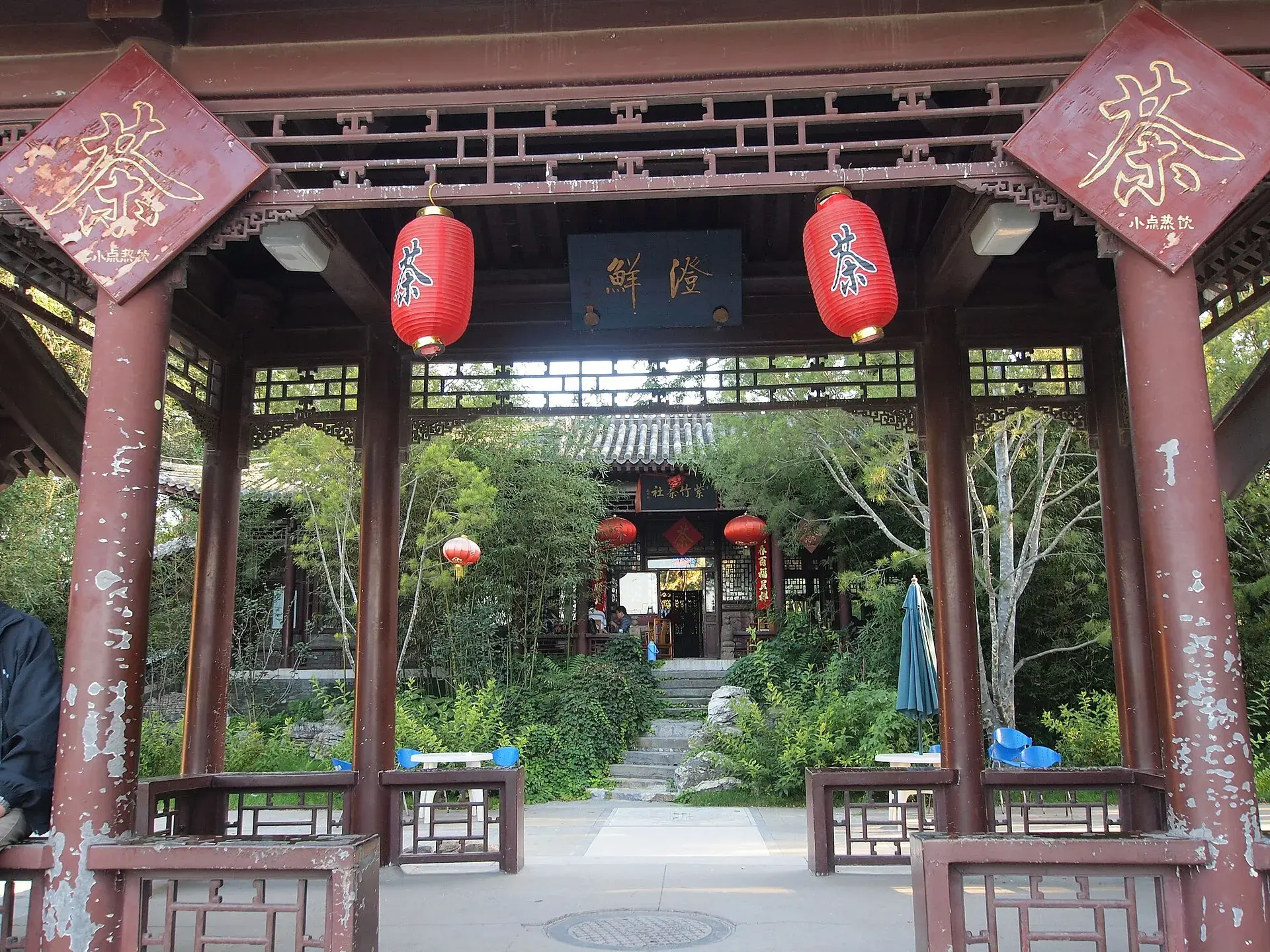
成鞋 · 大碗茶 · 围坐 · 茶社
How it unfolds
-
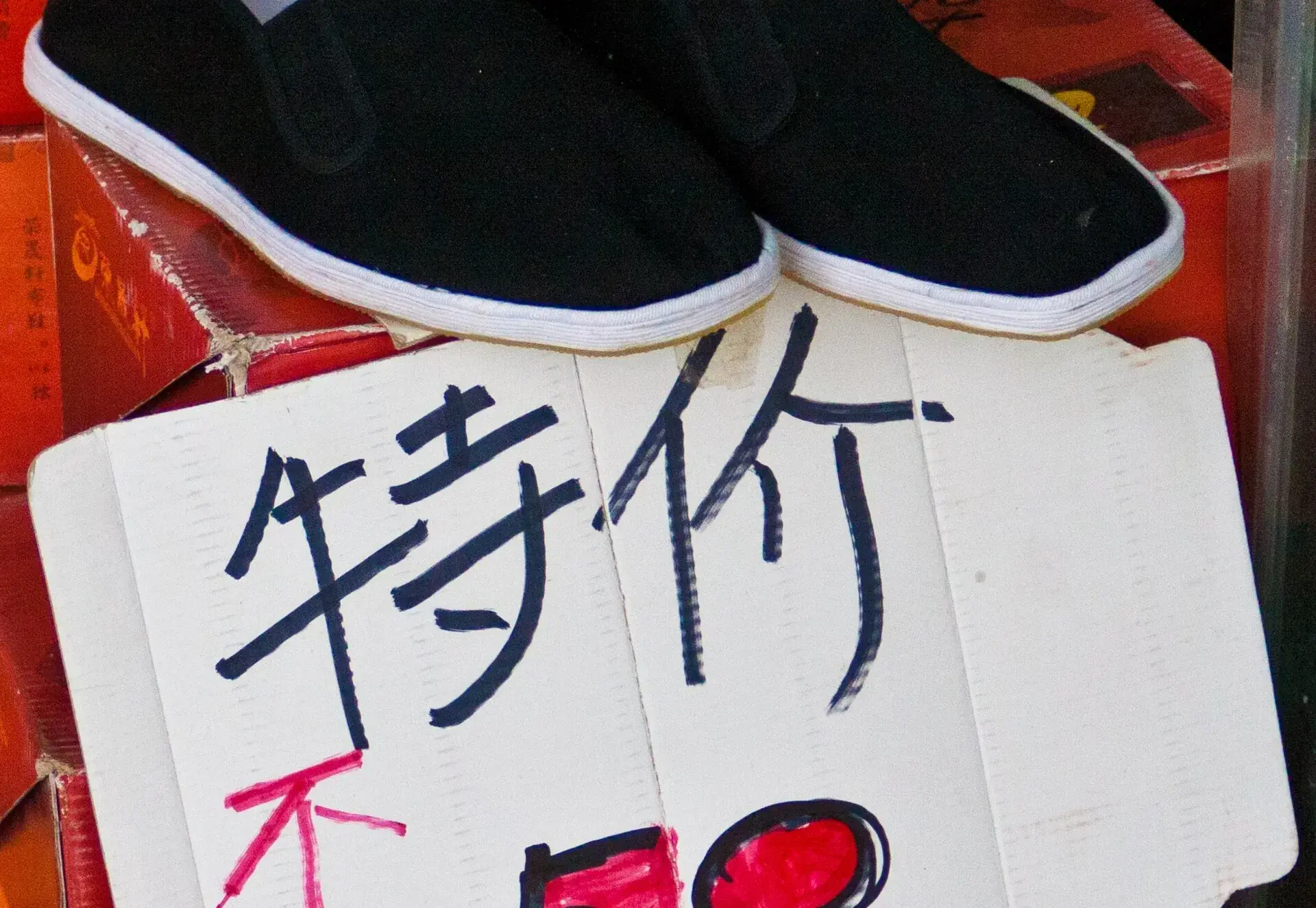
The craft describes itself as one high and four many: high standards, and many operations, many stitching patterns, many ways of joining upper to sole, many styles of shoe. Cotton scraps are pasted into a slab, dried, then stitched through with waxed hemp — every stitch pulled tight enough to compress the stack. Four or five days per pair, and no shortcut has ever stuck.
-
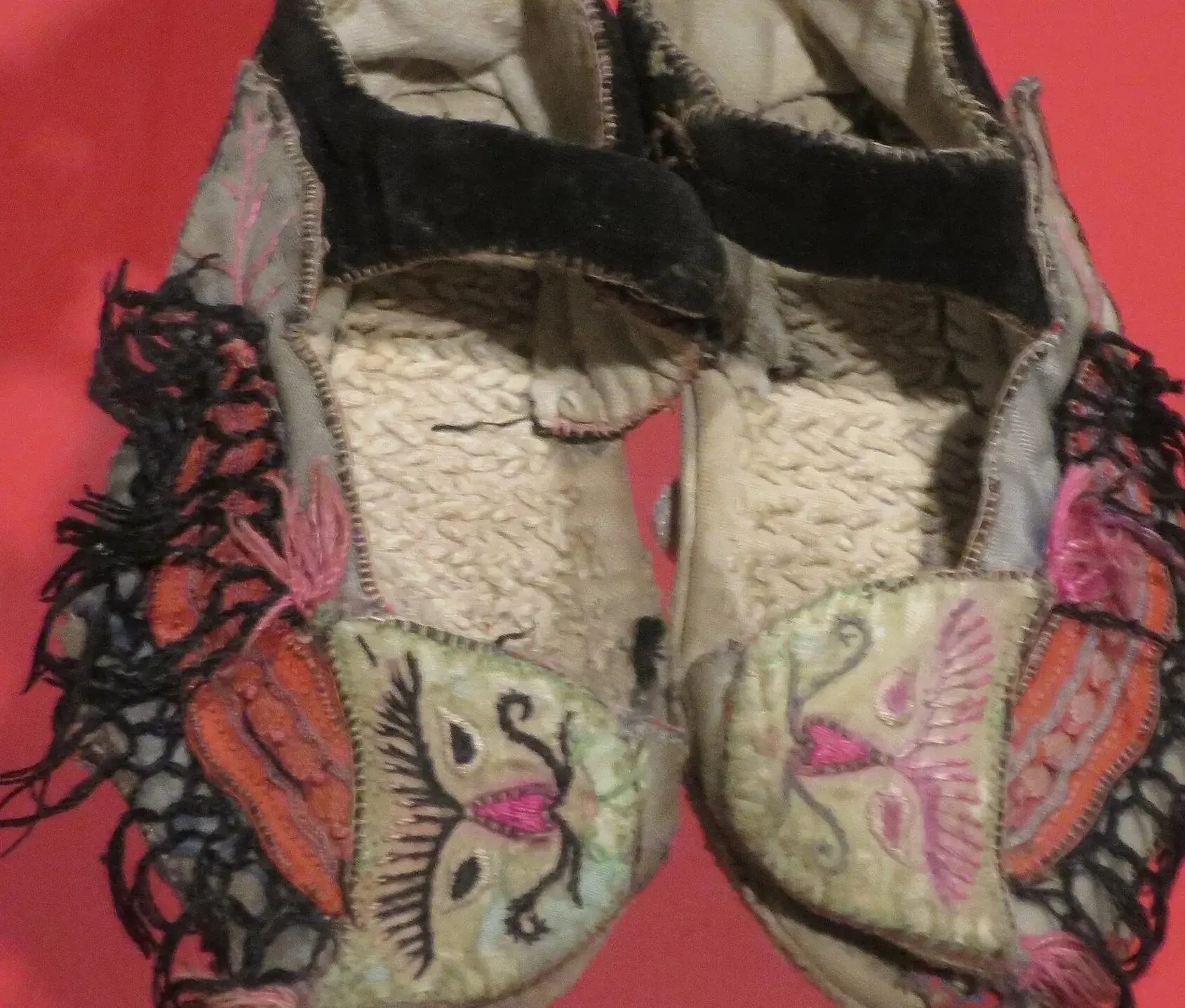
The upper is cut, shaped over a wooden last, and joined to the sole with a seam that must stay even the whole way round. This is the step an apprentice reaches after three years, and the reason the technique is listed as at risk: it takes too long to learn and fewer people start. You watch it; you do not attempt it.
-
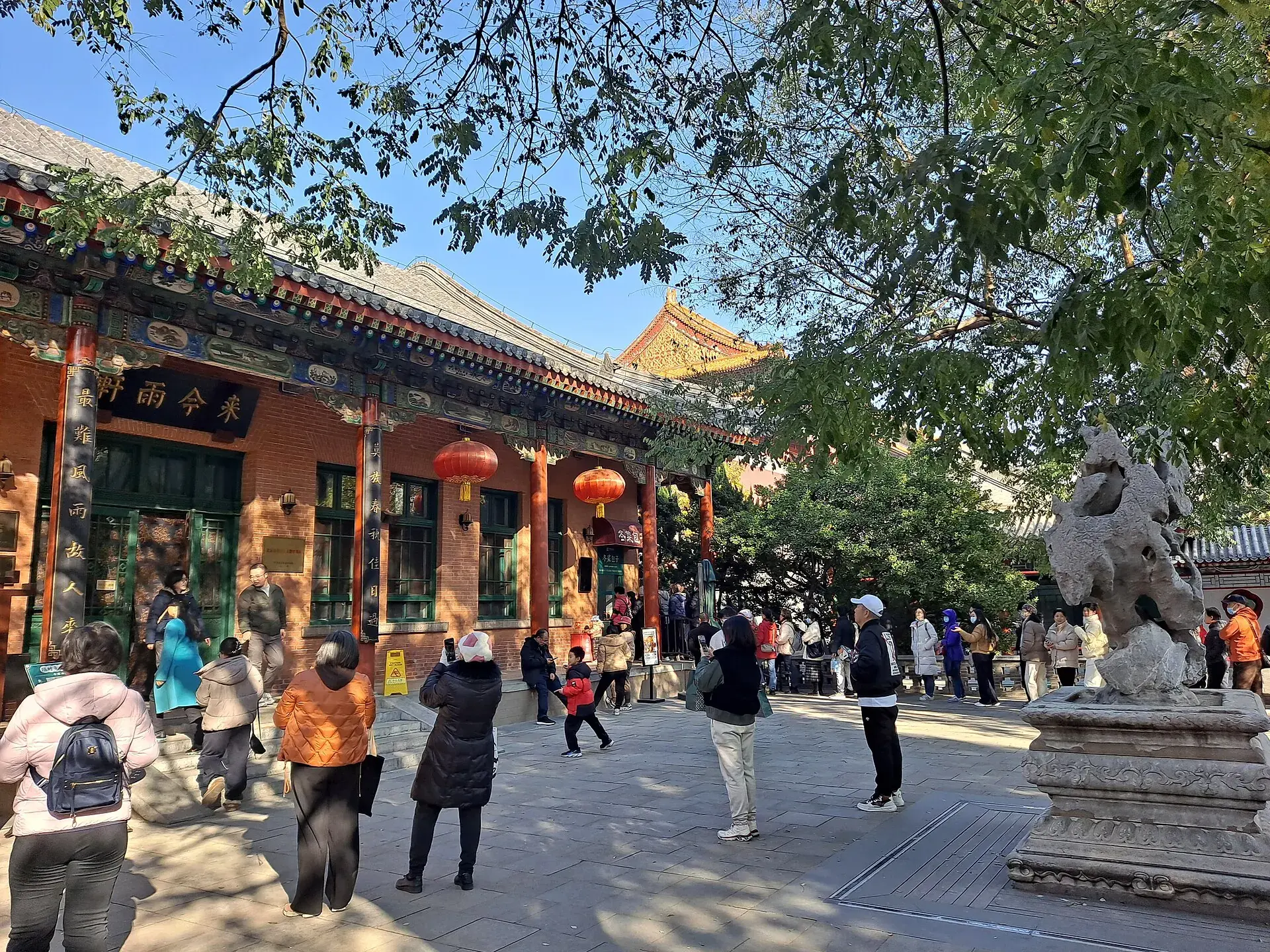
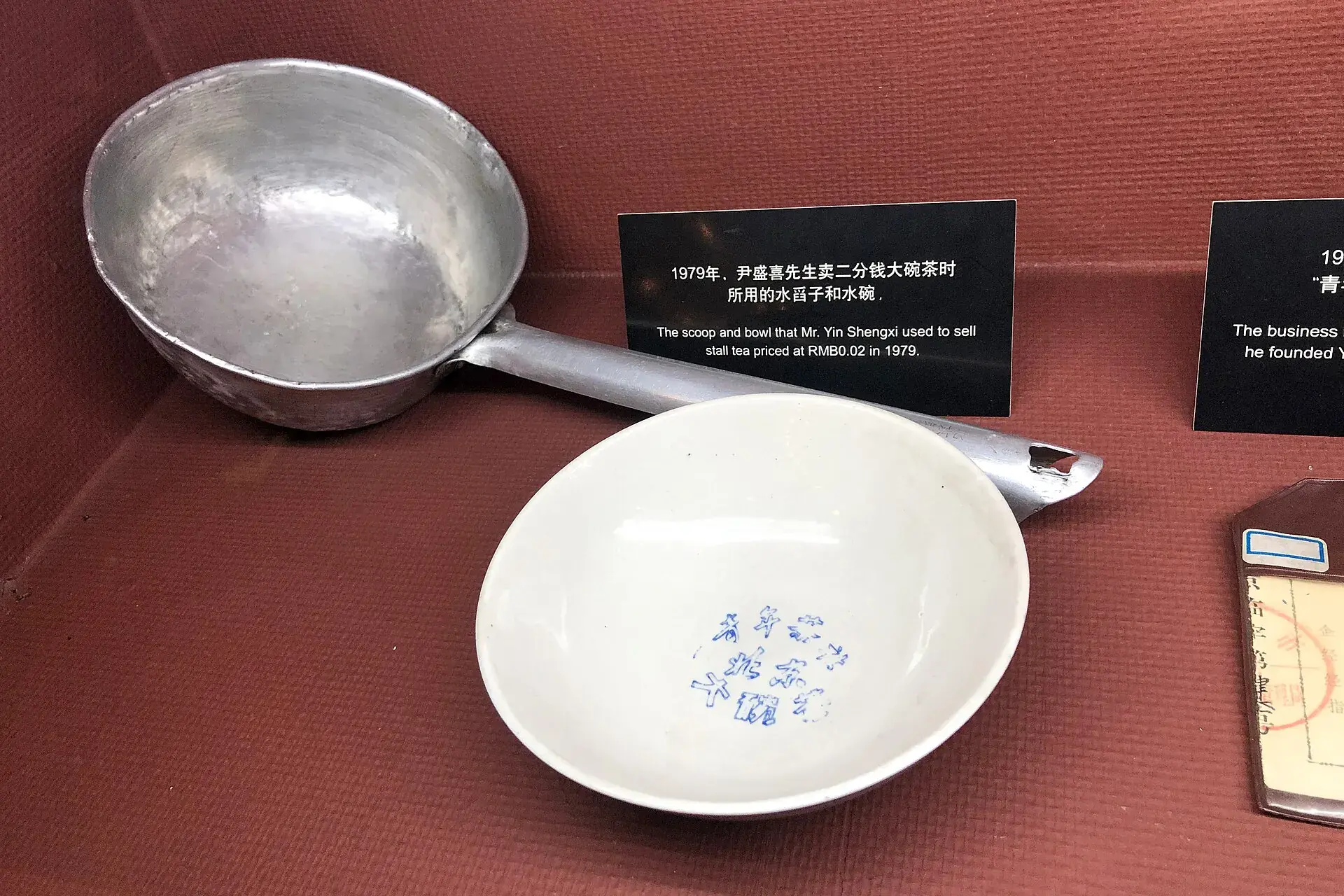
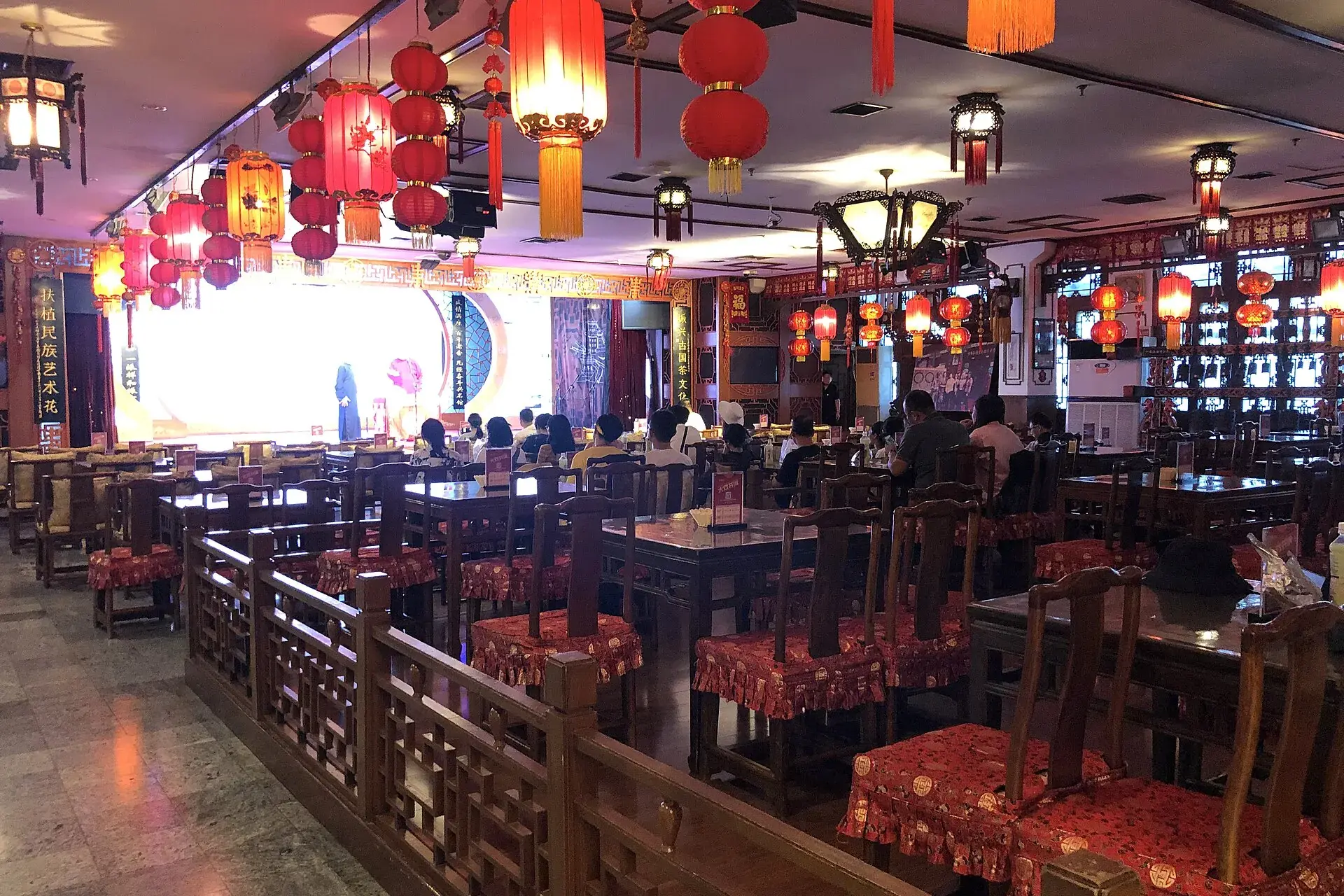
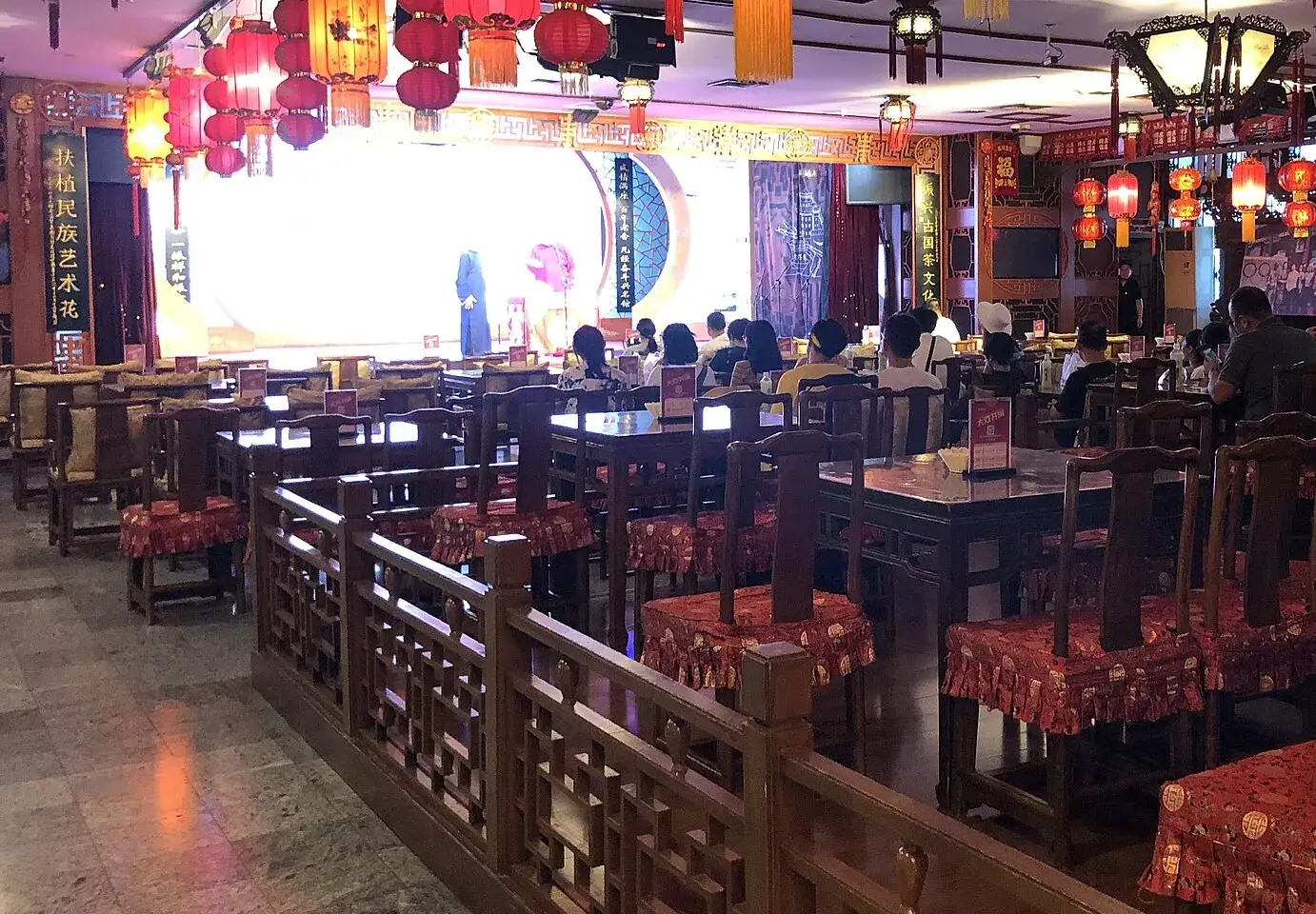
Warm the vessel, rinse the leaf, and pour — then pour again, because the second infusion is usually the one worth drinking. You learn the sequence by doing it: how full, how long, when to stop. A short list of rules that takes a lifetime to stop thinking about.
-
Cups are never filled one at a time. You go round the table in passes so everyone's cup ends up the same strength — which is the actual point of the ceremony and the reason it looks fussy from outside. Do it once and it stops looking fussy.
One takes ninety operations. The other takes four minutes.
Not an accident of scheduling
Beijing is full of both and rarely shows you them together. A sole is days of repetitive, unglamorous work that nobody watches. A pot of tea is over almost as soon as it starts, and everybody watches.
What they share is that both are entirely about restraint — even stitches, even pours — and both are ruined by rushing in exactly the same way.
Neiliansheng has produced more than fifteen hundred styles since 1853. Not one of them got faster.
Good to know
Book the morning
Half a day on its own, hotel to hotel. Tell us a date.
Start planning- Half a day
- A national-heritage workshop
- Then a tea table
- Fully hands-on with the tea