




 18 giorni Cina, da capo a fondo Pechino → Xi'an → Chuanzhusi → Jiuzhaigou → Chengdu → Zhangjiajie → Guilin → Yangshuo → Shenzhen Da $6,360 Vedi itinerario
  14 giorni A cosa serve ogni città Pechino → Xi'an → Chengdu → Shanghai → Shenzhen → Canton Da $5,030 Vedi itinerario
  19 giorni A valle del futuro Shenzhen → Guilin → Yangshuo → Chengdu → Chongqing → Yichang → Shanghai Da $5,360 Vedi itinerario
  5 giorni A valle, poi in salita Guilin → Yangshuo Da $1,600 Vedi itinerario
  8 giorni Acqua tranquilla, città veloce Shanghai → Yangshuo → Shenzhen Da $2,350 Vedi itinerario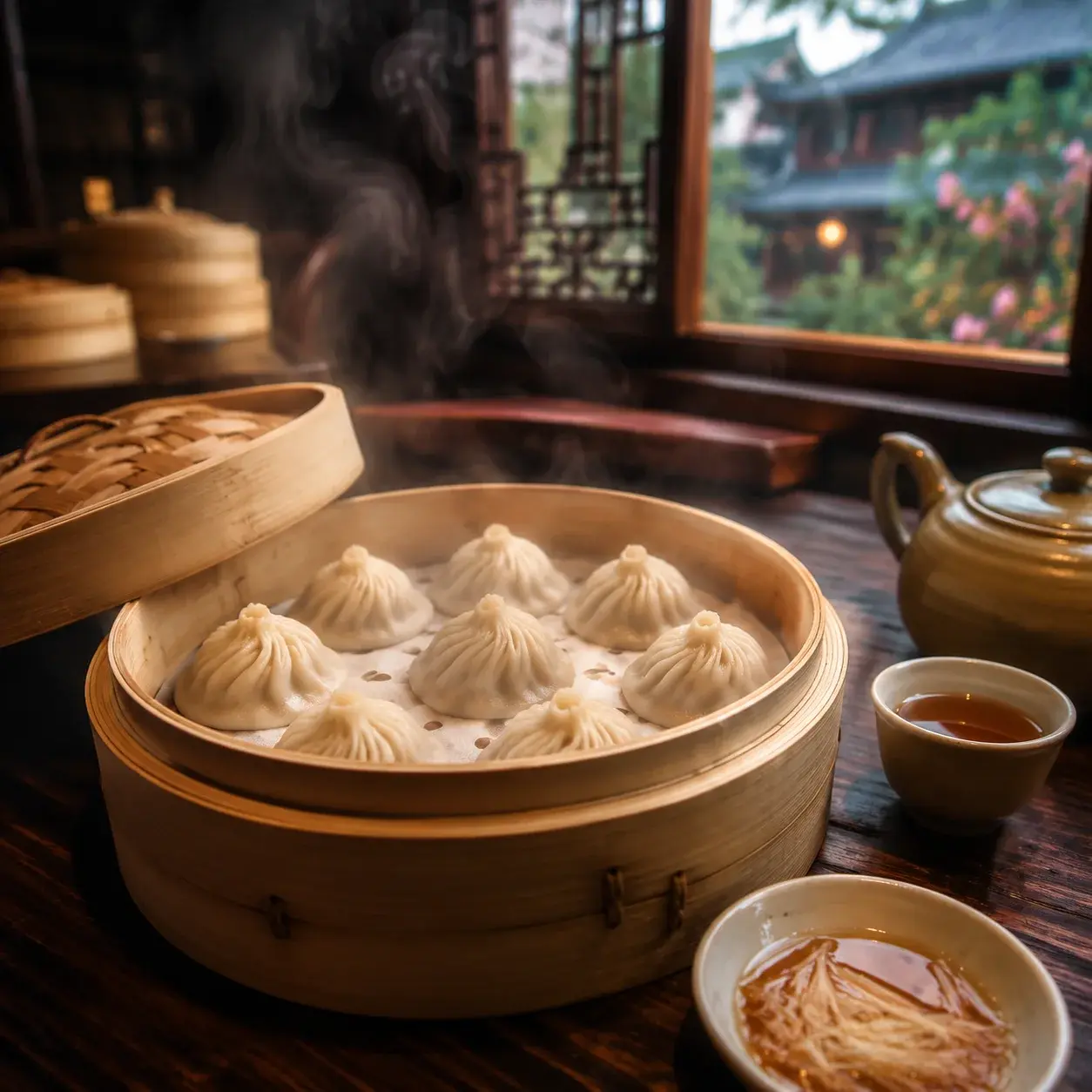
Cos'è la cucina di Shanghai — Cosa mangiare e dove?
La cucina di Shanghai è famosa soprattutto per i suoi dumpling e per la cucina casalinga delicata e leggermente dolce: gli xiaolongbao ripieni di brodo, lo shengjianbao croccante sul fondo e il maiale brasato rosso sono i simboli. Ma la vera abilità sta nel mangiarli giusto — freschi, nel posto giusto, con la tecnica giusta — e questa guida sulla cucina di Shanghai ti mostra come.
L'interesse per la cucina di Shanghai continua a crescere e quasi ogni primo arrivante arriva con le stesse tre domande: cos'è questo piatto, dove trovo la versione migliore e come mangiarlo senza scaldarmi con un dumpling al brodo? Questa risposta a tutte e tre.
Il nostro approccio è semplice — osare mangiare, mangiare bene. Non siamo un sito di ricette e non ti stiamo vendendo un menu fisso. Siamo qui per aiutarti a prendere buone decisioni: cosa ordinare, dove si trova la versione autentica, come gestire i dumpling e approssimativamente cosa budgetizzare. Avventura con una rete di sicurezza.
Punti salienti
- Le carte da visita di Shanghai sono due involtini che vengono spesso confusi: xiaolongbao (involtini al vapore ripieni di zuppa) e shengjianbao (involtini fritti sul fornello). Impara a distinguerli e avrai svelato la città.
- Entrambi hanno una breve "mezza-vita." Gli involtini al vapore e quelli fritti sono al meglio nei minuti appena usciti dal vapore o dal fornello; freschezza e turnover del banco contano più di qualsiasi nome famoso.
- La cucina casalinga Shanghainese (benbang cuisine) è dolce e brasata al rosso, non piccante — un punto di arrivo confortevole per i palati che faticano con il calore di Sichuan o Hunan.
- C'è una reale scelta tra turistico-lucrativo e istituzionale locale: il mercato snack di Yu Garden / Tempio del Dio della Città è comodo ma con prezzi turistici; i negozi intorno a Huanghe Road sono dove le locals si formano davvero in fila.
- La colazione è un genere, non un pasto. I "Quattro Guerrieri" più un involtino fresco fritto sul fornello sono dei dei pasti economici in Cina.
- I prezzi approssimativi sono intervalli RMB 2026 e variano per banco, stagione e quartiere — in particolare il granchio peloso oscilla molto con l'autunno.
Cosa rende distintivo il cibo di Shanghai?
L'identità culinaria di Shanghai si basa su due pilastri: la cultura degli involtini per cui la città è famosa e il benbang cuisine — letteralmente «cucina locale» — che è caratteristicamente più dolce e più ricca di brasatura alla soia rispetto a quasi tutti gli altri stili regionali cinesi. Se vi aspettate il calore piccante di Chengdu o Changsha, ricalibrate: questa è una città di zucchero, salsa di soia, vino di riso e brasature lente.
Il sapore più tipico di Shanghai è il hong shao, la brasatura rossa — pancia di maiale (hong shao rou) brasata in salsa di soia, zucchero e vino di riso fino a diventare lucida, scura e tenera al punto di sciogliersi, con una glassa dolce-salata. Questa dolcezza permea tutta la cucina; anche il latte di soia salato e alcuni intinti per gli involtini contengono un tocco di zucchero. È cibo confortevole e si adatta bene ai palati occidentali.
Gli involtini si guadagnano la loro fama. Gli xiaolongbao sono tradizionalmente associati a Nanxiang, una zona di Shanghai, da dove lo stile si è diffuso (richiesta di origine ricorrente — verificare i dettagli su Wikipedia e la data prima di citare). Gli shengjianbao, invece, sono uno staple della colazione e dello street food di Shanghai che si vedono grigliati su quasi ogni angolo. Comprendere che queste sono due cose diverse — una al vapore, una fritta — è alla base di tutto il resto di questa guida.
Quali sono i cibi imperdibili di Shanghai?
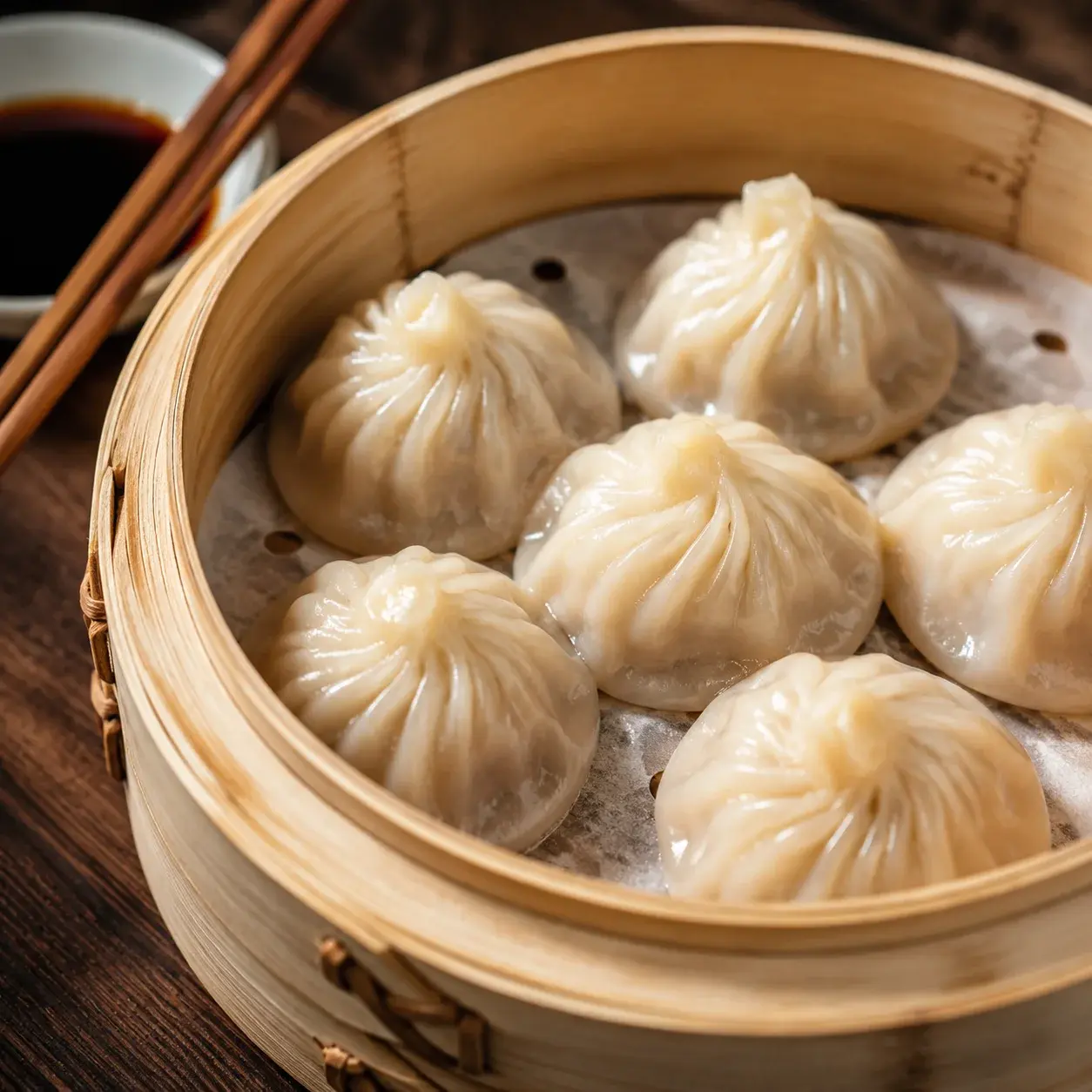
Inizia con un vassoio di xiaolongbao e un ordine di shengjianbao — i due panini su cui è costruita la città — poi passa al pancake allo scalogno, al maiale brasato rosso e a una vera colazione locale. Qui sotto il canone del primo visitatore: cosa è ogni piatto, dove o come trovare la versione onesta e un prezzo approssimativo del 2026. Trattiamo ogni elemento come un'esperienza sul posto — mangialo qui, ordinale in questo modo — non come una ricetta.
| Piatto (EN / Cinese) | Cos'è | Dove / come riconoscere la versione originale | RMB approssimativo (2026) |
|---|
| Xiaolongbao 小笼包 | Dumplings al vapore "piccole ceste" ripiene di maiale e caldo caldo | Ordina da un negozio ad alto turnover; i buoni arrivano delicati e appena cotti | ~15–40 / cesta (il granchio-rotolo è più costoso) | Shengjianbao 生煎包 | Panini fritti in padella con crosta croccante e succo interno | Cerca una piastra rovente e una fila; mangiala subito | ~6–12 / ordinazione di 4 | Cong you bing 葱油饼 | Pancake all'olio di cipolla, croccante e a strati | I banci famosi possono formare code lunghe; qualsiasi venditore con piastra calda va bene | ~5–12 | Hong shao rou 红烧肉 | Pancia di maiale brasata rossa — firma benbang, dolce-salato e lucida | Un ristorante benbang sedentario, non un banco di strada | ~40–70 (piatto da ristorante) | Hairy crab 大闸蟹 | Granchio d'acqua dolce "peloso" al vapore, pregiato per le uova; solo in autunno | Stagionale (circa autunno); benbang o specialisti di granchio | Molto variabile, ~80–200+ / granchio in base a dimensione e stagione | Four warriors 四大金刚 | Il quartetto classico della colazione (vedi il testo qui sotto) | Colazione solo al mattino e banci nascosti | ~3–10 totale | Xie ke huang 蟹壳黄 | Pasticcino al sesamo "scorza di granchio" – sfogliato, rotondo, senza granchio reale | Panetterie tradizionali e banci di colazione | ~3–6 ciascuno | Guotie 锅贴 | Dumplings fritti in padella – più piatti, a mezzaluna, meno succo del SJB | Banci su piastra, spesso accanto allo shengjianbao | ~8–15 / ordinazione | You dunzi 油墩子 | Frittura di patatine fritte, uno street snack | Banci di piastra e friggitrice da strada | ~3–6 | Xian dou jiang 咸豆浆 | Latte di soia salato con sottaceti, gamberetti secchi e pezzi di you tiao | Negozio di colazione; versione salata (咸), non dolce | ~4–8
Se devi provare solo una cosa, che sia una cannestra di xiaolongbao freschi — è il piatto con cui la città è sinonimo e ottenere il giusto equilibrio tra brodo, impasto e carne è un'arte genuina. Il dormiente sottovalutato è lo shengjianbao: meno famoso all'estero rispetto alla sua cugina al vapore, ma per molti locali la colazione quotidiana migliore — croccante sul fondo, morbido sopra, con il brodo al centro. E il trofeo stagionale è il granchio peloso in autunno: più una ritualità che un pasto. Le identità dei piatti e le modalità di consumo sono atemporali; i valori in RMB sono approssimativi, riferiti al 2026, e variano a seconda del banco, della stagione e del quartiere.
Xiaolongbao vs shengjianbao: qual è la differenza e come si mangia ciascuno?
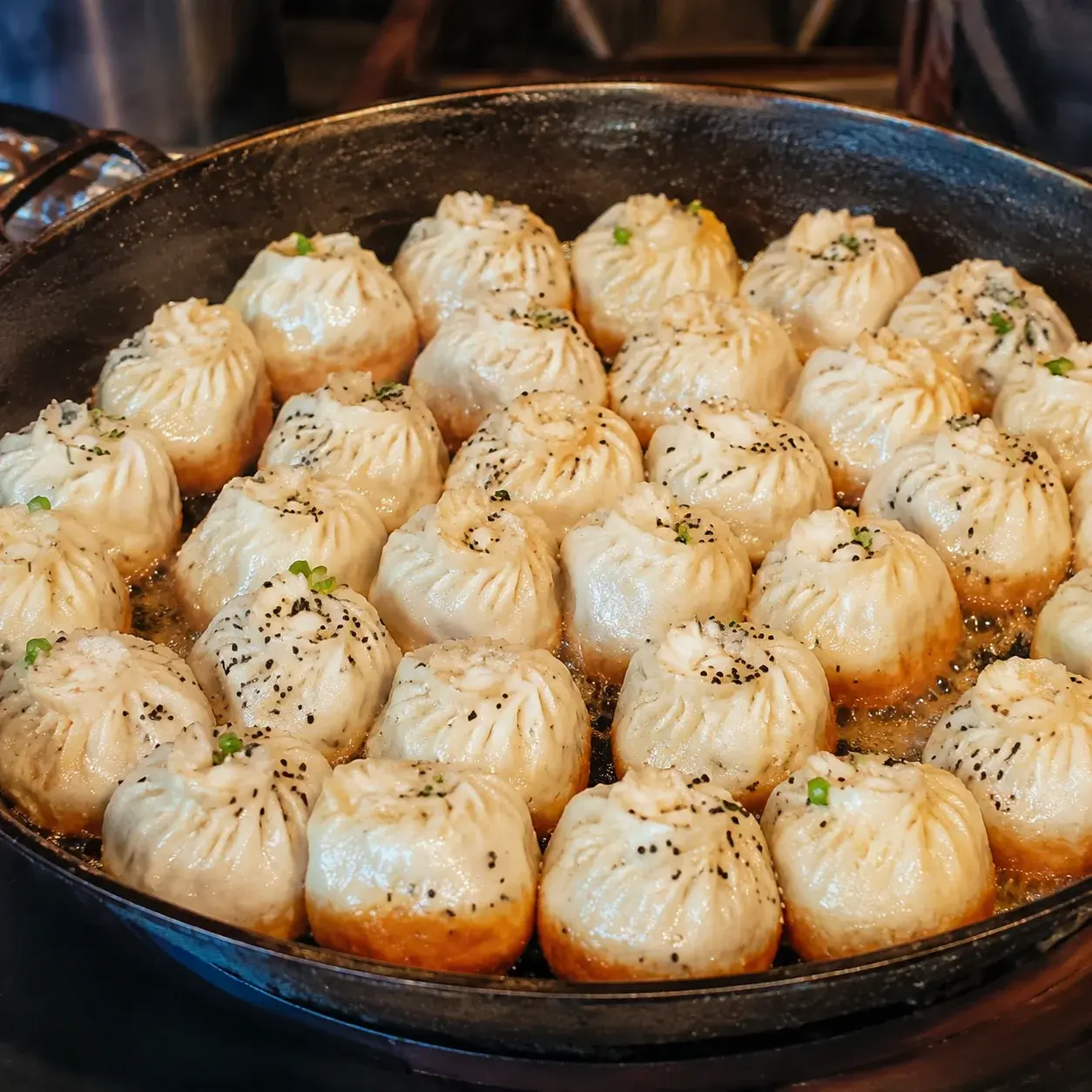
Gli xiaolongbao sono al vapore dumplings al brodo con un impasto sottile e delicato; gli shengjianbao sono fritti in padella panini al brodo con un impasto più spesso, pane-like e un fondo croccante. Entrambi nascondono brodo caldo all'interno, entrambi sono un simbolo di Shanghai e entrambi vengono rovinati se si aspettano. Questa è la confusione che fa inciampare quasi ogni visitatore, ecco qui il decoder completo.
| Caratteristica | Xiaolongbao (XLB) | Shengjianbao (SJB) |
|---|---|---|
| Che cos'è | Dumpling al vapore con salsa all'interno | Frittella cotta in padella con salsa |
| Impasto / pasta | Sottile, trasparente e delicata — ripiegata in alto | Più spessa, morbida, simile al pane; spesso con sesamo e cipollina in alto |
| Metodo di cottura | Al vapore in un cestino di bambù (笼) | Fritta su una griglia piatta, dorata croccante sul fondo, cotta a vapore con lid sul top |
| La salsa | Sì — un sorso di caldo brodo all'interno | Sì — più succosa ed esplosiva, spesso più calda |
| Come si mangia | Sollevare delicatamente, fare un piccolo buco, sorbire prima la salsa (lasciarla raffreddare un po'), poi mangiare | Fare un piccolo buco in alto, sorbire, poi mangiare con il croccante in basso — attenzione allo schizzio |
| Il segno di freschezza | La pelle deve essere intatta e appena al vapore; una fredda, appiccicosa o strappata è vecchia | Il fondo deve essere croccante e rumoroso; uno morbido, grasso o tiepido è rimasto troppo tempo |
| Miglior momento per mangiare | Entro pochi minuti dalla cottura al vapore | Direttamente dalla griglia, ancora frusciante |
| Salsa classica | Aceto nero con finissimi shreds di zenzero | Spesso mangiata così com'è; alcuni aggiungono un po' di aceto |
| Dove trovarla | Negozi specializzati in dumplings e ristoranti benbang | Banchetti per colazione su griglia e specialisti di frittelle |
La regola critica e non negoziabile per entrambi è l'avvertenza di scottatura: la zuppa all'interno è veramente calda. Non mettere mai tutto intero in bocca. Fagli un buco, lascia fuoriuscire un po' di vapore, sorseggia, poi mangia. E poiché entrambi i dumplings hanno una mezza vita breve — sono progettati per essere mangiati immediatamente — il tuo miglior segnale di qualità non è un nome famoso su un cartello ma una fila in movimento costante e un banco che produce continuamente piatti freschi. Un banco lento che vende un dumpling "leggendario" che è rimasto sotto una lampada perderà sempre contro un griglia affollata senza nome. Tecniche e freschezza qui sono sempre valide e puoi fidarti di esse; solo la qualità attuale di un negozio specifico vale la pena conferire di persona.
Dove dovresti mangiare — Yu Garden o Huanghe Road?
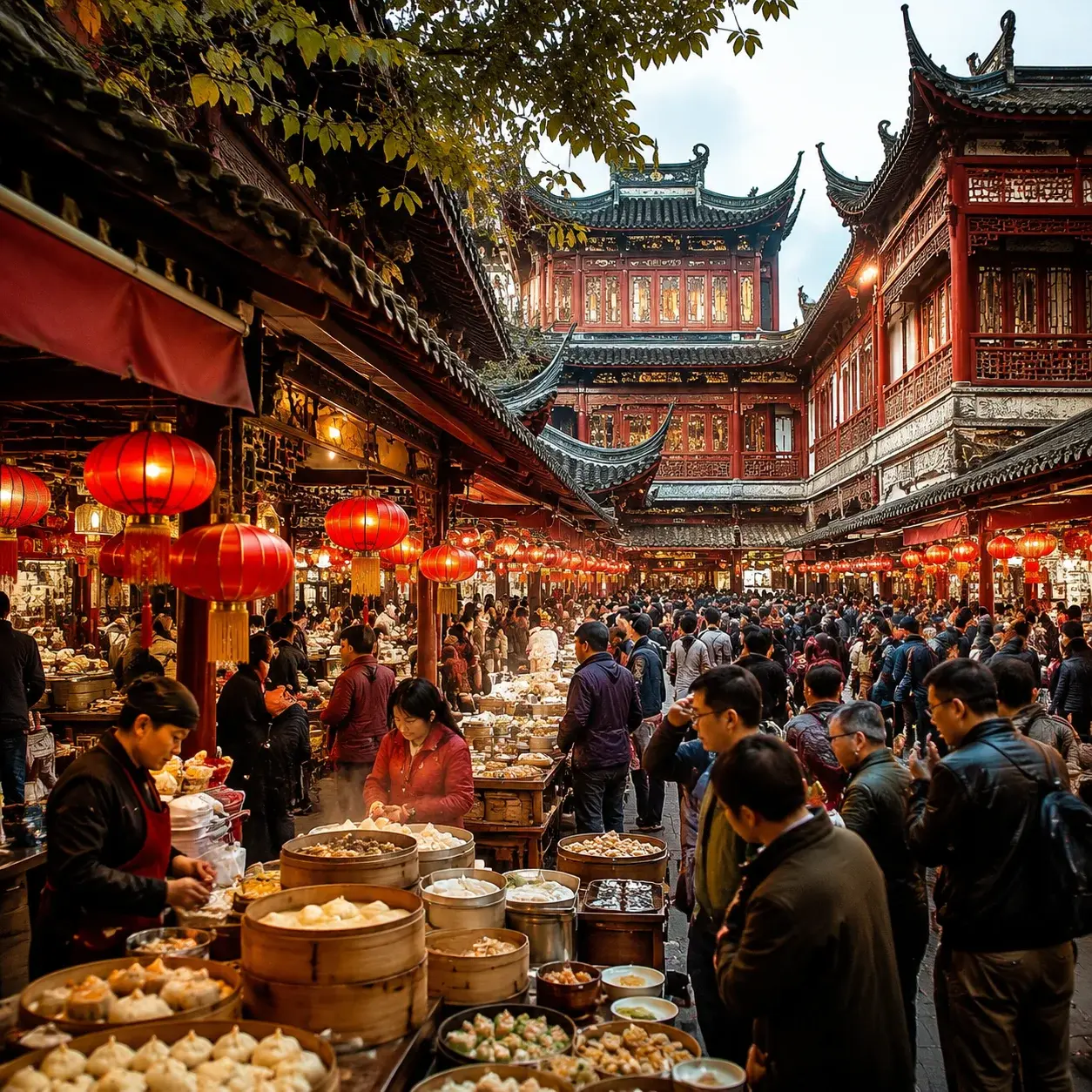
Dipende se privilegi comodità o autenticità — ed è questo scambio onesto che la maggior parte delle guide salta. Il mercato di Yu Garden / Tempio del Dio della Città racchiude lo snack di Shanghai in uno spot fotografico, centrale e facile da navigare, a prezzi turistici e con una qualità adattata ai turisti. I vecchi negozi intorno a Huanghe Road, a breve distanza da People's Park, sono dove le persone in fila da anni si sono dirette verso le istituzioni. Nessuno è "sbagliato" — rispondono a esigenze diverse.
| Luogo (EN / Cinese) | Atmosfera | Prezzo | Autenticità | Ideale per | Avvertenza |
|---|---|---|---|---|---|
| Yu Garden / City God Temple 豫园 / 城隍庙 | Bazaar restaurato del vecchio quartiere; stand di snack, souvenir, affollamento | 💰💰 Più alto (prezzi da turista) | Moderato — piatti reali, adattati ai visitatori e al volume | Principianti, famiglie, sightseeing e snack in un posto | Molto affollato; la qualità varia da banco a banco; paghi per la posizione |
| Huanghe Road food street 黄河路 | Strada del cibo di Vecchia Shanghai vicino al People's Park; ristoranti seduti | 💰–💰💰 Medio | Altamente — favori locali da lunga data | Cercare un piatto specifico (dumplings di zuppa) fatto bene | Code nei negozi famosi; meno una scena di "passeggiata e assaggio" |
| Stand di quartiere quotidiani | Colazione senza fronzoli e buchi nel muro in tutta la città | 💰 Basso | Alto — così come mangia davvero la città | Authentic shengjianbao, cong you bing, colazione | Orari mattutini; poco inglese; quasi solo pagamenti digitali |
La decisione in una riga: Yu Garden ti offre comodità, comfort e tutto in un posto, se accetti i prezzi da turista e la qualità irregolare; Huanghe Road e le griglie del quartiere ti offrono la cosa vera a minor prezzo, in cambio di code e un po' più di sforzo. Per gli xiaolongbao specificamente, la strada è casa di istituzioni famose come Jia Jia Tang Bao su Huanghe Road (vicino a People's Park) — menzionata qui per la sua reputazione duratura tra locali e scrittori di cibo, non come scelta verificata personalmente. Per lo shengjianbao, catene affidabili come Yang's Fry Dumpling (小杨生煎) sono un'introduzione affidabile e facile da trovare. Ovunque tu finisci, applica la regola della freschezza al nome famoso.
Come si presenta una colazione a Shanghai?
Una colazione classica a Shanghai è i 四大金刚 — i "quattro guerrieri" — mangiati insieme per pochi RMB, idealmente accompagnati da un panino刚刚 cotto alla padella. La colazione è probabilmente il pasto più autentico e meno turistico della città, e avviene presto: le migliori griglie sono più affollate prima delle 9 e molte chiudono nel tardo mattino. Ecco l'itinuario, nell'ordine di consumo.
| Stop | Elemento (EN / Cinese) | Cos'è | Nota |
|---|---|---|---|
| 1. Lo stick fritto | You tiao 油条 | Longo impasto fritto croccante e leggero | Spesso intinto nel latte di soia; un "guerriero" |
| 2. La focaccia | Da bing 大饼 | Focaccia al sesamo, dolce o salata | Abbinamento classico: avvolgi un you tiao dentro un da bing |
| 3. Il rotolo di riso | Ci fan (tuan) 粢饭(团) | Rotolo di riso caldo, spesso avvolto attorno a you tiao + salse | Sostanzioso e portatile — un "guerriero" |
| 4. La bevanda | Dou jiang 豆浆 | Latte di soia — dolce (甜) o la versione salata (咸) con salse e gamberetti | Il quarto "guerriero": prova il 咸豆浆 una volta |
| 5. L'upgrade | Shengjianbao 生煎包 | Un ordine fresco di panini ripieni di cotto su una padella calda | La finale croccante — acquista dove la fila si muove |
| 6. Dolce opzionale | Xie ke huang 蟹壳黄 | Sfogliatella al sesamo a forma di "gambero" (senza gamberetti) | Extra croccante dolce o salato |
Orario migliore: primi dell'alba, prima delle 9:00, quando le padelle sono fresche e la folla è tutta locale. Sequenza e abbinamenti sono il nostro quadro editoriale e funzionano ovunque in città; i singoli negozi sono quelli che confermi sul posto. La spesa totale per i quattro guerrieri è davvero piccola — spesso sotto i 20 RMB — ed è parte di ciò che rende questa una delle colazioni con il miglior rapporto qualità-prezzo in Cina.
Il cibo di Shanghai è dolce, e chi evita il piccante, i bambini o i vegetariani possono gestire?
Sì, il cibo di Shanghai è dolce — e questo è una buona notizia per la maggior parte dei visitatori, perché significa raramente essere piccante in modo insopportabile. La caratteristica di zucchero e salsa di soia del cibo di Shanghai lo rende una delle città gastronomiche più delicate in Cina per palati cauti, bambini e anyone esafero dal chili.
Per chi ode al calore e alle famiglie, Shangai è quasi un porto sicuro: gli zongzi, i panini fritti, le pancake allo scallion, il maiale brasato e l'intera colazione portano poco o niente chili. La cosa da gestire non è il calore ma la temperatura — l'avviso sui dumplings scaldanti si applica doppio ai bambini, quindi insegnate loro a mordere, sorseggiare e aspettare prima del primo morso. Se odiate attivamente la dolcezza, sappiate che i piatti brasati e alcuni latte di soia sono deliberatamente dolci, quindi chiedete e scegliate di conseguenza.
I vegetariani dovrebbero stare attenti: la maggior parte dei classici dumplings e panini di Shanghai è a base di maiale, e brodi, strutto e condimento di gamberi secchi appaiono anche in piatti che sembrano a base di vegetali (il latte di soia salso spesso contiene gamberi secchi). Le scelte più sicure sono il cong you bing semplice (confermare che non sia cotto con strutto), il latte di soia dolce, il da bing semplice, i panini vegetali (素包 sù bāo) se offerti e gli you dunzi (frittelle di ravanelli). Imparate la domanda 有素的吗? yǒu sù de ma? — "avete vegetariani?" La tecnica di ordinamento è sempre valida; le opzioni di uno stallone specifico vale sempre la pena confermare.
Quanto costa il cibo di strada di Shanghai e come si paga?
Budget approssimativo 20–120 RMB a persona, a seconda che ti fermi ai chioschi per la colazione o che ti speri per i classici benbang — ma ricorda che una colazione di strada e un sampler di bao in brodo appartengono a fasce completamente diverse. Shanghai offre davvero economici corner griddle e più costosi ristoranti sit-down, quindi il tuo conto riflette più l'ambiente della città.
| Fasce | Come si presentano | RMB appross. (2026) |
|---|---|---|
| Colazione al volo | I quattro guerrieri + latte di soia dai chioschi del quartiere | ~10–20 / persona |
| Sampler di bao | Un cestino di xiaolongbao + un ordine di shengjianbao + una pasticceria | ~40–70 / persona |
| Pasto benbang al tavolo | Maiale alla rossa e piatti da un ristorante locale (granchio extra e di stagione) | ~80–150+ / persona |
Pagamento: il pagamento mobile (Alipay e WeChat Pay) è accettato quasi ovunque a Shanghai, dai grandi ristoranti ai piccoli chioschi. Dal 2026, i visitatori stranieri possono collegare direttamente una carta Visa o Mastercard internazionale a queste app — nessun conto bancario cinese necessario — quindi l'attivazione è molto più semplice di una volta. Tuttavia, porta un po' di contanti per i tini chioschi di colazione, che talvolta lo preferiscono. Le cifre sopra sono approssimative 2026 e variano per chiosco, quartiere e — specialmente per il granchio peloso — per la stagione.
Domande frequenti
Per cosa è famosa Shanghai? Shanghai è nota soprattutto per i suoi ravioli — xiaolongbao al vapore (ravioli con brodo) e shengjianfritti — oltre per la sua cucina locale dolce e brasata alla soia (benbang), il cui piatto forte è il maiale rosso brasato. Il pancake all'aglio, il granchio peloso in autunno e una famosa colazione economica completano l'iconografia.
Cosa si dovrebbe mangiare a colazione a Shanghai? Prova i "Quattro Guerrieri": you tiao (frittelle di farina), da bing (focaccia al sesamo), ci fan (rotolo di riso glutinoso) e dou jiang (latte di soia, dolce o salato). Aggiungi una porzione fresca di shengjian刚从 un griddle affollato. È sostanziosa, autentica e spesso costa meno di 20 yuan.
Qual è la differenza tra xiaolongbao e shengjianbao? Gli xiaolongbao sono ravioli al vapore con un involucro sottile e delicato; gli shengjianbao sono involtini fritti padella con impasto più spesso e crosticina fritta sul fondo. Entrambi contengono caldo brodo, quindi fai un piccolo buco e sorseggia prima di mangiarli. Consumali appena fatti — non si conservano.
Dove si possono mangiare i ravioli con brodo a Shanghai? Per qualità, preferisci un negozio ad alto turnover piuttosto che un nome famoso. La strada del cibo di Huanghe Road vicino al Parco Popolare ospita istituzioni note come Jia Jia Tang Bao, citate per la loro reputazione locale. Il mercato del Giardino Yu è comodo ma turistico — applica la regola freschezza-affollamento ovunque.
Il cibo di Shanghai è dolce o piccante? Dolce, generalmente — non piccante. La cucina benbang si basa su zucchero, salsa di soia e vino di riso, e i piatti brasati al rosso sono distintamente dolci-salati. Questo rende Shanghai una delle città cinesi più delicate per chi evita il piccante e per i bambini. Il vero pericolo è la bollente sopa all'interno degli involtini.
Quanto costa il cibo di strada a Shanghai? Circa 20–120 RMB a persona, a seconda del contesto. Una colazione con i "quattro guerrieri" costa circa 10–20 RMB; un assaggio di involtini 40–70; un pasto benbang al tavolo 80–150+, con granchio peloso in più e stagionalità. Queste sono approssimative fasce 2026 che variano da chiosco a chiosco. I pagamenti mobili funzionano quasi ovunque; porta un po' di contante.
Conclusione
Shanghai premia chi sa distinguere tra uno steamed soup dumpling e uno pan-fried, chi cerca freschezza più che nomi famosi, e capisce che il fascino della città è dolce e brasato alla soia, non infuocato. Morditi il buco e soppa la sopa, vai alle griglie del quartiere a colazione, valuta la comodità di Yu Garden rispetto alle istituzioni di Huanghe Road, e mangia tutto appena tolto dal fuoco. Osala, mangia bene.
Se preferisci che il層 locale sia navigato per te — le vere griglie a colazione e gli istituti degli involtini, senza indovinare code e linguaggi — un'esperienza culinaria personalizzata di Shanghai fa proprio questo.
Continua a esplorare: il nostro articolo sulla  cena per strada in Cina, la guida ai cibi del mercato notturno e se vale la pena un tour guidato enogastronomico.