



 18 giorni Cina, da capo a fondo Pechino → Xi'an → Chuanzhusi → Jiuzhaigou → Chengdu → Zhangjiajie → Guilin → Yangshuo → Shenzhen Da $6,360 Vedi itinerario
  14 giorni A cosa serve ogni città Pechino → Xi'an → Chengdu → Shanghai → Shenzhen → Canton Da $5,030 Vedi itinerario
  19 giorni A valle del futuro Shenzhen → Guilin → Yangshuo → Chengdu → Chongqing → Yichang → Shanghai Da $5,360 Vedi itinerario
  5 giorni A valle, poi in salita Guilin → Yangshuo Da $1,600 Vedi itinerario
  8 giorni Acqua tranquilla, città veloce Shanghai → Yangshuo → Shenzhen Da $2,350 Vedi itinerario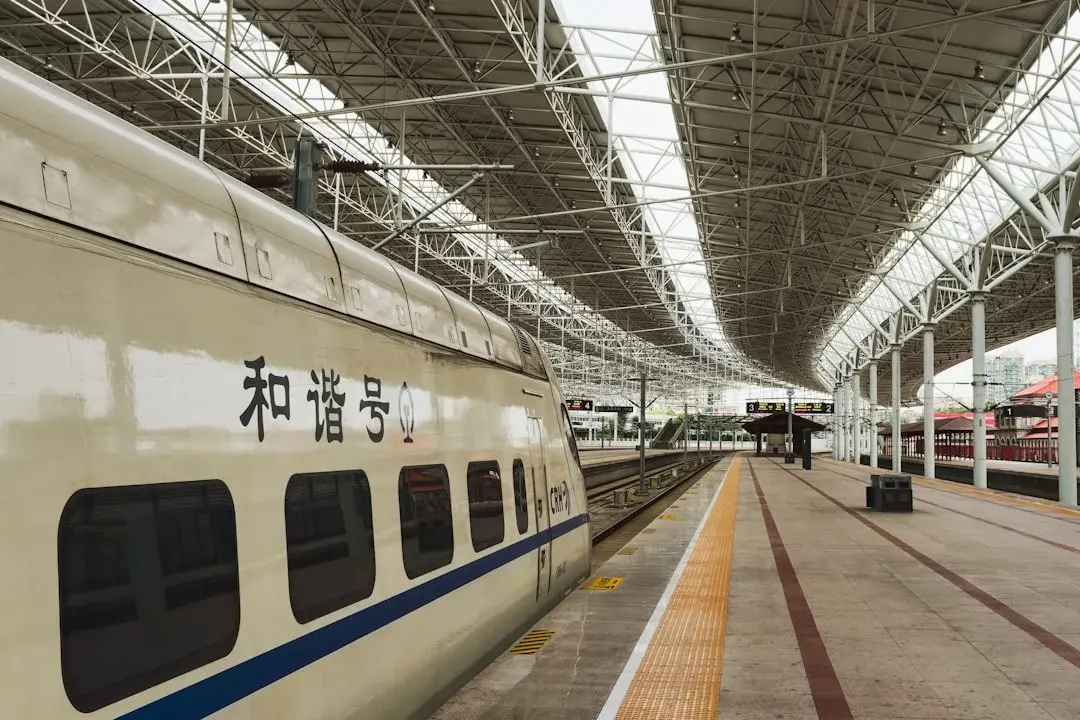
Come ci si sposta in Cina con i bambini, in treno e in aereo?
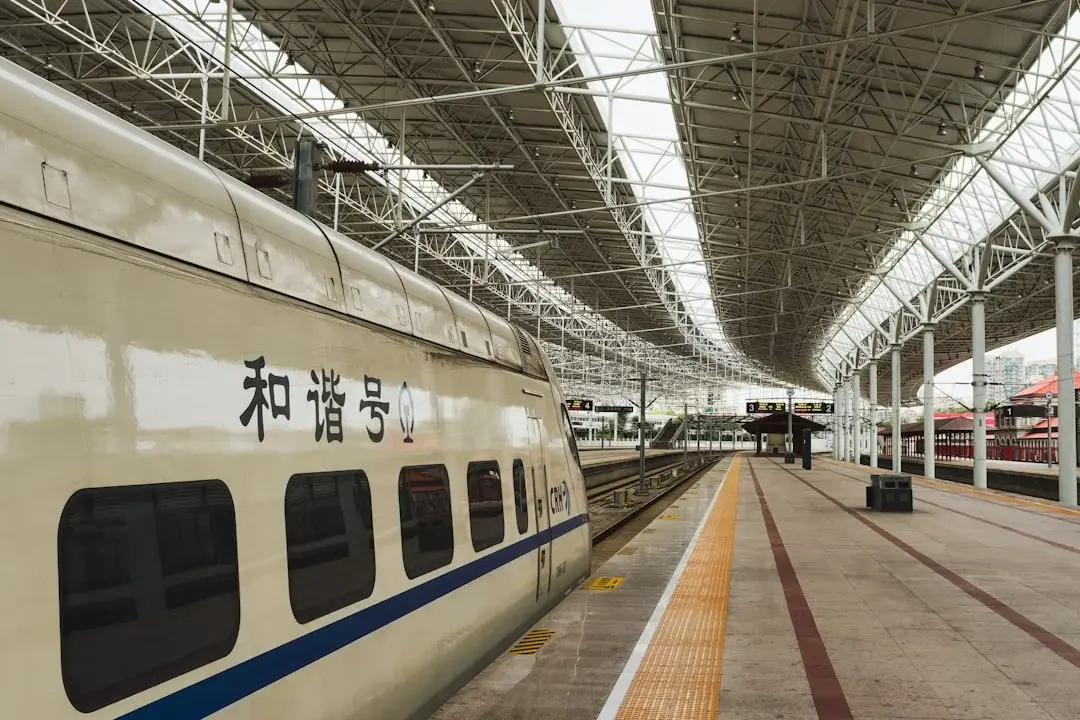
Il modo più semplice per muovere una famiglia in Cina è la rete ad alta velocità (HSR): carrozze pulite e spaziose con bagni veri, acqua calda e cibo, che viaggiano fino a 350 km/h tra quasi tutte le grandi città. Prendi l'aereo solo per le lunghe diagonali (grosso modo oltre i 1.500 km), dove un treno si mangerebbe un'intera giornata. Per la maggior parte delle tratte, il treno batte l'aereo su stress, spazio per le gambe e libertà di movimento per i bambini.
Questa è una guida pratica e indipendente per i genitori che lo stanno davvero facendo: come funzionano i biglietti quando i bambini viaggiano con il passaporto, come stanno cambiando le regole sulle tariffe per bambini, e come scegliere tra treno e aereo su ogni singola tratta. Non è un discorso di vendita né un itinerario; per il dove andare e per quanti giorni, vedi le guide collegate in fondo.
Punti chiave
- L'alta velocità è la scelta predefinita. Scorrevole, spaziosa, con corridoi in cui i bambini possono camminare, bagni in ogni carrozza e acqua calda per il latte in formula e i noodle istantanei. Elimina le due parti peggiori del viaggio in famiglia: stare legati al sedile e le code in aeroporto.
- Le tariffe per bambini passano dall'altezza all'età. Storicamente era l'altezza a decidere gratis/metà/intero; China Railway si sta spostando verso una regola basata sull'età per i bambini con un documento proprio. Considera qualsiasi soglia qui sotto come indicativa e verifica la regola in vigore al momento della prenotazione.
- Prenota con il passaporto. Acquista su Trip.com (interfaccia in inglese) o sull'app/sito ufficiale 12306; i biglietti sono elettronici e legati al numero di passaporto di ogni passeggero — niente biglietto cartaceo.
- Un bambino in braccio viaggia gratis. In linea di massima, un bambino piccolo o basso per ogni adulto pagante viaggia senza posto proprio; un secondo bambino, o chiunque necessiti di un posto, ha bisogno di un biglietto.
- I treni notturni con cuccette possono essere ottimi con i bambini: prenotare l'intero scompartimento «soft sleeper» a quattro cuccette dà alla famiglia una stanza privata e chiudibile, e trasforma una tratta lunga in una notte di sonno.
- Vola solo sulle grandi diagonali. I voli interni hanno senso su Pechino–Kunming, Shanghai–Chengdu o verso l'estremo ovest/sud; i passeggini si consegnano al gate e le regole sulle tariffe neonati/bambini variano da compagnia a compagnia.
Bisogna comprare il biglietto del treno per un bambino in Cina?
<!– img: unsplash / Eric Prouzet / query=China high speed train station platform –>
Di solito un bambino piccolo per adulto viaggia gratis in braccio senza biglietto proprio; oltre a questo — un secondo bambino, o un bambino che vuoi su un posto suo — si compra il biglietto. Non devi ritirare un «biglietto gratuito» separato in stazione per un bambino in braccio; porta semplicemente il suo passaporto, che viene controllato all'imbarco.
La sfumatura che fa inciampare le famiglie straniere è che cosa determina la tariffa. Per anni la Cina ha usato una regola puramente basata sull'altezza: sotto una certa misura il bambino viaggiava gratis, una fascia intermedia pagava metà, i più alti l'intero. China Railway si sta spostando verso un sistema basato sull'età per i bambini con un documento valido proprio (China Railway / 12306, aggiornamento normativo 2023 — conferma la regola in vigore al momento di prenotare). Poiché tuo figlio viaggia con il passaporto, ha un documento, quindi è probabile che la regola dell'età si applichi — ma è esattamente il genere di cosa che continua a cambiare: verificala per le tue date anziché fidarti di un vecchio blog (questo compreso).
In pratica: se ti va bene tenere un bambino piccolo in braccio, prenota solo i posti che ti servono davvero e lascialo fuori dalla prenotazione. Se il tuo «bambino in braccio» è un vivacissimo bimbo di due anni su una tratta di cinque ore, comprargli comunque un posto: lo spazio vale la spesa, e molti genitori lo fanno.
Regole sui biglietti per bambini: treno e aereo (verifica — le regole stanno cambiando)
Leggi questa tabella come indicativa, non come vangelo. La regola cinese sulla tariffa per bambini in treno è in piena transizione dall'altezza all'età, e le regole delle compagnie aeree differiscono tra loro. Conferma i numeri in vigore su 12306 / Trip.com e con la tua compagnia specifica prima di farci affidamento.
| Treni ad alta velocità e ordinari | Voli interni | |
|---|---|---|
| Che cosa determina la tariffa | Passaggio dall'altezza all'età per i bambini con documento (es. un passaporto) | L'età (neonato o bambino), stabilita da ogni compagnia |
| Viaggia gratis / al minimo | ~1 bambino piccolo o basso per adulto, senza posto proprio (indicativamente «neonato/sotto i 6 anni» o sotto ~1,20 m) | Neonato in braccio, tipicamente ~10 % della tariffa adulta, senza posto (indicativo, 2026) |
| Tariffa ridotta («metà») + posto proprio | Fascia intermedia (indicativamente ~6–14 anni, o ~1,20–1,50 m) — metà tariffa con posto | Tariffa bambino (indicativamente ~2–12 anni) — spesso ~50–75 % di quella adulta con posto proprio |
| Tariffa intera | Bambino più grande/più alto (indicativamente oltre ~14 anni o ~1,50 m) | Da ~12 anni, di solito tariffa adulta intera |
| Documento necessario | Passaporto per ogni viaggiatore, incluso un bambino gratuito in braccio | Passaporto per ogni viaggiatore; il neonato può dover essere aggiunto alla prenotazione |
| Posto garantito? | Solo se acquisti un posto (il bambino gratuito in braccio non ne ha) | Solo se acquisti un posto bambino/adulto (il neonato in braccio non ne ha) |
L'unica conclusione onesta: le soglie di età e altezza, e le tariffe a esse collegate, sono i dati meno stabili di tutta questa guida. Tutto il resto qui (come funzionano le stazioni, che cosa c'è a bordo, come si prenota) è molto più duraturo del centimetro o del compleanno esatto che fa scattare una tariffa.
Come prenota i biglietti del treno una famiglia straniera?
Prenota su Trip.com per un'interfaccia in inglese, oppure sull'app/sito ufficiale 12306 (che ora supporta le prenotazioni con passaporto e l'inglese), inserendo il passaporto di ogni viaggiatore esattamente com'è stampato. I biglietti sono elettronici e collegati al numero di passaporto; non c'è alcun biglietto cartaceo da perdere.
Alcune cose che contano con i bambini:
- Prenota presto. Le tratte popolari, e soprattutto i treni notturni e festivi, si esauriscono. Una settimana d'anticipo è comoda per posti vicini; per il Capodanno cinese o la Settimana d'Oro di ottobre, prenota appena il sistema lo consente.
- Riserva i posti insieme. Acquista i posti che ti servono in un'unica prenotazione, così il sistema vi assegna come gruppo. In Seconda classe la disposizione è 3+2 in larghezza, comoda per una famiglia di quattro (un blocco da tre più uno).
- La Seconda classe è il punto ideale per le famiglie. È comoda e permette di sedersi in gruppo; Prima e Business hanno braccioli divisori che rendono più difficile, non più facile, per un bambino appoggiarsi o sdraiarsi. Risparmia quei soldi.
- Passaporti al varco. Poiché i biglietti sono legati ai passaporti, in molte stazioni chi ha un passaporto straniero usa un varco manuale presidiato anziché quelli automatici: mettiti in quella fila e calcola qualche minuto in più.
Quale mezzo per quale tratta? (Una tabella decisionale)
Come impostazione predefinita l'alta velocità; passa al vagone letto per le lunghe tratte notturne, all'aereo per le grandi diagonali, e a DiDi (ride-hailing) o metropolitana per attraversare una singola città. Usala per scegliere tratta per tratta invece di legarti a un solo mezzo per tutto il viaggio.
| Tipo di tratta | Mezzo migliore con i bambini | Perché |
|---|---|---|
| Da città a città vicina (≤4–5 ore, es. Pechino–Xi'an, Shanghai–Hangzhou, Chengdu–Chongqing) | Alta velocità | Più rapida porta a porta dell'aereo una volta contato il tempo in aeroporto; i bambini possono camminare in corridoio |
| Tratta lunga che preferisci dormire (es. attraversate del Paese) | Treno notturno con cuccette, idealmente prenotando l'intero scompartimento da 4 | Una stanza privata e chiudibile; i chilometri passano mentre tutti dormono |
| Le lunghe diagonali (~1.500 km e oltre, es. Pechino–Kunming, dalla costa all'estremo ovest/sud) | Volo interno | L'alta velocità brucerebbe quasi un'intera giornata; un volo la salva, nonostante il fastidio dell'aeroporto |
| Dentro una città (transfer aeroporto/stazione, giro turistico con passeggino e bagagli) | DiDi (ride-hailing) o metropolitana | DiDi costa poco e va porta a porta con i bagagli; la metro è veloce ma piena di scale per un passeggino |
| Salto molto breve senza alta velocità diretta | Dipende — controlla entrambi | A volte vince un treno ordinario più lento o un volo corto; confronta tratta per tratta |
Distanze e tempi cambiano man mano che aprono nuove linee, quindi controlla gli orari in vigore su 12306 / Trip.com per le tue date esatte anziché dare per scontato che una tratta sia «sempre» più veloce in un modo.
Come sono le stazioni e i treni cinesi con i bambini?
<!– img: unsplash / Eric Prouzet / query=China high speed train interior seats –>
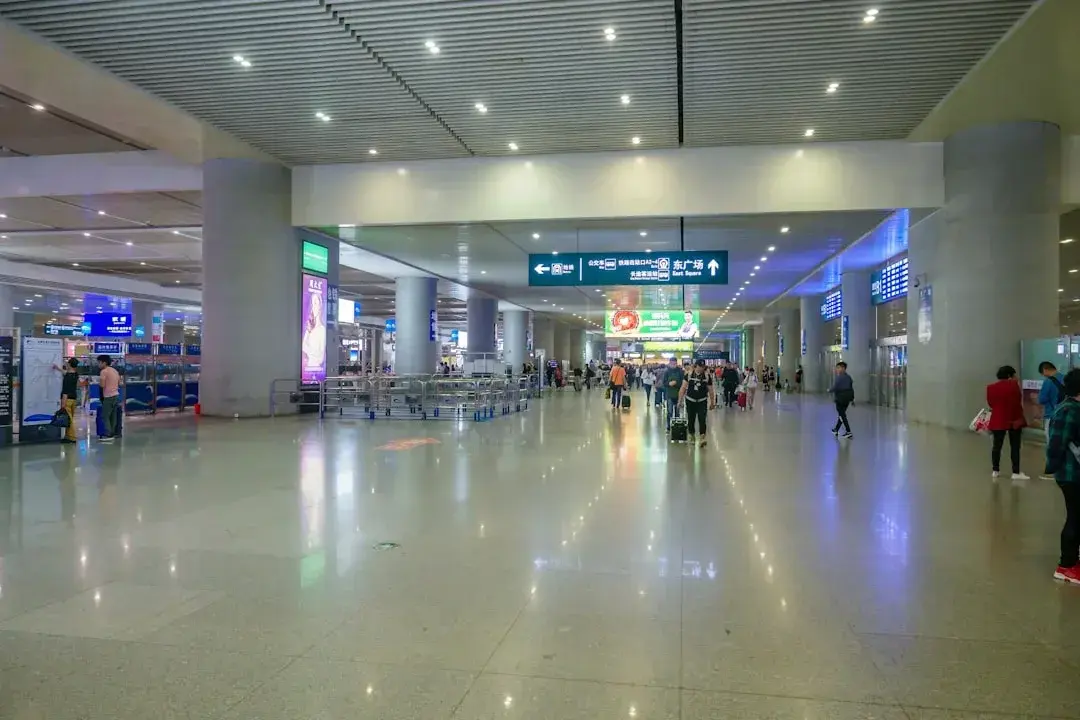
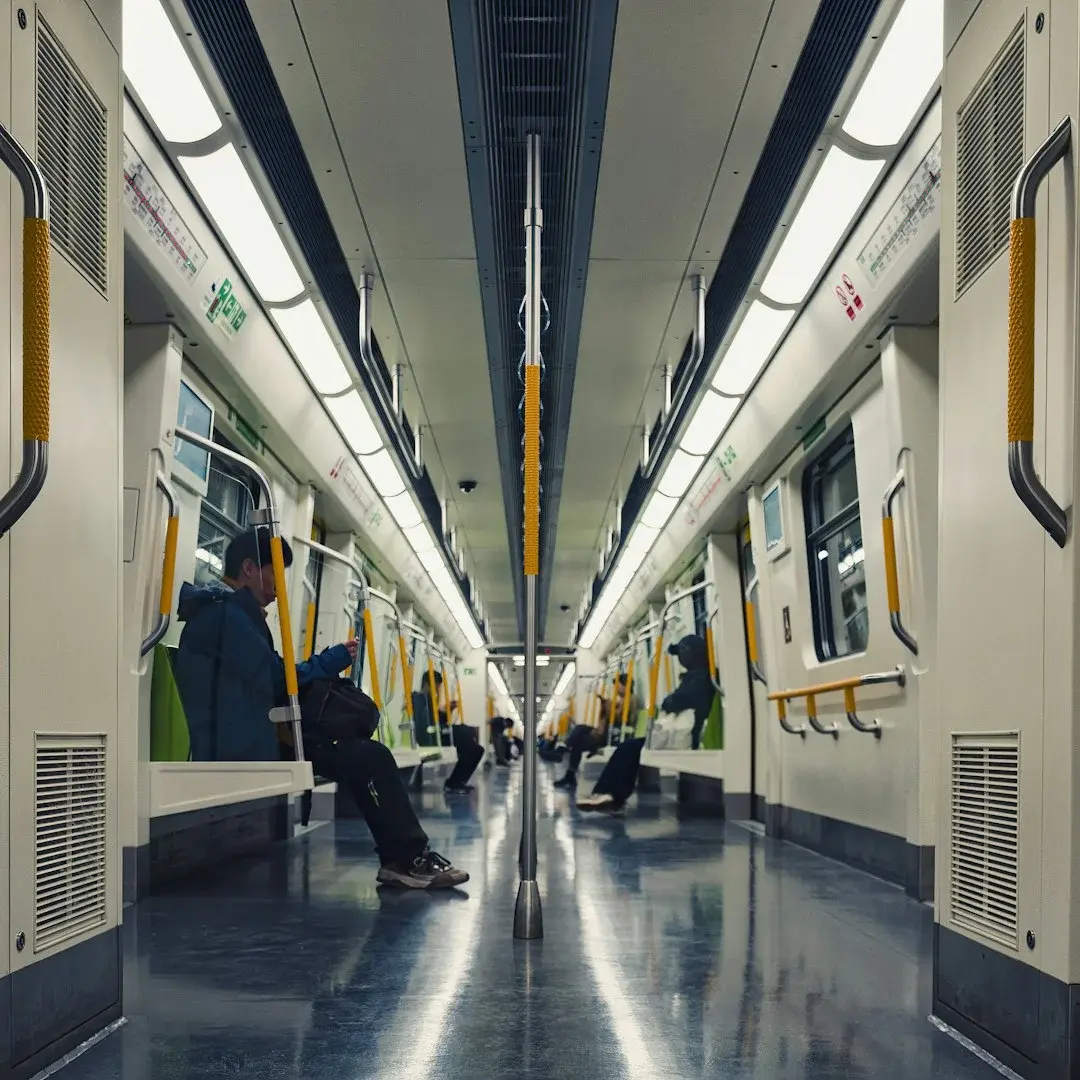
Grandi, moderni e più a misura di famiglia di quanto ti aspetteresti: molte stazioni principali hanno sale neonati/allattamento con fasciatoi, corsie prioritarie di sicurezza e imbarco per le famiglie, e negozi per gli snack dell'ultimo minuto. I controlli sono in stile aeroporto ma più rapidi; nei primi viaggi arriva con circa un'ora d'anticipo per orientarti.
A bordo, i vantaggi pratici per i genitori sono concreti:
- Corridoi e spazio. I bambini possono alzarsi e camminare, ed è tutta qui la ragione per cui il treno batte l'aereo con i più piccoli.
- Bagni in ogni carrozza — sia all'occidentale sia alla turca; la carrozza 5 di solito ha un bagno accessibile con fasciatoio (varia da treno a treno). Porta fazzoletti di scorta.
- Acqua calda al rubinetto per latte in formula, noodle istantanei e tè. Poiché l'acqua calda è gratuita, le carrozze ristorante spesso non vendono caffè o tè caldi: porta una tazza da viaggio se vuoi il tuo.
- Una carrozza ristorante (di solito a metà treno) con piatti di riso da microonde e snack, ma porta il cibo dei tuoi bambini; i negozi in stazione costano meno e permettono ai bambini di scegliersi una golosità «speciale» per il viaggio.
Chiedi a qualsiasi banco informazioni la sala neonati più vicina, la corsia prioritaria o un servizio accessibile: il personale è abituato a indirizzare le famiglie anche superando la barriera linguistica.
Quando conviene il treno notturno con cuccette?
I treni notturni funzionano benissimo con i bambini sulle tratte lunghe quando prenoti come famiglia l'intero scompartimento a quattro cuccette «soft sleeper» (软卧): hai una stanza privata con porta che si chiude, tutti dormono distesi e ti svegli in una città nuova avendo «saltato» un giorno di viaggio. Converte tempo morto di trasferimento in una notte di sonno e in una piccola avventura che i bambini di solito adorano.
Due avvertenze. Primo, compra l'intero scompartimento se puoi: condividere una stanza a quattro con sconosciuti va bene tra adulti, ma è scomodo con bambini piccoli irrequieti e poppate notturne. Secondo, le cuccette sono brande strette con scaletta fissa; un bambino molto piccolo dorme meglio in basso e contro la parete, e conviene pensare a una sponda o a una valigia incastrata perché nessuno rotoli giù. Le cuccette si esauriscono prima di tutto il resto: prenota appena si aprono le tue date.
Che cosa bisogna sapere sui voli interni con i bambini?
<!– img: unsplash / rawkkim / query=airport departure family travel –>
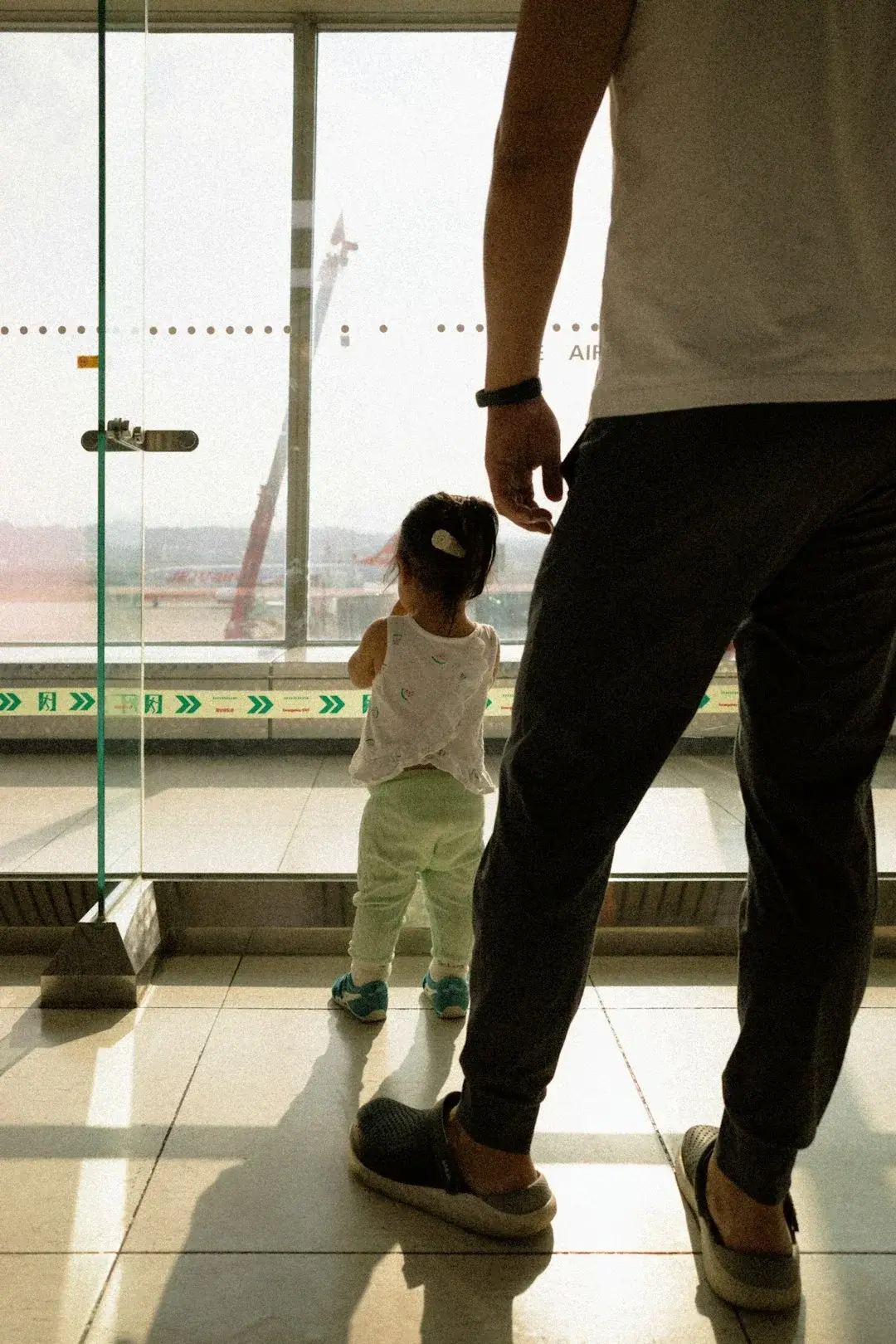
Vola solo quando la distanza lo giustifica, metti in conto tempo extra per le code in aeroporto e consegna il passeggino al gate così da tenerlo fino alla porta dell'aereo. Gli aeroporti cinesi sono grandi e possono essere affollati; la calma del treno è esattamente ciò a cui rinunci, quindi tieni i voli per le tratte in cui il tempo risparmiato è davvero rilevante.
Punti chiave:
- Le tariffe per neonati e bambini variano da compagnia a compagnia. Un neonato in braccio costa di solito una piccola percentuale della tariffa adulta senza posto proprio; una tariffa bambino compra un posto scontato. Conferma età esatte, prezzi e se il neonato debba essere aggiunto alla prenotazione con la tua compagnia specifica.
- I passeggini si consegnano gratis al gate presso la maggior parte dei vettori: usalo in aerostazione, consegnalo alla porta dell'aereo e (di norma) ritiralo sul finger o al ritiro bagagli. Verifica la prassi della compagnia.
- Cerca le corsie per famiglie. Molti aeroporti hanno controlli o imbarco prioritari per chi viaggia con bambini piccoli; chiedi, perché non è sempre segnalato in inglese.
- Allevia la pressione alle orecchie in decollo e atterraggio con l'allattamento, un biberon, un ciuccio o uno snack che stimoli la deglutizione. Per qualsiasi aspetto sanitario — un'otite recente, un neonato molto piccolo, la quota all'arrivo — chiedi al tuo pediatra prima di volare.
- Metti l'essenziale in una borsa sotto il sedile raggiungibile in volo; il bagaglio a mano grande resta in alto e chiuso.
Domande frequenti
Bisogna comprare il biglietto del treno per un bambino in Cina?
In generale un bambino piccolo o basso per adulto viaggia gratis in braccio senza biglietto proprio; un secondo bambino, o qualsiasi bambino che vuoi seduto, ha bisogno di un biglietto. Porti comunque il passaporto di ogni bambino, controllato all'imbarco. Le soglie stanno passando dall'altezza all'età: verifica prima di prenotare.
La tariffa bambini in treno in Cina dipende dall'età o dall'altezza?
Storicamente decideva l'altezza; China Railway si sta spostando verso una regola basata sull'età per i bambini che hanno un documento proprio, come un passaporto. Poiché i bambini stranieri viaggiano con il passaporto, la regola dell'età potrebbe applicarsi a loro — ma la cosa sta cambiando attivamente, quindi conferma la politica in vigore su 12306 o Trip.com per le tue date.
Con i bambini in Cina meglio il treno o l'aereo?
Prendi l'alta velocità per quasi tutte le tratte fino a circa quattro-cinque ore: porta a porta è più veloce una volta contato il tempo in aeroporto, e i bambini possono muoversi. Vola solo sulle lunghe diagonali oltre i 1.500 km circa, dove un treno consumerebbe quasi tutta la giornata.
Possiamo prenotare un intero scompartimento cuccette per la famiglia?
Sì, ed è il modo migliore di affrontare i treni notturni con i bambini. Uno scompartimento «soft sleeper» a quattro cuccette prenotato interamente dalla tua famiglia ti dà una stanza privata e chiudibile in cui tutti possono stare distesi. Le cuccette si esauriscono per prime: prenota appena si aprono le tue date su 12306 o Trip.com.
Come compriamo i biglietti da stranieri?
Usa Trip.com per un'interfaccia in inglese oppure l'app/sito ufficiale 12306, inserendo il passaporto di ogni viaggiatore esattamente com'è stampato. I biglietti sono elettronici e legati al numero di passaporto, quindi non c'è nulla da stampare. Prenota con circa una settimana d'anticipo per stare vicini, e molto prima attorno alle grandi festività cinesi.
Le stazioni e i treni cinesi vanno bene per le famiglie?
Sì. Le stazioni principali hanno spesso sale neonati/allattamento con fasciatoi e corsie prioritarie per famiglie; i treni hanno corridoi in cui i bambini possono camminare, bagni in ogni carrozza, acqua calda per il latte in formula e una carrozza ristorante. La Seconda classe è la scelta pratica per stare seduti insieme.
Mettere in movimento la famiglia
Per muoversi in Cina con i bambini, lascia che sia l'alta velocità a fare il lavoro pesante: prenota posti di Seconda classe vicini con il passaporto, usa i treni notturni per le tratte lunghe e tieni i voli solo per le grandi diagonali. Le due regole che contano di più sono prenotare presto e ricontrollare la politica sulle tariffe per bambini per le tue date, perché è il dettaglio che più probabilmente è cambiato da quando questo testo è stato scritto.
Per il quadro familiare più ampio — sicurezza, cibo, pannolini e che cosa mettere in valigia — vedi la guida principale  Viaggiare in Cina con i bambini e il suo complemento Viaggiare leggeri in famiglia. Quando sarai pronto a dare forma a un percorso vero, la guida all'itinerario in Cina per famiglie mostra come queste tratte in treno e in aereo si incastrano in un viaggio.