




 18 giorni Cina, da capo a fondo Pechino → Xi'an → Chuanzhusi → Jiuzhaigou → Chengdu → Zhangjiajie → Guilin → Yangshuo → Shenzhen Da $6,360 Vedi itinerario
  14 giorni A cosa serve ogni città Pechino → Xi'an → Chengdu → Shanghai → Shenzhen → Canton Da $5,030 Vedi itinerario
  19 giorni A valle del futuro Shenzhen → Guilin → Yangshuo → Chengdu → Chongqing → Yichang → Shanghai Da $5,360 Vedi itinerario
  5 giorni A valle, poi in salita Guilin → Yangshuo Da $1,600 Vedi itinerario
  8 giorni Acqua tranquilla, città veloce Shanghai → Yangshuo → Shenzhen Da $2,350 Vedi itinerario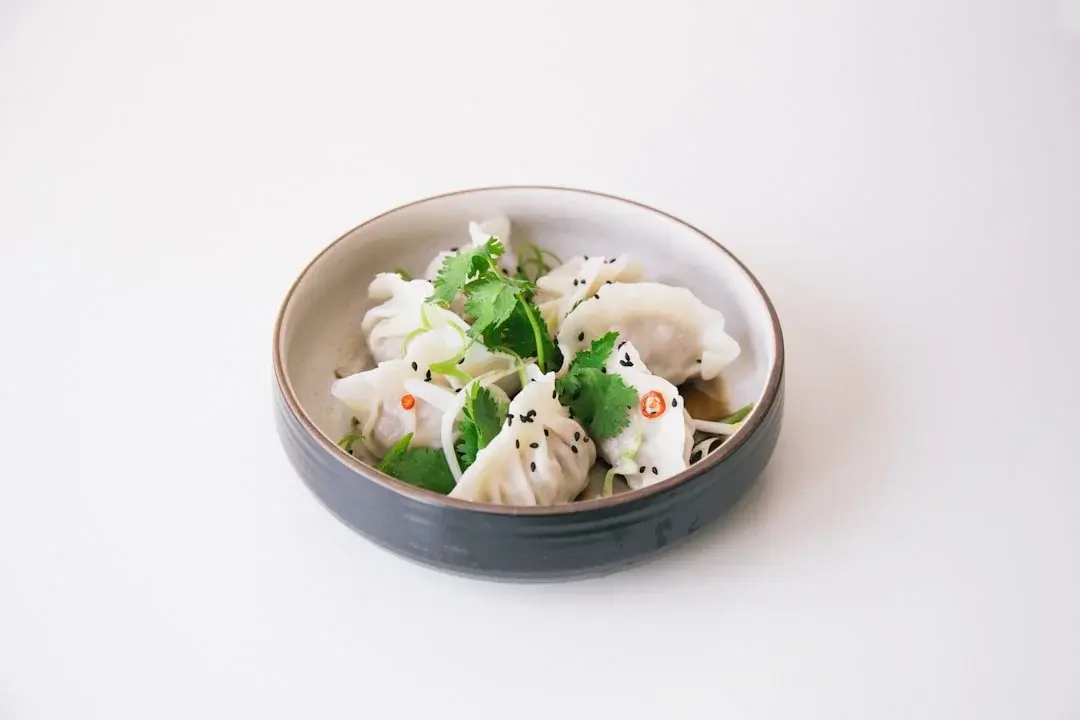
Che cosa mangeranno davvero i miei figli in Cina? Guida per genitori su come far mangiare i bambini e che cosa mangiare in Cina con i bambini
Far mangiare i bambini in Cina è molto più semplice di quanto la maggior parte dei genitori tema. Gli alimenti base di ogni giorno — riso, noodle in bianco, panini al vapore, ravioli, congee, riso saltato con l'uovo e frutta fresca — sono delicati, morbidi e si vendono in quasi ogni strada, e il cibo costa così poco che ordinare in eccesso non pesa quasi nulla. L'unica vera variabile è il piccante, ed è del tutto gestibile una volta che conosci due parole e un trucco per ordinare.
Questa è una guida pratica per fare da soli, non un elenco di ristoranti né un discorso di vendita. Copre i piatti sicuri da indicare a dito, come chiedere «non piccante», che cosa fare con un bambino davvero schizzinoso, e la domanda che blocca molti genitori: i bambini possono mangiare l'hot pot? (Risposta breve: sì.)
Punti chiave
- La cucina cinese è discretamente adatta ai bambini. Riso in bianco, noodle, panini, ravioli, congee, uovo al vapore, tofu e frutta sono ovunque e delicati per impostazione predefinita.
- Il piccante è opzionale, non obbligatorio. Impara bù là (不辣, «non piccante»); anche nel Sichuan e a Chongqing le versioni delicate sono sempre disponibili.
- I prezzi bassi tolgono la pressione. Ordina in abbondanza, fai assaggiare a tutti: un piatto lasciato a metà incide appena sul conto, quindi sperimentare è a basso rischio.
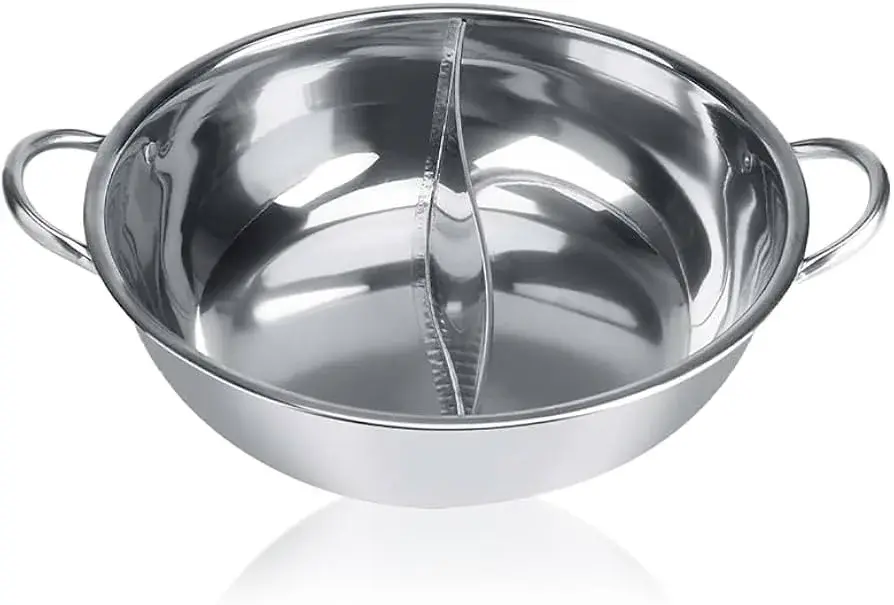
- L'hot pot funziona con i bambini se ordini una pentola divisa (鸳鸯锅) e tieni i bambini sul brodo chiaro e delicato.
- La colazione è salata, non dolce — una sorpresa per molti bambini, quindi prepara un ripiego (panini, congee, frutta o un piatto a base di uovo).
- L'igiene è buon senso, non paranoia: i banchi affollati muovono cibo fresco, e l'acqua solo in bottiglia o bollita.
La cucina cinese va bene per i bambini?
<!– img: unsplash / Jae Park / query=child eating with chopsticks dumplings –>
Sì: la cucina cinese è costruita esattamente attorno a quei cibi delicati, morbidi e ricchi di carboidrati che la maggior parte dei bambini già ama, quindi il bambino medio in Cina mangia sorprendentemente bene. Il timore che sia tutto peperoncino e ingredienti misteriosi viene dai menu dei ristoranti all'estero, non da come mangiano davvero le famiglie sul posto.
Tre cose giocano a tuo favore:
- Gli alimenti base sono universali. Riso al vapore, noodle di grano e di riso, panini ripieni e ravioli compaiono in ogni regione e in ogni fascia di prezzo. Anche se un'intera tavolata di piatti fallisce, uno di questi è sempre a portata di mano.
- Il cibo costa davvero poco. Poiché un pasto familiare locale completo di solito costa poco (prezzi indicativi, 2026, da verificare in giornata), puoi ordinare più piatti solo perché tuo figlio abbia scelta, e lo scarto non pesa.
- Mangiare è interattivo. Bacchette, crêpe da assemblare e spiedini di strada scelti a mano trasformano un pasto in un'attività, il che rende i mangiatori riluttanti più disposti a provare.
L'unico aggiustamento onesto: il piccante regionale. Sichuan e Chongqing sono davvero piccanti per impostazione predefinita, e i piatti freddi da «antipasto» (凉菜, liáng cài) sono spesso sott'aceto o conditi al peperoncino. Nessuno dei due è un problema una volta che sai come aggirarli — se ne parla sotto.
Quali sono i cibi sicuri per i bambini? (Un decodificatore di menu)
<!– img: unsplash / Orijit Chatterjee / query=Chinese noodles bowl plain –>
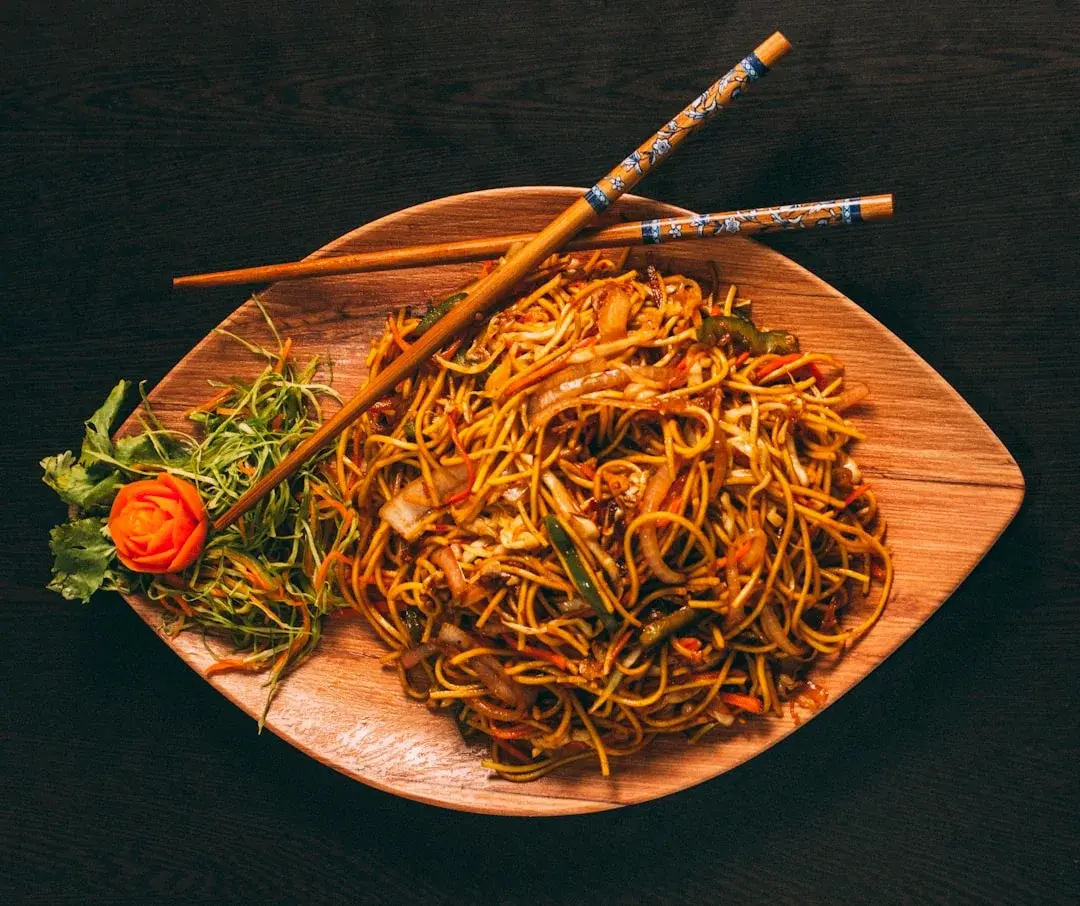
I ripieghi affidabili sono riso al vapore, noodle in bianco, panini, ravioli, congee, riso saltato con l'uovo, uovo al vapore, tofu e verdure saltate: tutti delicati per impostazione predefinita e reperibili quasi ovunque. Salva questa tabella sul telefono e indica i caratteri se la lingua è un ostacolo; il pinyin è solo un aiuto approssimativo alla pronuncia.
| Piatto | Che cos'è | Indica questo | Rischio piccante |
|---|---|---|---|
| Riso al vapore | Riso bianco in bianco, contorno di quasi ogni pasto | 米饭 (mǐfàn) | Nessuno |
| Noodle in bianco | Noodle di grano o di riso; chiedili senza brodo né salsa | 面条 (miàntiáo) | Nessuno (se ordinati in bianco) |
| Panini al vapore | Panini morbidi lisci (mántou) o ripieni (bāozi) — maiale/verdure | 馒头 / 包子 (mántou / bāozi) | Molto basso |
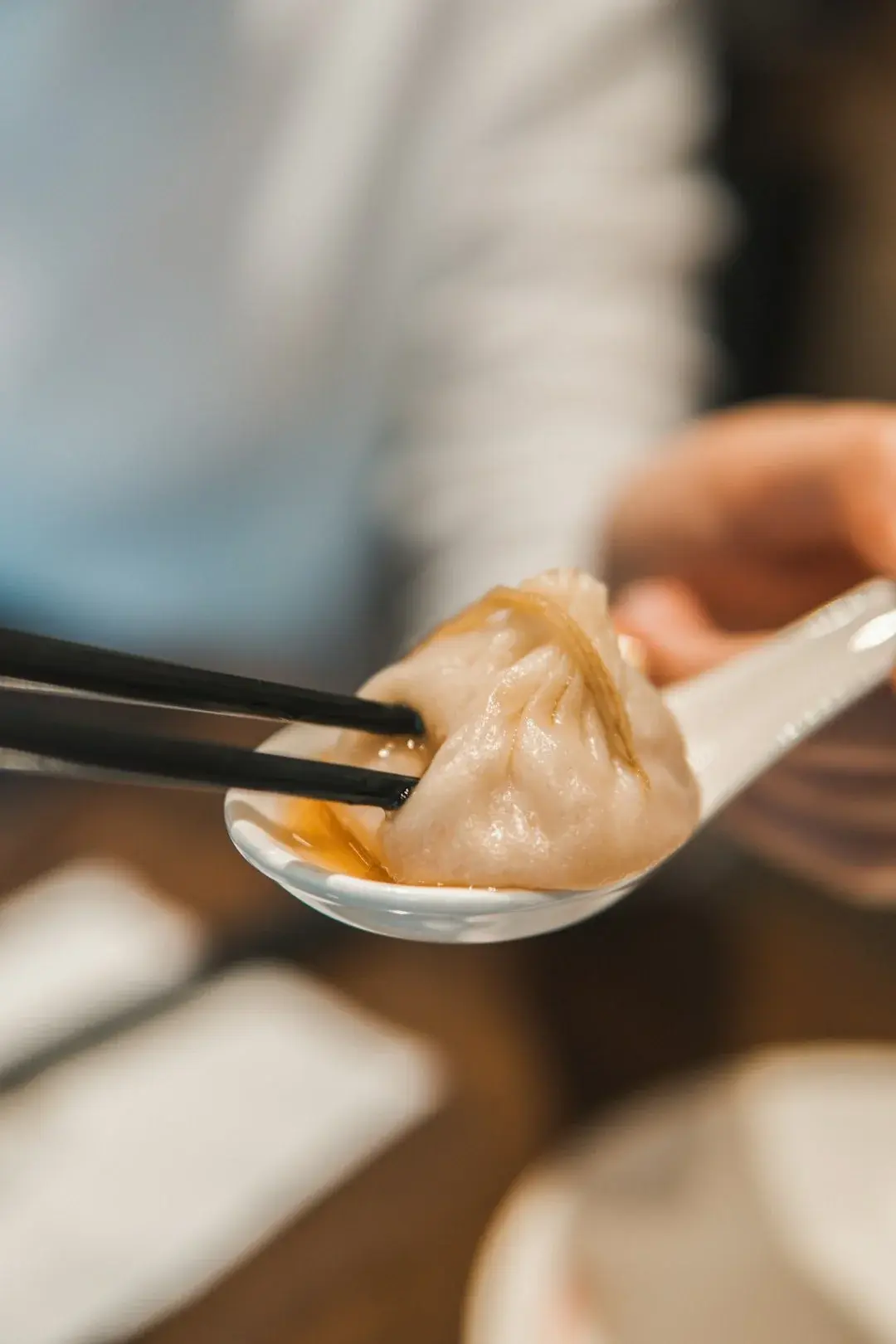
| Ravioli | Bolliti o al vapore, di solito maiale e verdure; il preferito dei bambini | 饺子 (jiǎozi) | Basso (la salsa è a parte) |
| Congee | Zuppa di riso delicata, gentile con lo stomaco, comune a colazione | 粥 (zhōu) | Nessuno |
| Riso saltato con l'uovo | Semplice, saziante, quasi universale | 蛋炒饭 (dàn chǎofàn) | Molto basso |
| Uovo al vapore | Crema salata setosa, morbida per i più piccoli | 蒸蛋 (zhēng dàn) | Nessuno |
| Tofu | Morbido o fritto; delicato — ma controlla che non sia un brasato piccante alla mapo | 豆腐 (dòufu) | Basso-medio (dipende dal piatto) |
| Verdure saltate | Verdure a foglia saltate all'aglio | 炒青菜 (chǎo qīngcài) | Basso |
| Frutta fresca | Frutta tagliata, anguria ecc. da banchi e negozi | 水果 (shuǐguǒ) | Nessuno |
Due piatti che sembrano sicuri per i bambini ma non sempre lo sono: il tofu (un brasato mapo piccante è comune — specifica una versione in bianco) e qualsiasi cosa descritta come piatto freddo (凉菜), spesso sott'aceto o condito al peperoncino. Nel dubbio, ordina dalla tabella qui sopra e affiancale un piatto «avventura».
Come si ordina per i bambini in Cina? (Frasi e strategia)
Tutto ruota attorno a una frase — bù là (不辣, «non piccante») — più una manciata di alternative per le cose specifiche che fanno inciampare le famiglie. Non serve parlare mandarino; mostrare i caratteri al personale funziona, e molti locali usano ormai menu con QR code e traduzione integrata.
| Obiettivo | Di' / mostra questo | Perché conta |
|---|---|---|
| Non piccante | 不辣 (bù là) | La frase più utile in assoluto; funziona in tutto il Paese |
| Niente pepe che intorpidisce | 不要花椒 (bù yào huājiāo) | Il pepe del Sichuan intorpidisce la bocca: è cosa diversa dal piccante del peperoncino |
| Riso in bianco, per favore | 一碗白米饭 (yī wǎn bái mǐfàn) | Garantisce un carboidrato di ripiego in tavola |
| Solo noodle, senza brodo | 干拌面,不要汤,只要面 (gānbàn miàn, bù yào tāng, zhǐ yào miàn) | Altrimenti i noodle arrivano spesso immersi nel brodo |
| Brodo dell'hot pot diviso | 鸳鸯锅 (yuānyāng guō) | Un lato delicato, uno piccante: la chiave dell'hot pot con i bambini |
| Meno/niente glutammato | 少放味精 / 不放味精 (shǎo fàng wèijīng / bù fàng wèijīng) | Chiedilo se ci tieni; non tutte le cucine possono accontentarti |
| C'è un menu per bambini? | 有儿童餐吗?(yǒu értóng cān ma?) | Alcuni locali per famiglie e catene ce l'hanno; molti no |
Alcune tattiche collaudate sul campo, importanti quanto le parole:
- Ordina per primo il ripiego. Metti subito in tavola una ciotola di riso in bianco o di noodle in bianco, così un bambino schizzinoso non resta mai ad aspettare senza nulla da mangiare.
- Ordina di più di proposito. Poiché il cibo costa poco, ordinare quattro o cinque piattini perché ognuno trovi qualcosa è un pregio, non uno spreco.
- Fidati dei menu con le foto più che delle traduzioni. I nomi dei piatti cinesi sono notoriamente poetici e dicono poco su ciò che arriva; una foto è molto più affidabile della traduzione letterale di un'app.
- Porta degli snack. Frutta, biscotti e bevande allo yogurt dei minimarket coprono il vuoto quando un pasto tarda.
I bambini possono mangiare l'hot pot? (Sì — ecco come)
<!– img: tavily / / query=Chinese hot pot split pot yuanyang –>
Sì, i bambini possono mangiare l'hot pot, e spesso è uno dei momenti migliori del viaggio: il trucco è una pentola divisa (鸳鸯锅, yuānyāng guō) con un brodo chiaro e delicato da un lato e quello infuocato dall'altro. I bambini cuociono e mangiano dal lato delicato; gli adulti accanto vivono l'esperienza completa.
Ordina un brodo chiaro di ossa, funghi o pomodoro sul lato del bambino e cuocici gli ingredienti gentili: fettine sottili di manzo, polpettine di pesce, tofu, noodle, mais, fette di patata, funghi e verdure a foglia. Frattaglie, trippa e tutto ciò che è molto saporito restano sul lato piccante, per gli adulti. Come a ogni pasto, ordina una ciotola di riso in bianco o un panino liscio come ripiego garantito, e inizia con meno piatti di ingredienti di quanti pensi servano: si può sempre aggiungere.
Poiché una pentola bollente sta al centro del tavolo, un po' di attenzione ai posti fa la differenza: metti i bambini piccoli all'interno (contro il muro), lontano dal bordo della pentola, lascia raffreddare il cibo prima che arrivi nella loro ciotola, e per gli under 5 fai cuocere a un adulto. Se un bambino prende comunque un boccone di brodo piccante, offri riso, pane o una bevanda a base di latte anziché acqua. Il ritmo lento e manuale dell'hot pot — scegli, immergi, guarda cuocere, ripesca — tiene l'attenzione dei bambini molto più a lungo di un ristorante normale, ed è proprio per questo che funziona. Per il contesto più ampio del sud-ovest piccante, vedi la  guida di Chongqing e, per un'introduzione più dolce alla cucina del Sichuan, la guida di Chengdu.
E i bambini schizzinosi in Cina?
Un bambino schizzinoso si gestisce meglio in Cina che nella maggior parte delle destinazioni, proprio perché i carboidrati sicuri sono economici, semplici e ovunque. La strategia è appoggiarsi a un piccolo insieme di certezze anziché combattere per la varietà a ogni pasto.
- Ancora ogni pasto a una quantità nota — riso in bianco, noodle in bianco, panini o ravioli — e tratta tutto il resto come extra facoltativi.
- Sfrutta la novità. Le bacchette (porta quelle da allenamento se le hai), gli spiedini di strada scelti a mano e le crêpe da comporre trasformano il mangiare in gioco, il che scioglie i bambini prudenti.
- Abbassa la posta con il prezzo. Quando un piatto rifiutato costa pochissimo, non c'è pressione perché un bambino lo finisca, e provare cose nuove diventa sicuro per tutti.
- Tieni una scorta familiare in borsa. Qualche snack da casa per i primi giorni ammorbidisce il passaggio senza diventare l'intera dieta.
Se davvero finisci le opzioni, le grandi città hanno note catene internazionali di fast food e le colazioni degli alberghi: una valvola di sfogo ragionevole, meglio tenuta come riserva che come scelta predefinita.
Perché la colazione ha un sapore così diverso?
La colazione cinese è salata, non dolce — congee, panini, latte di soia, crêpe salate e noodle — il che può sorprendere i bambini che si aspettano cereali o brioche. Raramente è un problema, ma vale la pena segnalarlo perché la prima mattina non sia uno shock.
Le colazioni più adatte ai bambini sono il congee (delicato e morbido), i panini al vapore lisci o ripieni, una crêpe di strada salata a base di uovo (煎饼, jiānbing, che puoi chiedere non piccante), il latte di soia (豆浆, dòujiāng) e la frutta fresca. Minimarket e buffet degli alberghi coprono ogni lacuna, e il buffet di un albergo di fascia media o internazionale offre di solito una proposta occidentale accanto a quella cinese.
La cucina cinese è sicura e igienica per i bambini?
Come regola generale, il cibo dei posti affollati e ad alto ricambio è tuo amico, mentre l'acqua richiede attenzione. Le abitudini qui sotto sono una pratica prudente e sensata; per qualsiasi cosa medica, rivolgiti a un medico o a un farmacista. Dove mangiano molti abitanti del posto (e i loro figli), il cibo viene cucinato fresco e si muove in fretta, che è esattamente ciò che vuoi.
Abitudini sensate e prudenti:
- Bevi solo acqua in bottiglia o bollita, mai del rubinetto; usala anche per lavare i denti. I ristoranti servono per impostazione predefinita acqua bollita calda o tè.
- Preferisci cibo appena cotto e bollente a qualsiasi cosa lasciata a temperatura ambiente, e la frutta tagliata che hai visto preparare rispetto a porzioni già sbucciate di età ignota.
- Con i bambini molto piccoli attenzione al pesce intero: in Cina è spesso servito con le lische, un rischio di soffocamento; ordina un piatto senza lische o diliscalo tu.
- Le allergie sono l'unico ambito in cui essere rigidi. Arachidi, sesamo, soia e crostacei sono comuni e l'etichettatura degli allergeni non è standardizzata, quindi un bambino con un'allergia grave ha bisogno di una scheda scritta in cinese e, idealmente, del farmaco d'emergenza prescritto con sé. Per qualsiasi allergia, condizione medica, o se un bambino sviluppa un disturbo gastrointestinale che non si risolve in fretta, consulta un medico o un farmacista — le farmacie (药店, yàodiàn) sono diffuse, ma i sintomi seri richiedono cure adeguate.
Sulla molto dibattuta questione del glutammato: è ampiamente usato nella cucina cinese e, se preferisci evitarlo, puoi chiederlo (vedi la tabella delle frasi). Per inquadrarlo, la Food and Drug Administration statunitense classifica il glutammato come «generalmente riconosciuto come sicuro» ai normali livelli di consumo (FDA, «Questions and Answers on Monosodium Glutamate», 2012, rivisto in seguito). Se in famiglia c'è una sensibilità specifica, chiedi e pianifica di conseguenza; altrimenti per la maggior parte dei bambini non è una questione di sicurezza.
Domande frequenti
Quali piatti cinesi vanno bene per i bambini?
Le certezze sono riso al vapore, noodle in bianco, panini al vapore (mántou/bāozi), ravioli (jiǎozi), congee, riso saltato con l'uovo, uovo al vapore, tofu in bianco e frutta fresca. Tutti delicati, morbidi e in vendita quasi ovunque, così un bambino ha sempre qualcosa di familiare su cui ripiegare.
I bambini possono mangiare l'hot pot in Cina?
Sì. Ordina una pentola «yuanyang» divisa (鸳鸯锅) con brodo chiaro e delicato da un lato e cuocici per il bambino ingredienti gentili — fettine di manzo, polpettine di pesce, tofu, noodle, mais, verdure. Tieni il brodo piccante dal lato degli adulti e siedi i più piccoli lontano dal bordo della pentola.
Come ordino cibo non piccante per mio figlio?
Di' o mostra bù là (不辣, «non piccante»); aggiungi bù yào huājiāo (不要花椒) per evitare il pepe del Sichuan che intorpidisce. Anche nel Sichuan e a Chongqing le versioni delicate sono la norma e il personale è abituato alla richiesta. Ordinare una ciotola di riso in bianco come riserva è una buona abitudine.
Che cosa dovrebbero mangiare i bambini schizzinosi in Cina?
Ancora ogni pasto a un carboidrato noto — riso in bianco, noodle in bianco, panini o ravioli — e considera gli altri piatti facoltativi. Poiché il cibo costa poco, puoi ordinare in eccesso perché ci sia sempre qualcosa che accettano, e la novità delle bacchette e degli spuntini di strada spesso convince i più prudenti ad assaggiare di più.
Il cibo di strada in Cina è sicuro per i bambini?
Il cibo di banchi affollati e ad alto ricambio, dove puoi vederlo cucinare al momento, è in genere una scelta solida, e ciò che è appena cotto e bollente è il più sicuro. Attieniti all'acqua in bottiglia o bollita. Per un bambino con stomaco delicato o allergie gravi, preferisci ristoranti consolidati e rivolgiti a un farmacista o a un medico se sorgono problemi.
In conclusione, far mangiare i bambini in Cina
Far mangiare i bambini in Cina si rivela una delle parti più facili di un viaggio in famiglia, non una di quelle spaventose. Gli alimenti base sono delicati e universali, i prezzi rendono l'esplorazione priva di rischi, e l'unica vera variabile — il piccante — si risolve con una frase e, per l'hot pot, con una pentola divisa. Arriva con un paio di carboidrati di riserva in mente, tieni l'acqua in bottiglia e sii rigido solo dove conta: le allergie.
Per il quadro più ampio del viaggiare con i bambini — sicurezza, bagni, treni e quali età viaggiano meglio — vedi la guida alla Cina con i bambini. Per pianificare il sud-ovest più piccante, abbinala alla guida di Chengdu e alla guida di Chongqing, dove una cena con la pentola divisa è un vero momento clou per la famiglia.