




 18 giorni Cina, da capo a fondo Pechino → Xi'an → Chuanzhusi → Jiuzhaigou → Chengdu → Zhangjiajie → Guilin → Yangshuo → Shenzhen Da $6,360 Vedi itinerario
  14 giorni A cosa serve ogni città Pechino → Xi'an → Chengdu → Shanghai → Shenzhen → Canton Da $5,030 Vedi itinerario
  19 giorni A valle del futuro Shenzhen → Guilin → Yangshuo → Chengdu → Chongqing → Yichang → Shanghai Da $5,360 Vedi itinerario
  5 giorni A valle, poi in salita Guilin → Yangshuo Da $1,600 Vedi itinerario
  8 giorni Acqua tranquilla, città veloce Shanghai → Yangshuo → Shenzhen Da $2,350 Vedi itinerario
Aeroporto di Daxing o di Capital: in quale atterrare? (Guida PKX 2026)
L'aeroporto di Daxing (PKX) è la scelta più recente e tranquilla, situata a sud; l'aeroporto di Capital (PEK) è più vecchio, più vicino e gestisce ancora la maggior parte dei voli a lunga distanza. Atterrate in base alla compagnia aerea e al lato della città dove vi fermate — non in base a quale appare più vicino su una mappa. Questa guida aiuta a prendere questa decisione, poi vi porta in città senza errori costosi.
Beijing ha due grandi aeroporti internazionali e scegliere tra loro confonde più i visitatori di prima visita che quasi qualsiasi altra parte del viaggio in Cina. Da quando Daxing è aperto nel 2019, più compagnie aeree internazionali si sono trasferite a sud verso PKX, e le ricerche per l'aeroporto continuano ad aumentare — ma molte guide confrontano i due airports superficialmente o spiegano i treni senza mai aiutarvi a decidere. Questa fa entrambe le cose.
Una nota di sincerità all'inizio. LyrikTrip organizza viaggi privati in Cina, quindi gestiamo i prelievi aeroportuali sia a PKX che a PEK. Questo non ci dà motivo di spingerti verso un aeroporto piuttosto che un altro, ma ogni motivo per dirti chiaramente quando Capital è la scelta migliore per il tuo soggiorno, o quando i due aeroporti sono una trappola che non dovresti mai collegare nello stesso giorno. Le tariffe e i tempi di viaggio qui sotto sono verificati contro Beijing Subway, China Railway (12306) e fonti aeroportuali ufficiali aggiornate a luglio 2026; le figure dipendenti dal traffico stradale (taxibus, autobus) possono ancora variare, quindi conferma prima di viaggiare.
Punti salienti
- Lascia che la tua compagnia aerea e il tuo hotel decidano, non la distanza. Se il tuo volo intercontinentale utilizza Capital (PEK), atterrerà a Capital; se utilizza Daxing (PKX), atterrerà a Daxing. Solo quando hai una scelta reale conta il criterio di cui sotto.
- Daxing è più lontano sulla carta ma non nella pratica. PKX si trova circa 46 km a sud del centro di Beijing rispetto ai circa 25 km a nord-est di PEK (secondo i siti ufficiali degli aeroporti), ma l'Express dell'Aeroporto di Daxing copre il tragitto in 19–20 minuti — spesso raggiungendo la città più in fretta di un taxi congestionato di Capital.
- L'Express dell'Aeroporto di Daxing è il modo predefinito per arrivare in città — circa 19–20 minuti fino a Caoqiao, poi un cambio alla Metropolitana Linea 10. La Metropolitana Linea 19, il treno ad alta velocità verso Beijing West, i taxi e gli autobus aeroportuali sono tutti backup per esigenze specifiche.
- Non mai prenotare uno stesso giorno un trasferimento tra i due aeroporti su biglietti separati. PKX e PEK si trovano su lati opposti di Beijing — circa 80 km in auto, senza collegamenti diretti ad alta velocità — quindi un ritardo può facilmente far perdere il volo successivo.
- PKX è un unico terminal a forma di "stella marina" di Zaha Hadid (~700.000 m², aperto nel 2019), uno dei più al mondo, tranquillo e veloce attraverso l'immigrazione, con il gate più lontano a meno di 8 minuti a piedi dal centro — vale la pena arrivare un po' prima per vederlo.
- Conferma le figure dipendenti dal traffico prima di viaggiare. Taxi e autobus variano a seconda del traffico, quindi considerali come approssimativi; i prezzi e gli orari ferroviari qui sotto sono verificati a luglio 2026.
Daxing o Capitale — Qual è l'aeroporto di Beijing in cui atterrare?
Se il tuo volo intercontinentale offre entrambi i servizi, l'aeroporto di Capitale (PEK) è più vicino al centro di Beijing (~25 km) e gestisce ancora la maggior parte dei voli dall'Europa e dall'America del Nord; Daxing (PKX) è più a sud (~46 km), ma è più nuovo, tranquillo e più veloce attraverso l'immigrazione — ed è solo a circa 20 minuti dalla città con il suo Aeroporto Express. Lascia che la tua compagnia aerea e dove alloggi decidano, non solo la distanza. La maggior parte dei viaggiatori non ha davvero una scelta libera: la tua compagnia aerea atterra in un aeroporto specifico, e questo decide tutto. Questa tabella è per la minoranza che può davvero scegliere e per chi deve decidere quale volo prenotare per primo.
| Fattore | Daxing (PKX) | Capital (PEK) |
|---|---|---|
| Distanza e direzione verso il centro di Pechino | ~46 km, esattamente a sud | ~25 km, nordest |
| Modo più veloce per entrare in città | Daxing Airport Express a Caoqiao, 19–20 min | Capital Airport Express a Dongzhimen, ~20–30 min (indicativo) |
| Tariffa express | ¥35 a Caoqiao (ordinario), ¥50 business fisso | ~¥25 (indicativo, conferma prima del viaggio) |
| Esperienza al terminal | Nuovo terminal a forma di "stella marina" (2019), tranquillo, controllo facciale rapido | Tre terminal più vecchi (T1/T2/T3), più affollato, navetta tra i terminali necessaria |
| Copertura internazionale a lungo raggio | Rotta oggi, ma in crescita mentre le compagnie si trasferiscono | La maggior parte dei voli a lungo raggio Europa / America del Nord è ancora qui |
| Miglior per | Arrivo moderno e tranquillo; soggiorni a sud o ovest; collegamenti ad alta velocità | La maggior parte dei viaggiatori a lungo raggio; soggiorni a nord-est o centro di Pechino |
Leggi la tabella in questo modo. Prima, volare nell'aeroporto utilizzato effettivamente dalla tua compagnia aerea a lungo raggio — questo decide per la maggior parte delle persone. Second, controlla da che parte della città si trova il tuo hotel: PEK favorisce il nordest (Sanlitun, CBD, la via dell'aeroporto), mentre PKX favorisce il sud, l'ovest e chi prende un treno ad alta velocità. Terzo, se hai davvero una scelta libera, PKX è un arrivo più fluido — più nuovo, tranquillo e veloce da sbrigare.
Scegli PKX se la tua compagnia aerea di lungo raggio vi opera, se ti fermi a sud o ovest della città, se prendi un treno ad alta velocità da Pechino Ovest il giorno dopo, o se semplicemente vuoi un arrivo calmo, moderno e con immigrazione veloce in un edificio degno di essere visto. Scegli PEK se il tuo volo dall'Europa o dall'America del Nord vi atterra ancora lì, se ti fermi a nord-est o al centro di Pechino, o se vuoi la più ampia gamma di collegamenti di lungo raggio. L'unica cosa da non fare è scegliere solo sulla distanza — come spiega la sezione successiva, quel numero è fuorviante.
Daxing Airport è lontano da Pechino? (Risposta onesta)
Sì per carta, no in pratica. A circa 46 km dal centro, Daxing è davvero più lontano dai ~25 km di Capital — ma l'espresso dell'aeroporto di Daxing annulla gran parte di questa differenza, coprendo il tragitto Caoqiao in 19–20 minuti a velocità fino a 160 km/h (Metropolitana di Pechino, verificato 2026-07). In termini reali, PKX raggiunge spesso parti del centro di Pechino più velocemente di un taxi di Capital che si addentra nel traffico mattutino del nord-est. La mappa e il tempo che effettivamente trascorri sono due cose diverse.
L'avvertenza onesta riguarda la direzione, non la distanza. Daxing è esattamente a sud e Capital a nord-est, quindi "quale è più vicino" dipende interamente da dove stai andando. Se il tuo hotel è a nord-est — Sanlitun, il quartiere delle ambasciate, il corridoio dell'aeroporto — PEK è effettivamente più vicino ed è una scelta migliore. Se ti trovi a sud o a ovest, collegandoti dalla stazione ferroviaria di Pechino Ovest, o dirigendoti verso una località ben servita dal sud della città, PKX può essere l'arrivo più conveniente nonostante il numero maggiore. Non lasciare che "46 km" ti scoraggi prima di aver controllato in quale direzione stai effettivamente viaggiando. La sezione successiva spiega esattamente come fare quel tragitto dall'aeroporto al centro della città.
Come si arriva dall'aeroporto di Daxing al centro di Pechino?
L'espresso dell'aeroporto di Daxing è il percorso più veloce e semplice — 19–20 minuti alla stazione di Caoqiao, dove si cambia per la Metropolitana Linea 10, per ¥35 a Caoqiao (classe ordinaria). La Metropolitana Linea 19 è un'opzione ferroviaria più economica, il treno ad alta velocità ti porta a Pechino Ovest e un taxi impiega circa 60–90 minuti a seconda del traffico. I tariffe ferroviarie e i tempi sono verificati a luglio 2026 (Metropolitana di Pechino / China Railway 12306); i tempi di taxi e autobus dipendono dal traffico, quindi considerali come approssimativi.
| Opzione | Tempo in città | Costo (RMB) | Dove / note | Miglior per |
|---|---|---|---|---|
| Daxing Airport Express | 19–20 min a Caoqiao | ¥10 (Daxing Xincheng) / ¥35 (Caoqiao) ordinario; ¥50 business fisso | Livello B1, seguire i segnali "Airport Express"; cambio alla Metropolitana Linea 10 a Caoqiao | Più veloce e semplice — la maggior parte dei viaggiatori |
| Metropolitana Linea 19 | ~24–30 min tramite cambio a Caoqiao | ~¥39–41 totale | Ferrovia più economica; connette alla rete metropolitana più ampia | Viaggiatori con budget che non sono di fretta |
| Treno ad alta velocità (linea Jingxiong) | 20–30 min a Pechino Ovest | ¥30 (2ª classe)–¥90 (business) | Arriva alla Stazione ferroviaria di Pechino Ovest | Viaggiatori in treno ad alta velocità successivi, alloggi a ovest |
| Taxi | ~60–90 min | ~¥150–250 (dipendente dal traffico) | Classificazione ufficiale 24/7; usare solo la fila contrassegnata | Gruppi, arrivi tardivi, bagagli pesanti |
| Autobus aeroportuale | ~80–120 min | ~¥25–60 | Vari autobus verso stazioni e distretti principali | Diretto a una stazione specifica, budget |
Daxing Airport Express (predefinito)
Per quasi tutti, questa è la risposta. La piattaforma Express si trova al livello B1 del centro di trasporto terrestre — segui i segnali "Airport Express" in discesa dagli arrivi. I treni circolano ogni 8,5-10 minuti, con un orario di servizio dalle 06:00 alle 22:30 dalla città e dalle 06:00 alle 23:00 dall'aeroporto (Metropolitana di Pechino, verificato luglio 2026). La tariffa aumenta in fasce di distanza piuttosto che essere fissa, quindi un breve tragitto verso Daxing Xincheng costa ¥10 mentre l'intero percorso fino a Caoqiao costa ¥35 in classe ordinaria (¥50 in classe business) — un dettaglio che la maggior parte delle guide trascura. Impiegherai circa 19-20 minuti per arrivare a Caoqiao, poi attraversa la piattaforma per collegarti alla Metropolitana Linea 10, che si dirama nel resto della città.
Metropolitana Linea 19 (la opzione economica)
Anche la Linea 19 serve l'area aeroportuale e scambia a Caoqiao, quindi è un modo più lento ma più economico per entrare nella rete metropolitana. Ti aspettano uno scambio e un viaggio complessivo più lungo rispetto all'Express. È la scelta quando ogni yuan conta e non hai fretta.
Treno ad alta velocità verso Pechino Ovest
La linea intercity Jingxunga collega direttamente l'Aeroporto di Daxing con la Stazione Ferroviaria di Pechino Ovest in 20-30 minuti, con prezzi da ¥30 in seconda classe fino a ¥90 in classe business (China Railway 12306, verificato luglio 2026). È la scelta più pulita se ti fermi sul lato ovest o se devi collegarti con un altro treno ad alta velocità per un'altra città cinese il giorno dopo — arrivi già in un importante nodo ferroviario.
Taxi e app per taxi
Un taxi è l'opzione porta a porta per gruppi, arrivi notturni o chi ha bagagli pesanti, con una durata di circa 60-90 minuti e una tariffa compresa tra ¥150 e ¥250, a seconda del traffico e della destinazione (da confermare prima del viaggio). Utilizzate esclusivamente la fila ufficiale contrassegnata per i taxi e rifiutate chiunque vi si avvicini all'interno dell'aeroporto offrendo un passaggio — i venditori abusivi sono l'unico pericolo evitabile qui. Per istruzioni passo-passo su come acquistare biglietti per qualsiasi mezzo di trasporto, controllate al vostro arrivo i cartelli informativi e le indicazioni dell'app, poiché stazioni e sistemi di pagamento vengono aggiornati regolarmente.
Avviso — Non Prenotare un Trasferimento Stesso Giorno tra Daxing e Capital
Evitate di prenotare un itinerario stesso giorno che colleghi PKX e PEK con biglietti separati. I due aeroporti si trovano su lati opposti di Pechino — circa 80 km in auto, da 1,5 a oltre 2 ore attraversando la città, senza collegamento diretto ad alta velocità — quindi un singolo ritardo può facilmente farvi perdere il volo. Questo è l'errore che nessuna guida concorrente mette in evidenza, ed è proprio quello che potrebbe farvi perdere un intero biglietto internazionale.
Ecco perché può essere problematico. Se prenoti due biglietti separati, le compagnie aeree non sono responsabili se il primo volo è in ritardo — non c'è connessione protetta, né rimbocco, né trasferimento dei bagagli. Devi recuperare i tuoi bagagli in un aeroporto, attraversare tutta Pechino, poi riprendere il check-in e superare la sicurezza nell'altro. Il traffico dell'ora di punta può far durare un viaggio di 70 minuti più di due ore. "Pechino a Pechino" su un sito di prenotazione non significa lo stesso aeroporto, e sono proprio coloro che lo assumono a rimanere bloccati.
| Se devi muoverti tra i due aeroporti | Buffer minimo realistico | Percorso migliore | Trappola da ricordare |
|---|---|---|---|
| Biglietto unico (con check-through, una prenotazione) | Lascia un buffer generoso — mezza giornata è più sicura di qualsiasi finestra stretta | Coach o taxi interaeroporto (~70 min in traffico leggero, più lungo nei picchi) | "Pechino" ≠ stesso aeroporto — controlla sempre il codice PKX/PEK |
| Biglietti separati (self-connecting, senza protezione) | Mezza giornata minima, inclusi check-in, security e trasferimento in città | Taxi più stabile (tariffa intorno a ¥300–400, indicativa); la metropolitana richiede più cambi di linea | Il traffico di punta può raddoppiare il tempo di viaggio — un volo perso è interamente a tuo carico |
| Hai una notte libera | Trascorri la notte tra i due aeroporti o nel sud della città | Trasferisciti il giorno successivo con calma | È sempre meglio che scommettere sul traffico dello stesso giorno |
Il consiglio più semplice è il più sicuro: preferisci un itinerario con un solo aeroporto o una prenotazione come biglietto protetto unico, e non assumere mai che due voli per "Pechino" utilizzino lo stesso terminal. Se puoi lasciare una notte in mezzo, fallo — è più economico di un biglietto acquistato sul posto. Segnaliamo questa trappola in ogni prenotazione proprio perché nessuno sta vendendo nulla menzionandola; è semplicemente ciò che un visitatore alle prime armi ha più bisogno di sentire.
Terminali, architettura e cosa aspettarsi a PKX
Beijing Daxing è un unico vasto terminal a forma di stella di mare, progettato da Zaha Hadid Architects e aperto il 25 settembre 2019 (Xinhua; ZHA, verificato 2026-07). Con circa 700.000 metri quadrati, è uno dei più grandi terminal aeroportuali al mondo — a differenza dei tre edifici separati di Capital, tutto a PKX è sotto lo stesso tetto, quindi non serve prendere navette tra i terminal.
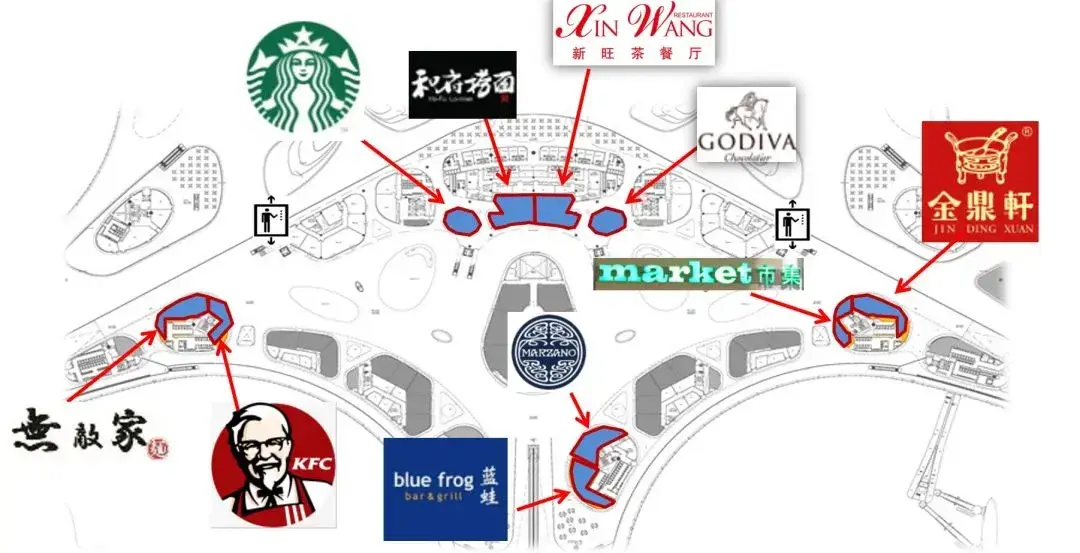
Il design non è solo per l'aspetto; è pratico. Le "dita" radiali si irradiano da un hub centrale, mantenendo brevi le distanze a piedi nonostante le enormi dimensioni dell'edificio — il gate più lontano è a meno di 8 minuti a piedi dal centro, quindi i trasferimenti a piedi sono più rapidi di quanto suggerisca l'impronta. Tuttavia, concediti del tempo: è un edificio grande e una punta lontana è pur sempre lontana. Ciò che i viaggiatori in arrivo notano per primi è quanto si sente calmo rispetto all'aeroporto di Capitale — immigrazione con riconoscimento facciale veloce, ampi corridoi tranquili e un unico centro integrato di trasporti terrestri al livello B1 dove convergono Airport Express, Metropolitana Linea 19, treni ad alta velocità e autobus aeroportuali.
Alcune cose da aspettarsi a PKX:
- Un terminal, nessun navetta — tutto è collegato internamente, rendendo gli arrivi e i trasferimenti più semplici rispetto a PEK.
- Immigrazione rapida — i corridoi con riconoscimento facciale tendono a muoversi più velocemente delle code più vecchie e affollate di Capitale.
- Trasporti terrestri tutti in un basemento — treno, metropolitana e autobus condividono il livello B1, quindi non devi uscire dall'edificio per trovare il tuo mezzo.
- L'edificio stesso è una vista — se hai una mattinata lenta prima del volo, il concourse a forma di stella marina vale davvero la pena di arrivare presto. Capacità e numeri dei passeggeri dell'aeroporto sono elevati ma cambiano anno su anno, quindi considera qualsiasi numero singolo che leggi come approssimativo.
Elementi essenziali dell'aeroporto — Sale, hotel, SIM, denaro e arrivo
Una lista di controllo pratica e veloce per il resto del tuo arrivo a PKX. Disponibilità e dettagli cambiano, quindi conferma i dettagli specifici vicino alla data del tuo viaggio.
- Sala d'attesa — PKX ha sale d'attesa nella zona delle partenze; l'accesso Priority Pass e alle sale varia in base all'operatore e all'anno, quindi controlla l'appelazione corrente della tua carta piuttosto che assumere la copertura.
- Hotel aeroportuali — poiché Daxing si trova relativamente isolato nel sud estremo, un hotel sul posto o vicino all'aeroporto vale davvero la pena per una partenza all'alba. Trascorrere la notte prima all'aeroporto è meglio scommettere sul traffico mattutino in città — stai acquistando tranquillità, non solo un letto.
- SIM, eSIM e WiFi — connettiti all'arrivo in modo che mappa, traduzione e app di trasporto funzionino dal momento del tuo atterraggio; un eSIM organizzato prima del volo è l'opzione più fluida.
- Denaro e pagamenti — la vita quotidiana in Cina si basa su app di pagamento mobile, e impostare Alipay o WeChat Pay con una carta straniera prima dell'arrivo save attrito reale; gli ATM sono disponibili in terminal come backup.
- Immigrazione e modulo di arrivo — le procedure di arrivo in Cina si sono spostate verso un modulo digitale di arrivo, e le regole cambiano, quindi leggi i requisiti attuali prima del volo. Vedi la nostra
 guida al modulo di arrivo in Cina su cosa compilare e quando.
 - Hai davvero bisogno di un visto per una sosta? — se Pechino è una tappa di transito, potresti qualificarti per la transizione senza visto anziché un visto completo, ma le finestre di eleggibilità e le condizioni cambiano; la nostra guida al visto di transizione in Cina spiega chi qualifica e come funziona.
Domande frequenti
Daxing o aeroporto di Capitale — quale dovrei usare? Usa quello nel quale il tuo aereo intercontinentale atterra, poi lascia che la posizione del tuo hotel decida il pareggio. Capitale (PEK) è più a nord-est e più vicino; Daxing (PKX) è più a sud ma è più nuovo, tranquillo e dista circa 20 minuti in città con l'Airport Express. Scegli solo in base alla distanza se tutto il resto è veramente uguale.
Come arrivo dal Daxing al centro di Pechino? L'Airport Express di Daxing è la scelta predefinita — circa 20 minuti a Caoqiao, poi un cambio per la Metropolitana Linea 10. La Linea 19 della metropolitana è più veloce e a basso costo, il treno ad alta velocità ti porta a Pechino Ovest, e un taxi impiega circa 60–90 minuti. Conferma le tariffe e gli orari prima del viaggio.
L'aeroporto di Daxing è lontano da Pechino? Più lontano di Capitale su carta — circa 46 km a sud rispetto ai 25 km a nord-est — ma nella pratica non lo è. L'Airport Express copre il percorso in 19–20 minuti, quindi PKX spesso raggiunge la città più in fretta di un taxi congestionato di Capitale. Qual è «più vicino» dipende da dove ti trovi a Pechino.
Quanto costa l'Airport Express di Daxing e quanto impiega? Il tragitto a Caoqiao dura 19–20 minuti. La tariffa aumenta in base alla fascia di distanza piuttosto che con un prezzo fisso: ¥10 per Daxing Xincheng, ¥35 per Caoqiosa in classe normale, o ¥50 per il prezzo fisso in classe business (Metropolitana di Pechino, verificato luglio 2026).
Posso trasferirmi tra Daxing e Capital lo stesso giorno? È rischioso e meglio evitare su biglietti separati. Gli aeroporti sono separati da circa 80 km su strade opposte di Pechino, senza collegamenti diretti ad alta velocità; un ritardo potrebbe farti perdere il secondo volo. Se devi farlo, lascia un buffer di mezza giornata, preferisci un biglietto continuo o trascorvi la notte tra i due.
Quale aeroporto usano la maggior parte dei voli internazionali? Capital (PEK) gestisce ancora la maggior parte delle rotte a lungo raggio verso Europa e Nord America, mentre Daxing (PKX) cresce mentre più compagnie aeree internazionali si spostano a sud. Controlla l'aeroporto di Pechino della tua compagnia aerea quando prenoti — è questo, non la distanza, che decide dove atterrerai.
Fare la Scelta
Due decisioni ti aiutano a risolvere il puzzle dei due aeroporti di Pechino. Prima, scegli il aeroporto in base alla tua compagnia aerea e al tuo hotel, non alla distanza — atterra in quello usato dal tuo volo a lungo raggio e, quando hai davvero una scelta, Daxing ti ricompensa con un arrivo più calmo e veloce. Seconda, usa l'espresso dell'aeroporto di Daxing come opzione predefinita, tenendo gli altri mezzi per esigenze specifiche. E porta con te un avvertimento sopra tutti: non rischiare un trasferimento lo stesso giorno con biglietti separati tra Daxing e Capital — sono separati da 80 km su strada e da tutta una città. Per una visione più ampia oltre Pechino, la nostra guida su quale aeroporto scegliere per la Cina si allarga alla scelta nazionale.
PKX è uno degli arrivi più facili in Cina — moderno, tranquillo, veloce da sdoganare e semplice da lasciare in treno. Quando sei pronto, LyrikTrip può organizzare un pick-up privato con un parlante inglese all'aeroporto di Beijing in cui atterri e costruire il tuo itinerario in base al tuo orario di arrivo reale, in modo che la logistica sia gestita prima che tu scenda dall'aereo. Dacci il tuo volo e ci pensiamo noi.