




 18 jours La Chine, d'un bout à l'autre Pékin → Xi'an → Chuanzhusi → Jiuzhaigou → Chengdu → Zhangjiajie → Guilin → Yangshuo → Shenzhen À partir de $6,360 Voir le circuit
 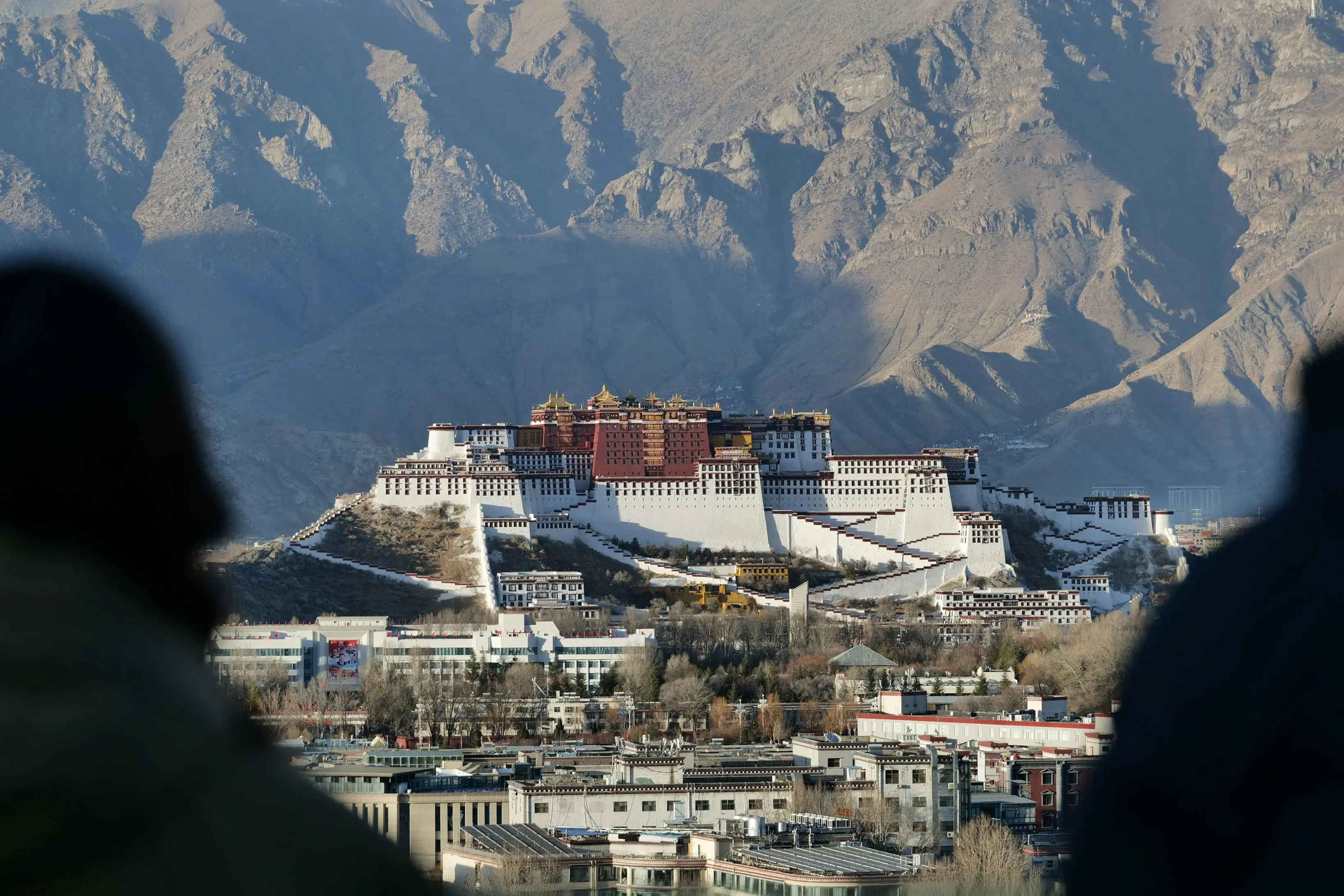 18 jours Air raréfié, puis niveau de la mer Pékin → Xi'an → Chengdu → Lhassa → Tchong-King → Yichang → Shanghaï À partir de $4,900 Voir le circuit
 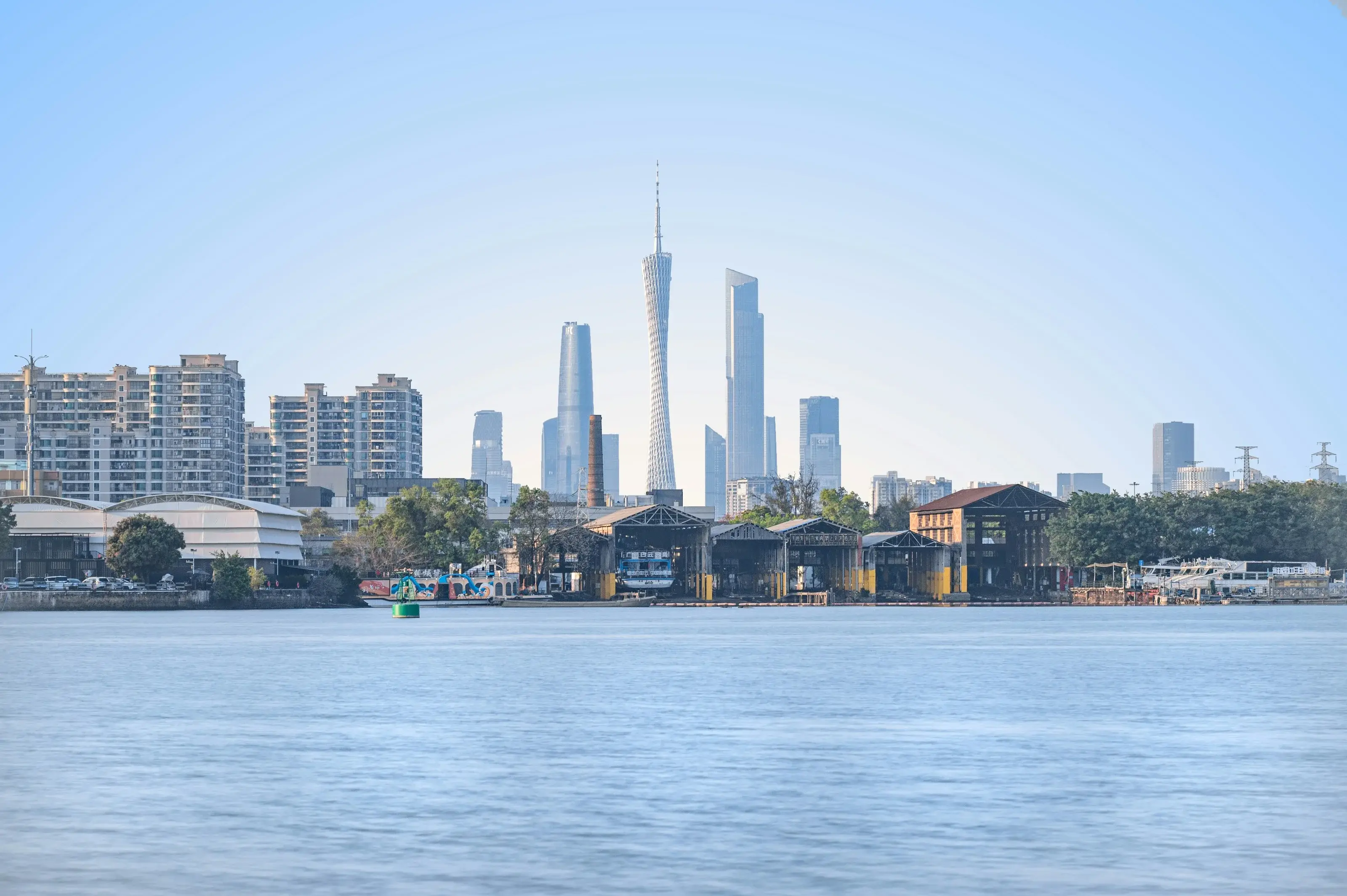 3 jours Après le dernier stand Canton À partir de $840 Voir le circuit
  5 jours Au-dessus des piliers, puis en dessous Zhangjiajie À partir de $1,430 Voir le circuit
 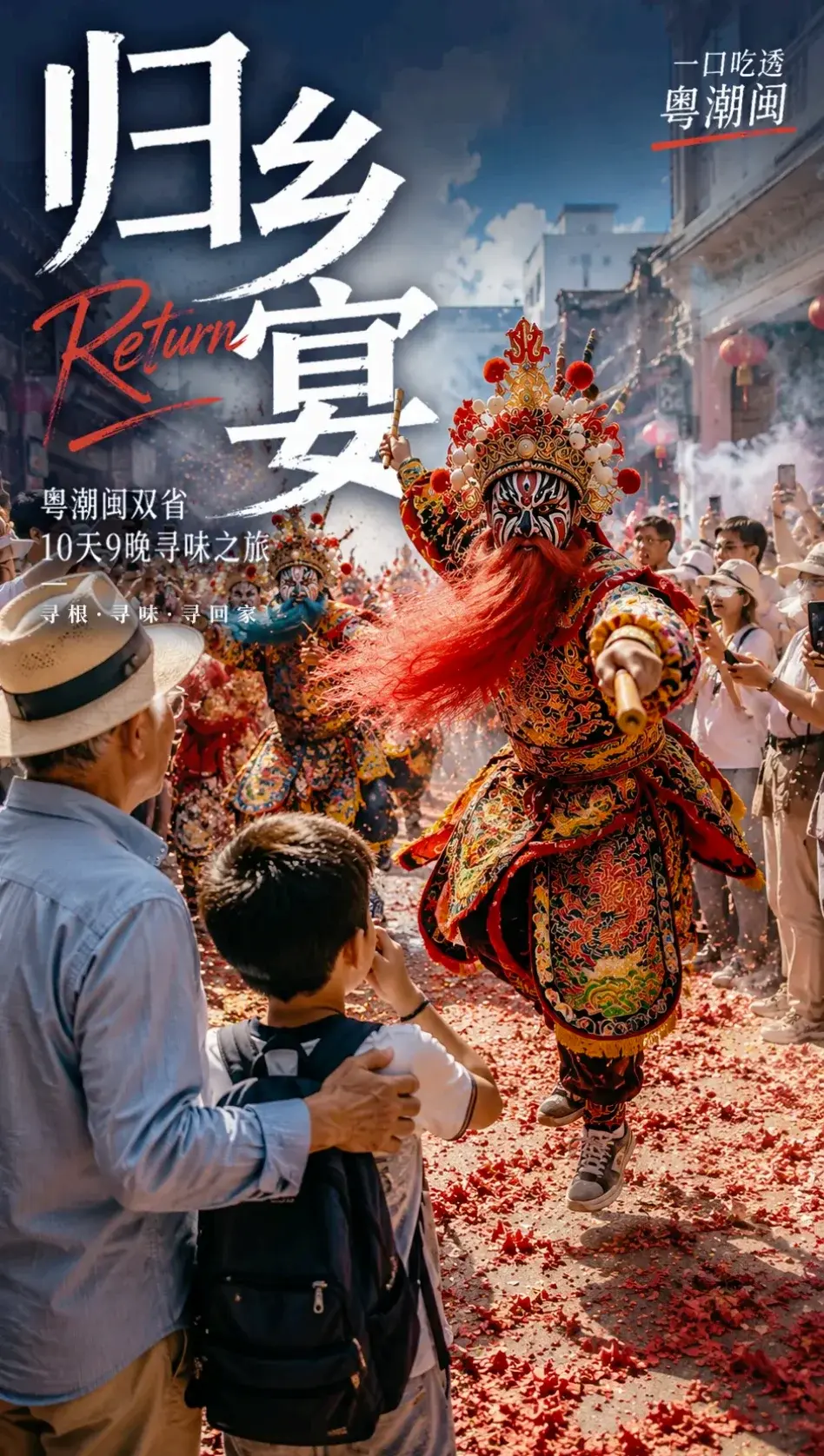 10 jours Banquet de retour au pays Canton → Shantou → Jieyang → Chaozhou → Quanzhou → Zhangzhou → Xiamen À partir de $4,000 Voir le circuit
Comment voyager léger en famille pour un séjour en Chine ?
Le secret pour voyager léger en famille en Chine est de cesser de faire ses valises pour les imprévus et de les faire pour deux ou trois jours — puis de se réapprovisionner sur place, car couches, lingettes, vêtements d'enfants, produits de toilette et médicaments sont partout et bon marché. La blanchisserie facile, la densité des commerces et des trains à grande vitesse pensés pour le bagage à main récompensent la famille qui voyage avec le moins.
Ceci est un guide pratique et indépendant pour les parents qui le font vraiment — pas un argumentaire d'équipement. L'idée centrale : la Chine est l'un des endroits les plus faciles au monde pour sous-emballer et compléter en route, donc la lourde valise qui vous effraie est facultative.
Points clés
- Emportez pour 2–3 jours, pas pour tout le séjour. Couches, lingettes, lait infantile, vêtements d'enfants et produits de toilette se vendent dans chaque ville chinoise : apportez un stock de départ et achetez le reste à l'arrivée.
- La lessive est simple et bon marché, donc trois ou quatre tenues combinables par personne suffisent. Service de l'hôtel, laveries en libre-service et lavage au lavabo de tissus à séchage rapide fonctionnent tous.
- Emballez par zone climatique, pas « au cas où ». La Chine va du Hainan tropical au Harbin subarctique ; un voyage qui mêle les deux, voilà ce qui fait exploser les bagages. Adaptez vos vêtements aux régions de cet itinéraire.
- Un porte-bébé bat généralement la poussette dans les villes chinoises bondées et pleines d'escaliers, et sur des sites comme la Grande Muraille ; la poussette gagne aux aéroports, dans les centres commerciaux et dans les stations balnéaires plates. Voir le tableau de décision plus bas.
- Les grosses valises à roulettes se battent contre les trains. La grande vitesse est réellement adaptée au bagage à main, mais la foule des gares, les escaliers du métro et les voitures pleines punissent les valises surdimensionnées — sacs souples et sacs à dos circulent mieux.
- Laissez 20 à 30 % de votre sac vide pour les en-cas, les couches supplémentaires et ce que les enfants voudront inévitablement acheter.
Pourquoi la Chine se prête-t-elle si bien au voyage léger ?
Parce que presque tout ce qui vient à manquer à une famille — couches, lingettes, vêtements de bébé, crème solaire, médicament contre le rhume, un T-shirt de plus — s'achète à pied et à bas prix dans n'importe quelle ville chinoise. L'instinct d'emporter quinze jours de fournitures « au cas où » est exactement ce qui alourdit les familles, et en Chine il se justifie rarement.
Supermarchés, pharmacies, supérettes et livraison par application (souvent dans l'heure) font que vous n'êtes jamais loin d'un réassort. Cela renverse tout le calcul : au lieu de demander « de quoi pourrions-nous avoir besoin pendant deux semaines ? », vous demandez « de quoi avons-nous besoin pour les deux ou trois prochains jours, avant la prochaine boutique ? ». La réponse tient dans un sac bien plus petit.
La seule réserve honnête concerne les produits précis. Les marques occidentales familières de lait infantile, certains médicaments ou une coupe de couche préférée peuvent coûter plus cher ou porter d'autres noms — emportez quelques jours de tout ce qui dépend d'une marque et traitez le réassort local comme la règle pour le reste. Pour les détails sur l'alimentation et les couches, voir le guide compagnon  Couches et soins de bébé en Chine.
Qu'acheter sur place plutôt que d'emporter ?
Emportez un court stock-relais de l'essentiel ; achetez sur place ce qui est volumineux, bon marché et facilement remplaçable. Transporter deux semaines de couches à l'autre bout du monde est l'excès de bagage familial le plus courant, et c'est du poids purement perdu.
| Article | À emporter | À acheter à l'arrivée | Pourquoi |
|---|---|---|---|
| Couches & lingettes | 1 à 2 jours | Le reste | Vendues partout, bon marché ; un stock pour tout le séjour est un poids mort volumineux |
| Lait infantile / petits pots | Quelques jours de votre marque habituelle | Compléter sur place si la marque est disponible | La continuité compte pour un bébé ; les stocks locaux varient — faites le pont puis vérifiez |
| Vêtements d'enfants | 3–4 tenues combinables | T-shirts, chaussettes en plus, une couche chaude si besoin | Bon marché et amusant à acheter ; les enfants se saliront de toute façon |
| Produits de toilette | Brosses à dents + un petit dentifrice | Shampoing, savon, crème solaire | Les hôtels fournissent le minimum ; le reste tient en un passage au supermarché |
| Médicaments de base | Traitements sur ordonnance + une petite trousse | Paracétamol, pansements, sels de réhydratation | Les produits sans ordonnance sont largement vendus ; n'emportez que ce qui vous est propre |
| Couche de pluie / chaude | Une couche compressible | Une pas chère en plus si la météo tourne | Évite d'emporter toute une garde-robe « pour le temps » |
Les prix de marques et d'articles précis changent constamment et varient selon la ville : considérez tout chiffre trouvé en ligne comme un ordre de grandeur, pas un coût fixe. Pour tout ce qui est médical — l'ordonnance d'un enfant, l'alimentation d'un nourrisson ou le dosage d'un médicament local inconnu — vérifiez auprès de votre pédiatre avant de vous y fier.
Poussette ou porte-bébé : lequel emporter en Chine ?
<!– img: unsplash / Aswin / query=baby carrier parent travel toddler –>
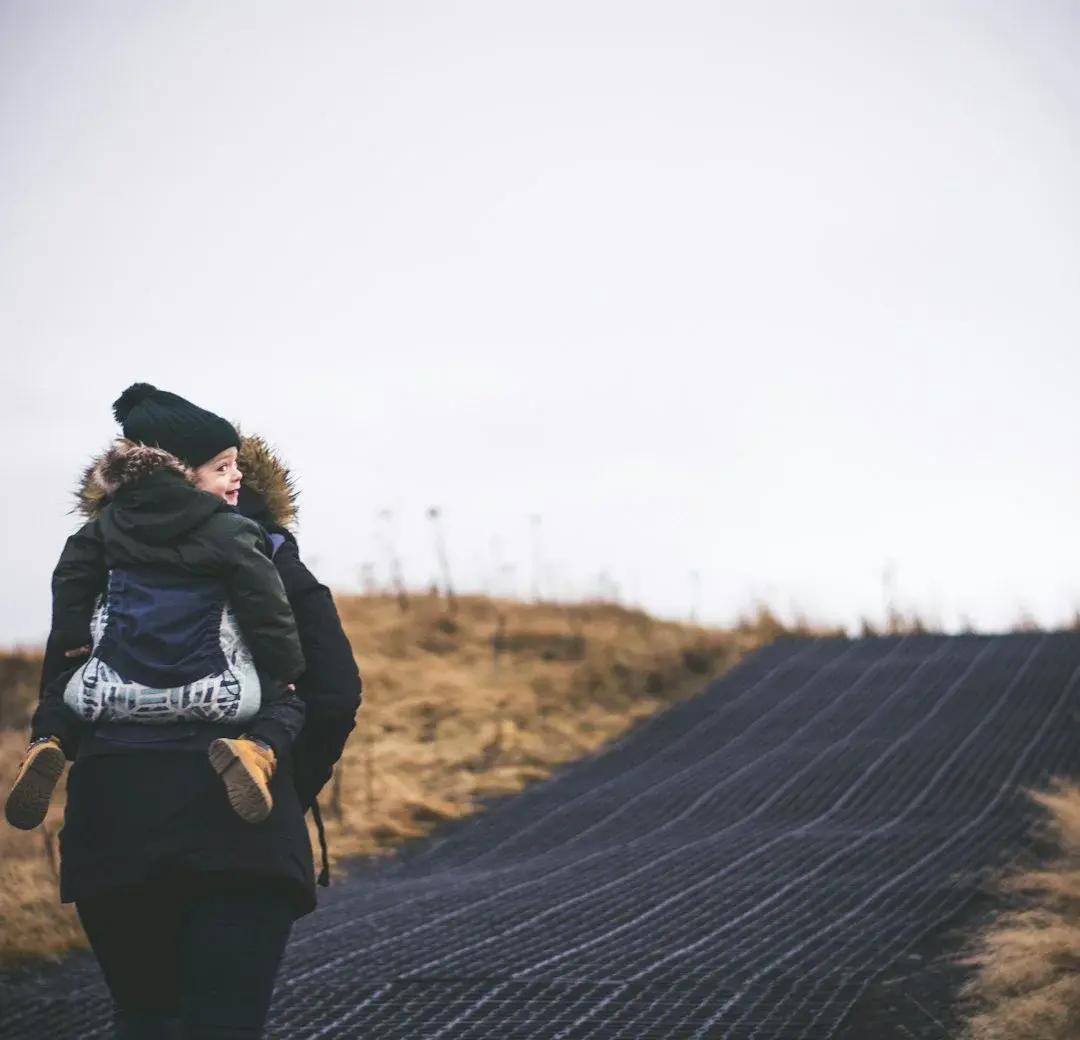
Pour la plupart des voyages en Chine, un porte-bébé souple bat la poussette, car les villes sont bondées et verticales — métros pleins, escaliers, trottoirs irréguliers et sites comme la Grande Muraille punissent les roues. La poussette gagne surtout dans les aéroports, les grands centres commerciaux et les zones balnéaires plates comme Hainan. Beaucoup de familles partent avec un porte-bébé compact par défaut et n'ajoutent une poussette pliante légère que si l'itinéraire s'y prête.
Le raisonnement rejoint celui du sac à dos contre la valise : un porte-bébé libère les mains, passe partout, permet à un enfant fatigué de dormir sur vous et ne demande jamais d'ascenseur. Une poussette porte les sacs et offre un siège à un bambin lourd — mais seulement là où le sol coopère.
| Situation | Gagnant | Pourquoi |
|---|---|---|
| Aéroport et terminaux | Poussette | Longues distances plates ; enregistrement gratuit en porte ; un endroit où garer un enfant endormi et les sacs |
| Métro avec escaliers / sans ascenseur | Porte-bébé | Beaucoup de stations ont des marches et de la foule ; poussette pliée plus enfant plus sacs, c'est la galère |
| Grande Muraille et marches de temples | Porte-bébé | Escaliers de pierre raides et irréguliers où les roues ne passent tout simplement pas |
| Villages et vieilles villes | Porte-bébé | Pavés, chemins de terre et ruelles étroites ont raison des petites roues |
| Longue journée de musée ou de centre commercial | Poussette | Sols plats et lisses ; l'enfant peut s'asseoir, dormir, et vous y accrochez les sacs |
| Station balnéaire plate (ex. Hainan) | Poussette | Promenades lisses et longues distances faciles conviennent aux roues |
| Bébé qui dort, en déplacement | Porte-bébé | La sieste se fait partout — en train, au restaurant, en marchant — sans transfert |
| Deux parents, un bambin lourd, plusieurs villes | Porte-bébé (+ poussette-canne en option) | Mains libres dans les transports ; n'ajoutez une poussette pliante bon marché que si les journées sont plates |
Si vous emportez une poussette, choisissez un modèle léger pliable en cabine qui tient dans un coffre à bagages, pas un système de voyage complet. Dans les trains à grande vitesse, vous gardez la poussette pliée avec vous ; un modèle encombrant devient un problème dans une voiture pleine à l'espace bagages limité. Pour le fonctionnement des trains et des vols avec enfants, voir La grande vitesse chinoise avec des enfants.
Comment faire sa valise pour des climats aussi différents ?
Emballez pour les zones climatiques précises de votre itinéraire réel — pas pour « la Chine », qui, un jour donné, va de la chaleur tropicale du sud au grand froid négatif du nord-est. Les familles qui finissent avec deux valises géantes sont presque toujours celles qui essaient de couvrir plage et neige dans un même sac.
La taille même de la Chine fait que la météo régionale diverge énormément selon la saison (Administration météorologique chinoise ; données climatiques régionales standard). Le voyage le plus léger choisit des régions dans une seule bande climatique et emporte une garde-robe capsule unique pour elle. Si vous devez combiner les extrêmes — disons l'hiver de Harbin et les plages de Hainan — le bon réflexe est de laisser le gros sac d'hiver à la consigne d'un hôtel de grande ville pendant l'étape chaude, puis de le récupérer au retour, plutôt que de trimballer des parkas tout le voyage. (Les frais de consigne sont modestes mais varient selon l'hôtel et la gare — indicatif, 2026.)
Utilisez ceci comme point de départ capsule, par personne, en réduisant les quantités selon votre rythme de lessive :
| Région et saison | Climat | Capsule par personne | À ajouter |
|---|---|---|---|
| Sud (Hainan, Canton) — été | Chaud, humide, tropical | 3 T-shirts à séchage rapide, 2 shorts, maillot, chapeau, sandales | Crème solaire haute protection ; une couche de pluie pour les averses |
| Est et centre (Shanghai, Chengdu) — printemps/automne | Doux, 15–25 °C | 3 T-shirts, 1 pantalon long, 1 polaire légère, chaussures fermées | Une veste de pluie compressible |
| Nord (Pékin, Xi'an) — hiver | Froid, sec, souvent sous 0 °C | 2 couches de base, 1 polaire intermédiaire, 1 manteau chaud, bonnet et gants | Collants thermiques ; les couches valent mieux qu'une pièce épaisse |
| Nord-est (Harbin, Mohe) — plein hiver | −20 °C et en dessous | Base thermique complète + doudoune épaisse + bottes isolantes | Envisagez de louer ou d'acheter l'équipement lourd sur place plutôt que de le faire voyager |
| Haute altitude (Tibet, Shangri-La) — toute saison | Nuits froides, soleil intense, air raréfié | Couches pour les grands écarts jour-nuit, protection solaire | Allez-y doucement sur l'effort avec des enfants, et parlez d'altitude à votre médecin avant de partir |
L'astuce commune à toutes les zones, ce sont des couches de tissu à séchage rapide plutôt que des vêtements épais uniques — mérinos et synthétiques sèchent en une nuit, ne sentent pas après deux ports, et permettent à trois hauts de couvrir une semaine.
Comment gérer la lessive pour emporter encore moins ?
Appuyez-vous sur la lessive et vous pouvez réduire la garde-robe familiale à trois ou quatre tenues chacun. La Chine facilite les choses : la plupart des hôtels proposent un service de blanchisserie, beaucoup d'appartements et d'auberges ont une machine, les grandes villes ont des laveries en libre-service, et les tissus à séchage rapide se lavent au lavabo et sèchent sur un fil portable pendant la nuit.
Un rythme viable est une petite lessive tous les deux ou trois jours plutôt qu'une grande charge — un rinçage de sous-vêtements et de T-shirts la plupart des soirs, plus un lavage à l'hôtel ou en machine pour pantalons et polaires quand ils s'accumulent. Emportez un tout petit flacon de lessive de voyage et un fil à linge léger ; les deux ne pèsent rien et suppriment la pression d'emporter « assez de vêtements pour tout le séjour ». La blanchisserie express d'hôtel dépanne pour ce qui sèche lentement, mais coûte plus cher et les tarifs varient d'un établissement à l'autre.
Le bénéfice se cumule : moins de vêtements, donc un sac plus petit, donc un porte-bébé plutôt qu'une poussette et un sac à dos plutôt qu'une valise à roulettes — chaque choix facilitant le suivant.
Quels bagages conviennent le mieux à un voyage familial en Chine ?
<!– img: unsplash / Marissa Grootes / query=packing suitcase backpack travel light –>
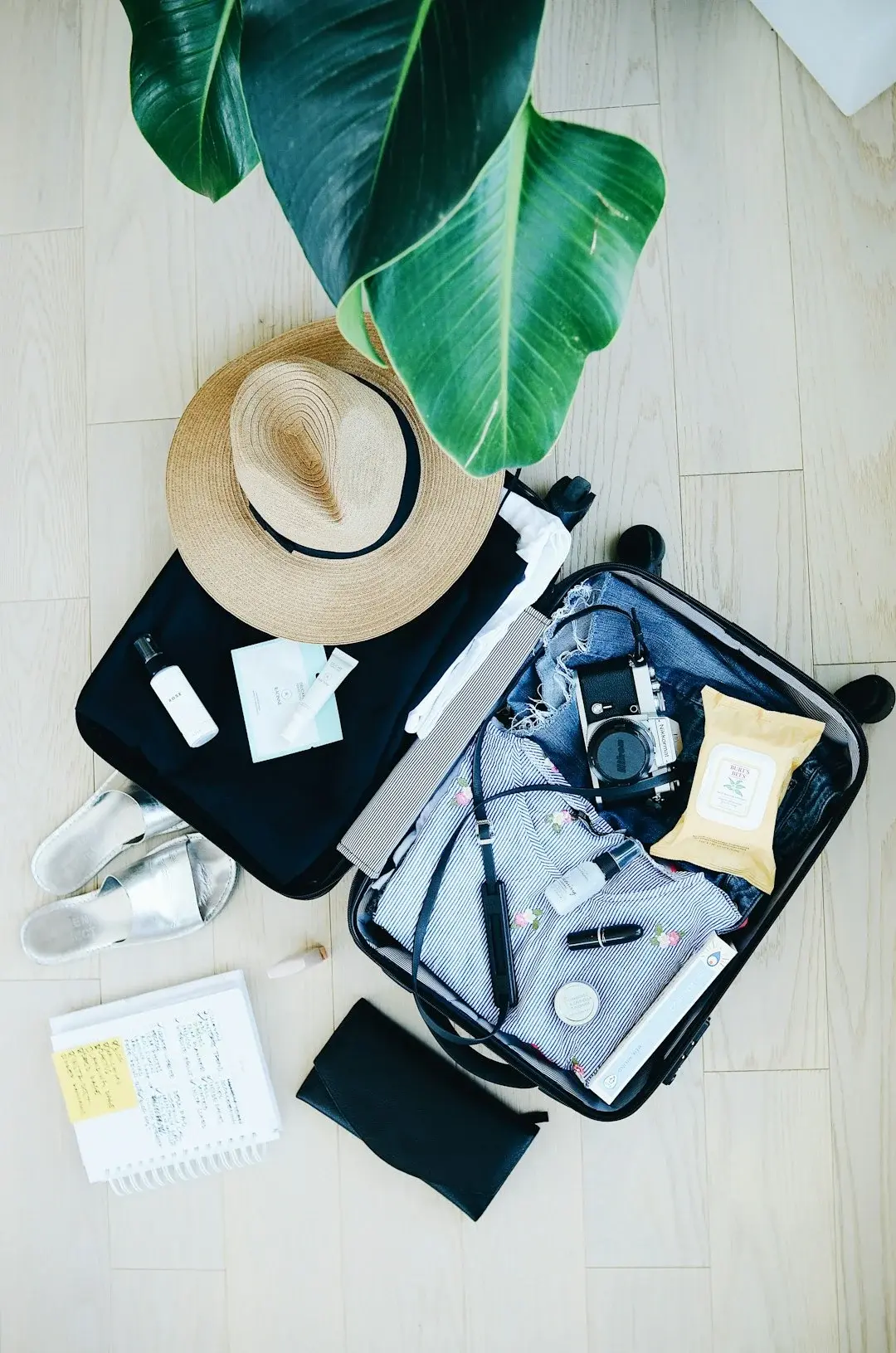
Privilégiez les sacs souples et les sacs à dos aux grandes valises rigides à roulettes, car vous traverserez des foules, monterez des escaliers de gare et embarquerez dans des trains où une valise énorme est un handicap. La grande vitesse est réellement adaptée au bagage à main — vous portez vos sacs vous-même et les rangez au-dessus ou en bout de voiture — mais il n'y a pas de porteurs, et la foule et les marches récompensent les bagages que l'on peut mettre à l'épaule.
Une organisation pratique pour une famille :
- Un sac commun par adulte (sac à dos de voyage de 40–50 L ou sac souple de taille cabine), rempli à 70–80 % pour laisser de la place aux en-cas, aux couches et aux souvenirs.
- Un petit sac à dos par parent pour l'essentiel de la journée — eau, en-cas, une tenue de rechange pour l'enfant, lingettes, documents — afin que le sac principal reste fermé.
- Un tout petit sac à dos pour chaque enfant de 2 ans et plus, contenant son doudou et un en-cas ; cela lui donne une responsabilité et garde son fouillis hors de votre sac.
- Gardez une tenue de rechange et des lingettes dans le sac de journée, pas en soute — c'est précisément ce que vous chercherez en transit.
Si votre séjour se résume à une station balnéaire plate, une valise à roulettes convient très bien et aucune mise en garde sur les escaliers et la foule ne s'applique. Pour tout ce qui bouge — enchaîner les villes en train, terrains variés, transports publics depuis l'aéroport — les sacs sur le dos gagnent. Pour la vue d'ensemble sur la sécurité, la nourriture et ce à quoi s'attendre, commencez par le guide pilier Voyager en Chine avec des enfants.
Questions fréquentes
Peut-on acheter facilement couches et articles de puériculture en Chine ?
Oui. Couches, lingettes et produits de toilette pour bébé se vendent dans les supermarchés, pharmacies, supérettes et via des applications de livraison dans l'heure, dans toutes les villes chinoises. Emportez un à deux jours et réapprovisionnez-vous sur place. Seules les marques de lait infantile familières ou des médicaments précis méritent un stock-relais plus long.
Faut-il emporter une poussette ou un porte-bébé en Chine ?
Pour la plupart des voyages, un porte-bébé : les métros bondés, les escaliers, les vieilles villes irrégulières et les sites pleins de marches comme la Grande Muraille ont raison des poussettes. La poussette aide surtout dans les aéroports, les centres commerciaux et les zones balnéaires plates. Beaucoup de familles emportent un porte-bébé souple et n'ajoutent une poussette pliante compacte que si l'itinéraire est plat.
Combien de vêtements emporter pour un voyage familial en Chine ?
Environ trois à quatre tenues combinables par personne, en tissu à séchage rapide. La lessive est facile en Chine — service d'hôtel, machines en libre-service et lavage au lavabo fonctionnent — alors emballez pour un cycle de lavage de deux à trois jours plutôt que pour tout le séjour. Adaptez les vêtements aux zones climatiques de votre route.
Comment emballer à la fois pour des régions chaudes et froides en Chine ?
Évitez de mélanger les extrêmes si possible, car plage plus neige, c'est ce qui surcharge les bagages. Si votre itinéraire doit combiner les deux, emportez une capsule de saison chaude et laissez l'équipement d'hiver lourd à la consigne d'un hôtel urbain pendant l'étape chaude, en le récupérant au retour plutôt qu'en le portant tout du long.
Sac à dos ou valise pour voyager en Chine avec des enfants ?
Un sac à dos, pour tout voyage impliquant trains, métros ou transports publics, car vous affronterez foules et escaliers sans porteurs. Les sacs à dos gardent vos mains libres pour les enfants. Une valise à roulettes ne convient qu'à un séjour unique en station balnéaire plate ; pour enchaîner les villes, les sacs souples portés à l'épaule se déplacent bien plus facilement.
Voyager plus léger, profiter davantage
Voyager léger en famille en Chine revient à faire confiance au pays pour fournir ce qui vient à manquer : emportez un relais de deux à trois jours d'essentiels, une capsule adaptée au climat par personne, choisissez le porte-bébé plutôt que la poussette pour les parties bondées et verticales, et mettez le tout dans des sacs que vous pouvez porter plutôt que traîner. Plus vous voyagez léger, plus vous et vos enfants circulez librement — et c'est tout l'intérêt.
Pour le tableau familial complet, commencez par Voyager en Chine avec des enfants, puis lisez La grande vitesse chinoise avec des enfants pour les trajets entre villes et Couches et soins de bébé en Chine pour le quotidien du réassort sur place.