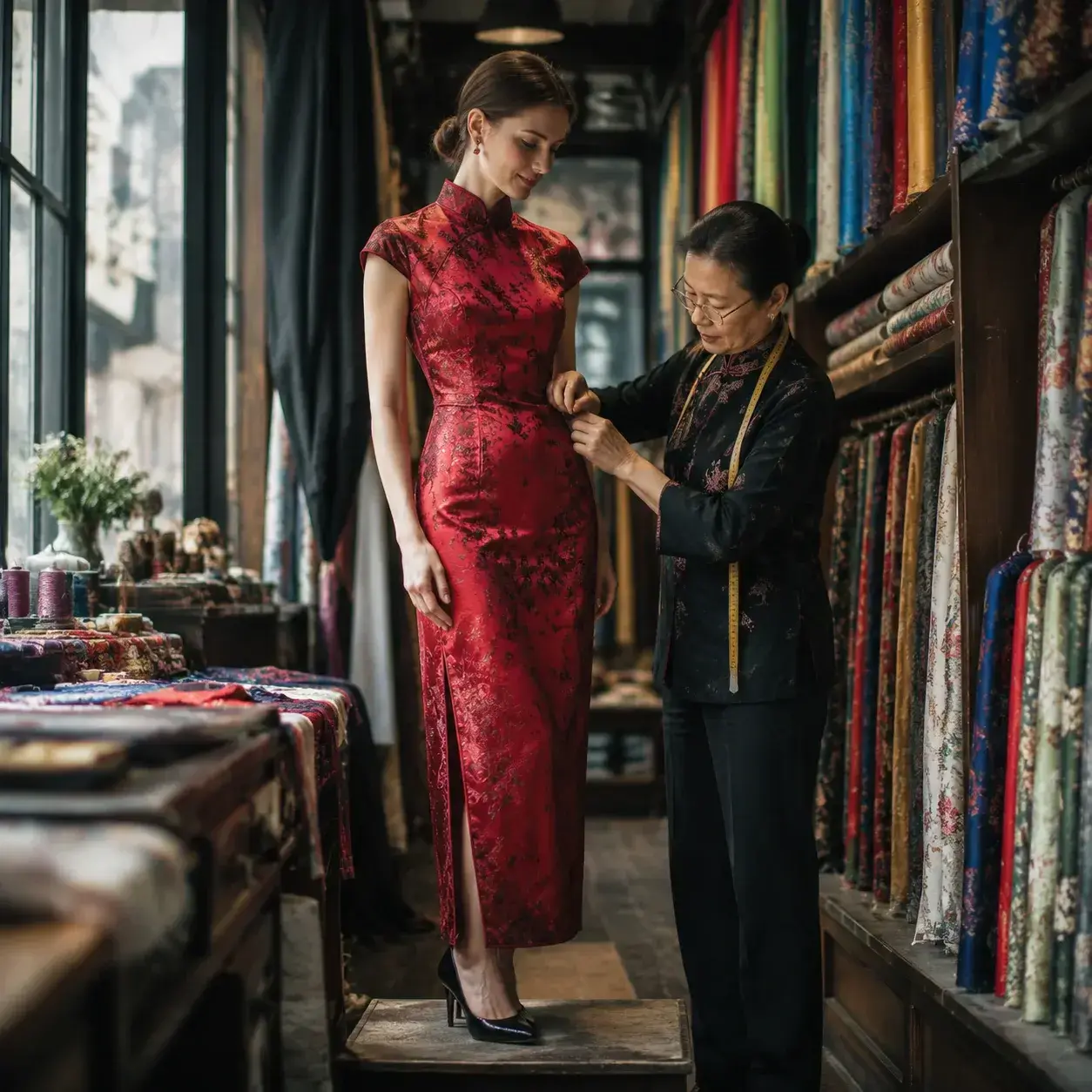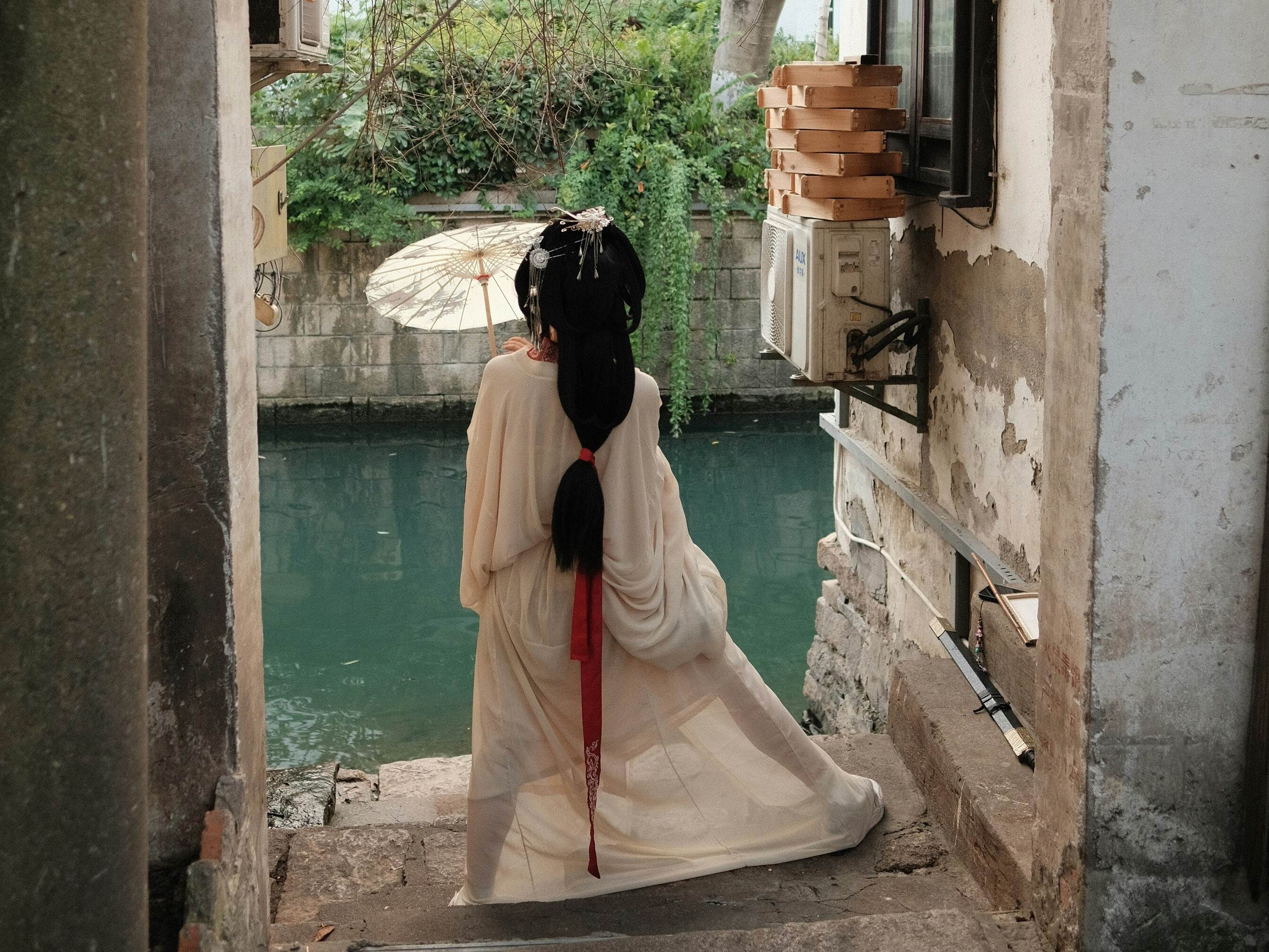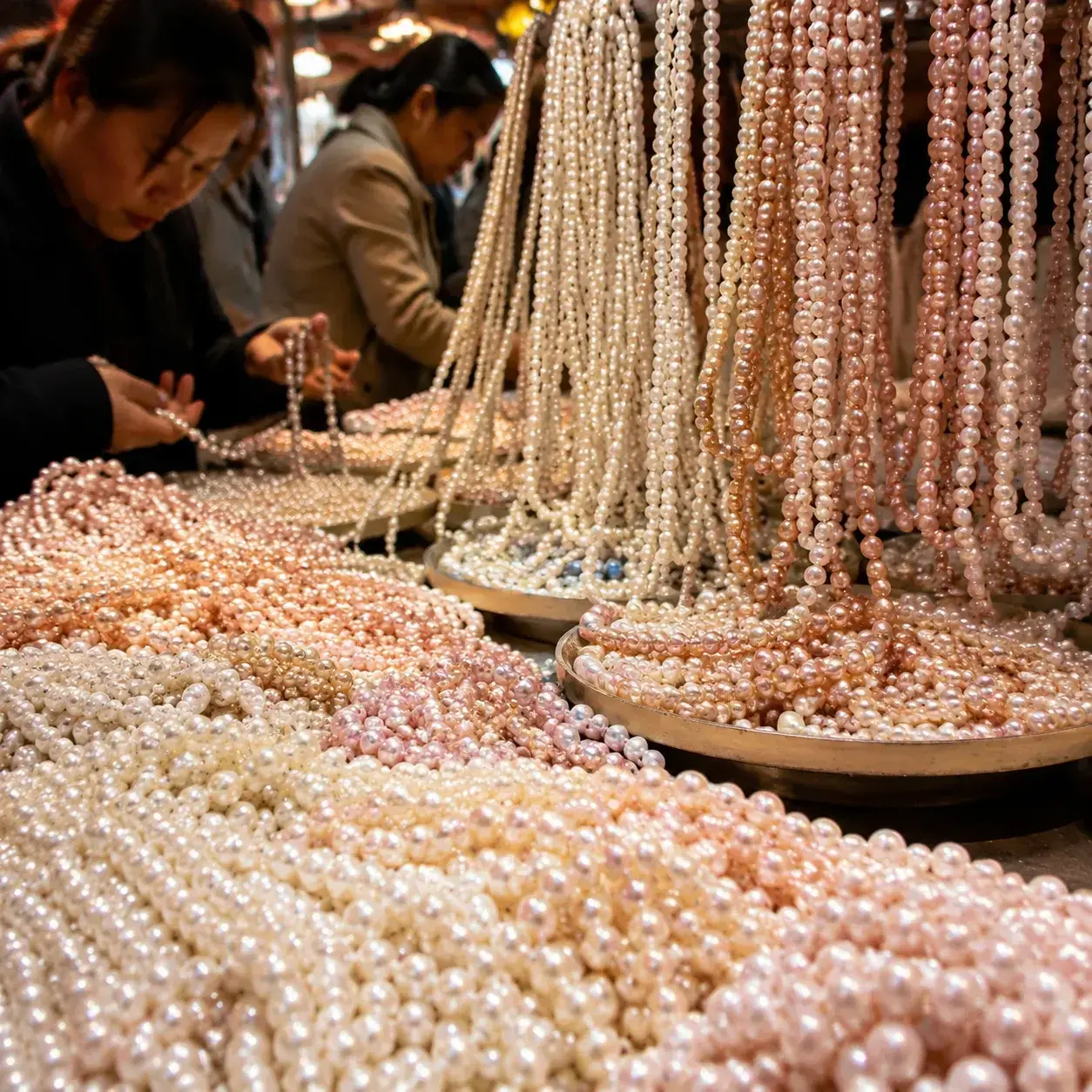





 18 jours La Chine, d'un bout à l'autre Pékin → Xi'an → Chuanzhusi → Jiuzhaigou → Chengdu → Zhangjiajie → Guilin → Yangshuo → Shenzhen À partir de $6,360 Voir le circuit
  18 jours Air raréfié, puis niveau de la mer Pékin → Xi'an → Chengdu → Lhassa → Tchong-King → Yichang → Shanghaï À partir de $4,900 Voir le circuit
 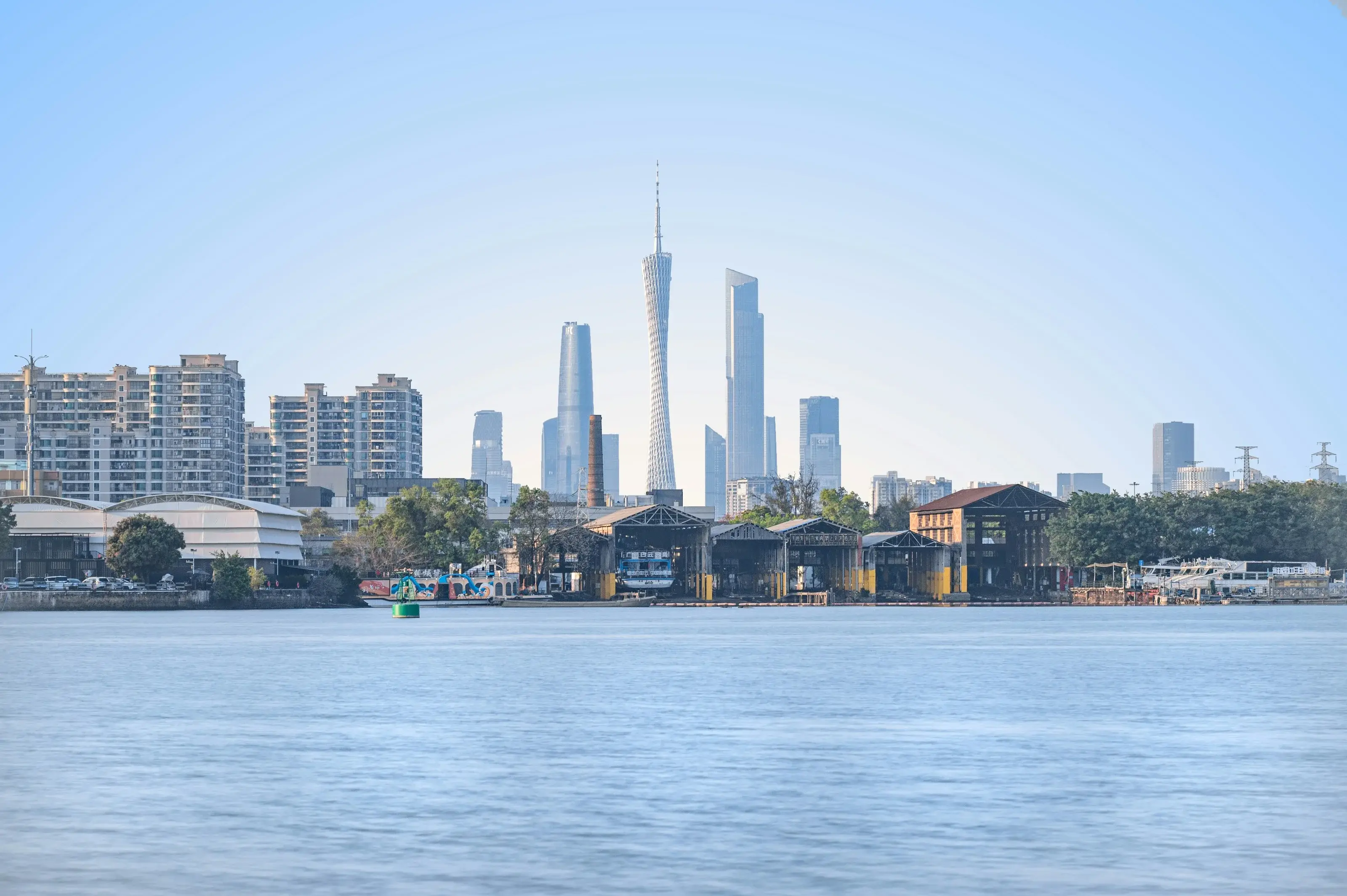 3 jours Après le dernier stand Canton À partir de $840 Voir le circuit
  5 jours Au-dessus des piliers, puis en dessous Zhangjiajie À partir de $1,430 Voir le circuit
  10 jours Banquet de retour au pays Canton → Shantou → Jieyang → Chaozhou → Quanzhou → Zhangzhou → Xiamen À partir de $4,000 Voir le circuit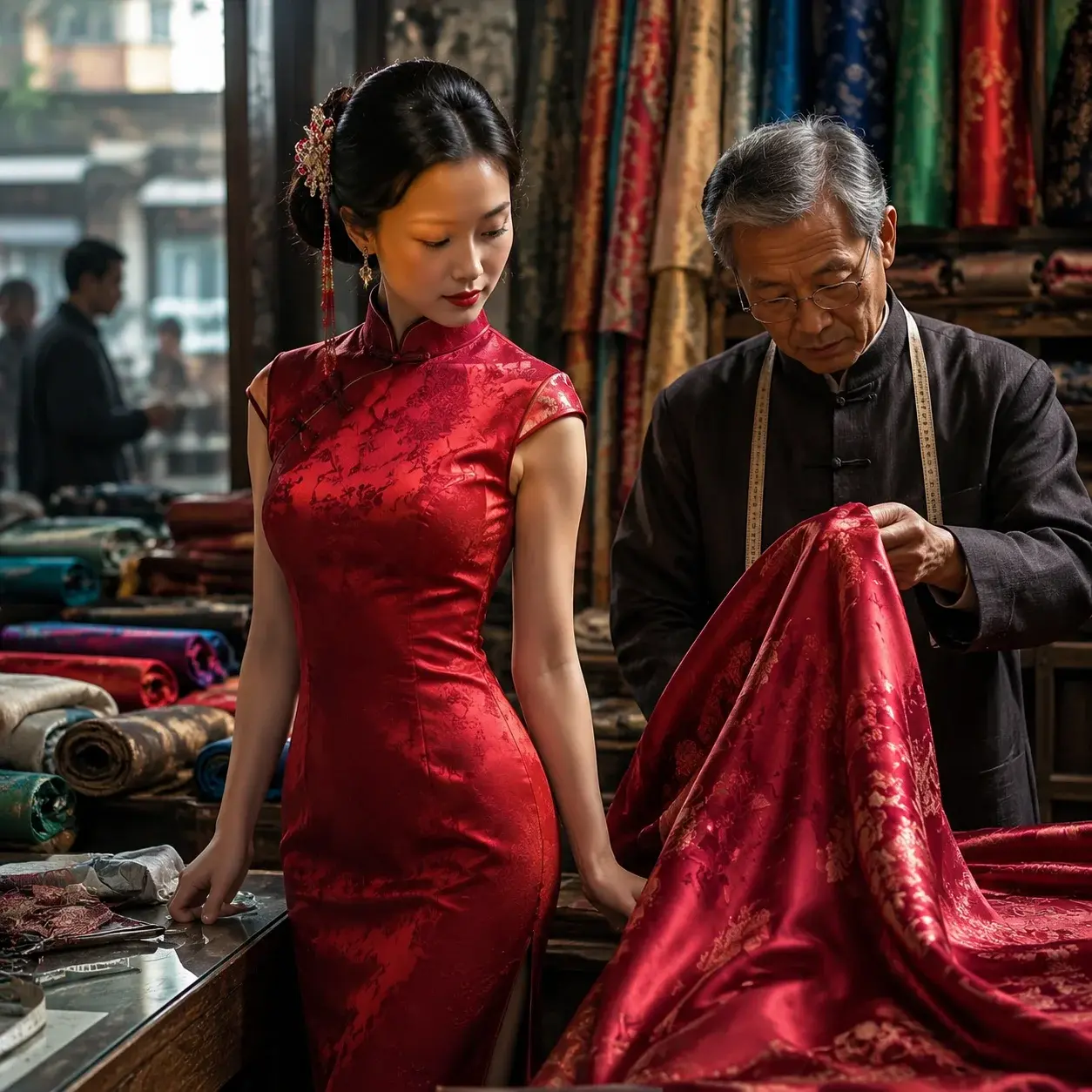
Cheongsam : Où en acheter un authentique en Chine et comment éviter les faux ?
Un cheongsam est une robe chinoise col mandarin cintrée que vous pouvez acheter toute faite pour environ ¥150 ou commander sur mesure pour environ ¥800 à HK$4,000+ à Hong Kong. Achetez-le au South Bund Fabric Market de Shanghai pour la valeur, ou chez un maître tailleur de Hong Kong pour un savoir-faire traditionnel — et ne payez jamais des prix de soie pour du polyester.
Nous avons écrit ceci car aucune page en ligne ne sert réellement un voyageur se trouvant en Chine qui veut acheter un vrai cheongsam et le ramener chez lui. Les sites culturels expliquent l'histoire et s'arrêtent là ; les sites de shopping citent trois rues à Shanghai et sautent le reste. Vous finissez par lire quatre onglets et vous ne savez toujours pas si « cheongsam », « qipao » et « 長衫 » sont la même chose. Nous sommes une entreprise de voyage en Chine, pas un magasin de vêtements — nous n'avons donc aucun intérêt où vous achetez, seulement à ce que vous achetiez bien.
Une note pratique avant de commencer. Les chiffres RMB et HK$ ci-dessous sont des fourchettes réelles du marché, et non des prix fixes uniques — le coût d'un cheongsam varie selon le tissu et le travail manuel, et les saisons de mariage allongent les délais d'attente. Utilisez ces fourchettes pour budgétiser, et demandez toujours ce qui est inclus (tissu, nombre d'essayages, frais d'urgence) avant de vous engager.
Points clés
- Cheongsam = qipao = la même robe. Le Sud et le monde anglophone disent cheongsam ; le mandarin continental dit qipao. Un vêtement, deux noms.
- 長衫 est un mot piège. En cantonais de Hong Kong, cela signifie cette robe de femme ; en mandarin, cela signifie une robe d'homme. Dites le bon mot pour la ville où vous êtes.
- 裙褂 / 龍鳳褂 (qun kwa) n'est pas un cheongsam. C'est une tenue de mariage cantonnaise en deux pièces avec son propre budget et délai de livraison — ne l'achetez pas dans un magasin de qipao.
- Choisissez d'abord selon l'usage, pas selon la ville. Vêtements formels et ajustement cinématographique → sur mesure à Hong Kong. Rapport qualité-prix et port quotidien → sur mesure au Bund Sud de Shanghai.
- Les prix s'échellent selon le tissu et la construction : pièces de marché prêtes ~¥150–500, sur mesure milieu de gamme ~¥800–2 500, sur mesure soie mulberry premium ~¥3 000–10 000+.
- L'authenticité réside dans les détails : nœuds de boutonnière faits à main, coutures intérieures finies, sensation de soie réelle. Si la « soie » est bon marché et brillante/glissante, c'est du polyester.
Qu'est-ce qu'un Cheongsam, et est-il identique à un Qipao ?
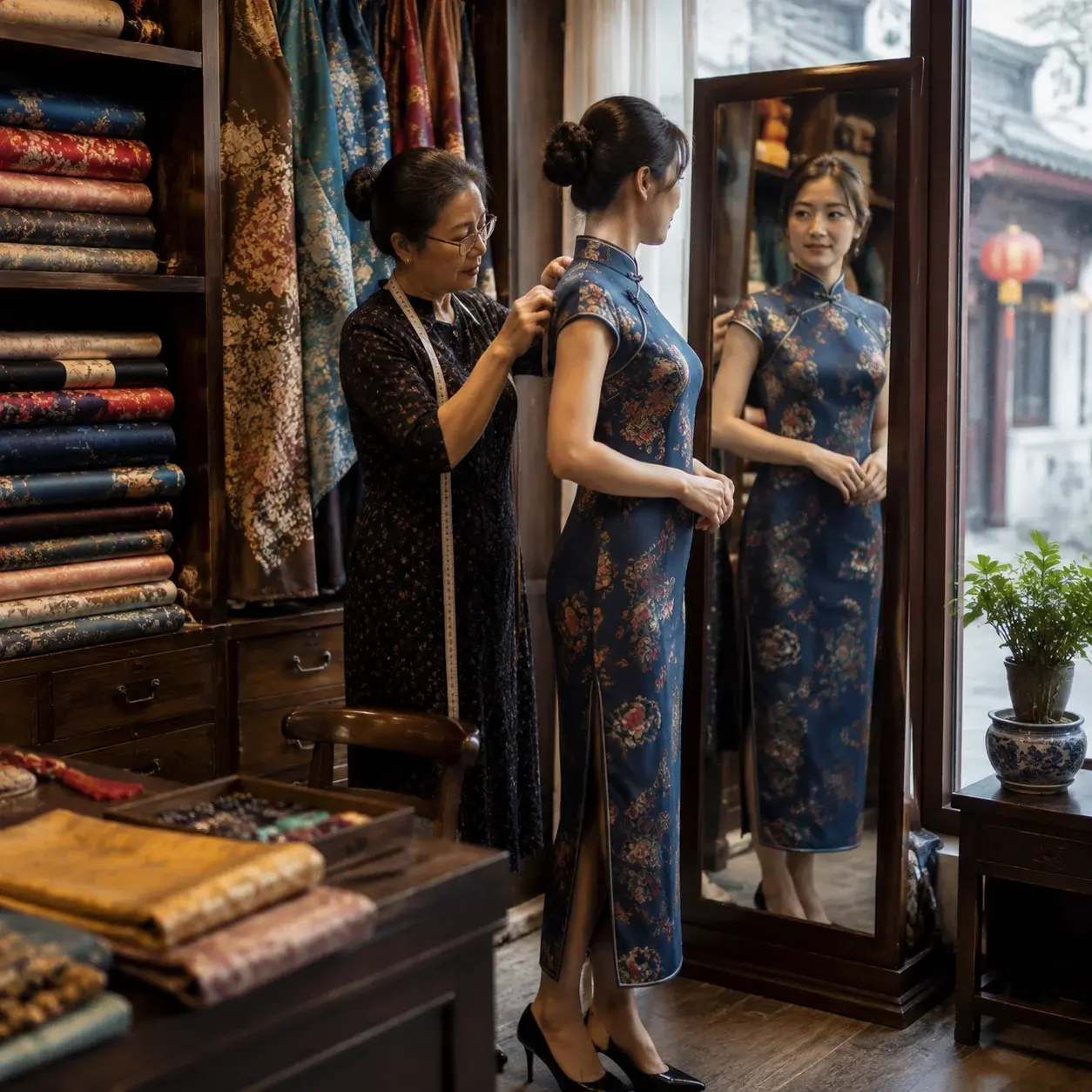
Oui — un cheongsam et un qipao sont exactement le même vêtement : une robe moulante avec un col mandarin (retroussé), des fermetures à nœuds faits à la main et une fente latérale. La seule différence est le nom. « Cheongsam » est la romanisation cantonaise de 長衫 (« long shirt », chemise longue), mot utilisé dans le Sud, à Hong Kong et dans le monde anglophone ; « qipao » (旗袍, « robe bannière ») est le mot mandarin standard sur le continent. Ainsi, quand un site culturel dit « qipao » et qu'une boutique de Hong Kong dit « cheongsam », elles vendent la même robe.
Ce seul fait résout la plupart des confusions auxquelles les internautes anglais sont confrontés. Mais il y a deux autres mots qui font beaucoup d'embûches, et se tromper de terme signifie entrer dans la mauvaise boutique — aussi la carte terminologique ci-dessous vaut-elle trente secondes.
Cheongsam, Qipao, 長衫, Qun Kwa — Carte terminologie complète
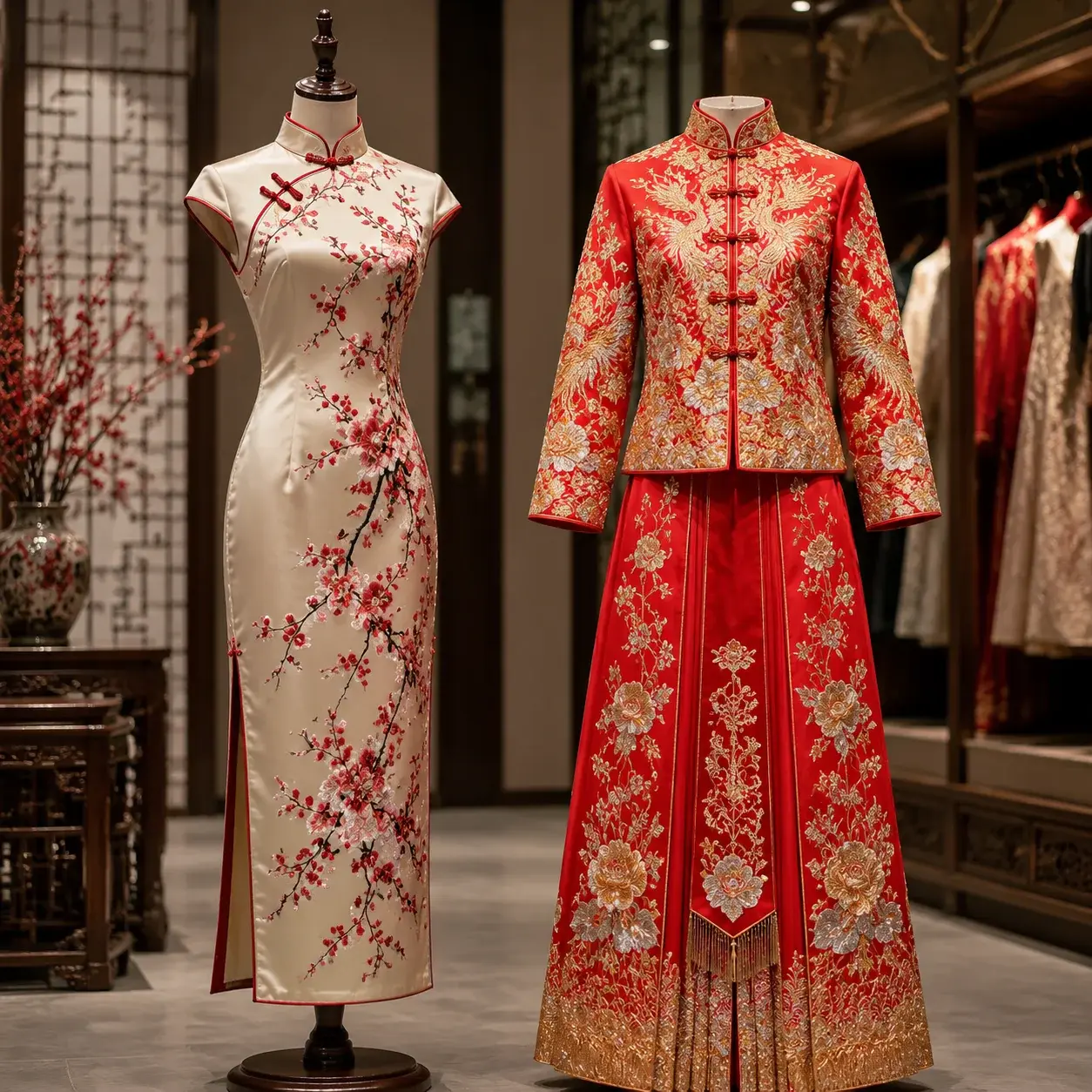
Voici la désambiguation qu'aucune page concurrente ne vous donne en un seul lieu. Le titre rassurant : cheongsam et qipao sont la même robe. Les deux pièges : 長衫 change de genre entre le cantonais et le mandarin, et 裙褂 / 龍鳳褂 est un vêtement entièrement différent (de mariage, en deux pièces).
| Nom | Signification littérale | À quoi cela fait-il réellement référence | Qui / où l'utilise | Identique au cheongsam ? |
|---|---|---|---|---|
| cheongsam (長衫) | « long shirt », du cantonais chèuhngsāam (raciné dans le shanghaïen zansae) | La robe ajustée col mandarin avec des boutons en nœud et une fente latérale | Monde cantonais / Hong Kong / monde anglophone | ✅ Oui — c'est la robe. En anglais, cheongsam désigne par défaut le qipao féminin |
| qipao (旗袍) | « robe bannière », issu de la robe des femmes des Bannières Manches dont elle est dérivée | La même robe | Mandarin / terme standard en Chine continentaine | ✅ Même vêtement, simplement le nom du nord |
| 長衫 / 长衫 (mandarin chángshān) | « long shirt » | ⚠️ En mandarin, cela désigne une robe longue pour homme ; la robe féminine est le qipao | Contexte mandarin continental | ❌ En mandarin, c'est un vêtement pour hommes — le plus grand piège : les deux mêmes caractères, mais de genre opposé selon le dialecte |
| 長衫 (cantonnais / Hong Kong) | idem | Après 1949, Hong Kong a fait de 長衫 un terme neutre en genre — aussi bien pour hommes que pour femmes | Hong Kong | ✅ À Hong Kong, un 長衫 féminin = cheongsam |
| 裙褂 (Qun Kwa) | 裙 = jupe, 褂 = veste | Un costume traditionnel cantonnais de mariage deux pièces, richement brodé d'or | Hong Kong / mariages cantonnais | ❌ Pas un qipao — un vêtement différent, en deux pièces |
| 龍鳳褂 (Longfeng Gua) | « veste dragon-et-phénix » | Variante du qun kwa recouverte de broderies dragon-et-phénix ; forme moderne courante | Mariées cantonnaises | ❌ Un qun kwa haut de gamme ; une catégorie de vêtement différente |
| 秀禾服 (Xiu He Fu) | — | Un autre style de mariage chinois (broderie à bordure d'or + col montant + jupe face-cheval/A-line) | Mariages en Chine continentaine | ❌ Ni un qipao ni un qun kwa — souvent recherché en même temps, donc utile de le désambiguer |
Aides mémoire en une ligne :
- Cheongsam = qipao = la même robe — le nom dépend simplement de votre localisation au Sud ou au Nord.
- 長衫 est un mot dangereux : à Hong Kong, il désigne cette robe féminine ; en mandarin, c’est une robe pour homme. Le mot que vous prononcez détermine ce que le caissier vous remettra.
- 裙褂 / 龍鳳褂 ≠ qipao : il s’agit d’un ensemble nuptial cantonais en deux pièces, avec un budget et un calendrier totalement distincts.
Notre avis franc : le mot qui change ce qu’un caissier sort est 長衫 — associez-le à la ville. À Hong Kong, dites 長衫 pour cette robe ; sur le continent, dites qipao.
Une très brève histoire (juste assez pour bien acheter)
Le cheongsam descend de la robe bannière mandchoue (qizhuang), mais la robe que vous souhaitez est née dans Shanghai des années 1920–30, où les mondaines, les stars du cinéma et les femmes publiques l’ont transformée en une silhouette moderne, slim et à fente haute, devenue symbole de la femme chinoise moderne et libérée — les tailleurs de la ville empruntant la coupe western (dents, structure d’épaule) pour ajuster la robe autrefois ample au corps. Le nom reflète cette scission : cheongsam vient du cantonais 長衫, qipao signifie « robe bannière ».
Le seul fil historique pertinent pour l'achat est la lignée hongkongaise. Après la guerre civile de 1949, les maîtres tailleurs de Shanghai se sont réfugiés au sud à Hong Kong, emportant avec eux leur savoir-faire ; Hong Kong est devenue la nouvelle capitale de la confection sur mesure de qipao, et cette tradition de la couture sur mesure est inscrite dans l'inventaire du patrimoine culturel immatériel de Hong Kong, sous l'intitulé « Technique de fabrication du qipao hongkongais et du costume de mariage Kwan Kwa ». C'est exactement ce que vous payez lorsqu'un qipao est taillé sur mesure par un maître hongkongais — et c'est pourquoi il coûte plus cher et prend plus de temps.
De quoi est fait un qipao de qualité (l'anatomie)
Connaître les pièces permet de repérer plus tard une contrefaçon. Un bien fait qipao présente : un col mandarin structuré qui se tient droit sans s'affaisser ; des pankou (盘扣) — nœuds en tissu formant des boutons en forme de grenouille — le long de l'ouverture diagonale devant ; une fente latérale finie avec des ourlets nets ; un piping autour du col et des ouvertures, régulier et serré ; et une doublure adéquate avec des coutures intérieures finies, non brutes. Sur les meilleures pièces, tout cela est fait à la main. Sur les moins chers, les boutons en forme de grenouille sont préformés et collés, le piping vacille, et les coutures intérieures sont brutes — détails dont nous reparlerons dans la section de détection des contrefaçons.
Quel style de qipao choisir — hongkongais ou shanghaïen ?
Répondez d'abord : "vêtements formels ou vêtements de tous les jours ?" avant de choisir entre "Shanghai et Hong Kong ?" Les deux écoles de couture résolvent des problèmes différents. Shanghai / Hai-pai est le classique des années 1930 — coupe plate, lignes douces, indulgente et distinguée. Hong Kong est l'école développée par les tailleurs émigrés de Shanghai avec la confection occidentale, utilisant des pinces pour un ajustement comme une seconde peau (pensez à In the Mood for Love). Aucun n'est "plus authentique" — ce sont des esthétiques différentes avec des engagements de prix et de temps différents.
Coupe Shanghai vs Hong Kong — Côté à côté
| Dimension | Shanghai / Hai-pai (classique) | Hong Kong (ajusté, influencé par l'Occident) |—|—| | Logique de coupe | Coupe traditionnelle plate, lignes douces, ajustement contenu | Pinces occidentales pour un ajustement sculpté, tridimensionnel | | Proximité de l'ajustement | Ajusté mais avec de l'espace de respiration ; distingué | Seconde peau — le plus moulant | | Fermeture | Pankou traditionnel + ouverture latérale | Souvent une fermeture éclair latérale cachée ; les boutons en forme de grenouille deviennent décoratifs | | Épaule / manche | Manche montée / manche chinoise, épaule naturelle | Plus de manches encastrees, ligne d'épaule plus nette | | Ambiance | Doule, érudit, socialite vintage | Moderne, urbain, sensuel mais contenu | | Statut de l'artisanat | Métier vivant dans les maisons de Shanghai et les ateliers de broderie de Suzhou | Maîtres de plus en plus rares ; patrimoine intangible de Hong Kong | | Meilleur tissu | Satin de soie, brocart, jacquard | Soie lourde / jacquard structuré (tient la forme ajustée) |
Which School Fits You? A Quick Selector
| Si vous voulez… | Choisissez | Pourquoi |
|---|---|---|
| La silhouette la plus cinématographique et ajustée | Hong Kong | Les épingles + la fermeture cachée ajustent la coupe à son maximum ; les courbes sont les plus nettes |
| Quelque chose d’élégant et de confortable | Shanghai | Les lignes douces ne mettent pas en valeur chaque contour |
| Un artisanat de collection, héritage fait main | Cheongsam fait main à Hong Kong | Travail entièrement fait par un maître tailleur, patrimoine vivant rare |
| Le meilleur rapport qualité-prix sur mesure | Shanghai (South Bund) | Écosystème mature du tissu – rapide et abordable |
| Une silhouette plus pleine avec des zones adoucies | Shanghai + brocart | Les coupes HK moulantes amplifient tout ; le brocart structuré et les lignes douces sont plus indulgents |
| Une robe que vous porterez vraiment | Une version moderne / modifiée des deux | Les coupes de musée ne sont pas quotidiennes ; une version en stretch est portée |
Notre avis franc : « Shanghai ou Hong Kong ? » est une question un peu fausse — 90 % des voyageurs doivent d’abord répondre : « tenue formelle ou tenue quotidienne ? » Voulez-vous un look cinématographique et fluide pour des occasions spéciales ? Optez pour un tailleur main à Hong Kong. Vous cherchez de la valeur et quelque chose où vous pouvez vous asseoir, marcher et prendre le métro ? Le sur-mesure South Bund à Shanghai suffit. Le premium hongkongais (voir la section prix) achète le travail à la main et l’ajustement — pas la mystère.
Soie Cheongsam et autres tissus
Le tissu est le principal facteur influençant à la fois le prix et l'authenticité. La soie mûrier — avec un aspect mat doux, une légère chaleur au toucher et un drapé naturel — est le choix premium et ce que recherchent vraiment les acheteurs de « cheongsam en soie » ; le brocart et le jacquard ajoutent un motif tissé et du volume (idéal pour des pièces structurées et d'occasion) ; le satin offre un haut brillant à moindre coût. Le signe d'alerte est un « soie » suspectivement bon marché et brillante comme du verre, avec une main glissante et plastifiée froide — c'est presque toujours du polyester. C'est là que se cachent les prix contrefaits, donc le tissu est la première chose à vérifier avant de payer un prix de soie.
Type de corps et teint de peau — Comment choisir un cheongsam qui met en valeur
Puisqu'un cheongsam est un qipao, la matrice complète d'ajustement selon le type de corps et le système de couleur adapté au teint de peau se trouve dans notre guide complémentaire  style de qipao — nous ne répéterons pas tout ici. Ci-dessus, seules les micro-ajustements de coupe spécifiques au cheongsam ajoutés par les deux écoles de tailleur sont présentés.
| Situation | Ajustement spécifique au Cheongsam |
|---|---|
| Voulez l'ajustement HK extrême | Les coutures soulignent les courbes — plus la forme est marquée, plus elles sont flatteuses ; mais une poitrine ou un ventre plus volumineux doit être prudent avec des coupes HK « peau de vache », qui amplifient chaque détail. Privilégiez les lignes douces de Shanghai ou ajoutez un broché structuré |
| Silhouette en sablier / courbes définies | La coupe HK a été conçue pour vous — coutures + fermeture cachée sculptent la silhouette ; ne la gâchez pas avec une version ample modifiée |
| Poitrine plus volumineuse | Une coupe HK à trois dimensions avec coutures résout le « décolleté ouvert ou tendu » que les coupes plates ne peuvent pas résoudre — mais uniquement sur mesure avec 2 essais réels ; l'ajustement prêt-à-porter de la poitrine HK déçoit presque toujours |
| Petite taille (<160 cm) | Une coupe longueur sol « peau de vache » peut vous raccourcir — choisissez une coupe thé de Shanghai avec une fente plus haute et des pankou plus petits pour une meilleure proportion |
| Couleur ton de peau | La même logique que le système de couleurs du qipao ; dans un contexte HK, les tons profils (émeraude, saphir, vin) en soie lourde se lisent comme sobres et modernes — plus élégant que le rouge partout vu |
Rouge, mariage et Qun Kwa Cheongsams — et tailles larges
Pour les occasions spéciales, il faut faire une distinction importante dès le départ : un cheongsam rouge ou de mariage reste une robe qipao monobloc (souvent en soie rouge avec broderies dorées). Un 裙褂 / 龍鳳褂 (qun kwa) est une robe de mariée cantonaise en deux pièces — un vêtement séparé avec son propre budget et délai de fabrication (prix indiqués dans la section ci-dessous). Si vous cherchez l’allure de mariée en deux pièces, c’est un qun kwa qu’il vous faut, et non un cheongsam ; ne l’allez pas chercher dans un magasin de qipao. Pour les tailles larges : la taille chinoise standard est petite et courte, donc une silhouette plus pleine sera généralement mieux servie par un sur mesure — où le tailleur coupe selon vos 20 à 36 mesures — plutôt que par une taille en rayon.
Notre avis franc : si vous voulez une robe de mariée en deux pièces, c’est un qun kwa, et non un cheongsam — vêtement différent, magasin différent, budget différent. Ne laissez pas une boutique de qipao vous vendre quelque chose de « suffisamment proche ».
Où acheter un authentique cheongsam en Chine ?
Réponse courte : Shanghai est la capitale du cheongsam sur le continent, et le South Bund Fabric Market est l’endroit idéal pour le sur mesure. Pour un voyageur étranger, vos choix réalistes sont Shanghai (meilleur équilibre global), Hong Kong (taille traditionnelle à la main) ou une ville de soie comme Suzhou ou Hangzhou (si la priorité est le tissu). Voici où se rendre concrètement dans chaque ville.
- Shanghai — Changle Road (长乐路) : la rue traditionnelle des qipaos, bordée de maisons établies et d'ateliers au style vintage. Idéal pour un look hai-pai classique avec un couturier qui en a déjà coupé des centaines.
- Shanghai — Maoming South Road (茂名南路) : une rue plus orientée vers la mode, idéale pour des coupes modernes et retouchées ainsi que des pièces occasion.
- Shanghai — South Bund Fabric Market (南外滩轻纺面料市场) : le incontournable du voyageur : choisissez un tissu au rez-de-chaussée, confiez-le à un atelier de couture, faites-vous mesurer, et récupérez votre robe sur mesure en quelques jours. Meilleur compromis entre prix, rapidité et contrôle (détails ci-dessous).
- Beijing : moins de rues spécialisées qu'à Shanghai, mais les magasins de soie et les tailleurs près des principaux quartiers d'achat peuvent réaliser des qipaos ; plus pratique comme option de secours que comme destination.
- Suzhou & Hangzhou : le cœur de la soie chinoise — privilégiez si votre priorité est la qualité du tissu et la broderie, et que vous acceptez un temps de réalisation plus long et un prix plus élevé dans un atelier spécialisé.
Si vous cherchez « un qipao près de moi » en voyage, restez dans votre ville : à Shanghai, rendez-vous sur la rue Changle ou au South Bund ; ailleurs, demandez à votre hôtel une maison de soie ou un tailleur réputé plutôt que de faire confiance à un étalage touristique.
Qipao sur mesure et fait sur mesure — Hong Kong vs Shanghai
Réponse : Shanghai Sud-Bund est l'option valeur (3–7 jours, une prise de mesure, à partir de ~¥800) ; la surtaille maîtresse de Hong Kong est l'option patrimoniale (3 semaines–2 mois, 2–3 prises de mesure, à partir de ~HK$4,000). Un surtaille véritable implique 20–36 mesures du corps, un prototype en papier ou en toile, et une à trois prises de mesure — c'est là que le qipon cesse d'être un costume pour s'adapter comme s'il avait poussé sur vous. Ces deux villes proposent des produits vraiment différents :
| Itinéraire | Délai typique | Prises de mesure | Meilleur pour |
|---|---|---|---|
| Shanghai — Surtaille de marché de tissus Sud-Bund | ~3–7 jours (saison plus longue ; parfois 24–48h express) | 1+ | Valeur, rapidité, coupes pour le quotidien ; mesurez dès le jour 1–2 du voyage |
| Shanghai — Atelier de patrimoine / soie | Plusieurs semaines | 1–2 | Une pièce en soie exceptionnelle ; les ateliers de Suzhou sont plus lents, plus fins, plus chers |
| Hong Kong — Surtaille main maître 長衫 | ~3 semaines–2 mois | 2–3 | Patrimoine, artisanat entièrement à la main, ajustement peau de vigne ; les maîtres sont rares — réservez tôt |
| Hong Kong — Tailleur milieu de gamme (semi-surtaillé) | ~1–3 semaines | 1–2 | Voulez « Made in Hong Kong » avec un budget serré |
Notre avis honnête : un qipon surtaille à la main à Hong Kong, hâtif, est une contradiction — accordez-lui du temps réel, ou allez à Shanghai. Si vous voulez la pièce maîtresse de Hong Kong, réservez votre première prise de mesure dans votre première semaine à la ville, sinon vous ne pourrez pas la récupérer avant de rentrer chez vous.
Acheter un qipon en ligne ou prêt-à-porter
Si vous manquez de temps, le prêt-à-porter est le choix honnête. Le qipao prêt-à-porter — vendu dans les marchés, les boutiques des centres commerciaux ou en ligne — vous permet d’obtenir une même journée sans essayage, parfait pour un souvenir, une séance photo ou un modèle moderne en mélange extensible que vous porterez au quotidien. L’inconvénient est l’ajustement : les tailles standard ne ciblent rarement le buste et la taille qui donnent son charme à un qipao, et elles ne reflètent pas le savoir-fait artisanal d’un sur-mesure. Achetez du prêt-à-porter pour la commodité et l’usage quotidien ; commandez un sur-mesure lorsque l’ajustement, le tissu et l’artisanat sont primordiaux.
Combien coûte un qipao ? (Guide de prix en RMB – Hong Kong vs Shanghai sur-mesure)
Réponse d’abord : le prêt-à-porter coûte entre 150 et 500 ¥, le sur-meseur intermédiaire entre 800 et 2 500 ¥, et le soie mulberry de luxe sur-mesure entre 3 000 et 10 000+ ¥, avec la taille à la main maîtresse de Hong Kong dans une catégorie supérieure. Le prix dépend de deux facteurs : le tissu (polyester → mélangé → soie légère → soie mulberry lourde + broderie à la main) et la réalisation (boutons-grelins collés et coutures machine → pankou noué entièrement à la main, finitions à la main, coupe avec empiètements ajustés).
| Catégorie | Fourchette typique | Tissu et réalisation |
|---|---|---|
| Prêt-à-porter / marché | ~150–500 ¥ | Polyester ou mélange, fabriqué en machine, boutons-grelins préformés — qualité souvenir et usage quotidien |
| Sur-mesur intermédiaire | ~800–2 500 ¥ | Soie mélangée ou légère, taille sur mesure, finitions partiellement à la main |
| Sur-mesure premium | ~3 000–10 000+ ¥ | Soie mulberry / fine brocade, pankou noué à la main, broderie à la main, essais complets |
Alors, les concurrents en direct ne vous offrent pas — le même vêtement, deux villes :
| Itinéraire | Prix | Délai | Essais |
|---|---|---|---|
| Shanghai — South Bund sur-mesure (tissu compris) | ¥800–3 000 | 3–7 jours (parfois 24–48h express) | 1–2 |
| Shanghai — atelier de soie haut de gamme (Changle/Maoming, par exemple Han Yi, Manloulan) | ¥1 500–10 000+ | 2 semaines – 1 mois | 1–3 |
| Hong Kong — maître tout à la main 長衫 | HK$4 000–15 000+ (les maîtres les plus chers plus cher) | 3 semaines – 2 mois | 2–3 |
| Hong Kong — semi-sur-mesile milieu de gamme | HK$2 000–6 000 | 1–3 semaines | 1–2 |
Avant de budgétiser, confirmez sur place si le prix inclut le tissu, combien d’essais sont couverts, et tout frais d’urgence — et notez que les saisons de mariage prolongent les délais.
Tarification mariage Qun Kwa / Longfeng Gua (un budget séparé)
Souvenez-vous : il s’agit de la robe de mariée en deux pièces, pas un qipao — donc une ligne de produit entièrement différente. Le prix est presque entièrement déterminé par la densité des broderies or et argent : le grade supérieur 褂皇 (Roi du Kwa) est couvert à 98–100 %, si bien qu’il reste très peu de base rouge visible, 褂后 (Reine du Kwa) est environ 80–90 % couvert, et les grades moins lourds coûtent moins cher. La vraie décision est de louer ou d’acheter :
| Option | Prix | Notes |
|---|---|---|
| Qun kwa / longfeng gua — location | HK$2,000–12,000 | Porté un jour ; la location est le choix principal et rationnel pour la plupart des mariées. Un 褂后 se loue généralement entre HK$3,000–8,000 et un 褂皇 entre HK$4,000–12,000 |
| Qun kwa / longfeng gua — achat | HK$20,000–80,000+ | Ensemble brodé à la main (environ US$3,000–10,000+) ; prix déterminé par la densité du broderie, achat d'héritage ou souvenir |
Notre avis honnête : 90 % des mariées devraient louer — allouez votre budget à une densité de broderie supérieure plutôt qu'à porter une robe une fois.
Comment repérer un faux ou un Cheongsam de mauvaise qualité ?
Réponse d'abord : vérifiez les boutons-patates, les coutures et le « soie », dans cet ordre — les trois indices qui distinguent le fait main de la production de masse en moins d'une minute. Passez cette liste de contrôle au comptoir :
- Boutons de grenouille (pankou): Sont-ils noués à la main avec du cordon, ou des formes en plastique préformées collées/cousues sur une surface plate ? Les boutons pankou noués à la main présentent une irrégularité légère et vivante ; les moulés sont identiquement parfaits et paraissent sans vie.
- Coutures intérieures et doublure : Retournez-le à l'envers. Des finitions nettes, des coutures encadrées ou repassées ainsi qu'une doublure adéquate indiquent une qualité ; des coutures brutes et effilées signalent un produit de masse rapide.
- Le test de la soie : La vraie soie mulberry est mate-lustrée, légèrement chaude, et drapé avec poids ; la fausse « soie » est brillante-verreuse, glissante-froide et bon marché. Si possible, demandez à voir le rouleau de tissu, pas seulement la robe terminée.
- Galons et col : Les galons doivent être uniformes et étroitement retournés sur chaque bord ; le col mandarin doit se tenir proprement de lui-même. Un galon qui oscille et un col qui s'effondrent indiquent des coins coupés.
- Finition de l'ouverture et de l'ourlet : Les ourlets doivent être uniformes et nettement retournés, l'ouverture renforcée en haut pour éviter qu'elle ne s'ouvre. Des ourlets froncés ou collés sont un drapeau rouge.
- Vérification de la cohérence du prix : « Soie mulberry brodée à la main » à des prix de marché est une contradiction. Si le prix est trop beau pour le tissu et l'artisanat revendiqués, c'est la revendication qui est fausse.
Ne laissez jamais « c'est de la soie, touchez-le » remplacer ces vérifications — le toucher est facile à falsifier avec du polyester traité. Les coutures et les boutons de grenouille ne mentent pas.
Comment transporter ou expédier un Cheongsam chez soi (y compris les douanes) ?
Réponse : un qipao est léger et pliable, la plupart des voyageurs le mettent simplement dans un sac de vêtement et l'emportent ; ne l'envoiez par transport que s'il s'agit d'une pièce très structurée ou brodée que vous ne voulez pas froissée. Conseils pratiques :
- Emballage : Pliez le long des coutures existantes, placez du papier de soie à l'intérieur pour éviter les plis rigides, et étalez-le à plat sur votre valise. Un vêtement structuré ou perlé se transporte mieux dans un sac à vêtements, emporté en cabine et non en soute.
- Expédition depuis la Chine : Pour les broderies fragiles ou plusieurs pièces, EMS ou un coursier (SF Express, DHL) est fiable ; gardez le reçu du magasin et déclarez la valeur réelle.
- Douanes — déclarez honnêtement. Les vêtements personnels entrent généralement en franchise sous l'exemption de voyageur de votre pays, mais les seuils diffèrent et évoluent rapidement, surtout pour ce que vous envoyez plutôt que que vous transportez :
- États-Unis : les voyageurs de retour bénéficient d'une exemption personnelle de 800 $ (une fois tous les 31 jours). Cependant, le seuil de 800 $ pour les marchandises expédiées ou livrées par coursier a été suspendu indéfiniment le 29 août 2025, donc un colis envoyé aux États-Unis peut être soumis aux droits de douane quelle que soit sa valeur.
- Royaume-Uni : les voyageurs peuvent importer jusqu'à 390 £ de marchandises en franchise (270 £ en arrivant par avion privé ou bateau) ; pour les objets envoyés, le seuil de franchise est de seulement 135 £, et la TVA peut s'appliquer en dessous de ce montant.
- UE : l'exemption de 150 € pour les importations de faible valeur sera supprimée à partir du 1er juillet 2026, remplacée par une taxe forfaitaire temporaire de 3 € par article.
- Australie : les voyageurs âgés de 18 ans ou plus bénéficient d'une allocation générale de 900 AUD (450 AUD pour les moins de 18 ans), et les marchandises postales d'une valeur inférieure ou égale à 1 000 AUD sont généralement exonérées de droits et de GST.
Ce sont des conseils personnels pour les voyageurs, et non des conseils fiscaux — vérifiez le site des douanes de votre pays avant d'expédier tout objet coûteux, et gardez le reçu du magasin.
Quel Cheongam vous convient ? Un guide d'achat
Les voyageurs ont besoin de réponses différentes. Voici trois profils et les conseils honnêtes pour chacun.
| Vous êtes… | Allez à… | Comment faire… | Budget et délai |
|---|---|---|---|
| « Je veux un Cheongam authentique fait main à Hong Kong » | Un maître tailleur de Hong Kong | Insistez sur une confection entièrement à la main + pinces + 2+ essayages ; lent et coûteux est la valeur, pas un défaut | À partir de ~HK$4 000 ; prévoyez 3 semaines à 2 mois ; mesurez-vous dès la première semaine |
| « Je cherche simplement une robe confortable moderne à porter vraiment » | Une alteration sur mesure au Bund Sud de Shanghai, ou une robe prête-à-porter stretch | Choisissez un mélange extensible + fermeture cachée + fente basse à moyenne pour pouvoir s'asseoir, marcher et faire la navée | ~¥800–3 000 en 3–7 jours pour une sur mesure, ou achetez une robe prête-à-porter le jour même |
| « Je recherche une tenue de mariage (un qun kwa) » | Une maison nuptiale cantonaise — pas un magasin de qipao | C'est un deux-pièces qun kwa ; décidez entre location et achat selon la densité de la broderie | Location HK$2 000–12 000 ; achat HK$20 000–80 000+ ; réservez plusieurs mois à l'avance |
Notre conseil honnête, résumé : n'achetez pas un long chemisier en soif formel si vous cherchez plutôt quelque chose à porter — cela deviendra la poussière la plus coûteuse de votre placard. Et ne précipitez pas une pièce maîtresse de Hong Kong, ni ne cherchez un qun kwa dans un magasin de qipao. Adaptez le vêtement à la vie qu'il va vivre.
Questions fréquemment posées
Quelle est la différence entre un cheongsam et un qipao ? Il n'y en a pas — ce sont la même robe ajustée à col mandarin. "Cheongsam" est le nom cantonais utilisé dans le Sud, à Hong Kong et en anglais ; "qipao" est le nom mandarin standard sur le continent. Faites attention seulement à 長衫, qui désigne une robe d'homme en mandarin.
Où puis-je acheter un cheongsam près de moi en Chine ? Shanghai est la meilleure base : Changle Road pour les créateurs classiques, Maoming South Road pour les coupes modernes, et le South Bund Fabric Market pour des sur-mesure à petit prix. ailleurs, demandez à votre hôtel une soierie ou un tailleur réputé plutôt que de faire confiance à un étalage de rue touristique.
Combien de temps faut-il pour fabriquer un cheongsam sur mesure ? Ça dépend de la ville. Un sur-mesure du marché aux tissus du South Bund à Shanghai prend généralement environ 3–7 jours avec une essayage ; un 長衫 fait main à Hong Kong prend environ 3 semaines à 2 mois avec 2–3 essayages. Réservez à Hong Kong pendant votre première semaine pour récupérer avant le départ.
Comb coûte un cheongsam en soie ? Un sur-mesile en soie légère de milieu de gamme coûte environ ¥800–2 500, tandis qu'un sur-mesile premium en soie mulberry avec broderie à la main atteint ¥3 000–10 000 ou plus. Vérifiez que la soie est bien de la soie mulberry avant de payer un prix de soie — la soie « bon marché » est généralement du polyester.
Les qipao sont-elles disponibles en tailles augmentées ? Oui, mais les tailles chinoises standard sont généralement petites et courtes ; une silhouette plus pleine sera donc mieux servie par un sur-mesure adapté à vos mesures (20–36) plutôt que par une taille prêt-à-porter. Le South Bund à Shanghai propose ce service avec qualité et tarifs abordables.
Un qipao de mariage rouge est-il identique à un qun kwa ? Non. Un qipao de mariage rouge est une robe monopiece, généralement en soie rouge brodée d'or. Le 裙褂 / 龍鳳褂 (qun kwa) est une tenue cantonnaise de mariée en deux pièces — un vêtement distinct, avec ses propres magasins, son budget et son délai de fabrication. Ne confondez pas les lieux d'achat.
Conclusion : Achetez le bon qipao, de la bonne manière
Le qipao est l'un des souvenirs les plus gratifiants à ramener de Chine — à condition de l'acheter en fonction de son usage, et non de son nom. Retenez ces trois repères : le qipao et le cheongsam désignent la même robe ; la confection sur mesure à Hong Kong s'oriente vers l'héritage et l'esthétique cinématographique, tandis que le South Bund à Shanghai privilégie l'accessibilité et l'usage quotidien ; et les détails (nœuds pankou main, finitions soyeuses, soie véritable) font la différence entre un trésor et un piège pour touristes. Les montages en RMB et HK$ indiqués correspondent à des fourchettes réelles du marché — servez-vous-en pour budgétisez, et inquirez toujours de ce qui est inclus avant de payer.
Pour plus d'idées sur ce que vous pouvez rapporter chez vous, consultez notre guide phare sur les meilleurs souvenirs à ramener de Chine ; pour un style complet adapté à votre morphologie et à votre teint, notre guide compagnon sur le qipao (aussi connu sous le nom de qipao — même robe) ; et pour la qualité du tissu, notre guide sur la soie chinoise authentique.
Vous souhaitez intégrer une prise de mesures à votre voyage ? Un voyage personnalisé en Chine LyrikTrip peut inclure une visite guidée des rues de tailleurs et du marché aux tissus de Shanghai — afin que vous repartiez avec un cheongsam qui vous taille parfaitement, et l'histoire de sa fabrication.