




Beijing Travel Guide 2026: 20 Best Things to Do, See & Eat
If it’s your first time visiting Beijing, China, you’ll probably feel the same way many of my overseas clients do before they arrive: excited at first, then slightly overwhelmed once the real planning begins. The Forbidden City, the Great Wall, hutongs, Peking duck—everything sounds essential. But once you start looking into the details, the information can feel scattered and inconsistent. How do you book major attractions? Where should you stay to save time? Which section of the Great Wall is best? What should foreign travelers prepare for mobile payments, internet access, and language barriers? Those practical questions usually take much more time than people expect.
I still remember helping a Spanish couple who were visiting China for the first time. They originally planned to spend only three days in Beijing, and their first draft looked simple enough: the Forbidden City on day one, the Great Wall on day two, and “something flexible” on day three. But once we walked through the plan together, the gaps became obvious. They didn’t know the best order for Tiananmen Square and the Forbidden City, weren’t sure how different Great Wall sections compared, and underestimated Beijing’s scale. On the map, places looked close; in reality, transfers, security checks, queues, and walking distances added up fast. In the end, we changed the rhythm to “Forbidden City + Jingshan Park + hutong dinner,” one full day for Mutianyu Great Wall, and “Temple of Heaven + Summer Palace + Peking duck” on the last day. It was still a short trip, but the experience became much smoother.
Our Forbidden City route map and tickets walks the central axis stop by stop, with the booking window and rest points marked.
Over the years, whenever I’ve helped first-time visitors plan a China trip, Beijing has almost always been the safest and most rewarding starting point. It offers the most iconic imperial history, but it also has a relatively mature travel infrastructure. You can spend the day inside the Forbidden City, walk through hutongs in the evening, and head out to the Great Wall the next morning. If you’re looking for a Beijing travel guide that actually helps you solve real travel problems, this article covers the attractions, transportation, food, neighborhoods, Great Wall options, and the practical details that matter most to foreign travelers.
Best Time to Visit Beijing
If you ask me when Beijing is best for a first-time trip, my answer is always the same: April to May, and September to October. These months are simply more comfortable. You can walk for hours without feeling drained, and that makes a real difference in a city where most classic sights involve a lot of time on foot. For first-time travelers especially, the itinerary is usually packed, so weather affects the experience more than people expect.
Spring and Autumn Are the Sweet Spot
Spring in Beijing feels open, bright, and easy to enjoy. From April to May, temperatures are usually mild, trees begin to turn green, and parks and palace grounds look particularly photogenic. Jingshan Park, the Summer Palace, and the Temple of Heaven all feel much more relaxed in spring than they do in peak summer. Many first-time visitors are surprised that Beijing can feel so spacious and pleasant when the weather is right.
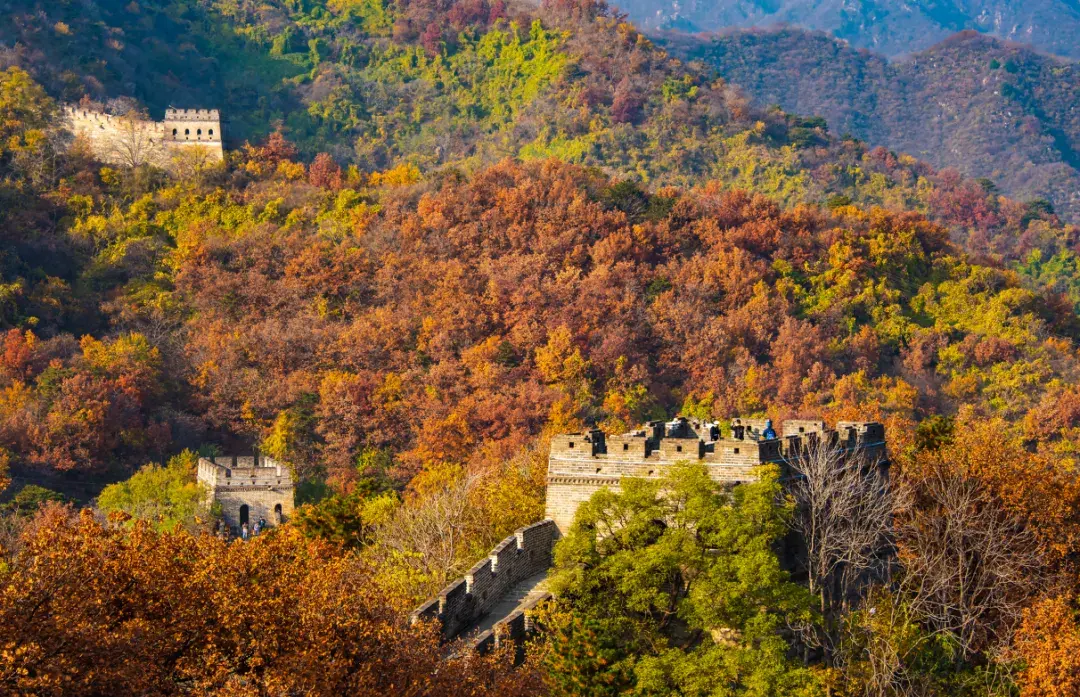
Autumn is my personal favorite. From September to October, the light is often softer, the skies can be clearer, and the city becomes much easier to photograph. This is also one of the best times for the Great Wall. I once helped a Canadian traveler who specifically wanted “the Great Wall with autumn colors” and built her whole China route around that goal. When she came back from Mutianyu, she told me the highlight wasn’t any single photo spot—it was the feeling of climbing higher, catching the cool mountain breeze, and suddenly seeing the wall stretch across the hills. That kind of moment is exactly why autumn works so well in Beijing.
Summer vs Winter — What to Expect
Summer is doable, but it comes with trade-offs. From June to August, Beijing can be hot, intense, and crowded. This is traditional high season, especially once school holidays begin. The upside is that everything is operating at full pace, and it can fit well if you’re linking Beijing with other China destinations on a fixed summer schedule.
The downside is physical exhaustion. This is something many travelers underestimate. The Forbidden City, Temple of Heaven, and Great Wall are not short-stop attractions where you sit, look, and leave. They all involve a lot of walking, often with limited shade. I once worked with a family of three visiting in July who planned to do the Forbidden City, Jingshan Park, Beihai, and Nanluoguxiang all in one day. By early afternoon, their child was already exhausted, and the parents weren’t far behind. We ended up cutting half the route on the fly. If you’re visiting in summer, I usually suggest doing major outdoor sights in the morning and leaving afternoons for museums, tea houses, cafés, or hotel breaks.
Winter in Beijing has a completely different mood. Yes, it is cold and dry, so warm layers, lip balm, and moisturizer matter more than many first-time travelers realize. But if you don’t mind low temperatures, winter can actually be a beautiful time to visit. Major attractions are often less crowded, hotel prices may be more reasonable, and the city feels quieter and more reflective. A European couple I once helped in December had worried that Beijing would feel too harsh in winter. Instead, they ended up loving the calm atmosphere—especially in the early morning hutongs and around Shichahai at dusk, when the city felt restrained, elegant, and unexpectedly intimate.
When to Avoid the Crowds
If your dates are flexible, I strongly recommend avoiding China’s National Day holiday week, Chinese New Year, and the summer peak season. Around October 1 especially, Beijing’s most famous attractions, hotels, and transport systems all come under heavy pressure.
I remember one group of visitors who decided at the last minute to go to Badaling during the National Day holiday. Technically, it was still possible—but the cost was a very early departure, a very long return, and hours spent moving within crowds instead of actually enjoying the wall. By the end, they said they had “checked it off” rather than really experienced it. If your trip has to fall during a busy period, early planning becomes even more important. That is often where experienced local support helps most—not by selling something complicated, but by making sure tickets, transport, and timing are connected before your trip starts.
Quick Climate Snapshot
In simple terms:
- March to May: comfortable for city sightseeing
- June to August: hotter, wetter, and more crowded
- September to October: the most recommended overall
- November to February: cold and dry, but quieter
If you may only visit Beijing once and want the classic experience at its best, spring and autumn are still the strongest choices.
Top Attractions in Beijing
For a first trip to Beijing, I don’t think the goal should be to see everything. The key is to focus on the places that help you understand the city quickly and clearly. When people search for Beijing tourist attractions, they often end up with very long lists. In reality, first-time visitors usually benefit more from a smaller number of major landmarks, arranged with the right pace.
The Forbidden City
The Forbidden City is almost impossible to skip on a first trip. Even travelers who are not especially interested in museums or architecture often find themselves impressed the moment they walk through the Meridian Gate and into this vast imperial complex.
I usually suggest setting aside at least 3 to 4 hours here. Many people underestimate its size and think two hours will be enough, but once inside, they realize the site is much larger and more layered than expected. The real value of the Forbidden City is not just in “seeing the palace.” It’s in understanding how power, scale, symmetry, and ceremonial space were built into the architecture itself.
One detail I often point out to travelers is how the site unfolds in stages. The first part feels grand and formal; the deeper you go, the more you begin to notice rhythm, color, and smaller architectural details. Many overseas visitors later tell me they don’t remember every hall name, but they do remember the feeling of walking through what once was the political and symbolic center of imperial China.
From a practical point of view, advance reservation matters a lot, especially in busy seasons. I once had an American traveler try to book the night before visiting, only to find that his preferred date was nearly full. That forced us to reshuffle the next two days of his route. This is exactly the kind of issue that comes up often with first-time travelers. In many cases, the most helpful service is simply arranging the difficult parts—timed entries, transport, and sightseeing order—before arrival.
Tiananmen Square
For many foreign visitors, Tiananmen Square is the symbolic moment when Beijing finally feels real. It’s more than just a famous landmark; it’s one of the most recognizable civic spaces in China.
The visit itself is usually manageable, but travelers should pay attention to security procedures, reservations, and timing. If you want to watch the flag-raising ceremony, you’ll need an early start and some patience with crowds. My usual advice is simple: if ceremony and symbolism matter to you, it can be memorable; if you prefer a more relaxed rhythm, a regular daytime visit is often enough.
I once accompanied an Australian traveler who wasn’t sure whether getting up early for flag-raising was worth it. In the end, she found the atmosphere surprisingly powerful—not because it was the most efficient use of time, but because standing there with a large crowd in the dim early morning gave her a clearer sense of Beijing as a capital city, not just a sightseeing stop.
Temple of Heaven
The Temple of Heaven is one of my favorite places for first-time visitors because it offers more than architecture. If you arrive early enough, you’ll also see local residents exercising, singing, dancing, stretching, or simply enjoying the morning in the park. That layer of everyday life makes the place feel much more alive.
The Hall of Prayer for Good Harvests is certainly photogenic, but the deeper charm of the Temple of Heaven is the combination of ritual space and ordinary urban life. For many visitors, this is the first place in Beijing where history stops feeling distant and starts feeling connected to the present.
If time allows, I usually recommend arriving around 8 a.m. One French traveler I helped ended up spending longer than expected here, not because she was rushing between monuments, but because she became absorbed in watching a group of older locals singing together near the outer park paths. Later she told me it was one of the first moments on her trip when she felt she was seeing a real city, not just famous landmarks.
Summer Palace
The Summer Palace is best enjoyed at a slower pace. It’s not the kind of place where you need to push through a checklist. Kunming Lake, the Long Corridor, and Longevity Hill all invite a more relaxed half-day visit.
If your itinerary already includes physically demanding sights like the Forbidden City and the Great Wall, I often suggest placing the Summer Palace between them as a kind of breathing space. It still requires walking, but the atmosphere is less intense. A couple from Singapore once told me that after two packed sightseeing days, the Summer Palace felt like the first place in Beijing where they could stop trying to “cover everything” and simply enjoy being there.
One practical note: the site is large enough that entry gate choice and walking direction can affect your experience. When travelers want to combine scenic views with manageable pacing, I usually help them think through the route in advance rather than leaving everything to chance once they arrive.
Jingshan Park
If you want the classic panoramic view over the Forbidden City, Jingshan Park is one of the best-value stops in Beijing. It’s affordable, easy to combine with the Forbidden City, and the payoff is huge.
I almost always recommend it after the Forbidden City, especially in late afternoon when the light can be softer. The climb is short, but after hours of walking through the palace grounds, it can still feel steeper than expected—something people often laugh about once they get to the top. I remember a traveler from Germany telling me she thought Jingshan would be “just a quick viewpoint,” but once she looked out over the sea of golden roofs, it became one of the images she most strongly associated with Beijing.
What to Do in Beijing — Unmissable Experiences
Beyond the major landmarks, one of the most common questions I hear is: what to do in Beijing if you want more than standard sightseeing. My answer is usually based on how I’d build a first trip for a friend: a mix of iconic history, local neighborhoods, food, and one or two experiences that make the city feel personal rather than generic.
Walk the Great Wall of China
If you come to Beijing and skip the Great Wall entirely, most people end up regretting it. The big question is not whether to go, but which section suits your style of travel.
For most first-time foreign visitors, I usually recommend Mutianyu. It’s scenic, well-maintained, and generally more manageable than Badaling. It works well for couples, families, older travelers, and people who want beautiful views without the most overwhelming crowds. Badaling is famous and relatively straightforward in terms of recognition and transport, but it is often busier.
This is one of the areas where practical planning really matters. I’ve seen travelers lose hours trying to figure out public transport connections, ticket queues, shuttle buses, and return timing on the same day. A guest from the UK once told me he thought “going to the Great Wall” would be one simple item on the itinerary, but ended up spending almost as much mental energy on logistics as on the actual visit. That’s why some travelers choose pre-arranged transport, tickets, or an English-speaking driver or guide—not because it’s luxurious, but because it saves time and reduces uncertainty.
If you’re traveling with older parents or children, this becomes even more important. I once helped a multigenerational family choose Mutianyu specifically because the pace was easier to control, and the grandparents could enjoy the views without feeling rushed.
Explore the Hutongs
The hutongs show a completely different side of Beijing. If the Forbidden City gives you imperial history, the hutongs give you texture, scale, and everyday life.
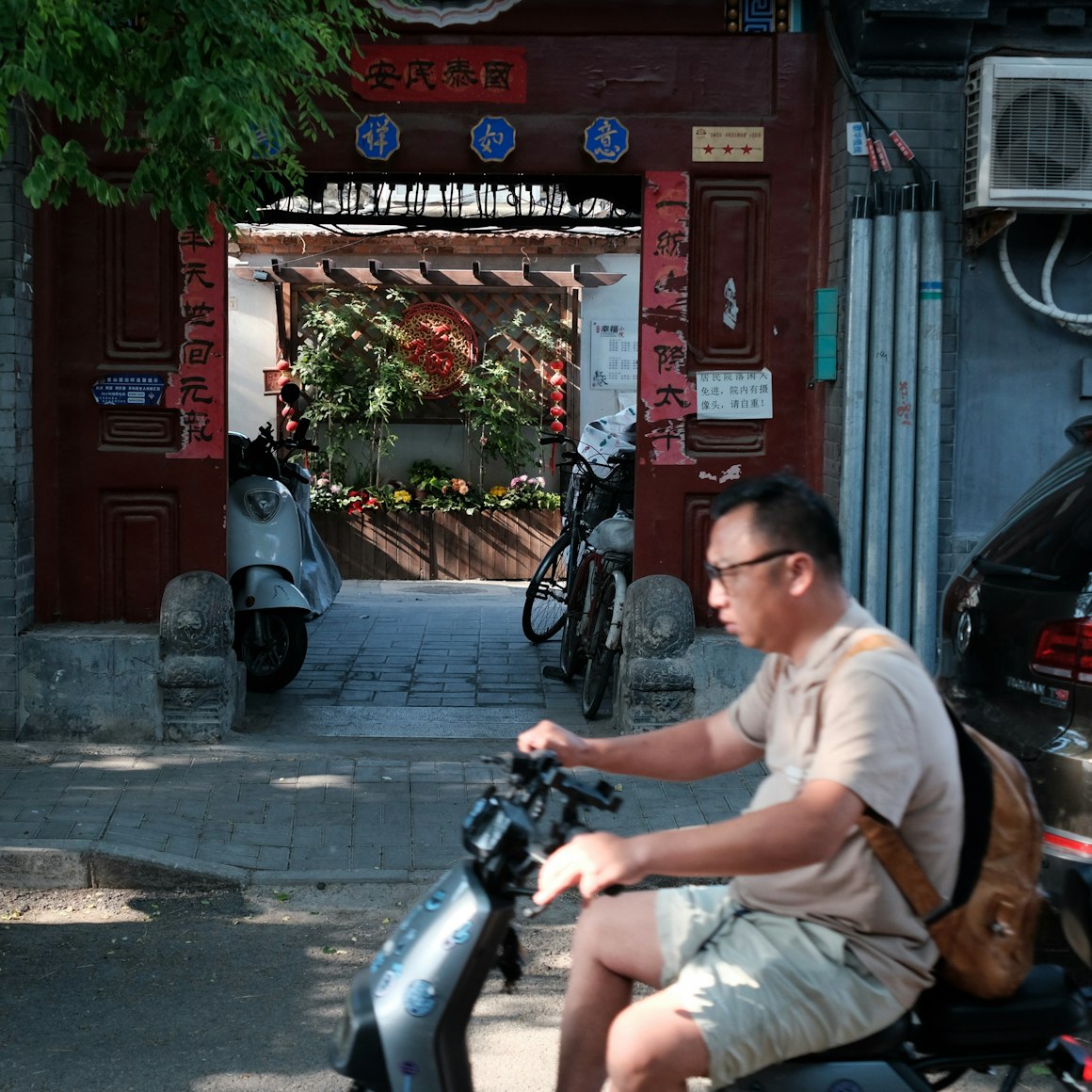
Areas around Nanluoguxiang, Gulou, and Shichahai are easy starting points, but I usually tell travelers not to judge all hutongs by the busiest commercial lanes. Some of the most memorable moments happen when you step one or two alleys away from the crowds and notice small details: people playing cards, laundry hanging in quiet courtyards, neighborhood shops opening for the day, or older residents sitting outside and chatting.
One solo traveler from Italy once told me she almost gave up on hutongs after finding Nanluoguxiang too commercial. Later that evening, she walked deeper into the side lanes near Gulou and suddenly felt she had found the version of Beijing she had imagined—less polished, more human, and much calmer.
As for transport within the hutongs, I generally think walking gives you a more genuine feel than taking a rickshaw, unless you have mobility concerns or simply want the experience.
Taste Authentic Peking Duck
For most first-time visitors, Peking duck is not optional—it’s part of the Beijing experience. The only real question is where to go and what kind of meal you want.
Classic names like Quanjude, Da Dong, and Bianyifang each attract different travelers. Some people want the historic reputation, some care more about presentation and atmosphere, and others simply want a reliable duck dinner without paying too much. A good duck meal can also become one of the easiest and most enjoyable ways to balance a day of heavy sightseeing.
I remember a couple from Portugal who were exhausted after walking through the Forbidden City and Jingshan. They were not particularly excited about “famous food” at first, but once the duck was carved table-side and the thin pancakes, cucumber, scallion, and sauce were all laid out, dinner turned into one of the highlights of their trip. That’s often how Beijing works: some experiences sound touristy until they’re done well.
One practical detail people often forget is reservations. Popular duck restaurants can fill quickly at dinner time, especially on weekends and holidays.
Visit the 798 Art District
If you want to see a more contemporary side of Beijing, 798 Art District offers a useful contrast to the city’s imperial landmarks. Converted industrial spaces, galleries, cafés, murals, and design stores create a very different mood from central Beijing’s historic core.
I usually suggest 798 to travelers who have already covered the main heritage sites and want a half-day that feels lighter and more modern. It’s especially good for photographers, café lovers, and travelers who enjoy wandering without a strict checklist.
Watch a Kung Fu Show or Peking Opera
If you want an evening cultural activity, the choice between a kung fu show and Peking opera depends on what kind of traveler you are.
For first-time visitors, kung fu shows are often easier to appreciate right away. The visual storytelling is more direct, and language is less of a barrier. Peking opera, on the other hand, can be more rewarding for travelers specifically interested in traditional Chinese performance culture.
I once had two friends visiting together with completely different reactions: one loved the discipline and theatrical makeup of Peking opera, while the other admitted afterward that the kung fu performance had been much easier to follow. That’s why I usually frame this as a personality choice rather than saying one is objectively better.
See the Olympic Sites
The Bird’s Nest and Water Cube are not always at the top of every first-time itinerary, but they can still be worth visiting if you’re interested in modern Beijing or want to see how the city presents itself beyond imperial history.
In daylight, the architecture is impressive; at night, the lighting makes the area more atmospheric. I usually wouldn’t suggest making this the centerpiece of a short trip, but it works well if you want to balance old and new Beijing in the same itinerary.
Explore Lama Temple
Lama Temple is one of Beijing’s most popular temple visits, and for good reason. It feels active, atmospheric, and accessible even for travelers who don’t know much about Buddhist practice.
One thing I always mention is etiquette. Travelers don’t need to overcomplicate it, but dressing respectfully, keeping voices low, and observing rather than interrupting active worship all make a difference. A respectful first visit tends to feel much more meaningful than treating it like just another photo stop.
Visit the National Museum of China
For travelers who enjoy history, the National Museum can add useful context to everything they see elsewhere in Beijing. It also pairs naturally with Tiananmen Square.
That said, this is one of those places where energy levels matter. I’ve seen travelers try to combine too many major indoor and outdoor sites in one day, only to feel overloaded by late afternoon. If you’re someone who likes museums, it can be excellent. If not, keep expectations realistic and don’t force it just because it’s famous.
Take a Night Walk around Houhai
Some visitors only experience Beijing during the day, which is a pity. An evening walk around Houhai and Shichahai shows a more relaxed side of the city.
The area works well for travelers who want nightlife without going straight to clubs or formal venues. There are bars, lakeside views, old lanes, and enough movement to feel lively without always being overwhelming. A traveler from Ireland once told me her favorite Beijing memory was not a headline attraction at all—it was walking around Houhai after dinner, hearing music drift out from bars, and feeling the city slow down around the water.
Try a Tea Experience or Cooking Class
If you have already covered the biggest landmarks and want something more interactive, a tea session or cooking class can be a great addition. These experiences are often especially good for second or third days in the city, when travelers want a break from continuous walking.
A cooking class can also solve a common first-time problem: people want to understand Chinese food beyond restaurant menus, but don’t always know how to start. Likewise, a tea-focused experience gives context to something many travelers encounter throughout China without really understanding.
Where to Stay in Beijing
Where you stay in Beijing matters more than many first-time visitors assume. The city is large, and even with good transport, crossing from one side to the other can quietly eat up hours.
For most foreign travelers, I usually suggest choosing between a few practical areas rather than searching for the “best hotel” in abstract terms.
Wangfujing / Dongcheng
This area is one of the most convenient bases for first-time visitors. You are relatively close to major sights like the Forbidden City and Tiananmen, and it’s easy to find hotels at different price levels.
If your trip is short and focused on classic attractions, this is often the most efficient choice.
Qianmen
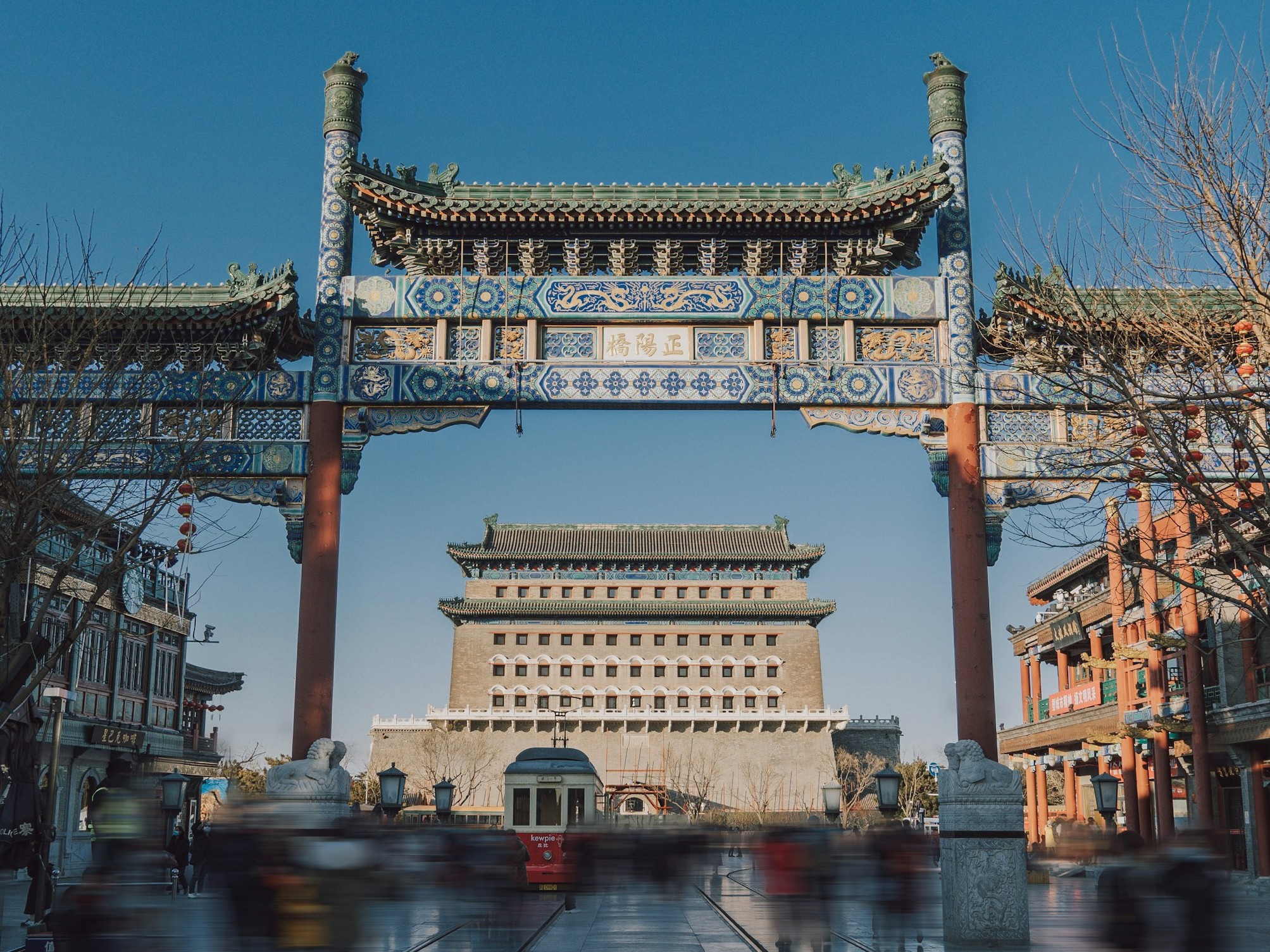
Qianmen can work well if you want a more traditional atmosphere while still staying central. It gives easier access to several historic areas and can feel more atmospheric than modern commercial districts.
Houhai / Gulou
For travelers who care more about character, cafés, hutongs, and evening walks, this area can be very appealing. The trade-off is that some boutique stays here prioritize style over convenience, so I usually suggest checking room size, metro access, and vehicle drop-off points carefully.
Sanlitun
If your idea of Beijing includes shopping, international dining, bars, and a more modern urban feel, Sanlitun makes sense. It’s less classic in mood, but very comfortable for some travelers—especially those combining business and leisure.
I’ve had guests choose all four of these areas for different reasons, and none of them were “wrong.” The best choice depends on whether your priority is first-time sightseeing efficiency, local atmosphere, or modern convenience.
How to Get Around Beijing
Beijing’s transport network is generally easier than many first-time visitors fear, but it still helps to understand the basics before you arrive.
Subway
For most travelers, the subway is the most efficient way to move around the city. It is affordable, extensive, and often faster than driving during busy hours. The biggest challenge is not the system itself, but learning how to navigate entrances, transfers, and station size—some stations are much larger than people expect.
Taxi and Ride-Hailing
Taxis and ride-hailing can be useful, especially early in the morning, late at night, or when you’re carrying luggage. The challenge for foreign travelers is usually language and app setup rather than availability.
I once helped a visitor who had no problem sightseeing during the day but became stressed every evening trying to explain hotel addresses to drivers. Small preparation—such as saving destination names in Chinese—made the rest of the trip much easier.
Private Transfers
For airport arrivals, early Great Wall departures, or families with multiple bags, private transfers can remove a lot of friction. This is often where a travel agency can be genuinely helpful without being intrusive: arranging the difficult moments so the rest of the trip feels easier.
What to Eat in Beijing
Beijing food is more than Peking duck, although that is still where most first-time visitors start.
Peking Duck
Still the signature meal, and worth trying properly at least once.
Zhajiangmian
This noodle dish is one of the city’s classics and often easier to fit into a casual lunch.
Jiaozi and Baozi
Good for travelers who want something familiar enough to approach but still very local in feel.
Hot Pot and Regional Chinese Restaurants
Beijing is also a good place to explore food from other parts of China, especially if this is your first stop in the country and you want variety.
A useful rule I often give travelers: don’t try to turn every meal into a checklist item. One excellent duck dinner, one good noodle lunch, one relaxed breakfast, and one flexible local meal usually creates a better memory than chasing five “must-eat” places in two days.
Practical Tips for First-Time Foreign Travelers
This is usually the section people need most, because great sightseeing plans can still go wrong if these basics are overlooked.
Mobile Payments
China is increasingly cash-light. International visitors should prepare mobile payment options in advance if possible, but also carry a backup card and some cash for peace of mind.
Internet Access
Reliable internet setup matters more than many travelers expect, especially if you depend on maps, translation, bookings, or ride-hailing. eSIMs, roaming, or local SIM solutions should be looked at before arrival.
Language
In major tourist areas, you can get by, but don’t assume smooth English support everywhere. Hotel cards, saved addresses in Chinese, and translation apps make a noticeable difference.
Attraction Reservations
Some major Beijing attractions require advance booking, and the process is not always intuitive for overseas visitors. This is one of the most common pain points I see.
Pace Your Itinerary
The biggest planning mistake I see is overloading each day. Beijing looks manageable on a map, but in reality, distances, queues, and walking time add up fast. If you only remember one planning rule from this guide, let it be this: do fewer things, but do them properly.
A Simple 3-Day Beijing Itinerary
If you only have three days, this is the kind of first-time route I usually recommend:
Day 1: Imperial Beijing
- Tiananmen Square - Forbidden City - Jingshan Park - Peking duck dinner
Day 2: Great Wall Day
- Mutianyu Great Wall - Return to city - Relaxed evening around Houhai or Shichahai
Day 3: Culture and Local Life
- Temple of Heaven - Summer Palace or Lama Temple - Hutong walk
This structure works because it balances physical effort, iconic sights, and time to breathe. It also leaves room for weather changes, fatigue, or personal interests. There's a fuller guide to this in Imperial Beijing Travel Guide 2026.
Final Thoughts
Beijing can feel intense at first, especially if it’s also your first stop in China. But in my experience, that intensity becomes much easier to enjoy once the practical details are under control. When tickets are booked, transport makes sense, and each day is paced realistically, Beijing stops feeling overwhelming and starts feeling fascinating.
That is also where thoughtful travel support can make a real difference. In many cases, travelers don’t need a fully guided trip—they just need help with the parts that are hardest to organize from overseas, like attraction reservations, airport transfers, Great Wall day planning, or building a route that matches their pace and interests.
If you’re planning your first Beijing trip and want a smoother start, you can always message for a simple checklist or a practical route suggestion. Sometimes a small amount of local planning support is enough to turn a stressful itinerary into a really memorable one.
FAQ
When is the best time to visit Beijing?
The best time to visit Beijing is usually April to May and September to October. These months offer more comfortable weather for sightseeing and day trips to the Great Wall.
How many days do you need in Beijing?
First-time visitors should plan at least 3 to 4 days in Beijing. This gives you enough time for major highlights like the Forbidden City, the Great Wall, historic neighborhoods, and key cultural sites.
Which section of the Great Wall is best from Beijing?
Mutianyu is often the best choice for first-time international travelers because it is scenic, well-restored, and generally less crowded than some other sections. It is also one of the most convenient Great Wall day trips from Beijing.
What should foreign travelers prepare before visiting Beijing?
Foreign travelers should prepare for attraction bookings, mobile payments, internet access, and possible language barriers before arriving. Planning transport, tickets, and a realistic daily schedule can make the trip much smoother.