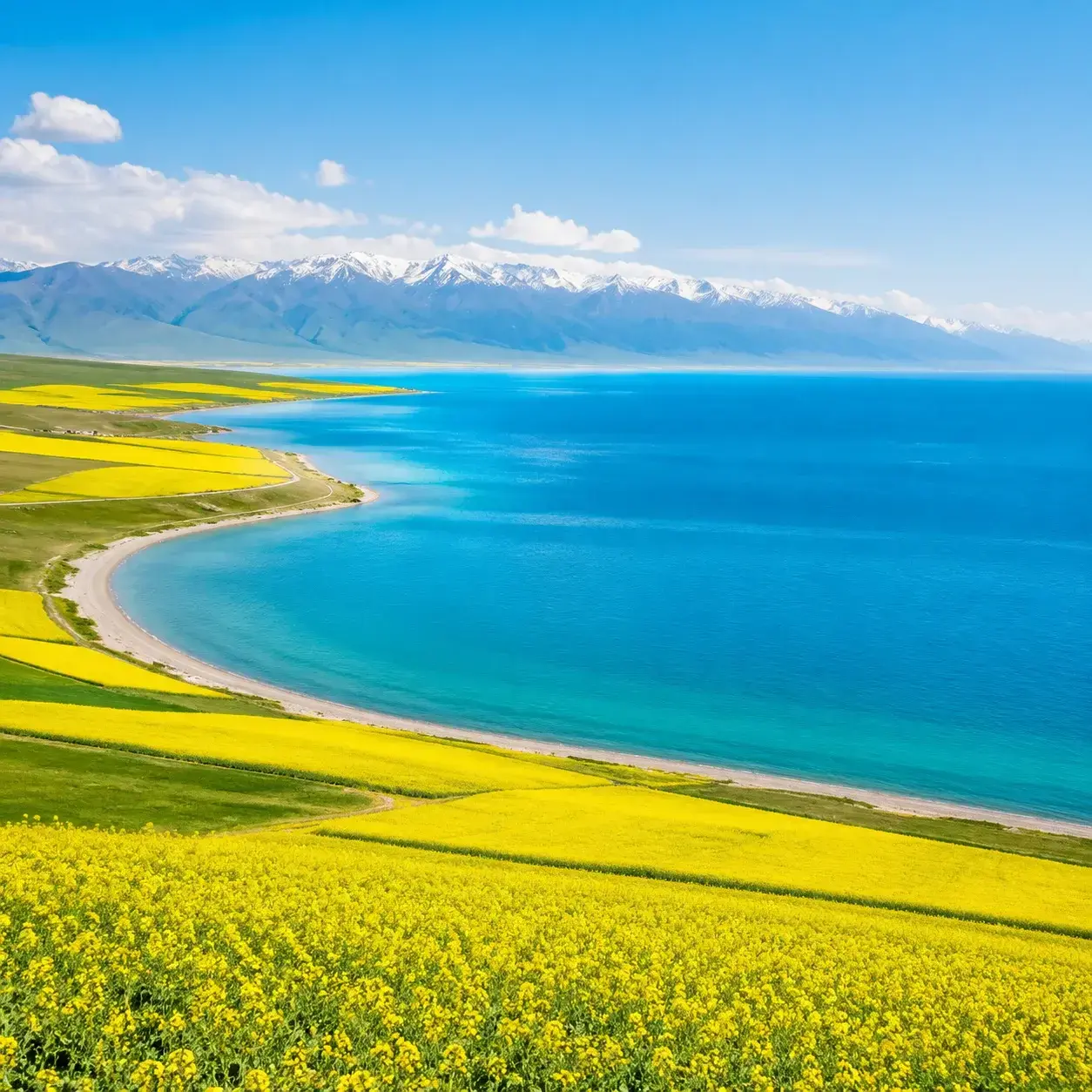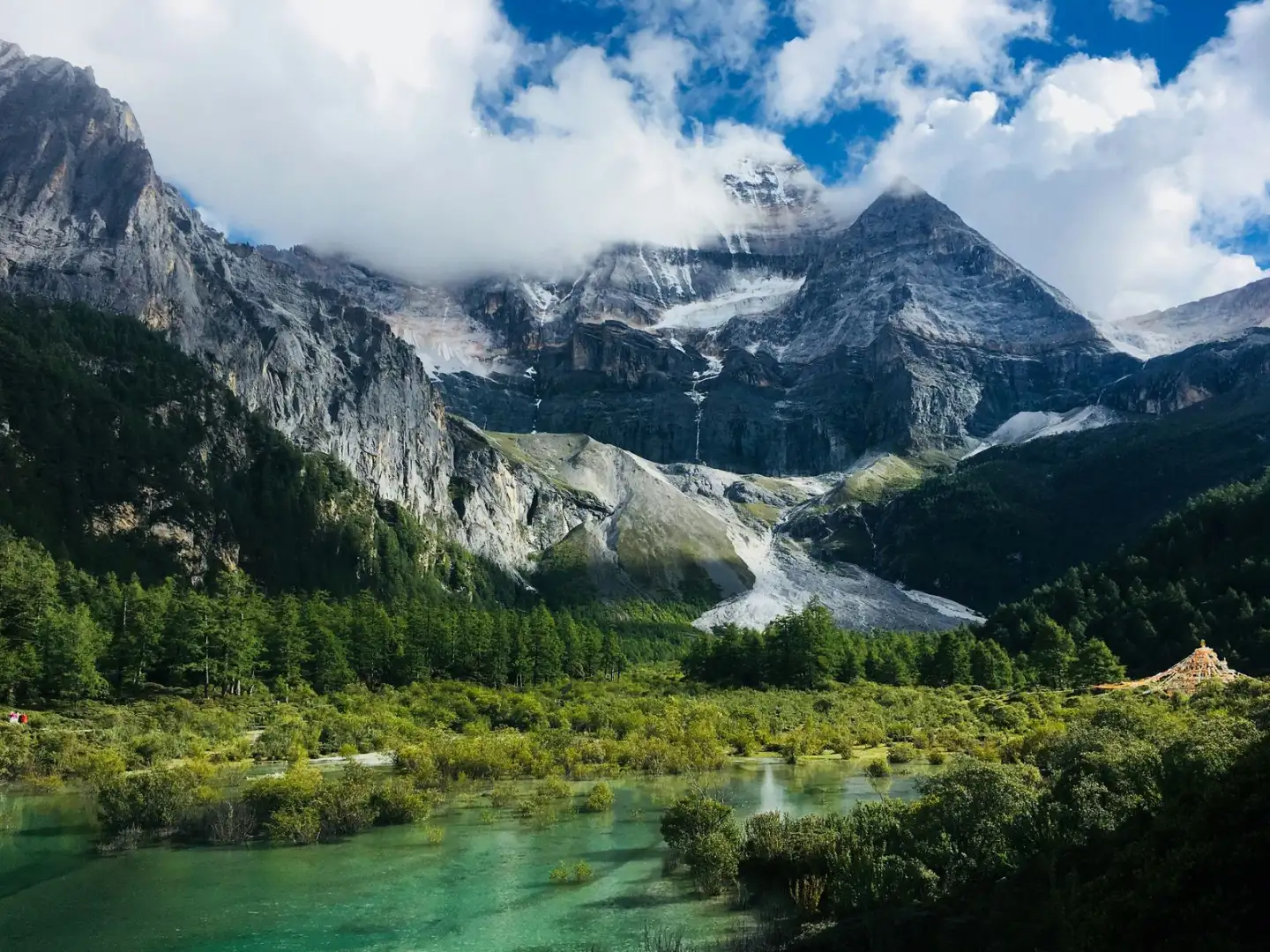




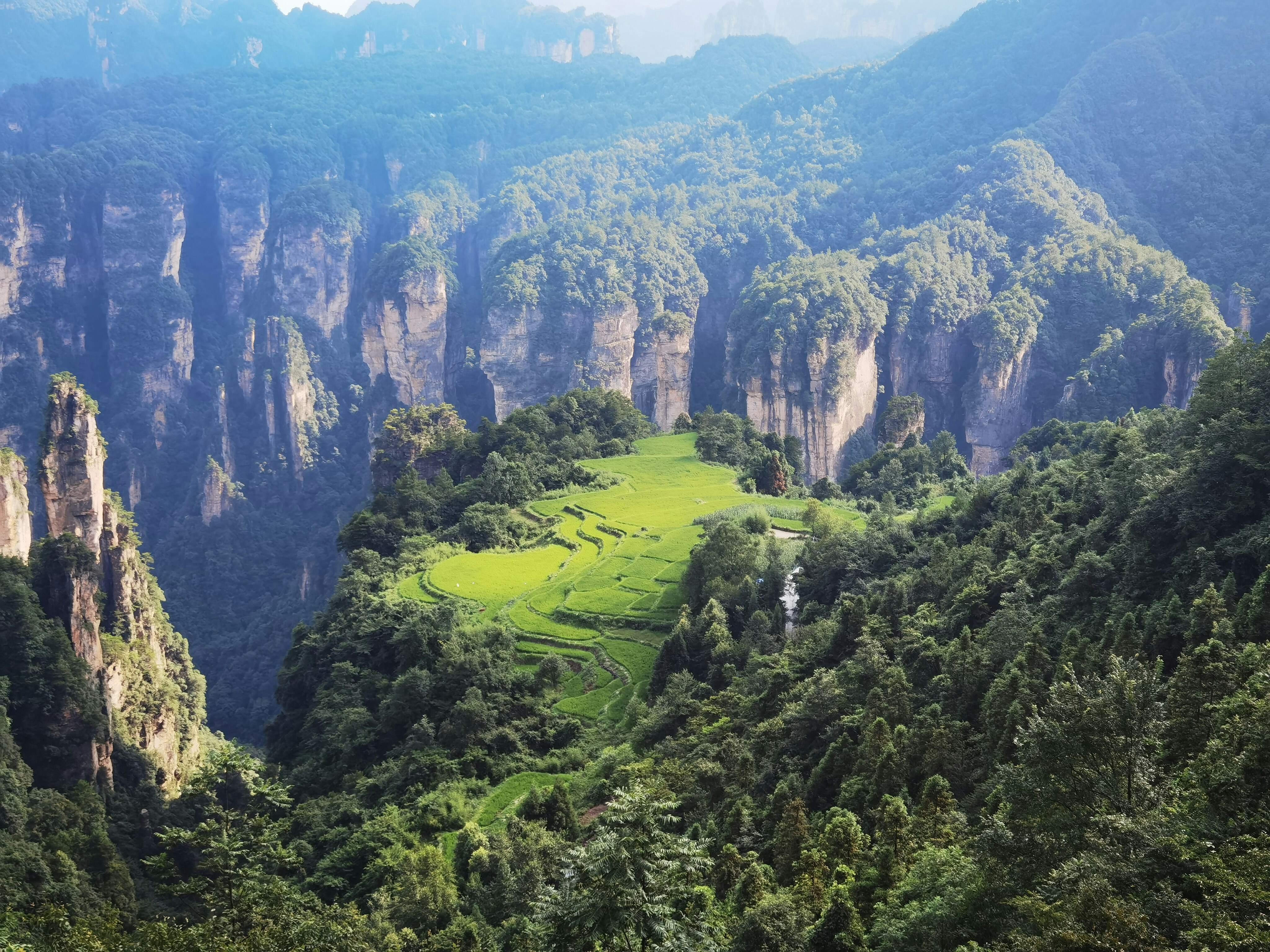
 18 jours La Chine, d'un bout à l'autre Pékin → Xi'an → Chuanzhusi → Jiuzhaigou → Chengdu → Zhangjiajie → Guilin → Yangshuo → Shenzhen À partir de $6,360 Voir le circuit
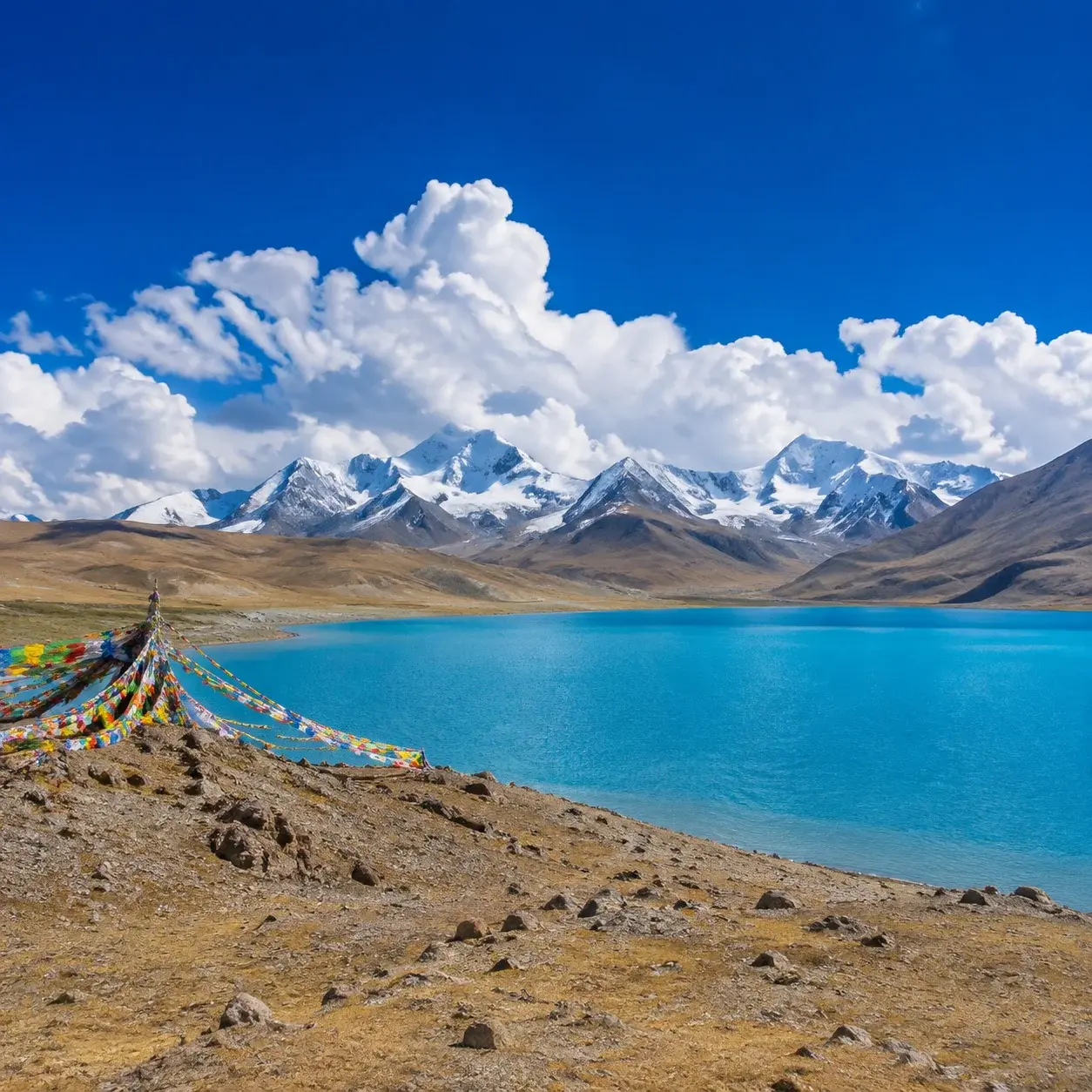
 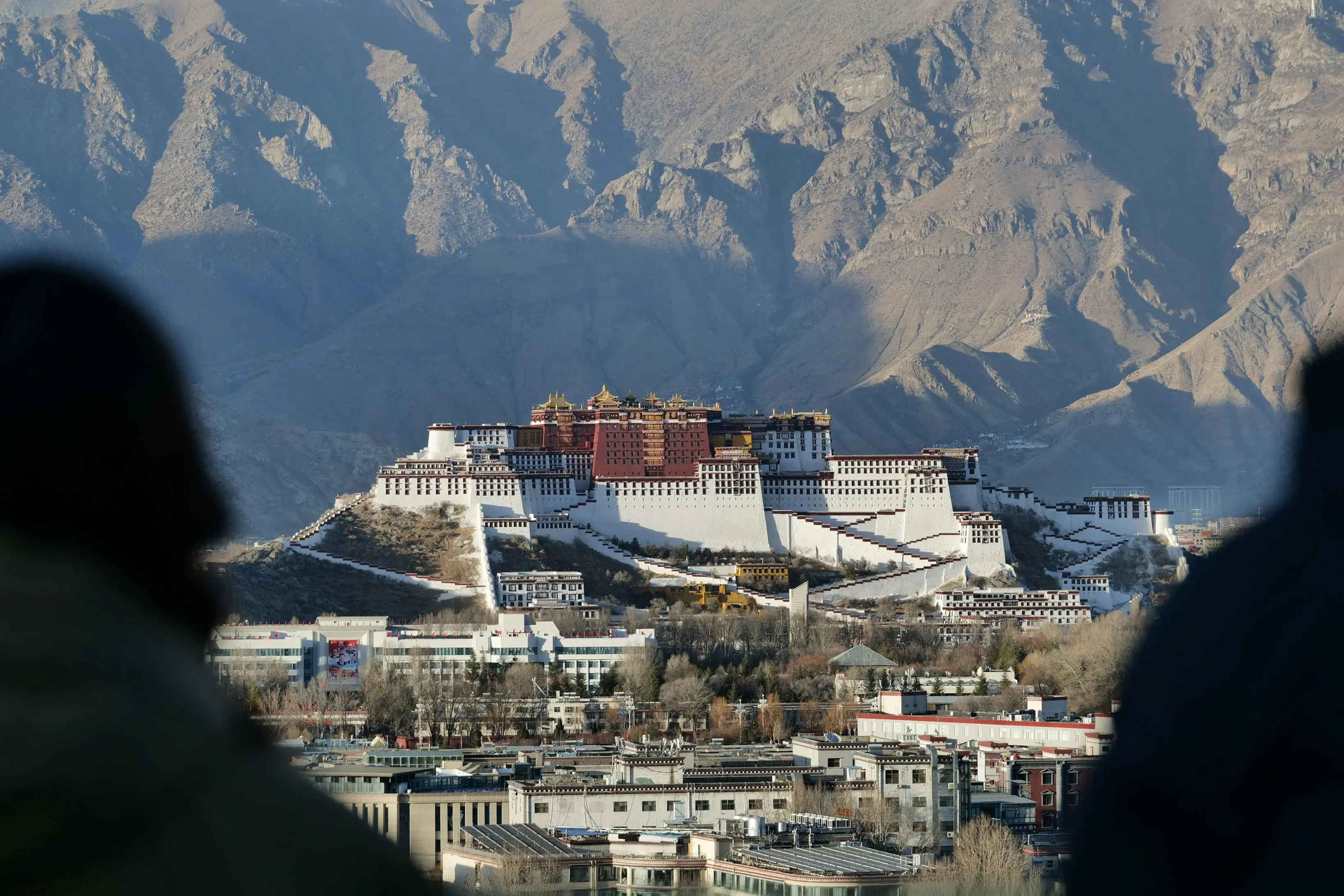 18 jours Air raréfié, puis niveau de la mer Pékin → Xi'an → Chengdu → Lhassa → Tchong-King → Yichang → Shanghaï À partir de $4,900 Voir le circuit
 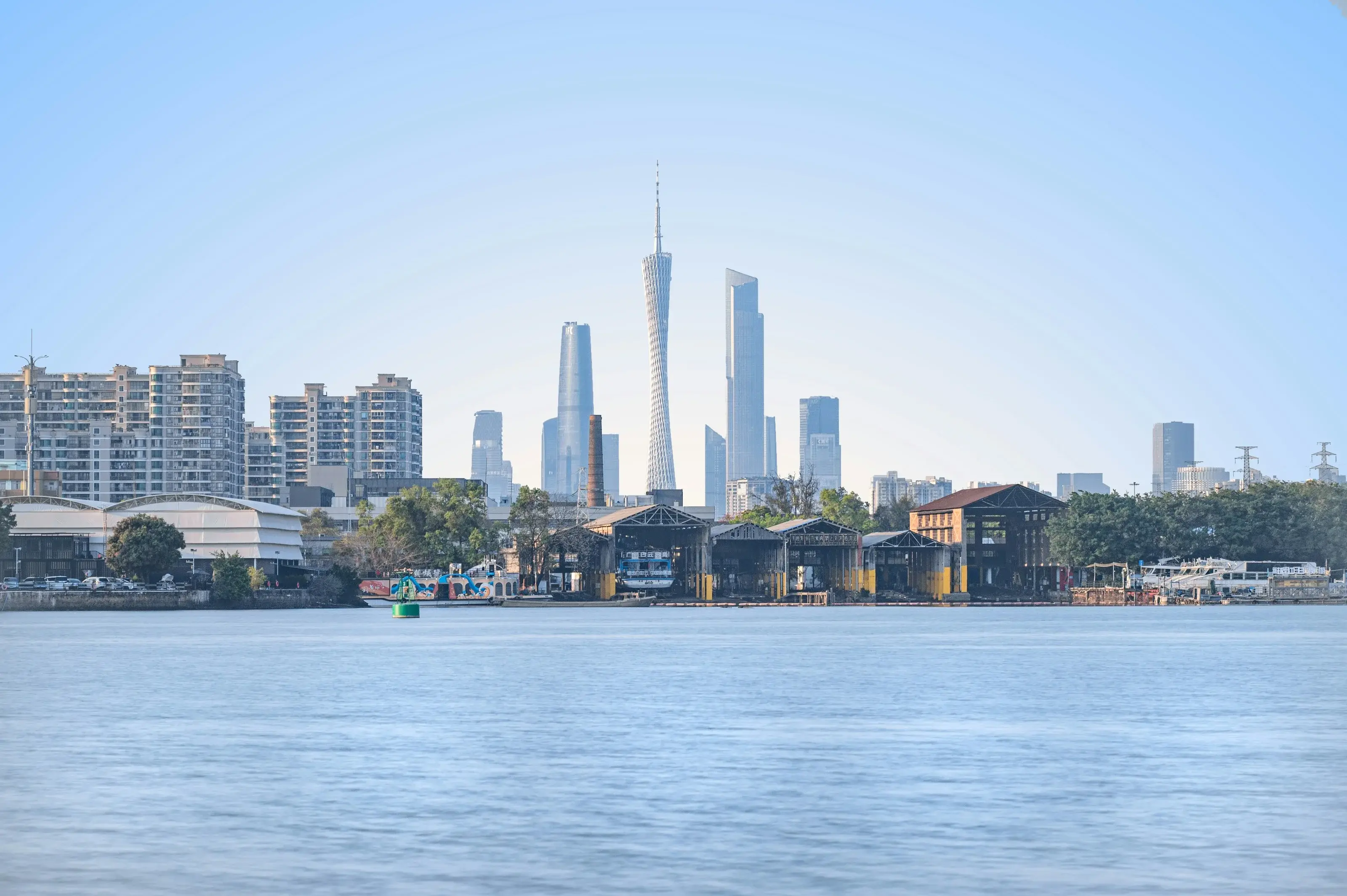 3 jours Après le dernier stand Canton À partir de $840 Voir le circuit
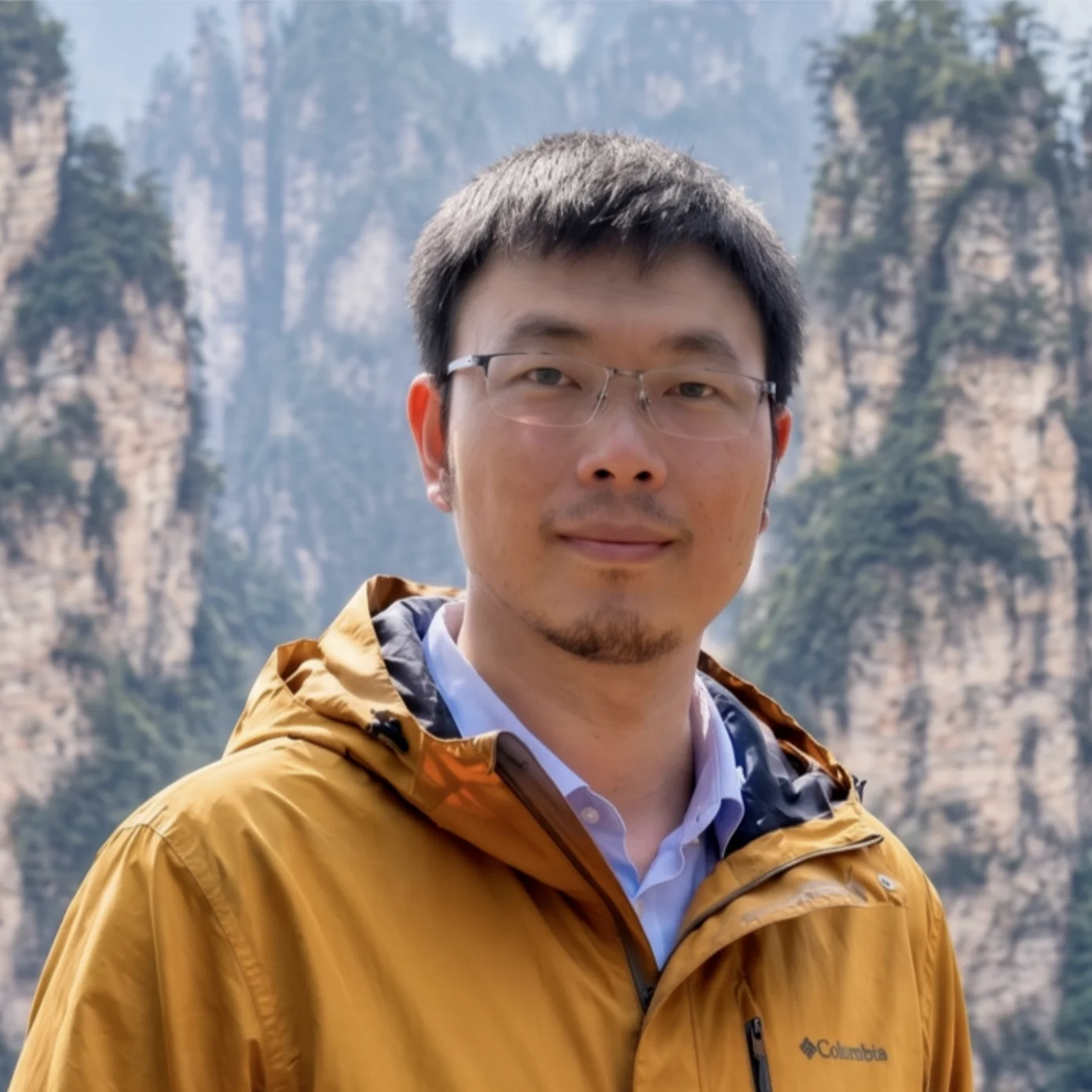
 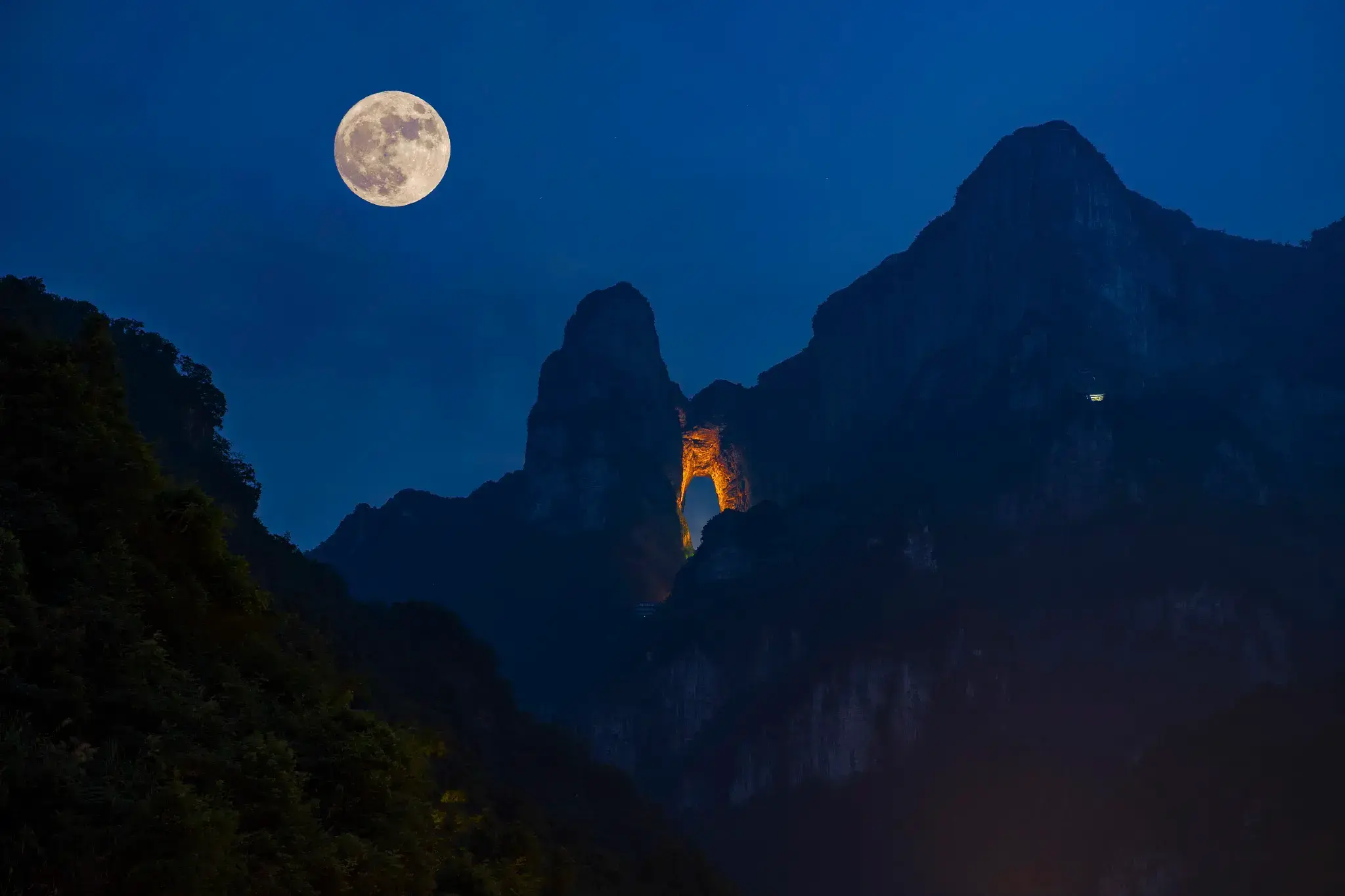 5 jours Au-dessus des piliers, puis en dessous Zhangjiajie À partir de $1,430 Voir le circuit
  10 jours Banquet de retour au pays Canton → Shantou → Jieyang → Chaozhou → Quanzhou → Zhangzhou → Xiamen À partir de $4,000 Voir le circuit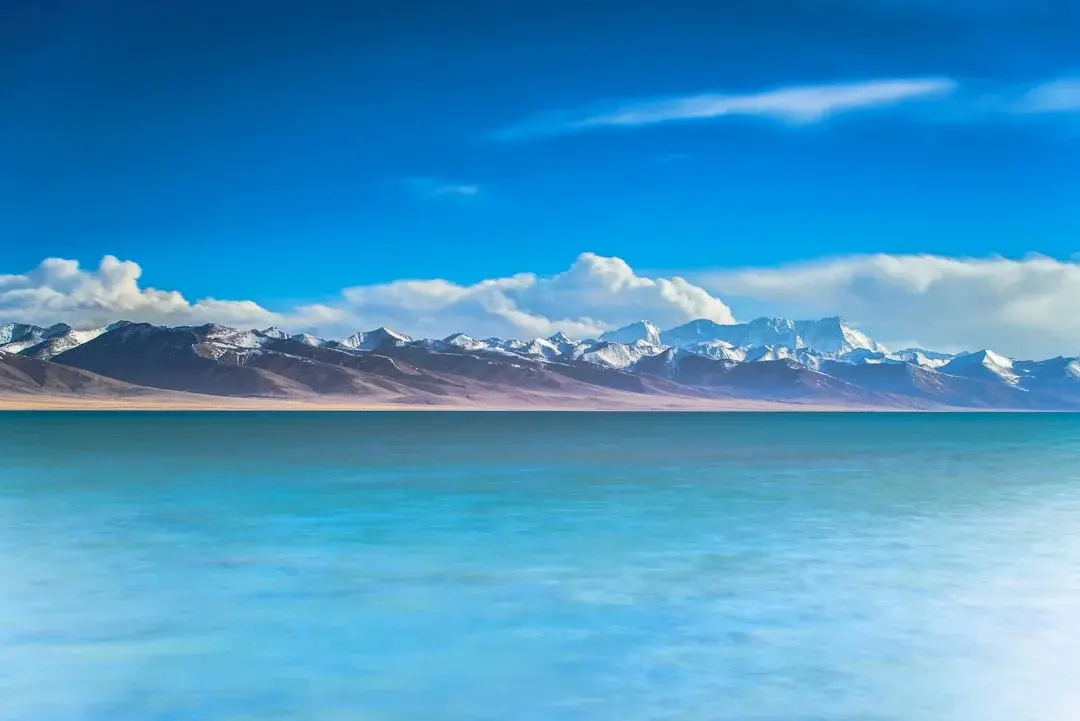
Xining est-il une base intelligente pour s'acclimater avant le chemin de fer Qinghai-Tibet vers Lhasa ?
Oui — Xining se situe à environ 2 275 m d'altitude, assez haut pour commencer à s'adapter à l'altitude mais assez bas pour que la plupart des voyageurs se sentent bien, ce qui en fait l'endroit naturel pour passer deux ou trois jours avant de monter à bord du chemin de fer Qinghai-Tibet vers Lhasa (~3 600 m). C'est la porte orientale du célèbre chemin de fer en haute altitude, et son quartier musulman avec sa scène culinaire ainsi que ses monastères bouddhistes tibétains transforment une étape de transit en un séjour enrichissant.
Ceci est un guide honnête et indépendant sur la ville de Xining et son rôle comme tremplin pour le Tibet. Ce n'est pas un guide complet sur la province plus large — pour le lac Qinghai, les prairies et la région plus vaste, consultez le  guide de voyage sur le Qinghai. Ici, l'accent est mis sur l'aspect pratique et restreint : comment fonctionne le chemin de fer, comment s'acclimater sensément, et quoi manger et voir pendant que votre corps s'adapte.
Points clés
- Xining est une base, et pas simplement un arrêt de bus. À environ 2 275 m d'altitude, c'est l'altitude idéale pour s'acclimater avant Lhasa ; prévoyez 2 à 3 nuits plutôt qu'une seule nuit.
- Le chemin de fer Qinghai-Tibet est l'événement principal. Le train de Xining à Lhasa dure environ 21 heures de nuit et grimpe sur le chemin de fer le plus haut du monde — cette montée progressive aide vraiment à l'acclimatation.
- Acclimatisez-vous correctement. Au moins deux nuits, hydratez-vous bien, faites attention le premier jour, et utilisez une excursion à environ 3 200 m comme une « prévision d'altitude » douce. En cas de doute, consultez un médecin avant de voyager.
- Le quartier musulman est le point fort culinaire. Des nouilles tirées à la main avec bœuf, des brochettes d'agneau, des plats de yak et un épais yaourt du Qinghai se regroupent autour de la mosquée Dongguan.
- Le monastère Kumbum (Ta'er) est incontournable sur le plan culturel — un important monastère bouddhique tibétain de l'école Gelug, à environ 25 km de la ville, en demi-journée facile.
- Choisissez une journée d'excursion vers un lac. Le lac Qinghai est plus proche et sert aussi d'exercice d'acclimatation ; le lac de sel Chaka (« Miroir du ciel ») est plus loin et davantage une mission photo. Faire les deux en une journée est épuisant.
- Le Tibet nécessite un permis ; Xining non. Vous pouvez visiter Xining librement, mais poursuivre jusqu'à Lhasa nécessite un permis de voyage au Tibet organisé par une agence agréée, ainsi qu'un guide.
Xining vaut-il le détour ou n'est-ce qu'un passage ?
Xining mérite un arrêt authentique de deux à trois jours — non pas parce que c'est une ville à faire sur sa liste de souhaits, mais parce qu'elle fait deux choses utiles en une : elle permet à votre corps de s'acclimatation à l'altitude et vous présente la nourriture et le plateau tibétain avant l'intensité du Tibet lui-même. La plupart des voyageurs y passent en tant que point de transit et regrettent ensuite de ne pas avoir accordé plus de temps.
L'attrait est un carrefour culturel qu'on ne trouve nulleilleurs sur le circuit touristique standard. Xining est la capitale de la province du Qinghai et compte l'une des plus grandes populations Hui (musulmans chinois) de Chine, superposée à une forte présence bouddhiste tibétaine et à une vie urbaine han-chinoise. Le résultat est un endroit où une mosquée, un monastère et un marché nocturne de nouilles tirées à la main se situent tous à courte distance en taxi les uns des autres. Qui devrait réfléchir à deux fois : si votre voyage en Chine est court et que vous n'avez aucun projet au Tibet, Xining est un détour spécialisé plutôt qu'une destination phare — elle gagne sa place principalement comme base d'acclimatation et gare ferroviaire.但若 Lhasa figure dans votre itinéraire, sauter Xining pour gagner une journée est généralement une fausse économie : vous échangez repos et acclimatation pour un arrivée plus rude à 3 600 m.
Qu'est-ce que le chemin de fer Qinghai-Tibet, et comment s'intègre-t-il à Xining ?
<!– img: tavily / / query=Qinghai Tibet railway train plateau mountains –>
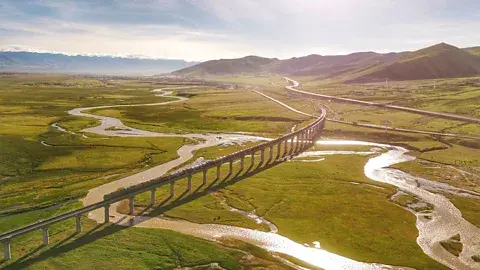
Le chemin de fer Qinghai-Tibet est la ligne en altitude reliant Xining à Lhasa, traversant le plateau tibétain — le chemin de fer le plus haut au monde — et Xining en est le point de départ oriental. Le trajet complet de Xining à Lhasa dure environ 21 heures, presque entièrement la nuit, franchissant des cols bien plus élevés que tout autre point de l'itinéraire avant de descendre jusqu'à Lhasa.
La ligne a été inaugurée en 2006 et atteint son point culminant au col Tanggula, à plus de 5 000 m, ce qui en fait le chemin de fer le plus haut du monde ; les wagons de la section du plateau sont équipés d'un supplément d'oxygène (Wikipedia, Chemin de fer Qinghai–Tibet ; inauguré en 2006). C'est exactement cette montée lente et pressurisée qui explique pourquoi de nombreux voyageurs préfèrent le train à l'avion : plutôt que de monter directement à l'altitude de Lhasa en quelques heures par avion, vous gagnez progressivement en altitude, ce que beaucoup trouvent plus doux pour le corps.
Quelques conseils pratiques à vérifier lors de votre réservation :
- Environ 21 heures. Les trains quittent généralement Xining l'après-midi ou le soir et arrivent à Lhasa le lendemain. Emportez des collations, de l'eau et des vêtements chauds.
- Réservez tôt en haute saison. L'été (environ juin–septembre) connaît une forte demande pour les couchettes sur cette itinéraire ; réservez bien à l'avance.
- Classes couchette. La couchette molle (compartiment à quatre lits) et la couchette dure (six lits ouverts) sont les choix usuels pour la nuit ; les prix varient selon la classe et la saison.
- Il vous faut toujours les papiers du Tibet. Le train est réservable, mais l'embarquement pour Lhasa nécessite votre permis de voyage au Tibet en main (voir la section pratique ci-dessous).
Vous pouvez aussi voler de Xining à Lhasa en environ trois heures, mais le vol saute entièrement l'acclimatation — le train est à la fois plus mémorable et plus adapté à l'altitude.
Comment se rendre à Xining ?
Xining est un important centre de transport en Chine occidentale, accessible par train à grande vitesse et par avion, et c'est le point de départ où la plupart des voyageurs changent pour le railway Qinghai-Tibet. Vous arriverez presque toujours de Xi'an, Chengdu ou une grande ville de l'est, puis continuerez vers Lhasa.
| Route vers Xining | Mode | Durée indicative (2026) |
|---|---|---|
| Xi'an → Xining | Train à grande vitesse | ~5 heures |
| Chengdu → Xining | Train à grande vitesse (ou de nuit) | ~9 heures (de nuit ~15h) |
| Pékin → Xining | Train à grande vitesse | ~10 heures |
| Oumouqi → Xining | Train à grande vitesse | ~10 heures |
| Xining → Lhasa | Chemin de fer Qinghai-Tibet (de nuit) | ~21 heures |
En avion, l'aéroport international de Xining Caojiabao (XNN) relie Pékin, Shanghai, Chengdu et d'autres grandes villes. L'aéroport se trouve à environ 30 km du centre ; un taxi prend environ 40 minutes et coûte environ ¥80–100 (indicatif, 2026). Xi'an forme un lien ferroviaire particulièrement naturel en environ cinq heures, vous permettant de chaîner les Guerriers de Terre Cuite à la porte du Tibet sur une route occidentale.
Une fois dans la ville, notez que Xining n'a pas de métro. Vous dépendrez des taxis et de DiDi (covoiturage dans WeChat ou Alipay) ; la plupart des trajets en ville sont bon marché, autour de ¥10–20 (indicatif, 2026).
Comment devriez-vous vous acclimater à Xining avant le Tibet ?
Donnez à votre corps du temps : au moins deux nuits à Xining, un premier jour facile, beaucoup d'eau, et — si possible — une excursion d'une journée à environ 3 200 m comme « prévision d'altitude » contrôlée avant le train. L'élévation de Xining d'environ 2 275 m est le point central ; c'est une échelle confortable entre le niveau de la mer et les ~3 600 m de Lhasa.
Le cadre ci-dessous est un plan général et conservateur, et non un conseil médical. L'altitude affecte les personnes de manière imprévisible, indépendamment de l'âge ou de la forme physique, alors consultez un médecin avant votre voyage — surtout si vous avez des problèmes cardiaques ou pulmonaires, êtes enceinte, ou voyagez avec de jeunes enfants ou des proches âgés. Si les symptômes sont graves ou s'aggravent, le seul traitement fiable est de descendre.
| Étape | Où vous êtes (approx.) | À faire | À surveiller |
|---|---|---|---|
| Jour d'arrivée | Xining, ~2 275 m | Restez tranquille — promenez-vous dans le quartier musulman, mangez, hydratez-vous, bien dormir. Pas d'effort intense. | Maux de tête légers ou essoufflement en se reposant |
| Jour d'ajustement | Xining, ~2 275 m | Découverte douce : monastère Kumbum, musées, plus de nourriture. Gardez un effort modéré. | Appétit, qualité du sommeil, tout mal de tête persistant |
| Prévu altitude | Excursion à ~3 200 m (ex. lac Qinghai) | Passez quelques heures en hauteur sans y passer la nuit, puis retournez à Xining pour vous reposer. | Comment vous sentez-vous en exerçant légèrement à 3 000 m+ |
| Départ | Prenez le railway Qinghai-Tibet | Reposé, hydraté et pré-ajusté pour la montée nocturne lente vers Lhasa. | Emportez de l'eau et des couches chaudes pour la partie plateau |
Habitats d'acclimatation générale à garder à l'esprit pour toutes les étapes :
- Hydratez plus que nécessaire. L'air sec du plateau vous prive d'humidité plus vite que vous ne le pensez ; la déshydratation aggrave les symptômes de l'altitude.
- Évitez l'alcool et les efforts intenses dans les premières 24 à 48 heures.
- Ne négligez pas les symptômes. Un mal de tête persistant, des nausées, des vertiges ou un sommeil agité sont des signaux pour vous reposer et ralentir, pas pour forcer.
- Surveillez étroitement les enfants et les voyageurs âgés — ils peuvent décrire leurs symptômes avec peu de clarté ; observez donc une perte d'appétit, une fatigue inhabituelle ou une irritabilité.
Ceci ne remplace en aucun cas un avis médical professionnel ; considérez-le comme une recommandation générale et confirmez les détails avec un médecin.
Quelles sont les meilleures choses à faire à Xining ?
Les deux incontournables sont le quartier musulman autour de la mosquée Dongguan pour l'ambiance et la nourriture, et le monastère Kumbum (Ta'er) pour l'art et l'architecture bouddhistes tibetains — tous deux faciles à intégrer entre vos jours d'acclimatation.
Explorez le quartier musulman autour de la mosquée Dongguan

<!– img: tavily / / query=Dongguan Mosque Xining –>
C'est le cœur battant de la ville. Les rues autour de la Mosquée Dongguan (东关清真大寺) — l'une des plus grandes mosquées du nord-ouest de la Chine — se remplissent de stands de nourriture, de marchés et d'un rythme nettement différent de celui des villes de l'est de la Chine. Nouilles tirées à la main, brochettes d'agneau, pains plats, yak et yaourt local épais sont tous à quelques pas les uns des autres. Les visiteurs non musulmans peuvent généralement entrer dans la cour de la mosquée en dehors des prières ; vêtez-vous modestement et montrez du respect.
Visitez le monastère Kumbum (Ta'er)
<!– img: tavily / / query=Kumbum Taer Monastery Tibetan Buddhist –>
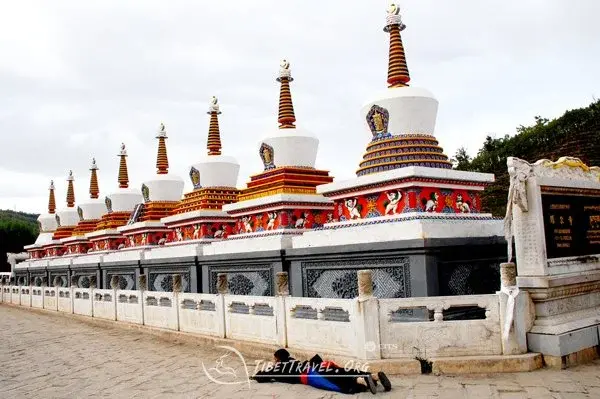
Le monastère Kumbum (塔尔寺, Ta'er Si) est un grand monastère de l'école Gelug (« Chapeau jaune ») du bouddhisme tibétain, construit sur le lieu de naissance de Tsongkhapa, fondateur de l'école (Wikipedia, Monastère Kumbum ; fondé en 1583). Il se trouve à environ 25 km au sud-ouest de la ville — soit environ 30 à 40 minutes en taxi — et constitue une demi-journée idéale pour un jour d'ajustement. Le complexe est célèbre pour ses « trois arts » : sculptures en beurre, murales et appliqué. Prévoyez deux à trois heures ; le prix d'entrée est de ¥70 (avril–octobre) / ¥40 (novembre–mars), avec une réduction à ¥35 pour les étudiants et les personnes âgées, et gratuit pour les enfants de moins de 1,2 m (2025).
Complétez votre expérience culturelle dans les musées
- Musée provincial du Qinghai (青海省博物馆) — une bonne introduction aux cultures tibétaine, hui, mongole et tu de la région ; généralement gratuit (indicatif, 2026), il vaut 1 à 2 heures.
- Musicien de la médecine et de la culture tibétaines (藏医药文化博物馆) — abrite une vaste thangka et une collection inhabituelle d'objets médicaux tibétains ; un arrêt vraiment distinctif.
Quel excursion d'une journée choisir : Kumbum, lac Qinghai ou Chaka ?
<!– img: tavily / / query=Qinghai Lake blue China –>
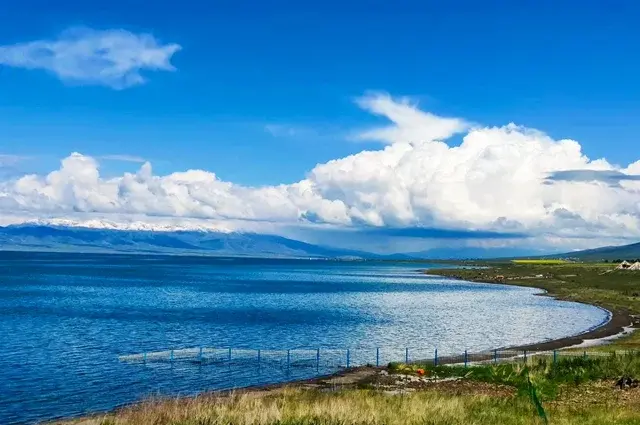
Si vous n'avez le temps que pour une grande excursion, pesez la distance contre le rendement : Kumbum est une demi-journée culturelle rapide, le lac Qinghai est l'excursion paysagère la plus proche qui sert aussi d'entraînement à l'altitude, et le lac de sel de Chaka est une mission photo plus lointinaire qui nécessite vraiment un nuit. Essayer de combiner les deux lacs en une seule journée depuis Xining est épuisant.
| Excursion | Distance de Xining | Altitude (approx.) | Temps aller-retour | Meilleur pour / verdict |
|---|---|---|---|---|
| Monastère Kumbum (Ta'er) | ~25 km | ~2 600 m | Demi-journée (2–3 sur place) | Tout le monde – l'arrêt culturel incontournable, idéal en jour d'acclimatation |
| Lac Qinghai (青海湖) | ~150 km | ~3 200 m | Journée complète (~2,5 h chaque sens) | Paysages et aperçu de l'altitude ; la traversée des prairies fait partie du plaisir. Bien aménagé et peut paraître commercialisé. |
| Lac de sel Chaka (茶卡盐湖) | ~300 km | ~3 100 m | Journée longue ou nuit (4–5 h chaque sens) | Réflexions du « Miroir du ciel » – un voyage pour les photographes. Entrée ¥60 en haute saison / ¥30 hors-saison, train touristique ¥50 (2025). Meilleure période : juin–septembre ; envisagez de rester une nuit. |
Pour la plupart des voyageurs se rendant au Tibet, le Lac Qinghai est le choix stratégique : à ~3 200 m, il offre à votre corps quelques heures d'exposition réelle à l'altitude sans vous obliger à dormir en hauteur, et s'intègre parfaitement dans le plan d'acclimatation ci-dessus. Les transports publics vers le lac sont limités, donc louer un chauffeur pour la journée est le choix pratique. L'effet miroir de Chaka est spectaculaire par beau temps, mais la distance impose une grande demande sauf si vous prévoyez une nuit. Pour une couverture plus approfondie des lacs et de la région plus large, consultez le guide de voyage sur le Qinghai.
Que manger à Xining ?
La cuisine de Xining est l'une des meilleures raisons de ralentir : une cuisine de plateau généreuse, majoritairement halal, centrée sur les nouilles au blé, l'agneau, le yak et les produits laitiers, concentrée dans le Quartier Musulman mais présente dans toute la ville. C'est aussi une alimentation idéale pour l'acclimatation : chaude, rassasiante et généralement douce.
- Boulettes de bœuf tirées à la main (拉面, lāmiàn) — signature régionale ; regarder les artisans tirer les nouilles fait partie du plaisir. Bon marché et disponibles partout (environ ¥8–15 le bol ; indicatif, 2026).
- Brochettes d'agneau (羊肉串, yángròu chuàn) — tendres, assaisonnées au cumin, vendues dans tout le Quartier Musulman pour quelques yuan chacune.
- Plats au yak — vous verrez apparaître le yak sur les menus ici ; une soupe de nouilles au yak-bœuf est réconfortante et bien adaptée à l'altitude.
- Momo tibétains — dumplings cuits à la vapeur, farcis au yak ou aux légumes, un avant-goût de la cuisine tibétaine à venir.
- Yoghourt du Qinghai (酸奶, suānnǎi) — épais et acidulé, souvent servi avec un peu de sucre ; vendu en petits gobelets par les vendeurs de rue.
L'ambiance décontractée et familiale des étals de nourriture en fait un endroit idéal pour manger avec des enfants, et le paiement mobile (WeChat Pay / Alipay) fonctionne même dans les petits stands.
Où séjourner à Xining ?
Installez-vous près du Quartier Musulran (le quartier de Dongguan) pour la meilleure cuisine et ambiance, ou près de la gare ferroviaire si vous avez un départ très matinal sur le railway Qinghai-Tibet. Pas de métro dans la ville, les taxis sont indispensables depuis n'importe quel emplacement, donc la proximité de ce qui vous importe prime sur la proximité des transports.
| Area | Best for | Trade-off |
|---|---|---|
| Muslim Quarter (Dongguan) | Food, atmosphere, walkable night markets | Busier, older streets; livelier at night |
| Near the railway station | Early train departures, easy arrivals with luggage | Convenient but dull; far from the food scene |
One important practical point: not every hotel in China accepts foreign guests. Confirm that your chosen property registers international passports before you commit, and read recent reviews from foreign travellers. Specific hotel names and rates change constantly — treat any figure you see online as indicative and confirm at the time of booking.
When Is the Best Time to Visit Xining?
June to September is the best window — mild 15–25°C days, and the season when Qinghai Lake and Chaka Salt Lake look their best. Xining's plateau summers are a cool relief from the heat of eastern China.
| Season | Conditions | Verdict |
|---|---|---|
| Jul–Aug | Warmest, lakes at their most photogenic | ✅ Best conditions, but peak crowds and prices |
| May–Jun & Sep | Pleasant, fewer tourists, lower rates | ✅ Best balance |
| Oct–Apr | Cold to bitterly cold (down to ~-15°C); lakes less impressive | ➖ City sights (Kumbum, Muslim Quarter) still work year-round |
If your trip is driven by the Tibet connection, aligning with summer also lines up with the busiest railway season — so book the Xining-to-Lhasa train early.
What Practical Things Should You Know?
Xining est agréable à visiter mais peu anglophone ; l'élément clé de la planification est le permis du Tibet si vous continuez vers Lhasa. Quelques essentiels :
- Permis du Tibet. Vous n'avez aucun permis spécial pour Xining (elle se trouve dans le Qinghai, pas dans la Région autonome du Tibet). Cependant, un voyage jusqu'à Lhasa nécessite un Permis de voyage au Tibet, à organiser à l'avance via une agence de voyage agréée — les touristes étrangers ne peuvent pas se rendre au Tibet indépendamment et doivent avoir un guide. Résolvez ce point bien avant votre arrivée, et vérifiez les règles en vigueur selon votre nationalité.
- Paiements. WeChat Pay et Alipay fonctionnent pratiquement partout, y compris sur les étals de rue. Configurez-les avant votre départ.
- Langue. L'anglais est très limité ici — plus encore que dans les villes de l'est. Une application de traduction est essentielle ; enregistrez l'adresse de votre hôtel et les phrases clés en chinois.
- Déplacements. Pas de métro ; utilisez des taxis ou DiDi. Les tarifs en ville sont abordables.
Combien de jours faut-il à Xining ?
Deux à trois jours sont idéales : suffisamment pour vous acclimater correctement et voir les incontournables sans allonger inutilement. Un programme viable :
- Jour 1 — Installation et adaptation : arrivez, détendez-vous, explorez à pied le Quartier musulman et la mosquée Dongguan, mangez bien, hydratez-vous.
- Jour 2 — Culture : Monastère Kumbum (Ta'er) le matin, un musée l'après-midi, plus de nourriture du Quartier musulman le soir.
- Jour 3 — Aperçu de l'altitude : excursion d'une jour au lac Qinghai (~3 200 m), comme dernier ajustement avant le train, puis embarquez sur le railway Qinghai-Tibet.
Si vous faites simplement une escale vers le Tibet, deux jours suffisent pour l'acclimatation et le cœur de la ville. Si vous souhaitez visiter les deux lacets, ajoutez une nuit près de Chaka.
Questions fréquemment posées
Quelle est la durée du train de Xining à Lhasa ?
Le chemin de fer Qinghai-Tibet reliant Xining à Lhasa dure environ 21 heures, principalement pendant la nuit. Il s'élève sur le chemin de fer le plus au monde, avec un oxygène supplémentaire sur la section du plateau. De nombreux voyageurs préfèrent ce trajet au vol d'environ 3 heures car l'ascension progressive aide le corps à s'adapter à l'altitude.
Quelle est l'altitude de Xining ?
Xining se situe à environ 2 275 m (environ 7 460 ft). C'est assez élevé pour commencer l'acclimatation mais suffisamment bas pour que la plupart des visiteurs ne ressentent aucun effet négatif, c'est exactement pourquoi il sert de base avant Lhasa (~3 600 m). Passer deux ou trois jours ici facilite la transition vers les altitudes plus élevées du Tibet.
Avez-vous besoin d'un permis du Tibet pour visiter Xining ?
Non. Xining se trouve dans la province du Qinghai, pas dans la Région autonome du Tibet, donc aucun permis spécial n'est requis pour y visiter. Cependant, se rendre à Lhasa nécessite un Permis de voyage au Tibet arrangé à l'avance via une agence agréée, et les touristes étrangers doivent voyager au Tibet avec un guide.
Xining vaut-il la peine d'être visité seul ?
Pour la plupart des gens, Xining mérite sa place comme base d'acclimatation et gare ferroviaire plutôt que comme ville à part entière sur une liste de souhaits. Cela dit, la scène culinaire du quartier musulman et le monastère de Kumbum rendent deux ou trois jours vraiment agréables, et le mélange culturel tibétain-hui-han est unique en Chine.
Devriez-vous visiter le lac Qinghai ou le lac de sel Chaka depuis Xining ?
Si vous ne pouvez en visiter qu'un seul, le lac Qinghai est le choix pratique : il est plus proche (~150 km) et, à environ 3 200 m d'altitude, il sert aussi d'entraînement avant le Tibet. Les reflets miroir du lac de sel Chaka sont spectaculaires, mais il est situé à environ 300 km et convient mieux à un voyage d'une nuit.
Quel est le meilleur moment pour visiter Xining ?
De juin à septembre, pour un temps doux de 15 à 25 °C et les meilleures conditions au niveau des lacs. Juillet-août est la saison haute avec les plus beaux paysages mais aussi les foules les plus nombreuses ; mai-juin et septembre offrent un meilleur équilibre entre temps, prix et tranquillité. L'hiver est froid, mais les sites de la restent ouverts.
Planifier votre voyage à travers Xining
Xining est mieux compris non pas comme une destination à cocher mais comme une pause intelligente avant le Tibet : une altitude confortable s'adapter, une assiette de nouilles tirées à la main, un monastère sur une colline verte et une excursion vers un lac qui prépare doucement vos poumons à ce qui va suivre. Passez deux ou trois jours, installez-vous près du quartier musulman, acclimatisez-vous raisonnablement (et consultez d'abord un médecin), puis montez dans le train Qinghai-Tibet reposé et prêt.
Pour la région plus vaste au-delà de la ville — le lac Qinghai, les prairies et la province dans son ensemble — consultez le guide de voyage du Qinghai. Pour intégrer l'itinéraire ferroviaire, le guide de voyage de Xi'an forme naturellement un jumelage de cinq heures, et le guide de voyage de la Chine met l'ensemble du voyage occidental en contexte.