




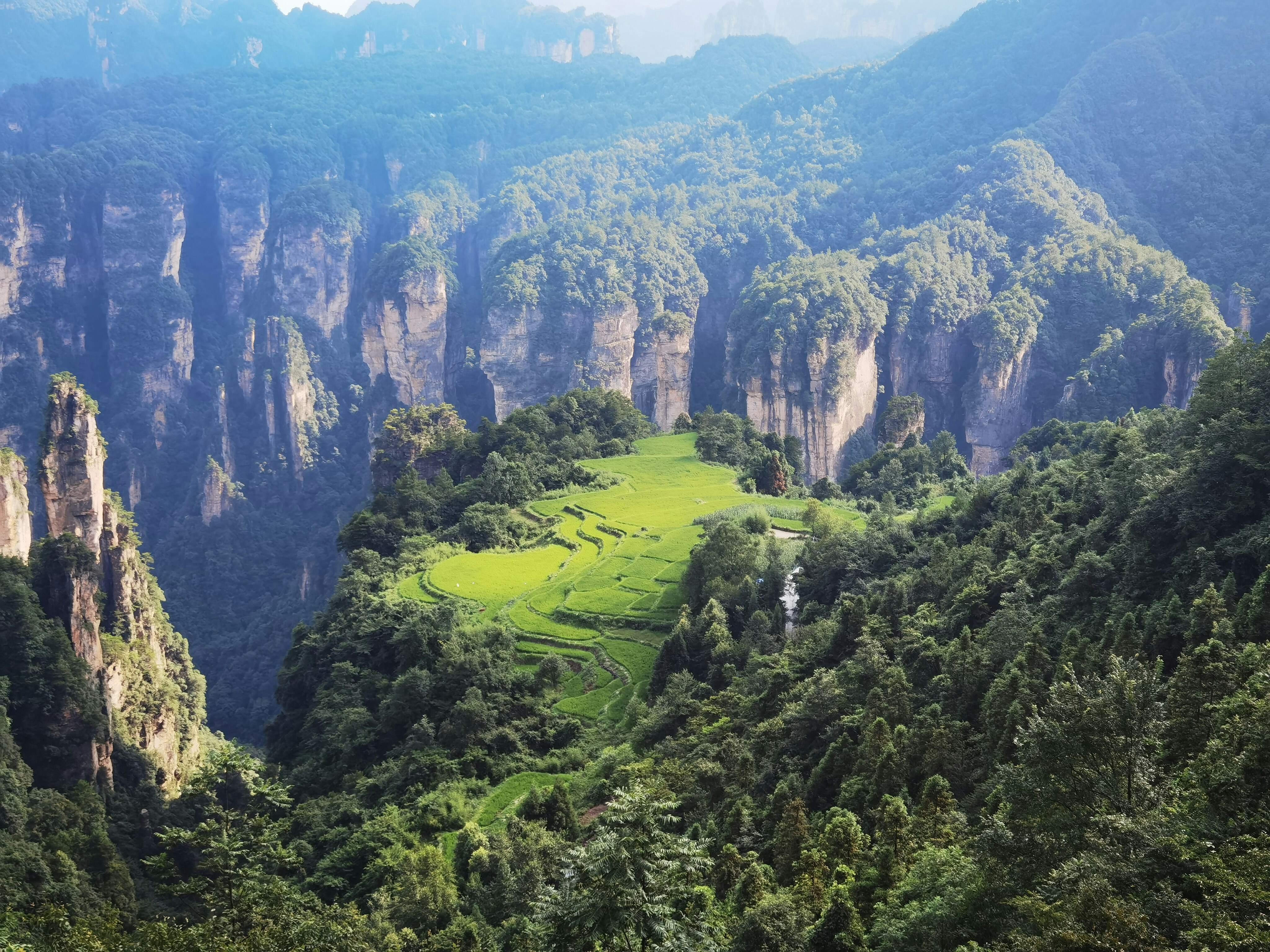
 18 jours La Chine, d'un bout à l'autre Pékin → Xi'an → Chuanzhusi → Jiuzhaigou → Chengdu → Zhangjiajie → Guilin → Yangshuo → Shenzhen À partir de $6,360 Voir le circuit
 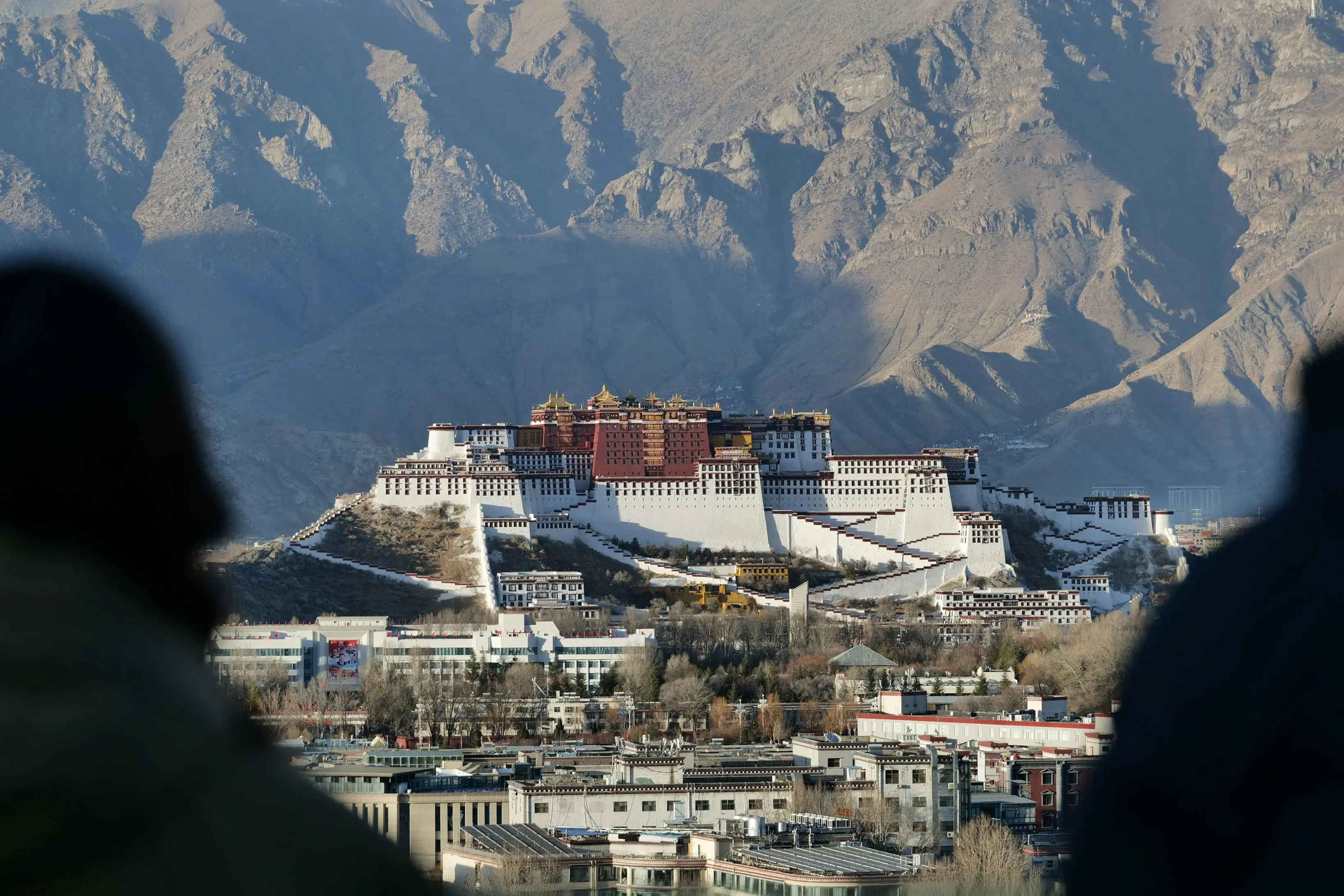 18 jours Air raréfié, puis niveau de la mer Pékin → Xi'an → Chengdu → Lhassa → Tchong-King → Yichang → Shanghaï À partir de $4,900 Voir le circuit
 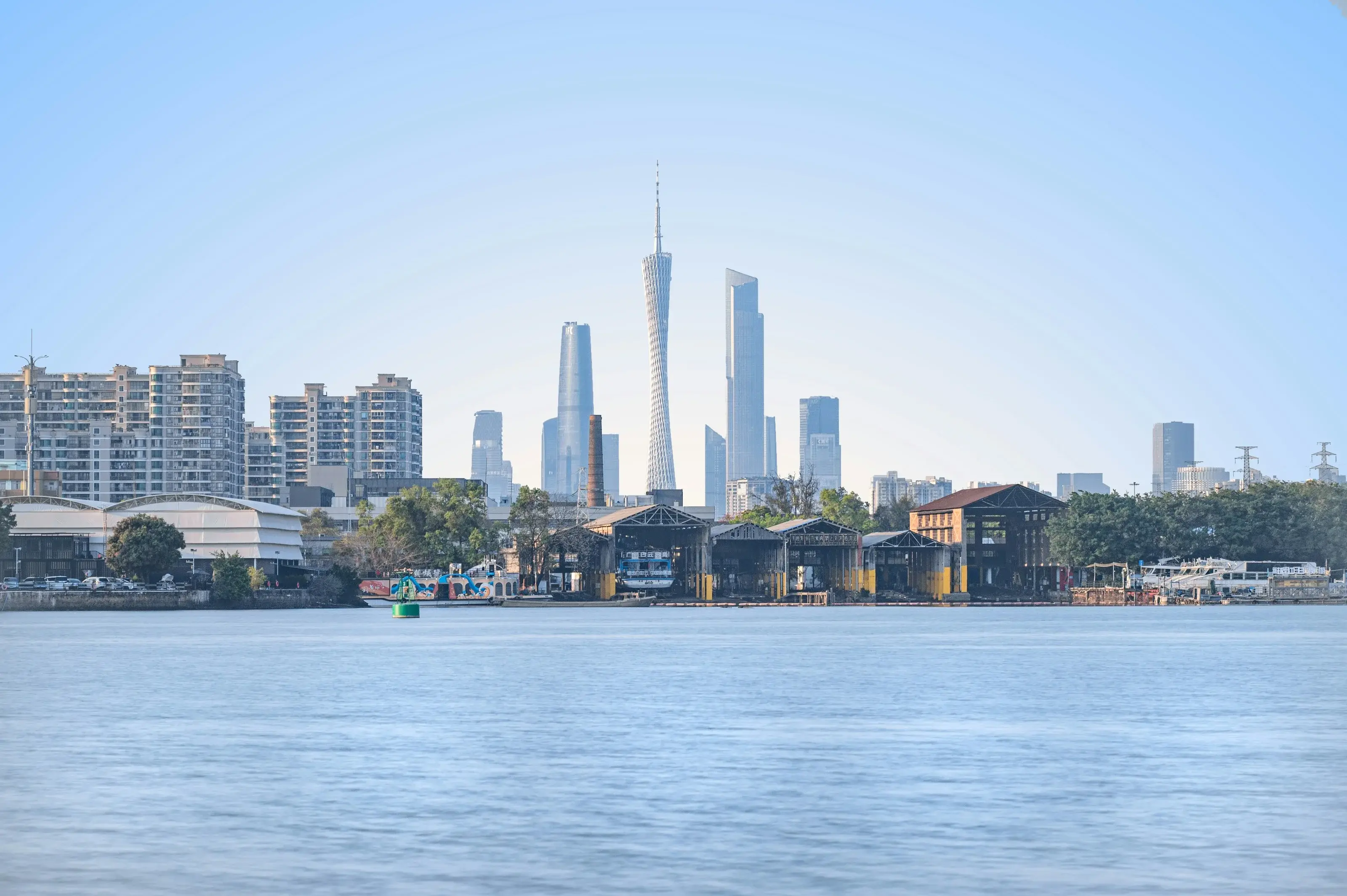 3 jours Après le dernier stand Canton À partir de $840 Voir le circuit
 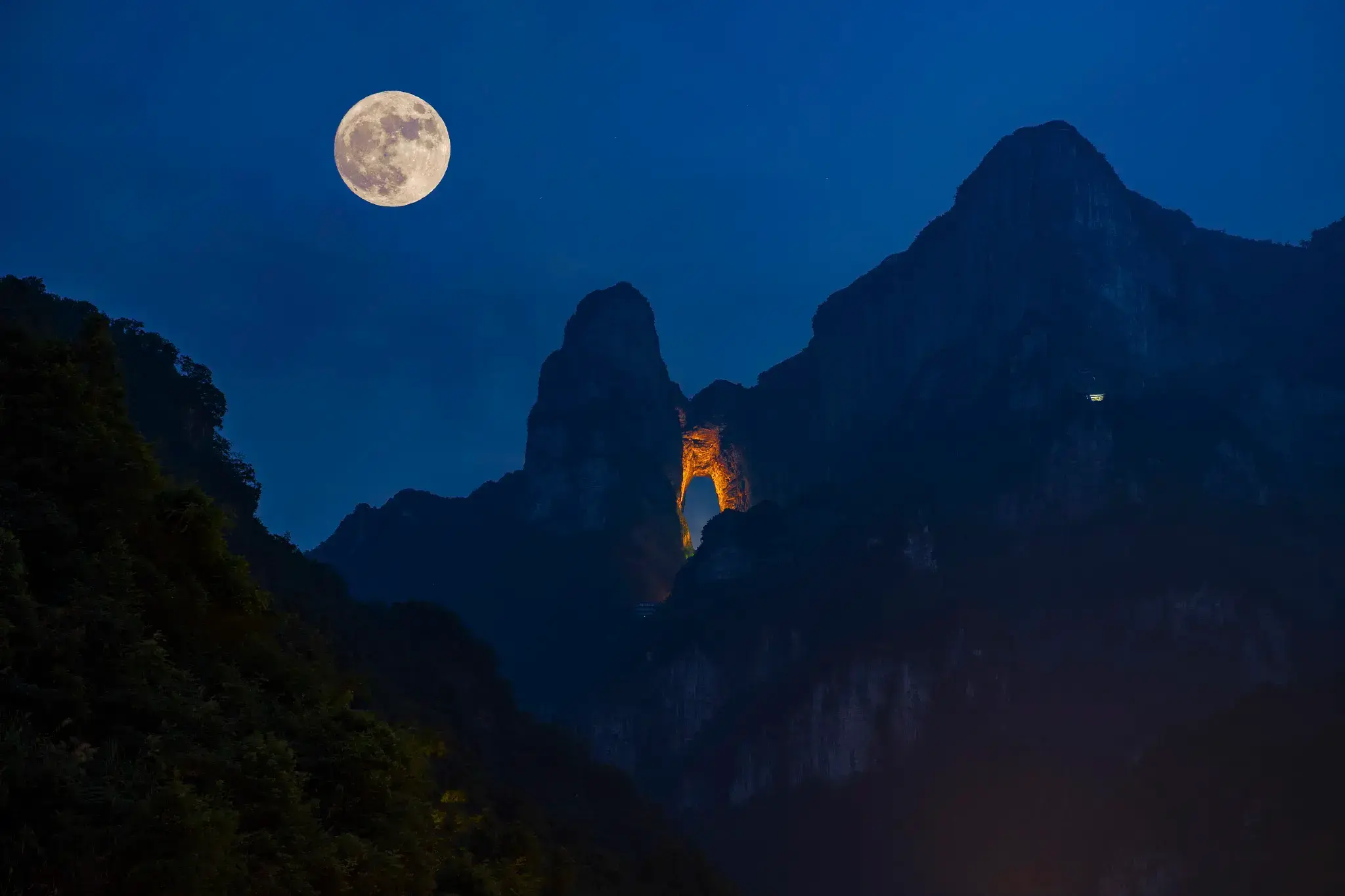 5 jours Au-dessus des piliers, puis en dessous Zhangjiajie À partir de $1,430 Voir le circuit
  10 jours Banquet de retour au pays Canton → Shantou → Jieyang → Chaozhou → Quanzhou → Zhangzhou → Xiamen À partir de $4,000 Voir le circuit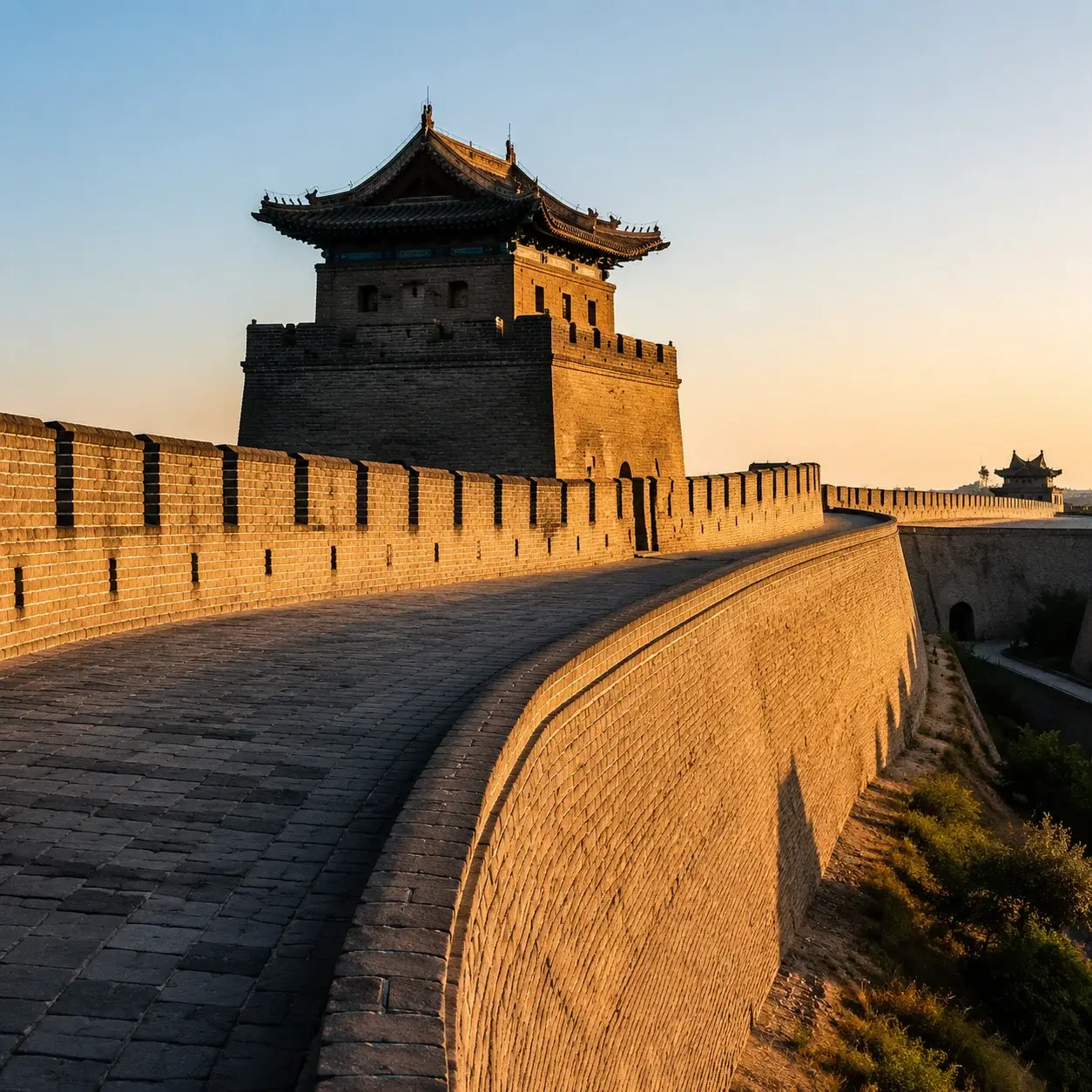
La ville ancienne de Pingyao vaut-elle le détour ? Le guide complet 206 de la ville chinoise la mieux conservée
Oui — la ville ancienne de Pingyao vaut le détour, et elle le vaut précisément parce qu'elle est intacte. Contrairement aux « villes d'eau » reconstruites en Chine, il s'agit d'une véritable ville fortifiée des dynasties Ming et Qing du XIVe siècle, entièrement conservée dans le Shanxi — un rempart réel que vous pouvez traverser, des ruelles de cours vivantes, et le berceau de la banque chinoise — et elle s'intègre parfaitement entre Xi'an et Pékin via le train à grande vitesse.
Ce dernier point est souvent oublié par la plupart des guides. La plupart des personnes cherchant « ville ancienne de Pingyao » ont déjà décidé de visiter la Chine et ont retenu Xi'an ou Pékin ; la vraie question est d'ajouter Pingyao, comment y aller et quoi faire une fois à l'intérieur des murs. Ce guide de planification de confiance n'est pas un vendeur de billets — LyrikTrip exploite régulièrement la ligne ferroviaire du Shanxi, et notre mission ici est de résoudre les deux problèmes que tous nos concurrents laissent sans réponse : quels sites de Pingyao (~20 au total) à billet direct valent votre temps limité, et où Pingyao s'inscrit dans un itinéraire Xi'an-Datong.
Pour vous orienter : Pingyao figure sur la Liste du patrimoine mondial de l'UNESCO depuis 1997 (Ancienne ville de Ping Yao, réf. 812, inscrite selon les critères (ii)(iii)(iv); whc.unesco.org, consulté le 2026-07-04). Il s'agit d'environ 2 km² de paysages urbains à l'intérieur d'un mur d'environ 6 km de circonférence, et elle a été le centre financier de la Chine au XIXe siècle. Ci-dessous : le verdict honnête « vaut-il le coup / combien de jours », puis les sites, les trains et la question de dormir ou non à l'intérieur des remparts.
Points clés
- Pingyao vaut le détour car il est intact, pas reconstruit. C'est la mieux conservée des villes fortifiées des dynasties Ming et Qing en Chine — une vraie rempart, de vraies ruelles, la première banque de Chine — inscrite à l'UNESCO depuis 1997.
- Il faut quatre ou cinq sites, pas vingt. L'entrée de la ville est gratuite ; le billet combiné d'environ ¥125 couvre environ 20 sites mais les passes sont à usage unique. Dépensez-les sur la Muraille de la Ville, la banque Rishengchang, le Bureau du Gouvernement Comtal, et une balade gratuite dans la Rue Ming-Qing.
- Un séjour nocturne vaut mieux qu'une excursion en journée. Le vrai charme de Pingyao — la ville fortifiée vide et éclairée de lanternes à l'aube après le départ des bus de tourisme — ne se vit qu'en passant une nuit dans un ancien courtyard transformé en auberge à l'intérieur des remparts.
- C'est un nœau ferroviaire, pas un détour. Pingyao est l'escale naturelle entre Xi'an (Armée de Terre en Terre cuite) et Datong (Grottes de Yungang) sur la corridor du Shanxi.
- Surveillez la liaison Pingyao–Datong. Les anciens guides disent « 9 trains par jour » ; notre vérification de juillet 2026 n'a trouvé que deux paires de trains à grande vitesse par jour — réservez cette étape tôt.
- Tous les prix, horaires et fréquences de trains ci-dessous sont indicatifs et marqués `待实地核实` — confirmez avant votre voyage. L'inscription UNESCO de 1997 est le seul fait ici ; tout ce qui est numérique peut changer.
—
La ville antique de Pingyao vaut-elle le visite ? (Le verdict honnête)
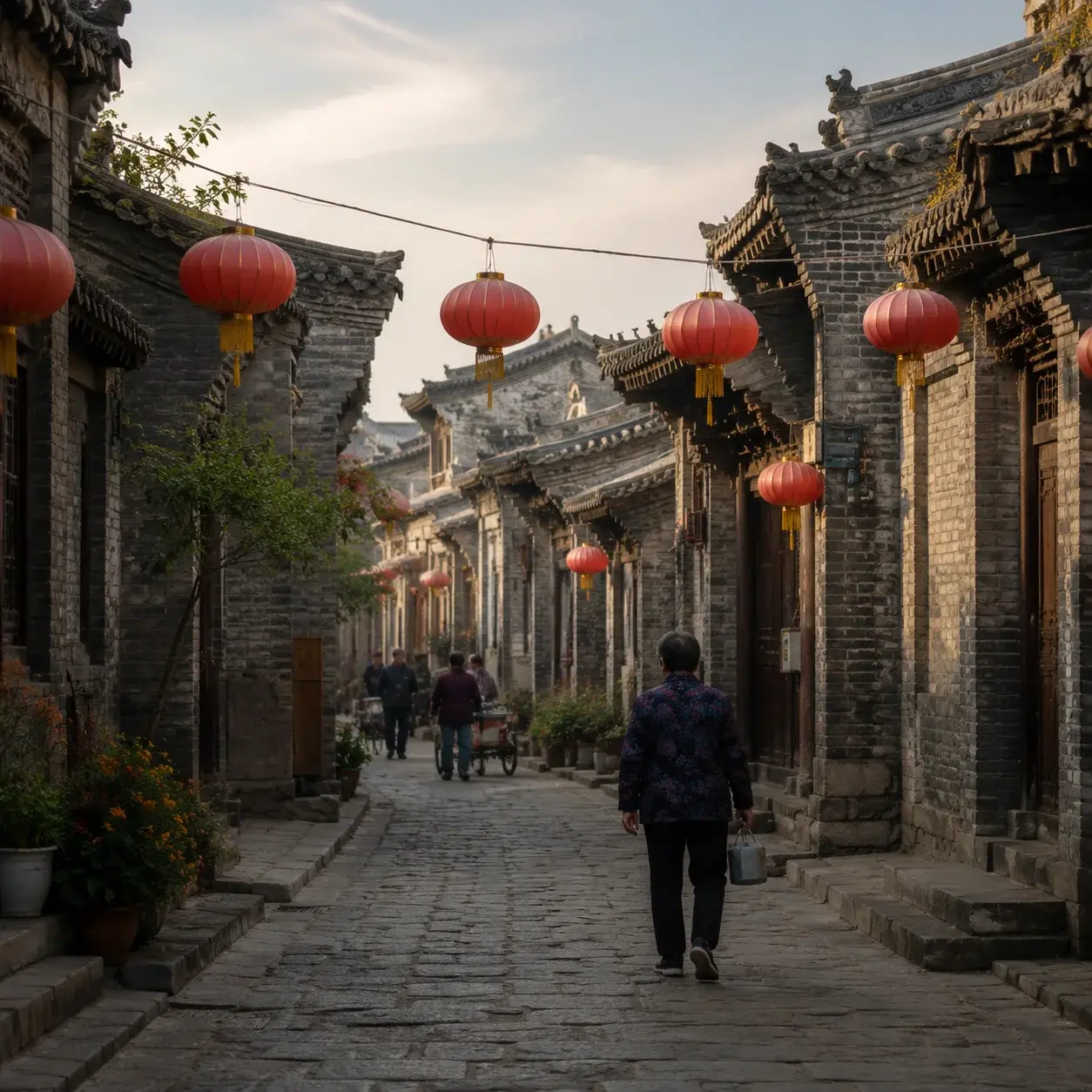
Oui, si vous souhaitez un authentique paysage de rues des dynasties Ming/Qing, une histoire du commerce et de la banque, ou une escale pratique entre Xi'an et Pékin. Ne vous y attardez pas si vous ne disposez que d'une demi-journée, ou si les rues commerçantes de la vieille ville vous découragent — l'artère principale devient très fréquentée. Pingyao mérite sa place car il s'agit d'une ville complète entourée de remparts, non d'une reconstitution : une enceinte Ming intacte, des ruelles de cours habitées et Rishengchang, la première banque de Chine.
Voici la tension honnête qu'aucune page de billet ne mentionne, car cela complique la vente :
| Pourquoi Pingyao est vraiment spécial | L'honnête réserve |
|---|---|
| Une vraie ville fortifiée Ming/Qing entière — les remparts, le plan de rue et les cours sont originaux, pas reconstruits pour les touristes | L'artère principale (rue Ming-Qing) est fortement commercialisée — boutiques de souvenirs, groupes de touristes, marché du soir encombré |
| Berceau de la banque chinoise ; l'UNESCO en appelle le centre financier chinois du XIXe siècle | La plupart des ~20 sites payants sont mineurs, similaires, des musées de banques d'escompte et de résidences que vous pouvez sauter |
| Il s'intègrait parfaitement sur la ligne ferroviaire Xi'an ⟷ Datong — un ajout facile et à forte valeur | Réduit à une excursion d'une demi-journée, il se sous-estime grandement (plus de détails ci-dessous) |
Visitez si vous êtes un voyageur intéressé par l'histoire ou l'architecture, si vous êtes déjà à Xi'an ou Pékin, ou si vous souhaitez une ville qui ressemble à une vraie ville plutôt qu'un parc à thème. Évitez ou réduisez la durée si vous n'avez qu'un après-midi libre, ou si vous détestez les vieilles rues bondées et commerçantes. Verdict style Shanghai : Pingyao récompense ceux qui ralentissent et passent une nuit — et se sous-estime pour tout le monde pressé.
Qu'est-ce qu'il y a de meilleur à faire à Pingyao ? (Sites incontournables)
L'entrée de Pingyao est gratuite ; le billet combiné d'environ ¥125 (valide généralement 3 jours, chaque site étant visitable une seule fois) couvre environ 20 sites — mais il n'y en a que quatre ou cinq à voir. Priorisez la Muraille de la Ville, la Banque Rishengchang, l'Ancien Bureau du Gouvernement Comtal, et une promenade gratuite sur la Rue Ming-Qing. Comme les billets sont à usage unique, l'art à Pingyao ne consiste pas à tout voir — c'est à dépenser vos billets limités sur les sites qui racontent vraiment une histoire.
C'est le priorisateur qu'aucun concurrent ne construit. Au lieu de lister les 20 sites et de vous laisser deviner, il les trie selon leur intérêt pour « dépenser un billet ». Chaque verdict, heure et chiffre ci-dessous sont indicatifs et marqués `待实地核实` — à confirmer sur place.
| Site | C'est quoi | Verdict `À vérifier sur place` | Pourquoi ça vaut (ou pas) le détour | ~Temps |
|---|---|---|---|---|
| Mur de Pingyao | Rempart Ming intact ~1370, environ 12 m de haut et 6 km de circonférence ; promenade en surplomb avec vue plongeante | Tier 1 — indispensable | Preuve physique de l'intégrité que les villes reconstruites ne peuvent offrir ; marchez sur le mur pour une vue d'ensemble de la ville | 45–60 min |
| Banque Rishengchang | Première piaohao (banque à lettre de change) de Chine, fondée vers 1823 ; rapportée à 57 succursales à son apogée | Tier 1 — indispensable | L'histoire de la naissance bancaire que UNESCO met en avant pour Pingyao — une visite suffit à comprendre l'importance de la ville | 30–45 min |
| Rue Ming-Qing (Nan Dajie) | Principale artère illuminée, avec boutiques, théâtres et auberges | Tier 1 — mais gratuit | Aucun billet nécessaire ; marchez à l'aube ou tard la nuit, pas en milieu de journée — les groupes touristiques et le marché du soir sont trop encombrés | 30–60 min |
| Ancien Gouvernement Comtal (Yamen) | Siège comtal restauré de l'époque Qing, avec des spectacles de procès | Tier 1 — très intéressant | Meilleur endroit pour comprendre « comment fonctionnait réellement la ville » ; le spectacle rend l'expérience accessible aux enfants | 45 min |
| Temple du Dieu de la Ville (Chenghuang Miao) | Grand complexe temple bien conservé | Tier 2 — si le temps le permet | Beau mais non unique à Pingyao ; seulement intéressant si vous avez des billets de trop | 30 min |
| Musée de l'Escorte / Compagnie de Sécurité (Biaoju) | Métier de convoyeur armé qui protégeait autrefois l'argent | Tier 2 — niche, amusant | Original et vraiment adapté aux enfants ; une bonne pause dans l'itinéraire | 20–30 min |
| Temple Confucius / Wenmiao | Temple confucéen des dynasties Ming et Qing | Tier 2 — optionnel | Inclus au billet ; passez-le si vous êtes de passage | 20 min |
| Musées mineurs de banques à lettres et résidences (la queue longue) | Une douzaine de petits musées piaohao et d'expositions de maisons de cour | À sauter si vous avez moins d'une journée | C'est le « remplissage touristique » — des expositions identiques qui diluent vos billets à usage unique ; gardez Rishengchang comme seule banque | — |
Le mécanisme du billet à travers, donc la priorisation a du sens : marcher dans la ville et le long de ses rues ne coûte rien — le billet n'achète que l'accord aux bâtiments. Le pass combiné est généralement d'environ 125 ¥, valable pendant 3 jours, et chaque site couvert peut être visité une seule fois (`à vérifier sur place`). Les pages concurrentes ne s'accordent pas sur le fait qu'il s'agisse de « 19 » ou « 22 » attractions ; considérez-le comme environ vingt et n'essayez pas de tout voir. Un tarif réduit (environ 65 ¥ pour les étudiants, les personnes âgées et certains autres, selon les concurrents) et l'entrée gratuite pour les enfants de moins de 1,2 m sont tous deux rapportés mais doivent être confirmés sur place (`à vérifier sur place`). La règle d'utilisation unique est exactement pourquoi le tableau ci-dessus est important : votre demi-journée plus une matinée vous permet peut-être d'entrer dans quatre ou cinq bâtiments, alors passez-les sur ceux qui parlent.
Combien de jours avez-vous besoin à Pingyao ? (Et devriez-vous passer la nuit ?)
Une journée complète à l'intérieur des murs couvre les sites de premier niveau ; deux jours vous permettent d'ajouter un complexe familial (Wang ou Qiao) ou les temples Shuanglin/Zhenguo ; une excursion d'une journée depuis Xi'an est possible mais sous-estime la ville. Et le verdict que les concurrents n'ont jamais vraiment établi : passer la nuit vaut mieux qu'une excursion. Dormir une nuit à l'intérieur des murs est la meilleure décision que vous puissiez faire ici.
Voici l'appel entre excursion et séjour nocturne présenté clairement :
| Excursion (p. ex. depuis Xi'an) | Nuit à l'intérieur des remparts | |
|---|---|---|
| Ce que vous voyez | Pingyao le plus encombré et commercialisé — uniquement pendant les heures de visite en groupe à midi | La ville vide, éclairée par des lanternes à l'aube et après le départ des bus — le véritable intérêt |
| Sites | En hâte ; peut-être 2–3 bâtiments de premier niveau | Les quatre sites de premier niveau à un rythme humain, plus un ou deux de deuxième niveau |
| Où vous dormez | De retour dans le train la même nuit | Une aubette de cour convertie de l'époque Ming/Qing (siheyuan), fournie par un concurrent ~¥100–500/nuit `à vérifier sur place` |
| Verdict | OK seulement si vous avez vraiment une demi-journée et que vous avez vu de meilleures vieilles villes | Recommandé — c'est ainsi que Pingyao doit être vécu |
La raison honnête : une excursion ne vous montre que la version la plus fréquentée et la plus remplie de souvenirs de Pingyao. La magie de la ville — un rempart silencieux à l'aube, des lanternes rouges brillant sur une rue vide — n'existe que dans les fenêtres que les excursionnistes manquent. Une aubette de cour à l'intérieur des remparts (la plage de ¥100–500 couvre les lits de voyageurs de dos au style boutique restauré comme la célèbre Jing's Residence ; tous les tarifs `à vérifier sur place`) vous mettra à l'intérieur de ces fenêtres. Si vous êtes photographe ou voyageur historique, passez deux nuits. Si vous n'êtes que de passage sur la ligne ferroviaire, une nuit est le minimum pour faire justice à la ville.
Comment se rendre à Pingyao ? (Train à grande vitesse depuis Xi'an, Pékin et Taiyuan)
Pingyao n'a pas d'aéroport — vous arrivez en train à grande vitesse à la gare de Pingyao Gucheng (Ville Ancaine), située environ 10 km au sud-ouest des remparts, soit environ 18–20 minutes en taxi (`à vérifier sur place`). À partir de là, l'itinéraire classique est un train à grande vitesse depuis Xi'an, la même ville que l'Armée de terre cuite. Toutes les horaires, tarifs et fréquences ci-dessous sont indicatifs (`à vérifier sur place` — à confirmer sur l'application ferroviaire officielle avant réservation).
| De | Route | En train à grande vitesse `à vérifier sur place` | Notes |
|---|---|---|---|
| Xi'an | Xi'an Nord → Pingyao Gucheng | ~2,5–3,5 h, ~10 trains D/jour, source concurrentielle ~28–75 $US | L'ajout classique à l'Armée de terre cuite |
| Pékin | Pékin Ouest/Nord/Fengtai → Pingyao Gucheng | ~3–4 h | Tronçon sudbound vers Xi'an |
| Taiyuan | Taiyuan → Pingyao Gucheng | ~31–55 min (train) ou ~2 h (bus) | Hub provincial le plus proche ; voie la plus rapide |
| Datong | Datong Sud → Pingyao Gucheng | ~3–3,5 h — mais seulement ~2 paires/jour (voir itinéraire ci-dessous) | Pour les grottes de Yungang ; réserver tôt |
Quelques notes pratiques. Taiyuan est la capitale du Shanxi et le plus grand hub proche ; si vous arrivez à l'aéroport de Taiyuan Wusu, Pingyao est à peine à moins d'une demi-heure en train à grande vitesse — l'entrée la plus rapide. Depuis Xi'an North, il y a généralement plus de dix départs diurnes, donc l'association Armée de Terre Cuite puis Pingyao est facile à organiser. À la gare de Pingyao Gucheng, prenez un taxi ou une navette pour le court trajet jusqu'à la porte sud ; le centre clôturé est piétonnier, les voitures s'arrêtent aux portes. Si vous souhaitez une vue d'ensemble sur la réservation et le voyage sur le réseau chinois, consultez notre aperçu sur comment se rendre à Pingyao en train à grande vitesse.
Où s'inscrit Pingyao — le plan ferroviaire Xi'an → Pingyao → Datong
Pingyao est naturellement une escale de nuit sur la ligne ferroviaire du Shanxi entre deux des plus grandes attractions de Chine : l'Armée de Terre Cuite à Xi'an au sud, et les Grottes de Yungang près de Datong au nord. Ainsi présentée, la question « Pingyao vaut-il le détour ?» s'auto-répond — oui, et voici exactement où cela s'inscrit. Présentez-le comme un plan ordonné :
| Itinéraire | Trajet | Fréquence / temps `à vérifier sur place` | Rôle dans le corridor |
|---|---|---|---|
| ① Xi'an → Pingyao | Xi'an North → Pingyao Gucheng | ~2,5–3,5 h, ~10+ trains D/jour | Arrivée après avoir vu l'Armée de terre ; vous pouvez atteindre les portes de la ville le même jour |
| ② Nuit à Pingyao | Auberge de cour intérieure dans les murs | Une nuit | L'essence du corridor — la ville fortifiée à l'aube ou la nuit |
| ③ Pingyao → Datong | Pingyao Gucheng → Datong Sud | ~3–3,5 h ; seulement ~2 paires de trains grande vitesse/jour | Pour les Grottes de Yungang, à ~17 km de la gare de Datong |
| ④ Datong → Pékin | Datong Sud → Pékin | Tranche en grande vitesse | Ferme le circuit vers Pékin |
Deux points importants à retenir. Premièrement, ce parcours fonctionne aussi bien dans l'autre sens — Pékin → Datong → Pingyao → Xi'an — donc insérez Pingyao là où votre passage naturel traverse le Shanxi. Deuxièmement, le piège réel : la liaison Pingyao–Datong en grande vitesse est limitée. Les guides anciens citent souvent « 9 trains par jour, ~145,5 € en seconde classe / 243 € en première » ; notre vérification de juillet 2026 n'a trouvé que deux paires de trains grande vitesse par jour, avec une seconde classe proche de ~118,5 € (`à vérifier sur place`). C'est une correction significative : cela signifie que l'étape ③ nécessite une réservation anticipée et un planning précis, pas « se présenter et partir ». Une fois arrivé à Datong, les grottes de Yungang sont à seulement ~17 km / ~40 minutes de la gare. Si vous construisez l'ancrage sud, associez Pingyao à l'Armée de terre de Xi'an ; pour l'ancrage nord, consultez les grottes de Yungong près de Datong.
Les complexes familiaux Wang et Qiao — ça vaut-ils le détour ?
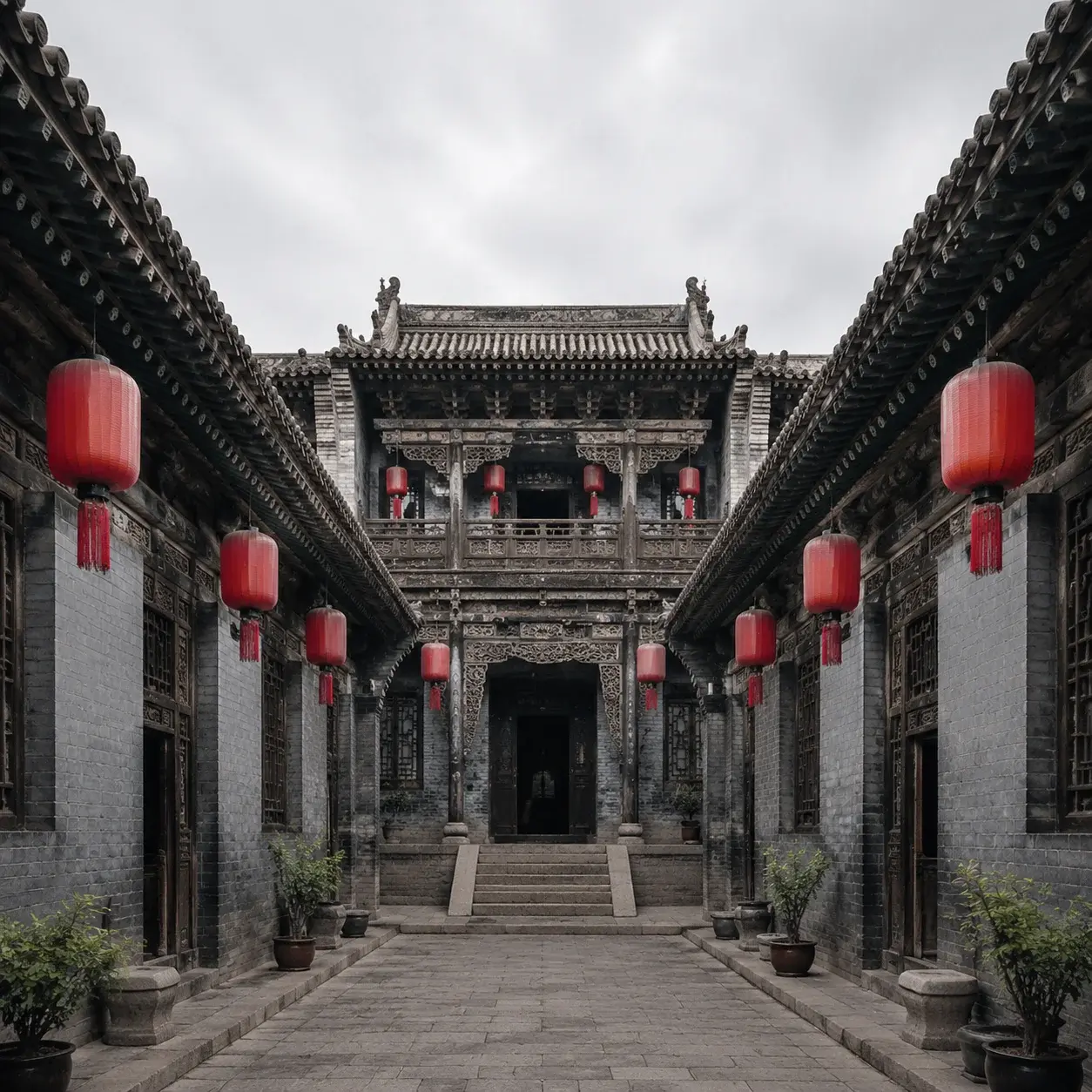
Les deux sont de grands manoirs marchands de la dynastie Qing en dehors des murailles, et tous deux conviennent bien pour une demi-journée en Jour 2 — mais choisissez-en un, pas les deux. Aucun n'est inclus dans le billet d'accès (entrée séparée, `à vérifier sur place`), et une demi-journée ne permet realistically que de visiter l'un des deux. Le choix se fait entre l'échelle et l'histoire.
Le Complexe familial Wang (~22 miles au sud-est, selon les sources, composé de 123 cours et 1 118 maisons, environ 3 heures de marche — tout `à vérifier sur place`) est le plus vaste, semblant à une forteresse ; optez-y si vous recherchez une échelle impressionnante et n'êtes pas gêné par de longues marches. Le Complexe familial Qiao (~25 miles au nord) est plus petit, mais célèbre comme lieu de tournage de Raise the Red Lantern — plus adapté aux enfants et aux amateurs de cinéma, plus facile à appréhender en une seule visite.
Verdict : Wang pour l'échelle, Qiao pour l'histoire. Les familles et les fans de cinéma tirent souvent plus de plaisir du Qiao ; les amateurs d'architecture qui souhaitent être vraiment émus par la taille choisissent Wang. Les deux étant situés en ville, prévoyez le trajet, et vérifiez les tarifs et horaires d'ouverture sur place avant votre départ.
Pingyao est-il adapté aux familles ? Et quand y aller ?
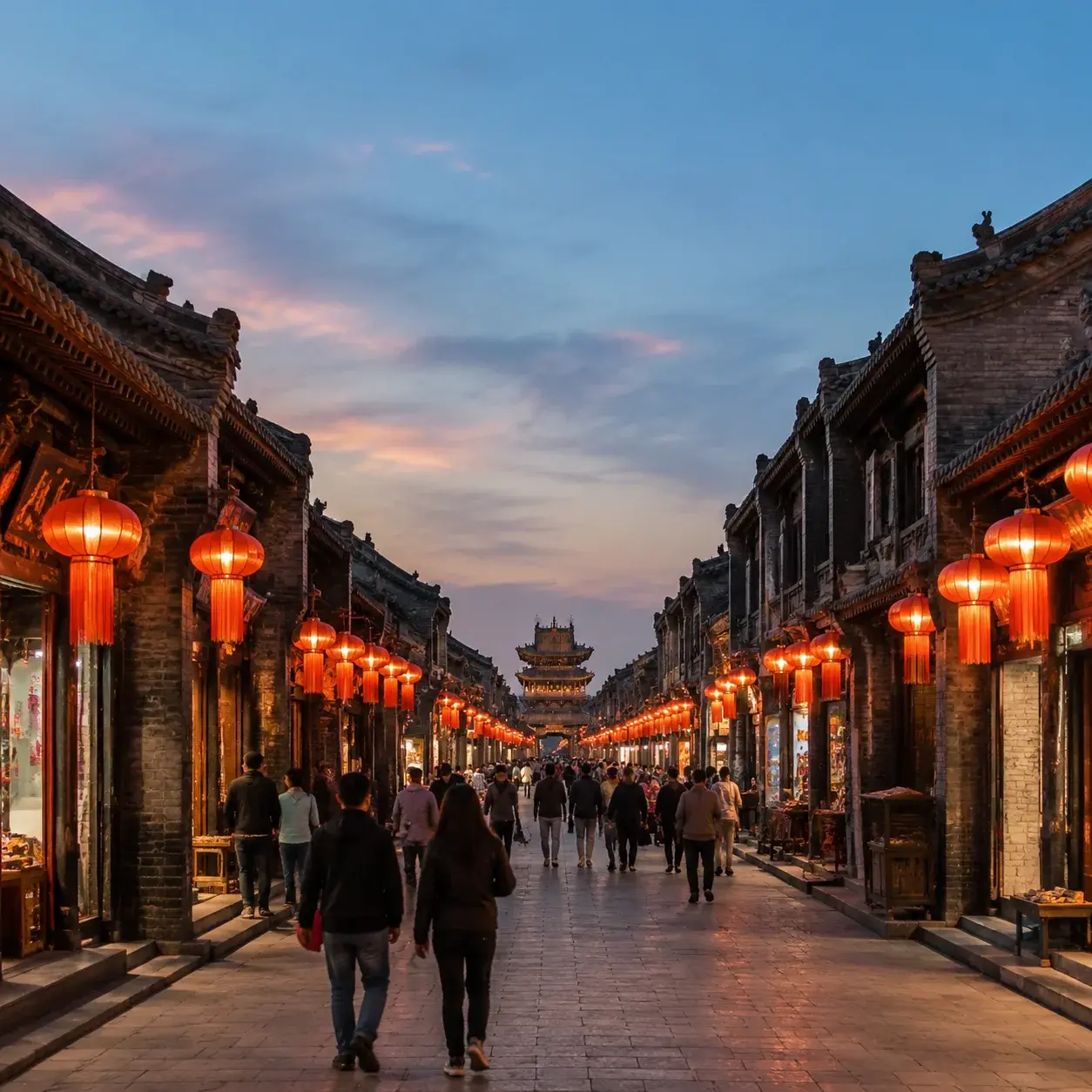
Oui — Pingyao est l'une des destinations historiques de Chine les plus familiales, car la ville fortifiée est en grande partie sans voiture et plate, et plusieurs sites sont vraiment accessibles aux enfants. Les meilleurs moments pour y aller sont le printemps et l'automne, septembre et novembre étant les périodes idéales pour éviter les foules. Deux réponses courtes ci-dessous.
Pour les familles : les ruelles à l'intérieur des remparts sont principalement piétonnes et plates, donc les enfants peuvent marcher en toute sécurité sans éviter la circulation. Les sites accessibles aux enfants sont la promenade sur les remparts (un vrai mur de château où se promener), la performance d'audition du Bureau du gouvernement du comté, le musée atypique Escort/bodyguard, et le Raise the Red Lantern Composé Qiao. Les enfants de moins de 1,2 m entrent gratuitement dans les sites payants (source concurrente, `à vérifier sur place`). Comme vous pouvez vous installer dans une auberge de cour à l'intérieur des remparts, il n'y a pas de trajet quotidien long — un réel avantage avec de jeunes enfants.
Meilleur moment pour y aller : visez le printemps (avril–juin) ou l'automne (septembre–octobre/novembre) pour un temps doux et sec. Si éviter les foules est important, ciblez spécifiquement septembre ou novembre. L'ambiance aux lanternes rouges autour du Nouvel An chinois est vraiment belle, mais il fait froid et certains sites ferment ou réduisent leurs heures d'ouverture (`à vérifier sur place`) — un compromis entre confort et ambiance. L'été est chaud et fréquenté ; l'hiver profond en dehors de la période du Nouvel An est calme mais rude.
Questions fréquemment posées
La ville ancienne de Pingyao vaut-elle le détour ? Oui — Pingyao vaut le détour car c'est une ville fortifiée des dynasties Ming et Qing entièrement intacte, et non une reconstitution, et elle figure sur la liste du UNESCO depuis 1997. Visitez pour un authentique paysage urbain et une histoire bancaire ; prévoyez plus de temps si vous n'avez qu'une demi-journée ou si vous préférez éviter les rues anciennes trop commercialisées.
Comment se rendre à Pingyao ? En train à grande vitesse — Pingyao n'a pas d'aéroport. Vous arrivez à la gare de Pingyao Gucheng (Ville Ancienne), située environ 10 km au sud-ouest des remparts, à peine 18–20 minutes en taxi. Les trains à grande vitesse relient Pingyao à Xi'an, Pékin, Taiyuan et Datong ; les durées et tarifs sont indicatifs, donc confirmez avant réservation.
Comment se rendre à Pingyao depuis Xi'an ? Prennez un train à grande vitesse (D) depuis Xi'an Nord jusqu'à Pingyao Gucheng — généralement entre 2,5 et 3,5 heures, avec plus de dix départs par jour. C'est l'itinéraire classique avec l'armée de terre cuite. Les tarifs, obtenus auprès de concurrents, s'élèvent approximativement à 28–75 USD et doivent être vérifiés sur l'application officielle des chemins de fer.
Les meilleures choses à faire à Pingyao ? Priorisez quatre incontournables : marcher sur la Muraille de la Ville de l'époque Ming, visiter la Banque Rishengchang (la première banque de Chine), parcourir l'Administration de l'Ancien Comté et flâner dans la Rue Ming-Qing (gratuite) à l'aube ou la nuit. Le billet couvre environ 20 sites, mais ceux-ci racontent l'histoire ; ignorez les petits musées.
Combien coûte le billet de Pingyao et que comprend-il ? L'entrée de la ville est gratuite. Un billet combiné, vendu environ ¥125, couvre environ 20 bâtiments, est généralement valable 3 jours et permet d'entrer une fois sur chaque site. Les enfants de moins de 1,2 m semblent entrer gratuitement. Toutes les figures sont indicatives — confirmez le prix actuel et le nombre de sites sur place.
Combien de jours faut-il à Pingyao ? Une journée complète suffit pour les principaux sites de niveau 1 à l'intérieur des remparts. Deux jours permettent d'ajouter une cour familiale (Wang ou Qiao) ou les temples Shuanglin/Zhenguo. Une excursion d'une demi-journée est possible mais rapide — Pingyao vaut bien plus un séjour qu'un aller-retour rapide.
Peut-on faire Pingyao en excursion depuis Xi'an ? Techniquement oui — les trains à grande vitesse circulent dans les deux sens en une journée. Mais une excursion ne montre que les heures les plus fréquentées et commerciales, et vous manquez l'aube désertique et la nuit illuminée de lanternes, qui sont le vrai charme de Pingyao. Si possible, passez une nuit à l'intérieur des remparts.
Comment se rendre de Pingyao à Datong (pour les Grottes de Yungang) ? En train à grande vitesse de Pingyao Gucheng vers Datong Sud, environ 3 à 3,5 heures. Important : notre vérification de juillet 2026 n'a trouvé que deux paires de trains à grande vitesse par jour sur cette trajectoire — beaucoup moins que ce que disent les guides anciens — donc réservez à l'avance et planifiez selon l'horaire. Yungang est à environ 17 km de la gare de Datong.
Pingyao est-il adapté aux enfants ? Oui. La ville fortifiée est en grande partie sans voiture et plate, les enfants peuvent donc marcher en toute sécurité, et la promenade sur les remparts, la performance du bureau du comté, le musée des gardes du corps et le Qiao Compound de Raise the Red Lantern sont tous accessibles aux enfants. Les enfants de moins de 1,2 m entrent gratuitement dans les sites payants (à vérifier sur place).
Prendre une décision
Trois décisions concluent ce point. Premièrement, Pingyao vaut le détour — c'est l'une des rares villes anciennes chinoises qui soit vraiment intacte, inscrite au patrimoine de l'UNESCO depuis 1997, avec un mur réel, des ruelles authentiques et le berceau de la banque chinoise. Deuxièmement, son accès est simple : un train à grande vitesse depuis Xi'an, Pékin ou Taiyuan jusqu'à la gare de Pingyao Gucheng, puis un petit taxi pour les portes. Troisièmement, et surtout, les sites à visiter et la nuit à passer : utilisez vos passes uniques pour les quatre sites de premier niveau, évitez les attractions secondaires, et — si vous suivez un seul conseil de cette page — passez une nuit à l'intérieur des remparts, car l'aube tranquille sur les ramparts et les ruelles éclairées de lanternes après le départ des bus sont la raison principale de venir. Pour plus d'informations sur l'emplacement de Pingyao parmi  les meilleures villes anciennes de Chine, commencez par le guide principal.
Si vous préférez ne pas organiser vous-même le trajet en Shanxi — notamment la ligne fine entre Pingyao et Datong —, LyrikTrip organise l'itinéraire complet d'un bout à l'autre : de Xi'an à Pingyao, puis aux Grottes de Yungang, une aubette dans un cours d'eau située à l'intérieur des murailles, le bon complexe familial adapté aux enfants, et un guide parlant anglais tout au long du parcours. Indiquez-nous vos dates, et nous ferons de la Ville Ancienne de Pingyao l'accent facile et sans hâte de votre voyage en Chine.