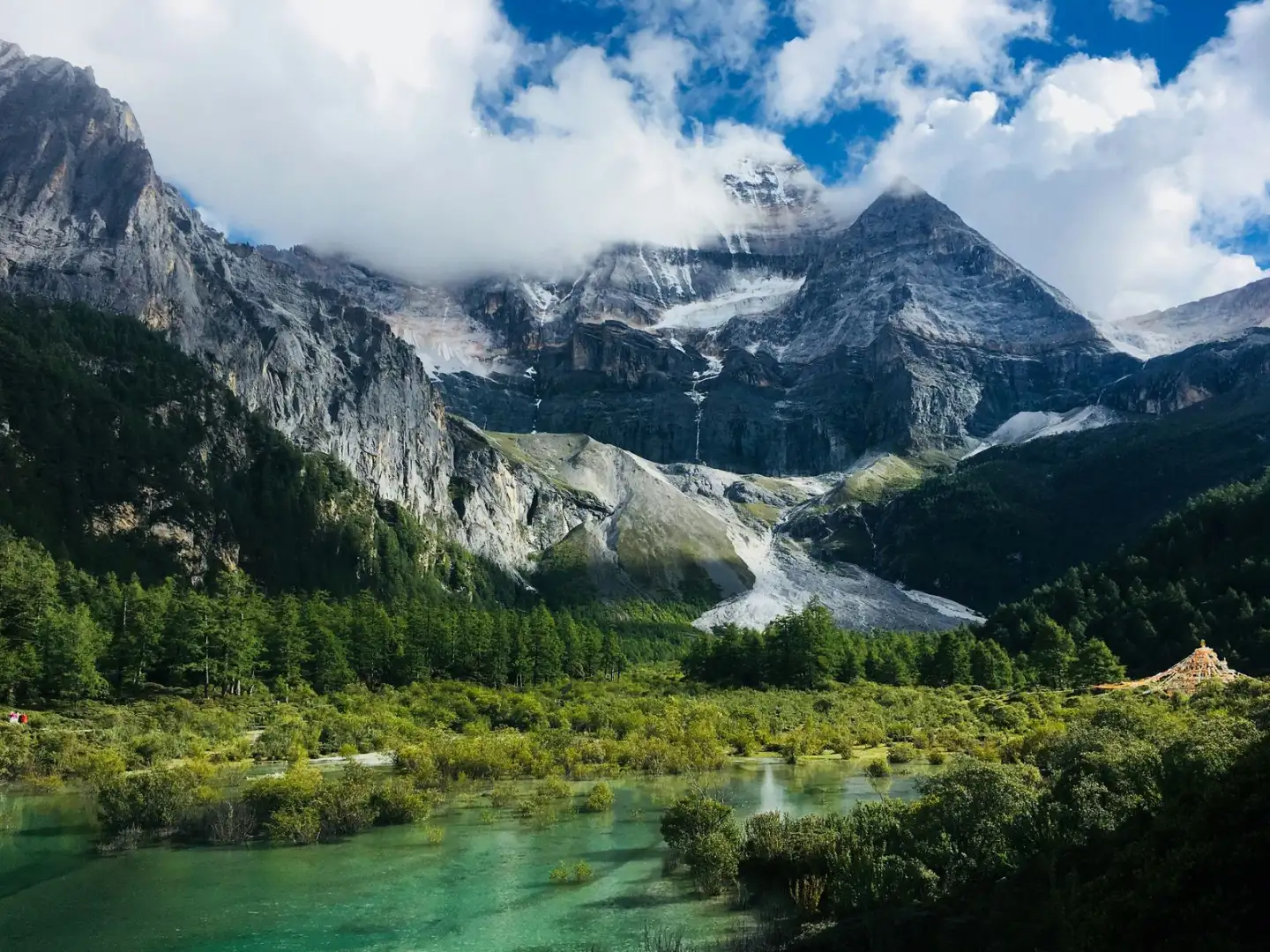




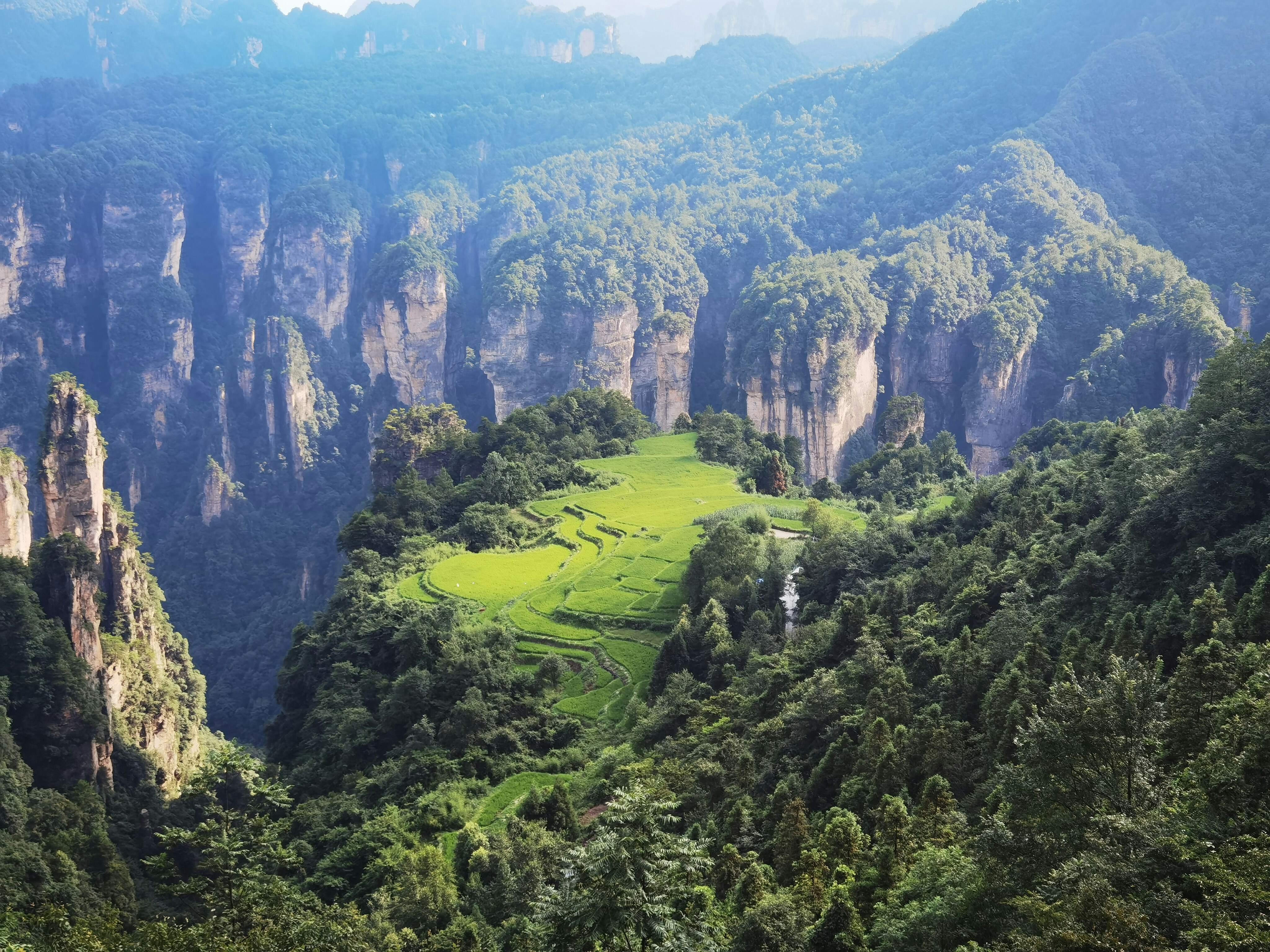
 18 jours La Chine, d'un bout à l'autre Pékin → Xi'an → Chuanzhusi → Jiuzhaigou → Chengdu → Zhangjiajie → Guilin → Yangshuo → Shenzhen À partir de $6,360 Voir le circuit
 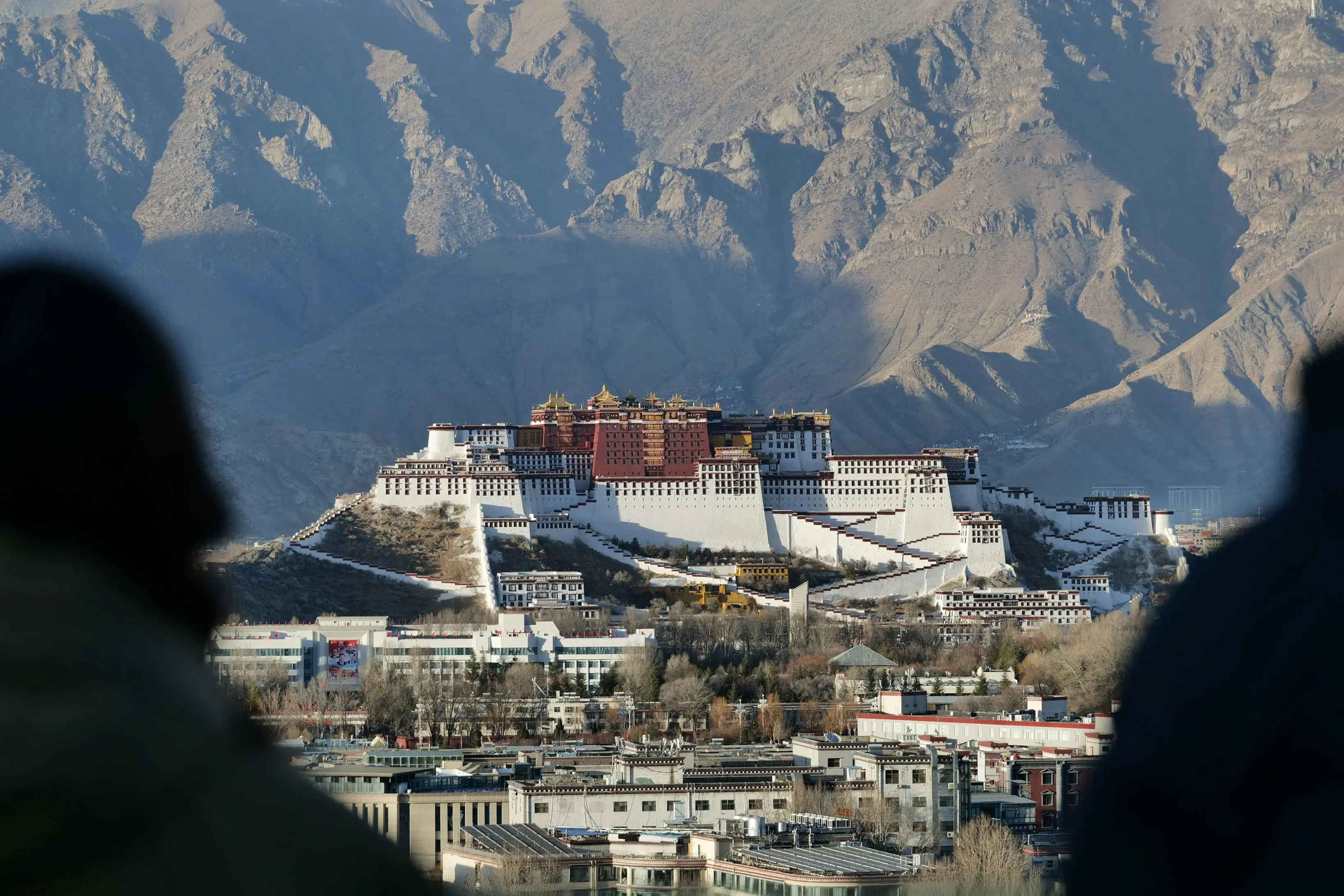 18 jours Air raréfié, puis niveau de la mer Pékin → Xi'an → Chengdu → Lhassa → Tchong-King → Yichang → Shanghaï À partir de $4,900 Voir le circuit
 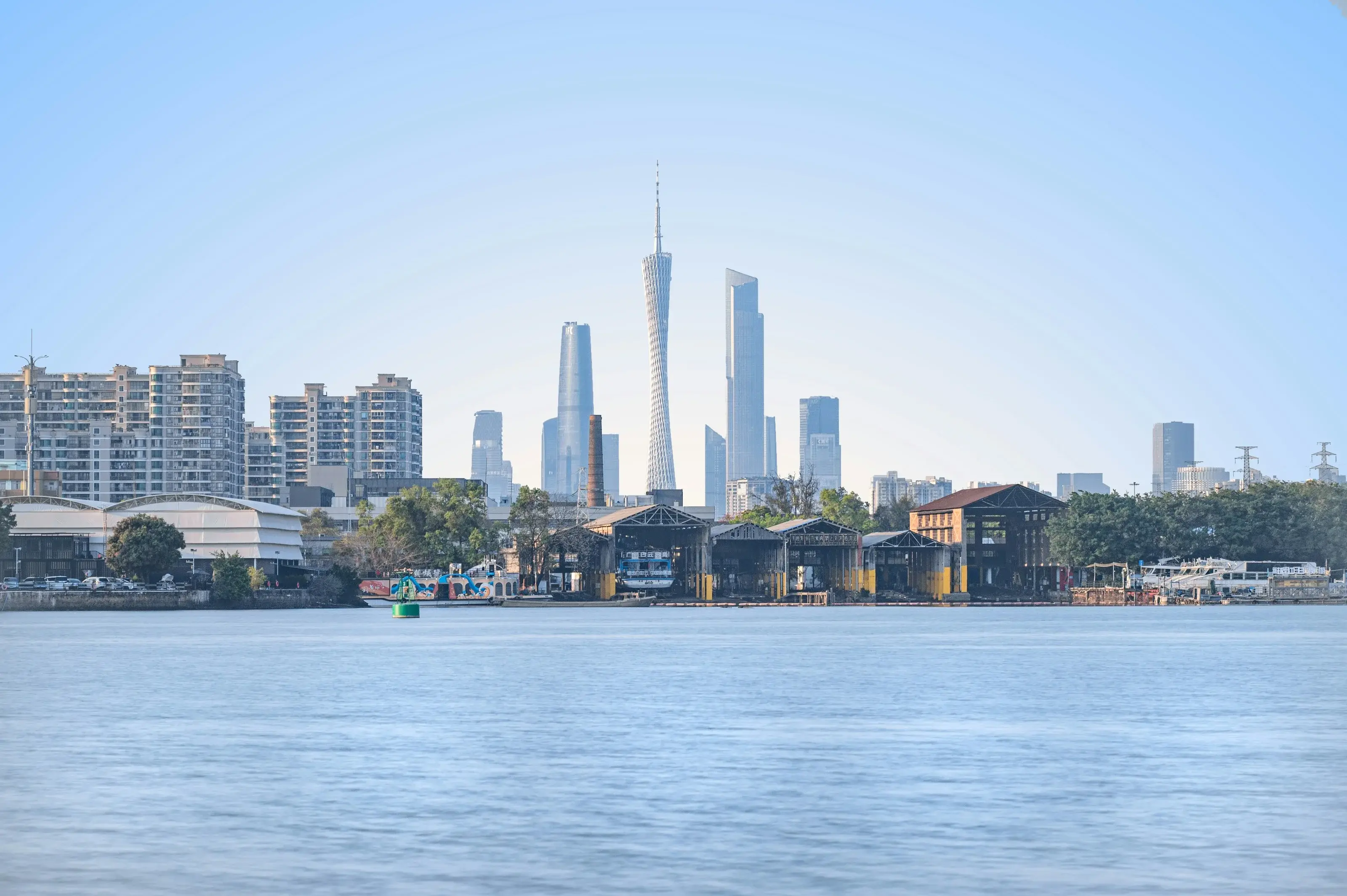 3 jours Après le dernier stand Canton À partir de $840 Voir le circuit
 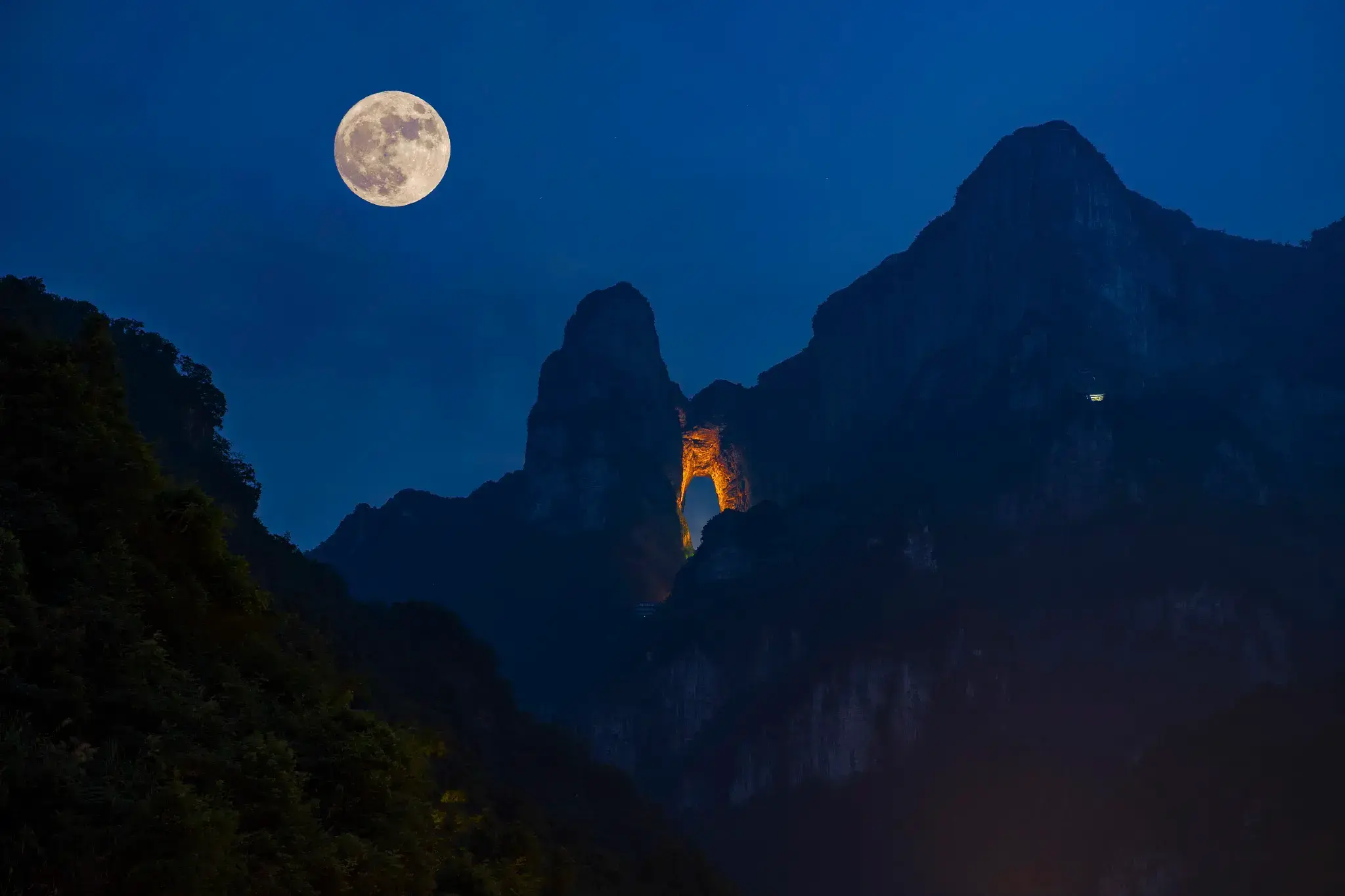 5 jours Au-dessus des piliers, puis en dessous Zhangjiajie À partir de $1,430 Voir le circuit
 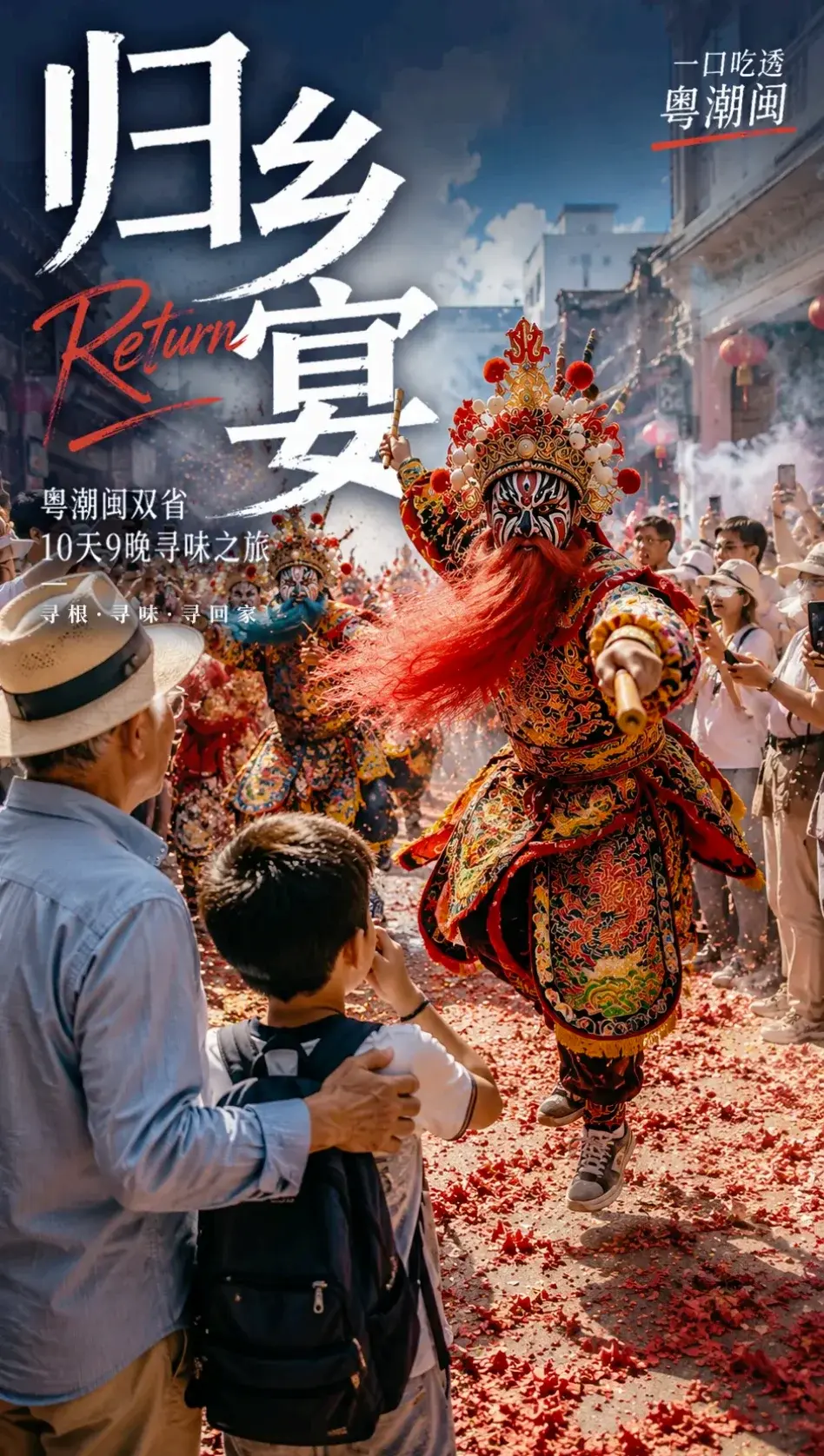 10 jours Banquet de retour au pays Canton → Shantou → Jieyang → Chaozhou → Quanzhou → Zhangzhou → Xiamen À partir de $4,000 Voir le circuit
Quelles sont les meilleures choses à faire à Chengdu ? Pandas, salons de thé et comment planifier votre visite
Les meilleures choses à faire à Chengdu sont de voir des pandas géants à la Base des pandas de Chengdu tôt le matin, de boire du thé dans un salon de thé du People's Park, d'assister à une opéra sichuanaise au changement de visage, et d'utiliser la ville comme point de départ pour des excursions d'une journée comme le Grand Bouddha de Leshan — idéalement sur une période de 3 à 4 jours. Chengdu est la capitale du Sichuan et le centre chinois de conservation des pandas, mais sa vraie signature est son rythme : une grande ville qui a décidé de ne pas se précipiter.
Ceci est un guide honnête et indépendant pour vous aider à décider ce qu'il faut prioriser, quand partir, et comment séquencer les pandas, les salons de thé et les excursions d'une journée pour que le voyage s'écoule naturellement. Chengdu récompense les voyageurs qui laissent des espaces dans leur programme et décourage ceux qui cherchent à tout faire en vitesse.
Points clés
- Les pandas sont l'attraction principale — et ils se couchent tôt. Visitez la Base de recherche sur l'élevement des pandas géants de Chengdu dès l'ouverture (environ 8h), car les pandas sont les plus actifs pendant le repas du matin et s'endorment sous la chaleur vers midi.
- Accordez 3 à 4 jours à Chengdu. Deux jours suffisent pour voir les pandas et la vieille ville ; un troisième et un quatrième permettent d'ajouter des matins dans un salon de thé et une grande excursion comme Leshan ou Sanxingdui.
- La culture du salon de thé est l'âme de la ville. Le salon de thé Heming du Parc des Citoyens — thé, mahjong, nettoyage des oreilles et opéra improvisé — est l'expérience la plus authentique de la vie quotidienne à Chengdu.
- Ce guide couvre les pandas, les salons de thé, l'itinéraire et les excursions. La cuisine sichuanaise est célèbre dans le monde entier mais très étendue ; nous restons donc légers ici et renvoyons vers un guide dédié à la rue de la nourriture de Chengdu.
- Prférez le printemps (mars-mai) ou l'automne (septembre-novembre). L'été est chaud et humide, et les pandas sont nettement moins actifs sous la chaleur.
- Chengdu s'accorde parfaitement avec Chongqing — à 1,5 heures en train à grande vitesse, et opposés par leur caractère.
Chengdu vaut-il le détour ?
Oui — Chengdu vaut le détour si vous voulez voir des pandas géants, vivre dans une ville chinoise vraiment détendue et avoir un accès facile aux plus beaux sites du Sichuan. Elle est plate, piétonne, bon marché par rapport aux grandes villes, et simple à explorer seule, ce qui en fait l'une des arrivées les plus douces en Chine pour les premiers visiteurs.
Ce qui rend Chengdu unique, c'est une combinaison qu'aucune autre ville chinoise ne réunit en un seul endroit :
- Les pandas. Chengdu est le centre mondial de la conservation des pandas géants. La base de recherche de Chengdu a été fondée en 1987 avec six pandas sauvetés et accueille aujourd'hui une grande population captive ; les voir de près est profondément émouvant, même pour les voyageurs qui pensaient ne pas être touchés.
- Le rythme des salons de thé. Les salons de thé de Chengdu ne sont pas conçus pour les touristes — ce sont là que les locaux passent des après-midi entières autour d'une seule bouilloire de thé. Les Sichuanais ont même un proverbe à ce sujet : 少不入川 (shǎo bù rù chuān), qui signifie approximativement « ne viens pas dans le Sichuan quand tu es jeune, sinon tu n'auras jamais envie de partir ».
- Les excursions d'une journée. En une ou deux heures de train, on trouve un Bouddha géant classé au patrimoine mondial de l'UNESCO, un ouvrage d'irrigation vieux de 2 200 ans, une civilisation mystérieuse de l'âge du bronze, et une montagne bouddhiste sacrée.
À qui il faut réfléchir à deux fois : si vous cherchez des monuments impériaux et une histoire dynastique, Pékin et Xi'an offrent plus. Si vous avez besoin d'une infrastructure entièrement en anglais, Shanghai est plus simple. Et la chaleur estivale à Chengdu est réelle — les voyageurs sensibles à la chaleur devraient privilégier le printemps ou l'automne.
Quel type de voyageur à Chengdu êtes-vous ? (Choisissez votre itinéraire)
Chengdu punit la surorganisation. Au lieu de tout cramponner, choisissez un axe qui correspond à votre façon de voyager, puis adaptez le reste autour de lui. Cette matrice est un point de départ, pas un règlement.
| Vous êtes un… | Construisez votre voyage autour de | Base idéale | Évitez de |
|---|---|---|---|
| Famille centrée sur le panda | Base de Chengdu à l'ouverture, rythme paisible avec sieste, excursion facile vers la Vallée des pandas de Dujiangyan | Chunxi Road / Taikoo Li (centre, métro) | Journées muséales ; excursions en enchaînement |
| Voyageur de culture lente | Matins au thé à Heming, Rues étroites et larges, Opéra du Sichuan, Monastère Wenshu | Rues étroites et larges (Kuanzhai) | Se précipiter pour voir les pandas en une heure |
| Histoire / Excursionniste | Musée Sanxingdui, Grand Bouddha de Leshan, Temple Wuhou, Jinli | Jinli / Quartier Wuhou | Essayer de faire Leshan et Sanxingdui en une journée |
| Première visite, peu de temps | Pandas (matin), Parc des gens (après-midi), Opéra du Sichoir (soir) | Chunxi Road / Taikoo Li | Toute excursion si vous n'avez que 2 nuits |
Quelles sont les meilleures choses à faire à Chengdu ?
Les meilleures expériences de Chengdu se divisent en trois catégories : les pandas, la culture de vie lente (salles de thé, opéra, vieilles rues) et les excursions. La base des pandas mérite sa propre section car c'est la raison pour laquelle la plupart des gens viennent — et bien planifier son horaire change toute la journée.
Voir les pandas à la Base des pandas de Chengdu

<!– img: unsplash / Lukas W. / query=giant panda Chengdu breeding base –>
Développé en détail dans la section suivante — c'est l'attraction qui vaut qu'on planifie sa matinée autour.
Boire du thé à la Maison de thé Heming dans le Parc des Personnes
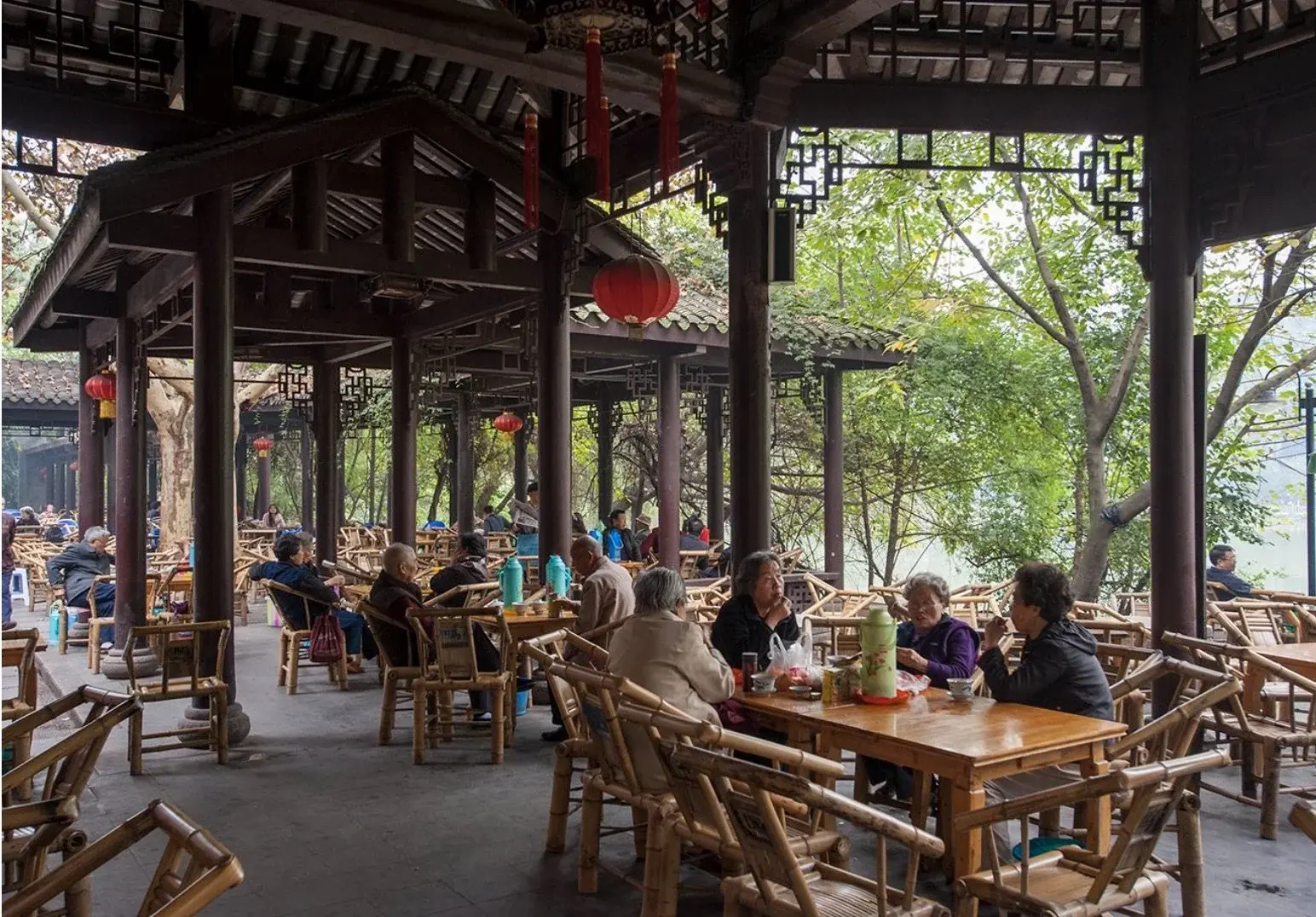
<!– img: tavily / / query=Chengdu teahouse People's Park tea –>
Le Parc des Personnes est un parc urbain où Chengdu vient se détendre, et la Maison de thé Heming, au cœur, est l'endroit classique pour s'asseoir pendant des heures autour du thé gongfu. Vous commandez une tasse couverte, que vous remplissez sans fin à partir d'une bouilloire à long bec, et vous observez la vie quotidienne : les retraités qui jouent au mahjong et aux cartes, les familles qui se promènent, et les praticiens de nettoyage des oreilles (采耳) travaillant avec leurs petits outils en forme de diapason. C'est abordable, sans pression, et le morceau le plus honnête de la vie locale dans la ville.
Assistre à un opéra du Sichuan avec changement de visage (变脸)
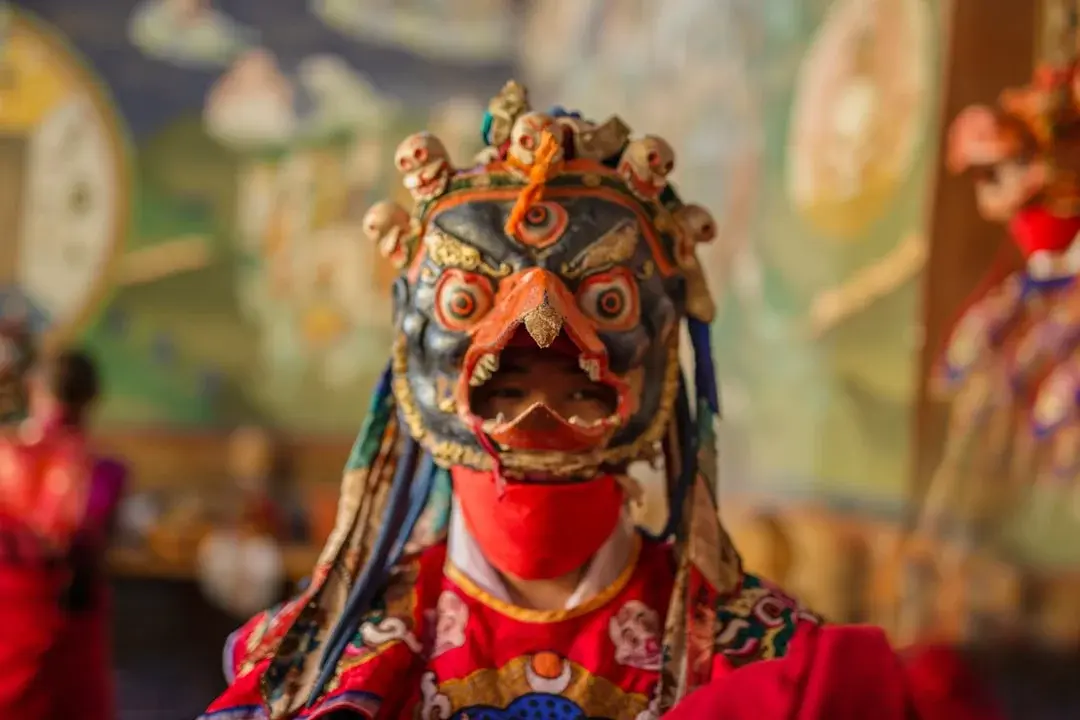
<!– img: unsplash / Passang Tobgay / query=Sichuan opera face changing mask –> L'acte signature de l'opéra du Sichuan est bian lian – "changement de visage" – où les interprètes changent de masques en soie peinte en une fraction de seconde, semble-t-il par magie. Le tour est un secret bien gardé transmis au sein de la tradition. Un spectacle complet intègre également la manipulation d'ombres à la main, la crachée de feu et la comédie. Les billets sont modestes et varient selon les places (¥150-300 ; indicatif, 2026) ; les salons de thé près du monastère Wenshu et de Jinli sont courants.
Flâner dans les allées larges et étroites et Jinli
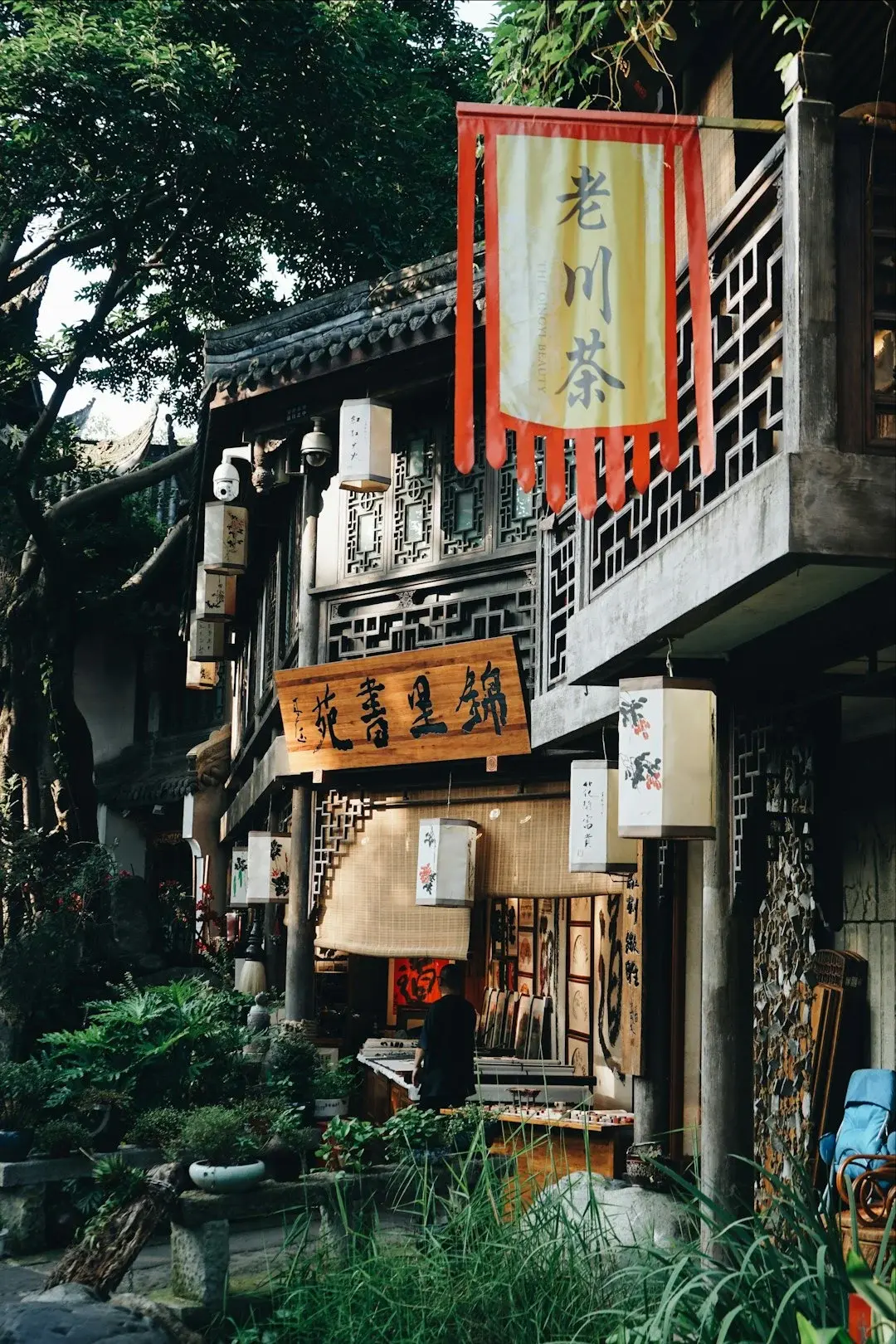
<!– img: unsplash / Andrea Sun / query=Chengdu Jinli ancient street lanterns –>
Kuanzhai Xiangzi (les ruelles larges et étroites) et la rue ancienne Jinli sont des ruelles restaurées de l'époque Qing, bordées de salons de thé, d'échoppes de snacks et de cours intérieures — touristiques mais pleines d'atmosphère, et plus agréables tôt le matin ou après la tombée de la nuit. Jinli, à côté du temple Wuhou, est particulièrement belle en soirée lorsque les lanternes s'allument.
Découvrez le visage moderne : Taikoo Li et les tours jumelles
Le visage contemporain de Chengdu est tout aussi saisissant — le quartier commerçant de Taikoo Li s'articule autour de l'ancien temple Daci, et le spectacle lumineux des tours jumelles projette des scènes animées sur deux gratte-ciel après la tombée de la nuit. C'est un contraste vespéral gratuit et divertissant avec les salons de thé et les temples.
Comment visiter la base des pandas de Chengdu ?
Visitez la Base de recherche de Chengdu sur l'élevage des pandas géants aussi tôt que possible — essayez d'être à l'entrée à l'ouverture (vers 8h). Les pandas sont plus actifs pendant la fenêtre de nourrissage du matin (environ 8h-10h) ; en fin de matinée, surtout par temps chaud, ils se retirent pour dormir ou dans les enclos intérieurs, et la foule augmente. Arriver tôt est la décision la plus déterminante de toute la visite.
La Base se situe dans le nord de la ville et est accessible par métro, complété par un navette ou un taxi (la ligne 3 vers Panda Avenue est l'itinéraire usuel). Achetez vos billets à l'avance via le mini-programme WeChat officiel en haute saison, car l'entrée quotidienne peut être épuisée. L'entrée est peu coûteuse — environ 55 ¥ pour un adulte, 27 ¥ pour un enfant (2025) — et la base est ouverte de 7h30 à 18h00 (mars-octobre) ; munissez-vous de votre passeport pour entrer. Les vastes jardins abritent des pandas adultes et, selon la saison, une nurserie de bébés.
Si la Base de Chengdu semble trop encombrée, il existe une alternative plus tranquille à environ une heure : Dujiangyan Panda Valley (Base des Pandas), moins touristique et qui accueille le célèbre programme de bénévolat pour soigneurs de pandas, où les participants aident à préparer la nourriture et à nettoyer les enclos pendant une matinée. Utilisez le tableau ci-dessous pour choisir l'expérience panda adaptée à votre voyage.
Quelle expérience panda vous convient ?
| Base de recherche de Chengdu | Vallée des pandas de Dujiangyan | Programme de bénévolat / gardien | |
|---|---|---|---|
| Où | Nord de Chengdu ; métro + navette | ~1 heure de Chengdu (Dujiangyan) | À Dujiangyan (réserver à l'avance) |
| Temps nécessaire | Demi-journée (à l'ouverture) | Demi-journée à journée complète | Une matinée complète, structurée |
| Affluence | Élevée, surtout en fin de matinée et en été | Nettement moins fréquenté | Petit groupe |
| Coût (indicatif) | Faible entrée (~55 ¥) | Faible entrée | Frais de programme plus élevés |
| Idéal pour | Les premiers visiteurs qui veulent voir le plus de pandas, rapidement | Les voyageurs cherchant une visite plus calme et plus verte | Quiconque veut du temps en direct, pas seulement en observation |
| À surveiller | Arrivez à 8h00 sinon les animaux dorent | Plus éloigné – associez avec les sites de Dujiangyan | Règles d'âge et d'éligibilité variables – vérifiez avant réservation |
Les prix et détails du programme sont indicatifs et peuvent changer ; confirmez les frais, la disponibilité et les règles d'âge avant réservation.
La vérité pure : si vous avez peu de temps et que vous voulez voir le plus de pandas possible, la base de Chengdu à l'ouverture est la solution. Si vous préférez une rencontre plus paisible et naturelle — ou une matinée vraiment interactive — l'option de Dujiangyan vaut le détour et se combine bien avec le site d'irrigation de Dujiangyan.
Et pour la nourriture ?
Chengdu est une ville UNESCO de la gastronomie (désignée en 2010) et le berceau de la cuisine sichuanaise, ce qui rend s’alimenter ici sans effort — du potage épicé numbing-spicy au mapo tofu en passant à des snacks de rue sans fin. La saveur caractéristique est málà (麻辣) : la chaleur du piment accompagnée de l’engourdissement des poivres de Sichuan. Mais les options douces sont partout, et le potage partagé ( moitié épicée, moitié bouillon clair) rend la ville accessible aux voyageurs sensibles à l’épice et aux enfants. Si vous ne supportez pas la chaleur, apprenez deux phrases : bú là (不辣, pas épicé) et wēi là (微辣, légèrement épicé).
Puisque la scène culinaire de Chengdu est assez riche pour être un voyage en soi, nous restons légers ici et couvrons ce point ailleurs. Pour les styles de potage, les meilleures rues de snacks de rue et comment commander sans lire le chinois, consultez le  guide dédié sur la rue de Chengdu.
Où séjourner à Chengdu ?
Restez autour de Chunxi Road / Taikoo Li pour votre première visite — c’est le cœur central, piétonnier de la ville, accessible par métro, entouré de nourriture et de shopping. Ne choisissez une autre base que si vous avez une raison claire de le faire.
| Zone | Idéal pour | Compromis |
|---|---|---|
| Chunxi Road / Taikoo Li | Premiers visiteurs, familles, restauration, accès aux transports | Animé et commercial |
| Kuanzhai (Ruelles larges et étroites) | Couples, ambiance, cours plus calmes | Moins de options de métro |
| Jinli / Wuhou | Amateurs d'histoire, ambiance de rue le soir | Plus touristique au niveau du sol |
| Gaoxin (Zone haute technologie) | Séjours plus longs, confort moderne, affaires | Moins de charme ; loin de l'attrait du vieux quartier |
Les noms d'hôtels et les tarifs changent constamment, et les prix fluctuent fortement pendant la Semaine d'or et le Nouvel An chinois — confirmez au moment de la réservation. À titre indicatif, les chambres de milieu de gamme confortables coûtent environ 400 à 600 yuans par nuit, avec des options budgétaires bien en dessous et un confort de marque internationale au-dessus.
Quand est le meilleur moment pour visiter Chengdu ?
Visitez au printemps (mars-mai) ou en automne (septembre-novembre), lorsque les températures se situent autour de 15-25°C et que les pandas sont actifs. Chengdu se trouve dans une vallée humide, donc les étés sont chauds et humides, et les gris et frais.
| Saison | Conditions | Verdict |
|---|---|---|
| Printemps (Mar-Mai) | Tempérées ~15-25°C, pandas actifs, quelques pluies | ✅ Meilleure option — éviter le 1er mai |
| Été (Juin-Août) | Chaud et humide ~30-38°C ; pandas plus somnolents | ➖ Possible avec des départs matinaux + pauses à midi |
| Automne (Sep-Nov) | Clair, confortable, agréable | ✅ Excellent — éviter la Semaine d'Or (1-7 oct.) |
| Hiver (Déc-Fév) | Frais et couvert ~3-10°C, moins de monde | ➖ Moins cher et tranquille, mais ciel gris |
Deux pièges à éviter : la Semaine d'Or (fête nationale du 1er au 7 octobre) et le Nouvel An chinois, quand les foules locales et les prix augmentent. Si vous devez venir en été, rendez-vous aux pandas dès l'ouverture, faites une pause climatisée à midi, et réservez les théâtres et les Deux Tours pour le soir plus frais.
Comment se rendre à Chengdu et se déplacer ?
Volez à l'aéroport international Tianfu de Chengdu (TFU) ou arrivez en train à grande vitesse, puis utilisez le métro et DiDi. Tianfu, ouvert en 2021, gère la plupart des vols ; certains vols domestiques utilisent encore l'ancien aéroport de Shuangliu (CTU), donc vérifiez bien lequel est indiqué sur votre billet.
Depuis Tianfu, le métro (ligne 18, reliant la ligne 19) atteint le centre en environ 50 à 60 minutes ; un taxi ou DiDi coûte indicativement ¥150-200 et prend 45 à 70 minutes selon la circulation. En train à grande vitesse, Chengdu relie Chongqing en ~1h30, Xi'an en ~3-4 heures, et Pékin ou Shanghai en ~7-10 heures (les horaires varient selon le service — consultez les emplois du temps actuels) ; les trains utilisent soit Chengdu East, soit Chengdu South, tous deux desservis par le métro.
Se déplacer est facile : Chengdu est plat et piétonnier, le métro est propre et bon marché (courses indicatively ¥2-7), et DiDi comble les écarts pour les restaurants et les lieux nocturnes. Payez en scannant un code QR dans Alipay ou WeChat — configurez les deux avant votre arrivée.
Quelles sont les meilleures excursions d'une journée depuis Chengdu ?
Les quatre excursions classiques sont le Grand Bouddha de Leshan, le musée Sanxingdui, Dujiangyan et le mont Emei — tous accessibles en train à grande vitesse, bien que Emei soit mieux adapté pour un séjour d'une nuit. La position centrale de Chengdu dans le Sichuan en fait une base idéale, mais évitez de superposer deux grandes excursions l'une après l'autre ; une excursion substantielle par jour garde un rythme raisonnable.
| Excursion | Description | Départ de Chengdu | Durée |
|---|---|---|---|
| Le Grand Bouddha de Leshan | Bouddha en taille sur falcon datant de la dynastie Tang, 71 m de haut ; classé par l'UNESCO (avec le mont Emei, 1996) | ~1-1.5 h en TGV + transfert local | Journée complète |
| Musée Sanxingdui | Masques et objets en bronze étonnants d'une civilisation perdue (~3 000 ans ou plus) | ~1-1.5 h | Demi-journée à journée complète |
| Dujiangyan | Système d'irrigation vieux de 2 200 ans toujours en usage ; classé par l'UNESCO (2000) ; se combine avec Panda Valley | ~1 h en TGV | Demi-journée à journée complète |
| Mont Emei | L'une des quatre montagnes bouddhistes sacrées de Chine ; Sommet doré à plus de 3 000 m | ~1.5 h en ville | Meilleur en une nuit |
Leshan et Emei sont géographiquement proches et sont souvent combinés sur deux jours pour les voyageurs qui souhaitent voir à la fois le Bouddha et la montagne. Pour une planification plus approfondie du sommet sacré, consultez le guide du mont Emei.
Combien de jours faut-il à Chengdu ?
Prévoyez 3 jours pour une première visite satisfaisante et 4 si vous souhaitez faire une excursion sans précipitation. Deux jours suffisent uniquement pour voir les pandas et la vieille ville rapidement. Voici une structure honnête et praticable.
- Jour 1 — Pandas et vieille ville : Ouverture de la base de Chengdu → déjeuner → Rues larges et étroites → Opéra du Sichuan en soirée.
- Jour 2 — Chengdu lent : Une longue matinée au café Heming du Parc des Hommes → Temple Wuhou et Jinli → Taikoo Li et spectacle lumineux des Tours jumelles après la tombée de la nuit.
- Jour 3 — Excursion d’une journée : Choisissez-en une : Le Grand Bouddha de Leshan, le Musée Sanxingdui ou Dujiangyan (à combiner avec la Vallée des pandas).
- Jour 4 (optionnel) — Profondeur ou deuxième excursion : Monastère Wenshu, un autre café, ou l’Emeï comme extension d’une nuit.
Avertissement honnête sur les excursions : chaque attraction phare du Sichuan est accessible depuis Chengdu, mais « accessible » et « confortable en une journée » ne sont pas la même chose. Leshan nécessite une vraie journée complète avec des transferts ; l’Emeï mérite vraiment une nuit. Si votre voyage en Chine est serré, il est souvent préférable de bien profiter des pandas et des cafés, et d’ajouter des excursions seulement si vous avez quatre jours ou plus — plutôt que de transformer une ville détendue en une série de gares.
Chengdu vs Chongqing : lequel choisir ?
Choisissez Chengdu pour les pandas, les cafés et un rythme lent ; choisissez Chongqing pour un paysage urbain vertical spectaculaire, ses rivières et son hotpot épicé — et si possible, faites les deux, car ils ne sont séparés que par 1,5 minutes en train à grande vitesse. Ils sont voisins du bassin du Sichuan, mais se sentent comme des opposés.
| Axe | Chengdu | Chongqing |
|---|---|---|
| Ambiance | Plat, lent, "vous apprend à détendre" | Vertical, intense, cyberpunk |
| Signature | Géants pandas, salons de thé | Paysage urbain en montagne, rivières |
| Terrain | Facile, adapté aux poussettes | En pente et avec beaucoup d'escaliers |
| Idéal pour | Familles, premiers visiteurs, amateurs de pandas | Photographes, architecture, amateurs de sensations fortes |
Si vous vous familiarisez avec la Chine ou voyagez avec de jeunes enfants, commencez par le rythme plus doux de Chengdu. Pour l'association complète, consultez le guide de voyage sur Chongqing.
Questions fréquemment posées
Quelle base de pandas devrais-je visiter à Chengdu ?
Pour la plupart des voyageurs, la Base de recherche sur l'élevement des pandas géants de Chengdu est le choix le plus proche de la ville et abrite le plus grand nombre de pandas. Rendez-vous dès l'ouverture (~8h), quand ils sont actifs. Pour une visite plus tranquille ou une matinée de bénévolat, la Vallée de pandas de Dujiangyan, située à environ une heure, est une meilleure option.
Quelle est la meilleure journée pour voir les pandas ?
Le matin. Les pandas sont les plus actifs pendant le repas du matin, environ entre 8h et 10h, et ont tendance à dormir ou à rentrer à l'intérieur vers midi — surtout par temps chaud. Arriver à la porte lorsque la base ouvre vous offre les meilleures chances d'aperçus et les moins grandes foules.
Combien de jours faut-il à Chengdu ?
Trois jours sont idéals pour une première visite : un jour pour les pandas et la vieille ville, un jour pour les salons de thé et la ville moderne, et une journée d'excursion comme Leshan ou Sanxingdui. Ajoutez un quatrième jour si vous souhaitez une excursion complète sans précipitations, ou pour prolonger votre séjour jusqu'à l'Emei.
Chengdu vaut-il le détour ?
Oui. Chengdu propose des pandas géants, une culture de salon de thé vraiment détendue, une cuisine sichuanne de niveau mondial et des excursions faciles vers un Bouddha classé au patrimoine mondial de l'UNESCO et un musée de l'âge du bronze. C'est une ville plate, abordable et facile à explorer seule, ce qui en fait l'une des villes les plus rentables et les plus accessibles pour les débutants en Chine.
Quelle est la meilleure période pour visiter Chengdu ?
Le printemps (mars-mai) et l'automne (septembre-novembre) sont idéaux, avec des températures douces de 15 à 25 °C et des pandas actifs. Évitez la chaleur estivale si possible, et évitez la Semaine d'or (1er-7 octobre) et le Nouvel An chinois, lorsque les foules domestiques et les prix augmentent.
Devrais-je combiner Chengdu et Chongqing ?
Ils se marient parfaitement – à seulement 1 heure 30 en train à grande vitesse, mais totalement différents dans leur caractère. Chengdu est plat, lent et centré sur les pandas et les salons de thé ; Chongqing est vertical, néon et dramatique par ses rivières. Trois jours dans chaque ville font une excellente semaine. Commencer à Chengdu vous introduit doucement dans le Sichuan.
Planifier votre voyage à Chengdu
Chengdu est la ville qui apprend aux voyageurs à ralentir. Découvrez les pandas à l'aube, passez une longue matinée en train de déguster du thé dans le parc des Populaires, assistez à un opéra au changement de visage et consacrez vos jours libres à un voyage bien choisi vers le Bouddha de Leshan ou Sanxingdui — pas une liste d'activités frénétique. Installez-vous autour de Chunxi Road, venez au printemps ou en automne, et accordez-lui trois ou quatre jours.
Pour un voyage plus large, commencez par le guide de voyage en Chine, associez Chengdu au guide de voyage de Chongqing pour une semaine complète du Sichuan, plongez dans les saveurs avec le guide de la rue de la nourriture de Chengdu, et enrichissez votre expérience d'une histoire impériale grâce au guide de voyage de Xi'an.