




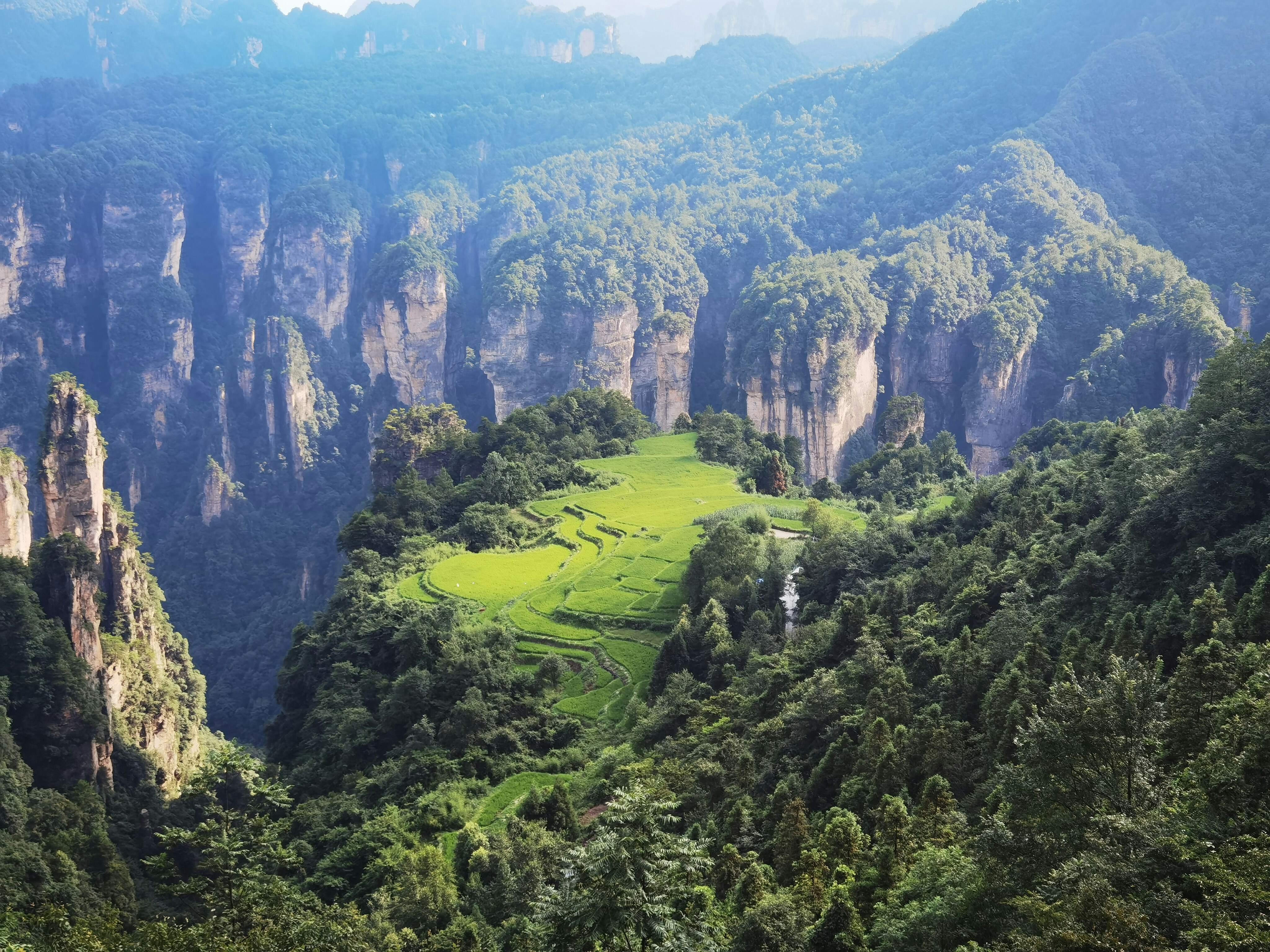
 18 days China, End to End Beijing → Xi'an → Chuanzhusi → Jiuzhaigou → Chengdu → Zhangjiajie → Guilin → Yangshuo → Shenzhen From $6,360 View route
 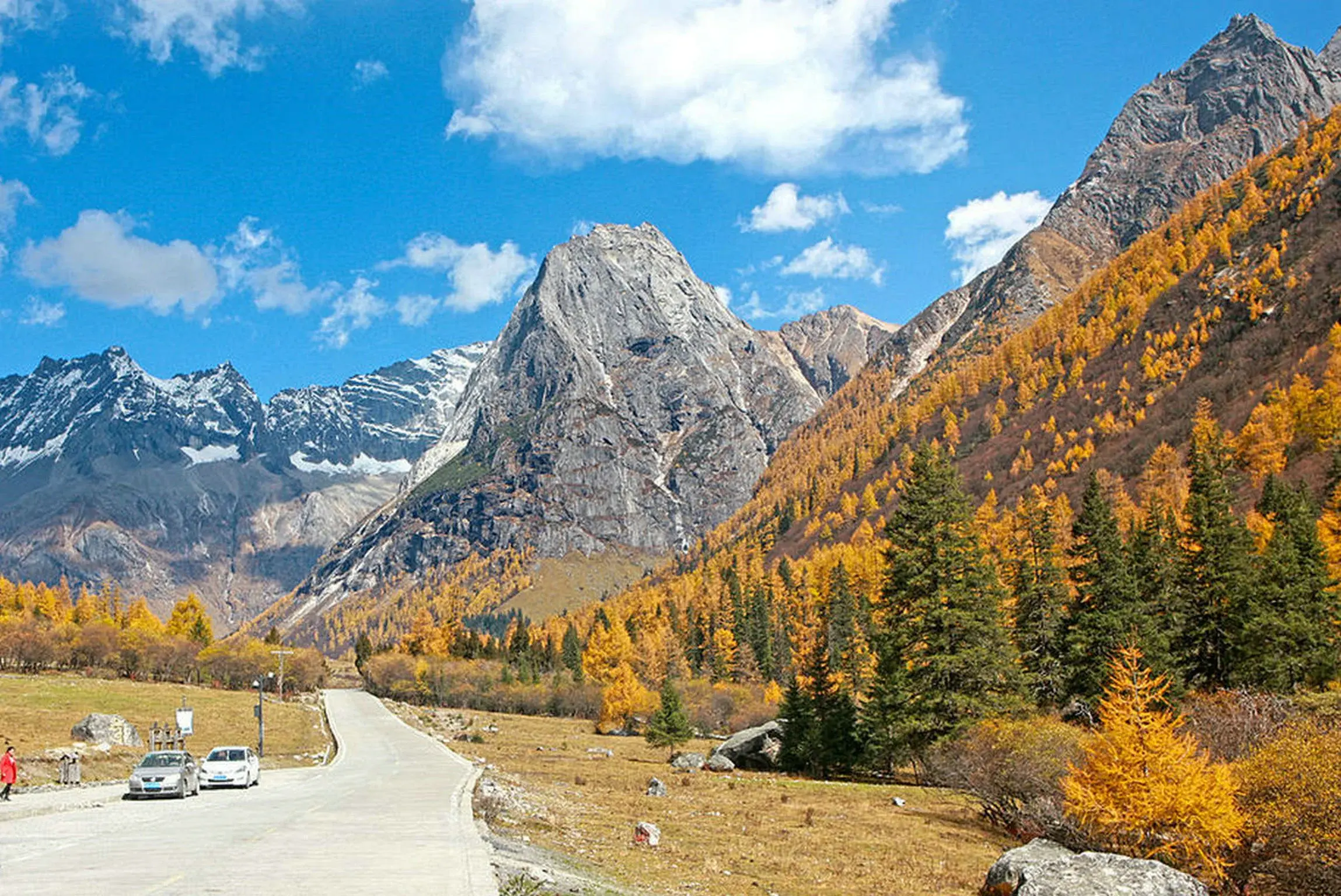 3 days 4-Day Tour of Siguniang Mountain, Biepa Gou, and Dagu Glacier Chengdu → Lixian → Heishui County From $1,599 View route
 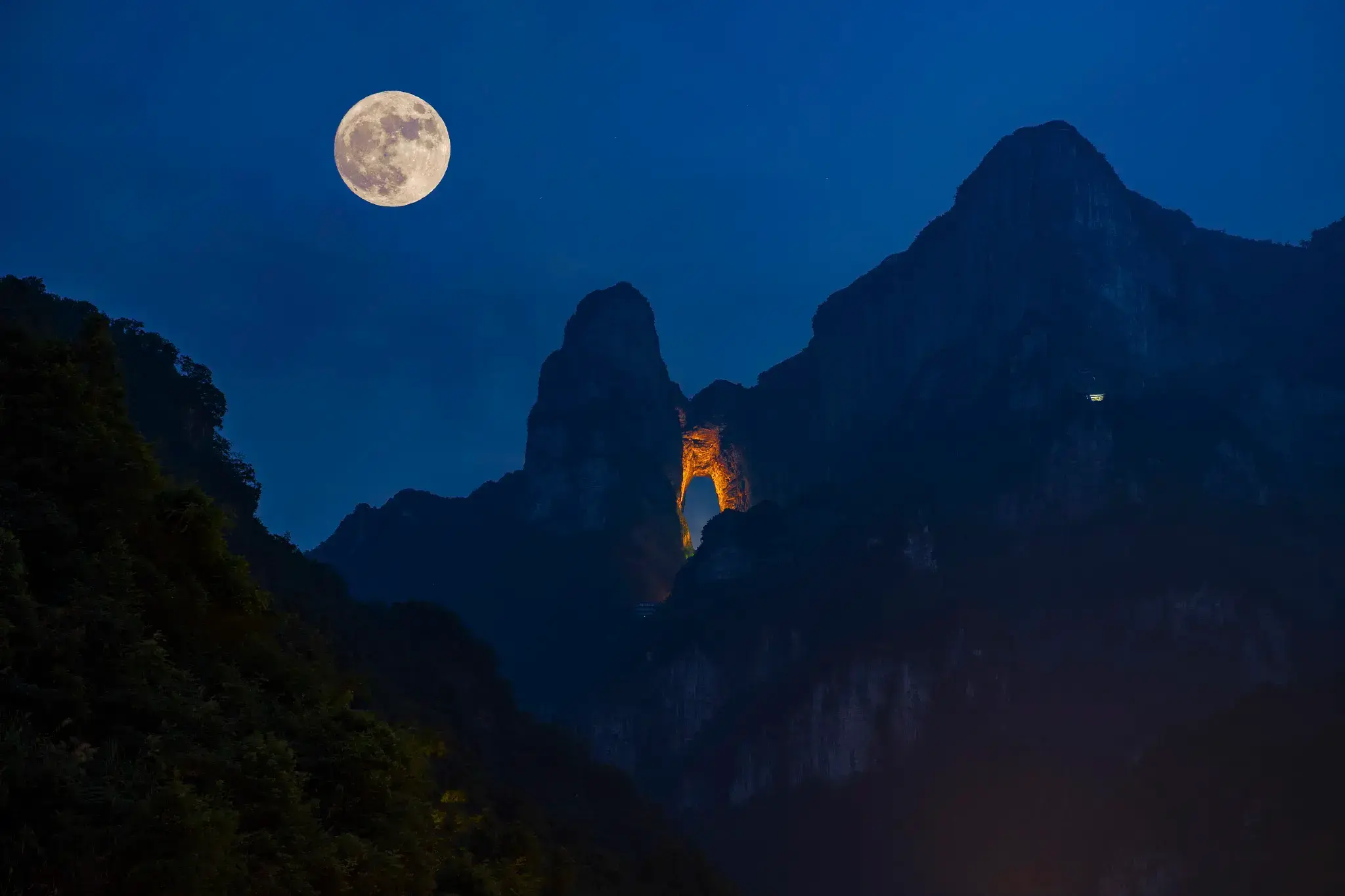 5 days Above the Pillars, Then Below Zhangjiajie From $1,430 View route
 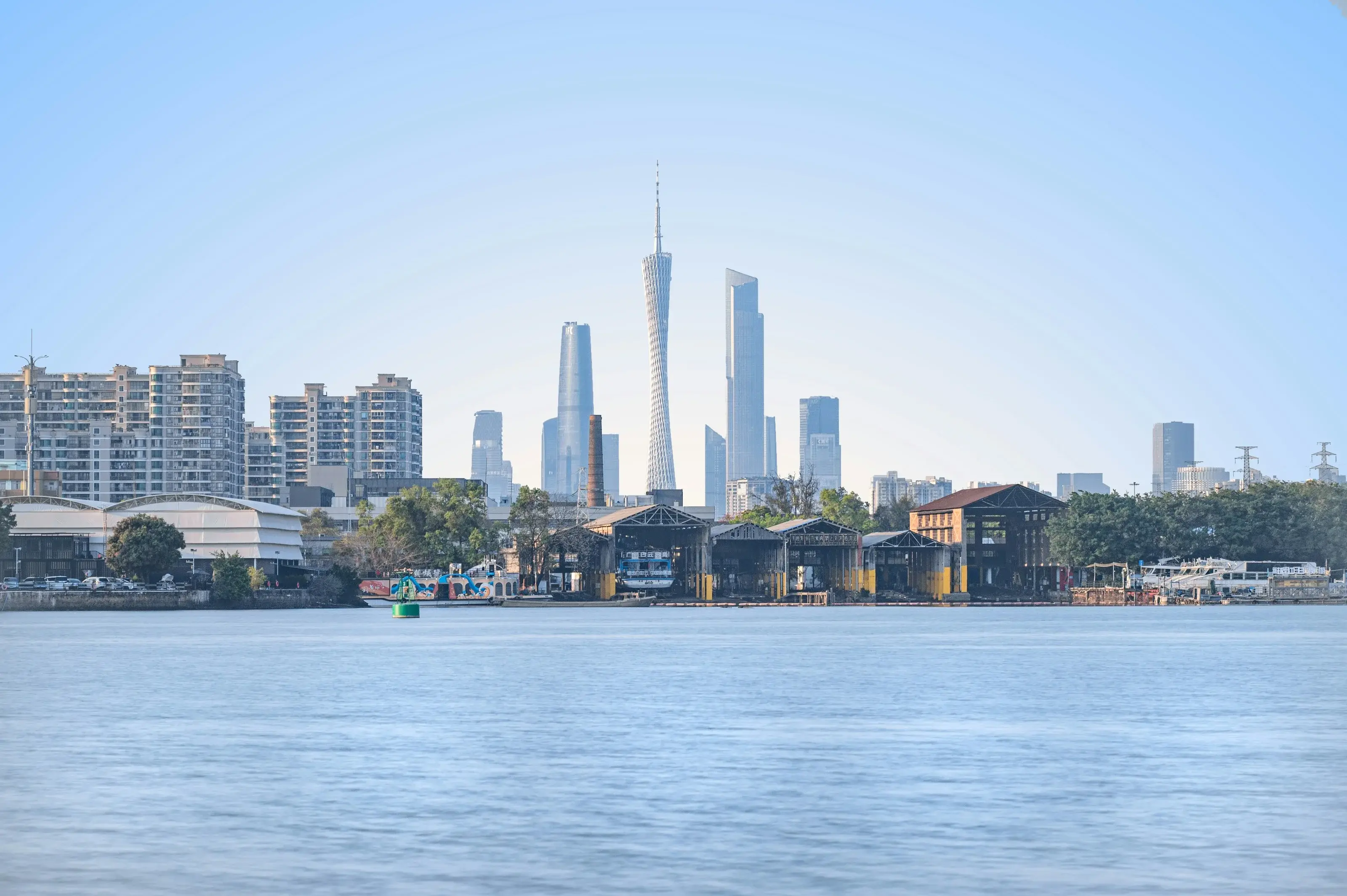 3 days After the Last Booth Guangzhou From $840 View route
  13 days All the Way West Xi'an → Dunhuang → Turpan → Kashgar → Shanghai From $3,500 View route
 TL;DR
The ideal first-time China itinerary covers 3–5 destinations over 10–21 days, connected by the world's largest high-speed rail network (50,000+ km), at a daily cost of $90–165 per person for mid-range travel. China recorded over 150 million inbound visits in 2025 — a 17% year-on-year increase — with Shanghai, Beijing, Xi'an, Chengdu, and Guangzhou ranking as the most popular destinations among foreign visitors. The most common planning mistake is trying to see too much — limit yourself to 2–3 days per city minimum, and always check the Chinese holiday calendar before booking, as three annual holidays (Spring Festival, Labor Day, National Day) transform the country from manageable to chaotic.
Quick Answer: What Does a Good China Itinerary Look Like?
For most first-time visitors, a 10–14 day trip covering Beijing, Xi'an, one nature destination (Guilin or Zhangjiajie), and Shanghai provides the best balance of history, nature, and modernity — all connected by high-speed rail at 300+ km/h.
| Duration | Route | Daily Budget (Mid-Range) | Best For |
|---|---|---|---|
| 7–10 days | Beijing → Xi\'an → Shanghai | \$90–165/person | First-timers with limited time |
| 12–14 days | Beijing → Xi\'an → Guilin → Shanghai | \$90–165/person | Most travelers (recommended) |
| 14–17 days | Beijing → Xi\'an → Chengdu → Guilin → Shanghai | \$90–165/person | Deeper exploration, families |
| 18–21 days | Beijing → Xi\'an → Chengdu → Guilin → Zhangjiajie → Shanghai + day trips | \$90–165/person | Comprehensive first visit |
| 3–4 weeks | Add Yunnan, Tibet, or Xinjiang to any above | \$100–200/person | Extended immersion, adventure |
What is the ideal trip length for a first visit to China?
10–14 days is the sweet spot for first-time visitors — long enough to cover the essential highlights at a comfortable pace, short enough to maintain energy and enthusiasm throughout. Trips shorter than 7 days feel rushed and spend a disproportionate amount of time in transit, while trips beyond 3 weeks require careful pacing to avoid "temple fatigue" and cultural overload.
The 2026 visa landscape makes this easier than ever: citizens of 50+ countries can enter China visa-free for up to 30 days, and US citizens qualify for 240-hour (10-day) visa-free transit through 65 designated ports.
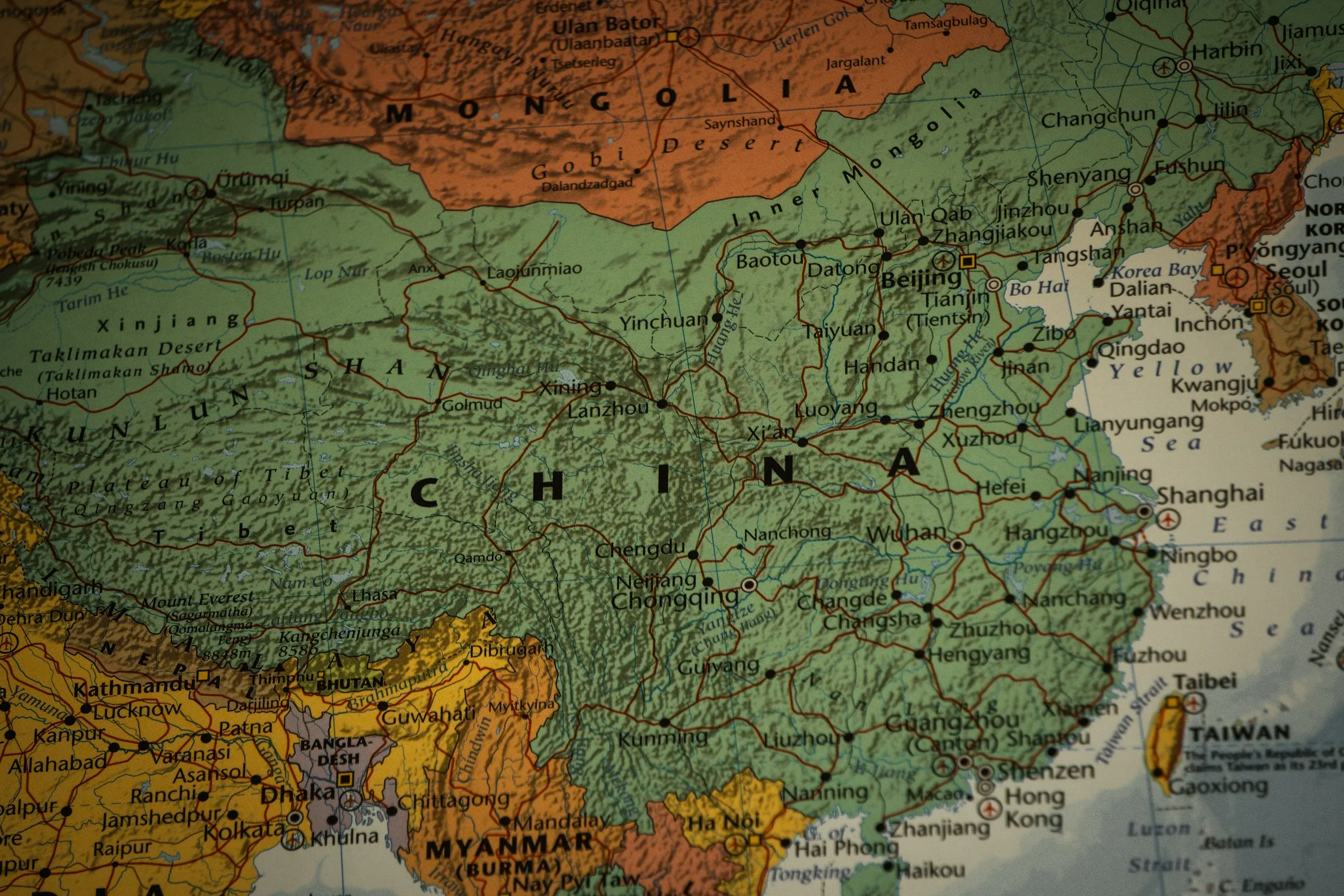
The duration reality check: China is roughly the size of the continental United States, and each city-to-city transfer consumes half a day once you add hotel checkout, station travel, the train ride, and settling in.
The LyrikTrip rule of thumb: allow 2–3 full days per major destination, plus one travel day for every city-to-city transfer. A 14-day trip realistically accommodates 4–5 destinations with comfortable pacing and built-in rest time; squeezing in a sixth or seventh city almost always degrades the experience.
What are the most popular destinations for first-time visitors to China?
Beijing, Shanghai, Xi'an, Chengdu, and Guilin form the "essential five" for first-time visitors — and 2025 inbound tourism data confirms this. Fliggy's 2025 Inbound and Outbound Travel Trends Report ranked Shanghai, Guangzhou, Beijing, Xi'an, Chengdu, and Dalian highest among foreign visitors, with orders from visa-free countries surging 153%, while Trip.com recorded a 300% year-on-year jump in immersive-activity bookings. Today's visitors want depth, not just landmarks.
The must-visit tier — destinations that define China:
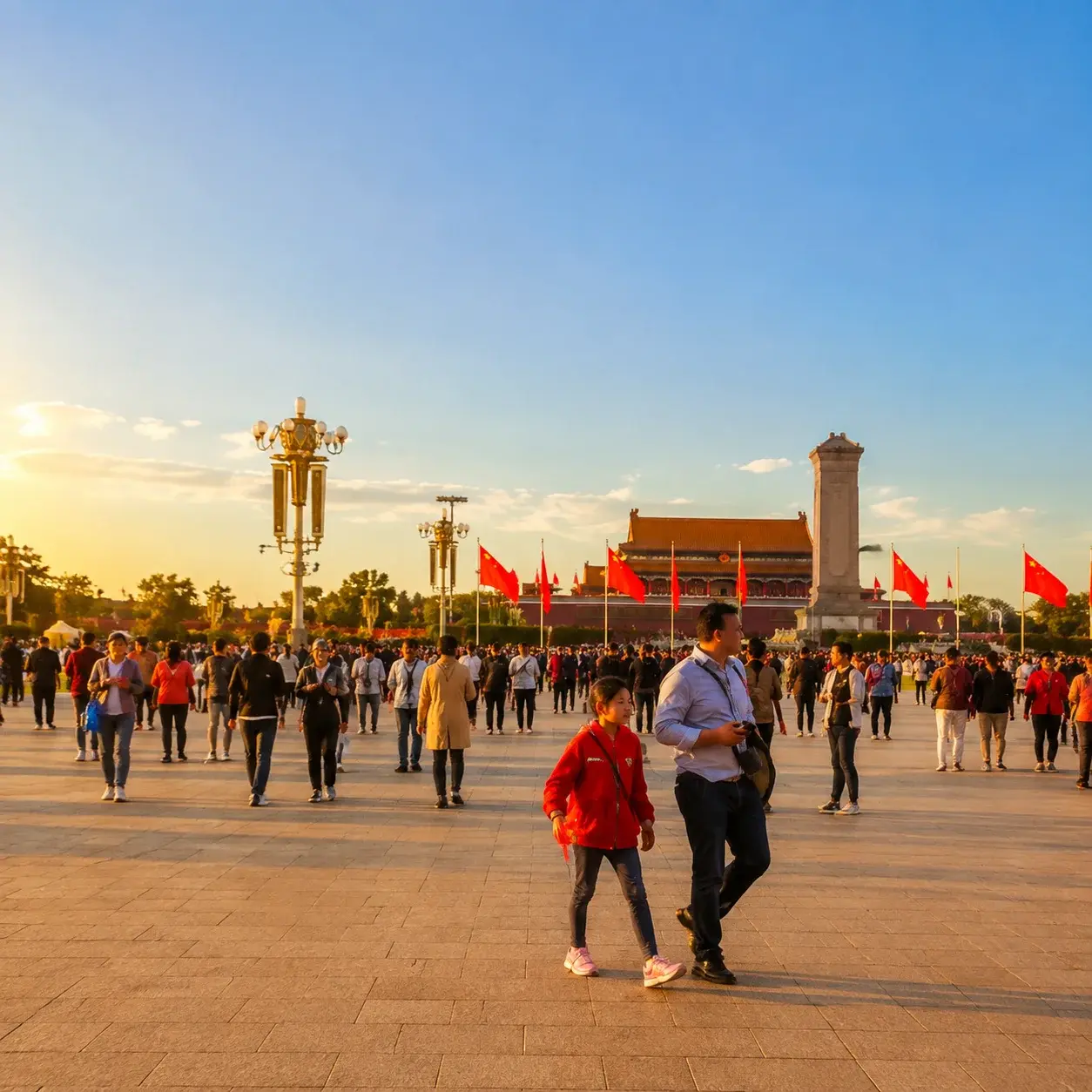
Beijing (3–4 days) — capital for 800+ years and the country's densest concentration of imperial history. The Forbidden City (world's largest imperial palace, 980 buildings), the Great Wall, the Temple of Heaven, and the Summer Palace justify 3 full days minimum; add a hutong food tour and the 798 Art District for contemporary contrast. At Badaling alone, inbound visitor numbers surged past 500,000 in 2025 — a 33.29% year-on-year jump and a decade high.
Xi'an (2–3 days) — ancient capital of 13 dynasties and starting point of the Silk Road. The Terracotta Warriors — 8,000+ life-sized clay soldiers buried for 2,200 years — are a genuine once-in-a-lifetime experience, and the 14-km Ancient City Wall (China's best-preserved, cyclable in 90 minutes), the Muslim Quarter's 1,000-year-old food street, and the Shaanxi History Museum round out a compelling stay.
Shanghai (2–3 days) — China's most international city and the easiest entry point for first-time visitors. The Bund's colonial-era waterfront facing Pudong's futuristic skyline captures China's past-meets-future identity in one panorama; the French Concession, Yu Garden, and a food scene running from $2 soup dumplings to Michelin-starred restaurants make it endlessly explorable.
The complete-your-trip tier — nature and culture balance:
Guilin/Yangshuo (2–3 days) — the karst landscape on China's 20-yuan banknote. A Li River cruise through limestone peaks is one of Asia's most iconic scenic experiences; Yangshuo adds rice-paddy cycling, bamboo rafting on the Yulong River, and a laid-back countryside pace.
Chengdu (2–3 days) — home to giant pandas and China's most beloved cuisine (Sichuan hotpot, mapo tofu, dan dan noodles). The Chengdu Research Base of Giant Panda Breeding is the world's best place to see pandas in a semi-natural habitat, and a day trip to the Leshan Giant Buddha (71 meters tall, UNESCO World Heritage) adds archaeological depth. Chengdu is also the gateway to Tibet and western Sichuan.
Which destinations should you add for a 3+ week trip?
Zhangjiajie (2–3 days) — the sandstone pillars that inspired the floating mountains in James Cameron's \Avatar\, plus Zhangjiajie National Forest Park, the world's longest and highest glass bridge, and Tianmen Mountain's cliff-hanging walkway.
Yunnan (7–10 days) — Kunming ("Spring City," comfortable year-round), Dali (Bai ethnic culture, Erhai Lake), Lijiang (Naxi culture, UNESCO Old Town), Shangri-La (Tibetan Buddhist culture at 3,200m), and Tiger Leaping Gorge fill 7–10 days without repetition.
Tibet (7–10 days) — the "Roof of the World" requires a separate permit, a mandatory guided tour, and altitude acclimatization, but rewards with Potala Palace, sacred monasteries, and Himalayan landscapes found nowhere else.
Xinjiang (7–10 days) — the Silk Road's most dramatic landscapes: Kashgar's ancient bazaar, Taklamakan Desert, Heavenly Lake, and Uyghur culture — remote and logistically complex, but unforgettable for adventure travelers.
How does China's high-speed rail work for tourists?
China's high-speed rail network — the world's largest at 50,000+ km, carrying 4.59 billion passenger trips in 2025 — is the backbone of any well-planned itinerary. Trains run at 250–350 km/h, are punctual to the minute, comfortable (wide seats, power outlets, dining car), and significantly cheaper than flying. For distances under 800 km, rail is typically faster than flying door to door, because train stations are centrally located while airports require 1–2 hours of extra transfer time on each end.
| Route | Distance | HSR Time | Approx. Cost (2nd Class) | Flight Alternative |
|---|---|---|---|---|
| Beijing → Xi\'an | 1,200 km | 4.5–5.5 hrs | \$75–90 | 2 hrs (but +2 hrs airport time) |
| Beijing → Shanghai | 1,318 km | 4.5 hrs | \$80–95 | 2.5 hrs (but +2 hrs airport time) |
| Xi\'an → Chengdu | 660 km | 3–4 hrs | \$45–60 | 1.5 hrs |
| Xi\'an → Shanghai | 1,500 km | 6–7 hrs | \$90–110 | 2.5 hrs |
| Chengdu → Guilin | 1,100 km | 7–8 hrs | \$70–85 | 2 hrs (recommend flight) |
| Guilin → Shanghai | 1,400 km | 6–9 hrs | \$80–100 | 2 hrs (recommend flight) |
| Shanghai → Hangzhou | 175 km | 45–60 min | \$15–20 | N/A (train far superior) |
| Shanghai → Suzhou | 100 km | 25–30 min | \$8–12 | N/A |
Follow geographic logic. The most efficient first-timer route flows north-to-south or east-to-west, minimizing backtracking — Beijing → Xi'an → Chengdu → Guilin → Shanghai is a natural arc, while Beijing → Shanghai → Guilin → Xi'an → Beijing zigzags.
Mix train and flight strategically. Use rail under 800 km (Beijing–Xi'an, Xi'an–Chengdu) and fly the longer legs (Chengdu–Guilin, Guilin–Shanghai); domestic flights are affordable ($50–150 one-way) and frequent.
Book trains early. Popular routes sell out 7–15 days ahead, especially weekends and holidays, and tickets are released 15 days before departure. Trip.com accepts foreign credit cards and books in English — essential, since the official 12306 app is Chinese-only.
What is a realistic daily budget for traveling in China?
China is one of Asia's most affordable major destinations. As of 2025, the median daily spend for foreign travelers is ¥650–¥1,200 ($90–$165), covering accommodation, meals, local transportation, and attraction tickets — roughly 30–50% less than equivalent travel in Japan, South Korea, or Western Europe.
| Category | Budget (\$30–70/day) | Mid-Range (\$90–165/day) | Luxury (\$250+/day) |
|---|---|---|---|
| Accommodation | Hostels, budget hotels (\$15–35) | 3–4 star hotels (\$50–100) | 5-star international chains (\$150–400) |
| Food | Street food, local restaurants (\$8–15) | Mix of local and upscale (\$20–40) | Fine dining, hotel restaurants (\$50–100+) |
| Transport | Metro, buses (\$3–8) | HSR 2nd class, occasional taxi (\$15–30) | HSR 1st class, private car (\$40–80) |
| Activities | Free parks, budget attractions (\$5–10) | Major attractions, guided tours (\$15–30) | Private guides, VIP access (\$50–150) |
At the itinerary level, here is what complete trips cost, excluding international flights:
| Itinerary | Duration | Budget | Mid-Range | Luxury |
|---|---|---|---|---|
| Golden Triangle (Beijing–Xi\'an–Shanghai) | 7–10 days | \$500–700 | \$900–1,650 | \$2,500–4,000 |
| Classic + Nature (add Guilin) | 12–14 days | \$800–1,000 | \$1,400–2,300 | \$3,500–6,000 |
| Comprehensive (add Chengdu, Zhangjiajie) | 18–21 days | \$1,200–1,500 | \$2,000–3,500 | \$5,000–8,500 |
Where the money goes: across LyrikTrip's 10,000+ itineraries, the mid-range budget splits roughly into accommodation 30–35%, intercity transport 20–25%, food 15–20%, activities 15–20%, and miscellaneous 10–15%.
Key money-saving moves: shoulder season (November, March, early April) cuts hotel rates 20–40%; 2nd-class rail runs 40–60% below 1st class with comfortable seats; a neighborhood lunch costs ¥20–40 ($3–6) against ¥80–150 ($11–21) in a tourist area; and metros (¥3–7 per ride) beat taxis.
How many days should you spend in each city?
The single most important pacing rule: never spend fewer than 2 full days in any destination. One-night stops — arrive in the evening, sightsee the next day, leave the following morning — are exhausting, superficial, and waste a disproportionate amount of time on logistics. Two full days allows you to see the highlights at a comfortable pace, with time for spontaneous exploration, a proper meal, and enough rest to enjoy the next destination.
The ideal daily rhythm:
Morning (7:30–11:30 AM): major attractions, arriving at opening time for minimal crowds and the best light. The Forbidden City at 8:30 AM, with morning sun on the Hall of Supreme Harmony and perhaps 50 other visitors in the courtyard, is a fundamentally different experience from the same space at 11 AM with 5,000 people.
Midday (11:30 AM–2:00 PM): a long, relaxed lunch — a proper Sichuan hotpot in Chengdu or dim sum in Guangzhou deserves 90 minutes.
Afternoon (2:00–5:30 PM): secondary attractions, neighborhoods, markets, or rest. In summer this is the hottest period, so museums, tea houses, and air-conditioned malls are your friends; in spring and autumn it is ideal for walking neighborhoods (Beijing's hutongs, Shanghai's French Concession).
Evening (6:00–9:00 PM): night markets, food streets, performances, or river and city views. Xi'an's Muslim Quarter, Shanghai's Bund, Chengdu's Jinli Street, and Guilin's Two Rivers and Four Lakes all peak after dark.
Build in rest: schedule one "light day" for every 3–4 intensive sightseeing days — a morning at a tea house, an afternoon wandering a neighborhood without a checklist, or a long lunch followed by a massage.
Sample Itineraries with Day-by-Day Detail
The Golden Triangle: 10 days (Beijing → Xi'an → Shanghai). Best for first-timers with limited time and travelers using 240-hour visa-free transit.
- Day 1: Arrive, recover from jet lag, evening walk at Qianmen Street.
- Day 2: Forbidden City (morning, 3–4 hrs) → Jingshan Park for panoramic view → Beihai Park → hutong food tour (evening).
- Day 3: Great Wall at Mutianyu (full day, depart 7 AM, return 4 PM) → Temple of Heaven (late afternoon).
- Day 4: Summer Palace (2–3 hrs), then high-speed train to Xi'an (4.5–5.5 hrs, ~$80) and dinner in the Muslim Quarter.
- Day 5: Terracotta Warriors (morning, allow 3 hrs) → Shaanxi History Museum → Tang Dynasty music performance (evening).
- Day 6: Ancient City Wall cycling (morning, 90 min loop) → Big Wild Goose Pagoda → Muslim Quarter food deep-dive.
- Day 7: HSR to Shanghai (6–7 hrs, ~$95, or a 2.5-hr flight at ~$80–120); evening Bund walk.
- Day 8: Yu Garden → Old City → Nanjing Road → The Bund (sunset and evening).
- Day 9: Day trip to Suzhou (25-min HSR): Humble Administrator's Garden, Pingjiang Road historic district, silk museum.
- Day 10: French Concession walking tour → Shanghai Museum or Shanghai Tower observation deck → departure.
Estimated cost (mid-range): $900–1,650/person (excluding international flights).
Classic China + Nature: 14 days (Beijing → Xi'an → Guilin → Shanghai). Best for most first-time visitors — our most recommended itinerary.
- Days 1–6: Beijing and Xi'an, as above.
- Day 7: Fly Xi'an to Guilin (2 hrs, ~$80–130); Elephant Trunk Hill, then the Two Rivers and Four Lakes evening cruise.
- Day 8: Li River cruise from Guilin to Yangshuo (4–5 hrs, spectacular karst scenery) → Yangshuo West Street.
- Day 9: Yangshuo countryside cycling (morning) → Yulong River bamboo rafting → Impression Liu Sanjie light show (optional).
- Day 10: Final Yangshuo exploration or Guilin Reed Flute Cave, then fly to Shanghai (2.5 hrs, ~$70–120).
- Day 11: Yu Garden, The Bund, Nanjing Road.
- Day 12: Day trip to Hangzhou (45-min HSR): West Lake boat ride, Lingyin Temple, Longjing tea village.
- Day 13: French Concession, Xintiandi, Shanghai Museum, Tianzifang art district.
- Day 14: Last-minute exploration, shopping, departure.
Estimated cost (mid-range): $1,400–2,300/person.
Comprehensive First Visit: 21 days (Beijing → Xi'an → Chengdu → Guilin → Zhangjiajie → Shanghai). Best for extended vacations, retirees, and families with older children.
- Days 1–6: Beijing and Xi'an, as above.
- Day 7: HSR Xi'an to Chengdu (3–4 hrs, ~$50).
- Day 8: Chengdu Research Base of Giant Panda Breeding (arrive 7:30 AM for active pandas) → Wenshu Monastery → Jinli Street.
- Day 9: Day trip to Leshan Giant Buddha (HSR + bus, or private car) → Sichuan hotpot dinner.
- Day 10: People's Park tea house morning → Sichuan cuisine cooking class → Kuanzhai Alley (evening).
- Day 11: Fly Chengdu to Guilin (2 hrs, ~$80–130).
- Days 12–13: Guilin and Yangshuo, as above.
- Day 14: HSR Guilin to Zhangjiajie (~3.5 hrs, ~$45).
- Day 15: Zhangjiajie National Forest Park — Yuanjiajie scenic area ("Avatar" Hallelujah Mountain), Bailong Elevator (world's tallest outdoor elevator, 326m).
- Day 16: Tianmen Mountain — cable car (world's longest at 7,455m), glass cliff walkway, Tianmen Cave (999 steps).
- Day 17: Fly Zhangjiajie to Shanghai (2.5 hrs, ~$70–110).
- Days 18–20: Yu Garden, The Bund, Pudong skyline, plus day trips to Suzhou (classical gardens, water town) and Hangzhou (West Lake, tea plantations).
- Day 21: French Concession, last-minute exploration, departure.
Estimated cost (mid-range): $2,000–3,500/person.
Seven Planning Mistakes That Ruin China Trips
Mistake 1: Trying to see too much. First-timers routinely plan 8–10 cities in 14 days, producing an itinerary more about train stations than destinations. The fix: limit a 2-week trip to 3–5 destinations — 3 days in Chengdu beats a rushed afternoon in each of 3 extra cities.
Mistake 2: Underestimating distances. Beijing to Shanghai (1,318 km) is roughly New York to Miami, and even at 350 km/h that transfer still consumes half a day once you add station transfers and settling in. The fix: map your route before committing — zigzagging wastes days — and save Yunnan, Tibet, and Xinjiang for a second trip.
Mistake 3: Traveling during Chinese holidays without realizing it. Spring Festival (February), Labor Day (May 1–5), and National Day Golden Week (October 1–7) transform China from manageable to chaotic — in 2025, the National Day holiday alone saw 888 million domestic trips, with hotel prices doubling and attractions at 3–5x normal capacity. The fix: check the Chinese holiday calendar before booking anything; shifting your trip by even one week eliminates the problem. For detailed dates and data, see our Best Time to Visit China 2026.
Mistake 4: Not booking trains and attractions in advance. Popular rail routes (Beijing–Xi'an, Beijing–Shanghai) sell out 7–15 days ahead, and major attractions — the Forbidden City, the Terracotta Warriors, Zhangjiajie National Forest Park — require advance online booking with daily visitor caps. The fix: book trains when tickets are released (15 days before departure), attractions 3–7 days ahead via Trip.com or official WeChat mini-programs, and 2–3 weeks ahead in peak season.
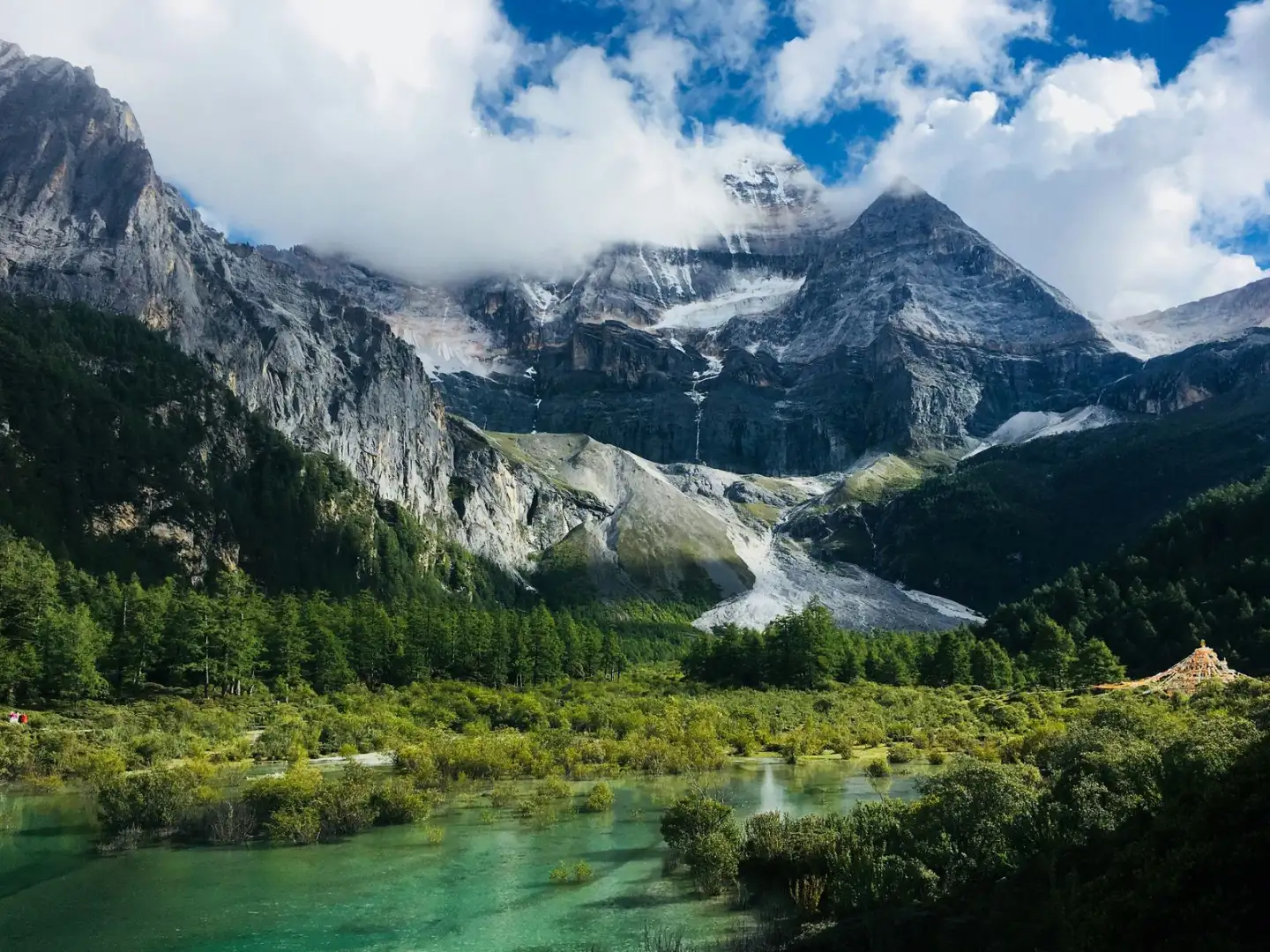
Mistake 5: All cities, no nature. Beijing, Xi'an, and Shanghai alone miss China's natural landscapes — Guilin's karst peaks, Zhangjiajie's sandstone pillars, the Longji rice terraces, the turquoise lakes of Jiuzhaigou. The fix: include at least one nature destination; Guilin fits most itineraries, while Zhangjiajie adds 2–3 days.
Mistake 6: Not preparing for the digital ecosystem. Google, WhatsApp, Instagram, and most Western apps are blocked in China, where Alipay and WeChat Pay are the default for restaurants, street vendors, and everything between. The fix: before departure, install a VPN, set up Alipay (now accepts international Visa/Mastercard), download offline maps in Baidu Maps or Amap, and install Google Translate with the offline Chinese pack. For a complete setup guide, see our Essential China Travel Tips 2026.
Mistake 7: Packing every day with activities. China's sensory intensity — crowds, noise, unfamiliar food, the language barrier, the 12-hour time zone shift — exhausts even experienced travelers. The fix: build one rest half-day into every 3–4 sightseeing days for a slow tea-house morning or simply catching up on sleep.
The Complete Pre-Trip Planning Timeline
3 months before departure: decide duration and budget range, then choose 3–5 main destinations and map your route. Book international flights (Tuesday/Wednesday departures are typically 15–20% cheaper), check visa requirements — most nationalities now enjoy 30-day visa-free entry, while US citizens should confirm 240-hour transit eligibility — and, if visiting Tibet, begin permit application through a registered tour operator, since processing takes 15–20 days.
6–8 weeks before: book accommodations (2–3 months ahead in peak season) and intercity rail tickets, released 15 days before departure — set calendar reminders. Purchase travel insurance covering medical evacuation, because Chinese hospitals require upfront payment. Download and set up Alipay, WeChat, Baidu Maps, Trip.com, and Google Translate with the offline Chinese pack, and install and test a reliable VPN.
2 weeks before: book attraction tickets (Forbidden City, Terracotta Warriors, Zhangjiajie), then set up Alipay with your international credit card using the in-app "Tour Pass" or international card binding process. Download offline maps, notify your bank of travel dates to prevent card blocks, and print hotel confirmations with Chinese addresses — essential for taxi drivers.
1 week before: check weather forecasts and confirm all bookings, then pack appropriate clothing (layers for spring and autumn, sun protection for summer). Prepare a small amount of Chinese yuan cash (¥500–1,000) as backup, since some small vendors and taxis still prefer cash, and save your emergency contacts: hotel addresses in Chinese, the local emergency numbers (110 police, 120 ambulance), and your country's embassy.
Final Thought: The Best Itinerary Is the One You'll Actually Enjoy
The perfect China itinerary isn't the one that covers the most ground — it's the one that matches your energy level, interests, and travel style. A couple who loves food and nightlife will have a better time spending 4 days in Chengdu and 3 in Shanghai than rushing through 7 cities. A family with young children needs more rest days and fewer 6-hour train rides. A photographer chasing autumn foliage should build the trip around the last two weeks of October.
China will still be there for your second visit — and if your first trip is well-paced, well-timed, and well-prepared, there will absolutely be a second visit.
FAQ
What is the ideal China itinerary for first-timers?
A balanced first route covers Beijing, Xi'an, one nature destination such as Guilin or Zhangjiajie, and Shanghai over 10 to 14 days.
How do I choose between Guilin and Zhangjiajie?
Choose Guilin and Yangshuo for softer scenery, cycling, rivers, and family-friendly pacing. Choose Zhangjiajie for dramatic cliffs, photography, and more intense scenic logistics.
How many destinations should I include?
For 10 to 14 days, choose three to five destinations. More than that usually creates too many transfer days and not enough time on the ground.
How should I connect destinations in China?
Use high-speed rail for efficient corridors and flights for long distances or remote regions. Build the route in a logical geographic order.
How much should I budget per day?
Budget depends on hotel level, guide days, transport class, and season. Mid-range travelers spend far less than luxury travelers, but both benefit from advance planning.
What is the most important itinerary principle?
Do not plan China by map distance alone. Station transfers, security checks, attraction booking windows, traffic, and walking time must all be part of the schedule.