



 18 days China, End to End Beijing → Xi'an → Chuanzhusi → Jiuzhaigou → Chengdu → Zhangjiajie → Guilin → Yangshuo → Shenzhen From $6,360 View route
  3 days 4-Day Tour of Siguniang Mountain, Biepa Gou, and Dagu Glacier Chengdu → Lixian → Heishui County From $1,599 View route
 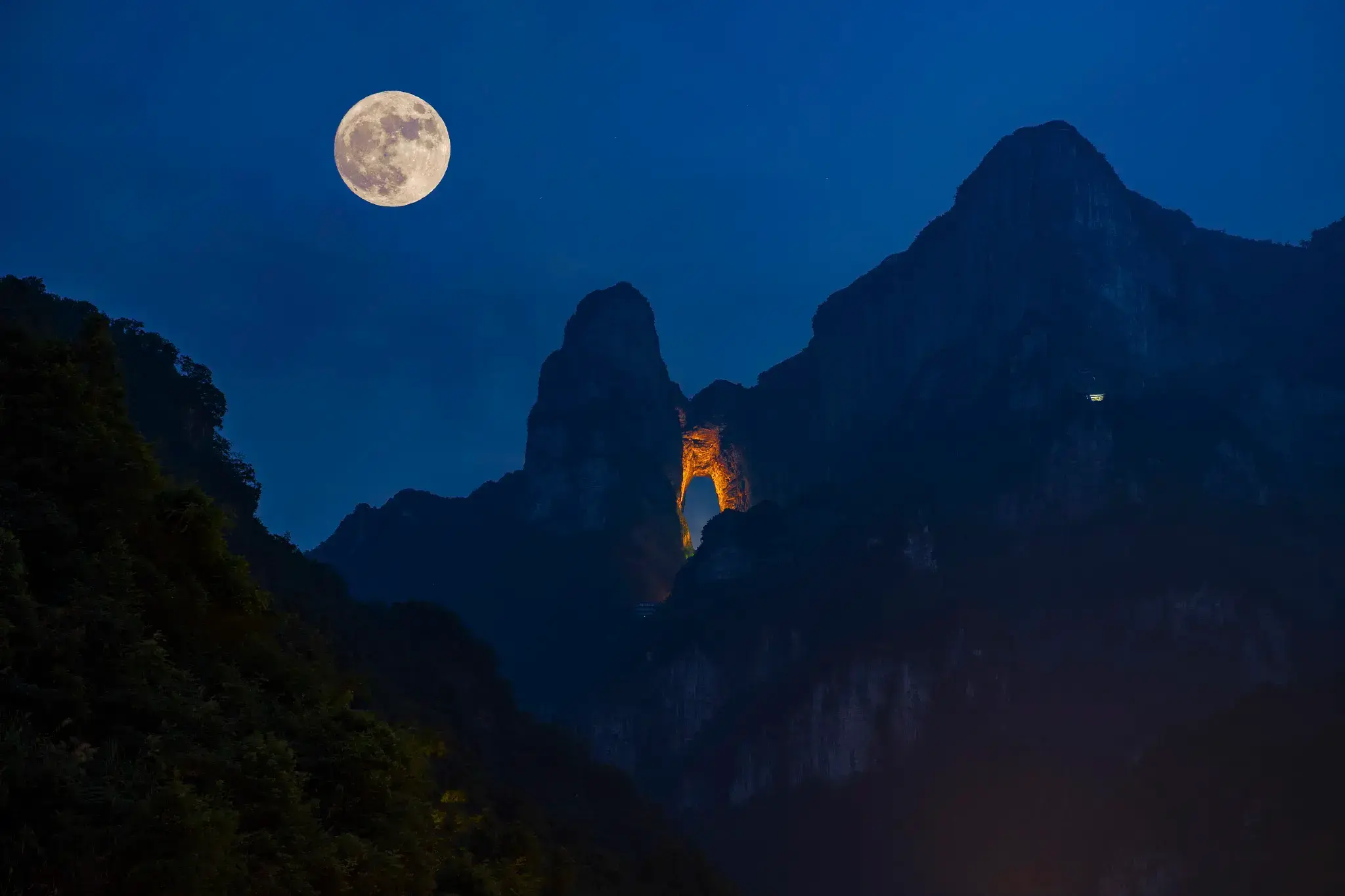 5 days Above the Pillars, Then Below Zhangjiajie From $1,430 View route
 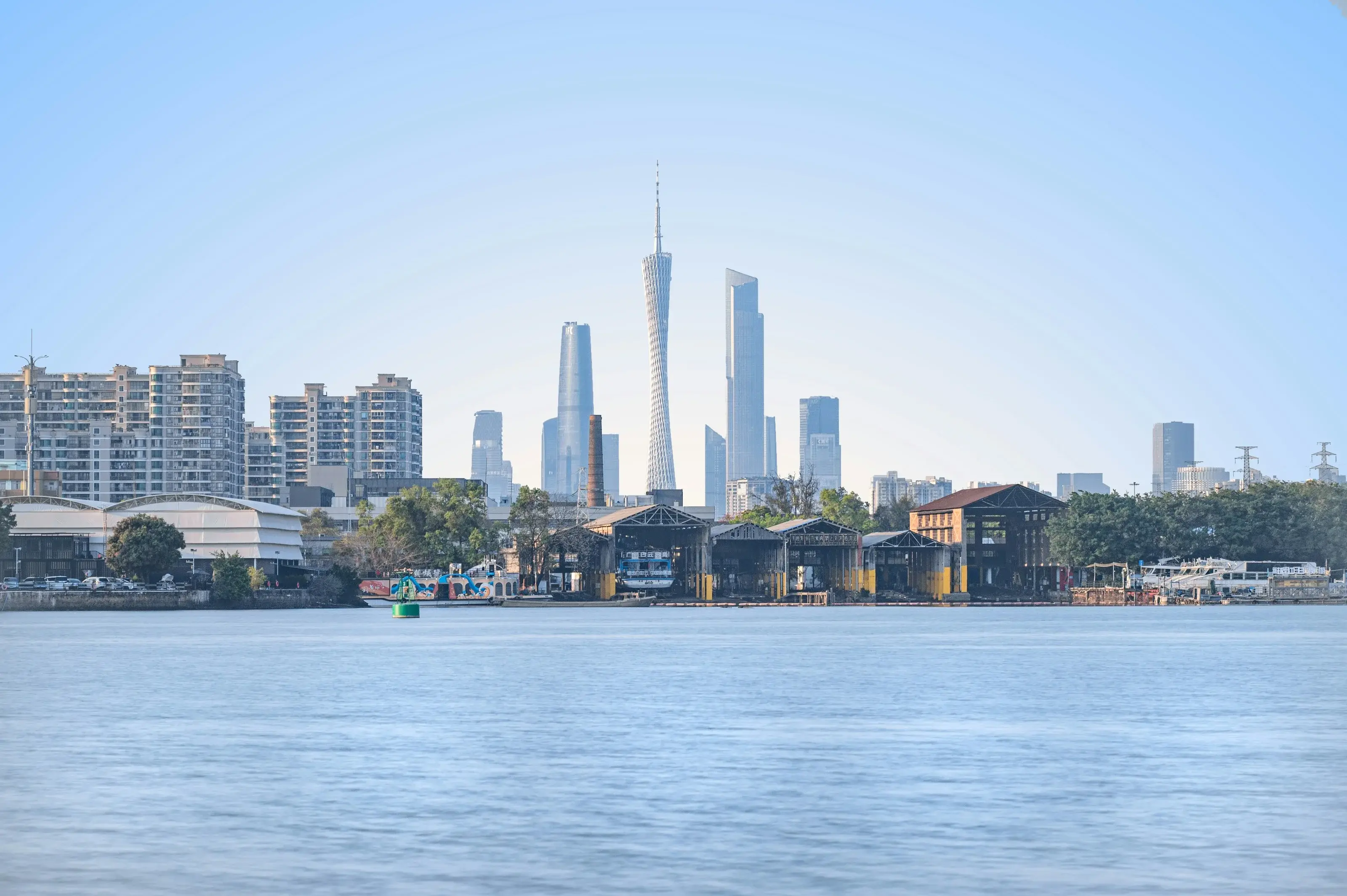 3 days After the Last Booth Guangzhou From $840 View route
 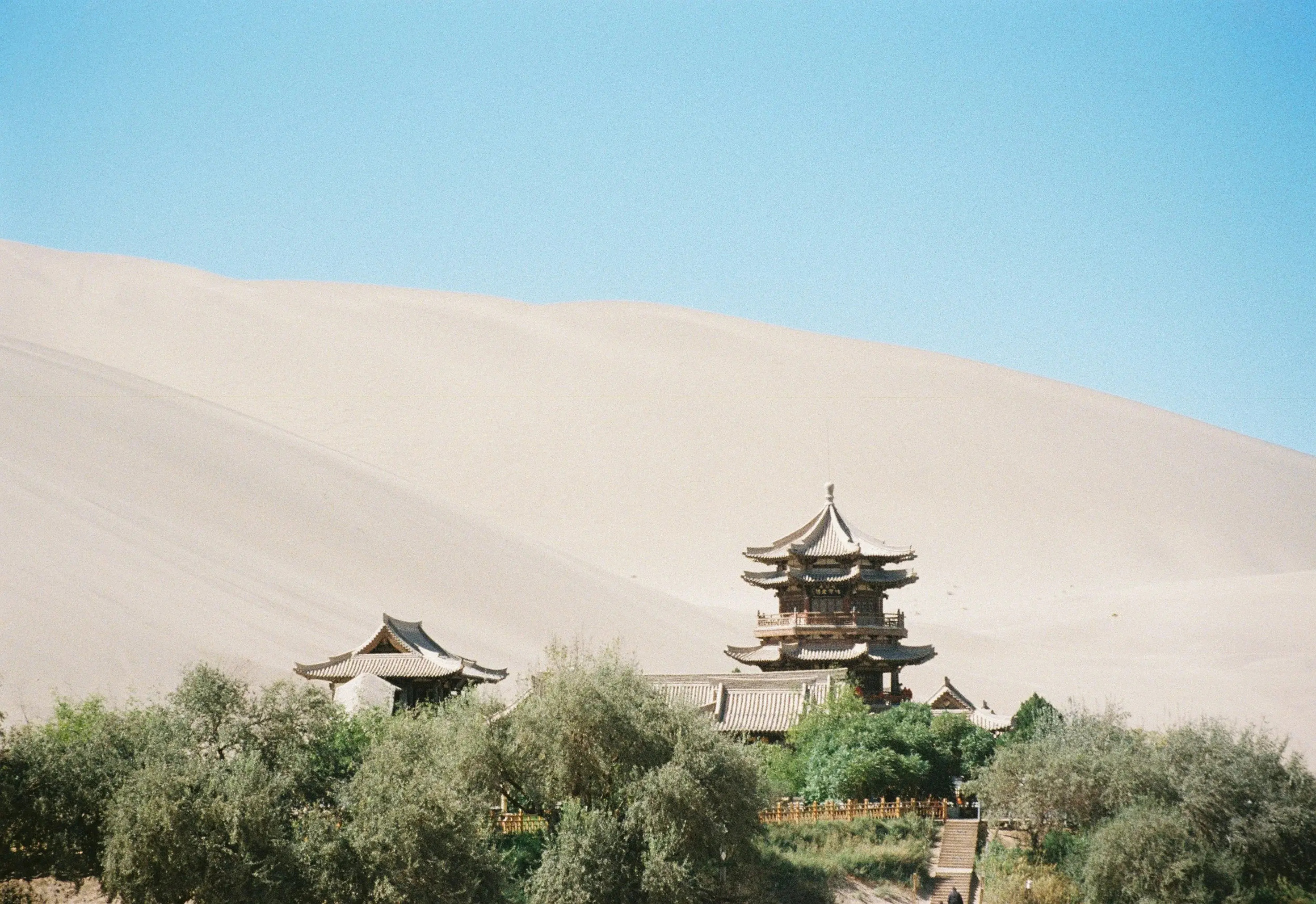 13 days All the Way West Xi'an → Dunhuang → Turpan → Kashgar → Shanghai From $3,500 View route
 TL;DR
China recorded over 150 million inbound visits in 2025 with spending surpassing $130 billion (Ministry of Culture and Tourism, March 2026), and more than 30 million foreigners entered visa-free—a system now extended to citizens of 48 countries through December 31, 2026, including Canada and the UK from February 17, 2026. For families, China delivers a combination that no other single destination can match: 60 UNESCO World Heritage Sites (tied with Italy for the world's most, after the Xixia Imperial Tombs were inscribed in July 2025), 200+ giant pandas viewable at close range in Chengdu (now with free admission by reservation), Shanghai Disneyland with unique Chinese cultural elements at ¥475–799 per adult ($69–116), a 50,400-kilometer high-speed rail network where children under 6 ride free and ages 6–14 receive 50% off, and daily family costs of $100–350 for four people—30–40% less than equivalent experiences in Japan or Western Europe. This guide provides destination-by-destination planning for families with children of all ages, verified pricing, age-appropriate activity recommendations, and the specific pacing strategies that prevent the meltdowns, exhaustion, and logistical disasters that derail family trips.
Quick Reference: Family Trip at a Glance
| Factor | Detail |
|---|---|
| Best seasons | Spring (Apr–Jun) ⭐ and Autumn (Sep–Nov) ⭐ |
| Ideal length | 10–14 days (3–5 destinations at family pace) |
| Budget (family of 4, 14 days) | \$3,500–7,500 mid-range including flights |
| Visa | Free for 48 countries (30-day entry through Dec 31, 2026) |
| Child train policy | Under 6: free (no seat); 6–14: 50% off |
| Child attraction policy | Under 6: free at most sites; 6–18: free or 50% at many |
| Safety | Extremely safe; very low crime; family-oriented culture |
| Essential app | Alipay (accepts international cards; handles 95%+ payments) |
Why China for Families?
What makes China exceptional for family travel?
China works for families because it offers something genuinely rare: a single country where a 5-year-old can watch giant pandas tumble over each other in the morning, a 12-year-old can toboggan down the Great Wall in the afternoon, and both parents can experience one of humanity's greatest civilizations throughout—all connected by bullet trains that children find thrilling in themselves, at prices that make the whole thing surprisingly affordable.
The diversity of experiences is unmatched. China holds 60 UNESCO World Heritage Sites as of July 2025—tied with Italy for the most of any country on Earth—spanning imperial palaces, ancient defensive walls, karst mountain landscapes, Buddhist cave temples, and Silk Road trading posts. Beyond heritage sites, the country offers over 10,000 museums, 12,000+ A-level scenic areas, and infrastructure that rivals or exceeds any developed nation. For families, this translates into concrete options: history enthusiasts get the Forbidden City, Great Wall, and Terracotta Warriors; nature lovers get Guilin's karst landscapes, Zhangjiajie's "Avatar mountains," and the Yangtze River; animal fans get 200+ giant pandas in Chengdu; tech-curious kids get the Shanghai Maglev (430 km/h), Shenzhen's drone deliveries, and the world's largest high-speed rail network.
The value proposition is equally compelling. China Tourism Price Index data consistently shows family travel costing 30–40% less than Japan or Western Europe for equivalent experiences. A family of four eats well at a local restaurant for ¥70–100 ($10–14.50). A 4-star hotel in Chengdu or Xi'an with pool, breakfast buffet, and family room runs $60–120/night. Children under 6 ride the world's most advanced high-speed trains for free. And the 30-day visa-free policy for 48 countries eliminates $560–740 in visa fees for a family of four.
The safety factor seals it. China has very low violent crime rates and a deeply family-oriented culture. In 15+ years of planning family tours, we have received zero safety incident reports. Chinese people are exceptionally warm toward families with children—strangers will help with strollers on stairs, entertain fussy toddlers in restaurants, and go out of their way to offer directions. This cultural warmth toward children is not performative; it reflects genuine social values that make traveling with kids in China notably less stressful than in many Western countries.
When to Visit (and When to Avoid)
Which seasons are best for families?
Spring (April–June) ⭐ HIGHLY RECOMMENDED
Temperatures range from 15–26°C across most destinations, skies are generally clear, and crowds are moderate outside of the May 1–5 Labor Day holiday. Cherry blossoms in late March/early April, rapeseed flower fields in April, and comfortable hiking weather make this the ideal window for families who want pleasant conditions without peak-season chaos.
Autumn (September–November) ⭐ HIGHLY RECOMMENDED
Similar temperature range to spring with the added bonus of spectacular fall foliage—golden ginkgo trees in Beijing's Forbidden City courtyards, red maples across Zhangjiajie's sandstone pillars, and harvest-season rice terraces in Guilin. September offers excellent conditions before the October 1 National Day holiday; late October and November deliver comfortable weather with significantly reduced crowds.
Summer (July–August) ⚠️ PEAK SEASON
Hot (30–38°C in most cities), humid, and crowded—this is when Chinese families travel during school holidays. However, it's also when most international families must travel due to their own school schedules. If summer is your only option, prioritize cooler destinations (Guilin, Yunnan, Zhangjiajie's higher elevations) and plan outdoor activities for early morning or late afternoon.
Winter (December–February) 💰 BUDGET OPTION
Cold in northern China (Beijing averages -2°C to 5°C in January) but mild in southern destinations (Guilin, Kunming, Hong Kong). Prices drop 30–50% across accommodation and flights. The Great Wall dusted in snow is hauntingly beautiful with virtually no crowds. Not ideal for families with very young children who struggle with cold, but excellent value for families with older kids who don't mind bundling up.
What dates should families absolutely avoid?
Golden Week (October 1–7): China's 2025 Golden Week generated 888 million domestic trips and ¥809 billion in spending. Scenic spots like Jiuzhaigou sold out daily ticket quotas before the holiday began. Railways carried 23.13 million passengers on October 1 alone—a single-day record. Hotel prices double or triple. Attraction queues extend to hours. For families, this is the worst possible time to visit China.
Labor Day (May 1–5): A smaller but still significant domestic tourism surge. Prices increase 50–100% at popular destinations. Avoid if possible; if your dates overlap, book accommodation and attraction tickets well in advance.
Chinese New Year / Spring Festival (late January to mid-February; 2027 dates: approximately February 6–12): Transportation chaos as hundreds of millions of Chinese travel home for family reunions. Many businesses close. Prices spike. However, if you specifically want authentic cultural immersion—temple fairs, fireworks, red lanterns, family feasts—this is the one time of year that delivers it. Just plan meticulously and book everything months ahead.
How Long to Go: Trip Length by Family Type
10–14 Days: The Sweet Spot for Most Families
This is the length we recommend most frequently, and for good reason: it covers 3–5 major destinations without rushing, allows 2–3 days per city (the minimum for families to absorb a place without exhaustion), includes buffer days for travel and rest, fits most vacation schedules, and prevents the cumulative fatigue that turns the final days of an overly ambitious trip into a forced march.
Sample 14-day route: Beijing (4 days) → Xi'an (2 days) → Chengdu (2 days) → Guilin (3 days) → Shanghai (3 days)
Budget for family of 4: $3,500–7,500 including international flights from Europe (budget to mid-range comfort)
7–9 Days: The Focused Introduction
Best for first-time visitors testing the waters, families with limited vacation time, or families with very young children (under 4) whose attention spans and stamina limit daily activities.
Recommended routes:
Beijing (4 days) + Xi'an (3 days) — Imperial China focus
Beijing (3 days) + Shanghai (4 days) — Ancient meets modern
Budget for family of 4: $2,200–4,800 including flights
15–21 Days: The Deep Immersion
Best for families wanting comprehensive cultural exposure, multiple interest areas (history + nature + modern cities), and a slower pace with built-in rest days.
Recommended route: Shanghai (3 days) → Zhangjiajie (3 days) → Chengdu (3 days) → Xi'an (2 days) → Beijing (4 days) → Guilin (3 days)
Budget for family of 4: $4,500–10,000 including flights
Destination Guide: Beijing
Why is Beijing essential for families?
China's capital concentrates 7 UNESCO World Heritage Sites within city limits, houses the world's most visited museum-palace complex, and provides access to the Great Wall—making it the single most important destination for any family visiting China for the first time. Beijing received 5.48 million inbound tourism trips in 2025, up 39% year-on-year, with inbound tourism spending reaching ¥50.56 billion ($7.21 billion).
Best for: All ages | Recommended duration: 3–4 days
What should families do in Beijing?
Must-see attractions:
Great Wall — Mutianyu Section. This is the section we recommend for every family. Mutianyu surpassed 2 million visitors in 2024 (40% international) and ranks 6th globally on TripAdvisor's 2025 Top Attractions list. It delivers the optimal balance of restored infrastructure, stunning scenery, and family-friendly facilities that Badaling (overcrowded, up to 80,000 daily visitors during peak) cannot match. The cable car eliminates the exhausting climb for young children and elderly grandparents; the toboggan slide down is a genuine highlight that kids talk about for years. Allow 3–4 hours total. Entry: ¥40; combined package with shuttle and cable car/toboggan: ¥250. Arrive at 7:30 AM opening to beat tour groups.
Forbidden City (Palace Museum). The world's largest palace complex—980 buildings, 720,000 square meters, 1.8+ million artifacts. The daily visitor cap is strictly enforced at 40,000; book tickets 3–7 days in advance via the official website (dpm.org.cn)—no same-day tickets are sold. Entry: ¥60 (peak, Apr–Oct) / ¥40 (off-season); under 18: free. Plan 2–3 hours minimum. The central axis route (Meridian Gate → three Great Halls → Imperial Garden → north exit) is manageable for families; add the Treasure Gallery (¥10 extra) if children are engaged. Schedule bathroom breaks—facilities are limited inside.
Temple of Heaven. One of Beijing's most beautiful UNESCO sites. Arrive early (7–8 AM) to see elderly Beijingers practicing tai chi, dancing, and playing traditional instruments in the surrounding park—a genuine slice of local life that fascinates children and adults alike. Entry: ¥34 (combined ticket); under 18: free.
Hutong Rickshaw Tour. Explore Beijing's traditional alleyway neighborhoods by rickshaw, visit a local family home, and see how ordinary Beijingers live. This is the experience that gives children a human connection to China beyond monuments and museums. Self-guided walking is free; organized rickshaw tours run ¥100–200 per person.
Hands-on cultural experiences (the secret to keeping kids engaged):
These are what transform a sightseeing trip into an adventure children actively enjoy:
Peking Opera mask painting: Kids design and paint traditional masks (¥70–140 per child). Available at multiple workshops near the Forbidden City.
Hand-pulled noodle making: Learn from a local chef, then eat your creation. Interactive, messy, and universally loved by children of all ages (¥100–200 per family).
Kung fu class: Basic martial arts lesson adapted for children. 1–2 hours, available through hotels and tour agencies (¥150–300 per child).
Clay figurine sculpting: Create traditional Chinese art pieces to take home (¥50–100 per child).
Where should families stay in Beijing?
Best area: Dongcheng District (near Forbidden City) — walking distance to major attractions, authentic hutong atmosphere, excellent metro access.
Essential hotel features for families: Swimming pool (crucial for post-sightseeing decompression), breakfast buffet included (saves time and money every morning), family rooms or connecting rooms, English-speaking staff, and proximity to a metro station on Line 1, 2, or 5 for best attraction access.
Budget: ¥150–250/night ($22–36) budget; ¥300–650/night ($43–94) mid-range; ¥650–1,500/night ($94–217) comfortable.
Destination Guide: Xi'an
Why should families visit Xi'an?
Xi'an delivers one of the world's greatest archaeological discoveries (the Terracotta Warriors), a perfectly preserved Ancient City Wall that children can cycle around, and a vibrant Muslim Quarter food scene that turns dinner into an adventure. The Terracotta Army alone—8,000+ life-size clay soldiers buried for 2,200 years—is the kind of jaw-dropping spectacle that makes even screen-addicted teenagers put their phones down.
Best for: History lovers, food enthusiasts, families with kids 5+ | Recommended duration: 2–3 days
What should families do in Xi'an?
Must-see attractions:
Terracotta Warriors Museum. Arrive at 8:00 AM opening to beat tour groups. Hire an English-speaking guide (¥150–200) for context—without explanation, children see rows of clay figures; with a guide, they hear stories of an emperor who commanded 700,000 workers to build his underground army. Entry: ¥120; under 18: free. Allow 2–3 hours.
Ancient City Wall Cycling. Rent family bicycles and ride the 14-kilometer perimeter of China's best-preserved ancient city wall. The wall is wide, flat, and safe—perfect for family cycling with stunning views in every direction. Best cycled early morning (7–9 AM) or late afternoon (4–6 PM) to avoid heat. Entry: ¥54; bike rental: ¥45 per bike for 2 hours. Tandem bikes and child seats available. Allow 2–3 hours.
Muslim Quarter. A bustling food market stretching through narrow lanes, packed with vendors selling roujiamo (Chinese "burgers"—flatbread stuffed with spiced meat, ¥10–15), yangrou paomo (lamb soup with hand-torn bread, ¥25–35), and dozens of other street foods that children can eat while walking. Explore the side streets beyond the main Beiyuanmen thoroughfare for more authentic food and fewer crowds. Free to enter; budget ¥50–100 for family snacking.
Big Wild Goose Pagoda. The evening musical fountain show (free, 8:30 PM in summer) is one of Asia's largest—a spectacular display of water, light, and music in front of a 1,300-year-old Buddhist pagoda. Children love it. Arrive 20–30 minutes early for a good viewing spot.
Hands-on experiences:
Chinese cooking class: Shop at a local market, then make dumplings and hand-pulled noodles with a local family. Interactive, educational, and produces a meal everyone eats together (¥200–400 per person; children often half-price).
Tang Dynasty show: Music, dance, and elaborate costumes from China's golden age. Mesmerizing for children, genuinely impressive for adults (¥200–400 per person).
Calligraphy workshop: Learn Chinese brush writing—children produce artwork they can frame at home (¥100–200 per person).
Where should families stay in Xi'an?
Best area: Inside the Ancient City Wall (Inner City), near Bell Tower/Drum Tower for central location and easy Muslim Quarter access, or near South Gate for quieter atmosphere and convenient City Wall cycling entrance.
Budget: ¥250–550/night ($36–80) budget to mid-range; ¥550–1,000/night ($80–145) comfortable.
Destination Guide: Shanghai
Why is Shanghai perfect for families?
Shanghai is China's most international city—a place where futuristic skyscrapers tower over classical Chinese gardens, where the world's fastest commercial train (the Maglev, 430 km/h) runs alongside century-old tram lines, and where Shanghai Disneyland offers unique Chinese cultural elements not found at any other Disney park. For families, Shanghai provides the most familiar environment in China (extensive English signage, international restaurants, Western hotel brands) while still delivering distinctly Chinese experiences.
Best for: All ages, Disney fans, families wanting modern city experience | Recommended duration: 3–4 days
What should families do in Shanghai?
Must-see attractions:
Shanghai Disneyland. Asia's largest Disney park features the world's largest and tallest Disney castle (Enchanted Storybook Castle), the world's first Zootopia-themed land (opened 2023), and unique Chinese cultural elements including zodiac murals and traditional garden design. The park uses a six-tier pricing system as of November 2024: adult tickets range from ¥475 on Tuesday–Thursday to ¥799 on peak days ($69–116). Children 1.0–1.4m receive approximately 25% off; under 1.0m enter free. Buy tickets online in advance through Trip.com (easier for foreigners than the official app, which requires Chinese SMS verification). Go on weekdays—weekend and holiday crowds are intense. Allow a full day; two days ideal for families wanting a relaxed pace.
Pro tip: If visiting Disneyland, consider staying one night at the Toy Story Hotel (from ¥1,200/night)—half the price of the Disneyland Hotel, same early park entry privilege (one hour before general opening), and the themed rooms delight children.
The Bund. Shanghai's iconic waterfront promenade, facing the Pudong skyline across the Huangpu River. Best viewed at sunset (6–7 PM), then stay for the evening light show when both sides of the river illuminate. Free, and one of the world's great urban panoramas.
Maglev Train. The world's fastest commercial train connects Pudong Airport to the city in 8 minutes at 430 km/h. Worth experiencing once for the sheer thrill of speed—children (and adults) press their faces to the windows watching the digital speedometer climb. ¥50 one-way ($7.25). Not practical for regular transport (the metro is cheaper and more convenient), but a memorable experience.
Shanghai Natural History Museum. Interactive exhibits, dinosaur skeletons, and hands-on science displays that keep children engaged for 2–3 hours. Free admission (book online in advance). One of China's best family museums.
Zhujiajiao Water Town. An ancient canal town 1 hour from Shanghai by bus or car. Boat rides through 400-year-old waterways, stone bridges, and traditional architecture. A peaceful counterpoint to Shanghai's urban intensity. Entry: ¥60; boat rides: ¥80–150.
Where should families stay in Shanghai?
Best areas: Jing'an District (central, family-friendly, excellent metro access) or Pudong/Lujiazui (modern, near Disneyland shuttle, skyline views). If visiting Disneyland, one night near the park saves 2 hours of commuting each way.
Budget: ¥300–600/night ($43–87) mid-range; ¥600–1,500/night ($87–217) comfortable.
Destination Guide: Chengdu
Why do families love Chengdu?
Chengdu is where children meet giant pandas—and the encounter is transformative. The Chengdu Research Base of Giant Panda Breeding houses over 200 giant pandas (plus red pandas) across a 3,570-acre facility that mimics wild habitat, with themed zones, a 69.8-meter Panda Tower observation deck, and an interactive Giant Panda Museum. Beyond pandas, Chengdu offers a laid-back pace that provides welcome relief after the intensity of Beijing or Shanghai—tea houses where families can decompress, gentle street food exploration, and a walkable, bike-friendly city center.
Our  Chengdu Panda Base map and gates marks the rest points and which entrance saves the most walking with children.
Best for: Animal lovers, food enthusiasts, families wanting relaxed pace | Recommended duration: 2–3 days
What should families do in Chengdu?
Must-see attractions:
Chengdu Research Base of Giant Panda Breeding. The single most universally beloved family experience in China. As of 2026, admission is free but requires prior online reservation—each visitor needs a valid reservation code. Arrive at opening (7:30 AM) when pandas are most active; by 11 AM, most are napping. The baby panda nursery is the highlight—watching cubs tumble, wrestle, and fall off logs produces genuine joy in visitors of all ages. The new expansion area includes the Panda Theater (family-oriented entertainment) and the interactive Giant Panda Museum with 40 touchscreens. Allow 3–4 hours.
Jinli Ancient Street. Traditional Qing Dynasty-style architecture, street food vendors, souvenir shops, and lantern-lit evening atmosphere. Children enjoy the sensory overload of food stalls, candy-making demonstrations, and shadow puppet performances. Free to enter; budget ¥50–100 for snacks and small purchases.
People's Park. The heart of Chengdu's famously relaxed lifestyle. Sit in a traditional tea house (¥15–30 per person), watch locals play mahjong, get an ear cleaning from a traditional practitioner (¥30–50, fascinating cultural experience), and let children run freely in green space. Free entry.
Hands-on experiences:
Sichuan Opera face-changing show (变脸, biàn liǎn): Performers magically transform painted masks in a fraction of a second—the trick has been a closely guarded secret for centuries. Combined with acrobatics, fire-breathing, and shadow puppetry, this is mesmerizing for children (¥200–350 per person).
Hot pot dinner: Chengdu's signature culinary experience. Order a "yin-yang pot" (鸳鸯锅, yuānyāng guō)—half spicy, half mild—so adults can enjoy authentic mala heat while children eat from the mild side. Interactive cooking at the table keeps kids engaged. Budget ¥150–250 for a family of four.
Essential ordering phrases for families: "微辣" (wēi là = mildly spicy) or "不辣" (bù là = not spicy) for children's portions.
Where should families stay in Chengdu?
Best area: Jinjiang District (Chunxi Road area)—700+ shops, pedestrian-friendly streets, excellent dining, central metro access, and walking distance to Jinli Ancient Street.
Budget: ¥250–500/night ($36–72) budget to mid-range; ¥500–1,000/night ($72–145) comfortable. The value here is extraordinary—a ¥600/night hotel in Chengdu typically includes pool, breakfast buffet, and executive lounge that would cost ¥1,500+ in Shanghai.
Destination Guide: Guilin & Yangshuo
What makes Guilin magical for families?
Guilin's karst landscape—towering limestone peaks rising from emerald rivers and rice paddies—is the China of classical paintings brought to life. For families, it offers something Beijing and Shanghai cannot: outdoor activities in breathtaking natural settings that children genuinely enjoy. Bamboo rafting on crystal-clear rivers, cycling through countryside villages, and simply absorbing scenery that looks like it was designed by a fantasy artist—these experiences create the kind of memories that define a family trip.
Best for: Nature lovers, families wanting relaxation, outdoor activities | Recommended duration: 2–3 days (1 night Guilin, 1–2 nights Yangshuo)
What should families do in Guilin?
Must-see attractions:
Li River Cruise (Guilin → Yangshuo). A 4-hour scenic cruise through 83 kilometers of karst mountain scenery—towering limestone cliffs, bamboo groves, water buffalo grazing on riverbanks, and fishing villages unchanged for centuries. This is consistently rated among the top scenic experiences in China. Cruises depart from Mopanshan Pier around 9:30 AM and arrive in Yangshuo around 1:30 PM. 3-star boats: ¥210–260 per person; 4-star boats: ¥350–450 per person. Children 1.0–1.4m: half price; under 1.0m: free. Book in advance during peak season.
Yulong River Bamboo Rafting. A peaceful 1–2 hour drift on crystal-clear water through karst scenery even more intimate than the Li River cruise. Motorized bamboo rafts carry 4 passengers each. Perfect for families—the pace is gentle, the scenery is stunning, and children love being on the water. ¥100–170 per raft. Note: children under 7 or 1.2m are not permitted on some raft routes for safety reasons—confirm when booking.
Yangshuo Countryside Cycling. Rent bikes (regular or electric) and explore rice paddies, traditional villages, and karst-framed country roads at your own pace. Electric bikes recommended for families with young children. ¥30–70 per bike per day. This is one of the most relaxing and photogenic family activities in all of China.
West Street (Yangshuo). A pedestrian street lined with cafés, restaurants, and souvenir shops. Lively evening atmosphere. Good for family dinner and a post-cycling stroll.
Where should families stay in Guilin?
Guilin city (1 night): Two Rivers and Four Lakes area for scenic lakeside hotels. ¥250–550/night ($36–80) budget to mid-range.
Yangshuo (1–2 nights, recommended): Along the Yulong River for boutique hotels with stunning countryside views—waking up to karst mountains outside your window is unforgettable. ¥200–400/night ($29–58) budget to mid-range. Avoid West Street area if you want quiet evenings.
Weather note: Guilin receives frequent rain, especially April–June. Pack light rain jackets for the family—rain actually enhances the misty, ethereal quality of the karst scenery.
Destination Guide: Zhangjiajie
Should families visit the "Avatar Mountains"?
Zhangjiajie National Forest Park—the inspiration for the floating mountains in James Cameron's Avatar—offers some of China's most dramatic scenery: towering sandstone pillars rising from forested valleys, the world's longest glass-bottom bridge (430m long, 300m above the canyon floor), and cable car rides through cloud-level landscapes. This is an adventure destination that teenagers and older children find genuinely thrilling.
Best for: Teenagers, adventure-seeking families, nature enthusiasts | Recommended duration: 2–3 days
Important caveat: Zhangjiajie involves significant walking, steep stairs, and physical demands that make it unsuitable for families with very young children (under 5) or elderly grandparents with mobility limitations. For families with young children, swap Zhangjiajie for Guilin—which offers comparable natural beauty with far less physical strain.
What should families do in Zhangjiajie?
Must-see attractions:
Zhangjiajie National Forest Park. Multiple scenic areas with towering sandstone pillars, glass skywalks, and panoramic viewpoints. The park is vast—2 full days recommended to see the main areas without rushing. Entry: ¥225 (valid 4 days, includes shuttle buses within the park); under 14: free; 14–18: half price.
Tianmen Mountain. The world's longest cable car (7.5 km) ascends to Heaven's Gate—a natural arch in the mountainside. The glass skywalk along the cliff face provides controlled adrenaline for older children. Entry: ¥278 (includes cable car); go early (8 AM) to avoid 1–2 hour cable car queues.
Zhangjiajie Grand Canyon Glass Bridge. Walking across a transparent glass floor 300 meters above a canyon is an adrenaline experience that teenagers love and parents find terrifying. Entry: ¥128–168.
Bailong Elevator. The world's tallest outdoor elevator (326m), built into a cliff face. A 90-second ride that provides both a practical shortcut within the park and a spectacular experience. ¥72 one-way.
Where should families stay in Zhangjiajie?
Wulingyuan town (near the park entrance) for convenient access and the widest selection of family-friendly hotels. ¥200–500/night ($29–72) budget to mid-range.
Fog advisory: Zhangjiajie is frequently foggy. Check the weather forecast before planning your visit—clear days offer dramatically better views. If fog is predicted, spend that day on lower-elevation activities and save the mountain viewpoints for clearer weather.
Destination Guide: Yangtze River Cruise
Is a Yangtze cruise good for multi-generational families?
A Yangtze River cruise is the ideal solution for families traveling with elderly grandparents—it combines stunning scenery (the Three Gorges), cultural shore excursions, and onboard comfort with minimal physical demands. Everyone boards the ship in Chongqing, and for the next 3–4 days, the logistics are handled: meals are included, excursions are organized, and the scenery comes to you. Grandparents can rest on deck while children explore the ship; everyone reunites for meals and shore visits.
Best for: Multi-generational families, grandparents, travelers wanting relaxation | Recommended duration: 4 days (Chongqing → Yichang, downstream)
Cruise highlights: Qutang Gorge, Wu Gorge, and Xiling Gorge—dramatic cliff-lined river passages; Three Gorges Dam (world's largest hydroelectric facility) shore excursion; onboard tai chi classes, Chinese culture lectures, and evening entertainment; bilingual Chinese/English service.
| Cruise Level | Price per Person (CNY) | Price (USD) | What You Get |
|---|---|---|---|
| Standard | ¥2,000–4,000 | \$290–580 | Clean cabin, all meals, excursions, basic entertainment |
| Deluxe | ¥4,000–7,000 | \$580–1,015 | Balcony cabin, upgraded dining, more spacious |
| Luxury (Century Cruises, Victoria) | ¥7,000–12,000 | \$1,015–1,740 | Suite, premium dining, spa, executive lounge |
All levels include: All meals (buffet or set menu), shore excursions, onboard entertainment, and English-speaking guide. Book 2–3 months in advance for peak season (April–May, September–October). Chongqing → Yichang (downstream) is smoother and faster than the reverse.
Destination Guide: Shenzhen
Should tech-loving families visit China's Silicon Valley?
Shenzhen is a 1–2 day add-on that works best for families with tech-curious teenagers. China's technology capital offers drone demonstrations, robotics exhibits, AI showcases, and the world's largest electronics market—experiences that illuminate modern China's innovation economy in ways that no amount of ancient history can.
Best for: Tech-curious kids, teenagers, families interested in modern China | Recommended duration: 1–2 days
Must-see: Shenzhen Science & Technology Museum (free, book online—interactive robotics and AI exhibits), DJI Flagship Store (drone demonstrations, VR experiences), Huaqiangbei Electronics Market (the world's largest electronics bazaar—fascinating for tech enthusiasts of any age), and Window of the World (miniature replicas of global landmarks, theme park atmosphere, ¥220).
Practical tip: Shenzhen is an excellent stopover if your itinerary includes Hong Kong—the two cities are connected by a 30-minute metro ride across the border.
Where to stay: Futian District (commercial hub, excellent transport including Hong Kong connections). ¥350–650/night ($51–94) budget to mid-range.
Sample Itineraries
The Classic Family Route (14 Days) ⭐ Most Popular
This is our most-requested family itinerary, balancing iconic landmarks with diverse experiences and appropriate pacing.
| Days | Destination | Highlights | Transport |
|---|---|---|---|
| 1–4 | Beijing | Great Wall (Mutianyu), Forbidden City, Temple of Heaven, hutong tour, hands-on cultural activities | Arrival city |
| 5–6 | Xi\'an | Terracotta Warriors, City Wall cycling, Muslim Quarter, cooking class | 4.5h G-train from Beijing |
| 7–8 | Chengdu | Giant Pandas, Jinli Street, hot pot dinner, Sichuan Opera | 3h G-train from Xi\'an |
| 9–11 | Guilin/Yangshuo | Li River cruise, bamboo rafting, countryside cycling | 2.5h flight from Chengdu |
| 12–14 | Shanghai | Disneyland, The Bund, Maglev, Natural History Museum | 2.5h flight from Guilin |
Budget (family of 4): $3,500–5,000 (budget) | $5,000–7,500 (mid-range) | $7,500–10,000 (comfortable)
Young Children Variant (Under 8): Swap Zhangjiajie → Guilin
For families with children under 8, we always recommend Guilin over Zhangjiajie. Guilin's advantages for young families: less strenuous (no long hikes or steep stairs), water activities children love (bamboo rafting, river play), slower pace allows more rest time, and easier for parents to relax while children play safely in enclosed outdoor settings.
The Focused First Trip (7–9 Days)
Route A — Imperial China: Beijing (4 days) + Xi'an (3 days). Covers the Great Wall, Forbidden City, Terracotta Warriors, and Muslim Quarter—the essential China highlights.
Route B — Ancient & Modern: Beijing (3 days) + Shanghai (4 days). Contrasts imperial history with futuristic modernity, includes Disneyland option.
Practical Family Travel Logistics
Visa: The $0 Advantage
As of February 17, 2026, citizens of 48 countries enjoy 30-day visa-free entry to China, extended through December 31, 2026. This includes all EU/Schengen nations, UK, Ireland, Australia, New Zealand, Canada, Japan, South Korea, and Singapore. The policy applies to all family members including children and infants. No application fees, no advance paperwork, no embassy visits—just show up with valid passports. A family of four from an eligible country saves $560–740 in visa fees.
For other nationalities: Apply for L (tourist) visa 1–2 months in advance. Required documents: passport, application form, photo, accommodation proof, flight bookings. Cost: approximately $140–185 per person. Processing time: 4–7 business days. Important: All travelers including infants need individual visas or visa-free entry.
Pacing: The Most Important Family Travel Skill
The single biggest mistake families make in China is overscheduling. Children (and adults) need downtime to process experiences, recover energy, and simply enjoy being in a new place without rushing to the next attraction.
The family pacing rules:
2–3 days minimum per city. Rushing creates stress and meltdowns.
2–3 major activities per day maximum. Not 2–3 attractions plus transit plus meals plus shopping.
Build in rest days. Hotel pool time, park visits, unstructured neighborhood exploration.
Plan for the unexpected. Child illness, weather changes, fatigue, spontaneous discoveries.
Optimal daily structure:
Morning (8–11 AM): Major attraction when energy is highest and crowds are lowest
Midday (11 AM–2 PM): Lunch at a local restaurant, followed by rest time (hotel nap for young children, quiet activity for older kids)
Afternoon (2–5 PM): Lighter activity—park visit, neighborhood walk, hands-on experience
Evening (5–8 PM): Family dinner, short evening stroll, early bedtime
Hotels: What Families Actually Need
Essential features (non-negotiable):
Swimming pool. This is not a luxury—it's a pressure valve. After a day of sightseeing in 30°C heat, a hotel pool transforms exhausted, cranky children into happy, relaxed ones. Prioritize this above almost everything else.
Breakfast buffet included. Saves 30–45 minutes every morning versus finding a restaurant, and ensures children eat something familiar before a day of new experiences.
Family rooms or connecting rooms. Space matters with children. Chinese hotels increasingly offer family rooms; confirm availability when booking.
Near a metro station. Carrying tired children through unfamiliar streets is miserable. Metro proximity (Lines 1, 2, or 5 in Beijing for best attraction access) eliminates this problem.
English-speaking staff. Essential for emergencies, medical situations, and logistical questions.
Booking strategy: Book 1–2 months ahead for peak season. Read recent reviews that specifically mention families. Confirm family room availability and crib/cot availability for babies. Use Trip.com or Booking.com—both show properties that accept foreign guests.
Getting Around China with Kids
High-speed trains (intercity travel):
China's 50,400-kilometer high-speed rail network is the world's largest and arguably the most family-friendly intercity transport system anywhere. Trains are clean, spacious, punctual (98%+ on-time), and equipped with hot water dispensers (for warming bottles), accessible restrooms, and power outlets at every seat. The age-based child ticket policy (effective since January 2023): children under 6 ride free without a seat (one per adult); children aged 6–14 receive 50% off with their own seat. Book 7–15 days in advance via Trip.com for popular routes.
What to bring on trains: Snacks (essential), entertainment (tablets, books, coloring supplies), a light jacket (air conditioning can be aggressive), and a reusable water bottle (refill from hot water dispensers at each car end).
Metro (within cities): Children under 1.3m ride free. Use Alipay QR code for entry—no tickets needed. Expect stairs at many stations; bring a baby carrier rather than relying solely on a stroller. During rush hour (7–9 AM, 5–7 PM), metro cars are extremely crowded—avoid these times with young children.
DiDi ride-hailing: The family lifeline for tired moments. Full English interface, automatic payment, no language barrier. No child car seats available in standard DiDi vehicles—bring a portable booster seat if this concerns you. Great for short trips when children are exhausted, for airport/station transfers with luggage, and for reaching destinations not on metro lines.
What to Pack
Essential items:
☑ Comfortable walking shoes for everyone (expect 10,000+ steps daily)
☑ Baby carrier (significantly more versatile than a stroller in Chinese cities with stairs, hills, and crowded sidewalks)
☑ Portable charger (10,000+ mAh—your phone is your payment method, translator, navigator, and entertainment device)
☑ Universal adapter (Type A/C/I plugs; China uses 220V)
☑ Basic first aid kit (pain reliever, band-aids, thermometer, anti-diarrheal medication)
☑ Prescription medications (bring extras + doctor's note in English)
☑ Wet wipes and hand sanitizer (essential for street food adventures)
☑ Sunscreen and hats (the Great Wall and city walking offer no shade)
☑ Light rain jacket (spring/summer)
☑ Familiar snacks for picky moments (granola bars, crackers—bridges the gap between meals)
What NOT to pack:
❌ Excessive diapers/nappies (international brands—Pampers, Huggies—are widely available and comparably priced in every Chinese convenience store and supermarket)
❌ Bulky stroller (a carrier is more practical 90% of the time)
❌ Too many clothes (hotel laundry services are cheap: ¥30–60 per load)
Feeding Picky Eaters
In 15+ years of planning family tours, we have never had a child go hungry in China. The key is knowing which universally kid-friendly Chinese foods are available everywhere:
| Food | Chinese | Pronunciation | Why Kids Love It |
|---|---|---|---|
| Plain rice | 白饭 | bái fàn | Familiar, available at every restaurant |
| Noodle soup | 汤面 | tāng miàn | Comforting, warm, not spicy |
| Dumplings | 饺子 | jiǎo zi | Fun shape, various fillings, interactive |
| Steamed buns | 包子 | bāo zi | Soft, handheld, easy to eat |
| Egg fried rice | 蛋炒饭 | dàn chǎo fàn | Familiar flavor, universally available |
| Spring rolls | 春卷 | chūn juǎn | Crispy, mild, finger food |
Essential phrases for family dining:
不辣 (bù là) = "Not spicy" — the single most important food phrase for families
少油 (shǎo yóu) = "Less oil"
白饭 (bái fàn) = "Plain rice"
Strategy: Order family-style (3–4 dishes for a family of four), let children try everything, and accept that they'll eat what they like and ignore the rest. Chinese portions are generous and designed for sharing, so ordering multiple dishes is affordable. Street food provides reliable backup—cheap, fast, and available everywhere. Convenience stores (7-Eleven, FamilyMart) stock familiar snacks, sandwiches, and drinks for emergency provisions.
Health, Safety & Insurance
Travel insurance (non-negotiable): Chinese hospitals require upfront cash or guaranteed payment before treatment, even in emergencies. Medical evacuation from remote areas can exceed $50,000. Family plans from providers like Allianz (which offers free child coverage) cost $100–300 for a 14-day trip. If traveling to Tibet or high-altitude western China, verify coverage above 3,500m.
Healthcare in China: Modern and affordable in major cities, with English-speaking doctors available at international clinics in Beijing, Shanghai, Chengdu, and Xi'an. Pharmacies are abundant for minor issues (stomach medication, cold remedies, band-aids). Bring all prescription medications from home with extras and a doctor's note in English.
Safety: China is extremely safe for families. Low violent crime rates, a family-oriented culture, and a strong police presence in tourist areas create an environment where the primary "safety" concerns are mundane: watching for traffic when crossing streets (Chinese drivers are aggressive at intersections), keeping valuables secure in crowded metro cars, and ensuring children stay hydrated in summer heat.
FAQ
What is the best China itinerary for a family?
A strong family route usually includes Beijing, Xi'an, Chengdu or Guilin, and Shanghai, with age-appropriate pacing and fewer hotel changes.
When should families visit China?
Spring and autumn are best. Families should avoid Labor Day, National Day, and the hottest summer routes unless school schedules leave no alternative.
What should I look for in family hotels in China?
Prioritize location, connecting or family rooms, breakfast, easy taxi access, laundry options, and nearby food rather than choosing only by star rating.
How much does a family trip to China cost?
Costs depend on hotel level, private transfers, guide days, train class, and trip length. Families often save by using rail and combining guided days with free time.
Are Chinese restaurants easy with children?
Many are child-friendly, but English menus are not guaranteed. Translation tools, guide help, and simple dish planning make meals much easier.
What makes family travel in China stressful?
Long walking days, late transfers, crowded holidays, payment setup problems, and hotels far from restaurants are the most common stress points.